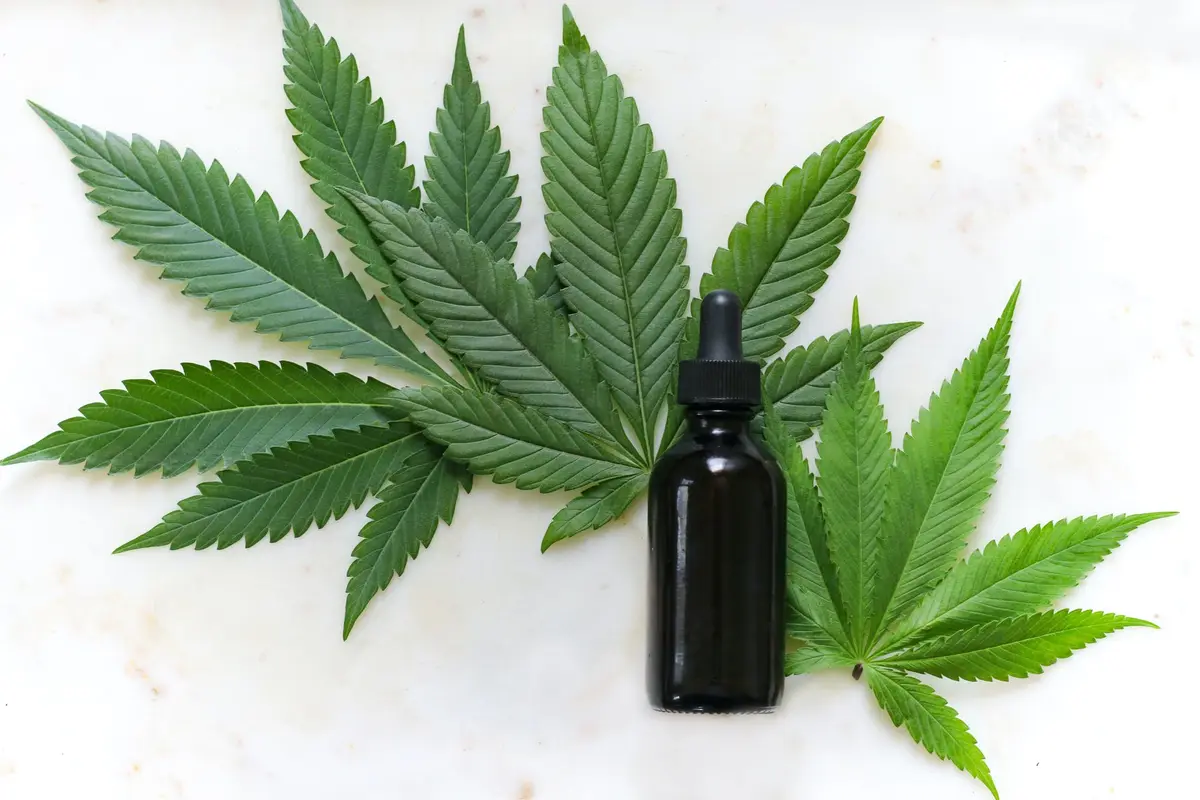
Podcast episode
Cannabiz with Will Carroll and Roland Cordova
Hosted by Chris Albert
The Warrior Soul Podcast
Will Carroll is a former US Navy Seal and Roland Cordova is a lifetime entrepreneur. Together, they’ve built Veterans Canna-Biz, which is a business incubator for Veterans who want to enter the Cannabis industry.
Learn more at http://www.veteranscannabiz.org.
Transcript
Machine-generated from the episode audio and lightly edited — may contain errors.
Chris Albert (link to this point)
You know, one of the things I'm always saying is that if this country is gonna get better, if this country is gonna go on the right path, we have to step up as a community. Veterans are the sleeping giant in this country, and it is time for us to step up. That's why I wanna talk to you about The Citadel, the Military College of South Carolina. Now you might have thought about The Citadel in the past as this corps of cadets, this military institution, but they have programs for veterans that don't involve you joining the corps of cadets, don't involve you wearing a uniform every day, and don't involve you living a military lifestyle. If you wanna do that, great.
But if that's not what you're up for right now after your military career, then you don't have to do that, and you can access some of the best programs in the world. The Citadel has some hot degrees in intelligence, tactical strength and conditioning, engineering, and project management. And there's five student type options for veterans. There's graduate college, there's evening undergraduate, there's active duty students, non cadet day program, returning cadet veterans, and online programs. The academic offerings include undergraduate, graduate, college transfer, graduate certificates, and online degrees.
Veterans have access to every single academic degree the college offers, and they have the most flexibility when it comes to their schedule. They can major in anything offered to the cadets and would take those classes during the day with the cadets. But then there's other programs offered in the evening or online and graduate programs to choose from too to make things so flexible for you. The US World and News report has named the Citadel the number one college for veterans in the South. And for veterans who choose to take classes on campus, they get to be a civilian student in a military environment.
They don't have to wear uniforms, like I said before. They don't have to join the military culture of the corps of cadets. The atmosphere is a really good transition environment from military to civilian life. There's an organic mentorship that comes from taking classes with the cadets. The cadets wanna talk to you guys.
They wanna hear your stories. They wanna know what it was actually like to be in the military. A lot of the a lot of these men and women are gonna go on to serve as officers in the military, and they're gonna exact change. And they need to hear from you guys. They you also get access to The Citadel's alumni network.
Like I said, this is one of the most illustrious institutions in the world. And when you join the Citadel and you graduate, you're part of their alumni network. That includes so many leaders. It includes so many business leaders, so many leaders from the military, and so many leaders from the government. The college's core values of honor, duty, and respect align with veteran culture.
They align with who you are, and it's something that you're not gonna get anywhere else in this country. There is tons of special assistance for veterans at The Citadel. And whether you're a veteran or active duty military personnel, you can take advantage of these programs. You also get access to the veteran student success center, the career center, the academic success center, the student veteran association, and all campus clubs. If you wanna play rugby, you could do that.
If you wanna you wanna lift weights, you could do that. You get access to everything that the students get. There's fellowship opportunities. There's tons and tons of financial assistance. So if you're interested in getting a degree from The Citadel and building your life, head over to citadel.edu/veterans.
This is Chris Albert, and I'm here to remind you of one thing. Someday, you're going to die. Now that's not some morbid statement or scary idea. It's solid fact. Your time here on this earth is limited.
And we need to be reminded of this as much as possible with one simple reason, to live your best life while you can. This is the Warrior Soul Podcast.
What is going on, ladies and gentlemen? Welcome to the Warrior Soul podcast. This is where we deliver tools, tactics, strategies, and ideas to help you, The US military veteran community, to live your absolute best lives. Today, I got an interview for you, and it's an interesting interview. We have Will Carroll and Roland Cordova from Veterans Canna-Biz.
Now what they're doing is really interesting. Roland started a business a while back called UGrow Rentals, and basically that's a place that allows people who want to grow cannabis to grow cannabis not in their homes, not on their personal property, but in another place. What they did is they got together and they created kind of like an incubator for veterans who want to start businesses in the cannabis industry, the medical cannabis industry. And it's an interesting concept. I think it's still very new.
I drilled down a lot on questions here. Obviously, if I'm bringing something to you guys, I want all of you to get the specifics before you make any decisions. And I will say that I did the best I could here as far as trying to get all the details out there. Obviously, you're not gonna get everything in an hour long podcast. So if you do decide to go down this road, you need to do your own due diligence.
You need to make sure you're doing your research. But I wanted to introduce this concept to you because this is a rapidly growing industry. This is a an industry that has a lot of potential in it. And Will and Roland's philosophy is that if it's got all this potential, why not allow the veteran community to to take advantage of that? Will Carroll is a former United States Navy SEAL, and he is also been involved in multiple startups.
Roland has also been in business his entire life. He's been involved with a lot of really well known businesses. He had created those cans, those safe cans where you pull out the bottom and you could store stuff in there. Probably store your weed when you were a kid or something like that. But, yeah, these guys have a really interesting concept.
I wanted to bring it to you, and I think you guys will get a lot out of this conversation. I speak to Will about, you know, his own experience in in trying to get into business post service. I speak to Roland about his business experiences, and we, of course, speak about this concept and how you can get involved. So with that, I wanna thank you guys so much for listening to this episode. Please let me know what you get out of it, and let's get into the conversation.
Will and Roland, welcome to the Warrior Soul podcast. How you guys doing?
Will Carroll (link to this point)
Good, Chris. How are you?
Chris Albert (link to this point)
Doing good. Doing good.
Roland Cordova (link to this point)
Busy day like I've It's always good on a Friday. Absolutely.
Chris Albert (link to this point)
Absolutely. But yeah. Yeah. I'm busy, but I'm blessed to be busy. I think in this time and age, if you are busy, it's a blessing.
Some people don't have that opportunity right now. But, you know, I'm excited to talk to you guys. You're you're bringing a really cool opportunity to the veteran community. And and I'm interested to talk to you about cannabis and and UGrow and everything else you got going on. Could you guys give the audience just kind of like a quick two minute synopsis of who you are, what your backgrounds are, and and why you're here today?
Will Carroll (link to this point)
Yeah, I can kick that off for us. Roland, I can take my side and then we'll have you, going on yours. So for me, I have a, you know, former military background.
I did just under a decade as a Navy SEAL. Coming out of that group of individuals and into the civilian world, the transition is pretty tough. You know, it's tough to articulate exactly what it is we've done, get that on paper, transfer to the civilian side and then be successful at it. So, you know, you can work as hard as you want and, you know, work towards the goals that you want to try to do. But if you can't articulate that, it's going to be a struggle.
So for us, you know, the transition is a huge piece for us in giving the veterans that we have out there who may be struggling with, you know, mental issues, drug issues, whatever it is, things that they have maybe seen PTSD coming out of the military. You know, you see a lot of things that typically you wouldn't see in a normal life. So we want to give them an opportunity first for healing. And second, an opportunity for another lifestyle outside of the military that can help build them, support them, and especially their families. That's kind of our main point right now for this.
Chris Albert (link to this point)
Cool. Cool.
Roland Cordova (link to this point)
Roland? I'll you a little bit about me, Chris. I've been an entrepreneur all my life. I was hustling Chinese tools out of the trunks of jalopies when I was 17 years old down in Watts. Built many multimillion dollar corporations.
I don't know if you remember the safe cans that unscrewed at the bottom. They were in Jurassic Park. You hide your jewelry and money and whatever else inside of it. And that was my company. I was licensed with 100 big manufacturers.
I started the world's largest hyperbaric oxygen company called OxyHealth Corporation. I was the founder and president. A number of health clinics. I've been in internal cleansing for over twenty years, learned unbelievable things about what goes on in the gut and how it relates to the brain. And this is kind of my last final hurrah in business, and been able to hook up with just some very cool dudes and well experienced and wanna help people.
And, we've just formed a really neat alliance to do something for our veterans that's never happened before. We have a historic thing happening where this huge industry is about to be let loose, and we believe the veterans should get first shot, basically, and we wanna train them and get them into business.
Chris Albert (link to this point)
Cool. So so you huge industry. Alright. So specifically, what industry are we talking about here? Let's be real specific for the for the guys at home.
Roland Cordova (link to this point)
Well, we're talking about the medicinal cannabis industry. And I wanna preface that by saying that we are not into smoking it, we are not into recreational. We see this huge opportunity in the medicinal side of this plant that is virgin territory. Nobody has been able to study it because it's been Schedule I. And not only is that a huge industry, but all the ancillary businesses that are going to be needed to get to market are what we want to put our veterans into.
Chris Albert (link to this point)
So have this, you so Roland, you started UGrow, Right? You That's have UGrow. And then together, you guys are starting what's called Veterans Canna-Biz. Right?
Roland Cordova (link to this point)
Correct. Correct.
Chris Albert (link to this point)
So so take me through the process. How does this work? If if I'm a veteran at home listening right now, Then we'll talk a little bit more about, you know, the the overall industry and the opportunities and and maybe some of the questions I have about that. But take me through the process of how you guys do this.
Roland Cordova (link to this point)
Okay. Well, why don't you go through Veterans Canna-Biz and then I'll walk them through the UGrow process.
Will Carroll (link to this point)
Okay. So transition now the military, right? We understand that the there's emotional, there's a physical, we have mental disorders with war. So we want to put these teams and put these people with the best of the best that we have for our doctors, our therapists, our business professionals, and take a holistic approach to healing, train and mentoring, them into a new business. So, you know, we're not sitting here trying to make employees, but we're trying to make our business owners, due to the leadership skills that they have acquired throughout their time in the military.
So we will take these individuals as they transition out. We will supply them with the schooling. We have credit accredited universities that we can and will pay for for them, to go into. And then once we get them through the training program on what it is they will be doing, they will then have an opportunity within the UGrow rental side which is in comparison with running through our training programs and our mentoring and our leadership techniques that we're gonna build them and build them to be business owners. Roland will then take it from there on the UGrow business side.
And if you wanna talk about that now Roland, we can.
Roland Cordova (link to this point)
Yeah, let just walk through that part because the reason why Will thought it was so important and why we brought in the best doctors for healing them is because the VA only offers pharmaceutical, usually very addictive, very toxic drugs. And we know that in order, especially if they're having mental disorders or neurological or emotional, that that is going to create a larger problem. And why would we want employees, and all of our facilities are going to be run by veterans if they're broken? So we had to deal with that aspect of their health. But once they get transitioned out, now they know what is available in this industry.
Not everybody wants to grow, or not everybody wants to be a distributor, or they wanna get into something where they have a talent or they have a passion. And we're not only talking about the actual veteran, but Will made a big point that the whole family gets very, very fractured when they come back and they're broken and it affects everybody. And even those that are at war, we can help the family out. So if the wives or if it's the wife that's gone and the husband need to work in an environment that's relaxing, that's calm, that's with other veterans, then this would be a great opportunity for them. But what we want is we want to make sure that they're working with like minded people, that when they get off that plane, they have a phone number to call, and they're going to give us a call, we'll explain the opportunity, if it's not for them, no problem.
But for those that do need it, we want to be there for them. We want to be that umbrella that just puts them into a cocoon that protects them, deals with their health in a holistic way, like Will said. And then we mentor them into a long list of ancillary businesses that are a part of what we're doing.
Chris Albert (link to this point)
Could you give me an example of like a specific business, like what would be the product? What would they be doing in the business? That kind of stuff.
Roland Cordova (link to this point)
Okay, well, that's mostly going to be UGrow our facilities that house a 10 by 10 state licensed grow rooms for individuals that don't want to grow at home, but it's strain specific. So there's 800 strains. Nobody has studied all these different strains for the formulations. And big cultivators and dispensaries, they only want to make what they can sell right away. But we know from the medicinal side that there is incredible formulations and therapeutical medicines that are going to be life altering for these people without the toxicity. So we have master growers. They will take a class to where they will actually grow the plants for them, for the patients. All of our patients are state licensed individuals that have a medical card, that want to have a professional grow it for them. They don't want it at their house.
They don't want the smell. They don't want kids around. They don't want thieves to worry about. And let me tell you something. Chris, growing this stuff is not easy.
I mean, it takes a lot of experience. There's gases, there's temperatures, there's humidity, there's feeding, there's too much watering. But it is a very intense situation to make it very powerful, very organic and inexpensive. And so we want professionals doing that. So we don't want people walking through our locations, only the people we've vetted.
And the reason why Will thought it was such a great idea to work with veterans is because they come out with clean backgrounds. They've got, like you said, a lot of leadership skills. They know how to take direction. They're open. And so what better group or demographic of individuals would we want to have in all of our locations?
And our plan is 100 locations in the next five years, and all of our buildings are what are called fabric tension. So that means you can build them as fast as you want. They're expandable. You can put them anywhere. So as far as jobs, you have clone production, you have equipment manufacturing, you have real estate, you have computers, you have sales, medical sales, introducing it to doctors, and just dealing with it as a food, making tinctures.
And also, we want you to understand, Chris, is that we don't, when it comes to cultivation, give the patient this huge bag. We make it into an oil, so it's extracted upon cultivation, which allows them to do whatever they want with it. So again, so as far as businesses, it's probably forty, fifty ancillary businesses that would be available depending on what they feel comfortable doing.
Chris Albert (link to this point)
Okay, so that ranges from like growing to you know, creating the equipment that does the extracts, things like that. You know, maybe having, like, CNC machines involved in creating some of the equipment, things like that.
Roland Cordova (link to this point)
That's right. And cloning, you know, from seed to a little plant, which is when you're dealing with a lot of strains, that becomes its own job. You know, each patient would buy the strains from us of what it is, what kind of medicine that they're looking for. And they've been pretty well described as to what what strain does what. So depending on their disorder, whatever they've gotten their approval for by the doctor, they can pick that strain. You can only grow six at a time.
But not only can they grow the six once they turn to flower, we start another six that are in what's called veg state, which is getting them to the flower point. So when we're cultivating, we've got a brand new batch. So they're going to get five crops per year in oil. So and it's gonna be very expensive.
Chris Albert (link to this point)
You're talking about the patients, though. Right? So the patients are getting this oil. Right? But, like, I'm talking for the veteran at home who's thinking about starting this business.
They're going to have they're gonna own a facility. They're gonna own, you know, a manufacturing plant. What what specifically are they gonna own?
Roland Cordova (link to this point)
They can own a hemp farm, they can own a UGrow, I they can mean, our master growers will be making, starting 120,000 a year. That's their starting revenue. But they can own any business that we're going to put like I just told you, because you can make CBDs, you can have hemp farms, you can have cloning, you can have construction, you can have the building of our buildings, we will DBA, and we've got a gentleman who will make their business plans for them. So we take them, and we take all of the paperwork, creating the corporations, doing the business plans, making sure that they've done their due diligence, and then we have a platform to bring in investors to help a veteran owned business get started. And then on top of that, we don't just do that and leave them alone. We're going to be a very watchful eye for two years to make sure they're not making stupid mistakes.
Because all of a sudden, if you start making a lot of money and you're not used to it, it can create a lot of problems, and we want to avoid that.
Chris Albert (link to this point)
Okay.
Now, essentially what's happening here is your help, you're basically kind of creating an incubator for a startup. And then once that kind of happens, you are then going to the you're going to potential investors and then pitching them on these potential businesses. Right?
Roland Cordova (link to this point)
That's correct. Okay. It would be kind of like a shark tank for veterans is the best format that I can give you. We will highlight three, four, five companies, maybe a month, maybe a quarter. And these are them. These are their backgrounds. These are their families.
This is what they've learned. This is what they do.
Chris Albert (link to this point)
So you guys are gonna be like the Y Combinator for veterans and cannabis.
Roland Cordova (link to this point)
That's exactly right.
Chris Albert (link to this point)
Gotcha.
Roland Cordova (link to this point)
That's exactly right, man.
Chris Albert (link to this point)
Cool. Cool. So, you know, with that, I mean, this is a this is gonna be a pretty intense process. Right? So how long are you planning on working with each veteran?
Has anybody gone through this process yet?
Roland Cordova (link to this point)
Well, what's happening right now, man, is we just finished Veterans Canna-Biz, had to find all of the doctors, all of the players, develop websites, do all of the you know, everything that that entails. So we're just right now, and the reason we contacted you is now introducing it. You know as well as I do, Chris. This last year has been really
Chris Albert (link to this point)
Absolutely.
Roland Cordova (link to this point)
And and especially with the elections and then the weirdness that happened in January 6, and everybody's saying, you know, the the sky is falling. We're going into wars. So, you know, you get one shot at how you introduce. So the timing is very important, man. So So we felt, okay, things are simmering down, so now is the time to get the word out.
But as of right now, we are gonna get our permits for UGrow in Long Beach, and then we're gonna start the whole process. So right now we're just getting community support. We've got a petition on change.org that anybody that's in the military that hears your podcast, you know, we want community support. We want the community. We want America to say, hell yeah, if there's a $100,000,000,000 industry coming, and nobody's positioned in it, then why wouldn't we do that for our veterans?
What a great way, instead of just saying thank you for your service, which gets very redundant. Hey, now there's something we can do. Awesome. For those that want it.
Chris Albert (link to this point)
Gotcha. Now, are the veterans going to be co located with these businesses? Are they is this kind of like a remote thing? Is it?
Roland Cordova (link to this point)
We're going to be in every state in The United States that's medical marijuana approved. So wherever there's 40 states right now, that is our plan so that veterans in every state will have an opportunity.
Chris Albert (link to this point)
Gotcha.
Will Carroll (link to this point)
First of we'll have to build these out. You know, we're gonna do one by one. So as we get farther into these structures, building the business out, there'll be more at first it'll be local, but we'll probably get to more remote positions at some point, depending on how this, how this turns out in the long run.
Chris Albert (link to this point)
Cool. Cool. Now, so if so if I'm a veteran, and I've got, you know, a thousand bucks saved up, and I'm looking to invest in in something or looking to start a business or looking to do something, right? You know, I then approach you guys, there's an application process probably, right? And then from there, you know, what am I doing? What do I you guys start putting me through this this process and start working or, or how's, I guess that's where I'm a little bit confused on everything. I just want to be real clear for the guys at home.
Roland Cordova (link to this point)
Okay. Will you want to take that?
Will Carroll (link to this point)
Yep. So initially what you're going have to do is we have on our website, veteranscannabiz.org and that's iz.org. You guys will have to, or gals will have to come in, sign up to the website on there. We have a link to click on that can get you the information you need to where you can request for certain positions, whatever it is that we have available. You'll be willing to send your question just like a regular company, send your resume and everything with it.
We'll then take that into consideration, go through it, and then reach out back to you and let you know, Hey, this is what we have available. And depending on the, on the position, if you're going to be a grower, we have the schooling. So we'll send you to the schooling. If we do send you to the schooling, that's what you want to do. We can pay for your schooling.
And then you will reimburse us back periodically as we, as you work it off working for you role, or you can pay for yourself, but we will support them with whatever they need to get to the credentials they need to have to run their business.
Chris Albert (link to this point)
Cool. Cool. And so you're going through this now, obviously with business, I'm in business. You know, one of the hardest things I've ever done with my life is is running a business, right? There's a lot to think about here.
So accounting, employee, employees, things like that. As you're going through this, So this veteran is going to get this idea, there's going to be somebody helping them with the business plan, they're going to pitch the idea in front of investors. They start getting, you know, investment dollars in in the bank and things like that. And then, you know, then comes the time to put all this to action. Right?
You know, there's going be a process here for Are you guys going to have like a mini MBA program? Is there going to be, you know, courses in accounting, courses in management, things like that?
Roland Cordova (link to this point)
Will, can I answer that?
Will Carroll (link to this point)
Yes, you can.
Roland Cordova (link to this point)
It was like Will said when we first started this, Chris, we're not looking for employees, but you know what? Not everybody wants to run a business. Some people just don't mentally want the hassle. Right? Because you're right, it takes a special person that can really bounce all the balls to make the machine work properly.
And we understand that. So we're going to take what we feel are the veterans that capable and want to do that. But when it comes to accounting, when it comes to any form of the foundation of their corporation, we want to have them working with veterans. I mean, a bond that is created when you go to war. And it's a certain mindset that only those people have.
And so we want them working together, helping each other, mentoring each other. There's gonna be people that are really good with numbers and can help with the accounting. We will help set them up on their computers with QuickBooks, whatever, to do the accounting. If they need shipping, if they need security, if they need you know, salespeople. We want to pick from veterans and put them to work.
If we only teach one, then we're limiting ourselves, and we want to leverage. There's 18,200,000 veterans. That's a lot of people. And we really believe we can very possibly put tens of thousands of people to work if we leverage that power. So we have the facilities, we have the schools, we have the sales teams, we have real estate, we have construction, we have computers, we have all of these opportunities that are about to open up, and we might not happen, but we want 100% veteran and immediate family members a part of this organization.
Because here's what's going to happen. One day, it's going to be taken off schedule one, And the VA is going to have to open up the possibility, you know, as well as I do, there's about 10 501c3s that are lobbying to have the VA to be able to allow cannabis use for our veterans. So when it's opened up or when it's completely legal, who do you think the VA is going to want to do business with? And they spend billions of dollars on their medications. We want it to be veteran owned.
We just want finally to take this group of people and have a great living for what they have had to suffer and their families have had to suffer. That's the way we're looking at it, man. Just, you know, okay, here's this opportunity. All of us look and say, these guys deserve it. They just deserve it.
So anything we can do to give them a good living, and we're going to heal them and train them and mentor them and get them in their own business and work as a team, it just makes sense to us.
Chris Albert (link to this point)
Yeah, I think my point is more that, you know, there there's two different skill sets we're talking about here. Right? Because there's the the startup skill set. Right? The the startup skill set is you're out there, you have an idea, you're you're going out there, you're pitching investors and things like that.
You're writing a business plan, you're doing your pro form a financials, you're you're trying to get all that stuff together. Right?
Roland Cordova (link to this point)
Right.
Chris Albert (link to this point)
Then there's this moment once you open the doors, and it's like, oh, shit. Now I gotta do this. Right? And Right. And I guess the the the thing is here, and and and what I'm trying to get into a conversation about is like that moment, right, when you open the doors on something that you spent months and and maybe years trying to create, and then you now have to service, right, or you have to perform in order to get get the product out, in order to to get customers in the door, in order to earn the trust that you need, to build the relationships that are gonna make money for your business.
Right?
Roland Cordova (link to this point)
Right.
Chris Albert (link to this point)
My what what I guess what I'm saying is, in this process, you know, that could take months, it could take years, right? So so how does that come about in this model, you know?
Roland Cordova (link to this point)
Okay, well, me just say this, as far as that question. That one step that you're talking about, that one step when you have to go and open your corporation, go make your first sales call, start creating your accounting and everything that you're saying, is what most business people fail at. I mean, that is the hardest part, especially if you have no experience, right? What we do is we link everybody that is in our organizations through Veterans Canna-Biz and through UGrow. And I don't know if you've ever heard the term, Chris, but there is a system out there that's mostly used in network marketing that is called replicating websites.
Are you familiar with the term?
Chris Albert (link to this point)
Yes, sir.
Roland Cordova (link to this point)
Okay, so Brandon Thornhill, who was a very close friend of Will, has made an extremely good living in the health industry with a product that is going through network marketing. I think he has a little under 20,000 people in his organization. But they're all linked by this particular website that has the back office from the corporate offices.
Everybody gets their homepage and they develop their homepage for whatever part of this business that they want to get into. So they're never left alone. They are constantly being mentoring. We walk them through. Our attorneys create all of their paperwork. We have to take that fear issue, that thought in the back of their mind, Shit, I don't know how to do this.
Oh my God. And so a lot of people, they stop right there. We take them by the hand and work them through the process. And then for the, like I said, the first couple of years, we're just making sure that everything that they need from very experienced people are gonna help them succeed in that part of their business, man. So we understand that fear.
Let me tell you something, when I first selling the tools out of the car, it scared the hell out of me. And so, you know, to go in, and I started in Watts in Southern California, it was very intimidating to go into a gas station or a body shop or repair and go, Come here, I got some tools in the back of my car. But once I did it, oh my God, the world opened up. And then I learned how to do it on the telephone. So I could sell all over The United States, but it always starts with fear. It always starts with unknown and, Oh my God, can I do it? But that transformation, Chris, when they realize that they can do it, is the most incredible thing.
It changes their life when they know they can go out and produce their own money as opposed to having a job.
Chris Albert (link to this point)
Right, no, and I get that. I'm familiar with the process, I'm familiar with
Roland Cordova (link to this point)
I'm sure you are.
Chris Albert (link to this point)
The the the I'm familiar with all that crap, right? I guess the the biggest thing to say here is that the way to gain self confidence is is by going through that, right? It's by falling down, getting up, falling down, getting up, falling down, getting up. Because business is an endurance event. Right? Because there's gonna be months where you don't know what the hell is going on. There's gonna be months where you don't know where your next order is coming from.
And then there's once you get all the systems set up that you need to get it set up, then there's that that other awesome moment where you start to be able to predict what the future might look like. And I say might very strongly here, because it's always a might, right? No way to predict 2020 was going to happen. But so I think, you know, the you guys have your website up. Does Is there like a knowledge base you guys are setting up as to how to get your applications together? How people can apply for this? Where would somebody go? They're going to go to pecannabis.org, right?
Roland Cordova (link to this point)
You just send it. Can I give you just a quick example of how it works?
Chris Albert (link to this point)
Yeah.
Roland Cordova (link to this point)
Okay, good. I just got this today. So this was from a gentleman, unfortunately homeless. His name, I'm not gonna give you his name, but he contacted us and he's living out of his car here in Southern California, has always had this passion, which kind of threw me to make a THC hot sauce. And people, let me tell you, people have all kinds of creative ideas. That craft industry, the do it yourself industry is completely untouched. Okay, so again, the industry as we know it, you have your big cultivators, you have your dispensaries, that's all people are dealing with. Okay?
But that's what this guy was. So when he sent in his first, let me just tell you what he sent in. He says, my name is I'm a houseless veteran, live in my Malibu station wagon or camp, traveling through California. My dream is to work in the cannabis industry. I have dreams of making a THC hot sauce company and so many more ideas.
Please consider me for this program as I want to learn everything about the cannabis industry. Don't even know how he heard about us. I get these regularly. But that is what we're looking for. We're looking for those type of individuals that have this dream, and we are the facilitators of that.
So even though UGrow does not cultivate, we're real estate, we lease out rooms for state licensed patients to grow their medicine. We dispense, we do not sell the stuff. So we are not cultivators and not dispensaries. So when you understand that aspect of it, that we're helping patients, we're getting strain specific medicine organically and cheaply, then we have a camera, we have an app, and the app, when you punch in some numbers, a camera comes on in their Grow Pod so they can see their medicine growing daily if they want. They're in constant communication with their master grower, which is telling them what's happening, when it's going to be done, when it's going into extraction. So, you know, it just creates kind of this emotional thing.
But from that, I asked for his little bit of his history. History is heartbreaking. You know, two divorces, wife screwing around on him, just horrible. I don't want to read it, but because it's kind of lengthy, but you hear this story, and Chris, all you want to do is grab them, bring them in, teach them a new industry that's about to be released, and watch him turn into this incredible entrepreneur. And nobody's doing it.
And because of Will and his team of not only Navy SEALs and, you know, again, if he told you who these players are, all the special operators that are in our back pocket ready to come on board, It's just exciting, man. Everybody that hears or sees or, you know, they just want to be a part, not because of any financial end of it, but it's time to help our veterans and here comes the opportunity. So America, let's give it to them.
Chris Albert (link to this point)
Cool. Yeah, no, and I get the emotional aspect of it, you know, it's five, six years ago, actually longer than that. I'm getting older and older by the day, right? About eight years ago, I was living out of my car in Southern California. Had nothing, went through a divorce, was wracked by autoimmune disease, was friggin' showering in the gym when I could go and that was it.
You know, at the same time, there was this cool kind of freedom aspect to that, because when you have nothing, don't worry about it. What song is that? That sounds like a good song. There, there, there is this kind of freedom aspect to it, right? Where you could do anything, right? Like if you've got a dream,
Roland Cordova (link to this point)
He says that as a matter of fact, he says he prefers living outside as opposed to in a house.
Chris Albert (link to this point)
Right. Right.
Roland Cordova (link to this point)
Go figure.
Chris Albert (link to this point)
Yeah. And that's the thing. Like, you know, even if you are there and you're you you've got nothing, you still got nothing in America, which is awesome. Right? And and and you have opportunity in front of you.
And when you have nothing, anything's possible.
Right?
I get the emotional aspect of this. I think it's I think it's great what you guys are doing. You know, for for the listeners at home, I you know, in in the how to thing, I there there's a lot you can learn. Right? We live in this society where you can pull up anything on your phone, you can can read books, you can do all these different things.
You know, my big thing, and I guess what I'm trying to slam home for the listeners at home is, is what this process is, because it doesn't sound like, hey, you know, you guys are saying, hey, here's the key to your multimillion dollar cannabis business, Go turn the key and start it up. It sounds like there's a lot of work here. And I really want people to understand that before they, they, they, think that it's some kind of instant success thing. Right?
Will Carroll (link to this point)
Yeah. So Chris, we will, we will 100, we are 100% giving them an opportunity. So, you know, the vets out there that it's, it's either for them or their family it's because they have issues, whatever it is. I know we already talked about this, but we're going to give them either an opportunity to get healthy by having a full healthcare system, from the medicine they need to the physical activities that they got to do to the nutrition supplements. They got to take, to the doctors they got to see.
So full healthcare system on that side, on the work front side, we're giving them the opportunity to be their own business owner and, or be a part of the business. So it's, it's whatever direction they want to go. We were just providing that opportunity, but no, it's not going to be easy. No, it's not going be a cakewalk. We are starting this up right now.
And I've been through, through startups already, and been, been successful in them. And it is a lot of work, especially when you start talking about the financial stuff, how you track that that's, you know, we're going to build a back office to this to make it as easy as it is for them to, to transfer that. But we're also going to have a whole team on-site on, on call all the time, depending how big we get, we will escalate and grow as the company grows with mentors, with accountants, whatever we need to make sure that we are moving in that right direction to give the people the tools to be successful. So if they don't have the tools, they're not going to succeed. So we're going to give them the tools to be successful, but it is on them to have the drive, in motivation to do that.
Chris Albert (link to this point)
Absolutely. Absolutely. Will, tell me a little bit about, you know, how you got into cannabis. What, what opened it up for you?
Will Carroll (link to this point)
For me, when I first got out of the military, had a really close friend who was also a SEAL, was being forced to take prescription drugs from the VA. Felt like crap, didn't want to take them, absolutely hated them. And he ended up killing himself because they were not going to give him pretty much his paycheck. If he didn't take the drugs and that's, he couldn't get a job because he had a 100% PTSD. So he couldn't get a job, had to take drugs to get his paycheck from the from the military, in order to to move forward in life.
And he just said, I'm not doing that. So end up ending his life. And I have seen this happen now a few times, and I've only been up for three years. So I've been up for three years, seen it happen over and over, with individuals that I've seen operate at an extremely high capacity, just knowledge wise and skill wise, like above, above and beyond what, you know, most individuals can do. So seeing that transfer and how it affected them to where they wanted to take their lives.
I started to take that personally. I started to actually hire individuals for some companies I've been working and being a part of, as they come out of the military, I've been getting a pretty good amount of individuals coming out and that help to help them first get help. Second, get them a job, provide them stability. That is the passion that I think, you know, we all have here to help others. Right.
And thing I had as an, as an instructor in the SEAL teams, as well as in the SEAL is I'm always helping somebody from overseas. I'm helping families survive, whatever it is. If I am an instructor, I am helping build the current student. We have to become the individual that we want them to be two or three years down the road. When you get out, you kind of lose that and kind try to find yourself again.
And I think this is the passion that I want to bring to the table and the just, this is how I want it to go. And I want it to be successful and I want to help. And I want to get as many people as we can. We'll surround ourselves with like minded people to get this to be the most successful industry that we can make it.
Chris Albert (link to this point)
How'd you get into business? What what what kind of struck your, your entrepreneurial, nerve there?
Will Carroll (link to this point)
I I honestly was searching to figure out what I was gonna do. And then the more I started helping, I reached started reaching out to people. And one of my friends, close friends of mine, knew Roland very well. And Roland contacted me and got me into into what he was doing. And I was 100% on board from day one, due to where this could end and how many lives we could help help save.
Chris Albert (link to this point)
It's cool. What, what lessons have you learned since you've gotten into business? Like like, as far as like just starting things up and jumping in and
Will Carroll (link to this point)
it's not easy. You can't do it by yourself. You need a team. Think it's more than anything. You need a team that you can trust and you need a team that outweighs that's always your strengths.
So whatever you're good at, you need people who are better at you than everything else, because only, you know, it can only do so much, you know? So I think a team environment is extremely important when trying to build something and just being an understanding the end goal, right? What are the objectives to get to that goal and making sure that you're all on that same path? No, one's one off and you're on the way trying to figure out something else. That's what's helped me a lot.
Chris Albert (link to this point)
A 100. Yeah. I think, learning is a huge thing, I mean, I think far too many people think, you know, when they go into something, like business, it could be anything. But whenever you're starting something new, I think people make the mistake of thinking they know everything they need to know or that the answer is just gonna come to them. Right?
And the only way you're ever gonna learn anything is if you humble yourself, and you put yourself in a situation where you're opening yourself up to the possibility of learning. Right? And then, you know, constantly doing that and understanding that it never ends. Right? You want I mean, in my job, every single day, there's something new that I got to learn every single day.
And it's been the most awesome job that I've ever had, right? Because I'm constantly going through that process. And it sounds like what you guys got here is an opportunity to do a lot of this learning an opportunity to, to learn some lessons that are you're going to carry with you. And one thing about business that I've learned is that even if the business you're in doesn't make you a success, because I've had businesses that have fallen flat on their faces, It will give you lessons that you can carry with you. As painful as those lessons might be, they will give you lessons that you carry with you through everything.
Will Carroll (link to this point)
No, I completely agree. And that's how you learn. You learn through your mistakes. Just trying to repeat them.
Roland Cordova (link to this point)
You know, and again, I'm just going through my experience because I started pretty young. When you're calling New York at five in the morning, you're freezing your ass off, you got a blanket around you with a yellow page in your book, and you're trying to sell something to somebody sight unseen, they don't know you, and you have that phone hung up on you before you can get five words out of your mouth, twenty, thirty, 40 times. Yeah, you're right, man, it's humbling. And the reality is the first thing you better know in business is how to sell. You got to know how to sell, because that gives you your confidence, then it just becomes a widget, whatever widget that is.
But that humbleness, that understanding that it is a process. And if you have people there to catch you as opposed to saying, Hey, screw this, I don't ever want to make a phone call again. But when you have that support, and when you have that group of people that were just like you helping you get started, that's really what makes or breaks You know, so that's what we want to be. We want to be right behind them, pushing them, patting them on the head when they do good, supporting them when they need to continue to learn until they're ready to go, man. And they need that.
Twenty two are dying a day. How much more of a scream do we need to hear that something is very wrong?
Chris Albert (link to this point)
Yeah, yeah. No, I think, you know, at the end of the day, I mean, there's a lot there that goes into all the issues we have. And I think a lot of it revolves also around, you know, being lonely and not having people in your life, you know, and there's far too many of us who self isolate far too many of us who who who aren't seeking out good people and and and surrounding ourselves with them. And, you know, and and honestly, I think there's also a lot of us who just need to own our shit and and kind of step up to, you know, which is a big reason why this podcast exists is to encourage veterans to do that. Roland, how did you get into business?
How did how did young long locks Roland get in a business? I'm talking about his Facebook picture. Saw he's really handsome in the picture.
Roland Cordova (link to this point)
Well, look, the reality is I'm still good looking. What's the matter with you?
Chris Albert (link to this point)
No, you're still you're very good looking man. Don't know.
Roland Cordova (link to this point)
Will, would you kick his ass for me?
He's my muscle also. All right, Chris. Hey, look, I'm a Hollywood boy, born and raised. I went to the first love in ever in Griffith Park in 1967. Sometimes I feel like I was born with a bong in my mouth, okay?
So I have enjoyed the plan for many, many years. It's been quite a few that I haven't, but at the time, the seventies, the eighties, hey, it was a lot of fun. I knew when Prop sixty four happened in California, I knew the size of the opportunity that was about to unfold, because I knew how many markets it could go into. And so that's really where I started. I knew that since they were allowed to grow their own medicine, I knew that that was a niche that nobody was gonna be working on.
And so it had a lot of opportunity from that point. I learned so much about the doctors that Will brought in, the Knox doctors from the American Cannabinoid Clinics. These doctors have decided, all of them, the best of the best. That they understood meant that the endocannabinoid system, which is a system that's only been discovered in twenty, twenty five years, but hasn't been researched because it's been Schedule I, so there's no funding to research this. So imagine going through the history of all of the last few hundred years when they've been doing so much understanding of the human body and not understanding that there is this system that is in every organ of the body.
And what they found out that there is a thing called the clinical endocannabinoid deficiency syndrome. And what that leads to is fibromyalgia, Parkinson's, schizophrenia, psoriasis, chronic anxiety, pain, inflammation, depression, PTSD, substance abuse. So what if it wrapped up in this little plant that has been hidden, even though The United States has a patent, has had a patent for over fifty, sixty years, holds the secret for all the disorders that happen when you go to war. What if? And so that's what we are trying to bring to the forefront, do the research, be able to do the testing, show the efficacy, and publish it so that we can slowly start to take them off of these horribly addicting, debilitating drugs, move into more of a holistic approach, clean out their insides, get rid of their bad bacteria or parasites, use hyperbaric oxygen to raise their oxygen levels, get them on a good diet, rebuild their microbiome.
But you know, that's where serotonin is in the gut. That's where dopamine is. These are the neurotransmitters that create you to feel good. 90% of your immune system is in your gut. So it's been neglected.
So you made that with the endocannabinoid system, and I believe we're gonna see a real transition for these guys' health. And then why not be in that industry? If it helped them, who's the best spokesperson? Somebody who's done something and it helped them, right? So it makes sense.
Chris Albert (link to this point)
Cool.
Well, awesome, guys. So one more time, just tell me a bit about tell everybody what your website is and where people can find you guys if they wanna, they wanna take part in this.
Roland Cordova (link to this point)
Go ahead, Will.
Will Carroll (link to this point)
So our website is veteranscannabiz.org. And there they can go on and apply and utilize that website has all the information we have from, you know, we talked about our doctors, we have Ted talks on there from them where they've been on, news channels, etcetera. So you can see kind of a background of the individuals we have employed currently. And then from there, we also are on, is it change.org, correct Roland?
Roland Cordova (link to this point)
That's correct.
Will Carroll (link to this point)
Okay. For our other ones, they want to go on there. Literally just, it just helps support us and grow our business, to get more approvals, just to click sign onto it, click it, for Veterans Canna-Biz.
Chris Albert (link to this point)
I think that's only two right now.
Will Carroll (link to this point)
Right, Roland? Yeah.
Roland Cordova (link to this point)
When you click onto that petition, not only do we get to use that for community support, but we get to keep everybody in touch with our progress. And then if they wanna find out more about UGrow, even Veterans Canna-Biz, because Will and I have signed an exclusive agreement that anybody that works in a UGrow facility will have gone through Will's training. And so we know that they're coming in already understanding all the different aspects of the industry, from seed to finished product, to the extraction part of it, to how you manipulate it into food and tinctures and all the different aspects of it. And then when they come, they know that they have a job. We 100% guarantee a position for them in our organization, and then we mentor them into their own business.
So it all starts with infoveterans.cause.org, and then go, we'll get you into UGrow from there.
Chris Albert (link to this point)
Cool. Awesome, guys. Well, thank you so much for coming on today. Thank you so much for the information. You know, and and to everybody at home, you know, like I said, there's a lot of opportunity here.
But the opportunity only comes if you put in the work and you're willing to put in the work. So make sure you guys are willing to do that. And with that, let's call it a show. Thanks, everybody, for listening.
Roland Cordova (link to this point)
Awesome.
Chris Albert (link to this point)
You guys have any last words?
Roland Cordova (link to this point)
I do, if you don't mind, because I'm the talkative one.
Chris Albert (link to this point)
Oh, go ahead.
Roland Cordova (link to this point)
Will is kind of the good looks, I'm the voice.
Chris Albert (link to this point)
Did a great job, Roland.
Roland Cordova (link to this point)
But the most important thing that I wanna make sure your audience listens to man, is a lot of times the reason they're not fulfilling their dreams is because there are physical problems that are stopping them from getting that optimism. And if they can come into our world, let us educate them, let them just get their body and their mind on track and know that they have the support, that's where it all begins, man, and they deserve it, they've paid the ultimate price. Nobody knows what it's like to not know if you're going to be alive at the end of the day. And so they deserve this, and we're America because of them. So please contact us, sign that petition, let's start the conversation, and if it works, hopefully we'll change their lives.
Chris Albert (link to this point)
Awesome. Will, anything else?
Will Carroll (link to this point)
Roland, I think you said it all. I'll just smile.
Chris Albert (link to this point)
Cool.
Roland Cordova (link to this point)
Chris, thank you for the opportunity, buddy. That that was very nice of you, man.
Will Carroll (link to this point)
Thanks, Chris.
Chris Albert (link to this point)
Awesome.
And to the audience at home, get out there and live your best lives while you can. This is Chris and Will and Roland, and we are out. Alright, guys. That is my interview with Will and Roland from the Veterans Canna-Biz. And, you know, I really like what they're doing here.
I really like that they are taking veterans under their wing and getting them the training necessary to start their own businesses. What I wanna say is this. Know, business is difficult. I talk about that quite a bit during this episode. So when you do something like this, make sure you're really ready.
Make sure you have done your research. Make sure you have checked up on everything. Make sure you do your due diligence, and make sure you're ready to work because I do it every day. Business is difficult. Alright?
So with that, I hope you guys are taking advantage of these opportunities. I hope that you are out there taking action in your lives, and I hope that you're living your best life possible. This is Chris Albert with the Warrior Soul podcast, and I am out.
Host of the Warrior Soul Podcast and founder of Warrior Soul. Worldwide trainer and nutrition coach, contributing author at Testosterone Nation and Muscle and Strength.