Podcast episode
Continuing Your Education After The Military with Lt. Col. Keith Brace
Hosted by Chris Albert
The Warrior Soul Podcast
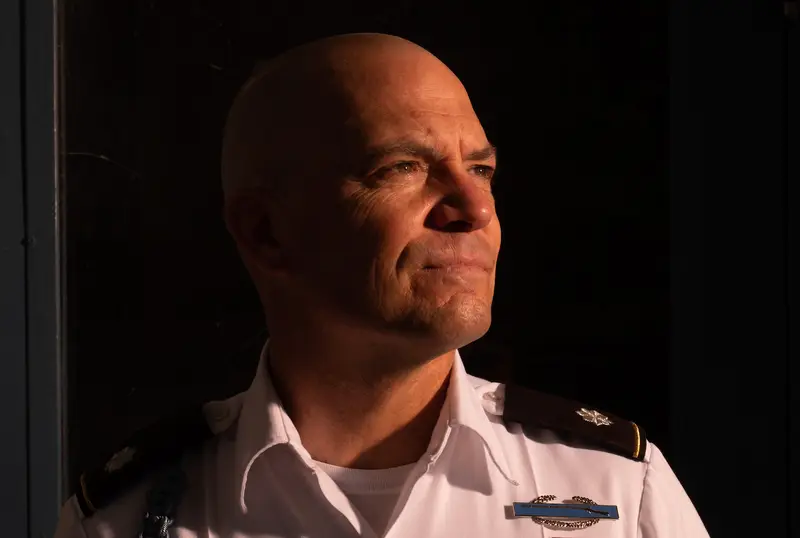
Lieutenant Colonel Keith B. Brace received a Bachelor of Science Degree in Business Administration from The Citadel and was commissioned an Infantry Officer as a Distinguished Military Graduate in 1991. He also earned a Masters Degree in Business Administration from The Citadel in 2002. His military education includes the Infantry Officers Basic and Advanced Courses, Combined Arms Services Staff School, and the Command and General Staff College.
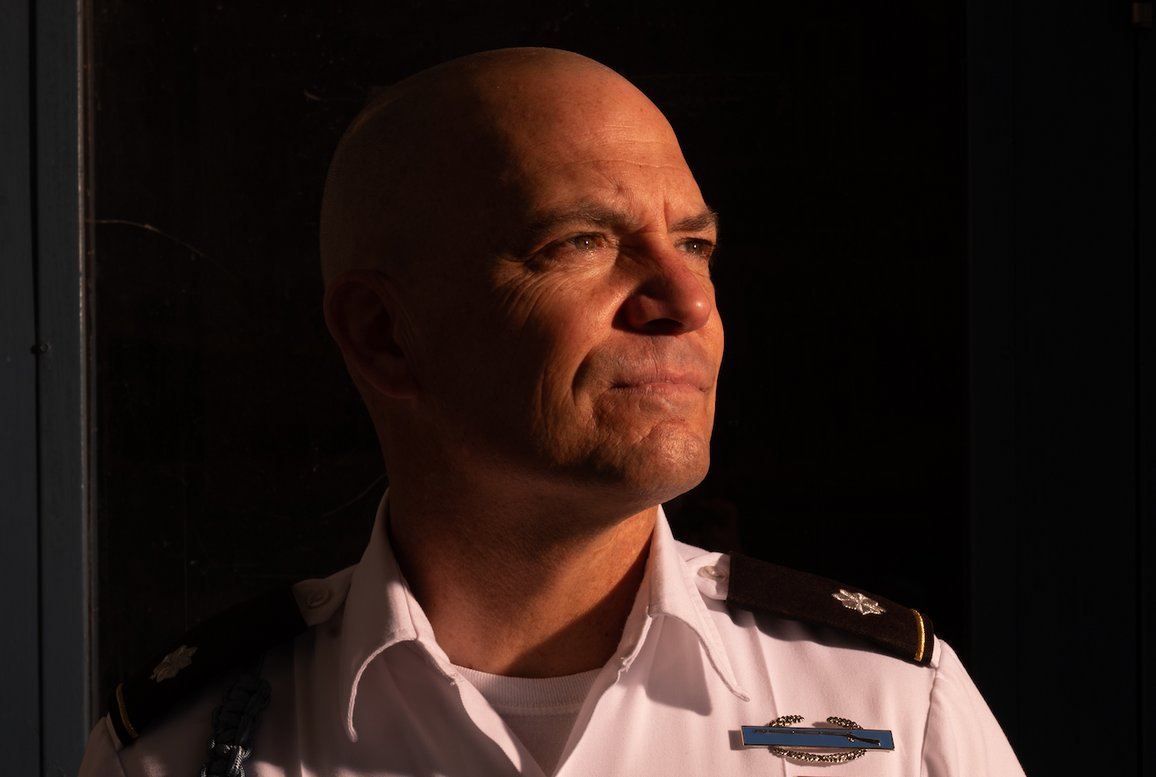
Lieutenant Colonel Brace joined the Commandant’s Department at The Citadel in 2011 after retiring from a 20 year Army career. He started his career as a Lieutenant in the 82nd Airborne and finished as the Professor of Military Science at Wake Forest University. His deployments include a tour in Bosnia from October 1996-April 1997 and a tour in Iraq from October 2006-August 2007.
His military awards and decorations include:
- Legion of Merit
- Bronze Star Medal
- Purple Heart
- Combat Infantryman Badge
- Expert Infantryman Badge
- Ranger Tab
- Senior Parachutist Badge.
Learn more about Lt. Col. Brace and the Citadel at https://www.citadel.edu/root/our-mighty-citadel/keith-brace
Transcript
Machine-generated from the episode audio and lightly edited — may contain errors.
Chris Albert (link to this point)
You know, one of the things I'm always saying is that if this country is gonna get better, if this country is gonna go on the right path, we have to step up as a community. Veterans are the sleeping giant in this country, and it is time for us to step up. That's why I wanna talk to you about The Citadel, the Military College of South Carolina. Now you might have thought about The Citadel in the past as this corps of cadets, this military institution, but they have programs for veterans that don't involve you joining the corps of cadets, don't involve you wearing a uniform every day, and don't involve you living a military lifestyle. If you wanna do that, great.
But if that's not what you're up for right now after your military career, then you don't have to do that, and you can access some of the best programs in the world. The Citadel has some hot degrees in intelligence, tactical strength and conditioning, engineering, and project management. And there's five student type options for veterans. There's graduate college, there's evening undergraduate, there's active duty students, non cadet day program, returning cadet veterans, and online programs. The academic offerings include undergraduate, graduate, college transfer, graduate certificates, and online degrees.
Veterans have access to every single academic degree the college offers, and they have the most flexibility when it comes to their schedule. They can major in anything offered to the cadets and would take those classes during the day with the cadets. But then there's other programs offered in the evening or online and graduate programs to choose from too to make things so flexible for you. The US World and News report has named the Citadel the number one column for veterans in the South. And for veterans who choose to take classes on campus, they get to be a civilian student in a military environment.
They don't have to wear uniforms, like I said before. They don't have to join the military culture of the corps of cadets. The atmosphere is a really good transition environment from military to civilian life. There's an organic mentorship that comes from taking classes with the cadets. The cadets wanna talk to you guys.
They wanna hear your stories. They wanna know what it was actually like to be in the military. A lot of the a lot of these men and women are gonna go on to serve as officers in the military, and they're gonna exact change. And they need to hear from you guys. They you also get access to The Citadel's alumni network.
Like I said, this is one of the most illustrious institutions in the world. And when you join the Citadel and you graduate, you're part of their alumni network. That includes so many leaders. It includes so many business leaders, so many leaders from the military, and so many leaders from the government. The college's core values of honor, duty, and respect align with veteran culture.
They align with who you are, and it's something that you're not gonna get anywhere else in this country. There is tons of special assistance for veterans at The Citadel. And whether you're a veteran or active duty military personnel, you can take advantage of these programs. You also get access to the veteran student success center, the career center, the academic success center, the student veteran association, and all campus clubs. If you wanna play rugby, you could do that.
If you wanna you wanna lift weights, you could do that. You get access to everything that the students get. There's fellowship opportunities. There's tons and tons of financial assistance. So if you're interested in getting a degree from The Citadel and building your life, head over to citadel.edu/veterans.
This is Chris Albert, and I'm here to remind you of one thing. Someday, you're going to die. Now that's not some morbid statement or scary idea. It's solid fact. Your time here on this earth is limited.
And we need to be reminded of this as much as possible for one simple reason, to live your best life while you can. This is the Warrior Soul Podcast.
What is going on, ladies and gentlemen? Welcome to the Warrior Soul podcast. My name is Chris Albert, and this is where we deliver tools, tactics, strategies, and ideas to help The US military veteran community and anybody else willing to listen to live their absolute best lives. If you've been listening to the show for the last, few months, we've been talking about The Citadel, the Military College of South Carolina quite a bit. I had the pleasure and the honor of bringing on doctor Dan Bornstein, who is a professor of exercise science at The Citadel and who is in charge of their exercise science and tactical readiness program.
The the school is absolutely awesome. It's in a great city, and I wanted to bring on some more representatives of of what The Citadel is to talk about the opportunities there. And I had the opportunity to talk to lieutenant colonel Keith Brace, and I wanted to speak to him because he comes from our generation of veterans. Colonel Brace graduated from the Citadel and went on to have a twenty year career in the army. He was deployed to Iraq, and he is a Purple Heart recipient.
And once he finished up his career and he he retired from the army, he decided he wanted to do something to give back. So he went he became a TAC officer at the Citadel. And, essentially, what he does, he keeps his office in the barracks with the cadets, and he acts as kind of a mentor for them, somebody who can guide them along on their way through their careers as cadets at the Citadel. And a lot of these young men and women, a lot of them are going off to the military after they graduate. A lot of them are going out into the civilian world to become business leaders and and municipal leaders and and government leaders.
And you get a really great mix of people there. And what I wanted, colonel Brace, to have the opportunity to come on here to do is to talk about these amazing opportunities for veterans. You know, one of the the most powerful things that you could develop in your life is a good network. And going to an institution like the Citadel and continuing your education or finishing up your education there gives you the opportunity to interact with young men and women who are gonna go on to do some amazing things. It also gives the opportunity to get a heck of an education.
Top of the line, being able to to stand with anybody in the world. So we had a really good conversation here. We talk about, of course, the Citadel, but we also talk about life. We talk about tools and tactics that Colonel Brace has used to to move forward, to to keep going, to excel at his army career, but also to to step into the civilian world and to have a a really successful transition. So you guys are gonna enjoy this conversation.
And without further ado, let's get into it. Lieutenant Colonel Brace, welcome to the Warrior Soul podcast. How are you doing today?
Keith Brace (link to this point)
Hey. I'm doing great. Appreciate the invitation.
Chris Albert (link to this point)
You know, I've I've heard so much about you, your story with the Citadel, your story as an army officer, but for the audience out there, could we just take a couple of minutes to go through your background, who you are, where you're coming from, that kind of stuff?
Keith Brace (link to this point)
Yeah, you bet. So, yeah, I'm a retired, infantry officer. I spent twenty years in the army, and, retired and came right back here to the Citadel. This is home to me as far as this is where I went to school and got my degree, it got commissioned out of here. Originally, I'm from Maryland, just out of DC, and, you know, I was a junior ROTC kid in high school, and played sports, was highly involved with all of that, ended up earning an army scholarship to come down here.
And, you know, my brother came here two years ahead of me. So I knew what the school was all about. And, you know, with my visits down here to see him, I just fell in love with the place. I figured, hey, you know what, if I'm going be an army officer, there's no better place for me to come to learn what I need to learn and best prepare myself to start that career. So that's what I did.
I came down here and graduated in 1991, and then had a great, very rewarding twenty years in the Army, and now I'm here back at on campus and I work as a TAC officer, and that TAC is the abbreviation, so we we break that down as teach, advise and coach. So my job here is to supervise one of the cadet battalion. So I've got about four fifty cadets under my supervision daily that live here in the barracks, my office is actually in here with in the barracks with them. And, you know, my role is to help them with running the military aspect of the school, but also deal with a lot of, you know, discipline issues, as well as just teaching leadership, teaching ethics, helping them work interpersonal conflict. And, you know, it's, it's really a great experience down here for them, because they take on really the toughest leadership challenge that there is, and that's leading your peers.
So you know, we help them work through that. And you know, anytime you have a group that's in close quarters like this, there's going be some conflict.
Chris Albert (link to this point)
Yeah, Yeah,
Keith Brace (link to this point)
you know, so we help them work through that. But more importantly, the leadership, you know, we're giving them an opportunity to exercise some leadership and practice some of that, for many of them, which they, you know, they've never had the opportunity to do that. And for, you know, thirty five percent to forty percent of our students go into the military, the other sixty to sixty five percent just go into the civilian sector, you know, some go on to advanced schooling and, but others get right out there and get into the workforce. So, you know, they take
Chris Albert (link to this point)
I lost you on audio, sir. Hold on one sec.
Keith Brace (link to this point)
Sorry about that. I lost you. Okay.
Chris Albert (link to this point)
Were you saying there?
Keith Brace (link to this point)
Yeah, I was saying that, you know, those that don't take a commission, they end up, you know, taking away from this school, that just the self discipline, the discipline, the day to day structure, time management. But also, you know, they've built a little bit of toughness, and face some adversity while they're here. And, you know, that's one of the things that we see with our cadets is a lot of times, these young kids come in here, and they haven't faced any adversity in their life. So they come into this very challenging environment, and it can be a shock to their system. So we help them we help them work through that as well.
Chris Albert (link to this point)
Absolutely. You know, I had the chance to visit the Citadel a few years ago. It's it's a beautiful campus in what is, in my opinion, one of the most beautiful cities in the world, Charleston, South Carolina. And, you know, the the the school is so awesome in what you guys do in building leadership. It's the Military College of South Carolina.
For those of you who don't know, I've been talking about The Citadel for quite a bit here. But but, you know, what's that like for you? You know, you you went through as a cadet, you know, your brother had been there. And and now you're back on campus, and you're actually advising these cadets, many of whom are gonna go forward and become leaders in the military. What is that like for you on a daily basis?
Keith Brace (link to this point)
I mean, that's the rewarding part of this job is getting to share with them my experience, and prepare them so that, know, they can step off with some confidence as they step into that career. You know, I had, you know, Army officers that were here when I was a cadet that helped me with that, you know, those were the guys that I looked up to, and I wanted to be like them, you know, I looked at those young captains and majors and lieutenant colonels that were on campuses when I was a cadet, and, you know, I just admired them, you know, I saw them as what I hoped to be. So I would, I would do everything I can to, you know, I was like a sponge, and I would just absorb as much from them as I possibly could. And that's the same way our cadets are now, you know, they want to be the best that they can be. And, you know, so just by coming to a school like this, you know, that they're, they're bought in, you know, they are, they want to make something of themselves, they're willing to sacrifice a little bit, and take on a challenge that, you know, the majority of their peers are not willing to take on.
And I feel like when they finish their four year experience here, they've got a leg up on their peers who went to a regular college and did ROTC just a couple times a week. These guys are doing it 24/7.
Chris Albert (link to this point)
Absolutely.
Keith Brace (link to this point)
So, you know, the benefit to that, but for me, it's just, it's such, you know, it's an honor for me to be back here where it all began, and, you know, I take great pride in the fact that we're still putting out some great young men and women into our military as well as into the civilian sector.
Chris Albert (link to this point)
That's amazing. And and in addition to your corps of cadets, you also have students who who are active duty military veterans or other veterans who come back, and they're actually participating in undergraduate and graduate classes on campus, right?
Keith Brace (link to this point)
We do, yes. And, you know, that's another, they become just another asset for our cadets here, because they have their experience of their time in the military as well, and so it's a neat environment for them to be able to share their war stories, if you will, you know, and let, you know, they're just another avenue of information for our cadets here, but it's also good for our veterans. Right. You know, the same way I feel on this campus, you know, I still wear the uniform every day, so I still feel like I'm part of the fight to a degree, you know, I'm helping that next generation. And I think for our veteran students, just being around people in uniform, it gives them a sense of comfort and a sense of normalcy, you know, that's what we're all used to.
And there's a camaraderie on this campus, it's very similar to our military experience. And I think all veterans would feel comfortable here.
Chris Albert (link to this point)
Absolutely. And, you know, that's got to be a great thing for those veterans who, you know, they're able to come back, they're able to work on their educations, but also to take their experience and enlighten a young group of leaders who are going to go on to lead other Marines, soldiers, sailors and airmen, you know, out there in the military, that's that that's got to be such an awesome experience for them.
Keith Brace (link to this point)
Yeah, it's great. And, you know, on top of that, they get one heck of an education. Our academics here at The Citadel are top notch, a lot of different majors that you can pursue. And really, we do very well academically. And, you know, that's the number one priority here. The end of the day, this is still a college, and we're trying to put degrees in people's hands so they can get out there and make themselves, you know, a career in some, some different arena, you know, so for our veterans, I think it's a great transition place to go from that military career now get your education and go out and do something different.
Chris Albert (link to this point)
Now, you also you not only did your undergraduate, and I'll ask you what your major was, but but you also went on to do your MBA at The Citadel, right?
Keith Brace (link to this point)
I did. And that was just a unique opportunity for me. I was stationed back here in Charleston, while I was still on active duty in an advisor role to the National Guard Battalion that was here in Charleston. So while I was doing that, I kind of did it the hard way. I took night classes, you know, did my day job, and then would come here at night.
But I mean, I loved it, because just being back on the Citadel campus for me was a lot of fun. And, but it was different for me, you know, I pursued my master's degree ten years into my army career. So at that point, it was a just I had a much different perspective. You know, I was I was taking forces one because I needed it for career progression within the army. But, you know, I was also doing it because I wanted to, not because I had to. And, you know, I just came in with a different level of maturity and readiness and with that life experience. And I think that's how most of our veterans will come in here, you know, they've got that life experience, and they know the importance of the education.
And I can tell you my grades when I came here for my master's degree were much better than for my undergraduate.
Chris Albert (link to this point)
There's something about that level of maturity, you know, you go from, you know, and not that young people don't want to learn. I think there's a lot of us that do, but it's just that level of maturity, the level of calmness you have with experience and age that lends itself so much better to sitting there with a book and, and putting your head in it, right?
Keith Brace (link to this point)
Yeah, absolutely. And I mean, when I was here as a cadet, I was I was actually majoring in army, I think. My, my business degree came second to what I was doing for my military career, but, but it was still a great experience. But yeah, I was a I was a business major as an undergraduate and then was able to come back and get my master's in business administration.
Chris Albert (link to this point)
Now, because there's a lot of guys out there who who, you know, whether enlisted or officer actually do have bachelor's degrees. And when we talk about an MBA, in a lot of cases, you do want to have experience before you go into that MBA because that's going to help you get so much more out of the degree. What do you think an MBA will do for some of these guys and girls out there?
Keith Brace (link to this point)
Oh, I mean, obviously, it's gonna help them a great deal. That that just gives them a notch in their belt that, you know, it's more than a resume bullet, it actually gives them some hands on experience and the ability to go into a job interview and be able to speak the language a little bit. And that's good. And you got to get away from the military speak and actually be able to engage and talk at a business level and be able to go into a boardroom and not an operations brief, you know, so it gives them an opportunity to practice that in an environment that's, you know, very sound. But, you know, it will certainly set them up for success with, with that experience.
You talked about the importance of maybe having some experience under your belt before you do that. When I came for my master's degree, it was a mix, you know, we had people in the classes who were five to ten years into a business career, and then we had others who were straight out of their undergraduate. And, you know, though we, the ones who hadn't worked in business to include myself, my entire experience was military, we leaned very heavily on those that came in with a business background, because they had some hands on business experience. So that was nice to kind of learn from them what they had actually been experiencing in the business world. So you get a lot of that, it's just a great cross pollinization, where, you know, everybody feeds off of everyone else's experience, but from the military perspective, what we bring in is something that all businesses and corporations are looking for, and that is that leadership, the ethics, the diversity training, all of those things that we do in our military career that set us apart from others. And when you come out of the military, and you're looking to go into a business career or some other field, they love those intangibles that we took away from that military experience. You know, we know how to follow orders, we know how to get things done, we know how to face hardship and still push through it. So those are the things that I think we bring to the table. And, you know, we can help those who haven't had that military experience, we can help them with that.
Chris Albert (link to this point)
Absolutely. You know, I came out of the infantry, and I hear from guys all the time, they don't know what they'll be able to use their infantry background in the civilian world. And this is the thing, I mean, I'm in manufacturing. I run a factory here in Fort Lauderdale, Florida. Consider it my mission in life to help American made products get out there to market.
And I've been able to do that. You know, I have a college degree, but I learned so much more in Marine Corps infantry than I ever did in college about what I'm doing right now, leading people, actually motivating people, actually making things happen, creating plans, you know, and I can't stress that enough. Whether you came out of infantry or you came out of any other MOS in the military, you've got the tools to do some great things out there in the civilian world.
Keith Brace (link to this point)
Absolutely. And I would just say follow your passion, you know, find something you enjoy doing. Because you've got the skill set, you've got the leadership capability, you've got the background and experience to interact with people. And a lot of times, you know, particularly in a business environment where you're going to be a manager. I mean, you remember from your time in the Marines, leaders are managers, you know, they're dealing with people, and it's how to get the best out of the group of people you've been given.
So without a doubt, that translates into a number of different career fields. So, you know, find one that lights your fire, you know, that that gets you excited about getting out of bed in the morning, and then just go lead.
Chris Albert (link to this point)
The other cool thing about about the Citadel is the alumni network you guys have. And when you're on campus, you know, whether you're doing a graduate program, whether you're doing doing an undergraduate program, you have the opportunity to interact with so many people who are either leaders out there in the world or who are going to be leaders out there in the world in in five, ten years' time. And I think that's just such an amazing opportunity for anybody who wants to take part in that.
Keith Brace (link to this point)
Yeah, it is great. Now, I mean, know, we call it the long gray line, and very similar to the academies, but, you know, everybody, when you come out of this place and you wear the ring, and you have that Citadel diploma on the wall, you've got a support network right out of the gate. And it's amazing how many Citadel alumni you will bump into. But I'll tell you another thing that we do very well here on this campus is our, we have a great career center, who connects our cadets and our veteran students to those who are already successful out in the civilian marketplace, and they connect them while they're still completing their studies, And a lot of times they finish, they get their degree, and they've got a job waiting for them, a lot of times because they've been able to connect them with an internship, so they can get their foot in the door while they're still finishing their coursework. So yeah, the network is very strong.
And, you know, with that diploma and with that ring, people recognize it, people understand that they're not just getting a individual who can do well in the classroom, they're getting a little bit more than that. So it's marketable.
Chris Albert (link to this point)
Absolutely. Let me ask you this. You know, you being there on campus and, you know, maintaining a little bit of the the military semblance in your life. For these guys who are who are getting out or have gotten out over the last few years, during your transitions, has there been anything that you do on a daily basis that's really helped you maintain a motivated mindset and that really keeps you going each day?
Keith Brace (link to this point)
Yeah, for me, it's always been about people. So I, this job is perfect for that, in that I've still, I've got a group of soldiers, basically, you know, I've got four fifty cadets that I get to interact with every day, and I'm an extrovert, I, you know, gain energy by interacting with people. So that lights my fire. And the other thing is that, you know, now that I've been, I've been in this job now for ten years, and so I'm at the point now where I'm starting to see the young alumni come back and share stories with me and let me know how they're doing in their careers now, five or ten years into it. So I get to live vicariously through them, you know, but keeping that connection to the military has been important to me, And there's a number of ways to do that.
Can be involved with your, you know, VFWs or, you know, your military organizations in your area. There are a lot of different veterans groups out there. So that's kind of nice. It's a great network to be a part of. And that's one nice thing about the Citadel network.
You know, if you graduate from here, we've got a lot of military. Believe it or not, it's not the majority, but there are a good number of folks who have done what they've done. So in other words, they've done a portion of their time in the military, but now they're in some other career. So they you can relate with those people. So for me, it's been just maintaining contact with those who are still serving makes and again, for me, it's simply I feel like I'm preparing them to go into that career.
So I still feel like I'm contributing to the fight, if you will.
Chris Albert (link to this point)
That's awesome. And, you know, I think one of the lessons to take away from that is that, you know, you you can't just make it about yourself. It's gotta be about other people too and what you could do for other people. Right? And and the fact that that lights your fire, you know, your your your ability to get out there and interact with the cadets and and impart some of your wisdom on them.
You know, if you're out there and you're in your own community and you're you're you're wondering what you should do, get out there and help people. Get out there and try to advise people. There's always stuff that you could take from your experience that some young guys looking for, or maybe even somebody older than you, right? Wisdom doesn't just come with age, it comes with experience.
Keith Brace (link to this point)
Yeah. You know, one of the things as you were saying that, that I think about is, you know, don't, don't completely flush who you were as a military person. Right. Because a lot of that is what people are looking for, you know, keep yourself looking good. You're just wearing a different uniform, but you still ought to wear it with pride, you know, you still ought to look the part, maintain your physicality, you know, keep yourself healthy, keep yourself fit, because that's going to allow you to do your job well, you know, you got to stay healthy, you got to take care of yourself, all that same stuff that you remember in the military.
I mean, we were all about that. And as a leader, you weren't just keeping yourself fit and healthy, you were making sure that your soldiers were staying fit and healthy. And, you know, I've seen some some guys get out of the military and just completely drop their pack, and let themselves go. And, you know, it's like, if you don't look like prior military, people won't assume you are.
Chris Albert (link to this point)
Right.
Keith Brace (link to this point)
You know, so you still have to kind of walk the walk. And so I think that's that's something that could be beneficial.
Chris Albert (link to this point)
Really, really important stuff there. And and, you know, I think staying physically fit, the only two assets you have in your life, doesn't matter how much money you make, doesn't matter what kind of possessions you have. The only two assets you have in your life are your brain and your body. That's it. And if you can't keep those in shape, all the rest of that doesn't matter, and you're gonna be a prison in your prisoner in your own body.
It's so important to make sure you're doing that. And I think, you know, between physical fitness and also, you know, making sure that that you're out there learning every day and and read and and, you know, trying to take in good information and surrounding yourself with good people. That's so important.
Keith Brace (link to this point)
Absolutely.
Chris Albert (link to this point)
You know, another aspect of the Citadel that that I love, and I mentioned Charleston, South Carolina is is just an absolutely gorgeous city. You know, what's it like for you being there? I mean, like, it's it. I lived in Santa Barbara on the West Coast for a little bit, and I've been to Charleston, and Charleston reminds me of a Santa Barbara on the East Coast. What's it like for you over there?
Keith Brace (link to this point)
Listen, Charleston is absolutely beautiful. It's without a doubt, one of the best cities in the country. It's right on the water. I mean, today, took an opportunity to go for a bike ride across the Cooper River Bridge, just a gorgeous 75 and sunny, and, you know, water everywhere, blue skies, and you know, the city, the downtown area is also immense historic, you know, it's just got that great, old feel to it, and very Southern charm, you know, great restaurants, you name it, this place has got it. And you know, I mean, I think in some magazine, it's been ranked as the number one most popular city for a number of years now.
And there's a reason I mean, there is something to this place. But if you like the beaches, if you like being on the water, if you like some history, this place has got it all. So yeah, I mean, I love it here. My family loves it here. And, you know, it was a very easy decision for my wife and I when we decided to get out of the army and settle down.
There was no doubt this was where we were coming. So yeah, it all just worked out. But yeah, Charleston is without a doubt, just a great place to live.
Chris Albert (link to this point)
100%. And, you know, with the types of majors you guys offer there at The Citadel, you've got the business program, we've talked about the tactical fitness and training program. A really, really big one over there. What other what other types of academic programs you guys offer there?
Keith Brace (link to this point)
A good number. And we've got a few that are fairly new. Our engineering department is extremely popular, extremely tough, you know, you've got to have the smarts to make it through there, but if you do, that program is top notch and will set you up for a very successful career in engineering. And we have everything from civil engineering, electrical engineering, mechanical engineering, and now a new one, construction engineering. So a lot of good stuff there.
Another great program that's just a few years in is our nursing program. So for veterans who served in some, you know, as a medic or something like that, and you want to carry on and get a nursing degree, we've got a great nursing program going here now. And then of course, all the Bachelor's of Arts, you know, those majors, but we also have cybersecurity, intelligence and security studies, those kinds of things, criminal justice, education, if you want to get out and be a teacher. So we've got a wide variety of different majors that you can take.
Chris Albert (link to this point)
And, you know, for the soldiers, sailors, marines, airmen who are out there right now, they're serving, you know, one of the things I'd stress to them is to start thinking about their plan, you know, a good bit of time before they get out, right? If you're planning on applying to colleges, you know, you should start thinking about it, you know, at least a year before you start getting out and everything. What are some things that that people should consider as they're planning for their application processes to the Citadel?
Keith Brace (link to this point)
Yeah, that's a great question. And I think one of the things that you can do about a year out, obviously, you want to start researching potential schools. One of the things you should be looking for is to make the most of your GI Bill. So find those schools that have the yellow ribbon program and give you a little bit of extra tuition support and those kind of things, that's important as you're looking at where you want to go, look for a place, you know, here on campus, we have a Veterans Affairs Office, so we've got veterans that work in there that, you know, they'll speak your language. So somebody that you can call and ask any kind of question you might have.
But then the other thing you really need to do is start thinking about your resources, you know, what kind of money do you have, how are you going to sustain yourself, where are you going to live, those kind of things, but now probably the most important thing you need to do is get your academic hat back on, you know, so a lot of times you may have to take some kind of an entry exam, whether that be a, you know, MCAT or SAT or ACT or something along those lines. So you know, take take your free time and get one of those study guides, take some practice tests, do those kinds of things. So you're really going to be prepared to put your best foot forward. And then another thing as veterans, you know, get get the most you can out of your career, by making sure you get that college credit for the jobs that you've done in the military schooling that you've gone to, so that you don't end up taking more credit hours than you need to in order to earn that degree.
Chris Albert (link to this point)
Right, that's so important to think about there. Because, know, education is awesome. But at the same time, you want to make sure you're getting those credits so that you know, you're not spending more money than you need to. And you are you're getting that degree and getting out out there into the world as fast as you can.
Keith Brace (link to this point)
Yeah, that's right. You know, we talked about getting advanced degrees, master's degrees, and whether you wait a little bit, before you come and do that. I always recommend to my students here that, you know, I feel like it's better for them to go out and get their feet wet for a few years, get out there and get into a career field, want to make sure that's the one you want to continue to pursue.
Chris Albert (link to this point)
Right.
Keith Brace (link to this point)
Or if you want to go a different direction, but a lot of times, you know, you get yourself into a business or into a career, and whoever it is you're working for, they may actually foot the bill for you to go get that advanced degree. So a lot of times that'll pay off for you as well.
Chris Albert (link to this point)
That's awesome. That's awesome. Well, Colonel Brace, I really appreciate you coming on here and talking about your experience with the Citadel and telling us about these programs. For the young veterans out there, any other pieces of advice you throw their as well as up here?
Keith Brace (link to this point)
Yeah, you know, I guess the first thing is enjoy yourself, you know, enjoy your career while you're in it. Something I was told by one of my mentors is regardless of what you're doing, do it the best you can. And, you know, that'll help you out down the road. You know, I had many jobs throughout my military career that weren't necessarily the job I would have chosen. But every time, you know, you just go in every day, you give it your best, you enjoy the people around you, and you enjoy what it is you're doing, you're going to get more out of it.
So finish up your career strong in the military, you know, finish on a high note, and then just carry that over into your college pursuits and your future career.
Chris Albert (link to this point)
Absolutely, absolutely. Any job you do, do it the best you can. I can't tell you how much that matters. That's some really great advice there. Well, I want to thank you again so much for coming on. I also want to thank you for your service, you know, and thank you for continuing to mentor people and mentor young leaders as they're getting out there into the world.
You know, we've been talking a lot about the Citadel over the past couple of months. And I can't tell you how much respect I have for that institution. I really wish I knew more about it when I was younger, because I, I would have I would have wanted to be a cadet there. But, but, you know, it's a really great opportunity that you guys are offering over there.
Keith Brace (link to this point)
Yeah, well, listen, I appreciate it. I love it here. And something else I would tell you to all our veterans listening is, hey, you got kids growing up, this is a good place to send them, you know, because there there are a few places in our country that are like The Citadel. And, you know, if you want them to get a good education and be, you know, well prepared to get out there and get at life, you know, I sent my own son here, he graduated just two years ago. And, and I mean, I couldn't be more proud of him.
But I know that he left here a better man. And he's actually out serving in our army right now. He's an infantry lieutenant up at Fort Drum, New York. So
Chris Albert (link to this point)
super Coldest place I've ever been in my life. That place is freezing cold right now.
Keith Brace (link to this point)
Yeah, he is. He's he's looking forward to that. He actually showed up there during the summer months, so he hasn't experienced the bitter New York winter.
Chris Albert (link to this point)
It's coming. Oh, man. Well, that's awesome. That's awesome. Yeah, you're so right.
If you got kids, start thinking about where you're going to send them. There's a lot of places they could choose, but there's very few places out there that are like the Citadel.
Keith Brace (link to this point)
Without a doubt.
Chris Albert (link to this point)
Definitely, definitely. Well, again, thank you so much to everybody out there. You know, do your research on this stuff. We're going to put all the links up in the show notes. We'll have some information about Lieutenant Colonel Brace.
And also, if people wanted to reach out to you or learn more about you, where could they where could they do so?
Keith Brace (link to this point)
Yeah, my information is actually on the Citadel webpage as well. I work under the Commandant's Department, and there's actually bios linked in there, and it has our contact information. So yeah, anyone is welcome to reach out to me. And, you know, they they're welcome to shoot me an email anytime. Have, it's very simple.
It's kbrace@citadel.edu. And I'm always happy to work with our veterans and answer any questions they might have.
Chris Albert (link to this point)
Outstanding. Thank you again to everybody out there. Get out there and live your best lives while you can. This is Chris Albert and lieutenant colonel Keith Brace, and we are out. Alright, guys.
There you have it. That is my interview with lieutenant colonel Keith Brace of The Citadel. If you wanna learn more about the programs offered to veterans at The Citadel or if you are a young person coming out of high school who is interested in attending the Citadel as a cadet, I want you to head over to citadel.edu to learn more. We're also gonna have links up on the show notes for this episode. I wanna thank you guys so much for listening to this podcast.
We've been going on for five years now and plugging along. You know, this community, like I always said, is the sleeping giant in The United States. When we wake up, that is when we're really gonna see this country taking a turning point, but we all have to take action. That means doing something to move yourself forward every day, whether you're reading, whether you're training yourself, whether you are going out there and developing your network, try to do something every single day that is gonna move the new needle forward. With that, guys, get out there and live your best lives while you can.
This is Chris Albert with the Warrior Soul podcast, and I am out.
Host of the Warrior Soul Podcast and founder of Warrior Soul. Worldwide trainer and nutrition coach, contributing author at Testosterone Nation and Muscle and Strength.