Podcast episode
Fit-Ops: Creating Sustainable Transformation for Veterans With John Martin
Hosted by Chris Albert
The Warrior Soul Podcast
The Fit-Ops Foundation helps veterans to transition into careers as personal fitness trainers.
John Martin is the Director of Aftercare for the Fit-Ops Foundation.
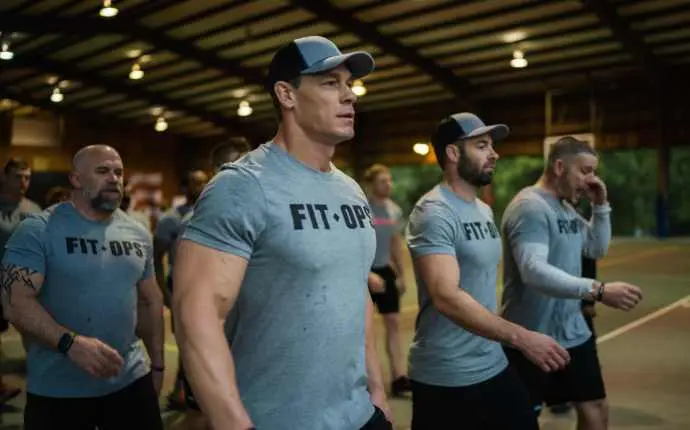
Fit-Ops is a charitable organization that trains US Military Veterans to become trainers through a fully-funded three-week Bootcamp.
During their time at Fit-Ops, veterans learn the skills and techniques they need to know to become personal trainers, and Fit-Ops also instructs them business and job-searching skills.
Most importantly, however, Fit-Ops dedicates much of their training to help veterans to overcome their mental blocks and potential mental trauma.
The organization has a dedicated staff that’s meant to look after veterans after they leave the camp. This is called “aftercare” and it continues as long as graduates remain in the Fit-Ops network.
I sat down with John to talk about the great work that Fit-Ops is doing and to get some details on their Aftercare program.
We had a great conversation about the tools they use to create and sustain transformation for these veterans.
Transcript
Machine-generated from the episode audio and lightly edited — may contain errors.
Chris Albert (link to this point)
The Warrior Soul podcast is written, edited, and produced by me, Albert. Our mission is to provide tools, tactics, strategies, and ideas that help The US military veteran community to show up as the wisest, strongest, most capable versions of themselves in the civilian world. If you're not a veteran, stick around because anything we talk about will most certainly apply to you as well. This podcast is made possible with the help of F Bomb Nutrition. They make delicious packets of fats that you can carry around anywhere with you in little portable packets.
They make macadamia nut butters. They mix them up with chocolate. They mix them up with sea salt. They mix them up with coconut butter. They're absolutely delicious, and they're really good for you.
They don't have any sugar. They also make a lot of cheese snacks. They make meat sticks, and it's just a great company. These guys send packages of this stuff to the troops who are on the front lines overseas to supplement their MREs, and we didn't ask them to do that. They just did that on their own initiative.
Really great company. If you wanna get 20% off your first order of f bombs, head over to www.dropanfbomb.com and use the code Warrior Soul at checkout. This podcast is also brought to you with the help of Save the Brave. Savethebrave.org is a five zero one c three charity for veterans. They run camaraderie events that include fishing, golfing.
They also do a lot of work with gold star families. And unlike a lot of other organizations, their board doesn't take a salary. Really great organization that is doing amazing work. So go and check them out at savethebrave.org. With that, thank you guys so much.
Let's get into today's programming.
This is Chris Albert, and I'm here to remind you of one thing. Someday, you're going to die. Now that's not some morbid statement or scary idea. It's solid fact. Your time here on this earth is limited.
And we need to be reminded of this as much as possible for one simple reason, to live your best life while you can. This is the Warrior Soul Podcast.
Alright, ladies and gents. So a few months ago, actually, I think around Christmas time or close to the New Year, I had a gentleman on here named Matt Hesse. And Matt is the founder and CEO of Performix. And Performix is a supplement company. They also run a really fancy gym out in New York City.
It's like one of the most exclusive gyms in the world. But Matt is an army veteran and he developed a program called FIT OPS. And FIT OPS is a program that veterans can come to. It's a three week boot camp that turns them into personal trainers. Now of course there's a lot of knowledge that goes into this and FITOps provides that.
They also get some gym time in, show tutorials on how to do specific exercises, how to do corrective exercise, how to do all the things that you need to be a personal trainer, how get all that knowledge in there. There's another aspect to the program and that is its aftercare program and the mental work that these guys and girls do when they're at camp. Literally helping them to gain a better mindset because mindset is important in anything you do. It's really important as a personal trainer because your positivity has got to translate. And what FIT Ops is doing with these guys is it's actually helping a lot of them to get the mental help that they need.
And it's a fantastic program and that help continues after the program's over. Now the person in charge of this is a man named John Martin. John Martin works with the aftercare program. He jumps in and he helps to guide these veterans, these men and women, as they embark on their fitness career journeys and he helps them to get into a better mindset. And there are so many resources available that Fit Ops gives.
And the reason why I wanted to bring him back on is because I had one of my guys from the Warrior's Obituary Society head over there. And he came back and he thought the program was absolutely amazing. He loved the knowledge they provided, but it was really the mental transformation that that really helped him out and put him in a better mental place. And the guy is so focused right now on creating this new career. Of course, COVID nineteen has thrown a little bit of a wrench into everything as far as developing a career in fitness goes, but, he is fully prepared to be able to start that career once all this stuff passes over.
So I wanted to bring John Martin on to talk about the mental transformations that occur with fit ops and you know I'm losing my voice today it's not because of COVID-nineteen I promise. I've just been talking a lot. And I wanted him to talk about the processes that they bring in at Fit Ops while they're on camp. And again, I can't say enough about this program. I love programs that help veterans to help themselves and this is such a program.
They just got a million dollars from John Cena. They just did a matching campaign and I would encourage any of you who are out there to try to donate to the program over at w w dot fitops dot org so more veterans can take part in this. And if you are a veteran, head over there and apply for their next class. I mean this stuff is absolutely awesome. They fly everybody, they pay for the plane tickets, they pay for your housing, they pay for everything, and it's just an amazing organization that's doing amazing work.
Alright, I already talked too much, losing my voice. Let's get into this conversation with Mr. John Martin. We talked a good deal about, how mental transformation occurs, what these guys and girls have to do when they're on camp to try to develop their mindsets and what kind of techniques they're using in their aftercare program to put these guys in a better place. Because whether you go to the program or not, it's good for you to know and understand this so that you can adopt it.
Alright. Let's get into it. What is going on everybody? Welcome to the Warrior Soul podcast. And today, I have a very special guest.
I had a guest on a few months ago. His name was Matt Hesse, and he was head of Performix, but he also created an organization called Fit Ops. And if you don't know about it, Fit Ops is basically a a camp that helps veterans to transition into careers in fitness. And I had one of my guys from the Warrior's Obituary Society head over there. It's a fantastic program.
And the thing about it is this, and these are the words that I got from my guy who went, is that fit ops is not just about becoming a personal trainer or anything like that. A lot of the work you're doing there is mental. Teaching you things like resilience, teaching you how to shift your mindset. And I wanted to bring on this guest today because he's been working specifically in that area with Fit Ops. John Martin, welcome to the podcast, man.
John Martin (link to this point)
Thank you so much for having me, brother. It's honor to be on. I really appreciate it.
Chris Albert (link to this point)
We were talking a bit before we hit record here. Just for the audience, can you give everybody just kind of a a a two minute background on on who you are, where you're coming from, and how you ended up at Fit Ops?
John Martin (link to this point)
Sure, absolutely. Again, my name is John Martin and my role right now with the foundation is I support and run all of their national aftercare efforts. I got involved with Fit Ops about a year ago by accident. I was in New York City with my closest friend of over twenty five years. The name will be very familiar to you and all your guests.
WWE superstar actor sort of global name at this point, John Cena. John and I have been friends since we've been 18 years old. I was in New York City with John. Had a chance to go to a gym that happened to be, and I didn't know this then, happened to be Matt Hesse's gym Performix House in New York City. During that time, there was a presentation going on for all of Matt's staff around Performix's partnership with John and John's ultimate partnership with the Fit Ops Foundation. I had a chance to listen to a Purple Heart vet named Bobby Summers speak and share his story. And in that moment, it was one of those life changing moments, man. I was compelled to not just say thank you, but I was compelled to find a way to give thanks. And so I spoke to Matt at length, not just on that weekend, but in subsequent weeks, and said, listen.
I don't know if I can do anything to help, but I have a background in in psychology and counseling, have some background in trauma and working with not not the veteran population, but with adolescents and their families, and I'd like to come down and help. Since that time, you know, Bobby Summers is sort of the face of our our program. He's he's everywhere when you look up fit ops. He's become one of my closest friends and brothers. He, along with Harrison Johnson, our our director of operations, and Matt, and and I've been involved with the foundation ever since.
Chris Albert (link to this point)
That's amazing. And and so you guys just got done with one of your classes. Right? It was it was out in Arkansas.
John Martin (link to this point)
Yeah. We just finished class 10, which was in in Northwest Arkansas. And I think the the gentleman you're referencing, you know, I had a chance to meet him and work with him on camp. He was part of our last class, so eighteen days on camp. And now those all those vets, those men and women finished up a couple weeks ago, and they're back in their cities and towns trying to do the daily work and put their best foot forward, whether it's in fitness or back in their full time jobs and families.
But, yeah, they're out there they're out there working, man.
Chris Albert (link to this point)
So, yeah, this program, I mean, these are the types of programs I think we need when it comes to to getting veterans on the right path. One of the things I always say is that, you know, if we were in a situation a while ago where there was a lot of awareness being raised about veterans issues, you know, the high suicide rates, the homeless issue. But I think one of the things that always bothered me was that if we're just keeping veterans from killing themselves, we're not doing very much. Right? And what I like about what you guys are doing here is that you're showing veterans a new career, a potential in road to entrepreneurship.
You're also, you know, showing them a skill that will not only allow them to take care of themselves, but also allow them to take care of the communities around them. Because we're seeing more and more that fitness is becoming very important, right? A lot of people don't know this, but one in four veterans in the VA system suffers from full blown diabetes. That's twenty five percent of our population. If you start looking at the population of the mass in The United States, they say something, some ridiculously high percentage of people over 18 years old are pre diabetic.
And so, you know, when we think about all of these things, what I love most about you guys is that you're giving veterans these tools, these skills, but you're also giving them that mental kick that they need to to really make a transformation for themselves. How how does that start when they get there? How what's your role when when when they step onto the fit ops campus?
John Martin (link to this point)
Yeah, sure. And you shared so much there, Chris, that is absolutely true. So I think in order to understand sort of what happens to these vets when they actually get on camp, one of the things that we do beforehand is all of our vets that come on to camp at fit ops have to apply, and they go through our admissions process, and part of that process is to do a face to face interview with our admissions staff. What happens on my end is I get a bio deck several weeks before our vets come onto camp, and I also get a written narrative from our admissions staff relative points of interest for me from a mental health standpoint relative to specific vets that may or may not be of concern once they get on camp. What I try to do on the front end is I'll introduce myself.
We use a couple different programs. One is called Slack. I don't know if you're familiar with it. It's essentially just a kind of an open conversation forum where we kinda introduce ourselves. And so what I'll do on that platform is I'll reach out to the veterans before they come on to camp, introduce myself.
I share with them a very brief sort of outline of my role on camp relative to what I'll be helping them with. And then what I try to do is twofold. One, some of the vets after that initial form of communication, they'll reach out to me before camp with some questions because there's anxiety. You know, there's anxiety for a lot of these vets. Is it gonna be like boot camp?
Are people gonna be yelling and screaming at them? Am I gonna have to dump my backpack, my emotional backpack? And and so I wanna be able to answer those questions to the vets openly and honestly, but I also don't wanna share so much information with them that they can't fully immerse themselves in the experience. And so that's what we do on the front end. When we get on to camp, we are led on camp every day by a gentleman by the name of Harrison Johnson.
And Harrison is a ten year army vet infantry, last three years on the drill field. Just an amazing, amazing guy. And I get with him, and we start to identify folks right away that may be struggling because they're leaving a tough family situation. We've had vets come on to camp that are in the midst of withdrawals from substances. And so my job on camp is really to triage and also to do presentations around growth mindset, grit, taking the soft skills that they had in the military and and figuring out how they're transferable in the civilian world.
And then anything and everything in between. But sort of their transition to camp, we communicate with them. They have to study their fitness modules with their squad leaders because, really, we're trying to cram a six month academic course on the fitness side, pal, into eighteen days. And we we wanna ensure that we're putting these guys and gals in the best possible position to pass the academic side because we are a fitness based foundation. But when I got involved, we realized that there was a huge need for clinical support, not just on camp, but when they leave.
And so to that end, we are also beginning in our next camp. We are also going to have a licensed credentialed psychologist on camp from the minute that the vets put their feet on the ground to the minute they leave. And so that's the next phase of on camp care and after camp care that we are adding to the foundation is we will have, in moving forward, a psychologist that will be on ground from the start until the very end and then to work in concert with me sort of as a consult so that we can continue to help our vets when they go back into their cities and towns.
Chris Albert (link to this point)
That's amazing. And, you know, just here, I'm in the fitness industry myself. A trainer for over a decade, and, hearing some of the personalities that got to come out there. I know Stan Efferding came out there, was teaching people how to squat some of the basic movements. I know that you guys have an amazing curriculum that you're providing there.
And one of the things that I really like about this situation is that it's immersive, right? This type of knowledge, order to be a good personal trainer, you kind of have to understand people, you have to understand body mechanics, but you do also have to understand psychology you have to understand the things that drive people and motivate them, right?
John Martin (link to this point)
And also I think just a couple different things. In terms of who we bring on to camp, right? I don't know that you will find a veteran based nonprofit in the fitness space. I mean, just to give you a quick rundown of who we've had in the last two camps. So in the last camp, we had Stan Efferding and and his director of nutrition, Damon McEwen.
He came out to camp and certified every one of our vets in the vertical diet. Stan spent three days on camp with our vets fully immersing himself. We had Anders Varner and Doug Larson from Barbell Shrugged.
Chris Albert (link to this point)
Oh, nice. Nice.
John Martin (link to this point)
And the one ton challenge. Anders and Doug recorded not only six, seven, eight episodes of their podcast with our staff and vets, but when I tell you that it was life changing for those two guys, the way that they stepped in and really became part of the process with our vets, taught them Olympic lifts. We had John Cena's best friend and trainer Rob McIntyre from Hard Knock South come down. He presented on client psychology. I've been around a lot of gyms and a lot of people, and Rob McIntyre is just a dude that is as straight a shooter as you will ever find, but he will give you everything he's got as long as you give it back.
And he was a huge, huge hit with our vets. We had multiple members of Performix and Performix House come down and talk about running group fitness classes, improving your social media platform. I mean, day to day, you never know literally never know who's gonna walk through the door. It's it's it's insane, man. And they all come down at no cost.
They charge nothing. You know, huge shout out to Stan and his team and Barbell Shrugged and Anders and Doug. I mean, they have committed to us to be part of what we're doing for all of 2020, and they have not asked us for a single cent. John Cena was very public less than a year ago with a out of his own pocket, a million dollar donation. And he comes on to camp when he can and doesn't wanna do anything but be involved.
And so in terms of what our vets are accessing, they are getting what people would pay thousands and thousands and thousands of dollars for. They are getting it at no cost. And our only ask is that they be present, put their phones in their in their backpacks, and just drink in every moment because these are tools that they can use when they leave.
Chris Albert (link to this point)
That's amazing. And, yeah, for those of you who don't know who Stan Efferding is, he's he's he's got I think it's the highest all time total in raw power lifting. He's also an IFBB pro bodybuilder. And he's actually a business genius too. I mean the guy has started companies and sold companies and things like that.
So just a great person to have around.
John Martin (link to this point)
Yeah and what was amazing about Stan and what's amazing about a lot of these sort of you know, celebrities, if you will, the vets are obviously extremely excited to have folks like this on camp, but the return on emotional investment for these guests that come in, and you'll probably be able to appreciate this, but we we kinda talk, Bobby and I and and Harrison and Matt, we're all on camp together, and we watch the effect that it has on our guests. They say all the time, you know, I don't know if I've given a fraction to these veterans what they've given to me over the last few days. It's pretty amazing to see, man. It really is.
Chris Albert (link to this point)
Let me ask you this. What what are what are some of the biggest challenges for you as as you're approaching this? Because you know, we talked a bit about that before we got on. You know, I know a lot of these guys they're bringing things with them and for a lot of them it's it's a lot of them are difficult nuts to crack. And I'm gonna say this as a veteran, lot of us can be very stubborn, very difficult, very, you know, inward.
What are some of the challenges for you when when these guys and girls come on to campus? And and what are some of the things that that, you know, you have to do in in order to to gain their trust?
John Martin (link to this point)
Yeah. So it's a it's an awesome question. And, you know, the probably the biggest challenge that we face on camp, Chris, is their willingness to be brave and vulnerable and to empty their backpack of the stuff that they know in their head and heart is really weighing them down. So what we see on camp will not be a surprise at all to you or to any of your veteran listeners, but we see what you would see in the veteran population across the country. We see PTSD.
We see TBI. We see military sexual trauma. We see suicidal ideation, and we see some drug and alcohol use. We also see, in a lot of cases, a breakdown of the family system. We see a sort of a a the ideology from a lot of these guys that they they no longer have value when they're no longer in service.
So a lot of a lot of the the stuff that you would imagine or that you do see all the time in the veteran population, we see in the 35 to 36 vets that we have on camp every time we run a fit ops camp. I think what has amazed me though, what the biggest difference has been is that they're a lot of what they're carrying, we create a system, a very intentional system where we, force is not the right word, but we strongly, strongly encourage them in front of their peers to dump that stuff in whatever way they see fit. We do that through a very specific process that out of respect for the foundation and the vets that have gone through it, I don't wanna get into in too much detail, but it's essentially a way for them to stand before their peers, brother, and
Chris Albert (link to this point)
Mhmm.
John Martin (link to this point)
To kind of explain to their peers why they are where they are as as he or she stands before them. So those challenges are tough because you are literally working to and not just me alone, we have an amazing team of folks, but you're working to triage those issues so that these vests can experience what fit ops is really designed to be about. But the biggest challenge for me is finding ways to stay connected with our vets when they leave camp and to begin to develop partnerships with entities all across the country outside of the VA that will help our vets that are most in need when they return. We call it the the fit ops high. Right?
It's like any other growth experience. When you leave fit ops, everybody is super excited but within a week or two weeks, the reality of their situations in some cases, punches them right back in the face.
Chris Albert (link to this point)
Right, and it could also a down point. Within a week or two after you do something like that, you go on a little low, and you're back in your surroundings, you start to get depressed and things like that, right?
John Martin (link to this point)
Without question. And we expect that to happen. We discuss it openly on camp. We don't wanna be a foundation that says, hey. We've just given you the tools to potentially change your life.
And now everything is gonna be rainbows and butterflies, and you're gonna go out there and you're gonna tackle the world, and you're gonna get a job in a gym, and you're gonna make what Performix House trainers make in New York City, and your marriage is gonna get pulled back together. You're never gonna touch a drug again. Oh, and by the way, all the mental health stuff that you've been dealing with, that's all gone too. I mean, that would be so catastrophic and unfair to our veterans. So we tell them, you are, many of you, not all of you, but many of you are going to feel that fit ops high wear off.
And so that's why so much of what we impart upon them when they're on campus about doing the daily work. There's a lot in psychology around the development of our neurological data, right? Our experiences shape the way that we act today. We don't have any control over our immediate thoughts and feelings. That's neurologically impossible.
We can't control how we think or feel in a given moment, But we can control changing our actions. The only way that we change data is to recognize it took years and years and years to compile all of this data. So these guys need to be a little bit more fair to themselves in understanding that they won't erase that data in one hour, one day, or eighteen days at fit ops. We're just starting to chip away at it, but we want them to leave with a recipe to do the daily work, and we want them to leave with a network of brothers and sisters that they can now call on, lean on, rely on to figure out what's working for them back in their communities so that they can try to do the same thing. Right?
If nothing changes, nothing changes.
Chris Albert (link to this point)
Right. Right. And one of the things I want to talk about here, because you mentioned the idea of, and I know you don't want to get into too much detail as to what happens at camp on on this specific issue, but the idea of being vulnerable and and unpacking that backpack that they're carrying around. One of the things that I've learned as as a trainer and as somebody who utilizes media to for marketing is Sure. I believe that vulnerability is actually a skill.
And it's a skill that that that can serve you. Because, you know, in a lot of corporate settings, it doesn't pay to be vulnerable. Like, if you're working for for for Disney or if you're working for, you know, Wells Fargo, but you probably don't wanna be as vulnerable.
John Martin (link to this point)
But Or how about if you're in Iraq or Afghanistan?
Chris Albert (link to this point)
Right. Right. You know, in in in but at the same time, you know, I I would say that in the Marine Corps and in the Army, particularly the infantry, if you've got a weakness, your your NCOs and your officers are gonna help you with it, right? Gotta be open about that. At at this the the other issue here is that I think professionally in the fitness industry, what we're seeing here and what we've seen over the past, you know, ten or so years with with social media is that people don't necessarily wanna follow somebody who's just perfect.
Right? And I think being able to talk about your imperfections in a way that humanizes you is a really good way of of, you know, adopting a personal brand and and putting things out there. And so I think that, you know, one of the things we all have to get over here in the veteran community is this idea that we can't be vulnerable or we can't show a weakness or Sure. We can't talk about something because it's gonna affect our job or things like that. Right?
John Martin (link to this point)
Absolutely. I think you you made a great point, Chris, which is if other people recognize weaknesses in you, especially in the military and on the NCO side, they're gonna be willing to help because helping with development of that weakness is going to ultimately help drive the mission and keep everybody safe and keep the mission moving forward. So there's one thing for people to recognize weaknesses in others. When we talk about vulnerability, though, it's I think and, you know, the person really to as you probably well know, but for those of you that are listening, if you really wanna learn about vulnerability and dig into what vulnerability really means, Brené Brown is the person to really dig into and to check out because she presents it in a way that is absolutely no nonsense, and and it's so straightforward that it that it punches you in the face. But when I view vulnerability, I I view it as not only being able to recognize weaknesses in ourself because this this notion that any of us are perfect and social media does, you know, what a job some folks do on presenting only what they want the rest of the world to see.
Vulnerability is not only recognizing weaknesses in ourselves, but it's being able to completely surrender to those weaknesses so that you can grow. There's ultimate recognition in the fact that okay, not only do I have this weakness, do I have this flaw either in my character, my mental health, my physicality. Not only do I recognize that I have it, but I am willing willing to dig in, to stay in the fight, to work to change it. And that is precisely what we try to do through fit ops. What I will disclose to you, bud, is that and and it's because it's extremely public.
Bobby Summers, who I mentioned before, Bobby opened up Iraq in o three, o four. He was wounded twice. What Bobby does to set the tone for camp and what we also do is we bring back our vets from previous camps to start off camp. So this this past year, we had an operator from the navy that came back and shared his story. But what Bobby does is he'll literally stand up in front of the entire group, and Bobby will share his story.
And I don't just mean in the military. See, a lot of as you know, a lot of times what happens is for folks that are working with veterans, what we do is we we go to a place that seems to make the most sense for us first. So this vet is broken because of the trauma that he or she experienced military. Well, in many cases, them joining the military was a way to escape trauma that they had been struggling with their entire lives. And for the first time in their lives, the military gave them consistency. It gave them a meal, it gave them a family, it gave them a brotherhood, love, camaraderie, accountability, all of the things that many of their lives did not have before joining. And so when we really, I think when we look at trauma in any population, but especially the veteran population, we have to be very careful that we don't immediately go to their time and service as the cause and the foundation for that trauma. And so we encourage our vets on fit ops, listen, don't just talk to us about your experience while deployed or your experience in the military. I wanna know where all of the stuff come from that creates the beautiful human being that stands before me.
And that a lot of that stuff happened long before they ever raised their right hand and joined the military.
Chris Albert (link to this point)
That's an interesting thing because I think that's an assumption a lot of civilians make is that
John Martin (link to this point)
Dangerous, but it's a huge assumption we make, and it's a really dangerous assumption.
Chris Albert (link to this point)
Yeah, and the thing is because, you know, I look back at my time in the military and honestly, it was great. I mean, like, you know, I didn't have many bills, I didn't have to decide what I was gonna wear every day. You know, I mean, of course, everything has like its little its little things, but you know, you know, I was living with a bunch of my friends, like, we're traveling around the world Sure. That kind of stuff, you know, and I I think that I've had civilians, you know, they they'd come to me. When I first got out, I went to went to school.
And, you know, when civilians found out I was in the Marine Corps, they're they're like, oh, do you have PTSD? Are you gonna freak out on us? That kind of stuff. And And that was always like, oh my god, you guys don't
John Martin (link to this point)
No, and what's sad brother is if that's the narrative that the civilian population drives, it's also inherently and unfortunately the narrative that so many of our vets believe to be the case, that they are going to be viewed and labeled a certain way by the civilian sector because they have combat deployments or they were in the military post nineeleven. And we really have to get away from this idea that that every vet that comes back from Iraq or Iraq or Afghanistan that may or may not have p PTSD, well, that they are somehow unfit to transition into, and not only transition into, but thrive in a civilian world. So we have on both sides of the fence, we have a civilian population that feels like there there's there's empathy, but there's also pity.
Chris Albert (link to this point)
Mhmm.
John Martin (link to this point)
And We have to get away from that pity. Every vet I talk to, every single vet I've talked to for the last year, they will tell me, I don't want your pity, or I don't want anybody else's pity. I just wanna help. I wanna get some help developing a toolbox that will help me thrive and grow in a civilian world. I want people to understand where I've come from, but I don't want people to think that where I've come from has to define where I'm going to be in moving forward.
We have to bridge the gap between the civilian community and the military community. And and it's gonna take a ton of work, but we have to get away from the civilian attitude of empathy and pity, and we have to empower business owners and corporations and companies to say, holy cow. It's not because I have this veteran applying that I wanna hire them. I wanna talk to this veteran about why they're gonna be so good at this job.
Chris Albert (link to this point)
Right. Right. And that's so important because I also think that, and I'm seeing this as a veteran, I think a lot of us in the veteran community also somewhat, sometimes indirectly, sometimes very directly promote that idea that we should be pity. And and I think that we as a veteran community have to get away from that as well. It
John Martin (link to this point)
Without question.
Chris Albert (link to this point)
Narrative where we're the victim. We can't be victims if we wanna get ahead. You can't be a victim and somebody who's in charge at the same time. Alright? Have to you have to own your shit and you have to see where you screwed up, where the decisions that that you've made have taken you taken you down, and you have to own that and admit to it and then work on it to overcome it.
John Martin (link to this point)
That's right. And and, you know, I don't know if you're familiar with with Tyler Grey, but Tyler Grey is so he is an actor and director now on a show on on network TV, SEAL Team. And Tyler Grey is a former operator for many, many years, was was significantly wounded overseas. But Tyler came on to camp a couple camps ago, and he he and I have had a chance to talk a bunch since. And and what you are sharing, Chris, is exactly because I I've asked him, you know, when when it comes to this this notion of of pity and, you know, feeling bad for veterans.
And and and I I I hugely believe on the civilian side, it's because most of us don't understand, and we want to show respect in some way. And so for us, the way to go back to a place that's safe and comfortable is to hug them and say, thank you so much for your service. I'm so sorry for what you went through. And Tyler, what he will say, and it is the exact same thing that that you have said, he he'd be an awesome, awesome guy to talk to, by the way, but he says the same thing you do is that as the veteran community, we have to get away from this notion that we are entitled to something because we served. We have to get away from this notion that because we wore the uniform, that people should just inherently understand the sacrifices or the commitment that we chose to make to our country, and that should equal a really high paying job, a really normal life.
But every one of these veterans that come on to camp at fit ops, their situation, although similar in that they all shared the same uniform, is very different to the individual. So I can't work with a female veteran who spent eight years in the military, most of which was defined by military sexual trauma, in the same way that I would deal with a twenty two year Marine Corps veteran with six deployments that is just trying to keep his family together. So, yeah, the commonality they have is that they wore the same uniform and did much of the same work, but there are so many, so many differences. And so Tyler says it all the time, and you gotta look in the mirror and be really honest with yourself about, are you acting like the same professional outside of uniform that you acted like in uniform. He says all the time, be a professional.
And if you're not sure what that means, that's where you wanna start to get the help and redefining what your life, what your purpose is going to be when you get back into civilian world. And that's our biggest goal on camp is to help these vets either strengthen their current purpose or redefine their purpose through fitness.
Chris Albert (link to this point)
Hey, guys. I hope you're getting a lot out of this interview. You know, the Warrior Soul podcast is built with the mission to empower its listeners to live absolutely epic lives. And that's why we recently created a group called the Warrior's Obituary Society. This group is built to empower its members to live epic lives worthy of epic obituaries.
And it starts with an eight week development program. And with this development program, what you're gonna do is you're going to outline a vision for your life. You're going to get very specific about what you want. Because without that specificity, you don't know where you're going, and you don't know what you're doing. From there, we help our members to develop specific goals, objectives that they are going to push toward, and that their fellow members of the Warrior's Obituary Society are going to hold them accountable too.
From there, we're getting down into specifics. We're going to help you to develop and customize your own personal fitness and nutrition plan to help to fuel your body and fuel your mind for the quest ahead. From there, we're going to work on your personal finances. We're going to help you to knock down debt. We're going to help you to start saving money and to create a plan so that you can start investing in your dreams.
Then we're going to get into your business and career. We're going to help you to develop the skills that you need to develop yourself so that you can have a major impact in the field you choose. If you choose to go into business, we're going to help you to set up the foundations that you need to create your own company and get started on your path in life. From there, we're going to be working on your relationships, we're going to help you to develop a world class network, and all along the way, you're going to have your fellow members of the Warrior's Obituary Society pushing you in every single area. We meet once a week over a live call, and we're constantly communicating over our own private forum on Slack.
We don't do anything over social media, and that's because I don't want anybody feeling like anyone's looking over their shoulders, and I don't want you exposed to the crazy distracting alerts that you get on Facebook and some of the other social media platforms. Normally programs like this cost thousands of dollars. This one does not. For the price, it is the best development program on the Internet. And that's because our mission here at Warrior Soul is to empower people to get more out of life so that they can in turn make the world a better place.
We've got a great mix of active duty military, US military veterans, and civilians in this group. We wanted to keep it really eclectic so that we get a lot of different types of views up there and a lot of different people with different areas of expertise. If you think that this is something that would be of interest to you, and that this is something that could empower you to live your absolute best life, head over to www.warriorobituarysociety.com. That's www.warriorobituarysociety.com and you can sign up today. And if you have any questions about it, just reach out to me at chris@warriorsoulagoge.com.
That's chris@warriorsoulagoge.com. I'm happy to even sit down with you for a phone call for a few minutes to see if the group is right for you. I look forward to seeing you guys in there, and let's get back to this awesome interview. Now, you guys are currently diving into your aftercare program and you mentioned that earlier. When you talk about aftercare, what specifically are you guys doing as far as making sure that these guys go out there, they retain this stuff and then that they're actively working to let's say get jobs and to start their new careers and new lives as fitness professionals?
John Martin (link to this point)
Yeah, that's my biggest task. And the aftercare program in its specificity is relatively new because I've been on board for a year now, my capacity right now, believe it or not, is still part time because I've had a career of twenty one years that that obviously takes up a huge chunk of my week. So aftercare right now, and it's literally evolving and developing by the day. One thing that we are doing with all of our vets that have left camp recently, at least as recently as I've been involved with the program, is using the same platform that you and I are using right now, which is Zoom to have. We're gonna be starting them next week for this last class.
We're gonna have weekly Zoom check ins and meetings, and we're gonna present different topics, either driven by me from a mindset and growth perspective, or driven by our vets. We're gonna do those weekly. The second thing we're doing relative to aftercare is we are currently building and solidifying partnerships with nonprofits across the country that specialize in mental health outreach for veterans specifically. The third thing that we have already done since I've been on board is we're working to get a full time psychologist on camp and then to work on retainer with us throughout the year. And then the other thing that we are looking to do is help our vets when they leave, not just through fundraising efforts, but through employment.
So we are reach I reach out all the time to employers across the country, whether they are in the fitness space or non
Chris Albert (link to this point)
Mhmm.
John Martin (link to this point)
To continue to spread the message of fit ops, to talk about what our veterans are leaving camp with, what they're equipped with to try to enter the market and be sound employers. So it's ever evolving. You know, one of the gentlemen that that we know, you and I collectively, that I think is part of the reason that I'm joining you today, this circles all the way back to what we talked about in the beginning, which is the whole empowerment piece, is that we will, as a foundation, we believe very, very strongly is that we will work as hard as our vets are willing to work to keep moving forward. And so the gentleman that you and I are speaking about, almost from the minute he left camp, he's been in constant communication with me about his willingness to continue to move forward and to to put his life back together. And so we've helped him with the help of some other nonprofits that specialize in the mental health space to do just that.
The other thing that I'm working on with a former FIT Ops grad, not from class 10, from class nine, her name is Leah. Leah and I are working to develop a online follow-up course. So over the next year or so, what'll happen, Chris, is when our vets leave camp, they will have the option to take a free online course to continue the work that they did on camp. And on my side of the house, it won't be as fitness based as it will mindset growth and mental health based. And so we're working to develop that right now.
Chris Albert (link to this point)
That's awesome. One last question because Sure. We are coming up on time, but I think this is important to to talk about too. And it's that crisis can doesn't always just come when things are are bad. Right? That's right.
What I mean by that is that, you know, you could have somebody who comes out of this situation and maybe they start making a ton of money. Maybe they start building a, you know, a big time personal brand. Maybe they're they're they're finding a career. But what I find very common in this population also is the notion of self sabotage and the idea of, okay, things are great right now, but I feel kind of guilty about where I'm at right now. Do you guys do work on that and have you witnessed that at all?
John Martin (link to this point)
So it's an unbelievable point. The answer is yes to both questions. One of the things that surprised me the most when I first got on the camp a year ago, and I and I saw it right away, was not just the self sabotage piece, but it was also the comparison piece. One of the things that we've had to work really hard to do in the room, and Harrison, our director, kudos to him because he got on the front end of it when he took over, is this notion that if you have 35 vets in the room based on the population that you're working with and you look at just the data around deployed veterans and the fact that, let's say, 12 to 15% of deployed veterans post nine eleven actually went outside the wire regularly to perform, you know, combat operations outside the wire, those folks, through no fault of their own, felt like they held a different standard in the room. And so what it did was it muffled and stifened the voice of the other 70 to 80% of vets in the room that maybe didn't have that direct combat experience, and so they felt devalued because of it.
So that's one thing that we've gotten on the front end of is understanding that what makes your service honorable is that you decided to do what only 1% of the population is willing to do, and that's raise your right hand when you didn't have to. Nobody in this room has been drafted. So we try to work from that context right out of the gate is that whether you were a cook in the navy or whether you were a special operator in the army or marine corps, everybody in this room has the same value because you all did the same thing initially, and that is raise your right hand. I think what happens a lot is because so many of our veterans are coming to us in a place where they're not ideally where they want to be, once good stuff starts to happen to them, what we do as people, veteran or non, is when we meet our first little taste of adversity is our mind takes us back neurologically to the data that is most powerful. And so what happens is, oh well, fit ops is really, really great.
I'm on this high from fit ops. Things are starting to go well in my life when I get back home. And then I meet with just a little bit of adversity. And so what our mind does is it takes us back to a place that is safe and comfortable. Even if that safe and comfortable place is filled with chaos, is filled with trauma, is filled with violence, is filled with anger, That's where we go back to.
And so that's where we see that self sabotage. I think what's important is when we reach that, the same way an addict may relapse, but they're truly committed to sobriety, the first thing that addict is gonna do is call their sponsor, go back to a meeting, check themselves into a clinic, do whatever they have to do to not let their relapse define how much progress they made. We have to continue to empower our vets to get right back on the horse and stay in the fight. We use that all the time, that that that sort of mantra, stay in the fight, because there are gonna be setbacks. There is going to be self sabotage.
When you talk about growth in any any space, veteran or non, that road is not always smooth and straight. There are going to be tons of setbacks along the way. I think what makes our experience different is that our vets now, when they encounter those setbacks, they have a network of folks that didn't just share the same experience in the military with them, but they shared a nearly three week on camp experience where they know who they can reach out to to get back on that horse and get back into the fight.
Chris Albert (link to this point)
That's awesome. That's awesome. Now here's another thing for you. Sure. You know, you so so you've been through 10 classes right now.
John Martin (link to this point)
So I've only been I've only been through
Chris Albert (link to this point)
Well, I know that FITOps has been through ten
John Martin (link to this point)
ten classes.
Chris Albert (link to this point)
Been on on board for about a year. Yep. I know you guys are doing everything you can. You're trying to get donations and things like that. What are some ways that people can help?
Because we wanna get this thing to become bigger. We wanna wanna make sure that that more veterans have a chance to do this. What are some things that somebody who's listening out there can do to help these guys, to help the organization to grow?
John Martin (link to this point)
Yeah, I really appreciate you asking that. So one of the things I share with people all the time on my side of the world that ask me that question that may not have the background in mental health or the means to. So what I tell them all the time is if you run into a veteran and you talk to a veteran, instead of just saying thank you, which is great, right? But find a way in your own head or your own heart to give thanks. How can we do that?
Well, the the best way, the most impactful way is through donating monetarily. The best way to do that is to go to fitops.org. There's a donate page right on fitops.org. If you can't donate monetarily, then for those of you that are listening that wanna figure out how to help the veteran population, go into your local VA and find out what you can do to volunteer. There's, as you know, brother, there's thousands and thousands of veteran nonprofits across
Chris Albert (link to this point)
33,000 plus. Yeah.
John Martin (link to this point)
I mean, it's insane the amount of veteran groups there are out there. I can guarantee you, if you're listening, there is one either in your city or town or very close by. Jump online, send them an email, talk to them about the talent, strengths, and gifts you have. If you don't feel like you have any that can directly benefit this population, share the fact that you're passionate about helping this population and find out what you can do to help. In terms of our foundation, we thrive specifically off of donations.
What most people don't realize, and Matt would never tell most people this, is through the first six or seven classes, every one of those veterans that comes through our camp was completely funded out of his own pocket.
Chris Albert (link to this point)
Oh, man.
John Martin (link to this point)
Completely and totally funded out of his own pocket. So the other thing that that people can do oh, is it's it's astronomical if I share the amount with you. Just to give you some scope, right now, it costs us about 3,500 to $4,000 to give one veteran their fit ops experience. We had 34 veterans on camp at the last fit ops camp. That's just one that's just one camp.
Chris Albert (link to this point)
Yeah. So That's a that's lot of money.
John Martin (link to this point)
Tons of money. And we are very, very fortunate that we have, you know, outside of John, we have developed over the last couple of years some very significant corporate partners and individuals that believe in the mission. And that number grows every time these folks get a chance to get on camp and to break bread with our our men and women and to see that they are, man, none of them are feeling sorry for themselves. They just wanna kick ass and get better. So the best thing to do to help if you wanna help our foundation is to go to fitops.org and to donate.
The other thing that we always love through fitness is we have gyms across the country now, some veteran owned and some not, that are literally holding workouts as community events and fundraisers, and they're donating a piece of every donation towards fit ops. The other thing that's happening right now, which is super exciting for your listeners because this is a you know, your space is a space for not just warriors, but people that love fitness, empowerment, development of a vision, and plan. Anders Varner and Doug Larson, through their one ton challenge, which is becoming a global initiative, they have partnered with our foundation, and they are giving a piece of every single registration fee from every one ton challenge across the country to the Fit Ops Foundation.
Chris Albert (link to this point)
Oh, wow. That's amazing.
John Martin (link to this point)
Yeah, man. The the the outpouring of support, the outpouring of respect afforded to our veteran community, not from a place of pity, not from a place of sorrow, but from a place of helping and growth completely aligns with our mission and with your mission, brother. Like, okay. If I love fitness and I own a gym and I have a handful of vets that come in and train with me and I know their lives have been changed through the space of fitness, well, then how can I do that for other veterans When I already have the space, I already have the bars, I already have the bumper plates, I have the racks, I have a community of people that love training, well, maybe we hold an event one day and $5 from every entrance fee goes to sponsor a vet through Fit Ops?
Chris Albert (link to this point)
Yeah.
John Martin (link to this point)
And that money adds up.
Chris Albert (link to this point)
That that definitely would add up. There there's so much so many things that people can do out there and
John Martin (link to this point)
Oh, yeah, man. It's endless.
Chris Albert (link to this point)
And I think, know, another point to make is, you know, when you are talking to a a veteran, or you all the civilians out there, you know, thing to think about too is is extending the conversation beyond thank you. You know, asking them what they're up to, what they're interested in, you know, talking to them like a normal human being.
John Martin (link to this point)
Think that's a point. Too. Such a great point. And so many of our vets share that because I ask them all the time, like, hey. What would you want from a conversation with an employer or a civilian or a you know?
And the biggest thing, Chris, is exactly what you just shared. Like, how about we just extend the conversation?
Chris Albert (link to this point)
Yeah.
John Martin (link to this point)
How about we just talk? And my some of my greatest moments of growth, not just personally and but professionally as well. Some of my greatest moments of growth through the foundation have been over a coffee at 07:00 in the morning when we're having chow after they've worked out with no agenda whatsoever just to sit down and say, hey. What's going on today, guys? These organic real conversations give us a lens into a world that we don't understand, And they don't need us to understand it.
They just would like us to view them the same way we would view anybody else. Absolutely. So you make a you make a great point.
Chris Albert (link to this point)
Absolutely. Well, John, number one, I wanna I wanna thank you for coming on. Number two, I just wanna acknowledge you for for doing the work that you're doing, you know, and and you're putting a lot into this. You're putting a lot of yourself. You're putting a lot of your energy.
And and I know, you know, from being a fitness professional, know, we deal with a lot of emotional stuff. I know that takes a toll on the individual as well. So everybody, every time you're hearing a story, every time you're doing something, put a lot of yourself into that. And I appreciate you doing that for the community and and for these veterans who are coming out there.
John Martin (link to this point)
I appreciate you sharing that, man. Thank you so much. It's it's truly an honor. It really is. Every time I get a chance to talk with somebody like you or get on camp, yes, it's a lot to take on, but it's a it's a it's a commitment that I make willingly, and and it's and, honestly, it fills my tank.
So I'm grateful for the opportunity to spend this time with you, and I appreciate your service. Thank you very much. I'm glad we were able to extend the conversation.
Chris Albert (link to this point)
Absolutely. Thank you, sir. To everybody out there, if you are interested in learning more about Fit Ops, if you're interested in donating or if you're interested in applying, head over to fitops.org. They've got a a great site up there. It tells you all about FitOps.
You can also refer to the episode we did with Matt Hesse, who is the founder of FitOps, the founder of Performix. Great guy. Had a really great conversation with him and he's obviously doing a whole lot out there. So definitely check that stuff out there and you know guys, it's like I said and and like John said before, we if we're gonna get ahead, we've gotta do it. Right?
It's gotta be up to us. We've gotta make the first move. We've gotta choose to be vulnerable. We've gotta choose to put ourselves out there, and we've gotta choose to get it a little bit uncomfortable. So regardless of what you do, make that choice.
You know? Take that chance. Put yourself out there. You know? Tell people your story in a way that that empowers you.
And, you know, when when you do run into civilians who might not understand where you're coming from, have a little empathy on your part too because, obviously, they don't know unless they know. Right? So with that, guys, I wanna thank you so much for listening, and get out there and live your best lives while you can. This is Chris and John, and we are out. Alright, ladies and gents.
I hope that you enjoyed that interview with mister John Martin. Johnny's a great guy, and the fit ops program is absolutely outstanding. Like I said, I had one of my guys from the Warrior's Obituary Society head over there, got into the program and he loved it. He said the experience was absolutely transformative transformational. Can't talk today.
And, he said that he is so passionate about starting his career in fitness right now. And in addition to that, I think fit ops has helped him so much mentally. And that's one of the reasons why I wanted to bring Johnny on here because I've seen a transformation in this gentleman and I I've just seen such a positive mindset change. And I wanna help more veterans to find fit ops and I wanna find help fit ops to find more donors so that they can help more veterans. So like I said, if you can head over to fitops.org, maybe send them a few dollars.
They every little bit helps helps more veterans to find new careers, to find new paths as personal trainers. In addition to that, I just wanna say this. I understand that times are very difficult right now. And one of the things I've been trying to do with this podcast is to give you as much information to help you through this situation as possible. There's gonna be a lot of people who don't have jobs anymore.
And what I'm going to be doing on this show and what I have been doing on the show is I've been talking with people who are in the space of helping veterans to find employment and to find assistance. I had Lance Iunker on last week to talk about jobs, to talk about assistance programs, and I'm going to be updating those every week as long as this crisis goes on. I don't want to see you guys out there, you know, suffering because I know what it's like to suffer. I know what it's like to not know when your next paycheck is going to come and I know what it's like I know what it feels like to wonder where the rent is going to come from and I know what it's like to live out of a car And I don't want to see you guys go through that. If there is anybody out there who knows of assistance programs, who knows of job programs, hiring programs, companies that are hiring veterans during this time, or hiring anybody during this time, please let me know. I want to put this stuff out there. I'm getting a few emails. I want to give a big shout out to Charlene Annalino.
She's been sending me emails every day, but anything you guys need or have on the the pike, let me know and I will put it out there for everybody. I'm gonna be doing it. I've been doing a segment every week and we're gonna be doing a segment again, you know this week so that we can get more of that information out there. And then that guys, listen, like I always said, I don't care if you ever spend a dime with Warrior Soul. I'm not in this for the money.
Please spread word about the show. Please share these episodes out. Please head over to iTunes or write us a written rating and review. It just helps so much to get this information in the ears of more veterans. And, we're not on YouTube right now and the reason why we're not on YouTube is because the internet sucks.
Since the COVID nineteen things started, a lot of people are using bandwidth and, I haven't been able to publish video from any of these interviews. So, please bear with me on that, but, you could still find us on iTunes, Stitcher, Google Play, and you can find our old old interviews up on YouTube on the Warrior Soul Agoge YouTube channel. And other than that, guys, I wanna thank you so much. If you're interested, definitely check out the Warrior Obituary Society. That's up at www.warriorobituarysociety.com.
Check out our clothing at warriorsoul.clothing and you can check out all the courses and ebooks we have to offer at www.warriorsoul.academy. Thank you so much. We'll be back at you later this week with some more awesome content. This is Chris Albert, I am out.
Host of the Warrior Soul Podcast and founder of Warrior Soul. Worldwide trainer and nutrition coach, contributing author at Testosterone Nation and Muscle and Strength.