Podcast episode
From Average to Extraordinary: Mike Kurland
Hosted by Chris Albert
The Warrior Soul Podcast
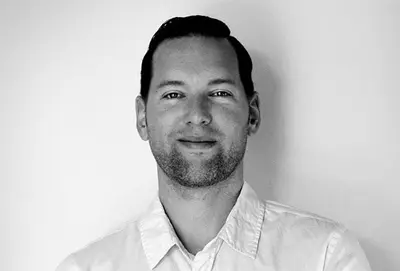
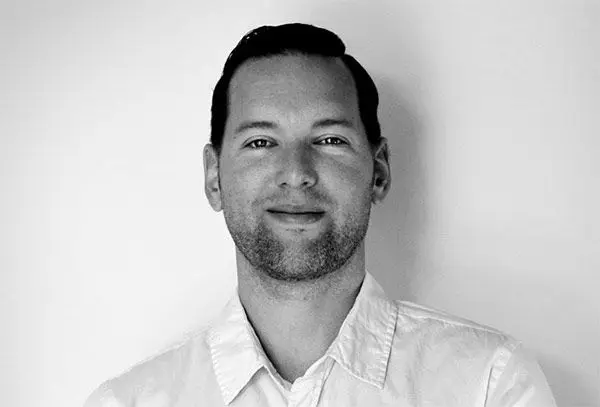
Mike Kurland is the CEO and Founder of the Branded Group
Mike Kurland went from divorced and heart-broken to founder of one of the fastest growing companies in the United States.
Mike Kurland is the founder and CEO of the Branded Group, a facilities service company based out of California. Over the past 8 years, Mike and his team built the Branded Group into one of the fastest growing companies in the country.
Nevertheless, things weren't always easy for Mike. He started his company from nothing after a heart-breaking divorce, after which, he had to hit the reset button.
Mike came onto the Warrior Soul Podcast to discuss his story and his advice for Veterans who are transitioning into new phases of their lives.
To listen to Mike's Be Better Podcast: https://www.branded-group.com/be-better-podcast/
To learn more about working for the Branded Group: https://www.branded-group.com/team/
To connect with Mike on LinkedIn: https://www.linkedin.com/in/mikekurland/
Transcript
Machine-generated from the episode audio and lightly edited — may contain errors.
Chris Albert (link to this point)
What is up, everybody? Welcome to Warrior Soul podcast. This is Chris Albert. This is where we deliver tools, tactics, strategies, and ideas to help The US military veteran community and anybody else willing to listen to live their absolute best lives. And, today's an awesome day because I've got one of my oldest friends in the world on the podcast with me today, mister Mike Kurland.
Mike and I grew up in a little town called Norwalk, Connecticut. We've known each other since first grade. We lived together for different periods of our lives, so he knows more about me than any living human being should. I'll just say that. And then, but Mike's gone on and he's done some amazing things.
You know? He's he's started his own company. He's out he moved across the country to freaking California and, like, completely, like, built this awesome company. He'll talk about that a bit. But not a lot of people move out to California and actually come out successful.
I was the opposite. So I've got a lot of respect for Mike and and everything he's done. Mike, man, welcome to the welcome to the Warrior Soul podcast, brother.
Mike Kurland (link to this point)
Christopher, Brian, Albert, thank you so much for having me. It's, it's a pleasure and an honor.
Chris Albert (link to this point)
Dude, so, you know, I was, I I meant what I said there. I've got an immense amount of respect for you, mainly because I saw you go through a divorce at the time. And then, you know, you were working in one job, and then you kinda threw the gloves off and you said, screw this. I'm gonna do my own thing. You moved out to California.
You started a company called The Branded Group, and the company's, like, literally taken off, man. That that that's absolutely amazing. And I I I know I tell you this in in private, but I wanna tell you here, I'm so proud of you.
Mike Kurland (link to this point)
Thank you, sir. I appreciate it, man. Yeah. So, so to your point, I was, I was working the job similar to what Branded Group does. It's a facility management company.
I was living in Long Island, New York. I was like fifty pounds heavier. And I was going through a loveless, you know, divorce. Should have never got married, but you know, when you're in your late 20s, early 30s, you do what everyone else is doing and follow the leader, I guess. And so I got married to a woman I shouldn't have and that ended poorly.
And yeah, so I was going through the divorce, got working for the company and they terminated me at the end of twenty thirteen. Not because I was doing a bad job, but because I was actually doing a really good job. And so I moved, I had a lot of clients out in California, and I was living in, like I said, Long Island, and I was like, I can do this better than they're doing it currently. And so I was like, you know, I'm gonna take a big swing. And I sold my house.
That was where I got all the money to start my company. That was like one of the things I kept in the divorce. And I literally packed up my car drove across country with like, three of my buddies for like four of my buddies, it was two of my buddies and two of my one of my buddies buddies, but we all became friends by the end. And we got to California and set up shop in Orange, California, and resided in Newport Beach, California. You know, that was almost eight years ago.
Yeah. And we've grown immensely ever since. So yeah, man, it's been quite the journey. And I gotta say you were like the inspiration because you did that way before me. You just took your gloves off, you know, you were living, I remember we were living together and you were working for one of the congressmen in Connecticut and you were, you know, you're you had a relationship that just ended.
And you I think you were reworking. Did you start working at the bank? And you were like, I can't do this. And that's Yeah, yeah, started working at the bank, and you were in there like management training program. And I think you did 30 and you're like, I'm not doing this anymore. Dude, so you were my inspiration because you took the bull by the horns early and you really went, you know, you've always been an inspiration to me because you've always been fearless. Like when you join the Marines, honestly, that's something I don't think I could have ever done. I don't have the discipline.
And I'm all you know, I'm not I don't like getting yelled at. So, I don't know if I could have done that. But you did that and traveled around the world and you came back and then you moved out to California with just hopes and dreams. Right? You didn't have anybody out there.
Chris Albert (link to this point)
Yeah. When I moved out, like, I did like the classic, like, okay, I'm gonna go out. I always wanted to, like, live on the beach and be a bodybuilder, and and I did that. You know what I mean? It was hard.
It was difficult. I started a gym, but, like, that was a hard thing. But but the way you did it and, like, one of the things I've always admired about you is your ability to communicate and rally people and get people over to your side, get people over to your team. And, you know, if if there's one thing I noticed by I just came back. I went to your wedding a few weeks ago.
You know, the the the network you've built up out there, the the people you've surrounded yourself with, how important was that in in building what you currently have? Because, you know, eight years is not a long time and you've built this awesome, awesome company. How important was that?
Mike Kurland (link to this point)
I mean, it's great question. And I think it's a two part question because when I first moved out here, you know, one of my other great skills that I got from my father is my work ethic. I was, you know, you might be smarter, faster, and stronger than me, but I will work harder than you. And so I got out here and like me and I came out here with my business partner, one of my business partners, Kira, and we it was just me and her for the first six months. And it was, know, twelve thirteen hour days.
And it was, you know, building furniture in the office when we were getting our first office off the ground and, you know, putting chairs together and then taking emergency phone calls at 02:00 in the morning to make things work. So I'm kind of being long winded here. But to answer your question for from a work point of view, it was very important, because everyone I knew in this world that could do the job that I needed to hire people to do lived in New York, or somewhere close to New York. I didn't know anyone out here to do that. So I had to build that network really quickly between myself and Kira, hiring people and finding people that could do.
It's a very niche industry. It's not like, you know, going down and a skill set, you can have a skill set that translates, you have to really, you know, be a certain type of person to want to do this job. So for that, that was very important and tough to do first. And to build a network of friends, I didn't even have a friend until probably year, year two, you know, the first year Kira met her now husband, and he was kind of both of our first friends. But, you know, until after that, it took me a while and I actually started playing like intramural flag football on the sand, which anyone out there that lives in California that's looking for friends, play flag football on the beach.
It's a lot of fun. But yeah, it took me a really long time to build up that network. And I'll tell you, moving from, you know, Connecticut Long Island to California, that's a culture shock too. You know, we used to go out in jeans and, you know, black loafers and a nice button down on tucked with our like, our cuffs flipped. Yeah.
And that's what you did, right? You went out and you went to the bar in Norwalk or Long Island, and you had a little bit more of an East Coast flare. I wore that to the bar like the first month I was here. And I was like, Oh my god, I stick out like a sore thumb. Even if a girl five was cute, she was gonna look at what I was wearing and say, What is this outfit?
What is this guy wearing? So, as much as I hated conforming, I conformed to California life real quick.
Chris Albert (link to this point)
That was a funny thing for me too because my fiance, she still talks about this to this day. One of the first dates I brought her out on, we went to the beach, and I wore that outfit. Like, I had on a it was like a actually, I had a V neck. I had jeans. I had black loafers on.
I had, like, a chain, I think, and all that stuff. She's like, she looked at me and she's like, we're we're going to the beach. Why why are you wearing that? And it just I don't know. It it was a huge culture shock, but, like, one of the things you said there was, you know, you you did things like get out there and you did intramural intramural football.
You met people through through through doing activities like that, you know, and I I know you you've joined a a couple of groups out there. You're you're a member of an entrepreneurial group, you know, and and one of the things I wanna convey to the guys at home is is, you know, you gotta get out there and you gotta do stuff. You're not gonna meet people just sitting on your couch or and and you might meet people at the bar, but but in in sure, go out and socialize, but can't just be about that. Get out there and do productive things to surround yourself with productive people, right?
Mike Kurland (link to this point)
Yeah, totally. Spent so the first year, you bring up a good point. The first year I was here, like, you know, I just mentioned earlier, I'd gone through a divorce and I'd gone through being fired. And you know, whatever you want to say, like, you know, I started this company, all that stuff and being fired, I got fired for making too much money. And I went through a divorce, I was okay, but all that stuff still affects your mental, right?
Like I still was, I still was like trying to rebuild myself. And so I got out here and I spent a lot of time I spent the first year learning how to love myself, That was the biggest thing that I think changed my life. I read a book called You Are a Badass by Jen Sincero. So for your audience out there, if you're looking for some sort of a self help starter book, I really highly recommend that because she makes it very easy to digest. It's not, know, she talks about, you know, believing in God, but it's whatever God you believe in, right?
You can be, she's not like you got to believe in the Christian God, or the Catholic God, or the Jewish God, or the Muslim God, it's just like, believe in a higher power than yourself, right? Because if you think that you're where, you know, you're the end of the line, then probably got a lot more soul searching to do, right? So, she talks about things like that. So anyway, I digress. So, I spent a whole year just doing self help stuff, meditating and doing a ton of yoga.
And I spent a lot of time I learned how to be by myself. Because up until that point, I was scared shitless to be by myself. And I would mask that scared shitless by going to the bar and drinking. But that's not a good escape. And don't get me wrong, I still go and have a night at the bar with my buddies.
I spent time taking myself out on dates by myself. I learned how to eat at a restaurant by myself. I learned how to go to a movie by myself. I learned how to, you know, I spent Christmas by myself one year, and I learned that it was okay. And it was okay to be alone with myself and started loving myself.
So anyway, once I figured out how to do that, then that's when I was like, okay, it's been a year. And I have like, point five of a friend because it's my partner's boyfriend, right? So I decided that they're not going to organically just pop up on my couch. I tried to go to the gym, but I'm not I actually am the guy that like, I don't want to be bothered at the gym. I just want to do my thing and like get out.
And I never want to talk to a girl at a gym because I feel like it's the creepiest thing you can do is, hey, can I help you with that? No, you can't go get leave me alone, right? I'm sure that's what you're thinking. So, was not a good and for as much as you say I can, I have the ability to talk to people and rally people just the gym like I'm the total opposite guy? I'm antisocial.
So, I was like, gotta figure this out. So, I found an intramural sports league, and I signed up and I was playing flag football. And we'd go out on Saturday mornings, and we throw the you know, throw it around. And I was probably 34 or 35 at the time, and I'm playing with like 23 year old kids who are bigger, stronger, faster than me. But they all liked me because I was a gregarious guy.
And then, you know, I had a little bit of a social network. And then I did some intermural bowling. And then as I met these people, I started, you know, getting into more and more things that I liked, hiking, and wine tasting, and then started really, you know, honing in on people that I clicked with that were my age. Now, you know, it's eight years later, and I got about five or six, a group of five or six guys that are all within my age range. And we all, we are just great pals.
So, I don't know if that was a little long winded, I hope
Chris Albert (link to this point)
that's awesome. Think it's, you know, we focus so much on, you know, alright. Step one, you know, come up with a business idea. Step two, you know, file for an LLC, things like that. But it it's really people that make the world go round, and it's it's really having people in your life that's actually going to to do this.
And, you you know, I think we can't emphasize this point enough. You can't do things by yourself. You need people in your life. And and, you know, I'm the most antisocial person in the world. Like, I was also one of those people too who who couldn't be by myself.
I mean, that led to a lot of problems for me with alcohol, with women, with with all types of shit. And and I think that, you know, you need to learn how to bring people into your life, but bring people into a manner where it's gonna be positive and not people who are gonna bring you down, not people who are gonna tear you apart because, you know, we could also talk about where we come from and and, you know, you know, Mike and I have lost a a a good number of friends since high school to drugs, two of them very recently. And, you know, we came from an environment and lived in an environment where we were drinking, like, you know, a a lot, you know, probably six, seven nights a week. And and, you know, I I I don't know that we developed problems as bad as some of the people we're hanging out with, but it was still a problem. And and we were able to get out of that through skills like this.
Right?
Mike Kurland (link to this point)
Totally.
Chris Albert (link to this point)
Yeah. No. Exactly. Exactly. I mean, like, when when you think back to those days when we were, you know, living in Norwalk and and and kinda partying all the time, why do you think why do you think that was the case with our group of friends?
Why were were we so
Mike Kurland (link to this point)
Oh, I think I mean, I think we came from, you know, I think we came from all of us a little bit different backgrounds, right? Like, you didn't know your father growing up, John barely knew his father growing up. I'm trying to think who else. Jed. Jed, I think his was just being the youngest child and having to live up to his brother and sister's shadow.
I was a kid of a group in an alcoholic family. You know, and I think I think everyone just had kind of whatever their issue were. And we grew up in this very middle class town that was very mixed race. And I think it was honestly a great upbringing in terms of like, you know, getting to know a little bit of everybody. But I think there was a lot of, you know, single mothers that were scraping by and there was a lot of people that were not they didn't they didn't, you know, they didn't have everything.
So what did we do when we were a little bit we were mischief. We were mischievous kids and we got, you know, we got into like drinking, and then we got into, you know, we got into marijuana really early. Yeah, I think that was a think that was probably the catalyst because that was so prevalent amongst everyone in Norwalk at that time. You had to make a choice at a young age if you were an athlete or not, right? And so you had been an athlete, John had been an athlete, but you both got hurt.
And Mario had been an athlete and you guys all got hurt and you couldn't continue, right? So you couldn't really finish. You did you you didn't you didn't play senior ball, right? Because you tore your knee or no?
Chris Albert (link to this point)
No. Yeah, I was recovering and tried to get a waiver to get into the military.
Mike Kurland (link to this point)
Yeah, you guys did all to all three of you tore your knees up, if I recall correctly in your sophomore or junior years, and then you were just done, right? So you didn't have to be an athlete anymore. All the guys are athletes, you know, they had to be somewhere and they mostly stayed away from it, right? But so I don't know, man, I just think it was like a socioeconomic thing of what Norwalk was. And I think it was also like the mid to late 90s where hip hop was very prevalent in the up and coming music.
And I think that it glorified smoking marijuana and drinking, you know, 40s. We tried to emulate that lifestyle because we thought we were cool little shits, and we were we were probably not as cool as we were.
Chris Albert (link to this point)
But And the one of the reasons I bring this up is because, you know, in the veteran community, drugs and alcohol are are a big deal. You know? There's a lot of lot of veterans I talk to who don't believe that they can get by without drinking a few beers every night.
Mike Kurland (link to this point)
It's an escape though, right? It's an escape from reality. And I think you made a good point earlier, and I'm sorry that I'm circling back on this, but you were talking about, you don't go to the bar, right? If you're looking for something to do, because you're not gonna meet good people at the bar, you're gonna find trouble there, right? Like, at the end of the day, as I've gotten older, I'm 42 years old now, I've got a saying, there used to be nothing good happens after 2AM because we used to close the bars down in Connecticut and then we would go to New York.
And I mean, dude, the fact that me and you are still like alive and well after some of the nights that we had going to New York, I had to stop that because nothing good was happening after And two then I moved out here, dude, and the bars close at two here as well. And I'll be out at twelve and I was like, what good is happening after twelve? Like nothing good is happening after twelve. I'm so old now though, my saying is nothing good happens after 10PM. I'm at 9PM.
I'm asleep by nine, but if I'm out past nine, I'm like, Oh my God, when did this turn so close? I used to be up until 5AM, you know? I don't even make it till 10PM. So
Chris Albert (link to this point)
Let me ask you this. You know, a lot of guys I mean, you're college educated. A lot of guys at home are trying to figure out what they're gonna do post military career. They're trying to decide whether they're gonna go to college, whether they're gonna go off and start a trade, whether they're gonna go start work and things like that. For business these days, what do you what do you think about a college degree?
And and if if it's not a college degree, what are what are some actions people could take to try to find business ideas that that, you know, they could work on and and try to take off?
Mike Kurland (link to this point)
Well, I think college degrees, if you've seen everything that's going on in the world right now, we're trying to get this student loan forgiveness. Students and colleges have become so commoditized. It's almost like the mortgage industry in 2009. Like, it just keeps going up every year and no one's doing anything about it. People just keep paying it and they take out these loans that takes them, you know, lucky for me, it took me a decade to pay my shit.
And I had a scholarship and I busted my ass and had a good at the end of that decade, I had a good enough job where I was making commission. So for most people, that's a fifteen year commitment, if you're lucky, right, almost twenty year commitment to pay that off. That's, That's a bill that's not going anywhere. So if you want to do something specialized, like be a lawyer, doctor or something along those lines, absolutely. But if you're just trying to get a college degree to say you have a degree, I don't think it's as important as it used to be.
And some people may disagree with me, that's fine. But I'll tell you what the thing that I would really say throw yourself into if you're looking for something that you can make a career out of is trades. I work with tradesmen every day, I run a man a facility management construction company. And there's a shortage of tradesmen right now. Because what happened with the push for when we were in our teens, going to college was everyone was pushing every student to go to college, mainly because of probably what we're talking about, the commoditization of the students.
And they've moved away from the trade schools. You can go become an HVAC technician in like twenty four months, some programs even less, eighteen months, and it costs $15,000 $20,000 And you can take student loans out for that. Then you can pay that that stuff gets paid off in like three years. And you get a job making 6 figures at the end of your at the end of your term, you have to obviously pay your dues, right? You become a tradesman and you pay your dues for three, five years.
But after those three, five years, you are making 6 figures. And if you want to, you can start your own business. You have a ready made business. Now, do I think it's smart to hire a business manager or take some business classes? So you know, the ins and outs of running your own business?
Absolutely. And I think that's probably where the trade schools probably fall a little short, is that they probably don't have something like that. And maybe they do. And I'm wrong. But learning how to balance your books, how to set up an LLC, what to do in those cases, but dude, I'm telling you like trades, the trade schools right now are dying for people to sign up.
And the industries in general, you got 60 year old guys that are just working these longer lives because like these longer careers because they could retire, but there's such a high demand for them that they can charge enough money to keep doing what they're doing. Maybe they work four hours a day, maybe they only take one job, but they're charging like a time and a half, you know, what they normally would charge, because there's such a demand for it. Insane, and it's only getting worse. So I highly recommend your veteran audience or anyone out there that's listening to really look into trade schools. Have a guy that he works for us.
And he just, he's a, I wanna say his Navy Reserve, and he just got activated for a year and we kept him on staff and he went and he was he's a electrical engineer by trade. And he was up in Seattle working on like, I don't know, one of the he said, like one of the shipyard electrical making sure something that's at submarines or something. But yeah, but he's an electrical engineer by trade and he came back on and anyway, he still works for us. But like he was telling me if you you know, that's what he does. So he could have gone out and became an electrician if he wanted to.
Chris Albert (link to this point)
Yeah. No. That's that that's really awesome advice. I mean, yeah, I think at a minimum, you know, learning business wise, you should know a bit about accounting. You should know a bit about marketing.
You should know leadership, which you learn in the military. I mean, like, that's that's a really important factor. But, you know, I think, like, you're so right about the demand for the trades. I mean, I'm in manufacturing right now, and it's so hard to find machinists, qualified machinists. I mean, like, they're they're they're able to make killing these days, and, there's just a huge opportunity out there. Let me ask you this, Mike.
If, let's say, you woke up tomorrow and you had started zero, what would you do? Like, would be the steps you would take to try to get back to where you are right now?
Mike Kurland (link to this point)
Man, that's a crazy question. And I'm actually listening to a book right now by JeVon McCord, and it's called I Got There. And he's the CEO of Scribe Inc. Scribe Media, which is Tucker Max's company. I'm pretty sure you know who Tucker Max is.
So yeah, man. Side note, listen to that guy story, because that's basically what starting at zero and like fucking figuring it out is and becoming awesome. But if I just started zero right now, I don't know, man. Think I think I would go to trade school to be completely honest. Like, I, mean, I'm 42 years old, like I have a skill set right now.
So but if I was like, if I just gotten out of the military, was, you know, twenty six-twenty seven years old, 28 years old, I would probably go to trade school, honestly, because you're not behind a desk. And I think that's something that's probably, I don't know, I know there's desk jobs in the military, right? But a lot of times you guys are out in the field, like working with your hands doing things. Is that correct? Is that a correct assumption?
Chris Albert (link to this point)
Depends on the job. But, yeah, I mean, out in the field where, you know, if you're infantry, you're you're out in the field a whole lot. If you're in the combat arms, you're out in the field a whole lot.
Mike Kurland (link to this point)
So, I mean, what did you do when you were you were you said you were working on it on a ship too. Right? You're doing ship security?
Chris Albert (link to this point)
Well, that was one of my deployments. I was infantry.
Mike Kurland (link to this point)
So Yeah. So you weren't behind a desk, though.
Chris Albert (link to this point)
Right? No.
Mike Kurland (link to this point)
No. So let me ask you this then, when you got your first desk job, how like daunting, how much anxiety did you have? Like, was it hard for you to transition? Or was it easy? I don't know.
I'm just curious to be honest.
Chris Albert (link to this point)
It's a different mentality because, you know, a lot of times when you you get your first desk job, you're like, okay. You're sitting there, and the first thought that comes to your mind is like, what the fuck am I supposed to do? Like Right. You know what?
Mike Kurland (link to this point)
What do we the same for me when I actually got a promotion film. What the fuck am I supposed to do now? No.
Chris Albert (link to this point)
And and that's that's a constant battle. And I think, you know, some of us just aren't made to to sit behind us. I've I've trained myself. I've I've I've learned I've learned to learn, which is an important thing. Right?
Like Yeah. Totally. When I stepped in a leadership role at the company I'm at, I had to go out and I had to read everything I could about manufacturing and read everything I could about about leading a company and accounting and all these other things. And I'd say, if you're looking for this type of career, one of the real things you need to learn how to do is be a self learner, right?
Mike Kurland (link to this point)
You got to be curious, I think you got to be curious, and you got to be okay with failure. You're not going to get it right every time. I think that's one of my biggest skill sets is that I'm not afraid to make a decision. And if my decision is wrong, I'm okay with owning that wrong decision, and then pivoting to get to the right decision as fast as possible. Yeah, so you got to make a lot of mistakes along the way.
And I don't know, I'm sure there's some industries where you can't, right? Probably like an electrician, you can't make any mistakes, but that's why you got then I said go to trade school, right?
Chris Albert (link to this point)
So what do you look for when you are hiring people? What types of people are you looking for? What are the skill sets or the personality types that stand out to you?
Mike Kurland (link to this point)
I like organized people. So our, our main job is an up is a facility management coordinator. And so what that means is you're basically a middleman on the phone, taking calls from our clients, and or emails, and then you know, it's like, okay, our toilets broken at our store in Philadelphia, right? So then you got to communicate to them like, Hey, I got this, we're working on it. They know that they can take a deep breath, because that's their biggest issue is that like, they got to get it fixed and move on to the next problem that they're trying to fix, right?
So then we then dispatch to a plumber in Philadelphia and say, Hey, we got a toilet at you know, the Apple store in Philadelphia, we need you to come fix that toilet guy says, Okay, we're coming tomorrow at 02:00, turn around and you tell you call back the Apple guy and you're like, Hey, plumbers will be there tomorrow at 02:00. And then you call the store. So it's a lot of coordination, it's a lot of organization, and a lot of computer skills, and phone skills. So I look for those things. But it's, it's not an easy job is it's like a very thankless job.
You know, you didn't, if you did it fast, cheap, fast and cheap. It wasn't fast enough and cheap enough, you know, and if you don't do it, fast and cheap, then oh my god, the sky's falling, right? And so for someone who's making an average wage to do something like that, it's a lot of stress. So someone who can be even keeled, and that can be organized and have phone skills and computer skills is probably the four things I look for. And I will say, I'm not gonna, I guess I'm gonna shamelessly plug Branded Group right now, but we are hiring and we do have quite a few veterans that work for us.
And if you guys are looking for a job, we do hire remotes. You're more than welcome to submit a resume to careers@branded-group.com. And, we will definitely review it. And like I said, we we do love working with the veteran community.
Chris Albert (link to this point)
That's awesome. Thank you for putting that out there. And I'll definitely get links up on the show notes for, for people who apply there. You started a podcast too, and I I got to be a guest on that podcast, not long ago. I I think you guys just published it last week.
Mike Kurland (link to this point)
Sounds good.
Chris Albert (link to this point)
What made you decide to to start a podcast? What's the podcast about? And and, how could people listen to it?
Mike Kurland (link to this point)
Yeah, so when I opened the company, our motto, as you can see behind my head, it says, Be better, be humble, be honest, be altruistic, be dedicated, be adaptable. Can't see it all because my camera's cutting it off. But be better was our motto, our tagline from day one. Because when we left the old company, we were like, we can do this better, we can be better. And so we came up with four tenants that we really wanted to hit drive home, which was be better to our clients, be better to our subcontractors, be better to our employees and be better to our community.
And so we do that through different ways of being transparent, open communication, honesty. You know, we do a lot of givebacks. We partner with Habitat for Humanity. We partner with Feeding America. We partner with Orange Coast Keepers, which is a beach cleanup service out here in Orange County.
And so we built this big culture around the tenants, right? And we started just doing these givebacks, like I said, through those nonprofits. And we got a couple others, we got the priority center, which is a great near and dear to my heart nonprofit out here in Orange County. But we built this great culture and we had a retention rate of 95% pre pandemic, right? And we had people that just they just wanted to stay.
They didn't want to leave. They took less money. We gave them a purpose. They didn't take less money, but if they got offered a job for more money, they would turn that job down to stay with us because they didn't want to leave. And they and we gave them a purpose.
Anyone out there that does any research on the millennial workforce knows that millennials will take less money to be at a place that gives them purpose for their for what they're doing in their lives. So yeah, so we started like really getting recognized for our culture. I guess started to ask getting asked to be on people's other people's podcasts. And I started getting, we started winning awards, great place to work, Inc. 5,000, the top fastest growing companies.
And we've won those awards four years straight for both of those. We've won, you know, many other awards as well, but those are the two big ones that we've won four years in row that we're very proud of. And, you know, great place to work is, if you don't know about it, you can't win that award without your employees. They basically fill out a survey. And if they don't, if they say, Oh, this place sucks, you guys aren't getting a great place to work.
I can't just like, write a check for $500 and fill out some questionnaire like my employees have to be engaged. I started getting recognized and we had and then I started doing all these LinkedIn things on culture, these like articles, and my PR team, Jennifer Burnham, you know, Eric's wife, started saying podcasts, gotta do a podcast, gotta do a podcast. So at first I was like, I don't want to do a podcast. I don't have anything to say. I don't want to create any content just to create content.
We actually had a lot of good content. So we started talking about the Be Better podcast. And I'll tell you, like we're we just hit our fiftieth episode, and it's all about your be now it's morphed into your be better story, which you participated in that, which you told your story, which is how you went from where you were to where you are now. And your story in general, I hope you've told your audience your whole story Yeah. Because it's such a great, you know, inspiration.
And so we take other people like yourself, Chris, and we bring them on and we get their story. I'll tell you the early years, the first like 20 episodes, maybe you don't want to go back and listen to those from cover to cover. Those are me learning how to be a podcast guy, but there's still some good material in there. But like, we were talking a lot about gratitude and just was basically interviewing a lot of my friends. But now we're really on to the be better story and like, what makes you you know, what have you done to be better and what's inspirational so we can share that.
And it's really I feel like our niche, I really love where the podcast is going now. Like I said, JeVon McCord, check him out. Like I just had him on after you. So even if you don't want to get the book, just listen to his story on the podcast. It it was really great.
It's great. Life changing stuff.
Chris Albert (link to this point)
That's awesome. And and that goes back to something else too. You know, you don't have to be good at something the first time you do it. Right? And, like, I remember when I first started this podcast, like, literally woke up one day and said, hey.
I wanna start a podcast and, like, literally just pulled out my computer and just started recording and didn't own nothing like that. If you listen to that, the first, like, 20 episodes, they're horrible. But but kept at it and and, you know, still do it, still do it all the time. And I think, you know, what you wanna do is you wanna find a few things that you can get good at and focus on getting good at those and and work through the the awkwardness, work through the boredom, work through all the the shit that other people don't wanna do, and and you might find something that that's awesome. And and, you know, your show is awesome.
Listen to quite a few episodes actually, and and I think you're doing great work there.
Mike Kurland (link to this point)
Thank you. Appreciate that. Yeah. And another shameless plug. It's up on, you know, all your anywhere you can find a podcast.
It's the Be Better podcast with Michael Kurland. It's on Apple, Spotify. We just got on like Stitcher. I don't even know what that is. Yeah.
Apparently, that's good. And like podcast, whatever, anywhere you can find your podcast, it's there.
Chris Albert (link to this point)
So That's awesome. And I'll get links to that up on the show notes as well. Well, Mike, what if what what's a question that you wish I'd asked you over the past thirty minutes?
Mike Kurland (link to this point)
Man, you got some good ones today. I wasn't prepared for that. What's the question that I wish you asked me over the last thirty minutes? I think that I would like to touch on would be mental health, right? Because I think that's a good thing for your audience to hear.
So I wish you asked me something about mental health. So can I just ask my own self the question?
Chris Albert (link to this point)
Yeah, go ahead, man.
Mike Kurland (link to this point)
Yeah, like, so there's such a stigma around mental health, right? You know, if you go to your wuss, if you go to therapy, or you're wuss, if you go to couples therapy, right? Or you're, you're not strong, and the military teaches you like, be strong, you can't, you cannot like, let someone break you. There is nothing wrong. It's the it's actually the biggest showing of self love that you can give yourself is to go to therapy.
If you have some sort of PTSD or mental thing going on, or you just don't feel right, or you feel upset, you feel like something's just off, go to therapy. That's what those professionals are paid for. And they will listen to you, and they will help you figure out what's going on now. And I'm not saying they'll solve, they'll solve all your problems, but they'll get you feeling a little bit better than you felt before you got there. And I think that's what everyone's trying to do at the end of the day.
So that's awesome. Does does that count?
Chris Albert (link to this point)
No, that's that's such an important note. I mean, you know, we we have this this brain of ours and it's, you know, the most complex biological mechanism ever created, but doesn't come with a an operating manual or anything like that. You know? And and sometimes you find yourself in a negative situation mentally, and and, you know, it's it's not weak to seek help. And that's a big reason why this podcast exists.
It's a big reason why we as a veteran community have the support groups that we do. And and I think, you know, it's it's important for all of us to realize that. So so thank you for bringing that up.
Mike Kurland (link to this point)
Cool.
Chris Albert (link to this point)
Yeah. Awesome, man. Well, how can our audience help you out? Where can they follow you? Where can where where can they find you on the interwebs?
Mike Kurland (link to this point)
The website's www.branded, branded-group.com. I'm on LinkedIn, Mike Michael Kurland. You can look me up, you know, connect with me, I'd be happy to connect with anybody. And like I said, the podcast is Be Better podcast with Michael Kurland. And again, if you guys have a resume, we do hire remote, we'll teach you the skills.
If you guys, you know, wanna apply, it's careers@branded-group.com.
Chris Albert (link to this point)
Outstanding. Outstanding. Well, Mike, man, I just wanna acknowledge you one more time. Like I said, I I've got a lot of respect for you, a lot of respect for what you've accomplished, and, you know, thank you for being one of my best friends for for a long time. It was think it's over what is it?
It's way over thirty five years.
Mike Kurland (link to this point)
Yeah. Thirty thirty six years. I I had to guess thirty six years.
Chris Albert (link to this point)
That's insane, man. Yeah, man.
Mike Kurland (link to this point)
Insane, dude. I appreciate you. I I really love what you're doing. I've always loved what you what you've been doing, and I'm really happy that you're in Florida now and and doing what you're doing down there and continuing to do all the good stuff still on the side hustle. So kudos, brother.
Chris Albert (link to this point)
Thank you, brother. To everybody out there, I hope you got a lot out of this episode. Like I said, I'll get all the links up to Mike's stuff to the branded group to the be better podcast, to his social media up on the show notes, and, you know, take these lessons to heart. You know, apply them, take action in your lives, and get out there and live your best lives while you can. This is Chris Albert and Mike Kurland, and we are out.
Host of the Warrior Soul Podcast and founder of Warrior Soul. Worldwide trainer and nutrition coach, contributing author at Testosterone Nation and Muscle and Strength.