Podcast episode
Gary John Bishop: Unf*ck Yourself & Stop Doing that Sh*t

Hosted by Chris Albert
The Warrior Soul Podcast
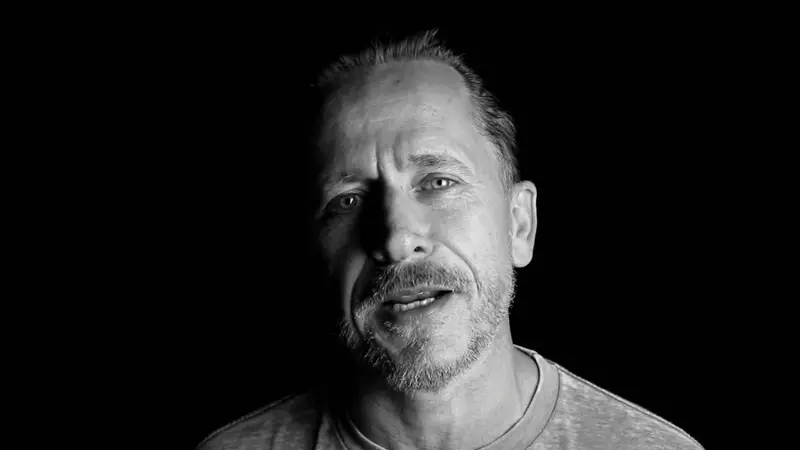
Gary John Bishop is a New York Times Best-Selling Author, Personal Development Expert, Speaker, and Urban Philosopher
Gary John Bishop is a New York Times Best-Selling Author, speaker, and urban philosopher.
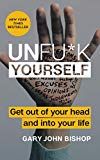
Gary’s books, UnF*ck Yourself, Do the Work, and Stop Doing That Sh*t highlight the ways in which our subconscious limits us and leads to self-sabotage.
Those of us in the veteran community are no strangers to self-sabotage. We do it through self-criticism, limiting beliefs, and extreme negativity.
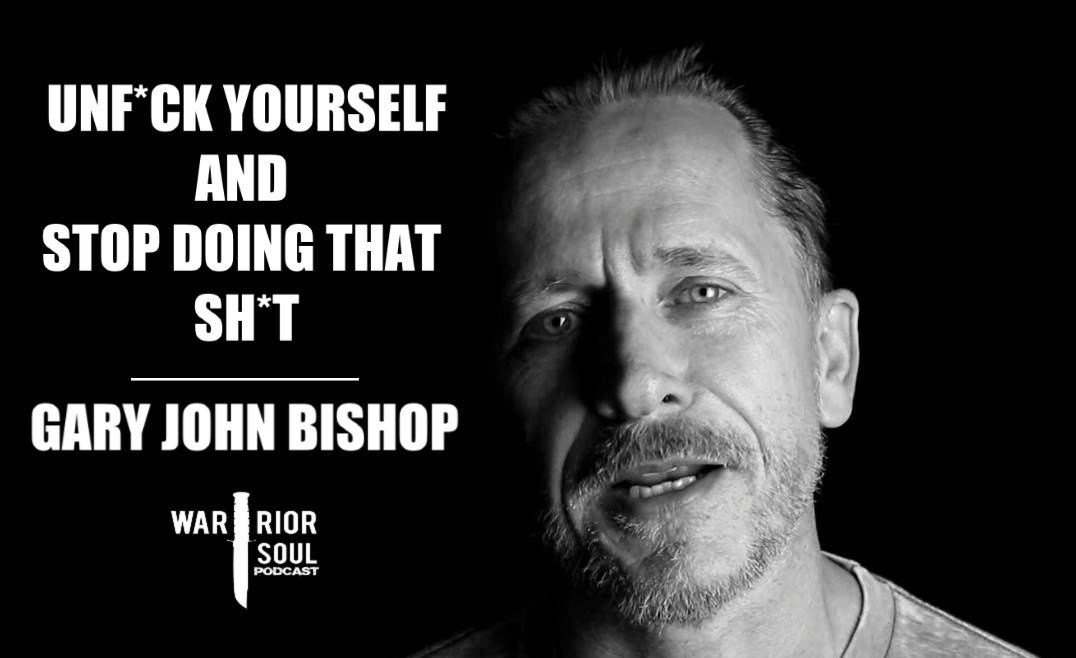
In this conversation, Gary and I talk about how you can free yourself from this never-ending cycle of mental self-harm to be the person you need to be to move forward in your life.
I picked up Gary’s first book at a time when I was going through some really difficult things in my own life with the loss of a friend to drugs and a really bad business failure that happened last year.
His no-nonsense style really got me to quit feeling sorry for myself and to take action to remedy the situation.
Gary is a personal development expert who’s worked with professional athletes and Fortune 500 CEOs. He jumped at the chance to speak to the veteran community because he knows how much potential we have.
Pick up Gary’s books by clicking any of the links below:
Unf*ck Yourself: https://amzn.to/2Qdcllu
Do the Work: https://amzn.to/2wUGsr7
Stop Doing that Sh*t: https://amzn.to/2wTtHwP
Transcript
Machine-generated from the episode audio and lightly edited — may contain errors.
Chris Albert (link to this point)
The Warrior Soul podcast is written, edited, and produced by me, Albert. Our mission is to provide tools, tactics, strategies, and ideas that help The US military veteran community to show up as the wisest, strongest, most capable versions of themselves in the civilian world. If you're not a veteran, stick around because anything we talk about will most certainly apply to you as well. This podcast is made possible with the help of F Bomb Nutrition. They make delicious packets of fats that you can carry around anywhere with you in little portable packets.
They make macadamia nut butters. They mix them up with chocolate. They mix them up with sea salt. They mix them up with coconut butter. They're absolutely delicious, and they're really good for you.
They don't have any sugar. They also make a lot of cheese snacks. They make meat sticks, and it's just a great company. These guys send packages of this stuff to the troops who are on the front lines overseas to supplement their MREs, and we didn't ask them to do that. They just did that on their own initiative.
Really great company. If you wanna get 20% off your first order of f bombs, head over to www.dropanfbomb.com and use the code Warrior Soul at checkout. This podcast is also brought to you with the help of Save the Brave. Savethebrave.org is a five zero one c three charity for veterans. They run camaraderie events that include fishing, golfing.
They also do a lot of work with gold star families. And unlike a lot of other organizations, their board doesn't take a salary. Really great organization that is doing amazing work. So go and check them out at savethebrave.org. With that, thank you guys so much.
Let's get into today's programming.
This is Chris Albert, and I'm here to remind you of one thing. Someday, you're going to die. Now that's not some morbid statement or scary idea. It's solid fact. Your time here on this earth is limited.
And we need to be reminded of this as much as possible for one simple reason, to live your best life while you can. This is the Warrior Soul podcast.
What is going on guys? This week I have an absolutely outstanding guest for you. His name is mister Gary John Bishop. He's a Scotsman. He's got an outstanding accent, and he's the author of three outstanding books.
The first one is unfuck yourself, which is a phrase that if you served in the Marine Corps or the Army, you're probably very familiar with that phrase. But in this book, what Gary does is he highlights how negative self talk causes us to sabotage ourselves, causes us to get stagnant, causes us not to move forward, and scares us out of being the people that we should be. His second book, Do the Work, is a workbook that allows you to work through some of the issues that he covers in Unfuck Yourself. And the the the exercises in that book, they're extremely helpful. They're also extremely thought provoking.
I'm going through it right now myself. And, it's it's really solid. The third book is actually my favorite and that is Stop Doing That Shit. And in that book, Gary covers how what leads us to sabotage ourselves. The actions that are driven by our subconscious that cause us to drop a grenade on everything that we've been working on when we're starting to get to a good place, when we're starting to save money, when we're starting to take care of our health, why we tend to sabotage ourselves and destroy the whole thing.
I really like that book. He goes into some solid advice for developing your perspective and to stop that endless cycle of falling back 10 steps every time you move a few steps forward. So this is a great conversation. I really enjoyed speaking with Gary. He's a genuine dude, and he really wants to help people.
I think you guys are gonna fall in love with him. I think you guys are really gonna like his advice, and I think you guys are really gonna like this episode. Before we get into that conversation, I just have one favorite to ask of you. If you're enjoying the Warrior Soul podcast, if you're finding benefit in listening to the show, number one, please subscribe. Number two, please share these episodes out with other veterans or other people that you think could benefit from hearing this information.
And number three, please head over to iTunes and write us a written rating and review. My goal this year is to become a top 20 podcast on iTunes. And the reason is because I wanna get this information into the ears of as many veterans as possible. And the reason is because I want to shape the future of this country. I believe that the veteran community is the sleeping giant in The United States.
And not just in The United States, our brother and sister countries over in England, and in Australia, and the other listeners we have. Veterans are natural leaders. The problem is that we've been caught up with ourselves. We've been dealing with a lot of issues. And what the Warrior Soul podcast is about, it's not about raising awareness.
It's not about talking about it. It's about bringing solutions to the table that you can implement directly after listening to a show. And that's why we bring on awesome guests like Gary John Bishop. The more listeners we get, the more guests of this quality I can bring on to the show. So if you could help me out in that way, that's all I ask.
I don't care if you ever spend a dime with Warrior Soul. I don't care if I'm ever rich off of this. I want to shape the future of this country and this world. And with that guys, let's get into this conversation with mister Gary John Bishop and talking about his books unfuck yourself, do the work, and stop doing that shit. Gary John Bishop, welcome to the show, man.
Gary John Bishop (link to this point)
Awesome. Thanks for having me. I'm delighted to be able to talk to you and your people.
Chris Albert (link to this point)
Absolutely. I've got a I've got a big question for you here. You're from Glasgow, Scotland. How does somebody from a place where they're known for their cheery dispositions personalities get into self help?
Gary John Bishop (link to this point)
Well, I mean, I needed the help at some time, right? So really, I mean, I just got into this industry for myself. I wanted to work on myself. I wanted to develop myself and I just followed the pathway and here I am.
Chris Albert (link to this point)
Nice, nice. Your books, I went through both of your books, Unfuck Yourself and Stop Doing That Shit. And I'm going through this little guy here right now. Alright.
Gary John Bishop (link to this point)
Good. Yeah.
Chris Albert (link to this point)
And I have to say both your books made me think. The the last book, stop doing that shit, really made me take a look at myself, like, big time.
Gary John Bishop (link to this point)
Right.
Chris Albert (link to this point)
And I think that's kinda what you do here is you you're coming up, you're hitting people in the in the side of the head, and you're saying
Gary John Bishop (link to this point)
Yeah.
Chris Albert (link to this point)
You know, what the hell is going on with you right now? And, you know, the biggest enemy is really yourself, right?
Gary John Bishop (link to this point)
Look, I mean, cuddle never worked for me. It just never worked. I mean, me, look, come on, you can do it. Just never worked for me. There was a point in my life where somebody told me I was an asshole.
And I'm like, okay, no, that's a language I can relate to. And so, it's not that I want to like crush people or diminish people or anything like that at all. If you wanna empower yourself, you need to know yourself and that means know your darkest self. And if you can bring that kind of dark itself and in a light, then that's all you're really up against. There's nothing else.
It's just that whatever that might be for you. And the more you cannot accept it and by the way, accepting it doesn't mean that you're suddenly okay with it means you can just let it be itself. You don't have to wrestle with your worst self. You have to recognize your worst self. That's where it all begins.
Any great transformation begins by telling yourself the stone cold truth about yourself. That's really, I see that as my role with people rather than like, I'm not to do any people. It's really just my role. I see it like I'm there to provide something.
Chris Albert (link to this point)
Right, you to understand that that shit's there because a lot of times, I mean, you you go through things and I I mean, I can't tell you how much I've I've screwed myself up in the past. And Yeah. I've made that no secret to a lot of our listeners here, but I think that, you know, there's a lot of people who are sitting at home right now and they go through some of the things you talk about in the book. Like, oh, I in every one of my relationships, it seems like I'm in the same relationship with the same person over and over again. And That's right.
Seems like I get myself into the same situations over and over again with money. Whenever I get it, it seems to fly out the window. And and, you know, you described that as a a bunch of voodoo in the book, and I think people don't realize that. They're so attached to this kind of voodoo thought pattern that happens, right?
Gary John Bishop (link to this point)
Well, we have become like addicted to our circumstances. Like some who that defines us or that's what you should wrestle with. You should wrestle with your circumstances.
No, you should wrestle with a person who got you into them, which is you.
People talk about stuff and I hear this all the time, self limiting beliefs. You hear this a lot like self limiting beliefs. You don't think you have any. You think other people have got them, right? And if you actually did see yourself limiting beliefs, you would no longer believe them because you would have identified them as something called a self limiting belief.
Like it's not real. For each of us, this is why it's very, very challenging. You see yourself because you're conning yourself and you're the one being conned. So it's like both of them. So you're the con man and the victim.
So you're like lying to yourself, you're pretending yourself. Some of the stuff that goes on in your own life, you've been pretending so long that that's the truth that you believe it, you're cold. And you're addicted to your version of the truth. You're addicted to it like it's real. What I say to people is look at some of the shitty areas of your life, look at the areas of your life aren't going the way you would think they should go or could go.
And I say to them, what if your whole persona is designed to have your life be that way so that your persona can kind of grind up against it until you die? Like what if that justifies the existence of the personality you've become? So you're already at the zenith of your life, you're already peaking if you're like, Until you recognize the complete insanity of what a human being is designed to do. A human being is designed to survive and it's designed to survive in a predictable environment. What people don't get is you're the one creating the predictable environment so that your persona gets to exist.
That's all it's about. You living a predictable and relatively safe life. And when I say safe, I just mean safe and it's predictability. And that's hard to kind of come in terms of because it seems like for instance, when we go into relationships, I know that they're doing this and they're doing that and then look at this and look at that. I know but you got to look at like, what are your triggers?
How come that triggers you and that doesn't? How come this got you like and then this other thing doesn't? Like you'll see it's the same predictable things like they're not listening, they don't care, they don't understand, you'll see it. But it also includes the same sort of dialogue with yourself, like how you relate to yourself. All of this is creating a reality that you swear is real.
Well, of course you do, what you don't understand is you're creating it every moment of every day, you're creating the reality you're in and interacting with it. And the only difference between me and you is I've got mine, you've got yours and I'm interacting with mine but I've done work on myself and you might've done the same but I've done a lot of work on myself over the years where I can actually see where I'm taking myself down a predictable pathway. Here we go again. So I have a choice in that moment. So whatever you bring to the light, the only real difference it makes in your life is you have a choice where perhaps you never had one before.
Chris Albert (link to this point)
Well, really, really deep too, because when you're talking about maybe you're working on your life, you're improving a bit, you get yourself into a situation, maybe you're saving Your money, bank account gets to a point where you have a bunch of money in there, or maybe you're getting into a great relationship right now.
Gary John Bishop (link to this point)
Right.
Chris Albert (link to this point)
And then that that situation you're in doesn't mesh up with the story you've been talking about in your own head. Yeah. So you'll actually do work to to to justify your previous perception of how life was or how other people are or your view of yourself, right?
Gary John Bishop (link to this point)
I mean, if you ask people why they do things in the life that they know aren't good, don't work for them, but they keep doing it. Ultimately they'll come up with some, well, it's just the way I am or address this in the second boat, like I don't have the willpower or some other nonsense like that. The reality is, and I can talk about myself here really, really clearly. So, I spent most of my life in the struggle to make money. And it was a struggle and it wasn't until I was in my forties that I realized the point of my personality was to struggle.
It wasn't to relax, I couldn't relax. And if I was in situations where there was no need for a struggle, I would come up with one. I would make something more important than it really is so that I could grind against it and have my struggle. And for me, a big one was actually around the area of finances. Like there was a point where I realized like, I'm not supposed to have money if I keep living this way.
I would do things like pay off everything and then put a little away. And then I would spend on something that I'd convinced myself I really, really needed or wanted that would fix something going on with myself or my life. And then once I started to get very successful in my books and sold millions of copies of books and life became very good. My persona and life became very good financially, not just across the board. But my persona couldn't be with that.
I was all fucked up by it. Like I was fucked up by like, where's the struggle? Where's the, I had nothing to grind against. That was the most unsettling, unnerving, uncomfortable place to be in life. And you would think, dude, you made the money, you hit the jackpot.
No, it was terrible. It was terrible because I had nothing to struggle with. Like, what am I gonna do now? And that's ultimately if you ask anybody who achieved a certain amount of success in the life, you'll see when they hit that, there was something very unsettling about it. Like it wasn't like euphoria, would think it'd be like, Oh, all this time and I've did, did, did, no, no, it was like, Oh shit, now what?
And that's a common theme. As I say in that second book, human beings aren't really built to get to the finish line, they're built to race. And so when you get to the finish line, you just look for the next race, like what's the next thing Because you'll notice like you're just not wired for sitting at the finish line and enjoying the moment.
Chris Albert (link to this point)
It's such an interesting thing because a couple of weeks ago, had a gentleman on here, his name is Michael Franzese and he was a capo regime with the Colombo crime family.
Gary John Bishop (link to this point)
Yeah.
Chris Albert (link to this point)
And he's turned his life around. He's he's a Christian minister now and and motivational speaker. One of the things he told me was that he can't turn his brain off. Right? He can't turn his brain off. Always going to think like a criminal.
He just has to recognize the fact that he does.
Gary John Bishop (link to this point)
Right.
Chris Albert (link to this point)
I've seen that so much in my life as well. I never had money myself, grew up without a father and there was times when I did have money and I'm like, didn't know what to do with myself. And I started doing crazy things that took me away from that, right? It's so funny how automatic that is.
Gary John Bishop (link to this point)
Well, and you had created that reality for yourself and it wasn't just like, grew up without a father, it's that you grew up without a dad and what that meant to you. And that's the anchor. It's not that you grew up without a dad, it's what you ultimately made that mean about you. What you made that mean about life and what you made that mean about your relationships and people and what you'd have to do and what you can't do. And you know, is the part that people don't get, growing up without a father is one thing.
Subconsciously what you did with that is what got you by the throat. Wasn't the growing up without a father, that's what that is. It was like, you know, it means I'm not the same as everybody else or I don't have it, it's not fair or whatever the thing was, That's what you ended up burdened by and like wrestling with and making your way through and trying to overcome and but everybody's the same. There's no escape in that mechanism. Like you're not burdened by your past, you're burdened by what you made your past mean about you.
That's what's got you. Now you're right, like it's now on rotation and your hat. And that's why I say, you guys got to get this and the light for yourself and really get it like laid out in front of yourself so that you can see what this life that you've been living is really about. And that was a shocking thing for me when I did this work with myself. I realized my life I was designed to, know, like in terms of like my brain patterns and my thoughts and my habits and my emotional range, by the way, which is for all of us as adults is limited compared to what it was when you were a kid.
When you were a kid, had really wide emotional range, not anymore, very distinctly you now. But what I noticed was like, yeah, my life has to be a struggle. My relationship to myself is at a very deep level is I'm not smart enough. And I started to live and that people don't care. That was the basic outline of how I engage with the world.
I'm not smart, people don't care and this is a struggle. And that was everywhere even if you can appeal the way at the good parts, you could see it under it. So it's important for people to really understand that to survive in this life you need to make sense of this life and the sense that you've made of this life is ultimately what you're burdened by. So you need to understand, you need to see it. I mean, you start seeing it and this is what your guests said, your guests has created a separation for themselves where they can see it like it's, they can see it once upon a time it and they were the same thing.
So that's why this kind of like personal discovery is really important because when you start to see it and you're like, Oh, there it goes. It's doing what it does. And it will do what it does. Like you'll have those thoughts, but what he's created for himself is like really, really powerful. Like when it shows up, he recognizes it as inconsistent with who he now is.
It's a very like magical thing that seems so simple, but it's true. Then in the moment of recognising it, that's when you're at the crossroads, like I go back to the past and live the life of who I've been, or I strike a blow for who I say I know I'm. Now I might have all those feelings from the past. I might have all of those thoughts, it might be coursing through my veins. I might feel like I'm ready to go down there, but actually I do have a moment of cognizance a moment, I say, no, that's not consistent with who I am.
That's the way I'm wired but if I'm being responsible for the way that I'm wired now that I see it and I understand it, I have choice. And that's when you start to make the big inroads in your life because you start to have things in your life that you'd never had before. You start to follow a pathway that's more consistent with who you're out to be rather than who you've become.
Chris Albert (link to this point)
Now, if you look at your social media profile, some of the things you've said in the past about about things like positivity and Yeah. Way that the self help industry uses positivity. A lot of times people will will talk about the power of positivity and as if you can manifest all this stuff and everything Yeah.
And essentially a lot of what you're saying is that's just a bunch of it's voodoo and it's kind of just a Band Aid on the situation. Right? You're not doing the work necessary to recognize who you are in the first place if that's all you're focusing on, right?
Gary John Bishop (link to this point)
If I just keep throwing a shellac of positivity over my own self destructive habits, that's what my life becomes about. I never actually, I never have freedom of choice, I just have some like oh well yay, I'm not a fan of positivity, I'm really not and I'll tell you why and you could probably identify with this given your background, Some of the greatest things you've ever done, you did it in the presence of a negative mindset. Like you didn't think you could do it and then you did it. And then you're like, shit, I did it.
Chris Albert (link to this point)
Right, right.
Gary John Bishop (link to this point)
And if you look back all the times where like every thought was, I'm done, I'm defeated. I can't, it's too much. And then here you are. You weren't like, Oh, I got this. I know what I'm doing.
You know, that wasn't there. It wasn't like, Oh, this is the greatest day of my life. Or I'm a fucking tiger or some other nonsense. You know, you were in the presence of your most negative self and yet somewhere in there, you manage to take the next step and then the next step and then the next step. And this is why I'm so passionate about this particular item.
I want people to get, who cares if you're negative about something, who cares if you're down about something it's okay. It's actually part of being a freaking human being. To be down the tunnel sometimes where you don't wanna be, but you're there. You have to just acknowledge I'm there, I'm done the tunnel. That's where I am right now.
And the moment of acknowledging I'm done the tunnel, I have a choice. And I may not feel like I have a choice, like I said, but so, or become so attached to like that I should feel a certain way before I do something. Now you can do things while feeling the exact opposite. And by the way, people do it every day of their life. People go to work and they don't feel like it. Every day and they do it and they plow it out and they get it done and they make the money. And I'm not saying that's a way to live your life in its entirety but I want people to get when you're in the valley, that is a way up. And the way up is through action. You gotta keep walking in the direction of the life you say you're after. The feelings come and go, the actions remain consistent.
Chris Albert (link to this point)
Well, if you're gonna try and do anything great, I mean, you're going to be in situations that you don't wanna be in. You're gonna have
Gary John Bishop (link to this point)
Yeah, for sure.
Chris Albert (link to this point)
Have to do things that you must and birds chirping and things like that. Right?
Gary John Bishop (link to this point)
I mean, if you wanna do anything that goes beyond the limits of your personality, You're in no man's land. I mean, it's like, who knows what's out there? And there's nothing to hang on to because the great things you want to do in your life, your personality can't handle them. That's why you're not doing them.
Chris Albert (link to this point)
Right.
Gary John Bishop (link to this point)
That's why you're holding back. You actually need to go beyond Europe. People say it's all about character. I say the great things in your life are actually the absence of your character. Like, well, you've actually gone beyond the limits
Chris Albert (link to this point)
Explain of that a little bit because you're saying you have to detach yourself a little bit from who you are in order to do them?
Gary John Bishop (link to this point)
Oh, absolutely. I mean, again, I'm talking to the right people. You've been in the zone, right? Right. What's there when you're in the zone?
Chris Albert (link to this point)
I mean, I've been in the zone, it's been like, okay, let's turn certain things off, right? Turn this bad feeling I have off and let's just do it.
Gary John Bishop (link to this point)
All right, but when you're actually in it, right? So what you're talking about like a little bit before but you're actually in it and the thing that you're doing, what's there?
Chris Albert (link to this point)
Just me, really.
Gary John Bishop (link to this point)
Well, if you actually, the next thing you're in the zone and this will actually take you out of the zone but anyway, there's nothing there. Absence of you.
Chris Albert (link to this point)
I mean, yeah, that's exactly what I'm saying. It's like, you're really It's just
Gary John Bishop (link to this point)
you're right there in the moment dealing with a thing that's in front of your face, right?
Chris Albert (link to this point)
Right.
Gary John Bishop (link to this point)
And you're dealing with it. And then in a moment you'll be snapped out and you're like, holy shit, that was awesome. Know, like you just, sometimes you do stuff you're like, Oh my God, how's that? And so you try and replicate and you can't quite replicate it. It just comes up.
Ago, used to be a musician, she's about full time musician. And I just changed when you're playing, like you're gone. You're just gone and you hit that note and you're like, Oh my God. Oh, and then that's when you come back and then you start thinking about the note. That's you and as in a place whether that's an absence of what your thoughts, your concerns, your worries, even your strategies, you're completely in sync with what's in front of your face.
Chris Albert (link to this point)
Right.
Gary John Bishop (link to this point)
And I invite people to practice that as a practice, not practice getting in the zone because that's another thing that comes and goes, but practice dealing with what's in front of your face and dependent of how you feel and your opinions and what you think you can do and what you think you can't do. That's all just noise. The reality is, can I continue to operate? Can I continue to function and produce results regardless of what's going on with myself? To me, that's the beginnings of life mastery.
Chris Albert (link to this point)
That's a big reason why I like jiu-jitsu so much in martial arts because when you're sparring and somebody is on top of you and they're trying to choke you out, there's at first, you're thinking a lot and you're like, oh, maybe I'll try this or maybe I'll try that. And when you're thinking too much, it's it it really throws a wrench in your game. But after a while, you're just present. You're just there. Right.
And not much going on. It's just you're performing. Right?
Gary John Bishop (link to this point)
Right. And those are moments in life. We've all had those moments when it's you and whatever you're acting upon. And that really has like a zone of performance if you like. There is no noise, still seems like things slow down even.
And because like I said, there's this absence of you and all your worries and all the like that's all gone. Then something say to people like, well, like because I've had people when they're in the zone, they're being depressed, they're in the zone with something playing golf, walking the hell something. I'm like, well, are you depressed? And then they'll say, well, am. And I'll say, what about then?
And they'll say, well, not in that moment. And then so when you start to kind of investigate a little bit, you'll notice that depression is an experience that comes up but it also goes away. So it comes up and it goes away. That's another one of those experiences I say to people don't resist that. It comes and goes, it'll be there and then it goes away and it'll be there and it goes away.
And you'll notice it mostly goes away when your full attention is on something. And you have to give your mind to something and authentically give your mind to something not just can I, you can't do it like you're trying to make the depression go away, that won't work because you'll keep checking and see if it's away yet? But if you authentically engage me something, so for me it's playing guitar, I'll play guitar, I'm gone, I'm just lost in that. I'm all into that. There's no worries, there's no concerns, it's just me, the guitar and that's it.
And then, the noise will come back again. But these are little practices I invite people to take on like, this is you're beginning to be someone who's interacting with your own physiology, your own kind of chemical makeup and that you have a say in it, you're not. It doesn't have you until you can agree that it has you. And again, I'm not talking about some kind of internal struggle, it's more like a dance. It's more like, all right, so there's that.
Well, what if I do this? And then here's this and then the more I understand about myself and what options I'm giving myself, there's lots of different ways for people to empower themselves, lots of different ways and it's kind of incumbent upon you to investigate and find out and discover what works for you. And then as I like to say, when you find something that works for you, you drive a bus through it, you blow that thing wide open, you take full advantage of whatever works for you.
Chris Albert (link to this point)
One of the things you say in stop doing that shit is that a lot of people are in a position where they're constantly working toward a future. They're constantly trying to do things so they can get Yeah. Something else. Right?
Gary John Bishop (link to this point)
Yeah.
Chris Albert (link to this point)
And and one of the things you described was that, you know, when when you decided to become a writer, you enmeshed yourself in the lifestyle of being a writer. You were a writer then, the second you started.
Gary John Bishop (link to this point)
Right.
Chris Albert (link to this point)
And you were being rather than working or doing things to get to a future, you were being pulled toward a future. You describe for us?
Gary John Bishop (link to this point)
I think I really, and it seems so subtle that you got to really listen to get it. You got to really listen to get it. Most people who have some kind of future in mind for themselves, it's sitting out there like a target. Okay, but mostly it's not influencing the life you have. You know, some things you might get a little bit of hope or enthusiasm or positivity about where this might turn out, right?
That's the kind of typical default way that human beings live. Oh yeah, when I pay off all my debt. Oh yeah, when I meet that person. Oh yeah, when I get that job, start that business move to the house. It's like your great life or your best life or the life you want is later.
And then so the life you've got, well, you're just gonna have to grind that out. You're gonna have to grind this out and suffer whatever the hell you need to do. Now, I lived a lot of my life like that, like this kind of someday life when this turns out and then sometime in my early forties, late thirties, early forties, I realised it never turns up even when it does, it never turns up. It's like, there's always something else. So the way that I live my life now is I have a future that influences the life I have today.
So, in the book I talked about being a writer. I just said, okay, I'm about to be a writer. And I gave myself the daily problems that a writer would have. I filled my life with being a writer. And then so it was literally a switch yesterday, wasn't a writer and today I'm a writer and this is what I'm giving myself to.
And it's a challenge because there's the life that I've built to this point. And I'm saying, well, I'm now gonna make my life of being a writer, but that's the choice I made, I was all in on it. How can I make my life work while being a writer? How can I pay my bills and do all the things that I need to do as a writer? Now that's not how most people do it, how most people do it is, well, here's my job and let's see if I can fit being a writer in here.
Now, I'm a writer, I'm starting with that. Now, how do I pay my belts? I'm a writer and I didn't pay my bills by writing obviously, because nobody's buying. But ultimately when I said I'm a writer, it was a no phenomenon. It wasn't I'm becoming or I'm gonna be or this is later.
It's like, if you wanna make a $100,000 you got to fill your life today with the problems that haven't making a $100,000 would give you. Most people don't, they're solving the problem of paying the rent, solving the problem of paying their cable, the problem of the, you go to start embracing the problems of the life you say you want. And here's what you'll notice. The life you want is actually available today. You might not have all the pieces, but the direction, what it's about and if you make it something that inspires you.
So being a writer eventually like that just inspired me. I was already living an inspired life and no one had bought a book. Right. Because I was a writer. And so, like I said, I completely embraced the major problem that that was.
And it wasn't like, oh yeah, one of these days I'll be a writer. Screw that, why I could die next week. Why wouldn't I do this now? Why wouldn't I give myself to having all of that now? And I do appreciate for a lot of people and it was the case for me.
It's a major life upset. You don't get to do great things from your armchair. Messes with your life. Like you're shredded, there's a lot of shit going on. You've got pieces coming out of you.
You never expected. That's right. I like to say to people like, when you go into Starbucks, it always smells like coffee. So why the hell are you surprised that you're getting blindsided? That's what happens when you're living a big life.
Your shit happens, weren't expecting, there's chaos and trouble and you know, it's yeah, that's right. It's supposed to smell like this. What we expect them like daffodils or something.
Chris Albert (link to this point)
That's one of the things I noticed with people is that they get so wrapped up in the results they have right now, where they are right now in life, what what's going on in their lives right now. And the thing is everything that they've got going on right now is a lag indicator of what they've done in the past. Right? If you get too wrapped up in where you're at right now, all you really doing is focusing on the past and not actually focusing on what you have to do right now to move forward to a better future, right?
Gary John Bishop (link to this point)
Yeah, yeah. I mean, you know, when I wrote my first book, my plan was to sell 500 copies of self published, right? And as anybody will tell you who self published a book, 500 copies is like an international bestseller, right? I mean, that's like, yeah, I mean, if you sell publish, you're gonna sell six copies and five of them are your mom, right? And that's a reality of it.
It's very, very challenging, not just the right, but how to sell them. But I did sell the 500 copies and I sold 2,000 copies and eventually it sold like a little over 30,000 copies as a self published book. But every step of the way through that, like every time like a 500 copies, okay, let's get that out of the way. Me get myself the problem of 2,000 copies now. And then I would work on that and that would like fire me up and get me inspired like, oh, this is freaking awesome.
But it wasn't to get to 2,000 copies, it was to live the life of that, like to be up to something like, oh shit, imagine 2,000. And then after 2,000, I think it was like 5,000. And then people are like, oh my gosh, I'll never do 5,000. Like, come on, let's know, how would you do it? Who would you talk to?
And what would you do? And so all of these things were lighting up the life that I had. It wasn't, well, let me get through this miserable time. And maybe I'll have 5,000 copies. Was like inspired by the kind of potential that that was, but I was inspired by it today.
So everything that I was doing was about something greater than myself if you like. And I really feel as if that's a big key for people, we become so wrapped up in how to deal with ourselves, you lose sight of what's important and that is what are you doing with your life? Where's it going? What's your contribution? What's the mark you're leaving?
Like you know, problems that are a little bigger than yourself, sometimes a lot bigger.
Chris Albert (link to this point)
Hey guys, I hope you're getting a lot out of this interview. You know, the Warrior Soul podcast is built with the mission to empower its listeners to live absolutely epic lives. And that's why we recently created a group called the Warrior's Obituary Society. This group is built to empower its members to live epic lives worthy of epic obituaries. And it starts with an eight week development program.
And with this development program, what you're gonna do is you're gonna outline a vision for your life. You're gonna get very specific about what you want. Because without that specificity, you don't know where you're going and you don't know what you're doing. From there, we help our members to develop specific goals, objectives that they are going to push toward, and that their fellow members of the Warrior's Obituary Society are going to hold them accountable too. From there, we're getting down into specifics.
We're going to help you to develop and customize your own personal fitness and nutrition plan to help fuel your body and fuel your mind for the quest ahead. From there, we're going to work on your personal finances. We're going to help you to knock down debt, help you to start saving money, and create a plan so that you can start investing in your dreams. Then we're going to get into your business and career. We're going to help you to develop the skills that you need to develop yourself so that you can have a major impact in the field you choose.
If you choose to go into business, we're going to help you to set up the foundations that you need to create your own company and get started on your path in life. From there, we're going to be working on your relationships, we're going to help you to develop a world class network, and all along the way, you're going to have your fellow members of the Warrior's Obituary Society pushing you in every single area. We meet once a week over a live call, and we're constantly communicating over our own private forum on Slack. We don't do anything over social media, and that's because I don't want anybody feeling like anyone's looking over their shoulders and I don't want you exposed to the crazy distracting alerts that you get on Facebook and some of the other social media platforms. Normally programs like this cost thousands of dollars.
This one does not. For the price, it is the best development program on the internet. And that's because our mission here at Warrior Soul is to empower people to get more out of life so that they can in turn make the world a better place. We've got a great mix of active duty military, US Military Veterans and civilians in this group. We wanted to keep it really eclectic so that we get a lot of different types of views up there and a lot of different people with different areas of expertise.
If you think that this is something that would be of interest to you, and that this is something that could empower you to live your absolute best life, head over to www.warriorobituarysociety.com. That's www.warriorobituarysociety.com, and you can sign up today. And if you have any questions about it, just reach out to me at chris@warriorsoulagoge.com. That's chris@warriorsoulagoge.com. I'm happy to even sit down with you for a phone call for a few minutes to see if the group is right for you.
I look forward to seeing you guys in there, and let's get back to this awesome interview. Which is what's interesting about that is you use the problem, not as something that was like a wrench in your because I just finished a book. Right? And I'm not gonna lie. Yesterday I went and I did some research, I'm like researching, okay, self publishing, do I need to go and find a literary agent and all this stuff, and I'm not gonna lie, there was a thought in my head, was like, maybe I'm not cut out for this shit, right?
Gary John Bishop (link to this point)
Exactly, exactly.
Chris Albert (link to this point)
I got to deal with all this stuff, but you were saying you took that problem and you said, okay, this isn't just a problem. This is something that's going to inspire me. That's something that's going to light up my day. Right? And that's an interesting thing.
That's such an inspiring way to go about this.
Gary John Bishop (link to this point)
Well, there's something really interesting about the problems of your life. If you look, right? I just mean in general terms for people. Most of the problems you're trying to solve are fucking boring. They're just like shitty, like really?
Like, and I've done it. I know, you know, like I said, the problem of my cable bill, that's what I'm gonna devote forty hours a week to? Like that, like the problem of paying my cable bill or the problem of, you know, whatever it is, it doesn't really matter. You got to realize that and this is what we're all doing. So it's not like a character flaw or something it's part of what we were born into, but this is what it becomes, we kind of lose sight of the whole point of being alive and the whole point of being alive is something much grander than a new pair of Nikes, right, like there's a bigger potential if you like that you have, get interested in that potential, give yourself the kind of problems that are bigger than you ever thought you could solve And here's what you'll notice, you have this brilliant ability to interact with and solve things that once upon a time you thought were impossible.
And I'm not even saying it radical here, if you look at your life right now, okay, and the things you've done with your life, then you go back and if you were like 11 or 10 and told that 11 or 10 year old, this is what you were gonna do. You'd have been like, Oh my God, right? Because it was such a leap. But look at you now, like I'm telling you, you and all your listeners that's still there, that potential awaits you if you could just get off your addiction to the familiar. And if you get off your addiction to familiar and start to embrace the unfamiliar and start to take on the right kind of risk.
It's more like a risk of self, right? Like I'm risking myself really at the beginning. You'll realise you're far more capable, far more powerful than even you had ever imagined than your most egotistical dates.
Chris Albert (link to this point)
Let me ask you this Gary. How old were you when your first book got published?
Gary John Bishop (link to this point)
Forty eight, forty nine, like that.
Chris Albert (link to this point)
Forty eight, forty nine. So so up until that point, you had a whole history. I mean, I know you're big. You you you were, involved with one of the most successful self help organizations out there. Yeah.
You had done some work up to that point, but you had a whole history of things prior to that too where, you know, you probably failed at a bunch of stuff. You probably probably ended up, you know, trying a bunch of different things out coming to something like this this new career kind of late in life, what was that like for you? Was that was that had you did you think you needed to do the work that you'd done on yourself to get to this point? Or was it something that that just kind of came about?
Gary John Bishop (link to this point)
No, I mean, my whole point, I get involved in this genre of this industry, like I said earlier was to work on myself because I produced certain amount of success. I had a decent salary and a nice home, but I wasn't happy. And I was like, wondering where's all this going? I mean, I was really at a point in my life and it wasn't like some kind of midlife crisis or something. Really wasn't, it was, I'd always kinda ponder that, like the notion of what's this about really?
What is it to be a human being? What is it to be alive? And I could never have done what I've done in this life. There's no strategy could have got me here. And that's a lot of what people are kind of enticing you to buy into was like a seven step strategy to the world of success your dreams.
No, that won't happen, why? Because you will sabotage it. You're not built for it. The more you uncovered about yourself and I mean, really uncovered, I don't mean just explain, explain themselves saying, well, I'm a procrastinator. What does that even mean?
Like what's that about? And while I don't feel like it, people don't go in, go in, go deep. And that's a lot of what my works about is understanding yourself in a really profound way where you're like, oh shit, I make sense to myself now. But I would never have been able to go beyond my own self imposed limitations because like I said earlier, it didn't seem like it was me. It seemed like I was up against life, was up against the world.
I was up against society. I was up against other people. And then I realized the only thing I'm up against is my opinion about all that shit. I'm not actually up against it, they're just doing whatever they're doing, I'm up against what I believe about all of that. And then that's when I started that pathway, well, what do I believe about all of that and how has that impacted me and how does that influence whether I take the left turn or the right turn?
All of that was like a process of kind of a little more freedom unshackled here, freedom there, It was like this process of really just peeling back layer after layer after layer and seeing how I'd trapped myself.
Chris Albert (link to this point)
Right, it's like you're creating monsters out of your mind. You're creating monsters out of your thoughts and you turn it into like this. You turn the universe into like this unstoppable force that you can't overcome and all these crazy things. And the reality is you're just there wrestling with yourself.
Gary John Bishop (link to this point)
There's no difference. I mean, for any of your listeners right now, think of somebody you really admire, somebody you have on a pedestal, could be a celebrity, a sports person. You just think of that person. Think of all the traits that they have. Think of all those kinds of character traits.
You have all of those, they're right at your fingertips. I was just right there, you gotta dive in, you gotta explore life from a different perspective. I say this all the time, there's nothing remarkable about me, I'm an ordinary man, I'm an ordinary man who asked myself some questions, found some answers to those questions, asked myself some new questions, I'm always asking myself questions, I'm always questioning my reality and how I came to that conclusion or this idea or this belief system. Like, I'm somebody who's on the lookout for all the new ways that I could trap myself, But it's not, I'm not fascinated by myself only do that to free myself up to do great things in life. My life is about services, about making a difference for people.
I've devoted what will be the rest of my life to that. I'm about to empower people, that's it. I don't do this for the money and I used to do this when I'm making no freaking money. I do this to authentically empower people. I wanna empower people, I wanna wake people up.
And if I make money doing that great, but if I don't, I don't care. I get to use my life for something that inspires me and then kind of gets me going. And ultimately that's upon that's on each of us to kind of create that life yourself. It's not find it, it's to create that life for yourself. The life that's more authentically aligned with who you are.
Like at some really fundamental level rather than some persona or personality you've become.
Chris Albert (link to this point)
Something that you have to create to please everybody around you or to fit yourself into some sort of puzzle piece, right?
Gary John Bishop (link to this point)
I mean, it's amazing if you actually, I mean, just go ahead and Google and read about people in the closing times or moments of the lives and what they talk about. And it's all regret. All regret. So like I should have done it. I should have moved.
I should have started the business. I have loved. I should have forgave them. I should have been bigger than that. I should have la la la la la la.
What you don't realize is you're constantly cheating yourself out of a great life. That doesn't make you helpless though. The minute you realize you're cheating yourself out of a great life, that's a moment of awakening. It's a moment where there's a possibility or something like a transformation, like a real like no kidding shit. I can take this in a different direction.
But as long as you keep living like you are the way you are and that in your mind you're stuck, then you are.
Chris Albert (link to this point)
People seem to have a hard, I mean, and everybody knows it's a fact, but people seem to have a difficult time admitting to their own mortality. Yeah. The fact that they're gonna die someday. This is all temporary. Yeah.
Half the shit you're gonna you're worrying about right now in the context of that really doesn't matter. Right?
Gary John Bishop (link to this point)
Yeah. Well, I mean, it's weird though. I mean, you you go through your I mean, know, one day you're gonna have to get a haircut. You're not going through your day like, Oh shit. You know, it's common. Like one of these fucking, oh man, I wanna take the butt off the back. It's like you're trying to wrestle with something that's kind of derailing you from the potential of life you have. I mean, smarter people than I have been banging on about this for centuries.
The whole point of being alive is to be alive. This not to be happy. Most people think is to be happy or satisfied or something. The whole fucking point of being alive is to be alive and experience all of that. Like, in the closing moments of your fucking life that you've experienced anger, great, good for you.
Awesome, good for you. Or love or joy or excitement or passion or peace or understanding or compassion or whatever those things are. That's all the point of being a lie, it's to get out there And as I said in the second book, to take the skin bag for all it's worth and burn it out. I have zero intention of dying well rested. Stop pointing that like, I'm not saving up gas for later.
I'm I'm taking it down on to E every day.
I've watched my way through that gas tank. I don't wanna wake up tomorrow with half a tank still there because
Chris Albert (link to this point)
Lost it.
You mentioned in both of your books, you mentioned a lot of different philosophers. You mentioned Heidegger quite a bit. You mentioned the stoic philosophers quite a bit. Are these works that you began consulting early in life? Are these works that you found through your other work? What brought you to them?
Gary John Bishop (link to this point)
It was a bunch of different things, know, like, mean, you know, the tech kind of typical can I exposure a philosophy I guess when I was a kid, I never went to college, but when I go any personal development work, did see a lot of it was based in certain types of philosophy that peaked my interest? That was like, Oh, what's that? I didn't understand it. I got this, like I went off on this tear, trying to find out that people like Heidegger in hospital and get the armored and Max Scheler and like, what were those people saying? And it's amazing the work that's out there that's actually available.
That could be a major problem solver for you as a human being. But part of the problem is you have to undo the kind of self indulgence that philosophy is, right? I mean, philosophy is just very interested in itself.
Chris Albert (link to this point)
It is, yeah.
Gary John Bishop (link to this point)
It's like self aggrandising. Philosophy really has an interest in people. I'm interested in people which is why I read philosophy. I'm wondering like if I read this and there's some guy in Detroit just lost his job, how does this help him? Or like there's some woman who husband just laughed her with two kids or there's some 17 year old kid who's just been kicked out the ass or those just like, I'm looking for like, what are they saying that if I said it this way to that person it would be like, boom and they'd get empowered.
And I really see that's my job. I'm like a harvester of just universal truths.
Chris Albert (link to this point)
Yeah, that's one thing I mean, just from reading like somebody like Marcus Aurelius and you read what he's writing in in meditations and and some of the things he's talking about. And then if you know the historical context of what he was going through at the time, I mean, you know, he was he was in charge of an empire that pretty much encompassed the known world at the time, had people around him that were constantly trying to steal power from him, people turning their backs on him, and yet he had this mindset of stoicism that constantly he was able to put things in perspective and and keep himself on a on a right right path. And reading something like that, it's not necessarily going to give you the answer, but it's gonna allow you to step outside of yourself and say, okay. What I'm going through right now might be bad but if I'm able to step back for a second, observe myself and kind of see where my mind is bringing me then I could get to a better place.
Gary John Bishop (link to this point)
Right, I mean, can't say enough of this to people, you know, and especially in this day and age there's just a tremendous amount of resources available for you to shift your impetus, to take you in new directions But all too often, kind of looking for this Alexa, this kind of instant, three steps to this and two steps to that. And it doesn't quite go that way. It really is like turning a battleship. It's like a tiny little degree at a time and you might turn it two degrees, but once you get going, that'll take you in a whole lot of direction. Once you're 300 miles in, you'll realize you ended up somewhere else entirely with that two degree shift.
One of the things I'm in great pains to tell people is you're not broken, you're not fucked up, you're not. You're stuck with something that you need to get yourself unstuck with. And when I say unstuck with, like you gotta find a different pathway. And some of that stuff that you're stuck with, you'll have to take it with you. You don't get to leave it back there, it's coming, it's coming along. But you'll realize in very short order that you're able to function really well with it but you're not being guided by it. It's just there like a background noise, it's there. And the noise in my head has not changed one iota with the success that I've had. Not one bet, it's still the same. The noise in my head is still, it's too much I can't do it, I'm not smart enough.
Still there with every paragraph I'm not smart enough. But it's brain noise. I'm not jumping any bed with it.
Chris Albert (link to this point)
Now your books, Unfuck Yourself and Stop Doing That Shit. Unfuck yourself is very much about the subconscious, the self talk that you're doing. And then stop doing that shit is very much about the actions you're doing that are sab yourself that you're subconscious leads leads you to. With and then to the work, which I'm going through right now, and it's very thought provoking. I've been doing them as morning exercises every day.
With this body of work that you put together here, as people are going through this and they're approaching them, what mindset do you think people should approach these books with?
Gary John Bishop (link to this point)
All in, you can't, most people read books like an observer. So you're basically scanning the pages looking for what you agree with.
Chris Albert (link to this point)
Right.
Gary John Bishop (link to this point)
And then when you disagree with you like, no, that's not it. You don't ready just confirming the bias. There's no way up. If you wanna change it and I would just say my books, pick a fucking book, I don't care. But if you jump in and say, okay, well, let me just slap my wife right in the middle of this book and whatever it kicks out, I'm gonna handle according to what the book says.
You just, because it'll kick stuff out like, oh, that thing, something that you might've thought you were okay with but if you look at it through the lens of this book, well, maybe I'm not okay with that. You'll find there's like, my books are written to be life changing. They're not written to be fucking enjoyed or something. I would be saying it a lot nicer than the way that I'm saying. I don't write them for you to enjoy.
I write them for you to wake up and be jogged by things and be shocked by certain things and be like, sometimes even you'll find people reading the book and they're defending the shit life of God.
Because the book's calling them out on it. You're like, no, but you don't know. We're not all the same. No, we're all human beings. We're all wired a certain way.
If you can start there, you'll start to see a lot of similarities between you and everybody, right? Now, what I want people to get is life change requires you to change how you see and how you interact with everything that's going on around you. That process will require a lot of cleanup of the old life you used to have. Now you got to go back there and sort some crap, tie up some loose ends, not just tell yourself well I'm done with that, there might actually be things you need to do. But in that process you'll kind of free yourself up for the life that you're out to have. Everything that I do is a certain kind of philosophy.
It's a way of taking life on. You don't have to take life on this way. But what I say to people is, this is how I live my life by what I put in my books, this is how I live my life. Does that mean I'm kind of floating around in a bed of existential air? No, but my life works and all of it works, not bits of it, my whole life works and it takes work, but it's all going.
It's all going, it all works. There's no part of my life that's in some kind of bad state or I've cut things out and pretended that I'm okay with something and I'm not really, like I don't have any of that. I don't, I'm not incomplete with people. I don't have upsets with people. Don't have any of that.
I just don't, I don't live that way and I won't live that way. I'm complete with people, I'm compassionate with people, I'm understanding, I forgive, I'm loving and why? Because I'm big enough that I can be. I'm a big human being and so are you and so is everybody watching this right now and listening to this right now, you're a big human being. You have a massive capacity for life, like massive, but you got to kind of expose yourself to that.
But ultimately, if you wanna make drastic life change, you need to be kind of drastic.
Chris Albert (link to this point)
There was definitely a temptation while I was going through the books, and you mentioned this to be like, okay, Gary's talking to everybody else except for me. Right? That's definitely something I could see people falling into. But then you have to kinda like, you have to kinda take a step back, and you have to read these books little by little.
Gary John Bishop (link to this point)
Yeah.
Chris Albert (link to this point)
And give yourself some time to process, and say, alright, well, maybe I am doing this. Maybe I am going through this right now. Maybe I am constantly talking to myself in this way, and maybe I am doing these things to fuck myself over. Right. Because if you don't, it's really easy to go through and say, wow, he's talking to all those fucked up people out there, but I'm okay.
And then you don't get anything from it.
Gary John Bishop (link to this point)
Right. So you got to really, I mean, there's a couple of ways and this is how I've done the work on myself. When I read the Hegel or Heidegger or any of those guys, the question I asked myself is, okay, so if this is true, what does it mean about me? Or if this is true and I apply this to this area of my life, what do I see? So I start with like, it's almost like I lay a sheet of paper across the page and I see what shows up and I'm like, oh, I can see, oh yeah that and that's now highlighted and this is now highlighted.
Like there's a way to, I think my experience of people is they read books for some couple of things they can take out and plug into the life of God. I'm gonna plug that in that affects that shit because most people live with this thing like, I'm always pretty good except this thing or that thing, right? You're just way too surfacing. You're not getting underneath to find out well, why that though? What's that really about?
And like I said, people are addicted to trying to fix circumstances. Like they believe, they really believe if I just changed my job, my life will be perfect. Or if I put $10 in my bank account, I'll be delighted. No, it's still you. I'll go through this relationship and get myself ready for my next one.
Yeah, but it's still you. You'll notice that in all your shitty relationships, you've been in all of them. So I say to people, no, you got to go in with a whole thing at stake. Like what if I just put the whole thing at stake? Like everything that I do, some parts of what I'm saying will line up with how you currently live your life. That's right, some of it will. But don't be fooled.
Some people are already do that. Really though, look again and then again and then look again and again, and you'll start to see those little things that come up with like, well, yeah, actually I'm a bit resentful or I am still angry about that. That thing does bother me even though I say it doesn't, I'm not okay with that. Like bringing these things to the surface, being honest with yourself about these things. And I'm all in with loving my wife in a way that is more in alignment with what I'm up to.
And that sometimes includes though, it's uncomfortable with the shit that I have to say and do that I don't want to, that I'd rather just ignore it and pretend it doesn't exist. But then I say, no, this isn't consistent with who I am. And we go. And so it's all end of nothing for me.
Chris Albert (link to this point)
Right. And then the danger is if you do by some chance obtain a high degree of success or money or anything like that without doing this work, then you can sabotage yourself with the tools of more resources at your disposal to do so, right? And that could be very ugly.
Gary John Bishop (link to this point)
I mean, Hollywood is filled with those people, mean, their success was an answer, but the problem is it wasn't. I never answered the fundamental question. What's the fundamental question? The fundamental question of the person themselves. Try on the idea that the future you have in mind for yourself is to in some way take care of something about you that you're not okay with.
That's why I say to people, well, you should get okay with that. Find out what that is and get okay with it. Turn back towards that thing and say, do I still wanna do that thing? And you might, you can authentically do it but it's not designed solve the problem called you. You're doing it for the sake of that thing to enliven yourself and to love that life. But if you're looking for it to solve the problem like, see, am smart enough or I'm good enough or I'm loved or I'm known or acknowledged, it'll never solve that problem because you'll keep looking for evidence of that thing until you uncovered it.
Chris Albert (link to this point)
That's awesome. So couple of things before we get going. Number one, do you have any projects in the works? Are you working on any other writings?
Gary John Bishop (link to this point)
I do, I got two more books I'm working on right now. I got a new one that'll be out later this year. And one of the things that's always fascinated me is what's the difference between wisdom and knowledge and how can I turn knowledge on a wisdom? And so I'm at the address that with people and to give them what I feel is if our real cornerstones of wisdom, like if you take this on and build your life on it, you'll see it'll sort out a lot of mess. And again, it's not easy, but that's kind of like the pathway.
If you wanna live a life of wisdom, the wisdom tells you what to do, not how you feel or your circumstances, the wisdom straightens it up even when it's hard. So that's definitely coming. And then next year I'm gonna do I actually started work on this book. I want a book about what it is to be in a relationship. Like why do they don't work?
How come? Like what is it about relationships? What are we basing them on? I know I'm gonna take a good hard look at like, what is it to be in like a committed relationship, like married to somebody for instance? How come, I think the success failure rate is around fifty percent, it goes up and down a little bit.
But the presumption is that the ones that stay married are happy. I don't think it is. Think it's more like maybe twenty percent are happy and then the other 30% are wrestling and then the other 50% are out. Why does it go that way? And how could we do it different?
How could we approach relationships in a way where we ultimately honor who we are?
Chris Albert (link to this point)
That's interesting. I'll be looking forward to those and we'll have to have you back on again and talk about them when they come out.
Gary John Bishop (link to this point)
Yeah.
Chris Albert (link to this point)
That's awesome. Finally, where can people find you online? Where do you hang out the most?
Gary John Bishop (link to this point)
I guess I'm most active on Instagram. I do a lot of videos on Instagram. It's probably one of my smallest followings still on Facebook. I have like 200 and some thousand followers on there but I spend a lot of time on Instagram. Instagram's so easy and instant.
You can get in there and like I can put a video up or we can put a few quotes up and people will converse and open up dialogue about what I've said and how it impacts them or whether they agree with that or disagree with it. So it's a great place to interact with what I'm about. But I'm on Twitter, like I said, I'm on Facebook and then also on my website, you can sign up and I'll occasionally send stuff out for people to think about or go to work on. I'm a great believer in like developing yourself doesn't have to cost you a lot of money. I really believe There's a lot of great resources out there and I'm committed to being one of those resources.
Chris Albert (link to this point)
All right, there's so many things out there that people can do. That's a big message that we try to send home to our audience out here all the time is that there's always something you can do. There's always a resource you can take advantage of and these are amazing times we live in because of that, right?
Gary John Bishop (link to this point)
Absolutely.
Can access anything at your fingertips at any It's amazing, right? I mean, who knew we'd have something like the internet and yet we spend half our time looking for funny pictures of cats on there.
Chris Albert (link to this point)
Yeah, mean, we're speaking to each other in plastic boxes, you know, a few thousand miles away from each other right now. That's pretty awesome. It's like the Jetsons, right? Well, Gary, man, number one, I I wanna thank you for this conversation. It's it's been an awesome one.
And number two, I wanna really thank you for your work. First time I came across your book was last year. Was going through your first book. I was going through a really bad time and and helped me out a lot.
Gary John Bishop (link to this point)
Right.
Chris Albert (link to this point)
Listen to it on a a long trip where I had to do a lot of thinking. And like I said, you know, it wasn't comfortable. Just like you said, it wasn't comfortable. It's not a pleasurable experience to read one of your books. Not gonna sit there sipping your tea and be like, oh, yes.
Gary John Bishop (link to this point)
Awesome.
Chris Albert (link to this point)
It could actually be pretty painful, but I highly recommend that everybody do this. Check this out. Gary's got a great perspective on things. And for this audience, you guys out there who are who are combat veterans, I know you're not looking for a bunch of bullshit. Gary doesn't do that.
That's why we had him on here. So, Gary, I wanna thank you and I wanna wish you the best in in all your future ventures.
Gary John Bishop (link to this point)
Awesome. And thanks for having me. And, you know, really to everybody who's listening, you know, you got this, the resources that are out there, let's go.
Chris Albert (link to this point)
Awesome. Awesome. And to everybody out there, you know, make sure that you do check out these resources. Make sure you do check out Gary. And, you know, I wish you all the best. We'll be back at you with some more awesome content in the next week or so. And get out there and live your best lives while you can.
This is Chris and Gary, and we are out.
Gary John Bishop (link to this point)
Great job, Chris.
Chris Albert (link to this point)
Alright, guys. I hope you enjoyed that conversation with mister Gary John Bishop. I know that I absolutely enjoyed taking part in it. I really, really love his books, and I love his work and what he's doing out there and putting out there into the world. I highly suggest you get yourself some copies of all three of his books.
We'll have links to all of them up on the show notes for this episode. And if you use those links, a small percentage of your purchase is gonna go toward helping the Warrior Soul podcast. And beyond that guys, if you wanna support yourself in other ways, we've got a number of ways to do so. You can head over to warriorsoul.academy. That's where I have a lot of my writings as far as my thoughts on nutrition, fitness and things like that.
I've also got some great courses up there. I've also got some great business courses up there for those of you who are interested in getting into entrepreneurship. If you want to start your own clothing company, you're looking to start your own coaching business, I have some courses up there for you to do that if you want. We also have the Warrior's Obituary Society, which is our private mastermind. It's a membership where our brothers get together each week and we empower each other to live epic lives worthy of epic obituaries.
I talked about that toward the middle of the show. And we if you wanna just grab a t shirt, we have our awesome shop, the Warrior Soul shop. We've got some great skivvy shirts. We've got some great graphic t shirts. All very patriotic, very supportive of the military.
They're made and designed by US Marine Corps veterans up in our Santa Barbara print shop. And if you don't want to do any of that, that's fine too. Just do me a favor and subscribe to the podcast. Share these episodes out and write us a written rating and review. With that guys, I wanna thank you so much.
We've got some great shows coming up for you. I have an interview coming up with mister Austin Alexander. If you don't know who he is, he is an active duty sailor in the US Navy, and he's got an outstanding YouTube channel and outstanding Instagram account where he's putting information out about fitness, about life, about business. Great dude, really love talking to him. And then we've got another episode coming out with Baktash Ahadi who served as an interpreter in Afghanistan, also served as a Peace Corps volunteer.
Really great story on his part. Look forward for that content and I will be back at you later on this week. And with that, get out there and live your best lives while you can. This is Chris and I am out.
Host of the Warrior Soul Podcast and founder of Warrior Soul. Worldwide trainer and nutrition coach, contributing author at Testosterone Nation and Muscle and Strength.