Podcast episode
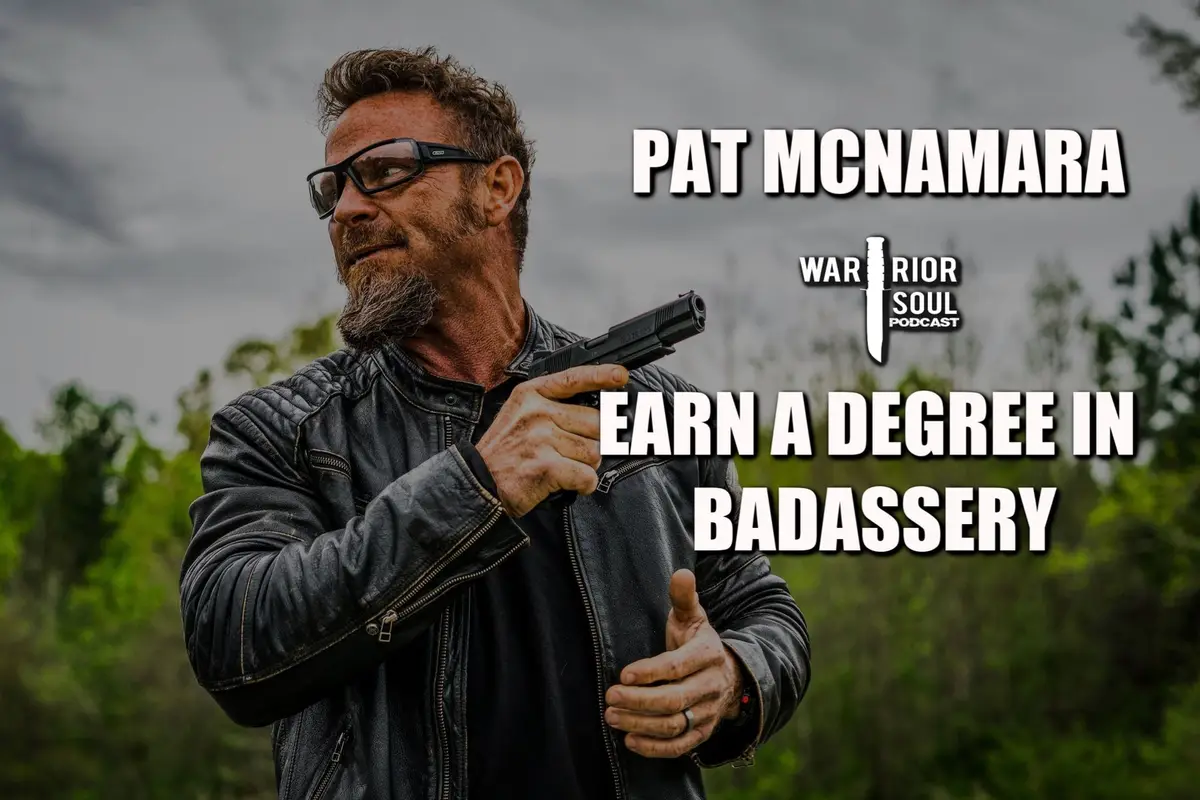
Pat McNamara: Earning a Degree in Badassery
Hosted by Chris Albert
The Warrior Soul Podcast
Pat McNamara is a former Special Forces Operator, author, and overall bad ass.
Pat McNamara is a former special forces operator, trainer, and author of the book Sentinal: Be the Agent in Charge of Your Own Personal Protection Detail.
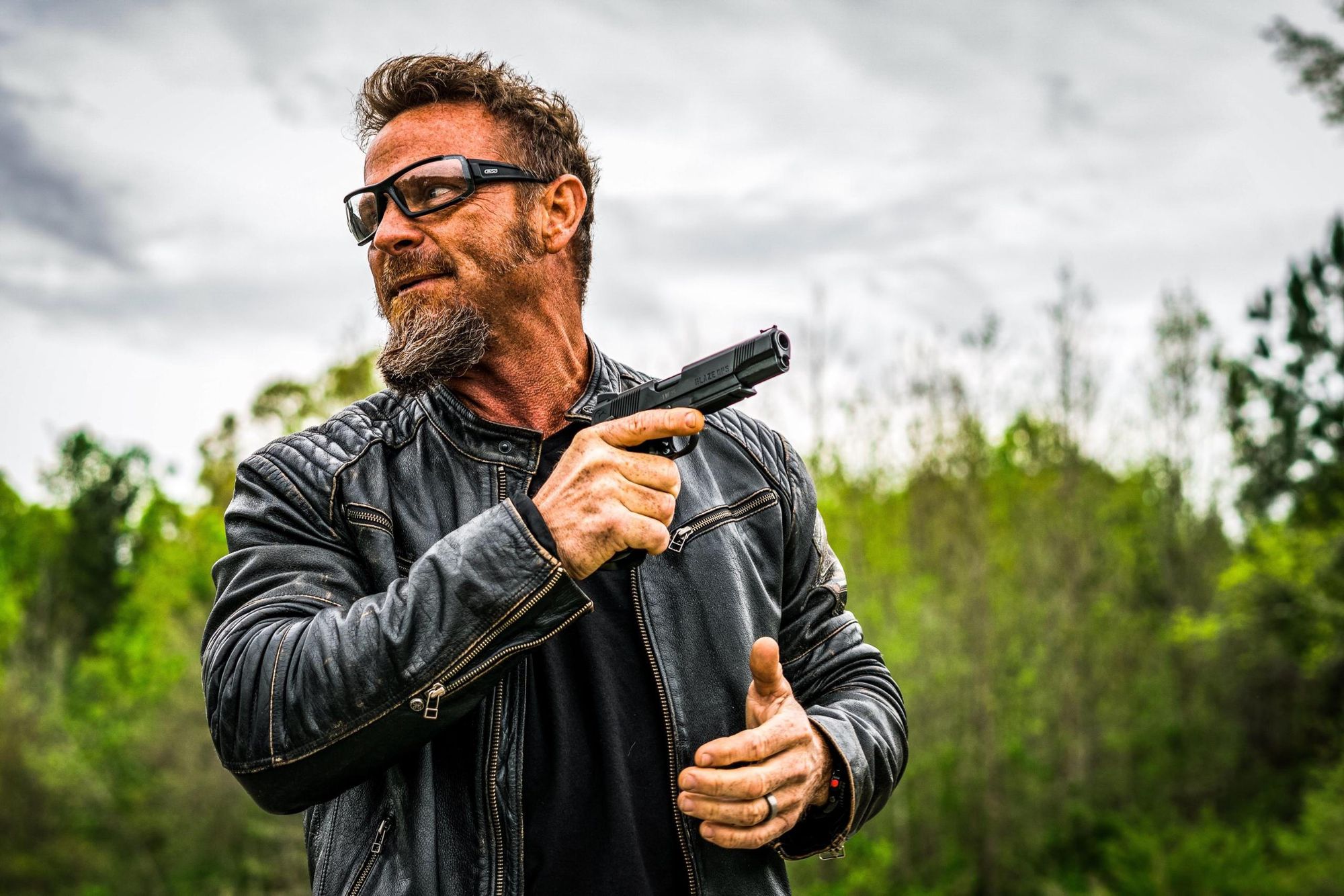
Pat has dedicated himself to helping others to become more aware, more capable, and more tough. His Instagram page, TMACSINC, is one of the best fitness pages out there and it also offers segments on becoming a more effective Sentinal and becoming a more effective man (basic dude stuff).
Pat is also a great guy. He came on to talk about his story, and to to deliver his advice on how you can become tougher and more effective in your daily life.

Follow Pat McNamara on Instagram at http://instagram.com/tmacsinc
Access Pat’s YouTube channel at: https://www.youtube.com/user/patannamac1
Hit Pat’s Main website at: http://www.tmacsinc.com
Train with Pat at http://www.combatstrengthtraining.com
Listen to Pat on the University of Badassery at https://universityofbadassery.libsyn.com/
Get Pat’s book Sentinal at https://amzn.to/2ZlzsgX
If you enjoyed this episode, you’ll love:
Transcript
Machine-generated from the episode audio and lightly edited — may contain errors.
Chris Albert (link to this point)
The Warrior Soul podcast is written, produced, and edited by me, Chris Albert. Our goal is to empower US military veterans to live their absolute best lives, and we do that by providing tools, tactics, strategies, and ideas that they can apply into their lives to become wiser, stronger, smarter, more resilient, and more capable human beings in the civilian world. If you're not a veteran, stick around because anything we talk about here can obviously apply to you. And if you like what we have to say, any information we provide, and the guests we bring on, please head over to iTunes and write us a written rating and review. It really helps to spread word about the show and to get this helpful information into the hands of more veterans so that they can in turn improve their lives and shape the future of this country.
This podcast is brought to you by the amazing, the wonderful f bomb nutrition. They make awesome, delicious packets of fats. These are portable snacks that you can carry with you anywhere. It's so hard to find a low carb snack out there, but these guys have done it. They got macadamia nut butters, they mix them up with chocolate, they mix them up with sea salt, they mix them up with pecan butter.
They've got awesome meat sticks, and they've got these delicious cheese snacks that they put out there. Plus, they're an amazing company. They send boxes of this stuff out to the troops on the front line. It's not something we ask them to do, it's something they volunteered to do. So if you wanna get some of the best low carb, high fat snacks on the planet, head over to www.dropanfbomb.com.
Use the code Warrior Soul at checkout, and you'll get 20% off your first order. This podcast is also brought to you by the amazing awesome people at Save the Brave. Save the Brave is an organization that provides camaraderie events for veterans. They do fishing events. They do golfing events.
They do other sporting events, and they also do a lot of work to help gold star families. And look, we've all heard stories about veterans charities where the executive boards are taking these giant salaries, and I don't have a problem with that at all. But here's the thing, I wanna make sure that whatever organization I'm talking about is doing amazing work. Savethebrave.org is doing absolutely outstanding work. Their board doesn't take any salary whatsoever, and they are having an amazing impact.
They're focused on getting veterans to live their absolute best lives, and that's what this podcast is about, and that's why we wanted to work with them. So if you're interested in volunteering or donating to Save the Brave, head over to www.savethebrave.org and make your donation or your request today. Finally, this podcast is brought to you by Warrior Soul Apparel. This is a clothing company that I actually helped to start a couple years ago as we were beginning the brand Warrior Soul. We've got some amazing t shirts.
We've got skimmy shirts with some pretty funny funny sayings on there like, I love Jesus, but I cuss sometimes. We've also got some awesome hero shirts. We have the amazing hard times, breed hard people series, and these are just great shirts that I've helped create, and they support the show. So if you're interested in getting some Warrior Soul shirts, head over to www.warriorsoul.shop. And finally, if you're interested in joining a new group that we are putting together here at Warrior Soul, a group for those who are looking to live epic lives worthy of epic obituaries, stick around to the end.
We'll have some information for you to check out. With that, let's get into the episode.
Chris Albert (link to this point)
This is Chris Albert, and I'm here to remind you of one thing. Someday, you're going to die. That's not some morbid statement or scary idea. It's solid fact. Your time here on this earth is limited.
And we need to be reminded of this as much as possible for one simple reason, to live your best life while you can. This is the Warrior Soul podcast.
Chris Albert (link to this point)
What is going on ladies and gentlemen? Welcome to the very first edition of the Warrior Soul podcast in the year 2020. 2019 was an absolutely outstanding year. We brought you guests such as mister Robert Greene, the author of the 48 Laws of Power, mister Grant Cardone, Nick Koumalatsos, Vincent Rocco Vargas, Donnie O'Malley, and so many other amazing guests. And the year 2020 is going to be even better, and we are starting it out with a bang.
Today, I am bringing you mister Pat McNamara. Pat served as a special operator in a myriad of different secret squirrel organizations. And if you check out his Instagram, I highly suggest you do TMACSINC on Instagram. It's one of the best pages out there in terms of training, in terms of basic knowledge for being a man, and in terms of personal protection. He's putting so much great information out there, and he's also the author of a book.
The book is called Sentinel. It details how you can be the agent in charge of your own personal protection agency, and he's also got a podcast. His podcast is called the University of Badassery. All of these are absolutely awesome, and so is Pat, and so is this conversation. We talk a bit about Pat's history.
We talk about what he did during his time in special operations, but more importantly, how he transitioned out, how he found himself, how he found a new mission, and how he's dedicating himself today to helping other people to be more aware, to become stronger, more capable human beings, and to become sentinels in and of themselves. This is an awesome conversation. Pat is a great dude. We are gonna have links to everything that you can do to be involved with Pat, to train with Pat, to learn from Pat up on the show notes for this episode. And without further ado, let's get to this conversation with mister Pat McNamara.
Hey, guys. One more thing real quick. The Warrior Soul podcast has been going strong for three years. We've been delivering tools, tactics, strategies, and ideas from some of the smartest and most capable people in the world to help The US military veteran community show up as the wisest, strongest, most capable versions of themselves in the civilian world. And I need to ask you this favor.
If this podcast has helped you, if it has taught you, if it has motivated you to take charge of your life, I need you to head over to iTunes and write us a written rating and review. Our goal isn't just to put a show out here, it's to create a movement. A movement of veterans who are taking greater charge of their lives and also taking greater charge in their communities and this country. We want to help shape this country for the better, and I know that there's a lot of you out there who are concerned about the state of affairs out there. The more that we get this information into the ears of more veterans, the more we are going to be able to change things.
The more we are gonna be able to turn this community into what it should be. A community of leaders who are putting this country onto a better and stronger path. So this doesn't cost you anything. I don't charge you anything for this podcast. All I ask of you is to spread the word.
Head over to iTunes even if you don't listen to I listen on iTunes. ITunes is what drives the algorithms. So head over to iTunes or Apple Podcasts and write us a written rating and review. It helps so much to spread word about the show. Now with that, let's get into this awesome interview with mister Pat McNamara.
Pat McNamara, welcome to the show, man.
Pat McNamara (link to this point)
Hey. Thank you very much for having me on. I appreciate it.
Chris Albert (link to this point)
Thank you for coming on. I was just I was just on Instagram. I was looking over your dude stuff videos. They are absolutely awesome, man.
Pat McNamara (link to this point)
Bro, that was an epiphany that I had one night that has taken off like a firestorm, man. I mean, it is blown up. Just backstory on that, I was We had three appliances go out at once. And my wife was shopping online for appliances and she stopped to find a set of four, so the microwave, the oven, the dishwasher, and the refrigerator. I said, Ah, let's do it.
Because one of the other ones are gonna shit the bed pretty soon too. And she said, Yeah, we could have so and so install them. And I didn't really crapped myself. I was like, Rebecca, I'm a basic dude, man. I can do that.
There's things that basic dudes should be able to do. And she was like, Really? I said yeah man I could do I could do all the guy things and then I started thinking about it and I was like you know what I bet there's a lot of guys out there who can't do basic dude stuff and I started generating a list And before I knew it, I had three pages full of just things that I think I should be able to do.
Chris Albert (link to this point)
Yeah. That's it's so important because I think more and more guys are growing up without that stuff. And you know, one of the things that benefited me aside from being in the military, when I was a kid, I didn't have a dad or anything like that. I went to work in a hardware store.
Pat McNamara (link to this point)
Oh, perfect.
Chris Albert (link to this point)
From working there I learned about plumbing, hardware, lumber, fertilizer, everything and it was like one of the best educations I ever got in my life.
Pat McNamara (link to this point)
That's perfect. Yeah too like, so I was born in the 60s and didn't like growing up in the 70s and the beauty of that growing up in that day and age is we were bored out of our minds a lot, which meant we had to invent shit to do, you know, and we had to figure it out. I mean, I have a couple, I own a couple of generation C kids and they have never ever, ever been bored. They've always, and you know, am I partial to blame? Hell yeah.
But they've always had electronics and TV and cable and they've always known how to swipe right and they've never been bored. So Friday, I can't wait. I'm gonna pick my kids up. They have a half day of school. And my son's 16, and I'm gonna give him a class on changing a tire.
Because, I mean, before you drive, you should know how to change a tire. I mean, I bought my first car when I was 15. It it I couldn't even drive yet. So I'm looking forward to that. He doesn't know yet, but, I think he'll I think he'll dig it, you know?
I think he'll really, get into it. I'm just gonna talk him through step by step. I'm just gonna sit in a easy chair.
Chris Albert (link to this point)
Yeah, mean it's a huge thing because people don't just, people think just about the car, they don't think okay what if I get stuck on the road for like ten hours because we had that happen here a couple weeks ago on Thanksgiving. I live near the mountains out here in California and people gotten stuck on the pass for eight hours without food, without blankets, in the snow, and they just stuck there. People were getting hypothermia, had to be rushed out of there and things like that. And it's just stuff people don't think about.
Pat McNamara (link to this point)
You know, and it's I I I have a saying here. We don't we don't plan to fail, but we fail to plan. And when we do get it, we get experience. Experience is something we get shortly after we need it. You know, I have stuff in my cars.
I mean, and it's not cluttered. I mean, but it's, you know, food, water provisions, first aid, those kind of things. And then, you know, jumper cables, fix a flat, tire plugs. And it's not just for me, it's so I can help somebody else get out of the bind too. I mean, never want to relinquish an opportunity to be Batman, even if it is on a small scale.
Chris Albert (link to this point)
That's your favorite superhero, right?
Pat McNamara (link to this point)
Yeah, man.
Chris Albert (link to this point)
That's awesome. That's awesome. So, you know, we talked a little bit about your Instagram. You've created this amazing platform up there that between physical culture, dude stuff, as the other one you do, the director of your own personal protection agency, lots Can of tips up just give us a quick synopsis of your background? I'm pretty sure most of our audience knows who you are, but a quick synopsis of your background from your time in the military up till to what you're doing now.
Pat McNamara (link to this point)
Yeah, so I did twenty two years. It was all special ops time. I was fortunate in that it was SF baby to an SF group to a couple of Cold War jobs. And then when the Cold War stopped, I went to the unit selection and I was at the unit for thirteen years. I retired in 'five.
Started working under a corporation, you know, was picking low hanging fruit coming out of the military. And then fortunately I ran into bad luck and I got laid off, which was a good thing, you know, because that helped me re establish myself, who I am, and gave me an opportunity to journey in a different direction. So I built TMACS in 2010, which is basically a training company, a tactical I say I like to train bad assery, I teach shooting, fighting, close quarter battle, combat strength training, that kind of thing. I've been working on that ever since. And then, you know, I've got a couple other businesses as well.
So I'm busy, busy, busy.
Chris Albert (link to this point)
That's awesome. And, you know, you were in the in the military, interesting time, you know, over twenty two years, the world changed a whole lot. You went from the Cold War to, you know, the nineties to the war on terror. I was looking at a picture of you on Instagram in front of the Berlin Wall as as it was falling down. You had a mullet.
You had the the eighties mustache going on and things like that. You I mean, what was that transition like? What was it like being in during that time period?
Pat McNamara (link to this point)
I you know what? When you're there in the moment, I guess you really don't think about it. You know, just well, here's another component and portion of my job in another day and time. You really think I started thinking about it more when people were at you know, once they retired and people ask me about my career and I'm like, damn man, I had a pretty badass cool career. I was freaking extremely lucky.
You know, it can have been a part of, you know, peacetime army, cold war. I mean, all of the cloak and dagger stuff in the nineties, the GWOT in in the early two thousands. So, you know, I was just very, very fortunate. So during, you know, while it was going on, you know, I never really thought about it. Just day to day activities, another job, another time, another shithole in the world and rock and roll.
But, yeah, it's fun to reflect. I'm not one of these rest on your laurels Yeah. Dudes. I hate those guys, but it's neat to reflect, when people are interested, especially if they've never been a part of it. If they've been maybe a civilian their whole life and they were interested in military history and special ops and stuff like that, it's nice to talk to them about it because I could see how interested they are, know, and to them it's riveting, it's just fascinating, it's spectacular, it's mind blowing. So that's nice to talk, it's nice to talk about it.
Chris Albert (link to this point)
Yeah, it's interesting because you literally got to be like a witness to history in a lot different eras and that's the amazing part about being able to serve. You know, no matter what role you play, you you're you're you're participating in history in many ways just by by being being an extension of policy. I also heard you got a lot of injuries early on in your army career that was something you throughout your time in, right?
Pat McNamara (link to this point)
Yeah, man. I tell you, people always ask me to write a book about the military, my military experiences, and never will I. Because they think that I think the perception is that it was an easy go, that I just through illustrious special ops career. But damn man, the amount of hurdles, amount I could write a book on how many times I failed. That would be an interesting book.
But the injuries, yeah, I my first one, I mean, you know, when I was, before I was 18, you get the regular injuries, you know, a broken bone and some road rash, those kinds of things, but I've never been hurt. And the first time I was hurt was in jump school. I was a tow jumper. My second jump at jump school where the static line went under my reserve, around my arm, pulled me. I was one of the first ones out and that's Fryar Drop Zone.
That's like, I think it's like a minute and a half long drop zone. It's ridiculous. But I was one of the last ones to land because I was towed behind the C-130 and thankfully it came loose, it came undone because there was no way I would have had the right mind to like pull a reserve or anything like that. When it came undone, my chute did deploy and I remember thinking, Damn, I mean, was going into shock quick because I broke ribs, concussion, dislocated shoulder, and pulled my bicep down at my forearm. So the pain was good enough to cause shock to set in, but it was still extremely painful.
And it was such a foreign feeling, getting like a real injury, not stubbing your toe or something, cutting off the end of your finger, but like a real injury. And that was the beginning of a bunch of them because I had a bunch of broken bones on that one. Was a bad time to get hurt too because it was 1983 and Martin Army Hospital in Fort Benning was jam packed with all these guys from Grenada. Know, guys with real injuries, you know? Like, because he did all the airfield seizure jumps four fifty feet above the ground.
And then I got I blew up my knee once and that pain was legit. When you snap an ACL and you can hear when guys 50 yards away can hear that thing, that's legit pain. That's pukey. Like, I'm gonna vomit and I'm getting this hurts back.
Chris Albert (link to this point)
Yeah. I did that in high school. I vomited all over the place.
Pat McNamara (link to this point)
It was awful. Man, that's a tough injury. And it's a tough recovery because when they open that thing up, it's like construction work, They're in with their DeWalt tools and stuff. So the way they fixed me was a center of a telephant. So that hurt too because you gotta take out those chunks of bone and stuff like that.
But they were able to fix that up pretty good. And then I got called into work one day and I used to drive a dirt bike to work through the woods. And I T boned a deer going about 50 miles an hour. Mean, was whipping through the woods. And that set me, that launched me pretty good.
So more broken ribs. I hit a tree and I didn't know it at the time because of adrenaline. But I walked over to my motorcycle and the handlebars were all bent in and I knew I broke ribs because ribs are so painful to break and that is a painful, painful break. I got broken legs and it wasn't bad because they're straight up the bone, but the ribs, oh man, they suck. And then I tried to unbend my handlebars and I realized, holy crap, my shoulder is jacked up.
So I had to get that operated on. And then I had a Well, I'm gonna call it a helo crash. It's just a hard landing, you know, when it lands sideways, they just, you know, just hard landing, that's all. And then a vehicle crash and a cup and then there was a couple incidences back to back to back, and I didn't know it, but I blew my l five s one disc. And that got, you know, when you blow a disc, it just hurts.
But after a bit, then you start getting, you know, sciatica and it gets worse and worse and worse and worse. So I got that one done and I told the guys ask, Hey man, I'm thinking about getting a discectomy. It's been bugging me for years. I'm like, Bro, get that shit done, man. That is the easiest surgery I have ever had.
That was like outpatient stuff, that was in 'ninety seven. Mean, I was out of the hospital. Day after, think I had to stay in the hospital one day for, like, I don't know, antibiotics or any inflammatories or something like that. And they said, You can put your pants on, you can leave. I was gone, man.
So if there's people out there, you know, that have that chronic disc nerve pain, you know, that sciatica, man, that shit operated on because if you, I did not know how bad I felt until I felt good with that.
Chris Albert (link to this point)
Right. That's the way so many injuries are too. It's like you don't move, you don't realize how good you feel after, or how bad you felt until after it's fixed and the pain's gone away.
Pat McNamara (link to this point)
Yeah, yeah. I mean, when I woke up in the recovery room, I thought, man, this is a foreign feeling. I feel stupid. Man, I mean, was like, my mood, everything was like, because I want a year and a half with that, which a lot of guys do. They're just like, Ah, more anti inflammatories and let me go to the chiropractor. Shouldn't get to work.
It's gonna give you temporary comfort, it shouldn't get to work. You gotta get that shit fixed. Then, because I got the same thing in my neck, I've got degenerative spine, herniated discs. But that one there, I opted not to get it, operated on because it doesn't bother me that much. My hands go numb when I sleep.
So I have a problem sleeping, I have to sleep like a corpse. But getting getting a discectomy or or surgery on your neck, very invasive. I gotta go into the front, peel all that stuff open, and then work on that way. It's fine. The next time, it's not part of me.
Exercise it routinely.
Chris Albert (link to this point)
Mhmm. Now you're in your fifties now and you know, anybody who goes to your Instagram account, your social media stuff, they see the stuff you're doing. I mean, you're working in multiple planes with your movement. You move so Was it always like that? Were you always able to move the way you did?
Or after you got out, was there a period where you were kind of nursing things and did you have to pick things up?
Pat McNamara (link to this point)
Yeah, a 100%. Well, there was a time when I retired, I've always been somewhat fit. I mean, well, not always, let's say from age 16 on, wrestling and stuff like that. And I tell you, the fitness thing, man, as far as helping you recover from injury, you can't beat it. You know, because if I were out of shape during all those injuries, I would be an absolute wreck right now.
You know, I would have been one of these disposable heroes who retires after twenty two, twenty three, twenty four years and is barely able to walk. So, but there was a time when I retired where I got lazy. I got lazy, I got bumped out, thankfully I had a reawakening and I was able to rejuvenate and kind of jumpstart the system again. And I started following my own advice because I developed a system called combat strength training. And that was, I started developing it right when I retired, but I wasn't even following my own advice.
But about four years after I retired, really started getting back into it again and mixing things up, moving around. And now it's all about, you know, motion is motion. I had to put on my IG profile, born in 1965, because that's the question everybody asks. Bro, how old are you? They'll still ask to eat those red right there.
But I don't even like to think about it, the age thing because it's all about an attitude. You know what, if you're somebody who has been in a kind of a, you know, a career that didn't that that didn't lead to a lot of pounding and and a lot of mileage on the feet, you really have no excuse. Should be fit until the day you die. Lot of us military guys, there's so much mileage and pounding and you only have so much of that stuff called cartilage. So you've got to get smart about how you exercise.
Fortunately, I started getting smart about it before I retired because I ran into a trainer and he told me, he said, At some point you gotta think about self preservation longevity. You gotta think stronger, longer. And thankfully I was in my thirties then and I went, You know what? Dude is right, man, because I'm not thinking about that at all. I'm grinding, I'm jumping off of stuff, I'm jumping off of buildings and, you know, doing combat roles and maxing out lifts and, you know, running 10 miles here and just complete with complete disregard to health, just all ego stuff.
So, you know, motion is lotion. Mobility is survivability. You gotta keep that stuff going. And so I'm fortunate to have really good, functional flexibility, speed, quickness, strength. And and like you said, in all planes of motion too, and I could go on and on about this, so I'm gonna keep rambling for a second.
But a lot of guys, they're they couple things couple faults with guys when they work out. One is they live in a sagittalistic world, tomato border. So sagittal, everything is great, bench press and curls and stuff like that. Everything's forward, What's that? Everything's forward, just Yeah, everything's forward. Straight So everything's sagittal, they live in a sagittalistic environment, but we don't live there on a day by day basis. Whether your life is in a tactical world or not, life saving and ass kicking take place in the transverse plane, all that rotation stuff. So, every day I do, I do stuff whether it's power or strength or speed, stuff in the transverse plane. Man, you know, I have passed that knowledge on so many people and they they're pinging me years later saying, bro, you have saved my life.
I was a piece of shit. My back was out of whack. I couldn't move. I had all these muscular imbalances. My pelvis was out of kilter, you know, but I am moving good now at, you know, 58, 62, whatever it is.
The other thing that guys neglect is that they fall victim to a routine, you know, where they're doing the same thing day by day or week by week. And I like to say that routine is a playground of a dull mind. And that if all evolve, if what you do is routine, you could fall into that rut of complacent adaptation, where you're no longer, all you're doing is maintaining a couple movements. You're not making improvements on strength or speed or anything like that. And eventually it's gonna catch up.
Plus, if it's routine and you don't change stuff up, it's no good for your brain. Strong body, strong mind. When you mix it up, exercise the brain as well.
Chris Albert (link to this point)
Yeah, I, you know, been in the conventional military back in the nineties and the early two thousands, back then it was kind of like, alright, you go out, run three miles, you do your push ups, do your pull ups, if you're weightlifting, you're doing bodybuilding stuff. And I think a lot of us fell into that mistake of doing the same thing all the time because what we were training for, we were training for the PFT. We were training well on our physical test. We didn't really care about all the other stuff. Of course we didn't want to fall out on humps.
We wanted to do well on ranges and things like that. But we weren't training that stuff. And you know I wish I knew then what I know now and I wish we had methods of communication with people like you back then because I think that I would have went through so many less injuries and so many less problems and I would have been so much more prepared for the challenges that I was facing at the time.
Pat McNamara (link to this point)
Yep. Yeah, 100%. And so what I'm doing now is I'm still The most fun I have working on it, it should be fun. Working out should be fun. It should be interesting.
It shouldn't be boring, it should be mundane. You shouldn't have to go, well, it's time for me to go to the gym, here I go, you know, and go through some motion. One of the most, I train five guys every day, so that drives me, that gets me there, so it starts my motivation process. And my challenge is to challenge them. So to give them stuff that we haven't done before. And the funniest thing is trying to recognize voids. What do I suck at?
What part of me have I been neglected? So I try to replicate a lot of real world movements and I realized today too I did something yesterday and I can't wait to talk to the guys I trained because I need to see if they're sore in the same spots Because my back is sore and like, I'm good sore, you know, muscular sore. It's sore in different places than you can usually I never get sore because I always mix stuff up. But I'm soaking in different places right now so I can't wait to see if they're the same because I came up with a couple hump dangers yesterday. Brings me up to another point I did a motocross lesson.
I used to ride a lot of motocross, and a couple weeks ago, there's a guy who, you know, I know through social media, he used to be a pro motocross racer, in treadle, and he had massive TBI, was in a coma for a long time from a bike wreck, but he trains dudes now and he brought me out and trained me and I rode for a couple hours on this track and he would give me tips and he said, Man, tomorrow you're gonna be sore really bad. And he, I saw him a couple days later, said, Were you sore? I said, No, man, nothing was. Nothing was sore. That's great affirmation to know that I'm doing shit the right way.
Additionally, like I don't pound pavement anymore. I don't go around five miles. But my system says to work in anaerobic chunks in circuit to near metabolic threshold to meet anaerobic goal. So you're keeping the chassis moving for like thirty five minutes. So you're getting that cardio in without to pave it. And last year I went to the beach with my wife and I said, You know what, I'm gonna go for a run. I'm looking for a job in years. And I ran four miles and there was nothing to it. So once again, good affirmation. It's like, all right, good.
I'm doing the right shit because I'm not freaking smoked from going out a job.
Chris Albert (link to this point)
That's awesome. That's awesome. I want to ask you because you mentioned that you had an awakening after you've gotten out sat around for like four years kind of kind of not not really knowing what you're gonna do. What was it that caused that awakening in you?
Pat McNamara (link to this point)
Well, don't assume it much because I'm given when I talk about this, I'm shorting folks of the real story behind it because there was so much behind this, but I ran into, and I didn't know it, and a lot of guys suffer from this when they have a long career, but I ran into, I was dealing with depression. And I almost capitulated to darkness. I was happy with being mediocre, I accepted, I mean, it wasn't like I was gonna kill myself because I had little kids. So I wasn't suicidal. But I was like, I'm just happy being a piece of shit.
I'm just happy just being mediocre. Not happy, content, you know, just accepting mediocrity. And almost capitulated just to say, you know, fuck it. I'm just not gonna do anything. I have no goals, no aspirations, nothing.
I know this went on for years. This is years. This wasn't like a couple of weeks thing. And it was I can't explain how freaking bad it was because I was in a bad relationship. And the partner in this relationship was addicted to prescription meds.
And when you're on prescription meds and you're abusing them, you know it's chemistry, people need prescription meds, I get that. But it's chemistry, so you're talking no, you're talking, it's a balancing act. Plus there's counseling that goes along with that stuff. You have to abide by that regimen. Otherwise it's useless.
You're just a fucking junkie, right? Legal junkie because there's some freaking psych psychologist, not a psychiatrist, psychologist going that shit out. And it got to a point where this partner or mine, there was no more connection between the neuro receptors. It was all darkness. It was all very delusional, very paranoid.
It was just horrible. It was every freaking day. It was almost every minute of every day. And I lived in a bonus room of my garage for almost five years. I lived in a bonus room, little teeny room.
I had to stay there for my kids' sake. That was what drove me to stay in that. But my son at the time, you know, little boys are just so freaking sweet, man, know, and my kid at the time was super freaking sweet kid, he's probably five. And we're up in my bonus room watching something, I don't know, tea, whatever, it's just a show. And I was smashed out of my mind.
It was probably eight at night, but I was drinking in excess. It was every day. I would drink all day long. It wasn't, you know, all day long I would drink all day. And I told my son, Oh, back up a step, it's dark outside and a little switch out landed right on my window and he's facing this way, the window's over here. I said, James, look at the window. And he looks over and I could see his eyes just go, because it's right in front of us, know, it's a little screech out, it's cool. It's getting lit up by lamp shade that's right by the window. But you know, was living vicariously through and I told him, I said, Hey James, don't just love you, I am in love with you.
And he started crying, you know, it's very like he got that. You know what I mean? He understood that. I mean, that little brain processed that. But I put him to bed and I realized, man, I have got to be, you know, I've gotta be I gotta be super dad for this kid forever.
You know, I've got to do this. So I back to the running thing again. I I put up my running shoes, right, put my running shorts out or whatever, just PT clothes, charged my iPod and set my alarm for early. Got up, chugged water and went for a run, no plan, ended up being 10 or 12 miles. It was like an hour and twenty minutes, this run.
I felt good, I mean, was hoofing it. And I come back and I'm pretty out of shape at that point too, because I'm not working out the way I was supposed to. I come back in my driveway and I called the house that there was that, I called it the house where dreams go to die. So I stayed in my driveway, I was starving after that, I stayed in my driveway for about another hour and a half and I had some dumbbells in the driveway and I just did push ups, sit ups, presses for like another hour and a half until I almost passed out. But it was that, jumpstart right there kind of rejuvenated and reminded me who the hell I am.
Know this is who you are you can get up at any freaking moment and run 10 miles you know on your worst day. And I remembered you know, who I was at that point. And I said, man, I can accomplish this. And I had no idea what I could accomplish, but I said, I do things. I could make a good life for me.
I am going to do my best to make lemonades out of lemons because that's all I had at the time of the lemons. And it was the same day, was so smoked the same day because I got in my car and I was driving to town to get something to eat because I didn't want to go inside of the house. And I did some errands, this and that. And now it's about eleven in the morning and one of the local cops called me and he called me and said, Hey, can I talk to you? I said, Sure, he says, I'm at your home.
So I went to my home and he's in the driveway, he says, Hey man, I ran in, I ran into your wife and she's stoned out, it was like eleven, stoned out of her mind, think we're here this and that. And the cops have been to my house about five times, know, because of reports that I'm bugging the house and all the protecting boards for the light switches were taken off and showing them all bugging the house because there's green washers and all this stuff. But they've been in my house five times and they knew me, they knew who I was. This one cop said, hey. Need to get the fuck out of here.
And I looked at him like and I said, He says, the kids will understand. They will get kids are resilient. You need to save yourself and you need to get out of here. Bro, I just freaking broke down like I was a school girl. I broke down.
I was like, Holy shit. Somebody freaking understands what's going on? There's no way. Because I was all alone. Nobody.
Nobody. So I had that good one, him telling me get the hell out, he's like giving me permission, you know? And the weight that was lifted off, this is five years, it was bad before that, five years was horrible. And that day I went and looked for a place I found when it was 500 yards away from my house, just a little condo. They moved all my shit that day.
This I is the beginning, this is the beginning, this is the new, I had to start like all over again, I was 48 years old, had to start it all over again. That was almost seven years ago, all now. But the thing is, you know, it's never too late to start life over, know. So what I get with guys is I get rough patches. I get being miserable, I get depression, I get, you know, lack of confidence even because I had that lack of confidence and lack of confidence in my ability as human being.
But so You know what, too? If I were to change one thing about my life and my past, it would be absolutely nothing because I am living my best life right now And had I not gone through that crap, I would not be the person who I am today. And it pains me when I say that because I would hate to put anybody else through that again, and I would hate to put myself through it again, but I would absolutely 100% do all that shit again, 100%. Yep, 100%. Because I like that I am the best version of me now and the relationship that I'm in, really good.
Everything's good. I'm at the top of my game right now.
Chris Albert (link to this point)
That's absolutely amazing. And the thing is, there's a lot of guys with similar stories out there as far as being in partnerships where that are so bad that they think they're going insane. Like you think you're crazy. Think you're nuts you think it's your fault. You think you're doing And something the thing is, I was in a similar situation, really, really bad partnership and then somebody cleared my eyes and I literally packed my shit in the garbage bags, moved out, lived in my car for a while and did the same thing.
And you're right. When you make that decision, it's like a new beginning, and you could do absolutely anything. And and I wish I wouldn't wish it on anybody, but I wish more guys could come to that kind of epiphany.
Pat McNamara (link to this point)
Right. Yeah. You know what? A lot of them do and I am very fortunate to have a platform, like social media. I have a pretty broad base.
I mean, it's pretty extensive. So I am able to, I'm able to do that. I'm able to help guys out, you know, because of that footprint I have on social media. So and a lot of them, they'll just watch something like this right here. Know they'll watch a podcast that I've done and all they write in is, hey thanks, that's it.
And that's fine because I know that either small or grandiose, I helped that dude out in some way. And it's very it's very fulfilling. You know, you get a real good sense of accomplishment from that right there.
Chris Albert (link to this point)
Hey, guys. I hope you're getting a lot out of this interview. You know, the Warrior Soul podcast is built with the mission to empower its listeners to live absolutely epic lives. And that's why we recently created a group called the Warrior's Obituary Society. This group is built to empower its members to live epic lives worthy of epic obituaries.
And it starts with an eight week development program. And with this development program, what you're going to do is you're going to outline a vision for your life. You're going to get very specific about what you want. Because without that specificity, you don't know where you're going and you don't know what you're doing. From there, we help our members to develop specific goals, objectives that they are going to push toward, and that their fellow members of the Warrior's Obituary Society are going to hold them accountable too.
From there, we're getting down into specifics. We're going to help you to develop and customize your own personal fitness and nutrition plan to help to fuel your body and fuel your mind for the quest ahead. From there, we're going to work on your personal finances. We're going to help you to knock down debt. We're going to help you to start saving money and to create a plan so that you can start investing in your dreams.
Then we're going to get into your business and career. We're going to help you to develop the skills that you need to develop yourself so that you can have a major impact in the field you choose. If you choose to go into business, we're going to help you to set up the foundations that you need to create your own company and get started on your path in life. From there, we're going to be working on your relationships, we're going to help you to develop a world class network, and all along the way, you're going to have your fellow members of the Warrior's Obituary Society pushing you in every single area. We meet once a week over a live call, and we're constantly communicating over our own private forum on Slack.
We don't do anything over social media, and that's because I don't want anybody feeling like anyone's looking over their shoulders, and I don't want you exposed to the crazy distracting alerts that you get on Facebook and some of the other social media platforms. Normally programs like this cost thousands of dollars. This one does not. For the price, it is the best development program on the Internet. And that's because our mission here at Warrior Soul is to empower people to get more out of life so that they can in turn make the world a better place.
We've got a great mix of active duty military, US military veterans, and civilians in this group. We wanted to keep it really eclectic so that we get a lot of different types of views up there and a lot of different people with different areas of expertise. If you think that this is something that would be of interest to you, and that this is something that could empower you to live your absolute best life, head over to www.warriorobituarysociety.com. That's www.warriorobituarysociety.com, and you can sign up today. And if you have any questions about it, just reach out to me at chris@warriorsoulagoge.com.
That's chris@warriorsoulagoge.com. I'm happy to even sit down with you for a phone call for a few minutes to see if the group is right for you. I look forward to seeing you guys in there, and let's get back to this awesome interview. When did you realize you had that kind of power with the social media? Because you're not from the social media generation. Right? It's it was probably something new and foreign to you at first. When when did you realize you could pick up that phone and and do that?
Pat McNamara (link to this point)
Well, I got into the social media game late and initially I just felt like another, you know, social media douchebag until I figured out how to use it. And then, you know, I'm a YouTuber and what the YouTube started doing was just motivating I was good, you know, just feel good motivation. It was like, hey thanks for putting out those things, you motivated me, gave me a different way to train. Then I started putting out the workout stuff. And then I realized, okay, that's where I live on social is all positive message.
There's nothing visceral, there's nothing truest, nothing. That's also a reflection of that person. When they're putting out negative crap on the interweb, dude, that's with intent, man. That's with intent to help, to hope that others feel bad in the process. So I want to make sure that the message is positive.
So for the longest time it was like, hey man, great content and great for motivation. It's uplifting. But the first time I talked personal, like about depression, was on the Joe Rogan podcast. And he's got a substantial platform and a substantial And that's when I really realized, holy crap, man, because man, my shit blew up after that. It blew up and I am still, I could get off right now and look at IG or Facebook messages and have guys thank me for doing that podcast right now.
Still every day. And this was last March, this was almost a year ago. So they're still watching that. And now the challenge is to keep up with the correspondence. Even if it's just acknowledging that I read, send them horns up, something like that.
Because there's, used to be hundreds and hundreds during the day, now it's still hundreds and hundreds during the week, but I'm still able to, you know, I spend time in the morning and at night on that social just to answer guys and just to give them a rock and roll, horns up, whatever. It's just as simple as that. Because I realized too that that matters, that matters, know, that given just to give it a dude and you have no idea, you have no idea man. Because a lot of guys I've helped out, they say, Hey, can I come to your gym and work out with you too? Which is a great thing, I love doing that.
I bring guys to my gym all the time. They always ask, Can I get one day of work happening? I go, Hell yeah bro, Come on. Because sometimes people, all they need is just that one good day. It's a jumpstart.
It's like going for that run. So I like to know that I am for some reason able to do that, able to pass on this positive vibe and positive attitude. I tell my wife all the time, go, Rebecca, I'm helping out so many people. Have no idea what I'm doing. I have no idea, I have no idea.
She goes, Yeah, just keep beating you. You know, says, You have a hard time faking it. So I'm like, All right. Because I'll link up with guys that can talk to my kid and you'll, I'll know a piece of, you know, they're, they're bummed out. They're depressed after they got out the military.
And I'll start hearing their backstory and I'm going, oh my God. Dude, you're like, it sucked. Wow. I mean, when people piss and moan about the most trivial shit, I think about guys like this, you know, who were brought up in orphanages and and they were bad. They were beaten and their their both of their parents died of cancer.
They were 14. They went into the military and then they got out. Then they had a horrible relationship and then they had cancer and were able to beat. This is all the same person, you know? And there's tons of people I meet like that.
There's tons of them, you know? So when people hit me up with tribute shit like, I remember this one guy, he hit me up because hey I'm bummed out, I appreciate you disclosing what you did on the JRE podcast because I'm having some depression and I hate it because I have kids who love me and a supporting wife and I told him, I said bro fuck you, Snap the fuck. If you have kids who love you and a supporting wife, put a rubber band around your neck and snap the fuck out of it. Sorry. But you've got a great thing going on, don't jack that up, man.
Go work out, go get yourself, you know, a good meal or something and find a hobby, but hell no. You know, there's some guys I don't wanna hear, I don't wanna hear about it because people have it, a lot of people have had it pretty freaking bad, You know? And then you look on the other hand, I know guys who have lost several limbs in the military and met their attitudes out of this world, you know? They're on top of the world like, whatever, bro. I'm alive and I'm able to read and still go fishing because I got this arm and, you know, it's like, that's what bad looks like.
Yeah. So if he can do that shit, why can't you? My doorbell just rang.
Chris Albert (link to this point)
You gotta get it?
Pat McNamara (link to this point)
No, no, no.
Chris Albert (link to this point)
What I was gonna say is like, you know, the other thing is is, I mean, when you think about all the people who have ever lived on this planet, and all the different times and places throughout history, and like, the fact that that, you know, one hundred and fifty years ago, kings and queens weren't living as well as most of us are today. Like we've got right tech in our pocket that it took it took to put a man on the moon. Even if your life completely sucks, I mean, there's still something there to keep you going.
Pat McNamara (link to this point)
They're banging it again. I I gotta get this.
Chris Albert (link to this point)
Go ahead and grasp it, brother. Go ahead and grab it.
Pat McNamara (link to this point)
How about.
Chris Albert (link to this point)
Oh nice.
Pat McNamara (link to this point)
20 pounds of venison.
Chris Albert (link to this point)
Oh nice, that's awesome.
Chris Albert (link to this point)
Yeah. What I was saying is that, if you think about the fact that, mean, a hundred and fifty even like a hundred years ago, kings and queens weren't living as well as the average person in America today. The things we have in our lives that the opportunity we have in front of us. I mean, being able to start a business over social media, being able to communicate with people, being able to learn about all the things we get to learn about. Mean, literally you can learn about anything in seconds.
Like it's all in your pocket, right? And even if your life sucks, I mean there's still a lot of opportunity out there to turn things around.
Pat McNamara (link to this point)
Yeah, and some people just need because there's a lot of people who just live in, you know, they live in their little bubble and, you know, they're pretty content, but they have no idea what they can be or succeeding because nobody has nobody has really, really been given any guidance, you know, or they haven't been given permission to be a really good version of themselves. Sometimes they need they need permission, you know, hey, man, you could you could you could be something more than what you are right now. You do not have to pick that low hanging fruit, you know. Is opportunity out there and sometimes it just starts with, you know, taking a night class or something like that. Just getting yourself a little bit more education.
Chris Albert (link to this point)
Yeah, I agree 100%. You know, other thing is that I noticed about you and what you've done, you've got this amazing and remarkable balance to your life too because you have this intense training that you're doing, You have the physical thing. You have the fact that you're training others but you've also, you started a new relationship. You've got a great wife. You're a family man and how have you been able to How were you able to move on from that bad relationship, start a new one, and find happiness there?
Pat McNamara (link to this point)
Bro, you know what? I think people like me are at their happiest because they've endured that shit storm, you know? So when I go to my local pub or when people say, How you doing? I'm never one of these douchebags that goes, Well, I'm vertical. Well, I'm still alive and still kicking.
I always say, Man, I am awesome, always. And because that's the way I feel too. I can have a pretty poopy day, but I'm still awesome, man, because I know what shit is. I know what it is. And I'm not talking just, you know, a lot of Plus us military guys know what, you know, living in squalor feels like and being miserable and cold and hungry and tired and cooking in the heat and all that stuff.
So we know what that is too, but I know what suck is and the suck that I endured after military life was way more than anything that I had endured in the military, way more. So the balance is easy, you know? I look forward to every tomorrow, today. I look forward to every tomorrow. I live by a couple of mantras too, like one is you wake up in the morning, Jerry Rice, football player in the nineties, a hall of famer said, I will do today what others won't so I can do tomorrow what others can't.
Man, if you could say that every morning and think about that, dude, put that in your pipe and smoke it shit, man, you know? And then I wanna look forward to tomorrow, you know, the night before. So I still look like I jot out a couple notes. These are the things I wanna accomplish right first thing in the morning, accomplish these things. And I have minutes, I literally have minutes during the day.
I have no time because I have two, three of my own businesses, I got six or seven side projects I can't even keep track of. So my big whiteboard keeps track of those, you know, all the big stuff that I'm supposed to do, all my paths, my little white board on the small intermediate paths that I want to accomplish during the day. But I want to make sure that I look forward to the next morning. Think about, you know, I'll get in the, I'll look at the weather, go, Oh man, it's supposed be raining. It'll be nice to hear the rain in the morning.
You know, I mean, nobody wants to hear the rain in the morning, but the thing is if you look forward to it, it's like, Oh, that's raining. I'm inside and I'm not wet and it's raining and it's cold And another thing I look forward to is I wanna beat my wife out of bed so I can bring her a cup of coffee. Know, so that's accomplishment number one for the day right there. And then I want them, you know, it's little shit. Mean, I wanna make bacon and make my dogs a slice each because dude, they're just so freaking fired up.
Dad's making bacon for us, you know, and then get them on a walk because, you know, I'm their dude, man. I'm the dog's dude. So get them on a walk and, you know, see the world through their eyes. But yeah, man, I love, I don't necessarily like to grind and I'm getting, to be honest with my job, this year hit me, I'm getting worn out, man. I mean worn out because I've been pushing hard doing like four courses a month for the past several years.
A lot of that's because of alibi. So I've got to maintain that pace for few more years. But next year I've decided I'm gonna dial it back, do fewer courses because they're smoking me. I had pneumonia this past summer, pneumonia, because I ran into exhaustion and pneumonia. So I was doing back to back to back courses.
I lost 10 pounds. I have nothing on me to lose, nothing. There's no I mean, it's all just skin around my whole body.
Chris Albert (link to this point)
Right.
Pat McNamara (link to this point)
So next year, I'm gonna dial back and I'm gonna try to leverage, you know, like social media and and the interweb and do some other things. I got some other plans and then develop more products. Do some more writing because I write for Athlon Outdoors for and Ballistic Magazine to do some more ad stuff too.
Chris Albert (link to this point)
Your opinion, what where are most men most unprepared? Whether it be in protection of their house, whether it be in in trying to figure out egresses, things like that. Where where should people start when it comes to Yeah.
Pat McNamara (link to this point)
Got it. I'm gonna write it down because I got a backstory out of first. I think this is an easy one for me to answer, but I'm gonna still get a little bit long winded. Be So the agent in charge of your own executive protection detail is the subtitle of my book, Sentinel. And so you take what an executive protection detail and you whittle it down to Michael Wall.
What can everyday Joe Schmoe, me, you, the people next door do as an executive protection detail does on a micro level to help make sure that you, your wife, your family, your kids are just safe. And I'm not paranoid, I mean, there's no paranoia here. Guys, when I post stuff like these Sentinel sermons, these Sunday Sentinel sermons on the IG, guys say, bro, you're so fucking paranoid, you know? And I'm like, I'm glad that I have to live in Canada and not only safe America. Like, hey man, I'm talking fire, natural disaster, power outage, that kind of shit, you know?
Not just zombie apocalypse and gang of thugs at the Walmart, I'm talking not in terrorists, I'm talking just everyday crap, man, you could be falling down the steps. So the answer is, now, we human beings, this is my opinion, are kind of devolving. We're relinquishing our natural defense mechanisms as a human being, mobility, intuition, situational awareness. So what I tell guys where you start, number one, it drives me crazy, when I see a dude walking up the road with his wife, He's not on the roadside, he's on the inboard side of the road. He's not holding her hand.
He's wearing flip flops and he's got his phone down here in forty five degree syndrome. I'm like, that's not a dude right there. That's not sentinel. So number one, situation awareness. It's as simple as that.
And and and, you know, when I'm in my home, I'm in the white. So Cooper's color code, white to red. You know what red you're fighting for your life, white zombie mode. When I'm out, as soon as I go out, I'm in the yellow. I don't need to be in the orange like an executive protection detail is.
That's exhausting. But just in the yellow, you know, just aware. So that's where guys need to start. They don't need to go out and get a bunch of guns and and become a ninja because that takes that's a lifetime. Right.
Situation awareness and intuition is built into your hard drive. Just don't relinquish that. You know, rejuvenate that. Rekindle or restart that fire. You know, just kindling on that fire on that situation awareness fire.
Cause that's the one thing that could keep you safer more than anything. Know, the old lady who her car has run away because she had the gas pedal instead of the brake. It could be a patch of ice that nobody's seen, looking down their phones, whatever it is, just situationally aware because at the end of the day that can mitigate a lot of burglaries, muggings, home accidents, accidents out in the street, accidents in your car. I mean people are switched off in their car and they're doing I assume right now that most people driving are distracted. That's my assumption, most.
I'm going to say most are distracted. You know, when you look into other cars, most people are on a cell phone. They got it in their hand, even if they're driving, it's in their hand. You know, but when you hit a stoplight, everybody's looking at their cell phone. So I guess I'm the one all in security cause I'm not, I'm the only one on security right now.
But yeah, that's my advice, stay situation aware when you're outside your home.
Chris Albert (link to this point)
That's awesome advice and you said the book, the Sentinel book, where can people find that book?
Pat McNamara (link to this point)
It's not all the usual suspects, you know, Amazon, Barnes, and Noble, that kind of thing. I'll I'll I'm I'm gonna order some more too at the beginning of the year so I could have signed copies that I could send people.
Chris Albert (link to this point)
Awesome. We'll get the links to that up on the show notes for this episode. And you know, I mentioned your Instagram. What's your YouTube channel called?
Pat McNamara (link to this point)
Pat Mac.
Chris Albert (link to this point)
Pat McNamara. And and your your Instagram is p max. Right?
Pat McNamara (link to this point)
TMACS. Yep. T m a c s I n c. TMACS Inc.
Chris Albert (link to this point)
TMACS Inc. Yeah. I have to say your your Instagram is is, I mean, it's it's one of the best accounts out there as far as training goes, as far as motivation goes. I absolutely love it. Love checking it every day.
It's it's it's a it's it's a great account to follow.
Pat McNamara (link to this point)
Right on. Thanks, man. Yeah, I have fun with it. And I'm very, very careful about we once again, because we've evolved, our attention span has been reduced. Like kids, the attention span now is less than that of a goldfish.
Yeah. So I'm careful. I make sure that messages are short, clear and concise and that as soon as it comes on, it's captivating. So you're seeing, feeling information or hearing it right away. Yeah, I'm careful about it.
Chris Albert (link to this point)
No, you're really great about that. And the segments, I mean, they're short, but they're so helpful. There's a lot of great stuff on there. Well, Pat, number one, I wanna thank you for coming on and sharing all this stuff with us and sharing your story. Two, I want to let everybody out there know, you know, Pat's done a lot of work here.
He's put a lot of great stuff out in the world. Definitely go and check him out. And beyond that, you know, take some of the lessons from this episode. There's always a potential for a new start. There is always potential to live your best life.
I think that's the big message here. Pat's doing it. He's pushed forward through his own trials and tribulations. And you can do that too. It's just gonna take a bit of effort here, right?
Anything for the audience out there?
Pat McNamara (link to this point)
No, I appreciate the audience listening. That's it. And yeah, man, I thank you for having me on. It's been good.
Chris Albert (link to this point)
Awesome. Awesome. Ladies and gentlemen, thank you so much for listening. We'll be back at you later on this week with some more awesome content. Get out there and live your best lives while you can.
This is Chris and Pat, and we are out. Alright, guys. There you have it. That is our interview with mister Pat McNamara. If you want to learn more about Pat or see more of Pat's stuff, you can head over to his Instagram.
It's the letter t, Macs Inc, TMACS Inc. You can also head over to his main website, which is tmacsinc.com. And if you're interested in training with Pat, you can head over to combatstrengthtraining.com. He's got a book out there. The book is called Sentinel.
It's about being the agent in charge of your own personal protection agency, and he's got a new podcast out there, the University of Badassery. So be sure to check all this stuff out. I'm gonna have links to all this stuff up on the show notes, including Pat's book. I definitely suggest that you get the book, you check out Pat's Instagram, and you check out the rest of his stuff. Beyond that, I wanna thank you guys so much for listening to the Warrior Soul podcast.
Like I said, we've been going for three years strong, and we are growing every week. I'm seeing those downloads add up. Like I said at the beginning of the show, if you can find it in your heart to head over to iTunes and write us a written rating review. That is the only thing we really ask of you. I don't ask you for money.
We do this show for free. We bring it to you every single week, three times a week. We just need to spread the word. We need to get this information into the ears of more veterans. And by you writing a review, you're gonna help us to do so.
If you wanna support the podcast in other ways, we do have a shop. It is up at warriorsoul.shop. We've got t shirts, some of the best t shirts in the world made and printed by US Marine Corps veterans up in our Santa Barbara print shop. So definitely check that out. And if you wanna support yourself by joining the Warrior's Obituary Society, you can head over to www.warriorobituarysociety.com.
And like I said during the announcement, if you check it out and have some questions, just email me. I'll be happy to sit down on a call with you to talk about your goals, to see if you're right for the group, and if the group is right for you. We also have a Patreon. If you wanna support the show in other ways, you can head over to www.patreon.com/warriorsoulpodcast. But if you don't wanna do any of that, that is okay too.
All I ask you for is the review. So thank you guys so much for listening. We'll be back at you later on this week with another awesome episode. We got Forrest Munden, the creator of the Salty Soldier coming on, and 2020 is going to be a great year. So I wish you and your family a happy New Year.
Now take charge of it. You're still living. You're still breathing. Get out there. Live your best life while you can, and we'll be talking to you soon.
This is Chris out.
Host of the Warrior Soul Podcast and founder of Warrior Soul. Worldwide trainer and nutrition coach, contributing author at Testosterone Nation and Muscle and Strength.