Music on a Mission with Dave Bray – US Navy Veteran, Family Man, and Lover of All Things America
Two art forms that go back to the dawn of human history are music and storytelling. Both had roles in developing communication and culture.
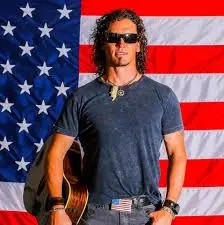
Dave Bray is a storyteller and a musician. A US Navy veteran who served as an FMF Corpsman, Dave is a man of both patriotism and faith.
This is very apparent in his music. His album, Music on a Mission delivers soothing vocals along with heartfelt storytelling in which he describes each song’s importance to him. Throughout, you can feel his love of America, family, and God.
In this interview, we talk about Dave’s music, his love of America, his views on how the country can heal it’s divisiveness, the personal habits that have led to his success, and what his day to day life is like as an artist.
To learn more about Dave Bray and his music: https://www.davebrayusa.com/
To get Dave’s latest album Music on a Mission: click here
Transcript
Machine-generated from the episode audio and lightly edited — may contain errors.
Chris Albert (link to this point)
This is Chris Albert, and I'm here to remind you of one thing. Someday, you're going to die. Now that's not some morbid statement or scary idea. It's solid fact. Your time here on this earth is limited.
You need to be reminded of this as much as possible for one simple reason, to live your best life while you can. This is the Warrior Soul podcast.
Chris Albert (link to this point)
You know, The United States Of America is, of course, a country. It's it's a country and a nation. Right? And when we think about what a nation is, it's a a set of ideals, a set of ideals based on a culture. And when we think of America, we think of values.
And that's what I think of when I think of today's guest. Dave Bray, also known as Dave Bray USA on social media. He's a musician, and this is a treat. I've I've had a lot of actors on here. I've had authors, many authors, but I haven't had a musician yet.
And listening to his album Music on a Mission, it's really, an awesome combination of both music and storytelling. Dave goes into the significance of every song he puts on to this album. And it's kinda like this this holistic unit. Right? The whole album kinda comes together.
And when you're listening to it, it kind of almost induces a flow state because, you know, I was listening to it. I was doing some work while I was listening to it and and really, like, just put me in the zone as far as work. But the music and the stories, they're all centered around values. And Dave is somebody who's who's close to God, who's very, very religious, but also very patriotic. And he goes into why he loves this country, why he has the faith that he has, and, you know, his love for for all things American.
And and, you know, there's this mistake out there that I think a lot of people make where they automatically associate that with being political. Right? And there's this idea that if you love America, you are associated with a certain political, you know, orientation, more conservative things like that, which, yeah, Dave is. But I think we should all love America. I think all of us should love this country that gives us so much opportunity and that, you know, so many people have have gone out there and fought for and died for.
And, you know, that's really been the theme of the last couple of episodes up, that are put up, you know, from from Michael Reagan talking about Normandy and the sacrifices made there. But but here with Dave actually taking this and and putting it into an art form and expressing it in both his music and his storytelling, I think it's a beautiful thing. Dave's also a a veteran of the United States Navy, served as an FMF corpsman alongside marines. And, you know, I really, really awesome guy, really awesome album. I highly suggest you check it out.
If you haven't been in this podcast before, my name is Chris Albert, and this is the Warrior Soul podcast. What do we do here? Well, this is a podcast that's based on delivering solutions to The US military veteran community to help them to live their best lives. Why do we do it? Over the past decade and a half, we've faced a really high veteran suicide rate, a really high rate of veteran homelessness, really high rates of chronic disease in the veteran community. And, you know, there's a lot of people trying to raise awareness about these issues. And I think that's awesome.
But I'm not here to raise awareness. I'm here to deliver solutions. That's what this podcast is about for you to take something home with you, something that you can implement right away that you can, you know, use to improve your life and to make your life better and to move yourself forward and to become a better version of yourself. And the like I said, this is for the veteran community. But if you're not a veteran, stick around.
Stick around because everything we cover here, all the guests that I bring on, they all have bits of knowledge that can apply to anybody. And whether it's our interviews, whether it's our our fitness notes on Wednesdays, whether it's Warrior notes on, you know, becoming more mentally stronger on Fridays, everything we do here could apply to anybody. It's for the veteran community because that's where I come from. I served in the United States Marine Corps, and I want to bring the veteran community up. And so definitely check out the rest of these episodes.
And all we ask in return is that you share these episodes out with people who can use them, who who, you know, who could be helped by them. And if you can pay us the highest compliment by writing us a review on iTunes. I also want to mention that this podcast would not be possible without our good friends at FBOMB Nutrition. Really awesome company. They make delicious packets of fats, and they've been sending their product overseas to the troops on the front lines who need to supplement their MRE sometimes with something that's both delicious and a healthy and nutritious snack.
They're really famous for their macadamia nut butters. They makes they make macadamia nut butters that are mixed up with chocolate, sea salt, with pecan butter, with coconut butter. They're so good. Head over to www.dropanfbomb.com. Use the code Warrior Soul at checkout, and you'll get yourself 20% off of your first order.
With that, let's get in this conversation with Dave Bray and talking about his new album, Music on a Mission. Dave Bray, how you doing, man?
Dave Bray (link to this point)
I'm doing well, Chris. Thanks for having me on.
Chris Albert (link to this point)
No problem at all, man. I've I've heard amazing things about you from good friends and listened to your album, man, and it was absolutely awesome. Music on a Mission. Let me ask you this. There's both a music aspect and a storytelling aspect to your album.
And what what made you do the storytelling side?
Dave Bray (link to this point)
Well, I think when I started creating the songs and recording the songs in the studio, I found myself working, you know, you're in a booth, you're sitting there, and you you got the mic in front of you, and between the delineation and the conversations you have between you and your in house studio producer and your recording engineer compared to your out of house producer, whereas that's the guy making the tracks. There was always a communication that I was trying to continuously reestablish. And being able to, you know, express those emotions, those feelings, and to have them come across from the way that I wanted to come across in the actual music side, I really sort of overindulged in explaining to those guys what I was going for. So in a sense, I wanted to continue that and bring that in. I didn't want for the first time, I wanted a lot of people say, I like to I like to listen to music to escape.
And that's great. A music certain songs can make you you wanna listen to Enya? Listen to Enya, man. Go escape your Enya deal, right?
Chris Albert (link to this point)
Yeah.
Dave Bray (link to this point)
So I was wanting to do the opposite. I wanted to ground people in the now and really make them connect to what was being said in the songs. So basically, like you said, there's a storyteller aspect to the album Music on a Mission. It's a narrated storyteller album. So every other track, you'll hear me speaking, and I'll talk to I'm just in your ears.
It's nothing special. I just kinda say, hey, listen. This song is about this, or this song is about that, and we can explore what some of those narrations are about. But I wanted definitely to hone them in on what they were about to listen to, And that was the important part of the narration process, to give them something to listen not only to, but something to listen for.
Chris Albert (link to this point)
And, you know, throughout the album, there's there's a lot of themes there. There's love love of faith, love of God, love of country. And I think that's absolutely awesome. But, you know, we're sitting here on 11/01/2018, and we're in the midst of what I think is probably one of the most divisive and crazy election cycles that that we've ever been through minus the last one. And it seems like the country is is so divided right now.
What do you think could start the healing and to start to bring us back together as as one country, one nation, and and to start to see each other as brothers and sisters rather than rather than, you know, just shouting at each other and going crazy at each other all the time?
Dave Bray (link to this point)
That's a great question. And I think, honestly, that Music on a Mission does that. The album does that. It's the perspective from the middle, okay? So if you look at all the citizens in America, pretty much you can draw a line and say, most of these people think this way, most of these people think that way.
And then you have the children in this country who haven't been taught how to think yet. So they haven't put themselves on either side of that line. And you look at the nation as a whole of how we are going to leave it to that group of children, and what is the narrative? What is that gonna look like? How are we going to pass along this country?
And Music on a Mission is the view from the center. It's the view from the middle. It expresses what is best for our kids, and I feel like a nation that does right by its children will eventually do right by itself. So just like in the military, you you served, I was Navy, I was Marine Corps as well. I served as an FMF doc, so I went kind of through two basic training things.
Does the, you know, your company commander, your drill sergeant, they speak from the middle. They speak from, and they walk down the middle of that aisle, and you have those two entities, port and starboard sides, staring each other down. Although there are differences in each of those sides, and there's different perspectives and races and colors, and you still have that one center point, that one cognitive point that unless you decide that you're going to listen and open your ears to, then both sides are gonna fail. Because if you recall, that's how you got that's how you got PT ed, or that's how you got destroyed. Hey, PortWatch, go take it.
Go you guys are running today. You know, you can't get your racks right. You guys are running today. So PortWatch leader, it's your problem. You fix it.
But that that narrative from the center is lost. Both sides will claim, through what they speak, that they are speaking from a a level of playing field and fair and balanced. And you've heard all the catchphrases and cliches, but no one, not one of them, isn't trying to sell you on what their belief system is and the way you should think. So I believe, again, I believe in taking it from almost a juvenile perspective and looking up and saying, know, mom, dad, what are you fighting about? Well, I don't understand this.
And doing it on broader scale and saying, hey, left, you know, liberals, hey, right, you know, the Republicans, you know, these huge super PACs of people that are just at each other's throat, clambering over the dollars and the tax payer dollars. You know, at the same, at the end of the day, if you'll ask any side, left or right, they'll both say, Oh, I'm a patriot. I want what's right for this nation. I want what's right for the next generation. But their actions are completely different.
So like I say, I come back to faith, I come back to God on the album Music on a Mission, I come back to what's right for the next generation that's coming. I come back to what's right for our kids. My prayer, and my personal mission behind this entire thing is to say, okay, you're allowed to have your perspectives, you're allowed to have your beliefs, but when those beliefs start trickling into more than just your beliefs and turns into a group hate, or one side firmly standing up to the point where you are going to take violence into your own hands, that's where it needs to change. You're not doing right by anybody by doing that. So again, the perspective of music on the mission and my mission itself is to bring people together in that space in the middle and find that common ground where people can see eye to eye and realize what's best for the next generation in our country in the future.
Chris Albert (link to this point)
Yeah. It's it's interesting that you use that example of the military because, you know, I I I just remember not really seeing race the whole time while I was there. I mean, it it existed, but, you know, we we saw each other as green, and we didn't really look beyond that. And what we really focused on was the mission at hand, the job that we had to do. And I think that that's what gets lost in this whole amalgam of just criticism and and and negativity spewed back and forth to the point now where I don't think we can really believe the news media as much as we used to anymore.
Know? It's it's insane. So and and I really liked that theme throughout your album. It's just it's really just about love, and it's about bringing people together, and it's about getting people to understand these these, you know, universal things, God, country, patriotism. I think that's that's amazing.
Dave Bray (link to this point)
Absolutely. And they're they're shared themes. I mean, nobody on okay. You're on a life raft, and you're in the middle of the ocean. Nobody wants to do what's wrong by the raft.
Okay? If you see somebody out there doing a butterfly knife and just playing around, messing around with a butterfly knife on a life raft, or they catch a fish and they're sitting there trying to gut it on the life raft, use my back. You know what I mean? Use my back to gut the fish. Do not get the knife close to the raft, right?
So that's what we're that's kind of what we're up against here. We're we're such a short term thinking society in this day and age that no one is preparing not only for the next season of change, but nobody's preparing for the next day to come. I mean, it's everybody is lingering and teetering on this. It's, you know, it's all this all right now or it's nothing. Or it's all this, it's all right now or civil war.
It's all this, it's all right now or it's impeachment of the president. And, you know, unfortunately, those short term issues and those short term platforms that you're standing upon are not what is 100% important for this nation to go on and continue. What we are forgetting is our life raft, is our constitution. You know, that is what the people of all around that's what the caravan's coming for. They're coming for the constitution, You know?
And when we look at that constitution, we say to ourselves, okay, yeah, it came from a different time or a different era, a different you know, they didn't understand this. That's crap. It was such a broadly thought it was it was created by the brightest minds that freedom and free speech and free capitalism and free trade could possibly put together to create, and we are doing nothing but slowly amending it to death. And I, again, when I talk about this on Music on a Mission, I just basically say, hey, listen. You know, that constitution is our life raft.
We should all be clinging to that first, and solving the other problem second. That's kinda where I'm seeing this thing, man. I'm just, like I said, more concerned about the next generation than where we are today.
Chris Albert (link to this point)
Well, other part of it is if you really look at life as it is, I mean, it's better than it ever was. Right? If you really look at life the way it is today, you know, we're living in in what I would consider probably some of the best times ever to exist for humanity. We don't have major wars between states going on right now. We don't have a a War one or World War two type situation.
We don't have a great depression. Well, you've eradicated a lot of disease. It's it's it's easier for somebody to be a human now than it ever was. And something you said on your album was, you know, when when you're thinking about grace, you you're not just thinking about those vistas or the the land because that's that's just evidence of God. But think about those times when when there was real danger out there, when when there were shots going over your head, when you, you know, when you when you realize that you were saved right then and there, I think that's what a lot of people are missing right now.
They're they're they're focusing too much on the negativity. They're focusing too much on the the the things that we don't have, and not focusing on on how blessed we are in all this time that human beings have been on this earth to live in this time and place where where, for all intents and purposes, I mean, we have it easy.
Dave Bray (link to this point)
I mean, far as yeah, absolutely. But the the sustainability of that is highly unlikely, unfortunately. I mean, if somebody sent me a meme the other day, and they know I'm a huge Tool fan, right? So I love the band Tool. They sent me a Tool fan or a Tool meme, it says, if you think you're having a bad day, just remember that the earth is four fifty, like billion or trillion years old, and that you get to be on it at the same time that Tool is on it.
And I'm sitting there going with me, I can wrap my head around that, right? So the sustainability, and you're right, the ease of life is pretty chill at this point in time. I don't feel like I need to go out and, you know, set traps and check traps reassess my, you know, my home every day. Is it gonna survive the winter? I don't need to, you know, harvest grain and store.
We're not in, you know, hunter gatherer mode where we have to continuously move or, know, migrate to be able to survive and live off the land. You're right. In that sense, you're 100% correct. In another sense, the sustainability of that and the mental health of living in that are two totally different things. I'm a firm believer that, yes, I don't have to go out and hunt and gather, but I do need to be able to provide that food for my family.
So I do hunt. Not an essence of going out and trying to kill a trophy deer, but as an essence of, hey, just in case, and not only for that, but for my own personal mental stability and mental strength, I need to know that if I if, you know, God forbid something happens, EMP, you name it, and we are not you know, every Walmart gets taken over by terrorist nations or whomever, and they start rationing. I don't want to have to count on those people. I don't want to have to count on a grocery store trip. And that is what I mean, like the sustainability.
And there's entire generation gaps, most of them in large metropolis areas, who have absolutely no idea, have never been exposed to any sort of outdoorsmanship, have never been exposed to any type of, not survival, I don't even say survival, a camping experience, let alone a hunting experience, or a fishing experience, or any type of survival experience where they, if necessary, could feed themselves, let alone their own families and their own situation. So, you know, not to get doomsday prophecy, EMP hits over the Northeast, Boston shuts down, New York shuts down, Philly shuts down, Baltimore shuts down, Pittsburgh shuts down, and the trickle out of people of the cities, because now no longer can they get and gain food after about three days, I think, is the longest sustainable, nonreplenishable food source. Now, don't get me wrong, you'd be able to bring in ships, but I'm saying, let's break that down, let's smash it into a week. Let's say they don't have food, they're gonna start moving and migrating out into the countryside, which is gonna be a problem for a lot of people. It takes a certain amount of acreage for every human being to sustain life if you start breaking that down, and when again, we're going down the rabbit hole.
Right. If you would break down all those cities and have those people leave those cities, because there's no sustainable life there, there's no there's nothing to feed upon, there's nothing to drink, there's no good water, if that breaks down, what is gonna happen to us as a nation? And that's the mental health part that I feel like we're teetering on, that we are not keeping a certain level of balance in. We are so wrapped around tech and device and making our lives even more and more simple each day that we're diving farther and farther into the technical and farther and farther away from the necessity side of life.
Chris Albert (link to this point)
Bray, and I agree with you there. I think that there there are far too many people out with their heads out in the clouds thinking that we we should get even further away from our our existence as humans and as animals. Right? Because we do need to know how to survive even in this modern society. You know, one thing people people get annoyed with me about, I keep a nine millimeter right here by my side while I'm working all day.
And the reason why I keep it here isn't because I'm a psychopath or it's not because I'm paranoid, but because if something happens, I wanna be ready for it. I wanna be ready for it. And and I agree with you a 100% about it. The the the the thing I think though is that, you know, there there's two aspects of what you're talking about. Number one, mental health starts to go down if we get too far away from our primal past.
Dave Bray (link to this point)
It does.
Chris Albert (link to this point)
Absolutely. If you if you're not out in nature, if you're not out in the wilderness, if you're not seeing trees, if you're not seeing animals, if you're not seeing nature, then then you start to mentally deteriorate in in certain ways. And I'm a big believer in that. Number two, you know, I I think we're in this instance where people think they can say anything to anyone. They they can say anything to anyone.
In the communication, we're seeing that through Twitter, through social media. And, you know, you look at my YouTube comments, people will say things to me that I know they won't say to my face. Right? Then that's definitely something there. But I definitely agree with you on that.
My point is I think that, you know, with things being as easy as they are, people are looking for more things to be divisive about.
Dave Bray (link to this point)
You're right, and it's because of that ease of self expression in a If you know that you're allowed to express yourself in any certain way, just to get a reaction out of somebody, it's too easy. Too easy to be able to drift away from society and into your own cocoon, and come out a monster than it was before, because there was checks and balances. You had to be certain place at a certain time. Now you have more people working behind computers, they turn into, essentially, trolls that we're talking about. Like you said, they'll say whatever they want, but they won't actually come you know, they won't show about a show or show about a a performance and and bring it to your face.
But like you said, there's truly something to be said between nature, mankind, technology stealing that essence away from us.
Chris Albert (link to this point)
Absolutely. Let me ask you this, and and just to switch gears for a second. So so you're an FMF corpsman in the navy, served in with the navy and with the marine corps on the green side. When you got out, what what brought you toward music?
Dave Bray (link to this point)
Well, I was actually involved I I did the garage band thing. You know what I mean? 15, 16 years old, I was in a garage band and did the talent show in high school, fell in love with music that last summer of high school. And, you know, I was kinda at a crossroads. I was given the opportunity to, I was delayed at an entry program for a year, and then the last week or two weeks, I can't remember what it was, I broke my ankle, and they said, you know, I went up to MEPS to try to go in, they said, you're not gonna be able to go in on a bad ankle like that.
So they gave me the opportunity back out, basically waver out, and just be like, you know. And it was one of those things that I look back upon, I'm saying, what would have happened if I would have wavered out and just, and chased down music, because that's all I cared about right then and there, you know what I mean? But music is something that I feel, it gets us through times, it gets us and bridges us over, you know, it bridges us over, lapses, it harnesses memory. There's so many things music does to us, and how it does it to us physically and emotionally that I fell in love with. It was those moments where I knew that if I put in a set of headphones and put it on a record that, you know, an hour later, I was gonna feel a different way, and I knew how I was gonna feel after I listened to it.
It was not just entertainment for me, music has always been an outlet to communicate something far beyond where and what we see on a daily basis. You know, I can't walk up to you and just start speaking the words that are on my record and for you to get goosebumps, but you put them to my music, and then you mix those words and how they're delivered, and you listen to them in a set of headphones, and all of a sudden you look down at your arms and you're like, holy cow, you know, my arms are standing up on my, you know, the back of my neck right now, and I'm feeling something. That feeling is what got me to love music.
Chris Albert (link to this point)
I noticed so in and I noticed this when I was listening to your album, there is a very strong it's almost like a guided meditation. Right? It's almost like a guided meditation, because you have the story, then you have the song. The tone of the song is extremely soothing. It's not it's not, like, harsh.
It's not it's it's very soothing, and it it really helps to set a mood in the room. And I was listening to your album while I was doing work. And a lot of times I'll listen to because I I my playlist is crazy. I got I got Public Enemy. I got NWA.
I got Waylon Jennings. I got David Allan Coe. I got all kinds of and that's a product of being in the Marine Corps, I think. Mhmm. But but, you know, when I was listening to yours, I I was listening to the album, and I noticed, my god. I'm getting so much work done because it was putting me into the zone. Was that a purposeful thing? Did you did you want it to be kind of kind of meditative?
Dave Bray (link to this point)
Yeah. So out of out of the songs that I recorded on my last, what I call, session, so I I I basically, I'll break everything down into sessions. There's, like, five other songs that didn't make it on the record. They just didn't fit the mood. They didn't fit into a place that was what's the word for it?
I guess the word is, like you said, it's just emotionally charged. It didn't fit into that restorative sort of feel. So they got kicked off the album, and then as I started building it out as a narrative piece, of storyteller book, or audiobook meets music, I realized, like, even the order of the songs had to be right, everything had to be done purposefully, and it's one of the things that I do. There's a lot of hidden things that I do in songs that a lot of people don't even catch, but there are certain approaches to music that, again, if somebody says, what do you listen to? And I'm right there with you.
I'm one of those people that says, I listen to everything, bro, like everything, you know? So I have that same list of songs just like you, I'm all over the place, Pantera, you know, Public Enemy, all those, you know, all that stuff. And I wanted to create something for those people who are not so stuck in country or so stuck in hip hop or so stuck in metal that they can't see anything beyond that. And I feel like that's where the Dave Bray USA Music on a Mission album fits. It's a personal connection to the listener.
It's not something you pop on at a party and say, hey, hey, let's get down. You know what I mean? Let's throw some darts. It's just not that it's not that album. And I think a lot of musicians chase that album.
But I knew from the beginning that this was something different. This was not this was something that you put in your car, and you just kinda zone out, and all of a sudden that album's over, and you're like, holy cow, I just drove, you know, 150 miles. That's the kind of record it is. And like you said, you put the album on, and you go and you clean your house, or you do whatever needs to get done, or you finish up, you know, working on your car, but it is definitely one of those focus pieces that I don't know that anybody has ever quite done it like that. So that's what I was excited about first.
And, again, the music the music is very chill, but it does have these powerful sort of cinematic moments that that draw you up to him, and I think that's what's special about the record.
Chris Albert (link to this point)
That's interesting to hear you talk about that because those are aspects of of artists that, you know, I don't think we catch a lot of the time, but it's you know, when you're writing a song, you're not just working on that song. When you're working on an album, all the songs gotta fit together in a certain way if you're gonna try and create that kind of mood. And so it's really like this holistic thing that you're doing. And and the only example I can think of, I'm watching The Haunting of Hill House on Netflix, and the cinema cinematic way they shot it, you know, there's ghosts hidden in the background. There's all these things, so it keeps you, like, looking at everything.
And I kinda get that kinda same attention to detail, that same attention to art, that same attention to to everything that you put into the album from from what you did there.
Dave Bray (link to this point)
Yeah. And and and that's that's a great way to put it. I mean, didn't cram five guys in a room. This is not the collaborative efforts that you may have heard of. Some of my other albums that I've done before, other guys trying to pitch in and put in, hey, I think this needs to be this.
This was specifically me, a producer, and a sound engineer. And when you do that, and you take away all these other elements of influence, two things happen. Number one, all the blame goes on to you. So if it sucks, you know, if it stinks, you're gonna be like, one that everybody's like, man, this is horrible. The producer's gonna look at you and be like, bad idea, dude.
Why'd you waste your time and your money? And your engineer's gonna be like, bad idea. Why am I I wish I was don't put my name on the record, right? So when that happens, but what else happens is you have these very subtle, instead of being in a studio environment or being in a production environment with numerous people, I want my drums louder here, I want, you know, my guitar louder. This part needs to scream.
We gotta do doubles over here. This when you have these subtle nuances and those three people can sit in a room and be like and make these little suggestions, you don't have these giant waves of influence sort of jumping in and changing things, and then recreating a new direction of the song. What I loved about working with my guys was the fact that when I presented the idea, it was either a, yeah, I think we should do this, or no, I don't think we should do it, but I'll record it anyway. And when I said, you know, I wanna do it with music on a mission, there was definitely we we we had to delineate and say, hey, listen. Yes.
This would be a great song for another record, but if you're shooting for music on a mission, I don't think that that's it. So we didn't even open up the can of worms on a ton of songs that are out there because of the fact it didn't fit God, country, faith, patriotism, next generation, what's best. Those are the those are the the highlights that we wanted to keep in mind when we did the record. So again, a little bit off topic, but if that opens up sort of some idea for you how we went about doing it, and like you said, all these little perfections are things that it's just me and that producer. That producer wants to create the best track he possibly can, and if I would point some things out, he would say, yeah, you know what, you're right, that does stand out as wrong.
It wasn't like five guys trying to create their own specific personal track, it was all of us were chipping in entire pieces of artwork together and trying to find the best way for them to mesh.
Chris Albert (link to this point)
Wow. Wow. When when you're working on your music, what's your daily routine like? Like, how do you how do you set up your day? Because I know you gotta find that time of the day where where you could be creative in order to do that.
Right? What what's your day like when you do that?
Dave Bray (link to this point)
So my days are like a block out. So my first half of my day up until about 01:00 is, you know, there's personal focus on faith first thing in the morning. I'm usually the first person up, I get a half an hour Bible study or something along those lines, just personal meditation and prayer. Get that done, owe it to God, say thank you, and just be blessed for that day. And then the sun starts to come up, it's about getting those kids up, and wife and kids get moving, we get a breakfast or something going, kids are off to school, motor them out, then it's gym time, self respect, take care of your body, get those things out of the way first, right?
That brings you to right around 10:30, 11:00. And then when I get home, my wife and I, we go through the business plan, business models of the day. Again, I'm involved in numerous different entities. I'm not just a musician. I'm also an apparel company.
I work alongside as an influencer on social media. I work alongside of nonprofits and nonprofit organizations and helping them build what they are doing. And then we look at all that in general. My wife is key element to this portion, because honestly, I'd be all over the place. She's the one who sits me down and says, hey, what do think about this, this, and this?
How can we grow in these directions? And we take a few hours, and we just work together. Then we plot out what we're gonna do for the rest of the day or rest of the week social media wise. But from there, that's when I have a few hours to myself in the middle of the day, and I try to I grab a guitar, have a studio in my basement. When I say studio, it's just a room, you know, that I have a sound system in and that I can plug into, and it would be just like playing at a bar or a live setting, that I can start working on songs and creating something and an environment that I feel comfortable.
And I think that word environment is the key element there. Knowing that you've got the necessities of the day for the most part out of the way, knowing that there's nothing stacked up against your afternoon, knowing that you have a window of blank canvas and time to work with. And I think that portion and that process and that area right there is just as important as the final product you create. And if you're not finding that area and space to which to work, your final product is gonna reflect it. It'll sound rushed.
It won't sound like you've honed in on what the song was about or what you were going for. I mean, my wife, poor woman, will listen to a song 40 times a day because I will work by tune over and over and over and over and make corrections and over and over and make corrections until the whole thing sings and sounds the way it needs to sound as a song. And I think those are the elements, man. That's it. That's where you find your best work.
And hey, there's days that I go down there and just open up all these old tunes from the past and just jam, you know? It's not always about just creating because sometimes you go back through your old stuff and find something you missed, pull it back out, and recreate over top of that.
Chris Albert (link to this point)
That as far as having that relationship in your life with your wife, that is something that I I kinda wanna slam home here. Having somebody like that in your life brings power to you. Alright? And and and young guys out there listening to this, make sure that when you find a partner, it's the right partner for you. Somebody that you can be committed to, somebody that is gonna support you, somebody who you can support in return.
It's gotta be a mutual symbiotic relationship there. And and everybody I've ever talked to who's successful has one of those relationships. So so really important there. Can can you talk to us a little bit about that?
Dave Bray (link to this point)
Sure. You know, I started I met my wife. She was 19 years old. I was 22, fresh out of the military. Know, her and I just started hanging out, and it was one of those things where it was a group of friends, and then her and I always ended up splitting off together, and then before long, it was just her and I, and you know, fast forward a few years, we bought a house to get where we bought, got in an apartment for a year, I said, you know, I'm not down with sitting here throwing money away in a one bedroom apartment that's, you know, isn't worth the price what we're paying, we could, you know, was at the time we could buy something, and so we bought a house, it was a two unit.
Her and I started working on the upstairs. It was total disaster. We ripped off, you know, inches of wallpaper, and it was an old Victorian in Downtown New York, and we built that out and rented it, and that became a passive source of income for us. And then we got the downstairs somewhat fixed up, and then we got to the point where we're like, okay, what's next? And it was marriage and kids, and we wanted to do that together, and so we did.
Know, was, there was an eight year timeframe from that point until I actually asked her to marry me. So I put her through the ringer, you know what I mean? We bought a house together. There was a lot of things that happened that were tested before her and I decided to make a commitment of children and putting our complete lives into one another's hands. I mean, even after that point, you know, we both worked jobs, I was in logistics and trucking, I was working for BAE Systems, building Bradley's, I was doing all kinds of things.
She was doing, She was a billing agent for optical stores in the region. So like, if you break down our entire lives, there's tons of these tests and elements and just constant issues of friction that we continue to put out and continue to put out. And the ones that you can get past, whether they're financial, whether they're personal, whether they're issues in relations or whatever, the ones that you can get past do nothing but solidify that foundation. If you have forgiveness for the other person, that forgiveness is a key element to any relationship. You have to be willing to say, you know what, you made a mistake. I'm gonna give you another chance. I'm gonna give you another opportunity. And I think that is what created the strong bond that I've had with my wife, married now since 'six, so what we're going on twelve years, and been together for twenty plus.
So I mean, it's just, yeah, I mean, she has absolutely been my rock. She's been with me since some of my first band, you know, trying out and being in bar bands, and then she's been with me through the Madison Rising years. She actually came on full time to work with Madison Rising. She was booking PR outreach logistics. She was a vital part of that success of that band.
And we just like I said, since leaving and departing that band, we've decided, okay, what are we gonna do? What do we do best? Well, I do music. And she does what she does with the outreach, the logistics, keeping everything in in check, checks and balances and booking. And she's just an animal at it.
And I'd like to say that, you know, I could take all the credit for any successes that I've had, but I have to give the majority of it to her and her ability to stand by me and believe in me and believe in what I do music with.
Chris Albert (link to this point)
That's amazing. That's amazing. And and again, that is something I can't emphasize enough to the guys out there. Right? And the girls out there.
Make sure that you have someone in your life who can do that for you. Now with are you are you traveling quite a bit with the music now? Are you are are you going around and doing a lot of live shows?
Dave Bray (link to this point)
Yeah. So okay. So I custom built this product from the ground up. Okay? So Dave Bray USA Music on a Mission.
The reason I did it as a one man act, and I say one man, my wife being the ghost behind the machine, so to speak. The reason I did it like this was because I can now form fit to any show. I do live full band stuff. I was on tour with Ted Nugent this summer, and that was a full band aspect, right? So you got all the drums, you got guitars, you got keyboards, you got everything, right?
And then you have the sort of storyteller acoustic all the way down to the bottom. Just me, a guitar, and a mic excuse me, and a microphone. And then then you get that that super intimate. And then there's everything else in between. So I also do a lot of black tie events.
I do a lot of work with foundations and nonprofits. So everything in between there that you can imagine from stadiums, football, baseball, basketball, opening ceremonies. And then from there, it keeps going out to all the nonprofits I work for that do fundraisers. Black tie events, I do cocktail hours, plus I also do auctioneering, plus I do emceeing. So you put all that stuff together.
Finally, there's an entertainment aspect that comes along with this. And the importance of being more than one thing. If I just said, okay, I'm in a band, and this is what the band does, you've already chopped three of your limbs off. If you have the ability to be a singer and a songwriter, why not be more than that? Be something else that I was being hired by over 20 different foundations every year.
Every other week, was flying to a different destination, and every time I got there, they would have a different national anthem singer. I was like, you know what, I can do the national anthem for you. And then I would do it, and they're like, my gosh, you have to come back and sing the national anthem next year and play. So that's what that turns into. Then one year, their auctioneer bailed out.
So I did the national anthem for them, I did the few ceremonial songs that I do. Some of the stuff is like Amazing Grace or God Bless America. And then the auctioneer bailed out at the end of the night, I said, give me the microphone, and I busted into my auctioneering deal, right? So you gotta continuously grow, and I think that that's part of, you know, being anything in this world, whether you're a salesman, whether you are an engineer, whether you are, you know, a hunting guide, it doesn't matter what you're doing. In this day and age, you can't just be just that.
You're not gonna survive being just anything. You have to be just plus, okay? And to look for that plus in every situation that you go is something that I've grown into. And again, yes, it's a full band, but it's entertainment, but it's more than that. I can fit any be able to mold into any shape, and I think that is what's different about Dave Bray USA personally.
Chris Albert (link to this point)
That's awesome. That's awesome. And you know, when when you're out on the road and and and you're traveling around or you're doing a live show, what's what's it feel like to be up there live in front of people and actually going through this? What what's going through your head?
Dave Bray (link to this point)
Well, that's the best part of it. I mean, the stage sanctuary, is right? Because in this day and age, if you drop the ball on the stage, everybody's gonna see it. It's gonna go on YouTube, it's gonna go on Facebook Live, there's constantly people with cell phones up. So just like touring with Ted Nugent, I was out with him, and this was the first time I had ever gone out with this new band of guys, were all out of Buffalo.
And the first time, the first time I took that stage with those guys, we had had one rehearsal before taking that stage, and quite honestly, there was a lot of fear. We had run the set three or four times, and it sounded good in studio, but how was that going to transpose over to a live audience? And that was very concerning for me because this would be, you know, one of the first times that I had taken music on a mission and put it in front of like a major audience, you know, a couple thousand people. So I wasn't sure of what the response was gonna be. As soon as I got on that stage, everything changed.
All those fears, all that trepidation, seeing that audience stand up and just like fist in the air and being pumped about what I was singing, how I was singing it, and understanding what the music and what the mission was, after that first show, all that goes away. But to be able to connect with that many people at one time and have them not just connected audio, like through listening, but to be physically engaged, to stand up and be engaged, to stand up and throw your fist in the air and be engaged, that's a totally different it's a totally different animal. And it's what every I think what every band goes for. It's what every speaker goes for. And, you know, that is that's the hardest thing to do is connect with every member of that audience in some way, shape or
Chris Albert (link to this point)
And, you know, obviously, you're dedicated to keeping your body in shape, to keeping yourself healthy, and it's an essential part, I think, of being able to perform like you do. What What is your fitness routine like? What do do as far as training goes?
Dave Bray (link to this point)
I try to do the shock system, because I have a tendency to get really, really just, I overdo one thing for way too long. So if it's cardio, I just get so into cardio, that's all I wanna do, cardio, cardio, cardio, and it seems seasonal to me, and I guess I switch up during the seasons. Just this last couple weeks, three day dry water fast, so there was absolutely no food. It was nothing but water. Did a dry water fast incorporated with two saunas, and then the last two days of the fast were juices, And I was up to about two fifteen, and it was junk weight from the summer tour.
I hadn't been eating good. I was coming I was just trying to do a little bit of, you know, a little bit of push ups and whatever I could do in a gym at a at like a hotel, and I was just I was feeling kinda down, mentally sluggish, and the fast is like, wow. You wanna talk about I don't if you've ever done them. Have you ever done the fasting?
Chris Albert (link to this point)
Oh, yeah. I've done a lot of fasts. Yeah.
Dave Bray (link to this point)
Yeah, so the three day dry water fast is, for your listeners, no, there's zero food. And it's an exercise in mental dominion over that which is usually bad for you, which is the junk you put in your mouth. For me, it was anyway. I was eating a lot of bad foods. I didn't want to try to close one door and open another right away and say, okay, well, gonna go all I'm gonna do is eat salads for the next three days.
I didn't wanna do that and have to deal with making of the salads. I wanted to use the fasting period to focus on something else, spiritual growth. So, know, day one is a tough one. You get through it and you're just like, okay, made it. Your family's looking at you weird.
You're sitting around dinner table and drinking water. You're just trying to make conversation that's not about, you know, my kids are eight and 10. Why are you mean again? Oh, yeah. Okay.
So, you know, you are like, you get through that first day, you get through day two, and things start to change in your body, your bloodstream starts to filter different things in different ways, and it was pretty intense, man. It was one of my first water fasting experiences, and to get through the three days was tough. I'm gonna go back in probably at the end of the month before, you know, right before Thanksgiving, I believe I'm gonna check into that again and do another three days. But that, and again, I do a lot of my own body weight, that kind of stuff. I'm not a big fan of huge muscles, because I feel like after that muscle's not being used, it just turns into junk.
So I go light, I go grizzly, and I try to stay fit and tone and just carry what I need.
Chris Albert (link to this point)
That's awesome. Yeah. Important aspect to the fast. I mean, fasts are great because and I don't wanna venture too far out into the scientific weeds, but kills off a lot of the disease mitochondria that build up. And and it, you know, it's been a part of almost every major religious practice there ever was.
I mean, fasting is a huge thing. There is a meditative aspect of it. You start to feel sharper. I know a lot of hunters before they go out, they actually like to go out, and hunt while fasted because their senses are almost heightened from it. But, important aspects for anybody who does decide to try that at home, you know, do make sure that you are getting minerals from somewhere like salt or something like that because that's the that's the one thing that could could end up throwing a wrench into you if if you if you're not getting enough minerals, you end up cramping up, you feel like crap.
But if you get those minerals, you'll feel really, really great.
Dave Bray (link to this point)
Yeah. Some of my my routine was was also incorporated with the heat stress and sauna Yeah. Which releases a lot of that out of your, you know, fat stores and things like that. So that was that was a huge element to the fasting process. You know, it wasn't just completely, you know, immobile and, you know, laying around.
Was there was definitely that that heat stress situation, but loved loved every minute of it. I mean, it's it's painfully beautiful to be able to say you made it through it, and and, you know, you're grateful for that first meal for sure.
Chris Albert (link to this point)
We've got to wrap up in a second, but I I wanted to ask you a couple more questions here. You've been active in helping out law enforcement, helping out the families of law enforcement.
Dave Bray (link to this point)
Absolutely.
Chris Albert (link to this point)
And and can you tell us a little bit about that and a little bit about Relentless Defender apparel?
Dave Bray (link to this point)
Sure. I released the song Last Call a few years back. I put out a video with an organization called LESMA, l e s m a, and they're a law enforcement watchdog agency. The video went, I don't know, viral, about 1,800,000 views or something like that on YouTube. It had been used in countless other videos that have gotten millions and millions of views.
So that song, Last Call, is actually, it's another storyteller song. It basically is law enforcement officer giving his last words to his wife, his kids, his children, his brothers and sisters in arms. And, you know, there's a really, really powerful moment where that person is very sentimental towards his wife, he's very sentimental towards his kids, but he gets to his brothers and sisters in arms, and he basically just says, Hey, raise a glass for me, kick some ass for me, ring a bell for me, and send them straight to hell for me. And I think at the end of, you know, and deep down in every warrior spirit, you know, that's how we all want to be remembered, is, you know, with a fist in the air and saying, You'll Never Take Me Alive by Our Brothers and Sisters. And it just, it was one of those songs that was compelling enough to get national attention.
So Relentless Defender apparel, if people have never heard of it, basically, it's a Grunt Style or a Nine Line Apparel or one of those that is directed around law enforcement. And their stuff is super duper cool. I love Aaron Slater and what he does. And that organization has given over $750,000 to the families of fallen law enforcement officers, and I wanted to work with them. So we actually created a Last shirt that has that tagline, ring a bell for me, send them straight to hell for me, and it's done up kinda like a whiskey bottle.
So Last Call was also the name of his bar, but like I said, this shirt is available at relentlessdefender.com, and if you use the promo code LASTCALL, all caps, one word, L A S T C A L L, you'll get a discount there, and you can also show your support to the families of fallen law enforcement by wearing it. So yeah, again, RelentlessDefender, relentlessdefender.com, and then the Last Call T shirt. It doesn't matter what you buy, if you use Last Call as your coupon code, it'll it'll it'll give you a discount, and then money will actually go towards the family of fall month.
Chris Albert (link to this point)
That's awesome. That's awesome. And how can people connect with you online? I know you've got your website. You've got a YouTube channel.
Where can where can they find you and and connect with you?
Dave Bray (link to this point)
So, obviously, all social media outlets, Dave Bray, b as in boy, r a y, davebrayusa. Davebrayusa.com is the website, and I also have an apparel company. It's called Brave Day USA. Brave Day USA is all about walking fearless in faith, sort of carrying the guide on, and for the rest of the people around you, and wearing shirts and things that start up conversations about God, and start up conversations about faith, and start conversations about spirituality, it's all about putting on the armor. So yeah, davebrayusa.com is the website, and then all social media is davebrayusa, can't miss it.
The YouTube is filled with some great videos, go check them out.
Chris Albert (link to this point)
Outstanding. And, you know, most of our audience is is consists of our fellow veterans. Do you have any any last words, any pieces of advice that you can give them as far as living their best lives?
Dave Bray (link to this point)
Build a network. You are in one of the most prime, prime establishments in the world for building a network. Build that network of people. Don't just get emails, get phone numbers, and don't just put in your phone, write it down on a piece of paper, build a network of people that you have grown accustomed to, and then who are your friends, people that you trust, people that you know going into battle with, have your back. I wish I would have done this, and I kicked myself over and over, and I found some of those guys through social media, but a lot of time has gone by, and I wish that I would have kept them in my lives.
I wish that I would have stayed close to them, and kept that network, that group, that mentality, because, you know, platoon in, platoon out, you know what I mean? Stay together as you leave and as you get older, it's a valuable asset for your future. It's a valuable asset professionally. It's a valuable asset for what you guys end up doing when you guys get out. That is one of the biggest things.
And then the other thing, you know, I say this quite often is, you know, stay the course. Don't be afraid to do twenty years in the military, thirty years in the military. You know, I'm 40 years old now, and I'm sitting there going, why didn't I do more time in the military? I was silly. You know, go get that retirement, and then start your life.
The average human, by the time we are getting old, we're gonna be living to be 100. So you got another sixty plus years to go do whatever you wanna do, man. Go take your time and enjoy what you're doing, and then take advantage of the military and what they have to offer. Again, I wish I would have done longer. Looking back now, I kicked myself, but it is what it is.
I heard the Air Force has like a rock band now. What's up with that? Where was that Really? When I was Yeah. That's crazy.
That's crazy. Well, they also said they had the hardest PT, and it was harder than the Marine Corps PT, which that that video went viral a couple years ago.
Chris Albert (link to this point)
But but, dude, number one, I wanna thank you for coming on. Number two, I just wanna acknowledge you. You know, it it takes a lot of not only courage, but but just sheer will to do what you're doing. And, you know, I think that for the guys at home and the gals at home who are listening to this, no matter what you're doing, put your heart, put your soul into it, put your passion into it. And and, you know, it's it's more than just sitting there and waiting for something to happen.
It's about taking action and making it happen. And and Dave's done that, and now he's giving back. And and I really appreciate that so much. So, Dave Bray, thank you so much for coming on to
Dave Bray (link to this point)
Absolutely. A huge shout out to Scott Huesing his his number one best selling book Echo in Ramadi. Make sure you guys go check that out. Scott was nice enough to intro me to you, Chris. And I just like I said, I appreciate Scott for all that he's done, not only for me, but for everyone else.
He's definitely the spearhead, connecting the people, veteran out there. He's an incredible, incredible guy to look up to and to mentor yourself after. The mentors are out there in the military, guys. That's the other thing. As you're in and serving, find that person you wanna be in the military.
Mentor them. They have the time for you. Don't be afraid to ask them. They're out there.
Chris Albert (link to this point)
Absolutely. Scott's book is one of the best books I've read as far as as far as any books I've ever read. I mean, it's absolutely amazing. I also wanna give a big shout out to Joshua Prado, for also making the connect as well. So Absolutely. Yep. Guys, we'll be back at you next week, and, wanna thank you all for listening. And get out there and live your best lives while you can.
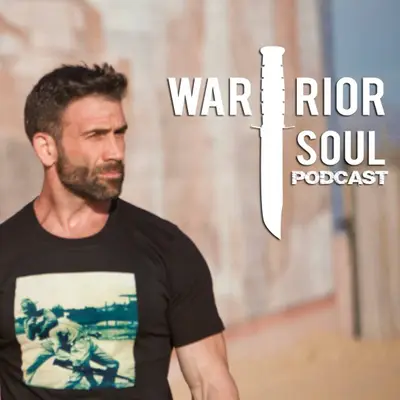
Host of the Warrior Soul Podcast and founder of Warrior Soul. Worldwide trainer and nutrition coach, contributing author at Testosterone Nation and Muscle and Strength.