Podcast episode
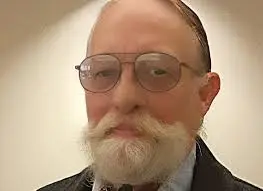
From Drug Lord to Pastor: Dr. Hal Bradley
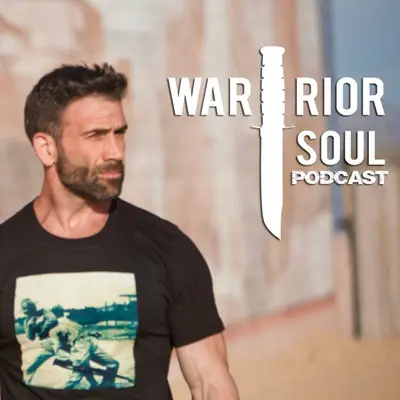
Hosted by Chris Albert
The Warrior Soul Podcast
Dr. Hal Bradley is a US Army Veteran, Former Department of Justice Contractor, and a former Smuggler for the Mexican Drug Cartel
To say that Dr. Hal Bradley has had an interesting life is a massive understatement. Hal has been a soldier, a pastor, a meta physicist, and a sought-after Department of Justice Contractor.
In the middle of that, he was a high-ranking drug smuggler for the Mexican Drug Cartel for twenty years.
Hal has since given up that life, and he’s made it his mission to help people survive and thrive through the most horrific life experiences. His new book, Crisis Victory, teaches readers to transcend their difficult circumstances to victory.
To learn more about Hal Bradley: http://drhalbradley.com/
To get Crisis Victory: https://www.crisisvictory.com/gift
Transcript
Machine-generated from the episode audio and lightly edited — may contain errors.
Chris Albert (link to this point)
You know, one of the things I'm always saying is that if this country is gonna get better, if this country is gonna go on the right path, we have to step up as a community. Veterans are the sleeping giant in this country, and it is time for us to step up. That's why I wanna talk to you about The Citadel, the Military College of South Carolina. Now you might have thought about The Citadel in the past as this corps of cadets, this military institution, but they have programs for veterans that don't involve you joining the corps of cadets, don't involve you wearing a uniform every day, and don't involve you living a military lifestyle. If you wanna do that, great.
But if that's not what you're up for right now after your military career, then you don't have to do that, and you can access some of the best programs in the world. The Citadel has some hot degrees in intelligence, tactical strength and conditioning, engineering, and project management. And there's five student type options for veterans. There's graduate college, there's evening undergraduate, there's active duty students, non cadet day program, returning cadet veterans, and online programs. The academic offerings include undergraduate, graduate, college transfer, graduate certificates, and online degrees.
Veterans have access to every single academic degree the college offers, and they have the most flexibility when it comes to their schedule. They can major in anything offered to the cadets and would take those classes during the day with the cadets. But then there's other programs offered in the evening or online and graduate programs to choose from too to make things so flexible for you. The US World and News report has named the Citadel the number one column for veterans in the South. And for veterans who choose to take classes on campus, they get to be a civilian student in a military environment.
They don't have to wear uniforms, like I said before. They don't have to join the military culture of the corps of cadets. The atmosphere is a really good transition environment from military to civilian life. There's an organic mentorship that comes from taking classes with the cadets. The cadets wanna talk to you guys.
They wanna hear your stories. They wanna know what it was actually like to be in the military. A lot of the a lot of these men and women are gonna go on to serve as officers in the military, and they're gonna exact change. And they need to hear from you guys. They you also get access to The Citadel's alumni network.
Like I said, this is one of the most illustrious institutions in the world. And when you join the Citadel and you graduate, you're part of their alumni network. That includes so many leaders. It includes so many business leaders, so many leaders from the military, and so many leaders from the government. The college's core values of honor, duty, and respect align with veteran culture.
They align with who you are, and it's something that you're not gonna get anywhere else in this country. There is tons of special assistance for veterans at The Citadel. And whether you're a veteran or active duty military personnel, you can take advantage of these programs. You also get access to the veteran student success center, the career center, the academic success center, the student veteran association, and all campus clubs. If you wanna play rugby, you could do that.
If you wanna you wanna lift weights, you could do that. You get access to everything that the students get. There's fellowship opportunities. There's tons and tons of financial assistance. So if you're interested in getting a degree from The Citadel and building your life, head over to citadel.edu/veterans.
Chris Albert (link to this point)
This is Chris Albert, and I'm here to remind you of one thing. Someday, you're going to die. And that's not some morbid statement or scary idea. It's solid fact. Your time here on this earth is limited.
And we need to be reminded of this as much as possible for one simple reason, to live your best life while you can. This is the Warrior Soul podcast.
Chris Albert (link to this point)
What is going on, ladies and gents? Welcome to this edition of the Warrior Soul podcast, and I have a extremely interesting episode for you today. It's with doctor Hal Bradley. Doctor Bradley served in The United States Army. He is a veteran, but his story goes way, way, way beyond that.
Prior to serving in the army, Hal had grown up in the Pacific Northwest. His family sent him down to Mexico. He was working amongst the indigenous people down there, and those indigenous people, they were growing opium poppies. And that was how doctor Bradley was introduced to the drug trade. And he left.
He he after his brother was wounded in Vietnam, he decided to join the army, went and served his country, and then he came back. And he decided that he was gonna go back down to Mexico, and he became involved with the Mexican drug cartels. And he worked with the Mexican drug cartels for, I think, a period of twenty years. He rose through the ranks and eventually became a boss in the cartel. This is a very interesting story.
It is a crazy story. I wanna say upfront, I am in no way here to glorify the drug trade, And doctor Bradley isn't either. He has since turned to Christ, and he has a book out called Crisis Victory. And he is making it his mission in life to help others now. And, you know, it's his life still isn't without its dangers.
He's had some threats to his life. He actually had an assassination attempt. And, you know but he's not scared or backing down from doing this work that he's doing now, which is is being a a missionary and also helping lots and lots of people from around the world. So you guys are gonna get a lot out of this interview. You know, the audio on this is not so good.
Doctor Bradley's location did not have the best Internet, but I highly suggest you keep listening no matter what because there is so much here, and and doctor Bradley is just a a really outstanding individual. So with that, I'm gonna stop talking. Let's get into this interview with doctor Hal Bradley, US army veteran, former drug lord, and today, messenger of Christ and messenger of good. Doctor Hal Bradley, welcome to the Warrior Soul podcast. How are doing today, sir?
Hal Bradley (link to this point)
I'm very well. And thank you. You're I've been looking forward to this interview.
Chris Albert (link to this point)
I've been looking forward to speaking with you. You've got a a really interesting background, and we're gonna get into all the specifics of that. Before we get started, though, I just wanna give the audience kind of a quick synopsis of who you are, where you're coming from, and we'll get in your story after that.
Hal Bradley (link to this point)
Great. Thank you. First off, I was born and raised in the Seattle, Washington area, Pacific Northwest childhood. Grew up in a normal family, Cub Scout, Boy Scout, ended up having to go to work in a mining camp in Mexico during my sophomore year in Durango, Mexico, Madres. We get further into the story that will explain the turning point in my life.
But my brother had been I came to see my brother and made the decision to join the United States Army and serve my country. So I was 17 years of age. I was sent off to Fort Knox, Kentucky for basic. Then I went to my AIT in Fort Polk, Louisiana, where I also went in Tigerland specialized training camp. Then to airborne school, back in Fort Benning, Georgia, then off to Mainz, Germany to the five hundred ninth Airborne Division.
I served from 1971 to '74, and I was released at that time honorably, came out, went to college, and the rest of the story will unveil itself as we get into the other details.
Chris Albert (link to this point)
So, know, growing up, right, you you're growing up there in the Pacific Northwest. Vietnam's on the horizon there. And you said your brother had been wounded in action. What was that like for you?
Hal Bradley (link to this point)
Well, it was very disturbing. I had a wonderful older brother. We were through scout together. He was an Eagle Scout. He was just an amazing young man.
He joined The United States at the age of 18, which was in 1967, and deployed to Vietnam in 'sixty eight, completed a full term over there, and was wounded in action under He was shot in the back and was medevaced to Japan, and then from Japan to The United States, and ultimately ended up in Bremerton Naval Hospital across the bay from Seattle, where we all lived at that time. I was notified of his being wounded in action. I was working in a mining camp in Mexico during those two years, and immediately came back home to be with my brother, and made the decision to join the armed forces based on our family's commitment to our country. And we have always served our country, all generations have served. Omar Bradley was a five star general in a second family.
So we have a heritage and a commitment of servitude. So it was a no brainer that I would enter into the military and do my part, as the rest of my family always did.
Chris Albert (link to this point)
That is quite a heritage, having Omar Bradley in your bloodline.
Hal Bradley (link to this point)
Yes, we're very proud of that.
Chris Albert (link to this point)
That's amazing. That's amazing. Now, you know and I wanna get into, you know, why you were in in Mexico too. But, you know, when you when your brother came back and you came back to be with him, what did you notice? How was he dealing with the situation?
How is your family dealing with the situation? And what was his mindset like?
Hal Bradley (link to this point)
Well, when we first arrived at the hospital, I was 16 years old. And I remember going up, they let us go to he wasn't able to come down due to his injury. And I remember walking on that board and seeing every bed filled, seeing men in various forms of combat wounds that had been ministered to them in the service of our great country. And I was very afraid that I was going to lose my brother, so afraid, in fact, that the hospital chaplain allowed them to put a cot next to my brother's bed, and I spent the night just so that I knew he would be staying alive. And I think these are atypical fears for someone of that age in life.
And I just, I was so proud and so honored that I had an older brother who was still committed to the United States Marines and to his nation. And spending the night there, I got to walk to visit the other wounded prisoners in that same situation that my brother was in. It was a blessing, Chris. It was just an amazing feeling to be exposed to such commitment to our country, such great sacrifice unto them individually.
Chris Albert (link to this point)
Absolutely. And so prior to that, you were working in a mining town in Durango, Mexico. Mexico.
Hal Bradley (link to this point)
I was.
Chris Albert (link to this point)
Why were you down there? How how did that happen?
Hal Bradley (link to this point)
That's a good question. I was in my sophomore year at school, and I was in the bathroom with two other friends of mine, and we were smoking a cigarette. And a teacher caught us smoking a cigarette. And back in 1969, those were very serious things. Because back then, had clothing codes and haircut codes, things to this nature.
And so they kicked me out and them out for an entire semester without offense. Well, my mother was at that time single in her life and trying to take care of three kids. But she had a friend that owned a mining camp down Mexico, who offered to send me down there to work in the mines. So naturally, we thought it was a good idea. So I was off to Durango, Mexico.
Upon my arrival in my camp, there was only about 200 people that lived in the village. And unknown to my family, this was a mafia controlled village, a cartel owned village, where they were growing the opium poppies, and the Chewari Indians were also raising marijuana. In those mountains, and back in 1969, marijuana was looked at the way heroin was looked at. Used to ride my burrow up in the canyons, all of the different trails, and over the course of the fourteen, fifteen months that I was down there, the marijuana growers, and I got to know the people that were off of the poppy flowers. And it was an amazing exposure and experience to be exposed to.
And it had a prominent effect on me. But when John got wounded, I was leaving. They said, They were telling me that in your heart pumps the blood of our village, and to return one day. I was one of their children in their mind. So after my military service, and I went to a community college, on winter break visit the village.
At that point in time, they introduced me to the concept of smuggling marijuana to The United States. A few months later, came down with a specialized vehicle that they designed to compartmentalize kilos into the vehicle. I think I was 20 years old at the time, and I made my first run. And it was very exciting. When you're on the GI Bill going to college at under $400 a month, 74.
My first run, 80,000. And I think it was the money was definitely a part of it, but it was the excitement seeing something through that was highly risky, very, very dangerous. And to be successful in that venture prompted me to want to return and do another. As a result, I spent the next six years of my life smuggling. Eventually, marijuana became more exposed to higher levels of cartel members.
Guadalajara, Jalisco, Culiacan, Sinaloa, Mexico. I started getting yeah, I was exposed to very powerful people.
Chris Albert (link to this point)
Wow. And Let me ask you this, and I I wanna get into more detail on this. But, you know, you went into the army. Right? And and while you're in the army, you know, you're doing all this training and stuff. Were you thinking that this was a place you were gonna come back to?
I know they told you that, you know, this was this was that they wanted you to come back. But did you have it in your mind at the time that you were gonna go do your time in the army, then you were gonna get out, and you were gonna gonna pursue that as as a business or a career, so to speak?
Hal Bradley (link to this point)
Not at all. When I went to Sacramento, my desire was to become a psychologist, and that was abrupt requirements I was trying to complete and to go to a next. What me to alter that direction was the down there for my two week vacation and the my compadre from the village, the kid that I grew up with, were already trying to find people that could work at getting marijuana in The States and distribute it because the village was not very prosperous. I was an opportunity, if you will, to develop prosperity for the entire community. And because of my absolute love for everybody in that village and their absolute love for me, it pretty much became a no brainer to try to better the style of the building.
There wasn't a house in there, Christopher, in that entire community that I wasn't welcome and treated as if when I was one of their own children. That culture imprinted on me in the year and a half that I was exposed to it with me down there in younger years.
Chris Albert (link to this point)
Wow. Wow. And and so, yeah, I mean, there's just so much here. I mean, like, you know, by the time you're 20 years old, you know, you you'd had that experience as a teenager. You went to the army.
During your time in the army, you're you're you were stationed in Germany. Right?
Hal Bradley (link to this point)
I was. I was with the eighth division, five zero nine Airborne.
Chris Albert (link to this point)
Alright. Alright. And and, you know, because I definitely want to get back into into the into cartel stuff, you know, in in your time in the army, what was that like, being out there in Germany? I know you said, you know, having your brother wounded was was a major impact on you. What was it like being stationed in Germany at that time?
Hal Bradley (link to this point)
Germany from 1972 to March a lot of people that were in Vietnam were ending up in some of our hospitals over there. Some of them that were problematic people, say, addicted to heroin, or had very infectious things to this nature, ended up and were kind of implanted into our own varieties on our very different basis. I was not only in mind, I was in Baghdad Kruidstadt, and then I was later transferred to Baumholder for the last year that I was there. And Baumholder was a post where a lot of people that were dealing with addiction were flown from Vietnam to ending up on that post, so they could be at least cleaned up to some extent and prepped for coming back to The United States. They were an eyesore to our country, basically.
We were an eyesore to our country. I was on that post for a while, and I remember how the military was so angry with some of these young people that were so heavily addicted to drugs, but it was because of combative experiences that they had survived. And just, I think, well, I know that many of them were trying to make those memories of survivorship become diminished, at least cope with every single day of their lives. It was pretty horrific. We were dealing with people that were fresh out of the jungle, that were very, very messed up.
And God love each and every one of them for their service. This is what was going on at that time in history. And when I departed in March 1974 for The United States, I can remember having a feeling of sadness in my heart for so many that were still being there and being held from going back to their families as a result. And in fact, investigate this, and I believe the lid got blown off of it. It wasn't really a legal or an illegal scenario, definitely an improper scenario.
And at that time in our military, sir, they didn't have a PTS psychologist. They didn't have people trained, such as we have today, to handle this type of overflow of such a crisis that they'd never encountered in World War II, or in Korea, any of the former campaigns. It was a different time. So yeah, it was amazing to be a part of that history.
Chris Albert (link to this point)
Yeah, no, absolutely. Absolutely. And, you know, it's we deal with our own problems today. But, you know, I mean, I have to I mean, I consider myself very lucky. I consider us as a generation very lucky to have a much more understanding nation behind us.
And, you know, a lot of a lot of the issues we're dealing with, people are just much more aware than they were back then of what veterans go through. Yes. You know? And and I hope the audience at home, those of you who are my generation of veterans, definitely definitely appreciate that. You know, so when you get out of the army, did you go back to the Pacific Northwest initially, or did you did you head back down to Mexico?
Hal Bradley (link to this point)
No, I went straight to Sacramento. During the time I was overseas, my mother had relocated down there, and that's where my brothers and my sister and family were at. So I entered, like I said, Sacramento City College immediately and started preparing to go to school and get my time done. The only thing I made was the desire to go down and be with the people in Mexico that in my heart also. And I really the way that they lived, their lives.
I mean, this is such a poor village that we all bathed in the same pond. The women did the laundry in the creek that flowed into the pond. There was only about 200, maybe two fifty people maximum, with one piece of power line running through the middle of that whole village. That's how primitive it was. But they were actively involved working for a cartel family that controlled and owned that region.
And even one of the cartel kids, know him in the fourteen, fifteen months that I lived in the village, he would come up, and we would take off on the burrows. Boy, I just look back on it all now. So I was literally being groomed and didn't even know it at that time. But they had established such a tight Now they had this blonde haired, blue eyed kid that grew up in The United States that spoke English, and I could travel all over The United States and not be noticeable. Now, an amazing asset that they saw in me, and ultimately developed in me.
Chris Albert (link to this point)
Wow. And so how did that development start? Right? So, you know, you mentioned you're you're going on these burrow rides, you know, they're they're taking you in. When did you did you realize you were being developed for something?
Did you did you see the bigger picture there of what was going on?
Hal Bradley (link to this point)
Not really at the time. There was this kid named Ramon that came to visit with me. His uncle was a and the man who was responsible for my safety in the village had grown up with this drug lord. And the Ramon that I'm talking about, may you rest in peace, was one of the Arellano brothers down the Tijuana cartel. And he was Ramon Arellano Felix.
His brother Benjamin and his other brother Rafael, those were the three brothers that were the head of the Tijuana drug cartel. Then when I, years later, was able to connect with Ramon and see him, at that time, he was moving over 20 tons of cocaine a month into The United States. But what they saw was, by then, I had been developing my own micro markets, if you will, marijuana. And then I became introduced, and they wanted me to get cocaine. I bought a small plane.
I started flying out of the Southern Arizona Sonora Desert into the northern region of the Sonora Desert. Just north of Hermosillo, about 100 clicks, there was a farm. I would land load up, and we would drop flight out. Observation between The United States and Mexico there that is owned and controlled by the Yaqui Nation. And I would canyon fly through that nation and kick stuff out of the plane and land out there on dirt airstrips, and quite an experience.
And then I was based in Ukiah, California at that time, over on the coast by Mendocino. And at that airport was where my plane was stored. So I actually started doing flights up into the Pacific Northwest, connect with friends of mine up here that I developed the marijuana business with, and ultimately created a gigantic cocaine industry up here. I was actually labeled as a kingpin by the authorities. I was moving a quarter to a third of a ton of coke up here at that time.
Chris Albert (link to this point)
Wow. Wow.
Hal Bradley (link to this point)
Yeah, it was pretty amazing. Paid in keys of marijuana in a car to moving hundreds and hundreds of kilos of cocaine. I'm not proud of it at all. And please realize, twenty seven years ago, not under arrest and on my own free will, I walked into the US Attorney's Office to take it down. And because I was called Sinaloa, I was told that I would pay a fee.
I was out of this whole life because I did not want to be in it any longer. Wife who did not know what I was doing. I was having children born. I owned an antique store, and I had rental properties. I had a good life.
And I didn't want any part of this good life to diminish as a result of a hidden life from the world and my family. So they made an agreement to cut me loose. And upon that a ton of cocaine and two soldiers sitting in a white van in my driveway, as a boss, that I had the ability to turn the load around, send it back to Los Angeles, which is what I did, feigning that we were under the watchful eye of federal agents, and we needed to not get arrested with it. And the very next day, I walked down.
Chris Albert (link to this point)
I gotta slow you down here a little bit, because I wanna get into some of this stuff here. And, you know, plea please understand, I'm definitely not trying to glorify that lifestyle at all. But one of the things that fascinates me about that time period and about, you know, the the story in general or some of the business aspects. You know, I'm in I'm in business here. I'm I'm a manufacturer.
We make a product. It gets distributed throughout the world, and there there's a significant amount of work that that goes behind that. Right? And and today, we have computers. We have, you know, the Internet.
We have communication systems and things like that. You know, for you back then to be able to develop those markets and then to develop a customer base, to develop a distribution network, that's a a really significant feat. You know, how how were you keeping things organized at the time?
Hal Bradley (link to this point)
You know, that is an excellent question, Christopher. And I owe some of that to my military training, to my survivorship of going through Tigerland, which was closed down just after we graduated. I think they even made a movie about that place. Just how to be able to survive and how to take on immediate situations that can throw somebody into conflicted panic, making them to visions and operate under a different objective than what should be met in the moment, which is why I created the book Crisis Victory. However, the setting up and establishing safe houses, distribution points, the formation of all my mules and smugglers, I was unloaded Canada, so we had international borders that we had to be able to create, to get the product through and the money back, and on and on and on.
At one time, I had well over 30 people working in my command, and I was the chief representative for the Sinaloa cartel for this part of the world. I've actually sat down with El Chapo Guzman twice. And the first time, I was in at a wedding, where they introduced me as a trusted friend from the Pacific Northwest. The second time I was down there, they were already moving 6,000 kilos north and wanted me to take 1,500 and mark it out 1,500. I did not feel I could handle that amount in the moment.
So I went down to negotiate my part that I knew that I could successfully complete. With the cartels, you do what you say or you die. There's no in between with any of that. It is a highly volatile, extremely dangerous environment to survive in. But insofar as setting up distribution sites, safe houses, routes that we could alter and transfer product from state to state, which is what I did for, oh, three and a half to four and a half years, it took at one, we were moving so much money going back down south.
It was an absolutely amazing experience and time in my life. Result into that, I think information was conveyed south to allow them to learn how to multiply distribution sites and how to multiple routes to get product to and from without creating patterns of similarity using the same highway fence or using waterways or using airways, but always alternating up and always finding another. And this is my job. And this is what I created for them. It was duskful, very successful until the moment I walked in and took it all down.
Chris Albert (link to this point)
Now, you know, and we're kind of we're talking about, you know, drug lords here when you're talking about somebody like like El Chapo Guzman, you know, sitting down to a negotiating table with somebody like that can't be easy. You you know, we're talking about people who who if you're disappointing them, that's not, you know, you're not gonna get a fine from like you would from a major retailer today for missing a ship date. It's it's there's a lot more of that at stake. How did you deal with that kind of pressure?
Hal Bradley (link to this point)
Well, throughout the years that's a good question, Chris. Throughout those years, and I had about fifteen years of my life directly working for the cartels, there was always examples that I've seen people assassinated right in front of me. I've seen beheadings. I've seen people with mutilated bodies hanging upside down on overpasses. Hell, I drove right under them.
Mean, on and on and on. The cartel uses blood and violence, blood and violence. And they will intimidate you with your families. They will do whatever is necessary to make sure that your loyalty is not only established and confirmed, but that your loyalty will remain unshakable, even in the moment of facing an incarceration, for instance, an arrest. You already know in that moment what's going happen to that which you love.
That information has been surrendered or searched out long ago. And I lived fifteen years of that, survived fifteen years of that. So there was never a question. It leads back to why when they were moving six tons north and to take on But I won't because I knew better, sit there and get myself over obligated to something that I simply didn't feel would be met at the time. And it's hard to explain to people that have never been in that.
I think people in the military, veterans that have faced combative experiences, would be far more understanding of just how extreme life can become when you're in the moment and that is basically out of your control. And it becomes something that is accomplished with teamwork, companionship with people, brothers that you know have your back. You don't have to question it. You've been through it with them. And I was able to develop that, and I owe a lot of that to the military, and specifically to my months in Tigerland, where I was learned how to escape and invade in a proper way.
I did my prisoner of war camp training there, and I've actually been captured and kidnapped, as it shows in the book. So these things all become reflective what the military gave us in our younger years discipline, the order, the ability to form and maintain and to something us be successful and stabilized. Absolutely, I owe a lot of the ability to survive the fifteen years of my life in the cartels to the United States Army, and what they taught me, Chris.
Chris Albert (link to this point)
And when you're talking about Tigerland, was that a specific program? Was that a school? Yes. What was that?
Hal Bradley (link to this point)
It was a very specialized training camp. It was on Fort Polk, Louisiana. It only lasted, I believe, one year, and not even a year, actually. I think there were only two cycles of training there. And then they shut it down because of the intensity of the training.
There were people that were leaving the training complaining so much about how we were being abused and beaten, and the things that you would go through. But I always felt that it was such an advantage to feel the extremities. Through an example, Chris, was in this year, a kill order was put out on me, and I was hit by a drug cartel. It's in my book, by the way. And I was left dead.
I believe that I was dying in the moment, because I accepted my death. And the guy was pushing my head forward to jab me with the knife at the base of the skull instead of pulling my head back to the Now, in Tigerland, under our knife fighting training, we were taught this is called the wind gate approach, where you bend the head forward and you take out the wind gate. It disables the body, and it's incapable of speaking or moving. It's ragged all out. And when immediately that contract killer, who was taking my life here a few months back, was in fact a trained and skilled professional.
My military training saved my life, June 7, because I knew how to bend my head, try to roll over, and take him on physically to prevent any further assault. All of that came in due, and I owe that to Tigerland.
Chris Albert (link to this point)
And that was this you said that was this year, June 7?
Hal Bradley (link to this point)
Yeah, they issued a contract kill order on me in June 7 of the 2020 contract order. They did, and somehow, my body responded back. When the medics and police and everybody arrived, I just remember them saying, get him to the hospital, get him to the hospital immediately, because the blood flow had taken so much out of me. And I mean, my son photographed that site the next morning, and there were actually parts of my brain in the alley. I'm still in recovery.
And I have a wonderful PTSD doctor from the VA that's working with me through this. Once I accepted my death and gave my life up to God the Father, I have been still kind of disillusioned as to why I'm even here today. I enjoyed the passage so greatly that to come back to this was, and is, difficult to walk through. But this is about surviving, and this is about my book, Crisis Victory. Talks about getting through those kind of extreme moments lives, brother.
Chris Albert (link to this point)
Absolutely.
Hal Bradley (link to this point)
Absolutely. And can still serve.
Chris Albert (link to this point)
I'm sorry, what? Let me ask you this. Are you still in danger? Are people still looking for you?
Hal Bradley (link to this point)
Well, what law enforcement months ago was that the the kill order was not completed, because I have survived it, obviously. We believe there has been another attempt on me a couple months ago, but it's all good. I have a secured site here to my environment. Should I leave the environment for anything at all? You know, all of this is applied training, surviving fifteen years in the cartels.
I forgave Sicario the moment I came out of my coma in the hospital, and understood that all I was to him was a piece of paper, and he had a job to do, and he efficiently did his job, I think he's probably as surprised as I was that I'm alive. It was an amazing experience, certainly. Yeah, but the order has not been completed. So yes, we are concerned about my life at this time. But you cannot let anything, Chris, control your objectives.
And my objectives, of course, is to serve in my ministry as I have for the last twenty three years. Absolutely.
Chris Albert (link to this point)
I just wanna I wanna go back to to you getting out. Right? So Yes. You you decided you were gonna get out. How did you you came to that decision.
How did you come to that decision? And and what was that process like of getting out of the cartel?
Hal Bradley (link to this point)
What it was like was the recognition of my then less than two year old son crawling on his knees across the front room floor with a bottle in his mouth, and I'm standing there with two guys with automatic weapons and a van loader. Not the van load that made me walk in, but a prior load at my residence there and the revelation that I'm not gonna go to the next generation. There was a time, the first time I met El Chapo was at a wedding. And I remember at that time, my wife, they set her at another table with the other wives under armed guard, And then they had me at the table of bosses as a visiting representative and guest. And when Chapo was brought to me and introduced to me formally, he shook my hand, and they told Chapo they said, this is a trusted friend from the Pacific Northwest.
That's how I met El Chapo Guzman. And I remember him taking a very serious look at me, and he gave me a nod, he smiled, and he squeezed my hand real hard, and then he simply moved on. But when you're involved in those type of people and at that level, you all of a sudden start thinking of the mortality reactions of those that you love, because you know that is the gambling chip for your loyalty. So I was negotiating my way out. I was willing to turn over the markets, distribution points, everything that I had.
One of the people from Culiacan was a personal, and I had walked him through everything. So he knew everything that I did. They said yes. I went down there, got hugs and hand shacked, and there was a load sitting in the driveway with a couple soldiers in it. And like I said, I turned them around, walked into the US attorney's office, and I figured, hell, I had a fiftyfifty chance at best to make a move on this before I would be executed.
But there are some things in life, Chris, that become more important than our personal mortality, and that is the love of your children and your family.
Chris Albert (link to this point)
And and so once you got out, you know Oh. Trying to figure out figure out what you're
Hal Bradley (link to this point)
That's interesting. Yeah. I got I I ended up having to go to prison eight years. And when I came out of Leavenworth, 10/19/1998, I wasn't even in the halfway house twenty four hours. DOJ came and met up with me and offered me to become a departmental contractors, is what they title us.
And we're civilians with experience in a field of interest for our country. And from that point on, I did the acceptance. They took me before a judge, and the judge released be able to come and go to countries and everything. And the next seventeen years of my life, just about four years ago, I worked actively as a pastor, installed with my own church. I would be preaching the gospel of Christ on Sundays, and I'd be packing a bag on Tuesday or Wednesday and heading to Bogota or Panama City or Costa Rica or someplace in Mexico, working high level narcotics cases with various agencies all of the DOJ.
So I juggled my ministry years working with the homeless and destitute, installed as a senior pastor, and working as a departmental contractor for seventeen of the nineteen years that I've been a minister working with the homeless and destitute. It was an amazing time and an honor to be able to pay back. But it came with high confidence. I have recently survived a kill order on me as a result of the work, and it's all good. I accepted those things that have been in the military do accept in our oath and our vows.
Wow. Recommend the book, Chris.
You haven't Yeah. Had a chance Yeah. If you've had a chance to read it, please read it. I know you'll understand. A dedication to us. I made a wrong turn in my life, but I was able to ratify the wrong turn and make it right.
And a year and a half ago, a friend of mine, he was one of the guys that arrested me back in 1993. He retired as the special agent in charge of the Miami Dade office here a year and a half ago, he called me up at his retirement, You should be standing here beside me, brother. And I just and I said, Brother, I am beside you. I mean, that is the kind of love and dedication that developed over a course of almost thirty years of knowing.
Chris Albert (link to this point)
Just amazing. Let's talk about your book. So when did you decide you were going to write a book?
Hal Bradley (link to this point)
Almost thirty years ago, putting together to document some of the experiences that I have survived over the course of my life. And just in the last year, a very dedicated, near friend of mine of financial means said, you know, maybe it's time now to put that together. He knew a publisher in Beverly Hills, who was a very good publisher, I might add. And we got her on the phone, and we made the decision to put it into book form. And what it does, it talks in the beginning about some of the experiences.
It's an amazing story for anyone that's never been around cartel world or any style. And then it transcend to chapters on how to survive, how to exist, complete and find assets, how to put together life after life has been changed irreparably, such as a pandemic, such as a financial collapse, such as the death and the close to you that you love, that up until was able to handle all of your crisis events. So it has a multiple purpose in the responses I've been getting from my readers on the book of absolutely amazing. Peans, Canada, throughout The United States, that the book is in representation, Christopher. It's benefiting people and helping them work through their crisis moments.
And I thank God for this opportunity to provide that. It's just another another way of paying back into our universe, which we all should do in a good way.
Chris Albert (link to this point)
And it's called it's called Crisis Victory and Crisis Victory. And so it it goes it goes into your life. It goes into these tools you're talking about. And and, you know, getting getting great reception. Have have a lot of people reached out to you who've read the book?
Hal Bradley (link to this point)
Oh, yes. Yep. Many have.
Chris Albert (link to this point)
The the book's available on on is it available on Amazon? Is it available in stores and and things like that right now?
Hal Bradley (link to this point)
Yes. It's it's on Amazon, and you can go to crisisvictory.com, and it guides you right into my testimonies and witnesses that have read the book and have known me through experiences. It's pretty interesting. The website is definitely something that people should go to, and it can be purchased through the website. And I strongly recommend this book for people going through crisis events at this time in their life.
Chris Albert (link to this point)
Awesome. Awesome. Now, you know, I want to talk about one more thing here. You know, Christian faith.
Hal Bradley (link to this point)
Yes.
Chris Albert (link to this point)
I think faith is an interesting thing, because at times, you know, in life, it's you get put into situations where where your faith can leave you, right? And obviously, you've seen a whole lot of things. You know, during those time during those times, was there anything going on in your mind as to, you know, whether or not you'd be able to to regain your faith. Was there anything going on in your mind as to whether or not God was walking with you or not?
Hal Bradley (link to this point)
I'll tell you this, Christopher, and I want the audience to hear and understand this. From the moment I dropped to my knees in a jail cell one night, 10/19/1994, and I gave my life to Jesus Christ in that instant, I have never once wavered in his truth and my faith. Never. Nothing could ever pull me from that, and nothing ever will pull me from that. And I immediately enter into my seminarial studies.
I became a certified hospice counselor while I was a federal prisoner, and my job in prison was taking fellow prisoners through the dying process. And I completed my seminarial studies while I would be sitting in those rooms, aiding and assisting someone going through such a process. In my last year, I was transferred to Leavenworth, where I was actually allowed to plug in with the hospice institute in Leavenworth to come into the prison. And we started training prisoners and inmates in the art of caregiving, getting them certified as hospice counselors. And that was the way that I departed the system, and I've been full steam ever since.
And it's one thing to serve God, it's another thing to serve country, but both are Okay. In the seventeen years that I served the Department of Justice, I'm very proud of and honored that they accepted me and did that with me. The more than twenty years that I have served the kingdom of God as an ordained minister and later an installed pastor have truly been, every day, the greatest days of my life. Because it's not about us anymore, Chris. It's about what we can give back and what we need to return.
Because we're here for such a short time, so short a time. And if we can leave goodness behind us, maybe that goodness will plant more goodness. And people like yourself, entrepreneurs out there that are building their businesses I've owned many companies, built very, very successfully in businesses. But I paid attention to a different type of guidance, and it's the guidance of giving, yet being able to accept and receive in proper accordance. Manifests greatness in people that go into business.
The love for my veteran world, the veteran society that I serve, I sit around a campfire at night with two or three very disturbed, highly addicted veterans, brothers and sisters to me, that are going through hard times. And it isn't about pulling a Bible out and put that. It's about sitting there as an example of Christ and showing it through the love that we offer to one another, and that common mutual respect to levitate another person, not to suppress them, but to excel them. And this is what my calling is and will be my calling until the Lord calls me home. Questioning my faith, never, never, brother, never.
Chris Albert (link to this point)
That's awesome. That's amazing.
Hal Bradley (link to this point)
Thank you. Give him the glory.
Chris Albert (link to this point)
Yeah, absolutely. Absolutely. You know, you've you've lived an amazing life. You know, and and I in my life, I've I've been through ups, I've been through downs. And, you know, what always fascinates me about people is when they're faced with things like you've been faced with, how they are able to reach down and and keep going.
And Yes. You know, I hear from veterans every single day who are going through hell. And, you know, my heart goes out to them and, and, you know, I salute you and everybody else who's who's kept going when when the the chips were down on them. And I think that's that that's absolutely awesome. And I think that's that's the most fascinating part of this story here.
You know
Hal Bradley (link to this point)
Thank you, brother. And thank you for what you're doing for all of us veterans too, fellow veteran and brother of mine. You know, Christopher, it's people like you that get this information out to that world, and it gives confidence and assurance that there are greater things that can come out of the perils that we may be confronted with within the of our lives. Doing a fantastic Christopher, and I salute you, brother. And I thank you kindly for your service to our great nation.
You're exemplary in my heart. I love you for your program here, truly.
Chris Albert (link to this point)
I appreciate that.
Hal Bradley (link to this point)
You are my brother. Yeah.
Chris Albert (link to this point)
You're mine. You're mine. And so, you know, you've got Crisis Victory coming out, and and it's out there on the market right now. And then you have your website here. What what other things do you have going on that you'd like the audience to know about here?
Hal Bradley (link to this point)
On Facebook, I will friend anybody in that, you know, the any veteran that wants to get to me, I've got a little bit of space. I've got three and a half thousand or no, excuse me, over four and a half thousand followers. So I still have some room on there. But I post these podcasts on my site that they can be shared by the multitudes and expose you, Chris, also for the work your people may come to you with that are beneficial to family and community. But so the Facebook thing, but really, www.crisisvictory.com.
And if you have to even go to the top of your computer where the refresh symbol is and clear out the bar to the right and type it in there, that's one way we've had to find it for some people. For some reason, we have had a problem. But for the most part, you can punch it right in and find it. So I wish people would at least take a look at it, I think, and I know that it is benefiting people to this day since it's released a few weeks ago. It's just amazing.
And I thank God for the tool and the instrument, and people like you, Chris, that helped me get it out there. Thank you.
Chris Albert (link to this point)
Awesome. Awesome. Well, sir, thank you so much for everything you're doing. And to the audience out there, I hope you got a lot out of this interview. I hope you definitely go and check out Doctor Bradley's book and learn a little bit more about his life and the tools he's used to get through everything he's been through. This was really, really interesting interview and and, you know, was left speechless at times when you're going through the story. So thank you again for for for talking to us today. And, you know, keep going.
So to everybody out there, thank you so much for listening. We'll have all the links for Doctor Bradley and Crisis Victory up on the show notes for this episode. And get out there and live your best lives while you can. This is Chris Albert.
Hal Bradley (link to this point)
And God bless each and every one of you out there. And thank you for your service. Christopher Mutuality are your brothers to all of our veteran family. Thank you. God bless you.
Chris Albert (link to this point)
Absolutely. And thank you, sir. And you guys get out there and live your best lives. We'll be back at you next week with some more awesome content. This is Chris Albert and doctor Hal Bradley, and we are out.
Alright, guys. So as you just heard, that was a really epic interview with doctor Bradley. That is an absolutely crazy story, one that I've never heard before in my life or something like I've never heard before in my life, and I hope you guys got a whole lot out of it. Hope you go check out doctor Bradley's book, Crisis Victory. We'll have the links for that up on our show notes, and we will be back at you later on this week with some more awesome content.
This is Chris Albert with the Warrior Soul podcast. Get out there and live your best life while you can, and I am out.
Host of the Warrior Soul Podcast and founder of Warrior Soul. Worldwide trainer and nutrition coach, contributing author at Testosterone Nation and Muscle and Strength.