Podcast episode
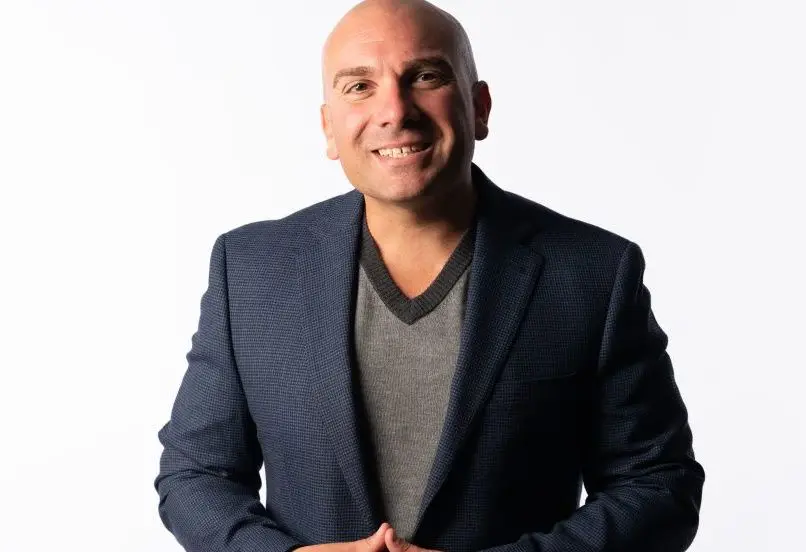
Henry Kaminski: Building an Empire From Scratch
Hosted by Chris Albert
The Warrior Soul Podcast
Henry Kaminski is one of the most sought after brand experts in the world...
Henry Kaminski is widely known as the Brand Doctor and he is one of the most sought after branding experts in the world. His company Unique Designz is responsible for some of the most recognizable brands on the internet, working with people like Russell Brunson, creator of the Clickfunnels empire.
Nevertheless, Henry didn’t start out on top. He began his career as a graphic designer, working brutal hours with client after client, to build his name and reputation. Completely self-taught, Anthony built his empire piece by piece.
It was also not a straight shot to the top. Henry faced many setbacks, and nearly lost everything several times. To get back on track, he had to realize that he had to grow along with his company.
Henry Kaminski is not only a great brand expert and marketer, but he’s also a great person. We had an outstanding conversation about his road to the top and the work he’s done on himself to get where he is.
Learn more about Henry, and check out his podcast at www.uniquedesignz.net.
Transcript
Machine-generated from the episode audio and lightly edited — may contain errors.
Chris Albert (link to this point)
The Warrior Soul podcast is written, edited, and produced by me, Albert. Our mission is to provide tools, tactics, strategies, and ideas that help The US military veteran community to show up as the wisest, strongest, most capable versions of themselves in the civilian world. If you're not a veteran, stick around because anything we talk about will most certainly apply to you as well. This podcast is made possible with the help of F Bomb Nutrition. They make delicious packets of fats that you can carry around anywhere with you in little portable packets.
They make macadamia nut butters. They mix them up with chocolate. They mix them up with sea salt. They mix them up with coconut butter. They're absolutely delicious, and they're really good for you.
They don't have any sugar. They also make a lot of cheese snacks. They make meat sticks, and it's just a great company. These guys send packages of this stuff to the troops who are on the front lines overseas to supplement their MREs, and we didn't ask them to do that. They just did that on their own initiative.
Really great company. If you wanna get 20% off your first order of f bombs, head over to www.dropanfbomb.com and use the code Warrior Soul at checkout. This podcast is also brought to you with the help of Save the Brave. Savethebrave.org is a five zero one c three charity for veterans. They run camaraderie events that include fishing, golfing.
They also do a lot of work with Gold Star families. And unlike a lot of other organizations, their board doesn't take a salary. Really great organization that is doing amazing work. So go and check them out at savethebrave.org. With that, thank you guys so much.
Let's get into today's programming.
This is Chris Albert, and I'm here to remind you of one thing. Someday, you're going to die. Now that's not some morbid statement or scary idea. It's solid fact. Your time here on this earth is limited.
And we need to be reminded of this as much as possible for one simple reason, to live your best life while you can. This is the Warrior Soul podcast.
What is going on, Warrior Soul nation? This is Chris Albert, and this is the Warrior Soul podcast. This is where we deliver tools, tactics, strategies, and ideas to help and empower The US military veteran community to live their best lives and to show up as wiser, stronger, more capable human beings in the civilian world. Today, I've got a really great guest for you. His name is mister Henry Kaminski, and he's known as the brand doctor.
And some of you are gonna be really interested in what he he's done business wise, and some of you are gonna be more interested in his life. This is a guy who's literally started from scratch. He literally started with nothing, and he built himself up. He built his skill set up to the point where he was a highly sought after expert and he still remains today a highly sought after expert in the business world. And what I love about this story is that Henry literally worked his ass off to get where he is today.
Literally put everything he could into his craft, into perfecting his craft. And of course, like many people or like anybody who achieved success, he made mistakes along the way. Right? He he he screwed up, but he did not let that stop him. And what I want you to get from this conversation is that, you know what?
You can't be afraid to fail. You can't be afraid to screw up. Because if you are, you're never gonna start. You gotta just get started. And along the way, you're gonna run into walls, you're gonna run into obstacles, and you're gonna get stronger as you overcome those obstacles if you make the choice to see those obstacles as opportunities, opportunities to make yourself better.
Henry is somebody who's constantly trying to make himself better, constantly trying to to move that needle forward. And I really enjoyed speaking with him. We have a lot in common. We've got similar backgrounds, and I think you guys are really going to enjoy this conversation. You can learn more about Henry at www.uniquedesignz, that's designz with a z at the end of it, .net.
We'll have that link up on the show notes for you. And without further ado, let's get into this conversation with mister Henry Kaminski, brand expert. Two, one. What's going on, Henry? Welcome to the Warrior Soul podcast.
Henry Kaminski (link to this point)
Chris, man, what a pleasure to be here. Thank you so much for having me.
Chris Albert (link to this point)
Absolutely. The pleasure's all mine. And, you know, I was reading a bit about your background. And and the big reason why I wanted to have you on is because you're a guy who really, you know, you built yourself up from scratch. You know, it it it became became a name in business.
I know people are turning turning you all over the place for branding. You've worked with some of the biggest brands out there. And, know, I want I want to talk a little bit about your history. So let's start like this. How'd you get into doing what you're doing?
Henry Kaminski (link to this point)
Oh my god. It it it's one hell of a roller coaster, Chris. So I'll take you back from the beginning. I think it'll it'll serve your audience well. So when I was a little kid, I would hear my mom, God rest her soul, she died four years ago.
She would always tell her girlfriends that I was her miracle baby, and that it took sixteen years to have me. And as a little kid, I never understood what that meant. I literally thought women were pregnant for sixteen years. And then I realized that that's obviously that's not true. It's nine months.
Right? If that was
Chris Albert (link to this point)
the would be a lot more miserable if Right. It
Henry Kaminski (link to this point)
there would be like 300 people populate global population. Right? So what was happening was, so when I got the, when I when I got older and I understood the story, when my parents got married, they tried for sixteen years to have a family and to and to have a child. And medicine wasn't the way it was back then, so they didn't know what the hell was going on with my my with my mom and dad. So they just told them to keep trying. And these two knuckleheads tried for sixteen years and year after year after year, they just they were unsuccessful. I don't know about you, Chris, but I don't know if I would do anything for sixteen years straight and and and stay at it without making a pivot or saying, maybe this isn't the right way, maybe we need to go a different route.
So they stuck at it and right around '19 at the end of nineteen seventy nine, early nineteen eighty, my mom went in for a small procedure And for all you Catholics out there, the day of the immaculate conception, yours truly was conceived. And nine months later, here I come. And it was shortly after that, you know, my, obviously, my my mother and father were ecstatic that were they were able to actually have a have a have a child and start a family. And and shortly after that, about two years later, something crazy happened again. So my my mom was in the kitchen.
Mhmm. I don't know if she was cleaning or cooking or whatever. But she just happened to go into my room and check on me in the crib. And she looks down, and she sees that I'm blue and unresponsive. So she freaks out, they run me to the hospital, and they come to find out that due to poor nutrition, I lost all the all the sodium in my body, and my body was starting to shut down and I almost died.
And to this day, I really feel like I'm here on borrowed time. And I'm here to make a difference in the world somehow, some way, and I just happened to be a great brand expert, or I don't even like to call myself a brand expert, but, you know, someone who loves people, who wants to see them represent their true value, and I do that by helping them build businesses online and design their brands, to really reflect that. And so fast forward into my business career, I just I got out of college right around 09:11, nobody was hiring. So my uncle had some influence at a local hospital. So he was able to get me in there.
And I literally started from the bottom. I was cleaning coffee pots half the day and checking people's insurances. It was no glamorous job whatsoever, but I did it just to get my feet wet. And I slowly hustled my butt and got my master's degree, the hospital paid for it, went for every promotion after that, that came available. And I happened to find myself about four years later in the children's hospital, working for the sudden infant death syndrome center.
Now for those folks that don't know what SIDS is, it's when a baby dies suddenly and unexpectedly with no cause. So it was it was a very rewarding job, but it was a very sad job. But my role there was to do two things. One is to raise awareness and fundraise for the Sudden Infant Death Syndrome Center. And two, every all the money that I raised, use that money to create support supportive events for families in the state of New Jersey that lost a baby to SIDS.
So I did that for about five years before I went on and and and and I got bit by the entrepreneurial bug and I started my own thing. But how I got started was I needed marketing material for all of my events. And somehow, someway, I had I I was cold emailing sponsors. And I just something hit me that day said, why don't you reach out to z one hundred, one of the biggest radio stations in the world?
Chris Albert (link to this point)
Remember them. I grew up in that area. I remember them. Yep.
Henry Kaminski (link to this point)
So I reach out I reach out to Danielle Monaro who's still on the radio today.
Chris Albert (link to this point)
I remember her too. That's cramp. You're bringing back my teenage years. Yeah.
Henry Kaminski (link to this point)
I I reach out to Danielle and I say Danielle, here's who I am. Here's what I do. I would love for you to get involved if you could. And she wrote me back about a day later and said, I'm in. I think I can get the station involved too.
And we'll make this happen. So that was an amazing experience. And that was the first time I ever had like a big sponsor. So I had to come out big. So my buddy was a graphic designer at the time.
And he was like, dude, I'll help you with all the marketing materials. We'll get things printed. You're good. So I'm sitting there and I'm watching him design the flyers and the posters and all and I'm like, oh my god, this looks awesome. And that was it.
That day, I just got bit. And I said, we're gonna crush this event, and I'm gonna get my boss to buy me Photoshop, and I'm gonna Photoshop my ass off until I can build enough business as a side hustle to take this full time. And sure enough, I hustled and hustled and hustled. I was working nine to five at the hospital. I'd come home and I would have the laptop and I didn't even have a mouse, Chris.
I was using my finger on this on the laptop mouse pad to design, you know, anything I could get my hands on, right? To get the to get the experience. And slowly but surely, I started to build up this business. I started working with all the nightclubs in the in the back then I was a young kid, their early twenties. So I was going out a lot.
So all the cover bands were using me to design their flyers and the nightclubs were getting me in to design all their flyers. And that's how I really started to build up my business. And then 2008 hits, huge economic crisis, the hospital starts to downsize and they give me an ultimatum. They're like, you could stay here, but you're gonna be somebody's secretary because we're gonna dissolve this position. Or you could go out on your own.
And it was such a scary moment in my life. It took me a couple of weeks to get it under, like to even figure out what I was going to do. So I went to my uncle, I went to my father, I talked to my girlfriend, who's now my wife. And I said, what do I do? And so we figured it out.
And I said, I think now's the time. And I just went. And I just hustled my ass off. And the next the first year of business, I went to my accountant just to make sure that everything was on the up and up. And he said, Henry, you know, you did $248,000 this year. And I said, no. And he said he said, yeah, man. You're you're kicking some ass out there. And that gave me the chops, Chris, to to really move forward into this full time. And, you know, here I am 13 later.
Chris Albert (link to this point)
That's awesome. That's awesome. I gotta ask you because I I you know, I've been in that kind of position before where it and for me, it wasn't it wasn't graphic design and marketing. It was it was training. Right?
I was a and I went literally from having no money to having lots of money, more money than I ever had in my life. But as somebody who who grew up without a lot of money and and and all of a sudden, you know, has money, One of the things I realized is that, what I thought was a lot of money is not as much money as I thought it was. And on top of that, there's a whole lot of other things that go into business besides, you know, sitting there with a computer and and doing your thing and and everything like that. What was that like for you when when you when you came in and and you you had that money coming in? What what was it like for you when when you started to realize the power of this?
But also, was there a point where you realized, hey, I I gotta do some other things here if I wanna scale?
Henry Kaminski (link to this point)
Yeah. So I was very financially unintelligent. Alright? And I'll share with you a very personal story. So my parents got divorced when I was 10. Okay?
And my and that was a really it was a it was a it was a beast of a divorce, meaning it went six years, and I saw a lot of things that, you know, a 10, 11, 12 year old kid, you know, wishes he never saw. There was no physical abuse or anything like that. But just the way they I never really saw my parents talk, you know, like like like like two human beings, it was always an argument. It was always a holler. It was always a yelling, screaming match.
And it was, tell your mom this or tell your dad this or tell your father I need money or tell your mother to do this. And I was like this, this this ping pong ball, if you will.
Chris Albert (link to this point)
Right?
Henry Kaminski (link to this point)
So I I never under I I never really understood financial intelligence. But here's what I did know. My my my uncle, my mother's brother, had a huge construction company, massive, massive, big highway construction company. So I would go up there on the weekends or the holidays to visit. And at the time, actually, the courts actually gave my father custody of me.
So my father was the one that really raised me from day one really. And he worked four jobs. He was a shop steward for thirty three years in UPS, right? And he's a teamster.
Chris Albert (link to this point)
Yeah.
Henry Kaminski (link to this point)
And he saved every nickel he made. He lived so miserly. Like, you know, he was always okay with me. Like, always had clothes, I always had food, you know, but he spent, he never got a new car, like, for like twenty years. Right?
But when I would go and see my uncle Joe, it was crazy. Like, it was like lifestyles of the rich and famous, Chris. Like, you'd pull up to this house and like, oh my god, the cars and the and the and the stuff and the just the way this guy walked into a room and and the way they it was almost like the godfather, if you will. I come from a big Italian family on my mother's side. And it was like that in real life.
Right? Ironically, the hospital that I worked at, the children's hospital was actually named after him, like the freaking god Godfather movie. It's crazy. It's I feel like I'm like a living, you know, living in that in that movie. So I go up there and I would see that and I'd say, I want that.
Like, I want that. Like, the working man's a sucker. Like, I want I gotta figure this out because this is this is it. Right? And so when I started to come into some money as a early young 20, I pissed away every dollar I made.
Yeah. I bought cars and the and and the vacations and the and all the stuff to to to I was so insecure as a kid, Chris. You know, I was always short. I was always a small guy. Now I'm stocky, and I'm still short, but, like, I'm I I I've grown into myself, but I was such a young, insecure kid that I when I when I came into that money, I was like, I gotta prove to everybody.
One, I don't gotta work for uncle Joe. I'll figure this out on my myself. So poo poo to all my cousins that are working for him. I'll show them. And I just I created such resentment in my family because of that.
And there's some there's some family members that still don't talk to me to this day, and it's been thirteen freaking years Because of because of the, you know, my head and my ego was so far up my ass. I couldn't see two inches in front of me. Yeah. And it took a lot of work, Chris. It wasn't easy.
I went to therapy, I went through family therapy because my marriage wasn't doing well. You know, the first time I lost my almost lost my business. So I started to really invest in personal development. And and and I got the help I needed to really create a strong mindset. So now I'm like, I am like a gladiator when it comes to what I allow into my inner circle and into my mind because I'm a huge proponent of garbage in garbage out.
If you hang out if you hang out with punks, you're gonna become a punk. If you hang out with garbage, you're gonna become garbage. If you're if you're gonna put in if you're gonna watch the news all day long, you know, you're gonna you're gonna get sucked into that, and you're gonna become part of that. So I am very, very disciplined in who and what comes into my mind. And I'm, you know, I'm people think I'm a little standoffish at sometimes, but it's it's not anything personal.
It's I I hung around the wrong people when I was, you know, growing up. I saw almost my life flash before my eyes a few times hanging around with these guys. And I said, my life's too precious. My my parents worked way too hard to get me on this planet. I can't I can't let them down.
And so I I hope that was that was helpful.
Chris Albert (link to this point)
Man, I you know, you got my wheels turning and and it's funny because you and I have so much in common. First off, my mom's maiden name is Palmitessa and she's from North Jersey. And you know, the thing about being born into this world that you said, mean, I'm a I'm a sperm a sperm donor baby myself, and, you know, it's I just found out about that this past year. And and, you know, when I found out about it, the the major thing in my mind was, you know, my mother didn't tell me, but I I had such gratitude for the amount of work she put in as a single woman to try to have me during a time. I was born in 1979 as well.
And, you know, when when you have a situation like that where people have worked to put you into this world, not only worked to put you in this world, but but also, to to bring you to the age of reason and put so much into that. I I it gives you this fire inside.
Henry Kaminski (link to this point)
Yeah. Well, the the the actual the actual issue with my mother at the time was there was, like, spaghetti wrapped around her fallopian tubes. And that's my father's sperm couldn't get through. So when my father so when they went in for that surgery, they basically cut the spaghetti off of her off of her fallopian tubes. And then, obviously, when my parents did their thing, the sperm was able to flow through.
So, you know, that was one of the things that I realized was back then, you know, you would think they would find that out in two seconds today. But back then, again, medicine wasn't the way it was. And ironically, fast forward, you know, my parents, me and my wife, we didn't want children when we first got married, we loved our wife, you know, but I believe that a lot of that came from an insecurity of mine that told me growing up, that I could never be the father that my father was to me. And I told, I sold myself that story for twenty years, almost thirty years. And I when I went through that therapy, I had a mindset coach at the time that said to me, Henry, you would be such an awesome dad.
Look at the way you treat your dog. He was like, you would be such an awesome dad. And then I had this conversation with my wife. And ironically, Chris, we both started to feel the same about starting a family at the same time. And guess what happens?
We can't. Was something wrong with me that wasn't allowing this process to happen. So my wife went through two rounds of in vitro until we finally had our son two, two and a half years ago. And what a blessing this was to my life. I mean, I could not imagine him not being here now.
And it just gave me such a new lease on life. And people ask me now, like, you know, what, you know, why do you do what you do? You're in a comfortable place. You know, you really don't have to work if you don't have to. I said, No, no, no, don't understand.
There's gonna come a time where my son is gonna be of age where he can Google his father's name.
Chris Albert (link to this point)
Mhmm.
Henry Kaminski (link to this point)
And what I'm working for right now is for him to read and watch and listen to what I put out there and for him to be proud of me. That is what I'm working for right now. And that just happens to mold into me helping folks build online businesses and scale their brands and really live a life that's fulfilling and that they're super proud of. Because I was able to do that for myself, and now I wanna share that gift with as many people as I can, you know, before I before I exit.
Chris Albert (link to this point)
That is so profound, Henry. And I think that is is, I mean, that is the essence of of life right there. I mean, in this day and age, we are living in a time and a place where everything we do is recorded and there is a lot of messages that kids can get. They can get it from social media. They can get it from the Internet.
And and, you know, honestly, you get to choose who teaches your kid. And by setting that example, by going out there every day and putting your best work forward, even if you in in a person in your position who doesn't necessarily have to do it, that is is probably the best education a kid could get. That's amazing. Yeah.
Henry Kaminski (link to this point)
You know what I you know what really changed for me? I was back in the back in the day, Chris, I was a taker.
Chris Albert (link to this point)
Mhmm.
Henry Kaminski (link to this point)
I was a taker. It was what can you do for me?
Chris Albert (link to this point)
That's it. That's it.
Henry Kaminski (link to this point)
I will give you my minimum level of effort, and I will take more than I give. And that is not the way you survive.
Chris Albert (link to this point)
Right.
Henry Kaminski (link to this point)
It's not. When I finally got into entrepreneurship, and I realized I got around some really successful guys. And I was watching them, like, a I'm a I'm a forever student. So I'm gonna be learning when I'm 90 years old. Right?
But I watched how they treated people. I watched how they interacted with coworkers or their their their their teams. I watched how they treated clients. And they were givers. They weren't takers.
I remember specifically being in a in a room of 40 really successful entrepreneurs. They're all over the million dollar mark. Right?
Chris Albert (link to this point)
Mhmm.
Henry Kaminski (link to this point)
And there was a guy that was getting a little frustrated because the the room was I'm not gonna say bullying bullying him, but they were really challenging him. Right? And you could see his blood start to boil. And he's like, well, I'm not gonna take this shit anymore. You know?
And he starts to get upset. And the guy leading the group, at the time, he had, like, an $8,000,000 business. And he said, you're not leaving this room until I help you get to where you wanna be. And I don't care how long it takes. And I remember that clear as day.
That's about five, six years ago. And you should have saw the look on the guy's face. He was like, okay. And he can't he got so calm. And that guy who facilitated that group worked and worked and worked and finessed that pain point out of that guy.
And, man, that was a huge learning pivot for me. Because I was like, wow, this guy is not gonna leave this guy until he helps him. And I'll never forget that. And so when I realized that life isn't about me, It's about helping other people and making it about them.
Chris Albert (link to this point)
Right.
Henry Kaminski (link to this point)
Everything changed for me. Everything. I don't know how how else to explain it.
Chris Albert (link to this point)
That I mean, that that's the most important thing. I mean, bringing value. Bring value to everything you do. I mean, I to be honest with you, I get I get a 100 notes a month about from people who want to be on on this podcast. And, you know, that a lot of them will talk about themselves.
They'll talk about, you know, what they're doing. They'll talk about their businesses and things like that. And my response is always, okay, what can you bring to my audience? What what kind of value? What kind of lessons can you bring to the audience?
And I think that's that's such a valuable thing to understand. If you understand that that every transaction you do, every interaction you do, if you're bringing value to the table, you're gonna be somebody that people want to do business with. You're gonna be somebody that people want to be around. If on the other hand, you're somebody who's who's just a taker, somebody who's who's not bringing any value to the table. I mean, that's exactly what happens.
It's like you said at the beginning, if you put garbage in, you're gonna get garbage out.
Henry Kaminski (link to this point)
Yeah. Yeah. Totally. You know, and and that's that was one of the big shifts in my life when I was attracting all of these big egos, very insecure, very flashy individuals that really didn't have any substance in, you know, inside. I was attracting all of this into my business.
And I remember going to my coach going, I don't know why I keep getting these assholes. And he said, have you looked in the mirror lately? This was a tough love guy. He was a marine. That's it.
Yeah. He was he was a marine.
Chris Albert (link to this point)
Yep.
Henry Kaminski (link to this point)
And and I said, Wait a second, I think you're on to something here. And I start and he's he just went at me, you know, in his way of coaching, but he went at me and he said, Did you ever hear the law of attraction? I said, Yeah, you know, I think it's woo woo shit. But, you know, this is at the time, this is six, seven years ago. And then he started to break it down a little bit, and I started to digest it, and I started to say to myself, Wow, this stuff's powerful. And I don't care if you agree with it or not, but I gotta tell you something.
I'm not a super religious guy, but I am a spiritual guy. Like there's I don't believe that there's there's there's coincidences. I think everything is is meant to be like us having this conversation right now. You being from, you know, your mother being from North Jersey and and and us just having this conversation. Right?
This was all meant to be. And and when I realized when I looked in the mirror that day when he called me out, and I realized that I was the insecure, I was the egotistical, I was the flashy guy, I was the guy with no substance. I was just getting what I deserved. And so he said, If you want quality, you need to be quality. And that light bulb went off in my head and that goes for every part of my life. If you want, you know, if you want success, then you need to create it. You need to be it. Like it's that simple.
If you want an attractive significant other, well, better get your ass in shape, because quality attracts quality. I live by this now. And it's changed my world because I came up with this not too long ago. And I share it with all my clients and I share it with everybody that I do podcasts with. The quality of your brand, okay, determines the quality of your clients.
And the quality of your clients determine the quality of your life. Okay, that's it. So you could take that and instead of plugging in brand plug in, the quality of my life will determine the quality of the people that I attract. And the people that I attract will determine the quality of how I live the rest of my life. So it's the same thing.
So that motto can be plugged into personal or professional, and still get you the great outcome. But I I want and I'm I'm screaming from the mountaintops that if you want certain things in your life, then you need to become those first because attract likes attract likes.
Chris Albert (link to this point)
You know, one thing one thing I think that bears mentioning here is that it it takes a lot of work to get where you are mentally. It takes a whole lot of work. And, you know, you you mentioned there that it was a coach who looked you in the eye and said, hey. If if this is what's happening, go look in the mirror. How did you get to the point where you said, you know what?
I I need some help. I need to to have a coach in my life. I need to be talking to a therapist. I need to be talking to somebody who's gonna give me insights that are not my own. How'd you get to that point?
Henry Kaminski (link to this point)
It's a great question. So five years into my business, hurricane Sandy comes through. Okay? Now mind you, I'm 31 at the time. Right? I'm getting out of the nightclub life and stuff like that.
I'm just outgrowing it. Right? I'm married and I'm losing business because I'm not in that scene anymore. So I'm not, you know, out of sight, out of mind. Right?
So other people, all of these kids are coming up underneath me and like undercutting me and price and all my clients are going with them. Plus I became so, resentful to my clients because I just didn't like what I was doing anymore. I just didn't find it fulfilling And I was like, am I going to be 50 years old designing club flyers for people? Right. I just was like, I don't want to do that.
And so I started to, I started to lash out on my clients. I started to lash out on my wife, you know, just due to frustration because I didn't know how to, how to fix this. Right? So to top it all off, I had two big clients at the time, two big liquor companies. I was doing work for Corona and, and Guinness and Grey Goose and all these big names.
And hurricane Sandy comes through and wipes out both of them at the same time. And when they came back and rebuilt, they called me up and said, sorry, Henry, we're taking this in house. We're streamlining things. We can't we're not gonna have you as a vendor anymore. That was $250,000 worth of work that I could not recoup.
Chris Albert (link to this point)
Oh, man.
Henry Kaminski (link to this point)
So overnight, Chris, I go into a deep panic because remember, I didn't have financial intelligence. So I didn't save a penny. I just I was making so much money. I was just spending it. Right?
I was just spending it. And so I go into a panic, and I said, I need help. I don't know what to do. And I'll never forget it. I was sitting there.
It was a Sunday and me and my wife were watching Beverly, Real Housewives of Beverly Hills. She loves that show. She loves all those Real Housewives shows, right?
Chris Albert (link to this point)
Yep.
Henry Kaminski (link to this point)
And I'll never forget, you talk about coincidences. No coincidences. We're watching the show, and there's a segment where this guy brings the wife to lunch, sits her down and tells her he's bankrupt. And I said, I gotta tell my wife now because we gotta figure this out. I cannot hide from this anymore.
I need help. And I just broke down. I was at zero. Okay? And I reached out to her.
I I said, Tor, I said, I got something to tell you. The business is sucking. I don't have a pot to piss in, but I'm not gonna give up. I will figure this out somehow some way, but I'm just letting you know everything's pretty much gone. I'm just I'm at zero.
And this is where my wife is like such a champ because she was she she jumps out of bed all 100 pounds, five foot of her, jumps out, grabs the laptop, comes in and says, let's get to work. And I'm like, what on divorce attorneys or like, are you gonna help me figure this out? Right? And so she comes from a marketing background. She's been working corporate for a long time and she starts helping me point my my focus in another direction.
She says, Henry, you got to provide more value to people out there. Times are changing. You know, the internet's getting big now. Right? You got to provide more value.
Otherwise, you're gonna get washed away. So I she points me in the direction of just seeking out on the Internet ways to digital market, scale online. And, you know, and then so when I focused my energy on finding a coach to help me, it wasn't shortly after that, Chris, Russell Brunson pops up into my life. Mhmm. Russell Brunson owns a big software company called ClickFunnels.
And I I I finally I found his podcast. So talk about the power of podcasting. I found his podcast. I start listening to him. I'm vibing with him because he's talking my language and he's gone through so many similar experiences.
I reach out to him and I was like, dude, I need your coaching. And his salesperson was like, oh, we have a program. It's 25,000. And I'm like, what?
Chris Albert (link to this point)
Yeah.
Henry Kaminski (link to this point)
So I muscled my way in by saying, Listen, is there anything else you can do? And he says, Well, I have this program, it's 10,000. And it's kind of similar, blah, blah, blah. I said, Listen, I don't even have that. But it's not if this works, it's when this works.
And that was my mentality. It's not if this works, it's when this works. That's how committed I was. I said, I'll give you $5 now. And if I could pay off the 5 other 5 over the course of five months, I'll do this.
So they said yes. And so I jump on a call with with Russell. And within thirty minutes, we're both hysterical crying because I tell him my whole story. And he's emotional guy. I'm emotional guy.
And right then and there, he's like, I can help you. I can help. I know I can. And on top of it, I'm coming out with a new book in a couple of months. And I would love for you to help me with some design work.
Name your price. And so I said, How's $6? He was like, Okay. And on the spot, he paid me $6. And I went on to work with him.
He helped me replace myself and helped me get, he became sort of a role model for me because all the business owners that I surrounded myself with at the time, they were gangsters. Like, they were hustlers.
Chris Albert (link to this point)
Right?
Henry Kaminski (link to this point)
This guy came from a you know, he lives out in Boise, Idaho, and he he comes from such a beautiful family and upbringing. And he comes from a place of servant leadership and all of that, and that was all new to me. And I was like, oh, I like the way this feels. This feels more like me. I'm I'm not that cutthroat guy that I've I've surrounded myself with.
You know, I wasn't that guy. And so I gravitated to him. I go on to work with him for the next three and a half years. And he hires me and my team to help him brand ClickFunnels. And two and a half years in, we help him get all consistent.
And then six months after that, he hits a $100,000,000 in in revenue with his company. And so that story will forever be part of my memoir really of of how I got out of a very dark place and got to where I'm at today. And it wasn't easy. I scrapped and and and thank God for that mentality of it's not if this works, it's when this works. And I just kept going.
I I believed in myself that it was gonna go, and it went.
Chris Albert (link to this point)
That is that is so important. And, I mean, just having that kind of faith and having that kind of strength to keep going, and honestly having the humility to reach out for help and to know when you needed help. And that is the big thing I want people at home to understand. You know, a lot of you guys, you sit there, and I know what it feels like when you're in a hole like that. It feels like you're in a room where there are no doors.
And the the big thing you need to understand is that you're not just gonna manifest the answers out of your own brain. You are going to need other people in your life. You are going to need other people who are maybe more experienced than you, maybe smarter than you, right? You have to admit that to yourself and that really a first step to get yourself out of out of a bad place. You know, we just had this this coronavirus shutdown.
And, you know, there there there's a lot of people are hurting out there. At the same time, there is a lot of opportunity. And and part of seeing that opportunity is being able to open your eyes.
Henry Kaminski (link to this point)
Oh my god. Yeah. You know, I I can I wanna bring myself back to when I was in this room of successful entrepreneurs that deserve to be there? And I was like scrapping my way in the front door and how nervous I was to talk to some of these guys that were making a million dollars a month, the one guy was doing and and, you know, being around these people, it was so intimidating. But here's what happened.
Over the course of the two years that I stayed in that program, hanging around with people that were better than me leveled my ass up. I saw some people, I'll never forget this, right? So I'm pretty vocal on social media, and I put myself out there quite a bit. And there was this event that, yeah, ClickFunnels hosts every year. And I went to it, and I was I was around a lot of my colleagues that were in this mastermind group, and this guy comes out of nowhere. And he says, oh, man, it's so nice to meet you in person.
He goes, I thought you were the biggest prick online when I first saw you online. And I was like, I get that a lot. You know, my exterior doesn't necessarily match up to my interior sometimes. And I get that a lot. And the guy that was standing next to me, my my my colleague in the mastermind group, looked at me with this very serious face.
And he goes, don't ever say that again. And I was like, what do you mean? He goes, that's not your problem. That's his problem. And the guy was like, oh, yeah.
Yeah. I know. I know. Know. It's me.
It's me. And he was like, so and this guy was like a big duty. Look like like the rock. Right? So like, it almost looked like the guy was like trying to stick up for me.
And I think that's what that that guy got. The guy got so nervous because he was like, Oh my God, I don't know, is this guy Right? So he was like, Don't ever feel like you have to dummy yourself down or commit to that. And I was like, Woah, that was a huge wake up call to me. And so now, I almost look at that as a gift. You know, there may be this hard exterior because you know, I'm heavily tattooed and bald head and I have a Jersey accent and I'm pretty aggressive when it comes to business and wanting to get shit done. That's not for everybody. But I should never dummy that down because that is the x factor that makes me me.
Chris Albert (link to this point)
Yep.
Henry Kaminski (link to this point)
If anything, I should embrace it and and and love that part of me. And that's what I started to do. I started to become a lot more polite to myself, and nicer to myself. Because man, Chris, when I was coming up, I was I was horrible to myself. And I'll never like, I was very hard on myself.
I would call myself names. You're a fucking loser, excuse my language. You don't you don't you don't amount to anything. Look, you got here because you know, pure luck and you don't deserve to be I would say all these things in my head. And then I met my coach that I work with today.
And he said to me, Henry, you have a 2.5 year old son. So let me ask you a question. When you were teaching him how to walk, and he kept falling, did you curse at him? And did you treat him the way that you treat yourself? And I said, no.
I would never. He said, then why do you do it to yourself? He said, if you wouldn't say it to Dante, that's my son's name, then don't say it to yourself. And you need to be kinder to yourself. And wow, that was a wake up call to me.
So now when I get into these funks, you know, because we all go in and out of these funks. Let's be honest. We're human, and we're we're we're emotional creatures. Right? I ask myself, is you being in this funk right now serving your serving you right now?
Is this going to help you get to where you want to be? Nine times out of 10, the answer is no. So why are you in this mindset right now? What do you what was the lesson learned? Whatever happened?
What was the lesson learned and what needs to happen next for us to proceed forward? That's the way I operate. And it's like, that's the way I think. And within a couple of minutes, I shift and I go.
Chris Albert (link to this point)
Yeah.
Henry Kaminski (link to this point)
And it's changed my life. And I've been able to accomplish things that I never in a million years would ever think that I could.
Chris Albert (link to this point)
That is I mean, I did such a huge step because I mean, I've been the same way. You know, I have definitely been in a position where I was constantly calling myself a loser, constantly getting out on myself. Even starting this show, you know, I was like, nobody is ever going to listen to this. Why would anybody? And then, you know, slowly but surely, you know, I I get notes from from the veterans out in the audience, and that is what keeps me going.
And, you know, and one of the things I tell myself anytime that comes up is that if if that is what I am thinking about myself, then I'm feeling that veteran out there who right now is trying to find a solution and trying to find a way. And, you know, in a way, it's almost a selfish thing to do when you're coming down on yourself like that.
Henry Kaminski (link to this point)
You're absolutely right. You're right. You have to treat yourself. So there's like there's like, out of the way my coach explained this to me. There's like a a child Henry, and then there's like the present Henry. And you have to remember to pay it. You need to remember to speak to yourself, especially that's that five year old Henry, the way you would, you know, the way you would talk to a five year old child. Okay, because that's, that's it. There's a little there's a little child in there still. And we're going to be 80, 90 years old, and there's still going to be that, that child part of us inside of ourselves.
And we got an, we got to speak to ourselves with empathy and not sympathy, but we have to talk to ourselves kind, Treat yourself the way you would treat your best friend or your mother or your father or whoever is, you know, dear to your heart, right? That's gonna help you get through a lot, a lot. And thank God, you know, my coach gave me that gift, you know, of of just telling me that and and putting and using my son as an example. Because now when I get tough on myself, I'm like, I wouldn't you wouldn't talk to your son this way. What are you doing?
Chris Albert (link to this point)
Yeah. Absolutely. And, Henry, I know we got a hard stop coming up here in a second. You know, I I just wanna mention this. Number one, I this has been an absolutely outstanding conversation, and there's so much here for the for the people at home.
I wanna just mention quickly, you know, what you do. You mentioned ClickFunnels there, and and and you mentioned, you know, we know you're you're you're one of the best branders in the world. One of the things about ClickFunnels is that it's been extraordinarily popular over the first the last few years. And one of the things I've I've heard you say before is that it is a tool. It's a tool that people use.
Okay. One of the mistakes I see people making out there is that they they they jump into it. And a lot of times, they're not even really offering a product. And I know you could go on about this for for like hours, but but, you know, just quickly in your mind, what are if if somebody's really interested in getting into into business, if somebody's really interested in, exploring digital marketing, what are some steps they should take in order to to to really, you know, get their first foot forward?
Henry Kaminski (link to this point)
Yeah. So this is the foundation of anything. Right? The foundation of branding, foundation of business. And this is this is the best advice I can give you.
Identify a target audience that you love to work with or that you know needs your help. Okay? And you see a specific individual that is struggling with something, and you see there's an opportunity there to solve their problem. You may have an expertise or you may have some sort of solution that you can help them. But keep in mind, this individual needs to be willing and able to pull out a credit card and pay you.
Okay, that's where I think a lot of people go wrong. They see a market that's in need. But then they come out with a product or service that looks nice, sounds nice, but nobody would nobody wants to buy it.
Chris Albert (link to this point)
Right.
Henry Kaminski (link to this point)
Right. And start to put your ear up against the market and listen to them. Would do a lot of research upfront and I would look at this specific audience where they're hanging out, where their pain points are, where they're getting their news from, you know, I would go into psycho and demographics. Why why do they buy what they buy? That's psycho graphics.
Demographics says, you know what that is, right? Age, socioeconomic status. But psycho graphics is really important because it it will give you an understanding of why they buy what they buy. And so when you identify that that pain point, and you can come up with a product or service that could eliminate that pain point, and these folks are willing and able to pay for that. Now you're on to something.
So you you go you go into it backwards. See people come up with this cool idea in their head because they think it's cool, and they try to bring it to market, and they hear crickets because they didn't do their research, and nobody's willing and able to buy it. But if you play it backwards and use if if you see the problem and you say this is the solution and people are like, yeah, I would pay you for that to help me, you know, solve x problem. Now now there's, you know, success leaves clues. So to wrap this up, it's find an audience that you that you love working with, that have a pain point and be as specific as you can.
That's the key right there. And then when you get enough information to build a product that they're willing and able to buy, then you go into build mode, you build the product, you build the service, and then you work it backwards. That's what's going to bring you to market way more successful than a bright idea that you think people are going to like. Makes sense?
Chris Albert (link to this point)
That makes a whole lot of sense. And I I think just that little bit is something that so many people don't understand. And the information you gave is potentially worth a whole lot of money. That's awesome, Henry. Thank you so much.
Number one, I just want to thank you for taking the time to come on and to talk to us here on the Warrior Soul podcast. I want to acknowledge you, man. You've done a lot of work on yourself that's apparent. And, you know, where can people find you?
Henry Kaminski (link to this point)
Yeah. So I have a podcast too called the Brand Doctor podcast on iTunes and Spotify and all the other all the other platforms. You want to go check out there, there's some great, great information. I tell story after story after story. As you can tell, I'm no loss for words. But I have a website called uniquedesignz with a z at the end, not an s, .net. And if you just Google the brand doctor, you will find me in a split second. So those are three ways you can you can find me real quick online.
Chris Albert (link to this point)
Awesome, Henry. Henry, thank you so much again. And to everybody out there, I hope you go back through this. Listen to some of these lessons asking for help, right? That's a huge one.
Going outside of yourself, being humble, right? Not being so hard on yourself. Huge, huge. There's so many lessons here that Henry brought to the table today and I hope you guys take advantage of this. Henry, thank you again and to everybody out there.
We'll be back at you later on this week with some more awesome content. This is Chris and Henry and we are out. Alright, guys, that was our interview with Mr. Henry Kaminski, the brand doctor. Once again, if you want to check out Henry, you wanna check out his podcast, you can definitely head over to www.uniquedesignz, designz with a z, .net.
We're also gonna have links to his podcast, to his website, to his social media up on the show notes at www.warriorsoulagoge.com. Man, I really enjoyed this conversation. Henry is a real, real dude. Like, I I love when I encounter somebody who's achieved success, but, you know, they they it hasn't all been perfect for them. They've had their setbacks, and then they had to do some work on themselves to get over those setbacks.
And that's true of all for all of us here. You know, you might be sitting at home right now and you might be wondering where the hell is my life going? What the hell is going on right now? What can I do to move forward? What can I do to get out of this hole?
And the answer is normally right in front of you. It usually involves doing a good bit of work on yourself, improving your skill set, improving your mindset, and just continuing to push forward. And, you know, we're going in this together, guys. I'm here growing with you. Everything that you're learning, I'm learning along with you as well.
And I hope you guys are taking this stuff to heart. So definitely go check out Henry. Definitely go check out all of our guests here on the Warrior Soul podcast, and we'll be back at you soon with some more awesome content. I'm moving this week, so I I am my aim is mainly to get content out there to you guys. I'm trying to get as many shows set up as possible and trying to just get those out there for you guys to to consume and to listen to and to use to help you to move forward.
And it's gonna be a little bit hectic for a couple of weeks because I'm moving up to another location in California and then moving across the country to Florida. But my commitment is to do three three shows a week, and I'm gonna continue to do so. So I wanna thank those of you who are listening. I want to just emphasize the only thing I ever want from you is to share these episodes out and to let other people know that this podcast exists. And with that, I wanna thank you once again.
I wanna tell you to get out there and live your best life while you can, and that's it. This is Chris Albert, and I am out.
Host of the Warrior Soul Podcast and founder of Warrior Soul. Worldwide trainer and nutrition coach, contributing author at Testosterone Nation and Muscle and Strength.