
Podcast episode
How to Beat Anxiety with Kevin Ashworth
Hosted by Chris Albert
The Warrior Soul Podcast
How to Beat Anxiety
Fear is a limiting factor in many peoples’ lives and it can take many different forms. All of us have different underlying fears that keep us from doing certain things. A lot of us may fear heights. In this case, they might avoid mountain climbing or going to the top of tall buildings. Others might hate snakes, and in turn, avoid swamps and tall grassy areas. But for many people fear centers around activities that we need to do in order to have a complete and productive life, like social interaction and being around a lot of people. In these cases, anxiety can have a hugely negative impact on our lives and our happiness.
Our Guest: Kevin Ashworth of the NW Anxiety Institute
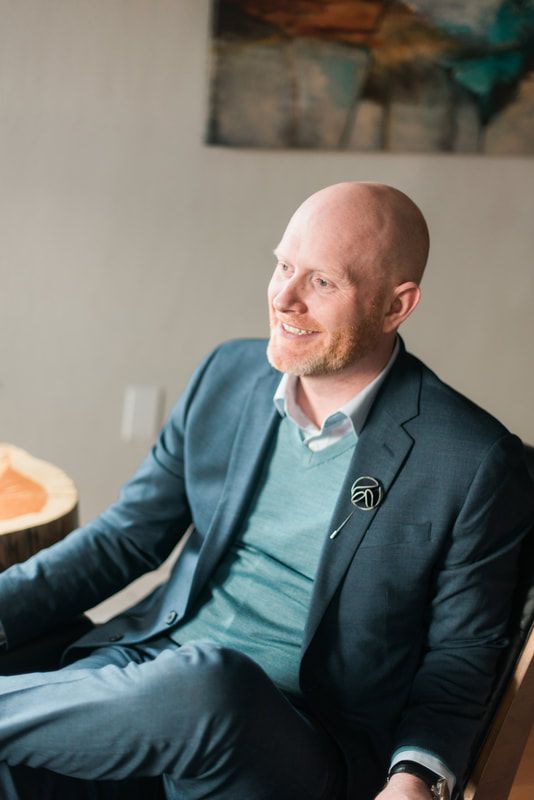
Our guest today, Kevin Ashworth, is an expert on helping people overcome anxiety. While most people attempt to deal with it by avoiding what makes them anxious, Kevin recommends exposing yourself to those things in a safe and low risk manner. In this episode, Kevin explains why anxiety is becoming more common and he delivers some simple and actionable advice on how you can gain control over your anxious feelings.
Transcript
Machine-generated from the episode audio and lightly edited — may contain errors.
Chris Albert (link to this point)
This is Chris Albert, and I'm here to remind you of one thing. Someday, you're going to die. Now that's not some morbid statement or scary idea. It's solid fact. Your time here on this earth is limited.
We need to be reminded of this as much as possible for one simple reason, to live your best life while you can. This is the Warrior Soul Podcast.
How is fear limiting you right now in your life? You know, it's an interesting question to ask people because for each person, it might lead to a different answer. You might be afraid of heights, so you're avoiding hang gliding, and you're avoiding, you know, mountain climbing. You might be afraid of snakes, so you avoid the jungle, you avoid swamps, and you avoid tall grassy areas. And most of you could probably get through the rest of your lives and be perfectly okay without hang gliding or mountain climbing or going into swamps or going into jungles or or any place there might be snakes.
But what if what you fear involves talking to and socializing with other human beings? What if what you fear is keeping you from living a happy life? And in that case, that's where the fear can become pretty destructive. And our guest today is Mr. Kevin Ashworth.
Kevin is an expert in anxiety, and he's with the Northwest Anxiety Institute. And he came on here to talk about how he helps people to overcome their anxiety. I think you'll find a lot of interesting things in this discussion. One of Kevin's approaches is to help people to expose themselves to fear in a way that's going to help to reprogram their brains to help them to understand that the thing they're fearing or to help their brain to understand that the thing they're fearing isn't going to kill them if they try to expose themselves to it. And I think that in this day and age with social media being so preeminent in our communication with each other, a lot of us are getting further and further away from community communicating with each other's in a in a face to face manner.
You know, I'll take myself for example. I run a business, and I run that business out of my house, and I have a computer, and the way I interact with most people throughout the day is via video conference. And if I didn't have to leave my house, or if I didn't force myself to leave my house for certain things, I probably wouldn't. And that's been a limiting factor on me in the past. And I've actually had to force myself to be able to socialize with other people in a face to face format, you know, through doing things like jiu-jitsu, or going to social events, or actually taking my girlfriend out on a date.
And so what I want you to get out of this episode is an understanding of of what you can control in your own life, what you can do in your own life to take control of your anxiety. And rather than having it limit you from doing things that you really want to do. Understanding when it is going to come up, when it's going to take hold of you, and then working through that, so that it's no longer a limiting factor on you, your ambition, and what you can get out of this life. Before we get into the conversation with Kevin, I want to just go through a few notes with you. This podcast is brought to you by f bomb nutrition.
F bomb makes awesome delicious packets of fats, and I'm a big fan of their macadamia nut butters. And, they mix up macadamia nut butter with chocolate, with sea salt, with pecan butter. It's absolutely delicious. And our listeners can get 20% off when they go over to www.dropanfbomb.com and use the code Warrior Soul at checkout. Also, I wanna say that the this company is run by amazing people.
They've been so supportive of this podcast, and they're so supportive of the veteran community and the active duty military community. They're sending packages of this stuff overseas to troops who are deployed on the front lines, so that they can use them to supplement their MREs. And and we didn't ask them to do this. They asked us to get them in touch with units. So really, you know, great great company, and and you should definitely go over there and support them.
Another thing I want to mention here is this, you know, this podcast is meant to deliver tools, tactics, ideas, and introduce you to people who can help you to live your best life. And we do this for the veteran community. Because over the past decade and a half, we've been seeing a lot of talk about veteran suicide, but very little action. And what we're trying to do here is give you actionable advice, things you can apply in your own life that can help you to live your best life. And all we ask from you is that you let other people know about the show.
If an episode helps you out, and you think that there's somebody else who could use this information, please pay us the highest compliment that you can and share that episode with that person. And if you really like what we have to say, you can also help out help us out a whole lot by writing us a review on iTunes or Stitcher. Beyond that, if you want to support the show, you can also check out our store over at warriorsoulagoge.com. That's a g o g e. All of our gear is designed and manufactured by US Marine Corps veterans.
And I think when you go over there, you'll find some awesome designs that you'll absolutely love. And beyond that, if you want to support yourself, head over and join the Warrior Soul Fitness Academy, where we're putting out some of the best information you can get about health, fitness, nutrition and training. And to do that, it's completely free. Just head over to menshealth.warriorsoulagoge.com and put your email address in and you're in there. So with that, I will stop talking now, and we can get into this conversation with Kevin Ashworth of the Northwest Anxiety Institute. How you doing today, Kevin?
Kevin Ashworth (link to this point)
Good morning. I'm doing well. Thank you. How are you?
Chris Albert (link to this point)
I'm doing great. I'm doing great. As I said to you before we hit record, I tweaked my back a little bit. So maybe a little bit slightly medicated, but I'm feeling good today, and I'm happy to have you on.
Kevin Ashworth (link to this point)
Appreciate that.
Chris Albert (link to this point)
I wanna start by asking you this and and seeing what this statement means to you. You're already miserable. You may as well be miserable on purpose. What does that mean?
Kevin Ashworth (link to this point)
Yeah. You know, I I would love to take credit for that, and and I can't take credit for the quote, but I also can't give credit because I have no idea where I got that. And so as the time goes by, I'm I'm kind of adopting it as my own, And I've actually put it in and tried to search it. I don't know where I heard it. And so I, for the record now, I'm not stealing somebody's quote.
But it's so powerful, I think, for the work that I do. And I think for just general functioning in life is most of us make decisions based on emotion. We make decisions based on how we feel. So if we feel like it, we may behave a certain way or if we don't feel like it. I mean, I think, you know, to use your example, right?
Like you probably woke up today not feeling like doing a bunch because you're in pain and it's a very reasonable excuse to say to somebody, Hey, listen, I've hurt my back. Can we reschedule? Or whatever, right? But essentially you're moving forward doing something despite feeling uncomfortable. And when that's related to anxiety, the way most people cope with anxiety is through avoidance.
And so the crux of that is by avoiding something that is potentially scary or physiologically reactive, you disallow yourself the chance to actually know what that event would be like. And by avoiding, people aren't enjoying themselves. They're avoiding and they're miserable. They're avoiding and they're feeling guilty because they're avoiding, they're feeling dissatisfied with their lives because they're avoiding. They're beating themselves up because they're avoiding.
So I would get it if saying, I don't want to do something makes me really scared, so I'm going to do this and I'm actually in a really good state. But people just swap one misery for the other. And so therapy, kind of therapy that I do, cognitive behavioral therapy, specifically exposure therapy, is leaning into the things that you're scared of because they're not actually dangerous. It's a perception of a threat. There's no actual danger.
I'm not asking people to do dangerous things at all. I could never afford my liability insurance if that was the case, right? It's asking them to engage in the perception of stuff that's scary to only learn that it's not. And that's a miserable process. I mean, that's a very uncomfortable process.
But the flip side of that is already very uncomfortable or miserable.
Chris Albert (link to this point)
Yeah. It's kinda like, you know, when you're talking about that in my mind, I'm thinking back to high school, and you have this girl that you have a huge crush on, and every day you might get an opportunity to talk to her or say something to her, but you don't. And you don't because you're scared, but the whole day after you had that opportunity to talk to her or to oppress her or to have a conversation with her, you keep replaying it over and over in your mind, and builds up over time and it causes a level of anxiety in and of itself.
Kevin Ashworth (link to this point)
Sure. Yeah, absolutely. I mean, it's analogous I think to most things in life and I think that the kind of therapy that I do is very practical and it flows with everything else. I mean, for me, a challenge for me has always been, an example I use has always just been exercise. A lot of my friends work out a lot and I've spent a lot more of my time, I think, trying to build my mental resilience by doing a lot of academic stuff.
But once you start getting out of shape, now I'm 35 and not exercising is kind of miserable. And so, you know, your back hurts, you're slow, you don't feel as good, your clothes don't feel good, but the idea of exercising is miserable because it makes you sweat and it's hard and sometimes you feel sick and you haven't done it for a while and your muscles get But everybody that exercises completely accept that that's actually all signs of success in the world of exercise. That pain is like, yeah, I'm feeling better. Like, I'm so sore. And you shift the idea of I'm so sore, I'm never doing that again to I'm so sore, I must have done something unique, interesting today to actually work my muscle.
But in the world of emotional resilience and anxiety, we perceive that like, if it's hard, we probably shouldn't do it. But it's the same process. The more you do it, the more it gets easier and then you've got to up your ante. Now your weight has to go higher or your reps have to go more or they have to run for a little bit longer to get that same burn and pain. But the option if you don't exercise is not one of like, I have way more free time and I'm far it's getting old, I can't chase after my friend, like I just can't do stuff anymore.
Chris Albert (link to this point)
So, yeah. Yeah, that's, you know, I started Brazilian jiu-jitsu last year and every time I go I'm a white belt. Every time I go in there, I'm getting my face ground into the mat, somebody's poking me out. And and a lot of times, you know, on the ride to practice or just sitting out in the parking lot before I go into the studio, it's like, oh, do I really want to go in there today? Do I really want to do this right now?
And then you go in there though and you starch and yeah, it sucks, but after you come out, you feel feel like a million dollars.
Kevin Ashworth (link to this point)
Right.
Chris Albert (link to this point)
We build these things up in our mind so much and and and these fears and and everything. My question for you is this, in life, we're all gonna face stress regardless. We're all going to face something that causes us anxiety. When does anxiety become a real problem, a real issue for most people?
Kevin Ashworth (link to this point)
Yeah, excellent question. There's a couple of things that have to happen for it to become a significant issue, and they're a little arbitrary because they're different for everyone, but one is really impairment. When do you stop doing things that you otherwise would have done, right? So what I say to people is like, when do you stop making changes in your life that you can honestly tell yourself that you would have done differently? So I always ask people, do you make decisions based out of fear or do you make decisions based out of preference?
We can justify all day long that we do things out of preference to ourselves and to our loved ones and friends and whatever, even though we know we're making them based on fear. Even that doesn't mean there's a huge problem, but if that builds, so you start making more decisions based on fear, more decisions based on fear, Then that impairment or you start losing out on things, you avoid a job promotion because that position requires you to travel and that's scary. You avoid a job promotion because that position requires you to public speak. To me, that's a significant impairment in your life based on fear. Not like if you're like, I just don't want that job.
That's totally fine. Don't get the job. But if you know, like, I would love that job, but that one part about public speaking scares the shit out of me, I don't want to do that. And now you say no, now you're making decisions. So impairment is really important.
And then distress is really important. And so this is distressing enough that it scares me. Like I'm uncomfortable more often than I'm not because of this thing that I'm worried about. So whether that's the appraisal of other people, whether that's my own physiology, like with panic disorder, or some obscure rule intrusive thought related to It's impairing when you start or excuse me, it's an anxiety disorder when it becomes impairing and there's a significant amount of distress. Because then those things kind of impact other parts of your life.
Usually your sleep gets disrupted or your relationships get disrupted or your appetite gets disrupted. So it's insidious and it starts kind of filtering it into every other part.
Chris Albert (link to this point)
Yeah. I one thing I hear from the veteran community a lot is this idea that that they hate people, right? They don't like being around people. They don't like talking to people. They don't and, you know, in my mind, a lot of times when I hear that, because I've said it before myself.
I'm not gonna lie about And then just thinking back on it, when I said that, it was just the simple fact that I felt uncomfortable being in public and actually holding a conversation with somebody and having to explain certain things or having to go into certain things. How how does one get over that? Like what is it that the first step you take with your clients?
Kevin Ashworth (link to this point)
Well, first step, especially in that, if someone came in and told me that there would be a little bit more digging I have to do, and I'm not talking like, you know, psychodynamically on the couch, you know, how is your mom digging? But there's a lot of reason, let's say people don't want to be around other people. That could be the social aspect, right? I don't feel good enough or I feel like people are judgmental and critical of me. And that makes me really nervous to think if I'm screwing up socially.
So it's just social competency, right? Like, I'm just not very good at small talk. I can't keep conversations. I don't have an education. I don't know anything about this thing.
I'm just not good when the social rules are uncertain. So that could be one reason. The other reason, or one of the other reasons, is that just being around lots of people makes me feel on edge and anxious because I don't know when I'm going to feel on edge and anxious. And I do not want to feel on edge and anxious around people because that will be embarrassing, that will require an explanation, and it will be worse if I have to leave the situation because I feel hyped up or anxious. Maybe one other, there's probably lots of reasons, but for an individual that has experienced any kind of trauma, when veterans have experienced trauma, of course, basically what's happened is their physiology has been hijacked and their physiology was behaving appropriately depending on where they were and their deployment.
But now they're not in danger anymore. But their body again goes back to that perception threat. Being around lots of people, there's a lot that you do not know increases the, uh-oh, who's around me? Your body may go back into that hypervigilant state and you're not telling it to. In fact, logically, you're saying, let's just say, I'm just shopping at Target.
I'm not worried about anything. But why is my body telling me that I might be in danger? Well, we're not going to not listen to our body. So when we make a decision to leave Target or a grocery store or whatever it is, a club or bar, friend's house, your physiology goes, you're safe and it shuts and it cools down. So but now the message is, yeah, that was bad because look how much better you felt when you got home.
So there's so many reasons, but ultimately, you know, how do you get over that is one, have to understand why you're behaving in the way that you're doing. So you just got to take stock in your own stuff and say, okay, I do get out of most situations. I realize that or actually turns out most implications or I don't have any social network any now at all because of the last ten years I have said no when anybody has ever asked me to do anything. So for some, they purely just feel completely out of practice too and they feel like awkward. So there's lots of reasons, but it really is taking stock in like where do I go from here?
And I have to start making decisions based on preference. Very slowly and incrementally.
Chris Albert (link to this point)
So with the danger of being avoidance and kind of programming yourself to avoid these stressors, to avoid things that give you anxiety. In my mind, with the way the world is right now with the internet, More and more people can work from home, more and more people can have relationships without really having human contact.
Kevin Ashworth (link to this point)
Absolutely.
Chris Albert (link to this point)
You and I, for example, are sitting here talking into plastic boxes hundreds of miles away from each other. And, you know what mean? It's a lot easier now to avoid. Have things become worse because of technology?
Kevin Ashworth (link to this point)
Yeah, I mean, for sure. Well, when you look at that gauge of impairment, right, you just said it yourself. So, you know, let's say before the invention of all this technology, it would be easily it would be easier to diagnose someone with social anxiety because you'd say, well, look, let's look at the impairment. You're not able to work. You're not able to get out of the store.
You know, you're not dating. You're not doing any things. Well, now that person gets food delivered from the grocery store. They're eating well. They exercise at home.
They have a 6 figure job from their computer. And like you said, they have 150 friends on the video game that they're playing or the chat rooms that they're in or whatever it is. And so can you argue impairment there? Possibly not, but the question for that individual is, are you happy? Like, is that fulfilling for you?
Because everybody's different too. You know, there's, I would never, if I just had a chat with someone like that and they told me, Oh yeah, I don't do that. I don't do that because of anxiety. I don't do that because of anxiety. But I'm quite content.
Then I don't know if there's a diagnosis there because that comes down to that person's preference. The truth is most likely they've just come up with just they've justified themselves shutting themselves in for long enough that that's how you have to keep your happiness is you kind of pretend that you're choosing that lifestyle versus it being chosen for you from your anxiety. So I don't know if things have gotten worse. We have more ways to accommodate our fears and trick ourselves into thinking that we're managing it better than we are.
Chris Albert (link to this point)
Yeah. I think that, you know, particularly my case, for example, and and a lot of times I bring guests on to the podcast because they are experts in problems that I've had. So, be very honest with everybody.
You know, my business and what I do, I'm a trainer, you know, which normally is a very personable type of profession. But I am an online trainer, and I have been an online trainer for eight years now, and it has paid me much better money than being an in person trainer. But what I noticed about myself is and what I noticed very, very early on, is that if I didn't have to go and purchase food, or if I didn't have to go do something outside the house, I could be in the house for up to seventy two hours without actually ever talking to somebody. Have a girlfriend, a living girlfriend, but she is a nurse and she works twelve hour shifts. So I actively have to go out there and seek things that are going to force me to be social, like jiu-jitsu, which is a very physically social type of thing. But also, actually going out and socializing with friends and actively trying to search for friends that I can meet up with in person, because if not, I'd be living an entire cyber lifestyle.
Kevin Ashworth (link to this point)
Yeah, it becomes very isolating very quickly for folks then, take away some resources, like if you can't afford to sign up jiu-jitsu or you can't afford to go out to dinner or you can't afford to meet up for a beer, then it's another reason that you can't do those things. And over time, if you said no to invitations, those people stop asking. And so now you feel completely unprepared to like, do I meet new friends? Right? I mean, I think anyone over the age of 25 has that realization, like, I meet a lot of people, maybe that's at the gym or maybe that's at work or maybe, but I'm not making friends anymore.
And so that's really hard to do as we get older and older as well to kind of put yourself out there because everybody's got their routines and lives and things like that. And you know in order to make friends too, in order to connect with anyone, you have to demonstrate some vulnerability. And none of us want to do that to a stranger, right? Because in order for me to be vulnerable with you, I have to trust that you're going to be, you're going to manage that delicately. And then you've got to give me back a vulnerability, right?
You've got to say to me, Yeah, Kevin, I've struggled with anxiety too. And I can say, Okay, cool. That's a vulnerability. Let me share one with you. And now we're connected.
But if we're just surface level all the time, What's up, bro? You know, like, how are you? I'm pretty good, man. You know? And and we keep it there, but we talk every single day, but that's all we keep it.
We never find a connection there.
Chris Albert (link to this point)
Mhmm. So this is a very perishable skill, right, as far as sociability goes?
Kevin Ashworth (link to this point)
I think confidence in yourself is perishable. I don't the people lose the confidence and they think they lose the competence, but the confidence people, they lose in themselves. Like, oh, man, I haven't done this for a while. It's similar. Like for some people, once they have the weekend, they feel like they have to get their confidence back in their job for Monday morning and then they're back in the swing of things.
Or you take a vacation or, you know, for students or for kids if they take the summer off. And it's not that they've lost everything. They've just lost the practice of it so they feel less confident with getting back into the routine.
Chris Albert (link to this point)
So when you're talking about cognitive behavioral therapy, what about cognitive behavioral therapy gives people the confidence that they need to overcome this stuff?
Kevin Ashworth (link to this point)
Yeah, well, CBT is a therapy that's essentially, you know, it's hinged on these three things, right? Your cognitions are the C, the B is the behavior, and then what we look at is your emotions for your thoughts. And essentially what we're helping people do is know that if you can't change your emotions directly, so let's stop crying. Right? You can't just close your eyes and hope for happiness.
It's not coming. Or that you can't hope the anxiety goes away. It doesn't work. But a lot of people wait for that, right? A lot of people say, I will behave, go out when it feels right.
I will do something when it feels good, right? And they wait and they wait and they wait because that feeling is not comfort. In fact, the opposite feeling is there, the distress. So the thoughts part of CBT is what many people focus on. And this is kind of evaluating the thoughts that come into our head and acknowledging that many times these thoughts are automatic and they're a manifestation of our whole life, whether that's your childhood or your breakups.
And they're usually not that nice to us. Most people don't walk around with thoughts whispering like, You're a genius. You're extremely handsome. Our thoughts are usually, Nervous, fuck up. You're kind of a shitty dad.
You're not a great husband either. And then, you know, you worked out today, but you still look kind of fat. I mean, these are the thoughts that most of us have that we try and distract or avoid all day long. And so that's the thought piece. So that's also pretty hard to manage even just by trying to challenge it.
And so in cognitive behavioral therapy, we're not telling ourselves that those are bad thoughts. We're not telling ourselves that we should not think those because that's as easy as trying not to think about your back pain right now. Whatever you do, don't think about it. Right? That becomes really hard.
Chris Albert (link to this point)
Right.
Kevin Ashworth (link to this point)
I'm having an issue with Yeah. So we try and change the relationship with one's thoughts to not see them as a bad thought, a negative thought, because that's a judgment. Just see them as a thought. Like you're just seeing, it's an observation. And then finally, probably the biggest thing that we do is the B in the CBT.
The behavior is so key and people leave this off because the way that cognitive behavioral therapy is discussed is the triangle. So you've got CBT with arrows going both directions on each one, meaning it's a bidirectional relationship that if you tweak one, you influence the other. Well, because we know that and that's been shown through years and years and years of research and science that we can actually change our emotion by changing our behavior. So, and that's where exposure therapy comes in. And so if I ask you, for example, to go on and purchase a cup of coffee and you say, one, as soon as I say that you feel these anxiety kind of feelings bubbling up, You feel it in your tummy, you feel it in your chest.
And I say, Tell me what you're thinking. He said, Well, the person in there is going to think I look silly, and I don't know how many people are in that coffee shop. And what if it's a good looking girl and I look like dummy, and what if my car gets declined or I don't have the right change? You've got all these thoughts that are telling you that you're not that comfortable. We can sit and try and challenge that, and we can, on one hand, we can give you lots of coping skills and say, It's okay, doesn't matter what people think, which is not true.
It absolutely does. You'll be okay. They'll never see you again. Here's your lucky rabbit's foot or put in your headphones or just look at your phone the whole time. Like we can add more avoidance or we can challenge your thoughts or from a behavioral point of view, we can say, yeah, let's just accept that you're going to feel uncomfortable, but let's get new data on this.
So let's go in there and have you just order like a of And let's have you do it again and again and again tomorrow and the next day, the next day, the next day. And now through behavior, we're not telling you your anxiety is going to change, but through behavior, what you're doing by going in there and getting a cup of coffee is your brain is saying, danger, danger, danger. Oh, he's here. Oh, no danger. Oh, and then they start shutting down that physiological state.
Now the next day that happens faster, and the next day that happens faster until going in a cup of coffee or actually the social appraisal pieces, what you're actually afraid of, gets easier and easier. And so we are helping people change their emotions through having them behave differently, which is so important because most people think that that has to happen first. And you're a trainer and so, you know, this is, you know, if people worked out when they felt like it, you'd be out of business, right? But the goal is show up, start doing something that's uncomfortable because you're out of shape, but if you keep at it every morning, you don't want to do this, but you do it anyway. You know, I struggle with this every day.
I work out three days a week and I do a HIIT class. Mostly I do that because it's a group of people, that's the social accountability. I don't have to think for myself and I don't have to combat, by doing a class, I don't have to combat my own shaming voice, my own excuses of how heavy a lift or what to do now. I just go and do what I'm told. But if you do that regularly, after about ten minutes of starting that class every day, I have a thought, good for you right now.
And then my emotion shifts. But if I waited for that to happen before I got in there, it would never happen. So now I'm more likely to do it the next day. And I've been doing this for a while and still nearly every morning, my thought is don't go to bed, just get an extra sleep, it'll be fine. It doesn't matter.
And so I have to ignore that. I say, no, no, fuck you, that nasty thought. I'm going anyway. And I will allow my behavior to demonstrate. And I never once left an exercise regimen routine and said, Man, I'm upset with myself because I did that.
Usually my body feels good, I'm tired, and it's just my emotions are better because of it, and it's part of that process. So I just apply that to the psychological world or vice versa to help people kind of see how they can move forward.
Chris Albert (link to this point)
Yeah, I think that's true of most things we're scared of. You know, you never regret actually doing something once you've done it, right? You don't regret I mean, I think sometimes we build up these things in our mind saying, oh, you're going to look like a fool because you go and talk to that woman over there, or you're going to look like a fool because you put that pair of pants on or those pair of shoes on, and they don't match each other or something like that. I'm just throwing stuff off the top of my head. But, know, should we be taking more chances in our daily lives as far as, you know, maybe not maybe low risk things that we're afraid of, like what Tim Ferriss calls fear setting, you know, wearing like a pair of polka dot pants out in public or, you know, going up and asking for a discount at a at a at a shop when they don't offer one or something like that.
Kevin Ashworth (link to this point)
Yeah, I mean, and the reason that that works, the reason that that's so effective is because if you think of this pendulum and if you make every decision based on, you know, or most of your decisions based on what feel right, We're using, often we're using our physiology as a cue of whether something's dangerous or not, right? And so that's why anxiety is the perception of fear, not actual danger. You know, we don't use the adjectives, any of the vocabulary for dangerous situations that we do for anxiety, right? Nobody gets t boned by a car and says, I was flooded with intrusive thoughts, right? They were afraid, right?
And so we're not asking people to do anything that's dangerous whatsoever. We're asking them do something that their body responds to as good as it is. And so yes, what we do in exposure therapies, we actually do be complete above and beyond what normal people do in everyday life. So if truly going into the coffee shop was challenging in my previous example, what I would have people do is I would have them go into the coffee shop and say, Can I order a Big Mac? And they would say, What?
What? And the feeling that would be associated with that would be so distressing. And they'd say, No. And you'd say, Okay. And you would leave.
And you would do that over and over. Because if you can tolerate that, you can order a cup of coffee, right? And so when want to overcome something, you do something much bigger so that just for practice, so that in your everyday life, you can again come back to the thing that your actual goal. And now it's way, way easier instead of kind of smoothing yourself and soothing yourself up the ability to order a cup of coffee, I'm a good person, no one's going to judge me. It doesn't matter what people think.
Well, that's not true when your whole body is saying, You're right, but look at this feeling. So we change our relationship with anxiety so that when we notice those anxiety cues, we say, Hey, there you are, you predictable anxiety, let's do this. And I have to do that every day. Really developed a pretty intense anxiety disorder in grad school, and to overcome that I had to kind of set my own exposure routine and I did my own hierarchy and I worked to get better from that. And there's very few days that go by where that predictable anxiety voice says to me, Hey Kevin, what about this?
And I just go, Oh, what's up? There you are. If I react like, Oh, no, oh, no, not that again. Then your fight or flight system, your sympathetic nervous system kicks in, which gives evidence that that thought is actually true, even though it's not. So practice things as many times as you can to challenge that distress.
So yeah, polka dot pants, the dot on your forehead. What you'll find that, what you'll find pretty quickly is if you do those things is you forget that they're there and you realize that actually people don't care either. I had an experience a couple of years ago where, oh, it was probably two years ago, and we know that for many people putting on new clothes is a really good way to feel good about yourself. Nice fresh clothes that you feel like you look good in that fit. Good for self esteem.
And I actually had a new outfit on for work and I was feeling pretty good. And I walked to the coffee shop on my break and I'm standing in line, a couple of people, you you think people are looking at you and probably thinking, God, this guy looks really, really good. He dialed in with his new outfit. And the guy behind the counter is kind of giving me the eye as I'm waiting for my coffee. I thought, Oh, that's interesting.
It's gonna hit on me or I don't know. So anyway, starts walking towards me, comes around the counter and he walks up to me and I thought, uh-oh, here he is. He's complimented. I think this guy's gonna ask me out and he leans in and he says, all your tags are still on your jeans. And I went, Oh.
Right? So I felt like my face went bright red. I felt my heart count out of my chest. I looked down, of course, and everybody can see now my waist side, the length and the tags are on the back. And I thought to myself, this is great.
I'm going to leave this on the rest of the day. And I think I was meeting someone after work for drinks. And I left it on. Not one patient said anything, whether they noticed or not. And then I went out for drinks and nobody said anything.
And I forgot about it. By the end of the day, forgot again that they were on there because I didn't mind. Now, if I would have quickly ripped those tags off and then felt like, oh my gosh, I am never going back in that store again. How ridiculous did I look? And how many other people saw me and didn't even notice?
Right? But there's probably not one person that saw me that day that remembers that. I saw a guy with tags on his jeans. Have they ever thought about that twice? So these are great opportunities.
I call them when people tell me something really bad happens, I always say that's the anxiety gods give you a gift, right? And that's your process that day.
Chris Albert (link to this point)
I think, you know, in so many ways we overweight our importance to others And I think that's a big thing that holds people back. We think that if we get embarrassed, the world's going to stop and just laugh at us. That's just not true.
Kevin Ashworth (link to this point)
It's not, and I'm in a really privileged place. I really see it as a privilege to meet therapy that you share with me the stuff they're scared of, but the truth is knowing people, everybody's got something and everybody's got that voice that I've been describing, everybody, But we all think we're the only ones. And so when I'm insecure, you know, at a conference or at the gym or in a restaurant or even in the therapy office, when I feel insecure, I think that everybody else is hearing the same voice I'm hearing. And I also think that they don't have their own voice. But the truth is, if I walk down the street with tags on my jeans, most people are walking down the street saying, I hope no one notices my flaws.
They're not focused on me. And we do think that people are paying attention to us because people will say, well, there's examples of that. People say mean things or people do mean things, but that's usually out of the place of their own insecurity as well. I mean, we notice things that we're insecure about. There was years there when I went, I shaved my head when I was 24, Well, your listeners can't tell, I'm bald, shiny bald head.
But I shaved my head when I was like 24. Man, it bothered me that I was so young and that, you know, my hair had thinned so quickly. But that was a huge vulnerability of mine. And I noticed every bald or should have been balding guy no matter where I went. And my first way to manage my insecurity is I would point out to my friends, man, look at that guy, he totally needs to shave his head.
Look at that. You know, that guy, right? And that nobody else noticed these guys. I'm the only person that noticed it because it was my insecurity. It was my vulnerability.
So it's on my radar because I think everybody's walking around going, oh, how old is that guy? He's bald. Like nobody cares. Nobody's paying attention to that. And if they are, it's like they're just other bald guys that have a vulnerability.
Chris Albert (link to this point)
Yeah. That's like I mean, I think a lot of us replay scenes from our high school experience over and over in our heads. And, you know, I was I played sports in high school, but I wasn't really popular or anything like that. And when I was very young, I used to get made fun of because I was I was severely uncoordinated, used to trip over myself and and hardly even understood how to tie my shoes up until I was, like, 10. I was I was a really bad case. But anyways, you know, I'll have conversations with friends of mine from high school who were more popular than me, And all of them replay these things in their head, even if even if you thought they were popular, they still have anxiety left over from high school and they were dealing with their own stuff.
Kevin Ashworth (link to this point)
Absolutely. Yeah, I mean, you know, it's cliche now, I think a lot of people say it, but we are always comparing our behind the scenes footage to somebody else's highlight reel, you know, like it's easy right now if you're listening to this to say, wow, you know, you know, Kevin has mentioned that he's 35 and he owns his own business and make these comparisons. And I told you I do a HIIT class three days a week, so you know I'm just shredded. Know, but people are making these comparisons and as if my life is fine because what I'm not talking about are social, relational, economic, financial, mean, I'm not most people don't walk around talking about their stuff they're not great at, right? So we think everybody's good.
This is part of the problem with social media is we can just every single day, right? I can see all the amazing things everybody is doing because of course that's all they're posting. And I compare that to my actual life. And so that's a hard thing to tell. It's impossible to compare it to.
Chris Albert (link to this point)
Yeah, that's one of those things about social media, particularly with Instagram. You see a lot of these pictures of the fitness models in the fitness industry. And I've been a nutrition advisor for some of these guys for a very long time and I know that there's a forty eight twenty four to forty eight hour window where they're going to look that shredded. When you see their pictures on Instagram, they look shredded all the time because those are the pictures they're posting up.
Kevin Ashworth (link to this point)
Of course. Of course. You know? And that would just remind me, I've never I haven't thought about this, but, know, as a kid before Instagram and all those things, you know, you would look at, like, the actors that we saw, our superheroes, you know, that were just cut up for these movies, and then you would see them at the premiere or out or whatever, and they're just enjoying life, and they're just yoked or they're shredded or whatever it is. And you know, I remember my dad was like, Kevin, that's that guy's full time job for the last six months.
And he had someone preparing his food. He had someone, you know, giving him an exercise routine to look just like that. And what you see is you find, know, you capture a picture of them two months later and they look nothing like that anymore. Right. But it doesn't matter because once I'm dressed for the day and I'm trying to manage what my self esteem is like today, you know, Monday morning, And I said, Kevin, you're doing pretty good.
You look, you know, you feel good about yourself. And I had opened my Instagram and I'm following somebody that has, you know, things that matter to me. Like he's got, you know, he maybe had a designer, you know, a stylist and who knows, right? And I can still, it just, I think Eleanor Roosevelt said it, then Brené Brown, I don't know if you're familiar with her.
Chris Albert (link to this point)
Yeah.
Kevin Ashworth (link to this point)
She talks about vulnerability and shame a lot, but she says, comparisons that feed happiness. And it's so true because it doesn't matter where we're at. We always want what they have. And we can feel so good that somebody else is better looking, somebody else is richer, they're thinner, they're more successful, they're a better son, they're a better father, can at least demonstrate that they are. And so it's a really quick way to feel bad about ourselves.
Chris Albert (link to this point)
Now, let me ask you this, because this is another issue in the veteran community, I think that is a big one. A lot of us, while we're in service, we smoke. We smoke, we use tobacco like crazy, and and some of us continue afterwards. How much is this type of smoking, even drinking, related to to this type of type of fear that we have in our head?
Kevin Ashworth (link to this point)
Yeah, you know, that's a really interesting question and I haven't, I'm not super familiar with like literature on cigarettes and smoking, but many people say that smoke that it helps calm their nerves at least, or it helps manage their anxiety. It's also, when you look at it just from a behavioral point of view, it's a habit, right? It's a habit that also has a very addicting substance in it, which physiologically you know, you're addicted to and then behaviorally it's the habit, right? So when you smoke, you're used to smoking. You're used to standing where you stand when you smoke.
You're used to taking the breaks that you take when you smoke. And there is a feeling that people get from it. So it's really, really hard to quit. Now, when you look at any substance, now I would argue that as many, lots of people are also smoking marijuana, and they're smoking it like people used to smoke cigarettes. They got their vape pen or whatever and nobody can tell.
They're just kind of staying kind of buzzed throughout the day or staying stoned all day. I have a, one, I guess I'll just say is that they know that, you know, I will see many people that come into our clinic that have looked for, looking for, continue to have some type of medical marijuana card or utilize marijuana to major certify. And anxiety is really a change in physiology, right? And for many people, disorders is a it's kind of like your physiology is firing them. It's like a broken car alarm.
So when you smoke weed, you don't actually, you don't know how that's going to impact your physiology. Every week is different. And so many people can trace back their panic attacks to smoking weed. But then what many people do is they smoke more because there is a dulling or a numbing effect eventually that comes. But I've talked a lot today about this kind of thought in your head, dialogue that we have with our not very cruel self, whether that's a 10 year old cruel self or your parent cruel self or your last breakup cruel self.
But marijuana allows you to get stoned and then really pay attention to that cruel self. It doesn't make it go away. In fact, can make it worse. So, but if you take away that part and you just look at the function of relationships. I enjoy drinking, I drink bourbon, and I enjoy drinking fairly often.
In fact, I had a few shots before we started this week. That's not true. I'm on the West Coast, it's actually Kevin. But it's about the function rate. So if, and I would say this about any behavior, not just drinking, I would say this about knitting or exercise that if you drink because you're distressed or you're drinking to manage the potential anxiety, right?
You're creating a function and a relationship with alcohol that will likely be unhealthy. If you drink because you enjoy drinking, it comes back down to fear of preference. If I get off work three days a week and I have a whiskey and I do that no matter what, my schedule allows how stressful my day is, how not stressful my day is. That's just part of my, let's say evening routine. That's very different than the day, even if it's just twice a week that I get off and I drink on days that are stressful, or I drink on days that are hard, because now I am creating a relationship that in order to tolerate that stress that I have, I have to manage it in some other way.
I have to manage it by smoking or drinking or using some other kind of drug or by avoiding. So the function of that alcohol is the same as the function of Netflix. I'm sitting down to watch a show because I want to kill some time and it's fun. That's very different than saying, I'm not leaving the house and watching Netflix all day. I'm just avoiding life.
And I would say that that's true for anything, both adaptive behavior and not, because when people exercise, for example, when they're anxious, which many people do, that's great. We know exercise is helpful and it's actually really helpful for helping people manage anxiety. But if you exercise only on the days that you're anxious, like I will have people tell me like, well, it's really cool. I work from home and when I start feeling super anxious, I just go out for a run and knock out seven miles. And I say, you need to stop that.
They're like, what? Every person I've ever met told me that exercise is really, really good. But what you're creating, you're telling your brain that you can't tolerate feeling bad. So what happens when you're anxious and you can't run, right? You're in a meeting or you're in a family trip or you're in a movie.
What you're going to tell yourself is, uh-oh, I can't use my coping skill. I'm screwed. So exercise because that's self care. But exercise at the same time, 9AM every day, if you're going to do that or three days a week or whatever it is, whether you're anxious or not. And now it's self care.
Now you're actually probably going to prevent some of your anxiety because you're exercising regularly. So the function of why you're behaving a certain way, it doesn't matter what behavior it is. I'm not gonna judge how people cope, right? But the function of it really, really matters because at the end of the day, you think you tolerated your anxiety because of your whiskey or because of your exercise or because of your Netflix or because of a safe person in your life, then anxiety is still kicking your ass.
Chris Albert (link to this point)
Yeah, I definitely see what you're saying there. You know, as far as cannabis goes and use of cannabis, I mean, I I see the positives and the negatives in it. And and I think the thing we got to get over is that it's not an entirely negative evil or entirely benign thing. And and definitely been in that position where I've had an edible, and I've gotten myself into one of those anxiety holes that have have completely, like, messed me up. But in some ways, I also think that there's it's almost like unmasking a lot of that underlying talk that we have in our heads and if you're not ready to deal with it, it could smack you in the face right then and there.
Kevin Ashworth (link to this point)
Right, right. Yeah, and I think, you know, with anything, right, there's If we can learn to evaluate our interactions with this world a little bit more critically, well, you know, I'm gonna smoke a joint or smoke a bowl or even edible, and I have this super distressing response, well then evaluate that and say, well now what do I do with this? Not what it was like for everyone else I was with or what it's like for the other people that I listened to or the research or whatever it is. What's that like for me? If that made me feel worse or that made me feel more anxious, then you say, okay, it the way that I consumed it?
Or if you go for a jogging and say, wow, I felt better. I wonder what would happen if I wait ten minutes before I jog next time, right? There's no right or wrong way. It's just happening this way of looking at it saying, what's my relationship with my thoughts and my feelings? Sometimes we get that right, sometimes we don't.
I personally try to make most of my decisions based on preference and not fear, but I don't make all of them. The difference is when I'm making decisions based on fear, I know I'm making decisions based on fear and I'm totally okay with that. I'm just like, yeah, I'm totally avoiding this. This makes me uncomfortable, But I'm aware I'm not tricking myself into doing that. I don't believe that I You know, if I can only You know, we call alcohol a social lubricant, right?
So if I can only truly, all jokes aside, have this conversation with you because I have maybe some whiskey in my coffee or just have one shot at a vodka before the day. To me, that's a really sad place to be that my Not because it's alcohol and it's bad or anything like that, or it's not socially acceptable to drink at ten in the morning, because I just had to do something to make, like my anxiety just pumped me. Essentially, my anxiety says, Oh yeah, you want that conversation with Chris? You're gonna feel bad. Okay, how do I do that?
And I, you know, the way I work with teenagers a lot, that's what I say, you you should know, let this anxiety pump you. I mean, that's fine, but don't let it pump you all day long. So if you can win most of the time, right? If you can make decisions most of the time that are not based on fear and avoidance, then you're winning. And for people that are already stuck and they are so stuck and they make all their decisions, don't think of the task of I have to, Kevin is talking about making all my decisions based on preference, that would be impossible.
Can you make one? Can you make half of the decision? Right? Can you do one tiny, tiny little thing today that you otherwise wouldn't have done based on that? And that is because then once, you know, if my anxiety says, for example, while I'm having this conversation, you better go to the bathroom.
What do you need to pee now? Now, you know, he mentioned you need to go to the bathroom before you start because if I interrupt you, that's going be very unprofessional. And so that's easily an anxious thought that one of them, like any of my clients would have, right? The idea of what if I have to disrupt this so it actually triggers the desire to go to the bathroom. So there's two ways to challenge that from an anxiety point of view.
One is to say, bring it on, I'll just pee myself, let's do it, because that actually won't happen, but I would be challenging with fear. And the other would actually be to say, hey, I'm to pause this interview like, oh, even if I don't have to, because now I'm challenging the idea that you're going be upset with me if I disrupt this. And that would also make people very, very anxious, the idea that that might happen. And so once you practice those things and you're okay with being human, most every other decision becomes a little bit easier.
Chris Albert (link to this point)
I know we have to wrap up in a second, but I want to ask you this question because it seems like anxiety is very, very fluid, and what I mean by fluid, it's like water, it can seep out and go into different crevices and cracks and things like that, take a lot of different forms. And, you know, one of my old jobs, I was a coach for a lot of different professional bodybuilders. And you'd mentioned the addiction to exercise and dealing with exercises or using exercise as an avoidance tool. But like, these are guys who who used to get on stage in front of hundreds, if not thousands of people in literally their underwear. But they were also some of the most anxious people I'd ever met in my life in other way.
And so what what I'm trying to get at here is that even something that seems like it could be constructive could actually be an avoidance mechanism, if if I'm getting this correctly.
Kevin Ashworth (link to this point)
Yes. Yeah.
Chris Albert (link to this point)
So what types of self assessment tools could we use to understand when we're using something as an avoidance mechanism?
Kevin Ashworth (link to this point)
Yeah, that's a great question. I think sometimes just getting out of a pen and a paper or opening notes on your phone and just asking yourself, and this is what we have people do when they start therapy, just what decisions, what do I do because of my anxiety? So I always ask people to write a two column. What do I do because of my anxiety? What do I not do because of my anxiety?
And there's no judgment, right? Write that without judgment, you're just taking stock. And so that might be, I do this because of anxiety. I do this because I always make sure the car has gas so it never runs out. Yeah, that's totally an anxious based decision.
Okay. I always make sure that my shirts are clean and I carry deodorant in my glove box so I never want to snug. Okay, yeah, totally. That's these aren't unreasonable things necessarily, but it's an anxiety based decision. What do I not do?
Well, I don't go to crowded places. I don't go to places after nine. I don't drive. I don't take public transportation. That's an easier list for many people.
Have avoidance as part of their life. So I don't drink caffeine. I don't do this. I don't eat that. And these are, again, are for anxiety based reasons, not for any other reason.
I don't ride public transportation. So just taking stock in those things and then asking yourself, can I prioritize any of this? Like, would my life change if I change any of this for the better? So throwing a stick of deodorant in my glove box is totally an answers based decision. If I don't actually have like terrible BO, but I always worry about smelling that, right?
That's a totally anxious based decision. But it may not be the top of my priority. Like that does not really impact my life. So what does? Well, I'm lonely, so so not socializing certainly impacts my life.
So what can I do about that? So if the goal is saying yes to the patient, then how do I work up those steps? So if I haven't hung out with someone for a long time, how do I get that? Right? And so if you're an isolated person and you get anxious, you can do a lot of things for practice.
So instead of grocery shopping once a month, can grocery shop every week. Instead of grocery shopping every week, you can go every day. You can break down your grocery list and every day you say, I'm just going to go to Fred Meyer and I'm going to buy two items. That's it. And right there you're making because now you're going be anxious more frequently, but you're going to get more practice.
And so the problem is, in our life, in this culture, in our society, we've gotten away from just with emotional stuff, into what's scary and covering it up. People would think it's absolutely crazy if we had the same philosophy for things like exercise or academics or like, Oh, that's kind of hard? Yeah, don't do it. Oh, that's kind of tough. Yeah, don't do it.
But if you talk to many, even many therapists, unfortunately, and if you said, Hey, I feel really nervous, they'll say, Have you tried exercising? And you say, Well, I can give that a shot. And you said, Every time I'm nervous, I run. I'll say, Congratulations. That breaks.
You just create a coping skill good for you. And what I want people to think about is what if you don't have to cope anymore? What if you can just increase your tolerance and that shit feeling so that it's not so scary? Because it's still there. That's part of life.
Most things we do feel uncomfortable at some point. Most amazing things feel so amazing because of the comparison of how hard they were initially or where we've come from or the things we've overcome. Otherwise, a lot of the stuff we have would not be that exciting or interesting.
Chris Albert (link to this point)
Yeah, I think another thing to remember here is that all the drugs we hear about, the pharmaceutical drugs we hear about, we produce those ourselves as well, and a lot of times, you know, we have this Wim Hof breathing going around and I think it is fascinating. I think it is awesome. I have tried it a lot. It helps with your cold exposure, Like, you can go out there and you can expose yourself to the cold. Wow.
Increase your your your push ups. And he it Wim Hof is a really charismatic, colorful character. He takes people up mount up mountains and things like that. But the thing is, if you do it enough, you could also go into like psychedelic trips and things like that. And my friend Tony is a practitioner of this, and one thing is he one of the things he keeps reminding people is that, you know, you can definitely get addicted to your own supply and do that. I think that's so interesting, you know?
Kevin Ashworth (link to this point)
Yeah. Yeah. That's really cool. Yeah.
Chris Albert (link to this point)
Yeah. But, Kevin, I want to thank you so much for coming on today. I I I this is really educational for me. I'm definitely one of those people who, at times said, have to go running or workout at 11AM because if not, I'm not gonna be able to deal with anybody for the rest of my life or rest of the day. And, you know, I definitely appreciate you coming on.
Where can people find you both on the Internet? And I know you have a YouTube channel. Right?
Kevin Ashworth (link to this point)
Yeah. I'm on YouTube at Fighting Fear with Kevin. It's kind of a fun venture to take on, kind of the video blogging. So Fighting Fear with Kevin Ashworth, check me out there. I try and post every week.
Not that easy sometimes. And then our website is nwanxiety.com. And then my email is on there too. So if people have specific questions, of course, can't give specific clinical advice over the email or anything like that. But sometimes people reach out and ask me something that I can respond to and I'm happy to do that.
Chris Albert (link to this point)
Just long as they're not emailing you asking you for a Big Mac.
Kevin Ashworth (link to this point)
They can ask me for a Big Mac. Again, if they want to know the razors I use for my head, that's totally fine. I'll share that.
Chris Albert (link to this point)
Outstanding. Well, thank you so much, Kevin.
Kevin Ashworth (link to this point)
And My pleasure. Thanks for having me, Chris.
Chris Albert (link to this point)
Absolutely. And to everybody out there, we're gonna get the links, for this episode up on the show notes, along with a couple of other points that we've gotten from, Kevin today. And, really get out there and try to apply these lessons to your life. It's it's honestly completely free to be able to do some of the things we talked about here, and it's up to you to take action. So I wanna thank you for listening today, and get out there and live your best lives while you can.
Host of the Warrior Soul Podcast and founder of Warrior Soul. Worldwide trainer and nutrition coach, contributing author at Testosterone Nation and Muscle and Strength.