Joshua Prado is a US Navy Veteran and Founder of the Vetd Talent Network. Additionally, he is a professional talent agent, consultant, and recruiter who consistently guides others onto the path to success.
Joshua built his business by going above and beyond for his clients. Consequently, he’s constantly going the extra mile to connect his clients with helpful people in the veteran community. This includes helping them to build their network.
We brought Joshua onto the show to discuss his work and how he uses his networking skills to help his clients. Through his insights, you’ll learn why networking is important, how you can begin building your network, and how you can take advantage of the benefits afforded you as a veteran.
Facts about Joshua
Josh is a Navy veteran that highlights veteran entrepreneurship, local events, and partnership opportunities through his social media platform @VETDtalentnetwork on Instagram.He is also a talent partner with @MilitaryTalentPartners which is a new recruiting firm that helps businesses hire more mil-spouses and veterans through @militarytalentreferralsHis business specializes in military-transition. His perspective on coaching and consulting veterans incorporates a blend of best practices in business, learning and development, and talent acquisition.Josh is a San Diego native and began his career as an Electronics Technician for F/A-18 fighter jets and has since transitioned across multiple industries in various roles.He is passionate about giving back by promoting events, sharing resources, and trying to solve problems within the veteran community that often relate to a lack of marketing and PR.Using his growing professional network, Josh helps create those B2B/B2C strategic partnerships across the community by connecting clients of all types to great veteran-owned businesses and services.
Transcript
Machine-generated from the episode audio and lightly edited — may contain errors.
Chris Albert (link to this point)
This is Chris Albert, and I'm here to remind you of one thing. Someday, you're going to die. Now that's not some morbid statement or scary idea. It's solid fact. Your time here on this earth is limited.
We need to be reminded of this as much as possible for one simple reason, to live your best life while you can. This is the Warrior Soul Podcast.
I've said it before on this show, and I think it's something that is gonna be a recurring theme as we move forward into 2019. And that is that to succeed in life, you need other people. You need other people. There's a temptation for a lot of us, particularly those of us who come from the veteran community. Once you get out of the military to go out there and become a lone wolf, right, to to to try to go after things for yourself and to involve yourself with as few of people as possible.
It's a strong temptation because a lot of us a lot of us just want to be left alone. Here's the thing. If you're going to accomplish anything in this life, you're going to need the help of others. People are going to have to invest in you, and you're going to have to invest in other people. And building a network is one of the most important things you can do both in your your personal life, but also in your professional life.
You're trying to do anything great here on this earth, which if you have a life, you should be trying to do something great. You've got limited time on this earth, why not? Well, if you're gonna try and do anything great, you need to be able to do this. The gentleman I have on today, mister Joshua Prado, he's a master networker. He's a really, really good at connecting people, and at interacting with people, and helping other people to accomplish their missions. Joshua is the founder of the Vetd Talent Network, and he is constantly helping other veterans to succeed, to communicate their messages, and to get their work out there. I wanted to bring Joshua on today to talk about his work and to give you some insights on how you can better develop your network and communicate with others to let them know what you're doing and also to talk about how you could potentially bring value to your community. It's a really interesting conversation. Joshua is a US Navy veteran, and we connected a few months ago, and he's come to become one of my good friends here in the veteran community, and and I thought you guys would get a lot out of this.
Before we get into that conversation, I just wanna say this. This podcast would not be possible without the good people at F Bomb Nutrition. They make awesome, delicious packets of macadamia nut butters. They mix them up with chocolate. They mix them up with sea salt.
They mix them up with pecan butter, and they're sending packs of this stuff to troops out there on deployment so they could supplement their MREs. Really great people. If you wanna try their f bombs or if you wanna try their new cheese snacks, you can head over to www.dropanfbomb.com. Use the code Warrior Soul at checkout to get 20% off your first order, and you can support an amazing company doing amazing things for our brothers. With that, let's get into this conversation with mister Joshua Prado of the Vetd Talent Network on the Warrior Soul podcast.
So, dude, tell us what you've been working on because you've been you've been working with the Vetd Talent Agency, and you're you're one of the most interesting dudes I've met over the last year. So tell everybody what you do.
Joshua Prado (link to this point)
I work in between the lines with a lot of veteran owned brands or nonprofits just to further their mission to, either grow their brand or just create amazing opportunities in our community here in San Diego. So, yeah, it's just a lot of opportunity, a lot of movement forward just in the last couple months and in the last year. So I've just been having my hands in a little bit of everything and and getting to know people and building building my network outside of the network that I had through normal career path. So more on the entrepreneurship side now.
Chris Albert (link to this point)
How'd you get into doing this? Like, what what was the what was the impetus?
Joshua Prado (link to this point)
Well, originally, I was looking into doing consulting. I know you do a little bit of consulting yourself as well. But the reason was I was looking for something a little bit more flexible, something that I could do on the side that my expertise lent me toward, and consulting was one of those things. And I couldn't really figure out exactly, you know, I'm a business major. I also have a teaching background in my master's.
And so I was thinking about doing some sort of business consulting, and I couldn't really pin down what exactly it would be that I would specialize in. So I kind of looked back at my career, which was a lot of different industries, working from telecom to higher education, And a lot of what I did was I was I was always working with transitioning military guys. And so informally or formally, I would do mentoring and training and coaching and things like that. And so I decided that I could best help the community or I could do the most impactful work by actually helping coach veterans transition, not just from a standpoint of a degree plan, which is what I was doing at University of Phoenix, but also on the front of health, wealth and happiness. So kind of along the lines of what like a life coach would do.
So just more a little bit more in-depth, but along the same lines as what a lot of people do in coaching and consulting.
Chris Albert (link to this point)
So what are some of the big mistakes you see people making in their transitions? Because there's a lot of guys who are getting out right now and they're trying to figure out what they're gonna do. What what what do you think is the the the biggest thing that holds them up?
Joshua Prado (link to this point)
I think it's mindset and also just their perspective on certain certain topics and certain words. Like, thinking that, you know, transition like, transition, like, as we understand, is is a lifestyle. It's not it's not something that you just do and, like, you're out of the military and now you've transitioned. It's something to where, you're continually growing. You're leaning on your community.
You're surrounding yourself with mentors. You're going to school. You're, you know, you're learning something new, like doing jiu-jitsu. Like, you're continually growing and growing. And so I think it's unique.
I mean, for for my background, you know, my biggest pain point was transition. I felt like that I was just by myself when I got out, and and maybe back then, I probably wasn't, but I felt that way. And so it just kinda became something that I I like to help people out with. And so that translated into kind of what what I'm doing now a little bit. But, but, yeah, originally, it was very difficult for me because, I felt like it took me, ten years, and if I could tell somebody how to do the exact same things or go down that path in two years or three years even, I feel like that's doing them a service by just giving them the shortcuts you know, how to think the right way, how to do the right things, and surround yourself with the right people.
Chris Albert (link to this point)
Yeah. You talk growth, I think, is so important because if you if if you, let's say, quote unquote, transition, and you transition to to doing something where you're at right now, right, you're not gonna end up in a position where you're gonna be able to grow. I think a lot of guys, when they get out, they kind of paint themselves into a corner as far as growth goes by by not really exploring, right, and and not really looking around at the different options out there.
Joshua Prado (link to this point)
Yeah. Definitely. And and and lot of it has to do sometimes with their personality. So, you know, they may not even be you know, we we we emphasize networking. We emphasize getting out there, building their themselves in the community, doing a lot of things that may be unnatural to them regardless of if they join the military or not.
Like this so one of the first things that I do, you know, somebody reaches out to me in regards to either their business, learning about the personal brand, or just transitioning out, you know, of the service is doing like a Myers Briggs personality test and figuring out, like, what exactly you know, who they are and how we can build upon that. And but, yes, sometimes that just has to do with with just their personality and finding those things out upfront. Somebody may have never tasked them to do something that in-depth and really factored that into. They just go, okay, your MOS was this, or your rate was that, and here's what you can do after. But they don't take into account personality, lifestyle, you know, percentage of travel that you'd be comfortable with, and a lot of other factors that, you know, I kind of dig down a little bit deeper in when I'm thinking about, you know, helping somebody move forward.
Chris Albert (link to this point)
That and leadership. I mean, the ability to understand leadership, understand the other human beings, understand what motivates them to do things, you know, that's that's huge as well.
Joshua Prado (link to this point)
Yeah. Yeah. And and motivation actually the other day, because I have a friend of mine who's just really just a very motivation motivating individual. He is he's motivating marines every day down here in the oceanside. His name's Koki.
And everybody kinda looks up to him as as far as, like, motivation on on, like, the fitness side. But, you know, as I was was thinking about that and kinda what he's doing and kinda doing some things kind of around that and helping him as well, looked at the definition for motivation, and it actually had to do with defining and clarifying and giving people the purpose, like finding their why. It's not just telling them to do push ups or yelling at them and things like that, but actually, you know, going deeper. And if you're motivating somebody, you're helping them find their why. And it directly translates to when I would help people, you know, get on the path to get their degrees.
They'd say, okay. Hey. I'm getting out of the military. You know, I wanna use my GI Bill. I wanna go to school for that.
And, you know, I didn't just accept that as motivation because you could very easily fail from that point. But what I'd have to dig into, like, well, why do you wanna go to school? Like, what really motivates you? And so I think that that that's at the core of of anybody, you know, whether it be, you know, because you're the first person to go to school in your family or because, you know, you have a kid and you wanna provide a better life for them or just you know, it's a challenge. But either way, like, just the motivation factor is all about, you know, finding your why.
And if you don't know that, then, you know, you're going to hit those bricks and those are those walls. You're going to hit those days that you don't want to do homework. You're going to hit those days that you don't want to clock in or go to the gym. And that's why we listen to all these motivational speakers and read these books, like Jocko Willink, all that stuff. But essentially, they're all going back to the same factor, which is finding your reason that goes above and beyond, like, how you feel.
Like, your feelings don't matter. But you do have a reason that drives you. That's your engine. So understanding that, you can really motivate people a lot more than just the surface level of, like, you know, do some push ups, do some pull ups, you know
Chris Albert (link to this point)
Right. Right. And it's gotta be more than just I want a degree. Right? It's gotta be Because, I mean, honestly, a degree isn't what it used to be either.
Right? It it back in the day, it was like the key to everything. Now I think a lot of guys don't understand that that that they've got a lot of value already, and college is just gonna be your opportunity, I think, to network a bit more, to to add the icing on the cake, and to to really, really, you know, maybe potentially get some new skills. But if you go to college and let's say, I don't wanna pick on any one major, but let's say you major in something like dolphin love behavior strategies, right? Something like that, right?
It's something that's not gonna be very valuable, it's not gonna help you, Right? It's not not really gonna help you to do what you wanna do.
Joshua Prado (link to this point)
Yeah. Definitely. I mean, you wanna have something that's relevant to that you can actually use. I mean, the the the gap between being effective in in the workforce or in whatever you're gonna do is is learning something practical as well. So you can't just, you know, go to school or you can't just take courses and get them not apply to, you know, to something and and assume that that that's gonna gonna change any anything at all.
But yeah, of course, I mean, a lot of stuff that may or may not be relevant that people do in college or just otherwise they take courses or they take classes that they think might help, but really have no value on the outside. So then people get jaded and they get upset at the system and of negate the whole thing. That's the interesting fact that I've actually been an advocate for education as well, because I know we're shifting a lot into entrepreneurship. But what's helped me and what's I I really was able to have a testimony to was the impact of getting a degree. I know that we're really heavy into the entrepreneurship side now, and that's the area that I work in a lot now with veteran entrepreneurs, but it did make a huge impact for me to go to school.
I spent hours and hours and hours outside of my job when I was managing a retail store, you know, writing papers on business while I was managing a business. And I think that it was to me, it's a fifty fifty split still. Like, it's like, you know, you can look just like a class. Like, you can learn about things on paper, but if you can't apply them in real life and we have people on both sides of the fence on that. And so yeah.
Interesting enough. I have a friend who strictly just went into entrepreneurship since since a younger age, and now he's recently gone back to school. Or you even you even see, you know, Jocko Willink to people like his podcast a lot, and he talks about, you know, going back to school after the SEALs and just kind of doing that as a challenge, as a as a badge of honor, and as as just another way to grow. So I don't want to knock school because, you know, once again, worked in higher education, and I saw the impact of my salary, you know, doubling after I got a degree. And not just because I, you know, you know, had the degree, but I was able to use it.
And interesting enough, you know, it's kind of like the the poster child for a military veteran getting out, going to school using their their GI Bill while working full time and then being able to apply it into a relevant career field. So I've been blessed to actually work in the field that I've got my degrees in, and I've actually, until recently, spent six years in school and went to school through University of Phoenix online the entire time. And I would contend that I can hang with the best of them that have went to Ivy League schools that I know are officer candidates and folks that I hang around with. You know, we're on the same wavelength, and I appreciate that. I think it was because of you getting in what you get out what you put in.
That's my
Chris Albert (link to this point)
my I went through I'm probably over educated. I went through bachelor's, master's, PhD up at UC Santa Barbara, and then but for me, I think I think I had getting just enough school is the way to go. You don't wanna do what I did. I I I spent too many years in school. And some of it was valuable.
Alright? The the PhD work, some of it helped me to be more analytical, but there's gonna be a point in time where you gotta say, alright. Time to get out in the world. Right? Time to get out there in the world and do it.
And I think
Joshua Prado (link to this point)
Oh, definitely. Yeah. And and you have to do it in parallel. And I think that's yeah. Do do it in parallel to what you're doing in the community. So, you know, what I'm big on and how I got involved with a lot of the things down here is, you know, I would say to somebody, you know, don't just go to school, but, you know, figure out what your local community looks like, whether it's the, you know, any sort of veteran service organization or nonprofit or mentorship program or workshop and and get involved and then kinda get out there and see, you know, what's gonna help you, you know, not just school, not just, you know, just entrepreneurship and being by yourself and figuring it out, but just everything in between.
So this last year has been great, and that's probably how we came across each other was just me being getting getting more involved in understanding, you know, what's the go to for me and and I could share it with other people. So, like, your podcast and and, you know, a couple other ones have been really, really great for me to share with other people. And so that was my intent, was I I intended to to just reach out and, you know, go to everything. And it's not a problem for me. I'm a I'm a extrovert.
I'm one of the extreme cases of of I I get energy from people and and things and going out. And so, you know, it wasn't a problem for me to to go out there and experience it. But I didn't wanna experience it for myself because, you know, I may have already in that space accomplished whatever those people are trying to accomplish with finishing school or finishing a master's or working in a career. I was mostly out there because I wanted to experience it and share it with other people. And so I'm just I mean, there's enough work just here in San Diego alone with all the bases and with all the community here that, you know, there's a lot there's a lot of work to be done.
There's a lot of people to organizations to help, and that's pretty much, you know, the community that's down here. And you're in California as well, so you're probably well kind of
Chris Albert (link to this point)
Hello? Oh, I think you cut out, buddy. There you go. You're back.
Joshua Prado (link to this point)
Yeah.
Chris Albert (link to this point)
You're back now. Yeah. No. I'm there's there's there's a lot of military bases out here in in in California. I'm down at 29 Palms all the time.
Haven't been down to San Diego as much as I'd like to be. So but but there there's tons of stuff going on out here, and there's tons of different people. I need to, and that's something I need to work on is is definitely getting out there in the community more. Right? And and we've got this podcast, but, it feels like there needs to be more events out there.
There needs to be more events. Yes.
Joshua Prado (link to this point)
Yeah.
Chris Albert (link to this point)
I'm excited. Just in San Diego, but out outside or all around California. Right?
Joshua Prado (link to this point)
Oh, yeah. Most definitely. And that that was the thing too as well is, you know, it's a very small community when it comes to the the people that do are doing things in their city. Like, if you go out there, what I recognize, and it probably is the same for other parts of the country, is the same people that are doing mentorship online or that are leading nonprofits, that are, you know, being the advocates for a cause or or being the the veteran leaders at work are a lot of times the same, you know, four or five, ten people. So it doesn't take long.
But once you all get together and collaborate, you know, what I've seen is just, over the last year, I've, you know, been able to build great relationships with some of the people in our local community, and understand and pass on the information to the folks that are coming in behind us. And so, you know, that's where, you know, I'm extremely grateful that I've had that opportunity to do that because so if somebody talks to me in five minutes, they get, you know, two weeks worth of of information, and I can go go write it down and and figure out what they're gonna do. What event should I go to? Who should I talk to? And and, you know, what resources should I key in on?
Because it seemed like there were almost too many resources as opposed to when I first got out, I felt like there were not very many. I could be wrong, but, you know, when I got out of active duty, it felt like the job center and the VA rep was, you know, the only people that I could
Chris Albert (link to this point)
What year did you get out?
Joshua Prado (link to this point)
I got out of active duty in 2007, and then I was obligated to go into the reserves as a active reserve because of the contract that I was on. It was called National Call to Service, and it was post 09/11. They offered contracts. It was a a unique thing. It was like you instead of doing four, you could do two or and then you can do active reserve after and or, you know, re up your contract.
And so I was like, okay. I don't have to dedicate an entire four years to active duty, and then I can get out and I can get half of the GI bill. Because the GI bill wasn't out at the time. The post nine eleven wasn't. So it was half of the Montgomery.
So I was like, okay, I'll get some school money, I'll serve my country, and then I'll get out. It didn't work out like that in terms of actually ended up doing active reserve, but I ended up doing another eight years, and so I did a total of over 10. And then I ended up going from really being detached and being angry at the military to appreciating it and actually putting in for an officer package and going down that route, really turning everything around. And that was a testament to some mentors and some people that helped.
Chris Albert (link to this point)
Did you go through OCS and everything?
Joshua Prado (link to this point)
No, no. I actually, at the time that I had everything put together, I actually decided to move back down to San Diego just with some personal circumstances, and I got offered a job with the University of Phoenix. Originally, it was for a defense liaison position, and then I was looking and then actually ended up going into as an enrollment rep for the business school that they have down here in San Diego. It was me and a bunch of officers, actually ex actually a logistics officer from the Air Force, a helo pilot. So it was a really hardcore group, and I was like, wow, it's really we made a big difference on quite a few people, believe. But, yeah, the opportunity to go to grad school through University of Phoenix, because if you are an employee, you actually could go to school for free, or at least partially paid for it.
So, I finished up grad school through there, as opposed to doing the OCS program, and it kind of set me on the path that I'm going on now. And, I mean, at one point in time, I think that was the carrot that was dangling was to to serve my country as an officer and either go admin or supply or some other something, and ended up now is where, you know, people reach out to me that are officers or are senior enlisted to try and help them get out and transition. So it's a unique twist and and, you know, so I feel like, you know, I did the I made the right decision in doing that.
Chris Albert (link to this point)
That's awesome. That's awesome. I went in and I joined the military in 1999. And at the time, it was president Clinton. Right?
And I think I I say that, and that sounds so old. I sound so old. But back then, I mean, pre 09/11, going into the military was like an act of rebellion. Mhmm. Nobody wanted to.
I mean, and I'm from New England. So, like, no everybody was like, college this, college that, like, you know, there's never gonna be a war again, that kind of stuff. And and and, you know, going in was, like, literally an act of rebellion. But I will say this, going through, like so it was also awesome. It was also awesome because training was was was just it was amazing.
You you're you're in, like, a position where nobody else in the country was in. Like, very few people could could could ever say they did what you were doing, and you had so much fun when you're on your off time. It's because it was it was it was just amazing. And then I remember when 02/2001 hit, and it was just kinda like a huge wake up call for all of us.
Joshua Prado (link to this point)
Yeah. Yeah. It's yeah. I I give a lot of credit to those who like I said, my the the lot of the people that I know, we joined after the nine eleven incident because we, you know, that either, you know, affected us greatly, you know, seeing that happen while we were still in school and then serving our country, you know, and and filling that obligation due to that. But but like you said, you know, prior to that, you know, was that more of a a career choice or, you know, maybe an alternative path to, you know, the way that you were going.
So yeah. I mean, I have a lot of either uncles that are my dad was a marine. My both my grandparents were Navy chiefs. And so that's kind of part of my story as well. They came from The Philippines and they, you know, became that's how they came over here.
It's both on both sides of my family were was was due to the Navy. So I ended up joining the Navy as opposed to the marines or the army, which we had had. And my brother's in the air force actually right now, so we're we're pretty much all over.
Chris Albert (link to this point)
What'd you do in the navy, man?
Joshua Prado (link to this point)
I did avionics for F-18s, the older Charlies all the way down up to the supers. And, actually, when I was back in San Diego, I was in a helo squadron for some time as well. So
Chris Albert (link to this point)
Awesome. Awesome. Yeah. You know, and and and the thing the thing I like about you, Joshua, you you're you're you're what I would consider a master networker. You know everybody. And and and I I thought I knew a lot of people when I met you were like and you're like, oh, I know this guy.
I know that guy. And you're actually responsible for getting a lot of the guys that we've got on the show onto the show, like Remi Adeleke and and Dave Bray USA, those guys, really some of the best episodes we've had. So
Joshua Prado (link to this point)
Oh, yeah. I appreciate that. And it it for me, I know that the feedback even from Remi is that sometimes when I'm when I'm speaking with with folks, it may seem like that I was, like, name dropping or whatnot, but my goal is and and that kinda falls into the publicity area of what, you know, I feel like I'm capable to do, which we don't really have very much of in our community is, is PR. And that was the gap that I saw that, from going from, you know, veterans into careers, you know, there's a lot of stuff that help circles around that. But the people that you have on your show and and the people that, you know, that I gravitate towards, like, learning from are the ones who have taken another alternative path, which is into entrepreneurship.
And you mentioned Remi, you know, going from a Navy SEAL to an actor and a model. You know, those things, you know, it's like I can hear all day about, you know, somebody developing a business plan, but I'm pretty sure that wasn't in his business plan. So, you know, those are the stories that people people wanna hear about and that interest me is is something that's outside of you know, and that kinda goes to being, like, a life long learner. Like, I feel like, you know, I'm doing a second master's right now, and, like, I could hear all about business all the time. But I'd rather learn about how somebody and a lot of it, what we've emphasized, especially sitting in on the transit and workshops and a lot of the programs that they do in San Diego is they're emphasizing networking, networking, networking.
And I think we can't emphasize networking and mentorship enough to say that, you know, and go it it does mean something to to understand, like, who you know and how to leverage that and how to get in the back door and get your resume seen and or or build a business because, you're familiar with this person and that person knows that person. And, sometimes, like I said, skillfully managing those things, not not to name drop or seem, you know, cocky or that you're you're big, but because though we we need to help each other out, you know. And I think a lot of the people that you have on your show and a lot of the veteran entrepreneurs are extremely accessible, to to people, and they wanna help. You know? They've they've built companies like, you know, 5.11 or Black Rifle and all these these great companies, but they're not trying to keep it to themselves. And I think that's a unique thing for our community is being being able to reach out to each other and and grow and learn together.
So we're just in this wave of of post nine eleven veterans to where we're helping each other, like, come up together, and I think that's that's big. So even though you mentioned, like, the people that you've had on the show are are quote, unquote big names in our community, but each and every single one of them, you know, they'll they'll get back to you or they're they're open to share, you know, through their books or through their podcasts or in person, you know, how they got to where they're at.
Chris Albert (link to this point)
Well, there's an art to approaching somebody in a networking fashion too. And and I'll say this because I get a lot of messages from I got a lot of great messages from people that that that I love responding to, I love talking to. And then I'll get some message message from somebody saying, hey. I'm a I'm a super ripped fitness athlete. Will you sponsor me for my next competition?
And I'm like, dude, don't ever do that again. You know what I mean? So so in your mind, what is the art of connecting with somebody? What it what is how do you approach somebody?
Joshua Prado (link to this point)
Oh, definitely. I would say this is another you know, a lot of what I'm gonna say is just best practices in in an industry or just in in in a relationship building in general is having something to offer that other person. It's just not seeing it as a as a one way thing. So especially, like you mentioned, the example of of a fitness influencer or a fitness celeb, you know, trying to look for sponsors is, you know, what does the other party, you know, have that they're gonna gain from bringing you on or sponsoring you? And I think, you know, it could be maybe for that particular industry, you're not necessarily gonna have a pitch deck.
Chris Albert (link to this point)
Right.
Joshua Prado (link to this point)
But they need to see maybe some analytics to as as, you know, I have x amount of followers on YouTube or Instagram or I have a team, then we can promote your your, you know, product or service at our event at the fit expo or something. So, you know, you I think just having something to offer upfront and also just not even going in there in a mindset of that everything needs to be a business deal right up front. Like, is expecting, like, a card exchange or they're expecting, sure, I'll sponsor your Patreon account or I'll send you $5 to sponsor you or send you some product. But a lot of times, you know, from some of the best in in our community, I think there's a mixture of friendship and business that I'm okay with, which is that, you know, maybe, like I said, those people hear people asking them for money all the time, and they just wanna know your story, and and they wanna know you as a person. And from there, they might be like, okay.
You know, maybe I could consider sponsoring this person or investing in their business. And a lot of it is social proof. Like, what have you done before to show that, you know, whatever you're saying is valid? So I think if you create something and you you've been doing it and doing it and doing it, it's a lot easier for an investor to look at what you're doing and say, okay. Yeah.
I'll I'll invest in that.
Chris Albert (link to this point)
Yeah. The the the hard thing I noticed is is for people to understand is that there's gotta be a relationship first. Right? And so you gotta you gotta dig that well before you're thirsty. You gotta dig that well well before you're thirsty.
And and if if you want to really establish good relationships with people, you've gotta establish them based on mutual value. Right? You've gotta bring something to the table. You gotta help people out. When I meet somebody, I'm constantly first thing in my mind, like, I I meet Joshua, and first thing on my mind is, alright, who can I connect him with to help him out?
Right? And if I meet somebody, I'm like, who can I connect them with to help him out? How could I help this person out? You gotta adopt that mentality. If you can adopt that mentality, you'll get so much in return.
You know what I mean? And and and that's that's what I found. The more you can help people, the more they're gonna help you.
Joshua Prado (link to this point)
Yeah. Yeah. Yeah. Definitely. I agree.
I agree with them. And it's not just I think some people also maybe they do that a little bit too quick. They they you barely meet them, and they're like, hey. You're doing marketing. I need to introduce you to this other guy that does marketing too, and you don't even know enough about them or their company, at that point that they've jumped the gun because and interesting, just from my background, I've adopted a lot of practices and and methodologies from other industries into my way of thinking.
And one of them is, instructional design from learning and development. And and you'd say, how does that apply to networking? But, whenever you design a course, you actually go through a a process, which is, you know, instructional designers call IDE, like analysis, design, develop, implement, execute. And actually, when it comes to that, with building a relationship, like you would build a course in a class, the first part is analysis. So that's getting to know that person, getting to know their business.
And For me, that could be knowing their personality type, that could be knowing like I said, not to leverage that in any sort of way for your personal gain, but just because you can't accomplish that you know, anything in that relationship or build a business relationship until you know that person. And so, you know, the biggest takeaway I would say from, you know, your question on on where people fall short on the networking is not giving it enough time and maybe not. You meet somebody on a Saturday and you don't call them, you know, the following Tuesday and have a conversation or I mean, a lot of people invite people out for coffee. They always say that, but then, you never do coffee. But, I mean, at at the very least, is is actually well, some of them, yeah, you actually end up meeting for coffee, but everybody just says it, and then half half the time, you know, they don't schedule something.
So so that I think that's that's a little difficult. But the the the gist is that in between the week, in between the lines, that's when those relationships are built, you know, and inviting somebody out to an event you're gonna be at where you might have a little bit more time to speak with them or or figuring out where they have a hole in their schedule, and they can talk to you for ten more minutes. Because at a networking event or at a conference or at a five k, a lot of times, these people that are the ones that you're trying to connect with, you're trying to connect with them because they're doing a lot of stuff and they're doing great things, but they may not have the time at that moment to speak with you and help you with what you're doing. And it's not that they don't want to, it's just like we're being respectful of their time and they're doing you're looking to them because they're doing 10 different things. Well, they may wanna help you, but it might be on Tuesday from 12:30 to 12:35. So kind of just figuring that out and knowing that, you know, and being respectful of that, that five minutes could change your life, but you forgot to, you know, schedule that or you you don't make that a priority. So and that's for a lot of times informal mentorship. But there are programs, and I don't think we mentioned it enough, but there's a program, a digital platform called Veterati, where you can book a a call with a Citi mentor, through your LinkedIn profile, and it's just like booking a haircut, and it'll call them, automatically, and, you you don't even have to it'll sync to their Google Calendar.
So, I mean, there's there's services out there and resources that are light speed ahead of what what was out there when I transitioned, and I'm sure when you transitioned as well.
Chris Albert (link to this point)
What's the link for Veterati? I wanna put that up on the show notes for everybody.
Joshua Prado (link to this point)
Oh, yeah. It's www.veterati.com. So that's a veterati.com. And I think Diana and Daniel Rau, a I mean, r a u, founded this company, and and and it's just been such a a it's the number one thing that I mentioned to somebody in terms of a resource that they can use is you can reach out to somebody in New York that is in the career field that you wanna be in, and you can schedule a one hour phone call with them, and your phone will automatically call them if they've accepted the meeting. So there's no other resource that is that, you know, high speed to really cut straight to the to the the core of what you're looking at at finding out. So That's awesome. From the horse's mouth right away.
Chris Albert (link to this point)
So That's awesome. That's awesome. Well, Joshua, number one, I want to thank you so much for coming on. And I want to thank you for the work that you're doing. I think it's it's it's very, very much needed. And I want to thank you for for being a good friend, man. You've you've helped us out a lot here on the show.
You've helped out you have you've helped me out quite a bit, and, you know, you're a great dude. How can people find you?
Joshua Prado (link to this point)
They could reach out through LinkedIn. It's actually, I have it up right now. Just I'm looking through some profiles because I actually do headhunts. I do recruiting for Military Talent Partners, which is a new firm that's helping military spouses and veterans get hired at a great company. So but LinkedIn is probably the best.
It's Joshua Dominic Prado. It's d o m I n I c e. And then our social media goes on Instagram.
Chris Albert (link to this point)
Hello? Yeah. Yeah.
Joshua Prado (link to this point)
Like they said, I appreciate having me honest. I'm curious as to, you know, what content and what things I value I could bring, you know, at this point. And, you know, I'm kind of always running around doing different things, but I I really appreciate you just spending the time. And and I think we've you've covered a lot of topics that people are curious about in terms of getting out of the military or relationship building and and how they can, you know, grow, learn and grow.
Chris Albert (link to this point)
Absolutely, man. And we're gonna we're gonna get this show out. And and, you know, for everybody out there, you know, think about everything Joshua talked about today. Think about all the amazing resources that you guys have as opposed to, you know, maybe ten, fifteen years ago, there weren't these kinds of resources out there for people. There's really been an awesome infrastructure, not by the government's hands by any means, but by by veteran hands that have been built to help guys out since since we've gotten out, and and and you guys should take advantage of all of these things.
So any last words to the community out there, Joshua?
Joshua Prado (link to this point)
No. I just just reach out to each other. Just, you know, help each other out and be available, but also know that the folks that are out there in the community are just as accessible through these resources that we've mentioned. And and, you know, I think the biggest takeaway is understanding not so much that, you know, the next step is just black and white, but it's something that is a lifestyle and is a community and getting attached to you. Like I said, the biggest takeaway is reach out to somebody else that's doing what you wanna do and that can help you out, and that's just gonna open up amazing doors.
Just, you know, whether it's a local nonprofit, whether it's a church, whether it's somebody that you see that is on Instagram just killing it, you know. You know, I know just everybody in what I've seen from the veteran transition specialists all the way down to the veteran entrepreneurs, they're doing amazing things and, you people are just not even aware of some of the things that are out there. Every single day, I'm amazed to see, oh, wow, we have this resource. And there's this award show in DC, the Betty's, is a big Oscar ceremony for for people that are doing things in our community that people might not even be aware that we have something like a a gala that's, you know, in a venue that is that nice and has celebrities attend. So I think we're uniquely qualified, which is something that Mark Rockefeller from StreetShares, which is another veteran owned company, had mentioned.
We're uniquely qualified to solve the problems in the world today because of the fact that we're veterans. And so a lot of people have strayed away from attaching their brand or themselves to the veteran aspect, but I think it's really, really important to leverage that because not only are we very, very helpful to each other, but I think we're gonna be very, very helpful to the world. So Absolutely. Leave it at that.
Chris Albert (link to this point)
Absolutely. Well, you guys heard it. Now get out there and, you know, get out there and help people get out there and solve problems, and get out there and live your best lives while you can. We'll be back at you guys next week with another awesome episode.
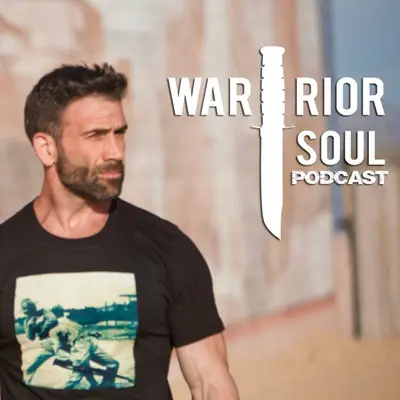
Host of the Warrior Soul Podcast and founder of Warrior Soul. Worldwide trainer and nutrition coach, contributing author at Testosterone Nation and Muscle and Strength.