Podcast episode
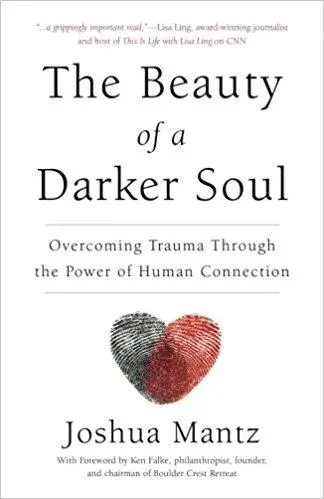
Joshua Mantz – The Beauty of a Darker Soul
Hosted by Chris Albert
The Warrior Soul Podcast
In 2007, Lieutenant Joshua Mantz was on a dismounted patrol just outside of Sadr City in Iraq. As he was standing in front of Staff Sergeant Marlon Harper, a sniper fired a large caliber round from a nearby building. That round passed through Staff Sergeant Harper’s chest, killing him instantly. That same round hit Mantz in the leg, severing his femoral artery. Though wounded, Mantz attempted to assist Harper before noticing that he was also gravely wounded.
Mantz began fighting for his life until he flatlined. Mantz was dead for 15 minutes before a determined US Army medical team was able to revive him. Miraculously, Mantz did not suffer brain damage and he was able to return to his deployed unit in Iraq 5 months later. He continued to serve in the Army, reaching the rank of Major, until he was discharged due to severe Crohns Disease.
But though Mantz had healed from his physical wounds, he was not healed. Throughout the rest of his military career and into his civilian life, Mantz struggled with darkness, depression, guilt, and shame regarding his recovery in the shadow of the loss of his soldier. As a high profile spokesman for the military’s behavioral therapy program, Josh was able to hide his pain behind the shield of his story. It was not until he was able to integrate this darkness into his life that he truly began to heal. His book, The Beauty of a Darker Soul chronicles his journey and he’s made it his mission in life to help others recover from their own invisible wounds.
Connect with Josh on Facebook: https://www.facebook.com/darkersoulsllc/
Connect with Josh on his Web Site: http://darkersouls.com/
Transcript
Machine-generated from the episode audio and lightly edited — may contain errors.
Chris Albert (link to this point)
What's going on ladies and gents? This is Chris Albert, and welcome to the Warrior Soul podcast. Before we get into today's episode, I wanna let you know that this podcast is sponsored by F Bomb Nutrition. F Bomb makes delicious portable packets of fat. Now I'm a big fan of their fuel packets.
They're they contain macadamia nut butter, and they have a bunch of different variations on this. They got macadamia nut butter with chocolate, macadamia nut butter with coconut butter, and just plain old macadamia nut butter. They've also got other packets that are filled with coconut oil and MCT oil. I really love this company. I really love the people who run it.
They're awesome people who really wanna support veterans, and this is a really great solution for those of you who want to include fats in your diet. It's not easy to get good, healthy, delicious fats when you're out on the road. So they've created an awesome solution with these little packets. And the best thing is you can get 20% off of your first order if you go to www.dropanfbomb.com and use the code Warrior Soul at checkout. Now our guest today is Joshua Mantz.
Now Josh has one of the most amazing stories of any guests that I've brought on to the show. He's a former US army officer, and in 2007, Josh was killed. He was shot by a sniper and flatlined for fifteen minutes. After that, he became a spokesperson for the US military and behavioral therapy. And he'd go around and he'd do these public speaking engagements.
But the whole time, Josh was dealing with some really dark things. And so I'm not gonna get too far into it in the introduction. I really want you to listen to this interview. I think it's one of the most valuable interviews we've done, and I definitely recommend his book, the beauty of a darker soul. Whether you're a veteran or not and whether or not you've ever dealt with darkness in your life, you'll definitely get a lot out of this interview.
And so with that, let's get into this episode with Joshua Mantz and the beauty of a darker soul.
Chris Albert (link to this point)
This is Chris Albert, and I'm here to remind you of one thing. Someday, you're going to die. Now that's not some morbid statement or scary idea. It's solid fact. Your time here on this earth is limited.
And we need to be reminded of this as much as possible with one simple reason, to live your best life while you can. This is the Warrior Soul podcast.
Chris Albert (link to this point)
In his book, Man's Search for Meaning, Viktor Frankl said that without suffering and death, life is not complete. And our guest today has experienced both suffering and death. Joshua Mantz was an officer serving in Iraq. And on a day he was standing out on a street across from Sadr City, he was standing in front of staff sergeant Marlon Harper. And from a nearby building, a sniper fired a round that went through staff sergeant Harper's chest and then hit Josh's leg through the femoral artery.
Within a short period of time, Josh was fighting for his life and then ended up flatlining. Flatlined for fifteen minutes. And if it was not due to the medical team that was there, Josh would not be here today. It's unheard of to work on somebody for that long, let alone, I think, even half that time. But Josh pulled through, and after experiencing death, he was left with the suffering part.
Suffering with the guilt of staff sergeant Harper's death, suffering with the guilt partially of of not being able to go back with his unit. But then overcoming that and actually going back to complete the deployment with his unit. But still, even after that, he was left with the struggles. And, you know, Josh, after reading your book, the beauty of a darker soul, I see this theme going through your life. You are a peak performer.
You are somebody who puts everything into the work you do. But being a peak performer, sometimes we allow ourselves to cover over some of the deep pain that exists there. And we keep our eye on the ball, but we don't take the time to do the work necessary to heal. And Josh has since dedicated his life to teaching people how to heal. And I think he's still also, in many ways, teaching himself how to heal.
So, Josh, one, I wanna thank you for your book. It's it's one of the best books that I've read over the past few years, the beauty of a darker soul. But two, I want to hear from you. I want to hear about your a little bit more about your story and about your experience, and I'm sure our audience does too. And welcome to the show.
Joshua Mantz (link to this point)
Hey, Chris, it's a it's a pleasure to be here, man. And, you know, you hit the you kind of hit the nail on the head, right at the end of what you said there. You know, the biggest lesson that I had to learn is is having the humility to understand that healing is a journey. It's never a fixed point in time. Transformation is a journey, it's never a fixed point in time.
And, you know, the last decade has been spent really trying to uncover the truth behind trauma. And the end result of that, at least as of today, in your hands in that book, in The Beauty of a Darker Soul. It was written for you. It was written for everyone, regardless of their background. And I you know, there's so many different directions we could go, and I'm sure we'll go on just about all of them during this talk, right?
But in short, and maybe just set the context of this, trauma is not always what it seems. You know, I had for years, you know, many people naturally looked at this near death experience that this, this idea that I got shot, I got killed, I died for fifteen minutes and came back to life. And many people just kind of naturally assumed that that must be the holy grail of trauma. And so many people kind of looked at that, that I almost started to believe it myself. And, you know, the the last decade wasn't covering the truth behind that.
That it took me nearly a decade to to realize, that it wasn't a near death experience that was difficult to navigate. It was everything before, it was everything afterwards, that was much more challenging to overcome emotionally. And those are things that many of us experience, throughout our lives. It was the death of my father when I was seven. It was the totality of the deployment to Baghdad.
You know, many of the microscopic decisions that had to be made and the moral and ethical and even spiritual dilemmas that we all encountered in that environment. It was living with an incurable disease, Crohn's disease, which you yourself are very familiar with. It was abandonment in relationships. It was divorce. Right?
And there's so many layers behind this. But the bottom line here is I have worked extensively, within the behavioral health community in the military, on the government side, and in the private sector with the largest behavioral health company in the world. And I have consistently seen that that, you know, we're missing the mark when it comes to trauma. And I've I've realized that that that the reason for that is we're not getting at the right level of depth. We have to be looking at these things through the lens of the moral, ethical, and spiritual wounds, which is incredibly complex and difficult to uncover.
Right? And by that, I'm I'm referring to things like guilt, shame, powerlessness, and betrayal. You know?
Chris Albert (link to this point)
Well, I think, you know, when we look at we look when we look at your story in particular, because you have lived out the Warrior archetype, if if anybody's ever lived that out. Right? So so, you know, went to West Point, became an infantry officer, served and and, you know, got wounded and and lost your life for fifteen minutes and then and then and then came back. And yes, I think a lot of people latch on to that. But what I think a lot of people, you know, don't necessarily understand in the mind of the veteran is this other element, this guilt element, This element that you've got to come back to civilian society and after it all happens, you're you're living your life.
And and I think in many ways, when we look at the things like, again, from your story, you know, things like divorce, things like the Crohn's disease, things like, you know, just dealing with this kind of gnawing feeling. And I think I emailed this to you the other night, I've gone through many of the same similar things where I have ulcerative colitis, which is very similar to Crohn's disease. I've dealt with divorce, I dealt with being being homeless. And I looked at it all as a punishment that was bestowed upon me for not doing everything that I could do during my service. Because I got out at a time when when we thought we won the war in Iraq.
And the next, you know, two years later, guys I served with are in Fallujah, and they are, you know, captain Latundra, he lost his life. Lance Corporal Jordan Peterson, he lost his life. And and I look at them, and I look at their their their sacrifice. And I look at myself, and I I I often thought of it as a punishment. The the hell I went through for the decade after that as a punishment, and I see that in you, and I see that in so many others as well.
Joshua Mantz (link to this point)
That's powerful, Chris, you know, and it's also very common. You know, and it was, it was, I absolutely walked down a very similar path. You know, what's interesting here is, is, you know, we can break this down a couple of different ways, but, you know, firstly, kind of clarify what guilt really is, right? That's a hard thing to really define. You know, we throw around the word guilt, but we kind of tend to stay on a superficial level as a society.
And, you know, we've all heard the term survivor's guilt, right? What's interesting is I was very reluctant for years to label this as survivor's guilt, meaning that most people make the assumption again that I should be experiencing guilt because Staff Sergeant Marlon Harper died and I lived, right? And as tragic as that loss was, and I'm not minimizing this at all, but in the same breath, I didn't feel a guilt associated with that. You know, at least not a crippling form of guilt, right? You know, and I think there's a couple of reasons behind that.
You know, when we look at that experience of what happened that day, if we look at it through the lens of the moral, ethical, spiritual wounds, you know, powerlessness, shame, betrayal, not a lot of that was present. Everything we did that day was as tactically sound as it could have been. And moreover, you know, let's define first what trauma really is and how I look at the word trauma. Right? A traumatic experience is a situation or event that fundamentally alters the way we believe the world should work.
Right? And when our perception of the world gets flipped upside down, it can compromise how we feel about ourselves, who we are. The thing about a deployment, we walk into those situations knowing that something like that could happen. Right? So, so at least to some degree, we're somewhat prepared for it.
Right? It's, it's not a complete shock. And, and, and that I think was almost served as a protective barrier against that. I think the fact that I kind of died with him, helped, that, that my injury was basically as severe as his was. What I wasn't ready for though, was, was just the, the layers and layers of guilt that went, went so much deeper than that and more complex.
You know, I remember sitting at West Point and, you know, when the, when the war kicked off in 2001, I was a freshman when nine eleven happened. And within a matter of weeks, you know, every couple of weeks, they'd announce another cadet, you know, another former cadet lost their life in combat. Right? And the hardest thing, you know, people think, you know, going to the West Point is an accomplishment. And frankly, I could have cared less, you know?
Like, the hardest thing that I had to do was stay at the academy for four years. You know, I was working on a history report my senior year when I got a call that my best friend from high school got killed. You know, he made the decision to enlist and I was at the academy. So the guilt started there. The guilt started, with that yearning to be part of the main effort, not chasing a war, but simply being there with your team, right?
Being part of that main effort, you know? So it the guilt of that. Was the, you know, even being evacuated out of theater after I got shot, it wasn't like every minute on that plane ride back home was the minute closer to home. It was a minute farther away from the team. As you all know, as all your listeners know, like, we've all experienced that to some degree.
But maybe most, importantly and most unexpectedly was, what happened when I was recovering in the hospital. You know, as severe as my injury was, you know, I was one of the only people in that entire hospital at Walter Reed Army Medical Center who was expected to make a full recovery. And I'll always remember the day that I walked around a corner and saw this beautiful young blonde girl in her early 20s pushing around her new double amputee fiance in a wheelchair. And it's an image that just riveted me, you know.
The guilt that I was experiencing was a guilt in my ability to heal when others couldn't. Right? Coupled with being with not being with my team downrange. So so so the point here is, that's and that's just referring to this in the military context. Right?
But guilt is complex. It's it's extremely difficult to, to kind of pin down to to have the vernacular to describe it. But it's crucial to understand the root cause of trauma so that we can begin to overcome it. You you have to see your enemy before you can defeat it. And things like shame and guilt, they're the master emotions.
And I call them, I refer to them as covert emotions. Right? They, it's almost like a form of cancer, you know? It infects the deepest, darkest corners of your soul in the beginning, stage one, and you don't even realize it, Right? You don't realize the the dominating effect it's having over your life.
And before you know it, you're at stage four and in crisis. So the the kind of the journey of this book, right, the the the journey of this message and everything is is to allow people to look at this experience through their own lens, to give them permission to recognize and validate the true source of their pain so we can begin to describe it and overcome it.
Chris Albert (link to this point)
Yeah. I so just listening to to you talk about that and and just knowing a little bit more of the story, and one, I I really want people to get this book. But, you know, as I said before, Josh, after recovering from from that wound, ended up heading back into theater. And what it seems to me like you were doing it like so many of so many others others of us do is because we're so scared of that stigma. We're so scared of of that that label that many of us learn how to act, and we learn how to play a role.
And we do everything that's required to play that role. So, you know, doing everything we can to get back in the theater and not not to say that you shouldn't have. I I believe that, you know, I think that was a a very big thing. But to say that rather than spending the time healing, healing mentally, you know, jumping right back in with two feet like we we think we're expected to. I think that's a that's a big deal for a lot of us because we you know, if you look around the veteran community online, a lot of us are really good actors.
A lot of us, you know, this the the it's a real popular saying, and I use it from time to time. No fucks given. Right? Like, no fucks given about anything. But a lot of us give a give a lot of fucks.
We give a lot of fucks about a lot of different things. We just don't say we do. And there there is this kind of acting thing going on.
Joshua Mantz (link to this point)
You know, the one, you're absolutely correct. The caveat to that is most of the time, we don't know that we're acting. Right? We don't know that we have the cancer. Yes, four and a half months later, I went back to Baghdad, right, when everybody said it was impossible.
And, you know, on the surface, if I stop there, that would look like the heroic thing. It looked like the Warrior Ethos thing, right? And I'm not negating that stuff, right? There were some extremely positive things about going back, and I would do it again in a heartbeat. Wouldn't change a thing.
You know, for example, I got to meet the medical team that saved my life in the flesh and blood and thanked them in person. And I mean, this is a big deal, you know, trauma doesn't discriminate. And, you know, when we look at trauma teams and medical teams, you know, the team that saved me with the most rudimentary equipment there was, pulled off a miracle, right? And this is a very common situation for the trauma teams we have in the military, the ER nurses and teams we have across every hospital in The United States, like, they are pulling off miracles, yet they rarely know the results of their work. Right?
And, you know, when we don't know if the actions we took resulted in a positive or negative effect, it can really start to plant the seeds of moral and ethical destruction down the road. So to be able to go back and thank them in person and give them closure on at least one experience, it meant the world to them and it meant the world to me. You know, had a huge effect on my team and on my men. But the truth is, even though I wasn't cognizant of it at the time, there's a much darker side to that, Right? The truth is I was pulling staples out of my leg with a Leatherman when I was laying in the hospital bed.
Right? I was pulling everything out of my medical records. Right? I, as close as I was with my family and as, as much hell as that experience put my mother through, I couldn't even empathize with them, not even in the slightest. Like, I was almost in a mild state of psychosis, being driven by something so deep that I understand what it was at the time.
You know, and I Getting back and, you know, this is really when, I would call the addiction to work began, right? And make no mistake about it, there are many forms of addiction. There's sex, there's substance use, there's work, right? There's a multitude of different ways that we almost naturally turn to in order to suppress these deep, voids that we're experiencing, but we can't put them into words, because we don't have the vernacular to do it. So I began to act, right, not knowing that I was.
Right? And I have always been an open book. Right? Even two years after this experience, I was asked to, you know, by the Department of Defense to go on the National Speaking Circuit with the objective of reducing or eliminating stigma associated with the behavioral health. And I mean, for two years, you're talking 200 plus talks, CNN, Fox, Oprah, BBC, senators, congressmen, you know, big behavioral health conferences.
I was out there interacting with the best clinicians in the world. I was I looked to everyone as the testament of resilience. Yet, right in the middle of that, I still failed to recognize the symptoms within myself and found myself in the first suicidal spiral. You know, literally, just like coming off national television. And it wasn't until that point where I had to start asking the deeper questions.
Why? You know, I could recite to you, you know, back then, the vernacular surrounding trauma and post traumatic stress dealt almost exclusively with what we call the arousal symptoms of PTSD, right? These are things like hypervigilance and anxiety and being jumpy at loud noises, right? Irritability, aggression. And in my case, I never experienced any of that, very little, right?
In many of the veterans that I've worked with, and many of the first responders I work with, they don't experience that either. Yet, at the same time, we still feel this incredibly deep void that we haven't been able to put our finger on and understand what it was. The answer to that was the moral, ethical, spiritual wounds, right? It was the guilt, the shame, the powerlessness, the betrayal that was driving, that that entire experience. And operating at that level of depth is is what ultimately allowed me to begin, the healing process almost ten years later.
Chris Albert (link to this point)
Throughout the book, people are recognizing it within you and select people, I think, you know, people who who became mentors of yours. And you've had several people sit down with you and and say, hey, Josh, what's going on here? You know, you look like you're not in a good state. Can you describe for us what that feeling was like when somebody actually sat down with you and called you out on it?
Joshua Mantz (link to this point)
Yeah. Great question. You know, there were retrospectively, there were a handful of times by people who were very, very close to me in my life who would kind of recognize red flags. You know, I describe one situation in the book. This is when I was a general's aide, where the garrison commander at the time, Colonel Kevin Brown, was giving a big talk, couple 100 people there.
Right? And I, being the aide, I was standing in the back of the auditorium, as I usually do. And, you know, Kevin delivered a great talk, you know, brought the audience to their feet, all this stuff. And then he made a beeline for me right after the talk. And, you know, normally that's normal.
Him and I usually always connect after the talk, so I wasn't thinking much of it. But he looked really concerned this time. And, he kind of pulled me off in a corner and said, Josh, are you okay? I was like, yeah, yes, sir. I'm fine.
Why? You know, what what's what's going on? He said, Josh, you're pacing. What do you mean what do you mean I'm pacing? He said, the entire half an hour that I was giving this talk, I had my head down, staring out into nowhere, pacing back and forth, like, pretty aggressively.
And I had no idea I was doing it. Yet yet Kevin had the presence of mind even while giving a a talk on on stage to notice that that was happening in the background. And even though he couldn't pin down exactly what it was, and even though I wasn't in a position to receive it completely, or maybe better word, in a position to really understand where that was coming from, the fact that he had the courage to make that approach allowed a seed to be planted, right, inside of my mind. A seed that says, you know, sometimes people closest to us may know more about us than we know about ourselves. And, you know, it is having the humility to be receptive to that feedback that kept me alive along the journey.
You know, it wasn't long after that, maybe a couple months where I hit the first suicidal spiral. Right. And it was the reflection on conversations, even just minute brief conversations that I have with people like Kevin, that gave me the strength to reach out when I believed that nobody else could possibly understand, you know, is is that blind faith in in the people that are closest to you. You know, that that's the power of human connection. Yeah.
Chris Albert (link to this point)
You know, and and I think that there's this concept of the false start throughout the book too. Right? And and you had a bunch of false starts. And I almost think being in the position that you were in, being so much in the public eye, was almost more dangerous because of that that idea of a false start where it's even more covered up because you believe you're doing all the right things. And since I'm doing all the right things, then I must be healed.
And if I'm out here doing these big things, I'm doing these speaking engagements, I'm getting in touch in front of audiences of thousands of people, then I must be fine. Right? And and then all of a sudden you're in a dark corner by yourself, and then it creeps up on you and finds you and then blows the near lethal strike. Right?
Joshua Mantz (link to this point)
You know, I didn't know. And again, all of this was done with the absolute best of intentions. I was never trying to run for myself. I was never trying to avoid or suppress. I don't believe that most people are.
I, you know, I think that's kind of a myth, frankly. I have come to believe at this point that the reason that many people don't express these things is because they don't know how to. They don't have the vocabulary to. They don't how can I possibly how can I possibly express to someone else, the deepest darkest thing that I'm feeling when I can't even put it into words? Right?
And, and, you know, I didn't know that I was hiding behind the shield of my own story. Right? That's really what began to happen. You know, the this Hello? Hello?
That's not sustainable by anyone. Somehow it's doing it. You know? And and what that really created was was a shield. It it, It prevented me from processing and uncovering the deeper parts of these things that were necessary for transformation, you know.
So this is what I refer to when I talk about the addiction to work. You know, whether you're an entrepreneur, whether you're someone in the middle, it doesn't matter. Trauma doesn't discriminate. You know, and as you alluded to in the beginning, right, it's almost a paradox in the warrior professions, right? Where we're trained, and it is inherent to us to kind of overcome these seemingly impossible situations, to persevere through anything, right?
And many of us are brilliant at doing that. You know, the challenge is when it comes to this kind of thing, we're walking on a razor's edge and it's very easy to cross the line and lose yourself. Right? That's also when the problems in relationships start to develop, right? That's, that's when, that's when it starts to propagate to the rest of your life.
That's when you start to lose who you really are. Right. And before long, you're just operating exclusively out of that, that shield alone. Are you still there? Yeah, I'm still here.
Sorry, I lost you for a second.
Chris Albert (link to this point)
No, that's okay. That's okay. I think we're getting a little bit of connectivity problem, just with everything, but, but I think we're good in backup now. Yeah, that that concept of the shield of your story. And and to be honest with you, I've seen it with a lot of other other people who who are veteran influencers, who who are kind of putting up the shield of their story.
And I think that, you know, in in those types of situations and and even, you know, whether you're out there on the Internet or not, that this is still an issue. I mean, far as like hiding behind the shield of your story, whether you're a veteran or not, it's still an issue. A lot of people do this. But but, you know, once you recognized it, once you understood that that that issue was there, what was your course of action? I know from the book, you went right into therapy, but what did you do personally?
What, what kind of self talk were you having at that time?
Joshua Mantz (link to this point)
So this is, this is interesting. So, you know, we talked about walking to the razor's edge, right? And the first suicidal spiral that I had was really a profound moment. I was very fortunate. You know, I and again, to anyone listening to this, Chris, I know you've been there.
You understand this. I've I I understand it. I know what that void feels like. You know, I know what it feels like to truly believe that no one could possibly understand what you're experiencing, to truly believe that you're in a hopeless state, and and and that this this feeling, this void will never go away. Yet in that moment, I had to place blind trust in someone closest to me, and I somehow made that call.
It was like a final act of desperation, even though I didn't believe it would work. Bottom line is, the guy proved me wrong with one sentence, right? And just cracked through that barrier right away. I, you know, and he linked me with one of the best therapists in the Department of Defense who cleared her calendar and talked to me for four hours straight, which is just phenomenal, right? That moment, and she is the first person who exposed me to the moral ethical spiritual wounds, and to this powerful concept of emotional withdrawal.
That one session with, her name was Vik Bruner, catalyzed and began my healing process, right? The keyword being began, right? That was the grain of sand that's, the first grain of sand laid on that path. The challenge I was experiencing, though, in the same breath, right, Vic told me the right thing to do. Right?
She, she's, at the end of that session, she said, Josh, you should really consider backing off the speaking circuit and working on yourself. Right? And of course, I saw the wisdom in that. But at the same time, here I am coming off being a national advocate for this topic. Right?
And I'm sitting there thinking, if I miss this, how many thousands and thousands of other people have missed this? Right? And this is where the leadership aspect kicks in, right? This is where the paradox kicks in, right? Because I couldn't, you know, we don't leave people behind, right?
And in my mind, I had to make kind of a tough call where I could either, A, sprint away from everyone, hide in the corner and work on myself, Or I could be, continue to, in whatever way I could, continue to heal myself while bringing along as many other people as I could with me at the same time. Was that ideal? No. Was I healthy? No.
But I was healthier than many of the people who were in my unit. I was healthy enough to reach back into the trenches and pulled up along with me instead of sprinting away just to work by myself. You know, that put me in a dangerous spot, right? This is what also catalyzed, I mean, toxic stress, massive Crohn's flare up, career ending surgery, divorce, right? It all cascaded within a matter of years. But I don't regret it, you know, because many of the people who I worked with, like, it's possible they wouldn't be here, you know, if if if we didn't form those bonds and form that connection. So there's this powerful blend of of, you know, having the self awareness to continue to do the self work, the self processing, the self transformation, because transformation ultimately is an internal journey.
Not a journey we need to take alone, but it is an internal journey. Right? And blending that with, you know, being that that leader, you know, to to those around you, whether they're the military or not. Right? So it's a very difficult, delicate, balance, but especially when we're dealing with first responder military communities, we have to be willing to be sacrifice for sacrifice.
Mhmm. You know? And and and that's that's kind of a that was a difficult bridge to learn how to build and navigate and do it safely. You know, it it was but don't regret it. The ultimate point here is that, you know, as you said earlier, there were a lot of false starts in that process, right?
There were a lot of times where I kind of would snap back and would feel like I'm doing really well, right? And I make that false assumption innocently that, you know, I had this stuff beat. I had it licked. You know? I'm good.
And that that couldn't have been farther from the truth. Because what what really happened is is in those moments, the shame, the guilt, they just went into remission. You know, they were treated back to the dark corners of the soul until they found another way to express themselves. Yeah. Right.
And when I, when I exited the military, I mean, I, as I kind of spoke to in the book, that's where, that's where it really hit me unexpectedly. Once again, that void, that shield no longer was speaking. That shield became very unhealthy relationships and alcohol abuse. Right? So, you know, there's in the end here, the the the universe had to slap me around enough until I finally got the hint, right, which which was a very dangerous journey.
It was very, you know, there there were some incredibly dark moments where I was literally living on that razor's edge. But, you know, hopefully hopefully, this this the the intent of this book was not to do like a journaling exercise. It's certainly not a combat story, as you know. It is a book written for anyone picking it up. Right?
Hopefully, it can give you some insight and some new depths and new perspective as you as you walk through your journey as well.
Chris Albert (link to this point)
It is, I think, definitely in addition to being a book on healing, a book on leadership, both leading others and leading yourself. And you write something toward the beginning of the book. I think it was something that that you would repeat to yourself as you became an army officer, and that is that I know nothing. And I I see that the the the the value of that perspective, both in being an officer and being a leader, and and learning from from your your NCOs and and learning from everybody around you, but also in this other journey that you took, and in finally admitting to yourself that that I know nothing. I need to seek help.
I need to to gain some perspective here. Were you thinking about that as you wrote that, or was that that just something that that that was in there?
Joshua Mantz (link to this point)
So the the connection cut out very briefly. Mhmm. What specifically were you referring to?
Chris Albert (link to this point)
There's a line in the book where you talk about something that you would repeat to yourself when you were first becoming an officer, and that is that that I know nothing.
Joshua Mantz (link to this point)
Right.
Chris Albert (link to this point)
Yeah.
Joshua Mantz (link to this point)
Yeah.
Chris Albert (link to this point)
And the the connection I see there is that the, you know, this book is about leading others and about leading yourself. And, you know, you came into that situation as a young lieutenant telling yourself, I know nothing so that you could learn from those around you. But you also had to begin telling yourself that as you went through this journey in in your second life, so to speak, where you had to admit to yourself that you really knew nothing and that you were you had to seek outside help, you had to seek healing and things like that was, were you thinking about that when you wrote that in the book?
Joshua Mantz (link to this point)
You know, that's a that's a really interesting connection that I haven't even put together yet. The the I know nothing, which is right up front in the book, and and that was a advice given to me by a special forces sergeant major. And he suggested that should be the first thing that I tell my platoon. Right? Which I totally agree with.
But you're right. It's maybe the maybe the better word to use ultimately is surrender. Mhmm. You know, I've, and this is a hard thing. Right?
Hard, hard word for military first responders to internalize what that really means and and and how it means. Right? You know, after a progression of just self destruction, suicidal spirals, you name it, you know, the last one that I had, was by far the most significant. And it it and what happened is really where things really started to to kind of get worse was after I transitioned out of the military. And and it was really stemming from these these unhealthy relationships that almost every time ended in some form of abandonment or betrayal.
And each time I lost one of those relationships, my reaction would get worse and worse and worse. Until, know, and you think about it again, these relationships, these unhealthy relationships are another form of an addiction. Like, again, with all the best of intentions, right, What better way to cover up your own void than by making a positive difference in the life of somebody else, especially someone that you love. Right? Being that hero, being that rescuer in relationship.
And, you know, there's a gentleman named John Bradshaw who wrote a book called Healing the Shame that Binds You. And in his book, Bradshaw tells us that to a shame based person, which means to someone who's carrying unresolved shame for whatever reason, right? But to a shame based person, abandonment in relationships is akin to death. We have rejected ourselves, and when someone closest to us rejects us, it reinforces that we are indeed worthless as human beings. And as much as I thought I had defeated the shame, defeated the guilt, the last relationship failure that I experienced sent me into a spiral that was far worse than anything I experienced before.
Like absolute rock bottom, not being able to see past an hour, not being able to see past a day, just a complete fog of who I was, right? And it was in that moment, though, after a couple weeks of that, where the epiphany really happened. Right? One of them I recognized immediately, and that was truly understanding the the the real meaning behind what human connection is. You know, I kinda made this false assumption that human connection really meant, like, the person you're with, you know, the the person you're in a direct relationship with.
And that couldn't have been farther from the truth. You know, human connection was and is everywhere we look for all of us. You know, I looked at my mom, my sister, my parents, the hundreds of people who reached out to me on social media, the clinicians who were reaching out to me, right? It was a bombardment of support, you know, that I just had to open myself up to it, and recognize that it was in fact there. And then the second component, the more crucial component was revealed to me over time, right, over the over the next several months or to to about a year.
And and that was that I realized at that point that the one question I should have been asking all along is why? You know, why are my reactions to these relationships getting worse and worse and worse? Why is this continuing to propagate, even though I feel like I'm doing all the right things, even though I feel like I've overcome this stuff? Why am I in this position again? And if we go back to Bradshaw's words, and if we accept them to be true, that would mean that the shame is still there, right?
The guilt is still there, something, right? And ultimately, I to learn to do probably the most powerful thing and the hardest thing for many of us to do, which is go internal, right? I had to look inwards and I had to surrender to it, right? I had to realize, consciously realize that there are aspects of our life that we are not in control of. We are flawed as human beings.
Right? And this concept that suffering is inherent to life. Right? So it's not about, you know, integrating these experiences into our lives isn't about making the experience go away. Right?
It's it's not about making it disappear. It it's not even necessarily about coming to a resolution on why it happened. Right? Sometimes there is no answer to that why. There there there's there's only the surrender to the fact that life is a cycle of suffering and transformation to produce something that is more beautiful with deeper perspective, with deeper meaning as we move forward.
Right? And that that that is the journey. Right? And it's a perpetual journey.
Chris Albert (link to this point)
Wow. That's, you know, as far as the whole relationships things that and I could see how that could be a cycle where you don't recognize it as an addiction, but it's got the same kind of roller coaster, dopaminergic kind of effect that a lot of other things would have. Just from my own negative relationships, and I'm sure many people listening who have been dealing with their own negative relationships, it seems like it's something noble to do. You're fixing a person, you're helping a person, you're becoming a positive part of a person's life. But at the same time, you're also kind of trying to mask over a lot of other things going on by developing a connection with someone else.
It's not a real connection. It's a surface connection because it can't be anything other than that at that time. Right? It can't be. If you're not working on yourself, if you're not admitting yourself or surrendering as say it, then then it's it's really hard to develop that that that that intimate connection with romantic connection, guess you can say because as you as you alluded to with your divorce in the book, you can't give everything to a person, you can't give give yourself to them like you need to.
Joshua Mantz (link to this point)
You're, you're right on, you know, and I mean, think about this. You know, I have no question that, you or I, if we were asked to right now to roll into a firefight or or or deploy, like, we could do it right now. You know? It's, is a form of courage. Right?
I would argue that it's certainly not the most difficult form of courage. Right? Right. Courage is looking internal. Right?
It's it's facing the truth about yourself. And and, you know, the truth is no one can fix anyone else. Right? The only person that can that can do that internal self work is you yourself. Right?
Doesn't mean you need to take that journey alone or that you should take that journey alone, right? But it it is it is a deep, introspective, truth finding process that is required for transformation. You know, there's, one thing that, I don't tell you, I think it's really important to talk about this because, you know, many people in the behavioral health field will kind of, like they get this stuff, right? They get the self love, the self work, all that stuff. But let's face reality here.
When it comes to military and first responders, especially, and and certainly this isn't exclusive to those populations, but there's a higher density of people like this, right? When it comes to military folks and first responders, we are are trained, and it is part of who we are to put others before ourself, right? And what many times may happen in a clinical setting is, you know, the therapist will say, Well, you have to love yourself. You have to learn to love yourself. And, you know, I even remember a very specific moment in time where a therapist once told me this a couple years ago.
Back then, I told her, You know, I'm not, I don't think I'll ever be happy again, and I'm okay with that. Right? Maybe I was brought back here to drive change in the world, and that my own happiness doesn't matter, and that this is just bonus time for me anyway. And I don't care. That's selflessness.
That's sacrifice. It's who I am. And she looked at me, and and she she gave kind of what I would say is is a rather typical response. And she said, you know, Josh, one day you're gonna understand that this level of contentment, this level of happiness comes from learning to love yourself first. And even though intellectually I could kind of make that bridge, I certainly couldn't internalize that.
You know? And making a statement like that to people like us is is can be a very quick way to get laughed out of the room, you know?
Chris Albert (link to this point)
Yep.
Joshua Mantz (link to this point)
And despite the truth in it, right? So so what does loving yourself really mean? You know, I, for example, realized that I was so out of touch with my emotions, in any given circumstance. I was just on this, like, automatic suppression mode of emotion. Right?
I was I was this almost this hollow shell, just on automatic mode, right? That when I was asked a question, I was shadowing a group therapy process, about two years ago, just for professional reasons, but as a kind of a shadow member of the group, I participated in it. And the question was very simple. It was introduce yourself and say the emotion that you're experiencing in the present moment. And when when it got to my turn, I literally froze, and I had to make something up on the spot.
And it was it was like this pretty profound moment where I had this epiphany and realized that I am so out of touch with myself that I can't even tell you how I'm feeling in a present moment. So learning to love yourself, appreciate yourself, right, and do that introspective deep work. You know, in that moment, I realized that my emotions were controlling me. I was not controlling them. Right?
And in order to start that process, to start that true transformative process, I really had to go in and learn how to be in tune with what I was experiencing. Right? So it's kind of a And again, doesn't mean that it's bad or that it's wrong, but it's a journey. And sometimes conversations like this can help plant that seed, right, to give that perspective.
Chris Albert (link to this point)
You know, I I that reminded me from another about another line from, Frankl's book. And, he was talking about those who survived and and the holocaust and and those who did not. And he said that the best of us did not survive. And what he meant by that was that, you know, the the altruistic, the the very giving people, they didn't make it out. And those who were more like trying to navigate the system and and get through things, those are the ones who made it out.
And it's a little bit of a crude comparison. But just from from what you're saying here is, you know, a lot of us who who can't figure out that way to to to love ourselves, so to speak, but who also put up that warrior archetype so much that that that that shield of your own story so much. A lot of us who who do that, we're we're putting ourselves in more danger. We're putting ourselves in in more havoc. And, many ways, a lot of that could be one reason why we're losing the best of us.
Joshua Mantz (link to this point)
Right. You know, this is what what we're really referring to here is is two words, right? It's self awareness. It's being aware of yourself in the present moment. And what does that really mean?
You know? You know, and you'll hear a lot of this in in mindfulness and and yoga and things like that, which are all very powerful modalities. But the the thing that kind of prevents people from getting there, from really adopting this, is because they don't understand the core reason behind it. Right? Why is it important to live in the present moment?
You know, we can we can think about our lifetime. We can think about next year. We can think about next month, next week, tomorrow. We can think about the next hour, right? But the truth is, the only existence, the only thing that's real is right now.
And with every single breath that we take, there's an opportunity to redirect the path of our life in that breath. Right? That's a powerful thing. Right? You know, how many times are we reaching out into the future?
Right? Overextending ourselves and worrying and fretting about what's about to happen? And how many times are we dragging the past behind us, this dead weight of the past behind us, preventing us from being in a state of optimal performance right now? It is all about today. Right?
It's all about right now in this present moment. You know, I, the the the past experiences that we have, right, when integrated, become the guide, right, for the future. But that's not to be dwelled upon. Right? And it takes a lot of time to it takes that journey to get there, to live in this present moment.
Right? There's a difference between living in the present, living in the present moment versus living for the moment. Right? Living for the moment is really kind of this this idea that you just don't care, right? You're gonna have everything or anything, right?
Living in the present moment is very different. Right? That's that's this this this area of achieving the centered balance where the past and present are integrated right now, and that we have control. Think of it as harnessing power, right? You know, it's kind of hard to explain on a podcast.
But, you know, most people know what kettlebells are. Right?
Chris Albert (link to this point)
Yep.
Joshua Mantz (link to this point)
And you know, if I if I take that kettlebell, if I'm holding that kettlebell between my legs, right? The proper way to swing a kettlebell is by doing what? It's by engaging the core. Right?
It's by engaging the hips and popping the kettlebell up so that it almost floats effortlessly in the air with the arms. Right. Right? So the core strength, the core physical strength, any athlete as you, you know, you'll tell us that the key component of enhancing athletic performance of any sport is strengthening the core, right? And always generating power from the core to the extremity, right?
When we're reaching out into the future, right? When we're in this anxious state or we're in this depressed state from the past, it's almost like we're trying to swing that kettlebell without engaging our hips at all. We're trying to keep our legs straight as narrow, and we're keeping our arms, right? And we're holding that kettlebell out just with our arm strength, and we can't do that sustainably. Right?
Yeah. How many times are we holding that kettlebell out in front of us or dragging it behind us with our feet instead of going back to our core? Right? What's the analogy to, you know, to life here? The spirit is the core of life.
The soul is the core of life. The present moment is the core of life. And if we train ourselves to operate and visit that present state of mind, everything we do externally is going to thereby be much more powerful.
Chris Albert (link to this point)
Wow, that's, that's definitely a great analogy there. I think that, you know, a lot of us, we do we live in our heads. We live in the past. We live in the future. We're waiting for something to happen.
We're ruminating over something that has happened. And I think it gets back to what you said before is surrender. Surrender to the present moment. And allow yourself to experience it. So I gotta grab a drink of water here.
Joshua Mantz (link to this point)
You got it.
Chris Albert (link to this point)
Allow yourself to experience it. And, you know, as far as tools and tactics that you've used to to get back to that core? Are you using things like meditation, mindfulness? Are you are you journaling regularly? What types of things do you do on a daily basis to get back to that core?
Joshua Mantz (link to this point)
Yep. So maintaining disciplined wellness practices is crucial. You know, every morning, there's an opportunity to kind of win the day, right, to establish the momentum for the day. You know, and for me, that looks like a very intentional high intensity workout, warming up and cooling down with a specific yoga sequence, going into a breath work meditative exercise, and closing out with some type of spiritual reading most times, right, of various kinds. You know, breath work, breath work is the key to visiting the core, right, to visiting the spirit.
You know, the interesting thing is, like, that's one aspect, right? That's the, you know, integrating those discipline wellness practices, learning how to breathe the right way, we could talk for hours about that alone, right? But kind of my focus is we have, you know, many great leaders out there such as yourself, right, who understand the importance of those discipline wellness practices. They understand the importance of breath work and achieving optimal performance, right, and moving forward. What I've noticed is, oftentimes, a barrier to that is unresolved traumatic experiences, right?
It's these deep voids that prevent us from feeling like we even deserve to feel better, right? There is, you know, we're still talking about stigma here real quick. Stigma, I almost hate the word stigma because I think there's a stigma around the word stigma today because it's so oversimplified, right? You know, many of us assume that stigma stems from one thing. The fear of being branded as weak.
It's the fear of compromising our career. And certainly, there's components of that. I'm not negating it. But the truth is stigma goes a lot deeper than that. But again, to a shame based person, sometimes we resist the effort to heal ourselves or do that internal exploration because subconsciously, subconsciously, we don't feel that we deserve it.
Right? Sometimes we don't seek to help because we don't even know we need it. Right? We don't even know we could benefit from it. You know, there's a multitude of reasons that kind of serve as barriers for us kind of busting through to the next level of consciousness and the next level of transformation.
So short here, like, when it comes to the resolution of our past experiences, a couple of things conceptually that can hopefully help navigate that journey. One, obviously, is understanding that trauma does not discriminate. You know, it impacts everyone from every walk of life. And even though the nature of our experiences may be different person to person, the emotions that manifest from them can be very similar, right, especially when we look at them through the lens of shame and guilt. Right?
And when we have the strength to be vulnerable, right, when we have the strength, to express those experiences to other people when appropriate, it's that vulnerability that can bind us together at the very core of the human experience, Right? So trauma doesn't discriminate. And, you know, sometimes some of the most powerful perspectives that I've received have come in places where I've least expected it. You know, every gender, every race, every sexual orientation, you know, people experiencing things in their own ways, their own suffering, right? That somehow has this incredible, incredible, powerful connection when expressed.
So trauma doesn't discriminate. Trauma isn't always what it seems, right? And that, again, is having the strength to give yourself permission to recognize and validate the source of your pain as it pertains to you, right? We have a natural tendency to compare ourselves with the experiences of other people and tend to minimize our own experiences because of it, Right? And that's not what we want here.
You know, there's no need for bravado. You know, trauma is extremely complex, and it's cumulative, and it starts from the moment that we're born.
Chris Albert (link to this point)
Yeah.
Joshua Mantz (link to this point)
You know, it's shaped by how we were raised, you know, and it's almost as if when, when things happen in our past, that are traumatic in many different ways, and we move forward in life without resolving those experiences, it's almost as if we're trying to build a house on a cracked foundation. Yeah. Right? And if we continue to move forward, and if we continue to build on that house, we never really know what type of situation or event is gonna cause it to collapse one day, even if it's something that seems insignificant on the surface. Right?
So the, there are reasons why we react and respond to situations the way we do, and there's usually much more behind it than what's in the present moment. Right? And one other one that I'll, I'll, I'll kind of throw out for you that, really resonated with me was a concept of suffering productively. Right? We know that suffering is inherent to life, so we might as well suffer productively.
We're gonna do that. You know, I a therapist out here in Monterey, California. I was shadowing a group session with her, and her name's Laurie Galperin. And, she turned to me after that group session and said, Josh, you know, I really believe that the role of a therapist is to help people suffer productively as opposed to allowing them to suffer in vain. And you're never gonna find a more grounded definition of what therapy is, of what companionship is, and friendship is than that.
Right? No one can heal us but ourselves, But the human connection that surrounds us can give us the perspective needed to stay on the center line of the highway instead of veering off the side and running off a cliff. Right? Suffer productively.
Chris Albert (link to this point)
That's, I mean, that's so wise. Just just thinking about it because everybody suffers. I mean, it doesn't matter. It doesn't matter who you are, whether you served in the military or not. At some point in your life, you're going to experience pain, you're going to experience tragedy, you're going to experience something bad that happens.
And I think understanding that and understanding that concept of suffering productively rather than suffering in vain, That's that's huge. That's something that that could transform somebody.
Joshua Mantz (link to this point)
You know, it is because it's it's a it's so crucial, right, to because, look, isolation kills, right? This when we feel alone, when we feel that our experiences are outside of the context of what the world is supposed to be, that's what generates this feeling of isolation, right? The thing is, this is why vulnerability is often our most powerful weapon. Because oftentimes, these deep, dark experiences are the thing that we never talk about. You know, we tend to just bury it.
We tend to suppress it, and we don't think that anyone else has ever experienced it. Couldn't be farther from the truth. I found when I have opened up to people in the past, I've been just blown away and surprised by how similar their experiences were. I never knew it, you know, until we hit this crisis point. So so the important thing to do, right, and one thing that any of us can do right now is is, you know, identify who your network is. Right? Who would you be willing to reach out to in a moment like this?
Because all of us are vulnerable to it, right? And, you know, even I, even in the place that I'm at right now, and just drastically, drastically different place than where I was even last year, or years ago. But it's like, will always have the humility to know that healing is a journey, it's never a fixed point in time. And that we never know what tomorrow could bring. And, you know, we don't necessarily know what type of experience might come up in our lives that may cause us to reach a point like that.
The value, right, the power of overcoming that experience rests in building those relationships with the people closest to you. Right? So I I would you know, there's kind of a barrier to this too. Right? Like, I'm just as guilty of it as anyone.
You know, when I reached, like, severe crisis points, I didn't wanna burden anybody else with my problems. Right? I I didn't wanna be a burden to them. And, you know, the truth is that that thought process is flawed. You know, typically, would consider a privilege, that that you'd be willing to trust them with that experience, and we'll be more than willing to help you through it.
But but still that that kind of mental block is there. So what I would do is, you know, instead of calling just one person, I would reach out to about 10, you know, and I'd, I'd call them like back to back to back. And this is really just in the first twenty four hours of the major crisis point. Right? And what that would do is it would allow me to kind of spread the wealth a little bit.
I, I, I, instead of, like, feeling like I was tapping out one person, I, I, I would be able to continue that, that necessary, talking it through process, even though I was repeating the same thing over and over again, right, I'd be able to do that with, you know, multiple different people, leading to multiple different perspectives, sometimes all the same perspective, right? And it was that that kind of both reduced that barrier and gave me the connection needed to heal.
Chris Albert (link to this point)
So on this journey right now, Josh, where are you on this journey? Where do you think you are, at least?
Joshua Mantz (link to this point)
And I got is one of this is a difficult question, to answer. Right? Because if I gave an easy answer, right, or if I gave what I should say is if I gave an inaccurate answer, I would say that I'm through those experiences, right, that I have done such deep work for so long. The perspective that I gain now is, you know, I feel like I am in this position and in this almost elevated level of consciousness that regardless of what happens, that I'm like there. Right?
But, you know, as you well know, we can't answer the question like that. You know, it's almost like, it's almost like this concept of mindfulness, right? The moment that you're trying to be mindful, you've already lost it. Right. Right.
The moment that you say that you are enlightened, you've already lost it. Right. So it's, it's really, the only answer to that question is, is maybe that, I have the humility for what life brings. I trust in the core of my spirit, the core of my soul to be able to ride the wave, navigate the wave that the world brings in the present moment. And that by being able to retreat there is my greatest source of power and strength.
Right? And if we have that, right, then it almost doesn't matter what happens or why. You know, it's, it's a deep spiritual feeling, right that of being connected to and part of something much greater than ourselves, which ironically is the very thing that I felt at the point of death during a near death experience. Almost like this full circle, full circle thing that happens, you know, at the moment of death, the only way I can describe that moment is a feeling of absolute and complete surrender to something much greater than ourselves. Almost as if the spirit becomes part of everything and nothing at the same time.
Right? We get the same types of responses from people who do, you know, psychedelic encounters, severe traumatic experiences, near death experiences. You know, these deep spiritual encounters that that that truly are this this moment of pure, almost awareness. The challenge is back then, I didn't know how to integrate that into my life, into the into the present day, right, into modern day society, because it's it's it's still kind of against the grain of the society we have today that lives inside of our mind. Right?
So the true thing is being able to reintegrate that experience, even though it took ten years to do it, is really the place that I am now. That's a true mind, body, spirit integration of of being part of everything and nothing and being comfortable with that.
Chris Albert (link to this point)
Yeah. Is the beauty so this is your first book, The Beauty of a Darker Soul. Are you gonna continue writing? Are you gonna keep putting your story into words or other stories into words?
Joshua Mantz (link to this point)
Yeah. So I I think, you know, the the beauty of a darker soul, what what I will say is I'm probably where this book kind of ends, I am probably a couple years ahead of where the book ends, you know, in terms of my perspective on consciousness and spirituality and all these things, right? So, But it very important to capture the beauty of a darker soul the way it was, because we need to meet people where they're at, right? And that's what this book is an attempt to do, is an attempt to, you know, allow people to gain a much deeper understanding of trauma and how to integrate that into our lives. Moving forward, you know, I'm I'm deep into the study of consciousness and cosmology and and spirituality and then, you know, neuroscience and quantum physics and all the sciences, right, that apply to this and asking the toughest questions that we ask about life, that that I believe will ultimately help people, and myself, continue to transform moving forward.
So so that will likely be the next book, you know, probably two, three years from now. It'll be more focused on transformation, but it'll kind of pick up where this book leaves off, you know, far far too big of a subject there to try to fit both of them in, you know?
Chris Albert (link to this point)
Absolutely. Talk to me a little bit about your your writing process. I imagine that in order to produce this book, you probably had to go back to some pretty dark places, and you probably had to to, you know, I I myself, I don't I've never written a book myself, but I have written many, many blogs and and tried to explore issues on my own. And I I know that it can be a very, very lowly lonely feeling. Did you have to to take any measures while you're writing the book?
Did you have to did you have people by your side while you're writing the book? What what was the process there? Internal joke.
Joshua Mantz (link to this point)
Inside podcast joke just happened there. So so first, I'll tell you that, going through the process of writing this book over the last three years has been the most transformative experience, of my life. I never wanted to write a war story. I've had people pushing me to write one for years and years, you know, really just based off of the near death experience alone, and I could have. But that wasn't what I wanted to do.
You know, I wanted to be able to leverage that experience and honor it in a way that can help drive positive change in the lives of other people. And the the challenging part of writing this book is, you know, if I write a book on business and I screw it up, somebody might make a bad business decision, right? If I write a book on trauma and screw it up, it could be damaging to people. And there there's a difference between journaling, right, which is something, a writing process that I can I'd encourage anyone to do. And and and there's a difference between that and in this book, because when I was writing this book, I did have to revisit the deepest, darkest corners of my soul, right?
I had to not only sit with those demons long enough to understand them for myself, but I also had to find ways to express it in ways that other people could look at it through their own lens and internalize it themselves. And that is a very, very difficult thing to do on this incredibly complex topic of trauma. Now, I have a lot of clinical books out there that are great. I eat those up. I love, you know, I study the clinical stuff all the time, but there's really not many works out there that can kind of take someone on a deep journey like this and do it in the right way, that's that's not damaging, but enhancing.
Right? Life enhancing. So, man, I have thrown the manuscript in the trash over and over again, like, probably 10 or 20 times. There were moments when, you know, I'd be pacing around the floor of my apartment for days just to kick out a paragraph. Mhmm.
For the last three years, this was never distant from my my life. I mean, it was just deep, introspective thought for years to try to capture this in the way that it was. And, you know, with every word in there, I had to think of it, it was almost like this exercise of empathy, right? I had to think, how is a rape survivor going to feel about this line? How is a combat veteran gonna feel?
How's a police officer gonna feel? How's a mother, right? How's a teenager gonna feel, right? And, you know, when, typically, when when books are written, like, it's it's kind of important, just like a business, to identify your target market. Right?
I I identify the population you're trying to go after. And a lot of people naturally tried to push me, like, I write this for military folks alone, right? Write it for police officers, do something like that. And I just, I had to have the strength to believe that trauma, like, at my core, I, I just couldn't believe more strongly that trauma is universal, right, when we look at it deep enough. And, and this, this book is intended, to resonate with anyone, right?
And I'm really humbled, you know, was nervous as hell kicking this out on January 1, because you just don't know till it's out in the world. But, you know, I've just, we've just been receiving feedback from every walk of life across the board that, you know, people aren't just saying like, Hey, great book. They're writing, like, deep messages and, you know, almost like dissertations in some cases about how it applies to their own life. You know, and it's true that it's, there's, some of my military experiences are the vehicle, right, to carry people through this journey. But I think you probably saw it's not really this, It's it's not like a military feeling book.
You know what I mean? And that's very intentional. So
Chris Albert (link to this point)
Yeah. I, what I liked about it, I liked I liked the narrative part from the beginning, you know, kind of going taking you through your journey prior to to, the near death experience. And then from that experience on, it was really, you know, fascinating to me the way in which you described what you were going through. It was it was illuminating in many ways because it's like you said, there's so many of these feelings that that we just can't verbalize. We don't have words for a lot of these fields.
We don't. It's it's simple as that. The the emotions that you experience. We don't have words for a lot of that kind of anguish and that pain. But what you were able to do was you were able to verbalize the experience and through the experience, you get the feeling, you get the emotion, you get the idea that there's this this thing that's hanging around with you that you don't immediately recognize.
But it's there. And and I got so much from the book and read it from cover to cover. And I've like I said, I thought it was one of the best books that I've read. And, I think everybody can gain something from it, whether you're a civilian or in the military. I think that this is a book that should be be handed out at at your alma mater, West Point, and and to help that help future officers to recognize these types of things.
And and think it should also be mandatory study studying for people desiring to get into the medical field because just because of the inspiring effort that the medical team made on on you. I think that that's there's so much there.
Joshua Mantz (link to this point)
You know, man, thank you. I really appreciate that. It's, you know, I guess if I had one bit of advice, it would be, you know, if read this book, look at it through your own lens, right? If, look for the deeper meaning of how it applies to your life. And if this book can be used as a vehicle for conversation that you spark between you and your peers, you and your family members, you and your spouse, then that's winning the battle right there, right?
That's what starts because look, here's the thing. Shame and guilt, as complex as they are, they do have a weakness. And that weakness begins by shining light on them. Right? The second you identify it, it causes this perpetual collapse, right?
They cannot be reversed, right? Once you know the enemy is there, you can start to overcome it. So so if this is generating those kinds of conversations, that's that's exactly what we're going for.
Chris Albert (link to this point)
We also have the physical manifestation of your stress. You're a sufferer of Crohn's disease. And I mentioned many times on this podcast before I suffer from ulcerative colitis, very similar diseases. How is that going for you? And how are you managing it?
Joshua Mantz (link to this point)
Man, you know, so here again, trauma doesn't discriminate. Right? And and going back to the definition, a traumatic experience is a situation or event that alters the way we believe the world should work. I have so much empathy for people who have incurable diseases and cancer and life altering injuries and chronic pain. Like, if you're experiencing any of that, don't negate it, right?
I mean, it may sound obvious, but that is a deep form of trauma, right? When we lose our health, we lose everything. And as you and I were, or it could feel like you're losing everything, right? As you and I were talking, you know, before the podcast kicked off, it's like Crohn's disease made me feel like a modern day Sisyphus. You know, the myth of pushing that boulder all the way up to the top of the mountain, only to watch it roll all the way back down, right?
And it was, I would rather get shot 10 times over, even at the risk of dying, and living with the looming threat of Crohn's disease. So it's, you know, you'd be in, build yourself up to just peak physical performance, and then just out of nowhere, get ripped back down, right? And you've experienced that yourself over and over again, and that's, that is the perseverance, That is the courage to keep finding the strength to move through life like that, right? In maintaining it, I have found that, you know, the big four are kind of crucial. It's, it's diet, exercise, sleep pattern, and stress reduction.
Chris Albert (link to this point)
Yep.
Joshua Mantz (link to this point)
Those are the big four that many of us tend to negate, right? But there are also the things that, you know, I go back to maintaining that discipline wellness practice is so crucial, you know, that it gives us the opportunity to win the day. It gives us the opportunity to set positive practices every morning. You know, even if you're not starting off with a massive practice in the morning, I mean, one conscious breath per day is enough to constitute a breathwork practice if you're doing it with intention. And that's coming from a good friend of mine who's considered to be the world forefront expert in breathwork, Dan Brulé, former Navy, special operations diver.
Mhmm. You know, if if if you're if you're not going to to the gym to do a high intensity workout, like, start with a fast walk around the block, right? Followed by a conscious breath, followed by a healthy breakfast, even something small that you can do consistently, right, that you can own, that you can do with intention. And if you do that consistently, if you do that over time, all of those other four factors will start to fall into place. You know, diet, exercise, sleeping patterns, stress reduction, right?
Breathwork ties right into them. So, you know, I've personally found that chronic negative stress is the number one indicator or the number one trigger of not just disease, but pretty much any type of unhealthy environment, right, stems from negative stress. And really believe that when I did the deep work of coming through all this stuff, I was no longer or much less reaching out into the present or into the future, into that anxiety state, right? I was no longer dwelling on the past. And it's not like I'm absent from that all the time, not at all, right?
I go there a lot, right? I think about the past a lot, right? We all do. The point is, do you have the secret weapon, right? Do you have the ability to return to the present moment, right?
To return to the core. And once you have access to the spirit, once you have access to the core, you have access to everything. And that's, that's where the power lies.
Chris Albert (link to this point)
Wow. That's, I mean, that's the central theme here as far as getting back to the core and and and understanding that. Once we once you do that, you're seeking that, intention is to get back to your core. Once you do that, the the maintenance phase of this, how trying to put this into words, how do you, how do you maintain that on a daily basis? How do you constantly know that you're getting back to your core?
Joshua Mantz (link to this point)
Well, breath work. I mean, that's, that's the flat out truth is, is the breath is the window into that, virtually at any point in time, even while we're doing this podcast, right? Even if I'm giving a speech or giving a talk, right? I am doing breath work, like not constantly, but in little breaks, like I've trained myself to the point where I'm just naturally doing it, right? And it's, like, without question, that is the singular access point into the core, right, into the spirit.
Maintenance, you're right, that's kind of a difficult word to use here, because here's the thing. And this is why the journey is worth it in the end, man. Or I should say in the beginning, you know, when you learn to tap into the core of who you are to the spirit, right, soul, to it's almost like you're accessing a completely new life with endless possibilities, endless potentiality. You know, the subconscious is such a wealth of wisdom that exists in every single one of us if we can just learn how to tap into it, right? Traumatic experiences can do that.
Psychedelic experiences can do that when they're done safely and in the right way, as we were talking about earlier. Know, dream work can do that, right? So here's the thing. From the moment that we're born, our eyes, our minds are taking in as much data as a full blown internet connection. Right?
The complexities of the quantum field are just starting to be uncovered, right? Tip of the iceberg, you know, The complexities of the subconscious, the complexities of the universe, cosmos, right? It's just fascinating. You know, it this endless trove of information. From from, you know, from the moment we're born, we're taking in all this data that is built up into the subconscious.
The wisdom is there. The wisdom is within each of us. We just have to learn how to tap into And, you know, one way to do that is, you know, learning how to, pay attention to our dreams. Right? And, you know, dreams have been a highly stigmatized thing.
They still are, right? It's by no mean a mainstream thing, but that's because it's been projected in the wrong way. You know, the truth about dreaming is it's it's the most vulnerable that we are, that we could possibly be, is in a dream state because there's no conscious filter. Right? There's no ego to get in the way.
There's no cognitive processing to get in the way. It's just like raw data, raw subconscious. And it's almost as if the subconscious is having this conversation with the conscious to show us clues. You know, dream interpretation has nothing to do with, or very little to do, I should say, with archetypes and, you know, I see the eagle in the dream, it must mean this. I see a spider, it must mean that.
Not at all. The only person that can interpret a dream is you yourself. Right? And when we learn to pay attention to, and dissect the dreams that we have, right? We pay attention to the characters, to the objects, to the set, to the setting, and most importantly, to the emotions that we experience within that dream.
It gives us powerful, powerful clues into things that we consciously suppressed, but might not know it. You know, I had a very profound dream that I would say is, and this was really just a couple months ago, it was, you know, I was actually in a master's level dream course, one of the only in the country, and, it just permanently changed my perspective on the power of the subconscious, the power that we all have to access it. And since I started paying attention to my dreams, like, it's just been profound. Know, one dream that I had in particular, was remember this man, and they kind of they kind of set the context for this. You know, the year 2017 was an incredibly difficult year for me.
As I think it was for a lot of us for some reason, something in the universe, right? And 2018 feels different. But, you know, I had I had taken the risk to start this business. You know, I had done all this work in the behavioral health field and the private sector and the military and just continue to see how little the field of trauma was understood. And I finally made that entrepreneurial leap, right?
I said, I have to do this, I have to start the business. And that was really a year of floating with $50 in my checking account, you know, almost being living in my car. Right? And it was a year of, you know, everything is about to happen, right? It's about to happen.
And I got so tired and frustrated of saying things are about to happen, you know, I felt like a lion trapped in a cage. And that's how I would describe myself to people. And, you know, the Pentagon, like I was, I was getting the book cleared to the Pentagon just as a formality, and they didn't change anything, but it was way delayed. They were supposed to be done in two months, it took them like eight or nine. And I was just losing it, right?
And so I had this dream. And in the dream, I was sent to prison. And I don't remember why or what the charge was, but I just remember that it felt like it was unfair. I did not agree with the judge sentenced me. Right.
And in the dream, the judge sentenced me to twenty two days in jail. Just twenty two days. Right. In the dream though, I was on the verge of an anxiety attack. I was like, my daily practice is gone.
What am I gonna do? I'm not gonna be able to get the book out. Life is over. Right? It was just like, from an anxiety standpoint, it was as bad as it could be in the dream.
I was trying to figure out ways to pay off the guard. I was trying to figure out if I could get media involved to get me out of this. I was screaming at any possible thing I could do to get out of this situation of being trashed. Right? And right as I exhausted every single option and had no other option, I I was on the verge of this just massive panic attack.
And I said, wait, what can I do? I said, I can breathe. And I sat on the floor. And, you know, there's a I had just recently started reading up on transcendental meditation, and read a very brief article on this just a couple of days prior. And in transcendental meditation, what they teach is, you know, you basically focus on harnessing energy at the base of the spinal column, right, this ball of energy, and progressively channel that energy up the spine until it hits the brain, right, and then goes out to basically the universe, right, to this higher realm.
And in the dream, when I said I can breathe, I dropped down to the floor, and I started to visualize this energy system in the base of my spine. And that ball of energy started to creep up the spine. And as soon as it hit my mind, boom, I woke up. Wow. Right?
Suddenly no longer trapped. Right? And I realized in that moment that even though I might have felt like a lion in a cage, I was never trapped. None of us are ever trapped. Right?
You have the capacity to breathe, you have the capacity to access the spirit. And if you can do that, you have the capacity to access everything. Right? So that is surrender. Right?
And I literally woke up from this dream with chills, and I was smiling and laughing because it was so profound. And, you know, that in itself right there was more transformative than my near death experience was. It was that powerful. And, you know, even though nothing, even though I had no word of what was happening or what would happen in the future, it didn't matter to me anymore. Right?
I surrendered to the process. Right? And sure enough, I didn't realize how much of a premonition this dream would actually be. You know, because not three days later, the Pentagon cleared the book, things started happening. Right?
Just like and I've been in a dead sprint ever since, right, in the right ways. So it was almost as if I had to internalize the wisdom of that surrender in order for making room for things to actually happen in real life, you know, consciously. So just extremely powerful. And that's the capacity. You know, there's other things in dreams that, as I paid attention to my dreams over time, I started to realize that these weird things emerged that I'd been negating, one of which was in virtually every dream that I had, whether it made sense in the context of the dream or not, my family members were present.
Right? And even if they were briefly present, they were almost always there in some capacity in the dream. And I had some pretty deep emotional moments in some dreams. The bottom line here is I haven't been home really for ten, fifteen years, maybe once a year for a day or two visit. And it's, it's something suggestive, right?
That I believe that I've been yearning to kind of spend more time with my family, right? To, to really just reestablish those familial connections, right? Something that I've kind of negated, but that was subconsciously clearly weighing on me and it was expressing itself in dreams, right? So the point is that, you know, the dream work can offer powerful, powerful clues into things that we are suppressing that we might not be aware of. Right?
And that's, so that wisdom lies within all of us, right? You know, from deep inside yourself to the very creation of the cosmos itself, it's just this vast, expansive knowledge base that when you can tap into it, I mean, it makes life fun again. Right? It's a journey. It's a mystery.
A and it's worth every step.
Chris Albert (link to this point)
Wow. That's and these are all things that we can all tap into. We all carry them around with us. And, it's a matter of practice. It's a matter of of learning.
It's a matter of, like you said, surrendering and and beginning to understand that that that is within us and and that we can access it. Josh, you know, I could talk to you all night long. I think definitely definitely vibe with your your wavelength here. I want to let people know how they can get this book and how they can get in touch with you and and Darker Souls.
Joshua Mantz (link to this point)
Sure. Yeah. So the book's available on Amazon, right now, paperback and Kindle. You know, it's it's we're still doing pretty well. The momentum's continuing, you know, and and just getting humbling feedback across the board.
So, you know, definitely welcome you to check it out and look at it through your own lens. The website is darkersouls.com. You can contact me through there and also link to the book as well.
Chris Albert (link to this point)
Awesome. Awesome. And, I definitely want to have you back on in the near future to talk about some more of these concepts as well. As far as consciousness and, and, and and meditation, mindfulness, and and these types of tools that people can begin to implement. I think that these are so powerful.
And one, I want to thank you for coming on, for making the time to come on to the show. I know you come on to a lot of podcasts. But two, I also want to acknowledge you. And I want to acknowledge you for not only putting the work in required to move yourself forward, but also in putting the work in required to help others. And you've been doing that ever since you went through your near death experience, before you ever thought about healing, before you ever thought about writing a book, you were out there trying to help people.
And I want to acknowledge that. I think that that's an amazing thing that you've done with your life. Even though even though it I do think that it has cost you in the past as far as, you know, different pieces of yourself and leaving different pieces of yourself out there. You've still done it. And we all thank you for it in this community.
Joshua Mantz (link to this point)
Thank you, brother. I really appreciate that. You know, it's it takes all of us to change the paradigm. And, I'm it's it's a privilege to be a part of that and to have a platform to help influence the conversation. But, you know, let's always remember that the real work takes place at the ground level, right?
It takes place between you and the close circle of friends and people who are closest in your lives having these conversations, you know, on a very personal level. So, you know, together, we'll definitely, we're gonna shift some things around. So you're gonna see some some big stuff coming soon.
Chris Albert (link to this point)
Absolutely. And to everyone out there, you know, no matter where you are and what you're doing, I hope that you got a lot out of this episode. And we've discussed a whole lot today, and I'll be having a a lot of the links up on the show notes for this episode. But, you know, after this is done and and you you're continuing on with your day, you know, take some time. Get outside, maybe take a walk, maybe take some time with yourself, maybe try to start to tap into some of these things that that Josh is talking about.
And, again, I I highly recommend getting this book, The Beauty of a Darker Soul by Joshua Mantz. And, know, wherever you are and whatever you're doing, get out there and live your best lives.
Joshua Mantz (link to this point)
Right on.
Host of the Warrior Soul Podcast and founder of Warrior Soul. Worldwide trainer and nutrition coach, contributing author at Testosterone Nation and Muscle and Strength.