To subscribe on ITUNES click HERE.
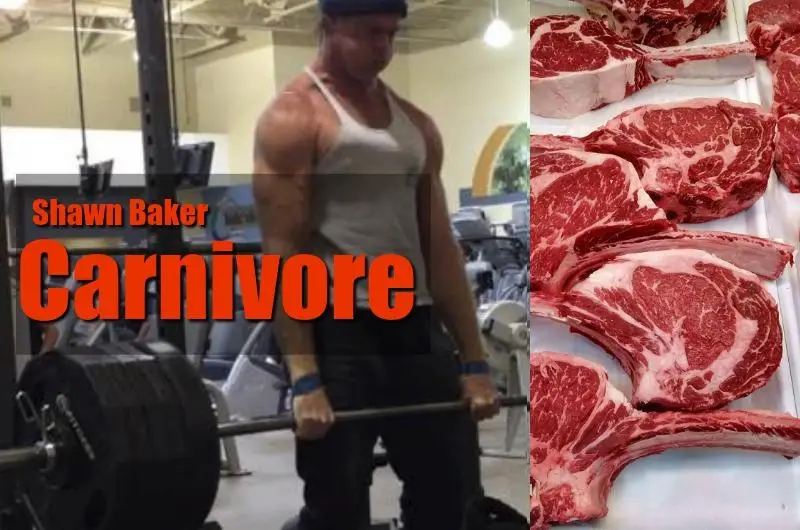
Shawn Baker is a former professional rugby player, a US Air Force veteran, and an orthopedic surgeon. He is also a leading spokesman for one of the most controversial diets out there: the carnivore diet. Shawn is over 50 years old, he’s big, lean, strong, has records in weightlifting and concept 2 rowing, and he can still dunk a basketball. He says he’s in the best shape of his life since he switched to consuming nothing but red meat.
Shawn’s Website: https://make2017amazing.mykajabi.com/p/carnivore-training-system
Shawn’s Instagram: https://www.instagram.com/shawnbaker1967/
Resources I mention in the intro on the gut microbiome:
Potential Role of Probiotics in Colorectal Cancer Prevention

Transcript
Machine-generated from the episode audio and lightly edited — may contain errors.
Chris Albert (link to this point)
The Warrior Soul Podcast is brought to you by F Bomb Nutrition. F Bomb makes delicious portable packets of fats, and I'm always talking about the benefits of a ketogenic diet and a high fat diet. And these guys have solved a significant problem. And that is that it's really hard to get good fats out on the road. That makes doing the ketogenic diet or the paleo diet really hard if you have to travel a lot of the time.
So these guys have solved that issue, and they're great people. They do everything they can to support veterans, and they are an awesome company. So definitely go check them out. Their website is www.dropanfbomb.com, and you can get a discount, 20% discount off of your first order if you use the code Warrior Soul at checkout. Alright, guys.
I have to warn you that this is gonna be a really long introduction, but it's a long introduction for good reason. There's a significant amount of background information I wanted you to have on this as far as my own opinions on the subject matter discussed. So if you hate long introductions, just jump over to the ten minute mark, and you'll be right into the interview. If you want some background information, then keep listening, but I thought I should warn you. In this episode of the Warrior Soul podcast, we have doctor Shawn Baker.
If you've been on the Internet lately, particularly around the fitness side of the Internet, you've probably seen Shawn working out, throwing weights around, and rowing for calories on the Concept two rower. He's big, he's strong, he's lean, and he's in amazing shape. He's also over 50 years old, and he holds records in weightlifting and in rowing for calories on the Concept two rower. That means his cardiovascular fitness is absolutely outstanding. He's also a United States Air Force veteran, an orthopedic surgeon, and a former professional rugby player.
But what's most fascinating about Shawn is that he only consumes animal products. In fact, most of that is red meat, something that as recently as last year, scientists said was more unhealthy for you than smoking. But doctor Baker has been doing this carnivore diet for a year now, and he says he's in the best shape of his life. Not only that, he's been inspiring other people to try it, and they also seem to be getting some great results. Now it might sound like I'm a fan of the carnivore diet, but I'm actually not.
I do have some fundamental disagreements with the implications for long term health of people who are eating nothing but beef. And my reasons, well, I've got a few different reasons for them. But it's not because I believe that eating meat is unhealthy. In fact, I consume grass fed beef regularly. I practice a ketogenic diet.
It's very high fat, very low carb, and moderate in protein. But I also include eight to 10 cups of leafy green vegetables in my eating regimen every single day. And the reason for this is to keep both my digestion healthy by feeding the bacteria in my intestinal tract, those friendly bacteria in my gut microbiome, and by providing a good source of nutrients. Doctor Baker on the other hand believes that you can get all the nutrients you need from eating meat, and in fact, us eating other things actually increases our need for vitamins.
And he also believes that the science surrounding the gut microbiome and gut bacteria is questionable at best and that we actually don't necessarily need to worry about our gut bacteria. Now I've had a lot of other experts on this podcast. I've had Doctor Terry Wahls. I've had Doctor Rodney Dietert. Doctor Terry Wahls is a big advocate for a form of the paleo diet called the Wahls Protocol, and she includes a lot of leafy green vegetables in her diet, and this method has helped me significantly with my ulcerative colitis. I've also had amazing results from supplementing with probiotic bacteria and by including probiotic rich foods, such as fermented foods like raw sauerkraut and kimchi in my diet as well. And I don't feel good when I don't eat vegetables.
But again, none of this means that I'm right. The scientific studies do add support to what I'm saying. They also say that the heterocyclic amines that come from charred meat in particular, they're known carcinogens, and their effects in causing cancer are ameliorated by the inclusion of probiotics, meaning that probiotics can help to reduce the inflammation that these carcinogens induce on the intestinal tract. But despite the fact that I disagree with Shawn on the diet and the fact that I disagree with Shawn on the vegetables, we agree on a lot of different things such as the fact that sugar is absolutely ruining our society, and so is processed food. It also means that, you know, just because science is saying something, it doesn't necessarily mean that it's right.
Science is never a definitive answer, it is a search for the truth. And what Shawn is doing is pushing the envelope. And I definitely applaud that, because for so long, we lived with things like the food pyramid, which were obviously wrong, but nobody ever thought to change them or question them. And Shawn is questioning the system. He's questioning our known knowledge of nutrition, and he's inviting people into his study, n equals many.
And I definitely applaud this because he's actually inviting people to debunk him. The other cool part about the study that he's running is that if it gets large enough and this study is conducted in a proper manner, it could lead to an answer to the question as to whether or not meat is actually unhealthy. Most of the studies that have been done that say meat is unhealthy have actually not really accounted for confounding very well. For instance, we don't know that the people who are consuming lots of meat, whether or not they tend to smoke, whether or not they tend to drink, whether or not they tend to eat high sugary foods or processed foods or or foods high in omega six fatty acids. None of this has been accounted for, and Shawn's study could definitely be a beginning of us understanding the impact of meat consumption on the human body a little bit better.
So at the end of the day, I really don't want you to take me having Shawn on the podcast as completely advocating for the carnivore diet, but I also don't want you to take this introduction as a criticism of Shawn. I actually think Shawn is a great guy, and we agree on many, many different things. And at the end of the day, I think we are on the same side here. I just thought that it would be intellectually dishonest of me to put this interview out without expressing my reservations about the theory behind the diet. This was an interview, not a debate, so we're not going head to head here.
My purpose was simply to get Shawn to express his views, to acknowledge his service as a veteran of the United States Air Force, and to have a conversation about this so that we could get our listeners a better understanding of what the carnivore diet is and how it might work. Shawn's a fascinating guy. He is an amazing athlete, and I definitely think you guys should check him out to learn more beyond listening to this interview. So this is a really long introduction. I'm sorry about that guys, but I had to get my views out there on this.
And with that, let's get into this interview with doctor Shawn Baker.
Chris Albert (link to this point)
This is Chris Albert, and I'm here to remind you of one thing. Someday, you're going to die. Now that's not some morbid statement or scary idea. It's solid fact. Your time here on this earth is limited.
We need to be reminded of this as much as possible for one simple reason, to live your best life while you can. This is the Warrior Soul Podcast.
Chris Albert (link to this point)
Welcome to the Warrior Soul Podcast. This is Chris Albert and I'm here today with Doctor Shawn Baker. Now, Doctor Baker has gained a lot of publicity lately for his method of eating.
He is a carnivore. He eats mostly red meat, adds a little bit of eggs and some cheese in there as well. But he's he's been around podcast circuit, the Internet, and he's been talking about this diet. We're going to get into that with him. But Doctor Baker's also a veteran, and he served proudly, I believe it's with the United States Air Force, right? Right, Shawn?
Shawn Baker (link to this point)
Yeah, that's correct. Yeah, did too. I basically was in twice, both times in the Air Force. I was in and then out and then in again.
Chris Albert (link to this point)
Both as an enlisted and an officer, correct?
Shawn Baker (link to this point)
No. I was an officer the whole time. Basically, I was a staff sergeant for a short time while I was in training. But I basically was a I came in as a lieutenant and left as a lieutenant colonel. But I tell you, I was an officer.
Chris Albert (link to this point)
Gotcha.
Shawn Baker (link to this point)
Yeah.
Chris Albert (link to this point)
And a few other things about Shawn. He's also a weight he holds a few weight lifting records. He holds a a record on the rower, I believe. The the concept two rower. He's got he's he's over 50 years old.
He's a stud, lifted massive amounts of weights, looks great, and like I said, he eats a diet consisting mostly of red meat. So we're gonna get into some interesting stuff with him. So Shawn first off, you know, like I said, you've got a really interesting background. Can we can we go into a little bit of your athletic history and also your military service?
Shawn Baker (link to this point)
Yeah, sure. You know athletically, I just kind of I've kind of kind of hung around the strength circles for a lot of years. I started out kind of in college playing rugby. I you know, I kind of blew and blade athletically because I was pretty thin and I started lifting and kind of got the size on it. And I started playing rugby.
Ended up, getting recruited to play down in New Zealand. And I got to play in this Premier League where we played against some of the top players in the world, lot of the New Zealand All Black Swimming League we got to play against. And then I kind of shifted into powerlifting, and I set several records in different powerlifting organizations, primarily with a deadlift. My best deadlift was a seven seventy two pound deadlift as a drug free athlete. That was probably when I was about early 30s, did that.
Then I shifted into I did strongman stuff for a few years, played with that for a while, enjoyed that. And then I shifted on into throwing where I ended up winning the I was over 40 at the time, so I ended up winning the Highland Games Masters World Championships in throwing. I went back to parling, and I broke a national record and deadlift again over I think I had a seven eleven pound deadlift at 40 years of age. And then when I got tired of being too damn big, I slimmed down and started doing this indoor rowing stuff. And so now I've broken several US world records on the rowing machine as well now.
So that's where I'm at currently.
Chris Albert (link to this point)
How big were you while you were doing the Strongman and the Highland Games and the throwing?
Shawn Baker (link to this point)
I was about two eighty. Spent about twenty years around two eighty pounds. For power lifting, at six'five, you're not going to be one hundred and ninety eight pound class guy. Same thing with Highland Games. And I was a little guy.
Quite honestly, at six'five, two eighty, I was not one of the bigger guys. A lot of those guys are six'eight, three twenty, three forty. Mean, you have to be really big to counter those weights. So it's just a sport that requires size. And now that I'm not doing that stuff, I'm happy to be a relatively skinny two forty pounder.
Chris Albert (link to this point)
Absolutely. I used to be a lot heavier than I am now. And I just remember bending over to try to tie my shoes and getting out of breath and it's not fun. It's not fun. It looks good, but it's not fun.
What was your diet like back then? What were you eating at that point?
Shawn Baker (link to this point)
Well, I was eating what most people would consider the normal recommended diet. Lots of fruits and vegetables and lean dairy. I was eating meat and I was eating a lot of cereals and lots of yogurt. Remember that stuff. I'd have some desserts as well.
I'd say just a high volume of food, though. That's kind of what I was doing. Eating a bunch. I wasn't eating potato chips and a lot of junk food, but it was just high volumes of what normally people would think is relatively healthy.
Chris Albert (link to this point)
Lots of carbs, lots of proteins, some good fats. Yeah, exactly.
Shawn Baker (link to this point)
Exactly. Yeah.
Chris Albert (link to this point)
And so what years did you begin serving in the Air Force?
Shawn Baker (link to this point)
So I went in let me try to think here. So I was kind of funny. I was in medical school, and then I left to play rugby in the middle of medical school, which is kind of weird. Then when I came back, I didn't want to stop playing rugby. It was in the early 90s, and so the best place to play rugby in The United States at that time was in the military, because they had a pretty good program.
So I went into the military in my early 20s. I went to the officer training system, and then I ended up in there from about 'ninety two to 'ninety seven. And then when I got tired of playing rugby, was a nuclear weapons launch officer back then stationed up in Wyoming. I did my training out of Vandenberg Air Force Base, and I was up in Cheyenne, Wyoming for a while at Warren Air Force Base. But I was playing rugby, I remember I was laying on a pile playing with a team of Russians, and I was getting my head kicked in, I had blood coming out of my ears, and I finally said, Well, I'm tired of this.
So I ended up going back to medical school. The military was kind enough to pay for that, so I finished out my training. I did the civilian training, civilian residency. And then I came back in in 2006. And then I was in for five years.
And that's when I got sent to Afghanistan to do a bunch of this trauma surgery during the Afghan But that's where I was there did all that sort of stuff.
Chris Albert (link to this point)
That must have been rough as far as the amount of surgeries you had to do and the way the Optempo was going. How was that for you?
Shawn Baker (link to this point)
Yeah, mean, were at a facility called Bagram. I'm sure some of your guys know where that is, and that was the main hub. And so think Kandahar and Bagram are the two main medical facilities, the main US one is up in Bagram. So we got all the secondary trauma, all the stuff that came in the field got sent to us, then we got all the fresh trauma that was in the local area. So we were busy.
I don't think there was a single day we didn't operate while we were there. And it was a lot. It was probably four to five times what you'd see on a normal day if you're a regular surgeon. I mean, we were constantly just taking care of casualties, unfortunately. Unfortunately, we were needed.
I wish we didn't have to be. It was US guys. It was coalition guys. It was Afghan army civilians. And we even took care some of the bad guys.
So I mean, just whatever came in, we ended up taking care of all that stuff.
Chris Albert (link to this point)
Wow. When, you know, I always wondered with surgeons how, given the long hours that you guys work, how you're able to cognitively get through a surgery, some of these complex surgeries that you do as far as very little sleep and very little energy or anything like that. Were you doing any kind of special diet tricks back then when you were going through this to give you more energy?
Shawn Baker (link to this point)
No, I mean, was just eating. I was going to the DFACs in the dining facilities and just kind of picking it out. I still trained at the time. Predictably knew we were going to be busy with trauma surgery, but even despite that, we still had a routine. Was get up, operate all through the day, get something to eat, get a training session, then you try to get some sleep.
And sometimes you could get decent sleep. Sometimes you get woken up with a lot of trauma, so it of rotates. But that's how you train as a surgeon anyway. Mean, it's kind of you don't get much sleep, and so you're kind of used to that. Not saying that's the best way to do it, that's just the way it's done.
The other thing is, once you're, it's like anything, if your adrenaline is up, it tends to keep you focused, and I think that's what happens. So you sleep pretty, when you go to sleep, you crash out. Mean, when you hit the rack, it's, within about ten seconds, you're asleep, and you kinda get as much as you possibly can, basically.
Chris Albert (link to this point)
Absolutely. So moving on toward the nutrition realm, how did you come across doing a ketogenic diet first? All through the 90s, all through the early part of the 2000s, everyone was like, you can't build muscle without carbs. You can't build strength without carbs. How'd you come across a ketogenic diet and when did you start doing it yourself?
Shawn Baker (link to this point)
Yeah, so when I got in my mid-40s, like I said, I'm 51 now. But when I got in my mid-40s, I started to notice that I was retaining weight that I couldn't get rid of. I was getting issues with blood pressure, probably developing sleep apnea. I was still about two eighty then. I just kind of made the decision that I was probably pre diabetic.
If I would have tested myself, I didn't, but I probably would have been. But I made the decision that I've got to change my diet because my philosophy before was just train your ass off and you can outwork any diet. That had worked pretty well for me for many decades, but then it stopped working. And so then I had to come up with a different strategy. So I went on basically a low calorie, low fat, almost a vegetarian diet for a while.
And I got skinnier. I lost some weight. I was exercising like a maniac, like three times a day. Before when I got up in the morning, I was jumping rope a couple thousand times, working out at my lunch hour, and then going back home at night and jumping rope again. But it wasn't sustainable, man.
I was not a happy camper. Kind of pissed off and not something I could sustain. I mean, I could have had the discipline to do it, but I just wasn't enjoying it. So then I started reading more about different diets. I slipped into a paleo diet for a while, did that for about a year.
Felt pretty good with that. Then I just continued to read. And then I finally made my way into a ketogenic diet, which I spent about two years doing that. And I actually felt pretty good. I enjoyed it.
And then I trained on what I'm doing now.
Chris Albert (link to this point)
Were you doing the strict version of keto, like the eighty-ten-ten? Were modifying it at all or anything like that?
Shawn Baker (link to this point)
No. Mean, like I said, I wasn't measuring ketones or anything like that. I generally had a macro ratio where I was probably about 80% fat most of the time. I was eating the standard I wasn't eating a bunch of junk food. I was eating the salads, the spinach.
It was a lot of bacon and eggs. There was some meat. There was some salmon in there, a few nuts and stuff like that. A case of some of the fat bombs and stuff like that. But I wasn't calculating stuff.
I just find that that stuff gets old pretty quick. Life doesn't necessarily give you opportunity get that discipline all the time as far as sort of that stuff. And I felt pretty good, quite honestly. I didn't feel bad on keto. And I was doing reasonably well in the gym.
I was still getting stronger. So yeah, that's how that worked for me.
Chris Albert (link to this point)
Yeah. As far as keto goes, I think that a lot of times it's the fear of reducing the carbs and getting rid of the carbs that that affects people more than anything that mental attachment to them. And so, you know, when I first went to keto, did so out of desperation. I had ulcerative colitis. Literally the only thing I could digest was coconut oil, some red meat and some vegetables.
I had to get rid of all the other stuff I was eating and I thought I was gonna get super skinny, but the opposite started happening. I started, you know, putting on muscle. I started getting leaner. I started feeling better, thinking better and performing better. And so it's interesting how the human body works like that.
And it's interesting how so many people have this fear, this attachment.
Shawn Baker (link to this point)
Yeah, I mean, like I said, we have a lot of that fear and attachment is just kind of almost tradition. It's not really based on any good evidence. And so I think what we're seeing now with more and more people doing ketogenic diets and now even people doing these carnivorous diets, we're seeing that a lot of those dogmatic things we've always thought were important may not be really required. So it's been an interesting journey. I'm learning stuff new every single day.
And the more people I interact with are doing these different things. It's pretty open. It's got almost mind blowing to see some of this stuff happening.
Chris Albert (link to this point)
Yeah, and I think it's also timely because the medical establishment's pretty much been failing us for so long as far as you look at the rates of diabetes, the rates of obesity in this country, the amount of veterans in the veteran community who have diabetes, we're talking about it before the show, but one in four veterans is, in the VA system has, diabetes. And they're saying that a third of our population here in The United States is going be pre diabetic within the next ten years. That's billions of dollars, billions of dollars going to health care and a lot of people who are going to be hurting really, really bad.
Shawn Baker (link to this point)
Yeah. And unfortunately, and totally agree with you about the health care, certainly let people out. It's not necessarily the fault of the physicians. It's just the way the system is set up. We're set up for dealing with the disasters after they've already occurred.
We don't do a very good job in preventing that stuff. We certainly have the resources, and if we had the will. If we were incentivized correctly, that would work. Unfortunately, incentive is placed for just symptom management and putting band aids on stuff. So we can certainly prevent that.
The other thing that I think is I know you talked about the diabetes statistics, but diabetes is a canary in the coal mine. That represents chronic disease. And I think the same issues generally that are leading to the diabetes epidemic are leading to all these other increases in all these other things, whether it be heart disease, cancer. And the big one that's coming up is dementia. We're going to have a population where we have a huge number of demented people.
And I know we touched on mental health, that's also growing. And so I think all the things that lead us to get diabetes lead to other things to happen, too. Well, we can talk about what I think the solutions for that are, but that's definitely coming and it's scary. I think it's going to be very costly and it's going to bankrupt us if we don't turn the ship around.
Chris Albert (link to this point)
Absolutely. I definitely want to talk about those solutions. One thing I want to mention, particularly for this audience, is is the idea of brain inflammation and dementia being something huge coming up down the line, you know, particularly for those of us who spent a lot of our teens and 20s around explosives around gunshots and things like that. Each one of those explosions we've had Doctor Mark Gordon on the show.
And he's talked about each one of those explosions creating, you know, shocks within the brain that vibrate the brain and eventually create inflammation and that reduces or completely shuts down our production of neurosteroids, which is going to lead to higher brain inflammation and dementia down the line. So a lot of us listening to this podcast right now, we've got to be really careful with our brains and really put every effort we can into taking care of our brains if we want to avoid these problems down the line.
Shawn Baker (link to this point)
Yeah, absolutely. I think what you have is there's situations where you are predisposed or your body has a background level of inflammation. And I think diet plays a big role in that. And I think these other insults, they just compound the issue. And so if you've already got a traumatic brain injury or you've got like we talked about post traumatic stress disorder where you're exposed to all this trauma, maybe psychological, it still has an impact on the biology of your brain.
So I think you need to do everything to support that. And I think diet has a huge role in that. It's And been much underappreciated and it's only starting to get talked about now. But I think that's a crucial pillar of how you prevent and treat some of this stuff.
Chris Albert (link to this point)
Most definitely. Most definitely. So you were doing the ketogenic diet for a while. When did you decide to go complete carnivore?
Shawn Baker (link to this point)
Yeah, so I've done that now for just over a year, December, so December 2016, I was overseas with some relatives. I had my last vegetable. I thought I was going to do it. I'd been playing with it a little bit a few months before that, doing a week or two here and there. And then after Christmas holidays, said, well, I'm going do this now for a thirty day stretch just to try it.
And just really, really felt good about it. My health felt really good. There's a little bit of transition stuff, but I mean, my general I'd had some minor things that were still kind of giving me a little bit of trouble, some joint pain and stuff like that, some tendon pain. And I'm still a very much a competitive athlete, and I wanted to continue to do whatever I can to get healthy faster and stronger. And so I just noticed that that started to happen.
So I said, well, my thirty days is up. I'm going go back to my ketogenic diet. I did that. I just, quite honestly, just didn't feel very good, as good. And so I noted that for about a week after, I did a day of ketogenic diet.
And for a week, I just didn't feel very good at night. So I immediately switched back to a all meat diet. I just kept going. And here I am over a year later and still going strong and still getting healthier and faster and stronger. That's the way it is.
Chris Albert (link to this point)
And what kind of issues were you having when you came back to it? Was it general aches and pains?
Shawn Baker (link to this point)
It was almost as though there was a general increase in inflammation. And it was a little bit of GI upset. There was a little bit of just overall malaise. We don't feel good. And a little bit of joint pain.
That's just what I noticed. Said, well, there's something in the diet that's irritating me. And it's not meat, because meat I was tolerating extremely well. And so I said, well, I'm just going to stick to that. And I'm not a person that lives to eat.
It's the other way. I kind of eat to live and eat to perform. And so it wasn't a big sacrifice for me. And I just felt much better. So that's where I am.
Chris Albert (link to this point)
And so what does this diet look like? Are you eating meat throughout the day? Are you waiting? Are you fasting? What's the layout like?
Shawn Baker (link to this point)
Yeah, so it's very intuitive. I eat when I'm hungry, basically, which sounds crazy, but that's what I eat like any other animal on the planet. I eat till I'm full, and then I eat again when I'm hungry again. So what that does for me is it works out to typically two meals a day. Some days it's one, some days it's three.
But I would say 95% of the time I'm eating two meals a day. I'm a big guy, so I eat quite a bit. I'm training pretty hard most days. And so it might be a couple steaks in the morning and a couple steaks in the afternoon. There might be some hamburger patties.
Very rarely, I'll throw in a couple eggs. I usually maybe add a couple of eggs to the dish. And then once in a while, I'll take in a little seafood. It might be shrimp or salmon or something like that. And then when I first started, I had more variety.
It's kind of funny. As you get into this farther and farther, you start to it just becomes food, it doesn't become entertainment. So you kind of like the same thing over and over. But initially, I was doing a lot more dairy than I do now. I was doing some heavy cream still and a little bit of cheese.
And I find that I rarely do that anymore just because for me, makes me feel not quite as good. So I just kind of admitted that. So right now, 90% of the time my day is just steak, steak, steak steak, you know. Okay.
Chris Albert (link to this point)
Yeah. And I want I want to ask you some questions about that too. First, want to have you been taking your blood markers? Have you been monitoring your numbers and things like that as far as not? I'm not necessarily worried about cholesterol, but like c reactive protein and some of the other things as far as nutrients and minerals.
Shawn Baker (link to this point)
Yeah, so this is and I've got a long discussion unless you want to but the short answer is I just drew my blood yesterday as I just kind of passed the one year point. So I'll have some results next week probably. But I haven't been routinely monitoring that. And one issue and people have a hard time wrapping their head around this, even as a physician that says this. Unfortunately, the blood markers that we often rely on, they're extremely variable.
And they can change in a matter of a few days. So they're not really great markers to determining disease or determining status and stuff. A lot of them, the mineral and vitamin levels in blood, we're not sure how accurate they are. We know things like cholesterol. There's a guy named Dave Feldman who's demonstrating that you can change your cholesterol 100 points in a week, which is just mind blowing.
You go in once a year, get your cholesterol test, they'll say, yeah, it's two twenty. Let's put you on Lipitor or some other statin. And literally a week later, it could be 120. And so I think we have to revisit how useful that is. Quite honestly, cholesterol, in a lot of cases, think higher cholesterol is better.
So that's unclear to me. Some of these other things like C reactive protein and I've drawn these labs, we'll see what they are. But quite honestly, C reactive protein is another one. If you've exercised hard within a day or so before getting your labs drawn, it could artificially elevate that. Same thing with your liver enzymes.
So all these things that we think are great markers for disease is really context dependent. And the other thing is people on low carb diets or ketogenic diets or carnivorous diets, a lot of the normal lab ranges, one particular is like thyroid hormones, we suspect that a lot of those things actually go down. If your thyroid level is lower on a low carb diet, it doesn't necessarily mean you're hypothyroid or suffering from problems. It just might mean that you'd require as much circulating thyroid hormone. So we don't know that yet.
So we have to kind of reestablish normal values in these populations because all the standard reference ranges for labs, all the recommended requirements for vitamins and minerals were determined on high carb populations. And so we don't even know if we're comparing apples to oranges or apples to apples when we look at the labs. So that's the one reservation I have about this. But a of people just can't get that out of their mind if they have to have a lab to show their health team. My think is, what is your mood like?
What's your energy level like? What's your libido like? What's your joint pain like? What's your digestion like? What's your skin health like?
What's your ability to put on muscle and train your capacity to exercise? Those things to me are better markers of health than a lab value. You can get some advanced imaging studies like coronary artery calcium scan or some tissue biopsies or some other things that might be more useful. But you've to remember, your blood values change sometimes day to day and sometimes even hourly. I don't get too excited about those things.
Chris Albert (link to this point)
Yeah. The whole cholesterol thing, I think that doctors are even coming out now and saying it's just a useless marker as far as things go. And I completely agree with you there. I do get worried about calcium buildup and things like that as far as inflammation goes and which we're seeing, you know, we're starting to understand a little bit more about how heart disease happens with calcification of the arteries and veins and things like that.
Shawn Baker (link to this point)
Yeah. I mean, but again, you would see that on a coronary artery calcium scan or you could look at your carotid arteries. It's not the calcium is bad or anything like that. But yes, what our body does in cases of damage we lay down calcium. Same thing with bone.
Mean, with bone is anything bad that happens to bone, it'll lay down extra calcium. And so whether it's a fracture, whether it's an infection, whether it's a tumor, typically, a lot of times one of the things it'll do is it'll lay down bone. We see that calcifications in the blood vessels. When the blood vessels are inflamed and injured, the body will try to put calcium in there. Same thing with muscles.
There's a condition called myositis ossificans, where there's a traumatized muscle. And it can lay down calcium. Sometimes that's mistaken for a tumor. But yeah, you're right calcium. It's not the calcium circulating your blood is a bad thing.
I mean, your calcium is not going to indicate that but worse deposit. But again, you're not going to get that on a blood test.
Chris Albert (link to this point)
Yeah. Yeah. No, absolutely. So let's talk about some of these other things as far as the diet goes. So you're eating mostly muscle meat, right?
So we're talking about like rib eye steaks and things like that.
Shawn Baker (link to this point)
Yeah. I mean, most people and again, are I'm not thinking like I do enough. There are literally thousands upon thousands of people doing it that are kind of Western society people. And then historically, were all kinds of dwarf populations that largely did this. But most people will find they gravitate toward the fattier cuts of meat.
Think people are discovering on a ketogenic diet that you need enough fat in your diet. You can't live on skinny chicken breast and cans of tuna for a long period of time. You just get sick doing that. But most people will gravitate to fattier cuts of meat. Many people will include organ meats.
I don't think they're necessary. I mean, I haven't done that. There's a lot of people that don't do that. You're just fine. I don't think it's necessary to buy grass finished beef.
You can do just as well with the conventional stuff because some people talk about cost. And in my experience, that has not been a big difference as far as health goes. So if somebody's considering doing this, and you're like, man, I can't afford the best organic beef on it, you don't have to. Mean, that's not what I do. Mean, 98% of my diet is beef steak I get at the grocery store.
I get to buy the stuff on sale, and it works just as well.
Chris Albert (link to this point)
I got to send you my recipe for grass fed beef liver. Make we make this thing, it tastes like a steak. I'm not kidding you. My girlfriend loves it, too. And she wasn't a liver eater growing up or anything. But you know, that I do try to include a lot of organ meats into my diet just because of the nutrient density and, you know, they're awesome as far as cost goes because nobody else wants to eat the liver.
I get get like a couple of pounds of it for under $5.
Shawn Baker (link to this point)
Yeah, I mean, there's nothing wrong with that. Don't know, know state it. Don't let me don't let me say you're saying you shouldn't eat that stuff. You like it, go ahead and you're right. It can be a very cost of I and E and yes, it is nutrient dense.
You know, the only question is, you know, we talk about nutrient density. We've got to realize how much is enough and when does it become overkill. And so a lot of people think that you have to get the most of every single nutrient in every single bite. And when the reality is, it's your body's needs a certain amount, that's it. It doesn't need much beyond that.
So I think you're getting that in what I'm eating. Now, if you have some nutrient deficiencies ahead of time and you want to try to and you know what they are, and you've got this documented stuff, you may do that for a while that may make you feel better for a while, but I don't think that's something you chronically need to do all the time.
Chris Albert (link to this point)
Okay. And so what about the gut microbiome as far as feeding the friendly bacteria with fibrous vegetables or green leafy vegetables or treatment resistant starch. What would you say about that?
Shawn Baker (link to this point)
Yeah, again, that is more speculation than it is fact. Know, think what we're seeing is we've got this belief system that vegetables and fruits and these other things and fiber is somehow good for us. And that's really based on just kind of this really weakly confounded epidemiology. And so what we're seeing is we're seeing populations in which people that eat a lot of fruits and vegetables and fiber tend to live longer and have less diseases in some epidemiologic studies. But what they do is they always those people that generally do that generally are healthier.
Mean, they're generally more health conscious. They go to the doctor. They exercise more. They don't smoke. They don't drink.
They're just more health conscious people. And so they have that population. And so they don't know how to which one of those factors is actually causing the improvement in their health. So they kind of say, well, all of them are good, so it must be the vegetables, fruit, fiber. So they try to justify it.
So the latest thing is, as you probably know, our interest in the microbiome over the last several years has really taken off. We're discovering that it impacts a number of systems, whether it's overall health or even mental health. But one of the things is we don't really know for sure. We're decades, if even not longer, away from knowing for sure what is the exact healthy microbiome. And I would argue that it's going to change extremely frequently based on different situations.
We know things that affect it are things like sleep and stress and what your diet is and how much exercise you've had, what time of the year, and these environmental things that change it continuously. We also know that and how old you are. And so all these things are going to impact your microbiome. And so we can't possibly say we can't give you a test and say, you have a healthy, healthy microbiome and you don't. Now we can pick out some pathological organisms for sure.
But it's too premature to say, you're not healthy because you have X, Y, and Z bacteria. You don't have A, B, and C. The better way to look at this is, if you are healthy, if you're exhibiting all sorts of indicators of health, then probably the microbiome that you have is the right one for you and it's a healthy one for you. That's probably the best way to look at this. And so you don't need these probiotics to tailor your they probably don't even work in the first place.
But you don't need to tailor your microbiome based on some preconceived notion of health doesn't exist. And people that are trying to tell you that are trying to sell you a supplement, and they're just basically conning out some money. The other thing is we've talked about feeding the good bacteria. Well, here's an interesting thing. You've got ulcerative colitis.
And I will tell you and people with Crohn's disease or irritable bowel syndrome, they'll find that when they cut all fiber out of their diet and go on basically a homey diet. And there's a researcher out of Hungary. Her name is Zsófia Clemens and her partner, Csaba Tóth, are studying these diseases, Crohn's disease and ulcerative colitis. And they're getting tremendous success in people that are going on what they are calling the Paleolithic Ketogenic Diet, which is basically an all meat diet in these cases. They are getting complete remission of Crohn's disease and ulcerative colitis.
And people have been suffering on it for years when they eliminate things like fruits and vegetables and other fiber sources. So fiber is inherently irritating to the intestines. I think there's a lot of people that when they go to a high fiber diet, it's uncomfortable. They're bloated. They get gas.
Their intestines hurt. Digestion is not a pleasant process. And so one of the reasons people talk about feeding the microbiome is because when your intestines lay down a layer of mucus, we say, well, that's good. It's protecting us from bacteria. But what it's really doing, if you think about it, if you have mucus in your lungs, that's not really a good thing.
The reason you have mucus in your lungs building up is because you've been exposed to an irritant, whether it's cigarette smoke or pollution or some kind of virus. You'll have a bunch of mucus and you'll have coughing that stuff up. And the same thing happens in our intestinal lining. We produce mucus to protect us from irritating substances. What that irritating substance is, in many cases, is fiber.
And so what happens is you eat a bunch of fiber, you make a bunch of mucus to protect you from the fiber, and then there's bacteria that like to eat the fiber. And rather having them eat the fiber than the mucus, it's kind of a circular logic. Because if you don't eat the fiber, then you don't need the mucus. But if you do eat the fiber, you need the mucus. So it's kind of like if you're going to eat fiber and you're going eat junk food, then you probably need to eat fiber to keep the mucus there.
But if you're only going to do meat and you're not eating fiber, arguably, you don't need to do that stuff.
Chris Albert (link to this point)
Yeah, I think, you know, I definitely agree with you on the fruit front. I'm not a fan of eating a lot of fruit or anything like that. I do include a lot of green vegetables in my diet and I found it it does tend to help with the ulcerative colitis when I'm consuming a good amount of green vegetables. I mean, I actually eat a lot of green vegetables, probably around eight to 10 cups a day. But I think what you're seeing is really, really interesting.
And I think that the idea that we don't know everything about the gut microbiome, that's really interesting as well. You know, I've talked to like Doctor Rodney Dietert, who wrote the book, The Human Human Superorganism. He's doing some really cool research, like actually looking at the way drugs interact with their gut microbiome, like certain drugs can't can't work without it. And then looking at the different stuff.
The one thing we do know though, is that sugar can completely wreck it. Like it can completely ruin your digestive system that it can completely throw that system out of balance and cause tons of sugar cravings, brain fog and all the nasty stuff we're talking about. But I also know that you're compiling a bunch of data as well with people who are doing this diet, right?
Shawn Baker (link to this point)
Yeah, we started something called N equals many, started World Carnivore Month, which is another attempt to gather more data. So we're getting, So we're still analyzing stuff, still gathering that stuff, we're getting into the many hundreds and maybe even over a thousand people that are going to be submitting data, and we'll continue to do that, try to build a database. We've got a lot of anecdotal stuff and subjective stuff that we've got results on. But we're encouraging people to get lab data for us. Just did a podcast the other day with a guy named Ryan Munsey.
And he did his microbiome. The results were you have a really good microbiome, whatever that really means. Like I said, and you're correct. We've been studying the microbiome for not that long. We've been studying cholesterol for six decades, and we still don't know what the hell to do with it.
So I mean, it's premature to say that the microbiome, we know everything about. We just do not. And you're right, sugar probably negatively affects it, but it negatively affects everything else. So it goes back to if you're sick from eating sugar, probably your microbiome is sick too.
Chris Albert (link to this point)
Absolutely. Absolutely. So as far as the way you do your diet and this is the other thing I find I think that's fascinating to me is is the idea that you are fasting quite a bit and and you are you're fasting and then and then eating a large amount of food. And I think the health implications of fasting as well are so fascinating to me. And so so remarkable as far as things they can do for cellular health things they can do as far as, you know, improving digestion, giving the digestive system a rest.
And I think that that that there could be a huge impact there. Do you think there's any kind of confounding variables between fasting and just eating meat?
Shawn Baker (link to this point)
Well, think I agree with you, here's the way I like to approach this. I think that we were imbued with an appetite for a reason. When you're hungry, you should probably eat. Now what happens with me is I'm just not hungry. It's not that I'm saying going eat a meal and I'm going to wait eighteen point seven hours before my next meal.
I'm not putting a stopwatch down. But what is happening is I'm just not hungry. So I've got this long interdigestive period. And we know that there are some likely good things that occur. You know, whether you want to talk about autophagy or autophagy just means your cells are eating themselves or it's turning over structures are damaged or need to be returned over.
And so I think those things definitely are happening. I prefer the term intermittent feasting because that's what I'm doing. I'm feasting. And I think that lines up better with what happened evolutionarily. I I think that's what animals do.
They eat when they're hungry, and then they don't eat again until they're hungry again. Now you can argue that, especially carnivorous animals that hunt, they're not always successful at hunting. But it's not to say that if they would have caught an animal, they wouldn't have sat there and said, oh, wait, it's not time to eat yet. Mean, they're trying to eat when they're hungry. I think humans did that too.
Think that looking back historically, humans were, at some point, very good hunters, and we were in a world where there were lots and lots of these megafauna animal that populated the earth until we basically wiped them out. So when we use these modern hunter gatherer societies, they're living in a different world. They don't have the big mammoths and all these other creatures that roam that we are good at killing around. And so I think they probably don't eat as much as what we did before. And I think what happened is probably humans just pigged out, ate as much as they could, and then when they got hungry, ate again.
I think that's it's not socially acceptable. It doesn't win you any awards at tea parties. But I think that's how we're wired. And I do think what happens I think what naturally happens on a carnivorous diet is you go to one or two meals a day, you eat a whole bunch of meat, and you end up not eating again for a long period of time. And if you want to call that fasting, that's fine.
I call that just not eating again until I'm hungry. And I think that's the difference. It's a subtle difference there. I think when you get hungry if you're only eating one thing, just think about the logic behind this. If you're only eating one thing, why are you hungry again?
What is your body trying to tell you? And my argument is your body is telling you, hey, I need some structural materials because I've to build some more stuff, and I also need some energy. And so I just eat. And a lot of times, you're right. It can be twelve hours, sixteen hours, eighteen, or even twenty four hours that I do that.
It's not that I'm like I said, I'm not intentionally not eating when I'm hungry. When I'm hungry, I eat. It's just that the natural rhythm of eating this way puts you in a situation where you don't eat that often.
Chris Albert (link to this point)
As far as liquids, how much water are you drinking a day?
Shawn Baker (link to this point)
My answer would be enough.
Chris Albert (link to this point)
Yeah.
Shawn Baker (link to this point)
I try I drink quite a bit. I would say I drink probably more than I did before, but I'm not like calculating. When I'm thirsty, I drink. And I think ingesting more protein will increase your water requirements. Think that's some well, when you cook your meat, meat by itself is about 70% water by weight.
So if you're eating raw meat, you'd be actually taking in a lot of water. Animals, a lot of times, if they can't, they'll eat. Carnivorous animals eat. Animal flesh, it's raw. It contains about 70% by water, and they often have to drink that often.
But for me, since I'm cooking my food, I drink, I would guess, at least a gallon a day, if not more probably. But I don't know for sure.
Chris Albert (link to this point)
And are you salt, when you cook up a steak, are you salting it, are you adding spices and things like that, or?
Shawn Baker (link to this point)
Yeah, currently, like I said, I've been into this for about a year now, and so the things I did at the beginning are not what I do now. Right now, all I do is put a little salt on my steak, that's all I really want. I think for me, particularly since I've been exercising pretty heavily still, I seem to crave salt more, and I think that's, again, that's another thing that our bodies are able at sensing. We have very good ways of sensing what our serum sodium level is, and so we have these feedback mechanisms to know when we're thirsty, to know when we need salt, to know when we need to eat. So that's what I do.
Initially started, because when people hear this stuff, they say, how can you just eat the same thing over and over again? How do you live without variety? When I started, I was definitely including more variety. So I was putting garlic and butter and salt and pepper and a few other spices here and there. That for me, the desire to do that for me, by about two months in, I just felt like I really just enjoy the flavor of the rib eye steak or the Timon or whatever I'm eating or the hamburger.
So I just kind of got away from that. Right now, day to day, I don't take any supplements at all. Just eat some steak with a little salt and drink water, and that's it. I don't take drugs. I don't take testosterone, any of those things.
So I'm just kind of to the bare bones of what's required for human nutrition, I think.
Chris Albert (link to this point)
Now, as far as training goes, what's your training like currently?
Shawn Baker (link to this point)
So, you know, right, well the last few weeks have been pretty fragmented because I've been traveling quite a bit, but I mean my general training scheme is, I said, are a number of things, as a 51 year old guy now that I want to preserve for health, but as far as athletic ability. So I want to maintain strength. So I do some compound strength movements, squats, dead lifts, some kind of pressing exercise pretty frequently, probably about twice a week. I do some high level conditioning, a lot of interval conditioning type stuff. As you know, I'm still competing on a Concept two rower, I'll do quite a bit of rowing.
And then the other thing that I do that a lot of people tend to neglect is I do a lot of sprinting. Even though I'm in my 50s, I'll be out running hill sprints. And then I do a lot of jumping and throwing and explosivity type training. So a lot of med ball slams, ball throws, and all kinds of hard med ball stuff. I do a lot of heavy kettlebell swings.
And so that's kind of how I kind of try to take care of everything that I think is important to maintain. For years, everybody was jogging, and now people are finally starting to wake up to the fact that you need to do some strength training. And then now they're getting a little bit more conditioned. But I think also that ability to run and jump and to accelerate, at my age is important. Hopefully I'll be able to continue to do that for decades to come.
Chris Albert (link to this point)
Absolutely. We're seeing more and more people as they're getting older, seeing so many benefits from strength training. I think if there's one thing I've done that's benefited my life more than anything, was starting to starting to go to the gym when I was 12 years old. Think gave me confidence, allowed me to do a lot of things. I'm 38 today and I feel I feel really, really good better than I did back when I was in my early thirties and competing in bodybuilding and simply because I've continued training after that.
That's, that's pretty awesome. So what's next with you? What, have you been working on? I know you have carnivore strength systems up. I know that you've been running this N equals many experiment.
Where are you going next? What are you going to do?
Shawn Baker (link to this point)
Yeah, so I think, well right now, I mean carnivoretrainingsystem.com is where I'm helping people train and help them transition to this type of diet. Probably a book will come out of this probably hopefully later this year. I'm doing a lot of just talking, probably do some speaking engagements. I know some people want me to speak conferences, so I'll probably start doing some of that. I may start part time practicing medicine, although my passion has gone on the prevention side, so I'm not sure how much I'll do that.
I've got a lot of different sort of people asking me to do stuff right now, so I'm not sure how to do that. I've actually got an agent now to try and help me with all this stuff that's coming up.
Chris Albert (link to this point)
Big time, big time.
Shawn Baker (link to this point)
So he's going to help me kind of maybe make Mark a brand, I guess, if you'd say, and just try to hopefully be able to make a living helping people besides cutting people open with surgery. That's what I ultimately like to do. We'll see what I think this year is going to be interesting for me. I don't know where it's going to end up. Like I said, every single day I get somebody saying, hey, you want to do this?
Do you want to do that? I'm just trying to weigh through the pros and cons, where my energy allows me to go and where my resources allow me to go.
Chris Albert (link to this point)
Yeah, that's always so many decisions to make when you're coming into something like this. I want to talk about carnivore training systems, so when somebody signs up for carnivore training systems, what's included in the membership? What do they get?
Shawn Baker (link to this point)
Yeah, it's basically a twelve week training course, and so basically what I do is I walk them through the transition into how to do a carnivore diet. I talk to them about the intricacies of that, some of the common issues, some of the common concerns. So there's as much videos on that stuff. And then I've got a whole series of exercises that I describe, how to set up a home training program or a gym training program, whatever is convenient for you. We kind of tailor it for different people with different abilities.
So there's people that are higher level that want to come to versus people that are maybe dealing with an injury or just having exercise in a long period of time. So we go through that. There's detailed workouts, typically three or four workouts a week. They come out every week. So once you start, you get the first week, and then you get the second week.
And then what I do is I do live feedback sessions, usually about a couple times a week. So I just say, hey, we're going do a live feedback session at this hour. And then whoever wants to come in and ask questions, I can answer any questions. People send me videos of what's going on. I'll critique whatever.
I think it needs to be critiqued. Just because I'm on social media quite a bit, I'm always getting questions on what do I do, what do I do, how do I do this. And so it's just a way for me to interact more thoroughly with people than trying to tweet out an answer or put out an Instagram post. But that's the gist. And then we talk about some of the mental aspect of it, Because I think you've to have a there's a certain psychology to getting healthy, even if it's just minor stuff.
Think that's a big role. Like I said, I've broken a lot of records in different sports, and so there's a certain mindset that goes with that. But just generally deciding to take charge of your life and take charge of your health requires some mental investment. So we kind of talk about that stuff too.
Chris Albert (link to this point)
Absolutely. The mental side's probably almost greater than anything else, especially when it comes to dieting because people tend to lose their minds a little bit. Sometimes I think it's that there's so much information out there that people just want to jump from thing to thing to thing and they don't give things enough time and enough consistency.
Shawn Baker (link to this point)
Yeah, the less sure. Mean, like I said, I'm another guy putting more information there that maybe confuse people even more. Like I said, I tell people, you can read all the research papers in the world, and they change, and a lot of them, they just change the next year, their conclusions change, and now the experts even agree on what they mean. And so it's really hard to decide what you do. Even as a physician who's had a lot of experience with literature and medicine and stuff like that, it's still very confusing, even people like me and the others.
And so you really have really apply to yourself whatever metric you want to use and be consistent with it and objective about it and then to see what actually works for you. Really, one of the nice things about doing a carnivorous diet is when you're wondering what in your diet is helping and hurting you when you're only eating basically one food, you really find how to eliminate different variables. And the other thing that we touched upon a couple of times is mental health. I'm finding again, I'm just giving these we started another website called meatheals.com. It's basically stories of people that have regained health in various aspects from either being fully carnivorous or highly carnivorous.
And one of the areas we're seeing a lot of improvement in is actually mental health, which is really fascinating. A lot of people are talking about how their depression was going away, the mental fog is going away, their anxiety is going away. And so there may be applications to God perhaps with PTSD and stuff like that, that this could be a benefit to. So it's worth exploring, I think.
Chris Albert (link to this point)
That's awesome. That's awesome. Well, Shawn, you know, one, I want to thank you for coming on and two, you know, I think everything you're doing right now is fascinating. And I'm really interested to see where that study goes with everything. I want to ask you, do you do you have any, you know, single pieces of advice for those guys out there who are listening right now as far as, you know, what could they do right now to make their lives that much better?
Shawn Baker (link to this point)
Well, of particularly the military guys, you just need to realize that you guys owed a debt of gratitude. And even though I did it, I certainly appreciate the guys that gave more than I did and sacrificed more than I did, and they're suffering from this stuff. But it's something that you just have to you can always improve on your situation. Like I tell people, if you can only one mile an hour, can run 1.1 miles an hour the next day. You just have to make these incremental steps to get better tomorrow than you were today.
Just little by little, you can kind of lift up wherever you are. The other thing is one of the advice I hear is balance and moderation. To me, that really just means that I don't know what to tell you, because that's such weak advice in my view. And so I think you sometimes have to really make a big commitment. Even though you may be progressing slowly, but you make a big commitment and stick to that and see where it leads you.
And you'll be able to know. When you make these small changes and I know a lot of people are big fans of this little bitty stuff, but I really think that when you make small changes, it's really hard to appreciate if anything happens at all. And so if you make a small change and you only do it for a month or two, man, nothing may have happened. But if you make a big change let's say you go crazy, the big changes tend to show up the results tend to show up either good or bad pretty quickly. And so you'll know in a couple of weeks, hey, man, this is working or this is not working.
So sometimes you need to make those big changes and that balance of moderation stuff or the baby step stuff. You never can tell if it even works or not. So that's, I think, just a general synopsis of making change, I guess.
Chris Albert (link to this point)
Yeah, you can't be afraid to step on your own dick because you're going to learn one way or the other. So yeah, absolutely. And Shawn, thank you so much. Where can people find you online?
Shawn Baker (link to this point)
Yeah, so I'm getting more well, my Instagram account has gotten more lively just because I think I'm I guess this is your media, but that's Shawn which is S H A W N, Baker, B A K E R, 1967. So that's the year I was born. So Shawn Baker, 1967. On Twitter, I'm an S Baker MD. What else we've got?
We've got this World Carnivore Month Facebook group that's going right now. January's World Carnivore Month, we've got a couple thousand people already, about 3,000 people signed up for that. They're all participating in that. So those are where I'm at right now, depending on when this podcast comes out. We'll probably change the name of that to the World Carnivore Tribe.
Think people want to do that after the month's over. That's likely what that'll be at the end of the month. And then that's I've got a whole bunch of podcasts coming out, stuff like that. Know well, you'll probably hear a few more a few more me on this coming up in interviews. But that's it for now.
Actually, there's another website called meatheals.com. So perhaps when this comes out, they'll already be live. So what we're doing is we're just collecting stories. This is all anecdotal stuff. It's not hard science.
So I think here's my thought. Not my thought, but this is my observation that powerful stories can really change lives. And I I use myself as an example. I started this crazy thing a year ago, and now here I am on all kinds of podcasts, Joe Rogan's podcast, because of the story. And I think the story drives a lot of times, the narrative drives people to do things.
And what we're finding is more and more people are doing what I'm doing or doing some things similar, and they are getting really good results. That's inspiring other people. So meatheals.com is a place where we're going to collect these stories, and we're going to categorize them by things like joint pain, digestive health, mental health, skin health, all those things. We're going try to categorize these different stories where people have triumph over these particular medical conditions using basically eating like a carnivore. So it'll be interesting to see.
We've already got hundreds of those already lined up. We've started collecting emails, so we'll have a bunch of them roll out right away. It'll be interesting.
Chris Albert (link to this point)
Awesome. Awesome. Thanks again, Shawn. And to everybody out there, we'll be posting up some links on the show notes for how you can get in touch with Shawn and follow him on social media. His Instagram account is pretty damn motivating.
You see him lifting all kinds of weight throwing things around and lots of lots of really delicious looking steaks up there. So you guys take care out there and wherever you are and whatever you're doing, get out there and live your best lives.
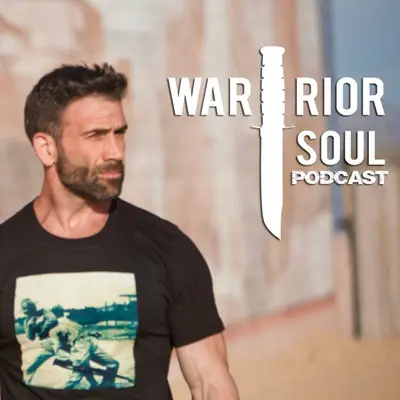
Host of the Warrior Soul Podcast and founder of Warrior Soul. Worldwide trainer and nutrition coach, contributing author at Testosterone Nation and Muscle and Strength.