Podcast episode
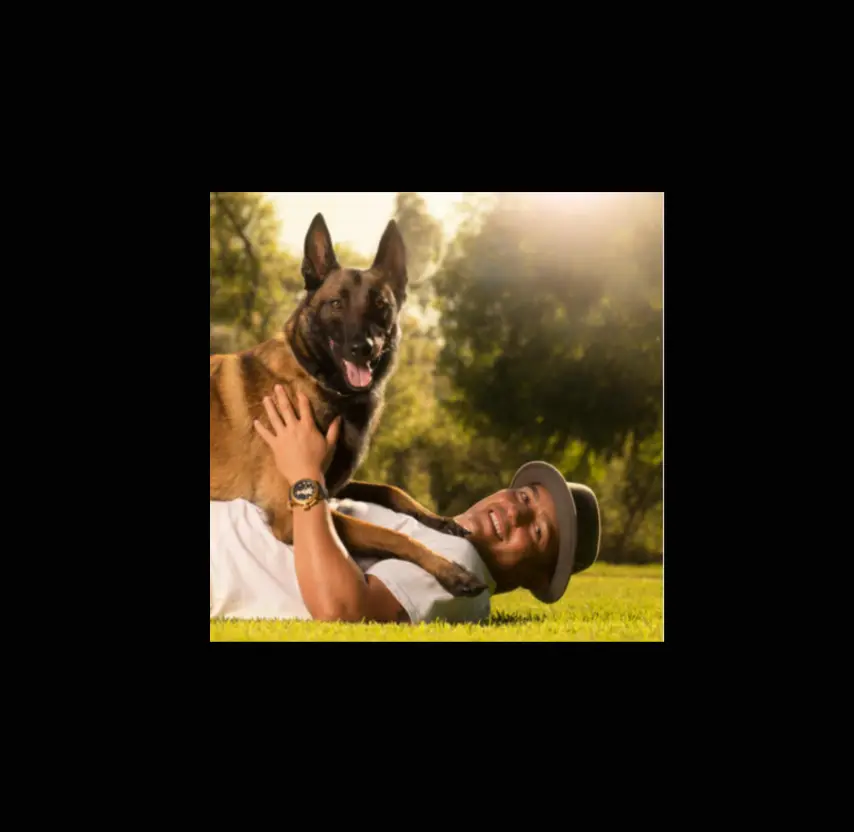
Ryan Matthews – US Army Veteran and Dog Trainer
Hosted by Chris Albert
The Warrior Soul Podcast
Ryan Matthews is a veteran, dog trainer, and cancer survivor. He got his start as a dog trainer in the US Army where he served as a dog handler during deployments to Iraq.
As a person, Ryan is a master of the come back. He’s been through very high highs and very low lows. As a kid, he was a drug dealer. He decided to join the US Army after a friend tried to kill him.
Once in the Army, Ryan decided that he wanted to work with K9s. He perfected his skills as a dog handler during his military service, and when he got out, he decided to become a full time professional dog trainer.
At the height of his career, Ryan was stricken with Cancer. Though treatment helped him to overcome his disease, his mental anguish was still there. After losing his temper, Ryan lost his dogs and his business.
Now Ryan is on the path to redemption and he’s making his dog training available world wide with World of Dog Training. Ryan came onto the Warrior Soul Podcast to talk about his life, his battles, and how he’s come back against the odds.
Ryan’s Bio:
Ryan Matthews, a decorated veteran took his experience training elite Army K-9’s to
the civilian pet dog training market and built a dog training empire making close to
a million dollars in 2.5 years. He successfully trained over 3,000 pet dogs using his
proven formula that works for any dog of any age. Despite Ryan’s success, his
childhood trauma, along with combat PTSD (deployment to Iraq with Army K-9
Zito,) caused him to become a workaholic.
The result was a devastating stage 3 colon cancer diagnosis at the age of 30. Two
months later Ryan had a heart attack, followed by a PTSD fit of rage resulting in him
losing everything. Ryan’s crucible moment was during his second near-death heart
attack, at which moment he realized he wasn’t doing anything with his life and
decided to transform himself and then make it his life’s mission to share his story
and his gifts to rid others of pain and help people thrive.
Currently, Ryan is a published author of “The Canine Connection” and “The Art of
Dog Training”, as well as an inspirational speaker giving talks on PTSD and
transformation, to include a TEDx talk “Overcoming PTSD With Dog Training
Techniques.” Ryan has created an eLearning platform with over 100 eCourse videos
to help dog owners train their dog themselves that is fast, effective and affordable.
To keep up with Ryan:
Website: www.worldofdogtraining.comFB Messenger FREE training Tips and Tricks: m.me/worldofdogtrainingInstagram/Twitter: @IamRyanMatthewsTEDx Talk: https://www.tedxalmansorpark.com/about/ryan–matthews/
Transcript
Machine-generated from the episode audio and lightly edited — may contain errors.
Chris Albert (link to this point)
This is Chris Albert, and I'm here to remind you of one thing. Someday, you're going to die. Now that's not some morbid statement or scary idea. It's solid fact. Your time here on this earth is limited.
And we need to be reminded of this as much as possible for one simple reason, to live your best life while you can. This is the Warrior Soul Podcast.
What's going on, everybody? Welcome to Warrior Soul Podcast. And, as we get into this episode, you know, what comes to mind for me is redemption. A lot of people walk a lot of different paths in their lives. Some of them lead to success.
Some of them lead to failure, and some of them lead to heartbreak. And our guest today is is full of all that. He he's reached lots and lots of success. He's also had lots and lots of failure, and he's also found himself in situations where he caused his own heartbreak. Our guest today is Ryan Matthews.
He's known as one of the best dog trainers in the world, And over his life, he's gone through a whole heck of a lot. He got his start as a canine handler in the US army with the military police. And then on deployments to Iraq, he then worked with dogs, and he left the army to go into becoming a professional dog trainer. And over his career, he found lots and lots of success, made a lot of money, and then made mistakes that tore it all down. So I'm gonna let him tell you more about this story as we get into the interview.
For right now, I just want to thank you for listening to this podcast. It was, you know, about three years ago when we started this podcast out, and we've been going strong. Every week I see those downloads going up, and if you haven't been here before, this podcast is about helping The US military veteran community to live its best life, or their best lives. And, you know, we do this not by, you know, raising awareness about veterans issues like suicide or PTSD or anything like that, but by trying to deliver solutions. So when you listen to this episode, you should come away with something that you could apply immediately to your life that will put you on the path toward living your best life.
The only thing we ask in return for this isn't, you know, money or anything like that. We just ask that you tell other people about the show, and that you rate us a review up on iTunes. Really helps spread the word about what we do. I also want to quickly mention that this podcast is brought to you by F Bomb Nutrition. They are our amazing sponsors.
They've been absolutely awesome in helping us out, and they make delicious packets of macadamia nut butters. Mix them up with chocolate, sea salt, with pecan butter, and you can get 20% off of your first order of f bombs by heading over to www.dropanfbomb.com and using the code Warrior Soul at checkout. Now, let's get into this awesome episode with mister Ryan Matthews, dog trainer extraordinaire, and somebody who has lived a whole lot of life. And I hope that his insights help you to live yours. What's going on, Ryan?
How are doing today, man?
Ryan Matthews (link to this point)
Hey. I'm doing great. How about yourself?
Chris Albert (link to this point)
Doing awesome. I'm doing awesome. It's been a little bit chilly here in Southern California, and I'm well, I can't complain too much. It was only 45 degrees last night, but a lot of people around the country are dealing with a lot lower temperatures.
Ryan Matthews (link to this point)
So I know. You know what? I had that same realization yesterday. I live a few blocks from the beach in Huntington, a friend from up north came to visit me. And we went to this really cool outdoor restaurant, and the sun is baking on us, and I'm just like, you know what, man?
We are so fortunate to have this awesome weather. People it's snowing in other parts of the country and in the world. I'm like, I just feel so fortunate to be in this this great weather out here in SoCal.
Chris Albert (link to this point)
Yeah. I grew up in Connecticut, and, I just remember stepping outside and having the wind blow, like, right through you when I was when I was living out there, and and your face becoming numb and all kinds of crazy things. And my girlfriend's from out here, she was raised in Twenty Nine Palms, just a marine based territory, and she just doesn't understand. She just doesn't understand what cold is. But but thanks for coming on today, man.
Ryan Matthews (link to this point)
Oh, I really appreciate you having me, man. I'm, like, looking forward to what whatever we discover and dive into, and I hope it's valuable to your audience.
Chris Albert (link to this point)
Absolutely. And and you've got a really interesting story. We were talking a little bit about a week ago over the phone, and I first got introduced to you through Paul who is a guest on the on on the show. Tell us a little bit about your background. And I know saying a little bit is a little crazy because you got a crazy background, but but tell us a little bit about your story.
Ryan Matthews (link to this point)
Absolutely. So I joined the military because I was a drug dealer and it was kind of odd how it happened. One day I was walking to high school and I found a really weird object in the middle of the road and it was like a trash bag. And I was a teenager and I was like, well, what's this? It just seemed odd. Well, it was a brick of marijuana.
And if people don't know what a brick of marijuana means, it's just like a massive amount of marijuana. And I found it in the middle of the street and that prompted my drug dealing career. My friend was with me and he's like, Oh man, let's sell this, sorry, let's smoke this stuff. And I was like, No man, we're gonna sell this. And next thing you know, I'm this drug dealer.
But you know what I was doing is I was just living the way I thought I needed to be based upon my bigger brother who was into all kinds of criminal stuff. And I was just wanted to be like him.
Chris Albert (link to this point)
So so you literally were walking down the street, and there was just a giant brick of marijuana there. A giant brick of weed, you know, just just just sitting there in the middle of the street. Someone had to be looking for that. Did did did did you wonder anything about that? Was anybody you know, were you worried about anything?
Ryan Matthews (link to this point)
I was I really enjoyed being risky. So I liked, like, that my heart started beating and racing, and it was a rush. And I'm not glorifying this kind of stuff because what happens later is really bad. And but it was weird, man. It was something that thing was staged exactly on the center divider, like the stripe that divides the oncoming and the other way of traffic.
It was right there in the exactly in the middle.
Chris Albert (link to this point)
What city was this in?
Ryan Matthews (link to this point)
This was actually in Huntington Beach.
Chris Albert (link to this point)
Wow. Wow.
Ryan Matthews (link to this point)
Yeah. Yeah. And, you know, it was pathetic, but I enjoyed peep the back then when we had I'm gonna date myself. Back then we had pagers and people would page me the same person sometimes numerous times a day asking for more. And it actually became my drug, feeling that I was needed and wanted and desired, but it wasn't me, it was the thing I was offering people.
And then one day it all took a drastic turn when my friend invited me to a concert and I was like, Oh yeah, that sounds great. And I was like, Hey, I have some new stuff I want to weigh, but I don't have a scale right now, it's broken. He's like, You can weigh it at my house. Well, he was gonna set me up. And my brother taught me in the drug game, you never trust anybody, not one person.
And I never forgot that. And he also taught me, you never do your own drugs. And I also remembered that and lived that way as well. So I never really did form a drug habit. But anyways, I had a knife on the side of my shoe, just in case you never know what would happen.
Well, my friend ended up taking my stash, robbing me, putting it under his shirt. And I was in the car, he was standing up and he reached inside the car and took it from the passenger seat, which was stupid. I shouldn't have done that. But anyways, when I go to grab the stash, I try to stab him, but I wasn't cut out, literally, that's a good point of words. I wasn't cut out to be a hardened criminal because I cut myself and I nearly cut my finger off.
I don't know if we're going to do visuals for the top, but you can see my finger, it won't bend. Like, my finger is stuck halfway bent.
Chris Albert (link to this point)
It won't fade. Tendon on it?
Ryan Matthews (link to this point)
Exactly right.
Chris Albert (link to this point)
Yeah.
Ryan Matthews (link to this point)
Yeah. So so physical therapy works, but I didn't go.
Chris Albert (link to this point)
So so pull pull back just a second because you found this brick, then then and you cut it up, you you start to sell it. Right? And then did you did you find ways of getting more? Did you did you so you had connections to get more and then and then you just kept the trade going. Right?
Ryan Matthews (link to this point)
It's interesting. It's like kind of whatever we decided we wanna put our energy and momentum towards, whatever that looks like, we started attracting more of it. So once I started meeting different people in that world, and then I've just continued to learn more because I didn't really know what I was doing. And I found creative ways to hide stashes when the principal calls you in the office to search you. And I ended up knowing the who's who and the what's what, so that I could get larger quantities and sell it.
And it wasn't really about the money, it was more about the rush for me. So this friend robs me, I tried to stab him, I stab myself. And the next day or two, he called me at my work and he said, Hey man, we're going to blow your fucking head off. We got a shotgun with your name on it. And like my heart dropped, like my life just became still in that moment.
And I knew I was in way over my head. And I decided that I was gonna run like a coward. And that's what I did. So I went to the army recruiter and I said, Hey, I only want two things. I wanna be stationed overseas, really far away from here, and I wanna be military police. And that logic was that it would force me to clean my act up. So that's how I joined the army.
Chris Albert (link to this point)
So so you went from being a drug dealer to to joining the army. When you joined the army, two questions, because I know you got the the the hurt finger with the the bent tendon. Did you have to get a waiver for that?
Ryan Matthews (link to this point)
I didn't, but when it was so embarrassing doing, like, promotion board when they're like, What the fuck is wrong with your salute soldier? Because it's on my right hand. And so I was always shocked. This is interesting you mentioned it. I was kind of shy and try to avoid officers.
So I didn't have to salute them because I didn't want to be called out on my bent finger. I'm screwed up salute.
Chris Albert (link to this point)
Wow. Wow. And then so you went into you you you did did they have that moment of truth there where they ask if you've ever done drug? Because I know when I went to went to Parris Island, you know, you're sitting there, and they have the moment of truth. Anybody who's done weed, anybody who's who's who's, you know, lied to us, come up here, and then you see all these people, they're having their their their last moment of truth, they're like, maybe I'm out of this. And they go up and they talk, and then and then the drill instructor just pulls out a waiver and has them sign a waiver, and they gotta stay anyways.
Ryan Matthews (link to this point)
Exactly. Yeah. I told him I did it three times, but back then I was smoking weed like three, four times a day.
Chris Albert (link to this point)
Yeah.
Ryan Matthews (link to this point)
So, but the weird part was I wasn't doing my own. It was always at parties or hanging out with friends, and it was kind of weird that way. Yeah.
Chris Albert (link to this point)
Yeah. And that's, I think everybody's story. I I don't if they, if they completely went into the past and there was, like, a a way of seeing if anybody could lie on that, don't think anybody would be in the military right now or would be a lot smaller. But but yeah. So so you go through that, you go through boot camp.
What what was that like for you going from, you know, being on the streets, making money, to being in basic training and dealing with your drill sergeants and everything like that?
Ryan Matthews (link to this point)
Right. Well, Chris, it was interesting because I was kicked out of the house at the age of 17. And because of that, I think is the reason why as a senior in high school, I ended up working three jobs. I woke up before school and I did a paper route. I went to school, I was dealing drugs, and then I went to another business from, it was like three to five or three to six, and then I would work at a fast food place after that to like ten or so, and then do it all over again, wake up at three or 2AM.
And I think that that was me kind of suppressing the emotions of being kicked out of the house and kind of losing my family. But the answer to your question is that work ethic served me really well while I was in boot camp and I never lost that. So I loved it, man. I absolutely loved, you call it bootcamp, we call it basic training. So I love bootcamp because it was fun, man.
I've always liked sports growing up and I just viewed it as competitive and stuff. And I got to tell you, man, one thing that I really miss is I so miss the cadence. I love singing in cadence and marching in cadence in a massive unit, for me, man, my soul comes alive when we did that. And I so miss that from the military. I really do.
Chris Albert (link to this point)
Wow. Wow. Yeah, I have a lot of memories of that as well. So, you know, you you go through that, and then you get out into the army. Right?
And and in your military police work, were you working on, like, the base side as an actual military police officer, or were you working with more on deployments, like working with POWs or working with with detainees and things like that?
Ryan Matthews (link to this point)
Right. So again, I joined because I'm like, okay, I'm gonna be military police. This is gonna force me to clean my act up. I go through the advanced individual training for military police. I go to I go to Mannheim, Germany, my first duty station, and then I'm under investigation within the first six months of being in the military.
Chris Albert (link to this point)
Wow.
Ryan Matthews (link to this point)
And what happens then is they pull you from military police duties. They're like, you're not fit for duty. I'm then the driver of the USAREUR provost marshal.
Chris Albert (link to this point)
Why were you under investigation?
Ryan Matthews (link to this point)
They said that I was an accomplice to something, and this investigation was it took over a year for that thing to get resolved.
Chris Albert (link to this point)
Mhmm.
Ryan Matthews (link to this point)
Yeah. But they essentially said, okay. The main suspect isn't guilty. Ryan, you're obviously not an accomplice because this thing didn't really happen. Someone made something up.
Chris Albert (link to this point)
Gotcha.
Ryan Matthews (link to this point)
But it was stressful, man. And I was like, what the heck I'm really trying to do right? I was sloppy, I partied a lot and this kind of stuff. And I was a bit wild, but I wasn't like crazy wild like as a teenager. So anyways, this colonel, he's in charge of all military police in Europe and I'm taking this guy to go and see generals and all kinds of fun stuff.
And he actually ends up becoming like a father figure to me. And it was really largely imprinted my life about what it is to be a man. What does it look like to be a good soldier and a decent human being? I'll never forget those lessons that I took away from these guys. Then my battalion commander ended up stealing me from the full bird colonel and that colonel was really even more so like a father. We went shopping together for his wife and my girlfriend.
And it was just so cool the bonding that we had. And eventually he was like, Hey, Matthews, your time is done. You can do anything you want. What is it that you wanna do? And I told him I wanted to be a canine handler.
He didn't like that. He didn't like dog handlers for some reason, but he respected my decision and we made it happen. So then I became this canine handler and I loved it. I never had a dog growing up. So my first dog was a military working dog trained to attack, which is kind of crazy.
Chris Albert (link to this point)
That's crazy. That's crazy.
Ryan Matthews (link to this point)
Yeah.
Chris Albert (link to this point)
That is nuts. So so you go through the training to become a canine handler and you you're working with that. Now what was your career like after that?
Ryan Matthews (link to this point)
Right. It was it was great. You know, it was different because I didn't always do what the regular army did, where you wake up at six, you do PT at 06:30, and this and that. Like, We're going on secret service missions. And so you're out of state or you're on TDY and you're doing random different things.
And I really enjoyed how we were going different places and it was almost always something new. But our main function as a military working dog handler in the military is explosive detection. Now a working dog in the civilian, like for police, their main function is more bite work and apprehension where we didn't do that stuff. Now our dogs are dual trained, so our dogs are trained to attack. So every week we're doing the bite training and wearing the big suit and hiding in buildings and having the dog find us. And that was really cool. But the main function was clearing the way for generals and VIPs and that kind of stuff. And then we had a tasking at our canine section for two spots for deployment to Iraq And everybody had deployed, but myself and one other guy. So myself and the other guy, his name was Joe, we volunteered and we went to Iraq. And Joe went to Baghdad and I went to Mosul. And there's something that is different than us when others deploy is that Joe and I just deployed with our dogs, no unit, nothing. And this is gonna blow your fucking mind most likely, or definitely your listeners, in that I didn't receive one day of training before combat.
Chris Albert (link to this point)
You didn't do any workup whatsoever?
Ryan Matthews (link to this point)
No.
Chris Albert (link to this point)
Really? So you just were in Germany, just chilling, doing the doing the dog stuff, and then they said, okay. You're going to Iraq, and they didn't talk to you about any of the stuff you might face there, the IEDs, the the the the dangers, the types of things that you might come across?
Ryan Matthews (link to this point)
Right. I deployed out of Fort Carson. So I was stationed in Germany, then went to Korea, and then I went to Fort Carson, Colorado. And out of Fort Carson, Colorado, I deployed. I don't want to throw the head shed under the bus. That's just kind of how we do things as canine. And I don't, that's how they did things as canine should I say. Not that I agree with it or like it. And I didn't know any better. And I was always the person that's like, Hey man, send me, like I'm game to do everything and anything, sometimes without sense.
But anyways, yeah, I didn't go to any kind of training. I think I had gone through army SWAT training, we call it SRT, Special Reaction Team.
So I knew a little bit more about tactics and that kind of stuff. But, man, like, I remember we did a combat combat landing into country, and I thought we were being shot down. Like, that's how fucking clueless I was.
Chris Albert (link to this point)
Really? Wow.
Ryan Matthews (link to this point)
Yeah, because, you know, they turned the engine off, and then they send out the heat flares in the fucking nosedive. And I'm like, what the fuck? We just got shut down. We're going down. Because remember, I'm by myself.
Joe's in Baghdad. I'm a Mosul, and I don't know what to expect because I didn't talk to anyone like, what is it like when you get to country? And I remember the first night hearing mortars and shit go off and gunfire, I'm like, what the fuck? I'm going to die the first day. And I laid in bed back to basic training days or boot camp days at the position of attention laying in bed.
It was weird how I resorted back to that, and I was I was just waiting to get blown up, man. That's That happened for the first two weeks, you know, and then you're like, yeah. Okay. Whatever. I was just so clueless, man. I was so clueless.
Chris Albert (link to this point)
Yeah. It's just insane to me that they would have sent you over there without doing any workup, without doing any any kind of thing at all. That's that's nuts. But but I guess, you know, different units do different things, ways, and and, you know, kind of being detached. Now when you were over there, did did you were were you just kinda like a a free agent floating from unit to unit as as as people needed you, or or were you attached to to just detached to headquarters and then they they put you out there where wherever you you you needed to go?
Ryan Matthews (link to this point)
Right. The first one is accurate. I was technically attached to twenty fifth ID. At the same time, we were exactly what you said, Chris, is that free agent. And this is something that it really hurts me that I worked with random units day in and day out, and that meant that I didn't get to know these guys.
And I know what infantry goes through. I get it. Like, every unit will lose its guys overseas, unfortunately, And that fucking breaks my heart. But I know that I serve with guys that are dead now. And I wish that I knew who they were so that I could honor them and this and that, but I don't because we did our business one day and then that's it.
And then I meet someone else and I work with someone else. So generally I was with infantry infantry Stryker brigade and special forces. And I would be briefed literally in the Stryker on where we were going or what we were going to do. And it was all just very, not as thorough as what you had hoped for, for what you were about to do. Yeah.
And that was part of just being a dog handler. Again, you're off by on your own and therefore you don't really have the support and these kinds of things. And the same holds true when you come home, man. Like you come home and there's no one there. There's no welcome sign.
There's no nothing. You just, you went by yourself, you come back by yourself and it's different.
Chris Albert (link to this point)
Now when you you headed out with these guys, what types of things would you encounter while you're out in the field?
Ryan Matthews (link to this point)
Yeah. So our main function was doing raids, like busting down doors, searching for caches, then I would clear mine areas. Then I was there during the elections. So they would call in a lot of bomb threats out on the local economy. We would have to go and search the places where they were going to do the voting. Because I think they were trying to sabotage it, okay, you're not going to vote because there's a bomb there, then try to get people not to vote. So that was quite the function for a while there as well. Yeah, I was mostly just searching for caches in people's houses or out in open fields. And then we would do like TCPs, traffic control points, and search vehicles and stuff like that. We would just stop cars at random on a route and search them.
Chris Albert (link to this point)
And, you know, in that time, did you take a dog over there that you had been working with for a while or did they give you a dog when you get over there? How does that work?
Ryan Matthews (link to this point)
Right, that's a really great question. Now being a dog handler, there's a certain level of rapport and there's a certain level of us as handlers being able to read the dog, knowing when the dog is on odor, knowing when the dog is bullshitting us. So we would definitely need to all be trained prior to deploying, or you would essentially get a dog. I'm not saying this how to do it, but technically it could work this way. You would get a dog in Kuwait, but you would bond and train together for a while, then you could deploy.
But what we did was I deployed with my canine Zito out of Fort Carson, Colorado. So my assigned canine is who I deployed with. That's how it works. Like when we ETS, meaning change, do you guys call ETS as well? Do you guys use that verbiage?
Chris Albert (link to this point)
Yep.
Ryan Matthews (link to this point)
Yep. Cool. So when we change duty stations, you don't bring your dog, which is a very flawed system, but it's because the dog is a line item and a SKU, right? And so when you go to a different duty station, you get a different dog. So my dog that was assigned to me at Fort Carson, Colorado was Zito. And since Zito and I deployed together as a team, which we had been working together for many months. So that I knew him, he knew me, we knew how to work together. And the other part is to be certified.
So you have to have, for an explosive detection dog, you have to have a 95% proficiency. And if you don't maintain that, you can't deploy and you can't do missions. And drug dogs are 90%. A little more
Chris Albert (link to this point)
forgiving with the drugs.
Ryan Matthews (link to this point)
Yeah.
Chris Albert (link to this point)
Yeah. Yeah. That's interesting. So with Zito, through the deployment, when got back, what happened to Zito after the deployment?
Ryan Matthews (link to this point)
Yeah. So Zito actually was injured and so we came back nine months early and Zito just couldn't work anymore. I love that dog, but he wasn't made for deployment and that kind of work. See in the working dog world, we have different levels of drive in dogs just as humans. And Zito was a medium drive dog and we can't have that.
We need a very high drive dog. We need a dog that's nearly ballistic, but can still focus so that they have the desire and the work ethic to keep working. Zito would get tired too quickly, and he didn't get shot or blown up or anything, but he he ended up developing this really weird thing where his limbs would become lame, specifically on his rear right leg. Mhmm. He And would almost shut down, meaning not want to work.
So it's really weird. But yeah, man, I think he just didn't really have it in him. And flew to Baghdad, had the veterinarian check him out multiple times. We're like, Yeah, not really fit for duty. He's not really doing what we need him to do.
And it's kind of we need this doctor to be in optimal state because he needs to be saving lives.
Chris Albert (link to this point)
Yeah.
Ryan Matthews (link to this point)
And if he can't do what he needs to do, now he's putting us at risk. So it kind of sounds cold and all that, but it is what it is, a business. We came back after seven months, were supposed to deploy for a year. And then Zito stayed at Fort Carson, Colorado, and a few months later I was due to ETS. I extended my time in the army so that I could deploy. Then, yeah, so months after I got back, I got out and then Zito stayed at Fort Carson, Colorado, which I would imagine they probably adopted him out. But I know for sure he was no longer deployable. He had to do mission stateside thereafter.
Chris Albert (link to this point)
Oh, wow. So you come back and then and then you decide to get out. What what was that transition like for you?
Ryan Matthews (link to this point)
It was again different. As a dog handler, I didn't go through the typical what most people do. And so my my ETS is different. And, you know, it's kind of cool because a lot of it is up to you to make things happen as a canine handler. But essentially I ended up trying to go back overseas with Blackwater.
And I had a contract, 125,000 a year as an explosive dog handler. And we had everything finalized. I was about to ship out to training in two weeks in North Carolina and they changed the contract and they said, Hey, everything looks good to go. We're looking forward to having you. However, they're so smart.
They're like, when your dog gets tired, you're going to be an operator, a grunt. I was like, okay, no problem. What are you paying the extra? They're like, nothing. I was like, no way, man, you need to pay me extra for that extra work.
And they wouldn't. So I didn't take that contract. Instead, I took a contract as a civilian contractor for the army in the Marshall Islands. Have you heard of Kwajalein Atoll?
Chris Albert (link to this point)
Yeah, I have. Yeah, I have. That's pretty cool.
Ryan Matthews (link to this point)
Yeah. So this was this island was three miles long by half a mile wide.
Chris Albert (link to this point)
Mhmm.
Ryan Matthews (link to this point)
So I went from combat zone to this chill island, and it was way it was it was a really great experience.
Chris Albert (link to this point)
Wow. And I What were you doing out there?
Ryan Matthews (link to this point)
So I was a drug dog handler, and I would just search people coming up and playing search luggage. Like, it was such cake. My uniform was shorts, a T shirt, and a gun on my hip. It was such a joke, man.
Chris Albert (link to this point)
Beach cop.
Ryan Matthews (link to this point)
Yeah. Yeah. Exactly. And And I did meet a really special woman there and we ended up doing a long distance relationship. And this was another traumatic event.
I was now after that contract, I moved back to California and she was in Colorado and we met in Utah, which was halfway between the two of us. And we rented an ATV because there's not a lot to do in Utah, ATV and mountain biking, if you're outdoorsy. Well, again, remember from drug dealing, I like excitement. So what I do is I get this ATV going and we're going really fast. But I remember seeing five'two, 52 miles per hour while we were going around a loose gravel curve.
Now I could feel myself about to slip and lose control. And I was like jump to land onto the trail because I knew the ATV was going over this mountain cliff, but it was too late. And I tried to jump onto the trail, but the ATV pushed me over the handlebars. Lindsay stayed on the ATV holding onto the back rack. And so she was riding on the back the whole time while the ATV crushed her.
And I rolled down the mountain and I remember making a huge wince like, and that was my helmet busting open from my head hitting a boulder. And I wake up and I'm choking up water and I'm in a creek and I'm like kind of trying to come to, to figure out what's just happened. I can't find Lindsay and eventually I see her and I wasn't able to walk initially in shock probably. Eventually, so I crawled to her, eventually I can walk, and then she's pinned under this ATV, which is pinned against the tree, which again is on this cliff in this mountain. So I can't lift it up off of her.
So I had to look in her eyes and tell her I would go and get help. Because again, we're on a cliff, so you can't see us from the main trail. And this was kind of in the middle of nowhere. So I crawled up the mountain and eventually adrenaline kicked in and I just started running. And I remember it was the most desperate, pathetic cry for help you could ever hear a voice ever make.
I remember just screaming for help and it was like death was in my voice. And I tried to call 911, but of course we're in the middle of nowhere, so there's no service. And I tracked the time, forty five minutes. It took forty five minutes to go and get help. And I found other ATVers.
We were able to find her because I marked the trail where it was, left something onto the trail. Again, because you couldn't see her over the cliff. And she did survive, but she was thirty minutes from not making it and ended up getting flight for life. And that was crazy traumatic, I really blame myself for so long, and I still do, for being reckless with the ATV and causing her to go through all that. So she did survive, I obviously survived.
This was back in, I believe it was 2009, but sadly three years ago, got on an ATV for the second time and it was in the middle of the night. They were partying and having fun. I wasn't around. We had broken up by then. And, the cops came because it was in the middle of the night.
They were running ATV. Again, she's on the back. Someone is driving it. And when the cops came, the guy took off and lost control, she died immediately because of no helmet.
Chris Albert (link to this point)
Oh my god.
Ryan Matthews (link to this point)
Yeah. Wow. So, know, man, PTSD shows up in many forms, in my life at least. So it was that traumatic accident and then losing Lindsay because we had always remained friends, she's a beautiful soul. And so, yeah, that was unfortunate for sure.
But she's the reason I moved to Colorado to take care of her And she was the reason that I opened up a dog training business because I moved there to take care of her and that business was very successful. I ended up making close to $1,000,000 in a little over two years.
Chris Albert (link to this point)
Yeah. So so tell us about how you you went about creating that business and and what what what initial problem were you solving for people there?
Ryan Matthews (link to this point)
Right. So the initial problem I was solving is people's headaches from their dogs. It's people's frustration. And I want my dog to do this. I don't know how to get the dog to do it.
I don't know how to communicate with my dog. And again, the dog is frustrating me and I don't know how to get the answers. Now, sometimes it's extreme where the dog is biting their kid or it's biting a neighbor or the dog is jumping on people scratching them when they come in the house, or maybe the dog thinks it owns the woman and the dog wants to bite the other spouse. So it varies. Sometimes it's like, oh, my dog pulled me down on the block because the leash one is so crazy.
But what I find is that people seek out dog training once the pain point is strong enough. Yeah, so I bought into a dog training franchise called Sit Means Sit and we were obviously very successful like I had shared. And my approach to business was using that work ethic from before. And I was willing to think outside the box. And so we would wrap our vehicles.
And I asked 25 clients to put my graphics on the full back of their rear window on their cars, and they did. And that's unheard of. So I would constantly do these kind of unique things to bring in more business. And I didn't know it at the time, but I was working so hard, Chris, to silence the negative voice of PTSD. Those intrusive thoughts of that manhole cover is gonna blow up.
Look out for that thing. What is that? That suspect. So I just kind of trapped myself in my facility, dog training facility, and just kept working, working, working.
Chris Albert (link to this point)
Well, I think that's one of the problems that happens is people try to push it down, they push it down, they push it down, and eventually it's gonna come out, right? And as as we know, it came out for you in in in a really bad form. And and you were telling me a little bit about that. Do you want to tell tell the audience about that?
Ryan Matthews (link to this point)
Yeah, I would love to. This is gonna be deep guys, so let's put on our big boys and girls panties. I was again, at this point, had commercials on TV for the business. And like we had mentioned, really successful. And I felt like I was really on top of the world. And again, it was kind of like the drug dealing thing where I don't know that people who were valuing me, but they were valuing that I was solving their problems. And as part of it's my fault because I sold to anyone and I didn't really care if I had a connection with my customer. And that's kind of sad to come to think of it.
But again, I was working with like 10 to 12 different clients per day at an hour per person. And at the age of 30, this is in 2011, I had stomach pain for five months. And I finally go to the ER and the doctor's talking medical jargon. I don't know what the hell he's talking about, but in short, it ends up being stage three colon cancer. And within twenty four hours I was under emergency surgery to remove the mass.
And my first thing is like, how do I get back to work? I got money to make and this and that. And I was stubborn and God of the universe, whatever you want to call it, the higher power had other plans for me. So as much as I pushed and pushed and insisted, I didn't have a choice. So I go back to work, I have chemotherapy running through my veins and four days, should I say, after my first round of chemotherapy in the middle of the night on the July 4, a night that I normally go to the mountains in Colorado to hide from the fireworks, We stayed home, my ex wife and I.
We stayed home to take care of a client's dog, a board and train. Now that dog saved my life because in the middle of that night, I began to feel really weird. I thought it was from the chemotherapy running through my body, but it wasn't. It was much worse. It was a heart attack, a widowmaker, which you aren't supposed to survive.
And I ended up going back to work a month after the heart attack. I did cardiac rehab, but I was foolish to go back to work so soon because I didn't allow myself to heal emotionally, mentally, especially physically. But when I went back to work, Chris, that was the worst mistake of my life.
Chris Albert (link to this point)
Yeah, so before we get into that, because you had colon cancer, did they take everything out and did you get put into remission eventually or?
Ryan Matthews (link to this point)
Right. I believe it's like six or seven years cancer free, then they consider remission, which I am now. Thank you I for had cancer that one time and I'll never forget, one of my dog training clients asked me to do some work on me. She's a healer. She does this thing called cranial sacral work.
And I didn't know what the hell that was the time. So she was working on me, I'm on a massage table and she has her hands on my head. And she said, Ryan, what are you going to do to keep cancer away? I was like, Oh I'm dealing with chemotherapy six months, they're hitting me with two different types, it's gonna be good to go. She's like, That's not what I'm talking about. She's like, What do you mean? She's like, You need to develop a game in your head.
I was like, what are you talking about? She's like, if I were you, what I would do is I would have little workers that I visualize in my head and these little workers would scrub away any disease or any cancer in my body. I was like, Oh, that sounds weird. Well, I started really researching this to create a visualization and I ended up developing my own way to rid any negative thought, whether it's a obtrusive PTSD thought, cancer thought, the thought that I'm going to not wake up in my sleep because my heart is damaged by seventy percent. And you know what? It works. I used to have obtrusive thoughts probably a couple to few 100 times today about my cancer heart attack happening again and resurfacing.
It's quite a while, but those thoughts no longer answer my mind. But if they do, I've developed that creative visualizations technique and tool that they they don't face me at all. There's no impact anymore.
Chris Albert (link to this point)
Wow. And yeah. When you say that because I've had a few different types of, I guess, could say, psychedelic experiences. And when you say Right. Talk about, like, little beings that come out and clean your body, like, I've seen some of some it reminded me of something similar I'd seen during one of my experiences.
Wanted to ask you, you know, and just before we move on to the next thing, you know, when when you were when you were before understanding that you had colon cancer, were you expressing a lot of symptoms prior to that? Were you were you dealing with a lot of pain? Were you dealing with nausea or or diarrhea or something like that? Or or, you know, how did how did that come about? How did you decide to go get
Ryan Matthews (link to this point)
I had stomach pain for five months, and my stomach pain was so bad that I began to sleep in a different bed than my girlfriend who became my wife eventually at the time. So I was like, I just don't want to be touched. I just wanted to be left alone. I ended up sleeping in a different bed. The stomach pain was so bad.
One morning I woke up and I was throwing up something clear and my intuition kicked in. It was like quit playing games and go in. And that's what I did. I called my office manager and I was like, cancel all my appointments, I'm going to the ER. And that's when that doctor was talking medical jargon and filling around.
And I'm just like, doc, just give me pain meds, man, I got to go. And he's like, No, stay here, stay here. You don't know what's going on. And he was very gentle, what the heck, he knew what was going on. He was very gentle with his words.
He didn't scare me because what is that like that first time you're told you have cancer? You've never been told that before, but that first time, I'll tell you what happens, life stops, your heart drops, and the sense of rush of panic almost sets in and it's weird.
Chris Albert (link to this point)
Right. Yeah. That's crazy. That's crazy. So you you're very lucky in that sense.
Now you go through that, you have the widowmaker heart attack, you survive that, and then you decide to go back to work.
Ryan Matthews (link to this point)
That's right.
Chris Albert (link to this point)
And so tell us about that.
Ryan Matthews (link to this point)
Yeah. So again, I'm not dealing with PTSD. Work is the way I deal with it. I'm not dealing with my physical state really. And I wanna just go back real quickly.
I feel as though I received all this stuff because I was so stubborn and I wouldn't have quit any other way. And I think that I got cancer because I had so much grudge in my life, being kicked out of the house, other things and I didn't resolve those conflicts. So I go back to work and in my facility, it's pretty good size. I have office manager, other trainers and I have security cameras to monitor and this and that. Well, my dog had a small cut on her palm and she kept licking it and licking it and licking it.
And my logic was, well, this wet wound isn't going to heal. Plus it's kind of annoying. I'm just trying to like sell to these people and the dogs like lick, lick, lick. So out of ego and pride and foolishness, I put a muzzle on her, but she charges me. And I put the muzzle on her so that she would quit licking the wound and that it could dry.
My intentions were pure and I had good intentions. Yet when she charged me, my pride got in the way. My, I have to be the alpha got in the way. And so when she came after me, I tried to protect myself. And to be fair, I really did overreact also based on the fact that three days ago, had three days prior, I had a golf ball sized protrusion in my shin and that's where my dog came after was my legs. So that got triggered me even more. And I tossed, I overreacted. I tossed her around numerous times and I struck her even.
And she sustained no injuries, but my office manager saw it all and I didn't care. And I didn't care partly because of PTSD and I didn't care partly because I'm like, I'm the alpha, dog can't do that. And I didn't choose my battles wisely. While the office manager didn't like what she saw and she turned me in for animal cruelty. I then hire an attorney and the attorney watched the video.
She's like, Ryan, don't worry, you'll never go to jail for this. We're gonna do a $25,000 donation to the Humane Society, and you're be fine. But that wasn't the case because the media got ahold of the story. And before you know it, within twenty four hours, I was on the front page of the newspaper. That means, you know, the newspaper on all my neighbors' front steps, and I was on the news nationwide. And I did go to jail. I lost the business. I lost my dogs, and I pretty much lost everything except for Jessica, the woman that stood by my side. And I hid for five years after this, and I didn't do anything with my life. I really didn't.
My day would consist of like getting a euro and that was it. Had no purpose. I didn't work out. I wasn't doing anything. And I wanted to kill myself, and I would have if, you know, I didn't want to put my grandma through that pain, otherwise I would have done it.
And so I hit them, and I still do. It still gets to me today where when I meet someone, I fear they're gonna look me up on Google and it's getting less and less powerful. It doesn't have as much power over me. And I'm learning to try and accept what happened, but know that it doesn't define me. But it's still, I mean, that's why I'm feeling emotional right now.
So it's tough, man. One slip of bad judgment has impacted my my life for many years.
Chris Albert (link to this point)
So, you know, going through that and and, you know, you basically, you know, you you have to push the reset button on everything. Right? Now the I and and the connotation of something like that when when you abuse animals or you get seen as abusing animals, that's that's a crazy, crazy thing, you know, and and, you know, you mentioned the fear of somebody googling you or or or finding out about it. You're now on a path to to kind of recreate everything, and you're you're building everything up. What made you what gave you the courage to try to go after it again?
Ryan Matthews (link to this point)
Well, I didn't want to. But, you know, two and a half years ago, I woke up one morning and I began to feel weak and I started to not feel so well. And I'm like, oh shit, I've been here before, this is a heart attack. So I feel weaker and weaker and my head starts to feel heavy and I know I'm about to pass out, but I don't know, am I passing out just to pass out, which I've done before, or am I passing out to die? Like, is this my last moment on earth?
And I began, as it got more intense, I was like, I'm done. Like, this is my last moment on earth right now. And I was disappointed in myself because I was like, holy shit, man. I didn't do everything. This isn't how I want to go out. So I called 911 and as my head and this darkness is coming over me and I'm like about to want to just lay down on the ground and give up and just go. It's weird, this like sense and this rush of life and this energy comes over my body and like shakes me up. It's almost like it was saying, knock it off. And in that moment I was like, holy shit, I fucked up.
I have more to give. And I reached to my higher power and I was like, please, one more chance. Just allow me one more chance at life and I promise I'll transform myself and I will do the work. When I do it, I'll share with others. I'll let other people know how I did it so that they can live great lives as well.
And they cannot waste their lives. And before you know it, I start to feel better. The ambulance come, they test me out and they're like, we know you've had a heart attack, we can see that. We don't know if you had one now, it doesn't seem like it. Go to the ER.
I did. Everything checked out. Everything was fine. I don't know what the hell that was, but I know that was the defining moment. It wasn't the animal cruelty case. It wasn't the heart attack, the first one. Wasn't the cancer. It wasn't the ATV accident.
It wasn't combat. It was that moment that I committed. And that's what I did. I went on a journey that's kind of journey you're thinking. Although I'm open to that as well, we're talking about plant medicine.
And I reached out to shamans and Reiki and EMDR and talk therapists. And I just went all in to self development and self help. And that was my full time job. That's literally what I did day in and day out. And I began to transform myself.
And that brings us to present day, where I'm continuing to still do the work and I'm continuing to learn more and grow each day. And I've found my purpose now, and I don't wake up thinking I'm just going to grab that Euro. I have a very solid routine in the morning, a routine at night, and a structure and purpose and heartfelt connections during the day in whatever I'm doing.
Chris Albert (link to this point)
So so what are you working on right now? What what what kind of stuff are you are you bringing out right now?
Ryan Matthews (link to this point)
Yeah. Thank you for asking. I, you know, I got tired, man, of working with so many people face to face with dog training because it's exhausting when you put it all out there. And I learned that I was trading my time for money and I was like, this model is flawed. Sure, made some good money, but we couldn't be crazy filthy rich.
So what we've done is we've converted what I know for dog training and we're doing it all online through e learning for videos. So we're doing a subscription model and people can watch over a 100 dog training videos and then we can do webinars to support that. So that's one of the new projects that I'm doing. And the other project is I'm redoing my existing dog training book. The new book will be called The Art of Dog Training.
And so that's another current project. And the other thing we're doing is we're creating a CBD for dog business. And the reason for that is I wanna So some people won't reach out to training because they can't afford it or they don't have the time. So my compromise to serve dogs and to serve their owners and to minimize that frustration and they can all live a richer life together was the CBD product that helps dogs that have health issues and helps dogs that have behavioral issues. So that was kind of my gift, if you will, to help. That's what I'm all about is helping them trying to transform lives and improve lives. And I'm starting public speaking next year. I have a TED Talk, Overcoming PTSD with Dog Training Techniques in LA, March 30.
Chris Albert (link to this point)
Oh, nice. Nice. That's Yeah. Really
Ryan Matthews (link to this point)
I'm really looking forward to it, which is very uncommon. There's only been like two dogs on a TED or TEDx stage, so that's really exciting. And then the other piece is, well, I'm really excited about the public speaking, but I'm also doing some other side projects related to CBD and some other SKUs. And so that's, for the most part, the main things that I'm up to. Now, later next year, I'm going to start getting into more working with humans and helping people transform.
But right now, I'm really focusing on dogs, getting these other businesses dialed in, and that way I can go out of the dog training industry the way that I really want to. Oh, and I should mention, we're starting a TV show next year as well, where I work with my deaf psychologist and together we use the naughty issues with the dog to reveal things about their owner. See, because everything runs down leash. So if the dog is acting up, there's something going on with the person, but we don't want to be like, Hey, you're fucked up person. We're gonna use the dog to start to gently reveal things about the human being.
And together, I'll transform dog, he transforms human. So I'm really looking forward to that doing that TV
Chris Albert (link to this point)
Has that been picked up by a network yet or?
Ryan Matthews (link to this point)
Not yet. Right now, we're working on shooting the first 10 to 13 episodes.
Chris Albert (link to this point)
Cool. Cool. Awesome.
Ryan Matthews (link to this point)
Awesome.
Chris Albert (link to this point)
That's awesome, man. And and where can people find your dog training and and things about you on the Internet?
Ryan Matthews (link to this point)
Sure. Worldofdogtraining.com is where we can offer all kinds of different stuff, however they they wanna interact. And on social media, people can reach out to me at IamRyanMatthews with two t's. IamRyanMatthews.
Chris Albert (link to this point)
Cool. Now we we gotta jump off in a in a second, but I wanted to ask you this because reinventing yourself is is probably one of the most difficult things that a person can do. And Right. You know, we get a lot of guys out there, and and the idea of reinvention, it could be reinvention after after something that happened that, you know, a mistake that you made. It could be reinvention after, you know, something in your life coming to end, coming to an end, like getting out of the military or changing careers.
What is your advice for anybody out there who is looking to reinvent themselves after a mistake or after a transition?
Ryan Matthews (link to this point)
Right. This is a really great question, which it could essentially be a book. It's quite in-depth. I think number one is don't worry about what people think. Because in life, like it doesn't matter what it is, you could take the same product and people will love it and hate it, but it's the same thing. How can it be such opposite likes and dislikes? It's just because it's people. So essentially let's not go after and worry about the tribe that doesn't want to receive us. We go after the tribe that is interested in us.
So essentially not worry so much about what people think, but also, we really got to do the soul work. So for me, that was like making all my wrongs all right. Everything I screwed up, I'm like, try to patch up these different pieces of my life. And that was one of the ways in which I had felt so much freer. The other part is to come into terms with authentically who the fuck you really are.
You see Chris, like I was trying to be this drug dealer and this macho tough guy. That's not me, man. I have that in me. I have that Warrior in me. I hope to never let it out ever again.
I'm actually a very kind and caring and considerate person, but I was like, well, that's soft. Like that's not me. So once we accept who we really are, it's a game changer, And I've felt so much better and so much weight off my shoulders accepting who I really am and not trying to live who I need to be for others. Includes our parents, which a lot of us do, or family or friends. No, be authentically who you are.
And so that stuff has been very helpful. And then I feel as though it is each of our duties to share our gifts with the world. So figure out like, what is one superpower? And it's the thing that excites you. It's the thing that like you can hardly contain and you talk really fast about it.
It's the thing that you think about when you wake up and before you go to bed, that's the thing that I'd love for people to investigate more of and put more energy and effort into that. Then that's the thing, that's the gift we should be sharing, whatever that looks like. But the other part that I was struggling with was I didn't have purpose before. I would just wake up and it was just whatever. So once we addressed who we are, we made our own rights and all that kind of stuff.
Now we also have clarity on where the fuck we're trying to go. And then we come up with a game plan to get there. So I think for a lot of vets, we lose our purpose. We had our mission and now our mission is gone. We need to redefine what our new mission is.
And I feel like if people will do a few of those things, then there's others and people can reach out to me and I'm willing to share whatever that looks like. But if people will do some of that work, then I'm confident that they're going to have an improvement in their life. I don't see how they couldn't.
Chris Albert (link to this point)
Awesome. Awesome. Well, Ryan, I want to thank you so much for coming on today. And, you know, I hope everybody gets a chance to go over there and check out more about your dog training. Because it's like you said, you're not just training dogs, you're training humans, and you're training humans to be a better person.
So I think that's awesome. And for everybody out there, you know, I hope you take these lessons to heart. I mean, Ryan's made a lot of mistakes. He's also redeemed himself in a number of different times. And understand that it's never too late to to do something good in this life.
It isn't. So get out there, make it happen, and live your best lives while you can.
Host of the Warrior Soul Podcast and founder of Warrior Soul. Worldwide trainer and nutrition coach, contributing author at Testosterone Nation and Muscle and Strength.