Podcast episode
Taking Action to Make the World a Better Place: Albert Carrasco
Hosted by Chris Albert
The Warrior Soul Podcast
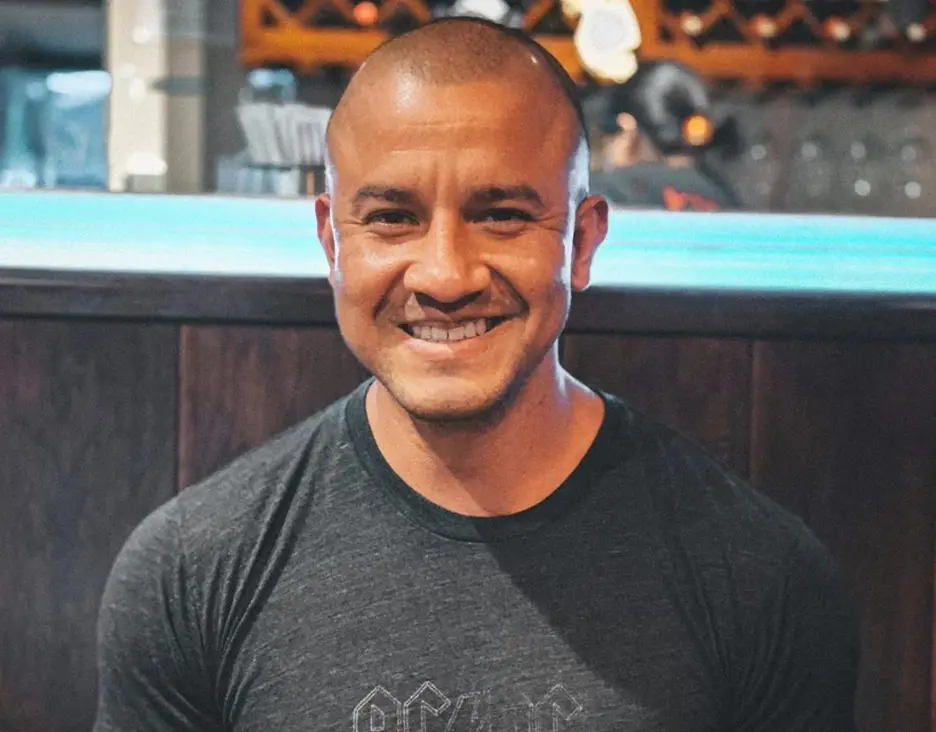
Albert Carrasco is a Marine Veteran, a business man, and the creator of the Warrior Soul Youth Academy.
Albert Carrasco has been a partner in Warrior Soul since the very beginning. His new venture, the Warrior Soul Youth Academy, aims to give kids focus and purpose through academics and physical training.
Transcript
Machine-generated from the episode audio and lightly edited — may contain errors.
Chris Albert (link to this point)
The Warrior Soul Podcast is written, edited, and produced by me, Albert. Our mission is to provide tools, tactics, strategies, and ideas that help The US military veteran community to show up as the wisest, strongest, most capable versions of themselves in the civilian world. If you're not a veteran, stick around because anything we talk about will most certainly apply to you as well. This podcast is made possible with the help of F Bomb Nutrition. They make delicious packets of fats that you can carry around anywhere with you in little portable packets.
They make macadamia nut butters. They mix them up with chocolate. They mix them up with sea salt. They mix them up with coconut butter. They're absolutely delicious, and they're really good for you.
They don't have any sugar. They also make a lot of cheese snacks. They make meat sticks, and it's just a great company. These guys send packages of this stuff to the troops who are on the front lines overseas to supplement their MREs, and we didn't ask them to do that. They just did that on their own initiative.
Really great company. If you wanna get 20% off your first order of f bombs, head over to www.dropanfbomb.com and use the code Warrior Soul at checkout. This podcast is also brought to you with the help of Save the Brave. Savethebrave.org is a five zero one c three charity for veterans. They run camaraderie events that include fishing, golfing.
They also do a lot of work with gold star families. And unlike a lot of other organizations, their board doesn't take a salary. Really great organization that is doing amazing work. So go and check them out at savethebrave.org. With that, thank you guys so much.
Let's get into today's programming. This is Chris Albert, and I'm here to remind you of one thing. Someday, you're going to die. Now that's not some morbid statement or scary idea. It's solid fact.
Your time here on this earth is limited. And we need to be reminded of this as much as possible for one simple reason, to live your best life while you can. This is the Warrior Soul Podcast. What is going on, everybody? Welcome to the Warrior Soul Podcast.
This is Chris Albert, and I am on today with a very special individual, my friend, my brother, my business partner for a long time now. I've known this guy for, I think, over twelve years. Fellow marine, fellow body well, I'm a former bodybuilder. He's a current bodybuilder. You know, he's been making Warrior Soul t shirts forever now, and he's doing some awesome things out in the community, and I wanted to to talk about that today.
Albert Carrasco, welcome to the Warrior Soul podcast, man.
Albert Carrasco (link to this point)
Thank you, Chris.
Chris Albert (link to this point)
So what have you been up to, man? How how's life been up there in Santa Barbara?
Albert Carrasco (link to this point)
Oh, man. I've been up to a lot. You know, specifically, the last few months have been interesting because of the current events with surrounding COVID. So, you know, just kind of like this forced quiet that I've had to live through has made me reevaluate some things. You know?
And, actually, hold on. I'm gonna turn off the fan because I I don't want to disturb the audio at all.
Chris Albert (link to this point)
Yeah. Go ahead, man.
Albert Carrasco (link to this point)
Okay. Anyway, so I'm back. Oh, yeah. So much better. I hope that you can tell.
But yeah. So I I just had a lot going on and I started thinking about like what I want to do when society resumes. And I started thinking about my own life and have I been maximizing where I like what I believe in and all that. And obviously you and I have worked together. I have backed this venture.
However, however I know how since you first talked to me. And, you know, I've kind of helped others like get stuff going, but I've never fully created something that was just my own idea. And, you know, I know now I don't wanna be a national screen printer, like, shipping every day or trying to make this big operation. So that's where I found, like, this new venture that we're gonna talk about today.
Chris Albert (link to this point)
Yeah, man. Let's talk a little bit about your background first because I think that plays into a lot here. Right? You you had a real real tough childhood. Right?
Albert Carrasco (link to this point)
Yes. And it's so funny because, you know, you almost feel guilty. Like, you're like, did you complain or or talk about where you come from? Like, you know, you have people who are like, oh, because that's so inspiring. I and I've thought that about others before.
And then you have other people who are like, I don't know, they just have like these weird opinions and and then you feel guilty for saying anything. Uh-huh. But but I, yeah, I grew up pretty shitty and it's taken me a long time to get to this point of comfortability where I feel like I can actually talk about it. I feel like it doesn't really make me as sad anymore as it used to maybe a few years ago still. And, you know, like we all work through shit.
But anyway, yeah, I I grew up in a single parent household. A lot of domestic abuse. You know, I got to the point where I thought police coming to my house was normal. I ended up in an orphanage and, know, like we we can just go all day. Like, there's so many things I could say, but we're not talking about that specifically today.
Chris Albert (link to this point)
Yeah. Yeah. So it it was really tough for you growing up, but, you know, you ended up you know, you were able to attend the University of California at Santa Barbara. You're able to to to become a marine. You were able to do a lot of stuff despite all that.
What what do you think allowed you to be able to to really get to where you are? You know, which is, you know, you're a well adjusted, good, successful person, right, who's who's doing things in society. What is it about you or what is it about your path that allowed you to get here?
Albert Carrasco (link to this point)
Okay. I've had a lot of time to think about that too. And so it's a combination of things. I do think that I was born with this idea that life is bigger than what you see around you. And I can't really explain that because that wasn't taught to me by anybody.
Actually, if you maybe movies, you know? Maybe maybe me looking around my life and being like, damn, this is weird. But then like seeing movies that this other world could exist. Was like, damn, okay, maybe one day that could be my life. Like maybe I can why why if that exists in the movies, why does it exist in real life for me?
So that would probably be the closest thing I can tell you that. Open my eyes. But besides movies, this fantasy world that I've never lived. Right? There were some key external influences in my life that helped me out.
And, you know, I I they are all very crucial in my life and I know that, without those specific people, I don't think I don't think I would have been bumped off of a trail that was destined for failure, to be honest.
Chris Albert (link to this point)
Yeah. No. That's I mean, that's a really important thing to realize. And, you know, I grew up we didn't grow up with money. I I I had a single parent household.
You know, my mom worked three jobs and stuff like that. And what's interesting about it is, like, I remember as a little kid, I didn't realize that people had fathers until, like, I watched TV and I saw I saw, like, this concept of a dad. And, like, I remember, like, asking my mom, like, what's a dad? Like, what is a father? Like, I didn't I didn't quite understand that concept.
Yeah. How how come I don't have one? And then, you know, I heard my my friends talking about their fathers and and then I remember, like, being kinda sad about it. And I was like, you know, I don't I don't have a dad. Like, wow.
That's that's that sucks. You know what I mean?
Albert Carrasco (link to this point)
Like yeah. And it's so funny that you're saying this because I you know, felt the same way and us talking about this. It's so real to us and probably anybody listening who grew up without a father. But the people who who did grow up with father, they have you know, it's really hard to imagine life without them.
Chris Albert (link to this point)
Right.
Albert Carrasco (link to this point)
You know, it's just two way street. We're like two one way streets. Really like people can't understand by their side.
Chris Albert (link to this point)
Yeah. Yeah. It's like this lack of communication. Not not even a lack of communicate a lack of experience. Right?
Like Yeah. People don't know. They don't they don't know what it's like, you know, growing up like that, you know, and and figuring stuff out for yourself as a young man because, you know, that's an awkward phase. When you get to your teenage years and you're trying to figure out all this crap, it's like it's like, what the hell are you supposed to do, you know?
Albert Carrasco (link to this point)
Yeah. I mean, and and teenagers, which is obviously the intended audience or, members for the story, that's when you start making mistakes. You know? Hormones start changing. People will start feeling more pressure from their peers to do this or that, be funny.
All these, like, roles of who you're gonna be as an adult. So I agree with that, man.
Chris Albert (link to this point)
Yeah. And then there's this other thing as a young man where, you know, if you don't know how to be a man, you're gonna find ways to prove you're a man. Right? So you're gonna you're gonna be the craziest one in your group. You know what mean?
Like, you're gonna do things that that other people wouldn't do. And, you know, to some extent, like, I think that's a big reason why you get a lot of a lot of fatherless children in the military joining joining things like the mill the Marine Corps, but it's also big reason why you get a lot of fatherless children in gangs and Yep. And and going down the wrong path. Yeah. Yeah.
Albert Carrasco (link to this point)
A thousand percent true.
Chris Albert (link to this point)
So, you know, you you got through there, and and you get to UCSB, and and, you know, you're you're going to college and everything like that. Well, I've I've been a graduate student at UCSB. I know what it's like there at that school. Right? The it's it's one of the richest schools in the UC system.
Yep. Most of the kids there are highly privileged. Right? Which isn't a bad thing, but it's it it is what it is. Right?
You know? Right. You you you go there. Isla Vista is kinda like this paradise community where where kids just they go to school and they party and things like that. What was that experience like for you?
What was that differential like?
Albert Carrasco (link to this point)
You know, it was was wild because I went from my house where, you know, I wasn't allowed to. I had to listen to do everything the way my mom wanted to complete freedom. And I had already told my mom, you know, like, I'm never coming back when I left. So I was at UCSB, and I'm also, for the first time, exposed to just, I guess, the way that life is. Like, I had gotten a taste of it through high school, but the level of, like, parental support and honestly money, like just like how much money people had, blew me away because I had no idea.
It was surreal. And to be honest, I found myself wanting to fit in. Actually, I was embarrassed by my past. I I never wanted to talk to anyone about it. I didn't want people to know where I came from.
I didn't want people to know that I was poor growing up or that I anything about my family. I just kinda yeah. It was weird. I felt almost a sense of, like, guilt and embarrassment, which was, you know, comes from not being able to talk through things like, who was I going to talk to about that?
Chris Albert (link to this point)
Yeah.
Albert Carrasco (link to this point)
You know, obviously, is counseling services on campus, but this was 2007 when I first went there. And to be honest, the whole idea of going to talk to a counselor was still very weird back then. It wasn't I I would say that it wasn't until the last couple of years that some of that's been it's like, hey. It's okay to talk to somebody movement, you know. But, yeah, it was it was really weird.
Chris Albert (link to this point)
Yeah. Because I remember you back then and, you know, for for me, my experience at UCSB, I was older than everybody. I was in graduate school. I'd been through the marine corps already and things like that. Right?
And I'm teaching these kids. And, like, I'm looking out, and and some of these kids are leaving my classroom. And I look at them going into the parking lot, and they're jumping into BMWs, and they're driving home. And, like, you know, I I was kinda I was dirt poor at that point too. So, you know, even though I was a little bit older than everybody.
And then, you know, I ran into you, and you had a job. You were working in the veterans office over there and, you know Oh, I you were kinda you were you were jumping into things and and and trying to scrape by. And and you had that experience, I think, of of working with the veterans at that university and kinda seeing what they were going through too. I mean, like, there were veterans on that campus who were who were kinda sleeping in their cars. There were veterans on their that campus who were highly dependent on on the the GI bill.
And even though the GI bill was paying it, it it really wasn't enough. Right? It was Right. It was like it was barely enough to cover expenses for everything.
Albert Carrasco (link to this point)
I think the last year that you were there was when they switched over to or they created the post nine eleven GI
Chris Albert (link to this point)
Bill.
Albert Carrasco (link to this point)
Yeah. Because I remember specifically what you're talking about. Yeah. It was chapter 33, I believe. No.
33 is Montgomery. Sorry. I'm getting anyway, it's been a long time.
Chris Albert (link to this point)
Yeah. They had the Montgomery GI bill. It would give you like a few $100 a quarter or semester. Right? Yeah.
Albert Carrasco (link to this point)
That's what it was. So the Montgomery was the old one, and then there was post nine eleven and that one had BAH, I think.
Chris Albert (link to this point)
So Mhmm.
Albert Carrasco (link to this point)
It was better. But I remember getting a lot of complaints and I I just, you know, there was nothing that I could do to help. I was just helping process paperwork. Yeah.
Chris Albert (link to this point)
Yeah. But you were one of the guys who like, you know, you helped me navigate that system, you helped me with that paperwork and and, you know, you were younger too and I was like, you know, this kid's working hard. He's different from all these people over here because, you know, it's a it's an alienating experience when you're on a campus like that and, you know, you don't come from privilege. You don't you've gotta work for everything you got. Right?
So you gotta do your studies, then you gotta get a job. I had a had a part time job. I actually had a full time job as a personal trainer. I was like waking up at four in the morning heading over to to Santa Barbara to train people in the gym. Then I'd come back, I'd teach, and then I would go to go to class and try to write.
And it's just like living that experience as as like a veteran on a campus like that was was just crazy. And I know that's that's how it was for you too because you had to work your whole time while you were there, you know?
Albert Carrasco (link to this point)
I did. Yeah. I I had multiple jobs to be honest. I I had a job at this coffee place where that's kind of how I got into printing to begin with. Actually worked at In N Out during college, which is pretty awesome.
It's actually a lot of work. You guys have been through the drive thru in California. But yeah, man. I and that's another thing actually. When I realized that some of my friends like, them, they're like, work?
What what do mean? Why? Like, I'm not gonna work. And, like like, in certain conversations, it hit me that they could literally just go to college and their parents had money to pay for their rent and their school and their food. And these kids bought a lot of stuff.
You know? Like, it's not like they some of them were more frugal like, oh, no. You know, I can't spend extra money because it's my dad's. Like, dad said, I'm not in other words, we're like, whatever I want, my dad's gonna buy it.
Chris Albert (link to this point)
Yeah.
Albert Carrasco (link to this point)
And that to me was so foreign because if I, you know, in my shoes, if I called my mom, hey, mom, I need $1,200 for rent. She would be like, the fuck are you talking about? You know, like Yeah. So yeah.
Chris Albert (link to this point)
Yeah. And then, what's what's interesting about that campus and and not to bring up a really, really bad memory, but, you know, that's the campus where Elliot Rodger went on a rampage. Yeah. You know, a kid who had pretty much everything in the world, you know, had a had a BMW. His parents were paying for absolutely everything. He he murdered his his roommates, and then went on a rampage and and murdered kids across Isla
Albert Carrasco (link to this point)
Vista.
Chris Albert (link to this point)
Yeah. And, you know, the the that's just to bring up a little bit of contrast here. You know, that was that's that's the kind of world it was, you know, where somebody thought was so privileged that he thought, you know You're gonna
Albert Carrasco (link to this point)
flock to him. That's when you felt entitled to women, I think.
Chris Albert (link to this point)
Yeah. Yeah. Exactly. Exactly. And, you know, on a campus like that, I think a lot of people were surprised it happened, but I remember thinking when it happened, I was like, you know, that was a powder keg kinda kinda waiting to happen there.
Right? Yeah. And and one of the you know, a lot of pathologies, a lot of weird personality issues arise. I mean, I remember as a teacher there, you know, kids would come up and say, hey. I need an a because I'm going to law school.
And I would say, well, if you're in the top 1% of my class, then you're gonna get an a. If you do everything you're supposed to, you're gonna get a c. You know? And and it was just it was just a crazy world to be in. And and, you know, the psychology of how that affects you, it's like it it it could be really really heavy and you could go really dark dark really easily.
Albert Carrasco (link to this point)
Yeah. Well, think it's also part of why it took me a while to get to where I am now because I feel like my life has been in stages. So when I was at UCSB, there was so much culture shock that there were times where I, like, just felt worthless by comparison, you know. And I to be honest, I held on to the idea that, my purpose was to be a Marine Corps officer, which is why I went I I think I had either just gotten to seniors increment or about to go when we met. And, yeah, that was that was really interesting because I just, you know, I feel like in a lot of conversations with some of my friends groups, even it would be about like, oh, Albert's gonna be a marine officer.
And I don't know. There's almost like this acceptance by some of my groups that like, oh, yeah, that's what he wants to do. That. Like, it was like my role. You know what I mean?
But it was like nothing else. Just like he's a military guy.
Chris Albert (link to this point)
Yeah.
Albert Carrasco (link to this point)
Yeah.
Chris Albert (link to this point)
They they kinda like they just categorize you as that, and that's what you're gonna do. And then and then they're gonna go off. They're gonna do their their you know, get their job or or whatever. And and Yeah. You know, it's just gonna it's it's just bright skies from there on out.
Right?
Albert Carrasco (link to this point)
Yeah. It's funny too because, a conversation that I remember having with this guy, his name is Kevin. I don't remember his last name. But freshman year, you know, he's like a little surfer dude, and he there was a lot of guys who were nice to me in the dorms, which is also weird because in high school, I didn't really have that many friends. And anyway, so people being nice was weird to me because I didn't understand that either.
And anyway, this kid was like, hey, you want to get breakfast before class? Was like, sure. And I had breakfast with this dude who I'd never really met or talked to before. And, you know, like that was normal. People would just go get food because you live in the same hall.
Like, that's weird to me. Even like now, people aren't that nice. And we're eating there and he's like asking me about like where I came from. And of course, some dodging questions about it. I don't really want to talk about And then I just, you know, play around San Diego and the sports I did and shit like that, but nothing deep.
And then he ended up being the first person I ever heard say, by the time I'm this, I want to have a million dollars.
Chris Albert (link to this point)
Yeah.
Albert Carrasco (link to this point)
And and that stands out to me because I I have come to understand that, like, money is is taught, you know? So, like, your your relationship with money is its own thing. And so I had never once like, you hear a lot of people say, oh, I wanna be rich one day. I wanna be this. I wanna be that.
Like, that was, like, the idea that somebody would just say, I want to have a million dollars to me was, like, different. There was something behind those words and how he said it. And even, like, even now, still my interpretation of who he was and what he wanted to do, it was a character that you could tell, like, he'd been raised this way. Yeah. And again, I just every time, like, I met new people and I got to understand them, it was just culture shock.
Chris Albert (link to this point)
Yeah. Yeah. No. Absolutely. Absolutely.
So, you know, you you ran into screen printing while you were there. That's that's something that you picked up. It taught you a lot about business and and you know, how to run your own business. What was that experience like for you?
Albert Carrasco (link to this point)
It was awakening because like I said, at this point, still going through phases. I actually got into screen printing because I had decided that, you know, the Marine Corps officer life was not going to be for me. And, that was after talking to a lot of my NCOs and staff NCOs that I respect, talking to my older brother who was an active duty Marine, you know, I took a lot of time to do some soul searching and figure out what what I want to do with my life. And And I was leaning towards getting, you know, just not being a marine officer, but then this opportunity to start this business came up. So I think that the reason I ran with it was because I looked at finances and potential, and I was like, this is my chance to break out of my cycle.
It was the first time that I was like, if this all goes right, I won't be poor anymore. You know? So so that's literally the biggest driving force behind creating the screen printing business.
Chris Albert (link to this point)
Yeah. And so you've been doing that for for a long time now, right?
Albert Carrasco (link to this point)
Yeah, I have. And you know, being so well connected at UCSB that first year, It was like, I basically just printed for all my friends and frats in different organizations. And I wasn't it wasn't hard for me to find clients because I just dug myself into my immediate market.
Chris Albert (link to this point)
Yeah. And then, you know, you had UCSB there, which allowed you to do the readers and things like that, which is, you know, you find a demand for things that you can do, things that people are gonna need. Right? People that people need to to have and and that creates that creates a a cash flow for your business and, you know, you're able to to capitalize on that kind of stuff.
Albert Carrasco (link to this point)
Yeah. Yeah. And we and we did. So
Chris Albert (link to this point)
So from there, you know, we you and I linked up again. We we started Warrior Soul. We started the the t shirt company there and and you've been printing t shirts for us. And, you know, now you're looking at your life, and you wanna create this new mission now. And, you came to us with this, was it like three three or four months ago, you were talking about this idea and I know it had been on your mind for a lot longer than that.
Albert Carrasco (link to this point)
Yeah.
Chris Albert (link to this point)
You had been working in the community with children. Right?
Albert Carrasco (link to this point)
Yes, I have. So in it was actually the first year you and I were working together. So that was 2014 that we launched Warrior Soul. And, you know, it's funny because the like I said, the reason that I wanted to get into business was I want to have more power. I want to have more money to to affect change.
Right? Because I've always thought there's a way that I can help the country. Right? Because that's how I ended up convincing myself. It's okay that I'm not gonna be an officer.
I can still help my country by doing something private sector. So anyway, I in 2015, which was like about a year later when we started Warrior Soul, I I found this organization in town and and I I knew that I wanted to give back. So I started working with them. They had, you know, a bunch of different art programs. So I taught design and I taught us, like, basically what to do for screen printing.
And I started to get my feet wet and, like, learning about these kids and stuff. And, honestly, I knew that I wasn't meant to just teach design, but I wasn't sure what I could do because I was like, this is the only thing that I can do right now. And I also taught at juvenile hall. There's a camp out here. Sorry.
My dogs are like being annoying now. They're like, what are you doing? Get me out of here. It's okay. We'll go into the bed. But yeah.
So I I took a step further and I was like, no, I'm going to find something else. And by this time, this was like in the last year, you know, I've gotten into fitness and whatnot. And I'm just trying to say it that way. Anyway, I was teaching this workout class at Juvenile Hall and this was a lot closer to what I wanted because I realized this other organization, not all the kids even needed to be there. It was worse than UCSB.
Some of those kids were there because these are in high school. They were there because they needed volunteer hours. They didn't care about getting the work done to them. It was just all resume building. It was really disappointing because to me, I was like, when I was a kid and an adult who knew something about anything, I listened if they were speaking because I wanted to learn what they had to say.
These kids, though, whatever it is they had going on in their life, like it was like, yeah, whatever, Albert. And so this is it kept getting worse because I feel like the first year, the kids really were more troubled, so they needed help. And and every year, they, like, kept letting people in who didn't need to be there, which was disappointing Because then I felt like, what am I doing here?
Chris Albert (link to this point)
Mhmm.
Albert Carrasco (link to this point)
So anyway, fast forward, I'm teaching juvenile hall. It's a lot more in what I thought and expected, but it's tough because I only get them two hours a week. And as I'm, like, starting to learn more about these kids, I realized I can't help. Me coming here to teach at jail is borderline worthless because it's a little piece of heaven. They come in, they work out with me for two hours, and as soon as I'm gone, they're they're right back to their roles.
They basically forget that they were even there. My my class is not impactful enough for them to change. Also, the ones who get out, they have no way to find me. There is no supporting program to be like, hey, when you guys get out of juvenile hall, come into my program at this location and then we can't help them stay out of jail. Right? So because sorry, let me back it up. When I say we can't help them stay out of jail is like a child who has already been to juvenile hall. If they go back to the same environment and everything in their life is the same as before, they're probably gonna go back. And I saw that. A bunch of these kids, two weeks later, they were back.
And then some of them didn't want to come to my class because they were embarrassed. Some of them did show up in my class and you know, more like they took the class clown type of attitude. And they're like, yeah, I'm back blah, whatever, but at least I'll get ripped. And I'm like, oh, fuck. Okay.
Cool, guys. So, yeah, that's when I during, like I said, the COVID reflection that I've had, that's when I realized, okay, I got in the business because I wanted to actually help people. I don't need to do that and and waste all this time by spreading out my attention span. Right? And then the other one is I wanted to help kids who are in this vicious cycle of, I don't know, life destined to fail, because they have no resources or no fucking role models.
I was like, so why don't I just create an organization that's directly solving that problem? And and I haven't really put too much out there yet, but from like the little bit that I have, I I'm getting a lot of insane support. And and I think it's because this, mission is pure. You know, it literally is something that I've created that would have helped me as a child. And I know it would have helped my friends because I come from a neighborhood where the people I went to elementary school are either dead, they're in prison, they have been to prison, they're just not doing a whole lot.
And a couple of them are lucky and they're doing something, but it's not a lot, man. And and so instead of complaining the way a lot of people complain and do fucking nothing, I decided I'm gonna do something.
Chris Albert (link to this point)
Yeah. And and that's a really important thing to think about there because, you know, when you come from a neighborhood, like like, you can't always see the forest from the trees for the trees. Right? It it it's really, really hard because your reality is, okay, you learn how to survive a certain way. You learn how to live a certain way.
Every every fiber of your body goes into understanding that. And then it's not until, like, you get a chance to see how the world is. Right? And how the world is is is not you can't sit there and complain about things. You can't sit there and and and think about what you don't have.
You gotta think about how you can change your life, how you can change your actions, and and focus on the things you can control. And if you could do that, you're gonna be in a much better position to change things than than, you know, sitting there and complaining or worrying about this or worrying about that, and and thinking about what you don't have. Right? Yep. And, you know, realizing that's a really it's a really important first step to getting to a position to where you can actually change your life.
Albert Carrasco (link to this point)
Yeah. Correct.
Chris Albert (link to this point)
So tell me a little bit about this program for the audience. What what what's it gonna entail? What what are you working on? What what are you trying to do here?
Albert Carrasco (link to this point)
Yeah. In an ideal world, which is what I'm gonna say, that's like I'm gonna tell you guys exactly how it needs to run for it to be successful the way I see it. Funny enough though, before I tell you that, some of the other people I've talked to, that tend to have worked in services like this, the thing that I hear is, Oh my God, that's so much. Oh my God. And it's like all of these The people who know the most, they're the ones who tell me like it can't be done.
And the people who are just normal people hear this and they're like, oh, yeah, that's exactly what needs to happen. How can I help? I have friends from high school I haven't spoken to in years like, that have told me, dude, I wanna I wanna fund this. Like you tell me, like, where to donate.
Chris Albert (link to this point)
Mhmm.
Albert Carrasco (link to this point)
And and that's really cool because, know, it means that people actually agree. So now you guys get to decide if you agree. So in an ideal world, I'll have kids show up right after, school gets out. So I'm thinking 03:00. 03:00 should be enough time for everyone to get there.
And then because these kids, assuming most of them are gonna be from an impoverished neighborhood, because that's kind of how I'm gonna try to pick who gets to go, even though I plan on not turning people away if they really wanna be there. I don't care if they report or not. But, anyway, they get there at three, and we're gonna have this, like, two hour mandatory, tutoring time because something that I want these kids to understand, again, sixth to twelfth grade is that they cannot fall back on their academics.
Chris Albert (link to this point)
Right.
Albert Carrasco (link to this point)
I think that one of the problems we have is a lot of kids will like, especially again in impoverished neighborhoods, they'll focus only on their sport. So you'll hear these kids working their ass off to be the best football player, but their school sucks. They're barely getting seized or the teachers straight up in some cases are helping them get seized so that they don't they can keep playing football because that's literally all they have. Right. And they hold on to this dream that they're going to be an NFL player because they're so good.
But again, they're from this league that this little nobody league, no that no one's ever heard of. And there's actually kids way better than them, but they don't know it because they don't
Chris Albert (link to this point)
know it because they've never seen it. Right.
Albert Carrasco (link to this point)
And so it sucks because then they graduate high school and and they're not going to NFL.
Chris Albert (link to this point)
And the whole world crashes down.
Albert Carrasco (link to this point)
Exactly. And then then you have these high school football stars who they're they're they're not doing anything.
Chris Albert (link to this point)
They never amount to a thing. Yeah. That's that's a really hard realization for somebody to come to, right? Where you're you're the big dog in your neighborhood. You you you know, you do something. It it feels like it's positive. And what happens is you get so wrapped up into it. You become you're a big fish in a small pond, and you don't realize that you're a small fish in a in a big ocean of talent.
And Yeah. That that that that's where a lot of people get really wrapped up or they get injured. Oh, yeah. That too. And and, you know, you get injured to the point where, you know, you're you're you're spending all this money trying to fix this injury and things like that.
And and you end up, you know, not not able to to catch up with where you were and and and, you know, that's that's how a lot of bad stuff happens too.
Albert Carrasco (link to this point)
Yeah. Yeah. So I think that's why the academics is is an absolute must. And I don't want it to be like, you know, I I will I'm in charge of the culture, so I'll get to change it and and not be like, oh, I have to do my homework. It'll be like, alright.
I gotta get this done. Mhmm. So woah. Hold on. Did I lose you?
Oh, no. You're there. Somebody called
Chris Albert (link to this point)
No. You're still there.
Albert Carrasco (link to this point)
You're still there. Yeah. So and and, you know, we're really close to UCSB, so I'm sure that I can find tutors who like to work out. So that's that's who I'll use. And then, why, like, why do I need tutoring?
Right? Some people aren't gonna understand that. Well, some of these kids, their parents aren't engineers or whatever. Like if they need help with math or or whatever subject, they can't ask their parents for help. And to be honest, I was one of those kids.
You know, if I ever needed help, I actually would go to a tutoring with my teacher during lunch because because that be the only time. And, I I had a I I wish now that I had more help with academics growing up because even at OCS, I was one of the honor grads. This is funny. It's an example of where academics have held me back. I would have been number one in the company if my academic score was higher, but I'm just not as book smart as other people.
I was the most fit. My leadership score was good enough where I was like, I graduated with you like a number four in the company. Mhmm. But anyway, after we're done working out, I'm gonna sorry. With the tutoring, we're gonna do a workout.
And this workout will follow a specific program. We'll probably cycle different types of programs so the kids get exposed to different things. And that way they can be beasts basically. I want I want kids to have the opportunity to learn what it means to push your body to its limits. And you know, all those unspeakable like that and you can probably help me put this to words, but some of those lessons you can only learn by pushing your body really hard. Like you're a power lifter, you know? Imagine what that mentality that it takes to go look at something that you know is heavy as fuck and you're gonna pick it up.
Chris Albert (link to this point)
Yeah. Well, that's something I remember when I was because I got in power lifting at a young age. Right? So like, you know, not having a dad. My mom like dropped me off at the gym.
She looked at me one day and she's like, listen, you gotta get strong because I can't teach you that. So she just she handed me a $20 bill, dropped me off at a gym, and then sped off. And then the in the gym, the guys like, I was hanging out for a couple of weeks, like, just playing around. I didn't really know what I was doing. And then these guys just grabbed me and they're like, hey, you're power lifting on our team.
We're gonna do it now. And and yeah. I mean, it's like a certain mentality that you develop that you're just gonna be able to to pick that weight up, you know, and it does a lot for somebody's self confidence because anybody can do it. You know, you can get anybody to dead lift 300 pounds. You know what I mean?
Like, that's the way it goes. But, I'm know, it's it's difficult to get somebody to to to show up. If you can get them to show up, then you can get them deadlifted right now. Come on. Hey.
Dogs are going crazy. Oh, boy. Doggy fight. Going great.
Albert Carrasco (link to this point)
Alright. I have two puppies, and they're just getting a little too rowdy because apparently, I'm ignoring them for this. Right?
Chris Albert (link to this point)
Well, that's okay, man. We gotta wrap it up here in a second, but
Albert Carrasco (link to this point)
Yeah. Well, they're in their crate now. They're they're gonna chill for a second. Also, that's a pitbull bulldog mix that you heard roaring. She's vocal sometimes like that, but
Chris Albert (link to this point)
They weren't they weren't like going at it. They were just playing.
Albert Carrasco (link to this point)
No. They didn't even make any contact. She was just like Yeah.
Chris Albert (link to this point)
Saying They snorted snorted a lot. Yeah. Both of them did. Yeah. Yeah.
And the other one's a shepherd.
Albert Carrasco (link to this point)
Right? Yeah. Yeah. So and I and they're both female. Again, I learned a lot lately about dogs too because I have to learn so I can make sure that they're good.
And they that is very rare occurrence. I think that it was literally because I was ignoring them. But anyway sorry. Okay. So, yes, where were we?
Them learning how to push their body, discipline, self confidence, all those, like, cool things about it. So by the time that these kids will be finishing high school, like, them training for sixth to twelfth grade, I I think that, like, my goal would be that they're elite level athletes. You know? They're not I'm not creating this to be like, oh, yeah. Let's get in shape.
Let's get the kids out there moving, blood pumping. No. There's a goal. And I want them to be at like an elite level of athletics. That's the goal.
Not half assed program like and and, you know, well, why? Why am I gonna put pressure on these kids? Because they're not getting pressure anywhere else. And by me pushing them and holding them accountable to be the best and their best, they're they're gonna learn and they're and I know that they'll thank me for it one day.
Chris Albert (link to this point)
Yeah. Yeah.
Albert Carrasco (link to this point)
So the very last piece is, you know, we'll I'm probably gonna work with like restaurants or whoever that I can and these will feed them and we'll go home. And I'm thinking this will all wrap up by like 06:30, seven. So by the time that happens, they're home. All they have to do is get ready for their day and, you know, for the sorry, to finish their day and then get back to it the next day. And hopefully they're too tired to fuck around. They'll actually just do what they're supposed to do and go to bed.
Chris Albert (link to this point)
Yeah. And I think that's important too because you're teaching structure. Right? You're teaching structure. And the thing about a kid's life, lot of times, they're not in control of a lot of different things.
Right? So they're not in control of like when they're supposed to be in school, when they're not supposed to be in school. Once they get home, they're they're not in control of their environment in a lot of cases. Like, they can't control if the TV's on all day because their parents wanna watch TV. Right?
They're they can't control if if their their parents are going off about something or anything like that. But if you get them in that environment, you're teaching them instruction, you're making sure they're focusing on their academics to get that time, the time to focus to be clear, and then you're getting them to focus on their bodies, focus on training, and things like that, then, you know, it reduces the noise in their lives, and it gets them to focus on that one thing.
Albert Carrasco (link to this point)
Yeah. Exactly.
Chris Albert (link to this point)
So, well, that's awesome, man. What's the program called?
Albert Carrasco (link to this point)
It's gonna be the social component of our brand. So it's Warrior Soul Youth Academy.
Chris Albert (link to this point)
Nice. Nice. Yeah. The Warrior Soul Youth Academy, and that's up there on Instagram already. Right?
You're build you're you're building that name out there.
Albert Carrasco (link to this point)
Yes. I I actually just did a soft launch. You know, I decided I had to put something out there, and I knew that it'll, be calling me constantly. Okay. Do this.
Do this. Do this. So it's been helpful.
Chris Albert (link to this point)
Awesome. Awesome, man. Now where can people if they wanna be involved, if they wanna donate, if they want to if they want to tutor, if they wanna do be involved in some capacity, how how do they do so?
Albert Carrasco (link to this point)
Okay. So I would say that most of our fan base is not gonna be local. So how? I think that helping the biggest help we can get initially is just sharing any of the content that they like. And, you know, if they see a video or a post, just share it. Help us build the name. We're not in the fundraising portion yet, but we we will be soon and you'll get to see a more polished presentation, little elevator pitch. And, so there will be links to that available once we go live. And if you are local, just probably emailing me.
And and I'll have that linked to the Instagram account soon. But, yeah, I plan on having all that ready in the next like month or so.
Chris Albert (link to this point)
Outstanding. Outstanding. Awesome, man. Any words for our audience out there? I know it's been some crazy times and everything like that.
Albert Carrasco (link to this point)
Yeah. Well, I just I hope everybody's doing okay. You know, it's a lot of things that have made vision clear, but also very muddy at the same time depending on what you're looking at. And, you know, it's like, if you guys do believe in this, I hope that you guys can back us. And, you know, I mean, even with the current events, I think it's even more proof of why stuff like this has to exist.
You know, I don't personally believe in government run programs because it's the government. You know, there's no passion behind it. It's a check-in the box. It's like, hey, look, I see you voted for us and I put together this thing through money on it. This is what your your
Chris Albert (link to this point)
tax dollars are doing.
Albert Carrasco (link to this point)
Yeah. And and I believe that if everything that's government only was run like had a private competitor, it would be better. Because what comes with private sector? Customer service. The fact that you have to maintain a brand image that you have to be accountable.
I I don't just don't feel the same way about government run programs.
Chris Albert (link to this point)
Yeah. Exactly. Exactly. Yeah, man. Yeah.
Well, listen, man. I want to acknowledge you. I think you're doing some fantastic things. We we are a 100% in support of you. Anything I can do to to help you with this, to to try and push this out there, you know, you've got you've got my full support, and, you know, thank you for for doing this, man.
Albert Carrasco (link to this point)
Yeah. Well, thank you because, you know, you've been part of my adult journey and reawakening and whatnot. And obviously, I've just enjoyed knowing you and getting to talk to you over the years. So thank you.
Chris Albert (link to this point)
Same here, man. Same here. And, you know, to everybody out there, I would say, you know, use this as an example. I mean, there's a lot you can complain about in life. There's a lot you can talk about, but it's action.
Right? If if we're gonna make this country great, it's gotta be through action, not words. Right? And and these are the things we gotta do. Stepping up in our communities, teaching leadership, teaching self accountability.
These are the things our community is good at and these are the things we need to try to instill on society. So. Yeah. And with that, guys, thank you so much for listening. I will get some links up to the new Instagram account so you guys can check out the content, and then we'll be putting it out there when it's time to to to donate and to actually help this cause.
So and I hope you all have a good rest of your week. Get out there and live your best lives while you can. And this is Chris and Albert, and we are out.
Host of the Warrior Soul Podcast and founder of Warrior Soul. Worldwide trainer and nutrition coach, contributing author at Testosterone Nation and Muscle and Strength.