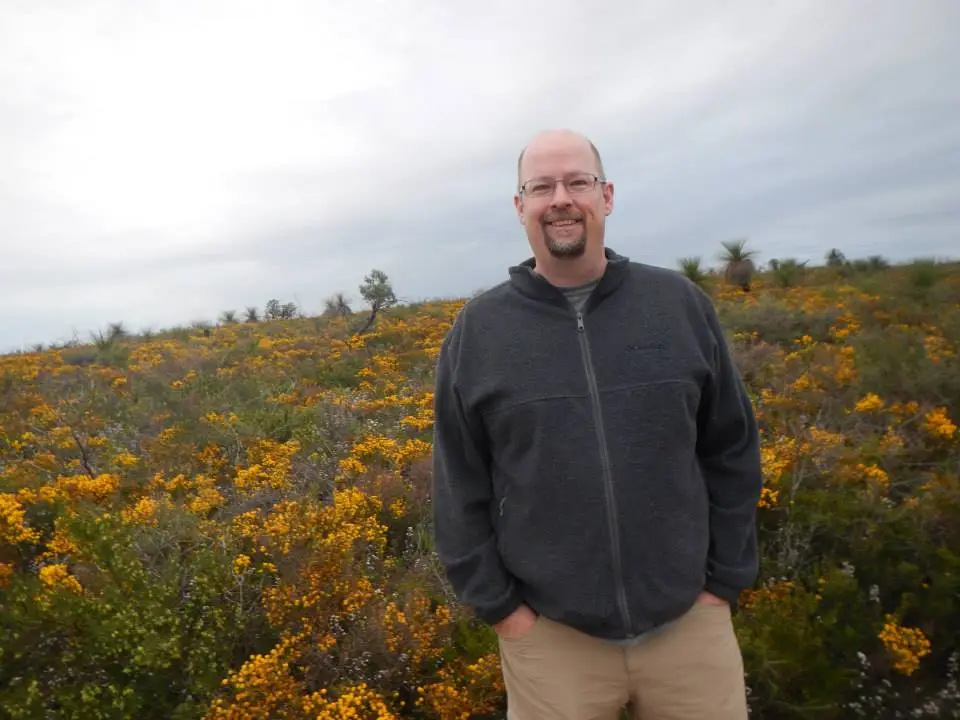
Podcast episode
Alleviating PTSD with Virtual EMDR with Jeff Tejcek
Hosted by Chris Albert
The Warrior Soul Podcast
Jeff Tejcek is the founder of virtual EMDR, a resource that provides online mental therapy
Jeff Tejcek is the founder of Virtual EMDR, an online therapy tool for those with PTSD.
VirtualEMDR.com is a therapy that treats PTSD, depression, anxiety, addiction and trauma with a private, self-guided software.
EMDR is a 30+ year, therapeutic treatment recognized by therapists and medical health experts.
Virtual EMDR :
- Free to military personnel for 30 days
- 1500 Military Veterans have successfully used the program
- More than 15,000 successful sessions
- Accessible with internet and tablet, laptop, or computer
- Unique Software designed by therapists and mental health experts specifically for Virtual EMDR
- Software recognized by World Health Organization, U.S. Department of Veterans Affairs and American Psychiatric Association, among others.
You can access Virtual EMDR free for 30 days by visiting http://www.virtualemdr.com/access and using the code “hero.”
Transcript
Machine-generated from the episode audio and lightly edited — may contain errors.
Chris Albert (link to this point)
The Warrior Soul podcast is written, edited, and produced by me, Albert. Our mission is to provide tools, tactics, strategies, and ideas that help The US military veteran community to show up as the wisest, strongest, most capable versions of themselves in the civilian world. If you're not a veteran, stick around because anything we talk about will most certainly apply to you as well. This podcast is made possible with the help of F Bomb Nutrition. They make delicious packets of fats that you can carry around anywhere with you in little portable packets.
They make macadamia nut butters. They mix them up with chocolate. They mix them up with sea salt. They mix them up with coconut butter. They're absolutely delicious, and they're really good for you.
They don't have any sugar. They also make a lot of cheese snacks. They make meat sticks, and it's just a great company. These guys send packages of this stuff to the troops who are on the front lines overseas to supplement their MREs, and we didn't ask them to do that. They just did that on their own initiative.
Really great company. If you wanna get 20% off your first order of f bombs, head over to www.dropanfbomb.com and use the code Warrior Soul at checkout. This podcast is also brought to you with the help of Save the Brave. Savethebrave.org is a five zero one c three charity for veterans. They run camaraderie events that include fishing, golfing.
They also do a lot of work with gold star families. And unlike a lot of other organizations, their board doesn't take a salary. Really great organization that is doing amazing work. So go and check them out at savethebrave.org. With that, thank you guys so much.
Let's get into today's programming.
This is Chris Albert, and I'm here to remind you of one thing. Someday, you're going to die. Now that's not some morbid statement or scary idea. It's solid fact. Your time here on this earth is limited.
And we need to be reminded of this as much as possible for one simple reason, to live your best life while you can. This is the Warrior Soul Podcast.
There are a lot of people out there in the world who are struggling with PTS, And it is something that doesn't necessarily emanate from military service, but is very common amongst military veterans and a lot of people within this community. I have started to realize that a lot of the things that I'm dealing with on a daily basis and trust me, I'm I'm not saying that this any of this comes from my military service, but more so from my childhood. A lot of things I'm dealing with on a daily basis emanate from trauma that happened in my past. And as I get further and further into life, I realized that these are things that I need to deal with. I need to deal with them because they're keeping me from being the person that I could be or should be.
And one of the things that's always blocked me from doing it is the idea of getting up, getting out of my house, and going and actually actually talking with somebody. You know, I have a very busy life like many of you, and it's it's been hard. And one of the therapies that is out there is is called EMDR, and it's an eye movement exercise that helps to retrain the brain. And veterans can get access to this in some cases, but it's not widespread throughout the VA. And if you are interested, our guest today has a solution for you.
Jeff Tejcek is the founder and one of the creators of virtual EMDR. It's a website that gives its members access to EMDR therapy. And he came on to this podcast today in order to deliver access to our guests. He's giving thirty days for free, not to our guests, to our audience. He's giving thirty days to for free to all of you because he wants to help.
And you can get access to virtual EMDR by going to virtualemdr.com/access. And if you use the code hero, you'll get thirty days for free. So hope you guys take advantage of that. Jeff and I had a great conversation, and I have to say that, you know, during the conversation, it brought up a lot of stuff for me. I'm definitely gonna be taking advantage of this, and I hope you do too.
So with that, let's jump into it. I'm gonna stop yapping my gums, and hope you enjoy the episode. Jeff Tejcek, welcome to Warrior Soul podcast. How are doing today?
Jeff Tejcek (link to this point)
I am great, Christopher. How are you?
Chris Albert (link to this point)
I am good. You can call me Chris. My mom calls me Christopher.
Jeff Tejcek (link to this point)
Okay. I don't wanna freak you out. Alright. Yeah. Chris.
Oh, it's cool. It's cool.
Chris Albert (link to this point)
Yeah. People call people go with the Christopher sometimes. When Topher Grace started calling himself Topher, I wanted to kill him because I'm like, why would you do that? But, yeah, it's Chris. It's Chris. It's cool.
Where where are you located, Jeff?
Jeff Tejcek (link to this point)
I'm an American. You can tell by my the way I speak and my accent, but I live in Singapore now. So Awesome. Yeah. I'm reaching as far away. Is so for you right now, you're East Coast time. It's 09:24AM.
Where you are here, it's 09:24PM. Oh, Yep.
Chris Albert (link to this point)
Well, you for joining us.
I know that's that's gotta be a long work day. So I get I gotta say this. So I I I guess I'll start with this. A few weeks ago, you know, I've been going through a lot of transitions in life. I moved to cross country from California to Florida.
And, you know, the last year, my life's been a little bit crazy. I been dealing with autoimmune disease. I went through a really severe flare up. I had lost a couple of friends to drug overdoses. And I had ended up, very depressed.
And, you know, prior to that, you know, the last five years hasn't been very easy either. I've been kinda talking about this on the show. And, I, you know, was going through this period of time where I would kind of tune out. And, you know, my my lady, Shauna, she sat me down and she said, Listen, you know, you're here, but you're not here. And she said, she laid down the law and she said, You you gotta go get help.
So I went to the Veterans Center, a couple of months ago out in California, started talking with people, sitting down. And and I say this because I know there's a lot of you out there who are also going through the same thing. And I I don't wanna sit here on this podcast. Obviously, I talk about a lot of things to help you improve your life. I don't want you to think that that that I'm sitting from some pedestal where life is perfect and everything like that.
I'm I'm doing great. I have a great job. I've I've I've done a lot of awesome stuff over the last couple of months. But I'm in this fight just like call if you are. And one of the things Shauna had mentioned to me to look into was something called EMDR.
And I got this email last week from Jeff Tejcek's assistant that that said, hey. We've got an EMDR expert here, and and they're providing some some online EMDR. And and I immediately said, hey, this is something I need to learn about. This is something that's gonna benefit the community. I wanna hear more about it.
So Yeah.
That's why mister Tejcek is here. So, Jeff, thank you so much for coming on.
Jeff Tejcek (link to this point)
I'm I'm glad to be here. I need to clarify really quick. I'm not an EMDR expert. There are people vastly, vastly, vastly who know more about EMDR than I do, people with doctorates. That's literally all they do.
We'll get into it over the course of the next hour or so. But I am a person who came up with an idea for how to use EMDR and help people in a different way. And and that's that's been a very good thing for everyone involved. But I there I'm I'm not I wouldn't say I'm an expert. Just just to be clear.
Chris Albert (link to this point)
Well, you know more about it than I do.
Yeah.
Definitely. I think, you know, one of the cool things, because I've also I've been an entrepreneur for a long time. I think that one of the big things about entrepreneurship is that they can look at what somebody spent their life doing, and they could see it from another angle. And they can create things that are going to allow more people to enjoy that thing. So or or to benefit from it.
So I I really appreciate you doing this. So so tell me a little bit about your background, how you came across this, and and what gave you this idea.
Jeff Tejcek (link to this point)
Yeah. So I I really like what you just said about, seeing it from a different angle or approaching it from a different angle. I was struggling with PTSD from my childhood. I had a real ugly childhood and a crippling fear of flying as well. I hadn't been on an airplane in eleven years.
Just the thought of it made my heart pound in my chest. And so I saw an in person EMDR therapist in Colorado. And over the course of five sessions with him, it was so life changing for me. It changed just everything. Like I got on, I ended up getting on a plane to Seattle.
I wasn't afraid at all. The way I felt about my past, about my PTSD was totally different. And I just got really curious. And I started looking at what the EMDR therapist was doing, what his approach was, what eye movements were, what bilateral stimulation was, all that kind of stuff, and went out and got a book and I got the idea. I said, there must be a way to teach people to self administer EMDR through the Internet or to create software that will walk them through that process.
And right there, the idea for this company was born and haven't looked back. We've just grown and grown and grown since then. It was about five years ago now.
Chris Albert (link to this point)
That's amazing.
That's amazing.
And so what you're essentially doing because EMDR, it's the VA, I think, provides it in certain contexts, but it's not something that's, like, widely done right now through through the VA.
Yeah.
You know, I I've heard a little bit. I've heard it's got a lot of benefits. What what does EMDR stand for?
Jeff Tejcek (link to this point)
Yeah. So that is the perfect question. It's eye movement desensitization and reprocessing. That's That's the name that they gave it more than thirty years ago when they sort of invented it. I suspect if they knew that it was going to be as popular as it is, they would have given it a better name because that's sort of bull.
I tend to refer to it as EMDR eye movement therapy. That's not technically correct, but at least it gives somebody something to sort of wrap their fingers around. It's not as complicated as eye movement desensitization and reprocessing. But basically, what it is, a very shortened version is stimulating the left and right hemispheres of your brain through eye movements. You can even do tapping, left, right tapping, audio tones that go from one ear to the other, or you could even, in some cases, you hold little vibrating paddles in each hand.
But as the tone or the visual stimulation goes from side to side, it stimulates the hemispheres of your brain. And while you're doing that, you think about traumatic events, difficult emotion, or whatever it is and and or whatever it is that's bothering you. And your brain puts those memories sort of in the appropriate filing cabinet in the back of your brain. It sort of allows your brain to digest those memories instead of having those things really bother you on a more active basis. It gives you a whole new toolkit to to deal with emotional problems, PTSD, trauma, depression, anxiety, tons of applications for it.
Chris Albert (link to this point)
How did they figure that out? Because this is something that like, I mean, if PTS, it's been something that's it's been around for a while, but it just recently got the name. Right? So so it used to be called shell shock. Back back during World War one, you see these videos of guys who had been in the trenches for a long period of time, and somebody drops a pot next to them, and and they're towering. And and it's really, really I mean, it's it's it's powerful and disturbing to see those videos. You know, back in in Vietnam, we we we saw things like this. What what how did this come about? How did they start figuring out that that this is something that could potentially help?
Jeff Tejcek (link to this point)
So a woman named Francine Shapiro, who was a a therapist in the late 1980s. The story is that she would go for walks in the woods, and she found randomly that when she had something that was troubling her thoughts and she looked left and looked right repeatedly, it would sort of turn down the volume on those troubling thoughts. And initially, didn't think anything about it. But then she wondered, is there something here? What's happening when I move my eyes back and forth like this?
What's the process that's going on in my brain? They think it might be something similar to REM sleep. It allowed the brain to reset. Science does not necessarily understand a ton about the brain and how it works with PTSD. But I can say this.
The way that EMDR feels when you have PTSD is it feels like somebody's turning the volume down on your PTSD. So for example, if you're somebody who had just an ugly childhood, violence, abusive, nasty parents, and that stuff still haunts you in adulthood, you might find yourself eating lunch or washing your hands or something like that and thinking about something that happened with your parents thirty years ago. And it's amazing because it's you know, why am I thinking about this? This is thirty years ago. Why is it still bothering me?
What's great about EMDR and PTSD is it sort of first of all, it turns down the volume on that chatter in your head around that stuff, and it sort of normalizes that memory. It turns those PTSD memories from something that actively bothers you while you're trying to eat lunch or wash your hands or whatever it is to sort of a more of a normal bad memory. It's never gonna be a good memory, that ugly stuff that happened to you, but it's not going to bother you in the same way. That's that's how EMDR affects PTSD and trauma.
Chris Albert (link to this point)
So awesome. You know, one of the things and I think people are understanding this more and more these days, but you know, as you mentioned, your own background, PTS is not something that just affects veterans, it affects whole swaths of society, right? People who have gone through trauma.
Jeff Tejcek (link to this point)
Yes.
Chris Albert (link to this point)
You know, horrible things that have happened in their childhoods or horrible things that happen in adulthood too. You know, and I think that's also something that just recently got a name in our society. Can you talk a little bit about that? Do you think people are becoming more and more aware of this? Do you think that people are are are understanding that that, you know, it's not just a veteran thing, it's a society thing?
Jeff Tejcek (link to this point)
Yeah. I mean, I think people are more aware than ever that the things that happened to us in the past can really haunt us. And, you know, first of all, I wanna say I know that you're a vet, Chris, and, you know, I'm unbelievably appreciative of your service. I would have gone into the military, but I had like just a ugly childhood. By the time I was eligible age wise to go into the military, I was drugs and running away and just unbelievable craziness.
I wasn't stable in any way to know what I would want for the future. But anyways, yeah, thank you for your service to the country. So yeah, I mean, I think over the years, people have recognized more and more how things in the past can still continue to haunt us. I have a really good friend who's a police officer in Denver. And I heard her tell me a story about responding to a particular motorcycle accident.
And the motorcycle driver was dead, and his body was just in a horrible mangled condition and how it just bothers her. She appears to be stable in every way that you can think of, but some of these incidents that she dealt with when she was a police officer, they still haunt her. So I think to sort of get back to your question, society as a whole is becoming more aware of how common it is. And, again, for a lot of kids, it can stem from a lot of stuff for young people, parents abandoning them, divorce, childhood trauma, childhood sexual abuse. For police officers, the terrible thing that they might things that they might see on the job, and certainly for veterans who are deployed overseas, or who are in combat, the things that they were forced to endure, the the emotions that they were forced to live through, those kind of things take an ultimate toll on on people.
And it's good that we're recognizing more and more how common PTSD is and more specifically trauma.
Chris Albert (link to this point)
Right. And I think it bears something to say here. And I don't want people to take this the wrong way, but I think that one of the things that we need to look at with the numbers here is that a lot of the veteran suicides that are actually happening are veterans who never served in combat. Alright? And and, that's not to say that they're not suffering from PTSD.
That's to say that there might be something else there that's causing the PTSD. Alright? I I think that a lot of us choose to serve because we're trying to get away from something.
Right?
Yes. We're trying to to improve our lives in some way. And I think that, you know, there's a lot there. I think a lot of veterans, they carry things with them into service that that happened long before they ever put it on a uniform. And and I think we got to recognize that, you know, there there's something within us that that in the that told us that it's okay to sign a contract where we're putting our lives on the line in the first place.
Yeah.
Jeff Tejcek (link to this point)
Right?
Chris Albert (link to this point)
Yeah. Yeah. There there there's definitely honor there. There's definitely a desire to serve, a desire to serve your country, patriotism. But there's there's there's also usually something else there.
And I I I think, you know, we have to increasingly recognize that. Yeah.
Jeff Tejcek (link to this point)
Again, it's even the same with police. I have a few friends who are cops. And I can think of one in particular who had a really ugly childhood. And something in him said, well, I want to serve the community in law enforcement so that I can prevent someone else from having that kind of childhood. And I think some people who have ugliness in their past or trauma or difficulty are also called to serve in the military because they feel like it's the right thing to do.
They feel like it's a clear place that they can make a contribution. I also suspect that some of this PTSD that we're talking about in the military from people who are not deployed into combat is because of it it has to be incredibly unstable feel unstable to be in the military. Like, you might be deployed in a ship, and all of a sudden, you're living on a ship for months at a time. And, you know, things can never be how you want them because there's always somebody giving you an order telling you, you know, how things are supposed to be, and that's gotta be really difficult. You're ganked away from your family.
So I'm I'm not surprised to to hear that so many vets have PTSD, even those that weren't in combat. I have just a couple quick statistics right here in front of me. Twenty percent of vets with PTSD, also suffer from addiction. And specifically in 2019, there was a study that showed that one in ten veterans had a substance abuse problem, and twenty percent of service members reported binge drinking weekly. And that number was up for anyone with combat exposure.
So, yeah, the vets have people who have served in the military have a really tough time with all of this.
Chris Albert (link to this point)
And I think, you know, substance abuse is definitely something that I've dealt with before. It's definitely something that I think I see out there in the culture. And do you think that's because they're self medicating? Do you think it's because, you know, they're they're trying to numb themselves? What what do you think is going on there?
Jeff Tejcek (link to this point)
So, I mean, this is, I don't feel qualified to like give like a really accurate diagnosis about that. But based on my own experience with having nasty trauma and PTSD and even looking how the tendrils of PTSD and trauma sort of run through my family. I have a family member who's just a shell of a human being from the things that happened in his childhood. I don't even know where he lives, maybe on the street somewhere or something like that. So Based on that, again, I would say that it's definitely it's really important to focus on the fact that it exists so much outside of, the military and first responder community.
And it's also intergenerational now. Has has anyone ever talked to you about that?
Chris Albert (link to this point)
I've I've heard I've heard this a little bit. So there there's some theories out there that it ends up in in our DNA. Right? And and there's something in us that that kind of happens when a generation goes through trauma. Right?
For example, like, people with family members who might have been through the Holocaust and things like that. Right? Is is that is that the case?
Jeff Tejcek (link to this point)
I'm I'm not sure about the DNA part, but when you grow up with a parent who's an addict, who has PTSD, who has trauma, who's depressed, who's anxious, all that kind of stuff, Children recognize it very clearly and that stuff gets passed to the child. The apple doesn't fall far from the tree, as they say. So kids who grow up with addicted, anxious parents who have trauma end up being adults who are also addicted, who also have trauma, who also live an anxious life, or are depressed, or struggle with addiction, or whatever it is. Or we were talking about alcohol and drugs earlier using substances to numb out from how difficult and unmanageable their feelings are. So that's kind of what I mean about the intergenerational aspect of that.
So for me personally, I have two amazing young daughters. I have kids later in life. I've got little kids. And the most important thing to me in life literally is that the trauma and PTSD that was passed down to me, I don't I do my very best to not give to them to be more appropriate and more stable.
Chris Albert (link to this point)
Let me ask you this, Jeff. So you'd mentioned you had a really, really horrible childhood.
Jeff Tejcek (link to this point)
Yes.
Chris Albert (link to this point)
And eventually, you got to a spot to where you could recognize that that things were going on in your life. Right? So you'd mentioned addiction. You'd mentioned, you know, being out on the street. You know, today, you're sitting in front of me.
You seem like a well put together individual, somebody who is now trying to help others to to overcome these issues. What was it for you that allowed you to to try to escape, to try to improve things?
Jeff Tejcek (link to this point)
You mean, like, to improve things for myself?
Chris Albert (link to this point)
Yeah.
Jeff Tejcek (link to this point)
You know, Chris, I recognize that my feelings were unmanageable. I remember driving in my little Suzuki on Interstate 25 in Colorado and just beating on the steering wheel because I was thinking about some abuse incidents from my childhood. And I found myself driving in my car, and I'm having a discussion with the person from my childhood who's who's obviously not there because it was, you know, thirty years earlier. And I'm and I'm yelling at them. And it really became clear to me like, wow, I'm really a mess.
And I already understood some of the red flags that I was struggling with compulsive behavior, depression, other difficulties in my life, but this was sort of like the ultimate red flag. It was the ultimate warning that something was wrong, and at the time, this is back in Colorado, I went to a men's group in Boulder, Colorado on Monday night, which was fantastic. A group of guys sitting, and they talk about what's going on in their lives, and I knew a guy in that group who's a vet. I'm sorry, not veteran, veterinarian from the group, really And cool he mentioned EMDR. And I was like, well, what is that?
And he sort of talked about some of the symptoms that he used to have and how he found this therapy. And that was it for me. I recognized that the extent of my problem and that this is something that I could try. Where I think that this is seven or eight years ago now would be my guess. And I remember getting online, learning about EMDR and calling up an EMDR therapist and making an appointment, and that it ended up literally changing my life.
And it even ended up ultimately changing my career because I abandoned what I was doing with my life and and started the virtual EMDR company.
Chris Albert (link to this point)
Wow. So you and and that's I I just wanna highlight that because I think it starts with admitting where you're at. Right? Admitting that that things have become untenable.
Right?
And and seeking something to help you to overcome the problem that you're facing. Because I think a lot of us, at least in our community, we feel like we can challenge these things on our own, and that we don't need other people or that we we we don't need to seek the help. And I think that you've got to have this kind of come to Jesus moment, where you look at yourself and you say, you know, I I just can't manage this on my own. And Yeah. I need to go out there. I need other human beings. I need somebody to help me out here. And, you know, it I try to highlight that because I think there's a lot of people listening to this podcast in that position.
Right? They're listening to the podcast for a reason. Right? They're they're they're they're trying to find something.
Yeah.
And and I think we've gotta come to that moment before we can go and we can actually find the things that are gonna help us. Right?
Jeff Tejcek (link to this point)
Yeah. So what you're saying is very interesting. Normally when you do therapy, have to get in your car, drive to your therapist's office, sit down on the couch across from them, look at them in the eye, they're probably a stranger, and start talking about your personal life. And one of the reasons that we created the virtual EMDR program was you could do it at home, online, self guided by yourself. Our program asks you questions.
Chris, how are you feeling today? What kind of issues do you want to work on? You type in your answers, there's software. But another really interesting thing that we found that we weren't anticipating, and this is just mind blowing. This is based on we provide more than 10,000 online EMDR sessions a month.
And and so we found you know, we had all this data coming in. But, anyways, one of the things that we found, which was totally unexpected, was people in the military, first responders, police officers, that whole community, tend to be tougher and tend to have this strength about them that makes them not want to sit down with a total stranger and spill their guts. And that that made using virtual EMDR really helpful for them because they could do it on their own. They didn't have to talk to a stranger about whatever symptoms that they were having. And we didn't expect that to happen at all.
When we created the software and the product, we didn't even know, frankly, that people in the military or police officers or that community were less likely to talk to a therapist. That being said, that's the EMDR portion of it. That's the portion of it that's actually going to help you work on your symptoms, the real active voice in your brain, the out of control emotions, your desire to dissociate and be alone. The other portion of it is therapy connection, which is what you're talking about. I can't emphasize enough, like I was just talking about the men's group that I used to go to, if you're a vet or a person or a man or police officer or chef or whatever you do and you're having these struggles, it's really important to find people you can talk to, people you can connect with, and people that you can tell the embarrassing truth to about whatever is going on with you.
Chris, I assume that you've got some friends that you can tell things about yourself to that are totally ugly, totally embarrassing, but you have no reason to hide it from them. Yes?
Chris Albert (link to this point)
So that's that's part of the thing too. I think, you know, when I was at my worst, one of the things that I did was I'd withdraw into myself. Right?
Jeff Tejcek (link to this point)
Yes.
Chris Albert (link to this point)
And and one of the reasons I guess, of the reasons why this podcast exists is because I didn't really I moved it across the country, right, and and away from my friends and family, and and I didn't really have anybody to talk to. So I I would kinda sit here and spill my guts on a podcast, you know, every every week or two. And and it was that that's kinda how all this started for me. It's kinda this is kinda my therapy. Right? And I figure, you know, while I'm while I'm here spilling my guts, I might as well talk about some things that could help other people too. Right?
Jeff Tejcek (link to this point)
Yes.
Chris Albert (link to this point)
But I think there's a lot of guys out there who kinda lose their tribe when they're in their their their mid twenties, mid to late twenties, early thirties. Yep. And, you know, that happens for various reasons. They get married. They they have kids.
They they they they might, you know, they might associate the things that they were doing, you know, going to the bars and things like that, with with, you know, a downward spiral in their lives. They get away from their tribe a bit. And, you know, that I think that's that's more and more common these days. We're not socializing the way we used to.
Jeff Tejcek (link to this point)
Yeah. And I I can't emphasize enough how important it is. It's such a classic symptom what you're talking about, tuning out, isolating, dissociating, especially in this day and age. I mean, you can be alone in your bedroom with your laptop. You've got Netflix, video games, porn.
Like, it's all there. You you know? Why why you can even order a pizza right on the laptop, and it'll just show up. Like, you there's no it might feel like there's no reason for you to go out and and seek the real world, but that kind of connection is incredibly important, especially for people who are struggling with mental health issues. And I want to suggest to anyone who listens to this that in addition to EMDR, eye movement therapy, if you have those kind of symptoms, that there are a boatload of resources where you can find online therapy groups, where you just meet people with people on Zoom and talk about your problems.
For people who are addicts, it's a fantastic opportunity to tell the truth about yourself if you go to AA or NA or adult children of alcoholics or sex and love addicts anonymous or, you know, what whatever it is that you're struggling with. So yeah. People we are designed to connect. Our brains are designed to connect with other people, not not to be isolated from the world.
Chris Albert (link to this point)
Right. Right. I I definitely that's something that I've been trying to work in more and more, I guess, Through through this, you know, I run a group, you know, we get together on zoom every week. And, and, you know, that that's helped out a lot. I, but still even trying to make those improvements, I guess, you know, especially with COVID-nineteen, right?
Like, it's been harder and harder to get out, right? Like, I can't go to my jiu-jitsu practice every week. And and, you know, it's harder to, to find networking events and groups and social events and things like that. So like, you know, there's still this thing that that, you know, I'll find myself even when things are good going back and kinda tuning out. Like, I I could be driving with with my my girlfriend, and and, you know, I love her.
She's amazing. But there's times when I'm I'm talking with her, and and I find myself completely somewhere else. And, like, I wake up, and I'm in the middle of a conversation with her, you know, and and Really? Yeah, and it happens quite a bit. And, you know, sometimes she'll bring something up and then I'll completely tune out.
And, you know, I think that's where she was, like, kinda drawing the line and saying, hey, you know, you need to to to figure something out here.
Jeff Tejcek (link to this point)
Do you have do you have PTSD symptoms? Do you have anger, unwanted thoughts? I mean, obviously, you have the the tuning out and dissociative behavior. Have you had anybody tell you that you have PTSD or trauma?
Chris Albert (link to this point)
You know, I so when you go to the VA, they they make you fill out this questionnaire. Right? And, like Yeah. Fill out the questionnaire, and then they're like, hey, you have PTSD. Right?
And to be honest with you, like, I I had a bit of a rough childhood. I've had some things happen that were very traumatic when I was young.
Jeff Tejcek (link to this point)
Yes.
Chris Albert (link to this point)
But, like, I never I don't have a temper. Like, I can go I people, when they raise their voice at me and things like that, I I tend to kind of I'll I'll end up tuning them out. Right? I'll just kinda sit there, and I I'm not the kind of person who's gonna start screaming or anything like that. It wasn't even like that when I was in the Marine Corps.
You know, I I I tend to be a very kinda steady person. But, you know, I I had a job as a personal trainer for a little bit. And one of the things that was happening is, like, they'd find me, like, kinda staring off into space. Yeah. And my boss kinda sat me down, and they're like, you know, you're tuning out a lot.
You you that look in your eye, you you seem like you're you're you're you're staring, you know, you're staring, like, far off into the distance. What's what's going on with you? And honestly said, you know, I have no idea. I didn't even know that was happening.
Jeff Tejcek (link to this point)
So Can can I ask, are are your symptoms from an ugly childhood, or was there some military stuff that had an effect on you as well?
Chris Albert (link to this point)
No. I wouldn't say there's any military stuff that really had an effect on me. I think I'd witnessed some things as as a young young boy Yeah. That I probably wasn't supposed to witness. Yeah.
I there there was traumatic events that happened to family members that I'd witnessed. You know, I I didn't have a dad growing up or anything like that.
I knew it.
You know? So but but at the same time, I I don't I don't think I had a horrible childhood. My mother, she was a great, great mom. You know, she she did everything she could. But, you know, it was just kinda like, you know, I mean, there there was some some, I guess, could say abuse that happened from somebody else.
Jeff Tejcek (link to this point)
Okay. Yeah.
So, yeah, I mean, I want to say something now. I am going to be providing you and other people who listen to this with free access to the virtual EMDR program. And what I want to tell you is that if you take the time, Chris, it's going to be one month access coupons. You can do all the sessions you want in a month. If you take the time to look at these bothersome incidents in your childhood, look at these incidents where you're tuning out, and then do some EMDR sessions around them, you'll feel much better.
You'll have a big improvement in how this stuff is affecting you. I would suggest, over the course of a month, that you step up and do six or eight or ten twenty minute sessions. So let me get this out. Can I do my little Yeah, plug so if you're someone who's listening to this podcast who is a vet or a first responder in any way, like police, firefighter, frontline health care worker, just go to virtualemdr.com/access, and you're going to use the promo code HERO, and it will give you a month of our program for free, no strings attached? And we're giving 100 of these promo coupons to the Warrior Soul listening audience. So I would suggest anybody out there who's dealing with these kind of issues, do what I just said. Step up during that month. Do six or eight or ten twenty or thirty minute sessions.
Focus on the things that are bothering you, and you should feel a lot better. So just a FYI, and if you want to, I can repeat. It's virtualemdr.virtualemdr.com/access and, the coupon code is HERO, hero.
Chris Albert (link to this point)
Virtualemdr.com/access, coupon code hero.
Yep.
And, you know, that's one thing, for you guys at home. I'm I'm, I I try to be an open book here on, on, on the podcast to kind of talk about these things. And, and I think that there's people at home who are probably dealing with things much worse than I am. And I, I, I wanna encourage everybody who who is dealing with these issues to definitely take advantage of that. We'll get that up on the show notes as well.
Yeah.
And so six to eight sessions a month. You know, you said, how long do the sessions usually take?
Jeff Tejcek (link to this point)
So this is kind of complicated until virtual EMDR came along, and we're a self guided program. You sit down by yourself, you need a laptop, you need some headphones, you need to be alone for a little bit. Until virtual EMDR came along, EMDR therapy was exclusively controlled by therapists. And that meant that you had a one hour session once a week. If it was Thursday and you needed to work on your symptoms and your appointment wasn't until next Tuesday, too bad.
You have to wait. But the way that virtual EMDR works is you can work on your problem anytime you want to or anytime that you have symptoms. So the reason I say six or eight or 10 sessions over the course of the month, and the reason I say twenty minutes, is it's really up to you. We find and again, we do about 10,000 sessions a month, and we collect data from that. We find that the majority of our sessions are around twenty minutes.
People want to get in, do a session, and get out, unlike the sixty minute session that we do with an in person EMDR therapist. Now there's definitely benefit of a longer session. So anyways, the reason I say six or eight or ten twenty minute sessions over the course of the month is that's what our data indicates. But it's up to you. We have people who might get better results on only doing five sessions over the course of the month, but they're doing thirty five or forty minute sessions.
So it's completely up to you how often and how long you want to do your eye movement therapy sessions for. Awesome.
Chris Albert (link to this point)
Awesome. And these can be done from any computer. Is it does it work on a phone as well? Or
Jeff Tejcek (link to this point)
Yeah. So you can do it on a computer or on a laptop, I'm sorry, on a tablet like a pad, but a phone screen is just too small to facilitate eye movements. Imagine if you're looking at a moving visual object on your phone screen and following it with your eyes. Well, eyes aren't going to move very much. It's a teeny little screen.
Virtual EMDR has a visual stimulus that goes on your screen, it moves back and forth or figure eight patterns or diagonals, but it also has bilateral audio stimulation. So you wear headphones as well. So no, we don't EMDR cannot be done on phone screens. We're trying to find a way to create a bilateral stimulation program with instructions that can. But no, you want to do this on a laptop computer or a tablet.
And one more thing about that, EMDR probably shouldn't be done on your phone screen. And the reason is to do an EMDR session, you need to go into a room by yourself and be there and do the session and not think about anything else, not be distracted by other stuff. So it's definitely not something that you're gonna do on the bus on the way to work on your phone.
Jeff Tejcek (link to this point)
Any headphones or earbuds. Our software, you can choose, select from eight different tones, and some of the tones are designed to be more jarring and annoying and less pleasant to listen to, and some are designed to be more pleasant. But the short of it is that you want to listen to tones that move from ear to ear in your headphones or earphones to stimulate the hemispheres of your brain. Your screen, as the visual part of it gets to the right side, you'll hear a tone on the right side. As it moves back to the left, the visual part, you'll hear a tone on the left.
So you're getting the bilateral stimulation in two different ways. But you don't need special headphones with a microphone or anything like that. Just something you can listen to both sides.
Chris Albert (link to this point)
Gotcha. Gotcha.
Awesome.
Awesome.
Yeah. I think I think that, you know, things like this where it makes it more accessible for people to to actually go out and take action. Yes. This this is this is something we need more of. Right?
And and, you know, I definitely, again, wanna encourage those at home who who are dealing with issues to try to take advantage of this, you know, and and and what what is there to lose? I mean, honestly, there there there is an area to lose. We're talking twenty minutes of your time. It's free for a month. You sit there.
You do it. And and, you know, are you guys are is there, like, exit surveys on on, you know, how people are responding? You you said you've done 10,000 so far. What you know, has anybody given you feedback on on these things?
Yeah.
Jeff Tejcek (link to this point)
So this is just it is all stuff that when we started this company, we never expected any of these sort of side benefits. But during your EMDR session, a series of questions you're going to be asked about, how do you feel about this on a scale of one to 10? And later on in the session, for example, it will ask you, are you feeling better about the same issue on a scale of one to 10? So this allows us to track, for example, right during your session, here's what Chris was working on when he went into the session, and he was freaking out. On a scale of zero to 10, it was a 10.
He was very upset. But by the end of the session, Chris reported that he was at a five. So this is the kind of data that we can track from people. The other thing is and this just I swear it just makes my head explode. I'm so lucky to be doing this with my life is people email me, and they say, hey, I just wanted to reach out.
I've been using this. It's been fantastic. It's changed my life. You were talking earlier about childhood trauma and bad things that happen to people. You wouldn't believe the things that people have told me, the things that people have emailed me about their childhood, being abandoned by their parents and going away to a boarding school and being locked in a cupboard all day.
I mean, horror stories that I've heard people have gone through. And these are the people that have contacted me and talked about how much virtual EMDR has helped them. So we are so lucky. And like I said, I'm the founder and one of the owners of the company. We are so lucky that our customers reach out to us and tell us these kind of things, because it helps us make virtual EMDR better and better.
It also helps us to gather all this data. It's really funny. Virtual EMDR probably has the most data on EMDR of any organization in the world. And that includes there are in person EMDR therapists all over the world, but they don't have a means of collecting data the way that we do. So it's been a fantastic opportunity to learn all this and to learn and to understand how doing EMDR is affecting the people who use the virtual EMDR program.
Chris Albert (link to this point)
When, so one thing I gotta I I have to ask this, cause I'm always interested in these kinds of journeys. Right? So when you were coming up with this idea and you decided to to to bring it online, what were some of the steps you took? Right? So so so you figured out that this could potentially be something that people could do in their home
Jeff Tejcek (link to this point)
Yes.
Chris Albert (link to this point)
Kind of get rid of the middleman. What were some of the things that that you did? Did you did you did you go and and, like, seek funding for this? Was because there's I know there's a lot of, veterans who listen to show who are interested in entrepreneurship.
Jeff Tejcek (link to this point)
Yeah. First of all, this has been a really interesting part of the journey. A lot of in person EMDR therapists in the EMDR community who have been practicing for twenty years or whatever really don't like us. We get our share of hate mail. We get our share of nasty comments on Facebook.
A lot of the in person EMDR therapists do like us and have nice things to say about us. As far as how we were created, I mean, after I got the idea on how to do this and I hired I don't know if it was Upwork or one of those sites on the Internet. I found someone in Eastern Europe who was a coder, and I said, look, I I want this software, and here's what I think, and they built it for me. And it was horrible. Like, the the first version of virtual EMDR was horrible because it was something I was feeling my way forward in the dark.
And so now at a certain point, I had what was called an EMDR session tool software, but I didn't have an actual program that helped people understand how to use it, which was basically like driving a car without a steering wheel. So it was it took a year of reading books, talking to people before we even got our first version of a program and also writing the program. And from there, this is crazy, we got volunteers from the 12 community. So now we had test recipients who didn't cost us anything because we didn't have any money as a company. We had nothing to try it on them.
And we would ask them, is it too complicated? Do you understand what to do? How are you feeling? And all that kind of stuff. So we were really fortunate also that we did not need to go the direction of funding.
We're thinking about it now because we're starting to grow rapidly more quickly than we can really keep up with at this point. So funding might be a must. But we're very fortunate that we didn't have to go the funding route. We didn't have to be get into debt, and we ended up being a company that profited that had no debt. And that was just based on, having a decent idea and basically spending a year wasting time and spinning our wheels to to get it off the ground.
Chris Albert (link to this point)
So Right. No. That's that's amazing. That's amazing. Well, listen, Jeff.
I I really appreciate you coming on. I really appreciate the opportunity you're giving to our listeners to to try this out. Is there anything you wanna say to them that that they should know before going into this? Anything that that that you'd wanna encourage them on?
Jeff Tejcek (link to this point)
Yeah. So I'm really glad that you said this. If you do a virtual EMDR session, more times than not, you're going to leave that session and feel much better. You would feel like you're floating on a cloud for a little bit. It's really a great experience.
Other times, if you do a virtual EMDR situation and you're focusing on, they call it targeting an EMDR, something really horrifying that happened to you in your past, you might leave your EMDR session angry or a bit emotionally upset. But that's a good thing. That means that you're processing through the stuff that's in your past. So, I mean, what I would really encourage people to do, who are gonna try this free offer from us is step up and actually do some sessions. Focus on that ugly stuff in your past.
Focus on those emotions that make you want to dissociate and tune out. Focus on what you're depressed about. And use the software and read the instructions, and you'll get some results out of it. You know, they talk about that when you get something for free, it has no value to you. But as a company, we we've in the past, we've given out virtual EMDR at this point to more than 1,500 military vets, first responders, and law enforcement officers.
So it's it's important to us that we do this. But they they say that when something is free, it, you know, doesn't really have any value to you. On the other hand, if you spend a bunch of money precious to you. So I would really encourage people, even if you're getting this for free, to make an effort and do some sessions. And one other thing, if you've got trauma and anxiety and depression and all this kind of EMDR is not enough.
It's really going to take care of those symptoms. It's really helpful to connect in some meaningful way with people as well, whether that's a therapy group, an online group, I don't know. Playing basketball with some friends, doing something functional and fulfilling with your life is also a big part of the picture. Awesome.
Chris Albert (link to this point)
Awesome. Well, Jeff, again, I wanna thank you for coming on. Say the URL one more time.
Jeff Tejcek (link to this point)
Yeah. So again, we're going to give out 100 free one month coupons to the virtual EMDR program. These are for military vets, first responders, law enforcement, firefighters, frontline COVID people. And so you go to virtualemdr.com/access, and then the promo code that you're gonna use is hero. It'll give you a month for free.
Chris Albert (link to this point)
Awesome. Awesome. Well, thanks a lot, Jeff. And to everybody out there listening to this, again, I hope you take advantage of that. I wanna thank you all for listening.
And, you know, listen, guys. There there's a lot going on in the world right now. There's this this pandemic. There's a whole lot of unrest here in The United States, and it's easy to tune out and and kinda feel like you're alone. But that's not the case. We're all here. We're all living.
We're all breathing, and we've gotta take advantage of this life while we can. And when opportunities like this pass come in front of you, you you don't wanna let them pass you by. So if you're out there, you need help, there's tools like this available. Please take advantage of them. And if you guys ever wanted to reach out, please reach out to us here.
You can hit me up on social media. You can can email me, chris@warriorsoulagoge.com, and always happy to talk. And with that, Jeff, again, thank you, and we'll be back at you later on this week with some more awesome content. Get out there and live your best lives while you can. This is Chris and Jeff, and we are out.
Jeff Tejcek (link to this point)
Thanks, Chris. Bye.
Chris Albert (link to this point)
Alright, guys. I hope that you enjoyed that episode with mister Jeff Tejcek. He is bringing a really valuable resource to our community. He's offering it to you for thirty days for free. So once again, head over to virtualemdr.com/access.
Use the code hero at checkout, and you will get thirty days access to this amazingly valuable tool for free. So check that out. And kinda like I said during the episode, you know, this life is not going on forever. We we don't have an unlimited time to improve. We gotta get started now.
And it's on us. Everything going on in society right now, you sit here, you point the finger, or you can actively work on yourself and actively change things. Hope you do that. I hope you take advantage, and hope to see you on the next episode. With that, thank you guys so much for listening.
This is Chris Albert with the Warrior Soul podcast, and I am out.
Host of the Warrior Soul Podcast and founder of Warrior Soul. Worldwide trainer and nutrition coach, contributing author at Testosterone Nation and Muscle and Strength.