Podcast episode
Burn the Ships and Follow Your Dreams with Kazy Tauginas from the Equalizer 2
Hosted by Chris Albert
The Warrior Soul Podcast
Burn the Ships and Follow Your Dreams
Regardless of what you do with your life, you are going to run into obstacles. You’ll meet some of these obstacles by choice: like going through the police academy or Marine Corps Boot Camp.
Others can be put in front of you by sheer fate: like an injury or a tragedy.
But, whatever you encounter, it’s important that you take lessons from your experience. Additionally, it’s important that you go all in on your new adventure without looking back.
Our Guest this Week: Kazy Tauginas
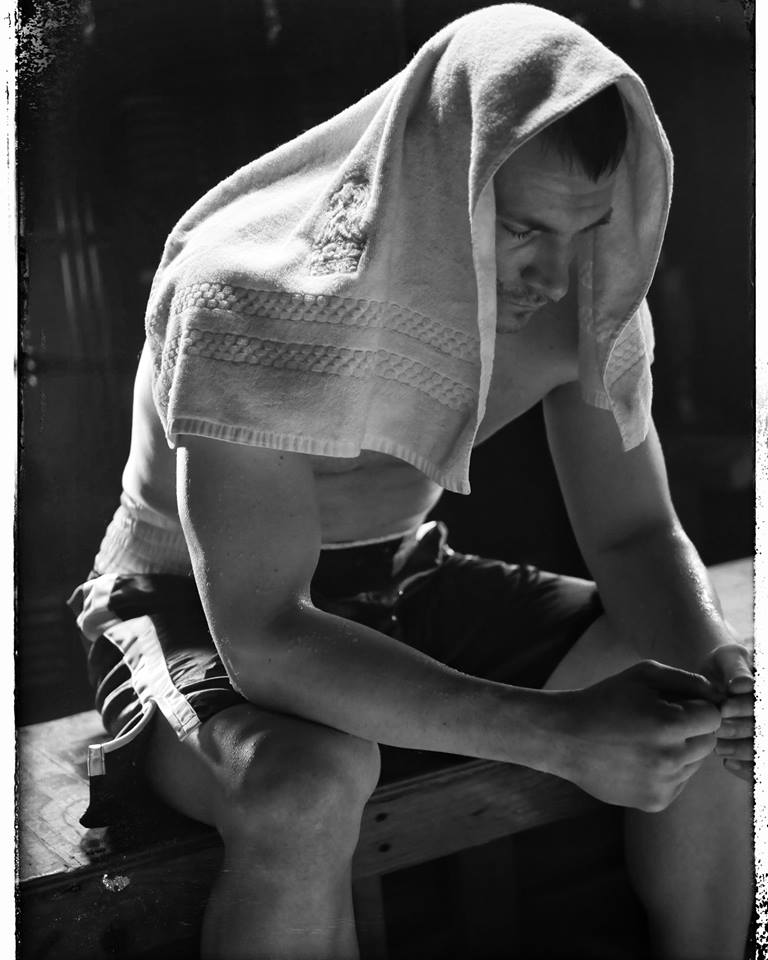
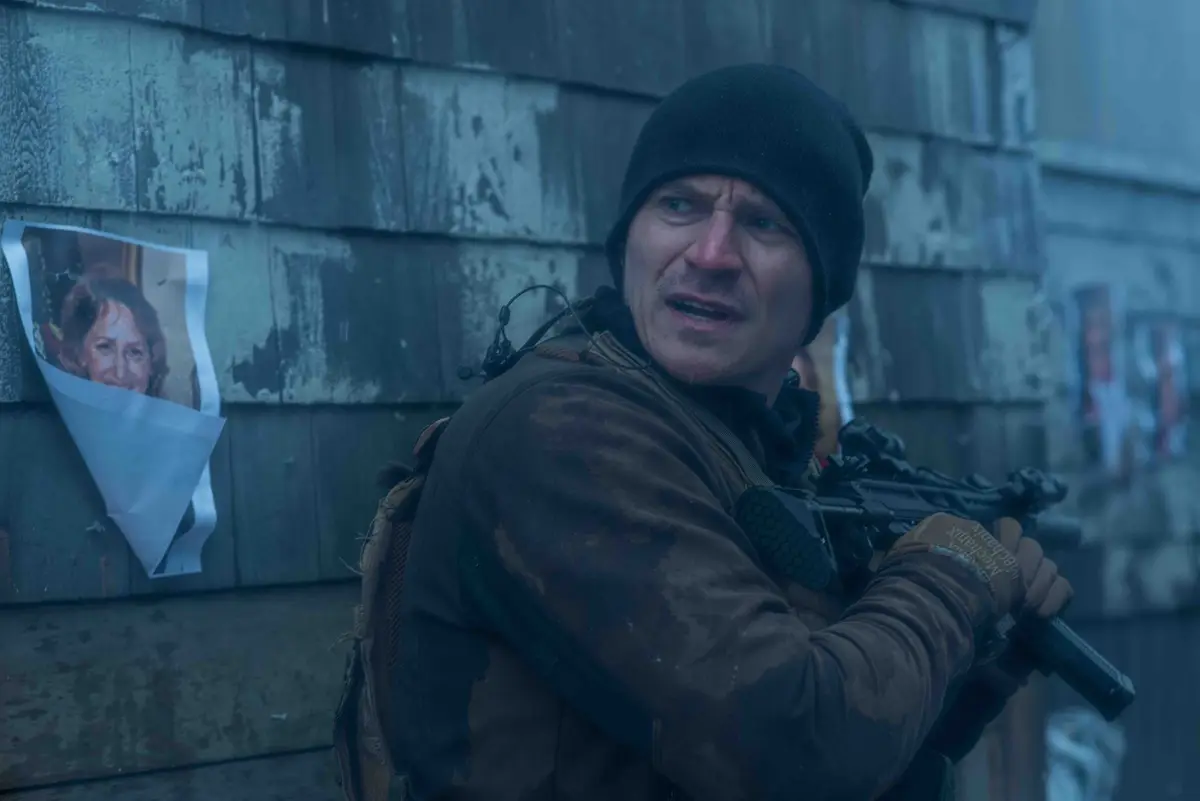
Kazy Tauginas is an actor, former restauranteur, and Golden Gloves Boxer who’s appeared in John Wick and The Equalizer 2 along side Denzel Washington.
Kazy came on to talk about his story from his humble beginnings to becoming a restaurant owner, and on into his boxing and acting careers. He also speaks about his work with Lupus and his mother’s battle with this disease.
Through it all, Kazy has used lessons from his experiences to constantly push himself forward. When he decided to become an actor, he burned the ships and dedicated himself to becoming the best actor he could be by investing everything he could into his career. He secured his first roles while sleeping on his friends’ couch and never gave up on his dream.
In this interview we cover:
- Why Kazy’s early days as an entrepreneur taught Kazy how to manage his career.
- How the discipline Kazy learned from boxing helped him with his acting.
- Why burning the ships is an effective way to push yourself forward.
- What differentiates those who make it in Hollywood from those who get broken by it.
For Kazy’s latest project, Standing 8: https://www.youtube.com/watch?v=bfjmyqB2LC0
Follow Kazy on Social:
Instagram: @KazyTauginasFacebook: http://www.facebook.com/officialkazytauginas “Standing Eight” on Facebook: https://www.facebook.com/StandingEightFilm/
Transcript
Machine-generated from the episode audio and lightly edited — may contain errors.
Chris Albert (link to this point)
This is Chris Albert, and I'm here to remind you of one thing. Someday, you're going to die. Now that's not some morbid statement or scary idea. It's solid fact. Your time here on this earth is limited.
And you need to be reminded of this as much as possible for one simple reason, to live your best life while you can. This is the Warrior Soul podcast.
You know, on your journey through life, you're gonna often encounter situations that are gonna be pretty difficult. There's gonna be a lot of times where you're gonna feel like you wanna pull your hair out of your head and you're gonna feel like you're spinning your wheels going nowhere. But each and every single time you run into one of these difficulties, you got to understand something. It's preparing you. It's making you stronger.
And it's teaching you a lesson that you'll be able to use at some point in the future. You never know what's gonna happen in your life. The only way to get better is when you encounter one of these difficult situations to not give up. And then once you get through it, to not be bitter about it, not be angry about it, but to allow it to teach you a lesson so that when you encounter your next difficult situation, when you encounter your next challenge, you're better able to handle it. On today's podcast, we have actor Kazy Tauginas.
He's been in John Wick, and most recently, he was a supporting actor in The Equalizer 2 with Denzel Washington. Now, Kazy has a really interesting history. He started out as an entrepreneur. He was a restaurant owner, and, he started that business back when he was in his early twenties, just out of the University of Delaware, and, the restaurant business is an extremely difficult business. I mean, if you don't have your numbers right, if you don't have your staffing right, a lot of stuff can go wrong.
But it was that early trial that gave Kazy the education that he needed to be able to treat his acting career like a business. That's what you're gonna get out of this. You know, what I want you to listen to during this interview is really what Kazy was able to apply from the other disciplines and practices he'd incorporated in his into his life previously. He'd been a restaurant owner. He'd been a Golden Gloves boxer, and then he decided to go to acting school.
Now, for all of you, a lot of you out there, you served in the military. Right? And I keep hearing about, you know, guys who think that they don't have enough education, they don't have enough experience, they don't have enough of anything to make it out there in the civilian world. And I keep hearing that employers don't want guys who served in the infantry. They don't want this.
They don't want that. Here's the thing. You have what it takes. If you were able to get four years in the military, if you were able to get through that and then have an honorable discharge, you have what it takes. You just need to be able to apply what you learned to the rest of your life.
Right? You need to apply those leadership skills. You need to apply those organizational skills. You need to apply you need to apply those personal management skills and your own discipline to getting good at something out here. And you can do it.
There is no reason why you can't. Before we get into this interview, I just want to give you a couple of announcements. Number one, this podcast is brought to you by f bomb nutrition. You know who they are. I'm talking about them every single episode, and, you know, they make these awesome delicious packets of fats.
Right? Macadamia nut butters. So delicious. They mix them up with chocolate. They mix them up with sea salt.
They mix them up with pecan butter, And the people who run this company are amazing people. They're sending packages of this stuff overseas to the troops so that they can supplement their MREs with some good nutrition. And all of our listeners get 20% off of their first order when they head over to www.dropanfbomb.com and use the code Warrior Soul at checkout. The other thing is this, and, you know, I really wanna emphasize this. We do this podcast to help you.
Right? We do this podcast to give you tools, tactics, ideas, and techniques that you can apply to living your best life. Whether you're a veteran or not. Right? We focus on the veteran community because that's what we're about.
We're about helping out our brothers and sisters. I'll tell you what we're not about. We're not here to entertain you with the same old angry veteran trope. We're not here to help you to justify being pissed off at the world. What we're here is to give you deliverable tools that you can use to improve your life, improve your relationships, improve your career, improve your fitness.
That's what we're about. And if you're getting something out of this podcast, we only ask you to do one thing. Leave us a review. This podcast right now only has 11 reviews up on iTunes. Right?
We need more. We need more. We need to be able to get the word spread about the show. So if you can help us out, it doesn't cost you anything, and I'm 100 percent certain you're getting value out of these episodes if you're listening to them. So just do us a favor, leave us a review, and let us know what you think of the show.
K? And and tell a friend about it. If there's a friend out there you think could be helped by one of our episodes, please, please share it over with them. And that's all the announcements for today. With that, guys, I wanna thank you for listening to the Warrior Soul podcast once again, and let's get into this interview with mister Kazy Tauginas.
Kazy, how are doing today, man?
Kazy Tauginas (link to this point)
Hey. I'm doing very well. Very well. Thanks for having me on the show.
Chris Albert (link to this point)
Absolutely. So just for for our audience, I you know, was reading up on your story a bit. And prior to becoming an actor, you were a restaurateur for a few years. Right?
Kazy Tauginas (link to this point)
Yes. Yes. I owned a twenty four hour diner in Newark, Delaware right near the University of Delaware campus for almost five years.
Chris Albert (link to this point)
You know what? I'm an entrepreneur and and that's gotta be one of the hardest businesses to run in my mind. I mean, as far as making sure that you're you're pricing everything right, make sure that the food is coming in on time, that none of it goes bad.
Kazy Tauginas (link to this point)
Oh, yeah. It was it was an experience. I I was I was incredibly young when I when I took the place over. Was actually working there while I was in school. And the owner just he was he was exhausted.
He was in his 50s and he was just exhausted. He and his wife, they split the shift so he would work the night. He would do the overnights and she would do the daytime as far as from a managing perspective. And he was really, really tired and just really wanted to unload the place and I just happened to be at the right place in the right time. Won't say that I got in over my head, but I definitely was open to taking on the experience because I've always had an entrepreneurial spirit and I've always kind of wanted to own my own business and I did network marketing and stuff like that when I was actually in college.
So I felt I was mentally prepared. But like you said, a restaurant is is is there's many different angles and facets and tiers of things that can go wrong. You know, anything from, you know, payroll to employees to, you know, electrical to plumbing, food orders. I mean, it was it was just a lot to juggle and, you know, it was kind of like I was I learned as I went, but, you know, overall, it was it was such a learning experience. You know?
I I don't I don't go ahead,
Chris Albert (link to this point)
Gotta be a learning experience for yourself. I mean, doing that at such a young age in your twenties and running a business like that, what what kind of lessons did you carry over from that?
Kazy Tauginas (link to this point)
Well, you know, you need you need people to to watch your six. I mean, that's really I I mean, I don't really have any other way to put it. I I was in I was in trouble because I couldn't find good managers. I was I was going through them like crazy. There was like there was a six month period. Don't need I must have went through, like, three or four.
And it's because you can't be there twenty four hours a day. You can't you can't live there. You can try, but you can't work twenty four hours a day. And, you know, I had to let people go for various reasons, falling asleep on the job, you know, giving away free stuff. I had one guy who put on his shift, he would put barbecue sauce on the payphone outside.
Is back when we Yeah. Had then he would call the payphone as people walked by during the shift. During the shift.
Chris Albert (link to this point)
Oh my god. Yeah.
Kazy Tauginas (link to this point)
So so I was like, yeah. Well, you know, we there's no way to continue off of this, you know. Another another guy drink you know, drinking on the job, you know, right underneath the video camera, which was hilarious, you know, pounding beers in the back right underneath the video camera. So luckily enough, I was able to ask one of my best friends from where I grew up in Chicago if he would be willing to come out and work for me as as as a nighttime manager and, you know, he said he said yes. And that was such a blessing because I felt like as soon as he he landed in Delaware, you know, I sent them right to work and, you know, it was trial by fire and he really watched my back on the night shift.
And that that really probably saved me from completely crashing and burning because, again, you know, without having people that you can really trust to to watch your back, it becomes a really difficult thing, especially being twenty four hours.
Chris Albert (link to this point)
Wow.
Yeah.
And and what made you leave that and and decide to get into acting?
Kazy Tauginas (link to this point)
Well, as that experience continued to unfold, I always just to give you a little idea of, you know, my my thought process, I had always been interested in film my entire life.
Chris Albert (link to this point)
Mhmm.
Kazy Tauginas (link to this point)
But, you know, being from like the Midwest and then, you know, coming to like the University of Delaware and I got my my degree in health and exercise science, I never really thought of that being a feasible career path, like getting into film or acting or the arts. It just never seemed like something that people did and it was always there. I was always interested. I always watched movies as I grew up. And what happened when I had the diner, I I started to realize that, you know, the diner, as as much as I loved being my own boss, it just didn't feel right as far as my career path went.
Found myself thinking, well, as the previous owner who had walked when he was in his mid fifties said, I'm out. Was thinking I was like, I don't think I can even last to the I was like, I don't know how many more years I can do this because, I mean, we had I mean, I used to have some crazy stuff happen at nighttime, you know, and I had to be like my own security guard. I'm talking about, like, physical altercations. Yeah. You know, all kinds of all kinds of crazy things.
And I I just remember sitting out there one day and someone, like one of my cooks had like called out and just not shown up. And I ended up having to cook after working the day shift. And I remember sitting out front of the restaurant, it was like a really it was slow and I thought, how much longer can I actually do this before, you know, before I burn out because this is this is not easy? And around 2000 and I wanna say seven, a couple of filmmakers, up and coming filmmakers that you know resided in Delaware, they wanted to enter the Heinz ketchup commercial contest and they asked if they could use the diner to shoot. And of course, me always being like a, you know, big supporter of film and loving film and you know, I supported like the local film festival and so I was like, of course, guys.
You come come come shoot. I'll block off one side of the restaurant and you guys can shoot in there. So they get all set up and then they realize one of their actors is complete no show, no call, nothing. Mhmm. And the the director turns to me and he goes, hey, would you would you be would you be cool to fill in for this guy? And I I thought to myself, like, well, I mean, I'm not an actor, but, you know, sure. Okay. And so we shot this whole little this little commercial for the for the contest, and it was a blast. It was fun.
Just like, basically, I played the boyfriend of a girl who kisses a guy who just ate a burger with a lot of ketchup on it. I just beat him up, know? Was just like I throw him in a booth and pound on him and it funny. But after we shot it, the director walks up to me and he says, you you're really good. You should be an actor.
And for whatever reason, that thought wouldn't leave my mind, that that idea of me being an actor. And and at first I didn't really accept the fact that was like, well, I'd like to get into film and I ended up taking a short trip up to New York City and I saw a banner for the New York Film Academy and again it was one of those things, it was one of those overwhelming thoughts that was just like you need to check that place out. New York Film Academy, check that place out. And I ended up getting their brochure sent to me. I read through it and I found out there was an open house coming up and I went up to the open house and I would say that that moment that strikes that really struck me was I was sitting there listening to them talk about their filmmaking program and I was like wow, this sounds heavy.
This doesn't sound exactly like what I wanna be doing though. And then the head of the acting program said listen, everyone who's interested in listening about the acting program stay in this room and then everyone else kind of separated. Had like people want to hear about the editing program in another room, producing in the other whatever. So I stayed put to hear about the acting program
Chris Albert (link to this point)
Mhmm.
Kazy Tauginas (link to this point)
And the head of the acting program just starts to talk. Like, literally, he must have been one minute into his spiel when Matthew Modine walked into the room.
Chris Albert (link to this point)
Nice.
Kazy Tauginas (link to this point)
And if if any listeners don't know who Matthew Modine is, he was Private Joker from Full Metal Jacket.
Chris Albert (link to this point)
Yep.
Kazy Tauginas (link to this point)
Yep. Which I'm a huge Kubrick fan. So as soon as Modine walks in the room, I was like I'm like, oh my god. That's that's Matthew Modine. And he he thought we were a class.
He didn't realize that we potential students. So this guy goes up to the front of the room and just starts talking about acting technique. And I'm thinking in my head, was like, okay, so this school Matthew Modine just stops by just to talk, just to see how everything's going. I was like, this crazy. And then the head of the program said, well these aren't actual students, these are potential students.
These are people that came to the open house. And he said, and I'll never forget it, Matthew Modine goes, wow. He was like, the courage that you would just even come here and hear about this. He was like, I commend you. And then he said, if you do this training, if you go into acting, even if that's not what you're meant to do, even if you don't end up being an actor, this training will make you better at anything that you decide to do.
And that just, I think that was probably my moment where the light switch just kinda went off and I felt like okay, my mind was made up. This is where I need to be. This is where I'm going.
Chris Albert (link to this point)
What a marketing opportunity for the New York Film Academy. To have have Private Joker come up and and just just talk. I mean, you might have convinced a lot of people out there in the audience as well. I think that's that's amazing.
Yeah. With, you know, a lot of things you said just said there resonated with me. Know, I I started a gym. It's called Metroflex Gym Long Beach back, what is it, like five, six years ago. That gym's pretty famous now, but back when I started it, didn't have much success, right? And I was sitting there and I have a friend, his name's Tom Platz, and he was a very famous bodybuilder and he told me the stories about Joe Gold when he owned Gold's Gym.
And he was saying that Joe Gold was a bitter bitter man by the end of his death. Right? Because he was always worried about money, was always worried about the facility, and you talking about, you know, that moment there where you're thinking about yourself getting old with the restaurant, that that must have been a thing for you. You know, just thinking about if if I don't do something, I'm gonna be here and I might end up like that 50 year old guy who was just so tired.
Kazy Tauginas (link to this point)
Yeah. Yeah. Yeah. That was yeah. It was pretty a very definitive moment as I recall.
You know, it's clear just, you know, sitting out there being like and and it happened that day actually happened to be on my birthday. It was on my No. It was on my 20 birthday. And I sat out there and I was like, no. It's it's not gonna go down like this.
And then, of course, it's funny how things tend to unfold that the way they're they're meant to. You know? It's like the one door, you're you're looking for another opportunity and then this one just kind of really presents itself. And it to me, it just the way the restaurant came to an ending, the way I ended up getting closed, unfortunately, I couldn't I couldn't really reach a lease agreement with my landlord that made sense for me.
Chris Albert (link to this point)
Mhmm.
Kazy Tauginas (link to this point)
And it just didn't make sense for me to stay. I I I just there was no financial reason for me to stay based on what they were looking for. And, you know, maybe they pushed me to a degree, but I couldn't I couldn't stay. There was just literally I I I would have liked to, but I couldn't. It just was not feasible.
So it was just like that that closed. But I had already kind of, like, set up the next step. Like, I had my plan was if things there's a sirens. Sorry about that. We'll give it a second.
A little tick. New York City all all day long.
Kazy Tauginas (link to this point)
That that I I I my plan was initially to give the the restaurant to my parents if if things worked out with the landlord. I was gonna let them take it over and let them retire into it but that ended up not happening. So I had already inquired and actually taken out a loan to go back to the New York Film Academy. I just hadn't decided on a start date.
Chris Albert (link to this point)
Mhmm.
Kazy Tauginas (link to this point)
And then after we found out that the whole thing wasn't gonna work out, the start date ended up being 01/03/2009, and I just stuck with that. And so I was out of, you know, I was out of work for a couple months after the diner closed 11/01/2009. And it was it was a tough was kind of a dark period in my life just because, you know, saying goodbye to something that you had worked so hard and invested so much time and money into, it it was definitely tough mentally, emotionally. And and and it's funny when it rains, it pours. Know, at at that time, my my grandmother who I was very close to died maybe two weeks before we closed the diner and I was just having self imposed relationship issues and it was all just banging on me all at the same time.
And you think back to that period and things seemed so bleak and so dark, but the path, you know, that light at the end of the tunnel that people talk about, you know, or that little sliver of hope oftentimes can actually be the thing that really fulfills you, but you just have to get through that dark period and fight through it. And I know that it might seem that things are hopeless or whatever, but you know, I feel like those moments that are incredibly difficult for us to get through, and and we we can we can we we feel like we're breaking down while it's happening. You feel like it's not gonna happen. You feel like, you know, nothing is coming together, that like you feel this this sense of like worthlessness Mhmm. This sense of of of zero real belief in yourself.
If if you can somehow navigate those waters you know, I I navigated those waters through faith, I have to say for sure. And and just the little voice on my shoulder just saying, hey. Listen. You got something coming. You have something coming.
And listening to that voice and just trying to stay patient. And, you know, I was scared. It was a big step, you know, taking a step into entertainment coming from zero entertainment type background. No one in the industry in my family. No relations.
Nothing like that. Being able to step into that industry was very it was scary. Know, that first few weeks, I was like, am I even making the right decision? But you know, once we'd really started getting heavy into the classwork at the film academy, I I started to feel at home
Chris Albert (link to this point)
sometimes it just takes turn in the corner, you know, taking
Kazy Tauginas (link to this point)
A 100%.
Chris Albert (link to this point)
You gotta take chances in life. If you don't take chances, you end up exactly where you were, you know, that the place where you don't wanna be for a long time. And and too many people are out there, they're sitting there and they wanna be safe. They don't wanna take a risk and when you don't take risks, you're gonna be in the exact same place a year from now as as you are now. And that's awesome that you were able to do that.
Kazy Tauginas (link to this point)
Yeah. I think I think that that fear of the risk is a risk in itself. You know? That fear that fear of stepping out is actually you taking the real risk because you're then then then you're left with the question, could I have? Would I have? Is was it even possible? And I mean, who I can't I can't imagine, like, you know, for myself, like, I had if I had not if I had just taken a different route and and left this stone, you know, unturned, I think I think I would have probably regretted that decision for the rest of my life.
Chris Albert (link to this point)
Yeah. Absolutely. Too many people are just too afraid to start, and sometimes it just takes a little step in the direction to get you going. I like the littlest thing. If you if you try to do the littlest thing, if you're thinking about writing a book, just write a page each night.
You know what That I kind of stuff. If you're thinking about trying to lose weight, start walking. Walking a little bit each day, and then maybe add some push ups and some burpees every day. You know what I mean? Yeah.
But just start, regardless of what you're doing. You you also have a background as a Golden Gloves boxer. Right?
Kazy Tauginas (link to this point)
Yeah. Yeah. I it's funny. My my athletic my athletic background is very, like, very it spans. I when I was when I was younger, my parents like, when I was a kid, like, young kid, my parents wanted me to learn how to play all the sports.
Mhmm. So this was a good decision on their part, have to say, because it kinda kept me out of trouble because every time the seasons change, I would go do something different. So, you you know, we did the soccer thing, did the basketball thing, we did a little bit of football, we, you know, did baseball for a few seasons. And then during the winter, they wanted me to skate, but they were they were they were afraid that if I did hockey that potentially my teeth could get knocked out by a puck. So they were like, we're gonna teach you you just take figure skating.
And I as I got older, I really started to fall in love with skating. And in in hindsight, I realized that it was the performance aspect of skating that I really enjoyed. And and at that time, I just kind of, you know, maybe around seventh grade, I was like, well, I think this is the only sport I really wanna do right now. I just wanna, you know, skate. You know, on on like, not really knowing all the connotations that go along with the sport and how, you know, junior high schoolers, junior high school boys are going to not look fondly upon their figure skating classmate.
And, you know, I wasn't I wasn't exactly a I wasn't a pushover, so I definitely had to defend myself in ways that, you know, in high school, sometimes if you're getting bullied, there's only one way to handle a bully.
Chris Albert (link to this point)
Yep.
Kazy Tauginas (link to this point)
You know? And and we definitely had those situations that happened. So I never really I never really had you know, I'd have an issue here or there, but I usually took care of it pretty quickly to the embarrassment of the other party being that you'd get into fisticuffs with a figure skater. Mhmm. But I always it's funny because I always kind of had this a little bit of I really really wanted to learn to box my entire life.
And even while I was competitively skating, like I really I just was like, man, I love to learn, you know. Like I would watch old Ali videos and stuff and just be like, oh, man, you know. And to me, was just like watching watching him was like poetry in motion. And when I got into college, you know, of course I I went to University of Delaware which had a figure skater like a at that time it was a was like one of the best programs in the nation as far as figure skating went. So I was actually skating and going to college at same time.
And then eventually I just got really sick of the politics the sport and just realized that it was good for me at one point in time in my life but as I got older, was just something that I didn't really want to be associated with anymore. And there was really just a very short time period where from between when I stopped, when I let skating go and then I walked into Left Jab Boxing Club in West Grove, Pennsylvania and that just came through a referral of a friend and I walked in there and met Cliff Johnson. He was the the owner of of Left Jab. He's still there. And I remember I I I was in good shape and, you know, I knew the bay I knew some basics for boxing.
So he will let me get into the ring the first day that I was there, but no headshots, just like body shots. And I remember taking just just taking an ass whooping and, you know, went went a bunch of rounds, got beat up, and then he walked up and he was like, oh, so you wanna join our merry band? And I was like, I was like, well, let me think about it. And then I went back and I remember being sore in all these places and I was just like, wow, you know, I got a lot to learn, so I wanna keep going. And and that was it.
And I ended up, you know, spending while I was especially while I had the diner, boxing became an invaluable outlet for me. It was that what that became my stress release. Boxing itself was like its own journey. You know, I ended up breaking my nose pretty early. That took a while to get over and initially, didn't even really have interest in competing, but Cliff kinda just pushed me into.
He was like, you're good enough. Just just do it. And, you know, that was that was a whole another set of adventures because, you know, I was I was always a fight. Like, for me, it was like my head game was right. It it it I was gonna do great.
But if if my head game wasn't right, I was just gonna tank. And and it was funny because I have I have, like, fights where, like, I just totally brought the heat and did everything I was supposed to do, and Cliff is jumping up and down in the corner. And then I had some fights where he's just, like, shaking his head, like, what are you doing? You know? But it was all really it all really came down to, you know, head game.
And and and that's you know, again, it was like a I I love that experience. Boxing definitely opened up more doors for me as an actor than anything else because having that fight experience is is really invaluable. It's just a tool now in my
Chris Albert (link to this point)
It gives you confidence too. I mean, like, and that's the thing. You you dealt with with kids making fun of you and stuff for the figure skating, and and you know how much that corrects somebody. But if you know how to defend yourself, I mean, that that stands out to other people. You know what I mean?
You stand a certain way when you know how to defend yourself. You deal with people in a certain way, not in a violent way, not in a
Kazy Tauginas (link to this point)
A 100%, yep.
Chris Albert (link to this point)
But it's something where you're confident in yourself. You're confident that you can handle yourself. You've been tested. You know how you'll handle yourself in certain situations. And I think that's invaluable for success when you're dealing with other people, especially when you have to advocate for yourself in certain aspects like you would as an actor.
You know, you Yep. You need that.
Kazy Tauginas (link to this point)
Yeah. It was it was for the diner, especially, I mean, like I said, there were numerous occasions where things got I don't know if he was just I felt like, you know, that late night crowd, man. They'd be like, oh, who's this guy? Let's let's put him to the test.
Chris Albert (link to this point)
Let's see. I've been in a lot of diners late night, and I've seen a lot of crazy shit that happens at diners. A lot of crazy shit. Plates flying, people getting cut, all kinds of crazy things.
Kazy Tauginas (link to this point)
Yeah. Yeah. I I it was it was weird. I just had a couple of like, were a few where, you know, there would be like some things where like something would happen, you try to break up the fight or whatever it would be. But I actually had a couple occasions where people literally just wanted to attack me.
Just straight up, like, beer muscles, ready to fight, wanna go. And but luckily, because of the boxing, you know, I didn't even get an adrenaline rush. You know, you're just kinda like, okay. Like, it's not gonna work out well for you. You know, you gave them the speech, the whole thing, you know, the the slow mo, take your watch off, put it into your back pocket because you don't want the guy, you know, or whatever it's gonna be.
But, like, it was it was just odd, you know, once once people get too much too much alcohol in their systems that I feel like some people, that animal or whatever unhappiness within them comes out. And, I mean, to, like, literally get to the point where you're ready to fight somebody that you don't even know. I I mean, I've never been there. I've never I've never that's never happened.
Chris Albert (link to this point)
Some people just lose their minds. Some people just lose their minds. Alcohol will make you do a lot of crazy shit.
Kazy Tauginas (link to this point)
It will.
Chris Albert (link to this point)
I'm convinced that my marriage to my ex wife was the product of me being too drunk for a period of time. Let me ask you this, so you've gotten into acting, you've had a good degree of success, mean, Equalizer 2, number of different movies, John Wick I think, and this project you have, Standing Eight. And I wanna get into that in a little bit too, but you know, so many people come to Hollywood with a dream. I live out here in California, I spent a good amount of time in LA and I was in the fitness industry so it was kinda like, you know, Mark Twain said it's a good idea to be selling picks and shovels in a gold rush. Right?
And and so I'd watch these people come in and they try really, really hard and then they get used up and then they'd leave and it was like a never ending cycle. What is it that you did that led you to have this amount of success this early on?
Kazy Tauginas (link to this point)
Well, I think I mean, it has been it's been there's been tears. Right? Because when you get out of school, no one no. I they try to kind of help you know, your teachers try to, you know, kind of guide you to a degree. And, you know, when I was even in school, I pushed really, really hard to get a show get a lot of agents and managers to come out to our showcase because we had a we had a thesis project where we wrote an original film.
Our class like, I came up with a story for original film and the teacher wrote it and all the all the actors in my class were assigned different roles in the film. And I pushed really hard. I mean, every day on our lunch break, we would call agents, managers, casting directors and invite them to come to our showcase. And I think we ended up getting the most that had ever come to any type of event at the Film Academy at that time. I mean, I'm sure they've had some success since then, but we ended up getting 13 to show up.
And that's after hundreds of calls. That's hundreds of calls and and postcards too. And that was kinda like the first very, very proactive step that I remember it's taking. Like, a, I came up with a story for our for our film, but I also was like, listen, if we're gonna do this, we need to do this right. We need to use this opportunity.
And that was when I I I while I was in school, still realized how important being pro as proactive as you possibly can be in your field.
Chris Albert (link to this point)
And You were being an entrepreneur. You were be you were treating it like a business.
Kazy Tauginas (link to this point)
Yes. A 100%. Without even really realizing that that's what you're doing. You're just like, what is what are all the steps that I can take to get to the next level or whatever level it I mean, for me at that point in time, it was just getting my name recognized, getting someone to to represent me as an actor, know, either an agent or manager or whatever. But everyone's the problem with with like industries, all industries actually is like you have a goal, right?
And you never, you're like okay this is the goal, this is where I wanna get, this is where I'm headed. You don't always know all the steps to get directly to that goal so your path ends up not really being like a straight line. You're like veering left, you're veering right, you're veering backwards sometimes you know and it's just kind of like this sled like like like like slow climb in in in the you know, up to the top of the mountain where you're not even taking like a straight path. But I realized very early on that I needed to create my own content, that was gonna separate me from other people that were in the industry and I ended up writing a lot. I wrote a feature film, my first feature while I was still in school at the Film Academy.
It wasn't very good but I still wrote it. I mean, saw the light of day and I've done rewrites but that was one thing that I did on the side. I was going acting class and then I set aside during our spring break, I banged out a draft. And I was just constantly thinking of ways, how can I propel myself? And when I first got out of school, I just really I took some casting director classes, but I was so dead broke that I really had to focus on just being able to get on my feet because after I got out of New York Film Academy, I I was so broke.
Had to sleep on a couch for two and a half years and, you know, couldn't afford New York rent at all. Luckily, a friend of mine who I'd known since I was like 18, we went to the University of Delaware and whatnot, he he was willing to let me crash on the couch, pay a little bit towards the rent, but that's what basically helped keep me alive. And then I had to take a job catering and then I took a waiting job and it just took a little bit of time for me to really just navigate the point where I could have food on my table, where I could afford to eat a proper meal a day because I was really that broke when the diner closed. I'd I'd literally had nothing left.
Chris Albert (link to this point)
So that man.
I've definitely been there. A lot of our audience has been there. And, you know, when you're you're at that point, you know, it's it's often a decision of like, okay, am I going to to go back to the safe route? You know what I mean? Am I gonna go and find something that's secure and and just just get the money so I can just survive right now?
Or am I gonna keep going with this dream? Did you have those types of thoughts?
Kazy Tauginas (link to this point)
You know what? I made the commitment that once I started acting that I would that we were doing it for life. I was like, I'm taking this. I was like, either I made this was my actual commitment, I said either. I will end up on billboards or I will die first,
Chris Albert (link to this point)
you burn the ships
Kazy Tauginas (link to this point)
and that was it, I burned the boats. There was no turning back. And I mean, it was difficult at times, you know, sleeping on the couch, your self image takes a takes a beating. So it's like after I go through this therapeutic year of acting school, I get out and it's like, I to the couch you go. You know, the you know, God is a is an interesting way of always keeping you in check, right, I guess, so to speak.
So, you know, it was it was just being able to navigate those troubled waters. Some people can't even make it through that. That's the problem. Like, they don't really they get to that point where they're like, What am I doing? And that's an easy question to start asking yourself if you haven't really fully committed.
See for me it wasn't a social experiment. For me it was a career choice and I knew that it was gonna be one of those things that we were gonna do or we were gonna die and I was like, I will do. And it took long. It took a while. Ended up hiring did I produced my own short film called Salvation Road and I put the whole thing on my credit card and I spent way more money than I needed to because again, I didn't know a lot of stuff back then and just spent money on things that I shouldn't have spent money on and you know?
But again, great learning experience. We won a couple awards. You know, I didn't have a lot of money for festival entries so my festival entries were only maybe 10 altogether. But again, great learning experience. Then I went on to produce a feature film with a friend of mine who I'd met through the Film Academy called Terminal Legacy and that we scraped money together from everywhere, parents, friends.
We did a Kickstarter campaign and put that little feature together. And then in the meantime, I ended up hiring a career coach to to kind of guide me and her name was Gwen Gillich. She's awesome. She she really helped a lot. And the thing is that like, there's constant it's like constantly reinvesting in yourself.
Right? So there's this idea that you have to like, if you do make a little bit of money, guess where that money's gonna go? It's gonna go back into your business. So pretty much all the money that I was making outside of living expenses, was putting back into myself because if you wanna hire a career coach, right, it's gonna cost money to do that. If you wanna take classes with some casting people, it's gonna cost money to do that.
So for those years, it's just and even to now, even now, I'm constantly reinvesting back in myself so that you can get to that place of growth where, you know, even if you are investing in yourself, you've reached that breaking point, you know, and you're operating in the black. So those years, those tough years, and then it took a really long time. I mean, I got out of school in 2009, right, in in August, end of August two thousand and nine. I ended up getting a manager in 2014, in like October 2014. It took it took like five years to I I did get did my career coach did hook me up with a commercial agent and that was great.
And it was it was there were tears to the to the way that my my my stuff played out. It was like I produced my own stuff, then I end up booking some industrials for the US army. The Warrior Quest, They they they had they would hire actors to do their videos and they were just training videos but I ended up doing like three of those and I remember those were like
Chris Albert (link to this point)
Bunch of people are out there slapping their heads right now and being like, I knew they did that.
Kazy Tauginas (link to this point)
So we did yeah. We did that for the army and those were those were great. And then that ended up because I did though I booked those on my own, I ended up getting a commercial agent and she I ended up booking like a few commercials through her. And then 2014 rolled around and I 2013, I spent a ton of money and I'm talking about a lot of money. I reinvested all all the money that I made into taking classes with casting directors and people that were involved in casting because I knew that casting directors were the gatekeepers to the industry, the real industry.
Independent industry is its own thing, but the mainstream industry. And I took a lot of classes that year. In 2013, it was nonstop and finally, I met I took a class with Kate Geller from Christie Street Casting and that it just happened that at the same time that I was taking that class with her, she was looking for people for John Wick and she called me in shortly. I must have maybe, like, a couple of days after I took the class with her and had me had me audition for one of the one of the big roles. And I ended up getting the callback, went in, met the director, and then it was like there was like, you know, films take a long time before you hear anything, whatever.
And I ended up getting cast in a in a smaller role in the film, but like a week before they wrapped, I ended up getting into the movie and I ended up booking a Hollywood film without any type of representation, literally just from taking a class at the actor's green room, and that was it. And yeah. And she she just really had faith in my work because she started to bring me in. They ended up casting The Blacklist, that show with James Spader that following that first season. They were casting that and she started bringing me in for that all the time.
And I ended up booking a couple of episodes of The Blacklist, the first season twenty one and 20 '2, and again, without any type of representation.
Chris Albert (link to this point)
Wow.
Kazy Tauginas (link to this point)
So and and it was funny because, you know, you you'd think that after you book a film like John Wick, right, and you go and I met with agents and managers after I booked John Wick. I actually met with an agency the day that I wrapped on John Wick. The day, like that night, I rapped and I went straight to this agency meeting and I said, yeah. Just booked John Wick. I've you know, the movie with Keanu Reeves.
I booked that on my own without a rep. They weren't interested.
Chris Albert (link to this point)
Wow.
Kazy Tauginas (link to this point)
And you're you're you know, you think they're and you always hear it. They're like, well, it you know, you need an agent to book work, but our agent doesn't want wanna work with you unless you booked work. Right? So it's this kind of, like, catch 22. Yep.
And I was thinking in my head, how how how are people not wanting to work with me when I booked role in a Hollywood film? And then after that, I got a little frustrated and, you know, I ended up booking those those episodes of Blacklist. And my I just one of one of my buddies just mentioned that he had a manager and he really liked her. So I did a paid for meet and greet to go meet her and we talked for you you sit down, you have like five minutes to talk to them. I did a little monologue.
We chatted a little bit. She offered me a contract the next day.
Chris Albert (link to this point)
Oh, that's awesome. Yeah.
Kazy Tauginas (link to this point)
So it it was like I mean, it's been you know, think about it all those different points where people where it would have been very reasonable for someone to say, I'm out. Right? Like you you you you produced an indie film that makes no money. You produced a short film, makes no money. Right?
You produced a feature indie film, makes no money. You're like wow. So I spent all this money on this film and it's not making any money. It's not doing anything. You know, none of the festivals accepted it for whatever reason, but you don't realize how many things go into that.
It's like, siren again, how how subjective these things are and, you know, there's like so many different factors, but there were so many different points where I I could have just been like, I'm I'm out. I'm out. I'm out.
Chris Albert (link to this point)
Yeah. You literally have to be relentless Yeah. Where you are. Like, you've had to to think constantly. You've had to to really find other ways, you know, you've adapted, you've overcome.
And and I think that that's a huge lesson for everybody listening to get out of this. I mean, like and and yes, Kazy's talking about acting, but all of these things apply to business, they apply to career, they apply if you're going for a special forces selection. Anything that you're doing out there, you've gotta be relentless and you've gotta burn the ships. And Yeah. If because if you have that safety net, and trust me, I've done that where where I've tried to have the job and then do the business on the side, you know, you're not committing yourself a 100%. And and it's only until I got to the point where I was living out of my car where I said, oh, you know what? I better make something happen right now. And and I think that's huge. Now, want to ask you about this Standing Eight project and it's important because I know your mother suffers from lupus and we have a lot of people in this audience. I suffer from an autoimmune disease myself.
It's called ulcerative colitis. And a lot of our audience has also been affected by autoimmune disease of varying sorts. We've had on Doctor Terry Wahls here who's talked a lot about autoimmunity. Tell us about this project you're doing and talk about what it means to you.
Kazy Tauginas (link to this point)
Standing Eight is a short film, an award winning short film. We've screened all over the world. We've won numerous awards, accolades. It's it's about a a professional boxer who is forced to retire from boxing after being diagnosed with systemic lupus. And lupus, if your listeners don't know, is an autoimmune disease wherein the body's immune system attacks healthy tissue and organs and can no longer differentiate between good and bad cells.
So for my mom, it's affected pretty I mean, it's hit her everywhere, to be honest, you know. But there's definitely been moments where it's really come after her kidneys really hard and she's been battling it since before I was born. It took a long time for her to get diagnosed. Doctors didn't know what was going on with her. They weren't.
You know, they couldn't pinpoint it, especially back, you know, back in the the early 80s and the late 70s. Weren't even now there's not any definitive test for lupus. It's like they have to do a series of tests or whatever to kind of pinpoint it. She's So kind of been battling it my whole life and I I I've always gotten a certain level of support for everything that I've done from my parents. My father's been incredibly loyal and supportive to my mom.
He's been her her rock to be honest. And when I was thinking of what project, I got in line with the producer and I teamed up with my buddy Brian Kazymarck and producer Louis Paduto. And we we were kind of brainstorming what kind of project would we like to do next. And I, at that time, had been overlooked a couple of I don't know, a few different occasions for some pretty big boxing films. And it was it kind of it was frustrating me.
And I was just like, well, let's just do something where I play a boxer. And to make the story more personal, we we decided to involve lupus. And initially, the storyline was kind of like, you know, like my character would have like a daughter or something that got diagnosed with lupus and then one of my friends mentioned, why don't you just have it as the boxer gets diagnosed with lupus? And I was like, that's great. Let's roll with it.
Because again, you know, lupus patients, maybe only ten percent of people who are afflicted with lupus are males. So that's an even smaller percentage that's represented and we just ran with the opportunity and the story just kind of changed from initially being the boxer trying to hide the fact that he was sick to the point where the the boxer is is ends up being diagnosed and then forced to retire because the boxing commission won't let like, support his license. So we kick started the film. If your listeners don't know what kick starting is, it's a crowdfunding platform where you can basically solicit friends, family, strangers, whoever you want for donations to help you fund your project. So we were able to fund the film through two separate Kickstarter campaigns.
One for the actual production, pre production and the actual production and then one for post production and for festival entries and whatnot. And it was eye opening experience. It was it was you know, I I I don't think it really like, there were various points in my life where I realized how sick my mom was but when you're living with a person who has autoimmune disease and you're younger, you kind of just think that's the way people normally live, right? The constant hospital visits, the watching your mom just being able to literally work less and less and less to the point where she can't work at all. You kind of just think that that's the normal way people live and there was a kind of a turning point for me in college when I wrote a paper on lupus and I was like wow, so scientifically this is what's been going on with my mom.
I'm like wow. And then when we started doing Standing Eight, it's kind of like a love letter to my mom in a way, but interacting with other people who were suffering from the disease just really opened up my eyes to how devastating it was. My mom has been, know, she's been fighting it for a long time, but she's been managing it. Right? Like, actually being able to, you know, she listens to everything her doctor says.
She plays that delicate balance between making sure that she's taking all of her all of her like proper vitamins, eating properly, but then also making sure that she's on it with her medications because she's she has she has to set alarms during the day as to when she's supposed to be taking her medications.
Chris Albert (link to this point)
Yeah. You when you go through something like that, and you know, this is just just from my experience and and and knowing a lot of people who suffer from autoimmunity, when your body's completely rebelling on you and Yeah. You you everything hurts. Everything hurts. Your energy's down. And then you the hardest thing to deal with is what you're telling yourself in your brain Because you start to think, well, you know, I've had different thoughts about everything that I've gone through and luckily I've been able to manage it.
But, you know, do I ever want to have kids? Do I want them to go on with these genetics? That kind of stuff, you know, and you start to think you're some kind of defect. And and, you know, I I really feel for anybody who's going through something like this. And, you know, I was watching some of the clips from Standing Eight.
And, you know, the the scene where, you know, he's he's sparring and then then he's got the bruising on his face and then he's talking about how everything hurts. That that really got me. And I was I thought that's I think you do an amazing work there. That's awesome.
Kazy Tauginas (link to this point)
Thank you. Thank you. We we're we're gonna be releasing and we're looking at November on Amazon, and I'm I'm gonna donate all of the proceeds to the Lupus Foundation. You know, we'll delegate, know, splitting that between research and and raising awareness. And we've been working we'll be working with the Lupus Foundation to promote the the release of the film.
I felt like, you know, as things went along, I you know, initially, you're just kind of thinking about doing a project that just is raising awareness. Right? But then you realize that this audience has really never had any type of representation, mainstream or otherwise.
Chris Albert (link to this point)
Mhmm.
Kazy Tauginas (link to this point)
And I've had so many people contact me just from watching the trailer, just just saying that they brought them to tears.
Chris Albert (link to this point)
Yeah.
Kazy Tauginas (link to this point)
So I just realized that we really I stepped into a realm of something that's a lot bigger than just myself. And I feel like you know, my mom has always had a difficult time with the fact that because of autoimmune disease, she hasn't been able to do the things that she always wanted to do. Like the autoimmune disease prevented her from having a stable career and whatnot. She physically just wasn't capable and that's always bothered her. I said, Well, mom, I was like, Well, we are doing something now.
I was like, It may be not what you always, when you were younger, that you thought that this was gonna be. Was like, But we have the opportunity to help people now. I was like, Standing Eight, I was like, if you weren't who you were, the movie wouldn't even exist and you wouldn't be giving a voice to this population. Millions of people literally who have no content to represent them at all. So I feel like, you know, in a way that we can do some good.
And if I can use my art to do a little good in the world, then, you know, at least I can I can go to sleep at night feeling better about myself, you know? Because a lot of people I feel like that that get into positions of of, I guess you can say power or whatever or celebrities, you know, because of the because of the voice that they have and because they have platform, I think sometimes they don't realize how much good they can actually do and how much hope they can actually bring people.
Chris Albert (link to this point)
Yeah. It's a blessing to be able to do that. Kazy, I know I know we've gotta wrap up here. You know, you you've gone through a lot today as far as, you know, I think there's a lot of tips that that people out there can use regardless of what field they're in, whether they're in acting or whether they're in business or whether they're they're in their own career. You know, where are you going and and what are what are some things coming up for you?
Kazy Tauginas (link to this point)
Well, right now, Equalizer just is finishing up its its Equalizer 2 is just finishing up its run in in The States and it's opening all over a few more like a bunch more countries worldwide. So I'm really, really proud to have been part of that project to work with such heavy hitters like Antoine Fuqua and Denzel Washington. I've got an episode of The Good Cop coming out on Netflix September 21. I've had I've got I I was just I just wrapped on a on a really big film for Netflix on on unfortunately, not able to mention anything about it, but that'll be coming out. Great cast.
If you look me up, I'm sure you'll be able to find it. Standing Eight will be coming out on Amazon for digital on Amazon digital via, you know, to rent and to purchase.
Chris Albert (link to this point)
Mhmm.
Kazy Tauginas (link to this point)
And I'm in the process of writing a feature length film that deals with a lot of the same elements as Standing Eight called Clinch, which I've always felt like if we wanna get to a wider audience, we need to get ourselves into theaters and just get a bigger platform for release. So I'm working on a feature length film that deals with it's not exactly the same story as Standing Eight, but deals with, like I said, a lot of similar ideas and autoimmune disease. Lupus specifically is a plot device in the film. So that's what I'm producing from my own perspective. And I continue to write and audition and you never know.
It's funny, this industry especially with acting, you never know what'll happen tomorrow.
Chris Albert (link to this point)
Mhmm.
Kazy Tauginas (link to this point)
It's it's funny like that. You show up in one audition room, and the next thing you know, you're like, you're flying out to Boston to act with Mike Denzel, you know. It's all it's crazy like that. It's crazy.
Chris Albert (link to this point)
Oh, that's awesome. That's awesome. Some people would love that. You know what mean? The the the the constant change, the constant excitement and, you know, it's a it's an exciting an exciting way to live your life, know, especially when you're putting all this kind of work into it.
Yeah. Kazy, where can people find you on social media?
Kazy Tauginas (link to this point)
You I'm I'm big on the on the gram on Instagram. You can find me at Kazy Tauginas, is just at k a z y t a u g i n a s. And that's my Instagram. That's my go to. And then I also have, you know, official Kazy Tauginas on on Facebook in case there's any people that are still using that platform.
Chris Albert (link to this point)
Yeah. Yeah. Well, I won't go there. I've been myself. But but, dude, I wanna thank you so much for coming on.
I wanna thank you for everything that that you taught us today. And, know, I wish you the best of luck in your career and and, you know, blessings to your family and and to your mother. And and I know it takes a lot of strength to get go through what she's going through and, you know, keep her and your family in my prayers.
Kazy Tauginas (link to this point)
Thank you so much, man. Was it was a pleasure. Thank you for having me.
Chris Albert (link to this point)
Absolutely. And to everybody out there in the audience, I wanna thank you for listening today. And, you know, there's a lot in this episode. So we're gonna be listing out some of the lessons in the show notes, and that's gonna be up at warriorsoulagoge.com. But take a pen and paper and and really sit down and listen here.
A lot of the stuff he said, like burning the ships and and, you know, treating your career like a business, that's important. So with that, guys, I want you all to get out there and live your best lives while you can. Take care.
Host of the Warrior Soul Podcast and founder of Warrior Soul. Worldwide trainer and nutrition coach, contributing author at Testosterone Nation and Muscle and Strength.