Podcast episode
Craig Grossi and Fred the Afghan – A Marine and His Dog Rescue Each Other
Hosted by Chris Albert
The Warrior Soul Podcast
To listen on Itunes: Click HERE.

In the brief period of time I’ve been podcasting, I have to humbly say that this is by far my favorite interview.
When I read the book, the story really hit me. Yes, I have a sensitive spot for dogs, but there’s even more to this story than just a guy and his dog.
This story is about resilience and determination to live – everything that I wanted to convey to this audience of warriors since I started this show.
It is a happy story, but it’s not sugar coated. Craig experiences pain, loss, and faces evil on the battlefield. That is all in this book in full color format. But the lesson here is that even though this life can be full of pain, bad people, loss, and massive disappointment, there is also a lot of beauty, awesomeness, and love if you open yourself up to finding it.
I am blessed to have had Craig and Fred on this show, and I know you will get a lot out of it, but I highly suggest that you read their book, Craig and Fred: A Marine, A Stray Dog, and How they Saved Each Other.
Both the book and the young readers’ edition are linked below in the pictures.


Follow Craig and Fred on social media:
Instagram: @fredtheafghan
Facebook: Fred the Afghan
Transcript
Machine-generated from the episode audio and lightly edited — may contain errors.
Chris Albert (link to this point)
What's going on, guys? This is Chris Albert, and this is the Warrior Soul podcast episode number 67. And in all these episodes I've done, I've interviewed a lot of different people. I've had athletes on here. I've had celebrities.
I've had fellow veterans on. And I have to say that while I loved each and every one of my guests, this interview has to be my favorite so far. And today's guest is the author of a book called Craig and Fred, a Marine, a Stray Dog, and How They Rescued Each Other. And this book hit me really, really hard. And the reason is because the story is told in a way it's it's not just about a guy and his dog, but it's about a guy who joins the Marine Corps, Ends up going to one of the harshest environments in Afghanistan and amidst all of the chaos and the craziness that's going on.
He sees a floppy little dog. And that dog befriends him and it befriends his unit and basically becomes a part of their family. But throughout the story, you kind of gain these lessons and these lessons about relationships and about positivity and about basically, you know, going after what you really want in this life and being persistent in getting it. And there's so much more here too. I mean, goes not just into their their life together in Afghanistan, but also their lives as civilians because Craig eventually got Fred the dog out of Afghanistan despite great risk to both him and Fred.
He got them shipped home to The United States, and today they're traveling the country together. And the story also goes quite a bit into Craig's own transition from the Marine Corps to civilian life into college and and some of the the demons he faced that that Fred helped him get through. And it also has a lot of lessons here for for veterans. If you're if you're going through something right now, if you are dealing with anything, you know, and not just if you're a veteran, if if you're anybody, you you can't read this book without coming away with a more positive outlook about life and the blessings that that can be there for you if you're persistent, if you're patient, and if you really, really look for the beauty in life. Because I think one of the great lessons from this episode, from this interview is that, yeah, there's a lot of ugly, awful things in life.
There's a lot of evil people out there in the world. There's also a whole lot of good. A whole lot of good and a whole lot of beauty. And so it was my pleasure to to interview my Marine brother, Grossi, and also to bring on Fred the Afghan, his dog. And we got some some amazing amazing lessons for you guys and I'm gonna stop yapping my gums in a second, but first I gotta give you a note from our sponsors.
F Bomb Nutrition, absolutely amazing company run by absolutely amazing people. They make these portable packets of delicious healthy fats, and they've got packets of avocado oil, coconut oil, MCT oil, and that's important because if you're doing a ketogenic diet or a paleo diet, it's not always easy to get fat, right? If you're using fat as fuel, it's not easy to get it at a restaurant, you're on the go, if you're at a job, or if you're in the military and you're out in the field, you know, getting coconut oil out in the field. It's absolutely crazy. But F Bomb, they make these amazing portable packets that allow you to get it anywhere and you can carry them around with you.
And I love their oils, but my favorite product are their fuel packets and and, one of them is macadamia nut butter mixed with coconut oil. And it tastes absolutely amazing. It tastes like a crushed up macadamia nut cookie crushed up into a paste, and I put it in all my shakes and and sometimes I'll just eat it straight out of the packet. But it's got no sugar in It's it's... It tastes absolutely awesome.
You should definitely check them out. They're at www.dropanfbomb.com. And for listening to this show, you get 20% off of your first order if you use the code Warrior Soul at checkout. So that's at www.dropanfbomb.com, and use the code Warrior Soul to get 20% off of your first order. With that, let's get into this episode with Craig Grossi and Fred the Afghan, the authors of Craig and Fred, A Marine, A Stray Dog, and How They Rescued Each Other.
This is Chris Albert, and I'm here to remind you of one thing. Someday, you're going to die. Now that's not some morbid statement or scary idea. It's solid fact. Your time here on this earth is limited.
We need to be reminded of this as much as possible for one simple reason, to live your best life while you can. This is the Warrior Soul podcast.
Hello, everybody. Welcome to the Warrior Soul podcast. This is Chris Albert. And today, I have to say that, you know, I've had a lot of guests on this podcast. I've interviewed a lot of authors, a lot of celebrities, a lot of different types of personalities.
I've been more excited about this podcast than I have about any other. I'm I'm joined today by Craig Grossi, a fellow US marine and author of the book Craig and Fred. And Fred's there too. He's Yeah. He's sleeping on the ground over there.
But if you haven't heard of this book, this book details Craig's journey through Afghanistan, his journey before joining the Marine Corps, and his journey after the Marine Corps, and how he connected with a little dog in the middle of nowhere in the Sangin Province in Afghanistan. And they basically found each other, saved each other, and they're still together today traveling and having a ball. And and, Craig, I wanna welcome you to the podcast. Wanna Oh, man. Coming on.
And I I know you're on your book tour right now there with Fred.
And Yep. You guys are super busy, but how's everything going?
Craig Grossi (link to this point)
Oh, it's still... It's going great, man. It's the the absolute best best kind of busy we could ever have asked for. You know? We're we're traveling now, and we...
And we've we've kind of been traveling off and on for the last couple of years. But it was always kind of on our own on our own dime and on our own, you know, initiative. And and now we have, you know, just a very intact schedule with really great events. We have the book, you know, we have this thing that we, you know, where we can hand to people and say, you know, take this and, you know, take your own, you know, like take your own lessons from it and stuff like that. And that's just really exciting.
And it means a lot to me.
Chris Albert (link to this point)
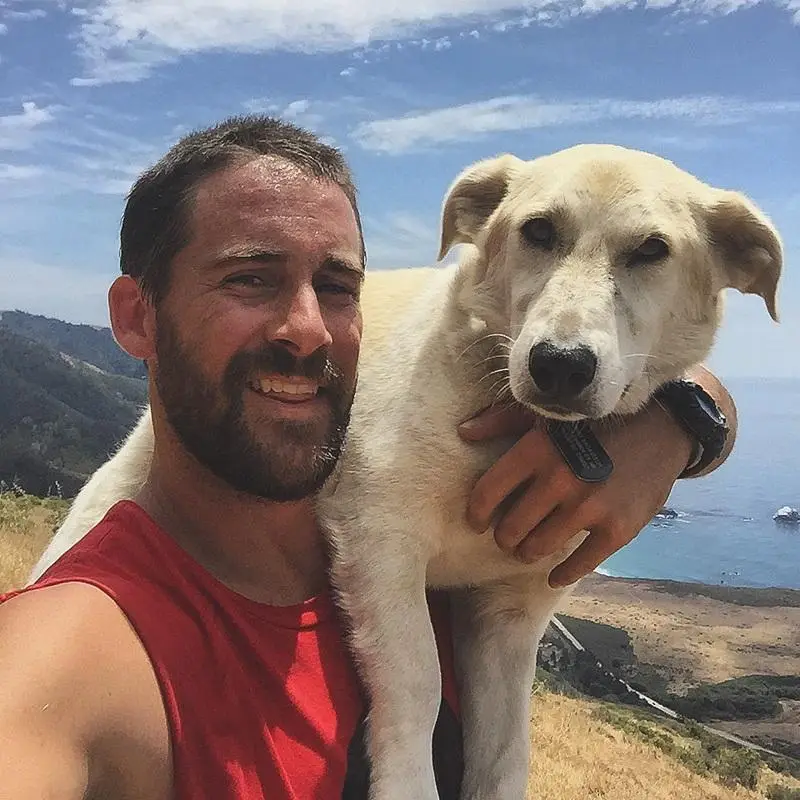
Yeah. If you guys haven't checked out this book, it's it's right here. It's called Craig and Fred, and you could see what Fred looks like there. He's sitting on sitting on Craig's shoulders. Yeah.
And if you can, just kinda describe your first meeting with Fred because I I don't wanna I don't wanna get... I want people to really read this book because I think this book can really benefit so many people if they go through it and actually read it from start to finish. But if you can, just describe your your first meeting with Fred and and why you fell in love with him.
Craig Grossi (link to this point)
Yeah, man. Yeah. I mean, we were... There were there were no established FOBs or any kind of combat outposts up on the Northern Sangin Valley near the Green Zone. And we...
I was attached to to recon, and we went in to... And we set up kinda overnight. We set up a... Just a, like, really hasty position in this compound And and then just essentially just filled sandbags and dug a couple of murder holes was the best we could do. And and and all the analysts and everybody was telling us before we before we punched into to Sangin that, you know, we were gonna be in the fight of our lives and and and that the Taliban there were just a totally different, different enemy.
And they were right. I mean, from day one, they came at us with with much more coordinated efforts and and just bigger everything in terms of their caliber of weapons and the numbers that we saw were unlike anywhere else. And so it was probably like a good week of just kind of standing, you know, our ground and fighting them off every day. It was in between engagements and in between stuff like, you know, like, mortar attacks and stuff like that that I I would spot Fred kind of bebopping around this compound that we had we had taken, you know, we had kind of commandeered. And he was all by himself, which to me was one of the first things I noticed about him, you know, because most of the times the dogs, they only really came out at night and and they were, you know, just usually in little packs.
And and it was during the day. He was always out during the day and he kinda seemed like he carried himself, like, despite his his his runty size. You know? He was really confident, you know, and I kinda noticed that pretty quickly too. And so it was, you know, it was probably after things kinda died down a little bit.
I I... Maybe, like, day six or seven, I I finally... I spotted him. He had a little nest, like, this little couple bushes he was in. And and the...
Just the the... That first moment I walked over to him, I got kinda close to him, you know, I realized he was... He... This was... Might not be a good idea.
I mean, he was covered in bugs, and he was hot and hungry, and he was really dirty. And... But as I got a couple feet from him, I noticed he was doing something, and and to this day, it has impacted me, and I... It's a big part of the story. And and I'll kinda leave the the first encounter story at that, but he he was he was wagging his tail, essentially.
Chris Albert (link to this point)
And Mhmm.
Craig Grossi (link to this point)
And that to me was... It was such a simple thing for him to do, but to me, it said everything. And to me, it... You know, it was... This dog has absolutely nothing to wag his tail about.
And and he's... And no reason to trust a person at all, you know, but but here he is. He's he's, you know, he's doing it, and he and he wants to wants to reach out and wants... He's... To me, it's it's a...
I call it stubborn positivity now. It's... And that... That's Fred. You know?
And so that's... That's... That was our first encounter, and and it was just one little thing after another that kinda just really made him grow in my heart and and the rest of the guys I was with.
Chris Albert (link to this point)
And if you if if you guys get a chance to go check out Craig and Fred's Instagram, Fred the Afghan, If you see what this dog looks like, I mean, it looks like it looks like a... Almost like a lab Yeah. On on legs that are about, like, half as long as they should
Craig Grossi (link to this point)
Right.
Chris Albert (link to this point)
Right. So I imagine that was, like, a really interesting sight because Yeah. I I served in Iraq, but I I... From from what you wrote, I I saw that most of the dogs there were were like... Looked like wolves mixed with Yeah.
Something like that. Yeah. Little guy comes up and he's Yeah. Yeah.
Craig Grossi (link to this point)
I mean, it was... You know, he he has big dog features. His head, his neck, and his body, and his... He has a really big chest. And he kinda knew...
He kinda knows that. Like, he walks to one on with his chest all the time. But, yeah, he just got... And, like, it wasn't slowing down at all. And my dad says he's two two dogs long and one dog tall.
That's the... That's kind of the little phrase that we say about him. But, yeah, I mean, he he was he was different, you know, and and much more approachable. I mean, we had... There was a rule for us, you know, like, don't...
And for all all troops, you know, like, don't approach stray animals. And I... It was... I didn't think it was a a bad rule, and I I didn't have a problem following it until until I saw Freddie.
Chris Albert (link to this point)
Wow. And and, you know, going off of that rule, you know, dogs that came in contact with US service members in in Afghanistan were were largely euthanized or or or they Yeah. Under the threat of euthanization.
Right.
That... And that's a theme throughout your book, kind of kind of going through this struggle. Like, I'm I'm here. I'm I'm serving in a war.
And Yeah.
We have a mission on our minds. But, you know, this dog is is really important not only to to you, but to your unit. And he became really Right. How did how did that come about? I mean, it seems like he almost drew you guys together and almost kinda made you guys focus on him as as kinda like a family member.
Craig Grossi (link to this point)
Yeah. Totally. I mean, it it it was it was everything from just, like like, coming up to a guy like that in his bug net at night and, like, cuddling with him, you know, and and just... When we started going out at night to really try to get in contact with some of the villagers who were caught in the middle. Fred came on patrols with us and and this is recon.
Like, they they're they're... They like to be quiet, you know, and and and they value that. And if you can't keep up, you know, you you can't come. And Fred Fred kept up and Fred kept his mouth shut. And even when in instances when a dog...
You would expect a dog to bark, you know, and when a pack of dogs would kind of be following us and barking at us, Fred never barked back, and Fred never never made a sound. And that you know, he's he's like, he's with us. You know?
Chris Albert (link to this point)
And Mhmm.
Craig Grossi (link to this point)
Lots of... Everything from, you know, big stuff like that to just little little stuff like just him being himself and and him clearly kind of just standing out in in contrast to the environment that he was in. You know? It was almost like he got... He, like, wandered off of someone's front porch and got lost, you know, like, really, really lost.
Like... And to the... I was asking villagers kind of all the time, like, whose dog is this? You know? Whose dog is this?
Because he was so chill and so great. And I was told repeatedly, you know, like, no. He's he's not a... No one's dog. He's a stray.
And, you they... It would laugh... Like, the Afghans would laugh at us that we loved him so much because he... To them, it just didn't... He wasn't of any value, you know, if he wasn't big.
Chris Albert (link to this point)
Yeah. Yeah. They have a very different mentality toward toward dogs and and animals than than than we do. And and Yeah. It seems like that was another kind of theme there where, you know, you you really wanted to get him out of there because you didn't know what his life was gonna be like Right.
Afterwards or anything.
Craig Grossi (link to this point)
Yeah. I mean, it was, you know, it was like he it was like he was waiting for us because he... And not to downplay anybody that's ever got a dog back from from overseas, but the stories I've heard and the friends that I've known that have that have pulled it off, it it was... They were on a FOB or they were on a base and, like that for most of their deployment and they had kind of the resources and the time to kind of dedicate to that dog. And like...
And the dog itself was brought up kind of around that environment of that base and and was, you know, hand fed and and kind of, you know, stuff like that. With Fred, we showed up on him. You know, he he had existed in in the wilds of of Sangin for probably, I I I estimate around eight to nine months of his life. So he was still a puppy, but he was he was around long enough to have kind of become, you know, mean, like like all the other dogs we saw. So I think we all felt, you know, responsible for him, you know, like, because it was the the coincidence was just too too incredible, you know, that we...
The compound we happened to take, you know, for for that operation, you know, for this little dog that happened to be in it, you know, and it was, you know, he he really just kind of consistently demonstrated his, you know, his awesomeness and his value. And, you know, and anybody that has a dog, you have a dog, you know, like, when when you're petting your dog, when you're hanging out with your dog, that's what you're doing.
Chris Albert (link to this point)
Mhmm.
Craig Grossi (link to this point)
And that's that's all that matters. And so... And it it doesn't matter if you're if you're in your bedroom or if you're on a battlefield in Afghanistan. Like... And he did...
Fred, if nothing else, he gave us that. In in brief moments, you know, in the in in the field, when you were giving pet... Fred a a little scratch or you're playing tug of war with him or or whatever, that's that's what you were doing. And it was, like, your blood pressure dropped and, like... And it was so awesome.
And so, yeah, we all we all just wanted him... Wanted to see him get get out of there.
Chris Albert (link to this point)
That's that's so amazing. And and, you know, there's a few scenes from the book that that really, really kinda just get at me. And and and Yeah. I I I told you before this, I had to have my girlfriend actually read the book before I did because Yeah. I I still have, like, flashbacks from from watching Old Yeller when I was a kid.
Craig Grossi (link to this point)
Yeah. I do. Right? Yeah.
Chris Albert (link to this point)
And the the one scene that that that... You know, and, again, I don't wanna ruin the book for people, but getting onto the helicopter, your heart had to be in your throat at that moment when when you Yeah. You finally were gonna bring him on and and and that you were gonna take this upon yourself. What what was going through your head?
Craig Grossi (link to this point)
Man, everything from, like, what are you thinking? You know? Like, this is insane. You know? Like like, to to...
I really just hope I can get him get him in the bag and just get him on the back of the helicopter. And... But it... The for me, it was really... I I wanted it to be, like, exhaustingly clear that it was what I was supposed to do.
I wanted it to really... I I put it on Fred. I I wanted it to be his call and his choice to to take this risk because beyond getting him out of the field and back to Leatherneck, I didn't really have much, if any, of of a plan from there. And I knew... All I knew was we were only gonna go back to Leatherneck for two weeks to rest up, and then we were heading right back out into Sangin.
And so I was like, man, like, I didn't know what what I was gonna do from there or how I was gonna get him home. But I told Fred... I kinda pulled Fred aside before the helicopters came to pick us up. And I was like, look, man, if if you're not scared off by by all the noise and craziness that happens when a helicopter comes down and you follow us, you know, like, I'll do my part. You know?
And and if if you ignore the... You know, all that stuff and, you know, and I I honestly thought he would be halfway to Pakistan by the time the thing hit the ground because, you know, what... Who... How do you expect a stray dog to follow you to the back of a helicopter? You know?
Like, they have to train the working dogs to do stuff like that. You know? And but, yeah, that that is... That scene, when I when I read it, it still gets me. My my my anxiety goes through my throat, you know, and and I I I almost, like, look at myself like, what were you thinking, man?
Like, that that was insane.
You know?
And so, yeah, I I feel... I don't wanna give too much away because, yeah, that is a really that is a really powerful scene, I'm glad I'm glad you enjoyed it. I'm glad you brought it up. But, yeah, that that was that was a big moment in just in my life in general now looking back at it.
Chris Albert (link to this point)
That's a that's a... Like I said, it's absolutely amazing. And and, like, you guys definitely gotta get this book. I mean, it's it's I've I've read a lot of books in my life. This one had had...
Has had a major, major impact on me. And and I think it's impact on any any person who reads it, but let alone veterans. I mean, like Yeah. Veterans in general need to hear this message and and need to need to learn the lessons from this. And I think one of the biggest lessons from it is that if you have positivity in your heart and you want something to happen, you can make it happen.
You can bring it together. And and I think that's a lesson both from Fred and from yourself, thankfully.
Craig Grossi (link to this point)
You know? Yeah. Yeah. Thank you, man. Yeah.
That that that that means a lot. I mean, because it I I learned from Fred, you know, and and for me, getting out and transitioning was was rough. You know? And and I almost didn't really realize I was going through a rough spot at the time because I had Fred. And because whenever I felt frustrated or down, you know, like, I would just look at him.
You know? And to me, he was a reminder of something awesome that I did. It it was... He was, you know, just very tangible. You know?
And it was like we had this bond, and we we had done this thing together. And and when it could have gone wrong a 100 different ways, you know, I... We made it happen, you know, together. And so he kinda just kept me kept me positive, you know, and it kept me kept me driven to just never really, I guess, really compromising in terms of of my my happiness and my my my contentness. Yeah.
Chris Albert (link to this point)
And, you know, there's there's there's a few different story lines in the book. A big part of the book is believe it's your friend, Josh. Forgive me if I get the wrong.
Craig Grossi (link to this point)
Yeah. Yeah. Yes, Josh.
Chris Albert (link to this point)
You know, in part of the book is you're traveling around the country with with him and. Yeah. And Josh is an amputee. He served in the US Army. And one of the things that I got from it is when you're encountering people, people look at Josh and they see, Okay, wounded veteran and and have that.
And then, you know, you coming back, I know you you've suffered a traumatic brain injury, but but, you know, people don't see that. Right. Right. That at all. And it's hard to strike up a conversation.
It's hard to talk about it. Can you talk a little bit about how Fred helped you with that? You know, having him here in The States and having him on that trip?
Craig Grossi (link to this point)
Yeah. I mean, it was... It... It's Fred's story. You know?
And and it became, you know, just going... Living in DC and going to the different dog parks and... With Fred and and just striking up conversations with people about Fred because everywhere he goes, people are like, what kind of dog is that? He's just so looking, you know, and he he hears corgi all the time, and I think that gets on both of our nerves because he's not a corgi. But but it it it kinda...
You know, it it it was like one of the... Another one of the ways that he really impacted my life was because I... It reconnected me with my love of of storytelling. And it's one of the first things I think I was ever... I ever realized I was I was good at as a kid.
Was just like was like sitting around the dinner table with my family or going to a sleepover with my friends when I was like a little kid and just like telling a story. You know? And and so when I would go to the dog park and somebody would ask about Fred, I would just... They had no idea what they're signing up for, but I would just kick off on this crazy story about how how I found him and and and how I got him home. And and the next thing I knew, you know, I was talking to total strangers about, you know, not just about Fred, but about Afghanistan and about my experiences there and about my friends that that I lost, you know, and the friends that I served with that that are just incredible guys.
Know? So I I think it was it was never my plan. You know? It was never, like, my intention to go to the dog park and and talk to people about about that stuff. You know?
I just wanted to see Fred chase a squirrel. But next thing I knew, you know, I was... It was almost... It was just really another way that, you know, it's proved to me that, you know, his his presence in my life isn't isn't an accident, you know, and it's this is a story that we were supposed to share. So it's really just exciting to do it on on a big on a big level like this with the book.
Chris Albert (link to this point)
At what point did you decide that you were gonna write a book? Like, what what what what came upon you that said, I gotta sit down. I gotta get this out.
Craig Grossi (link to this point)
Yeah. A couple of things. I mean, I think the biggest obstacle for me was convincing myself that my story was was worth it. That, like... Because I I...
You know, it's just a, I think, a natural thing that that that veterans have. You know? It's just like, you're not special. You know? And, like, yeah, like, there's a there's a 100 dogs people brought home from Afghanistan or Iraq.
Like, what's so what's so great about Fred's story, you know, and and, you know, and just kinda getting over, like, that idea that I'm not good, like, that it's not good enough for that. I'm not worthy of of this, you know, opportunity. And that I think that was probably the biggest thing I had to overcome. And then once I once I kinda made peace with that, I started to write. And the more I wrote, like I I took Fred on a camping trip and we did about four nights just like, on the Appalachian Trail.
And I brought a legal pad, and I would just sit by the... By a little fire at night and just write. And the more I wrote, man, the better it felt. And it was like... At first, I was like, woah.
Like, this just... It just feels good. I don't know if the writing is any good. I I don't know if anybody's gonna give a a crap about this, but I'm... It just felt great.
I filled that legal pad in just a week. And and then then I I ended up taking a a writing course. It's just a weekend kinda crash course on creative, not creative writing, but just on writing with the Veterans Writing Project, which is an awesome nonprofit based out of DC, but they do stuff all over the country. And it's all free to vets and they just give you as much as they can kind of a fire hose situation in terms of just what it's like to write and why it's important for us to write. And after that weekend, I was like, well, like this, you know, I really wanna do this.
And then I went on the road trip with Josh that summer and that to me was a test. And it was almost like kinda like asking Fred to follow me to the helicopter. You know? Like, you know, if I... If my story...
If I can live this story and, like, tell it from everywhere from Chattanooga, Tennessee to to Bend, Oregon and back and and and it feels good and it feels right, then when I graduate the following year from from Georgetown, like, then this is what I wanna do. And and every mile we put on on the on the on that road that summer, and every time I told the story, it it was it was almost... It it was just proof to me, and it just became stronger in in my heart that, you know, that this was what I wanted to do. And and it was, again, kinda... I'm realizing as I'm telling you, you know, like, was, again, it was kinda like once Fred followed me to the helicopter, I was like, okay.
Like, what? How do I get him home now? And then it was same thing. Like, once I figured out, you know, inside myself that I wanted to share the story, then I had to figure out how how the heck I was gonna pull it off, you know, how I was gonna get a book deal. And, you know, and and it was...
To me, it didn't have to be, you know, this big grand scale, and I could have never imagined that, you know, HarperCollins would would pick us up and that we would have this incredible... All these resources that we have now. To me, it was just about getting it out. And I was ready to self publish. I was ready to do whatever it took to just to just have it and and be able to, you know, say to people, read my book, you know, and and read read about my friends.
And and so it it was... It wasn't an easy journey. And this time last year, I was I was really lost and really frustrated. I was working retail. You know, I I took a job that let me bring Fred into the store, because I felt like that was...
You know, I I wasn't gonna sell people socks or ties. Like, I was selling people Fred, you know, and I never knew that I was gonna walk through the door. So, you know, that was that was where I was. And and it was just a matter of of of just kind of staying persistent with it and really just never letting go of of the the idea.
Chris Albert (link to this point)
That's... I mean, that's so interesting to me because, you know, one, the the writing was like therapy to you and and and Yeah. The way of getting things out, which in a lot of ways, that's kind of why I do podcasts and how I started doing podcasts and YouTube and things like that. But yeah, what's even more interesting to me here is is kind of this process you have, where you're setting up these little incremental challenges for yourself. And if meet the test, then you're gonna go full on in with it and you're gonna go all the way. And I think that's a really cool way of going about things that a lot of people from the home can learn from. Setting up these tests, you're... And they're things that are doable, but they require effort. They're a little bit of a challenge, a little bit of a stretch for you. And Right. Right.
Stretch yourself a little bit, then you grab hold onto it. And and if it's a fit, you go for it. That's that's awesome.
Craig Grossi (link to this point)
Yeah. It... It's... Because I I think I've made enough mistakes, and I've gone down the the wrong path enough to know when I'm on it. And so...
Yeah. So setting... I think setting up those tests, you know, if it doesn't work out, you know, or even if it does and it doesn't... It still doesn't really feel feel right, you can... You know, you haven't, you know, overcommitted yourself to something.
And and, you know, idea, I guess, it was was kind of an unconscious thing, but it is it is a... It's a method. And and a big a big crossroads was I I was... I graduated from school, and I I got a job offer to go back into the intel world. And and I knew if I went back in to to this...
Specifically this job that I would blink and I would be, you know, in my sixties. And it was just gonna be that kind of environment because it was it was kind of the job I'd always wanted. And I had my clearance lapsed while I was back at school. And so I had a, like, eight to nine month, you know, window for... You know, what they're saying, like, you know, you can't start for at least nine months, eight to nine months.
And I was like, okay. Like, I guess I got eight to nine months to get this book off the ground if it's gonna if it's gonna go anywhere, you know, and I... That was when I really, you know, put put the put the hammer down on trying to just get get the story out there. And, you know, and I knew if because I knew just that was my... It was gonna go one way or the other.
Was gonna go back to the government and go back into the intel world or I was gonna, you know, just go down this this this book path and see how to see, you know, which, you know, how far how far it took me. So here we are.
Chris Albert (link to this point)
Yeah, the the book path is uncomfortable. I mean, it there by no means were no certainties. And, you know, even right now, you know, your books out, everything's everything looks looks awesome, but there's still no certainties, but you look like you're having a freaking ball. I mean, you're
Craig Grossi (link to this point)
Yeah.
Chris Albert (link to this point)
Right. That life experience and and and Yeah. You look so happy right now. And I think that's
Craig Grossi (link to this point)
Oh, thank
Chris Albert (link to this point)
Right?
Craig Grossi (link to this point)
Yeah. It is. You know? And it... I feel I feel as content as I did when when I was hucking around, Sangin with recon, you know, with with the notebook in my pocket and just talking to villagers all night.
You know? Like, that that to me was, you know, my sweet spot in terms of just my my Marine Corps career and and just what what I joined to do in the first place. And and it's been a long road since then to try and figure out exactly what the heck I'm supposed to do now after the Marines. And and, I mean, I got out in in 2011 right when I got home. And...
But, yeah, this is this is the best I've felt since those days. And and and it really is just clear to me that, you know, everybody we talk to, you know, we're we're we're coming in their lives for a reason, you know, and people people are ready to to hear this story. And it's... And it runs the it runs the gamut. You know?
I'm I'm so proud to to share this for my fellow veterans and and for anyone that's transitioning or or not. And and... But also just for the for the random civilian or the... You know, any person that just needs a story about, you know, about, you know, about life and about, you know, just finding your path because that's I've been looking for a long time. But, you know, I'm proud to say that at least for now, you know, this is this is right where I'm supposed to be.
So yeah, it feels good.
Chris Albert (link to this point)
Yeah. And I think the cool thing to mention there too is, you know, like you said, you had you had jobs waiting for you in the intelligence world. You yeah, you graduated from from what what, for all intents and purposes, is one of the most elite institutions in the country. Yeah.
Crazy.
And and, you know, you've lived you lived a great life. And it's not like, you know, it's not like you were one of these kids who grew up in New England, who went to a prep school or anything like that. You came out of the Marine Corps, you served as an enlisted person, went into college Yeah. And then came out. But but what's cool about that is that all these things that that these kids who did grow up in the prep schools, who did go to the to the Ivy League colleges, who had what you would call like the the the standard grooming for what you see in government in Washington DC, They would would sit there in that job and they'd wait, you know, and you're out here living.
And I think that that's the Yeah. Man.
Craig Grossi (link to this point)
It's it's awesome. And... Yeah. And that... It it was it was just really, I think, just about not settling and and really holding out and and and understanding, you know, that I didn't I didn't have to I didn't have to settle.
You know? And and I I I could wait for the not really... Well, not wait, but really work for the for this, you know, and for for the opportunities. And and and when they when they weren't there, just make make them for yourself. You know?
And and... Yeah. I feel very lucky. And... But I also know that, you know, that it it took a lot of of persistence and and and just...
But I I have been just... The people in my life are incredible. Everybody that's been involved in the book, everybody at HarperCollins and and has really matched my enthusiasm, and that... That's that's all I could ask for. Yeah.
So, yeah, it's it's great, man. I'm I'm I'm just... I'm really excited to see where it takes us from here.
Chris Albert (link to this point)
And it's about understanding what you want as a person, I think, rather than doing what everybody else wants or wants you to do.
Craig Grossi (link to this point)
Right.
Chris Albert (link to this point)
I've... You know, just reading from the book, I know you're in some situations where you almost got yourself into a life situation that you completely didn't wanna be in and and you recognize that. How how do you wreck... How can... For for the guys at home, how can you recognize one of these situations where, you know, you feel like or or you're about to step into a situation where you you know you're not gonna be happy, but everybody around you is pressuring you to do it.
Craig Grossi (link to this point)
Yeah. Yeah. It's tough. It's so tough. And and and I think what what it really boils down to is is knowing yourself and and knowing...
Looking... Maybe looking back to a couple of years and and thinking about who you were, you know, at a certain... Like, think about a point in your life when you were really happy and you were really content and and why and why you were that way. And then thinking about the the current path that you're on and, you know, what it would look like if you made that decision or if you made that that that that life choice, you know, would it lead to that? Would it lead you in that direction?
And would you be able to recreate those circumstances? Not specifically, but just that of that feeling that you're in the right place. If the answer is no, you need to like, ask some more hard questions. And that's ultimately what it's about to me is really, you know, just maintaining your own personal integrity, you know, and not wavering from that set of standards and not doing it for anyone, because the pressures are out there they're not going to go anywhere. Once you avoid one or once you deal with one, there's going to be more.
But the less that you compromise your own values and your own sense of purpose, the easier it is to not fall into those traps and to really know yourself and be able to stick to that. Yeah. And it's a hard thing to give specific advice about, but I hope that the book will help, just see from my... Because those were tough to kind of write about, because really thinking about those moments, know, not so much that they were hard to talk about, but it was just like almost, you know, I didn't want it to seem like I was avoiding responsibility or avoiding, you know, anything like, you know, that I just didn't wanna do. You know, it wasn't it wasn't like that.
Chris Albert (link to this point)
Yeah.
I think that, you know, in some ways responsibility is... I mean, it's based on the person. And and, yeah, when you sign up and you sign up for a commitment and and you you have a responsibility toward that commitment, like the commitment we had in the Marine Corps. But I also see responsibility in your in your life in in another way, you know, by taking on Fred, you took on responsibility. You took on responsibility for his life, for his welfare, for his comfort and things like that.
At the same time, if you sign up for something that is not in your will and it's not something you want to do, that's kind of, you know, letting go of responsibility for yourself just so you can get some sort of comfort so people don't look at you like you're funny and things like that.
Craig Grossi (link to this point)
Yeah. Right. Yeah. I mean, yeah, it's... Yeah.
It... It's an uncomfortable decision to to buck. You know, your your family is gonna look at you differently. Your friends are gonna... Like, what?
But, you know, like, it passes. And and people people might, you know, give you a cockeyed look or or question, you know, what you're doing or what you aren't doing. But in a in a week, maybe less, you know, they'll they'll get it, and they'll see, you know, that that, you know, you're happy and that you're content. And and if they're if they're supposed to be in your life, then then that's all they want for you. And and, you know, it's just it's just a matter of of just maintaining, you know, being able to look inward and really, really determine what you what you want for yourself and and not not compromising it for for anybody.
Chris Albert (link to this point)
Now with the with the book, I know you guys are... You're on your tour right now. How how long is this tour? Where where are you guys headed? What what areas are you going to?
Craig Grossi (link to this point)
Yeah. We were in Rhode Island last night in a town called Westerly. It was a really great event. Lots people. They sold all the books at the store, which is really cool.
Yeah. And then we have... Tomorrow, we have an event in Cheshire at the Public Library in Cheshire, Connecticut.
Chris Albert (link to this point)
Mhmm.
Craig Grossi (link to this point)
Really excited about that. I'll do... It seems like a... That I usually talk for about twenty minutes and just kinda talk about the book and the and the journey and Fred. Everybody just wants to know about Fred.
I'm used to that. You know? People are excited to see they're excited to see me because Fred's at the other end of the leash, you know, and I I I could be invisible. And so... And then I usually just takes...
Take a lot of questions. People always wanna know about Fred's, you know, habits and, you know, different stuff. And then and and then I'll do just, you know, book signing and stuff like that. And then on on on Sunday, we're gonna be at the... In Middletown, Connecticut.
And then we're just headed, like, up to New Hampshire and then kind of all the way down the down the East Coast. And if people if people wanna know, like, just when we're coming, it's gonna... We're gonna be in Delaware and in Rehoboth Beach next week, and then we'll be in DC for Veterans Day weekend. And... But if they they can just go to fredtheafghan.com and go to our events tab, and you can you can check out all the different events.
I'm really, really excited about all of them, but we have one at the... At a place that I write about in the book a lot called the Pug, And it's just a great little local bar in DC that that I I hung out a lot when we lived there. And we're gonna do a fundraiser for the Veterans Writing Project and and a book signing and and sale right there at the Pug. So it'd be cool for people to to come if they've never been, you know, come check out the bar that that I write about. That's like, you know, it's in the book and and meet...
There's lots of great people that hang out there and really great characters, and it's in a cool neighborhood too. And and and then, you know, they can they can get a copy of the book and and and have a have a Stroze, which is the beer that that I always drink when I'm there.
Chris Albert (link to this point)
When I lived in DC, what did I drink? I used to drink Yuengling. A lot of Yuengling.
Craig Grossi (link to this point)
Yeah. Yeah. Yeah. It's big there.
Chris Albert (link to this point)
Yeah. I drink a lot of whiskey too. But I said...
Craig Grossi (link to this point)
Yeah. Right.
Chris Albert (link to this point)
That's great. But so so you've got this book. You've got the book tour going on. Have you thought about what your next step is for for you and Fred? What what are you guys gonna try next?
Craig Grossi (link to this point)
Yeah. I mean, I I wanna... I really... You know, I'm always thinking about that. I'm always thinking about the next step, and I think, you know, I definitely wanna keep writing.
And and my my gut right now is kinda telling me, like, I could write a book about writing a book. And and just in general, like, what that... What my path was like. Almost like like, like, expand off of the last chapter of of Craig and Fred and really get into, you know, what what those moments were like when I was really kinda put to the test in terms of my, you know, my commitment to to the story and and to sharing, you know, sharing everything about it. And I mean, because there were moments that, you know, I was, like, withdrawn on my bank accounts, you know, and I didn't know where, you know, like, what...
You know, how I was gonna get, you know, food for, you know, for Fred and just, like, things were just really, you know, really dark there for a little while. And... But I I really just maintained that, you know, that that positivity that that that was supposed to be, you know, what what the story was all about, you know, and just tried to live, you know, live according to my own my own story. And and so I I think that that could be a fun thing to write and a a valuable thing to share with people. And and, also, we we just wanna keep traveling, you know, and I think we're we're kinda tentatively putting together some some ideas for for the West Coast. We have a ton of ton of friends. We'd love to come see you and
Chris Albert (link to this point)
and Dude, you gotta come out here. I will cook the best Italian meal you
Craig Grossi (link to this point)
Oh, nice. The best.
Chris Albert (link to this point)
Great, man. It'll be the best Italian meal you'll get on the West Coast. I promise you. Yeah.
Craig Grossi (link to this point)
Right on. Yeah. We'll take it, man. Yeah. So we're we're we wanna, you know, maybe in spring, summer, like, get get get out there and see all of our friends and do do more events out there.
You know, Fred Fred Fred loves to travel, and and and we all... You know, my girlfriend and and Fred's little sister, Ruby, you know, every... We're little unit now. So, you know, we wanna keep it going. And I wanna share more just kind of about, you know, our our travels and, you know, I'd love to just explore different towns and and dog friendly establishments and, you know, almost maybe make, like, a YouTube channel about, like, dog travel and and stuff like that.
Think that would be really fun for to do just with Fred. So, yeah, we'll see. I got... We got lots of lots of ideas. It's just kind of a matter of of of putting to the test and see see how they feel.
Chris Albert (link to this point)
Well, I definitely think you'll you'll you'll find success with with any of those ideas. I you know, you guys, you guys have a lot of charisma. Both of you have a lot of things. So yeah, yeah, don't sell yourself short there, man. You know, people want to hear what you got to say too. It's not just right.
Craig Grossi (link to this point)
You know? Yeah. I know. I know. It's it's...
I think I... I'm just... I've always been kinda hard to hard to compliment. You know? I... I'm I'm really... The hardest part for me about the book in general was just was just writing about about myself, you know, and when I sent a very early version of it to to my girlfriend, actually, before we were dating, I just wanted her to read it because she was one of only people I knew that was creative.
And and she wrote me back and said, it's it's great, but, you know, like, we wanna know more about you. You know? And that was the last thing I wanted to hear because it's always harder to write about about yourself, but she was right. You know? And and that that was that was, I think, was where the real therapy came into it for me was...
Is really just when you put it on on a screen or when you put it on paper, becomes real and you can really, really, you know, just continue to kind of flush your flush your own thoughts out.
Chris Albert (link to this point)
Can I ask you a little bit about your your writing process? Because Yeah. I mean, you were talking about that. Is is there a particular ritual you have when you're writing? Is there a particular time of day you like to write at? Is there a particular thing you have to do before you get into it?
Craig Grossi (link to this point)
Yeah. I I find, like, there was... It was just important for me to... At some at some points, it would be like, I'd sit down and I'd write for five minutes and and never use whatever that was again, or maybe I would. It was just...
It was almost just valuable to get the ball rolling on an idea. And sometimes I would sit down and and write and next thing I know my legs would be asleep. And I I would have been writing and the sun was going down. I've been writing, like, for six hours. And so I think, ultimately, for me, it was... It... I didn't... I think I would have been turned off if I had felt like I needed to have, like, a a serious regimen.
Chris Albert (link to this point)
Mhmm.
Craig Grossi (link to this point)
It was it was... To me, it was just about writing and just about doing it when it felt like I needed to or like I should or like I had something in my head that had to come out. And and once I started to do that and to address that kind of that inclination, it felt all the more natural to just, like, be... And I carry around just, like, something like this, just like a little red notebook, you know, and if if... You know, if I'm just around the house or out, you know, and I and I just sit down and just write, like, a memory come...
Would come in my head because a lot of the book, you know, it happened a while ago. And and and so things would kinda hit me here and there, and I would just be like, oh, remember that time that Justin did that, you know, and it would... That would be enough for me when I went back to my computer to sit down and and and kind of extrapolate and pull that and memory apart and see if there was anything kind of valuable there in terms of the story. So I think, you know, I I think it's important to to write just in general. And for...
It's like working out, like like, what works what works for one person one person's body type and one person's, you know, kind of, lifestyle might not work for somebody else. So I think, especially for veterans, that we have stories. It doesn't matter if if you if you didn't go to Afghanistan or Iraq or or, you know, you didn't deploy at all. Like, if you're turning wrenches on a helicopter in Pendleton, like, you got stories, and they're they're awesome, and they're unique, And and, you know, people wanna hear them. And I and I think, you know, just sitting down and and writing is, is just important, and and everybody's gonna do it differently.
And so, it's just that... Just kinda popping that that bubble, you know, that first time. And and then once you start, it's gonna be something that you you kinda wanna do and you you gravitate towards.
Chris Albert (link to this point)
Do you ever read, the book, The War of Art by, Pressfield?
Craig Grossi (link to this point)
No.
Chris Albert (link to this point)
You gotta check that out. He he also... He Yeah. A lot of war books. He was a marine as well, but he wrote this book.
Okay. I don't have it near my my... Near my desk right now, but it's it's called The War of Art. And he talks about resistance and how writers go through resistance and how... Because he was kind of the scene... Very similar story to yours where for a lot... I think up until about the age of 45, he was living out of a van and he was typing typewriter out of the back of his van. Then all of a sudden, his writing kinda took off.
And Yeah. He talks about the the mental resistance that people go through. You gotta check that book out, man. Yeah.
Craig Grossi (link to this point)
Definitely.
Chris Albert (link to this point)
Make sure Yeah. We'll definitely... We'll talk about that. But Yeah. That's that's cool, man.
I I like that you have that process. Do you find that your your skills from the intel world helped you in in remembering things?
Craig Grossi (link to this point)
Yeah. I think so. Yeah. Because I was... You know, I wasn't I wasn't a a shooter.
You know, I wasn't a recon guy. It was my job to really, like, have my my eyes open, especially on the battlefield. And and I think that that habit, yeah, definitely carried into my time after, you know, in in my experiences after on the road with with Josh and Fred. And and really just, like, that that method of when I saw something or when I talked to a villager or when I, you know, observed the Taliban tactic or, you know, something like that, I wrote it down. And so, yeah, I think that that kinda carried over, but it's nothing that that people without that background can't can't do.
Because essentially, it's just observing and and and reporting, you know, observing and remembering, you know, and and just... I think the the biggest the biggest hurdle to kinda get over is, you know, is that your experiences are are worth worth sharing and and worth writing down. And and also, like, you can be a writer and suck at spelling and grammar. Like, if this doesn't... I think I think that...
I I think people need to hear that, man, because I... There's... That's why you have editors. You know? Mhmm.
You know? And so, you shouldn't feel self conscious about, you know, like, oh, did I spell that right? Or, you know, what's a semicolon? You know? Like, it doesn't...
Nobody cares. You know? Like, it's about what's on the page. It's about it's about the story. So, you know, all that stuff is just details and and, you know, you can get get hashed out later.
So... Yeah.
Chris Albert (link to this point)
Worry about the accomplishing the mission, getting it out, and then Yeah. Worry about crossing your t's and dotting your i's later on. Right. Yeah. Exactly.
That's a big thing. Don't be a perfectionist. No.
Cool, man. I guess this is kind of the last question I have. With this new phase in your life, right? You know, you've gone through these different phases, you know, from being in the Marine Corps the first time, you know, people find out if they read the book that you were in the Marine Corps twice kind of. Yeah.
Career first and then then another career and then Right. Into college and in your travels and now as a noted author, how are you dealing with this latest phase in your life? Like, what are you learning from it? What kinds of things is it opening your eyes to?
Craig Grossi (link to this point)
It's it's... I've... I'm really I'm really just taking it as slowly as I can because, you know, like like I said earlier, like, this time last year, I was working retail and, like, losing sleep at night over, like, what I was doing with my life. And so it's just... It's proof to me of of my own, you know, my own, like, kind of personal philosophy, you know, and that the idea that it's not what happens to you.
You know? It's how you react that matters. And stubborn positivity, you know, all this stuff that I I really had... Like, through my studies at Georgetown and through my my my experience with Fred have really, you know, clung to, but I really had to. You know?
And it wasn't it wasn't like, you know, it wasn't an easy path to this. And so it really just... I I wanna be grateful. I wanna understand where I was last year, you know, and what... How many people, you know, would love to to have the opportunities that I do in terms of just the exposure to our story and and to to to writing in in general.
And I really wanna, you know, just be open to to anything, you know, to to anybody at a bookstore, at a park, or any of these events that wants to talk. Like, I'm I'm gonna find the energy to to talk, you know, and to listen to, you know, and really just explore anything that comes our way because at this point, you know, like, it... It's it's paying off, you know, and I can see... I can really see it, you know, and I I wanna I wanna keep it going. I I want...
I I I won't I won't stop until people... I'm never gonna stop. I'm never gonna stop. Don't ever stop. I want everybody to know I want everybody to know about Fred.
I want everybody to know about about Sean and Justin and just all the amazing people that have come into my life. You know, and I wanna meet more amazing people. I wanna come to California and hang out with you and Absolutely. You know, and and meet everybody, you know, in between. So, yeah, that's...
I think the way I'm I'm dealing with it is just it's just honoring the the experiences that that I'm lucky lucky to have, you know, and grateful to to to just the the world for for giving me and Fred this voice.
Chris Albert (link to this point)
And do you have any advice for those guys at home right now who who might be stuck in that situation where where they don't... They feel kinda trapped and they feel like they... Their their life's not going anywhere. Maybe they have a lot of stress. Maybe they got bills to pay, and and maybe they're not covering them. Right.
What's your advice to somebody in that situation?
Craig Grossi (link to this point)
Yeah. I...
It's it's okay to feel overwhelmed, and it's okay to acknowledge the fact that it... Maybe you feel like your life, you know, kinda sucks at the moment. And, like... Because it's not, you know, this this positive philosophy that that I have and, you know, the idea that's not what happens to you. It's how you react that matters.
It... It's not a... An idea that you can just ignore the negative stuff and it'll go away. You know? You...
It's almost... It's the opposite of that. You have to embrace it. You have to understand, you know, that you're not where you wanna be and and really make peace with it. And and the moment that you make peace with with that and really, like, you know...
And you... It's not blaming anybody else. It's not even blaming yourself. It's just understanding that you're not where you wanna be. Then you can start to to really look for doors and windows and and cracks to to to crawl through and and find, you know, ways to to get where you wanna be.
And and, I I think that, you know, that it's just a matter of of climbing out of that of that first hole, and and then, you know, things are gonna open up. And and I think, really, patience is is a big part of that. And just, you know, understanding that you can have the best plan in the world, but, it's never gonna go down the way you want it to. And and you have to be patient and open to other opportunities that you probably never saw coming. So, yeah, that's that's the...
That's that's... It's a tough place, and and anybody that's that's having a tough time out there, it's a hard thing to... Like, from me sitting, you know, on my book tour in a hotel room, like, I... I'm sure that, you know, it's hard to hear from me. But trust me, like, it it it was less than a year ago that I was right where you are.
And I had, like, all the aspirations in the world, all the energy, and and just, like, you know, just life experience that I felt was valuable that was being squandered. You know? I am sitting there working retail, you know, and, like, losing my mind, but it it it gets better. And it's just a matter of of being persistent and patient. And those are are just two really important things.
Chris Albert (link to this point)
That's amazing advice. That's absolutely amazing advice. And, you know, I think that anybody who who listens to your story, who who reads your book, they're gonna find out it's it's it's about a lot more than just a guy and his dog.
Craig Grossi (link to this point)
Yeah.
Chris Albert (link to this point)
Yeah. This is about life. This is about veterans. It's about all of us because all of us face some of the situations that Craig is in.
Craig Grossi (link to this point)
Yeah.
Chris Albert (link to this point)
And I think that, you know, if if you take charge of some of those lessons and and and and you'll learn them, you know, things like taking on responsibility for something else in your life, you know, taking on that little responsibility, what seems like a little responsibility to some people like like taking on a dog that you find that can mean so.
Craig Grossi (link to this point)
Yeah, right.
Chris Albert (link to this point)
Being patient and those things, it's such an amazing bit of information we can get from you and your life and your story on what you're doing. Yeah. Man.
Craig Grossi (link to this point)
Yeah. It it... Thank you. I mean, it it is... It's just...
No matter how dark it feels, like, there is something to be grateful for, there is something to to smile about and to be positive about. Well... And even if if you're not lucky enough to have a dog in your life or you don't have the resources or the time, like, it's... That's okay. You know?
But there are, you know, you you... There are, you know, nice days. There are there are sunrises and sunsets and and a a cup of coffee, you know, and like, and just, like a a a smile from a friend or or a stranger, you know, like, like, open yourself up to seeing something good and to being something good. And and it's it's gonna it's gonna come back at you. I promise.
Chris Albert (link to this point)
Awesome. Is is is Fred awake? Does he wanna say hi to the audience at all?
Craig Grossi (link to this point)
Or Oh, yeah. He does. Oh, he's he's napping, but I'm gonna grab him. He's right here. Come here, buddy.
Come here, man. Come here. Come here. Oh, I'm so sorry to wake you.
Oh, here he comes. Here's the man.
Chris Albert (link to this point)
Look at that guy. Brad. He's in. Hey. Hi, buddy.
Craig Grossi (link to this point)
Yeah. Oh my god. Oh, he's got sleepy
Craig Grossi (link to this point)
They're gonna have to they're gonna have to bring some extra vacuums into this hotel room because he's a shedder right now.
Chris Albert (link to this point)
That is awesome. He... And how old is he right now? How... You...
Do you have any idea of his age?
Craig Grossi (link to this point)
Yeah. I I put him around, like, 7.5. You know? He he was about eight months when I found him because he had all his all his big dog teeth, and they say they get those around the eight month mark. And...
Oh, thank you. And and so, yeah, that was October 2010. So maybe he was around... Yeah. Maybe eight or nine months old when I found him.
So I I put him around 7.5. But when he's a he's a puppy when he wants to be, man. He's still got... You know, he's not shy about letting know when he wants to play or when he wants to go outside. When he sees a squirrel, like, it's...
Know, he's he's never caught one, but, you know, he's all about all about just being a puppy, especially now that we live up in Maine. Like, he's just... He's so happy. Oh, so sorry.
Chris Albert (link to this point)
And for the dog owners out there, did you did you have to put him on, like, a special diet when you when you brought him in and kinda domesticated him or anything like that?
Craig Grossi (link to this point)
No. I mean, I tried to just... You know, I'd make I'd make, like, my my chicken for the week, you know, and I'd make some for him, you know, and mix it. I tried to give him, you know, just as much real stuff as I could. Because I figured out...
Could... I'm gonna put him down.
It's so hot. Okay.
He surprisingly has a really sensitive stomach.
Chris Albert (link to this point)
Yeah.
Craig Grossi (link to this point)
I mean, because he's so used to, like, ingesting... But it was, like, it was... It's sensitive to processed stuff. Mhmm. Anything that's over processed in terms of food or treats or anything, his gut doesn't really know what to do with it.
I mean, he could eat he could eat a dead, you know, something off the road and it'd be fine. But if I give him something that's too... So I I really had to to, you know, pay attention to stuff like that. And, But in terms of a special diet, I mean, he... My dad had him for the first three months, and and I think he was just giving him giving him, you know, straight up dog food.
But he was he was spoiling him a lot too, I think cooking for him and stuff. So, yeah, it was more it was more just about about his behavior and and just some little some little hiccups in terms of just his his his understanding that dogs, you know, were his friends now. He didn't have to worry about any... Anybody taking his his toys or his food and and... But we worked through it.
It was it wasn't it wasn't too hard.
Chris Albert (link to this point)
Yeah, my I had Doctor. Dominic D'Agostino on here. He's an expert in ketosis, but but he does a charity for dogs.
Craig Grossi (link to this point)
Oh, cool.
Chris Albert (link to this point)
They they they take dogs who who are suffering from cancer through the ketogenic diet.
Right?
Oh, yeah. One of the things he he was talking about was the fact that a lot of dog foods, they have grains in them. And and a lot of dogs, their stomachs can't can't get used to the grains. And Right. So he'll he'll put put these cancer infected dogs onto the ketogenic diet, and they'll, they'll Yeah. Recover a lot.
Craig Grossi (link to this point)
Wow. Yeah. That's awesome. Yeah. Yeah.
Grains are... You know, anything I give Fred, it's it's not... It doesn't have anything like that in it. Yeah. It it it just...
Yeah. It's just like you're... You have to scrutinize it just like you would, you know, the food that you eat every day. Like, really just pay attention to... And then even if it's...
Like, we switched for it to, like, more of a seafood based food because we thought it it would just be, like... You know, he was really... He really liked it. And... But it it made his...
It made him itchy. And if... And and, you could tell he was kind of uncomfortable and we're like, woah. So we switched it switched back to the one we were using before, and it was even from the same brand. But, you know, and once we switched him back, he stopped kinda itching at his paws and he stopped, you know, doing that.
I was like, okay. You know? So even if it is something that's, you know, good in terms of a product and and, you know, you just have to pay attention to to how they're reacting to it.
Chris Albert (link to this point)
Yeah. It's it's just so interesting, you know, a dog coming from the desert of Afghanistan to to The United States. And and then it seems like Yeah. Like, you know, almost almost like that Eddie Murphy movie Coming to America or or or or or something.
Giant culture stuff.
Craig Grossi (link to this point)
Places and... Yeah. Right. Yeah. Totally.
Yeah. I know. My my dad, I I talked about when he would... He'd be outside, like, washing the car or something, and he would hit a long lead for Fred, and and, he would put Fred on the lead. And and he would just kinda catch him every once in a while just sitting there, like, sifting through, like, the...
All the smells, you know, and all the sounds and, you know, of the neighborhood and of just... Of of life here, you know, and and just... My dad would just kinda look at him smile and think, like, what does he think about grass, you know, and and, you know, like, the neighbor going by on their bike, you know, just all these funny little things. Because it was... For Fred, it was quick, you know, like, in terms of how long...
Or, like, the transition. Like, he went from the battlefield to The States, like, in a matter of, you know, just weeks. So, yeah, it's crazy.
Chris Albert (link to this point)
Well, somewhere somewhere out there, if there's a movie producer listening Oh, man.
This whole thing's gotta be made into a movie. Think Yeah. Blow anything out of the water. I...
Craig Grossi (link to this point)
It's usually...
Chris Albert (link to this point)
It needs to go on the screen.
Craig Grossi (link to this point)
And... Oh, man. Yeah. That would be incredible.
Chris Albert (link to this point)
Yeah. And you gotta get Craig and Fred to play themselves. Like, you can't
Craig Grossi (link to this point)
Yeah. That's right. Yeah. Right. Yeah.
Yeah. Good luck finding another Fred. I don't know if how many Freds are kicking around out there.
Chris Albert (link to this point)
Yeah. Absolutely.
Absolutely. Craig, is there anything else you wanna get out to the audience before before we head out? If you guys if you guys haven't listened to the title of this book, Craig and Fred, a marine, a stray dog and how they rescued each other. We're gonna have the links to the book up on the show notes so that if you guys want it, you can get it. I I want this book.
I mean, it's it's, like I said, the best book I've read this year. But but, Craig, is there is there anything else you wanna get out to the audience right now?
Craig Grossi (link to this point)
Yeah. No, man. I'm I'm so grateful to to be, you know, on on your podcast, and and I'm a I'm a big fan of yours. And and and this this whole thing that you're doing is just really important and really, really awesome, and I I really appreciate appreciate the opportunity. And I I guess if there's other...
Just one other thing about the book, there is a young reader edition too that we did, and it's a totally different book. It's for ages eight and up. And and it's just... It's got... It's a little watered down in terms of the the cursing and the...
And some of the other content, but all the important stuff all the important stuff is there. It's a little more readable too because it's actually take... It actually goes chapter by chapter chronologically, whereas the adult one chapter is Afghanistan, one chapter is, you know, back in The States. It kinda goes back and forth. But for parents, you know, and and parents of, marines and and veterans that are reading it...
Reading the adult while their kid reads the young reader and just how important, like, guys guys and girls that haven't known how to bring up some of the circumstances that that they faced over there, you know, and the the book is is bringing them, you know, to kind of, like, a conversational approach, you know, through this story. And that means everything to me, you know, because that... That's so important that we can talk to the the ones we love about about this stuff. And so, you know, I just wanna remind people that there is you know, if you have young young kids, you know, ages eight and up, then you can you can read alongside with them. And that, to me, is is really a really cool and and unique thing about about our story.
So that's the only other kind of plug that that we have. And and then also just follow follow us on social media, fred the afghan. You know, I I have a lot of fun with with Instagram and Facebook, and and I love just taking pictures of Fred. And and my photography skills aren't always great, but we try to we try to have fun with it.
Chris Albert (link to this point)
So I think it's a great it's a great it's a great Instagram that you got there. It's it's really interesting seeing a dog who's who's, you know, three feet long and and and one and a half feet tall, you know, try try to fetch a stick and all this stuff like that. He's he's actually athletic.
Craig Grossi (link to this point)
Right. Yeah. He is.
Chris Albert (link to this point)
Cool, man. Well, first off, Craig, I want to thank you for your service to this country. I want to also thank you for your story because I really do think that this story is going to help a lot of our brothers and sisters out and it's it's gonna help a lot of people out. Right. If you if you read this story, you can't come away with it without having a positive mindset. And yes, and that's one of the things you'll get from this. There is ugliness in this world.
There is horrible things, horrible people, immense evil, but Yeah. There's also beauty. Also dogs. Also awesome people. And and and that's what you have to remember.
You gotta remember what you're fighting for and why right now, even after your service, you're still in the fight. So, Craig
Craig Grossi (link to this point)
That's right.
Chris Albert (link to this point)
Craig, thank you so much for coming on.
Craig Grossi (link to this point)
And Yeah, man.
Chris Albert (link to this point)
Each and every one of you out there. I want you to get out there, and I want you to live your best life.
Host of the Warrior Soul Podcast and founder of Warrior Soul. Worldwide trainer and nutrition coach, contributing author at Testosterone Nation and Muscle and Strength.