Podcast episode
Dr. Kirk Parsley: Politics and Medicine in 2021
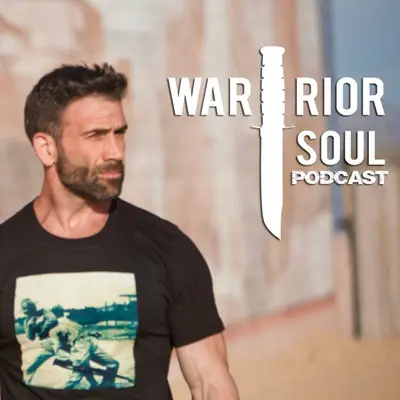
Hosted by Chris Albert
The Warrior Soul Podcast
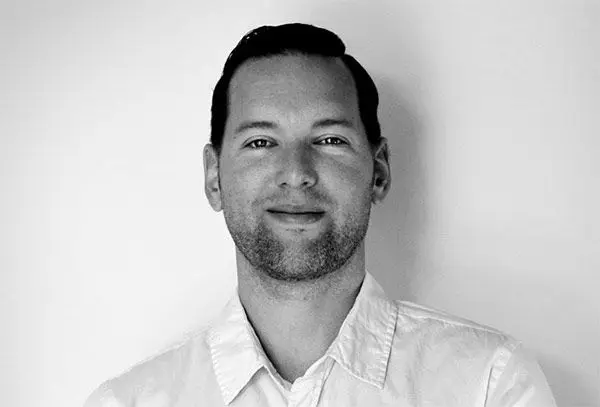
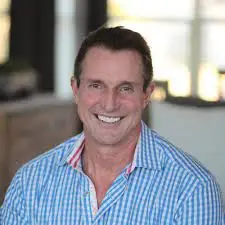
Dr. Kirk Parsley
Dr. Kirk Parsley served as a US Navy Seal. After his enlistment, he rejoined the Navy as a doctor and helped to create Naval Special Warfare's Resiliency Clinic.
Over the past few years, there has been an unprecedented collision between medical science and politics. Some would say that politics has perverted science, and it seems that many people are viewing specific scientific view points as a religion.
I brought my good friend, Dr. Kirk Parsley on to help us sort through the weeds of this debate. I'd like this to get out to as many people as possible, so I've excluded several key words related to the subject matter. Nevertheless, you can probably figure it out.
Dr. Kirk Parsley served as a US Navy Seal. After his enlistment, he rejoined the Navy as a doctor and helped to create Naval Special Warfare's Resiliency Clinic. He is one of the world's foremost experts on sleep, and is the inventor of Doc Parsley's Sleep Remedy.
To learn more about Dr. Kirk Parsley, or to purchase his sleep remedy, you can visit http://www.docparsley.com.
To follow Doc Parsley on Instagram: https://www.kirkparsley.com
Transcript
Machine-generated from the episode audio and lightly edited — may contain errors.
Chris Albert (link to this point)
Doctor Kirk Parsley, welcome to the Warrior Soul podcast. Let me give a quick introduction of who you are. You've been on the podcast multiple times. US Navy SEAL went on to go to medical school, and then came back to the teams and started the Navy's resiliency clinic, I think it was. And right now, you're one of the foremost experts out there on sleep.
I had you on this show about god. Right? Right? I think it was the day after everything started shutting down with COVID to get your take on on this crazy virus that was heading toward us. And, you know, we were talking about it as it wasn't as severe as people thought it was and things like that, and I still don't think it's as severe as people think it is. But here we are.
Kirk Parsley (link to this point)
But now we're completely censored and not allowed to say anything. Exactly. Probably that first podcast will probably get us in all kinds of trouble now.
Chris Albert (link to this point)
Yeah, exactly, exactly. Not that person with that Here we are two years later almost, and and the world's completely changed. And and, you know, we've been put through the wringer with this stuff. So I wanted to bring on and get your take with all this time and experience past.
Kirk Parsley (link to this point)
Yeah.
Chris Albert (link to this point)
Oh, yeah.
Kirk Parsley (link to this point)
My my pleasure to run my yap about it some more. You know, I I I I don't know if I'd started them, but right around the time you and I talked, it is really, really early in the in the whole lockdown thing when whenever whenever they started making changes in March, I started doing a video every day on Instagram and I was just kind of taking the headlines and going. I'm gonna talk about I'm gonna talk about the headlines and bring some reality to it, you know? And and, again, not saying that COVID wasn't real or any of that other crap, but just, you know, let's put a denominator on every numerator that we talk about, you know, because they can and let's put meaning to words instead of saying cases skyrocketed. Okay, what the hell does that mean?
Well, they tripled. Oh, wow. What does that mean? Well, they went from five to 15. All right, well, 15 is not that bad, right?
I mean, go on. I did a bunch of that, and then all I was doing on social media is I was posting NIH, graphs, CDC, their information, making a comment about it. I got banned from Twitter. Like, I got kicked off all kinds of stuff, like suspended from other things, got back on, suspended on, suspend. And I'm just like, I'm a doctor and I'm not I'm not allowed to have a medical opinion now.
Right? I I you can come see me as your doctor and get treated for COVID or diabetes or anything else. I can have a medical opinion that way, but I can't. I'm not allowed to voice my medical opinion on social media because Zuckerberg and his kids know more than me, I guess. So Yeah.
But let's let's use this platform to dig in.
Chris Albert (link to this point)
Exactly. Exactly. Well, first thing, I mean, we were just talking about it, and and obviously, I'm I'm in Florida right now. You're in Texas. If the media had their way, they'd be depicting, like, dead bodies scattered all over the place and and coffins lined up and things like that.
But I I recently got COVID, and I am a I I'm I'm autoimmune. I have a compromised immune system. I'm on drugs that suppress my immune system. And I got through it, I think it was four or five days.
Kirk Parsley (link to this point)
Felt tired.
Chris Albert (link to this point)
Definitely had a headache at at a certain point, but it was it was livable. And honest quite honestly, I had I've had colds worse than that. I've had Right. Worse than that. Right.
I've had things way worse than that.
Kirk Parsley (link to this point)
Right.
Chris Albert (link to this point)
Why does somebody like me and I know I stay in shape exercise, but like, why does somebody like me get through it with relatively minor symptoms when some people, they go through it and they get much more severe symptoms?
Kirk Parsley (link to this point)
Yeah, I mean, so if we're just going to talk about symptomatology, like how do I feel? Well, you know, if you had a gluten intolerance and I had a gluten tolerance and we both ate bread, you know, how would we feel if both of us got, you know, both of us got hepatitis A from the salad bar somewhere? How would we feel like symptomatology? Any virus flu, bacterial infection, either it's going to be it's going to it's going to vary. It's going to vary based based on kind of how how your immune system works.
And the problem with all this stuff, of course, is that we're not allowed to talk about any kind of nuance, right? It's just like, well, you know, you're positive, you're negative, you're immune, you're not immune. It's like, yeah, I mean, it's so damn complex. I mean, are billions of chemical reactions going on in your body at all times and your immune system is kind of everything, right? I mean, we talk about systems in medicine, but there are no systems.
My body doesn't know it has a skeletal system because my bones are just part of what's going on in my body and everything's working simultaneously and everything's interacting and reactionary to each other and everything's happening all at once. So really, there isn't any part of you that's not your immune system, right? Like, your hormones are part of your immune system. But if we wanted to study it as a category, then we wouldn't put hormones in there. The answer is it's way too complex and it's way too nuanced to say who's going to get what, but we do know who's going to have what symptoms or feel worse or whatever, right?
And even feeling worse is subjective. Right. But we do know that this is a disease that like the only people who are truly at risk from this disease are the elderly and infirm. And that's it. I mean, like you can you can spin all kinds of scare tactics if you want, but eighty percent of the people who die from this are over 65 years old.
Right. And and the ones who are dying around 65, by and large, and I know there's exceptions to this, but the people who are dying in their 65, those aren't healthy people. Right. Those are people with a lot of pretty serious comorbidities and some problems. And, you know, and there's always there's always outliers.
There's always the 35 year old, super healthy athlete, blah, blah, blah. For whatever reason, his or her body didn't respond to this thing well. Right? And usually when the younger people are getting really sick from this, almost always the reason for that is a hyperreaction of their immune system. When you get the flu, there's nothing about that virus that makes you feel bad.
When you get to COVID, there's nothing about that virus that makes you feel bad. Your response to that is what makes you feel bad. That's what makes you feel tired. That's what gives you a fever. That's what makes you feel lethargic.
That's what makes your throat hurt or whatever. It's like your immune response to all this stuff is what's causing your symptoms. And so when that goes in excess and this virus has been probably the most significant that I can think of the last ten, fifteen years, whatever, that we know it causes a hyperimmune response and that hyperimmune response can actually kill you. So that's usually what's happening with these younger people until you get into kids. And then the kids that are dying from this, you're talking about like true kid, you know, like school age children, the only people that are, you know, the only ones of those are dying have they have significant illnesses.
I mean, a lot of them have a lot of these cases are counting as COVID cases. I mean, they had leukemia or, you know, they had spinal meningitis or something in addition to COVID. And so, I mean, I think your question was basically like, how do we why doesn't everybody feel the same one? But, you know, nobody everybody doesn't feel the same on anything. Not everybody doesn't feel the same off of one alcoholic drink.
Everybody doesn't feel the same on the flu. But when you look at actually, Okay, why are some people are dying? Why are some people not dying, which is which should be the only metric or having serious illness, hospitalization, that's all elderly and infirm. And really, all elderly means is infirm. If you think about it, right?
So if you could you could go to sleep every night and 100% restore yourself. You'd never age, right? You'd get up, you'd wake up every day the same way you were the day before and you'd never age. So all aging really means is that you aren't recovering every day. So when you don't get enough sleep, you by definition choose to age a little faster.
And we know what happens when you get older, your immune system gets weaker, but you get dumber, fatter, colder, and slower. You lose muscle mass, body composition shifts and all that. That's kind of a disease and that makes that sort of a comorbidity and then you're easier to kill essentially. And I don't mean that flippantly. I mean, I have some close friends you know, who died from COVID, who were you know, sadly.
So, I mean, it it's it's I I'm not I'm not being flippant about it, but that's that's the truth about it.
Chris Albert (link to this point)
Well, that's one of the things I think because down here in Florida, we're we're we're getting a lot of police officers who are catching it, and and a good number of police officers have actually died.
Kirk Parsley (link to this point)
Yep.
Chris Albert (link to this point)
And, you know, they're using that as as an example of how this can this virus can affect younger people, people who are able-bodied and things like that. But, you know, one of the things I always point out is, you know, how much were these guys sleeping? Were they doing the night shift? They on the night shift? You know, that could be a huge impact as we know from our previous conversations about sleep, right?
Kirk Parsley (link to this point)
Yeah, and a couple of Austin PD, and I'm friends with a lot of those guys, a couple of Austin PD have died. One of them was only 35 years old and seemed healthy. So he was an outlier. The other one, I think, was in his fifties and, you know, that, you know, I think he was a little heavy and maybe had a smoking history, if I'm correct. And if someone's listening to this and I'm wrong, I apologize.
I don't know the case very well. But but like I said, there are outliers, just like the flu. I mean, 25 year olds die from the seasonal flu now and then. This is probably a little more common. Would say that the the case fatality rate for this is higher than the flu.
We don't really know what the numbers are anymore, though, because we've never studied and followed any disease like we study and follow this. And so now we can't compare this data set to any other data set because we've never tested everybody in the country before. For all we know, everyone in the country gets the flu every year and only some of them are symptomatic. And so we don't know at this point. Right?
We've gone so far with all of this, all of the new mandates and restrictions around this, that we can no longer compare this disease to any other disease. But at some point we're going to have to, at some point we're just going to have to say, this is part of the new flu season. When you look at the, 2007, 2008 data from FluView, which is the CDC's website, that's what happened to the epidemic then. You had this epidemic that came up, It actually came up right after the flu season. So and it killed a bunch of people in the spring and summer when you usually don't have people dying.
And then the next flu season came along and hardly anybody died. I mean, it was like super flat because in epidemiology, they call it dry tinder, right? It's like like these are the people who are apt to die from anything. They're old and infirm, right? They're seriously diseased, seriously ill people who aren't capable of handling much more stress to their body.
And if you kill off the vast majority of those, just like every other animal species in the planet that lives in a herd, they thin out the herd every year. And again, I'm not I'm not being callous towards people's loved ones. I'm just saying that's the way the world works and we're just part of the world. And so, you know, this coming up and kind of thinning out the herd is to be expected. Then so almost no flu deaths that next season and then the following flu season.
So that's now a year after the flu season that followed the infection, that next flu season, they just combined it in there and said, Okay, these are all the flu deaths. This is just, if you look at the different type of serotypes, they're not all truly flu, they're just upper respiratory illnesses. And so they just count them all the same. And COVID just going to eventually be that. I mean, and I said that a week into this and not because I'm a genius, but because that's what's always happened before.
It's just like, yeah, you go back, you you look at a 100 years of data and you go, well, this always happens.
Chris Albert (link to this point)
Yeah.
Kirk Parsley (link to this point)
Okay. It's probably gonna happen again, most likely. Right? So yeah.
Chris Albert (link to this point)
What about so, obviously, the the the big elephant in the room here are the vaccines and and Right. And things like that. The way I'm hearing it out there is that the CDC doesn't trust natural immunity. So if you've gotten it and if you've built antibodies, they're saying that they don't know how much longer that's gonna last, so you need to get the vaccine in order to do that. What's your take on this?
If you've had COVID, what's your immunity going to be like? If you've had the vaccine or both, what would you take on all that?
Kirk Parsley (link to this point)
Yeah. So That stance. I agree, that does seem to be the stance that they're taking, although they aren't really verbalizing that as far as I can tell. I've heard a little a few people say a few things, and I heard Fauci use that as his excuse the other day because somebody asked him, what about natural immunity? If somebody has this, shouldn't natural immunity be more arrest?
So why would they need the vaccine? And he was like, Well, I don't really have a good answer for you. But and then he prattled on like he tends to do and then eventually fumbled upon saying, Well, we don't know how long we don't know how long the antibodies are going to last or how long they're to be immune. It's like, Well, you don't know that for the vaccine either, right? I mean, that's why you keep testing people for antibodies afterwards.
And that's why we're now seeing people who've been vaccinated come into the hospital because it obviously doesn't last forever. But I can tell you, natural immunity, that's how we evolved to be on this planet. That's the immune system that got built into us over millennia. And it's allowed the human species to exist up until COVID. And I'm pretty sure it's going to be just fine after COVID and for COVID.
This would be the first virus in the history of the world that that wasn't true, and if that's the case, we're all probably going to die from this. It doesn't look like that's going to happen. This is on this normal path of every other virus story. It's going to become more contagious and less virulent. It's going to bother you less, but more people are going to catch it.
It's just going be easier to pass around. Like I said, it's going to become part of the flu season. Maybe it has its own season. Maybe for some reason it's a summer season thing. And like we have the COVID season and the flu season to add it.
Like, I doubt it. I think it's going to follow the respiratory virus path. But like you and I, we both had COVID. When we get COVID, the virus goes into our body, it replicates, right? So it gets into our cells, it puts its mRNA in our cells like they're using for the vaccines.
The vaccine is just one little snippet of the entire long message. You think of that like a ticker tape message or something, this really long message, they just cut it a couple little pieces out of it and that's what they're putting in their cells. And then your cells, that causes the ribosomes, these little machines in your cells, it causes these cells to make the spike protein if you have the vaccine. And then once that cell makes so many spike proteins that it can no longer contain it, that cell actually ruptures and dies and it spills these spike proteins all out. And once those spill all out, and it's the vaccine we're talking about, well, then you develop antibodies, your immune system is going to recognize that and there's no virus attached to it, so you shouldn't get sick from it is the thinking, right?
So that you just have the spike protein and it can attach the cells really easily That can cause some damage and it can cause some immune response and some of the symptoms of having the disease. But it's a trick, right? It's pharmacological trick, just like all, all of pharmacology. So if we're looking for one thing that we're saying, well, this is the key. Well, if you actually get the virus, the same thing happens.
So if I get the virus like you and I got the virus, it goes in and attached ourselves. It went into our cells and inserted all of its RNA, right? The whole thing got in there and it made more viruses. And once it was so full of viruses, that ruptured out a bunch of new viruses, and those viruses attach to new cells and they go in there and they do the same thing. And this battle goes on until that virus kills you or your immune system kills the virus.
And so when you do that, of course, now you're rupturing out of your cells, you're rupturing virus particles, which are more complex than just this one spike protein. They have all sorts of proteins on them, and they have all sorts of things you can develop immunity to. And so, you'll get 26 different antibodies, you'll get 26 different protective pathways because your body's going to recognize this virus literally 26 different ways. Now, if the virus mutates and the spike protein doesn't look quite the same, maybe this trick of the vaccine doesn't doesn't work anymore because the spike protein changed too much and it doesn't market. However, if you've had COVID.
The whole virus would have to write, you're going to have immunity to some one of those 26 things or probably 25 of those 26 things are going to be the same or 22 of those 26 things will be the same. You're going to have immunity. You're going to kill that thing off faster. So if the if spike protein doesn't change much, then the vaccine is probably going to keep doing pretty well. But if that's what mutates them, it's going to be utterly useless because that's the only thing you're getting.
So we know and we have known forever that natural immunity is more robust than vaccine immunity because it is a trick. It's a partial infection that gives you a partial response. Right. And we know this is true. This is true with every vaccine on the planet.
This is always true. And this is the first time in the history of modern medicine, like past witchcraft medicine, like once we actually started educating doctors and like having educational programs to create health care providers, we have never recommended giving somebody a vaccine for a disease they've already had and beaten, right? It doesn't make any sense. When you look at the data, I mean, you've heard of the myocarditis in teenage boys, right? This is serious.
I mean, some of these kids, it's going to alter the rest of their lives. They had this so severely and you're six times more likely to get myocarditis from the vaccine if you're a teenage boy than you are to get serious symptoms or die from COVID. So your risk is higher on the vaccine than getting COVID and your risk from dying of COVID as a teenage boy is almost zero. It's literally the same as getting struck and killed by lightning. So nobody worries about getting killed by lightning every day.
But we're supposed to worry about COVID in teenage boys and young kids like that's not that's not true. That doesn't make any sense. And the thing that bothers me the most about it is I don't know why they're doing it. I don't believe it's money because there's so much damn money, fairy desk money, they're just printing money, making it up and giving it to people. I don't think that's it.
It could be. Maybe I don't see something there, but it's really concerning to me that they're pushing it because it's unethical. Right? So if somebody comes into my office and they say, Hey, you know, my third cousin on my grandmother's side died of testicular cancer and I'm worried that I might have it. And I would say, Well, I ask them a dozen questions. They have no symptoms. And I say, Well, you know what? I'm going to prophylactically castrate you and put you in hormones, which I'm going to protect you from the possibility of testicular cancer. Now, I would be sued and fired and probably put in jail for doing something that stupid as a doctor, But that's the same thing that they're telling me to do.
You bring a kid to my office that has no risk, literally has a better chance of getting struck by lightning and killed by getting struck by lightning. And I'm supposed to give them a vaccine for a disease they don't have a risk for. That's unethical and it's immoral. And why why they're telling people to do that? I don't know.
Like, I really don't get it. I don't understand it. It could just be all ego and power. I don't know.
Chris Albert (link to this point)
That's what it seems like to me, man.
Kirk Parsley (link to this point)
It's not medicine. It's not medicine. Yeah. There's there's zero science to that. There's zero science behind giving somebody who's had this disease versus well, the zero science giving somebody who's already had COVID and there's zero science to giving it to children, anybody 20.
So that's a big like that's that's a lot of people, right? We've had one hundred million infections in America and we currently have eighty million unvaccinated people. What if those are the same people? They're fine. You know, the data that just came out of Israel, you know, they're having their big they're having their big delta spike and they have more hospitalizations than they've ever had since this pandemic started.
They were they were they were by far the front runners on this vaccine. They were the first to get it and they're they're adamant about it. They pushed it really hard and eighty some odd percent of their country got vaccinated like immediately. And there's a lot earlier than us. It's a smaller country.
They could do it faster. And now they're having a lot of hospitalizations. Half their hospitalizations are people who didn't get vaccinated and have never had COVID. Half of them are people who got vaccinated and only one percent of them are people who've had COVID before. So it's very clear that the protection from having COVID before is much better than the vaccine.
And you would have to study that specifically to get the number, but it know, it's at least 10 times better. I mean, it it's a very significant difference.
Chris Albert (link to this point)
Well, it looks like a good amount of people are gonna be forced to get the vaccine, which I think is awful. Personally, I think it's it's it's disgusting. But yeah, there's three vaccines out there in The United States. We've got the Johnson and Johnson, we've got the Moderna, We've got the Pfizer. And I know that the Pfizer and the Moderna are mRNA vaccines, and the Johnson and Johnson is a a dead virus.
Right?
Kirk Parsley (link to this point)
Yeah. I I believe you're right. I I studied them all when they first came out, and I I could have told you that when they first came out, but I haven't thought about that in a year or whatever it's been since they came out. But I I think you're right on that. But it's it's yeah.
So it's theirs is essentially the empty virus shell, right? So like I was saying before, if you get the virus, the virus replicates and you build immunity to all of the protein structures on the virus. Well, the more of the the more of the virus they put into you, the more antibodies, the more robust your immune system, your immune response will be to it. Your immunity to it will be. So I would think that the Johnson and Johnson, if you told me they're going to force me to do it, and by the way, I'm probably going to lose my medical license for not getting vaccinated.
That's a true story. Really? Yeah, California is moving that way. Right now, they're slowly It started with, if you're a healthcare worker and you work in a hospital of this size and then it went down to smaller clinics, it's gone down to smaller clinics, it's like a certain amount of patient interaction. I guarantee you, by the time it comes around to me renewing my medical license, it's going to be, you know, do you have the vaccine?
No. You can't renew your medical license. Or, you know, I know we're heading that way. But, you know, let's say that they somehow could pressure me into it, and I I won't I will lose my career over that. That's fine.
I'm if they were if there was some way that they were well, like, let's say they were gonna get they're gonna get a dozen big guys to hold me down. They're just gonna give me the injection, but I got to choose the injection. I'd choose Johnson and Johnson for sure. One one, because it's you know, one time dose, and two, because I think it's a more complete immunity. And and, of course, the you know, they they had this they had the six, you know, I think there were there were strokes or there were some sort of coagulation disorder with, I think, six or eight women that I'm imagining of reproductive age and maybe on birth control.
And that's kind of known to be a common thing. Not to make light of that, but there were six million people or seven million people who had had the vaccine and there were six or eight cases of it, so essentially your chances are one in a million if you're a woman, and for men that didn't seem to be an issue. So if I were forced to take that, that's what I would do, if that's what your question was.
Chris Albert (link to this point)
Yeah, no, because like I said, we've got we've had the military being forced to do it over the last few weeks.
Kirk Parsley (link to this point)
And I in the military for twenty years, you know, anybody who calls me an anti vaxxer should just paint moron on their forehead. Like, I've had more vaccinations than
Chris Albert (link to this point)
Me too.
Kirk Parsley (link to this point)
Most people would ever have ever dreamt of. Know, I, you know, went through the school systems and then I went to the military and then, you know, and that's what the SEAL teams, we travel to remote places. So we were getting weird vaccines later in the eighties, you know, and then, you know, then being a doctor, you have more more stuff on you because you're working in hospitals and you're seeing patients and then you're in the military. So you're deploying into that. I'm not an anti vaxxer.
I've had more vaccinations than 99% of the world, I'm sure.
Chris Albert (link to this point)
Right. Right. Same here. I mean and it was mandatory for us to do it at that point, I believe, too. I mean, under the UCMJ.
But, I mean, with this particular group of vaccinations, it just I mean, for for something that that has such such a high survivability rate, and and, you know, we don't know much about what these vaccines are gonna do or anything like that. That that's what bothers me about this.
Kirk Parsley (link to this point)
But let me get on my high horse about that real quick, because this this is something that I think everybody who's considering this issue needs to realize is that making a vaccine is not difficult. So it's not actually miraculous. Everybody talks about what an amazing feat of science this was to come up with the vaccine. It's actually not that amazing. It took it took Pfizer either two or three days or two or three weeks to come up with the vaccine.
I think it was two or three days. The reason it takes twelve to fifteen years to get a vaccine on the market is because that's how long it takes to test for the safety. And we just skipped all the safety bits. So if you just let companies make drugs and get them out to the market, man, you could have a new drug on the market every month. I mean, that's no joke.
The reason that the FDA takes a long time is because we know that these vaccines are affecting our immune system and our immune system, we carry our whole lives, right? Things that happened to you as a kid are still encoded in that system and your immune system will still respond based on some things that happened when you were a baby. Right? So it's important that we get this right because it's this is sticking around for a long time, man. We're not giving you something that's just going to go through a GI tract and put in the toilet in a few hours.
This is this is no kidding. This is becoming part of you, right? We are changing the molecular structure of your of your body in certain ways, in certain areas for this thing. And like, I think it was the rotavirus vaccine. The that vaccine did the ten year or fifteen year testing or whatever made it to the market, and then ten years later, they figured out that it was it was killing kids by causing something called intussusception, where it's like basically your bowels and accordion end on themselves and they spasm up like that and then it causes a bowel occlusion and then you get infection and then it ruptures and it's a baby.
You don't know because they're colicky and they're crying. So these things take a long time to know if they're safe. And if you look at all of the FDA approved drugs, including vaccines, and you go back to the history of America, I mean, there are dozens, if not hundreds of drugs that get pulled off the market because they turn out to be unsafe after a decade of testing, right after they did the animal trials, you know, the way this vaccine stuff works, it's slow. It's like you start off with a mouse and you do very small numbers and there's very strict controls and then you can go to like a rat and then you can go and you work your way up to like monkeys. And then when you start human trials, it's super small and it and the and then and it's super select the population that you're doing.
It's like, you know, whatever five to eight year old or five to 15 year old kids or something like if that's who you're trying to say, like there's a very specific and then you test them. And then if you're going to spread out like it, then you go different demographics, different race, different ethnicity, different whatever, depending on the drug you change, you expand the variability of the people you're giving it to, and it takes a decade. And we're just skipping that part. Then the FDA is like, All right, we're just going to approve it. I'm like, Well, you just made yourself obsolete.
This should have stayed an emergency use until the testing would be concluded, just like any other virus, which is a decade. So it should have stayed an emergency use authorization for a decade. The fact that they just, for political reasons, just say, well, we're going to approve it because we can't mandate something that we can't even we are that's not even approved for use yet. Right? And so I think that was a complete political decision, but they just made themselves obsolete.
Well, what do we need you for? Like, if if you're just going to let something be approved, even though it hasn't been tested for safety, then what's your job? Like, isn't that your function? And you just threw your function away for political purposes. So that's important for people to know.
It's like the testing. That's the long pole in the tent. That's what we skipped. Everything else is completely normal, completely normal to be able to come up with a drug to put in somebody in a year. Like, that's nothing amazing.
Chris Albert (link to this point)
That's fucking insane. Like, I'm sitting here with my jaw hanging wide open, you know, thinking about how this was slammed through and then people out there saying, well, the FDA approved it.
Kirk Parsley (link to this point)
Right.
Chris Albert (link to this point)
That that should bring legitimacy to the whole thing and should make you trust this whole thing.
Kirk Parsley (link to this point)
Right?
Chris Albert (link to this point)
My god. My god. This is disgust.
Kirk Parsley (link to this point)
Trust me. The more you know, the worse this is. I tell people all the time, it's like, I never really followed the news. I never really because I honestly, I don't know much. Like, kind of know my little niche in the world and like, I don't know anything about economics.
I don't know anything about foreign policy. I can't like, I'm terrible at geography. I can't tell you where most countries are. I know nothing about most of the stuff that's in the news all the time. I don't know anything about it, so I'm paying attention.
And now something actually comes to the news that I know a little bit about. And I from day one, I'm like, Well, that's that's a bunch of crap. That's not true. That's not true. That's not.
And that makes me wonder now, which I think is probably true. I think a lot's been exposed, but it makes me wonder if the news is this bad with everything. But I just don't know anything about those things. I don't know how bad they are with it, you know? But but but the media is the media is a train wreck with this.
I mean, they're they're messaging and the CDC, Like, their messaging has been all over the place. It contradicts itself. It's ascientific half the time. It's amoral half the time. I mean, I I can't I can't believe what a mess it is.
It's I mean, it I I have to I have to meditate twice as much focus on keeping myself calm because it this stuff can enrage me so quickly, and I'll keep getting thrown off of platforms, and and I won't have a job anymore.
Chris Albert (link to this point)
Right. The only the only thing consistent is the constant shaming they do. I mean, but
Kirk Parsley (link to this point)
Right, right. Well, because when you don't have facts on your side, all you can do is pick on the person.
Chris Albert (link to this point)
Yeah.
Kirk Parsley (link to this point)
Right? And you can try social pressure, you can try shaming them, you can try social pressure, social encouragement, and you can try the authoritarian approach, right? The research has shown, psychological research has shown for a long time that eighty percent, eighty five percent of the population will cave to any of those things. There are studies where the psychologist is having you push a button that makes you think you're shocking someone in the next room. Eighty five percent of people go past the point where they think the guy's killed.
Right? Where where they think the guy died from the shocks they're giving them, they're still shocking them. Eighty five percent of the people. And then there's studies where, you know, they'll they'll have a bunch of actors and one person who comes in the room, it's the subject and they'll and all of the actors will describe a completely different reality than what's going on. And then they'll question the one guy who was novel to this, and he'll report what all the actors said, even though he saw something totally different.
So we know that this works and these types of pressures, gets eighty percent, eighty five percent of the population. And it's horrible, but they're using that to their advantage, and that's exactly what they're doing. There's no argument for it because, like I said, those two principles alone that I told you about, kids and then people who have had COVID and you're demanding those people get the vaccine, it's ascientific, it's unethical, it's immoral, and they're all pushing it. And it's questionable and a lot of other but those like those couple of those couple of populations for sure. But if even if you go like under 65 or still in ninety nine point seven or ninety nine point nine seven or something.
It's like a point zero three, point zero five fatality rate, like forcing a vaccine on those people.
I don't know about that.
Chris Albert (link to this point)
It's crazy.
Kirk Parsley (link to this point)
Yeah.
Chris Albert (link to this point)
I know we're gonna be be coming up on time. I wanna ask you about the treatments out there. Yeah. We've got these vaccines, but we also have treatments, which, I mean, people seem to be denigrating the treatments and trying to push people away from the treatments in favor of the vaccine. We've got, you know, monoclonal antibodies out there.
We've got ivermectin. We've got various vitamin cocktails that people have been talking about. What's your take on on each of these?
Kirk Parsley (link to this point)
Yeah, so there's nothing surprising about any of these. And the things that everybody's saying were actually work. By the way, it's their clinicians that are saying it works. It's the academics and the and the and the politicians who are saying that it doesn't work. Every doctor I know who treats COVID patients, including myself, like I've treated people with COVID, every single, every doctor I know says these treatments work, right?
There are some, know, depends on your population. They may seem like absolute magic to you, but everybody believes in their efficacy. They should and they work best the earlier you take them. So the sooner you are, sooner you know your diagnosis and sooner you get them, the faster you'll you'll get you'll get results. So and none of these are surprising.
So like I said, when I was in the SEAL teams in the eighties and nineties, when we deployed as a young SEAL, like a 19 year old kid, they gave me a bottle of hydroxychloroquine. Like a thousand or two thousand capsules and said, Here, every time you go to Southeast Asia, start taking this two weeks before you go and take it once a week while you're there, you know, because it's for malaria, malaria prophylactic. It's over the counter in like ninety percent of the countries in the world. Everywhere where malaria is endemic, people take it, they give it to babies, they give it to elderly. It's a very well known safe drug, it's been around for, like I said, ninety years, one hundred years, something like that.
And basically the way that works, it helps you bring zinc into cells and zinc and these certain protein structures that use zinc as a backbone is really important for your immune system, and so it helps you fight off viruses and bacterial infections, I think. Know we know And again, we know it's safe, we know it's been around for a hundred years. So they started using it when this thing first happened because it's an upper respiratory virus and you always and tons of countries use this all the time and they had efficacy with it. Why it got shut down? I think because Trump approved it or something, and that's why they started attacking that one.
Then you have ivermectin, which they were calling a horse dewormer or something when treating it like it's a veterinary drug. You know what else is a veterinary drug? Tylenol and aspirin. Half the medications you take, you also give to animals. The Nobel Peace Prize in Medicine in 2015 was won by a doctor who was giving ivermectin in Africa for people with river blindness, which was endemic.
Was blinding thirty to thirty five percent of the males in most of these villages, and it's had a huge response for it. So again, that drug's been around fifty or sixty years. Again, it's over the counter in most countries. It's on the World Health Organization's list of essential medicine, and so is hydroxychloroquine. But yet we take it over here and it doesn't fit the narrative and we try to defame it and say that it's a veterinarian drug and it's voodoo and all this other stuff.
Absolute crap. They both were monoclonal antibodies. Essentially, when you when you do the pharmacological trick, if I'm going to give you a vaccine and you're going to produce this spike protein and the spike protein is going to rupture out into your bloodstream, you're going to have a million of them. All an antibody is is like think of that little red light, a Kojak used to throw on top of his car, right? That's what an antibody is.
Like, it just marks it. It doesn't actually fight the virus. It just marks it and then your immune system says, Oh, there's the flashing red light. Let's go get them boys. And then all your immune cells come in and they do their work, right?
Depending on what if it's bacterial or viral. Yeah, there's lot of different things that could happen, but that's just the marketing system, it's just the alarm system. Well, if your immune system doesn't have enough antibodies, if you've had the vaccine, you've had COVID before and you didn't get a big enough response to produce a lot of antibodies, we can just give you some, and it's just one type, so it's mono, and they're made by cloning, so they're monoclonal antibodies, we throw them in there and they bind to the spike protein, and then you have this little Kojak light and now your immune system can attack it. All right, well, how could that possibly not work? You're taking the end result of your vaccine and saying, well, your body didn't respond the way we want it to, so we're just going to actually throw the antibodies in there and see how that works.
All right, why wouldn't that work? That doesn't make any sense that they can try to defend that. And then vitamin D3 isn't an anti vitamin, it's a hormone, and we know that the Western world is deficient in this, and we know it affects all of the other hormones. One key fact for your audience, if you ever hear anything about a hormone, think about every hormone, because every hormone affects every other hormone. There's not a single hormone in your body that just works in isolation.
They all affect another hormone, and that one affects another one. Again, everything is infinitely complex. We know like one percent of what's going on in the body. Vitamin C, always, right? We know this immune system booster.
The zinc, we're actually taking zinc because we want the zinc to get into the cells and boost the immune system. Went to hydroxychloroquine that's going to help the zinc get in there, have to have zinc to put in there. Let's see, what else do we have? Oh, we know, especially the Delta variant is highly, highly susceptible to oral steroids. So something called a Medrol Dose Pack is how they usually give this.
It's a moderate strength oral steroid and steroids affect your immune system. So when you. So you think about cortisol, the stress hormone?
Chris Albert (link to this point)
Yeah.
Kirk Parsley (link to this point)
Those are corticosteroids. So all of these are quarter these are all pharmacological approximations of cortisol.
Chris Albert (link to this point)
Like prednisone, right?
Kirk Parsley (link to this point)
Right. Prednisone, right?
Chris Albert (link to this point)
Yeah.
Kirk Parsley (link to this point)
They're they're all they're all basically meant to act, look and act like cortisol need to be stronger than cortisol or weaker than cortisol, depending on what you want to do with them. So when you first get a spike of cortisol, it revs your immune system. Long, chronic, high cortisol depresses your immune system. So that's kind of what that's kind of the same process they're doing with it. It's just like, well, if your immune system isn't really revving, we can rev you with steroids, right?
And then we can taper those off before they become sustained, right? And so that seems to be the way that those are working. And then I can give you a quick anecdotal story. When I got COVID recently, I more than likely had the Delta variant because it's just a few weeks ago. I had been doing a health symposium, hundreds of people there, nobody had mask on, everybody was free, like whatever.
And I had I had, like, the sniffles after I after I left. Like, I had to blow my nose a couple of days. I was in Virginia. Like, there's a different areas that could have been some allergy things. Like, I didn't really know.
I didn't think anything of it. After I'd had it about a week, after I'd had the sniffles for a couple weeks, and then, you know, like, you're talking about a little fatigue, felt like taking naps couple of times every now and then. And then about a week into it, I'm out to, you know, I'm out to dinner with my partner, and she says, Oh, taste this drink and I taste something like I can't really taste it. She's a nurse practitioner and she's like, Well, maybe you have COVID that like, All right, I'm a doctor. Like, that's the first time that it ever occurred to me that this could be COVID.
I'm like, What? Me bloom my nose three times a day. That's COVID. And so I went, got I went to the grocery store, I got a test and. I had COVID.
Sure enough. I was like, shit, I guess I have COVID. And we thought that was kind of funny and I didn't do anything else. Right. And then and she was negative and.
And then and then she was getting tired, she started getting headaches, that's what it was. She started getting headaches. We both felt tired, but some days woke up, felt fine, and some days you felt kind of tired and some days you wake up on the next day. So about after she and I had had it for about three or four days, she's like, Maybe we should treat it. I said, Yeah, man, let's treat it.
And so we went and treated it. It was super hard to find pharmacies who prescribed the drugs. You know, we prescribed for each other. And then we took it home. We took it around 07:30, 08:00, went to bed.
We both woke up spontaneously at like 02:00 in the morning, looked at each other and we're like, I feel amazing. And she's like, I feel amazing. And I'm like, Why didn't we do this earlier? And it was crazy. It was weird.
It wasn't like I felt it wasn't like I felt well. And I was like, I feel better than I feel when I'm well. Like, I felt amazing. Like, I felt better than I usually feel. I'm like, Wow, this is great.
And then it's supposed to be a five day treatment. I think we kind of petered it out around day three, but that was the extent of it for us. And I'm 51, she's 46. We're both healthy, we both eat well, exercise, take care of ourselves, all that stuff. But honestly, to think that I had it for a week and it never even occurred to me that it was COVID shows you how bad is for most people.
Chris Albert (link to this point)
Same here. I had no idea.
Kirk Parsley (link to this point)
If you look at the polling of, you know, there's there's demographics of certain sort of political interests in the country who think that their odds are like fifty-fifty of dying in this thing. And I'm like, your odds are fifty-fifty of ever knowing you had it. Like half the people are going to get this, they're probably more than probably 75% of people get this never going to realize that they got it. So it's a little slippery, but that was that anecdote. And again, I realize that's anecdotal medicine.
You can't say anything about it, but there's plenty of studies if you go to frontline doctors and then there's also frontline critical care or something FLCCs, like three Cs. And they they post all the studies as they come out from all over the world and like on all in all these drugs and all these vitamins and what's working, what's not. And again, these are clinicians. These are people who are actually treating it and they're reporting back and they're putting it to a central hub and then they're changing the protocols every day. They're going, well, you know, it looks like it looks like we should take a little more ivermectin or if it's been more than five days, we should add this drug, whatever.
They're keeping up on it all the time. I know a ton of doctors using that. Every doc, every single doctor I know who uses these protocols has amazing results. I don't know a single person. And this is not to say this is causal.
This is truly anecdotal. But of all of all the doctors that I know who are prescribing this and of all the people I prescribe it to, if if you if they're prescribing any part of this sort of protocol, no one no one has had anyone die on that protocol. And I know some ER physicians who are admitting people to the hospital and their hospitals allowing them to give these meds and people walking out. Again, I can't say that's cause and effect, that needs research, but I firmly believe and obviously I took it and I'm a doctor and I know lots of doctors and I have lots of conversations about this and I read a lot. I have an educated opinion and my partner who's a nurse practitioner the same way, and she took them and I took them and we both had great results.
Everyone we know who in the healthcare industry who uses these have great results from them. So, I think there's almost zero risk that there's any danger to any of them, to any of the medications that they're prescribing for this. And I think it is exceedingly likely that it's a major improvement in your symptomatology and how long you're going to have it and whether or not you're going to become a long hauler, as they call it.
Chris Albert (link to this point)
Wow. I got to ask you this. And again, I know we're cutting on time, like, and I hate that I have to ask you this, with doctors out there saying they're not going to treat people who haven't gotten the vaccine or anything like that, and so much negativity around these treatments. Where's the best place where people can go to try to get treatments like this?
Kirk Parsley (link to this point)
If you go to that Frontline Doctors website, they have some sort of clickable link in there somewhere where you can find practitioners in your area who are willing to treat COVID with these types of things. And by the way, those doctors who aren't treating people who don't have vaccines should be fired immediately. Yeah, what do. Their medical license needs to go away. When I was in the military, I went to the military's medical school, and part of our triaged course, so we had a field medicine where, because obviously we're in the military, we might be out in the combat zone and be intense and doing surgery or whatever.
During our triage course, we were actually taught that if that you take the most severe case, even if the most severe case isn't even from your military. Right. So you can step over your own soldiers and grab a foreign soldier, maybe who's not who's opposing you, right? Like, he's on the other side. He wants to kill you and you're supposed to treat that person first over your own people.
So that's the ethics that medicine is built on, right? Because it should be completely impartial. It should be completely scientific, right? The fact that they're saying, Oh, I'm not going to treat somebody because they don't have All right, well, are you going to do about people with emphysema who smoke? What are you going to do about people who are obese, who eat at McDonald's all the time?
What are you going do with people who eat sugar all the time and they come in with diabetes? You're not going to treat all these other people? What are going to do with people who are driving drunk and they get in a car accident? What are you going to do? Where going to stop?
You're to not treat somebody who didn't wear a seatbelt when they got in a car crash? Oh, you wouldn't wear a seatbelt. You aren't protecting yourself. You're causing You're driving too fast and you didn't have a seatbelt. I'm not going to treat you.
Where does that end? That is a very, very slippery slope, and it is so damn unethical, I can't believe anybody was even allowed to say it on television and wasn't fired under public humiliation on stage. I think we should put these people on television and tell them why they're losing their careers and that they're banned from ever practicing again because they've proven to not have the ethics or morals to be a physician or a nurse or anything like that. Like, that is that's the dumbest thing I've ever heard in my life, and all those people should be brutally ashamed of themselves.
Chris Albert (link to this point)
Yeah. Absolutely. Absolutely. Well, Doc Parsley, man, I appreciate you coming on, and and I think that this was an awesome conversation. Real quick, how can my audience help you out?
What do you need right now? Where can people go find you? Where can people contact you?
Kirk Parsley (link to this point)
So we're rebuilding my website. It's a little dated now. It's about four, five years old, but DOC short for doctor. So doc parsley, like the herb, p a r s l e y. So one word, docparsley.com.
Go there. Tons of resources on there. Like, We sometimes put people's podcasts on there, but I have lectures on there, any television appearances, TED Talk, all those types of things. Lots of blogs, downloadable PDFs and all that stuff. You want to help me survive once they take my medical license away, buy my sleep supplement, that's on the website as Awesome, yep.
We have a T on that, we have a capsule on that, we just released a kid's formulation for that. And then honestly, you know, my passion is, you know, you know, my passion is around sleep, but it's primarily it's primarily around wellness, like wellness through proper lifestyle. So I talk I I get hired the most to talk about sleep, but I I, in my daily work, I work with sleep nutrition, exercise, and stress mitigation. So I talk all areas of that. So if you really want to help me with my passions, help spread the word about, you know, the not not just me, but just the people who are teaching this type of stuff, because I firmly believe we get everybody healthier.
I mean, COVID aside, just like as a as a nation, as a world, we do we do better if we realize the toxicity of the modern life and what we can do about it. And we get people to improve their lifestyle and improve their eating habits a little bit and like just makes the world a better place and makes people live longer, happier, healthier lives and makes doctors and nurses lives easier, know, a little bit. Second, but yeah, yeah, we we've blocked. Blipped a little bit, but I think we're good now.
Chris Albert (link to this point)
I think we got it all through. I'm I'm definitely gonna get the links up for your for your website up there. And are you still on social media as well?
Kirk Parsley (link to this point)
Yeah. Twitter is the only one I'm banned from, I think, forever. They never told me why, but I'm I'm on LinkedIn. I'm on Instagram. I'm on Facebook, and so is the sleep supplements.
You can follow any of those things. If you go to my website, all of those social links are down in the bottom corner, whatever you can click on all those. They're either Doc Parsley or Kirk Parsley, but I can't remember which is which.
Chris Albert (link to this point)
Awesome. We will get those up there on the show notes as well. Doc Parsley, thank you again. And to everybody out there, this is all information and it's data. And, you know, don't just believe what you're hearing on the media.
Do your research. Really think these things through. You know, Doc Parsley brought up a lot of good points. And I'm in agreement with 100% of what he said here today. And, you know, I think I think all of us have to think and make choices for our own health.
It's freedom, right?
Kirk Parsley (link to this point)
I mean, it's sort of sort of the definition of of being a human, right? Like, I don't know what what the hell are we doing here if we don't get to make our own choices about what we're going to do with our lives. You know, I don't understand it. That's a whole nother conversation. But this was this is not the country I was born into.
You know, the the the beliefs and principles that I've lived, that guided my guiding principles from childhood to adulthood have not changed. The country has changed. But when I was a teenager and in my twenties and thirties, I was celebrated for having the views and beliefs that I that I had about our country then. Now I'm now I'm the white cisgender patriarchy, whatever. I don't know.
Whatever kind of evil I'm at. I'm all I'm all the evils now.
Chris Albert (link to this point)
Me too. I'm in the club.
Kirk Parsley (link to this point)
We Yeah.
Chris Albert (link to this point)
Yeah. We'll get the cards out, the meetings.
Kirk Parsley (link to this point)
Are we are we ever gonna get, like, our white toxic male paychecks something?
Chris Albert (link to this point)
I've been waiting for mine, man.
Kirk Parsley (link to this point)
I haven't I haven't seen anything. I don't even have a card to be you know, I'm part of the club, but I guess I am.
Chris Albert (link to this point)
I mean Yeah. And honestly, you know, I hope I hope that we could get together a year from now and everybody who took the vaccine is fine and and Oh, absolutely. COVID and everything like that. But but there's things we need to be questioning. Right.
Kirk Parsley (link to this point)
Right.
And and, you know, and to be realistic, the chances are better than not that the vaccine is going to be okay for the vast majority of people. And it's definitely saving lives and it's definitely a really good idea for certain populations, right? Like if I were if I was 75 and fat and had diabetes and hypertension, I would would I would definitely go get the vaccine. The odds are just in your favor. The vaccine could cause some consequences.
I'm not saying we don't know. And like you say, there's a chance that a year from now, we're like, oops, you know, we sterilized a generation or something like, who knows? Like, it could be anything. Like I talked about the rotavirus causing intussusception. Well, how the hell would Why would anybody even think of that?
That wouldn't even occur to somebody as something to look for. It's just something that manifests itself over time, and there's going to be consequences to it. There's consequences to everything you do. Consequences to every sit up you do. There's consequences to everything you put in your body, everything you drink, everything you eat.
There's no way that this is inconsequential by definition, or we wouldn't be doing it, and it could have some problems, but I'd say the odds, again, the odds are more likely than not, it's going to be okay for most people, even if there's some consequences, it's not going to be severe, but we don't know. And if you aren't allowed to ask questions about why you have to take something to protect you from a disease that you only have like a point zero three percent chance of dying from, we're in a really bad spot. We're not admitting reality is that we don't know enough to be saying that, and this thing isn't deadly enough. Yeah, they want to compare it to polio and whatever measles and mumps and rubella. It's like, these aren't the same things, right? These aren't the same things. Don't know, something like tuberculosis kills eighty percent of the people who get it. You know, polio kills like forty or fifty or sixty percent of people who get it. Like, okay, that's a that's a big deal. We're talking about point something percent.
Chris Albert (link to this point)
Right.
Kirk Parsley (link to this point)
It's not the same.
Chris Albert (link to this point)
No. No. Not at all. And, you know, I mean, again, it just comes down to us making the decisions, and that's where we we where we should be. Right?
Kirk Parsley (link to this point)
Right. Right.
Chris Albert (link to this point)
Well, again, Doc Parsley, thank you so much. You know, man, this is like, I want to like, feel some hope here. And I think the hope is that most people are going to be okay. But like, I also, besides everything that's going on with the disease, everything that's happening with our government and our society to press.
Kirk Parsley (link to this point)
Yeah, I mean, I would say honestly, this point, the virus is at least our problems.
Chris Albert (link to this point)
Yeah, exactly.
Kirk Parsley (link to this point)
All of the politics around the vaccine and all the politics around the response to the virus and all the politics about everything else going on in the world, those are much bigger threats than the vaccine than the virus itself. That's honestly the smallest threat that we're facing right now.
Chris Albert (link to this point)
Exactly.
Kirk Parsley (link to this point)
Yeah.
Chris Albert (link to this point)
Well, to everybody out there, thank you so much for listening. This is Chris Albert and Doc Parsley. Get out there, live your best lives while you can, make the best decisions that you can, and live that freedom. And, I'll be back at you soon with another awesome episode.
Host of the Warrior Soul Podcast and founder of Warrior Soul. Worldwide trainer and nutrition coach, contributing author at Testosterone Nation and Muscle and Strength.