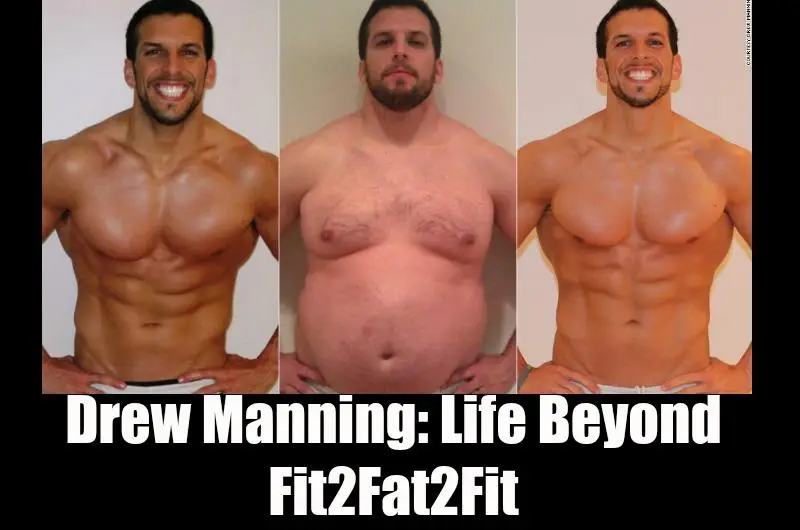
Drew Manning is known world wide as the trainer who put on 70 lbs of fat so that he could better identify with his clients, but there’s a lot more to him than just Fit2Fat2Fit. Since his divorce, Drew has been living as a single father. He’s got a huge heart and a desire to help people with the mental and emotional struggles that lead to problems with weight gain and fitness. Over the past couple of years, Drew has been a major advocate for the ketogenic diet and we get into a great discussion about how he found keto and his advice for those who want to try the keto diet.
To catch up with Drew, head over to www.fit2fat2fit.com.
Transcript
Machine-generated from the episode audio and lightly edited — may contain errors.
Chris Albert (link to this point)
What's going on, Warrior Soul nation? This is Chris Albert, and welcome to another episode of the Warrior Soul podcast. Today's episode is an a really interesting one. We have on Drew Manning, and Drew Manning was that guy who was a personal trainer, and he was fit as hell, fit AF. And he put on 70 pounds so that he could understand what his clients were going through, the the mental and emotional struggles that they were going through.
And so he put on that 70 pounds, and then he pulled it all off, and he got back to his fit self. Now, you know, when I first heard about this guy, I thought that this was a gimmick. I was like, alright. This guy just got out there and did a bunch of publicity and things like that, but it's really not the case. Drew's actually a really great guy, and there's actually a whole lot of depth to him.
Got a real concern for humanity. He really wants to help people to get fit, and he really wants to help people to live their best lives. And had a great conversation with him. Got to know him a little bit better. Got to know some different aspects about him a little bit better.
Some of the personal struggles that he went through. And, you know, he's really a a guy who's trying to help people with their mental and emotional struggles with fitness more than anything. Lately, he's been talking about the ketogenic diet. He's been on the doctor Oz program. He's got his own show on A and E, and, you know, he's he's an avid blogger and New York Times bestselling author and and and a real hell of a guy.
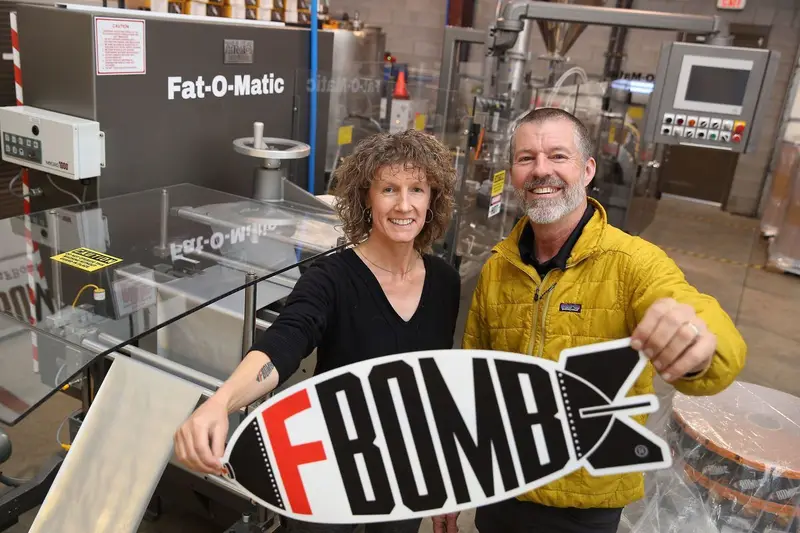
I my first judgment on him was absolutely wrong, and, you know, I I really liked him. I really enjoyed this conversation. I got introduced to him by our sponsors, our amazing sponsors, the p the good people over at FBOMB Nutrition. What does FBOMB do? They make delicious, awesome, wonderful packets of fat.
Right? You know that I'm a big advocate for the ketogenic diet. Talk about the ketogenic diet all the time on YouTube, and on my blog, and here on this podcast, but you know, I really love these guys. They have put every effort they can to help this podcast, and they have a real desire to help veterans. They're currently sending packages overseas to veterans deployed on the on the front lines and trying to get them their fuel. So if you wanna learn more about FBOMB nutrition, head over to www.dropanfbomb.com, and my recommendation is to try their fuel packets.
They they're packed with delicious macadamia nut butters. They got macadamia nut butter mixed with coconut butter, macadamia nut butter now mixed with pecan butter. Absolutely awesome. Delicious. And if you use the code Warrior Soul, you'll get 20% off of your first order.
So with that, guys, we're gonna get into this episode with Drew Manning from Fit2Fat2Fit.
Chris Albert (link to this point)
This is Chris Albert, and I'm here to remind you of one thing. Someday, you're going to die. Now that's not some morbid statement or scary idea. It's solid fact. Your time here on this earth is limited.
And we need to be reminded of this as much as possible for one simple reason, to live your best life while you can. This is the Warrior Soul Podcast.
Chris Albert (link to this point)
What is going on, Warrior Soul Nation? Welcome to another edition of the Warrior Soul Podcast. I'm here today with Drew Manning. Now Drew, a few years ago, he became pretty well known for something he was doing. He he was a trainer, very, very fit guy, and he decided that he was gonna put weight on in order to identify with what his clients were going through, the struggles they were going through in trying to trying to lose weight because a lot of times, I mean, I'm a guy, I couldn't put on weight if I ate 15,000 calories a day.
Sometimes it's it's hard for people to to to really identify with what's going on or or empathize. But Drew did that, and then he he had 70 pounds of extra fat on him and then lost that fat. And, you know, it gave him a new and and different way of looking looking at things from the perspective of a trainer. And now he's just been he's been everywhere. I've been seeing you all over the place, brother.
Drew Manning (link to this point)
Mhmm. Well, thanks, man. I appreciate that. Thanks for the introduction.
Chris Albert (link to this point)
Definitely. Definitely. So, you know, let's because there's so much here. I you know, you just told me you're on a four day fast right now and dealing with that. And and, you know, I've heard a lot of different interviews with you as far as your experience with Fit2Fat2Fit and your experience with ketosis.
Let's start with your experience in putting that weight on. What what was the thing that made you say, hey, I'm gonna do this right now?
Drew Manning (link to this point)
Yeah. That's a good question. So basically what happened in a nutshell was, you know, I grew up my entire life in shape, just for everyone listening. I was your typical trainer with the six pack abs. I played football and wrestling since I was a little kid.
I had 11 brothers and sisters, we all played sports. And so for me being in shape was something that came very easily. And then I became a trainer in 2009, became certified as a trainer, started taking on clients, most of them are overweight. And I would get frustrated and I couldn't understand why it was so hard for them to just follow the meal plans that I gave them, follow the workouts and they would give me excuses like, oh man, I was doing good but then I messed up this weekend, I had soda or you know, I was really tired and I didn't get to the gym and do the workout you told me to. And there was this disconnect and I could definitely see it.
And I would get frustrated with them and they would tell me, Drew, you don't understand because for you it's always been easy. And for us, it's really, really hard. And I couldn't understand that. And so I kind of took that to heart and I was thinking of ideas how I could better relate to my clients. And I had this idea pop up in my head, and I instantly felt like I was gonna be called to do this, and it was this idea of getting fat on purpose.
Know it sounds crazy and ridiculous, but it made sense in my mind, and I was like, I think I'm gonna do this. And so I started a website, a YouTube channel, started telling friends and family about it. And it was a crazy experience. Getting the weight, I will say this, at first it was fun. I'll admit that.
It was really fun. The food tasted good. It was like this sense of freedom. I didn't have to go to the gym. I could eat whatever I wanted to, whenever I wanted to.
And yeah, it felt like freedom, right? That's what some of us think freedom is. But about a month in, I started snoring, which affected my sleep, which affected my mood, which affected my personality. I wasn't sleeping as well throughout the night. I started getting winded, walking up the stairs, bending over to clip my toenails every time I choose.
I had to hold my breath. I never experienced that in my life. And very quickly that sense of freedom was gone. And I was like, oh man, I have five more months of this. Like this is starting to become way harder than I bargained for.
So there was a lot of lessons learned, a lot of humbling that happened during that phase.
Chris Albert (link to this point)
Did did you have, like, a particular eating regimen that you had to do every single day? Like, did you have, like, a calorie quota or something like that or, like, a sugar quota that you that you had to get to before before the day ended?
Drew Manning (link to this point)
No. I didn't do any type of measurements like that where I had to hit x amount of like sugar or carbohydrates. For me, I just ate intuitively, but I focused the main focus of what I did was we've all seen Super Size Me. We all, you know, know fast food in general is unhealthy for us. We still eat it for some reason, but we know it's unhealthy.
What I want to do is focus on everyday American foods that some of us think aren't that unhealthy. Like we grew up with in the 70s and 80s, and sometimes it's even marketed to us as you know, quote unquote healthy food. So I focused on processed food that was cheap, convenient, and I'll be honest, it tasted really good. Like Cinnamon Toast Crunch is so good. Like why does that exist?
Same thing with Mountain Dew, like, and then like macaroni and cheese and chicken nuggets and hot pockets and all these processed foods that are at our fingertips whenever we want it, it's food on demand. It does taste good, but it's also cheap, right? So that's why so many people gravitate to it because it's like, oh man, this is so affordable. This bag of Pringles and Doritos versus, you know, buying fresh produce and having to cook it, and it's just so much easier, right? And so I those are the foods that I focus on.
Chris Albert (link to this point)
So definitely understand the the the physical change and the difficulties that come along with that. What was the mental change like? Did you find yourself getting into a space where you couldn't picture yourself eating healthy again? Did you think that you'd lost hope for that at certain points?
Drew Manning (link to this point)
The mental and emotional part was the most humbling part. And that's what the biggest surprise was. And that's kind of what I go into in my book is talking about how this journey became so much more of a mental and emotional challenge. Physically, I knew I was going to get a big gut and man boobs and a big butt. And like I knew physically my body was going transform.
I was prepared for that. I wasn't prepared for how this was going to affect me mentally and emotionally. So on the mental and emotional side, here's what happened. Like when you grow up your entire life in shape, your identity is based on what your body looks like, right? So my identity was based on my fit body.
Once I lost that, I kind of freaked out. Like I'll be honest with you. I wanted to go up to complete strangers and tell them, I'm not really overweight guys. Here's the before picture, go to this website. This is all just an experiment.
And that's because I was freaking out. I didn't know who I was. And it was really important for me to go through that though. And there was moments where I definitely felt like, what if I get trapped here? What if I get stuck here?
I didn't know the end result of this. I could have had some kind of health issue happen where I was stuck at this weight or I didn't get back to fit. And that was a risk that I had to take. But there was moments where, especially towards the end, it clicked for me, you know, why people get comfortable in this sedentary lifestyle? I was like, you know what, I'm comfortable.
Yeah, it's uncomfortable to walk up the stairs. It's uncomfortable to be able to tie my shoes. And there's certain things like that bother me, but it's really comfortable, like living sedentary, like just, you know, not moving because you don't feel like moving and laying down a lot. And the food makes you feel good. Like it's your comfort food.
So a lot about that lifestyle became very comfortable. But I knew, I knew in my heart of hearts that I couldn't live that way in the long run. But I did have my doubts about whether or not I'd be able to get back. But on the mental and emotional side, man, it affected me so much more than I imagined and that's kind of what my book goes into and that's why I think Fit2Fat2Fit became so popular because people saw how humbled I was versus like, oh look, it's so easy, like you just eat, you know, you just, you know, losing the weight was easy. I wasn't doing it for that.
Like people saw, if you see my blogs and old videos on YouTube, you'll see how humbling it was.
Chris Albert (link to this point)
Wow. Wow. I I mean, I can imagine. I've I've been in situations having ulcerative colitis where, you know, at one time, I I was two hundred and twenty pounds. I was squatting, you know, 500 pounds for repetitions.
I was bench pressing, you know, 400 pounds and and dead lifting 600 pounds for reps. And all of a sudden, I went through a flare up and I went down to like a hundred and fifty six pounds and lost a lot of weight, lost a lot of muscle. And it's happened to me over and over again for different reasons. And, you know, when you go through something like that and your identity is based around what your body looks like, it can be an extremely humbling thing and you realize what's really important and and and, you know, how this body we live in can really affect our brains. It can affect our brains so much in in everything we do.
Drew Manning (link to this point)
Yeah. That's that's a great point, man. And And sometimes it takes those experiences that you've had to realize that, or me going through this, but health is one of those things that you don't appreciate until it's gone. You totally take it for granted. And then just imagine anytime you're sick and you feel miserable, you're like, oh man, what I would give to feel healthy again, right?
Once it's gone, then you start appreciating it. But then if you're healthy every single day, you sometimes take it for granted until something like this big happens that humbles you. So, you know, first and foremost, this made me more appreciative of my body of health. Just looking fit, but like overall health, like just feeling healthy is such something that I think is really powerful, but it's overlooked and people take for granted.
Chris Albert (link to this point)
So with this new book, you're you're going basically into the mental side of things, the mental and emotional side of things. What do you think people are are missing the most when they go into these journeys and they and they fail? What what's the one aspect of the mental and emotional side that that people are missing?
Drew Manning (link to this point)
Well, there's two perspectives here. One is from the trainer's coach's perspective of what they think people are missing. And here's the thing I learned, and I'll talk about that and then I'll get into the client's perspective, like what they're missing. From a trainer's coach's perspective, the emotional connection to food is way more powerful than we think. Like if you've never been overweight, you've never struggled with food addiction, it's so easy to think, yeah dude, you stop eating the junk food.
Like just be disciplined, put it down. But you wouldn't ever go to a drug addict and say, look, just stop doing drugs. It's not that hard, right? We've realized that there's a serious emotional connection and a psychological thing that happens when we eat this food or have our drugs. It's almost the same thing with people.
And so if we come from a place of empathy and respect and better understanding, then we can kind of come down to their level and I think people are more willing to listen to a trainer or coach that has empathy versus like, dude, it's not that hard, you just do it, right? So there's that perspective. And then from the client's perspective, it's our perception. It has to do with our perception of health and fitness. We think the perception of health and fitness is what we see on Instagram.
Like I have to be 5% body fat, otherwise I'm not healthy. And we think that we have to live this kind of boring bodybuilder lifestyle of eating chicken and broccoli with no seasoning and we have to lift five, six times a week and three sets of 10. Like for some people that's just not them, but they think that's what health and fitness is. When in reality, you're healthy is going look different on your body and you have to be okay with that. You're healthy is not going to be Arnold Schwarzenegger in his prime healthy.
You have to realize that. Just find your happy balance of what you want your healthy to be and be okay with that versus wanting what other people have. Yeah, we want to look like that, but are we willing to sacrifice all of these things, these comfort foods, these experiences with family and friends and vacation? Like are we willing to sacrifice that? I think if you ask a lot of people, the majority of Americans, they don't want to, but find your happy balance.
It doesn't have to be all or nothing. So I think those are the two perceptions that I think need to change in my opinion.
Chris Albert (link to this point)
Yeah. One of the things I I really believe with all my heart is that your fitness regimen should should feed the rest of your life. Right? And so it should make the rest of your life better. It should allow you to get more enjoyment out of, you know, interacting with family and friends over the holidays.
It should allow you to enjoy your vacations more. It should allow you to become better at your job, become a better parent, you know, allow you to to to to really become better at your life. And and, you know, I think looking at it from that perspective rather than, you know, oh, I wanna look like Arnold Schwarzenegger, oh, I wanna do this, or oh, you know, I need those six pack abs. What what I think we forget is that those things that, you know, that that desire for the big biceps and the six pack abs, as soon as something else happens in your life that's crazy, like say your job gets stressful or, you you know, maybe a tragedy happens in your life. If that's the only thing you're going for, you're gonna kick fitness out the door as soon as something gets hard, you know?
Drew Manning (link to this point)
Yeah. That's a really good point. And also to go with that, that's not what brings ultimate happiness. Like having the six pack, there's a lot of insecure people with 5% body fat that look great on the outside, but I promise you are suffering on the inside, right? There's so many people.
And so we perceive that as like, oh yeah, their Instagram posts, they look really happy and they're in Bali and they have a six pack, that would be so cool, but there's so much more to it. You know, once we realize that happiness is something that we create on the inside, has nothing to do with our outside perspective or outside sources, we create our own happiness. And I think that's when you start to realize that you're in control of your own happiness and it has nothing to do with having a six pack or having the body that you want or having all this money or fame. We know people like that that are absolutely miserable. Not everybody, some people.
So find what brings you happiness, what brings you fulfillment. Maybe that's like 15% body fat and getting off blood pressure medication and going to the gym three days a week, but spending time with your kids and living a healthy balanced lifestyle.
Chris Albert (link to this point)
Yeah. And something you mentioned there as far as social media, right? Because I think there's a double edged sword here, you know, in one sense, you know, back when I was a kid and and and I think we're around the same age, you know, back when when we were kids, the only source of information was the bodybuilding magazine.
Drew Manning (link to this point)
Yeah.
Chris Albert (link to this point)
And and like, we literally went to like Muscle & Fitness or Flex Magazine to get our workouts, to get our nutrition information. Now there's so much information out there, and that's a good thing. But there's also this whole thing about social media in where it's the show me phase of social media where people are showing off their abs, showing off their their their their their bodies and things like that. And I think there's positivity and negative negativity there too because there's positivity in that, you know, there's a little bit more motivation, but negativity in that, people look at that and they're like, wow. I it's this this lifestyle I want, this this this crazy fake lifestyle that some people are living on social media, you know.
Drew Manning (link to this point)
Yeah, think it, you know, it adds to, you know, the unhealthy relationship people have with health and fitness is because they see, you know, these these insta famous people and they're like, I wanna look like that. I wanna be like that. And I get it, but we gotta let go of comparing ourselves to other people. Compare yourself to you, who you were yesterday, who you were six months ago. Are you a better person than who you were six months ago?
That's your competition. Like, let that be your competition. Right. You know, don't let the Instagram models be your competition because it's not real most of the time, you know? And for you, you gotta find your happy spot.
Chris Albert (link to this point)
Absolutely, absolutely. Knowing a little bit more about you as well, I know that while you were going through the weight gain phase, you you you had family, you you you still have a family, but you you were married at the time. You went through a divorce after that.
Drew Manning (link to this point)
Right?
Chris Albert (link to this point)
Yeah. What what kind of and this is a this is a big question because I think that people don't realize the the kind of emotional impact that their family can have on their fitness levels. What what kind of impact were you experiencing during those periods of time with with your own family?
Drew Manning (link to this point)
That's a good question, man. And here's the thing, a lot of people don't know this, you know, unless you follow me religiously and you listen to some of my podcasts where I open up. I'm an open book first and foremost, and I truly embrace vulnerability as a strength instead of a weakness. And so for me, I'm totally fine talking about these things. But going back, like a lot of people don't know that me and my ex wife, we were married at the time during Fit2Fat2Fit.
That's when we were going through our struggles. Like when I had to go on TV shows like Doctor Oz and Jay Leno, and we had to pretend like we're this happily married couple. And it was really, really hard. But what's interesting is like, I was miserable on the inside, and that was very easy to reflect, like to dive into this unhealthy lifestyle because it just fed those emotions of feeling no self worth and no self confidence.
But obviously I had to lose the weight, you know, and so I had to find that motivation to, okay, you know, I'm miserable inside, but I gotta lose this weight. I gotta get back to fit. And so luckily and very fortunate, was able to do that. Even though me and my ex wife were going through hell at the time, we went through like roller coasters of emotions of like, oh yeah, we're happy. Like always like we're not happy.
And you know, the divorce wasn't final till after Fit2Fat2Fit, just so everybody knows. And if you want to listen, go to episode 100 of my podcast. You'll hear me talk about everything in detail. But basically, a nutshell, the divorce was final three and a half, a little over three and a half years ago. So well after Fit2Fat2Fit happened.
You know, on my podcast I open up and talk about that. But it's interesting because for some reason I was able to fake it and we both were. And what sucks is that, man, life's so short and those years of like faking it was really, really hard. And I think both of us look back on that time where like, you know, maybe it would have been better to step right before that, but I was so worried about what other people would have thought of me. And so did she.
And we both were like so worried about that. Here I am on TV, everyone's following me and I didn't want to be seen as a failure. So we, for whatever reason, stayed together, faked it, you know, for a while. But ultimately, you know, we divorced and that was the best thing for both of us, to be honest with you. If you understand my story, you'll understand why, but just kind of just summarizing all what happened, you know, we're definitely better people because of it.
Chris Albert (link to this point)
Yeah. And one of the reasons why I wanted to bring that up here is because a large portion of the people who listen to this podcast are are US military veterans and guys who've been going through a whole lot and girls who've been going through a whole lot. And and we have a really, really, really high divorce rate Yeah. In the veteran community. And a lot of times, when we see people struggling, it's because something's not going on, going right in their life.
Right? Something's not going right with with their emotional stability because they're lying to themselves about something. Right? And that's what I think you're coming down to there is that, you know, if you look at life as being this kind of very temporary thing, you know, we're not here forever. We don't get to be in these bodies forever.
A lot of times, you know, having to admit that you're going through these struggles is a huge step in getting you to be happier in your overall life.
Drew Manning (link to this point)
It is, but it's hard because it's such an uphill battle because society, culture, you know, the military especially, it's ingrained in you and taught you like you don't show these weaknesses. You hide these weaknesses, you overcome that and that's how you become stronger as a human, as an individual. But I'll be honest with you, that breaks some people, like it broke me. And I wasn't in the military, the strong religious upbringing that I had and the perception of sports and the perception of who I was supposed to be from my parents was like, hey, don't fail, don't talk about your weaknesses and you suck it up. And I tried that my whole life.
And so I just hid stuff. I hid it from everybody, hid it from my wife, of all these things that I was struggling with on the inside. And I kept it internal, which eventually one day, you know, it broke me, like I said. And I think it breaks a lot of people because we're taught it's not okay to be vulnerable. It's not okay to talk about these things.
Know, keep it inside, you know, and it breaks people. And unfortunately, it takes that to happen before someone can like heal themselves and let go of that. But for some people that's, it's totally devastating for them. And for me, that really, really was, because I didn't want to be seen as a failure, I didn't want to be seen as weak, you know, someone who played football and wrestled my whole life, and acted like I was perfect on the outside. But on the inside, man, we're struggling.
If you can embrace vulnerability as a strength, it'll change your life. And for me, that's the biggest thing that helped me overcome the divorce and all of that and get to a place where I'm finally happy with who I am and I'm okay with talking about these things now versus before. I would have never talked about this in a public forum.
Chris Albert (link to this point)
Wow. That's that that's definitely a big move. Do you think that also having children in the equation was a big factor in your in your decisions there as far as, like, coming full circle and becoming vulnerable?
Drew Manning (link to this point)
Yeah, I think my girls and my daughters are my why. They're my why and they're my motivation to get to a place where I was happy with who I was. Because whether you show that or not, kids I think can sense that as a kid. If you hate yourself as a parent, I think your kids eventually are growing up with you, being around you all the time, are going to be able to sense that. Then they're going to see your example and probably repeat those same patterns.
Important to realize that. So for me, I knew I had to get to a place where I'm like, I want to be proud of who I am. And I want to be worthy of my own love and someone else's love one day. And it took a lot of work, a few years to finally get to that point, but I'm so happy I put in that work to get to that point because in my opinion, it's gonna make me a better dad. It's gonna make me a better me so that I can better serve my daughters and be a better example to them so that they can love themselves growing up instead of living in a shame based society.
My hope is that they don't have to go through that.
Chris Albert (link to this point)
Awesome. So with with the so you made this change now. How has it helped you in your business, your fitness, your life? What what's what what's the biggest factor here that's helped you overcome this and and move on and and and find success with the new Drew?
Drew Manning (link to this point)
Yeah. Honestly, I think it's helped me be more relatable. People see me as human and they see me as just like being able to relate to me versus before. Like if you're trying to fake it, people can sense that I think. But for me being authentic helps my audience trust me more, right?
We think that people are gonna, you know, if I tell them the truth, people, we make up the story that people are gonna leave and they're gonna hate us and they're not gonna trust us anymore. But if you can just open up and be vulnerable, once I came out about my divorce everything that happened, I was so worried I made up this story in my head of like everyone's gonna demonize me and hate me and it'll ruin my business. But honestly, my business has flourished since this whole thing happened. And so I think as a business owner, as an entrepreneur, finding a way to be authentic and vulnerable with your audience helps them to relate to you. So it's not just about, you know, Drew's this person that I follow on Instagram, it's like, man, I feel like I know him, right?
Because he talks about these real life things that I'm going through as well. And so I think it's just the relatability factor is so important. Whether you're in the health and fitness industry or whatever industry you're in, if you have, if you're an influencer of any type, being authentic and relatable is super important. I think that's what it's done for me.
Chris Albert (link to this point)
Absolutely. And I, you know, I remember seeing you years ago talking about Fit2Fat2Fit. And, you know, since then, it just seems like you've got so much more depth and so much more nuance and and
Drew Manning (link to this point)
Yeah.
Chris Albert (link to this point)
You know, frankly, lot more interesting to to to to listen to your content, to hear from you, and things like that.
Drew Manning (link to this point)
Thank you.
Chris Albert (link to this point)
And I think that's amazing. As, you know, moving on with with all this stuff, you've also found more depth with your fitness routine and and your nutrition. We talked about the fact that you've been working with ketosis for quite a while now. Do you want to talk a little bit about how you found ketosis and what made you try it in the first place?
Drew Manning (link to this point)
Yeah, let's talk about that transition because during Fit2Fat2Fit, the way I lost the 75 pounds was more of like a whole foods paleo-ish approach of five five or six small meals per day every two or three hours. And it works, like that still works for a lot of people. What happened with the keto diet was, here I am a self experimenter, obviously with my body. I do a lot of experiments on my body. I remember listening to the Tim Ferriss podcast with this guy named Doctor Dominic D'Agostino, who came on talking about the science that has been done on the ketogenic diet and it blew me away with how much science was out there for this ketogenic diet. And I hadn't heard about it before, like six or seven years ago I'd heard about it but it wasn't mainstream yet. And then at this point, this was about three years ago or so, I remember hearing it and I was like, you know what, I'm going to give it a try. Like I experiment with my body all the time, why not try ketosis? And so I decided to do it.
And honestly, I fell in love with it. And the reason why was because you got to understand, first of was already lean to begin with. I was already muscular to begin with. So that didn't change a whole lot for me, but that's not why I was doing it, right? And then my performance in the gym, it did take initially there was a small dip in performance.
I was doing CrossFit mostly, but eventually that came back up and my strength was about the same. My performance was about the same. So it's not like a night and day difference in performance and body composition. It was about the same. But for me, the biggest thing that I noticed was my improvement in cognitive function and mental clarity was through the roof.
It was amazing how I went from eating six small meals a day to eating two meals a day. My performance in the gym was awesome. My brain felt amazing and I was so much more mentally clear throughout the day. I could get so much more done and here I was only eating twice a day and I wasn't hungry, I wasn't starving, I didn't lose my muscle mass. And so for me, I saw it more as nutrition for my brain and I saw it as so much more sustainable, especially as an entrepreneur and a dad, living a busy lifestyle.
Being able to only eat once or twice a day frees up so much more of your time of digestion and your mind is so much clearer. That's why I fell in love with it. So it's been three years. I went on the Doctor Oz Show talking about the benefits of the ketogenic diet and then from there, it's just kind of exploded in popularity and I have keto digital programs that people purchase and keto community that people follow.
And so it's been amazing. And I've since then, you know, transitioned with keto and found like my sweet spot because, you know, I think you're always evolving, your body's always changing and so you need to be open to what maybe worked for you years ago and might not work for you today. So you gotta be open to change.
Chris Albert (link to this point)
Absolutely. We had a we had Doctor D'Agostino on on the show, I think four or five months ago. Really awesome guy. Super, super knowledgeable.
I mean, that guy guys just know so much and he he came on. He delivered a lot of knowledge related to veterans and traumatic brain injury and and the ways that ketosis could potentially help them. You know, in in hearing your story about ketosis and and how you came into it, I mean, that was definitely the boat I was in. And I was suffering from ulcerative colitis flare ups, like I said, and and ended up, you know, out of desperation, figuring out the foods that weren't making me flare up, and it was basically came down to some meat some meat, but not too much, some vegetables, and coconut oil. And that was those are the those are the foods that really kept me from flaring up.
And so that's what I went with. I didn't appear to lose muscle mass, and performance and mental energy went through the roof. And that that was pretty awesome. As an entrepreneur. I and I think this is a really, really big thing to point out, you know, when you were going about your daily schedule and you found ketosis.
What was the biggest thing as far as time saving? Like, I know you said you only eat once or twice a day now, but like, you know, what are you eating on a daily basis? What is your schedule like?
Drew Manning (link to this point)
Yeah, that's a great question. So, I mean, it depends now, but you know, like, because I'm just finishing up a four day fast, which we'll get into eventually. But you know, back then when I was doing it, it was mostly, you know, Bulletproof coffee for breakfast. And I could go all day, I would work out. I would come home shower, get work done until about like one or two, eat a lunch, you know, a bigger lunch. And then from there, work until dinner time. And then I would eat dinner and I didn't have any afternoon crash. That was the thing.
It's like, you know, three, 4PM, we've all experienced that kind of mid afternoon crash where maybe we drink more coffee or some another energy drink to get us through the day. And there was no crash. And that was the biggest thing that I noticed. And my digestion was so much better, right? I wasn't having go to the bathroom all the time or I wasn't having any more digestion issues.
Then, you know, I could get so much more work done throughout the day I noticed because my brain felt more optimal. And you know, was just so much more focused on my work and more efficient versus before. I'm like, all right, there goes my alarm, got to take up next Tupperware meal and eat my chicken and broccoli, you know, or whatever it was. Like I used to be really strict about that, but it just, and this is the thing I've noticed with extended fasting is we spend a lot of time eating food. And I'm not saying you need to stop eating, that's not the enemy, not at all.
But like, you know, just realizing how dependent we are on food is, I think we overdo it as a society of having to eat three, four, five, six times a day for thirty, forty, fifty, sixty years straight, right, without taking a break. Think their bodies need a break every now and then. And so that's why I'm a huge fan the keto diet of intermittent fasting and extended fasting.
Chris Albert (link to this point)
Yeah, that's a really, really good point you made there is not being completely dependent on food. You know, one of the things myself and a lot of listeners of this podcast, we're all actually praying for the zombie apocalypse to happen someday. And my my thing is if the zombie apocalypse happens, you know, the first people to die are gonna be the pro bodybuilders who are eating those eight meals a day because, you know, the second they don't have that that that, you know, blood sugar spikes, they're going to they're going to fall off. Their energy's going go, and they're not going be able to fight off the zombies.
Drew Manning (link to this point)
That's a good point, man. That's kind of funny analogy, but it's so true. It's so weird because my first fast I ever did was a seven day fast. And I just had read the book, The Complete Guide to Fasting. If anyone want to check it out, it's by Doctor Jason Fung and Jimmy Moore, and I had both of them on my podcast. And it's a great book if you want to understand fasting first. Like don't jump into it, like, all right, Drew, you talked about doing a four day fast, I'm going to try it out. Let me eat this pizza first, and then I'm going start tomorrow. You'll feel miserable.
Do your research first before just jumping into it. But once I learned the science behind it, and you know, and the reason I do it is not for weight loss. That's the thing that you got to understand. Extended fasting, yes, you're gonna lose weight naturally, but you're gonna gain it right back. So don't expect like, don't do it for weight loss is what I tell people.
And then from there, the reason I do it is for the health benefits. The anti aging, anti cancer, longevity, self regeneration, increased immune system, decreased inflammation in the body. And then at the end of the day, from a mental perspective, just not being so dependent on food, knowing that you can go seven days without food and still function. You can still be a dad, you can still drive to work, can still get work done, you can still, you know, go to like, this was during Christmas time when I did it. You can still go to Christmas parties and you know, and feel okay.
Yeah, trust me, sucks not being able to eat the food. And even on this fast, I had to cook the food for my daughters, which is really hard because I could smell it and touch it, but I haven't eaten any of it. And just knowing that you're mentally strong enough to go without food, think is a good thing on the mental side. And then spiritually, fasting has been around for centuries, practiced by so many different religions. There's a spiritual aspect to it.
Know, I feel more in tune with my body. You know, I'm not as religious as I used to be. I do more meditation and I feel more in tune with my body. My meditation is so much better. And I'm able to go throughout the day feeling optimal without being a slave to food all the time.
And so once or twice a year, I'll do these extended fasts. Three, I've done some three days, I think four days is my sweet spot after doing this fast. The seven days was too long, I'll admit. Because I was already really lean to begin with. So I don't know, that's my 2¢ on fasting.
Chris Albert (link to this point)
Yeah. Are you drinking, you're probably drinking a lot of water trying to make sure that you're getting enough minerals in during that time. Like what's your mineral intake like?
Drew Manning (link to this point)
Yeah, so I've changed it up each time. So the first seven day fast I did water, exogenous ketones supplementation, bone broth, salt and powdered greens, right? And those kind of five things, kind of cycled through those and I felt great. And then the next time I did a three day fast, I did exogenous ketones as well, very similar. And then this four day fast, I've done water, salt and electrolytes only.
So I focus on sodium, potassium and magnesium specifically. And I feel the best I've ever felt. And I didn't do any exogenous ketones. I did black coffee, one cup per day each morning, and no sweetener added to it or anything, no fat added to it. And this time I felt the best I've ever felt.
So you know, each person's different. I think there's different ways to do fasts and you know, find what works best for you and then experiment, you know, like do become your own self experimentation.
Chris Albert (link to this point)
That's pretty awesome. Yeah. I fast a bit every day. I mean, I do the the intermittent fasting where I just eat in plain old window. And, you know, a lot of people look at me like I'm like I'm insane because I don't eat, but I feel so much better.
And honestly, that's one of the things that's really helped me with my ulcerative colitis is is not just doing ketosis, but also doing fasting because allows me to give my digestive system a big rest every single day and keeps you keeps you going. You mentioned not jumping into these types of things. I think it's important we mention this because you're doing a keto diet or if you're doing fasting, there's a lot of stuff that can happen if you jump into it. For instance, if you're not getting enough mineral intake, you're going feel like absolute crap. Going to feel like you just drink a bottle of whiskey.
It's the day after and and you're cramping up. You you got headaches, things like that. You know, what's what's your advice as far as things people should do before they actually get into these types of things?
Drew Manning (link to this point)
Yeah, there's a couple of books that I would have you read and some podcasts to listen to. I think that's really important to get started. The book that I first read was called Keto Clarity, and that was the great, very basic, very easy to read, very easy to understand book on what ketosis is, how it works in the body and what you're going to experience during this transition. And realizing that there is a transition, right? And then also some podcasts with Doctor Dom. He's very smart. So sometimes it might go over some people's heads. So I've had some podcasts where I talk about the keto diet from a very basic perspective. But find whatever you're whoever you listen to on a podcast and talks about the keto diet and listen to an episode or two or do some research online before just jumping into it.
Because I've had people that are like, Oh yeah, I did keto for a few days and I felt miserable. I just ate bacon, butter and cheese and that's all I did. Then they feel they quit after five days because a lot of it has to do, you don't understand the electrolyte imbalance that happens when you first transition from glucose to primarily fats as your fuel source. And it's really important to be educated before you just jump into it so that you have experience with it and you realize what's happening inside your body. You know, you've been running off glucose for thirty, forty, fifty years, and now you're trying to tell your body, okay, no more glucose.
Now you're going have to learn how to use ketones. Well, it's going take your body, you know, probably a good two weeks to transition and learn that, but for some people they crash really hard, they experience the keto flu, and they're like, yeah, man, that keto thing wasn't for me. So it's really important to understand first and do your research first.
Chris Albert (link to this point)
Yeah, absolutely. And, you know, it's, there, there are definitely a lot of resources out there. It's something that you've, if you're gonna do it, you got to do it, definitely do it the right way. And like I said, I've been doing this for for a while now. Like, I think back, you know, it's it's it's been a good number of years.
And what I've realized recently, and probably over the last two years is that I'm finding ketosis is almost more of a or the keto diet to be more of a spectrum. You have the super, super strict, archaic form of the ketogenic diet where it's eighty ten ten. And then you have lower levels where you can actually, I mean, if I'm having a really, really tough workout day, and I've I've done jiu-jitsu and I've gone on a run and I've lifted weights, then I could I could actually tolerate a good bit of carbs that night and and still remain in ketosis.
Drew Manning (link to this point)
And this is where I think people need to become their own self experimentation. Right? It's so bio individual to find out what works best for you. Because the way I do keto now, kind of similar to you, isn't the way I first started out with keto. Right.
When I first started out with keto, it really strict, 75, 25. And at first I felt great but then I hit a wall and there were some phases where I had low testosterone and my blood work wasn't what I wanted it to be. And so I just kind of tweaked it and upgraded it. And just recently, did a triathlon, Olympic distance in Hawaii and I started implementing healthier carbohydrates into my diet at nighttime, potatoes, sweet potatoes. So I was probably getting like 50 to 75 grams of carbohydrates per day, but I was in a mild state of ketosis, but I felt optimal.
My blood work is the best it's ever been. And so that's what I'm saying. It's very bio individual. But then there are some people who maybe are more sedentary or don't have as much lean muscle mass or aren't working out as much that maybe need to stick with more of like a seventy, twenty five, five approach. And so the problem is that I think the majority of people think, okay, well just tell me what macros to do, how many calories, and thinking that boom, magically it's going to work for them.
But that's where you have to become your own self experimentation, do some tests, your blood ketones a little bit, get your blood work done on a regular basis, you know, go off of how you feel as well and do some measurements to see if this is optimal for you and what levels of ketosis is optimal for you based on your lifestyle.
Chris Albert (link to this point)
Tell me about the triathlon, man. So was that the only triathlon you'd done or had you done others?
Drew Manning (link to this point)
That's a great question. So last year was my very first one. I got kind of thrown into it about two weeks before this company that sponsors me is like, Hey, do you want to come to Hawaii? Oh, by the way, you know, there's a track on that we need you to do with our team. And so I was like, I've never, I've never like trained for this.
So I had two weeks to train in the pool, bike and then just run. And then I just flew from Utah to Hawaii, got in the night before, did my best. It was way harder than I thought it would be, but I did okay. Like I was surprised. And And I was doing keto.
I think that really helped me out back then. And then this year, actually trained for it. So this is my second triathlon I've ever done. It's an Olympic distance, which means it's 1.5 ks swim, 40 ks bike ride, 10 ks run. So it's about a good three hours workout.
And my goal was to get under three hours this year. I got three zero five. So it's just above my goal of getting under three hours. But I like doing these types of workouts I know I suck at because it forces me to get out of my comfort zone and it's just once a year, right? Like for me, I don't feel healthy training two hours a day on the bike, running, like that's not, for me, that's not sustainable.
But once a year, like it's cool to train for it and realize that you can do more than, you know, lift heavy weights and feeling functional. Like you can bike and swim and run. But yeah, you can also lift heavy weights too. Like it's cool to be able to do both the best of both worlds. So you know, now that I just finished this a couple weeks ago, I'm kind of transitioning out.
That's why I did the four day fast afterwards. Let's kind of reset my body. And then I'm going to jump into more of like a hypertrophy training for a season and then get into more, some more functional training at some point. Is this fun to become your own self experimentation rather than just doing three sets of 10 for the rest of your life?
Chris Albert (link to this point)
I love it, man. I think that's awesome. Yeah. My good friend Brian Rose from London Real, he he got challenged to do an Ironman and he had days to do it, and he's covering that now on, like, this Internet series. Wow. He got challenged by you know who John Joseph is? The lead singer of the Cro-Mags?
Drew Manning (link to this point)
Yeah. I think I've I've heard of him.
Chris Albert (link to this point)
Yeah. He does the triathlons too, and he he challenged Brian to do it plant based. And so Brian Brian switched to plant based, and he's running Ironman on May 20. And he's full full full force, and it it's it's I love that you just said, okay, you guys want me to do this triathlon, I'm gonna do it. And and I think that's that's what it comes down to, man, with with fitness is that being ready for something like that.
Maybe not being the best at it, but like, but but being ready for something like that or being able to do something like that if you have to, and then finding you like it a bit and then, you know, saying once once a year, I'm gonna add add something like this to to to my competitive regimen. You know, I think that's pretty cool, man.
Drew Manning (link to this point)
Yeah, it's good because then it keeps you motivated. Because even for me, I get burned out of lifting to look good. That gets old over time. I want to look good. Find something new to challenge you.
And what these things do, these types of events is yeah, force you to get out of your comfort zone, but also like you're motivated to work out because you know you can't show up on race day out of shape, right? So you have, you know, you're kind of more committed to the process to versus like, if you're like, oh yeah, I don't need to go to gym today. It's like, no, you got the race coming up. You paid money for it. You've got to show up in shape.
And so it kind of forces you to stay consistent with your training and then find new things, whether it's a Spartan race or a five ks or physique competition or whatever it is to keep you motivated throughout the years. Because even for me, I get burned out just working out just to work out, right? Absolutely.
Chris Albert (link to this point)
And one of the things like, I've recently found that I love endurance running and I do it a lot. Partly because I live in California, and I don't want to just be sitting in my office all day long, and it's beautiful out here. But the other part is that I get to take advantage of all those happy chemicals my body produces when I've when I've done a run. And you know, that's right after I've done my run in the day, that's when I do a lot of my creative work and it's pretty cool, you know, it's like Yeah. Natural nootropics.
Drew Manning (link to this point)
That's where it's more of like a mental emotional workout than it is like a physical workout. Yeah, you're getting physical benefits from it. But there's so many other mental and emotional benefits from therapy, you know, better brain cognition afterwards. So that's how exercise should be rather than like, oh, I want to exercise just to look this way. Like for some people that works, but not for everybody, I promise you, People get burned out of that and you know, find something whether it's running or whatever it is that kind of is more of therapy than it is, you know, a physical workout.
Chris Albert (link to this point)
Absolutely, absolutely. Well, Drew, you know, one number one, I wanna thank you for coming on today. Like, honestly, you're you're so dynamic and and and, you know, the like I said a few years ago when I first heard about you, was like, oh, that's the guy who put on the fat and then got it off, and then then then, you know, fit fit to fat fit. But you're so much more than that now, and I think that's awesome. It's awesome to see how dynamic you are. It's awesome to see that you're working in this really, really important area of mental and emotional fitness.
I think that's the missing it's really the missing link. You've been out there and you have not found success, it's probably more to do with something in your brain than it is to do with something in your body in many cases, you know?
Drew Manning (link to this point)
Yeah, well thank you for that man, I really appreciate that. That's a very kind compliment and probably the best compliment I've had in a long time, like I really appreciate that. So, know, it's just life, I'm grateful for the experiences that I've had that have led me down this path, so grateful to be here. So thanks for having me on.
Chris Albert (link to this point)
Definitely, man. And where can people find you online and where can people find your work?
Drew Manning (link to this point)
Yeah, it's super simple. So fit number two, fat number two fit is my book, my website, my podcast, all my social media handles. The only thing that's different is FITTO, FatTOFIT. That's the TV show. So if you want to watch season one, season two of these other trainers go through this process of gaining weight and then losing weight where I coach them, That's a you can find that online.
But my brand is Fit2Fat2Fit, social media, website, book, podcast, everything. And I try to make it super simple.
Chris Albert (link to this point)
I gotta get on to that that that TV show, or I gotta watch that TV show because I wanna see like, are you if somebody's having trouble putting weight on, are you like, did you eat your freaking donuts today?
Drew Manning (link to this point)
It's funny because the the roles reverse. Yeah. They get trained from their their client on making sure that they're eating those donuts. Right? So it's funny.
Chris Albert (link to this point)
That's outstanding. That's outstanding. Well, Drew, dude, thank you so much for coming on, man. And to everybody out there, think about the stuff that Drew went into today. Everything as far as the mental and emotional states.
Think about whether or not you're actually lying to yourself about whatever state you're in right now in life. Understand that the more you admit to yourself about the struggles you're going through, the the better of a time you're gonna have in navigating through this thing we call life. And definitely check out all the stuff that Drew is doing right now between Fit2Fat2Fit with keto and with his new book. So with that, I wanna thank you all for listening to the Warrior Soul podcast, and get out there and live your best lives while you can.
Host of the Warrior Soul Podcast and founder of Warrior Soul. Worldwide trainer and nutrition coach, contributing author at Testosterone Nation and Muscle and Strength.