Podcast episode
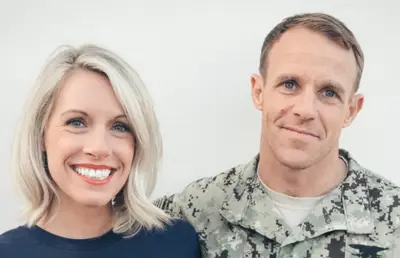
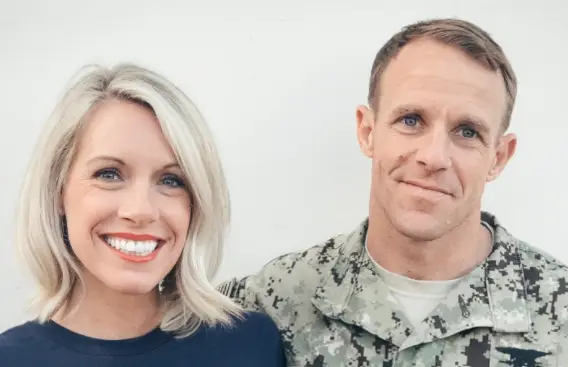
Eddie Gallagher: Above the Cold and Timid Souls
Hosted by Chris Albert
The Warrior Soul Podcast
Eddie Gallagher is a retired US Navy Seal who was acquitted for war crimes after being falsely accused of murdering an Isis fighter.
Eddie Gallagher is a retired US Navy Seal who was acquitted of war crimes after being falsely accused by his team mates.
For three years, Eddie and his family were put through absolute hell. He served nine months in jail, his children were dragged out of the house at gun point, and his wife waged her own war to save Eddie and their family.
Once he was acquitted, his problems did not let up. The Navy tried to take away his retirement and his Seal trident.
Nevertheless, Eddie persisted in getting his name cleared, and today, he is working to help fellow service members who were falsely accused or harshly punished by the UCMJ through the Pipe Hitters Foundation.
Eddie is also the author of a soon to be released book called The Man in the Arena, that tells the story of his and his family’s ordeal.
Pre-order Eddie’s book at https://theeddiegallagher.com/.
Transcript
Machine-generated from the episode audio and lightly edited — may contain errors.
Chris Albert (link to this point)
You know, one of the things I'm always saying is that if this country is gonna get better, if this country is gonna go on the right path, we have to step up as a community. Veterans are the sleeping giant in this country, and it is time for us to step up. That's why I wanna talk to you about The Citadel, the Military College of South Carolina. Now, you might have thought about The Citadel in the past as this corps of cadets, this military institution, but they have programs for veterans that don't involve you joining the corps of cadets, don't involve you wearing a uniform every day, and don't involve you living a military lifestyle. If you wanna do that, great.
But if that's not what you're up for right now after your military career, then you don't have to do that, and you can access some of the best programs in the world. The Citadel has some hot degrees in intelligence, tactical strength and conditioning, engineering, and project management. And, there's five student type options for veterans. There's graduate college, there's evening undergraduate, there's active duty students, non cadet day program, returning cadet veterans, and online programs. The academic offerings include undergraduate, graduate, college transfer, graduate certificates, and online degrees.
Veterans have access to every single academic degree the college offers, and they have the most flexibility when it comes to their schedule. They can major in anything offered to the cadets and would take those classes during the day with the cadets. But then there's other programs offered in the evening or online and graduate programs to choose from too to make things so flexible for you. The US World and News report has named the Citadel the number one college for veterans in the South. And for veterans who choose to take classes on campus, they get to be a civilian student in a military environment.
They don't have to wear uniforms, like I said before. They don't have to join the military culture of the Corps of Cadets. The atmosphere is a really good transition environment from military to civilian life. There's an organic mentorship that comes from taking classes with the cadets. The cadets wanna talk to you guys.
They wanna hear your stories. They wanna know what it was actually like to be in the military. A lot of the a lot of these men and women are gonna go on to serve as officers in the military, and they're gonna exact change. And they need to hear from you guys. They you also get access to the Citadel's alumni network.
Like I said, this is one of the most illustrious institutions in the world. And when you join the Citadel and you graduate, you're part of their alumni network. That includes so many leaders. It includes so many business leaders, so many leaders from the military, and so many leaders from the government. The college's core values of honor, duty, and respect align with veteran culture.
They align with who you are, and it's something that you're not gonna get anywhere else in this country. There is tons of special assistance for veterans at The Citadel. And whether you're a veteran or active duty military personnel, you can take advantage of these programs. You also get access to the veteran student success center, the career center, the academic success center, the student veteran association, and all campus clubs. If you wanna play rugby, you could do that.
If you wanna you wanna lift weights, you could do that. You get access to everything that the students get. There's fellowship opportunities. There's tons and tons of financial assistance. So if you're interested in getting a degree from The Citadel and building your life, head over to citadel.edu/veterans.
Chris Albert (link to this point)
This is Chris Albert, and I'm here to remind you of one thing. Someday, you're going to die. And that's not some morbid statement or scary idea. It's solid fact. Your time here on this earth is limited.
And we need to be reminded of this as much as possible for one simple reason, to live your best life while you can. This is the Warrior Soul podcast.
Chris Albert (link to this point)
What is going on, ladies and gentlemen? Welcome to another edition of the Warrior Soul podcast. My name is Chris Albert, and this is where we deliver tools, tactics, strategies, and ideas to help the US military veteran community and anybody else willing to listen to live their absolute best lives. You know, I've had some really great interviews here, memorable interviews. People like Robert Greene, the author of the 48 Laws of Power.
I've had Grant Cardone on. He came on and and talked about 10X in your life, and and I've had Pat McNamara, Green Beret, and also a former member of many elite military organizations. Super motivating. I've had on other veterans. I've had on other really awesome people.
Today's is something that that has been a first for this podcast. It's somebody who has gone through absolute hell and got through that absolute hell with the help of his wife and his family and some other amazing people, and who is now here to deliver the lessons that he got while going through that. And, obviously, you know, when we talk about hell, we've seen a lot of different types of hell. Right? War is hell.
Right? Sometimes life can be hell. But this this was something different. What I want you to imagine here is imagine you're at work, and you're in a position of authority. And for some reason, your coworkers are starting rumors about you. Right? Maybe you took a snack from the break room that was one of theirs, and they started calling you a thief behind your back. And then maybe they're saying that that you make inappropriate comments, and that you approach some of them in an in an uncomfortable way. Right?
And and what I'm talking about here happens all the time. Right? It it it's a fact of life in this modern age. You know, we we live in a society that seems to be based around drama. And what I'm describing here sounds like it would be hell enough.
Right? That would be a really, really horrible environment for any of us to be in. But imagine that somehow you got accused of being a murderer or a war criminal. And all of a sudden, it's not a a review from the higher ups that you're getting. It's it's potentially a life sentence without parole.
My guest today is a man named Eddie Gallagher. Served as a Navy SEAL for over twenty years and at one point, was accused of being a war criminal. And if you know this story, it started out with a bunch of rumors, rumors from his fellow SEALs, SEALs that he wasn't getting along with. And it blew up to a point where people kept telling lies, and he ended up getting accused of being a murderer and a war criminal. And he was under threat of serving the rest of his life in prison.
His children were dragged out of the house at gunpoint during a raid on his house. His wife was forced to fight for his life and for the life of her family. And this story is absolutely insane. And and before we get started, I wanna say this. There there have been a lot of podcasts out there with Eddie by people who are much better at discussing the story with Eddie than I am.
Right? I'm talking Eddie's fellow SEALs. I'm talking people like my friend Ryan Michler, the the host of the Order of Man podcast, which is an amazing podcast that I think everybody should listen to. Mike Ritland, who who who's also a fellow SEAL that I've had on the show, who's, in my opinion, one of the best interviewers out there. And what I want you to understand is is I think you guys should definitely go and listen to those episodes as well as this one, because they do such a good job at at at telling the story.
And what we've got here in the podcasting world is I never consider myself in competition with any other veteran podcast. Right? I think we all complement each other. We all bring different perspectives. And, you know, my perspective is in getting and extracting the lessons that we need for fellow veterans to help you, those of you who served, to get the most out of your experience and what you did in the military, but also continue getting the most out of life, in your civilian life.
And that that's what I attempted to do here with this show, with this episode. Eddie is an absolutely amazing individual. I admire him a lot for his humility, for his desire to get the truth of this story out, and I admire the way his family banded together around him. His wife should be nominated for sainthood. Just an absolutely amazing individual that she is.
And I think that this is a story we all need to know and that we should all try to gain some lessons from. And so it was my honor to interview Eddie, and I know you're gonna get a lot out of this. And with that, I don't have anything else really to cover. Let's get into the show. I always talk too much during these introductions.
Let's get into the show with Eddie Gallagher.
Eddie Gallagher, welcome to the Warrior Soul podcast, man. How are doing?
Eddie Gallagher (link to this point)
Good, man. Thanks for having me on. It's an honor to be on here.
Chris Albert (link to this point)
It's a honor to have you on here. I really appreciate you coming on. And and, you know, what I wanna say for the audience, you you probably heard of Eddie Gallagher. You might have heard one side of the story, which is what the media put out there. There have been some really excellent podcasts out there and podcasters who are much more qualified and better than I am, at talking about Eddie's full story.
Mike Ritland did a great one. Andy Stumpf did a great one. My friend Ryan Michler did a great one. You know, we're gonna give Eddie a chance to give you guys kind of a synopsis here. But what we're really looking to do here is is to talk to Eddie about how he handled this situation.
We're gonna talk a good bit about his book, The Man in the Arena, and we're going to be talking about how his family handled this. So Eddie, again, thank you so much for coming on here.
Eddie Gallagher (link to this point)
Yeah. No problem. So yeah, another podcast that's really good to check out is Sean Ryan from Vigilance Elite. I did I that's the last one I did. It's about 5.5 long.
So it's a it gets in a lot of detail. But, yeah, I'm I'm, I'm doing good, man. You know, I got the the book coming out with pretty much all the details of what happened. It's called The Man in the Arena. It entails everything that happened during the whole course.
And it's split up between chapters between myself, my wife, my brother. I got my a couple of my lawyers have a couple of chapters in there. People I was in the brig with have a chapter in there. People that were on deployment. So it's all these different perspectives.
And it's just the full story from beginning to end of what happened. And also, we will have QR codes in that book. So as you're reading, it's obviously going to be my side of the story. So it's biased. But I have a QR code in there where all you have to do is click on that or take a picture of that.
And it's going to give you the trial transcripts, all the NCIS interviews, everything. So everything is going to be out in the open to the public. And it's pretty much you can make a decision at the end of the book.
Chris Albert (link to this point)
Yeah. That's so awesome. And, you know, one of the things I think that that's so great about you in in this post, I guess you could say, trial period that you've been in since you've been acquitted is that you've come on and you've been very honest and very humble about what happened. And, you know, I think one of the cool things about this happening in this day and age, not that whatever happened to you, you know, should have happened to anybody. But, you know, being able to come on to these long form platforms like this and being able to to to talk with other SEALs, to be able to talk with other service members in in a in a method that's not so condensed into sound bites and things like that.
Not with this gotcha atmosphere, but to get into such detail. I think there was one you did. It was like a five and a half hour podcast where you guys go through everything. Right?
Eddie Gallagher (link to this point)
Yeah. That's the Sean Ryan one I just brought up. That was so he did it with me about five and a half hours, and then my wife has about a two and a half hour interview in there. Along with my youngest son who that was a spur of the moment thing. He he just happened to be there.
And, Sean asked him if I wanted to be on or he wanted to be on. He told his side of the the raid on my house by NCIS and just having guns pointed at his face and, you know, dragged out in the street in his underwear. You know, to hear that from a 11 year old child is, you know, it's pretty emotional. I mean, even for me, you know, I've heard it over and over. But, yeah, that's just a go on a side note.
What you do and what a lot of these veterans who are starting up podcasts, I didn't really get it when I was in. I was like, why? This happened this is sort of like a trend going on. But now that I've been out and just left, I listened to a couple of your podcasts before we talked. And then I also listened to Mike Ritland, Andy Stumpf, and a bunch of other veterans.
And I think it really is huge to let other veterans come on and tell whatever story they have from their time in the service. Think it's almost therapeutic for that person in a way and also for veteran listeners because they can sit there and relate like, Okay, that's what I'm going through. I felt like that, too. And you're not alone. And a lot of them, when they go on, they say, put out information that, hey, this is where I got help, or this is where I got treated for this.
And I think it's huge, man, what you guys are doing.
Chris Albert (link to this point)
Yeah, man. I have to say that's been the the most most rewarding part for me is is kinda having this community here. You know, last five years hasn't been the best for me either. Nothing compared to what you've gone through. But but, you know, having this community out there and and having them listen, and being able to to still be of service, and to still reach out and touch people out there.
That's, that's a big reason why I still do this. And and, it's been amazing. You know, listening to your story, and and kind of getting into the details of everything that happened, you know, one of the things that really impresses me is the strength of your family and the strength of your wife, and how much she was able to get involved. And, you know, you were in a profession where divorces are rampant, you know, marriages don't last long. How did you find that? How did that happen?
Eddie Gallagher (link to this point)
That was a blessing from God. My wife and I were best friends in high school. We went our separate ways. After we both graduated high school, I went and joined the Navy. She went down to Florida for design school.
And we sort of lost touch with each other. And it wasn't until about five years later, after I had completed BUD/S and I went to eighteen Delta, I was driving back through and just happened to call her mom to see how she was doing. And we linked back up, and it was pretty much history from there. We did a long distance relationship for about a year. I did my first deployment with the teams to Iraq.
I think we got married right before that deployment. So when I came back, she moved out to San Diego. She already had two children, which became my two children. And I went from being a single team guy to married with two kids right away. But I think the strength of my family comes from just being a lot of it comes from being a military family, Just being dependents, especially in our line of work where I'm not home 85% of the year, either or any other operators.
And in order to make that marriage work, a lot of it falls on the wife. I think and this is it hurts me to say this. But when I was in the teams or in the military, I was married to the SEAL community first, SEAL teams first. And that was my it was almost treated as like that's my first love. And then my wife is my mistress with two kids.
That's who I go spend time with every once in a while. But it takes a strong woman. And if she's strong, the kids will be strong. They become resilient. Not to say it's all smooth sailing.
And it takes you on YouTube to come back and work through whatever issues you have come back from combat deployments or issues you have with being gone all the time, dealing with the stress of that. My wife and I had during my career, we've had our ups and downs. We've been to therapy. But I think the key is we've constantly worked at it. It was never like, all right, this is enough.
We're going give up. It was like, Okay, how are we going to get through this? Let's both work at this. And so I think by the time I mean, when all that whole nightmare went on the last two years, I think it sparked a fire in my wife, Andrea. I mean, she put up with all the BS of me being in the teams and her being pretty much a single mom holding down the fort.
And she wasn't going to let the government throw me away for no reason. So I think she really it definitely sparked a fire in her. As soon as they locked me up, she stood up and was like, you're not doing this. Started a, grassroots campaign on Instagram. Just pretty much telling everybody what was actually going on, not what the Navy was putting out or the media was putting out.
And she gained a a large following, and, that's, that was huge. I mean, I still I think back or look back to everything her and my brother, Sean, my little brother, Sean, he was they were like two peas in a pod. He was going knocking down doors on, you know, Capitol Hill, trying to talk to Congress, on a daily basis, all while working a full time job and taking care of kids. So, you know, I I look back on it now, I I still can't, wrap my mind around everything that they did. But it's pretty I was always grateful to be married to her.
This just gave me that extra, like, thank God I have her, or else I'd be locked up for the rest of my life. Absolutely. Absolutely.
Chris Albert (link to this point)
I mean, you know, you look at the the absolutely herculean efforts on her part, and and, you know, what she was able to do. And and, you know, she's, she's a huge part of this story. You know, I'm thinking back to when I first heard of you, and it was through the media. And they had painted this kind of caricature. Caricature. And having served in the military, I kind of understood the caricature, but it was like, you were this super toxic male who was going around saying that, hey, I want more combat, I want I wanna get out there and get some, kill people, things like that. And, you know, obviously, having served in the Marine Corps, I've heard this stuff before. And, obviously, those of us who get into this type of profession, we do it for a reason.
It's because, you know, we do enjoy the work. I mean, as as rough as it can be, but they had this kind of like evil caricature of you. And, you know, what was that like for you when when this stuff first started coming down? Because as I understand the story, this started because a a group of of SEALs in your team, you know, really had it out for you. And and it seemed like they were were really just trying to get back at you for something.
And it evolved into this crazy thing where NCIS got involved, right?
Eddie Gallagher (link to this point)
Yeah. So that NCIS was really the catalyst that really launched this thing to where it got out of control. You know, I'll I'll do, a highlight based on pretty much we went to Iraq, Mosul, Iraq in 2017 Mhmm. To clear out ISIS. We at that point, the East Side was pretty much clear, and we're we were tasked with clearing the West Side Of Mosul, which was the end of it, and Old Mosul itself, which is a pretty massive place.
That deployment was super busy, super chaotic. I think out of all the, combat deployments I was on, that that one was a huge eye opener just because we were not the main effort. We we were pretty much, we're doing AAA. It's assist, advise, and accompany a Iraqi their emergency response division, which is an Iraqi unit. And there was a couple other Iraqi units there that were clearing Mosul, and we're pretty much behind them, you know, helping them out with, with the air, you know, ordinance, and then also taking part in a fight when we needed to.
But their their rules aren't the same as ours, and neither are ISIS's. So there was a lot of just craziness, atrocities. I mean, it wasn't like anything I'd seen before, But it was it was the job. And we were, you know, going out during the day, every day riding in Mosul. You know, there weren't no element of surprise, which is not a SEAL mission.
And not a you know, it's really not a special operations mission. We we try to take the advantage, but that wasn't, you know, the cards that we were dealt. And so we had a mission to do. And so, basically, some of the guys on my team well, most of the guys on my team had never been to combat before. They were all pretty green.
I think the most senior guy, they, you know, had two platoons under them, and, it was all to, you know, I think Guam or somewhere else, which, you know, before we left, I didn't really put too much into that. These guys were all motivated to go. But I think once we got into country and the reality of what we were dealing with hit them, we're getting engaged every day. I think some of them because it wasn't a typical SEAL mission, some of them had disagreed with the actual mission that we were doing. But as much as I tried to explain to them, this is the mission.
There's no like we're not picking and choosing here. It just we just butted heads. But there wasn't a lot of communication about it. What these guys did after I subtly told them to suck it up and pretty much this is what we're doing. They started a little they tried to start a little toxic hate trains, what we call it, in the platoon.
So really, I know it's been was put out in the media. First, it was put out the whole platoon, and then it was like, oh, a big group of guys. The reality is it's two guys, and they managed to grab on to three more, to be like, hey. Get on board with us. And you can definitely see it during their NCIS interviews or even when they went on the stand.
None of their stories coincided. The main guys started off with a lie and got the others to believe it and start perpetuating that lie. But none of it made sense. So when we came back, this is all obviously, is I'm hearing all this after deployment. And, basically, they went to the command and said that I had stabbed an ISIS prisoner that was brought to us.
The command well, they went to the command with three demands. They said that they I had picked up senior chief. I had, been nominated for a Silver Star, and I had got a position, instructing. And they wanted all three of those gone or else they were going to send a video to CNN of me stabbing a prisoner, which never existed. The command, instead of questioning them or digging into it more, completely took their side.
They started shunning me, you know, took my rank away, took the Silver Star away, and then, you know, met all their demands. But this wasn't that wasn't enough for these guys, I guess. And they went to and told NCIS. They called NCIS, said, hey. We have a murder to report.
And that's where it really blew off the handles. The NCIS agent who took over the case was he was something else. He he pretty much formed a prosecution before he did any type of investigation. So I mean it and when I put these interviews out and when people can see him, he starts off the very first interview, with the first guy in my platoon is this your name will never come out in public. Your name no one will ever see this interview.
You can say whatever you wanna say. We're not coming after you. We don't care about what you guys did. We just want Eddie Gallagher. That was told pretty much told to every person that came in for an interview, which gave them carte blanche to spell off whatever they wanted.
And when people watch the interviews, it's it's pretty embarrassing. I mean, they're they're whining about the craziest stuff, and they're all I mean, they're making up blatant lies. But either way, that's that's what they did, and the NCIS agent used all of that to conduct a raid on my home. While I wasn't I wasn't me me and my wife both were not there. I got called into work that morning.
NCIS came and got me at work, locked me in an interrogation room for seven hours while they conducted a raid on my home with, my wife was gone. They knew all of this because they had been casing my house for two weeks. Pulled my kids out at gunpoint. It was it was ridiculous. And from there, that's when we were like, Okay, this is real.
This is out of control. Before all that, we were sort of, you know, we had faith in the system and faith in the command that, hey, somebody's going to see through this. And once that happened, we were like, Okay, Obviously, they're they're going forward with this. They conducted the raid. And then about two months two and a half months later, I was at a, TBI clinic getting checked out before I was planning on retiring.
And it was at Camp Pendleton called Intrepid Spirit. They came there about two weeks in and arrested me and threw me in the threw me in the brig with no no charges. They didn't charge me with anything. They didn't have anything on me at the time. They just were throwing me in there because they said I was a threat to the case And that because I was a SEAL, I could escape at any time, which I showed no signs of escaping.
And I hadn't been a threat to the case. But they fabricated all this stuff to keep me in there. And that's all it took. So I stayed in confinement for nine months until my trial, which I went to and went all the way through the trial and was found not guilty of all the charges except for taking a picture with the dead terrorist, which was a group picture. But I was the only one charged with that.
And that's just, I think, the Navy's way of trying to get a win. Right. I was acquitted and after the trial, the it didn't stop there, though. At that point, the Navy had spent so much money and time and effort into persecuting me and trying to put me away for life. And when they lost, they were embarrassed.
So instead of licking their wounds and learning from it, they went after me some more. They tried to take away my retirement after, know, it would've been like I never served twenty years. And they then NSW tried to take my trident. And this is where the confusion comes in. President Trump got involved, and, he didn't pardon me.
He didn't you know, none of that happened. What he did is he told the Navy to let me retire with everything I had earned over twenty years and that not to take my Trident. And that's where he pretty much left it. I think because that happened, people I I still to this day, people are like, oh, you were pardoned. I wasn't.
I went through the gauntlet, and I let a jury of my peers decide my fate.
Chris Albert (link to this point)
So Right. Right. And and, you know, the insane thing to me here is that, you know, when you call somebody a war criminal, that's almost like calling somebody a child molester or rapist. It's somewhere along those lines for somebody in your position, right? Because they're basically saying that you you were serving evil, right?
That's the basic thing that comes up. And what astounds me about this is how those small group dynamics that, you know, we probably don't think of, in the civilian world so much every day, you might have friction with somebody at work, right? I work in a manufacturing company, there's friction here all the time. But these small lies, these these little things, they added up to to this massive thing that nearly erased everything you worked worked for over the course of your career, and nearly wiped you off the planet, and put your kids in danger, because for some reason, they decided to raid your house and drag your kids out of the house at gunpoint.
Eddie Gallagher (link to this point)
Yeah. Yeah. It was definitely an eye opener. We saw behind the curtain that we didn't know existed or we were just ignorant to that fact that this the government, if they want to target you, they're going to target you. And they don't need any evidence to do it.
They don't they can go obviously, they'll just go off hearsay, which is what they did with me. And that's why we started during the right near the end of my trial or with the trial, my wife and I decided that we couldn't you know, once we got out of this, we couldn't just disappear and be like, Oh, thank God that, you know, that went okay. We were like, No, we're going to fight back and help. Because when I was in the brig, I met a lot of service members in there that were being unjustly locked away Mhmm. That were pretty much going they went to the same gauntlet that I did just in the smaller, you know, arena, if you will.
And Yeah. You know, you have kids in there that are 19 years old, serving six years for failing a drug test, you know, for marijuana, which, yes, that is illegal in the military. But I think if people take a step back, like this 18 or 19 year old joined to serve his country, yes, he made a mistake, but why is he serving six years or eight years or smoking some weed when he could have went to college and did the same thing? You know? Right.
I think there's got to be the punishment doesn't meet the crime. It's definitely you know, the scales are tipped. And so we started the Pipe Hitters Foundation, which is a nonprofit, which it helps fund families, service members, and law enforcement, and first responders, and their families. So if they're stuck in a situation like we were, we help fund their legal defense and also provide emergency relief funds to those families during that time because it is a very stressful time. And service members, along along with, law enforcement, we don't make enough money to, you know, get a good lawyer.
Correct. And I'll tell you what, going through a process like that, the only rights you have are the ones that you can afford. And that's that is the truth. Like, they'll they'll violate your rights up and down. If you don't have a good lawyer to call them out on it, then they're just gonna get away with you.
Chris Albert (link to this point)
That's what I I don't think a lot of people understand. There's there's a separate system of justice for those of us in the military called the Uniform Code of Military Justice. And, you know, under that code, there are certain things that are that are illegal that, you know, are not illegal in the civilian world. Adultery is one of them, right? For example, if somebody somebody gets found to be committing adultery in the military, you could actually do brig time for that.
And and
Eddie Gallagher (link to this point)
there for that.
Chris Albert (link to this point)
Yeah. Yeah. It's there's a whole host of different things. And basically, you know, you were assumed guilty from the beginning.
Eddie Gallagher (link to this point)
Yeah.
Chris Albert (link to this point)
Right? And with this whole thing, you've also kind of been thrust into fame. Right? People know who you are. Your your face was everywhere for a while.
And what I appreciate about you at this point is is, you know, I can tell just by looking at you, you're not somebody who's comfortable with being in the limelight. It's not something you were looking for.
Eddie Gallagher (link to this point)
Right? Yeah. But but better at it.
Chris Albert (link to this point)
Yeah. You're using it for good, and and and you're trying to do something with it now. And and that's what this book is all about as well. Right?
Eddie Gallagher (link to this point)
Exactly. Yeah. This book is like, you know, you can read it. If the Navy or the military wanted to read it, they could use it as an AAR, like an after actions review, and learn from the mistakes that happened. I mean, it's and that's why we wrote the book, is not only to tell the truth, but so people can learn lessons from it.
You know, when I I had no idea how big it had gotten while I was locked up. You know, I was in a cell and general population most of the time. And once I had got out, it took me about five minutes to realize like, oh, everybody knows who I am, which was definitely then probably one of the most uncomfortable things for me. I'm not a, I'm a pretty, what I don't know what to call it, an introverted person, I guess. You know, not not totally, but I'm I'm not outgoing, you know, look at me type of person.
But, you know, while after I retired, I, you know, I struggled with it a little bit. I even struggled writing the book. A couple times, I I wanted to quit writing it, because that also went against everything I believed in. You know, I'm not I definitely didn't like books, sales writing books when I was in. But I think it's you know, if it if something makes you uncomfortable and it's the right thing to do, then, you know, you should go ahead and and push through it.
You know? That's that's what I came to. I was like, because I'm so uncomfortable doing this, I I think it is the right thing to do. You know?
Chris Albert (link to this point)
It's yeah.
Eddie Gallagher (link to this point)
It took a lot to, get through it. And, you know, thank God I say I had my wife. She, you know, talked some common sense into me when I when I was like, you know, I can't do this or this is, you know, this is too much. She's right there just, you know, building me back up. So help, you know, wiping off, you know, the dirt and then I get get back at it.
So it's it's been good, you know. It's it's definitely been a growing experience and learning experience for me. But the big thing, and this is what I kept this was my big thing when I was even into it. Know, humility is a huge trait, for me. And I think it's one of the number one traits that in loyalty.
And, you know, I just try to remain humble through the whole thing. And, you know, and I I admit my mistakes. You know, I'm not a perfect person. I don't think, you know, anybody is. But I you know, just like everything else, like, yes, I did make a mistake, and I learned from it, and I can move on.
Correct. That's that's all I'm trying to do.
Chris Albert (link to this point)
Let me ask you this. So you have this reporter out there who is basically coming after you every chance he gets. There's a documentary out there that I mentioned to you before we we we came on air that that, you know, basically tries to paint this caricature of this, this, you know, evil, toxically masculine guy who was going around doing all these different things. And every time this happens, I believe your family end up ends up getting death threats. Right?
Yeah. How have you guys been dealing with that? And and, you know, has has this reporter ever tried to actually reach out to you to talk with you? Have Has there been any conversations or anything like that?
Eddie Gallagher (link to this point)
So we are currently in a lawsuit with him and the Navy. Basically, this reporter worked for The New York Times. And during my whole case, I mean, before I even went to trial, he was writing articles smearing me. And he I mean, the articles he was writing had information in them that he could have only received from the prosecution because there was a, I forget the term board, but pretty much a lock on the case, like a lock on the evidence. They couldn't you couldn't disclose any information.
Chris Albert (link to this point)
The gag order.
Eddie Gallagher (link to this point)
The gag order. There you go.
Chris Albert (link to this point)
Thank you.
Eddie Gallagher (link to this point)
There's a gag order on everything, but somehow, this reporter and a couple others were getting a lot of negative information about me. And so this is Dave Philipps. Pretty much wrote smearing articles all the way up to the trial. He was there at the trial the whole time. Ignored any fact that made me look innocent, which was or was good for me.
But there was a lot during the trial. And still kept reporting, you know, oh, no, he's guilty. You know, he did this. Even after I was found not guilty, he wrote an article saying, I got away with it. So every time he would write those articles, we would get a flurry of death threats.
And a lot of them were directed towards me. So I was I'm fine with it. I'm like All the death threats were sent over social media or email or whatever. So to me, I'm like, You're not standing in front of me, you're not a threat. But once they started targeting my kids, my kids started getting death threats.
People saying they're coming to my house, rape my children, do this and that. That was infuriating. And again, there's really I mean, there's nothing you can do. You're like, okay, these people are online. We reported it.
We called the local cops here just to let them know like, hey, this is what's going on. The cops here were awesome. They were like, we'll be on the lookout and check your house. It's one of those things where, you know, I think my family has gotten really good at paying attention to what's important and what's not. And the threats and all the negative stuff that was coming at us, we don't read it most of the time.
And then we don't respond. Because that's once you respond to that, that's what they want. They want that back and forth with no real, conclusion. They just wanna argue with you or get you into a fight. So it's that was, you know, that was definitely a learning point for us.
And we grew through that. But that really hasn't that's sort of gone away in the last couple of months, I think, with all well, it definitely died down last year during COVID. I think that became the main topic. So we're like, alright, you know, thank God for that.
Chris Albert (link to this point)
Yeah, no, absolutely. Absolutely. Know, as I mentioned to you, this audience that we have here, mostly veterans, US Army, US Marine Corps, who, you know, when you join, that becomes your identity, right? You put that uniform on, you ingrain the culture into yourself, and you're trained to do this job. You having served for twenty years, and having been part of this institution, and also almost becoming a casualty of the institution, right?
Because the real reason they were going after you was to protect this institution called the SEALs. What is your feeling as you're a year out of your service right now? What is your feeling as you venture into the civilian world? How do you feel about your time in? How do you feel about those institutions?
And how do you feel about being a civilian now?
Eddie Gallagher (link to this point)
So, you know, about my time in, I'm completely grateful and blessed of the time that I had in. You know, despite what happened, the Navy and the SEAL teams, NSW did so much for me, you know, in the Marine Corps. Marine Corps more than the Navy, because that's who I was with the first, five years. But, you know, I wouldn't give that time back for anything. I got to I got to, you know, work amongst heroes, and try to you know?
When you get to work with people who have the same ideas as you or the same sort of drive as you do, you know, at any point, you're constantly you're striving to be as good as them. It's I don't I don't think there's anything like that on the outside. I haven't found it yet. I think there's something close to it. But Mhmm.
You know, I wouldn't give that back. And as far as how I feel about the Navy or the institution itself. I I still I love the SEAL teams. I love the community. You know, I think that it was just some bad actors, you know, bad leadership, you know, from, you know, my case is from the secretary of the navy on down.
Correct. It was just a lot of bad decisions were made, and that's I think that's what happens when it started off when this whole thing started off on lies. It it causes everyone else to lie that's above them to sort of cover their own ass, especially if they're back in those lies. So I hope they take it as a lesson learned and then transition into civilian life. It's awesome.
I mean, I had a rough time with it the first this whole year. Just as I think every other veteran does when they get out, like, okay. What now? What's gonna be my next purpose? Yes.
I had the Pipe Hitters Foundation. That was a purpose. But just I missed the routine. I think when you're in, you always have no matter how much of a hard time you're having at home, have I always had the SEAL teams to go to. My brothers were there.
I could go there and be around them. And then when you're out, you're on your own. Teams, military keeps going on without you. So I definitely and my advice to all veterans is and this was what my wife did for me. I got out and she pretty much ordered me.
She was like, you will not do anything this year but get treatments and fixtures. Work on yourself before we start going ahead and trying to find stuff to do, which is what I was already like, Okay, what's next? And that was huge for me. I went and did a bunch of HBOT therapy. I talked to a therapist once a week just to get stuff off my mind.
And it's really helped. You know, it's and I don't think I would have ever pictured myself doing any of these things when I was in. So it's always like, I'm fine. I'm good. You know, compartmentalize everything.
And then once you get out, you know, all those little boxes that you compartmentalize everything in start opening up and you're gonna have to deal with all that stuff. So it's, I'd say for every veteran person who wants to about to get out or even if you're out right now, you know, definitely seek treatment. You know, or don't even call it treatment, seek, you know, help just on yourself. I don't know. It's huge.
Chris Albert (link to this point)
Absolutely. What's your daily life now? Now? Are you filling the void with things on a daily basis? Do you have a good daily routine?
Eddie Gallagher (link to this point)
Yeah. I'm more of a Mr. Mom. We definitely do a lot of work on the foundation, which right now, it's a lot of administrative work, which is my nightmare. So my wife and the other board members take care of a lot of that.
And then I'm also working with a gun store here called Precision Tactical. These guys were they're just awesome, good people. They're local to us, and they we decided to build a gun, after me and sell it and see how it, you know, went. I I actually got to pick out every piece and part of that gun. I didn't want it to be just some run of the mill.
I I looked up all the best parts to put in there. So we got that going.
Chris Albert (link to this point)
Nice.
Eddie Gallagher (link to this point)
Work working with them, making, paperweights that look like brass knuckles that, that those are those are pretty awesome. We we just started selling those. And then hopefully, I'll I work with I've worked with a different couple of companies, you know, going to help instruct law enforcement with their training, and then hopefully do some stuff on the medical side as well. I'm actually taking a trip here in about a week and a half, to work with a group called Templar Medical who puts on, live tissue training for civilians. It's pretty badass.
So I'm excited to get up there and start teaching. I definitely I love teaching. I love teaching, all the knowledge that I got to learn over the past twenty years to civilians or law enforcement, whoever wants to learn it. So I'm excited about that.
Chris Albert (link to this point)
How have your kids dealt with the situation as as far as things go? What was it like for them as they as they were going through this? I know you said they were getting harassed over social media and things like that. But how are they dealing with it now?
Eddie Gallagher (link to this point)
They're good. We've had to do some therapy sessions with my daughter. And also, I've talked to my youngest son. I've had to have talks with him. It's not there.
They're just confused. They're they're still like, why did this happen? And that the talks I have to have with them are, you know, not easy because I don't I don't wanna berate the navy or berate, you know, the government. Be like, this is what they did. I was like, this was just a mistake with some, you know, bad people that made some bad decisions.
And this is you know, it happens sometimes. They've they've wrapped their heads around that. You know, we we try not to as with the book coming out and everything, we try not to focus on that either. The past, you know, we're Right. Right.
We just look towards the future and, you know, we're all happy just to I mean, they they're more happy than anything that I'm home. This is the first time I've been home in twenty years for I feel like I live here now. So they're just happy to have me home, which it's the same with me.
Chris Albert (link to this point)
That's awesome. That's awesome. You know, one of the craziest aspects of this case, and you know, if people dig a little bit on this, they'll learn about it. But one of your accusers was actually had actually blocked the ISIS fighters breathing tube, and actually admitted to that on the stand.
Eddie Gallagher (link to this point)
Yep.
Chris Albert (link to this point)
Has he faced any repercussions for that? Has he has he dealt with anything because of that?
Eddie Gallagher (link to this point)
No. Because he played the prosecution and beat them at their own game. So pretty much and you'll you you know, when you read the book, you'll you'll read all about this. But someone like I said, it was two main accusers, and they managed to latch on three. They never thought it was gonna go this far. They thought they their main intent was just to ruin my reputation, which in the teams, and I'm and same with the Marine Corps, like, reputation is everything.
Right. They they went around saying all these nasty rumors, just trying to spread gossip and but once it got out of hand and it it escalated, then some of them were trapped. And I actually had when I was locked up, one of the accusers came and visited me and told me straight up that this was all a lie, and that he apologized. He was like and but the problem is, NCIS, the command was telling them, if you change your story, we'll lock you up. Oh my god.
Go away. So therefore, they were caught in this, like, conundrum. What happened is, you know, the prosecutors gave each one of their witnesses full immunity before they before they had to go testify. So that therefore, they could never get in trouble for anything. Mhmm.
So they gave them this, especially this one, individual, thinking that he was gonna go up there and say what they wanted him to say. He went up there and, you know, I think they figured it out. One the prosecutor questioned him first, and he wasn't answering their questions like they wanted. And then they tried to declare him a hostile witness because he wasn't saying what they wanted, but the judge was like, he's not hostile at all. And then, once he came out and was like, no.
I'm the one who killed him. They that was it. They flipped out. The the prosecution started, you know, got up, started yelling at him. It would it was a clown show.
It was I mean, you know, people think, you know, the, you know, the courtroom and and, the military courtroom, you think of, like, A Few Good Men or Rules of Engagement. It's it's nothing like that. It's more like, my wife calls it, like, My Cousin Vinny. It's just a clown, like, clown show, and I you know, I think the whole time I sat back and watched all this happen, just it was embarrassing almost. Like, this is what we have right here.
Like, this is our legal system. Yeah. Very archaic. You know? The the UCMJ was designed in its initial you know, when it came out to protect the service member.
Right. That's why. So we could not get prosecuted overseas in different countries, for things. But over the years, it has flipped, and now it's almost going it goes it's just main functions to go after those service member to make sure to put them away so they get a win. Their their prosecution rating is at, 95% or, you know, in the 90%.
I mean, that that tells you something right there. That's, you know, that's a that's a pretty big number to be 97% to be putting people away. But, yeah, it needs reform. It's Yeah. Yeah. So, I mean, like you just said, people are still going away for adultery. You know, the the punishment for some of the charges are still death, you know, death by firing squad. It's which I you know, that that doesn't happen, but still, it just shows you that that needs that document needs to be worked.
Chris Albert (link to this point)
Right. Right. I mean and and there are some literally, like, ridiculous things on there. I think there's somewhere in the UCMJ, and forgive my language, but you can you can actually go to jail for getting a blow job. Like, if it that that's actually in the UCMJ.
Eddie Gallagher (link to this point)
I Yeah. They can charge you with any like, you could literally walk out, spit on the sidewalk on a, you know, military base. And then this is sort of an exaggeration, but they they really could charge you for that for conduct unbecoming a marine, conduct unbecoming a sailor. It's whatever they deem that's like, well, that's not very sailor like, so we're gonna charge you for that.
Chris Albert (link to this point)
Correct.
Eddie Gallagher (link to this point)
It's a lot of contradictions, a lot of hypocrisy. And then this is the other problem is everybody works for each other. So you have the judge who's not really a judge. He's just a JAG that picked up rank, and then now now he's deemed a judge. You have a prosecutor who, at one time, either worked for the judge or is going to work for the judge.
Mhmm. Then you have the your JAG, which they assign you, your defense lawyer. He also may work for the prosecutor. So this is a problem. So when the prosecutor is pulling all sorts of, which they did in my case, swale shit and, like, cheating, and the defense lawyers are scared to call them out on it because Correct.
That may reflect that on their eval down the road, and they won't. So you're not getting I mean, it's you're not getting a fair shake at all.
Chris Albert (link to this point)
Yeah. It's basically a kangaroo court.
Eddie Gallagher (link to this point)
Yeah. Unless you go hire, which I had, you know, had to do, go hire civilian attorneys to come in and call them on their BS, which might you know, I had Tim Parlatore who was a rock star lawyer along with Marc Mukasey, and they, I mean, they came in and just decimated that place. Things like this That's What you guys are doing is illegal. Like, how do you not see this? But it was blatant. Like, yeah, we don't care.
Chris Albert (link to this point)
Has anybody apologized to you at all?
Eddie Gallagher (link to this point)
Nope. So no. Nobody's apologized. No one has been held accountable for anything, which is another reason we are really fighting back as well because, you know, accountability is huge, and that's preached in every branch in the military. It's a a leadership trait.
And I think, you know, since they're gonna preach it, then they should do it themselves. Like, hey. You know, you guys messed up on this. Own it at least. And all I all I wanted, if they came up to me and I tried to talk to them after the trial, I went and asked to talk to leadership.
They denied seeing me. They would not talk to me. All I really wanted was a man to man talking like, hey, we messed up. We thought this. We're sorry.
And it would have been I've been like, got it. But they even give me that or my family that. So we're continuing to fight back, which is why we're in a lawsuit again with the Navy. We filed a couple IG complaints before I got out. Of course, when the Navy investigates themselves, they came back and they're like, nothing was done wrong.
Move on with your life. They're like, Okay, well, now we're going to see you because you leaked private information all my private information to The New York Times. You leaked it to, you know, the media before my trial Mhmm. Which is, you know, unlawful command influence. There's a lot of that as well.
And I think that's another problem. In the military and in general, the unlawful command influence, you have, you know, your CO or whoever's in charge of you. You know, once he starts dipping his hand in your case or what's going on with you and sort of influencing people like my the commodore, of group one at the time, commander Rosenbloom, while I was locked up was having all calls with each SEAL team and telling them that I was guilty, telling them not to tell me, telling them that he had seen the video, which was a blatant lie. There was no video. All to put me away.
And there's a lot of that that goes on, not just with my case. We're seeing it a lot now with all the people that we're helping, through the foundation that it's a it's a huge problem.
Chris Albert (link to this point)
Well, the crazy part of that is there was a SEAL on your jury, wasn't there?
Eddie Gallagher (link to this point)
Yes. Yep.
Chris Albert (link to this point)
That's that's crazy because he's getting that from one side of his command and then having to go serve serve on your jury.
Eddie Gallagher (link to this point)
And that that's funny you bring that up. Yeah. So this this SEAL so there's three SEALs on my jury to begin with. We did jury selection. I think we added, like, around 18 members.
We we whittled them down to seven. This SEAL so when they do jury selection, they ask you ask all the jurors questions to make sure they're they're fit to be a juror. Like, hey. Do you know Eddie Gallagher? Have you ever met him?
You know, stuff like that. I knew this SEAL that was on the jury. He had been to my house two or three times with his wife. We held a we had a bible study there for a year. He lied and said he had never met me before.
He had just seen me in passing. He actually worked at the time for WARCOM, which is like the big we call it the Death Star of NSW. It's where the, you the Admiral and, you know, Force Master Chief, all them work out, which is where all the bad information was being disseminated. He stuck on the jury. And at the end, I had, I think, five marines.
Thank god. All all combat proven. And then I had one naval officer and this SEAL. That SEAL was the only one trying to find me guilty. And I guess he was trying to sway the rest of the jury.
But the marines said that they they were like, they're all lying. You know? We can tell. This is all, you know, one big sham. So thank god I had them on the jury.
But, yeah, that's that's another I mean, the story gets so crazy with all this corruption and how deep it goes. And, you know, it's all in the book. Yeah. Because there there are so many little details of everything that we went through.
Chris Albert (link to this point)
When when's the book due to come out?
Eddie Gallagher (link to this point)
So DOD has it. We we finished it, I think, around December, handed it to DOD. I remember it was November. I can't remember now. But they they can take as long as they want with it.
Mhmm. We hit them up at least once a month. We were told possibly this month or possibly next month. It's it's like the, it's their little last bit of control to, you know, they have on you. But if you don't hand it to DOD, they're gonna sue you.
Right. They've done it to a couple other SEALs that I know. They take every every penny from you that you make in the book. So we're we're going you know, we're, you know, staying the high ground, doing doing everything right to make sure they can't it can't come back on us. But if it gets released from DOD this month, we're hoping to have it out by April.
Chris Albert (link to this point)
Awesome. And and so people can go and they can pre purchase right now, right?
Eddie Gallagher (link to this point)
They can. Yeah. If you go to eddiegallagherbook.com or theeddiegallagher.com, you can go pre order the book. If you preorder the book, it will, come, personally autographed by myself. My wife comes with a note from both of us, challenge coin, and you will also be receiving it, I believe, a month early before it actually goes into the stores.
Awesome.
Chris Albert (link to this point)
Awesome. That I'll definitely get that up on the show notes, and I'm I'm gonna go order directly after this interview. You know, Eddie, a couple of more questions here just because, you know, when you go through something like this and and, you know, you have this this crazy aspect of your life, and then, you know, there's still life to live. Right? You're still a very young man.
Right? And and that's one of things I try to emphasize to the audience here. And I think we're around the same age. I think you probably are. I just turned 41.
What do you see as the vision for the rest of your life? What are you working toward right now? And I know that's a tough question.
Eddie Gallagher (link to this point)
That is a tough question. I'm still I mean, the main focus for me is my kids. My kids and my family. Right now, I'm in such a good, content spot to where I like being home. I like being around the kids.
I like getting up, making them breakfast, you know, or taking them to school. I mean, these are things that I missed, you know, for twenty years or, you know, fifteen years, whatever, since I was in the SEAL teams. Mean, I I didn't get to do all these little things that my wife it was, you know, everything was on her. So I get to, like, you know, pick up that slack, and but I I enjoy it. And that's I think I that's my main focus right now is, you know, watching my kids grow.
I already I mean, I have one in college. He's a junior in college right now. And, I mean, he's an amazing, amazing individual, but I missed all of his high school. I mean, I was in and out, but not being present a 100%. Even when I was there at home, you're not present.
You're thinking about work. You're thinking about the next appointment or the next training trip. So that's that's that's definitely my main focus right now is just being present at home, being someone that my kids, you know, look up to and, you know, just being a good role model for them.
Chris Albert (link to this point)
And if there's one piece of advice, so let's say we've got a 19 year old Lance Corporal listening to the podcast right now. What would be your advice to him?
Eddie Gallagher (link to this point)
This is what I mean, this is what I told, I would tell all my guys, you know, when they wanted to you know, if they were younger in the military and they want to do something. If you want to do something in the military, you want to achieve something, that's gonna be on you. Don't rely on, you know, the command to get you what you want. If that's if you're going after something like, say, this Lance Corporal wants to go try out for MARSOC or wants to go to a specialty school, you make it's on him to make that happen. You know, I it I had to when I was a young, e three trying to go to BUD/S, I was denied probably 20 times by the command just because, you know, I think it was that, you know, the war had just kicked off, and the, I was with one eight at the time, and they were like, no.
You can't. You know, we need you here, which I get, but that wasn't my dream. You know? I wanted to be a SEAL. So I kept having to pursue it to a point where I was a pain in the ass to everybody.
And they finally were like, alright, you can go. And that's that's a big advice I have for, you know, these young enlisted. You know, get what you can out of, you know, you're serving your country, but get what you can out of it for yourself as well. Awesome. And that's it.
That's that's my big advice.
Chris Albert (link to this point)
What about for that, let's say, 25 to 30 year old guy who's either fresh out or who's been out for a little bit, is trying to figure out what they're going to do with the rest of their lives?
Eddie Gallagher (link to this point)
Don't rush it. Don't feel that you have to rush to get into something. Take some time. Think about it. You know?
Don't go after something just because there's a bunch of money. If you're offered a job and, you know, like, oh, you're, you know, you're gonna get paid this, don't take it because unless you that's really gonna fulfill you, but don't take it just for the money. Do something. I try and find something that gave you the same drive as when you joined the military, that you have the same desire for. And, you know, it's and and that's a lot easier said than done, but that's why I said take your time.
Find yourself first, and then start making those decisions. Right. Then also seek help. Seek guidance. Don't be afraid to ask for help.
I think that's what a lot of veterans do, they isolate themselves once they get out. They're like, okay, I'm not I don't I'm no longer with my brothers or sisters. And they they isolate themselves, and they don't wanna ask for help because a lot of the time, they're like, well, I don't have it as bad as the next guy. I don't have it as bad as that person, so I don't wanna ask for help. You know, that's not the truth.
You know, everybody has their own problems. And but everybody else is willing to either pick up the phone or give advice or just be a lending ear.
Chris Albert (link to this point)
Absolutely. Absolutely. Take some time, take the time, make sure you're healed. Make sure that you're setting yourself up to do what you want to do. That's awesome. Well, Eddie, man, one, I got to acknowledge you. I mean, like, as far as everything goes, your story is, it's it's horrible. I mean, it's it's it's been a really, really tough thing to listen to and frustrating for those of us who who who have served and and who think that, you know, the the military is going to look out for our best interest. But obviously, that's not always the case. And I really appreciate the work that you're doing to bring light to the things that service members are going through when they're accused of things like this.
I am sorry for what happened to you. But you know, like I tell everybody, I think that God has a plan for everyone. And he gave you what you could handle. And he also made you kind of a vessel for the rest of us to be able to see, you know, how we could get through things like this and to find strength in ourselves. So I really appreciate you, man.
Eddie Gallagher (link to this point)
I appreciate those kind words, brother. Yeah. And like you said, this happened to us for a reason. That took me about three months in prison to, you know, come to that realization. But it was, you know, I couldn't figure out why this was happening.
And, you know, a real quick story, you know, I got down on my hands and knees in my prison cell by three months in, talked out loud to God. I mean, I had at that point, had reached, you know, like, bottom. Like, okay. I can't control the situation. And I just gave everything to God.
And I was like, you know, if this is your plan, then I'm I'm willing to follow. You know, I have faith that you're, you know, you're gonna do what's right. And it's this story and that's when I came to discovery that this all of this was happening for a reason to me and my family. So like you said, we could get out and shine a light on what actually goes on in the UCMJ and how how our service members are being treated. And I'm and, you know, it doesn't happen to everybody, but it's there's a lot that happens to enough to where we felt like we had to start this foundation, and I can we're helping a lot of service members in law enforcement right now.
That's awesome. Yeah, I appreciate it.
Chris Albert (link to this point)
That's awesome. Well, Eddie, thank you so much, man. To the audience out there, make sure you go out there and check this book out, Man in the Arena. What was that website one more time, Eddie?
Eddie Gallagher (link to this point)
It's theeddiegallagher.com or eddiegallagherbook.com.
Chris Albert (link to this point)
Awesome. And where can people find you on social media?
Eddie Gallagher (link to this point)
Eddie underscore Gallagher on Instagram.
Chris Albert (link to this point)
Awesome. Awesome. Thank you so much, Eddie. To everybody out there, you know, go check out this book. Learn as much as you can about this.
And I think beyond the story, and beyond what happened, there are so many lessons here. Lessons about life, lessons about persistence, lessons about being the man in the arena. Right? And in, you know, us, the majority of this audience who has served who's out there right now, trying to figure life out. A lot of times when you can hear a story like this, and and you could see what somebody else went through, you can derive those lessons for yourself.
So get out there, find that stuff, and get out there and live your best lives while you can. This is Chris Albert and Eddie out Eddie Gallagher, and we are out.
Alright, guys, there you have it. That is my interview with Eddie Gallagher. There is so much in that story and so many lessons. I highly recommend you go and you preorder his book, The Man in the Arena. I just did so.
I also recommend you go and you check out some of these other interviews he did. He did a great one with my friend Ryan Michler, like I said. He did one with Sean Ryan that's five and a half hours long that goes into all the details. Mike Ritland, who is, in my opinion, an excellent interviewer. He did a great episode with Eddie Gallagher.
So definitely go check those out. Definitely get Eddie's book. And listen guys, there is so much you can learn from this story about persistence, about not letting go, about keeping yourself together in times of hardship and pressure. I guarantee you, you might have it hard right now, but there's very few of us who who probably have it as hard as Eddie did over the last few years. So take these lessons with you, apply them to life, and let's get out there and live great lives together.
Alright? This is Chris Albert with the Warrior Soul podcast, and I am out.
Host of the Warrior Soul Podcast and founder of Warrior Soul. Worldwide trainer and nutrition coach, contributing author at Testosterone Nation and Muscle and Strength.