Podcast episode
Episode 29: Is Hyperbaric Oxygen a Potential Solution for PTS, TBI, and Chronic Disease? with Dr. Scott Sherr
Hosted by Chris Albert
The Warrior Soul Podcast
To listen on itunes: https://itunes.apple.com/us/podcast/chris-alberts-warrior-soul/id1096901382?mt=2
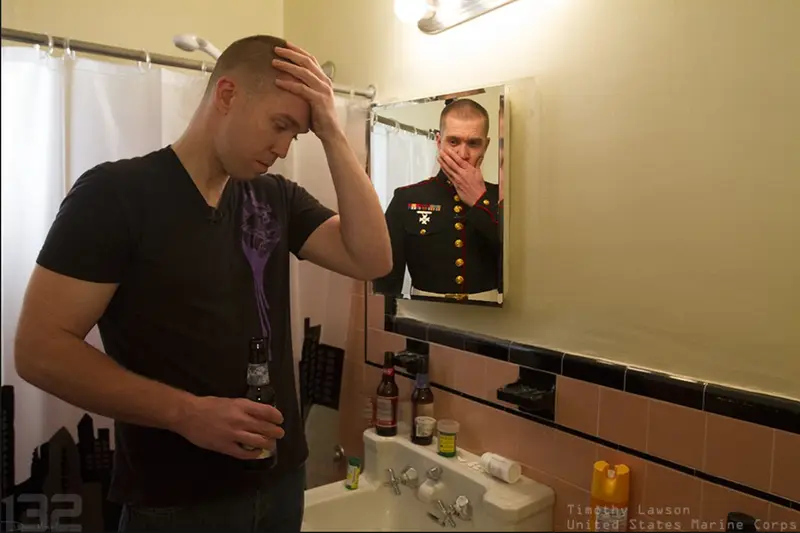
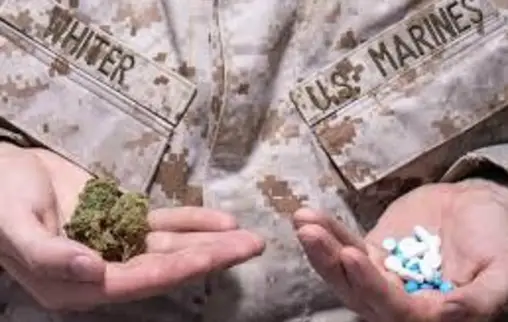
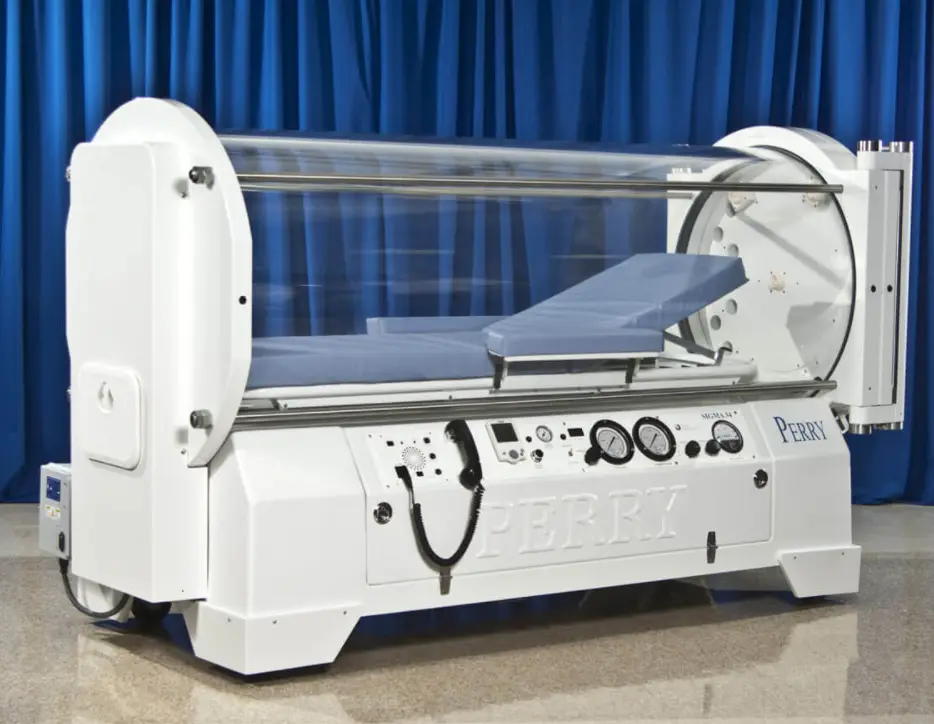
In this episode, Andrew and Chris interview Dr. Scott Sherr who is an expert in the integrative use of hyperbaric oxygen therapy (HBOT). We speak about the potential that HBOT has for both acute injury and chronic illness, and we focus particularly on both Post Traumatic Stress and Traumatic Brain Injury. We also talk about nutrition heavily in this episode and about it’s importance in reducing total body chronic inflammation for health.
A bit about Dr. Sherr…Twitter: @drsherrweb sites: www.hyperbaricmedicalsolutions.comwww.integrativeHBOT.com

Dr. Scott Sherr is a Board Certified Internal Medicine Physician with additional certification in Hyperbaric Oxygen Medicine. He graduated Summa Cum Laude and Phi Beta Kappa from UCLA with a BA in History and BS in Psychobiology. He then attended University of Maryland Medical School and Residency Program where he graduated Magna Cum Laude from the former with Alpha Omega Alpha Distinction.
Dr. Sherr is a member of the Undersea and Hyperbaric Medical Society, The Institute of Functional Medicine, and the Society of Hospitalist Medicine. He is one of the few medical doctors in the country using an integrative approach to hyperbaric treatment (with targeted lab work, diet, supplementation, and additional innovative technology) to accelerate wound healing and optimize physiology.
In addition to his virtual consulting and education practice, Dr. Sherr is the head of Innovation and Protocol Development at Hyperbaric Medical Solutions in New York. He also does consulting work with Bay Area Hyperbarics and Advanced Hyperbaric Recovery in Northern California
Dr. Sherr believes that Hyperbaric Oxygen Therapy (HBOT) is one of the most powerful ways to accelerate and optimize wound healing and decrease inflammation. He creates personalized treatment plans that integrate cutting edge & dynamic HBOT protocols, adjunctive technologies, and nutritional interventions that hyperdrive recovery and optimize (cognitive & physical) performance
The content of this podcast is for informational purposes only! Nothing Dr. Sherr conveys in this episode should be taken as direct individual medical advice!
Transcript
Machine-generated from the episode audio and lightly edited — may contain errors.
Chris Albert (link to this point)
Welcome to episode 29 of the Warrior Soul podcast. Today, we're gonna be talking about the potential benefits of using hyperbaric oxygen for solving multiple different types of problems. Problems with wellness, problems with a lot of issues that veterans face like post traumatic stress and traumatic brain injury. And we brought on an expert in this area, one of the preeminent experts in this area, Doctor. Scott Sherr.
I'm gonna read you a little bit of doctor Sherr's biography. Doctor Scott Sherr is a board certified internal medicine physician with additional certification in hyperbaric oxygen medicine. He graduated summa cum laude and Phi Beta Kappa from UCLA with a BA in history and BS in psychobiology. He then attended University of Maryland medical school and residency program where he graduated magna cum laude from the former with Alpha Omega Alpha distinction. Doctor.
Sherr is a member of the undersea and hyperbaric medical society, the Institute of Functional Medicine, and the Society of Hospitalist Medicine. He's one of the few medical doctors in the country using an integrative approach to hypobaric treatment with targeted lab work, diet, supplementation, and additional innovative technology to accelerate wound healing and optimize physiology. In addition to his virtual consulting and education practice, Doctor. Sherr is Head of Innovation and Protocol Development at Hyperbaric Medical Solutions in New York. He also does consulting work with Bay Area Hyperbarics and advanced hyperbaric recovery in Northern California.
This guy has done a lot, and we have a really interesting conversation here. We go into some of the benefits of hyperbaric oxygen therapy. We go into some of the implications for things that veterans are facing like post traumatic stress and traumatic brain injury, but also implications for increasing performance, making you feel better, making you feel like you're a 100%. Now, I do have to tell you before this podcast that all the information given here is for informational purposes only and nothing that Doctor. Sherr, myself or Andrew says in this podcast should be construed as direct individual medical advice.
Now that we've covered our own little asses, let's get on with this show. This is Chris Albert, and I'm here to remind you of one thing. Someday, you're going to die. That's not some morbid statement or scary idea. It's solid fact.
Your time here on this earth is limited. And we need to be reminded of this as much as possible for one simple reason, to live your best life while you can. This is the Warrior Soul Podcast.
Chris Albert (link to this point)
Afternoon or morning or evening or where at whatever it is, wherever you are, and welcome to two seventeen. This is the Warrior Soul Podcast. Almost forgot the name of my own podcast here for a second. My name is Chris Albert. I am here with Andrew Marr and Doctor.
Scott Sherr. And today we're gonna be talking about a lot of different interesting subjects. Scott works with Bulletproof Labs. He's an expert in hyperbaric oxygen amongst other things. And Scott, tell us a little bit about yourself, where you're at, what you're doing and what hyperbaric oxygen is for the viewers at home and all the awesome stuff.
Scott Sherr (link to this point)
Yeah. Well, Chris and Andrew, thanks for having me, and it's such a pleasure to be with you guys, and happy New Year. And, get on to 2017. Loving it. Right?
Amen. So, yeah. So hyperbaric therapy, that's what I do. I'm an integrative hyperbaric physician. So to take that a step back, so I work as the head of innovation.
I'm a physician partner, as well as technology procurement, other roles at this company called Hyperbaric Medical Solutions in New York, and it's an awesome company. I'm based out of San Francisco though and I work as a consultant advocacy guy education about hyperbaric therapy in general through my own website and I also have a couple clinics that I work with around here. And so I mean to kind of keep take a step back and just say like, what the hell is hyperbaric oxygen therapy? If people like think they know what the word, what the word oxygen means, right? Oxygen is something that we all have to breathe and we know that we need enough of it to live or we die.
Right? So the way I like to think about it is if you're on Mount Everest, it's not a very healing environment. Right? Right. Being up there requires extra oxygen.
It requires you to breathe much faster because there's less oxygen around for you to actually get into your lungs. Now do you guys know the actually, the place that's furthest underground or furthest not underground, but the the lowest below sea level in the world?
Chris Albert (link to this point)
Marianas Trench.
Scott Sherr (link to this point)
Well, under below sea level, I guess, without being under the water. Above the ocean.
Andrew Marr (link to this point)
Okay. Okay.
Scott Sherr (link to this point)
Marianas Trench is under the water. Yeah.
Andrew Marr (link to this point)
I do not know.
Scott Sherr (link to this point)
Well, it's the Dead Sea in Israel, actually. And the Dead Sea has been known for thousands of years to be a very healing place, in a very healing environment. And there's a couple things to that. There is increased amount of pressure at the Dead Sea or in the Dead Sea, and we'll talk about that in a minute here, but there's also increasing amount of oxygen in the environment around as well. So what hyperbaric therapy really is doing is increasing the amount of oxygen that can get into your body.
And it's doing that by using an increased amount of pressure in an environment that you relax in and just breathe in normally. So just like being in the Dead Sea or at the Dead Sea or being underwater, not as far as the Marianas Trench because not many people are going that far. But even if you're under like 10 or 20 feet of seawater, all the water above you is actually exerting a pressure on your body and we know that not intuitively because we're actually just floating in it, like we're just relaxing here. But, if you carry a bucket of water, you know how heavy that is. So all that water is exerting a pressure on your body, on your lungs, and actually creating a way for your body to actually diffuse more oxygen into your system.
Now, most of us think of oxygen being carried by something called our red blood cells in our body, right? We have these little red blood cells that carry oxygen from our lungs all the way to our tissues, drop the oxygen there, and oxygen is the giver of life. It basically makes everything work and produces energy ATP. But there's another way to do it if you add pressure. Because red blood cells are finite, we only have a certain amount in our body.
So if you want to increase oxygen carrying capacity, what you can do is diffuse into the plasma or the liquid of your blood which has very little in it actually at baseline at sea level and we can do that about 1,200 greater or more in a hyperbaric chamber chamber chamber which of physiologic changes that improve healing. Really what it comes down to is hyperbaric therapy heals wounds no matter where they are and it does that really by increasing that oxygen circulation.
Andrew Marr (link to this point)
And so by doing that, it essentially is a super anti inflammatory mechanism mechanism.
Scott Sherr (link to this point)
Right. So the way to think about it is this, Andrew. So in the acute setting, in the initial, call it a trauma or call it an event where you have a low oxygen environment. Say it's a heart attack, say it's a stroke, say it's a traumatic brain injury, say it's any really it could be like an injury to a limb and something that could be at risk for needing to be amputated. What you're really doing is you're driving amount an amount of oxygen in the body to reverse a lot of that potential tissue death because you can get oxygen further into the tissues about four or five times further into the tissue beds themselves because you've created an environment where you have this high oxygen concentration in the blood vessels and a low oxygen concentration in the tissues and then it's like osmosis or diffusion it's going to oxygen is going to get further there.
So in the acute setting what you're doing is really decreasing or reversing ischemia, reversing tissue oxygen deprivation. And at the same time you're actually causing vessels to constrict. Now you may think that's not a good thing, but if you have an acute trauma, you're going to have swelling, you're going to have leakage from blood vessels. So you want to make sure that those vessels get smaller to prevent them from leaking out some nasty not nasty if they're in the blood vessel, but if they're nasty if they get into the the tissue surrounding causing all these inflammatory cascades to happen. So you can prevent a lot of that from happening and the cool thing is that even though you're constricting the blood vessel, you're actually delivering more oxygen to tissue even so because you've saturated the blood vessels with so much oxygen in the first place.
And then at the last step is decreasing inflammation like you said Andrew. So that's both in the acute setting also in the long lasting effects of hyperbaric therapy over a protocol. And that what I'm talking about there is that so you have this sort of initial reversal of ischemia, reversal of tissue hypoxia, reversal of swelling and edema which can be significantly helpful in a number of conditions. One I can think of off the top of my head is they did a study on patients that have had acute traumatic brain injuries which is kind of going on with you guys a little bit here. All they did was three hyperbaric sessions over three days and their mortality rate, those guys, was half those that didn't have the hyperbaric therapy.
And one of the reasons they figured out why was that they really had the most effect on people with the highest amount of intracranial pressure. And by decreasing intracranial pressure, they were decreasing disability and decreasing mortality dramatically. So that's really what's happening in the short term. In the long term you're really creating a scaffolding, basically recreating an environment where the body can heal wounds no matter where they are. Decrease inflammation, like you said Andrew, improving what's called angiogenesis or recreating the blood vessels that have been damaged in area.
Also repopulating tissue with stem cells from the bone marrow. We know that hyperbaric therapy is a dramatic accelerator of bone marrow derived stem cell release and those bone marrow derived stem cells go to areas of injury and help that area heal and repopulate the cells in that area no matter if it's the brain or the big freaking toe. It doesn't matter. It's all the same. The inside physiology, how the body heals itself, it doesn't matter where it is.
But saying that the brain is actually harder to heal than a lot of other areas in the body and that's because we have a lot more limited capacity to increase the amount of blood that gets to our brain. So if we can increase the amount of oxygen that gets in there using something like hyperbaric therapy to drive that oxygen in there we are now allowing the body to heal itself. And that's really what it comes down to. Hyperbaric therapy is not something that's invasive. It's just breathing.
That's all it is. We're using oxygen as a drug technically but the side effects are so minimal compared to almost anything that you would do to try to heal the body.
Chris Albert (link to this point)
Wow. Wow. Just, going back so you mentioned the acute and then there's also the chronic. Right. So it sounds because of the reduction of inflammation, does this have big implications for people who suffer from like autoimmune disease like colitis, Crohn's, lupus, things like that?
Scott Sherr (link to this point)
Yeah, there's actually been some really interesting studies done, Chris, on inflammatory bowel disease and other autoimmune conditions. What I can say is this, I think that to take a step back, I'm an integrative physician so hyperbaric therapy is my main area of specialty, my main area of focus. But what it comes down to is that it's not a one size fit all model. People often will call me or talk to me and say, Hey Scott, Doctor. Scott, Doctor.
Sherr, whatever. They call me and they say, I want hyperbaric therapy to heal my inflammatory bowel disease. And I go, Okay, that's great. But it's not just about hyperbaric therapy. And I like to frame it, there's at least six or seven different aspects to what I do.
First is looking at labs and genetics. The second is looking at supplements. The third is looking at diet. The fourth is hyperbaric therapy. The fifth is other therapies that may be helpful.
We're talking about hormone therapy, talking about other structural things that need to happen like chiropractic or osteopathic care. Then we're looking at technologies. So all of that has to be addressed in my opinion, Chris. But saying that if you're doing all of those things, if you're working with great docs and especially changing your diet, I mean, think that's one of the biggest things, especially with inflammatory bowel disease. I have a number of friends that have Crohn's and ulcerative colitis.
Chris Albert (link to this point)
Yep. I suffer from colitis myself.
Scott Sherr (link to this point)
Yeah. Right. Right. I was reading. And I think what it comes down to is a hyperbaric therapy is a great anti inflammatory.
It really works as well as steroids do for inflammation and actually the studies that have been done in my field with respect to ulcerative colitis have actually shown that. That some of the inflammatory markers like TNF alpha, IL-one, IL-six are depressed as much using hyperbaric therapy as using steroids for example with much less side effects. So what I would say is this: hyperbaric therapy is a really good anti inflammatory. It will help with pain management. It will help with function.
However, if you're not doing these other things at the same time, like I discussed, especially diet, then what you're looking at really is a significant improvement, but you may not see long lasting effects. In that respect, would say that hyperbaric therapy is an accelerator. It's a synergizer, but it's not the main therapy. The last caveat I would say is that there have been some studies on refractory Crohn's and refractory ulcerative colitis. Hyperbaric therapy can get people off their drugs.
It can get them to a place where they can now do other things to potentially reverse their disease. It sounds like you've done some of those things already. Is that right?
Chris Albert (link to this point)
Yep. Yep. I mean, I've fallen in and out of flare ups, you know, over the past decade. I've come out of them feeling amazing, and then I've gone deep, deep down into another one. And I think that's one of the frustrations with autoimmune disease is that, you know, lot of times you don't realize what's causing the inflammation.
Don't realize what's going on. Of the things that you might be doing for your health, for example, like training, could be causing levels of total body chronic inflammation that sends you right back into a flare up.
Scott Sherr (link to this point)
Yeah, especially during a lot of training, yeah.
Chris Albert (link to this point)
Yeah, so it's kind of like this yo yo thing. And the thing that I see with the doctors, the doctors answers are always more drugs, okay? So this last time I was on a low level anti inflammatory and they put me on prednisone and now I have to taper off prednisone in order to be healthy after I come off of it because otherwise I'll go right back into a really bad flare
Scott Sherr (link to this point)
Right, hyperbaric therapy in that respect could be very helpful because in your case when you have these flare ups, it can very much help with a lot of that inflammatory cascade that's ongoing. Not to say it's causing not to say that we're getting to the real root of it though, right? So, hyperbaric therapy is going to improve vascular flow, it's going to decrease inflammation, but to get to the root of ulcerative colitis and Crohn's inflammatory bowel disease, autoimmune disease in general, and you have to go further and that's really what you're looking at there. I mean, though the way I often frame, like I've said, hyperbaric therapy in this in these respects is in some ways hyperbaric therapy can be almost cured. It can reverse tissue hypoxia, it can heal wounds.
But if there's an autoimmune process, it's a long term thing and hyperbaric therapy can be used as a synergizer as a way to get somebody to the next level to decrease pain acutely, decreasing swelling acutely, but then you're already doing those other things. You're looking at diet, you're looking at oxidative stress, you're looking at supplements, you're looking at genetics, you're looking at these other aspects of how you can maintain effect to maintain your health over time. And so that's where a number of other physicians or other technologies come into play.
Chris Albert (link to this point)
Yeah. It's got to be in the proper context and you have to be providing the right environment in your body to get the maximum effectiveness of it.
Scott Sherr (link to this point)
Right, right. I have a lot of my I have a good friend, he's a physician and he's doing, what is it called, this specific carbohydrate diet for ulcerative colitis and he's had a lot of success with that and as you said in the beginning, I am affiliated with Bulletproof and that sort of high fat, moderate protein, low carbohydrate idea has been a dramatic amazing part of my practice actually, not only for patients with ulcerative colitis but any inflammation and I've actually found that to be significant especially in patients with brain injury and if you can just change diet and you can get them, get patients, get people to think that fat is not bad for you. Fat is what your brain runs on and what's your body really really craves. I mean 75% of your brain or something close to that is made of fat. So if you replenish your body with the right nutrients and then you hyperdrive the metabolic energy of your body using something like hyperbaric therapy, you can really just the light's just gonna go on.
And I've seen this I've seen this so many times in veterans, in in civilians and everybody, when it comes to their brain specifically but it's not just even the brain, even in the body. There's been some work that's being done in Florida by one of my colleagues, his name is Dominic D'Agostino. He's a physician researcher down there.
Chris Albert (link to this point)
Very famous.
Scott Sherr (link to this point)
Have you heard of him?
Chris Albert (link to this point)
Yep.
Scott Sherr (link to this point)
Yep. Yeah. So he's doing some really interesting work on the ketogenic diet and there is some potential that the ketogenic diet or at least a high fat diet in itself improves blood flow and if you're improving blood flow you are getting more oxygen into wounds 100%. Now if you throw somebody in a hyperbaric chamber, actually place them gently in the chamber, no throwing involved, Don't throw anybody. You guys can do But you place them gently in, then you have this environment of healing, right?
So and you now hyperdrive the amount of oxygen getting in, improve blood flow, you have this amazing combination. Working on all these different kind of protocols, that's where I get excited. All this sort of innovative work that I do, looking at how you can best combine therapies together. Because like I said, hyperbaric therapy is just one part of a larger group of things that I really do think can help in most cases. As I said, sometimes it's all you need is hyperbaric therapy.
That's all you need. But that's rare. Usually I'm like, oh, what's your diet? What's your genetics? What are your supplements?
And what other doctors can I send you to? Like to Doctor. Gordon or to other docs that are really doing these amazing things, other technologies, low level light therapy, far infrared. I mean, when you get me started, I'm not gonna stop.
Andrew Marr (link to this point)
Well, know, Scott, that's what I love about your integrative approach. And it's basically saying, hey, there everybody is an individual. I'm gonna treat you as such. And I HBOT, while it can be an incredible healing mechanism, let's find out all these other factors. And it puts kind of the personal responsibility back on the individual saying, hey.
We can help you, but if you truly wanna achieve the optimum health rate, you know, we're gonna have to look at these things and really examine where you are in your life. And that's what you're able to do with your clients now. Right?
Scott Sherr (link to this point)
100% and I think I think you really hit the nail on it, Andrew. I think most doctors I I think back in the 80s and 90s it was like doctors say something and then people do it. Yeah. But that just doesn't happen anymore And thank goodness it doesn't because the doctors do not have all the answers. There is so much information at your fingertips and some of it is terrible.
Some of it is really, really terrible. But most of it can take you to the next level of understanding what your next step is going to be. And so we doctors have a funny term for it. It's doctor Google. You know?
Yeah. So we have patients come in and say, well, I read this on the Internet or this doctor is doing this. And I think some doctors get scared by that. But I personally love it because I learn so much from from you guys and from and from people that are just really out there to get themselves better. And to that end, it's like the movie Inception.
You guys have seen that movie. Right? Love it. Yeah. Yep.
Has to come from you. If it doesn't come from you, it's not gonna happen. Mhmm. So no matter how much you tell somebody to do something or I tell somebody to do something, it doesn't matter. What matters is that they believe that they have figured it out for themselves and then they're ready to take the next step, whatever that is.
Now we can help them. We can help them. There's no doubt about that. But it's not that simple as saying as saying, go do this. Go stop eating sugar.
Go get in a chamber. Go see Doctor. Gordon or, you know, go take go change your diet. It's it just doesn't happen that way. So that's the beauty of what I do now is that I've found a way to integrate all these technologies together and then give people options and say, go think about it, talk to these other physicians that I think might be helpful and then let's talk again and see where you're at.
Andrew Marr (link to this point)
Specifically with HBOT, Scott, that essentially is an epigenetic factor that can't turn off or turn on genes just through that saturation of oxygen. Can you speak a little bit about that?
Scott Sherr (link to this point)
Yeah, yeah, sure. So like I was mentioning before in the acute setting, we're kind of reversing hypoxia, decreasing edema, inflammation, decreasing swelling. But the way hyperbaric therapy works in the long term is actually through modulation of the transcription of DNA into proteins. So when we're talking about epigenetics, that's part of this as well. So what we know is that hyperbaric therapy, it regulates or it interacts with at least 8,000 genes.
And of those genes, it up regulates, it increases the expression of those that are responsible for growth and repair, as well as decreasing inflammation. And at the same time it's down regulating or decreasing the expression of genes that are responsible for inflammation itself and programmed cell death or apoptosis. So what is the long term? What does that look like on the tissue level? Some of the things that we were talking about before: recreating blood vessels or regrowing blood vessels in areas of injury stimulating the production of all the cells that are responsible for healing in any particular tissue that you're talking about.
Talking about cartilage, it's going to make cartilage producing cells work more efficiently. Talking about bone, increasing the amount of bone healing cells and stimulating bone growth. Talking about connective tissue, same thing. Collagen, improving collagen formation, collagen healing. And so each stage of a wound has a specific number of factors that are associated with them and what hyperbaric therapy really does is accelerate and improve and make efficient all the cells that are involved in I mean last but not least is certainly the mitochondria and so mitochondria are these amazing organisms that we have co opted for millions of years to make our energy and what hyperbaric therapy really is doing is giving these mitochondria more oxygen to work with and doing that.
So the way I like to think about it is this: if you have an injury, the most common easiest example is a patient with a stroke or traumatic brain injury. Imagine a still lake. No water is moving. It's very, very still. Then you throw a rock in it.
Okay? You throw a rock and you have a direct impact where that rock hit. If it's a traumatic brain injury, a mild one, usually it's a couple little rocks that are kind of hitting the water at the same time or very close to the same time. If it's a stroke, usually it's one large rock. In either case you have a direct impact where that rock hit.
That is an area of tissue death. If the tissue dies, there's no coming back. Hyperbaric therapy, nothing else is gonna help you. That being said, if you get somebody in the chamber quicker, like we talked about, you can reverse some of that. But think about the ripples after a rock hits flake.
It's those ripples where you have tissue that's at risk in your brain or anywhere else. So the further you get away from that area where the direct impact is, the less those ripples are. They dissipate over time. What hyperbaric therapy really does is accelerate and improve the metabolism of the cells within that ripple area. So by getting oxygen to them, getting oxygen to the mitochondria, you are allowing these cells to be more efficient and potentially reverse any capacity or any epigenetic factors that may have happened that would cause them to go under what's called programmed cell death or tissue apoptosis.
So that's really the crux of it. We have all these things that hyperbaric therapy is doing as it relates to how it's expressing proteins in the DNA because of how it's affecting the DNA. But what it comes down to is the mitochondria. If you can improve mitochondrial function you can regenerate cells and you can allow them to function at their maximal capacity and we can even see that on imaging now. There's all these types of metabolic imaging that we can use in the brain for example where you can look at somebody's brain they've had a traumatic brain injury, if they've had a stroke.
You look and you see this in area of tissue death but around it is a much larger area of tissue that's at risk for not functioning well hibernating, pericontusional brain, all these other terms for it. But we can see is after a hyperbaric therapy session protocol, that area of tissue that's at risk shrinks dramatically. And that correlates directly to areas of cognitive improvement, motor improvement, functional capacity.
Andrew Marr (link to this point)
You know, Scott, the the application of that for I can think of blast injury patients, speaking of military members, you know, our veterans. Right. Thinking, my god, you know, why do why wouldn't we have, these chambers, on on location in theater? Because that would significantly reduce the damage that's caused from that. But as you're well aware of, the FDA and the VA claim that the treatment is ineffective for traumatic brain injury.
So can you kind of speak on why they think that is, and how do we go about changing that?
Scott Sherr (link to this point)
I'm happy to. Thanks, Andrew. I think you make a really interesting point about blast injury to start off there. What is a blast? A blast is a pressure wave, a very large pressure wave, and I I think you've both experienced these in the past on a number of occasions.
And so what that's really actually doing is actually creating, micro bubbles in your brain that's that's actually stopping blood flow. And what hyperbaric therapy was initially invented for was actually something called decompression illness. And what we think is actually happening in a blast injury is that you're actually having a decompression illness from the blast itself. There's actually some good data to support that that's the case. So I have heard, and I don't know if this is true to be honest, that they are looking to use hyperbaric therapy in theater for blast injuries as a result of this.
Again, there are a lot of, that's a rumor, let's just say that. I don't know more than that. But because you're right, in the acute setting, especially in a pressure wave where you have these microbubbles of an area that's being blocked potentially by these bubbles of pressure that can happen. So to take to talk about that briefly, I mean, what happens in a decompression illness or, excuse me, in a diver that comes up too fast from the bottom of the from the ocean wherever they are, hopefully not from the Marianas Trench. You have this thing called these this this gas in your body called nitrogen and nitrogen can bubble out if you come up too fast and the physiology is is not important.
But the idea is that these nitrogen bubbles come out of your blood and actually block blood flow. We think something similar happens in a pressure wave. But what hyperbaric therapy can do, one of the things it does it shrinks bubbles and puts gas back into circulation. So that's how it works in decompression illness along with how it decreases inflammation, decreases edema, swelling, all those things. So we think that's how it would work in a pressure related blast.
So to your question about why it's not approved yet by the VA and FDA, etcetera.
Andrew Marr (link to this point)
And Scott, I I would almost use that as like a calling card saying this is an effective treatment because of that. So no way am I doubting anything, but
Scott Sherr (link to this point)
Oh, no. No. It's all good.
Andrew Marr (link to this point)
It's all to me they would do something like that.
Scott Sherr (link to this point)
No. I mean, so I mean, there's a lot of things. There's a lot of arguments here. How I think the best way to describe it is this.
You can be a conspiracy theorist, or you can just try to be genuine and just say that they just haven't understood the data well enough. And, the conspiracy theorists would say that drugs and drug companies and pharmaceutical companies make a lot of money, and they have a lot more clout when it comes to the politics of everything. You know that very well as well, Andrew. But the other aspect of it is I don't think the studies so they've done four or five studies, with the VA looking at hyperbaric therapy and traumatic brain injury. And what all of those studies show is that any of the veterans that got increased amount of oxygen circulating in their body got better.
Hands down. Now what their argument is, is that some of those vets didn't get as much oxygen as others and that there's no way that the oxygen that they got could ever have an effect. So what I'm talking about there is that they increase the amount of oxygen in circulation as their placebo or sham control. So I think you guys know what a placebo controlled trial is, right? The idea is that when you do a trial, you're looking to find out a way where you can compare getting a treatment to not getting a treatment And you want to keep everything else the same.
So you want to make sure that those that are getting the treatment think that they're getting treatment and those that are not getting treatment also think that they're getting treatment. That way there's no psychology associated with the potential of having we call confounding variables. So the challenge with that in a hyperbaric chamber is that once you go into it, it gets pressurized. You feel the sensation in your ears like you would feel if you were on a plane or a train and you go under the water or you go on a plane to go in the air. The challenge is that if you know you're not feeling that pressure, if you're not feeling that change in your ears, that ear pressure, then you may realize you're not getting treated And so what they have to do, what they have to do, and I'll talk about this in a second, is that they have to pressurize the chambers.
But once you pressurize even compressed air, you're increasing the amount of oxygen circulation and you're doing that to a significant degree. Most of the placebo or sham controls in these studies was 1.3 atmospheres of hyperbaric air. So that's 21% of oxygen pressurized to 1.3 atmospheres. Really what that means is that you're increasing the amount of oxygen circulation by about 48%. So that's not really a placebo by any means and that's not really a sham by any means.
But they didn't know another way around it. Mean they tried a couple extra different ways of doing it but all they and every way that they try to use a sham or placebo, these guys were getting pressurized and as again as I said anybody they got increased pressure with oxygen improved significantly. PTSD, traumatic brain injury and there's actually a really great review that was just done by one of my colleagues in the Journal of Neurology by a guy named Doctor. Xavier Figueroa He's based out of Washington State and he basically laid this out and showed the data and said, We already have grade or class B evidence that hyperbaric therapy is effective for traumatic brain injury and PTSD. It's already there.
All you have to do is look at the studies correctly and I don't know what the next step is. Well actually no, that's not true. Do know the next step. They're actually doing a phase three study. The VA is doing a phase three study but under the same guys, under the same guidelines that have gotten them to say that the hyperbaric therapy is just, a placebo effect.
Anything that's happening in the chamber is just because you're happily relaxing in a chamber and it's funny because I was actually just reading some studies a couple days ago on scuba diving and I don't know if you guys know about this this literature but there's a lot of work being done on PTSD and traumatic brain injury across the VA and one of the things that's being done at Hopkins and other universities is having veterans go scuba diving and veterans always say, Oh man, I feel so great. Mean my PTSD symptoms get better, my nightmares get better and that's true. And they think, oh, just because they're diving and looking at pretty things and that's probably part of it, but they're actually also getting a significant amount more oxygen when they're down there.
Andrew Marr (link to this point)
Yeah.
Scott Sherr (link to this point)
That's the that's the trick right there and I've had veterans come to me. I I can I can think of a couple guys that say, I went scuba diving and I felt great and I'm like, let's get you in the chamber and then after several their headaches go away? This is like, oh this is how I felt when I was under the water.
Andrew Marr (link to this point)
What's the atmospheric pressure sweet spot for that, Scott?
Scott Sherr (link to this point)
Yeah. So for everybody it's a little bit different but typically it's somewhere between one point five and two point zero atmospheres of pressure which correlates to about, so one atmosphere is 33 I'm sorry, two atmospheres is 33 feet of seawater and about 1.5 is about 25 feet of seawater. So that's the that's the sweet spot. So if you're a scuba diver and you wanna feel these effects, think you can definitely benefit from anything in that. Any any amount of pressure is going to help and that's the key with these VA studies is that as soon as you pressurize a chamber, you change physiology.
Just like I talked about at the Dead Sea. The Dead Sea has been known to be a healing place for thousands of years and it's got like 1.013 atmospheres of pressure. 1.013 versus two and one point five like I'm talking about. So you don't need a whole lot and the studies have been done to show that even a small increase in pressure can change your physiology and dramatically help someone.
Andrew Marr (link to this point)
Scott, what do you think? You know, this is, I guess, your personal opinion, but, know, the level of intent on the individual is so important, so much so I think you could put 1.03 atmospheres of pressure. And that individual thinks, you know what? I'm going to get better. And they get better.
Have you seen that in your own practice, in your own experience? And then also the opposite side of that, where somebody was just skeptical and you did all the right things and it still didn't work.
Scott Sherr (link to this point)
Yeah. Positive affirmations and a positive outlook on life, Andrew. I mean I mean, that's the start of everything. I mean, to some degree. Now that being said, I have found ways to to to kind of I mean because it's hard.
Some people are on these rabbit holes that I think you both know very well where your your mind has gotten into a place you keep telling yourself the same stories that you're not good enough, that you're not smart enough or that you're never gonna get better. Nothing can help you and it's really hard to break those cycles. But and this is where Doctor. Gordon's work is so great too and what you guys have done is that if you can give people a little bit of hope and a little bit of clarity very, very quickly, then the world is now an entirely new place. And so do I think that breaking those patterns and and recreating stories that are positive and working on all of that is absolutely essential for long term health and and for healing 100%.
But the cool thing about a hyperbaric chamber is that I can make somebody feel better pretty quickly and if I can do that then there's hope. But then there's also danger too, right? Because it's it's a lot of like the work that you've probably seen in veterans and and I've seen it if you do the work if you're getting them better quickly without giving them the tools to support their their recovery, it can be a dangerous place and we've seen that in hyperbaric therapy and I have one group that I work with in Colorado specifically they're called Rocky Mountain Hyperbaric Institute and they have a psychologist that's a veteran himself that's on staff because what we've seen there in other places in New York at Hyperbaric Medical Solutions as well is that you have to make sure that these guys have a lot of support because as their mind is now coming back online, a lot of those emotions are going to come back too in a different way. And it may be a lot, so you have to make sure that you're supporting people through that process. Now that being said, if you can get them all over that initial hump, then it's really a lot easier.
That's for sure for everybody. So if somebody says it's not going to work, it's not going to work, it's not going to work and they keep telling themselves that, sometimes that's true, it doesn't work. But what I found is that overall if you can give them some therapies that are easy, that can really show some significant impact quickly and diet is very helpful there too. Just make sure like their wife or their partner takes out all the sugar in the house, makes them starve for two days and gets them ketogenic and all of a sudden they can think again. It's crazy that it happens.
So if you can do that or something like it, again with Doctor. Gordon's work as well, with what I've spoken about with you Andrew and with Mark, I mean those are the things that really can get people on that that path very quickly.
Chris Albert (link to this point)
Yeah, I think diet is so important in everything you do. I've been through so many different versions of different diets throughout my time. You know, I've done high carb, I've done regular bodybuilding diets. And for the last few years I've been working with the ketogenic diet, the specific carbohydrate diet, like that. I have to say, you know, the last time I went into the VA hospital for tests, actually had to do a three day fast because they put me on a liquid diet.
And the liquid diet was 100, I think it was something like 160, 180 grams pure sugar per meal. It just amazes me, you know, knowing that there are studies out there that show that sugar causes higher levels of inflammation, knowing that they know, they talk about it, they know the bad health implications of sugar, they're giving that to people and giving it to people during their recovery. With what you guys do over at Bulletproof Labs and what you do in your own practice and things like that, how much of this is almost like operating in the matrix where you're surrounded by people who believe a certain truth about nutrition and lifestyle and and you have to almost like it's like the allegory of the cave where you have to try to drag them out of the cave so that they can come to the light in the real world.
What is that like for you and and how do you avoid trying to hit people over the head and say stop eating sugar, eat fat, you know that kind of stuff.
Scott Sherr (link to this point)
Those are that's a great I mean, what you said is just so spot on, Chris. First of all, the matrix comment. Every day, I feel like that's more and more my life, to be honest. I mean, not only from from what you described, from just the energy of the world and how everything kinda comes together, you know, meeting you guys or, some of our other colleagues and and just this world that's actually being created. So I think that's really what gives me the hope.
Chris, I think it's that there are so many people out there and there are now these venues like this and others to really get this information out to so many people that I'm not worried about the doctors because they're always the last to come on to this thing. I mean always, I mean kicking and screaming. I mean that's just the way physicians are trained. They're trained to think that if there's not these double blinded randomized controlled trials that it's all bullshit but it's not. Hope I can curse on here.
I'm guessing I can't.
Chris Albert (link to this point)
Oh go ahead man, curse away.
Scott Sherr (link to this point)
I said it already, it's too late, man. You complete me out but but they think that it's got to have all this data behind it before before you're going to really know if it works and you're going to recommend it. But that's just not the way the world works. You can't put people in bubbles. You can't give them one therapy and say, you're just going to do this.
Then, I mean, even in these randomized controlled trials, I talk about this with my physician colleagues. I'm like, yeah great that trial worked but did they even change their diet? Did they even look at how much they were sleeping? Did they even look at what the other drugs that they were taking? I mean you can just go down the line but they never controlled diet at any of these things and so in my mind not always because I do think in acute conditions that medicine is very important and I have a practice that I still I still go to work as in a hospital and I do some of that and I'm okay with it because I know in the acute setting sometimes you need drugs and sometimes you need x rays and cat scans and MRIs and interventions and that all is very very important.
But the key with with what my work is all about and I think what what you guys are looking to do and and so many other people in this space is let's let's get there before we get to the point where we need these things. Right. Or let's look at ways to do things non invasively first if there is the possibility if we have time. So that's really where I come in and so yeah sometimes it's difficult to reconcile some of that work that's happening in the conventional side and some of what my physician colleagues are doing. But you know what, I would say this Chris, I would say that you'd surprised.
I have cardiologists that are doing high fat diets themselves drinking bulletproof coffee. There's a Cleveland Clinic in Cleveland of course with Mark Hyman, but they're doing integrative medicine there. University, UC San Francisco, UCSF up here has an integrative health department. There's other places that are coming online. So I do think, and I do have a lot of hope here, to be honest, that we are seeing the change of the world that we are manifesting, to be honest.
And I think I think we are at the beginning of it Still, I still think we're on that first chapter, but I am encouraged, really, really encouraged that more doctors are really coming on to this thinking and this philosophy and this understanding that they don't have all the answers and that sometimes listening to your patients doctor googleisms, whatever you want to call them, are really a good idea because I get a lot of interesting, get a lot of interesting knowledge from everybody and I think maybe that sets me apart to some degree from my conventional colleagues that I'm not set on a specific standard of things that I need to do. Mean even hyperbaric therapy, to be honest. I mean, I believe in it. I really do think that it can work. For example, I had a great conversation with Doctor.
Gordon, Mark Gordon recently, who doesn't use it. And he has some great, great responses and he's doing amazing work with Andrew and your foundation, Andrew. I have so much respect for that. It doesn't matter to me how people get better, to be honest, as long as they're doing great and they're not hurting anybody in the process. I mean, could talk about that with religion, we can talk about that with politics.
I mean, as far as I'm concerned, all we can do is be the best people that we can be and exude that to others and have that positive attitude. Then, I mean, in my angle is just as a physician there. I mean, so and that's really what I'm trying to accomplish in my own little way.
Andrew Marr (link to this point)
You know, I think you're definitely accomplish accomplishing that, But I think you hit on a minute. The importance is to be both open minded and a little bit skeptical at the same time. Skeptical to the point that you don't know that truth for yourself. And so be open minded to go check it out for yourself. Then you can make a call on it, as it pertains to you.
But again, and like, as you said, if it's not inhibiting somebody else's well-being or free will, what does it matter? All we want is people to be better. And that's why it's an exciting time right now, Scott, to be alive. Because I think there is this global consciousness that is waking up to these things that we're speaking of. And it's gonna be to the betterment for all, you know, to a more cooperative state.
Scott Sherr (link to this point)
Right. As soon as as as much as we can, and this is this is my goal, is to really give and to be the example and to just exude that energy of what we what's possible. And it doesn't as I said, as and as you said too, Andrew, like, as long as you're not hurting anybody else in the process, I mean, really think go for it and don't hurt yourself. If you have any questions or concerns, find a doctor or find a friend even and say, hey, do you think this this is something that I I should do or I can do? I do get a little bit worried sometimes, especially in the biohacking quantum quantified self community that people are experimenting on themselves a little bit.
So I always have to kind of walk that line and I think that's kind of one of my areas of focus too is that I have this conventional background. I grew up actually very unconventionally. My father was a chiropractor so I always looked at things in a very alternative and unconventional way and that's actually why I went into hyperbaric therapy because I figured out back in medical school actually that oxygen was this amazing thing that you could do, that you didn't all you had to was breathe it and then all all you had to do is like relax and just breathe this this gas that we all breathe anyway and that you could heal things that you know that were terrible like necrotizing fasciitis for flushing bacteria, reverse carbon monoxide poisoning. You could do all that and then on the alternative side you could potentially heal somebody with a traumatic brain injury or with a stroke or with an autoimmune condition you can help them feel better so quickly or a musculoskeletal condition or anything and then what I realized is I was really good at bridging those two worlds and so when it comes to the quantified self and the biohacking movement, I'm always like, okay guys, that's cool you're doing it but let's talk about that a little bit and see like should you be doing all these things at the same time, you know?
Right. Maybe you should start with one. Maybe you should start with like a lower dose or maybe you should think about doing it a little bit differently and so that's really where I think I come in a lot is where I have this this passion for hyperbaric therapy but I also have a passion for helping people in a comprehensive way that's not going to hurt them. So, you know for example, I think you guys know Tone Floreal, right? Tone this is great.
Tone yesterday or two days ago, he decided he wanted to go into a hyperbaric chamber and he posted, I don't know if you saw this, a Facebook live of him going into the chamber and even like gave me a shout out. That was super awesome of him. I really appreciated it. But at the same time, I I don't think he'll mind me saying this. Afterwards, I I I talked to him like, Lipton.
When you're talking about these things, it's awesome. But just talk to me first because he's talking about going to the chamber and sleeping in it and using a concentrate and all these other things and that may be okay for some people, but it may not be okay for others and there's lots of reasons why that's the case. So it's always important and I think and Tone took he got a laugh. Mean, we had a great time talking about it, but you're talking about something that could potentially have even a very infant test, very small potential for a harm, you need to know why to use what you're doing and what the potential effects could be.
Chris Albert (link to this point)
Yeah, I think one of the things is that biohacking is almost like this cool new wild wild west world where we can do so many things to our body and that leads to a market, you know? And when you go to the conferences and you see all this amazing stuff, you wanna try everything, you wanna get everything into your life. And I think in a lot of ways, you know, just like anything to do with science, the human body, you have to do one thing at a time, not only because it'll help to prevent you from harming yourself, but also to realize what's working and what isn't, you know, because there's so many variables that I found and things like that.
But do you have to pull people back a lot when you're working with them? Because I'm sure some of the guys you work with, they're like, wanna try the hyperbaric oxygen. Wanna get myself on some other types of therapy. What is a typical type of protocol that you'd have somebody go on?
Scott Sherr (link to this point)
So I mean, it runs the gamut, Chris. It's actually interesting. More and more I'm getting more individuals on the biohacking side. But actually still most of my patients, most of the people that I chat with are just regular people. They're not doing quantified self work.
They're not doing biohacking. And they just have headaches or they just have nightmares or they just have an autoimmune disease. I mean, just these are big deals. But my philosophy is always the same and I mean, of course I tailor it generally. Tailor it specifically to each person but like I mentioned I always start off very basically and somebody says I want hyperbaric therapy.
I'm like did you just get a concussion yesterday? Okay yeah get in the chamber we'll figure that out. But if this has been happening for six months, year or longer and a lot of people by the time they get to me and I and I hope this changes and it is a little bit, but I hope more, but most of the time when people come or find me or find one of the places that I work in, in New York or anywhere else, they've already been going through this path for a while. So it's not just like I'm the first doctor they've talked to by any means. So you have to kind of take it step by step and in the biohacking community it's actually very similar.
I have to kind of slow them down and I have to say, okay that's great. You want to try hyperbaric therapy? Why? What are your reasons? What are your thoughts?
What are your ideas? What are the technologies are you thinking about? And then we talk about there are some technologies that I'm okay with combining straight away, no doubt about it, but there are others that I'm not happy that people do right away. For example, I don't like people using, different therapies that increase the amount of blood vessel dilation or vasoconstriction vasoconstriction together with hyperbaric therapy right away or at the same time until you see how that actually makes you feel. For example, there's one protocol that I've been working on with a couple colleagues, that talks about, as I mentioned to you both, hyperbaric therapy causes a vasoconstriction.
So again, there's no studies here. There's no data. This is all just looking at different ways of using hyperbaric therapy. But for example, if you go into an ice bath or you go get cryotherapy or something like that, you're causing a pretty massive amount of vasoconstriction, right? Your vessels are constricting but afterwards you're causing a significant amount of dilation of your blood vessels you have the sort of rebound dilation, right?
So if you combine that potentially with hyperbaric therapy where you have this increased blood flow because you've already dilated all these vessels, hyperbaric therapy will constrict to some degree but probably not as much as it would have before so now you're potentially getting more oxygen to tissues. These are getting more vascular flow, more blood vascular flow to tissues as a result of that. So that gets me excited and that's interesting to do but you got to see how people respond to both of them by themselves first before you decide you're going to combine all these things together. So you're right. There's tons of toys.
There's tons of things you can drink, eat, do, play with, go to. I mean, so the challenge is sometimes just paring it down and saying what should you do or what are the best to start off with. But at the same time, like I was saying before, I'm not really all that interested in in just finding out what one thing does in the sense of like sometimes I am, sometimes I'm not. But if somebody comes in and they're sick, like we just want to throw the book at them, right? We want to throw the kitchen sink as they say.
So if somebody comes in and they've had an acute concussion for instance because we do see this. I talk about ketones, exogenous ketones. I talk about diet. I talk about hyperbaric therapy. I talk about supplements that decrease inflammation.
The rest of stuff can come later but if we can do that they're going to feel better much faster. So you're not going to find a study that's ever going to do that, right? You're never going to see somebody in a university do all those things together because then you can't tell what actually worked but again like we're talking about doesn't matter? Does it it doesn't matter what worked in that in that respect. There was a great article in a surfer magazine that came out last week.
Yeah.
Andrew Marr (link to this point)
Love that. Shock waves was the name of the title. And if you guys read it, they refer to doctor Scott here as a bespectacled hand waving.
Scott Sherr (link to this point)
I love that.
Andrew Marr (link to this point)
So can you talk about that process? I forget the big wave surfer's name, but you can fill us in. And he was in an extreme case where he was experiencing a very low quality of life. And he said he, after the first treatment, he said, man, something is different. Something is better. And it just got better from there. And I think added some more modalities as time went on.
Scott Sherr (link to this point)
He did. Yeah. So Sean's an awesome guy. He I think he did have the world record. I don't know if he still does for the largest wave Yes. Ever paddled into and surfed. Don't ask me how high that was, but it was ridiculously high. And there are guys that have surfed larger waves with these crazy crazy contraptions on surfboards. I think, like what was the name?
Andrew Marr (link to this point)
Laird Hamilton. Yeah. Have to take him out on, like, a jet ski or whatever.
Scott Sherr (link to this point)
Yeah. Yeah. So there's there's those guys. But Sean, like a lot of these big wave surfer guys, get these sort of low grade concussive episodes, low grade grade concussion injuries a lot, but they don't really feel it most of the time. And what happened with Sean is he had a significant threshold event where he was surfing up here up north and he dove down to go underneath a wave and he basically just hit a rock and broke his neck and somehow got himself out of the water, got himself to safety and airlifted to the hospital and so and somehow he wasn't paralyzed and so his neck healed actually.
His neck healed remarkably well, I mean for the most part and I can talk about that but what he realized like a lot of these high functioning individuals that get traumatic brain injuries is that something was wrong and a lot of times when with these mild traumatic brain injuries especially you just don't know what it is like you can't think as well, can't, you can't, you just don't sleep as well, you can't interact with your family, you don't have as much concentration, your memory's gone. Some of this sounds true, Andrew?
Andrew Marr (link to this point)
Yeah, absolutely.
Scott Sherr (link to this point)
Yeah, so he was having all these symptoms but he didn't know because his doctor said, Oh, we're just going to get better. We'll just get better.
Mean I three months later he was just going to get better and he was not getting better. And so Sean started looking at other ways of trying to see what was wrong with him and he went to a clinic called the Amen Clinic and that's a kind of like a brain center run by Daniel Amen who's a neurologist. He works in a specific type of imaging called SPECT scans SPECT and those scans look at the metabolic health of your brain and what they what they really found there is that Sean had all these mild concussive events over long periods of time that showed pockets in his brain where there was a very little blood flow. There were some but there wasn't much and there was a much larger area where he just had this massive concussion. So he came to see us in San Jose and after just a few sessions, it was like the veil had been lifted.
And that's actually quite common for what I see. Now the challenge for a lot of these guys is that hyperbaric therapy is not just the one and done kind of deal. It's a cumulative process that takes, a period of therapy usually 20 to 40 hyperbaric sessions done Monday through Friday with the weekends off for that protocol. But the cool thing is that and a lot of guys like Sean and a lot of a lot of vets that I've treated and a lot of kids too and I've treated lots of kids actually 16, 20, 22 year old kids with skiing accidents, volleyball injuries, you name it. After two or three sessions they feel better and that's a really great way to get them to keep going because what can happen over time and I'm not sure about Mark's protocol with with, with the hormones that I'd interested to know is that what I often find is that initially people feel good for like the first four or five sessions and after that their brain starts healing and then they start feeling crappy again.
They get more tired, they get more irritable, they're just not all that great and then there's then there's this upward sort of momentum after that that happens around 15 to 20 treatments in. So but if usually that like Sean did, there's some initial improvements that can be really be motivating to keep going and so that's what he found and so like a lot of people I don't think that Sean's found all the answers yet. Think he's done a lot better and I think I'm actually going to have him talk to Mark as well, Doctor. Gordon, because I think that's the piece that I'm really starting to explore a lot because what I've realized and I think you know this very well Mark, with Mark's work is that there are a lot of pieces of the puzzle. I think hormones are a large piece and I mean and you're a testament to that for how you're doing Andrew.
So, but Sean has gone through his path. He's also had some neck injuries like I mentioned and he's gotten some integrative pain management through one of my doc friends here. His name is Doctor. Cook, who does hydrodissection of nerves, which basically uses this crazy ultrasound probe and then goes into nerve beds and injects things like PRP and platelet poor plasma and he's doing stem cell work and he's doing these other types of injections to help break up some of that and then also we have osteopathic colleagues and chiropractors and cranial sacral therapists that are helping them lymphatic flow and so there's again like we're talking about here it's not just one thing but Sean really improved not because of my bespectacled hand waving so much. Maybe that helped a little bit but I am passionate about what I do, that's true and that's I think what the interviewer would seem when we were chatting at my office in Los Altos but but I think what Sean has found and I think what a lot of other individuals have found that going through therapy is that it's a village man.
It's not just about one therapy, it's not just about one protocol but if you can accelerate the healing of the body of the brain in this case anything is possible and that's really where I think the crux of it. I mean I've had kids I can think of it, one child, he was a 16 year old skier and he had seven concussions and the kid wasn't in school anymore. He was talking about hurting himself to his mom. It was just like super sad and then all he did I mean all truthfully all this kid did I couldn't get him off sugar, I tried, it's really tough for teenagers especially. All he did was hyperbaric therapy and the next school year after he did in the summer, he was back to school, he was smiling, he was doing regular classes, it was just an amazing thing and I work with a company out here, a non profit called the One Hit Away Foundation in San Francisco from my wonderful couple Darren and Jill and their son played football and had a traumatic brain injury.
Was in a dark room, having migraines. He couldn't go to school anymore. This is back in Connecticut on the East Coast and they went through an entire protocol with their son, nutrition, hyperbaric therapy. I think they did other things as well. Neuro chiropractic.
I have a great friend in the city in San Francisco that does some great work with traumatic brain injury. He would be a great guy to talk to too. Name is Doctor. Sergio Azzolino. He really works with neuro chiropractic events, looking at detoxification and realignment because you can't fix one thing without others.
I mean you can to some degree but what what if you can do more? That's what I always think about. What if you can help even more? Now I always have to be careful getting too excited about too many things when somebody's coming in with x because they have a lot already that is going on. So the key for me always is to slow down Mhmm.
Like I'm gonna do now and say, let's take this one step at a time.
Mhmm.
Let's do this together. You are in the driver's seat. We are just going to give you the tools. I have lots of great people you can talk to, friends, doctors, patients, and let's work together and we can get you better.
Chris Albert (link to this point)
That's awesome. That's awesome. You know, we mentioned that that you're working with, Bulletproof and Bulletproof Labs earlier. And and I went down to the conference and I saw some of the things that they have going on there and I think, you know, it's fascinating all these different areas and all these different technologies coming in. What can somebody get at Bulletproof Labs?
What What do you go there for? Why do you go there? How do you sign up? And and what's offered once you come in into the door?
Scott Sherr (link to this point)
So you were at the conference, right, Chris?
Chris Albert (link to this point)
Yes, Yes, sir.
Scott Sherr (link to this point)
So at the conference, we had a what do you want to call it basically a a little mini bulletproof lab exhibition where we had lots of different technologies where they were all going to be used together in a in a facility in Santa Monica to really enhance performance optimize both cognitive and physical performance in the shortest period of time with the maximum amount of work in the minimum amount of time but also the minimum amount of let's try that again, the minimum amount of work in the minimum amount of time to get the maximum benefit. Was difficult. I got it. So that's really the goal. I mean Dave Asprey, Bulletproof founder, he has his own little Bulletproof lab in Canada and he's been working with all these technologies and wanted to bring something out to the public that manifested what he believes in and this is something that I feel very strongly about as well from from what you can tell about integrating technologies together.
They don't have to be medical per se, they just have to be technologies that have a way to enhance well-being and, maybe that makes me different from some physicians I don't need to recommend medical technologies per se because I do think that there is a role for a lot of the things that you saw there Chris that could be helpful in conditions not just for optimizing somebody that's already doing pretty well. So bulletproof lab concept is a very sound one. The challenge right now is that Santa Monica is not being that it's not facilitating our efforts, let's just say that much. So right now we're a little bit
Chris Albert (link to this point)
That's the most business friendly environment for a new fitness facility.
Scott Sherr (link to this point)
I've tried it before actually, yeah.
Chris Albert (link to this point)
Oh, you know this.
Scott Sherr (link to this point)
Okay.
Chris Albert (link to this point)
Yeah, I actually tried to open up a I used to own a gym in Long Beach called Metroflex Gym, which is actually a very famous gym. And then, but people don't know this, The first location we were gonna open up was in Santa Monica. And it was funny because, we ran into brick wall after brick wall trying to open up there. It's it's absolutely
Scott Sherr (link to this point)
Man, I wish we had chatted with you before we started.
Chris Albert (link to this point)
Anytime. Give me a call, man. I'll give you stories.
Scott Sherr (link to this point)
Yeah. So right now the whole project is delayed, because of permitting and other issues in Santa Monica. But that doesn't mean that the concept isn't sound because it is. My role at that clinic is going to be or was going to be or will be we don't really know yet but the concept is a sound one and my role was going to be as a way to enhance optimal well-being from a medical focus. So we had a we're going to have an IV clinic so IV therapy looking at nutritional management of optimal performance looking at things enhancing the capacity of our body to absorb nutrients using the IV route or intramuscular route and that has a very significant benefit in improving healing and decreasing inflammation in the very acute term as well.
So there was that piece of it. There's also the piece of the lab itself, which is all these technologies that all have physiologic basis, that all have potential to help people in various ways, and I was looking at ways of bringing it all together. That's what I love to do, bringing people together, bringing technologies together in a way to really enhance performance and well-being and like Dave always says kicking more ass because that's really what it comes down to and whether you're kicking very tiny amounts of ass to start off with, if you're going through something bad, we can make that gigantic. If you're kicking large amounts of ass already, we can make that two millimeters more. Tony Robbins likes to say, right?
It's a two millimeter thing. So in any way, in any part of that, my goal was to make things kick ass, kick more in whatever capacity I could as a physician in a safe, effective, supervised way. So that was the idea and so really we're kind of in a holding pattern with when it comes to that place right now but that being said things like the Bulletproof lab are happening. Mean I talk to people around the country now hyperbaric facilities actually I have one that I'm affiliated with in Bethesda. I have another one here in Los Altos.
We're looking at other technologies to enhance what we do. I'm even trying to get one of my colleagues trained in Doctor. Gordon's hormone management in his conference I think in Florida to come and work at one of our clinics up here in San Jose and Andrew and I have been talking about other ways of getting more information out there, more data so we can get I mean look we're not doing placebo controlled trials. I don't really care about that. All I care about is getting people treated and getting them better.
So whether it be the bulletproof lab, it be in the hyperbaric facility in San Jose, in New York, some of the places that I know that are working on this around the country. What this is happening Chris, I mean this is I mean and it's just a matter of time and what really dave has done so well is market is bring it to the market through coffee. I mean, it's really just all coffee but I mean, but he's an amazing and he's a brilliant individual and what he has done really is bring all of this to the forefront in the biohacking community And instead of just being small little places here and there, now we have these meetups for the functional forum and integrative medicine and that's really what integrative medicine is to me. It's the combination of all these things together but using it uniquely and I think one of you guys mentioned this specializing it or making it specific to the person that you're seeing right in front of you and not just saying, here's your drug, call me in a month if it doesn't work. Here's your therapy, call me if it doesn't work and it's just about the whole picture.
That's integrative medicine in a nutshell to me. There's so much out there I didn't want to specialize in all of it. Mean so that's why I chose or maybe hyperbaric therapy chose me because it was my venue, it was my conduit to the rest of this world in a way that I felt that I could show the world that things were not that difficult. They were not simple but they were not that difficult if you just take a step back and look at what our body runs on. And that's oxygen.
Without oxygen, we die. Simple. And so that's really where I start. And then everything comes from there.
Andrew Marr (link to this point)
I love it. I don't think, we could have picked a better person, more charismatic, more passionate, you know Hand waving. Knowledgeable hand waving, hand driving, riding the big waves maybe, guy to, you know, bring this to the people.
Scott Sherr (link to this point)
So Thanks, man.
Andrew Marr (link to this point)
It's awesome. Have you all wanna be considerate of your time? Where can people find out more information about you? How can they become a patient if they're so inclined?
Scott Sherr (link to this point)
Well, again, thank you both so much for having me on the podcast. I feel like like I said before, I mean, the world is just changing and I mean, the energy that we bring to it, that's what we need to do and that's what I feel like my responsibility is. And so I keep doing this. I do it on the ground every day here in the San Jose San Francisco area. As I said, I work very closely with a company in New York.
I'm their head of innovation. I do technology procurement. I also am a physician partner and I do travel to New York and work with a company called Hyperbaric Medical Solutions. Hyperbaricmedicalsolutions.com is their website and what I really love about this company, my company, as I'm a part of it is that they are really finding a way, they have found a way to bring together both the conventional and the alternative aspects of hyperbaric therapy in one clinic and they treat veterans for free by the way from the wars in Iraq and Afghanistan if they've had traumatic brain injuries and PTSD and they're actually getting the VA to pay for it now. Wow.
Because the VA is now coming online a little bit here and there. We are a provider there and so we have the ability potentially, to get some patients treated and to be covered. So, if you're in the New York area or you want to travel to the New York area, we can get you treatment and potentially get covered by insurance. Potentially, no problems. This is all very new.
Okay. The other aspect of it, that's that the New York practice. I also work as an integrative physician at integrativehbot.com that's my website. So I do advocacy, do consulting depending on where you live, Sometimes I can just do some education and talk to you about hyperbaric therapy and coordinate with your local provider. If you're in California or New York, can even do more than that and do consultation.
So, I also am at, I'm on Twitter as everybody is Twitter. I'm doctor Sherr at d r s h e r r. And, yeah, that's really those are the places you can find me at the moment.
Andrew Marr (link to this point)
Well, great. We'll make sure to get all that information out. When I say we, mean Chris. I just I just come on when it's time to be talented.
Scott Sherr (link to this point)
Oh, that's that's huge.
Andrew Marr (link to this point)
It's not the case, but he's he handles that. But, yeah, absolutely.
Scott Sherr (link to this point)
Out of it. Right? I get it.
Andrew Marr (link to this point)
Chris, any last words or any parting shots for Scott
Chris Albert (link to this point)
doctor Sherr? This is an absolutely fascinating conversation, and I just wanna thank you so much for for coming on here, and thank you so much for for being part of this movement that I think is benefiting humankind greatly. The knowledge of our own bodies, the knowledge of how to fix problems before they happen, and the knowledge of how to improve our lives so that we can live and do everything we want to do. So thank you, Doctor Sherr.
Scott Sherr (link to this point)
Thank you both for doing what you do. And I look forward to meeting you both in person sometime soon. Absolutely.
Andrew Marr (link to this point)
All right. Well, yeah, we're actually going to be up in Sonoma.
Host of the Warrior Soul Podcast and founder of Warrior Soul. Worldwide trainer and nutrition coach, contributing author at Testosterone Nation and Muscle and Strength.