Podcast episode
Episode 32: Nutrition for Optimal Performance In and Out of the Military

Hosted by Chris Albert
The Warrior Soul Podcast
To listen and subscribe on itunes: https://itunes.apple.com/us/podcast/the-warrior-soul-podcast/id1096901382?mt=2
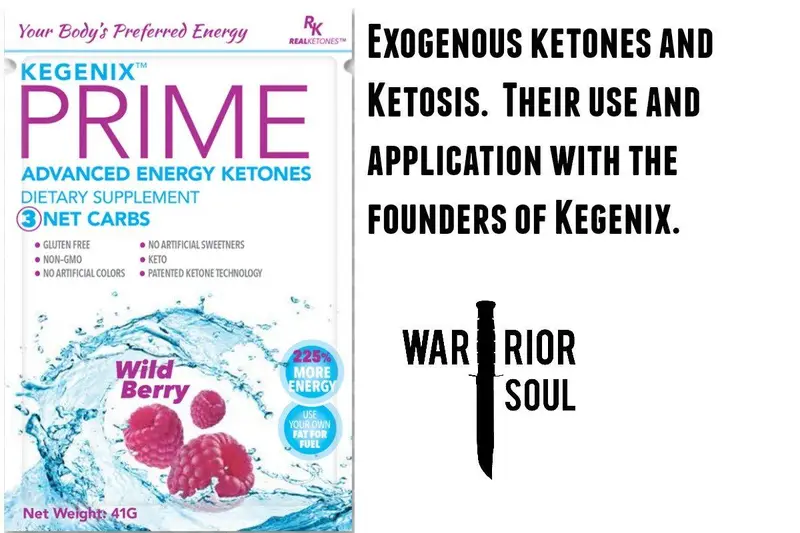
In this episode we discuss reasons why high fat diets may be more helpful to those who serve in combat MOS’s, how best to get into ketosis, and advice for those who want to use ketosis to get to the next level.
Transcript
Machine-generated from the episode audio and lightly edited — may contain errors.
Chris Albert (link to this point)
What's going on everybody? Welcome to episode 32 of the Warrior Soul podcast. In this episode, we discuss ketosis. This is one this is the first of many episodes in which we will be discussing nutrition and fitness. And this discussion about ketosis is very important because one, it has to do with something that a lot of people in general are facing and a lot of people in the veteran community are facing and that is total body chronic inflammation and ways of reducing it through the power of ketosis.
On top of that, increasing your performance and protecting your brain. Now I want to warn you, I don't think that ketosis is a catch all for everything, but it is a particular way of doing things that could help certain people. For instance, it did help me with my ulcerative colitis. So if you're interested in learning more about this after this episode, definitely sign up for our fitness newsletter that's at newsletter.warriorsoulketocamp.com. That's newsletter.warriorsoulketocamp.com, and you spell keto, k e t o.
And with that, let's get into this episode. This is Chris Albert, and I'm here to remind you of one thing. Someday, you're going to die. Now that's not some morbid statement or scary idea. It's solid fact.
Your time here on this earth is limited. And we need to be reminded of this as much as possible for one simple reason, to live your best life while you can. This is the Warrior Soul podcast. What is up everyone? This is Chris, Andrew, and Tony, and this is episode 31 of the Warrior Soul Podcast.
Andrew Marr (link to this point)
It's actually episode 32.
Chris Albert (link to this point)
Oh, it is episode
Andrew Marr (link to this point)
31 was epic.
Chris Albert (link to this point)
32 of the Warrior Soul Podcast. Anyways, we're just hanging out here, riffing on a few different subjects and we were talking about things like life, a little bit of fitness stuff, and particular we're talking a little bit about nutrition. Tony, Andrew and I get together every month to have our company meetings and to exchange ideas and to set things up for the future. And we generally try to exchange some of our best practices with each other. And I've been interested in ketosis for a really long time.
I've written quite a lot about it. I'm a nutrition coach when I'm not working with Warrior Soul.
Andrew Marr (link to this point)
Yeah, would say an interest is an understatement.
Chris Albert (link to this point)
Yeah, I've been pretty obsessed with it. And one of the reasons why I've been so obsessed with it is because, I mean, I've suffered a lot from autoimmune disease in the past. I've had different types of conditions in my life where I haven't been able to focus mentally or concentrate mentally. And ketosis did a whole lot for me. And I was talking with Andrew, and we were just kind of talking about best practices as to how people get into ketosis, how they can deal with ketosis.
And first, let's talk a little bit about what ketosis is. Ketosis is a situation where your body is no longer dependent on glucose for energy. Generally, when you eat a bunch of food.
Andrew Marr (link to this point)
What is glucose?
Chris Albert (link to this point)
Glucose is sugar. Glucose is sugar. We generate sugar from a couple of different sources and some of them you might not have automatically thought, you know, we get glucose from. So, the first one of course is carbohydrate. We get glucose from carbohydrate.
It gets converted into our bloodstream.
Andrew Marr (link to this point)
What about whole grains? That count?
Chris Albert (link to this point)
Those are carbohydrates as well.
Andrew Marr (link to this point)
What all about fruit?
Chris Albert (link to this point)
Fruit is fructose. So, we'll get into that in But a generally, we convert a lot of the food we eat into glucose so that we could add blood sugar to fuel our brains with, right? And when you eat, you release a hormone called insulin. Insulin's job is to decide where everything goes in your body. You want to think of insulin as like a big bouncer at the club.
Andrew Marr (link to this point)
Right?
Chris Albert (link to this point)
And it could go to a number of different places, but the main places that glucose can be stored, it goes to your brain to fuel your body. It goes to the cells in your muscles, to be stored as glycogen, or it could be sent to the liver as liver glycogen. Right? And when it gets sent to the muscles, it gets converted into, adenosine triphosphate and muscle energy. When it goes to the liver, it's there for storage in case of emergency.
So the reason why we store glucose in our liver cells is, you know, back in the day, back in the day, when we were getting chased around by saber tooth lions and say we hadn't eaten in a couple of days, we had a store of emergency glycogen, it gets called once it's stored. We had a store of emergency glycogen in our livers, so that, you know, if something happened, it can automatically be released into the bloodstream and we could could jet the hell out of there. But insulin is, like I said, one of those high end bouncers and if the club is full, then insulin will not let the glucose into the muscle cells, right? To become glycogen. Muscle cells are like the VIP section and those who do not get into the VIP section, they go to the regular section, the general admission and that's your fat cells.
And when your muscle glycogen is completely full and your liver glycogen is completely full, makes it and you eat a bunch of carbs, you eat a bunch of glucose, that makes it a lot more likely that your glucose that you're eating is going to be stored as fat. So, you'll be putting on fat. And this is one of the reasons behind a ketogenic diet amongst every other amongst many others, is that you tend to lose fat pretty quickly on a ketogenic diet. We can get into the specifics in a second about why it would be beneficial for a lot of the listeners in this audience, but Andrew asked me about fructose. Fructose doesn't ever get stored in the muscle cells.
So this is why fruit is not a really good recovery food. It actually gets stored directly in the liver cells. And so a lot of people are like, I eat a lot of fruit. I'm super healthy and it's good to eat fruit. You should you could have a piece or two every day.
But what you have to understand about fruit is that it only gets stored in the liver or in your fat cells and the liver has a much lower storage capacity than your muscle cells do. You have a lot less liver cells than you do muscle cells. And you're going to, if you eat lots and lots of fruit, there's a much higher chance that you can spill over and start storing more and more fat. In addition to that, if you're a super super stressed person and you're eating a lot of fructose, then then you're also raising your blood sugar constantly because you're constantly releasing blood sugar, releasing glucose from your liver, and raising your blood sugar. So, the thing about fruit is, as with anything, all in moderation.
And, you really want to be careful of eating tons and tons of fruit.
Tone Floreal (link to this point)
So it has to do with timing and
Chris Albert (link to this point)
It has a lot to do with timing. It has a lot to do with timing and dose. Right? So like I said, fruit doesn't make a really great recovery food, but there's a lot of good things in fruit. There's a lot of vitamins, a lot of micronutrients that you can use for your body, but it's not something that we should be eating with reckless abandon.
The other thing you realize about fructose is, where else do we find fructose these days, guys? Where else? Honey. Honey? Of course, honey, but where else?
Andrew Marr (link to this point)
Soft drinks.
Chris Albert (link to this point)
Soft drinks, high fructose corn syrup, right?
Andrew Marr (link to this point)
Where Almost anything processed.
Chris Albert (link to this point)
Yeah, we see that stuff in So, a big reason why we see so much obesity and diabetes is because of that high fructose corn syrup that we see in a lot of processed food, that we see in soda. What about smoothies? Smoothies, it depends on what the smoothie is made of, man. Know, a big thing though is you want to really think twice about drinking your calories like that or at least drinking high sugar calories like that. Like orange juice.
Yeah, because it doesn't have the pulp or any of the parts, the plant matter parts in it The fiber. That are going to be really beneficial for you. And you're just drinking pure sugar. So orange juice can lead to a nasty insulin spike. And A lot of people drink that in the morning and it's a wonder why feel they don't have any energy by the afternoon.
Andrew Marr (link to this point)
Well, lot of people do juicing as almost like a way of lifestyle or a diet lifestyle. So, I mean, if you're hitting a majority of your meals from juicing, so you're saying that's no good?
Chris Albert (link to this point)
I think that there's there's benefits to including other parts of the plant in there. Now, a lot of people who do juicing, they they don't necessarily drink high sugar juices. Right? So there's people out there who drink like kale juice, beet juice, things like that. Maybe they'll add a little bit of apple for for flavoring.
Tone Floreal (link to this point)
So the green juices.
Chris Albert (link to this point)
The green juices. Yep. But but at the same time, you know, lot of these these juicers where you use them at home, they're including some of the pulp in there. They're including some of the plant the plant material in there. So so that's super helpful if they do that.
The big thing is that if if you're juicing and you're sticking like an orange and then, you know, an apple in there and then you got some strawberries and then you put a whole banana in there, then, you know, that we're talking like a 100 grams of sugar after a certain point. And, and
Andrew Marr (link to this point)
So you're telling me that sugar is no different than the candy bar. That sugar is Like once it gets in the body.
Chris Albert (link to this point)
Right. The difference is the sugar in the candy bar is super concentrated, right?
Andrew Marr (link to this point)
Uh-huh.
Chris Albert (link to this point)
So you're gonna have whole lot of insulin being released from that candy bar. If you eat the actual fruit, you'll have less insulin because it's slower to digest. But if you drink 100 grams of sugar, you're still going to have tons of insulin. Right. So at the end of the day, I think the juice is a little bit better than the candy bar because at least you have some micronutrients in there, you have some pulp, but you still had a bunch of sugar going through Yeah.
Your You're still pushing a bunch of sugar on the system. Right.
Andrew Marr (link to this point)
Yeah.
Chris Albert (link to this point)
Right. So that's that's a big deal that people simply don't understand. And I think, you know, for a lot of the listeners of the show, being in the military, you are exposed to a lot of different things, but in particular, you're exposed to a lot of sugar, in the form of MREs, in the form of the chow hall food that you eat. And that can lead to a lot of a lot of interesting things. Not only if you're in the military. I mean, if even if you're in in everyday life, we get exposed to sugar from all over the place, but but guys in the military, you know, at times, they're forced to eat MREs.
They have to eat them because that's the food that's issued to them. They have to deal with chow hall food. A lot of the worst things that happen to people in civilian society, as far as obesity and dealing with hormone issues, those things can be exacerbated in the military because of the schedule that guys face. You're out in the field, you're taking punish lots of physical punishment. You're dealing with lack of sleep.
And then on top of that, you're loading your body with lots and lots of sugar, and lots and lots of other preservatives that could cause something called total body total body chronic inflammation.
Andrew Marr (link to this point)
But but, basically, man, I mean, what you're saying is, because of being in that environment and putting or ingesting those things in your body, you're probably not performing to the best of your abilities.
Chris Albert (link to this point)
Definitely not. Yeah. Definitely not. And not only are you not performing to the best of your abilities, not only are you putting a deficit in your ability to produce energy, you are setting yourself up for a lot of health issues down the line. Because of that issue of total body chronic inflammation.
So what is total body chronic inflammation? There's two types of inflammation that happen in the human body. There's acute inflammation and there's chronic. Acute inflammation is actually good. It's painful, but it's good.
It happens immediately after we get a traumatic injury. Right? So you fall down, you break your arm, there's going to be inflammation in that area that you've been injured. And the reason why our bodies have inflammation is to fast track the healing process. Right?
So we need a little bit of inflammation in our bodies. The problem is that most of us don't just have acute inflammation, we also have chronic inflammation. And chronic inflammation doesn't necessarily come from a traumatic injury, although acute inflammation that comes from a traumatic injury could turn into chronic inflammation. Chronic inflammation, you can't feel immediately. It happens because of, different intolerances from the food we eat.
It happens because of, you know, poor digestion. And it happens It often starts in the intestinal tract, our guts. And that's because about three quarters of our entire immune system is located in our intestinal tract, and it's separated from the waste that we produce, by a lining that's about a single cell thick. So, when you think about it, if your food is loaded with sugar, if it's not very digestible, and if it's lacking nutrient density, then you're setting yourself up for a situation in your intestinal tract where one, you can damage the lining. And if you damage that lining and food particles get mixed in with your immune system, then what you start to face are food intolerances, Bigger and bigger food intolerances.
So a lot of the food you eat starts to cause inflammation. And when you have inflammation in your gut, right, that releases inflammatory cytokines throughout the body. Sorry for using that that big word. Inflammatory cytokines are basically, inflammatory messages that get sent throughout your body. Right?
And what you have to remember, about the gut again, is that it's also connected to your brain via a nerve, a very long nerve called the vagus nerve. It's v a g u s. And so that's why you get butterflies when you're nervous, butterflies in your stomach. That's why you get an uneasy feeling in your stomach when you're dealing with something in your head that's very heavy for you. And so what happens there is that we start to face things like neurological issues.
We start to face things like Alzheimer's, dementia. We start to face things like heart disease and cancers in different parts of the body. And we start to see things like rheumatoid arthritis and achy joints and, a general lack of energy and a lack of mobility.
Andrew Marr (link to this point)
Brain fog.
Chris Albert (link to this point)
Brain fog. All types of different issues that can affect your quality of life, that can drive you down into depression, and that can keep you from training, can keep you from working out, can keep you from, living a really healthy and active lifestyle.
Andrew Marr (link to this point)
What do you say?
Tone Floreal (link to this point)
Yeah. It's great. I for me, it's just all personal experience over the years suffering from, you know, poor nutrition, just because that's what everybody was eating, knowing you, having allergies, being tired all the time, moody Yeah. Sleeping longer, but still not feeling rested. And, you know, tried everything from juicing over the years, cleanses Mhmm. To different types of diets. And I'm definitely curious about keto.
I've never really done it other than maybe the Atkins. And the Atkins was so loaded with protein, just felt acidic and tired as well, even though I was getting leaner, Felt like I was probably losing weight as well. But, yeah, keto sounds interesting because you're not eating as much protein. The fat content is a little higher.
Chris Albert (link to this point)
Right. That's another thing people don't really understand is that protein one protein is insulinogenic. And two, the reason why it's insulinogenic is because protein can get converted into glucose through a process called gluconeogenesis. And that basically happens because when you lower your carbohydrate intake like you do on Atkins or general keto diet, if there's protein available, your body's gonna try to convert that protein into glucose. Back when I was a bodybuilder, I used to eat like, Jesus, like five pounds of meat a day.
Same. And I think about it and there was a time when I wasn't eating a lot of carbs at all. Went to the hospital and I got my hemoglobin A1C checked, is a three month snapshot of your insulin release. And I came back as pre diabetic, even though I hadn't been eating carbs in a while. And that's because I was eating so much protein.
And So many people don't understand that. I think that's where a lot of bodybuilders and dieters who attempt a ketogenic diet go wrong.
Andrew Marr (link to this point)
See that was like what's new and crazy to me was realizing someone's outward appearance might not dictate whatsoever their health, you know, their health status. And that's just one example. Mean, there you were a competitive bodybuilder and going in getting A1C checked in, you're pre diabetic. Know what I mean?
Tone Floreal (link to this point)
Yeah. And you're ripped
Andrew Marr (link to this point)
by the house. Yeah, right. So no one ever would ever think like, Hey, we need to check Chris or any other health concerns because he's a fit dude.
Chris Albert (link to this point)
Yeah. I mean, had six pack abs, you know, veins coming out and I came back as pre diabetic. You know, and and at the time, the and this is the thing about the bodybuilding world. A lot of people are like, alright. I'm gonna get huge and leave a leave a massive corpse on the earth, you know?
Or I don't really care. I'm just going to do this now. I'm going to give it all. At the end of the day, not only can you be setting yourself up for a pre diabetic state, to me the biggest thing there is the effect that those types of states have on the rest of your body, your brain, your ability to do work, your ability to be happy, your ability to get old and live the kind of life you want to live when you get old. Because I don't want to be one of those people who's sitting in a convalescent home not knowing who my kids are or not knowing who my wife is or anything like that.
Andrew Marr (link to this point)
Well, when you went in there, man, for the testing, were you How were you feeling overall? I mean, you having issues with any of those things? Like were you having brain fog? Were you having cognitive problems? Or were you like, No, man, I'm clear as a bell.
I can't believe this is the diagnosis.
Chris Albert (link to this point)
You know, and that's the thing. As a bodybuilder, I took those kind of brain fog issues as, coming with the territory. So if I was dying at a certain point, if I was trying to put on weight at a certain point, I took it as something that that just came with that kind of lifestyle.
Tone Floreal (link to this point)
Mhmm.
Chris Albert (link to this point)
And I didn't really think much of it. You know, same thing back when I was in the Marine Corps and I was an infantryman, I had the same things happening to me, you know, after chow time getting really, really sleepy or say if I was out in the field and I had a piece of MRE pound cake, I, you know, I ate it for energy, but afterwards I'd get really, really sleepy. And I remember times when I was, like, rubbing coke Copenhagen into my eyes trying to stay awake. And I always taken it as, oh, I'm being a I'm being a pussy right now. I'm just you know, I can deal with this, you know, but the thing is that it wasn't until I found another way of eating that I really realized that what I was going through was abnormal. And even when the hemoglobin A1c test came back, it was like me dealing with dissonant information. I was like, you're wrong. I said that straight up to the nurse practitioner.
I was like, you're wrong. I hardly eat carbs. I train all the time. And then, you know, putting two and two together, I also suffer from ulcerative colitis. And so I really wasn't I wasn't educated enough at the time to know or understand what was going on.
And that's one of the reasons why we do this show is because we really want people to to hear about these types of issues. Know, the the stuff that they're they're not gonna think about when they're 18, 19, 20, 21 years old. And some some people haven't even thought about up into their forties. You know, so many people are stubborn about this this kind of stuff.
Andrew Marr (link to this point)
Was so was that the the situation that got you interested in looking for alternative means?
Chris Albert (link to this point)
Was it a crisis point?
Andrew Marr (link to this point)
Yeah.
Chris Albert (link to this point)
Not even at that point was it a crisis point for me.
Andrew Marr (link to this point)
Didn't consider the crisis point. Caused you to look and to find nutritional way to do things?
Chris Albert (link to this point)
What was happening was I had ulcerative colitis and I hadn't been in a flare up at that point, but a few months later I went into a really, really bad flare up. And I got to the point where I couldn't really eat much. I couldn't eat much of anything. And for a while there, despite the fact, and first let me say that ulcerative colitis is a autoimmune disease that affects the intestinal tract. So basically what happens is your body stops being able to understand what's your intestinal lining and what's foreign matter.
So it sends these inflammatory cytokines over to your intestinal tract and starts attacking the lining. And you start to develop ulcers. You get massive amounts of diarrhea and internal bleeding. And I'm talking not just like diarrhea once or twice a day, but I'm talking about 30 to 40 bloody bowel movements a day. Where you're running to the bathroom, and in utter distress.
Andrew Marr (link to this point)
Yeah. So that'll cause you to contemplate a different eating style.
Chris Albert (link to this point)
Well, mean, and and for a while there, I was forcing it. Yeah. You know, I was I was still eating everything. Said, you know, maybe I just need to eat cleaner. Maybe I just need to to, stick to egg whites and and rice and vegetables and chicken breasts and things like that.
Andrew Marr (link to this point)
So you started to experiment?
Chris Albert (link to this point)
No. No. I was thinking hardcore bodybuilding And then after it got so bad that, you know, my I barely had a social life. I could hardly work. I started to say it and and, you know, I could hardly even train anymore.
I started saying, alright. I'm gonna I'm gonna try and figure something out. And so I dropped myself down to one meal a day where I was eating nothing but grass fed beef and vegetables. And then I added, I did that for a few days and I added a bit of coconut coconut oil. And I did this fully expecting
Andrew Marr (link to this point)
Like how did well, how did you get into that process? Like what made you think, well, me try this combination?
Chris Albert (link to this point)
Because I knew at the time that that carbohydrates were screwing me up. Right. So anytime I ate oatmeal. Right? So I ate a lot of oatmeal when I was a bodybuilder.
Anytime I ate it, my stomach was getting upset and I was I was running to the bathroom. Anytime I ate eggs, I my stomach was getting upset and I was running to the bathroom. Anytime I ate chicken breast, same thing. I was going through massive amounts of discomfort.
Andrew Marr (link to this point)
Yeah, so by default, you narrowed it down to what does it make me feel like shit and it's grass fed beef, vegetables and then that went to coconut oil.
Chris Albert (link to this point)
Right, right. And at the time, keep in mind, I'm a bodybuilder. I was eating eight meals a day and all of a sudden I'm going down to one meal a day. And so I'm thinking to myself, man, I'm I'm I'm gonna shrivel up. You know, I was fully expecting to shrivel up and lose weight, you know. And then in order to avoid
Andrew Marr (link to this point)
Now, had you read any any material or anything else? Is this just purely like your intuitive sense?
Chris Albert (link to this point)
Intuitive sense. I I I knew about bodybuilding nutrition. Yeah. Knew
Andrew Marr (link to this point)
Which in this this, just to be clear, is a complete one eighty than anything you've ever heard in the bodybuilding community up until that point.
Chris Albert (link to this point)
Right. It was a complete and total total 180 degree turn.
Tone Floreal (link to this point)
Yeah. And I was gonna ask that same question. It's like you did you even hear about keto at that point?
Chris Albert (link to this point)
I knew the work. I knew some of Dan Dan Duchaine's work, and Dan Duchaine was a steroid guru from the nineteen nineties who who wrote a book called Underground Body Opus. But, I also thought that he was a lunatic, because he was a lunatic. He's a madman. He ran a he ran an illegal steroid lab out of Tijuana, Mexico, and then, know, went to prison for a long time.
Andrew Marr (link to this point)
Can you have an an illegal steroid lab in Mexico?
Chris Albert (link to this point)
Yeah.
Andrew Marr (link to this point)
I thought everything goes there.
Chris Albert (link to this point)
Yeah. It wasn't illegal, I guess, down there, but He didn't pay the right people. But he was putting everything back up here. Sent everything back up here, but he served some time in prison. Then, he's a madman and his protocol was lots and lots of coconut oil, MCT oil, and staying really strict to that five, six days a week. And then the seventh day eating tons and tons of carbs.
Alright? So so his protocol was like 9090% fats and oils and then, 10% protein, like a little tiny bit of protein throughout the day.
Andrew Marr (link to this point)
Okay. So that was the the only really, literary sources at that time, and it was by a a dude that was, questionable to say the least.
Chris Albert (link to this point)
Yeah. I mean, not questionable in the bodybuilding world, but he was a madman. He was crazy. So How was
Andrew Marr (link to this point)
his diet and nutrition plan received by the rest of the community?
Chris Albert (link to this point)
There were people who tried it, but you had to be brave to try it. You had to be a complete Like if you were one of the people who knew about it, it meant you're one, you were a bodybuilding nerd. Yeah. They were gonna do, and you're hitting the books all the time and you kind of had to dig to figure it out. But two, it also meant that you really were up to experiment with anything.
Because when I say that this diet is severe, it's severe, like extremely severe.
Andrew Marr (link to this point)
What do you mean by severe?
Chris Albert (link to this point)
Meaning, you're gonna go and you're gonna eat nothing but fat throughout the week, and then you're gonna load yourself up with, like I'm talking three, four thousand calories of carbohydrate.
Tone Floreal (link to this point)
Okay.
Chris Albert (link to this point)
So you're just loading up carbohydrate for a short period of time. I think about twenty four to forty eight hours. And again, I haven't read the book yet.
Andrew Marr (link to this point)
Yeah. I get it, man. So you're familiar with this information. That was basically the only guy out that was putting anything out even remotely close to ketogenic and that's where you're at that crossroads.
Chris Albert (link to this point)
There were other guys advocating like to include fat in your diet and low carbs, but they were also advocating lots and lots of protein. You know, like, what's called Dave Palumbo from you know, he's a big big in the bodybuilding world. He advocates, you know, eating a lot of coconut oil and macadamia nut oil and things like that. But but he's always he's always been a protein, an advocate for a lot of protein.
Andrew Marr (link to this point)
Yeah.
Chris Albert (link to this point)
When I cut myself down, was fully expecting to shrivel up, but I didn't. And this is where I started to get, Oh man, there's something going on here. To give you some examples, I had, I always had a really hard time getting up over 200 pounds. But on this diet, I was, I was able to get my musculature up to 200, over 200. Mhmm.
I was PR ing on the squat, the front squat, the bench press, and the deadlift almost every week. I was, I felt great. I was rarely hungry, rarely hungry. I had lots and lots of brain injury, brain energy. And this is a time period where I didn't only grow in the gym, was building my fitness business and it was probably one of my most productive times.
Was able to get a lot of work done. I was able to take on a lot of clients. I started taking online clients and things like that. And all the while, while I'm putting stuff out on YouTube, I couldn't really talk about this. Because at the time, if you if you try to talk about something like this in the bodybuilding world, people would be like, what the f Just taboo?
Just taboo is like there are certain things you couldn't do. Like, you couldn't say that you didn't need, one gram of protein per pound of body weight. Mhmm. You couldn't say that you didn't need, you know, six, seven meals a day in order to get huge and and in order to be a bodybuilder. And all of a sudden, was I was putting on lots of muscle, and I was getting leaner, and I had fantastic energy, and I I didn't need to do the eight meals a day.
And I was astounded by it and that's when I started reading things. That's when I started reading books like The Art and Science of Low Carbohydrate Performance by Drs. Jeff Volek and Stephen Phinney. And when I started looking into things like the Wahls Protocol, which is an autoimmune protocol developed by Doctor. Terry Wahls.
She's a lady who suffered from MS, who used to be a marathon runner and then suffered from MS, got put into a wheelchair and then figured out that her own diet. And then, today she's back playing basketball and tennis and everything. And this is where I really got turned on to some of the amazing things that nutrition can do for you. Because prior to that, I had thought that if I just take my colitis medication, if I listen to what my doctor tells me, then I'll be able to, overcome what was going on with my intestinal tract. But the fact of the matter was that I was still suffering so much from a colitis and I was still, my body was suffering from the amount of inflammation that was coming at me.
That I was just taking everything that doctors had to say and just of just sticking to it.
Andrew Marr (link to this point)
And that wasn't getting you any better? So just kind of say symptom management at that point?
Chris Albert (link to this point)
Just symptom management, sticking near bathrooms all the time. You know, I had certain things like
Andrew Marr (link to this point)
Quality of life was
Chris Albert (link to this point)
pretty poor. Yeah. My quality of life was was absolute bullshit. It it sucked. And, you know, I used to go to bed at night thinking, dude, do I have to live like this for the rest of my life?
Is this what life is going to be like for me?
Andrew Marr (link to this point)
You know?
Chris Albert (link to this point)
And luckily, you know, I a girlfriend at the time and I'm still with her today. But had I been completely single at that time, I it would have been a really lonely experience. It would have been a really lonely experience. Because when you go through something like that, you're thinking, you know, who the fuck is gonna want me? Who the hell is gonna wanna be me?
Be me. Be with me. You know? And then, not to mention that, but, you know, you're looking for work. If you're looking for work or looking for a job or anything like that, it's kind of a rough thing to explain to to a new employer that you gotta run to the bathroom every five minutes.
And it's you know, thinking back on it was very scary.
Andrew Marr (link to this point)
Very scary.
Chris Albert (link to this point)
But I should also mention that we're not just talking about autoimmune disease diseases like Crohn's and Colitis here. We're talking about other major diseases too. You know, diabetes, cancer Heart disease. Alzheimer's. Those things, those are all because of the same phenomena in the human body and that's too much total body chronic inflammation.
And so much of these inflammatory processes can be shut down with proper nutrition. And I'm not saying that keto is the only way to go here. There's a lot of other ways to go. And then the two biggest things I tell people, make sure your food is digestible and make sure that it's nutrient dense. But keto for me was amazing because not only because of all the stuff, the awesome stuff that happened with my body where I was putting on muscle, was lifting heavy weights, but because of the brain clarity, the fact that I felt so good.
Tone Floreal (link to this point)
And what was going on? Do you think that the fat having better sources of fat, higher fat in your diet enabled you to have those benefits?
Chris Albert (link to this point)
Well, there's a there's there's a few things that were happening. One, I was reducing my levels of insulin, right, which is gonna reduce my my which which is gonna reduce my levels of inflammation. Right? So so insulin is highly inflammatory. The more insulin you release, the more more inflammation you get. Two, I I had less fat on my body.
Right? Now fat, you need fat on your body. You need, I mean, a healthy body fat percentage for people is probably around 10 to 12%. Right? Even athletes should be around 10 to 12%.
I wouldn't go below 8% if you're an athlete.
Andrew Marr (link to this point)
And why is that?
Chris Albert (link to this point)
Because it's going to affect your performance. You'll be more likely to get injured a whole bunch of
Tone Floreal (link to this point)
Because nerves and brain made
Chris Albert (link to this point)
Exactly.
Tone Floreal (link to this point)
Out of mostly
Chris Albert (link to this point)
Exactly. And people don't mention this, but the pads of your feet, Right? Those are made out of fat too. And if you're an athlete and you run around on your bones, you know, you're gonna you're gonna get fractures and things like that.
Andrew Marr (link to this point)
But the other thing hormones too.
Tone Floreal (link to this point)
Right? So more fat. You have the cholesterol.
Chris Albert (link to this point)
Right. Right. So the other thing is the less fat you have in your body, the less inflammation because fat isn't just something that hangs out underneath your skin. It's an internal organ. And that organ releases hormones.
It releases inflammatory cytokines throughout your body. Right? So your fat cells can actually, if they're filled with toxins and things like that from food you're eating, They can also help to increase inflammation. But the other cool thing is if you are in a fasted or ketogenic state and insulin, well, we have to think about the hormonal cascade. When you're releasing insulin, you're not releasing growth hormone because the two hormones are antagonistic with each other.
Right? So if you're if you constantly have a high blood sugar and your blood sugar is high before you go into bed, you're you're gonna be secreting a suboptimal level of growth hormone. If the other thing you eat, you release when you eat, it is called leptin. Right? Leptin's job, it's released by your fat cells.
And its job is to tell your brain to burn more fat. But the problem is that people who eat too much secrete too much leptin, you can develop what they call leptin resistance. Just like you can get insulin resistance, can get leptin resistance. Leptin is also antagonistic with testosterone precursors, like luteinizing hormone. And so if you're overeating and you're getting tons and tons of leptin, pushed throughout your system, you're you're really interrupting your production of testosterone.
Right? And excuse me, guys. When you fast, it really gives your body a chance to release more hormones naturally. Right? And so one of the things that people recommend to guys who have hormonal deficiencies is our periodic fast.
Keeping your keeping your food intake to a certain window in the day, or you know, keeping your insulin down, that's gonna gonna help a lot with hormone production.
Tone Floreal (link to this point)
So the earlier question I had to build on top of this is, you know, everybody's so worried about high cholesterol, but cholesterol is the precursor to all hormones.
Chris Albert (link to this point)
Right. Not only cholesterol is your the precursor to to your hormones, it's also something in your body that your cells are made up of. Right? So they give they give cells their their necessary stiffness and durability. And and it's also, yes, the the precursor to, all the major hormones.
Tone Floreal (link to this point)
Yeah. Like progesterone, pregnenolone, DHEA, androstenedione, thiazol.
Andrew Marr (link to this point)
All of them. Cortisol. Yeah. Yeah.
Chris Albert (link to this point)
And so, so yeah, I mean you definitely, we need cholesterol in our bodies and the thing is so many people are, they're scared of having high cholesterol and doctors are really not well educated on this. But cholesterol, high cholesterol in and of itself doesn't necessarily mean that that you're you're unhealthy. You want to look at the types of cholesterol. Right? Your good cholesterol versus your bad cholesterol.
And if your good cholesterol is high and you have high cholesterol, total cholesterol, there's probably not much to worry about there. Yeah. But we've gotten ourselves into such a situation where over the past few decades, it's been hammered into everybody's head. Don't eat fat. Stay away from saturated fat. Stay away from any kind of fat intake. And people were driven toward, not only toward sugar and carbohydrates in general, driven toward the wrong kind of fats.
Fats that can raise inflammation. And we can get into fatty acids in a second, any other questions about that situation guys?
Tone Floreal (link to this point)
Yeah. Well, I mean, the whole aspect of heart disease or blocked arteries wasn't necessarily because of high cholesterol, but because of inflammation breaking down the inner arterial or venous walls. Right? Which cause clotting. Yep.
The cholesterol sticks up in there and tries to patch it, and then it builds up to a point where it just completely clogs
Andrew Marr (link to this point)
Right. The blood vessel.
Chris Albert (link to this point)
Right. It was inflammation that was leading to to that heart disease.
Tone Floreal (link to this point)
So it's misinformation that.
Chris Albert (link to this point)
Yeah. So one of the tests that people should really pay attention to if they're looking to avoid a heart attack is the C reactive protein test. And that's a basic measure of your total body chronic inflammation. If that's high, then you really want to start watching what you're doing. Really want to make sure I mean, I think everybody should be exercising all the time.
I think everybody should a training regimen and movement regimen. But you you if if your c CRP is high, then you're doing something wrong. Right.
Tone Floreal (link to this point)
So what's interesting from my own experience is the fact that, like, I'm training less, I'm eating more fat in my diet, yet I'm feeling like more anabolic, sleeping better. And it's almost like I'm leveraging these powerful anabolic hormones in my body that enable me to build muscle faster, lose body fat, and get stronger with less training load on the body in terms of working out like high amounts of volume and intensity.
Chris Albert (link to this point)
Well, yeah. And and that's another thing too to know is that, if you look at triathletes during the nineteen nineties and Ben Greenfield says this in his book Beyond Training, I think it's, the first chapter. Athletes were dropping like flies at one point. And endurance athletes in general were dropping like flies. You had started to see torn aortic valves.
The types of injuries we'd seen strongmen or power lifters who have been eating everything under the sun and lifting tons of weight. Were seeing that in endurance athletes. Seeing lots and lots of injuries, seeing a lot of endurance athletes hobbled by the time they were 30 years old. And the diet at the time was this high carbohydrate loaded with whole grains diet that was loading their bodies with inflammation. Plant oils that we're recommending, the margarine, the sesame, not the sesame, sunflower seed oil, the seed oils that we were seeing that were loaded with omega-six fatty acid.
Those were also raising levels of inflammation. That's something we've talked about on this show over a few different episodes is problem with having lots of omega-six fatty acid in your diet, lots of plant oils. One, plant oils and omega-six are they're in almost everything. All the processed foods we factory factory raised cattle that we eat, the farm raised fish that we eat, they're all loaded with omega-six fatty acid. Omega-six's job in the body is to raise our levels of total body chronic inflammation.
It's essential fat because like I said, need some inflammation in our diet. The problem is that we consume too much of it. That sends inflammation through the roof. We don't consume enough omega-three, which its job is to lower levels of inflammation throughout the body. And so the more we're able to get that ratio to a one to one, where eating a bit less omega-six and eating more omega-three or supplementing more with omega-three, then we'll be able to battle inflammation a lot more effectively.
Andrew Marr (link to this point)
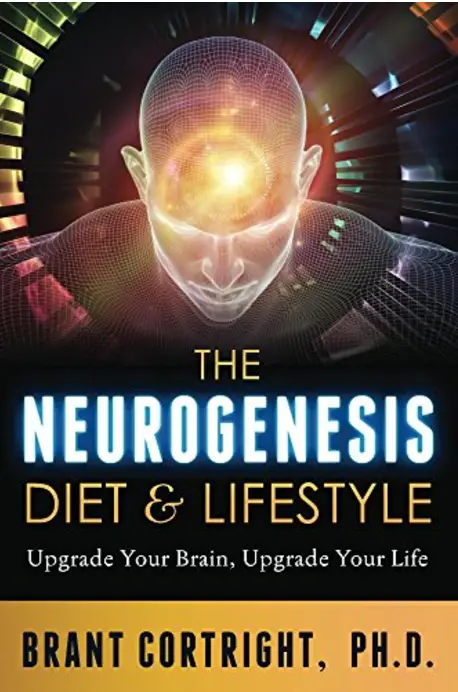
And we've had a couple of guys on the podcast, and I say a couple of guys, subject matter experts on just that. So Doctor. Michael Lewis and Doctor. Brant Cortright both talked about the positive effects of Omega-three and kind of the negative effects that affect an individual when you have high levels of Omega-six. So they said what the American diet is showing is somewhere between a 20:1 or 30:1 ratio of omega-six to omega-three and really a healthy ratio from what those guys said.
Would be 4:1 on down to 3 or 2:1, omega six to omega three, but the in our country it's such a huge gap between the two. It's driving a lot of these chronic diseases that we're hearing about, you know, plaguing society, our society. So break it down, are two things that we can look and affect pretty easily by making a few minor adjustments.
Chris Albert (link to this point)
Yeah, the average American right now has a 30 to one ratio.
Tone Floreal (link to this point)
Yeah.
Chris Albert (link to this point)
Wow. Of omega six to omega three.
Andrew Marr (link to this point)
And again, Doctor. Lewis, they did a They published a study, I think it was at with the National Institute of Health though, but on suicides, I forget if it was service members or veterans, but they went back and they looked at their labs retroactively and so it was like after they had already killed themselves they stored all these labs. I believe it's in Bethesda, Maryland. They were able to go back and look at these patients or these individuals who had killed themselves and look at their lab panels from you know the year prior right up on to leading into that suicide and what those results found is against a control group that the people that committed suicide they were I think it was sixty two percent of suicides had just an incredibly high deficiency between omega-three and omega-six and so it kind of showed that hey that that can be directly related to the inflammation and to the behavioral issues and and depression and things that come as a as a byproduct of that. So it's actually very detrimental when you're living in this in that fashion.
Tone Floreal (link to this point)
So that's interesting for me to see that a lot of the mental health issues that come from brain injuries or just nutritionally could be shifted by adding more omega threes in the diet. And then the healing aspect of lowering inflammation will enable people to not develop these chronic issues, which eventually also affects their productivity and their mood. So it's almost like
Andrew Marr (link to this point)
food is medicine, right?
Tone Floreal (link to this point)
Yeah, exactly. So if we change these things, Americans, if we're just talking about people in this country, like how much more efficient our country would be with work, with living an awesome life, feeling better, and on all levels.
Andrew Marr (link to this point)
Or like having a problem instead of taking a pill for it. Like we can actually figure out like, oh, I never would have thought this, but the behavioral issues or the mental health issues that I'm having might be directly related to how I eat. I think in addition to whatever physician or whoever is recommending, the individual needs to also look at the diet and see how that can be cleaned up as well. You know there's definite ways to do that and information that we're putting on the show is one of them. Man, what you put in your body has an effect on everything that you do and you are.
And so this is just another good way that you can hopefully find some resolution in some of these areas.
Tone Floreal (link to this point)
It's cool because like we all have had our issues with, you know, different things from mental health to actual physical health. And personally, I've been trying to seek the answer over the years. Was an athlete, I was a bodybuilder for a little bit. And, you know, I've always suffered from morning depression, and took a long time for me to get out of bed to start my day. Usually, by the time I start the day, it was already ten at night.
So I'd be up all night being creative. And then it was just a cycle all over again, where I sleep in till ten in the morning and deal with my demons. And that was despite like knowing different nutritional practices, knowing about exercise. But what was really cool was just like hearing you guys' story. And then, know, not everybody's gonna be able to do this, but I had the opportunity recently to be able to get my blood tested to see what was missing.
And based on Doctor. Gordon's recommendation, I was able to take certain supplements that will enable me to have an optimal, level of nutrients in the blood. And within like a month of being on this program, you know, without changing anything else, I lost like a belt size, dropped fat. I felt my muscles get toned up. Morning depression disappeared, like it's pretty much like 99% gone, and I need less sleep.
So these little things that people can do by taking certain nutrients or learning how to fast or even doing something similar to keto, or keto itself, where you have a higher fat in your diet. These are little changes that will impact your life, because I know it has for me. So I just can't help to like share my story to people because, you know, I've been doing everything, but I still suffered from these mood disorders, mental states. And now I feel amazing. And it was from a simple change. And, you know, not everybody's going to have the field afford like a blood test, but at least you could just look at your diet, and change certain things and find out like Chris did where he sort of stumbled into these sort of keto principles because of your own like inflammation of your gut. And that's what's happened first. We found the answers for a second
Andrew Marr (link to this point)
And you could be your own scientist, right? And what I mean by that is take an approach where you're trying different things and you're noting what effect that has on you every stage of the day or however you want to do it. But start monitoring you're doing or what you're putting in your body and what effect that's having. Then slowly remove one or add one and start to understand how you're feeling and see if there's any difference. But you have to be willing to put the work in to get better and that's the case with anything.
So that's definitely the case here, but you can definitely do some of your own work without a professional and start saying, okay, well, based on the last six months of data I've documented, I know that these things are not beneficial to my body and I feel great when I do this. And then try to replicate that as best you can. Something as simple as that was something I don't know, I never really thought of a couple of years ago, like how should I write things down and take track of my own life? But you definitely can.
Chris Albert (link to this point)
Well, that's something to think about too. I mean, addition, everybody wants to be fitter, better looking, whatever. But understanding stuff like this as a means for being a better parent, being better at your job, being better at life in general. Mhmm. I think that's an important thing for everybody to consider, is how much can a change in your nutrition protocol, how much can a change in your lifestyle in that way improve your life and send you in a different direction if you don't like where you are right now.
And it definitely did so for me.
Andrew Marr (link to this point)
Well, think about if you're in a leadership role, and guess what? Everybody's in a leadership role to some or at some capacity, but whether you're leading men or you're the leader of a family, people are going to emulate what they see the leader is doing. And so if you're living an unhealthy lifestyle, then your children are going to, you know, they're going to get the same things that you're putting out and they're going to take on the same behaviors and the way of thinking about food that you are. So this is a great opportunity to find a way to kind of shift your lifestyle, your way of thinking about something to, okay, how can I reach my optimal state of nutrition, but also knowing at the same time that people are watching me do this and I can have a positive impact and effect on others just through my choices of nutrition? And to me, that was huge as a parent.
Like that's when I like, I had no problem getting rid of like, I used to be like a diet coke fanatic and I got rid of them because I realized like I wouldn't let the kids drink them, but then I was like that's so, you know, that was just substandard after I thought about it because here I was drinking a Coke Zero and my daughter wants to have one and I told her that she can't just because this is an adult drink and this is what dad drinks. Was like, man, that's bullshit. That's a horrible example. And I was like, if I really cared about my fitness and nutrition, I would be leading by example and not just saying, do as I say and not as I do. So how we be an example of doing and being and have that affect everybody else?
That was a shift to me man. Once I started thinking in that matter, was like I no longer wanted things that I didn't think were going to be beneficial outside of special events and occasions, but I just didn't want those things in our life because I knew it was going to have a negative impact at some level on my children, be it their health or their mental health or anything else. And just, that's a bad way to set an example is don't do this because, well, I say not to do it and I don't really follow that, but you should follow that. Why would I think that they would follow me or listen to me in anything else? Because I wouldn't if I saw somebody else doing something like that and then they said, don't do this, but I'm going to continue to do it.
I'm like, I'm done with you brother. I'm gonna go on and find somebody something else to do or somewhere else to invest my time. So, you know, that's a good way to look at things. How can I be a better leader? It's leading by example and nutrition is no different.
Tone Floreal (link to this point)
Yeah, it's interesting that you guys brought that up because I've noticed that there's more abundance showing up in my life. The more people notice like how much joy I have or the energy that I put out, it's infectious, there's this glow. And, you know, it's interesting because I don't really have to say much. But when I do speak, people listen, and it's all business tremendously. Like, whatever you're doing doesn't have to be business, but people will follow somebody that's actually like living the lifestyle that emulates with, you know, it's like proof in the pudding.
It's self evident when you see somebody living a certain way, they're laughing more often, they're smiling more often. And you're just curious, like, what is it that you're doing? And you know, you start to answer their questions. And what's really cool, they actually start to, implement it themselves. It's weird, because you change yourself, the world changes.
And I've given up trying to change people, you know, because it just it's ineffective. I can change myself, because that's very effective. I can control what's going on inside my mental state, body, what I put into it. And the net effect of that has been incredible because it is infectious. It's impacted people.
I've ran experiments on myself like the Wim Hof method, just because I was like, man, this guy, is it really true that this is possible that you can, you know, burn fat, you can, basically get rid of depression.
Andrew Marr (link to this point)
Get an autonomic nervous system.
Tone Floreal (link to this point)
Yeah, like learn how to control your, your or at least influence your autonomic nervous system, which in a short means that you're able to handle stress. And so those little things had an impact because people saw me posting a picture every day being on that program. And then next thing you know, people were reaching out to me and asking me for advice. Led to more business on all levels, whether it was coaching or whether it was my own sort of pain relief business I have through microcurrent therapy. But the point is that, by implementing these strategies, by experimenting as Andrew and Chris had said, to find out what makes you feel good, what doesn't make you feel good.
This includes like the people that you hang out with or any of the stuff that you're learning, does it in the end, enhance you? Because anything that doesn't enhance you, not just in a short term, like you eat sugar and you feel enhanced for like a few minutes and then you have a crack. I'm talking about like long term enhancement where you walk away feeling great. And at the end of the day, you feel amazing because you hung out with amazing people, you looked at your environment, the people that you hung out with, you controlled what you ate, you exercise, you looked at the things that you wanted to learn. And to sum it up, I heard one of the best quotes yesterday was, people aren't seeking meaning.
This is from Joseph Campbell. They're not seeking meaning, they're seeking ways to feel alive more often. And so if you can feel alive more consistently, you're going to have that glow, you're going to have that sort of radiance that people want to be around you. And they're gonna want to know what you're doing and they want to be involved and hang out. There's no point you ever feel lonely.
You never feel like, oh, don't, I can't attract a person in a relationship, or I can't make a certain x amount of money. All these things come as a result of finally taking charge of your own life. And then you'll see, as we were talking about earlier about like insulin, having too much insulin, you eat too much sugar, have an insulin dump. And that's going to affect the flow state, you know, because flow state is in, in basically, it's when you feel the most alive and you feel the most like you, and you feel limitless, that you feel like you can do anything. Well, feeling like that on a consistent basis day in, day out over a year period of time.
Imagine what your life would look like in one year time because you made a simple change in the things that we just talked about in this podcast.
Andrew Marr (link to this point)
Yeah.
Chris Albert (link to this point)
One thing I should say too is, like I said, being in ketosis is only one particular way of doing it. There's a few different ways of improving your nutrition and you can be healthy without being in ketosis. You'd be completely healthy and ketosis probably isn't for everybody in the world. Actually getting into ketosis, which they call the adaptation phase, is pretty difficult because you're getting your body to switch from glucose as its main fuel source to ketones. And that takes time.
It takes, you know, between two and three weeks for some people.
And during that process, you know, you feel a lack of energy. You feel very, very foggy. You get what they call the keto flu. Unless you're using something like exogenous ketones or MCT oil keeping your sodium very high during that time period to keep you from losing all the water. But once you get through it, that's when you start to get a lot of the benefits.
So I don't want anybody here to leave and jump on a keto diet and feel crappy for a few days and then come back to us and say, hey, tried that. I felt like crap. You have to understand and research and know any diet before you get into it.
Andrew Marr (link to this point)
Yeah. We're just opening up the dialogue here on some new information, right? Not necessarily prescribing it.
Chris Albert (link to this point)
Yeah, absolutely. Definitely check with your doctors on everything too. The biggest things I want to slam home to everyone is one, take care of your digestive tract. Really take care of your digestive tract. And what I mean by that is, is make sure that your food is digestible.
Know, so much of the food we eat has these non digestible particles in it. So many people are eating foods that they're not tolerating well, like gluten, which has the protein gliadin in it that can seriously irritate your intestinal tract if you're intolerant to it. Lactose intolerances, even eating certain plants and seeds which are super nutritionally dense but not digestible, can seriously affect your health and your digestive tract. So make sure you're taking care of your gut. Make sure that you're getting healthy fats in to battle inflammation.
Make sure you're getting your fat soluble vitamins like vitamin D. Vitamin D is so important for battling total body chronic inflammation and if you're deficient in it, it can affect so much. And make sure that you are eating adequate calories, but but not eating not loading tons of calories into your body. Because at the end of the day, again, fat loss, you definitely have to pay attention to your calories for fat loss. There there is no if, ands, or buts about it.
You can't get around, the law of thermodynamics, but, you also wanna make sure that the food that you're eating is nutritionally dense and digestible.
Tone Floreal (link to this point)
I would add one more thing for digestion and that's chewing. And I got to do better at It's like thoroughly chew your food.
Chris Albert (link to this point)
Yep. The digestive process starts in your mouth. You secrete, I forgot how many enzymes your mouth secretes. But, know, if you're not chewing your food, you're missing an essential step in the digestive process.
Andrew Marr (link to this point)
I've tried to use that too as an effort to be more conscious, you know, in my eating. And so I'm not just shoveling things in and and not really experiencing that. And it it's been beneficial, man, because you slow down, you can really enjoy the food. And I found that I didn't, I don't need to eat as much. Yeah.
I can just try to experience the texture of something that you're eating and really be present in that. And and that's a pretty enjoyable experience that I never even thought to take into account because it's always like military. Yeah. Show it show it down, and then let's keep moving. Time constraint.
Yeah. So if you're not on a time constraint, you know, I would recommend playing with that and seeing seeing what that experience is like. I bet you'll like it. Yeah.
Tone Floreal (link to this point)
Yeah. How about oral fixation with your food? Mhmm.
Chris Albert (link to this point)
No. I used to I used
Andrew Marr (link to this point)
Chris has a bunch of oral fixations.
Chris Albert (link to this point)
Yeah. I have some. But, yeah, I I used to wolf my food down. I used to be I mean, people would blink and I'd be done with my food. I still do it.
Andrew Marr (link to this point)
I do too, man. Yeah. I'm we're done. Yeah. Yeah. But, I mean, you you know, even if it's like one time a week and then, you know, and improve from there or see if that's something you wanna do more. But you know, was to me it was just trying it and it and now if I'm wolfing down through the least, I'd say, okay, well I know I'm consciously doing that and I know it now.
Yeah. And I'm not just you know zoned out in la la land.
Chris Albert (link to this point)
Yeah. And then the other thing is too, if you are gonna eat carbs and you are gonna have glucose in your system, you gotta make sure that your activity level is high enough to tolerate them. You know, if didn't train that day, you probably don't need to be eating tons and tons of carbs if if you're not on ketogenic diet. And when you do eat, something that everybody can do is to get up after your meal and go and take a fifteen minute walk to to lower the insulin, level out your insulin levels, and lower your blood sugar a little bit. Take a fifteen minute walk.
Burn off some of that blood sugar. And you get some huge benefits from that. Not only as far as you know, keeping fat from being stored, but you know, in in really keeping yourself and going through that 02:00 drop after after people have lunch. You know, staying productive throughout the day.
Andrew Marr (link to this point)
That was good. I think this has been a great kind of dialogue and information dump, if you will. And I think, Chris, this is leading to some kind of a a build up to some some our next show. You wanna speak a little bit about that?
Chris Albert (link to this point)
Yeah. So there's this amazing series of products out on the market now. And it, you know, we don't make these products at all here at Warrior Soul, but exogenous ketones. And Tim Ferriss has done quite a bit on his show in regards to ketosis and exogenous ketones. And, a few other people have. Well, I've taken these products before and they're actually really good about helping your brain, about helping you be more alert and about helping you get into a state of ketosis.
Granted, a temporary state of ketosis, but get you into ketosis. And so we got the creators of one of these products, the creators of Kegenix coming on to the show next week. We're going to be bringing you a whole lot more content, not only on ketosis but on nutrition, but we're going to be focusing some shows on ketosis, over the next couple of weeks. And the reason why we're doing this is because we think that it could be super beneficial for two different groups of people. First of all, for the active duty military out there, it's probably gonna be really hard for you guys to use ketosis, pure ketosis.
But we're gonna give you guys some resources where you're going to be able to understand how you can leverage eating, good fats and less carbohydrates and less sugar to increase your performance. And not only to increase your performance, but to to make it less likely that you're going to be in a situation where you're dealing with post traumatic stress or depression or brain fog or a lot of the issues that a lot of vets are going through. And I say that not because we can prevent you from going through trauma or any hardship, but we can make it less likely that that trauma is going to affect you in such a severe way. I'm not going to say it's not going to affect you, but we can make it less likely that it's going to affect you. And the reason is because, again, the less inflammation we have throughout the body, the more resilient our brains become, the more resilient our whole being becomes.
And then the second group of people who are gonna benefit from this are those who are either out of the military or who who might be in the civilian world, working their butts off. And this is because what we're gonna tell you is going to help you to increase your productivity, increase your energy, and help you to live an all around better life. So be on the lookout for that stuff. It's gonna be absolutely awesome.
Tone Floreal (link to this point)
That was great, man.
Andrew Marr (link to this point)
Cool. Cool.
Chris Albert (link to this point)
So we'll talk to you guys next week. And until then, I don't know. What should I say?
Andrew Marr (link to this point)
Peace. Peace.
Chris Albert (link to this point)
What's going on guys? I hope you enjoyed that episode. And again, if you are interested in learning more about fitness from us here at Warrior Soul and some of the many people we bring on the show, check out the new newsletter. We've got a great general fitness newsletter at httpswarriorsoullife.com. You can check out some of our amazing content at www.warriorsoulagoge.com.
You can sign up for the newsletter there. Or if you're just interested in ketosis, we have a ketosis specific newsletter. That's at newsletter.warriorsoulketocamp.com. That's newsletter.warriorsoulketocamp.com. And again, I hope you found this informative, and please let us know what you think.
Leave us a review over at iTunes, whether it's good or bad. Every bit of advice helps us to get better, and we hope that you are doing what you can to get better as well. With that, I will leave you until next time.
Andrew Marr (link to this point)
Peace.
Host of the Warrior Soul Podcast and founder of Warrior Soul. Worldwide trainer and nutrition coach, contributing author at Testosterone Nation and Muscle and Strength.