Podcast episode
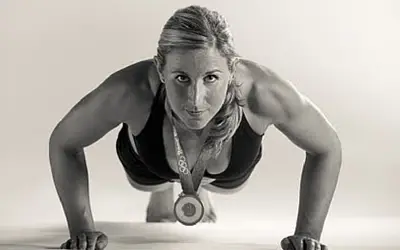
Episode 59: True Grit, with Two Time Olympic Gold Medalist, Erin Cafaro Mackenzie
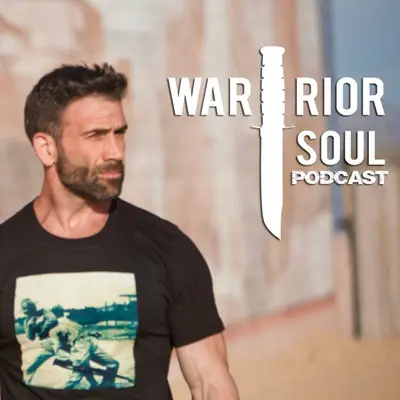
Hosted by Chris Albert
The Warrior Soul Podcast
To listen on Itunes, subscribe at: https://itunes.apple.com/us/podcast/the-warrior-soul-podcast/id1096901382?mt=2

When we think of Olympic champions, we often think about athletes who were bred into something and who thought of themselves competing in the Olympics for their entire lives. Erin Cafaro Mackenzie has always been an athlete, but the thought of Olympic Gold in rowing only came into her mind several years before she started competing.
Erin’s first love was basketball, and she came from the Central Valley in California. She got into rowing when she walked on at UC Berkley. At 5’9 she’s much smaller than other competitors in rowing, and that meant she had to work her butt off. And work she did. A coach once said that she could “run through a brick wall,” and she worked her way to becoming an Olympic champion…twice.
Over the past few years, Erin has switched gears and begun coaching along with her husband and well known strength and conditioning coach, Brian Mackenzie, at Power, Speed, and Endurance. Today, Erin has stepped away from her leadership role at PSE and is examining her life in the sunset of her rowing career. She mentions a great book that’s helping her along on her way, and that is Dale Carnegie’s How to Win Friends and Influence People.
This podcast is loaded with information for athletes, competitors, and those of you in the military and civilian world who are about to go through a transition or who are trying to figure out their next step and path to the future.
Erin was also an awesome interview and I think we keep it very entertaining.
Let me know what you think!
Chris
Transcript
Machine-generated from the episode audio and lightly edited — may contain errors.
Chris Albert (link to this point)
What's going on, everybody? Welcome to the Warrior Soul podcast. This is episode number 59. And today, we're gonna be talking to two time Olympic gold medalist, Cafaro Mackenzie. And if that last name sounds a little bit familiar to you, we interviewed her husband, an awesome guy, Brian Mackenzie, on this podcast earlier this month.
And they're both amazing people, but Erin fascinates me. And the reason why she fascinates me is because she's somebody who grew up in the Central Valley in California, where there is no water. She was an athlete, but she she's not, you know, six feet tall or anything like that. And she went on to become an Olympic champion in rowing. Now to do something like that, it takes real true grit.
The ability to work, the ability to push path push past the the pain threshold. Sorry. I can't talk, guys. Push past the pain threshold and to constantly put yourself in that state where you are pushing for more. She's an extremely determined individual, but she's also remarkably well grounded.
And it's the same is true with her husband. They're both really down to earth people who are very easy to talk to and and both very inspiring. This was an amazing conversation with Erin. We get a bit into her background, her path to becoming an Olympic champion, and we get into a bit about her business career so far with power, speed, and endurance along with her husband, Brian. And the fact that she's just left power, speed, endurance, and is going on to other things, and she's kind of trying to figure that out right now.
And so you're gonna get a lot of really useful tips and tricks in this podcast about recovery, about training, about determination. You're also going to see the very human element of an athlete who is trying to figure out the next steps in life. And I think that this is one of the best interviews we've ever done and one of the best conversations that we've done. And I put this right up there with the awesome conversation we had with her husband, Brian Mackenzie. Just a couple of quick announcements before we get into this interview.
First, our podcast is sponsored by F Bomb Nutrition. F Bomb produces really awesome portable packets of healthy, delicious fats. They have packets of coconut oil, MCT oil, avocado oil, and they've got these amazing delicious nut butters. And the thing that makes this awesome is that if you wanna follow a ketogenic diet or a high fat low carb diet or even a paleo diet, finding good sources of fat out there is pretty difficult. Even if you get a salad and you decide to put some dressing on there, a lot of times there's stuff in that dressing.
It could be corn oil or something that's going to cause a lot of inflammation. But F Bomb Nutrition, they've really put a lot into creating these really portable, awesome packets of fat that you can use anywhere. And, I put their nut butters up there with some of the most delicious things that I've ever eaten. Their macadamia nut butter is absolutely awesome. It's one of my most favorite things in the world.
So if you wanna check them out, you can check them out over at www.fatissmartfuel.com. In addition to that, we add Warrior Soul, the podcast. We also have an amazing website out there. It's called the Warrior Soul Agoge. That's a g o g e.
The Agoge, a lot of people get confused about this, but that was an academy for ancient Spartan warriors. They'd go in at age seven, and they'd come out at about the age of 25. And it's really based on the philosophy of all around education. You know, not just teaching people about war, but teaching people about life. And that's what we wanted to do here at the Warrior Soul podcast, Warrior Soul Apparel, Warrior Soul Fitness.
We take everything that we're doing here, and we put it together onto this website. And so on there, you're gonna find amazing tips on how to live a fit lifestyle, lots of nutrition tips. You're gonna find all of our podcasts with all of our amazing guests, And you're gonna find a lot of things just about living life. You know, things like increasing your productivity and setting up your schedule. And and, you know, this company started because we wanted to do something for veterans.
And there's a lot of stuff out there to entertain you, to make you make you laugh, but we're not really good at that here. What we are good at is helping people to live their best lives, and that's why Warrior Soul exists. That's why this podcast exists, and that's why warriorsoulagoge.com exists. And we've just put out some really awesome courses. You can find those over there on the site, the Warrior Soul Keto Camp and our Warrior Soul Fitness courses.
They're getting some amazing reviews because they are helping to change people's lives for the better. So I'll stop smacking my gums over here, and let's get into episode number 59 with Erin Cafaro Mackenzie. This is Chris Albert, and I'm here to remind you of one thing. Someday, you're going to die. Now that's not some morbid statement or scary idea. It's solid fact. Your time here on this earth is limited.
And we need to be reminded of this as much as possible for one simple reason, to live your best life while you can. This is the Warrior Soul Podcast. What's going on everybody out there? This is Chris Albert with the Warrior Soul podcast. And it is my pleasure today to introduce you to Erin Cafaro Mackenzie.
And we just had a huge conversation, because her maiden name is Cafaro. She's her family's from the boot just like mine. But she's married to a ravishing gentleman named Brian Mackenzie. And she just had to change her name. So So tell me a little bit about that.
Erin Cafaro Mackenzie (link to this point)
Three years ago.
Chris Albert (link to this point)
Well, yeah, three years ago, but but the memory is still not even yet.
Erin Cafaro Mackenzie (link to this point)
What's that?
Chris Albert (link to this point)
I said, but the memory and and the post traumatic stress from it is still imprinted on you.
Erin Cafaro Mackenzie (link to this point)
For sure. For sure. Yeah. No. I still have, you know, the Social Security office is one thing, but then you have to go to the, you know, all your credit cards, your passport, all that stuff.
So that's that part's not done yet. But officially I'm Erin Cafaro Mackenzie, just so I can get on a airplane with both last names.
Chris Albert (link to this point)
That's awesome. That's awesome. Well, Erin is a two time Olympic gold medal champion in rowing, and she is married to one of our other guests that we've had here on the podcast, Mackenzie. Together, you guys run power Speed Endurance, correct?
Erin Cafaro Mackenzie (link to this point)
Correct, well, new information streaming live. In this past week, I've actually stepped away from Power Speed Endurance and moving on to go back to school and and some other, adventures, but we can get into that later if
Chris Albert (link to this point)
Oh, you yeah. It's a little funny.
Erin Cafaro Mackenzie (link to this point)
I just dropped a bomb on you.
Chris Albert (link to this point)
That is a bomb. That is a bomb.
Erin Cafaro Mackenzie (link to this point)
But yeah, no, we I let's see. I actually met Brian in person at a CrossFit endurance seminar. We had a mutual friend, Kelly Starrett, who introduced us with the precursor of you cannot make out with him. And he said the same thing to Brian was like, you cannot make out with her. Well, I think we're both in relationships at the time anyways.
But yeah, so I met him. I was when I was training in the second, up to the second Olympics. Yeah, it was about 2010. But, you know, he was just in the heart of it, teaching people a different way to think about, training and sure. You know, endurance training is, the classical, the classical way he's been, he has always been kind of thought of.
But, you know, and lo and behold, I come to find out he's not really an endurance athlete naturally, But he's known as the endurance guy. And so anyhow, I like go over there and I see this like, you know, he's he he looks like he could be a decent endurance athlete, you know, he's just all skinny. But he's just, you know, has this way of capturing an audience and talking about training in general that I had never really thought of or heard of. And up until that point, and I've had some great, great coaches, you know, and I even got to spend a moment with his mentor, Romanov, who is the guy who invented or created the term pose running, which basically breaks down running. But anyhow, so yeah, met Brian and he just kind of blew my mind.
So I looked at him as a coach for, you know, and I was like, okay, Kelly said hands off, I'm hands off. Was totally hands off. And he was, you know, he's about ten years older than me, all tatted up. I was like, there's
Chris Albert (link to this point)
Bad boy. Exactly.
Erin Cafaro Mackenzie (link to this point)
If I can't bring that home, my dad would work. Yeah, I fast forward two years, I was on my way to last training camp in San Diego, Chula Vista, and I was driving down from Northern California and called them up. And, you know, I was just like, Hey, I haven't heard from you in a long time. I was driving through wondering if you're around. And he actually, he was like, yeah, I'm around.
I have a couple of coaches out here, you know, come stop by. And I stopped and we did a workout. And I also found out then that he was definitely not an endurance athlete. But yeah, no, he just is like super fast twitch, opposite athlete than I am, like adapts fast twitch. But I have a long suffering endurance bug. But anyhow
Chris Albert (link to this point)
I wanna I wanna get into that and and the whole method that he brings in and and how you've utilized it, you know, in in in comparison to ways you used to train. And he he's really, really is a fascinating individual, but I wanna ask you something. Where where are you from originally?
Erin Cafaro Mackenzie (link to this point)
Where am I? I am from Modesto, California.
Chris Albert (link to this point)
Okay. How the heck did you ever get into rowing from being from Modesto? I like it just doesn't seem like something that that somebody from Modesto, California would naturally get into.
Erin Cafaro Mackenzie (link to this point)
Totally. Yeah. No. I I give all credit to my dad. He was very motivated to get me a scholarship slash wanted me to continue to play sports.
Quick brief of like my athletic history is I was actually a classical ballet dancer from two to 14. So for twelve years, I was dancing pretty unhealthy, and he was just like, you you need to go play sports. And
Chris Albert (link to this point)
When you say unhealthy, what do what do you mean by unhealthy?
Erin Cafaro Mackenzie (link to this point)
Oh, I mean, I believe I had an eating disorder, for sure. Actually not believe now that I know what that, that is, you know, from the psychological and nutritional perspective, but everybody did. So that was the norm.
Chris Albert (link to this point)
Yeah.
Erin Cafaro Mackenzie (link to this point)
But yeah, no, I come from a good hearty Italian Irish background. So I was not naturally thin or long like the other dancers. So, but yeah, so they, I I just went, to basketball basketball tryout, and loved it. I actually still think basketball is my favorite sport, even though I got pretty darn good at rowing. But yeah, no, I started playing basketball and it was just, you know, I wasn't that great at it.
But yet my dad was like, I just think you need to go into college playing a sport, it'll help you get in. And it will help you just be better balanced human. He didn't say it in so many words. Actually is a man of very few words, but he left a newspaper article on the kitchen counter of this girl who was from our rival high school, Turlock, which, you know, they were our biggest rival in basketball. And it was this girl who she played basketball, softball, pretty much everything was just a badass athlete and got a scholarship to University of San Diego to go row. And then now she was trying out for the two thousand and four Olympics. And I was like, holy shit, if this Turlock girl can do it, I can totally do it. So again, and my dad didn't say anything.
He just left the newspaper article there and was like, knew I would read it, knew I'd get fired up. Yeah, I just actually my senior year went out to Stockton, I would drive out to Stockton about forty five minutes every day or every other day to that was the closest rowing. And it was like a brand new rowing team. Everybody, it was actually no joke. A majority of the team was also on the band team or on the band, I guess band isn't a team on band in band.
So it was like the band slash crew team and then me. And so I was like, obviously freaky athlete compared to that. And I just I took to it, you know, and I talked to a bunch of different colleges told them, you know, who I was, and they didn't care. But, you know, I was like, Oh yeah, I'm a great athlete. I'm five'nine.
I can pull a, I think at the time it was like an eight minute two ks, which is not none of those things are very appealing to or competitive in rowing. So thankfully, the Cal women's novice coach told me, I'm just gonna pretend like you didn't say that, but I recommend you don't tell anybody that ever again. I was like, oh, okay. So they let me walk on the team and yeah, it kinda went from there.
Chris Albert (link to this point)
That's pretty awesome. Back to the thing about your dad. My mom had a different way of doing things. One day she walked up to me when I was about 13, 14 years old. She said, you're growing up to be a sissy, put some shorts and some, and a t shirt on.
Then she dropped me off at the football field just as football tryouts were starting and then sped off. And that's how I got in the high school.
Erin Cafaro Mackenzie (link to this point)
Oh, that's so awesome.
Chris Albert (link to this point)
That's amazing that your father father put that into you and, you know, talk talk about body type because I wrestled a guy in high school. Talk about sports who eventually went ended up on the US men's Olympic rowing team. The guy was six foot seven and could he could grab my ankle over me. And
Erin Cafaro Mackenzie (link to this point)
What was his name?
Chris Albert (link to this point)
It was Dan. I think it was Dan Walsh from Brian
Erin Cafaro Mackenzie (link to this point)
Oh, yeah. Walsh, for sure.
Chris Albert (link to this point)
Yeah. You know who who I'm talking about? That guy, I went to shoot in on him on a double leg, and he literally took his, like, nine foot arm, grabbed my ankle, picked the ankle up, I was upside down, and then pinned me. And so so I know what kind of biological freaks can be in the sport.
Erin Cafaro Mackenzie (link to this point)
I'm I'm five nine. Although my my coach at the time would always snicker and say, yeah, on a on a great day. Or I think there was this article where he's like, she'll say that she's five nine, but she's maybe five eight. I'm fighting for inches here. I'm fighting for everything I can get.
But, yeah, I'm five nine. And
Chris Albert (link to this point)
So you must have some serious output ability, like some serious ability to go into the zone and and and be in pain.
Erin Cafaro Mackenzie (link to this point)
Yeah. I I think, you know, I was super fortunate to again, you know, have the novice coach ignore my touting of how great I was as a high school athlete, or how not great I was. She, they, I was able to walk on a team that had these athletes that just knew how to work hard. They knew they basically changed the way and the reputation of Cal women's rowing. And it was a great young new coach.
He could get us all fired up and he was a great leader. Know, it wasn't ever very technical, and so I don't think that that was ever what, in the beginning, what led me to actually get invited to the upper echelons of the rowing community. I was never a technical rower, but I was fortunate to learn from the very beginning at Cal, how to work hard and just kind of like shut up and go to work. And I think that was, yeah, I think that grew into a superpower. But as we know, all superpowers can also be your Achilles heel.
Chris Albert (link to this point)
So Absolutely. Absolutely. And we'll get into that Achilles heel in second. I want to know, as far as your coach, what made him such a good coach? What made him bring that out of you?
Erin Cafaro Mackenzie (link to this point)
The college coach, Dave O'Neill. He's actually, yeah, he was with Cal for quite a while. And, you know, again, it took the team from not really being on the map to we're always top three, at least top five, but consistently in the top three of NCAA championships, which is, you know, a big jump from not even being invited some years. And he, I mean, he actually is over at University of Texas now and has done the same damn thing with that program. So it's just interesting to see how his recipe has been applied to multiple different situations and it still works.
And personally, I think it's just that he, he's just a great cheerleader. He's very positive and he's very communicative, like, you know, which is so funny because my Olympic coach is the exact opposite, he's effective. So with Dave, might just be very helpful for college girls that really aren't that confident or just kind of going through stepping away from home, don't really know their next steps. He just gives you this formula of like, yes, keep doing that or no, you're messing up. And so it was very clear. Then when you get a taste of progress, I wouldn't even say success. I think we all were just so hungry for progress And he would reward that significantly.
Chris Albert (link to this point)
Wow. Wow. So he's leading with reward and and you know, that's an interesting thing. You mentioned the difference in styles at the different levels because at the college level, have people who are obviously very good, But there's a bigger pool there and there's some skills that need to be, I guess, I guess you could say, refined and increased at that level. But then you get to the Olympic level where there's such a small percentage in difference in how people are.
And so that might require a different coaching or leading style altogether. Did you ever think of it in that way?
Erin Cafaro Mackenzie (link to this point)
Yeah, and actually I was just talking to a friend and I mean, I guess this would totally apply, but in Buddhism, they say that in order to break down the ego, you have to build it up.
Chris Albert (link to this point)
Right?
Erin Cafaro Mackenzie (link to this point)
And so I think that's pretty much what it is. It's like in college, you know, coming from high schools, middle school is very awkward. High school is a little bit better. College, you're like, have the rug pulled out from underneath you. And so I think Dave was able to help kind of build up our ego again.
And then you get into the pond of the national team rowers who are the best of the best. And so that was Tom's job to break it down again.
Chris Albert (link to this point)
And want to get a little bit into you mentioned your Achilles heel because because obviously, you know, you're five foot nine, you're coming into this sport where people are generally a little bit taller, you're working your butt off to keep up. But in some ways, do you think that attitude of constant output, constant work? How is that? That obviously helps you to get to where you are, but but what did it take away?
Erin Cafaro Mackenzie (link to this point)
You know, I I think it's hard to look at it in a negative sense anymore. I've gone through so many phases of this where it's like, you know, I looked at injury was the biggest thing that I encountered because of my, what was it Dave? My college coach would say she wrote through a brick wall mentality. And so obviously I, when it was time to go, I, for whatever reason, I don't know quite how I did it, but I would just, I would just turn off all sensors and I would just go and, you know, and I would constantly, I would still check-in and be like, can I go harder? Can, can I make this hurt more?
Is this the, you know, the worst pain I've ever been in? And if the answer was like, no, then I'm like, okay, I'm gonna go for more. Like, what can I actually, where is that depth of that feeling? And again, it's like, I would always ask myself, I'm like, you know, are you willing to, this sounds kind of silly saying it out loud, but before race or a test, was like, are you willing to die for to go to go faster? And my answer was yes.
And I think, you know, a lot of men and women in the service kind of have to get there in their head as well to psych themselves up of like, you in that headspace of are you willing to sacrifice your life to get better or save someone else's life. I mean, that is way more legit than, you know, winning a race
Chris Albert (link to this point)
A race. Okay.
Erin Cafaro Mackenzie (link to this point)
Putting on your butt going backwards. But like, that was the mentality that I that I can totally appreciate and share with them is that, you know, you just have to be okay with whatever, you know, is coming and you have to be okay with being uncomfortable. But with that, again, you typically have little governor of stopping before you get injured. And, you know, in the case of, men and women in the service that could actually save your life is having a governor. And or it could, if you don't have governor, it can save other people's lives.
So it is a catch 22. But again, I don't think one way is better than the other. And this art of suffering that I acquired, I think I've first really relished it because that was what I had. I believed I could out suffer anybody. And then after I retired, I almost was looking for that sensation again, you know, and I was reading and looking into it and I almost feel like this could be potentially what a lot of people with PTSD are going through again, is like trying to feel the depth of that emotion again, you know, and where is that bottom?
Like where, how hard can I make it hurt? Because they're so used to being uncomfortable. Like, where is that point? And in everyday life, like when you're comfortable inside of your, you know, 72 degree home with the AC or the heat on, like that's hard to find. And so you start creating it in your head.
Chris Albert (link to this point)
Yeah, you know, I I completely agree with you. And I think the thing is what a lot of people in the military and in the athletic world development develop is is that their default setting is suffering. Right? That's the default setting. And then what happens is, you know, you get into this place where if you're not suffering, you don't feel right.
You don't feel correct. And you feel like you're not doing what you're supposed to be doing. And so I think that the big thing that people have to keep in mind and this goes not just for training or being in the military, but it also goes for things like entrepreneurship and being in business is that you have to constantly think about what your overall mission is. What's the end goal? And is the suffering going to get you to your end goal?
Or is the suffering just there because you're trying to satisfy some sort of addiction or urge that you have in the first place to be doing something that's causing suffering? And in a lot of cases, that's the case. We're doing things so we could feel that just so that we can make things a little bit more exciting for ourselves. And I think that, you know, we get caught up into that. I'm definitely that way.
I know a lot of people I serve with her that way. And I know you're that way. Just just from knowing you knowing a little bit about your athletic background and knowing a little bit about your business background, same things go go around. So, know, I think that that definitely translates.
Erin Cafaro Mackenzie (link to this point)
There's actually, I just finished this Dale Carnegie book. You might have heard of this guy. He's been around, I suppose, but he had this piece in there that I just resonated that he's like, and you must remember that we are beings of emotion, not logic.
Chris Albert (link to this point)
Yep.
Erin Cafaro Mackenzie (link to this point)
So even though that is the most logical thing, like why would you want to put yourself into suffering? You know, like that's not logical. You don't need to, like, don't need to seek suffering. It's always there. But we are beings of emotion and we are dependent on these emotions.
I think that's what habits are dependent on emotions, not logic.
Chris Albert (link to this point)
Yeah. I mean, it's so true. Mean, even if you look at like basic purchase psychology, right? People buy things off of emotion. They spend thousands of dollars because of emotion, right?
And that's the thing like, and as much as you try to talk yourself out of these types of situations, it's really difficult to be objective with yourself and to be an outside observer. Have you tried to implement any any kind of meditation or routine or anything like that? I know that you guys are big into the breathing and stuff. But but what's do you implement that on a daily basis?
Erin Cafaro Mackenzie (link to this point)
Yeah, so I've played with a little bit of everything. And, had to learn the lesson again that the best training is the one that you do. It doesn't really matter what you're doing as long as you're consistent, you're going to learn something from it. But, you know, right after tired, I tried to do a little everything from therapy to journaling, to goal setting, to, you know, life coaching. I literally was doing like 10 things at once and, was overwhelmed with it all. So I distilled it down. Know, I was playing around with a lot of the breathing protocols with Brian and one of the things that I, thankfully he's just so adaptable and learned and is so open to learning that we were both doing this hyperventilation or sometimes Wim Hof method that has been brought into popularity. And I would just, I went on the, what is that? The ten week or twelve week program. And I would literally want to curl up into a ball afterwards and like not move at all. And this is when Brian was like hanging out with Wim and Laird and there and I like kind of got Wim's ear and I was like, hey, I don't know if I'm doing this wrong, but like, yeah, it just doesn't make me feel good. 90% of the time, like I don't like want to like get out of bed or like want to go back into bed, you know, and like, it just was putting me in this weird headspace that I'm, like, was trying to avoid. And he was just like, oh, you just gotta let it go. And I was like, I know.
I'm, like, I'm trying. And so Brian actually looked into that more and experimented with it. Now he is on to basically taking an emotional reactivity intake before prescribing different breathing methodologies. There's, know, Wim Hof method is great and it really does help a majority of people. And obviously they have signs on the alkalinity it helps with and pushing out inflammation. But I think breathing is such a powerful tool. I mean, the yogis knew this.
This is why they had so many different breaths, you know, and like nasal breath of fire. You just, it was almost, you know, a couple of years ago, it was like the wild west with breathing. It was like, you know, everybody gets penicillin for And so now I think that's why Brian's work is really resonating with a lot of people because they're like, oh, phew, like there is an option. Like I am like, we're all special snowflakes. We are for sure, but we have different emotional makeups and also different retention, which is very typically pretty dependent on your emotional makeup too.
But yeah, so he has it on PSE right now as his breath assessment and it's helped so many people just kind of simplify it with the morning protocol, an evening protocol, and then a stressed out protocol or post workout, just basically something to down regulate you. But it's just personalized protocols of either, you know, this cadence breathing or some people call it box breathing, you know, or some apnea like breathing. And then there, you know, some people need the and want that Wim Hof, like super ventilation, like But cupping for me, I don't know what happened, but it was just, I'm actually quite curious to look into, you know, hormones a little bit more because I think it soaked off my adrenaline and I didn't have any physical way to get rid of it.
Chris Albert (link to this point)
Yeah. Well, for those of you at home who might not know who Wim Hof is, Wim is this guy from The Netherlands who can sit on an ice block for like twelve hours wearing nothing but a pair of tighty whities.
Erin Cafaro Mackenzie (link to this point)
He is an extreme character. He's done great things for don't get me wrong. I I I adore him. I think he is a wonderful human and he's helped a lot of people. And he's, you know, this methodology wasn't necessarily very I think he's made breathing popularized again.
Chris Albert (link to this point)
And he's been testing it a lot too. I mean, they've actually been looking at his immune system and testing all of his reactions to the types of different things. Yeah. What I like about what you guys are doing is because we've had a few different experts on this. We've had had people on here who followed Wim around.
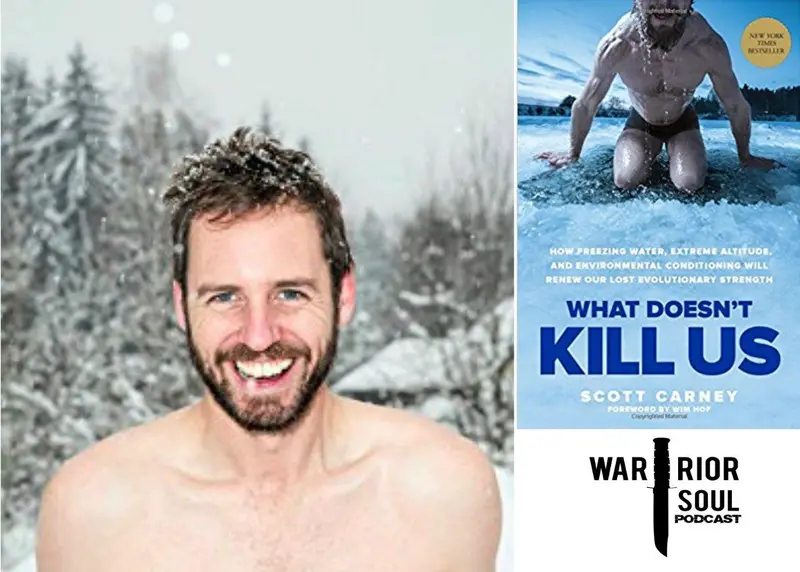
Scott Carney, got on last week with the
Erin Cafaro Mackenzie (link to this point)
Oh, nice.
Chris Albert (link to this point)
Brian Brian was in a is is in his book too. And I I think that, you know, what I like about what you guys are doing, you're bringing all these elements in, and you're not saying that, like, like, okay, you have to go with this big thing or this big idea. It's there's different things for different situations that you can utilize and their tools.
Erin Cafaro Mackenzie (link to this point)
Totally and and you know, we're worse still we're still experimenting and everybody, I think that's the hardest part for me at least coming from being an athlete to a coach. And I probably was just as guilty of this as an athlete, but there's so many people that want the perfect prescription. They want to be told exactly what to do. And I don't think there is such a thing. If there is, or somebody says, Hey, I know what's going to help you lose a 100 pounds or I know what's going to like cure you of your PTSD.
I would be very skeptical, you know, like there you, it is an experiment because we were, we have such different histories and just how you grow up, you know, even your first three years, like how you actually, you know, slept or were fed or like were, you know, all the foster kids that weren't even held like that is that has such a big influence on how you who you are and how you are. There's no way that there's a, there's a one size fits all.
Chris Albert (link to this point)
Well, what in your opinion really makes for a good coach? Because I know you've had you've had a lot of coaches, you've had a lot of coaches at very high levels. You are a coach work with coaches, you manage coaches. What in your opinion makes a really good coach?
Erin Cafaro Mackenzie (link to this point)
I think someone that is just that is open and encourages their athlete to be open as well, to not only, new ideas, but also to failing. And I, and I think that is somewhere where, you know, a lot of, a lot of coaches are just like, oh, you know, you can't get injured. If you you're basically get written off if you get injured and, and that is considered a fail. And I think what I had to learn or what I got to learn rather, from other coaches I had beyond, you know, of my day to day coaches from Kelly and from Brian was that like, Hey, no, like this is a, this is your body telling you something. This is a great opportunity to learn and to change.
So don't be scared of failure. Think, yeah, I just think that having a coach that will, that is a guide versus a babysitter is a good coach, you know? But again, I think we're just so used to where we want, we want the mentor, we want the guru. We want to be told what to do and whether it's because we trust someone more than we trust ourselves or we don't want the responsibility of making a good or bad decision, I don't know. But I think the good coach is somebody that just encourages you to experiment and learn.
Chris Albert (link to this point)
What are some markers that you can understand like a priori or before you actually take the coach on, what what are some some things to look for in terms of maybe their record or maybe, things you can tell before you work with them?
Erin Cafaro Mackenzie (link to this point)
Let's see if I have to go back into it. I would definitely talk to other athletes that they worked with first. But I think in the conversation with that coach, see if they are saying, oh yeah, you can win this, you can be this. You know, if they already have your future and everything planned out, I would be wary. But if they are, you know, encouraging and are like, hey, you know, you're in a great place or here's some ideas and are more, again, like experiential, I would love to work on this with you.
The biggest thing, I think, now that I've feel like I've said more words than I have in the past month
Chris Albert (link to this point)
It's okay.
Erin Cafaro Mackenzie (link to this point)
You're making me talk a lot.
Chris Albert (link to this point)
I'm trying to.
Erin Cafaro Mackenzie (link to this point)
But I think your great coach is silent and can listen to. Awesome. I think that's a great indicator of a good coach who will be somebody who will be open.
Chris Albert (link to this point)
Wow, that's a big skill. I think that people are missing out on these days is the skill of listening, the skill of hearing other people and, and, just kind of paying attention and being present while you're talking to them. Not just coaches, but everybody can use that, use that advice. I want to get back to your Olympic career really quick, and then I want to come come back to your entrepreneurial career. I went down to the Olympics last year in in Rio as an observer.
And
Erin Cafaro Mackenzie (link to this point)
Oh, really?
Chris Albert (link to this point)
Yeah. It was an amazing experience.
Erin Cafaro Mackenzie (link to this point)
What did guys see?
Chris Albert (link to this point)
We went we Olympic weightlifting. It was one of the craziest things I'd ever seen. We'd seen we saw rhythmic gymnastics.
I saw ping pong Yeah. Track a lot of track and field events and things like that. What what was amazing to me was looking at the the conditions that because you could see the Olympic Village, the buildings that the athletes were living in and things like that. What was amazing to me was that, you know, the the people who go down there, they're not necessarily they don't have an entourage with the most the athletes, they don't have somebody like seeing to their every nutritional need and things like that. In a lot of them, they're really they're just just kind of on their their own will in in their their own kind of programming.
When when you went down to the Olympics, was there any kind of advanced direction as far as like how would you should eat beforehand, things like that? Were were you directed in that way? Were you told anything? Or was it no other cafeterias over there and you can, you can get yourself a nice plate?
Erin Cafaro Mackenzie (link to this point)
Yeah. I, I wouldn't be fair if, if I didn't say that there, there were resources available. In my, and, you know, again, I think this is maybe why I got along so well with Brian from the beginning, but I would always question everything. And so the nutritionists that would come to talk and like give us a meal plan, I would look it up and question and be like, okay, is this really, you know, what's optimal? Do it, obviously, you know, like if it made sense when I had no nowhere to start, like just do it, try it. But yeah, no, I think we had some resources, not many. And that's maybe what makes the Olympics so intriguing besides it only being every like four slash two years with the winter. But yeah, a lot of lot of us are just on our own and that not by any means that we have gotten there on our own, but that we have had to create our own community. It's not you join the Olympic team and you have, you know, training table.
I mean, just my brother played football in college and I they would do their laundry. They would have like study hour. They would, you know, every single meal would be prepped out. And I was just like, holy shit. Like, where do you go from there?
Like, how do you like I guess you go to the NFL or if not, yeah, you gotta figure out how do your laundry. But, yeah, and the and the Olympic, at least in rowing, it is a true amateur sport. And I and I, again, I think that's why Olympic sports are intriguing, because it's not like everybody has, this yellow brick road paved out for them.
Chris Albert (link to this point)
You have to be truly dedicated to do it in the first place. I think that that that that was the biggest thing I took home was that these people that I mean, they they they they they they're people, you know what mean? And I always looked at them as heroes when I was a kid when I watched it on TV. But when you go down there, you actually see that they're people. They're carrying their gym bag, they're putting it down.
You could see they're nervous before they go on, all these different things. And then and then you're you're sitting there and, you know, you're watching them compete and you're put pouring their heart out into this. And then, you know, it's amazing to me because I think the people at home just don't have that perception. They think everything's kind of laid out. They think that, you know, you guys have your meal prep for you, your massage therapist waiting after you're done and things like that.
And I just, I admire that. Admire what you've gone through to to get to where you are and what you what you did in order to get that medal.
Erin Cafaro Mackenzie (link to this point)
Don't get me wrong, though. It was it was pretty nice. I mean, like, you get to go play for a living.
Chris Albert (link to this point)
Yeah. Yep.
Erin Cafaro Mackenzie (link to this point)
For for the most part, and you get to take a lot of naps. So that that switching over into, I guess, air quotes, real real world. We didn't have it all too bad, but no, it wasn't. It wasn't like a professional league of NFL or NBA by any means. But I think, I mean, I can speak for myself and I can speak for many of my teammates.
It wouldn't have made them any faster, any better. That wasn't what we're going. We weren't going for any sort of money reward. It was just literally to see how fast we could go and how, you know, we're in it, you know, like, hey. We're we're gonna move on to something afterwards, and so we might as well have fun fun doing it.
Chris Albert (link to this point)
Beat some records, have some fun. Right. When talking about nutrition and, you know, you know, and I know that nutrition over the past, you know, I I would say even over the it was over the past decade, but but especially over the past five years, things have changed. Things have changed big time. And, you know, there's there's been some significant changes in the way we look at fuel and the way we're fueling ourselves.
How do you look at your nutrition now versus what your nutritionist was telling you back then?
Erin Cafaro Mackenzie (link to this point)
Well, if you honestly wanna know. So back then, I mean, I was doing cereal to, you know, anything I put in my, in my mouth, obviously I was undersized. So I felt like I had a free free rein on eating whatever the hell I wanted. And so then actually when I met Brian, he, changed my nutrition a little bit, increased fat intake, decreased, from the carbohydrate intake, or I shouldn't say that at all, did not decrease all carbohydrates, but processed carbohydrates. And, yeah, my performance and went through the roof more than that.
I wasn't getting injured nearly as much. And so that when you're, when you're a race car, making slightest little tweaks to your fueling is huge, huge gains. Right? But now I wouldn't really consider myself a race car. I definitely, you know, I'm blessed because I was able to like work out for a living for a decade or so.
So I have some residual fit and also, you know, I do see that, not so much in rowing on the woman's side at least, but, we predominantly stay and keep a healthy lifestyle of like, you just don't eat processed stuff that much. But I played around with keto. I played around with, you know, obviously high carb cereal diet, from, you know, the paleo. I did zone for heaven's sake. That was annoying as hell counting everything.
But I, I almost. When was it? I think it was like maybe a couple years ago. Was just like, what would happen if I wasn't counting everything? And I wasn't like, you know, to be, follow control, control my nutrition.
If I just went with feeling and that's pretty much what I've been doing because I don't feel that much different. Granted, I'm not asking as much out of my body physically, mentally way more for sure. But that was that was the experiment. And I and I think some people, you know, might not be as fortunate to have like had a whole decade, know, dedicated to their health and fitness. I wouldn't really call it health, but working out basically.
We can get into that, but I don't think training for it is healthy. But anyhow, so I was dialed into nutrition at least. But yeah, no, I didn't feel any different cognitively or physically just going by off of fuel. If I felt like, you know, having a whole bag of chips and guacamole, I did that. And then the next day, you know, maybe I was like, hey, I'm just gonna fast today.
All right, that feels fine. Know?
Chris Albert (link to this point)
Well, if you think back, I mean, in our evolutionary history, I'm sure our ancestors weren't carrying around a little notebook and marking down the calories and the macronutrients for each bit of food that they're eating, you know, and I think it's probably a more natural way to go about things is is to how you feel and the types of output you're putting out, You know, I think that
Erin Cafaro Mackenzie (link to this point)
hard because we don't like know how to feel anymore.
Chris Albert (link to this point)
Yeah. And I also think that people make diets so much harder than they need to be. Like, they're constantly they want to they want something to be OCD about they want something to, you know, if they screw up, they want to blame that thing. And so so I think that's, yeah, it's a function of being human.
Erin Cafaro Mackenzie (link to this point)
One of our coaches on PSE, she's a nutritionist, she's a registered dietitian, but she works in a, in a house that that houses is basically a rehab house for eating disorders. And she's like, it is amazing how many former athletes are in here because it's like something you just want to control, you know? And I was just as guilty of that, especially after retiring, you know, again, like it was like three years after I was like, I have to try, you know, I have to test my P strips to make sure I'm in keto and like do all this like stuff. I, because I just wanted to be like, it was almost like a competition to be the healthiest person I could. And then I got to a point where I was like, well, does it make me feel any better to be like that 1% healthier or is it making me feel fucking crazy?
And I came to the conclusion that it was actually making me feel crazy.
Chris Albert (link to this point)
I think that's definitely true for a lot of people. Again, including myself at different points in my life. I used to be a bodybuilder, so I can't really talk. Was sitting there like, what did I get my 300 grams of protein today? My IGF-one 100 go down.
Erin Cafaro Mackenzie (link to this point)
No, I mean, have so much respect for it is, you know, and I think that's maybe why I fast every now and then sometimes I'm just like, Hey, I'm not hungry. But I do think it's always fun to check-in with your willpower and using something that we're so dependent on, like food, you know, it's like, oh, can I function or just be curious about it? I don't think, you know, obviously not having an eating disorder about it, like, can I control my, my every want and need? But like, can I go a full day without eating? Can I do workouts and not eat? You know, that's my, that's my biggest thing is like, oh no, I can't, I can't.
When I fast, I just thought that I just had to lay low. And then I did a workout the other day and I was like, oh, shit. I actually feel good. You know, we have we're we're we're way more resilient than we give ourselves credit for.
Chris Albert (link to this point)
Absolutely. I did. I came back from eat. This is gonna get a little bit too personal for me. But I came back from Electric Daisy Carnival, the rave. I was living off of like nothing but like water and some other things for like three days. And then, but I've been doing a ketogenic diet for a few months before that. That's not saying like everybody go out and do a ketogenic diet, but I've been doing it. I've been doing ketogenic diet for, for a few months before that. And I went in and I PR ed on the front squat at three eighty five pounds, like most I'd ever done.
And that's after three days out in the desert, like just fasting. And the, and the point is, point of all that was like, you know, I spent years as a bodybuilder saying, if I didn't get this, this and this in the morning, I was gonna have a crappy workout. I was gonna be weak. And it was really just fear. Fear was going up in my mind.
Just wanting control, wanting all these things. So getting on into power, speed and endurance, right? Talk to everybody about what PSE is. And I know you're leaving this in a little bit, but what it is, what you guys do, what makes PSE so special and how people can check it out?
Erin Cafaro Mackenzie (link to this point)
Yeah. So, I think I totally diverged and went off on a, on a tangent in the beginning. But, when I first met Brian, like he had a CFE, so it was under the hood of a big brother. And then a couple years ago, was helping him run it. It was a seminar based business where he's basically going around, actually, mostly his coaching staff was going around and coaching running seminars from A to B. Like it's something that everybody's like, oh, I know how to run. You know, I learned it's a basic human right. But what they found is a lot of, it's actually one of the most dangerous, so many people do it and so many people do get injured because they aren't obeying the laws of nature, right? Work with gravity, you know, don't stop and don't get yourself in a weird lever situation too far out front of your body.
Simple things like that. And so it took off, it was going great. And then it just kind of I think with the CrossFit culture, they got into the high it originally was an educational platform. And then it got into this high performance, like sexy, you know, gonna do 50 muscle ups per time thing where it's like, it was almost intangible again. And so I think, you know, the seminar business or the educational business was almost went out the door because people were like, well, okay, like I can't do this CrossFit thing.
It's too hard. And so we stepped back and also coming in and rowing being true to my heart and then my sport. And we had so many connections with other coaches from swimming to biking that I was like, why don't we just open it up and like use this theory, training principles that Brian was teaching and running? Like, why don't we do this for all these sports? Because this, you know, it's just another way up the mountain and not, I think, something that Brian probably gave a couple interviews here and there saying, you know, this way is better doing the short distance, but it's not about short distance.
This is just about quality, skill first, training. And from there you add intensity and then from there, if you can repeat that, then hey, you get volume. And that's a completely different way of thinking about endurance sports. Usually it's the exact opposite. People will do volume first.
Hey, I want to run a marathon, so I'm going to add a bunch of miles. And then, oh yeah, okay, I'm going to go hard, you know, run some hill intervals and then, oh, if I get injured, I'll learn the skill. So we flipped that paradigm on its head, or I shouldn't say we've got Brian did. And then, I welcomed a bunch of the coaches that we have on now for triathlon, rowing bike, swim, tactical actually just added. And it's a skill first program.
And it, I don't know, it just feels right, especially for a lot of us that don't have every day, you know, don't have six hours to eight hours a day to train. Yeah. And and just wanna want to see progress. Like we were saying before, like everybody wants to see progress. Otherwise, you know, they feel like they're they're not going anywhere.
So it's a simple formula of just skill first add intensity, then volume, programmed for a bunch of different sports. And that's that became power speed endurance, and and that's what it is today.
Chris Albert (link to this point)
Yeah. I think that's that's an awesome way of looking at things that you guys have because I remember being in the Marine Corps and, you know, everybody wanted to get that that 300 PFT score. And in in the Marine Corps PFT, it was you have a three mile run. You had your pull ups. You had your your crunches.
And if you get the pull ups and you get the crunches, those were the best points that you can get because not everybody was a natural runner. I certainly wasn't a natural runner, but I would try I would try really really hard at it. And I would try by doing like six, seven, eight mile runs at a time and then kind of burning out from injury and then like taking some time off and then, you know, eventually doing the PFT and never having my time get better. And I think that there's still this tendency in the military, the Marine Corps, the Army, the Navy, the Air Force, to just focus on slogging out these miles. And, you know, just doing mile after mile, even though it doesn't necessarily even translate well to what you're doing.
You know, if you're in the Marine Corps, and you're an infantryman, or in the army, you've got to be doing loaded carries, and you got to prepare your body to do a 20 mile hump with a 100 pounds of kid on. And if if you're just running around in shorts and a t shirt with some sneakers on, that's not really gonna prep you. But you know, what would you say to these guys out there who maybe they're trying to improve their PFT or maybe they wanna try out for special operations? What kinds of advice would you give them as to where to start?
Erin Cafaro Mackenzie (link to this point)
Yeah. Well, I mean, fortunately I've been able to coach a couple, special operations. Actually, I guess they're, they're, went into their, the tryouts and, and, you know, and I've worked with quite a few military men and women and, and it is, it reminds me a lot of the rowing culture of work harder, more is more, don't complain, shut up, just do it, you know? And I think for some of us, and I say us, that we just have to learn the hard way. Go, go do that.
Go do that. See how far you can go. And when you hit a wall or when it gets too painful, or you need another option, then, hey, here's another option of working on your skill. But sometimes, I mean, for me, like sitting and doing, well, I guess I would that sitting on the ERG, but like even doing running drills, like taking ten minutes before my workout to do running drills, I'd be like, oh my gosh, no, I just want to like go hard. Like, I don't want to sit here and practice this over and over, but, it pays off in dividends.
And it's, it's just the fundamentals that when you are in a stress state, you want to pull on. That's why we train, right? Because you want to train what in the, when it comes time for competition or when it comes, when push comes to shove, when you're in a sketchy situation and you become in a stressed state, you want to be able to pull out, your best performance. And that's what you have to train. Training is you definitely need to train.
I think training mindset is one thing, but a good friend of ours, Kenny Kane, has this training paradigm as well. It's this, I think he still calls it the school of mastery, but he has one mental toughness day a week. He has two to three skill days a week. And then he has, I forget what the other one is, but it's not every day isn't a mental toughness day. You definitely should touch on it and get the experience.
Put that weight on your back. Go have that experience. But there comes, you need to find that point where doing more of that is that helping or is that hurting you? It's the same thing with like the diet, like getting more in-depth into your diet. Like, is that that point 1%, is that actually helping your performance or is it hurting you?
Chris Albert (link to this point)
Yeah, absolutely. With the platform you guys have up there, so you have different levels there. And and I think the first one was, it's you have the pro, you have the the the
Erin Cafaro Mackenzie (link to this point)
They're all pros. We're all we're all super pros.
Chris Albert (link to this point)
Yeah. You have pro And a single one. Yeah. Another pro, then you have the unscared pro. Right?
Yep. So so what's the difference between the way those are laid out and and what you would have?
Erin Cafaro Mackenzie (link to this point)
Totally. I, we try to keep it simple. So the single pro is just, you know what you want. You only wanna do the tactical portion or you only want to do the rowing portion and so you only get to see one of the programs. All Pro, which, you know, I get to be on because I'm the boss or was was the boss, but I still I know how to I know how to hack into the site.
So basically, it has all of the programs. And so depending on what you feel that day or, you know, like, hey, your tactical tactical actually does have swimming option in it. But you you want to, you know, sit on the erg one day, you know, maybe you're injured, so you need to sit on the bike. And so you have the option of doing, training on different modalities or in different modalities, with the all pro and then the unscared pro is for people who are serious about, you know, getting into, you know, spec ops or they're a competing athlete, or they just really, really want to PR on something. It's a high margin product because our coaches, I was actually just talking to someone on the info at email and he was just like, it's just so expensive.
And I was like, I know, but we have like doctors and like people with 20 plus experience, you know, decade experience in their field. You can't get away with paying those coaches a $100 for like a month of like personalized attentive but also with that, you get access to not only one dedicated coach, but the whole slew of coaches. So we have like Doc Hickey, who is a doctor of physiology on staff. We have Rob Wilson, who's our head of breath actually. And so you can get into the breathing.
You can talk to Lindsay with nutrition. It's just dialing you in on every aspect of your training. And, you know, it's it's worked for everybody so far.
Chris Albert (link to this point)
That's awesome. That's awesome. Now on to the big elephant in the room. You're You're leaving PSE. What what are you gonna be doing?
Erin Cafaro Mackenzie (link to this point)
I that this is a this is this is the question that I have felt like I have needed to answer for question for being questioned about it. But you know what? Like, I am. It's literally today is my first day, technically working at PSE, even though I did.
Chris Albert (link to this point)
Yeah.
Erin Cafaro Mackenzie (link to this point)
No. I I'm still on staff as the, the rowing coach, but I'm okay with with not really knowing it. I'm I'm giving myself a time limit so I don't get too far out to lunch. But I'm literally trying to be figure out like where where my gut tells me to go. And I haven't thankfully, actually Brian's not here right now.
So I can listen to that a little bit more, but I think it's just been such a long career of just being so focused on my physicality and every and controlling, you know, like and winning and just you have to like, I don't know. I felt like my whole being was just based off of like, you, you fast enough? Are you, you know, good enough? And listening to everybody else around me versus versus really like trying to ask that question to myself. And, you know, it's hard.
It's hard. We always look in. I think we should look to other people for feedback, but not exactly telling us what to do, you know?
Chris Albert (link to this point)
Yeah. Sometimes you go through periods in life where I think you gotta be okay with not knowing where you're going. You gotta be okay with not understanding where the end state is because in that process, you have to be more open minded to to learning and and Yeah. Into adapting and to figuring out exactly what it is you want. Because if we're on constantly on a path, I think a lot of us talk us ourselves into wanting things that we don't really want in the first place.
Erin Cafaro Mackenzie (link to this point)
Totally. Totally. And I, you know, I just have been reading a lot. Probably too much and like getting too much in my head, like I, one, another thing that has actually helped tremendously, I forgot to mention before, besides, you know, breathing, there's this great app called Headspace that I cannot recommend enough because it literally has taught me the tools to like not be run by my thoughts and ideas. Like I'm literally someone who have a notebook like always around because I'm like, oh, this thought, this is like, I need to remember this.
I need to remember this. And it was almost, you know, and somebody else was talking. And then so like a lot of times on podcasts, I would be like writing down what you said, you know, I'm like, oh, that was so great. I can't forget that. But I think with this guy, Andy, Andy's my homie.
And if you do Headspace, you will be too. But he just basically has his beautiful, way of like reminding you that your thoughts, emotions and like ideas, they just come and go and that you basically your, your quiet confidence is what he called it is always there. It, you don't have to go find it. You don't have to go create it. You just have to let those thoughts and emotions kind of float by like clouds.
And that just, it sounds potentially hippie dippie, but like for some reason it just totally resonated with me.
Chris Albert (link to this point)
It sounds pretty cool because sometimes I'll be sitting here and I know you've been in the same situation because because of, the entrepreneurial world, but, you know, I'm sitting here and, like, an ideal come up in my head while I'm in the middle of working on another big idea, and I'll jump over to that idea and then it's crazy. It's like a tennis game going on inside of my head where, like, these two demons got the paddle and it's me being the ball, you know, it's kinda crazy.
Erin Cafaro Mackenzie (link to this point)
Yeah. No. So it's it's it's just simplifying things and it's almost like learning how to trust yourself and like, I guess it's cliche, but go with the flow of And I feel like I've spent so much time like making the flow, you know, enforcing the flow that I kind of want to be a brick maker or layer versus a breaker. I don't want to break down the walls as much anymore as just let it go and, you know, shit, lo and behold, you might build a great wall of China or something.
Chris Albert (link to this point)
Exactly. Exactly. And you said you were studying. What are you studying right now?
Erin Cafaro Mackenzie (link to this point)
Well, been a lot of self study. There's so much education out there for free now. It's amazing. Like there's MIT open courses. I'm actually taking one on psycholinguistics.
I don't know why I just found it interesting and it is. And you know what, that one's on iTunes U. But anyhow, if you, I just kind of like wanna hit myself for not doing any of this sooner because it's just, it's so interesting. Know, and it's like reading books. I think the more opinions you can get the better because the truth always lies somewhere in the middle.
For me, like I am extremely interested in human behavior and communication, know, verbal and nonverbal. So I, there's that and there's also a piece of me that wants to help figure out a good transitional program for athletes after they compete. I think that, you know, just like being in the military and going, you know, away from it and becoming a veteran veteran, there's like a lot of resources and, you know, beyond all those resources, like you still have a lot of pain and questions. And I think there's actually far too many, athletes I talked to that have deep depression. And, there's too many that I've already heard of that have, you know, taken their own lives because they don't know how to handle the depression.
While I think going through, you know, every transition is going to be a hard point. I don't think it needs. I don't think we need to be in it that long. I think sure you probably should go through some sort of like depressive phase of like saying goodbye to that side of your life. But like, how can we figure out how to be, you know, more productive, just go happy human beings sooner.
Chris Albert (link to this point)
Yeah. Yeah. You don't wanna just experience happiness in the last, like, ten years of your life or, you know, like a lot of people do. It's it's, it's interesting.
And I think that, it's easier said than done for a lot of us. And so a lot of us, we have to go through that sellout. And I'm putting myself right there under the people that that need a lot of work in this department, because I've I've kind of run myself into the ground through all the work we do here while the all the entrepreneurial work and things like that. I'm feeling it lately, and I definitely know where you're coming from. You know, just that I it's probably a little bit comforting knowing that you're not on a road to anywhere, but at the same time, you probably also have that thing in the back of your head where I need to be doing something, like, right now.
Erin Cafaro Mackenzie (link to this point)
The demons. Yeah. And that's actually I mean, I haven't I haven't written it yet. I have to have something. Don't I don't know if I will actually ever write a book, but I have the title.
It's called Chasing Dragons because I that's what I used to call it when, you know, we were training and and even as I was running this business, I'm like chasing this mythological creature that I'm never gonna slay. Like, there's no such, well, unless there's, you know, you're in Game of Thrones. There's no such thing as dragons. But, yeah, it's just like you're constantly chasing after these demons that you have to just let go. You finally have to just let it go and then shit, I feel like it's easier.
I feel like I'm in a good place right now, but I know exactly where you're coming from of like, what am I, is this even matter? Like, what am I doing this for? But I mean, dude, I just being able to have dinner with you and talking, telling, like hearing about all those things that you're doing, I can for sure say that what you're doing is making a difference. And I think that's all we're looking for, right? Is we just want to make sure we're making a difference in our time here.
Chris Albert (link to this point)
Yeah, definitely. Definitely appreciate that. And same to you, you know, and just just your message telling your story, getting it out there and and and the good you've done with PSE. And I think bringing this knowledge to the world is is amazing and educating other athletes about, you know, running themselves into the ground and and all the dangers there. I think, I think that's work that's needed to be done for a very long time, and and I'm glad you've done it and and and you guys are doing it.
Erin Cafaro Mackenzie (link to this point)
Awesome. Thanks, buddy.
Chris Albert (link to this point)
Any any kind of last points or anything like that for for the audience at home? Any any what's what's the last book that you've read that you'd recommend? And and what are what are the lessons you learned from it?
Erin Cafaro Mackenzie (link to this point)
Oh, I think I've said too many words already. I actually finished three books simultaneously. And that is because, well, one of them I it's literally taking me two years to finish. And it's this book called Ishmael and it's right over here. But it was and I almost think it was like this outer universe making me finish it at this time.
Have you ever heard of it? It's like the, it's an old classic. Was, I've been trying to make an effort to read old classic books that have been around, but it's basically this big having conversation with a student, telling him about, you know, the takers and leavers of the world and basically how to, how to just be a leaver and go with the flow and then, you know, trust in the gods and not try to, yeah, make the you are part of the world. The world isn't here for you type of thing. So it's super deep.
Obviously I think it took me two years to finish. Is a good book, but it's just heavy. It's super heavy. I would recommend it to anybody that's kind of out there a little bit that really wants to question what they're doing. I think that there was at the time, especially when I was training, I didn't want to question what I was doing.
I just wanted to go. So don't read it if you don't want to question what you're doing. I would actually say that that's part of the reason why I've stepped away from PSE as well. Cause I feel like I want to figure out how to go more with the flow of things and not be in this, you know, a game of competition of health and fitness. So there's that one.
And then the other one was Dale Carnegie's How to Win Friends and Influence People. But I listened to that one on tape. We're out here in the middle of Oregon, so I get to whenever I go to town, it's a good forty minutes of reading time. But I had heard the book is great. And I was like, yeah, but I don't want to like win people.
Sounds awful. Like I don't want to manipulate anyone. And so I just got it and I was like, I'm just going to listen to it, you know, not put too much into it. But it is the worst title for such a great book. He's literally just talks about interpersonal relationships. How not I've retitled it to how not to be an asshole.
Chris Albert (link to this point)
He's got another awesome one you should check out. It's called, How to Stop Worrying and Start Living. That was I think that one's that one's actually just as good. How to win how to win, to Win Friends and Influence People, that one, that sold the most too. His other one is really good too.
Erin Cafaro Mackenzie (link to this point)
I'll have to check it out for sure. No, I was so pleasantly surprised. I was like, Oh my gosh, like, this is like, again, stuff that is just right up there with like, you know, the Headspace meditation of like, why don't, yeah, we should all be taught this in school. Like, this is way more valuable than learn your times tables or whatever. Like, how do you deal with other beings, you know?
Chris Albert (link to this point)
Yeah. And I think if people start reading that stuff at an early age, like have a much different perspective on on life, on achievement, on on, you know, the kind of paths we all typically find ourselves in.
Erin Cafaro Mackenzie (link to this point)
Well, dude, even just like raising your kids based off those principles, they'll learn.
Chris Albert (link to this point)
Oh, yeah.
Erin Cafaro Mackenzie (link to this point)
Yeah. Reading, like, you're just like, okay, I'm not gonna tell them what they did wrong, but I'm gonna like, you know, let them let them know when they do something right, you know,
Chris Albert (link to this point)
lead with reward. Yeah, all of these things. And yeah, there there there's so much there. And that's what we should do. That's what we should do, Erin.
We should join forces and spread this truth to the world. Which we're doing in podcast.
Erin Cafaro Mackenzie (link to this point)
Totally.
Chris Albert (link to this point)
Awesome. Well, I first of all, I want to just thank you for coming on here and spending time with us today. And I, I want to just, you know, say that I think you have an amazing story. I love what you've done so far. And I think you've still got a lot of amazing things, in the future to do on your terms and the way that you want to do and in the time and place of your choosing, with, with lots of happiness for both you and your husband.
So I think that's awesome.
Erin Cafaro Mackenzie (link to this point)
Thanks, buddy. Appreciate it.
Chris Albert (link to this point)
Yeah. No problem. No problem. And good.
Erin Cafaro Mackenzie (link to this point)
Although I did all the talking. I'm gonna make you do all the talking.
Chris Albert (link to this point)
Well, that's the point. You're the guest. I want you to do all the talking. No. But that's that's that that's the mark of the interviewer. You have to get your guests to talk. So that's
Erin Cafaro Mackenzie (link to this point)
No. See you. Become a good listener. You're a good coach.
Chris Albert (link to this point)
And and for each and every one of you at home, you can you can check are you on social media, Erin?
Erin Cafaro Mackenzie (link to this point)
Ish.
Chris Albert (link to this point)
I think I follow you.
Erin Cafaro Mackenzie (link to this point)
I feel like Brian does enough for all of us.
Chris Albert (link to this point)
Yeah.
Erin Cafaro Mackenzie (link to this point)
Yeah. Ish. I don't know. I just feel like I haven't quite gotten to the place where I really want to talk about my everyday life. But I and I and I think it is a that being said, I do think it is a very powerful platform, but I do I don't want to add to the noise.
I want to figure out how to, like, add something of quality, but I haven't quite figured that out yet.
Chris Albert (link to this point)
Mhmm. Well, if you guys wanna interact with Erin as a coach, you do the rowing at pse.com?
Erin Cafaro Mackenzie (link to this point)
Yeah. Just go to powerspeedendurance.com. You can find me there and, yeah, you can reach out to me on social media too. I troll it. I just, I try to just I'm playing double dutch.
I'm seeing them when I wanna jump in. I'm just looking all the inventory and seeing what people are doing.
Chris Albert (link to this point)
Could make a phenomenal account. That's just based on trolling people. I've I've actually got a friend. I've got a friend who actually was a crossfit or he's still a crossfit affiliate. He's an awesome guy.
I'm not gonna say his name just because then people know who he is. He he created a an account that was trolling other CrossFit people. And and what he would do is he'd put, like, memes of them, and then, like, something that something inspirational that they'd say. And then he put said the serial rapist after it, and that was his thing.
Erin Cafaro Mackenzie (link to this point)
Oh my gosh. See, I feel like, yeah. I feel like there needs to be more comedy in the world. So I I most of the people I follow on social media is comedy or, you know, stuff like that. So that's awesome.
We laugh at ourselves, right?
Chris Albert (link to this point)
Yeah, we all gotta laugh at ourselves more. Well, to each and every person out there and the Warrior Soul Nation, I wanna thank you for listening to this and get out there and live your best. Alright, guys. I wanna thank you for listening to that episode of the Warrior Soul podcast with Erin Cafaro Mackenzie. We are gonna be back at you very soon with some more amazing guests.
We've also just started a segment here on the Warrior Soul podcast called Warrior Soul Health Talk. And that's where my friend, Matt Cooper, and I get on here and we talk to you about different things related to wellness, to fitness, to performance, and to health. And if you're looking for more awesome content, head over to warriorsoulagoge.com. I spelled it out at the beginning of the podcast, but it's Warrior Soul, agoge.com. And you'll find so much more about fitness, nutrition, more podcasts, videos, other things to help you to live your best life.
And I want to ask each and every one of you for a favor. If you can head over to iTunes and leave us a review, it really helps the show out big time. We've got a few reviews up there. We need a whole lot more because we're trying to spread our message here, and we believe that we can help tons and tons of veterans, tons of patriots, tons of Americans to help to live their best lives. So with that, guys, I wanna wish you well this week, and I'll be back at you very soon with another episode.
Talk to you soon.
Host of the Warrior Soul Podcast and founder of Warrior Soul. Worldwide trainer and nutrition coach, contributing author at Testosterone Nation and Muscle and Strength.