Podcast episode
Handling the Civilian Transition with AJ Harbinger of the Art of Charm
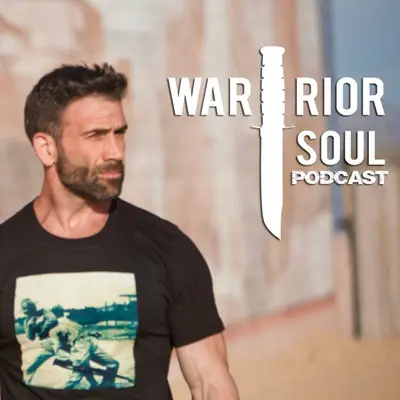
Hosted by Chris Albert
The Warrior Soul Podcast
Every year thousands of veterans leave military service to head off into the civilian world. Many go to college or straight into private sector jobs. Either transition leads to a new environment, new people, and new opportunities to make new friends.

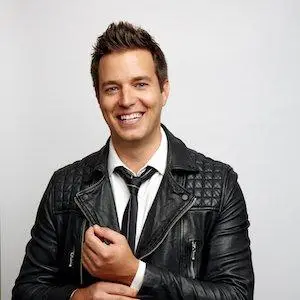
But many veterans have expressed frustration at their transitions and the lack of a new network of people they can count on. For this episode, we’ve invited one of the top experts on social interaction in the world to come on and speak about things veterans can do to increase the quality of their social circles and find strong relationships that will help them forward toward their goals. His name is AJ Harbinger and he’s the CEO and co-Founder of the Art of Charm along with his co-founder Jordan Harbinger.
Together with his team, AJ has coached, trained, and mentored thousands of students in the art of social dynamics using a science based approach.
To find out more about AJ and the Art of Charm’s training opportunities: https://theartofcharm.com/
To catch up with AJ and the AOC community on Facebook: https://www.facebook.com/TheArtofCharm/
Transcript
Machine-generated from the episode audio and lightly edited — may contain errors.
Chris Albert (link to this point)
What's going on, Warrior Soul Nation? Welcome to the Warrior Soul Podcast. This is Chris Albert, and today's episode is gonna be about one of the most important things that you can do to improve your life, and that is in developing your social skills. A lot of people focus on their technical skills. They focus on their technical education, the things you do to become successful.
But so many of us, particularly in the veteran community when we transition to the civilian world, we have a lot of difficulty in building our networks, in meeting new people, in developing lasting relationships, and in helping ourselves to become more socially awesome. So given the fact that I have classically been weak in this area, I really wanted to do this show. And the fact that I'm weak in one on one conversation, I think a lot of times people say, well, you know what? I just don't like dealing with people or I don't like talking to people or I'm not a people person. But in a lot of ways, if you're not working on this weakness, you're really going to be shackling yourself to mediocrity.
You're going to be really preventing yourself from advancing in your career, whether you're still in the military or not. You're really going to be preventing yourself from being happy because you're going to feel shunned all the time and you're to feel like an outcast and you're preventing yourself from developing one of the habits that the most successful people in the world really have and and that is in developing a really awesome and supportive network that's gonna help you get to your goals. So given that this is a weakness of mine, what I decided to do was to contact one of the top experts in the world. I brought on AJ Harbinger from the Art of Charm. And you might know the Art of Charm from the awesome podcast that they run.
It's a top 50 podcast on on iTunes. But the Art of Charm also runs courses for individuals looking to improve their social skills and looking to improve their networking skills. And they have an awesome science based approach. So our guest today, AJ, he is a former PhD student from the University of Michigan. He was studying cancer biology, and he had a passion for applying the scientific method to improving his own social network and improving his own social skills and improving his own relationships with those around him.
And, him and Jordan Harbinger, who's the host of the the Art of Charm podcast, They conduct these trainings every so often, and, they do amazing work. They've actually had a lot of military personnel come through their program. And, like I said, this is really one of those things that's going to make you successful if you practice at it. And on top of that, I think more importantly, it's also going to make you happier. If you're able to interact with other human beings, if you're able to feel like you can go into any conversation without fear, then you are gonna be 10 steps ahead of the game, and you're gonna live an awesome life.
So I wanna get into this amazing episode, but first, I wanna give you a note from our sponsors, and that is F Bomb Nutrition. It's run by two amazing people. They're out of Arizona, and they make these awesome, delicious, portable packets of fat. And they've got olive oil. They've got avocado oil, which if you're doing the ketogenic diet, it's really hard to get healthy oils if you're out and about or if you're at dinner or something like that.
A lot of times the oils they use to put on your salad or things like that, they they're they're really not that healthy. But having some good MCT oil, some good avocado oil, some good olive oil that can really help help you to get the energy that you need into your meal. But I'm a really big fan of their fuel packets. The fuel packets have nut butters in them, and my favorite is their coconut butter mixed with macadamia nut butter. And it's absolutely delicious.
And, if you wanna check them out, you can go to www.dropanfbomb.com and use the code Warrior Soul to get 20% off of your first order. With that, let's get into this awesome episode with AJ Harbinger from the Art of Charm.
Chris Albert (link to this point)
This is Chris Albert, and I'm here to remind you of one thing. Someday, you're going to die. Now that's not some morbid statement or scary idea. It's solid fact. Your time here on this earth is limited.
We need to be reminded of this as much as possible for one simple reason, to live your best life while you can. This is the Warrior Soul Podcast.
Chris Albert (link to this point)
Hello, everybody. Welcome to the Warrior Soul Podcast. This is Chris Albert, and today we're going to have a really awesome conversation. And I'm happy about this because, you know, I've been an expert in health and fitness. I've been an expert in a lot of different things.
But I have to be honest with everybody out there when it comes to social interaction and when it comes to relationships. That's one of my biggest weaknesses. You get me into a personal conversation. I was out in London this past week. I was meeting with a bunch of my students.
And, know, it got down to me having to have a personal conversation with a few people. And I gotta be honest, I ran away. I ran around the corner. I hid for a little bit to try to gather myself before I could come around. And and I'm not afraid to admit that some people out there might be like, well, Chris, you know, that's that's weak as hell.
But but I think it's something that a lot of us, especially in the veteran community, suffer from. And because it's one of my weaknesses, I don't want to sit here and act like I'm going to be able to give you anything that's going to help you. So what we did was we went out and we got one of the top experts in the world. We have AJ from the Art of Charm podcast. He's one of their lead instructors who who go or he is the lead instructor who goes around and and trains people in the art of relationships, the art of social interaction and social networking.
And I think this is one of your quotes, your network is your net worth, right?
AJ Harbinger (link to this point)
Absolutely. I think it's really important as we progress through our career that we sorry, sorry about that.
Chris Albert (link to this point)
It's all good.
AJ Harbinger (link to this point)
Yeah, was right back.
Chris Albert (link to this point)
It's got some dogs just like I do. Piper Piper causes a ruckus when whenever anybody comes around.
AJ Harbinger (link to this point)
Sorry about that.
Chris Albert (link to this point)
It's all good.
AJ Harbinger (link to this point)
Yeah, I think, you know, what happens is we go through school, we go through training and we focus on our career, but we don't really focus on our social skills. And then you get to a point in your career where social skills matter more than your training and more than your knowledge because your ability to relate and connect with people is impactful on your ability to lead and ultimately your ability to move up in your career. So, you know, we started in the very beginning focusing on how do we break through some social anxiety and talk to women we're interested in and the company's grown over the last decade into teaching more basic social skills to help people with social anxiety overcome it and put their best foot forward and make that great first impression and not feel like you felt like you need to run and hide, but instead feel like you have the tools to compete with the extroverts and hang in those social situations instead of wanting to run away. And the best part about working with our clients is that the change that happens in a week builds after so that, you know, we see each other six, twelve months later and they're almost a different person because the confidence that you get socially spills over into so many other areas of your life.
So many of those moments where you're not sure of yourself, know, maybe I shouldn't try this, I shouldn't do this new thing. When you have confidence socially, you take more risks and those risks really pay off and a lot of our clients feel that overcoming that social anxiety is a big step towards personal success in their life. We do work with a number of veterans who, you know, military training, there is a focus on body language, there's a focus on presenting yourself properly, but there's also a focus on sort of hiding your emotions and becoming very stoic. And what happens is, you know, when we become that stoic around strangers, people can't read us very well and a lot of times they'll misjudge us in negative ways. So a lot of the focus of the Art of Charm is correcting some of our nonverbal signals that might be putting people off and then positioning ourselves in a way that we feel less anxiety while we're out so we're more comfortable.
And the more comfortable we are, the more comfortable people are around us. And that's really the key.
Chris Albert (link to this point)
And I'd like to point out, guys have had a number of active duty military members come through as well. I think you've trained some special forces people as far as social interaction and things like that. And that's actually really important in a military career as well. So so if you're not out quite yet, I I do know that, you know, having great relationships with the fellow military members you're working with, with your officers, with your chain of command is really, really important. And you've taken some people through that as well.
AJ Harbinger (link to this point)
Right? Absolutely. And then that transition back to being a civilian, right? As we leave our military career, that transition is is really an important step in our lives. And if we don't have the social skills, we can really feel held back.
And one of my favorite clients who was a veteran, had done some, seen some action and he came back and he was very self conscious of his social anxiety, but also had some PTSD in a very crowded environment. So we took him out to a bar one of the first nights of the program just to socialize and you know, he had a really negative reaction. He felt like he was so stressed he wanted to leave the room, didn't even want to be there. And throughout the week we just coaxed him a little bit more out of a shell, getting more comfortable socially, talking more people, and then he flew back home and he had an opportunity to open a bar. And it had always been a long time dream.
And the bar was dedicated to the band 311. And he emailed us about six months after his program and he said, you know, I never in a million years would have imagined that from the start of the program I was afraid to go in the bar and now I'm a bar owner. But what changed was allowing his body language to be a little bit more relaxed in that setting, getting over that anxiety, and now his bar is one of the biggest bars in Omaha. And all because he started to feel more comfortable in social situation when before that he had a lot of tension, a lot of anxiety around those moments. So the transformation that happens in the week is so profound after, and that's really why we keep in touch with our alumni.
They go on to do really incredible things. And the reason he was felt so comfortable with the bar was allowing himself to face the room, but have something behind him, right? The bar is behind him. There's no one that can sneak up on him. He released some of that tension and all of a sudden he's this social butterfly now in Omaha.
And it's been amazing to see that transformation. And yeah, we've worked with special forces and their main purpose for coming through is the ability to connect very easily and quickly. It's really important when they're on some of these missions that they gain that rapport and they blend in, right? We don't want to stand out for the wrong reason. So that's the other focus.
It's not just social anxiety that we're overcoming, but it's also how do we connect quicker and more effectively, right? And I feel a lot of us, not just military people, but just people in general, struggle with that deeper connection. It's easy to make the surface connection, but we struggle with building long lasting friendships. And that's another core component of what we do at the Art of Charm.
Chris Albert (link to this point)
Awesome. And so so let's start with, you know, the typical situations that veterans find themselves in. And we'll start with kinda like the macro perspective and then maybe break it down into a little bit of micro. Yeah. Going from the military into either a civilian job or going into college, which are very different environments, you know, in military, one of the things about the military is that you have a set protocol for for interacting with people in a professional manner.
And then when you're out back in the barracks, I mean, we get kind of wild. We, you know, we chew tobacco in front of each other. I dipped like crazy. I don't think there was a time when I was, you know, not in a professional setting that that I wasn't dipping. And even when I was in some professional set settings, was still still had tobacco in my mouth.
And, you know, how do you deal with that kind of transition from, you know, having that set protocol to to being out there amongst a bunch of kids, you know, pretty much who who haven't done what you've done, who who don't share the same story and who might not have the appreciation that you have that you would expect people to have for veterans and for military service?
AJ Harbinger (link to this point)
Yeah, well, I think in today's climate, it's very difficult when, you know, we find ourselves in situations that are foreign to us regardless of veteran or not, and that college scenario is far different from combat, far different from the camaraderie that you build when you're in service. So the most important thing that we focus on first is just our nonverbals, and we really want to become more expressive. And the military sort of focuses on being stoic, and we don't want to see that expression, right? You want the discipline aspect. But when it comes to relating with people in college, right?
We want that expression to come through with strangers and we also want to focus on taking interest in them first. I think a lot of times when we present ourselves to other people, we want them to take interest in us and we really want them to celebrate us almost, and in fact the easiest way to get people interested in you is to take interest in them first. And we do that by focusing on asking questions, just being curious about the other person. What we found through this process is when we start taking interest in other people, they reciprocate the interest and we start warming up. So when our anxiety hits us socially, we want to make sure that we're focusing on how am I presenting myself?
Am I standing up tall? Am I looking people in the eyes? And am I wearing a smile and some warmth in my face? That's the very first place to start. And that's where most of our military guys sort of get tripped up, right?
They internally feel good. They feel confident, but they're not expressing that confidence through their facial features. So we want to make sure that we're wearing that smile and we're fully present. And then the second thing we want to focus on once we have the nonverbals is asking people questions and listening to those answers, instead of trying to search for the right thing to say, focusing on their responses. And when you put those two pieces together, what ends up happening is people start to take interest in you and all of a sudden you're warming up and you start to feel a little bit more confident.
And we ask our guys to do this on a daily basis, much like going to the gym and working out, right? Your social skills are a muscle. So if you're coming from a situation where you haven't really flexed your social skills around people outside of the military, then it's important that every single day you're setting aside some time to strengthen your social skills, putting yourself in social situations. I know a lot of our military guys are obviously physically active, so we talk about joining a gym, finding camaraderie in places where there's shared interests. So whether it's a CrossFit gym or whether it's an MMA gym, either way, you're going to start to find that same camaraderie that you had in the military.
You're there for the same reason, except now that reason is a passion of yours. And that's going to make things a lot easier for you to put yourself in these social situations and start making those connections. And when it comes to college, obviously everyone is focused on themselves, everyone wants to achieve great things, and everyone has their own story that they're following. So the more that we can use our curiosity to find out their story, the better off we're going to be at connecting with them. And instead of focusing on sharing our story and sharing who we are, we take interest in them and we'll find that they oftentimes take interest back and that's when that connection is built.
Chris Albert (link to this point)
Yeah. I think one of the best things that I've done for myself is starting jiu-jitsu. And the reason why it was really good for me was because I got humbled. I got my ass kicked a lot.
AJ Harbinger (link to this point)
Yeah.
Chris Albert (link to this point)
Which led me to ask a lot of questions and
AJ Harbinger (link to this point)
Right.
Chris Albert (link to this point)
Take an interest in the blue belts who were choking me out constantly. So
AJ Harbinger (link to this point)
Absolutely.
Chris Albert (link to this point)
That that's a big thing there.
AJ Harbinger (link to this point)
And so not only do you have the physical component of it, you're challenging yourself mentally as well. And then at the end of that, right, at the end of that MMA lesson, at the end of that class, at the end of that session, right, everyone in the room feels that sense of camaraderie. We just completed something, whether you won or lost, right? We put ourselves in the ring And that is what we tell all of our clients to look for. Find those passions in your life and then throw yourself into them so that you can make those connections easier instead of just starting from zero.
Because when we have some shared interest, socialization becomes easy. If we're just walking up to a random stranger and we're hoping to get them interested, it becomes a lot more difficult if we haven't had the practice. So those gyms, those dance classes, improv sessions, any way that you can get outside of your dorm, get outside of your classroom and focus on sharing a passion and connecting with people, that's a huge win to start. And then those social skills can build so that you can walk into the bar and talk to anyone, you can walk into your classroom and chat someone up, but we focus on that. So we start building camaraderie, we kind of build our little wolf pack, so to speak, having these relationships form around our passions and pursuits.
And then the important thing is we want to start inviting people out. We want to move things forward and become a leader socially. And I think a lot of times when we're interacting with people, we tend to hesitate and wait for them to make the first move. Hey, can I get your phone number? Hey, we should do this.
So we tell all of our guys, have a plan, right? And it's much like in the military, you always have a plan before you act. So the plan is set yourself up so you have this third place, the space outside of work and school or work and home. And that third place could be the MMA gym, it could be the dance lessons as I was saying. Once you have that third place, you have that camaraderie built, then seek out some fun things that you can start inviting people to, right?
Hey, we're going to check out this new restaurant. Hey, want check out this sports bar and invite the people from your classes, invite the people that have expressed a little bit of interest in you. And the power of the invite is so great because one, it gives them a reason to hang out with you, but two, if they have fun, now they're going to start inviting you and it sort of multiplies. And that's how you start to build this social circle. Once you have the social circle, then everything else kind of falls in line.
So for a lot of guys starting out, maybe you move to a new town, right? You're starting out in college, you don't know anyone. That's how we want to cover our bases. Find the place to be social that's fun, that you're excited about, and then from there start inviting people, and the power of the invite compounds over time, and you're going find that you'd have a very active socialist.
Chris Albert (link to this point)
That's awesome. That's awesome advice. As far as the the college environment in general, in dealing with people asking questions about your service. So so we know from what you just said that you probably don't wanna be walking around talking about, you know, everything about yourself in detail and going into your whole service history or anything like that. But when questions do come up, and this is one of the things that I think annoys veterans a whole lot is that a lot of civilians have certain conceptions of what the military is like that really could could or couldn't be the truth.
Right. So one of the questions we hate is, have you ever killed anybody? You know, all all these different types of, you know, I guess, stereotypical things that that people tend to ask veterans in the wrong types of situations. What's your advice on dealing with those types of questions?
AJ Harbinger (link to this point)
Well, I think the important thing is, again, being that leader conversationally. We don't have to answer every question that's given to us. And if you think about all the times you've been hanging out with your friends, conversation doesn't follow a linear path, right? If your friend found this funny video on YouTube and you guys are having a conversation about sports, know, he's just going to pull his phone out of his pocket and interject with that YouTube video and all of a sudden you're on a different thread. So I think a lot of times, especially when we're meeting strangers, we feel like conversation has to be linear, we have to answer everything they ask of us, and we have to present ourselves a certain way.
When in reality, I'm steering the conversation in directions that I want it to go. So when it comes to that military experience, I would talk about the adventure side of it, the things you got to see that were positive, and if someone asked the focus on the negative, you can reframe the question around the positive, right? So if the question is, have you ever killed anyone? You can say, you know, what I enjoyed the most about active duty was the fact that I got to meet all of these different cultures and scratch my travel itch. And I've gone to some really incredible places.
You're going to find that when you redirect and reframe, as long as you're presenting a few open hooks, And in that open hook, there was, well, where have you been? What are these cool places? And what are these cultures? Right? You give those hooks to people, you'll find that very quickly you're onto a different topic and that question doesn't seem weird that it wasn't answered.
So it's all about being a leader and giving people other opportunities to move the conversation in a different direction. And again, in terms of the questions you don't want to answer, you can also flip it around on them and ask them a question. So in those situations, I've found that the negative emotion, if we bring that into the conversation, obviously it brings everyone down. And if we stay on those topics, people are going to think less of us. So I'm constantly focusing on reframing in the positive and talking about the things that I want to talk about and allowing people to see more of the picture.
I think as you were saying, right, because of Hollywood and because of the way military service is presented, there are a lot of negative connotations and there are a lot of times where, you know, us civilians view the military in negative ways, thinking that, you know, you guys do things that are out of what we would think are the norms. When in reality, a lot of your military service is much like being in The States. There's that camaraderie, you're getting to meet new people, there's a little bit of travel, sure there's some action, but those don't have to be the focal points of your conversation. So I would color in the blank the boxes that are outside of what people are expecting, and that's how you can have that really impactful conversation.
Chris Albert (link to this point)
Awesome. Awesome. So getting getting into probably a little bit more micro here, One of the problems that a lot of us have in dealing with bars and crowded social situations is that a lot of us don't have great hearing. And that could be because of, you know, being on the rifle range so much and and, you know, dealing dealing with loud explosions, things like that, which makes conversation a little bit difficult when you're in a crowded situation because a lot of times the background noise kind of gets in the way. What types of, I guess, body language or or things could you do to to attenuate that the awkwardness of that situation?
AJ Harbinger (link to this point)
Yeah, so we talk a lot about the way you position yourself when you're interacting with someone for the first time, and it all comes down to what we call neutral body language. And neutral body language is when we're standing side by side, right? So if you pictured a crowded elevator and you're about to step on the elevator, how would you stand in the elevator? Well, you would end up standing next to people. And the great part about being a neutral body language is it doesn't create any tension.
If you think about neutral body language being side by side, we're both a little bit more comfortable instead of fully facing each other. And the second thing that's so great about it is it allows your ear to actually be closer to them. So what we talk about in conversation is we want to make eye contact when we're addressing someone, when we're talking to someone, so we'll turn over our shoulder and talk to them making eye contact. And then when we start to listen to what they're saying, all we're doing is breaking that eye contact and our ear actually moves closer to them so we can pick up on that conversation. And that's a simple way in a crowded environment to give yourself a better opportunity to listen to someone.
And the second thing that we love about neutral body language is now we can start to see how interested someone is in us. So if we're having this great conversation next to someone and they start to take interest in us, they're actually going to turn and start to face us because they want more of our attention. So we use our body language to help facilitate conversation, but also our body language to help read someone's interest level. So when we're standing side by side and you'll see this often when you're out in the bars with your friends and you're having a good night, Oftentimes you're standing side by side so you can see what's going on in the bar. You can see the action so to speak.
So it's the same thing here when we're talking to strangers, we want to position ourselves so we're next to them, allow them to turn and face us, allow them to show that interest And that will help with your hearing and that will also help with your anxiety if you feel a little bit of social anxiety. Positive body language when we're fully facing each other creates a lot of tension and obviously, you know, when does that come up? Well, in conflict, right? When you're fully facing someone when you're in the MMA gym, you're fully facing someone when you're in combat because there's aggression. So what we want to do is we want to remove that anxiety, remove that tension by getting to neutral, standing side by side, and then it's easy for us to hear.
Chris Albert (link to this point)
Awesome. And and, you know, getting on with with females and and the opposite sex and and conversations with them, One of the problems that that I've experienced, I know a lot of guys have experienced is that a lot of times I'm listening to my girlfriend or female and and I'm acknowledging them or at least I think I'm acknowledging them, but they don't recognize the acknowledgement. They don't recognize the fact that you actually heard them or anything like that. And so one of the frustrating things for for for her is that she constantly feels like I'm not listening to her, constantly feels like I'm focused somewhere else. Is there a certain body language in trying to reassure her that I'm listening and actually focusing on what she's telling me?
AJ Harbinger (link to this point)
Well, I think that that's two parts here. So I think there's the first thing I want to discuss is there's two contexts to every conversation. There's the logical context. Why are we doing this? What is going on?
You know, why, when, how, where? Then there's the emotional context. And a lot of times when people feel, especially our significant other, the opposite sex, feel we're not listening to them, it means we're not paying attention to the emotional context of the conversation. We're getting bogged down in the logical context. So first thing I would say is we want to start recognizing emotional bids.
And emotional bids are those moments of enthusiasm and excitement, that expression of that emotion that our significant other is giving us. We want to pay closer attention to those and we want to match that enthusiasm, that energy back when we get it. So when we start to pay attention to the emotional context, all of a sudden we're a much better listener, we're more in tune with females and we know that females and their emotions are incredibly important. That's why they're so expressive in their speech. So we want to make sure that body language wise, we are showing that emotion back in our face.
Again, breaking that stoic military stare that's ingrained in you, right? You're not going to be walking around with a smile on when your drill sergeant's yelling at you to do some down ups, right? So it's important that we showcase that expression in our face and reciprocate that emotional context, that emotional bid. So one of the examples that I talk a lot about is, and this comes from research on relationships that last forty, fifty years. There's a Doctor Gottman who's researched these successful relationships and he really coined this idea of an emotional bid. And it's that moment when you express enthusiasm to your partner. So let's say, as a married couple, I'm an avid bird watcher and I happen to be in the living room and I see this beautiful bird outside of the window and my wife is in the kitchen doing dishes, right? Doing some chores need to get done. And I say, hey honey, I really want you to come see this poor dowel.
I've never seen one, this is so incredible. But in that moment, your wife has two choices. She says, hey, I got to keep doing these dishes. I got to get this done or she can come and share in that moment with you. And what Doctor Gottman found is that relationships that last are the relationships that acknowledge those emotional bids, put down the dishes and go see that bird. So really we want to start focusing on when is our significant other, when is our partner giving us these emotional bids and are we reciprocating them? And for a lot of guys, we're listening on that logical level, but we're not listening on that emotional level. And when our partner doesn't feel that they're being heard emotionally, that's when we get hit with the, you're not a good listener.
Chris Albert (link to this point)
Yeah, it's almost like, like I feel like in all my social interactions and for a lot of guys that I know that we try to avoid any touchy feely aspect of the of the conversation. Right. I mean, even if it's not a female in in in, you know, I had a conversation with a gentleman a couple of weeks ago and I was counseling him on some stuff and he got very emotional And I had to fight my brain from completely turning off.
AJ Harbinger (link to this point)
Exactly.
Chris Albert (link to this point)
He did that and I felt myself in almost like a wrestling match with myself in not listening to him.
AJ Harbinger (link to this point)
So in those situations, we highly, highly recommend taking an improv comedy class. And there it's become really popular over the last couple decades. You can find them in most major cities. And what we love about improv is it's twofold. Number one, you have to be a good listener for improv to work.
When you're doing improvisational comedy, it's going to fall flat if you interject something that doesn't follow along with what your partner was sharing. So improv comedy helps, number one, become a better listener, and number two, in order for things to be funny, we have to be expressive. So when you think about all of your favorite comedians on stage, they are very expressive with their body language, with their face to allow the audience to get the joke, to get the punchline. So improv teaches you not only to become a better listener, but also helps you become more expressive and tap into those emotions that you've turned off, so to speak, that the military has told you, hey, we got to build a stronger shell around these emotions, we can't have you showing this to the enemy. So that's how we're going to break through that shell and allow ourselves to be more emotional.
And there's nothing wrong with being emotional. I think especially in Western culture as men, we're taught not to be emotional regardless of military experience or not, and that stoicism actually hurts our ability to connect with people. So I love improv, I love the fact that you recommend MMA classes jiu-jitsu. I think those two things are really powerful ways for you to break out of your shell socially and become much more successful and confident in your own self.
Chris Albert (link to this point)
Yeah, I and I I gotta tell you too, just one other thing that that kind of happens with a lot of us is that we tend to move away from cities because cities are kind of like the center of almost everything that that we're trying to get away from the chaos, the disorder, the noise, everything like that. And so a lot of us, we we move to kind of more rural areas, get just get away from those population centers. If if you don't have, you know, an improv comedy class or or, you know, some areas might not even have a though jiu-jitsu is everywhere right now. But, know, are are there specific activities you could do with your friends or maybe your family that could could help to work this stuff out?
AJ Harbinger (link to this point)
Yeah. There's so there's board games, of course, that you can play with friends that allow you to act out things to be more expressive. Charades comes to mind. And also, there's the option of writing, journaling these thoughts, getting these thoughts out. So I think, again, a lot of us hold on to these beliefs, but we don't spend a lot of time processing them, we don't spend a lot of time introspectively, so we're huge proponents of journaling.
So if you find that you're in a very rural location, focus on that introspection through writing. And then outside of that, I would say for those of you in a rural area, focus on trying to learn a new language. The power of learning a new language, again, as you're trying to understand the communication and also to speak, you're going to have to use that expression in your face to sell what you're saying to get over that. So I know Jordan, in fact, he has been learning Mandarin through Skype. So he's found a tutor who will hop on Skype much like we're on a video conference and have conversations with them in Mandarin, and it's forced him to be more expressive in order to get his point across.
So as we're learning a new language, even if we're in the most rural of areas, if you have internet, you're listening to this podcast, you can connect with people online through video and one, it stretches yourself. Learning a new language is definitely tricky, so you have that mental exercise. You have that emotional exercise where you have to be expressive and it allows you to get some socialization, which is very helpful as well when you feel that you're in a rural city where you don't get a lot of exposure to other people. You've kind of moved away from all of that craziness.
Chris Albert (link to this point)
What about personal style in in clothing? I know that one of one of the worst things that actually ever happened to my personal style was becoming an entrepreneur. Because I don't go to work. I you know, this is my office I'm sitting in right now, And I've actually done meetings where I'll have, like, a button up shirt up here and then those Marine Corps silkies, the little tiny silkies. I'll have those on the bottom.
And while some people might applaud that, you know, I I think that going to a place like London that is so fashionable where everybody's kinda dressed up kinda opened my eyes to to another one of my weaknesses, is my my style of dress. Are there any good resources where people can go to actually read up on style to understand how they should be dressing a little bit more?
AJ Harbinger (link to this point)
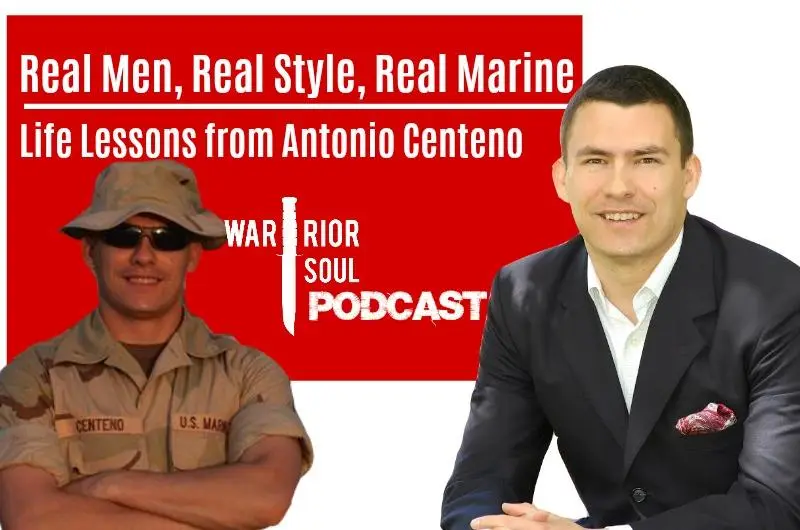
Absolutely. Good buddy of mine, Antonio Centeno, also former military, and he basically started Real Men Real Style, and it's a fantastic YouTube channel. I actually recommend it to all of our guys. I don't claim to be a style expert. If I need to figure out how to tie a bow tie or what's going to be fashionable next season or how to pick a suit, I go to Antonio's YouTube channel, and he's always steered me right.
And I think he has a a really great perspective being military guy himself.
Chris Albert (link to this point)
Awesome. Awesome. I wanna get a little bit into your trainings and and the way you conduct them. I know that, you know, you guys started out with the the podcast and and and then eventually kind of grew this thing after somebody actually like contacted you and said, I want I want to pay you to teach me a bunch of this stuff and you kind of grew it into a business here, I know that these courses you're teaching, they become very, very big and very, very popular. Can you kind of take us through a typical training and how you go about dealing with your classes?
AJ Harbinger (link to this point)
Absolutely. So we believe that building confidence comes down to three things: changing your attitude, gaining more knowledge and gaining experience. So the focus of the entire week is around those three things, instilling positive beliefs. So the right mindsets that allow you to take action and feel better about yourself, giving you the knowledge of the patterns of socialization, how humans interact and connect. And then lastly, that experience going out and applying these concepts.
So the way the course is structured is I start on Tuesday, so everyone kind of flies in on Monday, gets situated and sometimes they're dealing with a little bit of jet lag as you can understand. So Monday we get situated Tuesday morning, I basically walk everyone through our conversation flow. And this conversation flow is basically five steps to conversation. I like to think of it as a checklist, just five things you want to check off when you're interacting with anyone. It does not matter the setting.
And then after lunch, we come back and we talk about nonverbal communication and we focus on the five nonverbal signals that we want to send on that first impression when we walk up to someone And we drill those together. So we work on approaching each other. You are approaching your classmates, getting warmed up, practicing the conversational flow, and then we bring in our female instructors and you get a chance to interact with them on camera. So we actually videotape the interaction. And the reason that we videotape it, Jordan and I had taken a number of Dale Carnegie courses over the years, and we found that the courses that were incredibly impactful were the courses that videotaped us and reviewed the videotape because I think a lot of us, you know, we internalize this view of ourselves and we have this voice in our head saying, you know, this is what AJ looks like.
This is how AJ is presenting himself. But it doesn't often match up with reality. And as a coach, you know, when I would tell guys, hey, you need to smile more. And they would say, AJ, I'm already smiling. What are you talking about?
All right. It's easier for the ego to fight it. But when the video is played and we're watching the tape first with no sound, just focusing on these five nonverbal signals, we find that a lot of guys who thought they were smiling internally were in fact not really smiling. They had a very stoic processing phase. And we really work on that concept of, hey, we got to be more expressive with our face.
So we review it without sound and then we play it back with sound and now we diagnose, you know, what happened conversationally and were you following those hooks and were you giving conversational hooks for the other person to connect on? And that's Tuesday. So Wednesday, Johnny, who also helps me train the guys in our bootcamps, he comes in and we now start talking about low value and high value behaviors. And basically we believe that high value people are who not only we want to become, but who we want to associate ourselves with. So we identify what are these low value behaviors that we might be encountering in others so we can steer clear of them.
And, you know, sometimes we might be exhibiting some low value behaviors. We might be combative. We might be competitive. And we think the highest value that anyone can have is cooperate. So when we cooperate, when we help each other out, when we look to give instead of look to take or look to win, we find ourselves in a much better position.
So we focus on how can we be more cooperative with our coworkers, with our family, with our friends, looking for those opportunities. We identify some situations in our life where maybe we are presenting these low value behaviors. Sometimes at work, right? Work can make us competitive, where we feel in the workplace, we got to succeed. We want to one up the coworkers so that we can get that promotion and that competitiveness actually hurts us.
It keeps us from succeeding. And Adam Grant did incredible research book called Give and Take. I highly recommend your audience read it or listen to it if they like audio books. We talk a lot about it in our programs, but you know, he looked at people who were successful and he wanted to see what their behaviors were, if they were givers, takers or matchers. He found that a lot of people assume that giving leads to you being walked all over.
But he found that people at the very top in their careers were actually givers. They just happened to be smart givers. So in this book, he breaks down the difference between those three behaviors and he shows you why it's so important to give, which leads to that cooperativity that I talked about. So we focus on changing our behaviors on Wednesday, identifying these low value behaviors that we may be exhibiting. After lunch, we role play some everyday scenarios.
So now we're doing some actual conflict resolution. So we learned what these values are, what these behaviors are, and now we learned how to change them so that we can focus on being cooperative. And now we're interacting with each other again. So throughout the week, we're always interacting in class and then we go out and apply the concepts in the real world. So Wednesday night, we go out to a local venue and the goal of that is to talk to everybody.
So really stretch your social muscles. And the coaches who are out with all of our guys came through the bootcamp themselves and the program changed their lives. So they're happy to talk about that personal journey that they've been on and also showcase all of the skills that they learned. So that first night we're talking to everyone, we're just being super social. And then Thursday morning we review how that field night went and talk about what went well, areas of improvement.
And then we head out on the street and now we survey people on our first impression. And it's a fun exercise where you get real time feedback on the way you're presenting yourself to the world. And we find that the combination of going out at night and going out during the daytime will give all of our guys ample opportunity to gain that experience. So in class, they're gaining the knowledge, we're working on their attitude and then outside of class every night they're gaining that experience. The goal of the week is to interact with 200 strangers.
Chris Albert (link to this point)
Oh wow.
AJ Harbinger (link to this point)
And at the end of the week, you know, after 200 interactions, realize that a lot of the things that gave you anxiety, lot of the what ifs or things that concerned you about talking to other people fall to the wayside because they're not really reality. They're a picture we painted in our head. And that's why that real world experience is so important. Friday, Johnny's back and now we're talking about these cognitive distortions. So these are views that we have of the world that warp reality and lead us to inaction.
So how can we rewire our brain to start taking action? We diagnose these 10 cognitive distortions in everyone and we start working through them by asking questions and looking at the data, looking at reality. And that's where we kind of install this new operating system where you start to view the world differently. You start to see opportunity that you didn't see before. And then we videotape again.
So we interact again. So you have what was going on on Tuesday. Everyone's a little bit nervous. Obviously the camera's there. And then Friday we can really see the growth.
We can see the changes in not only your nonverbals, but also your verbal communication. And then Saturday we talk about how to build a personal narrative. We all have a story that we tell ourselves. Sometimes that story is negative. Sometimes that story lacks this belief in ourselves.
So we work through an exercise where we rewrite our personal narrative and then we share it with the group. So not only do we focus on our internal story, but we want to be sharing that internal story with other people. So that's our storytelling component. And then we wrap the week with a wonderful dinner. So the goal of the week is you get plenty of interaction with your group and a lot of camaraderie is built during the program with this group because again, you're throwing yourself into anxious situations, you're confronting some fears, and you're starting to overcome them as you build this confidence.
And the week is both mentally and physically exhausting as you talk about approaching 200 people. So by the end of the week, everyone's excited to go home, excited to share this with their friends, and ultimately they've built that social confidence in themselves. They feel a lot more comfortable going on those trips like you to London, going to those social environments now.
Chris Albert (link to this point)
That's a that sounds like it's a lot of value for the week. That's really cool. You know, a few things from that. One, with the videos, how painful is it at the beginning for people to watch themselves that in the videos? And and
AJ Harbinger (link to this point)
I think, you know, in the moment, it's incredibly painful, but I think as the week progresses, what's so powerful is your subconscious mind's ability to change these behaviors and and fix things that would have been a lot more difficult for me to just tell you as a coach to fix. So when you see yourself on video not smiling, your brain realizes that, hey, I have to force that smile in the beginning and understand that even though internally I feel like I'm smiling, I'm not projecting that to the room. So that's why we do the Tuesday and Friday because we can really see a dramatic difference from what's going on on Tuesday, where there's some nervousness, there's a little bit of anxiety, we're just getting to know each other versus Friday after we've gone out, we've gone out on the street, we've approached 50 people, we've working on our first impression. Now all of a sudden we're at ease, we're a lot more comfortable and it doesn't even feel like the camera's there. So we, and I'm sure it's the same way with your training, we focus on train hard, fight easy, right?
We want in the classroom everything to be more difficult. You got a bunch of eyes on you, you got a camera, it's a stressful moment. We're working through that anxiety. And then once you're out in the bar, you're out in the street, there's no camera, not everyone's staring at you and you can put yourself a little bit more at ease. So that concept of training hard, fighting easy is something that we carry with us throughout the week.
So all the classroom exercises amp it up so that it feels a lot more difficult so that when you're out in the real world, it's a lot easier to assimilate these and project these skills that we've been learning.
Chris Albert (link to this point)
And you said you keep up with all of your alumni after each class?
AJ Harbinger (link to this point)
Yeah, we have a private Facebook group called The Family, so everyone gets access to that. We have a Google Map where everyone can drop their location and their contact information, and we have a lot of, at this point, thousands of men all over the world, and they have the ability to travel, connect, reach out to each other. And that's really the fun part about it. We installed this new operating system, so to speak. And because you've gone through that experience, you have that shared experience, you're easily connected and relatable.
And the power of having this private Facebook group is, yeah, I get to check-in on everyone and see what's going on. We'd shout them out on Monday, Wednesdays and Fridays, asking them what their goals are, what their plans are for the weekend. And that allows all of us coaches a great opportunity to follow-up and keep in touch. Just recently we started doing quarterly trips. So it's just informal.
We pick a destination. The last one was in Barcelona. So we give our guys, our clients something to really look forward to a trip to hang out with all of us and meet some new AOC alumni as well. And the first trip we ever had was in Austin and I got to see a client that I had worked with eight years ago And he had kind of fallen off the Facebook group, so we lost a little bit of touch, but you heard about this event and he drove down to Austin and we got to catch up again. So really over the last ten years, we've tried our best to stay in touch and connect as many people as possible.
And we really truly believe in the value of the network that we've built. We've seen guys make career changes through the alumni network, get great advice on their relationships, on their finances, on their health, because we found that when you're into self development, it doesn't just stop with social skills, right? We're working on ourselves. We're trying to improve our physical health, our mental health, our social skills. So we've built a great tribe of people who are dedicated to improving themselves.
And I know for a lot of us, it can be difficult to find people who have that positivity and believe that you can grow. A lot of people are in that scarcity mindset, don't believe they can change, don't believe it's worth the effort. So we've built a tribe of people who celebrate change and who are focused on growing, and the relationships that have been built through it have been incredible.
Chris Albert (link to this point)
That's amazing. That's amazing. Getting a little bit into personal practice, personal practices before we go, types of things do you do every day to really keep yourself on point? Do you meditate? Do you practice a specific kind of diet, exercise regimen, things like that?
AJ Harbinger (link to this point)
Yeah, so we think that there's three levels of health that are important. There's your physical health, your mental health and your emotional health. And your physical health obviously is that working out exercise and diet. So dialing that in. Your mental health is that meditation and journaling.
And then your emotional health is socializing. So I have routines for both morning and evening that try to check all of those boxes. So in the morning, I like my workout. I have a routine making a cup of coffee, so I allow myself one cup of caffeine and that allows me to fast. So I'm intermittent fasting.
I usually break my fast in the afternoon. And as I'm making a cup of coffee, I take time to collect myself and then I journal both in the morning and in the evening, again, working on that mental health, processing my thoughts. And I was never into journaling in college and even after college, and I fell in love with journaling after picking up a five minute journal. And essentially this journal is literally five minutes morning and evening. It asks you a few questions, you jot down your thoughts, and it allows you to show some gratitude and focus on the positive and you do that on a daily basis and you start to realize that some of these negative thoughts that you were having stopped creeping in.
And then again, I also meditate. So I use Headspace in the morning that gets me set for my day. So that's my morning routine. My evening routine, I have tried my best to move all of my chargers into the living room so that my devices don't go into the bedroom. And I think that's been my biggest struggle, especially my significant other would agree that technology has a way and being an entrepreneur, definitely understand that that's a way of kind of consuming us and we are tied to this device.
So my nighttime routine is charging all my devices in the living room, moving into the bedroom, picking up my five minute journal and then doing everything I need to do to look a little bit younger and youthful.
Chris Albert (link to this point)
Yeah, absolutely.
AJ Harbinger (link to this point)
So those are my morning and evening routines and I'm exercising lifting three days a week. And then I do some cardio two days a week, either hiking here in LA or cycling.
Chris Albert (link to this point)
Awesome. Awesome. Yeah, I definitely I love exercise. I'm kind of addicted to it. I've found myself doing it a little bit too much sometimes though, where if I I'm the type of person I can't settle, can't rest, so I try to focus a little bit more on the meditation side of things because I have to calm my mind down a lot of times.
Otherwise, I'll be outside all day exercising.
AJ Harbinger (link to this point)
Right. Crazy. How did you get started in meditation? Was there an app or a book that led you?
Chris Albert (link to this point)
You know what it was? About two years ago, I was constantly anxious and I was watching the news all the time. So I was sitting there. I was watching CNN, Fox News, and we had the the terrorist attack out here in San Bernardino. And I found myself super, super anxious, like super anxious all the time.
I kept a weapon near my desk, all kinds of things. And that's not that I don't want to act like that's PTSD or anything like that. Was just me being a little bit little bit. And so what I needed to do was really kind of calm myself down a little bit and stop focusing so much on all the negative things I was reading in the news. So I I pushed the news out of my life.
I don't I I don't look at the news at all anymore. I if something is really, really important, it's going to it's gonna find me. So Right. I feel about it. And then started meditating with the headspace app, but eventually moved into binaural beats.
And so I do the beats in the morning and then I do the beats at night before I go to bed to try to get myself to a certain amount of hertz. And after that, I I do the five minute journal as well. Everything I'm grateful for. I also one thing I try to do is and this is something I got from Tim Ferriss. I'll I'll create I would just write down my complaints for the day and and keep them on a page.
And I find that when I if something really bad is going on, I'll just write down my complaints and then I'll read them back to myself and I'll say, wow, those aren't aren't very bad complaints, you know,
AJ Harbinger (link to this point)
so right.
Chris Albert (link to this point)
So that's kind of my my routine there. And the biggest thing I think that's helped me with with everything is kind of controlling my blood sugar like you do with with intermittent fasting and and of course ketosis because I find my blood sugar, if it if it's all over the place, really has an effect on my mood. Absolutely. My mood. I've actually read that judges who have passed sentences.
AJ Harbinger (link to this point)
Yeah.
Chris Albert (link to this point)
Low blood sugar. They've actually determined that they become more severe or something like that.
AJ Harbinger (link to this point)
Yeah. The the lunchtime arrangements of judges can have an impact on the sentencing. Absolutely. Yeah, they found that diet impacts your judgment, which is crazy. But I believe in it myself.
I think going back to what you said, writing down those complaints, I think that's why we're such a big proponent of journaling in general, because when we allow our thoughts to just stay in our head, they have so much more control. When you put your thoughts down on paper and you can kind of take a second to look back, they lose that control that they have, they lose that anxiety that they're driving. And the other reason we love journaling is as you document the journey, you might not be feeling that you've really changed or grown, but you flip back through that journal and you realize that, woah, you know, my concerns three months ago are no longer my concern. And being able to celebrate those small victories, those small wins are important to our personal growth. So last thing I want to leave you with is, in anything you're doing, huge proponents of solid self assessment, making sure that you're checking in on where you are, where you want to be, and you're giving yourself time to also focus on those wins. So when we're journaling, we always ask you just write down your thoughts and feelings. So when it comes to socializing and after the bootcamp, we ask our guys, anytime you're out socially, come home, open up your journal and just write down what were your thoughts and feelings? What was going through your mind while you're doing it?
Right? Just process those first. Then we ask, write down two things you'd like to improve based on what just happened. So what are two areas where you feel like, you you need to develop a little bit more and you feel like you didn't hold up your end of the deal? Write down those two things.
And then lastly, write down two wins, two positives. What are two things you can take away from that experience? And if you do this on a consistent basis, you find that in those moments where maybe you're feeling some anxiety again, maybe your confidence is shaken. You can flip back through your journal and you can see this journey that's been documented and realize that you've come a long way. And I think that's how you kind of get through that rut where you don't feel that you're growing, you don't feel that you're developing and you develop even more anxiety.
So huge proponents of journaling and we absolutely love that five minute journal. I'm happy to hear that you're using it as well. It's been really powerful for me and I know I have a tendency to dwell on the negatives longer than necessary and that journals really help raise those positive thoughts in my mind, as well as that meditation controlling those emotions a little bit stronger.
Chris Albert (link to this point)
Absolutely. Well, AJ, I want to thank you for coming on and I want to thank you for taking me to school today because, you know, like I said, this is definitely one of my biggest weaknesses. And I know it's a weakness for a lot of us who listen to this podcast. Where can where do you hang out online? Are you on Twitter, Instagram or any of the social medias?
AJ Harbinger (link to this point)
I'm on Facebook. That's what I use the most. We have the Facebook group, so I'm always in there. I use Facebook messenger. I did however block my newsfeed and I've been trying to avoid the news as much as possible too much like you, no need for that anxiety.
So I've eradicated my newsfeed with a nice little Chrome plugin, but I'm on Facebook. That's probably the easiest way to get in touch. Obviously you can check out the Art of Charm podcast and specifically our toolbox episodes. So if you feel that social skills are an area of your life that you want to work on, develop, make them a little bit stronger, check out theartofcharm.com/toolbox. You'll find me, Johnny and Jordan discuss thing, how to get over the social anxiety, how to nail that first impression, how to start a conversation, how to really connect with people.
So that's the great way to get started podcast wise. Obviously, if you're checking this out, you're a fan of podcasts. Also, have a social challenge. It's a thirty day challenge with its own private Facebook group. And every week I'm in there doing Facebook live, talking about a topic and doing some Q and A.
That's a great opportunity for you to push yourself a little bit, challenge yourself on these social skills, learn some new things, and then get some more FaceTime with me and Johnny and the coaches here at the Art of Charm. So you can check that out at theartofcharm.com/challenge.
Chris Albert (link to this point)
Awesome. I will definitely put those links up on the show notes for this episode. And AJ, again, I want to thank you for coming on and to everybody out there, you know, I know this stuff isn't easy. A lot of the stuff we talk about on here is is hardcore and it's it's super, you know, super non emotional in a lot of ways, but it's important that we go here. And it's important that we talk about this stuff because in a lot of ways, this is where all you guys at home are gonna improve the most.
So what I want everybody out there to do is to definitely check out the Art of Charm, check out the Art of Charm podcast, get out there and live your best lives.
Host of the Warrior Soul Podcast and founder of Warrior Soul. Worldwide trainer and nutrition coach, contributing author at Testosterone Nation and Muscle and Strength.