Podcast episode
Helping Warriors Find the American Dream with Phil Randazzo
Hosted by Chris Albert
The Warrior Soul Podcast
Why Many Veterans Are Underestimating Themselves
Years ago, if you were a Veteran trying to make it in the civilian world, the path was usually to head off to college, get a degree, and then try to secure an entry level job some where. The thing is that a lot of Veterans are under the false impression that a college degree is the only way to make it. They also think that their military experience doesn’t mean anything to employers. Well…times have changed. Unless you’re looking to become a doctor, nurse, or lawyer, degrees don’t really mean much. In fact, I have a Bachelors, Masters, and Ph.D work completed and it’s never gotten me a job. If you’re a Veteran who’s served honorably, that means that you have leadership skills, that you’re reliable, and that you know how to put work in. That’s important.
Our Guest This Week: Phil Randazzo, founder of American Dream U
Phil Randazzo, our guest today, is trying to get you to realize how important that is. Phil is not a veteran. He’s a serial entrepreneur who built his empire out of nothing. He’s also the founder of American Dream U, a nonprofit who’s mission is to help Veterans make better transitions into the civilian world. Through American Dream U and Mission Next, Phil has created a platform that gives Veterans the knowledge they need to build upon their already valuable skills to secure employment or build businesses.
The platform is completely free for veterans, and it takes minutes to sign up. It also contains what I’d estimate to be at least $100,000 worth of education if it were part of a degree. You can learn everything from basic finance to advanced business management. There’s complete ecommerce courses and courses on building out your LinkedIn profile. There’s courses taught by guys like Tim Ferriss and other entrepreneurs who’d normally charge thousands of dollars for their advice. So while I really want you to listen to this episode, what I want you to do before you listen is to get over there to AmericanDreamU.org and sign up as quickly as possible. Get on there and start learning. Dedicate yourself to spending an hour a week on there.
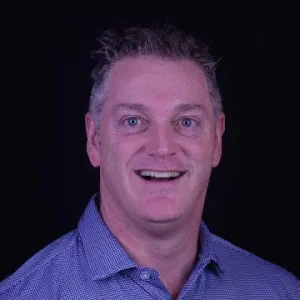
- Phil’s Bio: http://philrandazzo.com/about/
- To sign up: http://americandreamu.org/
- For Phil’s book Mission Next: https://www.amazon.com/Mission-Next-Inspirational-Phil-Randazzo-ebook/dp/B01E5PYOHU/
- To follow American Dream U:
Transcript
Machine-generated from the episode audio and lightly edited — may contain errors.
Chris Albert (link to this point)
This is Chris Albert, and I'm here to remind you of one thing. Someday, you're going to die. Now that's not some morbid statement or scary idea. It's solid fact. Your time here on this earth is limited.
You need to be reminded of this as much as possible for one simple reason, to live your best life while you can. This is the Warrior Soul podcast.
You know, I keep hearing about how these are dark times we're living in. How the country's divided and and people are afraid and they're scared and and all these different types of things. But I'm very skeptical whenever I hear that. Whenever I hear anybody talking about these being dark times or these being the worst times or these being a down point in our history for a number of different reasons. But one of the biggest reasons why I'm so skeptical of that is because right now, we live in an era where anybody can learn about anything at any point in time that they want.
We're all carrying around these things. These things that have more technology in them than it took to put a man on the moon. These iPhones, these Androids, these smartphones that we have. And at your fingertips at this very moment, you could look up anything and learn about anything that's in the lexicon of knowledge out there. You can learn about anything.
And when it comes to veterans, you know, a lot of times I hear, I wanna do this, but I don't know how to do it or or I wanna try this, but but I'm not sure. Well, today's guest has created a platform. It's called American Dream U. And with American Dream U, if you're a veteran, you can go on to that site and you can learn about business. You can learn about entrepreneurship. You can learn about advancing your career. You can learn about how to make money off of LinkedIn.
You can learn about balance sheets. You can learn about finance. You can learn about anything you need to know in order to advance your career, to start a business, to do something with your life here in the civilian world. And American Dream U does does a whole lot more than that. They also do live events.
They do in person trainings and things like that. But this online platform, it it floored me when I went on there. You know, because I teach business for a company. I teach business. I teach people around the world how to set up ecommerce, and and how to make money off of the Internet.
And people pay quite a bit of money for this. But if you're a veteran, you can go on to American Dream U, and you can get all of this information absolutely free. I'm not kidding you. Every single thing up there that that site is packed with at least a $100,000 worth of education. And you can go on there and be on the platform and training in minutes.
So what I wanted to do today was, I wanted to bring on the founder of American Dream U, Phil Randazzo. Now, Phil is an entrepreneur. He's not a veteran, but he's an entrepreneur and he's a great American. He's somebody who literally took it upon himself to do something to help veterans to to find their way in this world. And he's got a lot of awesome insights.
He's got a lot of amazing insights from his time as an entrepreneur, from his time, in cutting his own way and and making money. And he's somebody who's willing to transfer that knowledge to our community. And I can't thank him enough for it and everybody at American Dream U enough for what they're doing for the veteran community. And I'll be honest with you guys. When I see this, it makes me so happy.
But when I don't see people taking advantage of these types of resources, it it makes me angry. And everybody should be going to that website, you know, either before you listen to this episode or after you listen to that this episode. You should be registering and you should be getting yourself into a class about something that you don't know about. Because I'm telling you that that information that's up there that could make some of you millionaires. So, you know, when you get the chance either during this episode, after this episode, get over there and and take advantage of this amazing resource that you've been given.
Before we get into this conversation, I just wanna give you a couple of notes. Number one, this podcast is brought to you by f bomb nutrition. F bomb is an amazing company run by amazing people. They've been sending packages of their product out to troops on the front line, and their product is absolutely awesome. They make delicious packets of fats, and I'm a huge fan of their macadamia nut butters.
Their macadamia nut butters are absolutely delicious. They got them mixed up with chocolate, mixed up with sea salt, mixed up with pecan butter, and there's no sugar in them. They're loaded with nutrition, and you can take them wherever you want to go. So if you're interested in getting 20% off of your first order of f bombs, head over to www.dropanfbomb.com and use the code Warrior Soul at checkout. Now, another big thing here is this, you know, one of the things we've been trying to do with this podcast is to give you tools, tactics, ideas, and and introduce you to people who can help you to live your best life.
But, you know, listening to podcast means nothing if you're not taking action. So one of the things we've done is we created a free online community, the Warrior Soul Fitness Academy, and this is part of our Warrior for Life project. And what we're trying to do is we're trying to provide an outlet where you guys can become fit, where you can become more knowledgeable, where you can connect with others on the same path as yourself or who are already at a place where you want to be. And so we created this program for you. And on the group, we do monthly fitness challenges, and you don't have to buy supplements or you don't have to buy any programs to to get into the fitness academy. It's up there, and it's entirely for free. And we're doing this because we wanted to create a way for you guys to take action in your own lives. So if you're interested in this, you can head over to menshealth.warriorsoulagoge.com. And when you sign up, you get a free fourteen day workout, a free testosterone optimization checklist, and you get access to our private Facebook group.
You know, the last couple things is this. We don't ask for money for doing this podcast. We put this out there entirely for free. And we do this so that it could benefit all of you. And the only thing we do ask for is that you spread the word about the show.
You go out there, you share each episode with a new person, and try and introduce that person to the ideas we're putting out here. And if you can, the highest compliment you can give us is to leave a review for us over there on iTunes. It doesn't cost you any money. It doesn't it doesn't cost you anything at all except for couple of minutes of your time, and it could actually help us to make this show better so that we can help you even more. So if you can get over to iTunes, if you learn something from this podcast, if you learn something from any of our episodes, just head over to iTunes, write us a review, leave us a five star, and, know, let us know how we're doing.
And, it really helps to spread the word about what we're doing here, about this movement, about everything that we're trying to do to help veterans. And if you are looking to support the show, we've got some amazing Warrior Soul apparel that's up on the site if you head over to our shop. Awesome skivvy shirts, awesome design shirts. We've got one up there that says, civilize the mind, make savage the body. Really awesome gear up there that that my my brother Albert puts out, and it's it's it's up there for you if you want it.
So with that, I'm gonna stop talking, and let's get into this episode of the Warrior Soul podcast with mister Phil Randazzo of American Dream U.
Phil, how are you doing today?
Phil Randazzo (link to this point)
Morning. I'm doing great. Doing great.
Chris Albert (link to this point)
Outstanding. Outstanding. You know, one, I want to compliment you on the work you're doing with American Dream U and Mission Next. And, you know, I went on the platform yesterday and was going through that curriculum. And you guys have so much information up there.
So many awesome things. First off, just for our audience, what is American Dream U and and how'd you get started with it?
Phil Randazzo (link to this point)
Yeah. Well, I got started and first off, thanks for having me on your show. And and again, we, you we spoke about this before the show. Super impressed with not just the guests you've had on. I mean, I think I'm a a b minus guest at best, maybe c plus.
But some of some of the content you have on there is so important. So, you know, for those that are listening, I know sometimes I'll I'll go to a podcast and I'll look at the last handful. You've got some great content on there that I think people need to revisit. Keep going back to the next page, the next page, and see just kind of what your heart tells you to go to or soul or whatever you practice, because you've got some really good content on there. So I just want to throw that out there right away.
So I appreciate you listening to this one, but make sure you reach out. But yeah. So I started in back in 2003, working with the military. I couldn't get into the military. I looked into it after 09/11.
I I played college sports and have needed some severe work on my body since then, and I was I'm automatically disqualified from that. But in 2003, right after the Iraq war started, just out of pure frustration, I just I just felt a calling to help, men and women like you who are out there. Right? I mean, these guys were kids that were going to, you know, going to battle for us. And so the first ten years, I really focused on the wounded of their families.
And as less men and women came back wounded, I had asked a guy who was a colonel at the time I met him, and now he's a four star general in the army. I said, what can I do to support? And he says, you know, for some, the transition can be a little filled with some uncertainty. Right? I mean, you you fight, live, and train with a great group of individuals, and all of a sudden, you know, the transition is a five day program, and then you're a civilian again.
Right? I know marines are marines for life and, you know, soldiers, soldiers for life. But, when you you go back to wherever you're from and you're not just Chris, I mean, it's a big issue. So I started just rallying and just grabbing as many top entrepreneurs and thought leaders as I could. And we just went and did an event in the military.
It was like, wow. Well, first off, the marines and the soldiers are like, thank God there's no PowerPoints. Right? It wasn't a day full of PowerPoints. So they were like, know, some of the, you know, some of the young, you know, soldiers and marines are, you know, leaning back in their chair, you know, hands like this, like, oh, this is crazy.
By five, ten minutes, they're leaned in. They got their you know, they pull their pen out, and they're just taking notes. And so, you know, really, I wanna give my hats off to our American Dream U speaker community because I don't pay them to speak. I can't afford to pay some of these guys to speak. Mean, you've seen the list.
It's a pretty impressive list. I get them to the base. I give them an experience, and then they share with those in the process of transitioning out. So that's really what the program is all about. Chris is just letting young, and I'll just say young military members and their spouses, letting them know what's possible next after they get out of the military.
And again, another thing, you know, for spouses that might be listening to this, all of our content is free to the spouses. And my hats off to the spouses because they transition, what, every eighteen months, two years sometimes from one base to another base, and they're dragging their family through, you know, this stuff. And they're just incredible people as well. So we've been at this American Dream U for a little over five years, 90 plus events, gosh, over 200 some odd speakers. And we've had 15,000 go through the program with a lot of success.
And it's not our program, it's more of them just hearing the right material at the right time that strikes a chord with them.
Chris Albert (link to this point)
Yeah. You know, there's a bunch of things that you just said there that that really hit me. And I was I was speaking to Stephen Mansfield yesterday. And one of the things I had mentioned to him is that, you know, when you're when you're in the military and you first go in, you expect to fail. Right?
You expect to fail. You expect that your your skills are going to be stretched and you spend time there and you refine those skills and you perfect yourself and you try to meet that standard, that almost impossible standard that they they try to set for you. And then at a certain point, it's over. And I think that a lot of the guys out there, they tell them we're we're really good at making up stories in our own heads. And and a lot of us, we tell ourselves that this is the only thing we're ever gonna be good at.
And that once we get through this, we're we're going to we're you know, God doesn't have a purpose for us anymore. And that's one thing that hit me because I was lucky in my deployments. You know, I I went to Iraq, but but, you know, I I came out without a scratch. I didn't have much happen while I was over there. But a lot of my friends went and they didn't come back.
And so we make up lies and one of the lies that I made up in my own head was that my life, my civilian life being miserable was punishment for me not dying there with my brothers. And so how much do you see that kind of psychology with the veterans you work with and how do you help them to overcome that?
Phil Randazzo (link to this point)
Yeah, well, that's a great question. I always rely on my veteran speakers to address that because I'm not a veteran. So I don't know what you went through, right? I mean, saying, well, I just went to Iraq and I was just, you know, I didn't have a scratch on me. Well, you went over there and you served and, you know, so I'm probably not the one to answer that question other than the fact that I think that your buddies would want you to be happy, fulfilled, right?
They didn't go over there to have you feel guilty for the rest of your life. And again, I'm speaking, I don't know what you can go through, right? I mean, I talked to a lot of guys who, in fact, I just had a conversation with a Marine last week who had a really bad night of nightmares, right? And it was for a lot of the same things that you speak about and some of the things that, you know, he went through. And so I have a really difficult time relating to that.
I have a ton of compassion because I know when you can't sleep and your head is going through, I don't know how many thousands of these negative thoughts, and it kind of builds a new profile for you in terms of how you go forward. But I can imagine your brother Marines, Chris would want you to be miserable in any way. And so I kind of share some of those type of things. So I'm probably not the best to answer that, but when I do hear somebody, and I talk veterans all day long, I mean, I'm compassionate. I mean, I'm really passionate about loading up my and just calling you on, hey, I'm Phil with American Dream.
You just want to see what you're doing. How can we help you? And they're like, first off, they're like, who is this? And if I sense anything like that, I have a veteran call them who's had a similar experience who's gone through that, who might give them some insight. So I wish I had a better answer for that.
Chris Albert (link to this point)
No, I think that's a great answer. I mean, honestly, I do because I think that one of the things that we forget to realize in in the veteran community is that there are people who care. Right? There are people who care. And there's people like you who have our best interests in mind.
And and I think that one of the things we we need to do as a community a lot of times is is to kind of humble ourselves a bit and understand that, you know, there's people out there who who might not have shared the same experience that we do, but who want to help and who want to see us be successful. And and so I I give you full credit for that, Phil. I think that's amazing.
Phil Randazzo (link to this point)
Yeah. And I appreciate that. I appreciate that. Yeah. Yeah.
And and And you said something that really important. I mean, you guys are tough, man. I mean, I made one mistake once and called a marine a soldier. It was actually a whole bunch of them. And I'll never make that mistake again.
And so you guys are just tough hombre's. Right? And asking for help is probably not something that you were and again, maybe you weren't trained to do. It could be something as an upbringing, but it's okay to ask for help. Right?
And and it's okay. It's okay to fail as a civilian. I I can't tell you how many people in the military said, sir, you know, we're we're trained not to fail. I mean, it could cause injuries, death, those type of things. As a civilian, you wanna go through.
Right? I mean, you get a job and it's it's not a fit, just you gotta just check that off as, hey, listen. This is a this is a win for me. I just eliminated one thing that I know I don't wanna do for the rest of my life. Right?
So those failures, I think are really important, but they don't they don't see them that way. At least the military veterans that I've talked to, they just chalk it up as a failure, and they're like, here's another job that I just not fit with, I can't work with my coworkers. And then they get in this mental loop. Right? They start beating the crap out of each other.
And it's a it's tough to get out of that spiral.
Chris Albert (link to this point)
Yeah. I think that, you know, it's definitely been the case for me. And and I think that entrepreneurial wise, you know, you have a really great entrepreneurial background. You know, the beginning of any kind of any journey is is a little bit scary, something that's that you haven't done before, particularly when you're starting a business. And I've known a lot of guys in the veteran community who started businesses, and you know, you're going through that initial phase, and you keep telling your wife that, you know, this next month is gonna be the month, or this next thing is gonna be the time when we're gonna become profitable.
And, you know, you you go through that situation, you know, you might not have the experience in the military, but but you do have experience starting businesses. So, you know, what's your advice to those guys out there who who are trying to to cut their teeth right now in the entrepreneurial world? Okay, so we were back there, we were talking about the entrepreneurial experience and how you started as an entrepreneur.
Phil Randazzo (link to this point)
Yes. So one thing. So for all those that are that I want to start a business, and you'd mentioned this, who might have a spouse and, you know, that spouse coming from the military has had the certainty of every two weeks you got money coming in the in the account, right? The checking account, the savings account, you know, you know, you got the three squares a day and you got the health care and all that. You know, when you become an entrepreneur, that uncertainty goes away for that spouse and that can cause a lot of a lot of stress.
So so what I suggest is going out in or continuing your day job. Right. Continue working, have that and then just work your tail off before work on the commute time. Right. Listening to podcasts like yours, taking online courses at lunch, whatever the case may be while you're working out, and then start that side hustle to the point that once that income becomes, you know, higher than your thing and your and your spouse feels comfortable, then make that leap to full to full blown entrepreneurship.
Because, man, I'm telling you, God bless my wife. We've been married twenty seven years. But when I first started, man, I had a day job that paid 100% commission. I don't even call that a day job. That was just a hustle.
I wrote parole and probation reports. I delivered newspapers. My wife had a daycare in our apartment, worked for the school districts in the afternoon. I mean, it was a struggle and it's a lot of stress. And I know I don't know what the statistics are where couples argue over over money, but it's it's crazy.
I can tell you all are all most of our arguments have happened. So I highly recommend the side hustle to start if you have a spouse. Now, if you're a single guy or girl and listen, you're never going to go hungry, right? You're always someone's going to give you a meal. You got water, you got you got clean air to breathe.
Then you can go after it. I think full heartedly, man, you dive in, make sure you test your idea. I've seen, you know, we used to do like, you know, kind of shark take types of events where people would pitch their idea and they were just hobbies. And Chris, I'm sure you've seen this before before as well. I highly encourage them to to reach out to as many people as possible and see if they're willing to open up their wallet and buy whatever product or service because I see I see that as the biggest hurdle to these guys is that it's a great idea, but there's no market out there for it.
Right.
Chris Albert (link to this point)
Right. And so it's really, really important to get proof of concept before you're gonna start anything. And and I see a lot of guys, they'll just jump into it and they'll put a lot of money into the front end resources before they'll actually test out the sale. And what do I mean? I mean, like, they'll spend $5,000 on a website or, you know, they'll buy a buy up a bunch of software or they'll buy a bunch of product that's going to sit on the shelf before they actually get proof of concept.
And it's really important to get that test out there first. Have an MVP, you know, before you're actually gonna gonna take that that full dive in. You know, I was looking through through Mission Next yesterday and and you've got a lot of really awesome stuff up there, like everything from range from, you know, understanding balance sheets to to, you know, building up your LinkedIn profile for profitability to to, you know, the basic understanding of of starting a business and filling out your business model canvas and things like that. How did you start to aggregate all this stuff together? And and what was in your mind as you were?
Phil Randazzo (link to this point)
Well, first off, it was it was a lot of experience. And let me just go back to to something you really said, we're just really quickly is, you know, we see the same thing, too, right? They're building these big websites and they're doing all this stuff just to a landing page, right? You know, just do a $25 landing page, put some stuff up there, create a video. It could be on your on your iPhone or a phone. Right. And then the video quality is great. You don't need to buy all these all this equipment to produce it.
You know, run a couple of ads on Facebook and drive traffic to the landing page and see if anyone's interested even to put their first name and their email address. You can get a list, that's a win. You know, you got something that that someone's out there. So I just wanted to kind of throw that out because that's what we yeah, we kind of teach that. And then the business model canvas, I highly recommend everyone look into that because it's just a one page little sheet and it kind of runs you through. It's actually run by there's a program out there that's run by Steve Blank, who's a who's a veteran, who's taken six companies public in Silicon Valley. He's an American Dream U speaker, an amazing guy. He's worth, I don't know how much money, but he starts all of his stuff on just a canvas.
He teaches this at the universities at a very high level. So we just started having experts like Steve and others teach this, and we just took their content and turned it into a course. And we try to make these courses somewhat small, short in length and make them winnable. But you're right. I mean, this And another thing I want to say, too, and I've seen this, not just veterans, but a lot of people in the community, is they get bogged down and listening to 500 podcasts on how to start a business and they read 40 books on how to do it and they take no action.
Right? Not even simple steps. Again, just create something and just push it out there. And if it doesn't succeed, it's okay. It's okay for it not to succeed.
It's just but, you know, after action review everything you do, right? Make notes what worked, what didn't work, test this ad versus that ad or this this product or service versus that one, because you can get bogged down. Right. And I'm guilty of it, too. I've gone to workshops, classes, and I take pages and pages, notes and all these great ideas, and then I implement nothing.
Chris Albert (link to this point)
Yeah. I think it's really important to keep things as simple as possible, kind of panning off of what you're saying, because you have to understand that that in today's day and age, it's the the barrier to entry to get in a business is lower than it's ever been. Right? So you have a phone and with that phone, it's it's kind of like a Swiss army knife with so many different things that you can do ranging from just marketing over Instagram or marketing over over Facebook, getting communications out there, it's a full production studio as far as a camera. You don't have to buy all these these different things upfront. And I think that this is a concept that I learned a while ago and it's it's a start before you're ready.
Start before you're ready and just get the message out there. And I think that it's awesome that you guys are are teaching that over there on American Dream U.
Phil Randazzo (link to this point)
Yeah. Yeah. And gosh, just I mean, you guys have the training, right? You guys are just you guys are so resilient. And the one thing I will say that I've noticed, and it's not it's not all of them, but a lot of these younger I'm talking guys out of their in their 20s, right?
They're getting out of the Marine Corps, the Army, whatever, whatever military branch. And I definitely they definitely need some downtime, right? Jumping right into something and going hard right at it without a little bit of downtime. I think that's important. Some just can't afford the downtime.
You know, they got a family to support. I agree with that. But take that time that you spend. Playing those Xbox games, watching the hours and hours of Netflix. Right.
And just carve out a couple hours a week just to work on yourself. And practice some of the things that you learn and again, going through your material, man, there's some stuff they can listen to for thirty, thirty five, forty minutes and just work on that that week. Don't don't get bogged down. Make it really simple, right? Be intentional every day.
And just the morning routines, I think, are really important as well. And I know I'm kind of getting all over the place, but as you're talking to me, all these things are coming up from these events. You know, it's it's waking up, it's making the bed, it's getting the exercise right. The Marine Corps is not paying you to work out anymore. Right.
You got to get there on your own. And I know fitness is a big part of what you do and you just feel better. Right. You know, recently I just realized I got to start taking care of myself more. I'm getting a little bit older you take care and you just feel better.
You have this more confidence. You have a, you know, a jumpy or step. And so just getting after it. And and I know you have, you know, some on resiliency on your on your thing and being relentless. Marines are relentless, man.
They'll go they'll go over the wall, under the wall, through the wall. I mean, you guys will do whatever it takes to get it done. Take that same training and just put it into the entrepreneurial world. Or if you're looking for a job, same thing. I mean, the bar is set so low when people apply for jobs, Chris.
It's embarrassing, right? All you have to do is just be that step above, even just recording a little video. And we have this on our class, sending a video thank you to whoever interviewed you. They've never gotten a video thank you, right? Or an application.
Anything to just make you stand out and be presentable is so important. So you're exactly right. Those little incremental steps. And the other thing I want to say, I wrote this down. It's winnable, right?
Becoming an entrepreneur is winnable, right? I know I spent some time in D. C. And I talked to the Department of Labor and the VA, they're like, Oh, well, you know what the stats are? I don't know why you're pushing people to become entrepreneurs.
Only four percent of entrepreneurs make it over a ten year period or whatever the number is. It's a small number. I'm like, yeah, but I truly believe that veterans have those numbers aren't accurate for veterans. Right. And so all of a sudden in your head, you got this mental loop going, oh, well, if I fail, that's Okay, because 90 6% of everyone, everyone fails.
So I don't know if you want to touch on that, but it's a winnable game. Right? Your Marine boot camp was a winnable game. Right? Any training you went through, you know, you know, men and women have succeeded in it.
Same thing with becoming an entrepreneur. It's a winnable game.
Chris Albert (link to this point)
Yeah, I think, you know, that the one thing that I think that veterans and particularly veterans from combat MOSs will have as an advantage over anybody else who's trying to get into entrepreneurship is that you're used to being uncomfortable. Right. And for a lot of people, the stress of being an entrepreneur isn't going to be as bad as it's going to be for, say, a civilian who's who's gone into it. And, you know, something you said earlier as far as not sitting there on your Xbox and things like that, you know, if you're worried about getting the education or finding the time to get the education, you could start before you get out of the military. A lot of guys are gonna sit there and they're gonna say, well, we're busy training, we're busy doing this.
No. You're not. When I was on deployment, the hardest part of deployment was the downtime. Like, going crazy, trying to find Netflix movies or not we didn't have Netflix back then. I went through two seasons of Sex in the City in Iraq because I was starved of attention trying to figure out what the heck I was gonna do.
And I could've spent that time studying. I could've learned learned accounting. I could've learned so many different things. And granted back then, we didn't have, you know, the Internet or anything like that, but but, you know, I could have gotten some books and and been way ahead of where I was when I left, you know?
Phil Randazzo (link to this point)
Yeah. And and I've heard that as well. You know, we got training schedules and this and that. And then I asked him, I'm like, oh, have you seen the new season of whatever? Like, oh, well, I'm getting caught up, right?
I'm only on season seven, but I just started three weeks ago. I'm thinking, how many hours did you watch, right, to get caught up to where you're at? And so, again, a couple of hours a week, you know, know, these military bases, right? Just to get on these bases, if you don't live on them, you're stuck at the gate for fifteen, twenty minutes, push your commute. You could literally on one and a quarter speed, you know, on a podcast or on a book, you could you can accomplish so much in that time.
Man, you nailed it while you're still in the military. You use that time to develop skills. And again, I know the military likes these accreditation classes, right? So you get a certificate and all that kind of stuff. Those are all great.
They can all compile to something. But just because you're not getting some type of a certificate at the end or accreditation or some kind of class credit towards something, take those accounting classes, you know, take those marketing classes, take those sales courses. Right. You're always going to need to learn how to sell and you can get them all for free, you know, online. Or you can just sign up for, you know, an Audible account and get a book for $10, whatever the case may be.
It's it's super worth your time on that. That's a that's a great point.
Chris Albert (link to this point)
Absolutely. And also use your use your opportunities in the military to allow you to train for that. I mean, recruiters, I'm I'm thinking that right off the bat. That's a path if you're an enlisted marine, sailor, soldier, whatever. You you you can go go to recruiter school, and you can get some of the best sales training ever.
I mean, you're literally selling people to sign their name on a dotted line for four years.
So yeah.
Phil Randazzo (link to this point)
Yeah. And you're always going to need sales. I don't care what what occupation you get in. You're always going to need you're always going to need sales. No, you're you're you're spot on.
You're spot on on that.
Chris Albert (link to this point)
One other thing I want to mention here, because you alluded to is the idea of needing to take care of your body no matter what. And one of the I think it's silent plague in the veteran community, and that's that, one in four VAs or veterans admitted to the VA system has full blown diabetes when they're admitted. And I think that a lot of the issues we're seeing come about is because veterans, a lot of times forget to take care of themselves and forget that exercise and eating properly is going to be important. And, you know, when you get into business, when you get into a real job, lot a of times that can burn the candle at both ends. And, you know, one thing that has been very rewarding for me and, you know, in researching you, I know that you've recently really committed yourself to fitness is that, when you exercise, you're releasing a vertical pharmacy of amazing, happy chemicals that make more energetic.
They alleviate depression. And every single drug that's being given out right now, that could be replaced with something that our own body produces. How has fitness impacted you and your energy? And are you guys bringing any of that knowledge into American Dream U?
Phil Randazzo (link to this point)
Yeah, for sure. You know, we've had Ben Greenfield come out to speak, and and you could watch some of his stuff, and he doesn't address a ton of stuff on fitness, but you see how he kinda weeds it into his day. And we've had, you know, Joe De Sena with Spartan Race on there, and when I met him, he was carrying around a 40 pound kettlebell and he carried it with him everywhere. I'm like, Joe, what are you doing? And he's like, I just I got a guy who's overweight and I told him I would carry this around until he lost 100 pounds And so he carried that thing around for like ten months and on planes. I mean, everywhere he went, he carried this kettlebell. And so I, I recently, you know, was prediabetic, has a whole bunch of blood work done. Right. So I was prediabetic.
I was about two fifty five, two sixty. And, you know, my claim was, well, I was muscular, right? I could bench 300 pounds. And that was just, you know, my mental loop of my head going, you know, I need this figure. And and I had this this thing.
And, you know, I'll kind of get a little bit vulnerable here is, you know, I'm six four and I like being two fifty, two fifty five because I used it to intimidate people. I'll just be I'll be honest on that. And so I liked having that power and that intimidation over over others. I I regret it. Right.
And I still have to calm myself down. And went through anger issues and I can blame my my parents and my dad and all that kind of stuff. I'm just hard to blame it, everybody. But getting in shape, I'll give I'll give your listeners a couple couple of things that I did that super simple. I don't care how busy you are.
One is intermittent fasting.
Chris Albert (link to this point)
Right.
Phil Randazzo (link to this point)
A big game changer for me was I stopped eating at 07:00 at night and I had nothing but water from that point until the next day at around ten or eleven. Game changer for me. I still ate what I ate right ahead and cleaned up my diet totally at that point. Weight was coming off me, Chris, like it was like nothing. Right.
And I felt I felt amazing. Right. I felt thinner. I did it. Then I started adding in better diet.
So I started studying all the healthy older people. You know, they call them the blue zones. Right. People in Sardinia, Italy, in Okinawa, Japan and in Italy, Greece and Costa Rica. And they ate a pretty simple diet and they kind of reduced their calories.
But it was all, you know, greens and those type of things. So I started implementing that. I went from my high was probably two fifty eight, two sixty down to two zero four and redid my blood and all my numbers came back amazing. Right. And it's just it's a game changer for you when you start feeling better.
And you know the numbers, right? I mean, one out of four veterans for diabetes. And again, I'm not a doctor. I know you're not a doctor. We can't be given medical advice on what to do, not to do in terms of medications.
But all that stuff can clear up, which is cleaning up your diet and doing some exercise, you know, and from a vanity standpoint, I had people come to me, Oh my gosh, Phil, you look great. I'm like, Oh, thanks. Right. I started feeling better about myself. And again, my confidence went up.
So you don't have to go hardcore, hardcore fitness, but just waking up and having a big glass of water with some lemons in it and some minerals and then going for a walk, you know, and doing some breathing exercises. I incorporated some of Wim Hof's breathing exercises, too, in the morning. Game changer for me. And I know a lot of men and women are on a lot of different medications and just the complications of all these different medications, whether it's high blood pressure or, you know, medication to help you sleep, medication to wake you up, you know, diabetes medication, cholesterol medication. I mean, we're we're a country that medicates first, not looking at the underlying systems and then getting sleep.
I was more adamant about getting sleep, and that helped me quite a bit. So I'd say just, you know, intermittent fasting, which I think you've talked about quite a bit, just a clean diet and getting in there to work out. And you're just going to feel better. And you're right, it's going to release these chemicals. That are just going to help eliminate a lot of frustration and lot of stress.
Chris Albert (link to this point)
Yeah, I think that, you know, that intermittent fasting is something that's absolutely changed my life as well. You know, I have ulcerative colitis, have had it for fifteen years now since I got out of the military. And it it nearly ruined my life. I mean, it nearly ruined my career as a trainer, ruined my it nearly took my life several times. And the only thing that really helped was giving my digestive system a rest.
So, you know, I'm following that a very similar protocol to what you're doing. And, you know, one of the things that I realized from from going through all these dietary changes and one of the things that committed me to to studying nutrition was that a lot of times when we're not looking after our nutrition, we don't realize how foggy our brains are. We don't realize how much that energy lapse in the middle of the day is guided by by what we eat. We we begin to think it's some normal thing that's just happening to us because of age or something like that. When I made those dietary switches, it was like a light bulb went off my head, and I felt amazing, and I felt like I felt as if I was on drugs.
Like, it just felt good, happy all the time, in a good mood. And if there's, you know, there's one thing I think that people could do to make their lives 10 times better, it's just make those changes, just make those simple changes and put down the junk and just pick up the good food.
Phil Randazzo (link to this point)
Yeah, I agree with you more. And it's been And it's not easy sometimes, right? And so once in a while, reward myself, you know, people call them cheat days or this or that, and just I'll just go nuts, right? Just eat like there's no more food left on the planet kind of a thing. But it's just I feel really, really good.
And you're right. It's just so important. And I'm glad to hear that you got that problem solved. I'll tell you one thing. I have I have attention issues, right?
I have my attention span is really small. Right. Like right now, just have one window open on this computer because if I had more windows open, you know, my brain just my attention span. Yeah. And it's ever since I was a kid, I didn't do well at school.
And and it was I struggled sitting in front of a class, right? And a board and my attention just wasn't there. And I don't think, again, to another topic, but I don't think, you know, school districts or school systems are addressing these type of things. But as you get older, nutrition plays a big part in that. So now I could probably go this.
This makes me sound like an idiot. Twenty five or thirty minutes focusing on one task before. Chris, if I went five, six minutes, that was like a huge victory. But as I started to clean up my diet, I can tell my focus was better and my retention was better. Everything just seemed to work out better when I was eating better.
Chris Albert (link to this point)
Absolutely. One thing I have to say, as a fellow Italian American who at five foot eight is the tallest person in my family, You hit the jackpot as far as genetics in being six foot four with Sicilian blood, man.
Phil Randazzo (link to this point)
It's crazy. Yeah, I don't know how I did it because no one is tall in my family, and a really quick funny story is, so I have a cousin named Phil. His name is actually Filippo. My dad wanted to name me Filippo. That's just the Italian version of Phil.
But I was always little Phil and my cousin was always big Phil because he was the older cousin. And he's five foot nine, whatever, five foot ten. And so when my wife met first met me and all my and all my family, first off, my family scared her to death. Right. It was a whole bunch of people speaking Italian and screaming and stuff. And they have always called me Little Phil.
And she's like, I can't imagine who this big Phil is. Right? He's got to be a giant at six four. And she met him and it was just a funny side note. But yeah, growing up in an Italian family, as you know, is is very interesting, to say the least.
But, you know, life can be so much fun.
Chris Albert (link to this point)
Yeah.
Phil Randazzo (link to this point)
You know, and and again, again, I can't imagine, you know, what you've gone through and some of your brothers have gone through. But. Man, find a way to have fun in your life and and be happy and no matter what circumstances you're in. And a lot of that comes with nutrition and exercise and getting with your buddies and having that camaraderie. There's a lot of great organizations out there.
Chris Albert (link to this point)
Absolutely.
Phil Randazzo (link to this point)
That incorporate fitness with that.
Chris Albert (link to this point)
Absolutely. You'd mentioned before that you had some issues with with your temper as far as like getting angry very easily and things like that. What types of things have you implemented in your life to help you with that?
Phil Randazzo (link to this point)
Yeah, well, I'll just give you a very quick example. So as an entrepreneur, and even as a non entrepreneur, right, during the day, we make hundreds, if not thousands of choices every day, right? From small decisions on what to wear, to how to get to work, to at work, you're making a ton of decisions. By the end of the day, I was decision angry, meaning, you know, when you're hungry and angry, you're angry. I was decision angry.
And so I come home and my wife had just been home with our three kids all day. And she's like, oh, long day, you know, twelve hours, you know, what can I get you to eat? You know, I got chicken, I got hamburgers. I'm like, whatever you want to make me. Oh, really?
I got this. I got that. I'm like, honey, what? Just I'm good. Just put food on the table.
Haven't eaten all day. I've had, you know, five cups of coffee and three energy drinks to get through the day. Just make me nervous. Like, no, I want something special. Finally, Chris, I would just blow up and I'd be like, effing, just feed me.
Right. The littlest tiny thing would just my wife would be like, Oh my gosh, right? I just want to do something special for you. And she wanted to tell me about her day. And I was just being a total dick and a total a hole, I have to be honest with you.
And it was because all these decisions and all this stuff going on. And so finally, again, I'll be a little vulnerable here. My wife, after twenty plus years of marriage, she's like, Man, Phil, you're an amazing guy. You're a great dad. But, man, that one or 2% when you just fly off the handle that I have no idea where it came from, she's like, it's becoming unbearable.
And I don't don't think I can continue with this kind of thing. And all of a sudden, Chris, it was like, wow, right? And I was just being such a such a jerk to them. And I would actually treat other people better than my family. I really took it out of my family because I was resentful.
I was resentful that my kids got to go to all private colleges, right? And, you know, not have to worry about paying for tuition. And here I am busting my my butt to do it. So, again, horrible to say that I was resentful for my family having great lives. But I was out there hustling and then the anger was an issue.
So here's so wake up call was number one. Right. And I still struggle with it. I still feel this big anxiety come on to me and like this this feeling of getting angry. I started meditating and I started breathing.
Those were the big things. And then I just kind of just sat down and just had a I spent a lot of time by myself. I never spent time with myself. And I highly encourage if you're able to spend some time, just quiet time with yourself. And what's truly most important, right, is your family and your friends.
And, you know, if you have faith, those type of things. And I didn't want to lose that. And I didn't want my kids to have the same pattern that I had.
Chris Albert (link to this point)
Right. Dad was angry.
Phil Randazzo (link to this point)
Now my dad's angry and then my kids have an excuse to be angry. And I still see that in some of my kids. So I'm trying to explain to them that the way I behave was not appropriate at all. And so those type of things. And then every morning I just jot down what I'm grateful for, because if you're grateful, it's hard to be angry.
And again, I was money driven. I can get into a whole bunch of different things. I mean, I was just I wanted what I want. I wanted what I had and I wanted what you had, Chris.
Right. Chris, you got a ton of success. I want that. I wasn't happy with what I accomplished. So I mean, even when I met people, it's just I don't want to get into it because I want your listeners to think I'm just a total dick, but it's a struggle.
Chris Albert (link to this point)
A lot of us are probably way bigger dicks than you.
But, you know, I think there's a lot of value in there in a few different things that you said. One of the things that Esther Perel says is that you need to treat your loved ones like your clients. And if you are not treating them with the same respect that you are treating your clients, you are in danger of losing them. You never think that anybody can't walk out of your life if you not doing it. And the other thing is this, as much as we try to change from the patterns of our parents, and the deep ingrained psychology that we get from going through childhood, and even a lot of the genetic factors, because I never knew my dad and I almost ended up just like him, just like you did.
You know, I if you're not careful, you can fall right into that stuff. And you have to you have to keep your training in mind. You have to keep all the things that you learn and the lessons that you learned in mind so that you're constantly influencing those, I guess you could say natural tendencies that we have to be dicks.
Phil Randazzo (link to this point)
Yeah. And again, it came to me because I came from a family that just honored power, right? You know, money and influence and power was all about what I grew up with. And again, I don't want to blame my dad. You know, I always hear a lot of people, they they blame, you know, their parents for this or that.
I knew better, Right. I mean, what you said about, you know, if you treat your family, you don't treat them as well as your clients. And that is just so spot on, so spot on. And I was so guilty of that. So, you know, for those that are listening, if if you do have some anger issues and you're probably great, right?
99% of the time, but that one time just throws you off. And I used to have road rage. And and again, I used my stature to kind of, you know, use my influence because people would be dicks to me. And all of a sudden I I get up from a chair or got out a car and they'd be like, you know what, I'll pick on, you know, someone who doesn't look as crazy as you. And so I enjoy I enjoyed that power, to be honest with you.
And again. It's you know, you're I don't know. It's it's still a struggle for me. It's still a struggle for me, Chris. I wish I had the total answer.
Will I will share one tool that's been helpful recently is there's a guy by name of Doctor. Joe Dispenza. Have you heard of him?
Chris Albert (link to this point)
Yep, absolutely.
Phil Randazzo (link to this point)
And I've been kind of, you know, watching his stuff. And again, all this stuff is free on on YouTube and podcasts. And I've been kind of practicing some of those things and trying to, you know, reprogram kind of my thoughts and my and my guidelines. So that's been a useful tool for me recently.
Chris Albert (link to this point)
Absolutely. And again, it goes back to understanding that if you need help, there's resources out there for you everywhere, everywhere. And it's an amazing time in history that that that we have access to. And I want because we're we're about to run out of time, but I wanted to, again, allude to to American Dream U and and what you guys got going on over there at Mission Next. Because when I first heard about it, I was like, this has got to be crazy.
That's got to be a long term sign up. No. You literally go to the website, you put your information in, and all of a sudden, you have access to a world of information, a veritable MBA of information that that you can get so many awesome courses, and all you really need to do is have the will to to get in there. I wanted to you'd mentioned the list of of people that you have working with American Dream U and Mission Next. Could you go through that for some of our listeners and and and kind of highlight the the the people who are involved?
Phil Randazzo (link to this point)
Yeah. And again, I hope I don't miss people. Can't go through all of them. There's literally hundreds. But, you know, some of the probably the more well known names are, you know, Daniel Alarik from Grunt Style, the founder of Grunt Style, spoken a whole bunch of times, right?
He's built a great brand. We're having the Black Rifle Coffee guys come out and speak at our next Fort Bragg event. Grant Cardone, I'm sure a lot of your listeners are familiar with Grant. He's spoken three or four times. He is he's he's a character, to say the least, but he's got some great content out there.
Aubrey Marcus, Ryan Holiday, Ramit Sethi, Jim Shields, Dorie Clark. I mean, I could just go on and on and on. Steve Blank, Joe De Sena from Spartan. We have just been blessed with just some of the top entrepreneurs literally on the planet. We've got athletes, too.
We've got Forrest Griffin, UFC fighter. We've got Brian Jennings, who played thirteen years for the 49ers. All these guys share incredible content. And like you said, I think we just asked for like your first name and your email and what branch of service you're in. And that's it.
I mean, there's no legion to buy something in the future. There's nothing. There's nothing there. There's no monetization on it. It's just literally for people in the military, for veterans and their and their families.
Chris Albert (link to this point)
That's absolutely amazing. And like I said, when you guys get in there, you're going to be like, wow, this is so much stuff. And and it literally just takes the will to to get in there, to listen, to open your mind and to humble yourself a bit so that you can learn something new. And, you know, Phil, I just want to congratulate you on that. I mean, it brings tears to my eyes to know that somebody has put this much effort into helping our community out and to to to helping veterans to improve their lives in this way.
Phil Randazzo (link to this point)
Yeah. No, no, I appreciate that. And I have military envy to say the least. I mean, I see the brotherhood you guys have and what you guys would do for each other. And and there's a lot of civilians out there that are super passionate about about helping.
They just don't know how to help. And that was to me fifteen plus years ago. I didn't I didn't know how to help. I serving wasn't an option. So I didn't know how to help.
And and please continue to do what you're doing. And again, I mean, when I was scrolling through all your stuff and I mean, and pages. For those listening, go down to Christmas and just and again, just page through it and find something that that connects with you. Listen to it and put it in action and bring a battle buddy with you. Right.
Going through these courses with a battle buddy and holding each other accountable for it, I think, is can can bring you a lot more success as well.
Chris Albert (link to this point)
Absolutely.
Phil, anything you want to end off with? Any last bits of advice, you know, or or, you know, recommendations for everybody out there?
Phil Randazzo (link to this point)
You know, I think I would just say that, you know, it's okay to not be okay. Right? It's you know, whether it's you're having anxiety issues, anger issues, focus issues, you're just kind of worried. There's a lot of fear involved in whether you're starting a business or starting a new career or a job. It's Okay to have those feelings.
And like you said, ask for help. You know, we have resources. We have we have tons of mentors and coaches. I know people that probably reach out to you. You're happy to you're happy to share your thoughts and your transition.
It's Okay to not be Okay. I mean, I think I'll end it with that. And, you know, you can learn more about me and my story. It's not that great of a story other than I have a lot of experience in transitioning from being a dick in an a hole, right, to being more compassionate person and just connect with people and continue to serve. You know, I'll add that, too.
I mean, you guys, from what I understand, majority of you, you know, you join the military to serve, continue to serve, help your neighbors, help your community, you know, go help other veterans out. I mean, so important to continue to serve when you're when you're focused on gratitude and helping others. It's kind of hard to remember kind of some of the struggles you're going through.
Chris Albert (link to this point)
100%. Yeah. And you just said it, you don't have to be positive all the time. You don't have to have, you know, white picket fences and birds fluttering around all the time. But you just got to remember that you're worth not being miserable.
Right? And that's the thing. Yeah.
Phil Randazzo (link to this point)
Well, I appreciate you, man. You're awesome. And I wish I wish I had gotten connected with you sooner. And offline, I want to talk to you about coming out and speaking and sharing and adding some programs to our platform, if you'd be willing to. We're just repurposing some of the stuff you already have because you already have incredible content.
So really appreciate you.
Chris Albert (link to this point)
Absolutely. Anything that I can do or Warrior Soul can do to help you out, we're 100% behind it. And for everybody out there, you know, really take these lessons to heart, but above all, take action. You know, get over there to American Dream U. Sign up, get your name in there, get your information in there, and just hit the button and start.
That's the big recommendation for this show. And get out there and you live your best lives while you episode with mister Phil Randazzo, and I hope that you do head over to American Dream U and sign up for one of those amazing courses that they're putting out there entirely for free. You literally have to put barely any information into the system before you get access. And it's just an awesome program, and Phil is such a great person and a great American for doing this. Just wanna mention one more time that if you got something out of this episode, or if you've gotten something out of any episode, please do us a favor and share this episode out with somebody who can use it.
There's a lot of veterans out there who are looking for help, or looking for resources, and this is a way of helping them to get ahead. And if you can do us the biggest favor of all and leave us a review on iTunes, it really helps the show and it really helps us to get the word out. We'll be back at you later this week with some more Warrior Fitness tips and some more Warrior notes for you guys to take advantage of along with new guests next week. We've got Steve Sims, the author of Bluefishing coming up in one of our next episodes, and that guy is absolutely awesome. One of the Concierge is to the stars like I'm talking this guy makes things happen.
Really, really top notch knowledge coming your way. So stay tuned guys, and we'll be back at you very soon with some more awesome contact.
Host of the Warrior Soul Podcast and founder of Warrior Soul. Worldwide trainer and nutrition coach, contributing author at Testosterone Nation and Muscle and Strength.