Podcast episode
How to Eat Enough Healthy Calories & Why Genetics Don’t Matter Much for Weight Loss
Hosted by Chris Albert
The Warrior Soul Podcast
How to Eat Enough Healthy Calories & Why Genetics Don’t Matter As Much As We Think They Do for Weight Loss
This week Chris discusses questions he drew from the Warrior Soul Fitness Academy Private Facebook Group. The first question comes from a member who can’t get enough to eat with his busy lifestyle. Chris delivers several ideas for getting enough protein, fats, and calories on the go. He covers this for both keto and non-keto dieters. The second question asks how someone can properly do an active rest or deload week. Chris discusses several techniques for improving mobility and reducing those nagging aches and pains during your active rest periods and during your training weeks. Finally, Chris discusses why genetics are not as important as we think they are when it comes to weight loss, obesity, and chronic obesity related illnesses like diabetes and heart disease.
Transcript
Machine-generated from the episode audio and lightly edited — may contain errors.
Chris Albert (link to this point)
This is Chris Albert, and I'm here to remind you of one thing. Someday, you're going to die. Now that's not some morbid statement or scary idea. It's solid fact. Your time here on this earth is limited.
And we need to be reminded of this as much as possible for one simple reason, to live your best life while you can. This is the Warrior Soul Podcast.
Today on the Warrior Soul Podcast, we're going to be talking about getting enough to eat. There's a lot of people out there who are trying to lose weight, but there's even more out there who are trying to build muscle and get more energy. And a lot of people struggle with getting enough to eat throughout the day. So I'm gonna be giving you some solutions to help you to get enough food in. The other thing I'm gonna be talking to you about today is the best way to do an active rest.
Right? By an active rest, I mean you're not following your normal training routine. You're not in the gym killing it, but you're still getting some activity in. Activity that's going be centered around improving your recovery and helping you to feel better for the next workout, next training session, next time you're going to push your body to its limits. And then the final thing I'm going to be talking about today is whether or not genetics are something that can have an impact on your weight loss and your propensity to be obese.
So we'll get into those three subjects today. Before we get into them, for those of you who are new to the podcast, my name is Chris Albert and this is the Warrior Soul Podcast. This podcast is a lifestyle podcast for US military veterans. Those of us who've served in the military, who put our lives on the line, and who have written a blank check to America. And the reason why I do this podcast is because over the past decade and a half of war, US military veterans have been through a whole lot.
We've had a really high suicide rate, a really high rate of depression, a really high rate of veteran homelessness, and a really high rate of chronic disease. A lot of people don't know that one in four veterans entering into the VA system has chronic diabetes or full blown diabetes. Diabetes is always chronic. Full blown diabetes. So what we're trying to do here is we're trying to deliver active solutions.
And that's because with all these issues, there's been a lot of people trying to raise awareness, you know, we've seen a lot of 22 campaigns and everything like that out there. But there's been very few people who have been delivering real actionable solutions to the veteran community that they can implement. And our goal isn't to stop veteran suicide. It's to encourage and inspire all veterans to truly live. We publish three types of podcasts here.
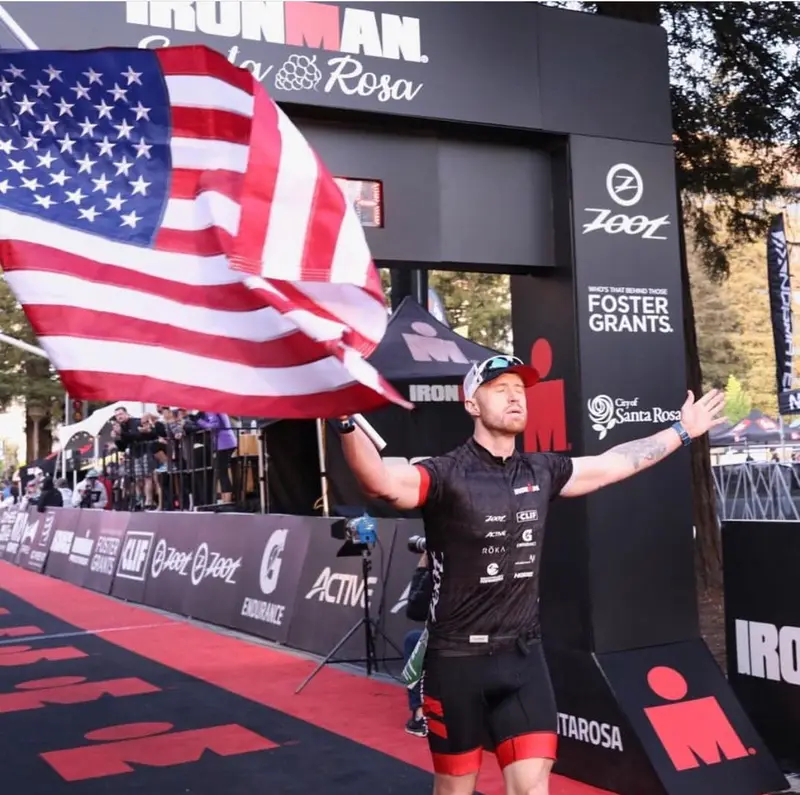
We have our Monday interviews that's with an expert of some sort or somebody who has an inspiring story. This past week, we published a podcast with mister Mike Ergo, who's a triathlete, an Ironman triathlete, and a US Marine Corps combat veteran who overcame drug abuse and alcohol abuse and really turned his life around and found peace in endurance sports. We've also got our Friday Warrior Notes episodes and that's where we go in-depth into a discussion about a specific thing related to mindset and, gaining the mental strength you need to push forward in this life to do everything you can. And of course, on Wednesdays, the type of episode you're listening to right now, we publish a q and a episode. That's where I draw questions from our private Facebook group, the Warrior Soul Fitness Academy, which you can join by the way.
We'll put a link to that up in the show notes. It's completely free to join. You don't have to buy anything or anything like that, and where I try to answer these questions for our audience. And if you're not a veteran, that's okay. Stick around.
These episodes can help pretty much anybody who's trying to live a better life. We focus on The US military veteran community because that's where it's most needed, but anybody is welcome to listen. And all we ask for in return is that you share these episodes out with those who need them. And the best way of doing that is by writing us a review on iTunes. Anytime you write a five star review on iTunes for us, it it really helps to spread the word and let people know about the show.
Beyond that, before we get into our discussion for the day, I just want to mention our amazing sponsors, F Bomb Nutrition. They make delicious awesome packets of fats. Their macadamia nut butters are awesome. They mix them up with coconut butter, with pecan butter, with chocolate, and with sea salt. And they're so delicious.
There's no sugar in them. They taste like a crushed up macadamia nut butter cookie. And you can get those over at www.dropanfbomb.com. And when you use the code Warrior Soul at checkout, you'll get 20% off of your first order. So with that, let's get into our discussion of the questions for the day.
And the first one comes from mister Stuart Cook. He said, I'm struggling with eating enough, especially during the week at work. Any suggestions for between meal food or lunches that will keep me satisfied? Now, here's the thing. You know, a lot of us have this this issue where we're not getting enough to eat throughout the day.
And I know that by far more people are concerned with weight loss and more people are concerned with eating less. But for a lot of people, it's a real struggle to get all the nutrition you need in throughout the day. So there's a few different things we need to consider here. Now, number one, of course, are you getting enough calories? Are you getting enough calories in your day in order to sustain your activity levels?
And it's it's a pretty important subject, I think that calories do neck do get neglected more today when we have different types of diet protocols like intermittent fasting or the ketogenic diet where a lot of people are opting to burn their own fat stores for fuel. But calories still matter even if you are intermittent fasting, you still need to make sure that you're getting enough daily calories in order to sustain your activity levels. If you're a man or a woman, it can have severe impact on your metabolism if you're not. If you're a man, it can actually lead to testosterone deficiency. And that's because if you're not getting enough calories, something called sex hormone binding globulin gets upregulated.
That's a protein that binds tightly to your testosterone, and it makes it less bioavailable. And, that's why when you get your testosterone tested, you get a total t count and you get a free testosterone t count. And, the free testosterone is the one that really counts because that's measuring your bioavailable test testosterone. If you're trying to preserve your sexual health, if you're trying to just produce enough testosterone to be healthy, then of course calories are a concern. For women the big danger here is with thyroid.
If you're if you're not getting enough calories, then women tend to fall into hypothyroidism. That's where the thyroid gland starts slowing down its production of thyroid hormone in an effort to preserve fat fat mass. The reason why this is more common amongst women is because when women biologically, need to have, sorry I just crashed something on my desk, women biologically, need to have a higher body fat percentage for survival and for, reproductive health. So what are some strategies for getting more calories in? So first thing is this, you know, finding easy portable snacks that are gonna be healthy and that are going to give you the energy you need to get out, get through the day, and that are gonna have enough calories to do this.
Now, this is not just a plug, but I just mentioned one. Our sponsors, f bomb, make an awesome product with their macadamia nut butter. And they also have packets of oils, like olive oil, like coconut oil, like MCT oil that you can carry around with you, and that you can add to food to increase its caloric content, or that you can just eat by itself. And, that's a really great way of doing it. The other thing is if you're following the ketogenic diet, there's a lot of really cool keto products out there that can help you to get snacks in during the day, but also maintain your ketogenic diet.
Right? And that's the big danger is because a lot of people are afraid of reaching for snacks because they're they're afraid of, you know, screwing up ketosis or screwing up their diet. But no, KNOW makes some really awesome low carbohydrate cookies that you could use, and they're absolutely delicious. They they, they don't carry a bunch of sugar in them or anything like that, and you could use those. You could also opt for quest cookies.
Quest cookies have a little bit of a higher protein content to them. They're also lower in carbohydrates. They're pretty high in fiber, and they're pretty good, macronutritionally. They're really low in sugar. So, awesome product right there that I actually use quite a bit of the time.
You can also make sure that, if if you wanted to, if you're down with seafood, if you're ketogenic, then you can go with sardines. And, I'm not a big fan of these. I really don't like them very much. But if, if you are a sardine type person or if you like tuna, then, what you could do is you can get a tin of sardines and you can mix them up with like a Primal Kitchen mayonnaise. And they're they're really, the the mayonnaise will bring up the taste.
They're really healthy for you. They pack a lot of omega threes in them and a good amount of protein, and and those are great as well. In addition to that, you could also do chia seeds. And a lot of people neglect these, but one thing I like to snack on is a chia seed slurry. And what you do is you take chia seeds, you stick some water in there, a little bit of lemon juice, and you soak them for a bit overnight before you take them to work with you, stick them in a Tupperware container.
What they do is by soaking them, it turns turns them into like a gel like substance, and it gets them to release a lot of their omega threes. That's a great way of getting awesome omega three fatty acids. Of course, if you're not ketogenic, then you could always opt for having some fruit. Berries in particular are great snacks that don't pack a whole lot of sugar or anything like that. I like blackberries or blueberries, and they're great as well.
You could of course also do a protein shake at some point in the day. And if you can't get a lot of veggies in or if you can't carry a salad with you, another really great product out there is Organifi. Organifi Green Juice. And that's packed with loads of fruits, vegetables, all the nutrition you'll need just to make sure that you're getting all your micronutrition. Another really cool meat type snack are are beef jerkies or, you know, dried meats.
And, you know, I'm not a fan of a lot of different types of jerkies, but Epic may, of course, makes these awesome meat bars. They're usually like buffalo or wild boar or or beef, grass fed beef that's mixed up with berries or something like that. Another really great one is US Wellness Meats makes a pemmican that you take with you. And this is basically a bunch of beef and fat in a tube that you can can carry around with you. Pemmican is a very old type food that native Americans used to eat.
Another thing you could do is you could opt for chomps. Chomps are grass fed beef made up into like a type of Slim Jim, and they're packaged very well too. So, the other thing I like to do is collagen bars, collagen protein bars. I really like the bulletproof collagen bars. They're absolutely tasty, but the Primal Kitchen collagen bars are good too.
And that's about it. I mean, there's there's tons of solutions out there if you're having problems getting in food throughout the day and you need to to find something to snack on. One of the really awesome things about this modern age we live in is that you can always find them. Amazon's loaded with options. Thrive Market, another really awesome place to go if you're you're looking for more of a a discount, type of Whole Foods that's online.
Then Thrive Market pretty much has the best prices amongst any store out there. So definitely check those options out, Stuart. The next issue that I wanted to talk about here is, how to do an active rest day. Alright. So Julianne Husner, she's a member of our group and, she she didn't really write this out where she said I'm struggling with the right training pause.
Very motivated, but tending to do too much and then facing pain issues. What's the best way to actively pause between the training as a beginner? So this is a big one, I think, because a lot of beginners, they'll go through and they'll, they'll jump in head first and they'll just try to to go all out. And I've I've done this a whole lot. You know, if if I've had to take time off because of, an injury or something like that, then I would, you know, I get anxious.
A lot of people get anxious. They want results right now. And when they're starting programs, they like to dive in head first. And that means that, you know, a lot of times they're neglecting the recovery. They're not taking care of the small issues like the their mobility, which can add up to being a very big issue and can lead to injury.
And, they're they're they're not doing deloads. Right? Deloads can be very important in making sure that you're getting forward progress. So what's a good way of actively deloading? Well, there's a few different things you can do here.
Number one, you can opt to do something a little bit different for a week. So let's say you're somebody who likes to go to the gym, you're hitting weights, you're rolling jiu-jitsu all the time, and you're just getting burnt out. Well, one good cool thing you can do is you could take a week and rather than going to the gym, can opt for doing things like going hiking. Right? Going hiking for a week and and and maybe spending an hour or two a day just out on the trails and trying to move around and exercise in a different way.
You'd also try and do swimming. You can also try and and and do any other activity. You wanted to try and getting into a yoga class if you don't regularly do yoga, it's another really great way of deloading and and but also actively working on movement and mobility. I definitely definitely suggest that at any point you don't just stop activity. Like a lot of people they'll go on vacation and they won't do anything at all.
And, that's a bad idea. It's bad because you know, you really want to keep your body moving, want to maintain your insulin sensitivity, and just allow your body's processes to keep going so you're maintaining your metabolism. So at a bare minimum, know one thing that I'd really recommend is that if you're deloading for the week make sure you're getting up and you're moving every hour. So if you're working at a desk or you're you're you're doing something that requires you to sit down, then just every hour get up and do a few sets of push ups or air squats or, burpees or or just a normal body weight exercise and that what that'll do is number one, it'll help to keep your blood sugar moving back to baseline. It'll also, really reduce the amount of insulin you're producing throughout the day.
The other thing I would focus on is, after your meals make sure that you're going for like a fifteen twenty minute walk and that'll help you in a number of different ways. Number one it increases your or decreases your gastric emptying time. So that if you have got GERD or heartburn or something like that, that can definitely help with that. But also again, that it helps to reduce your postprandial blood sugar and, will also help to reduce the amount of insulin you're producing. I also suggest that you really work on mobility and mobility is not just stretching, it's actively trying to, release those problems at problem areas to dig in there and get rid of some of that scar tissue you're dealing with and and you know, some of those other things.
Really working on yourself with the lacrosse ball, going for massages, working with, I don't like saying foam roller because I think foam rollers are too soft for most people, but you know, sort of hard cylinder or something like that that you can work on self myofascial release. That's another really good way of increasing your mobility in an effort to prevent injuries. You could also pick up a movement type workout such such as that which like Ido Portal does. You know, doing doing bear walks and lizard walks and and all these different types of movements, and moving your body in ways that it wouldn't normally move. It's another really great thing to implement, you know, when you're on deload weeks.
I've recently started incorporating gymnastics rings training, just to increase my mobility and to increase my core strength. And, that's not necessarily the best thing to just do on a deload because it might be really strenuous for some of you. But those of you who are advanced lifters, I suggest incorporating ring work whenever you can. You know, it's an active training week or not. But, on deload weeks just just doing those types of body weight exercises with ring exercises and that type of thing that can that can really help.
Another thing to really focus on on deload weeks is also, nutrition and really making sure that you're getting a good amount of micronutrients in there to help you to fight, inflammation, to help you to to deal with those aches and pains because a lot of people don't realize that a lot of the inflammation we get doesn't just come from exercise, it actually comes from the diets we eat, and it can send you into a lot of aches and pains and injuries and and make injury that much more likely. Really like taking some time to reformulate your diet during those weeks is a really good idea as well. So those are some of my takes. A couple of other practices you can implement too. Cold exposure.
Taking cold showers can can definitely help with reducing inflammation particularly on on a deload week and also heat exposure. Know, to the sauna and or maybe the the Jacuzzi and and, exposing yourself to a little bit of heat there too. Heat shock proteins are known to help with fighting inflammation and things like that too. So those are some some cool practices you can do for for an active rest week, if you're looking to deload. And, you know, my major piece of advice there is just to not to to take those weeks, you know, without doing anything at all, but but to do some other stuff and to to really work on yourself.
Right? The work doesn't just happen in the gym. You need to to put work into your body to make sure that you're not getting those injuries. The final thing I want to address for today involves, dealing with genetics. And I get a lot of people ask me questions about the role genetics plays, and whether or not they're able to lose weight, and whether or not they're obese.
And this is something that I think a lot of people should consider when they think that they're genetically screwed. And that's this. You know, today's day and age, we're dealing with record amounts of obesity and record amounts of diabetes. About a hundred and fifty years ago, this stuff didn't exist. Right?
We didn't have a whole heck of a lot of obesity, and we didn't have a whole heck of a lot of diabetes. Now something you have to understand about genetics, they don't just get influenced over one hundred and fifty years. It takes thousands of years, hundreds of years if not thousands of years, in order to create a genetic influence. So the amounts of obesity we're seeing out there today, the amounts of diabetes we're seeing out there today, they definitely cannot be explained simply by genetics. Now do genetics play a role?
Yes they do. If your parents were heavier then it's more likely that you're going to be heavier. If your parents had diabetes or cancer or heart disease then it's more likely that you will as well. But I hate when people say that I am cursed to be obese. I am cursed to be unhealthy.
I'm cursed to be this. I'm cursed to be that. Because genetics require an environmental stimulus in order to bring them out. A lot of people just think that this is something that you're resigned to. It is not.
You can influence your genetics, and you can influence your genetics through good practices, good living, taking care of your body, good nutrition, exercise, all these things can influence your genetics. Now I am very naturally slim, Like, I'm a very naturally skinny guy. That's the way my body is. I've got a lot of members of my family who are not skinny. They're not naturally skinny.
They're not fit. And the thing is, what separated me from those family members? Well, what separated me is that I've been training for a really long time. I got my butt into the gym. I've always really looked after what I eat, That in turn has allowed me to influence my genetics to keep me from becoming obese like some of my family members are.
The same is true for any human being. It's those environmental factors that also impact our genetics and that bring certain genetics to the forefront. So my point is this. Yes, if you've got family members who are obese, if you've got family members who suffered from chronic disease, it makes it more likely that that's gonna happen to you. But you can definitely influence your own genetics, and you can do so by making sure you're following a good diet, and making sure that you're putting the work in, and getting in the exercise that you need to.
So don't let me hear anybody out there using genetics as an excuse. Genetics don't need to be a factor if you don't allow them to be a factor. If you allow them to be a factor, then they will trap you into that fate. Alright. So that's what I got for today guys.
Again, if you guys are interested in asking me questions and getting your questions answered here on the Warrior Soul podcast, make sure you're joining our Warrior Soul Fitness Academy private Facebook group. And, always happy to have more people on there and more people in this movement. So again, thank you guys so much for listening. We'll be back at you Friday with another Warrior Notes episode.
Host of the Warrior Soul Podcast and founder of Warrior Soul. Worldwide trainer and nutrition coach, contributing author at Testosterone Nation and Muscle and Strength.