Podcast episode
How to Start a Fitness Business with Chris and Eric Martinez
Hosted by Chris Albert
The Warrior Soul Podcast
How to Start Your Own Online Fitness Business
Starting a business isn’t easy. In fact, entrepreneurship is one of the most difficult things you could ever do with your life. At the beginning, there will be months where you don’t know where your next paycheck is going to come from, and there will be moments where you question whether or not you made the right choice.
But entrepreneurship can also reward you like few other things in life. There’s so much empowerment that comes from being a master of your own fate and creating something out of nothing.
Fitness Entrepreneurship
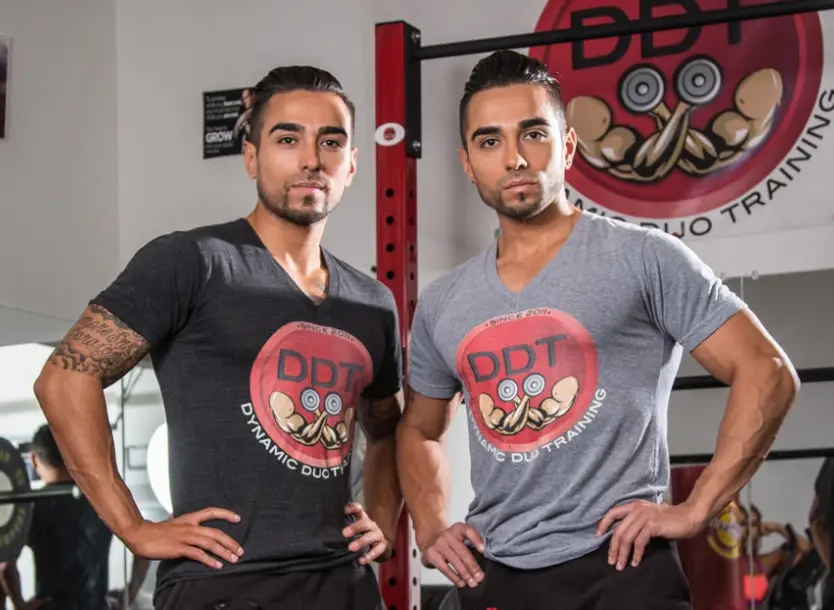
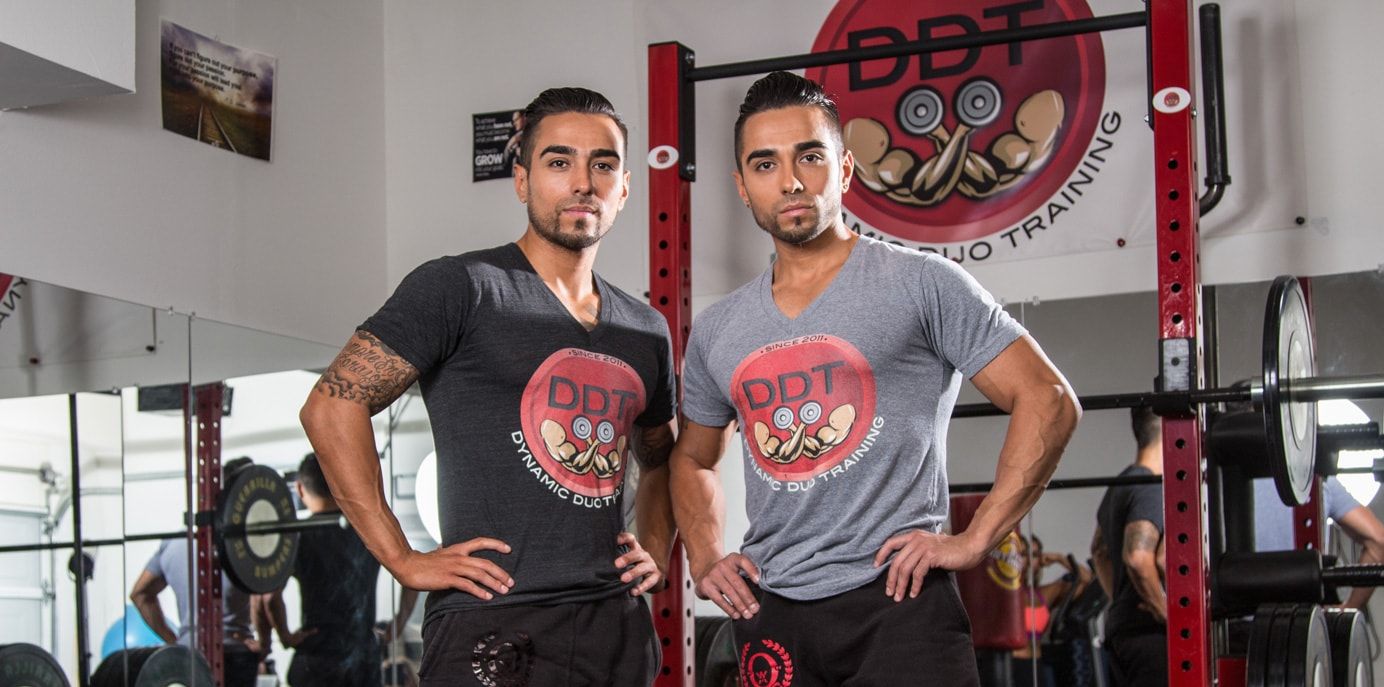
Our guests this week are Chris and Eric Martinez, from Dynamic Duo Training. In their fitness business, they provide world-class online training services with safe, ethical, and healthy approaches, and they’ve built their fitness business from the ground up.
Now they’re growing their mission to help other fitness entrepreneurs start their own online fitness businesses, and they came onto the show to deliver their insights to our audience of military veterans.
As you’ll find out from this interview, success in any business is not guaranteed. Chris and Eric drove their success by educating themselves as much as possible through reading, research, and finding mentors to guide them along.
In this conversation, you’ll learn:
- how to get your foot in the door in the fitness industry
- how Chris and Eric overcame one of the most difficult periods of their lives after the loss of their father
- how develop a vision for your business
- how to find mentors
- how to deal with the inevitable adversity that comes with a startup business
- how to build an online presence
- how to promote yourself over social media the right way
- how to find the right coaches
- how to build discipline into your life to work for yourself
Transcript
Machine-generated from the episode audio and lightly edited — may contain errors.
Chris Albert (link to this point)
The Warrior Soul podcast is written, produced, and edited by me, Albert. Our mission is to provide tools, tactics, strategies, and ideas to US military veterans and anybody else willing to listen to help them to navigate toward living their absolute best lives. If you find these episodes helpful, please share them out with somebody that you know of that can use them. And if you really like the podcast, please also head over to iTunes and write us a written rating and review. It really helps us to spread word about the show, and it really helps to get these tools in the hands of others who really need them.
This podcast is sponsored by f bomb nutrition. They make awesome delicious packets of macadamia nut butters. They mix them up with chocolate, with sea salt, with pecan butter. They're absolutely delicious, and they also have a number of other fat fueled snacks, like their meat sticks and their cheese crisps. They're amazing people who are sending boxes of this stuff out to the troops on the front lines, and they're offering 20% off to our listeners on their first orders.
If you head over to www.dropanfbomb.com and use the code Warrior Soul at checkout, you'll get 20% off of that first order. And I'm gonna keep the announcements short and sweet today. You can stick around to the end. I got a really special announcement about a brotherhood that we're creating here at Warrior Soul. So hope you enjoy this episode.
I hope you get a lot out of it. And without delay, let's get into it.
Chris Albert (link to this point)
This is Chris Albert, and I'm here to remind you of one thing. Someday, you're going to die. That's not some morbid statement or scary idea. It's solid fact. Your time here on this earth is limited.
We need to be reminded of this as much as possible for one simple reason, to live your best life while you can. This is the Warrior Soul Podcast.
Chris Albert (link to this point)
What's going on, everybody? Welcome to the Warrior Soul podcast. Today, I've got a couple of really great guests for you. They're Chris and Eric Martinez. They're known as the dynamic duo, and they are online fitness experts.
And what they do is they also train other trainers, teach them how to set up their own online fitness businesses. The reason why I wanted to bring them on is because I get a lot of questions from our audience about how to start a business, particularly those of you who are in the field of fitness. Now, I've been an online trainer for a long time now. I've trained people from around the world. I've done nutrition coaching for people from around the world, and I am also a former gym gym owner.
I started Metroflex Gym in Long Beach in 2011 and worked there for three years. Now I have seen this industry take off. I've seen it also get really crowded. And the reason why I wanted to bring Chris and Eric on is because I've been actually out of the game for a while when it comes to promoting my fitness business. I've been busy with a lot of the things we're doing here at Warrior Soul.
And, the same principles apply. Right? Formulating a podcast and putting out programs for veterans is is very similar work to what you would see an online trainer doing. But I felt like I wanted to bring on a couple of guys who were in the trenches right now, running their own fitness business and teaching other trainers how to run their own online businesses. So that's why I brought Chris and Eric on.
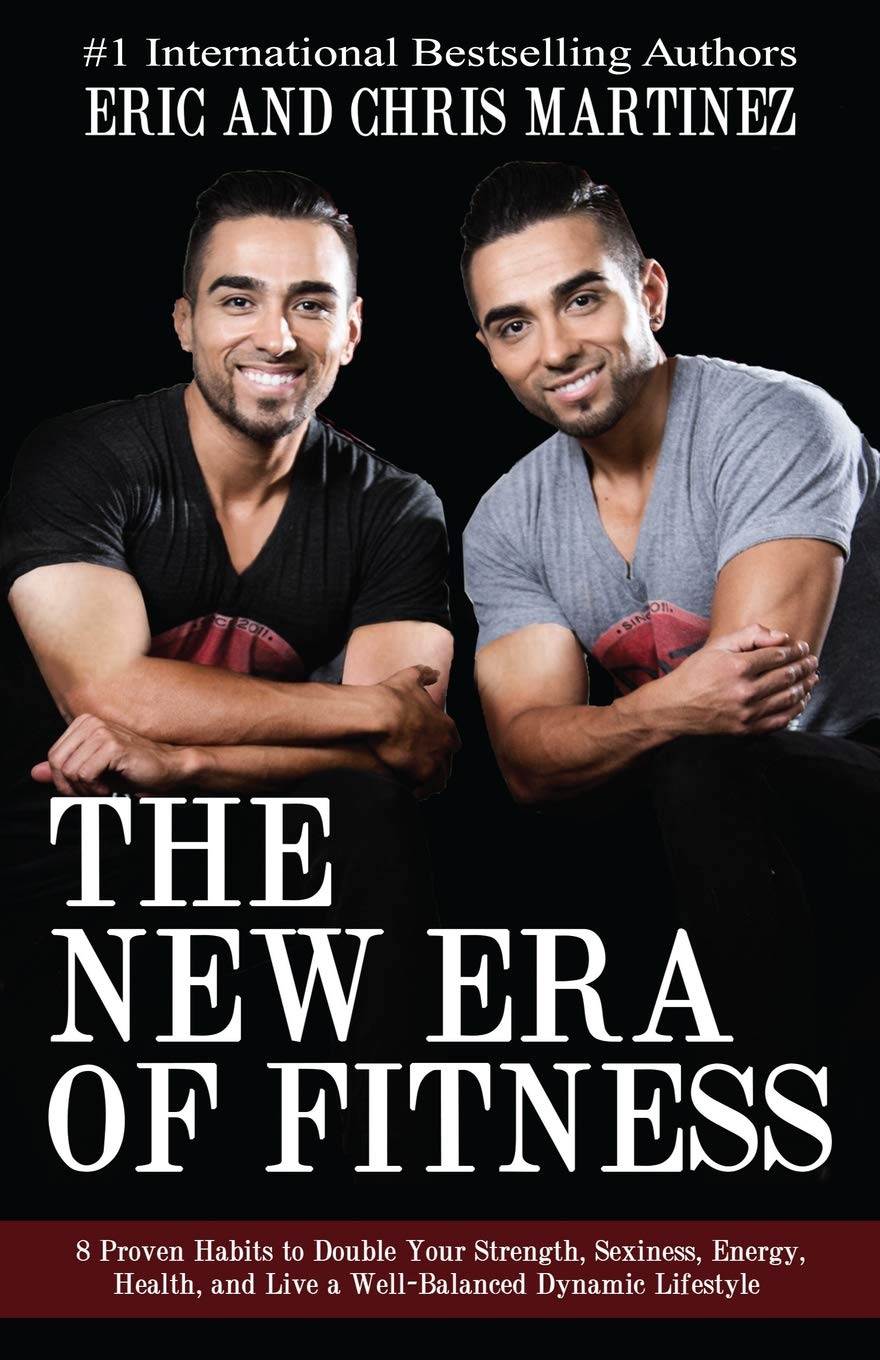
They're both great guys. They've got an excellent book that we'll have a link to in the show notes. And, you're gonna get a whole lot out of this podcast. So make sure you're pulling out a pen, a piece of paper, and you're writing this stuff down. These are all things you could apply immediately after this show.
So make sure you're doing that, and I'm not gonna keep you any longer. Let's get over to this interview with Chris and Eric Martinez, the dynamic duo. What's going on, everybody? Welcome to the Warrior Soul podcast. And today, I have a couple of guests that are going to enlighten us on this kind of new age of business.
They're they're in the fitness industry. Their names are Eric and Chris Martinez, and they're known as the dynamic duo. And I grew up with Batman and Robin and all that stuff, those cartoons, so familiar with that. But we've got a lot of people in our audience. As you guys know, our audience is made up of a lot of combat veterans from the US Marine Corps, US Army.
They're getting out now. They're heading off into different areas of their life. New adventures, college. They're looking at they're looking at different careers. A lot of them are starting to open up businesses.
Veterans open up businesses en masse, and a lot of them really want to get into the fitness industry. So it's a big reason why I brought you guys on here, but that's not where I want to start. I want to I want to start with something else here. I read through your book yesterday and where your story begins at 18 years old, you guys ran into a massive tragedy. And and we'll talk about that a little bit, but I know three days before Christmas, in your eighteenth year, you learned that your father had passed away in a car accident.
Chris and Eric Martinez (link to this point)
Right.
Chris Albert (link to this point)
What kind of impact did that have on you guys at that age?
Chris and Eric Martinez (link to this point)
Yeah, great question. I just want to first start with just saying, you know, thanks for having us on. I love the theme of your show and thank you for, you know, you know, giving back and just doing everything that you do for this country. I really appreciate that.
Chris Albert (link to this point)
Oh, thank you so much. I'm humbled by that.
Chris and Eric Martinez (link to this point)
Yeah. So to answer your question, Chris, it was brutal. You know, it was really tough. Know, we grew up in a picture perfect life. Just our father really always instilled, you know, discipline and education and just hard work.
He was a correctional officer at San Quentin State Prison for many years. So he raised us right. He raised us with a lot of manners, and I didn't see that back then because I was a kid, but now that I think back at him, I was blessed with an amazing father, amazing parents. And that was all taken from us three nights before Christmas in a blink of an eye. And I think what hurts most is that we didn't even get a chance to say goodbye to him.
And it's just one of those things where it still eats us up today. And it's gotten easier, but it's one thing that will never ever leave us. And I remember that night where I woke up and I thought I was in a nightmare. And I heard a knock on the door and I woke up and there was a chaplain and a California Highway Patrol officer, probably not the best combination at three in the morning. And I remember seeing my mom just dropped to her knees and scream bloody murder.
And that's when we found out that he had passed away in a car accident and fell asleep behind the wheel. So right then and there, everything just kind of fell apart with our family. And my mom turned to alcohol. She turned to antidepressant pills. Her mother passed away three months after that due to cancer.
So it was like a ton of bricks hit my mom. I felt like we lost part of our mom, and we still haven't gotten her back fully from that tragedy, I mean, eighteen years ago. So Chris and I, being kids, we lost our mentor, part of our family to where, I mean, we were lost. We were so lost. We were just facing so many demons, adversity, just living in this unknown to where it really impacted us, to where we were lost and we made a lot of bad decisions.
We used a lot of that as anger as our outlet and just got into trouble, started drinking too much, hanging out with the wrong crowd. And it was just something that kept happening, a cycle for six years. So I feel like we lost six years of our life just cruising through. We were still going to school, we were still working, but it's just something that wasn't fulfilling us. We were just going through the motions.
I felt like we were still going to school just because that's what our father wanted for us, was to graduate from college. I remember coming home from school, work, seeing my mom passed out with alcohol bottles, just antidepressant pills, she would just rebel on us. So it was tough, it was really tough for those six years. And after that six years, as Chris and I just hit this big epiphany where we're just like, man, like what are we doing with our lives? Like, this is not the way we were raised.
Like we have so much God given talent to give back to the world that we need to turn this around or we keep going down this dark path. And I don't think this is what my father would want. So after that, we kind of just turned things around, you know, and just hired a mentor with bodybuilding, Doctor. Layne Norton. He was a big impact in our life.
And after that, we got really fascinated with just physiology, anatomy, kinesiology, bodybuilding, till we started getting our certifications in strength and conditioning, our master's in sports nutrition, CPTs. And yeah, we just started our business Dynamic Duo Training, which is an online consulting business for health and fitness. And ever since then, man, we just kind of kept our foot on the gas pedal, just writing our book, The New Era of Fitness, becoming public speakers. Now we're business consultants. We have another business called the Dynamic Inner Circle where we help fitness pros build and scale their businesses.
So yeah, that's kind of just the back to kind of backtrack the story of what happened.
Chris Albert (link to this point)
No. Absolutely. And and I think one of the things in that story and one of the reasons why I wanted to bring that up first is because, you know, at that point, 18 years old, that's kinda like a turning point for most people. Right? They're either gonna decide to go down the traditional college route, or they're going to decide to to get to work.
And I think for you guys, this notion of sacrifice was kind of what's thrust upon you. Right? You got college experience, but you didn't get the traditional college experience. Right? You still had to contribute to the family.
You you had to take care of your mom. You had to to stick around your hometown for a little bit longer. And that's a choice, I think, that a lot of veterans, whether they're getting out at at 22 after four years of service or whether they're getting out at 35, you know, after after decades of service, that choice is thrust upon them as well. Right? Do they go down and say, okay, I have to get the traditional university education?
Or do I do a little bit of exploring? Do I do I do a little bit more soul searching to figure out what I want?
Chris and Eric Martinez (link to this point)
Yeah. Yeah. Absolutely.
Chris Albert (link to this point)
And so during that six years, you said there was a lot of drinking, a lot of, you know, kind of drifting and things like that. What was essentially missing there? And I know when you go through tragedy, obviously, there's there's a huge hole in your life there. But but what was the element that said, okay. Look.
We gotta change something right now. What was what caused that epiphany?
Chris and Eric Martinez (link to this point)
I think it was just after six years of just what Eric said, just going through the motions and doing things for the wrong reasons and basically not having that guidance or that mentor and playing the victim role for too long, you know, kind of sitting there saying, you know, why me? Why this happened to our family? And we just got sucked into that too long, you know? And I think we just hit a breaking point to where I think we got in trouble with the law. And, you know, that was like the second time that it happened.
We had to hire a lawyer to come kind of get us get us out of that trouble that we got into. And our mom was just again, you know, breaking down crying. And just kind of said to ourselves, we can't keep doing this. Like, something bad is gonna happen if this happens one more time and can't keep putting our mom through it on top of everything else she's been through. So it was just a turning point.
I can't say it was like one single thing. I think it was just kind of a compounded thing where just over the six years, just same old shit, same old bullshit, just got tired of it and just needed a change and just really realized that like, hey, this happened to us for a reason. And we need to sit there and turn our messes into our messages going forward to help inspire other people.
Chris Albert (link to this point)
Awesome. And when it comes to the fitness industry, I come from the fitness industry myself. I owned a gym. I was a I was a trainer for a long time, nutrition coach for a long time. What I've noticed about the industry itself is that you have many different people who've jumped into the industry with the onset of the Internet age. And with that comes both the good and the bad.
Right? So we it's it's great because you can start a business with practically nothing, but it's also bad in some instances because a lot of people jump in without the necessary training, without the necessary knowledge that they need to actually advise people properly. You guys chose to go and find a mentor. What was it about you at that time that said, okay, hey, we don't know everything that we need to know. We're gonna go and we're gonna find somebody who is a bit more educated than we are on this, and we're gonna learn from them.
Chris and Eric Martinez (link to this point)
Yeah, just think at that time, I mean, were flipping through it's funny, do remember those magazines like the muscular development magazines, the flex magazines? So we're flipping through that and I kid you not, I still kind of like look at this as it was almost a blessing from like our father making us read that magazine and opening up that column at that time because we needed it so bad at that time. So it was a column on a natural bodybuilding section by Doctor. Layne Norton. And I was just fascinated by just everything he was talking about.
And at the bottom he had a call to action to his services and it was online training. I didn't really know what online training was at the time because we were actually still working out. We were actually doing some personal training in person so I was actually kind of really intrigued by the online training thing. So I said, Hey, why not? There's a reason why I came across this article.
And then so I actually contacted him, ended up hiring him, just started picking his brain about everything because he had been doing it for such a long time. And for me and Eric to be like, You know what? We could just hop into this online thing. We probably could have done it. But it's like the way I like using the mentor analogy is like, you're going, if you get dropped off at a forest, right?
Two scenarios. I would rather have somebody as a mentor over me in a helicopter view guiding me through that forest so that I can actually get to the very end of it in a faster pace and actually make it out of that forest. Because the second scenario is, yeah, I can get dropped off that forest, but I can sit there and try to weave in and out of the forest, try to like be resourceful and stuff. It's It's gonna take me a lot of time and who knows at the end if I'm gonna sit there and be successful or get out of that forest. So that's the analogy I like to use for a mentor.
So we said to ourselves, look, this is something we wanna do. Let's play the long game with it. Let's be patient. Let's ask him questions. Let's put in the work.
Let's build a foundation for this online business. And let's really, really be in business for the next decade, not just for one year and make it a quick fix and a quick moneymaker. And it's funny too, because I remember we would be annoying about just like asking so many questions because we were so curious. We're like sponges. I'm a true student even till today and I always will be.
So I just thought it was funny looking back at it, how much questions we asked and we're just like, but why, but why, but why and this and that. So it was an awesome experience though. And like Chris said, just the whole mentorship thing, I wish more fitness professionals would go that route.
Chris Albert (link to this point)
Yeah, absolutely. I mean, you look around at what's kind of happening, there's a real lack of trust these days, think, in the fitness industries, particularly because there's been so many instances of online gurus coming out and doing all kinds of crazy things. In many cases, I think, dangerous advice. And the thing is, you think that people would do the research to actually see if what they're doing is safe or not, but the reality is most people don't. And if somebody looks good or they look the part, then there's people out there who would follow them to the ends of the earth.
Chris and Eric Martinez (link to this point)
100%, yeah and it's just it's unethical but like you said it's just kind of like the wild wild west and there's really no restrictions on it which it sucks because when you think about it, fitness is your health, right? And if you don't have your health, you can't have your wealth, you can't have your love, you can't have your happiness. So it's such an important aspect in somebody's life to where it's like that should be regulated. That should be very tightly controlled because this is people's health and fitness you're talking about that you're actually in the hands with and trying to enhance and optimize. It's like, man, if you're not using scientific practices and staying on the latest, greatest cutting edge stuff and what's working, what's not, what's unethical, It's just, it's really shady.
But hey, it's a shady industry in that way. And I know you know Chris, so it's just that you just gotta just cultivate more people that are out there for the better reasons and to make it a better place. Yeah. And just to add on that note, that's why I truly believe, though. I mean, you could sit there and have this massive following on Instagram, whatever, all these numbers, all these likes, have this amazing physique that if at the end of the day, you don't know if you don't know your shit, you don't know how to treat customers, you don't know how to give these customers a client experience, You will not retain them.
They will not sit there and give you referrals. So at some point, all these people that are doing this in an unethical way, they're going to crash and burn. They really are. And to me, you only get one reputation. And that reputation and that brand that you build is really, really important, and just playing the long game and just doing things right.
Chris Albert (link to this point)
Absolutely. And I wanna come back to that in a second as far as the idea of about going out there from a business perspective and making your goal to try to get followers and subscribers and things like that. But I wanna mention something else. I was reading through your book yesterday, and you put such an emphasis on mindset when it comes to fitness. The strength of your mind, understanding that you need to be dynamic, flexible in everything you're doing, understanding that you need to educate yourself and understanding that you need to include fitness in your life, whether you're going through good times or bad times.
Can you talk a little bit about how you came across a lot of this mindset information that's in here? And how you incorporate that both with your fitness clients, but also with your business clients through your coaching to become entrepreneurs.
Chris and Eric Martinez (link to this point)
Yeah, absolutely. That's a great question. I think that all just really originated from us hiring a life coach. So it was probably, I want to say about five, six years ago, right? We hired a Life Coach and I was very skeptical about it.
Was like, man, like Chris, a Life Coach? Do we really need someone to coach us on life? So I was very just kind of just like, you know, in denial about it, but I was like, you know what, let's just try it out. He's coming highly recommended. He's local to where, let's just do it.
So we hired him for a year and it was probably one of the best investments I've ever done just because he expanded our mindset to think more of like in a growth mindset context to where thinking outside the box, doing morning routines, doing wind down routines, taking care of ourselves first before we take care of other people and serve other people. So that was probably the greatest eye opener, just reading books, just writing, just listening to audio. I mean, just doing things that are uncomfortable that we don't think about on a day to day basis for our mental health. So that's where that came from. And I implemented a lot of his exercises practices that I learned into my coaching philosophies.
And even till this day, I still implement those into our business program and our students because mindset is huge. I'm always gonna say develop that six pack in the mind first, and then everything else will synergistically flow. Because if our inner world inside is broken and lost, our outer world is gonna just be complete just chaos. So a lot of people don't think about that. It's just the mental health, the spiritual health, the emotional health, right?
How do we become more emotionally and mentally resilient these days? We're not taught that in school. We're not taught that by our parents. So it's very difficult. So we have to go out and learn that on our own and condition our mindsets over the course of the time to do that.
That's gonna make us better people, better entrepreneurs, and it's gonna make a better society in my opinion.
Chris Albert (link to this point)
You mentioned resilience. Can you define resilience for me?
Chris and Eric Martinez (link to this point)
Resilience is just being relentless. Just whatever comes your way, you fucking just battle through it and keep pushing forward. Because no matter what, and you know this too, Chris, life is gonna throw curveballs. We're gonna get tested. The universe works in mysterious ways to where we don't know what the black and white answer is, but we have two choices, whether we get knocked down or get back up, right? So to me, resilience is just getting back up every single time and pushing forward and learning from that and actually reframe your mind to look at that as a blessing and a positive to be like, okay, there's a reason why this happened.
So let's just keep pushing forward and learn from it.
Chris Albert (link to this point)
Whoo, Eric's on fire today, Chris. Got some great answers there. Do you guys
Chris and Eric Martinez (link to this point)
Thank you.
Chris Albert (link to this point)
Yeah, this is off topic. But do you guys like have that twin thing where you're where you start thinking similarly and
Chris and Eric Martinez (link to this point)
Yeah, yeah, yeah, definitely. You know, it's funny, like if we have a conversation in person, you know, if I talk to you for like five full minutes by myself, he'll come and if he gets like five minutes with you, I'll ask you probably like 70% of the same questions. It's kind of annoying sometimes.
Chris Albert (link to this point)
You know, just to get back to the resilience aspect, I just read a book that had a huge impact on me because I was going through a lot a couple of weeks ago. Lost I tragically lost a really good friend. It was this second friend I'd lost this year from similar causes. And I went to Viktor Frankl's Man's Search for Meaning, which I think everybody needs to read. I just did a review about it on the podcast. And, you know, one of the things I I got from that is that it's not what happens to you that matters, it's how you choose to respond to it. And I think that's what you're getting at here, you know. No matter what, all of us are gonna face tragedy, every one of us is gonna face hardship, and ultimately, all of us are gonna face death at some point.
Right? And and the end of our lives. And so, you know, what we have to learn is is how to deal with those things in a world where, you know, pretty much the whole world was set up to test living things from the dawn of time to see if they're strong enough to survive here. But why do you think so many people fall into victim mode? Why why are so many people out there feeling sorry for themselves and and, you know, acting like the world is against them.
Chris and Eric Martinez (link to this point)
Yeah. I just think it's a combination of things. I think the first thing is just the upbringing, you know. Again, we're not taught these type of things to where it's like, how do we deal with our emotions? You know, how do we sit there and make that choice to either be resilient or not be or just to stay down.
So it comes from upbringing, it comes from belief systems within the family, within the culture that very narrow minded, very archaic, black and white type of thinking within the belief systems. And then it comes from just social and society, I think. People just are not in the right social circles. So one thing I've always been very, very cautious of is if I'm ever going through a rut or something is not going my way and I just feel like, man, I want to throw in the towel, always revert back to that social circle that are very uplifting people because nothing replaces that. Nothing replaces that uplifting social circle that can just uplift you and get your mind off of what's going on with everything.
But I personally think it's just a combination of things. It can't just be pinpointed on one thing. And it just goes back, man, just as to especially society today, you know, with just all the noise out there, all the distractions with social media and just the negativity in the media. I mean, negativity is so powerful. It really is.
You can have like 100 positive people in one room. If there's one negative person that says one negative thing and like shouts it out, it just kills the whole vibe. So that shows you just how powerful like negativity is. So you watch something on the media, you come across it on your phone, it triggers your mindset to go into that scarce mode, into like that poor me, that victim mode. And then, you know, all these other things kind of like snowball into it.
Yeah, and I agree with Chris on that. Would say for me too, I look at it as more of like a form of people wearing masks, right? So they're just trying to mask this pain. So if you look at sadness, if you look at just fear, self doubt, I think that's all form of a mask. It really is, right?
Because there's nothing right there in front of you that's actually physically pulling you or holding you down. It's all in your mind. So for me, for example, when I lost my father and I was going through all that, I masked my pain through putting my head down and working and building, building, building our business. And it wasn't a healthy thing now that I look back at it, because I lost a lot of friends, impacted relationships. And that's just the way I dealt with it, though.
So for people playing the victim role, I just think it's a form of just wearing a mask. Absolutely.
Chris Albert (link to this point)
And like many people within the fitness industry, you moved from your hometown, which is up in Northern California. I moved from the East Coast and then moved up to Santa Barbara and then down to Los Angeles. And one of the things I I got to do and and I'm very happy with it. I got to meet some of the best people in the world that I've ever met. Right?
So I got to meet and make friends with Tom Platz. I I got to meet C. T. Fletcher before he became famous and then became friends with him and and got to see him grow. Same thing with Mike Rashid.
And those are all great, fantastic people. But I also have to say this. I met some of my idols and was extremely disappointed. And and, you know, ran into these people, you know, had them on a pedestal, when I met them in person, and I won't mention their names, but complete flat disgust from that interaction. In your experience, I know that, and I know this from personal experience. I know that moving into that geographic area is treacherous. And and how did you decide what people to keep in your circle and what people to kind of put to the side and say, I'm I'm not gonna deal with this person.
Chris and Eric Martinez (link to this point)
Yeah. That's a great question. It's such a good point, man, because we've we've dealt with that before too. It's just it's unfortunate. For us, I think that the good the advantage we had was, you know, we actually were in a mastermind before.
And it was Cole Hatter's. It was called Thrive Connect. And we went on like this retreat to Mexico right there in Ensenada. So it was close by. And we actually went there for a week to help out an orphanage.
And there was a really, really awesome guy there by the name of Philip McKernan where he does deep work and just Yep. Man, just mind blowing. So now after that, we've been really good friends with Philip. We've had him on our podcast, such a good guy, but he really opened our eyes to just really take people off that pedestal, like you mentioned, which was a great point because you just can't do that. I'm sorry.
Like at the end of the day, it doesn't matter if they're celebrity, iconic, they are a human being just like you and they started from the bottom, just like everybody else. So when you hold people on pedestals, you're probably going to sit there and just really just look at them as like just the cream of the crop. Then there's going to be some sort of disappointment, there really is. So to me, it is an easier transition coming out here and meeting people because I just want to be myself. And I was like, okay, I'm not going to judge this person.
I'm not going to perceive them. I'm all about that first meeting and just energy and just how they are. Are they based off, do they act the way they act on their social media videos? And if they do, great. If not, no hard feelings.
Yeah, and I'll just add to that, Chris, that I think that it was a blessing that we were kind of born in '85 because we were right in that cusp of millennials. So we're very social people. We like the old school kind of just talking like this, even in person would be even better. Hand shaking, eye contact, that type of stuff. And it's unfortunate these days like with millennials and stuff, you go to conferences and stuff like that and literally they're like this talking to you, or they can't have a conversation for more than one or two minutes because their attention spans are so low.
So I think for us, it was very easy when we moved out here to like kind of pick people apart quick. And I think that was like a little gift that we had to where we felt the energy and we were able to read people and see if they were actually someone that you want close in your circle. If maybe somebody you just want to keep like right there just had a little bit of a distance don't trust them too much. I thought that was like kind of little advantage that we had when we started moving over here.
Chris Albert (link to this point)
Absolutely. And that's a big reason why I do this podcast because I allowed myself this is one of my weaknesses. I allowed myself to get disillusioned by the whole scene out there. And I've, you know, started kind of pushing people away and and kind of got gained what some people call like the Rambo mentality, where I'm gonna go at this. I'm gonna go to war by myself, and I don't need anybody else.
But one of the things I discovered is is that you need good people along the way. So one of the big reasons why I created this podcast is to teach me teach myself how to have conversations with people who've accomplished a whole heck of a lot, how to communicate better verbally, And and how to and I'm a little bit older than you guys. I was born in '79. So I'm I'm I I just turned the big four o this year.
Chris and Eric Martinez (link to this point)
Nice.
Chris Albert (link to this point)
Those soft skills of being able to connect with people, being able hold a conversation, they are so important for business.
I don't care how much technology is out there. I don't care how much automation is out there. If you can't do that, you're not gonna be able to make deals and you are not going to be able to succeed.
Chris and Eric Martinez (link to this point)
100%. Especially especially with sales. I mean, sales, I mean, no matter what. I mean, you have to at some point, gotta get on like a a Zoom call or Skype call or in person, and if you don't have that skill, I mean, it's it's gonna be terrible.
Chris Albert (link to this point)
Absolutely. Now the other cool thing about you guys in in just reading from your book is is that you're very well read. And and that you you've read a whole lot. A lot on leadership, a lot on business. You know, it it seems like you guys have read a bit of stoic stoic philosophy.
Chris and Eric Martinez (link to this point)
Yeah.
Chris Albert (link to this point)
You know, and and along the way, that's something that became very important to me. It was instilled in me with the marine corps. We have a reading list that all marines have to read new new books at every rank that we get to. But also, I worked with London Real for for three years. I don't know if you guys are familiar with that.
I was lead instructor for their academy. And, you know, reading was always a big aspect of that. How did you guys come across the importance of reading and when was that instilled in you?
Chris and Eric Martinez (link to this point)
Man, I honestly wish I would have gotten started a lot, lot younger. I think we really started hammering it on when we were first in our very first mastermind. And that was with Tai Lopez. And that was probably like close to five years ago. You know, we were still avid readers before that.
That's when we really, really saw like the importance of it, you know, because it's so powerful. It really, really is. Just reading and making that a habit. And it's such a skill to be able to sit down there and focus for whether it's fifteen, thirty, sixty minutes and just read a book. And it's like, yeah, I get it.
You can sit there and listen to audiobooks these days, can watch YouTube videos. I'm all for learning however you want to, but it's a real skill to sit there and just sit down there with a physical book and read it and consume it. So I would say about five years ago, that was probably like our biggest influence was Tai Lopez mastermind because he's the guy that says he reads a book a day. Know what I mean? And our life coach too.
Life coach too. So a lot of different influences with the reading thing.
Chris Albert (link to this point)
How what what are some of the most influential books you've read?
Chris and Eric Martinez (link to this point)
Yeah. I would say one of my favorites that I really recommend right now is called The Daily Stoic by Ryan Holiday.
So that's where I got the stoicism stuff. That's really cool. It's just a one little thing you read every single day. Another one was Relentless by Tim Grover. Have you read that one?
Chris Albert (link to this point)
I've not read Relentless. I actually wrote it down in my notepad because I I saw it referenced in your book last night. And so I have I have that. I have H3 Leadership written down here. That I'm gonna check out from Amazon. I've got a I've these are all the books that I need to go through this week. Yeah. I'm interviewing Robert Greene tomorrow.
Chris and Eric Martinez (link to this point)
Oh, nice. Awesome. Yeah.
Chris Albert (link to this point)
Yeah. So I've been immersed in in in the dark arts of of power and human nature and war and all these different things. So so yeah. I have those down here. Are those definite books you'd recommend?
So Relentless, H3 Leadership. I also have a gentleman here written down named Chris Record.
Chris and Eric Martinez (link to this point)
Chris Record, I don't think he wrote a book. He's mainly an internet marketer but you know he's got a great great story. Another one I'd recommend is Live Life Aggressively by Mike Mahler. So he talks about just again, controlling your emotions and living an aggressive kind of intentional life, not being so passive and emotional. Then the last one, classics Think and Grow Rich, Rich Dad Poor Dad.
Amazing content, just going back in there and going through that. There's another one called The Magic of Thinking Big by Doctor. David Schwartz. So, and it's just there's so many books out there. And it's just that's the beauty of it.
It's just that there's so much knowledge to be consumed to where it's like it's endless.
Chris Albert (link to this point)
Absolutely. Absolutely. Now, bringing it back to fitness. All right. So I know that you guys, you had a kind of facility out there in Anaheim, California.
Alright, and you had a house, you had your gym in there, you had a studio in there, and you built this thing up, but you're renting it, and then all of a sudden you get an email, you're out in Miami, you're vacationing and things like that and they tell you, you gotta be out in thirty days, we're selling this place. So how did you guys handle that? What did you guys do?
Chris and Eric Martinez (link to this point)
I think you to remind us, Chris?
Chris Albert (link to this point)
Sorry. Sorry. But that's that's the whole thing, you know?
Chris and Eric Martinez (link to this point)
I know.
Chris Albert (link to this point)
We don't just wanna see the highlight reel. We wanna see we wanna see how you guys built yourselves back up from
Chris and Eric Martinez (link to this point)
Exactly. Yeah, I think that day if I could really remember it was in Miami, like on the beach. And I think we just ended up just drinking excessively that day to be a 100% honest and real with you guys. Because we didn't know what to think at the time. We didn't know how to handle at the time.
We didn't want to deal with it at the time, you know, so it wasn't until we got back, it really hit on. We had to figure things out. But man, like getting out of there in thirty days and seeing a gym that you built for $10,000 and almost like a dream come true with that. Us even painting the whole walls that took like a month to do all that stuff and it being taken away in thirty days like that, it really, really devastated us. It crushed us.
But as always, we weren't like new to adversity. So we knew that, you know what, hey, this is just another bump in the road, put our head down, just get through it. So we ended up moving to Anaheim for six months. We were not very happy there. We still had an itch to go back to Los Angeles and really kind of see what opportunities can be out there and just live out there.
So, broke the lease in Anaheim for six months, moved out to LA Culver City, been here for three full years, a lot of great things have come here, lot of good opportunities. It's really helped our podcast since having like that proximity and that network to get people on there. But we're just at that point too, you know, we're just kind of burnt out from the chaoticness out here in LA and stuff. We just want to go back into kind of like, you know, that chiller mode, you know, as like Orange County was. Yeah, and I think for me, the biggest lesson I learned from that whole experience of just tearing down the gym in thirty days and when we built it was just that you can't get so married to things, And I mean, I know it's hard to grasp that concept, but things can change in the blink of an eye.
I mean, for example, I just injured myself playing a pickup game of basketball that it could have been a lot worse and it could have changed and impacted so many things in my life. So same thing with the gym. Yes, we had this great vision, we had this plan to do all these things, right? Beautiful, beautiful picture that we wanted to paint, but again, it changed. And it's like, we either had to make that choice whether we sit there and sob about it, play the victim role, or it's like, man, we just pick up everything and just move on to the next chapter, the next assignment in life that we have to take care of.
Chris Albert (link to this point)
Absolutely. And it gets back to a question that I often ask entrepreneurs. And it's this, suddenly you lose everything, you lose your contact list, you lose your get banned from social media, your your equipment, and and everything goes away. Where and then you have thirty days of money left. What are the steps you take to get yourself back on the right track?
And I think it's a useful thought exercise.
Chris and Eric Martinez (link to this point)
Yeah.
Chris Albert (link to this point)
Great one. For everybody to think about, especially if you're going into business because nothing's promised here. Nothing's promised. You don't deserve anything. It doesn't matter what you've done in the past.
What matters is where you're going. So if you could break that down into simple steps, you know, let's say that happened again and you lost everything, what would you guys do? What would be the first thing you did?
Chris and Eric Martinez (link to this point)
Yeah, Oh, do wanna go ahead?
Chris Albert (link to this point)
Go ahead.
Chris and Eric Martinez (link to this point)
For me, it'd be simple. I'd always kind of revert back to what my why is, right? And I know that sounds kind of like a broken record, but that book is amazing by Simon Sinek. Start with why. I truly believe in that because, again, you to really question yourself every morning.
Why am I getting out of bed and doing this? Why am I putting myself through this grind, this mental, physical, emotional, spiritual challenge to do what I want to do? Why are you doing that? And if that why isn't great enough and powerful enough, then man, you're not going to keep going, you're not going to persevere. So for me, I would always go back to what is my big why?
What's my big vision and movement that I'm trying to create here? What's the legacy I'm trying to leave for people? Why am I trying to impact these people's lives? Why am I trying to lead with value to become more valuable? So that is my simple step that I would do.
And I just, I can go back to the basics, man. Just go back to my mindset, my core values. Am I living around this? Am I doing the things that I, what did I do to start my first business? What did I do to start my second business to be successful?
What were those small tangible goals that led me to that bigger picture I was trying to get to? That's why I want him to go first.
Chris Albert (link to this point)
He's on fire, man. He's not fire.
Chris and Eric Martinez (link to this point)
For me, it would be as simple as just building up my network again, you know, because I am a huge, huge believer that your network is your net worth. So I'd go out probably and just start meeting a lot of people, whether that's just like local like groups, local little get togethers, meetups, whatever it is, conferences. And I just start from there, just start shaking people's hands, start talking to people, start being a giver instead of a taker, seeing how I could sit there and add value and help them out. And then from there that'd probably bring my confidence, I'd bring my motivation back up, I'd meet some new people. And from there, after being a giver for a long time, if I had an ask, I'd be able to sit there and be able to ask them for something to arise.
Yeah, I thought of something right now too. Remember this one young kid asked me a question about how to get started as an entrepreneur. I was just thinking and I told him, I was like, well, why do you have to be necessarily an entrepreneur? Why is that to be that sexy, trendy name just because it's all over social media? I was like, why can't you just start as like an entrepreneur, right?
Why can't you just go and be kind of like do an apprenticeship under people that you want to emulate their lifestyle where you respect them and work for free, hustle your ass off, put in the work, learn from them, just have that, what's called that, what's that word that you're learning from osmosis, learning from osmosis, you're learning his little habits, her habits. It's a thing of beauty. And a lot of people just don't think about that because it's like, number one, there's no money behind it right away. And number two, it's like they want the instant gratification of just exploding or being this icon on social media. And it's also ego, know, everybody wants to do their own thing right off the gate and make, know, 6 figures, 7 figures.
And it's not cool. These days only have one business now you got to have two or three business now. Know what I mean? Yeah, think ego is a huge role with that and there's a great book Ego is the Enemy by Ryan Holiday.
Chris Albert (link to this point)
Awesome. Awesome. Yeah, I'm gonna write that one down too. One of the things you said there as far as being a giver, I think that's so important. It's so so important to have that in inculcate it into your being as an entrepreneur or as anybody. And, you know, a couple I think it was about a year ago, we saw a very public breakup of a very popular podcast called The Art of Charm
Chris and Eric Martinez (link to this point)
Yeah.
Chris Albert (link to this point)
Where Jordan Harbinger literally had his business taken away from him, but he was able to rise up very, very quickly because he'd spent years building up his own building up his network. Right? And and and providing value to people. And so very quickly, was able to get back onto the path and and and do everything. And and, you know, I think that's a a really big lesson that people need to learn.
When you guys are working with new entrepreneurs, people who are trying to make their way into the fitness industry, and, you know, how do you bring them to the point to where they're at that starting point that says, okay, I'm gonna get rid of my ego. I'm gonna learn. I'm going to to to set the foundation first. Because I know it's gotta be a lot like like when I was a when I was a trainer, I was known for working with bodybuilders. So I'd have people contacting me and saying, hey, I wanna get my IFBB pro card in a year.
And I'd be like, alright, slow down. We gotta we gotta lot of work to do. But but do you see that same mentality in new entrepreneurs? And how do you kind of bring them down bring them back to the basics?
Chris and Eric Martinez (link to this point)
Absolutely, no, especially right now since we're working with personal trainers, like specifically, so as a personal trainer's mindset, it's already number one scarce. Number two, have an ego, right? Because it comes from like, you know, lifting weights and the physique and all that stuff. Our number one goal is when we have somebody as a personal trainer come to our VIP day, which we sit down with them for six hours in an office or we do it virtually, the first thing is we got to get them to surrender and break down their barriers a little bit. So we start off with an exercise that your audience can even do for themselves is we have them sit there and take a white piece of paper ten full minutes and they can only draw images.
There's something powerful behind drawing images instead of writing words. So we have them draw three things that they're attached to that are not serving them. So three things that they're attached to and not serving them. So it's funny because a lot of these people have little escapes that they need, whether they're playing video games on their phone, they're searching Facebook or YouTube and just wasting a ton of time. So we start that off with just kind of getting them to break down those barriers, surrender a little bit, so then we can sit there and have their full attention and have their trust to be able to be open minded and learn throughout the day so that we can start implementing the business stuff, the mindset stuff, the time management, the productivity, all those little things that eventually are needed to build a business going forward.
Yeah, and it's just like, if you really stop and think about it, how many times does someone tell you, hey, hey, John, hey, hey, Alice, what are three things that you're attached to and aren't serving you on a day to day basis? It's very rare, very rare that we stop and actually think about that because we're so consumed with our daily routines, our priorities, we're in that hamster wheel to where it's like, we don't have time to think about that. It's kind of sad at the end of day if you think about it.
Chris Albert (link to this point)
Yeah, absolutely. And that's the thing. Habits, I mean, there's good habits and bad habits. And what happens, a lot of us, we get into our daily routines, but we become almost like automatons, where we're we're doing things without even realizing it. You know, we could pick up our phone and and check just to check out social media for a minute.
And then fifteen, twenty, thirty minutes later, we're still scrolling on Instagram. And and that's absolutely insane. How important is vision? And you mentioned the magic of thinking big, but but but how important is vision here? And and how do you get your entrepreneurs to start thinking big and thinking about what they actually want versus maybe what society tells them that they should want?
Chris and Eric Martinez (link to this point)
Yeah, great question. Vision's huge for us and that's another exercise we do with our students is we talk about their next vision. We have an eight step framework that we go through and that vision consists of reverse engineering. So we'll start with like, hey, what's your five year plan? Like literally, like go all out, you know, and I'm not just talking about materials, I'm talking about for you personally, you know, just health, wealth, love, and happiness wise.
Like what are these goals? So we list them all down, then we go three years, one year, six months, three months, and we just kind of reverse engineer and break that down. It's like how do we sit there and keep going down this path to get there? And one thing I always like hammer home to my clients is for them to remember this acronym. And I got this from John Assaraf.
It's a really good book called Innercise. Talks a lot about the brain, which a lot of us don't really think about sometimes, but that is what kind of rules us and makes us go. So he has an acronym called AIA, right? So the first one is A for awareness. Every day, make sure you're aware of your situations, your surroundings, the actions you're gonna take, just the emotions you're gonna control.
And number two is the intent, right? So the I is intentional. What are you doing every day to be intentional towards that big why, towards that goal, that vision? Set those intentions and raise that bar really high every single day to just move the needle forward. And then A, the other A is action, right?
Because we can be aware, we can set intentions, but if we're not moving the needle forward, taking action, action cures fear, then we're not gonna do shit with our lives. We're not. Yeah, and then I'm a little bit on the other side of the fence, like with the whole vision thing. I used to kind of buy into the whole thing where it's like, oh, you have to have a crystal clear vision. And we even wrote about that in the chapter, which I look back at now and I'm like, I think my thoughts have changed on that, you know?
And the reason is because one of my personal growth mentors, Philip McKernan, talked about, he told me, he said, stop being so attached to these goals and putting them on a pedestal. Said, you know, embrace the unknown, you know, and right there, I was like, I was so afraid of that. I was so afraid of like the unknown and to get off track of like my goals that I truly wanted, you know, but as you know, Chris in life, you know, sometimes we can have something so crystal clear and it's still not going to come our way, you know, there's going to be different obstacles. And that's just kind of what I've learned. I've learned.
Yeah, let's have some goals. Let's have some clarity because it does help out going forward with everything. But if you embrace that unknown, it's a beautiful thing because you're going to have other breakthroughs and massive shifts around you that can get you maybe to those goals in a different fashion, or maybe it could lead to something that you never thought about was a goal that was really kind of underlying, you know? So it's a little tricky thing, you know, but for me, it's just like, man, for me to sit there and be like, oh, you have to have crystal clear goals and a vision all the time. It's just to me, it's not reality.
It's just not reality.
Chris Albert (link to this point)
Right. Oh, go ahead. I'm sorry.
Chris and Eric Martinez (link to this point)
I'm sorry. Oh, so you know, that's a good point. Was telling that's a good
Chris Albert (link to this point)
What what one of the things I've come to the conclusion on and this is really just after the last year, you know, and this comes after years of writing down goals and and staring at them and sticking them up on my wall and all of these different things is, is this. I've been telling people this, the results don't matter as much as you think they do. What matters is the process. And what do I mean by that? I mean, the results you have right now, you're overweight, you don't have enough money in your bank account, whether your relationship sucks or anything like that, that's simply a signifier of what you've done up to this point.
And you can't control that. What you can control is the process that you're bringing into your life that you're implementing in order to get to a new place. And so what I tell people is focus more on the process rather than focusing on trying to create these perfect goals because at the end of the day, that's what matters. Yeah, and that's where you learn stuff and that's where you're just tested because again, there's gonna be road bumps throughout that process and if we were all given that end product, which is our goal, wouldn't learn shit, And we probably wouldn't be tested and we wouldn't become the individuals that we're aspiring to be.
Chris and Eric Martinez (link to this point)
Absolutely.
Chris Albert (link to this point)
I want to bring this back to something we mentioned at the beginning. We were talking a little bit about social media. You know, I think there's this with with And over the past I I think it's really, like, six years that social media has really took over business wise.
Chris and Eric Martinez (link to this point)
Yeah.
Chris Albert (link to this point)
And and one of the things I've noticed is, a lot of new entrepreneurs are out there. They make it a real point to try to get as many followers as possible. Is that a good idea to make that a priority? Or do you need to have a massive following in order to have a successful business?
Chris and Eric Martinez (link to this point)
Yeah, that's another great question because right off the bat, that's the first perception is numbers, right? And to a certain degree, does make or break things and it does make a difference. And I always use an analogy to my students to where it's like, if you have an Instagram profile and you're the online trainer in this specific niche, and then you have the other online trainer that has maybe 100,000 followers and you only have maybe like 3,000 followers, by perception and just by the psychology, not saying it's right or wrong, They're probably going to gravitate towards the 100 ks follower, right? Not that it's right or wrong again, but it's just perception. And that's why we tell them it does matter, but don't focus on it solely.
Right? And there's this great article by Kevin Kelly, A Thousand True Fans. I don't know if you've read it, but basically, just is find those thousand true fans to serve them in your specific niche and specialize in it. So that's what we tell people is to really find those thousand true fans because if you can get a thousand people to buy your product or service, then you're probably going to be in a very good financial place. But on the flip side, I'm a huge advocate of what's called omnipresence, right? And having your face being seen everywhere, whether that's like Facebook, Instagram, YouTube, LinkedIn, because by psychology, again, if somebody keeps seeing you over and over, eventually they're going to be like, who is this person? I'm curious to know who he is or who she is.
And they're eventually probably gonna go look at your stuff. And if they resonate with you, they get to know, like and trust you, they're probably gonna invest in your product or your service. Yeah, and just to add to that, I mean, Chris is spot on. And the name of the game with social media is, like he said, that acronym KLT. So for your listeners, write this down, make a mental note of it.
KLT stands for know, like, trust, or you can even say know, love, trust, right? Because at the end of the day, we're no longer in a direct marketing world. Right? So it's more of an interactive marketing world. And this is what I really break down in my students that people wanna interact with these people online and through social media.
They wanna know what your emotions are, your story, right? What brings you to a human and connect with? They wanna connect with us. We can't sit there and be like, oh, here's this link, buy this now without them even knowing us, right? Once they hit that follow button, they got to build up that trust with us.
So how do we turn these strangers into friends, into buyers, right? You do that by know, like, trust and by distributing what I call valuable, intentional and shareable content all throughout the scope of social media. So valuable meaning, what are you doing every day to show up on social media to give people some sort of value, right? Giving them some takeaways, giving them free stuff, right? Because some people think, Oh, I can't give out my good stuff.
It's like, yeah, you can't because that's gonna build value and trust. The next one is intention. A lot of people mess up on this within Instagram, Facebook, YouTube is the intention behind it, right? Who are you speaking to? Because so many people put out great stuff, but they're speaking to this broad audience.
That's why I'm like, okay, try to niche down as close as you can to who you really wanna work with. What are their pain points, right? Make a list of their pain points, that's content right there. And then talk about how you're the solution, you're the specialist, how are you gonna solve that problem? How are you gonna paint that picture, right?
That's all beautiful content that we can just sit there and just distribute. So be intentional with your messaging, who you're speaking to, and then the S is shareable, right? If you have value, if you have intention, chances are people are going to want to share that and they're going to talk about you, they're going to trust you more, and they're going to eventually going to buy from you.
Chris Albert (link to this point)
One thing I want to ask there is when it comes to finding a niche within the fitness industry, And this is something that, you know, I've spoken a lot of different entrepreneurs, a lot of them are scared to narrow down. Why is that fear unfounded? And what's the value of selecting a really specific niche?
Chris and Eric Martinez (link to this point)
Yeah, I just think that it's unfounded just because they don't know any better in a sense, you know, they're not taught again, business, marketing, sales position, they're not taught all that stuff. So for them, it's like, I'll just take a client and I'll just have them lose weight or build muscle or whatever. And that's all I need to do. That's my job. And we made that mistake for several years, so many years.
But the whole benefit of really specializing and niching down is let me give you an example of, let's say somebody is going super broad and just taking anybody, right? It's going be a crapshoot trying to just get somebody to probably pay for your services because there's no specialty really within your niche. Now, if I take the other person and let's say he specializes in working with bartenders and he's only looking for male bartenders and he wants to sit there and build up maybe their forearms, their pecs, their shoulders because bartenders need to wear basically some tight shirts that look really good, right, within those collared shirts. So he focuses on working out forearms, focuses on working out chest and shoulders, so they look really good. That is a very, very specific and particular niche that you can talk to right there and you can talk about their pain points.
You can talk about the benefits of working out your forearms, your shoulders, right? So right there, that's the difference right there of how you can sit there in carbon niche compared to just being so broad in the fitness industry. And that's what we teach with our students is how do you niche down? How do you specialize? How do you become that celebrity based person in this exact niche and specialty?
Chris Albert (link to this point)
Awesome. And, you know, one of the last questions I want to ask you here is is like I said, we've got a lot of our audience who are transitioning out of the military right now, trying to find themselves on, put themselves on some things like that. Many of them thinking about getting into the fitness industry. Where should these guys start? Where where where where should they begin?
What's the first thing they should do?
Chris and Eric Martinez (link to this point)
Yeah, that's a great question. And I'm big on doing brain dumps, just getting a piece of paper or doing it on a whiteboard and just really listing out what it is that you enjoy, what you can see yourself doing. Maybe if you didn't get paid for, you'd still wanna do that, right? So another thing too is I'm big on these three key motivators to take an action because, again, action is what's gonna make you go forward. There's so many people that are just, they stop because of that fear and that barrier, right?
So there's three key motivators to take an action, which is fear, freedom and power, right? So if we look at fear, we're all sitting there thinking that we fear failing, we fear being stuck in that nine to five job, We fear mediocrity, right? So we want to try to get out of that. And the only way we're gonna get out of that is by taking action. The next one is freedom.
We're all looking for more freedom, whether that's more time, more financial freedom, that's creating more experiences traveling. We all want more freedom and time for ourselves to figure things out, right? So again, what's gonna cure that? Take an The last one is power. We all want more power.
We all want to sit there and control our schedules. We want to sit there and live a life we're telling a story about. Try different things out, you know, and again, what's going to cure that take an action. So I think those three motivators taking action, fear, freedom and power. If they start with that and really double down and figure out what's going to make them take action, I think they're going to be in a really good position.
I think your question was to like, how does somebody get into the fitness industry? Right?
Chris Albert (link to this point)
Like, Okay, for example, should they also I mean, obviously, they need to do some thinking about if this is something they really want to do. Yeah. But but also once they decide that, I mean, should the first step go be going to get a certification? And should it be try to get yourself a job in a corporate gym to kind of learn the business? What are some of the first steps there?
Chris and Eric Martinez (link to this point)
Absolutely. That's what I was going to answer. So I would definitely recommend if you're going to get started in the fitness industry, you want to be a personal trainer, then start off like at, you know, a bigger corporation type of gym, right? Because that way you're already being fed the clients, you don't have to worry about the sales and marketing, you can just work with a variety of people. And then from there, you can see who you like and then you can get very specific and niche down and then transition into an independent trainer where you're working at a small mom and pops gym.
You have the advantage of like your own time, your own schedule, your own pricing, your own packaging and marketing and sales that way. And then you can start building a hybrid model of the online training within the independent training. So those are the steps that I would recommend. And I'd recommend these five core pillars to really focus on throughout that journey. It's gonna probably take about a full year to do is the first one is get really, really good at marketing.
Okay, that's pillar number one. Pillar number two is have some sort of accountability, whether that's like a coach or a mentor. The third one is find a tribe around you, you know, or a network that's going to be able to uplift you when those times get hard. The fourth one is figure out, you know, like the mindset behind it in the lifestyle, you know, that you want to live behind it all. Because again, you want to build a business around your lifestyle and you want to have that strong mindset when things get tough, right?
And then the fifth pillar, I'm getting a brain dump right now, have your systems and processes and support in place. So learn systems, learn that the processes, learn the support, the back end stuff, and the technological stuff. And that way, you have those five core pillars down, you'll be in a very good position to be able to do like that dual training as far as like being an in person trainer and an online trainer.
Chris Albert (link to this point)
Great stuff and if you're listening at home, make sure you rewind that, pull out a pen and a piece of paper, make sure you write that stuff down. We're about out of time here. What I want to do guys is just acknowledge you. Because I see a lot of people who get into this industry, they they, you know, become very full of themselves. They they don't provide as much value as they should.
But you guys are out there, you're killing it. And you're bringing knowledge back to the community. And I appreciate you guys for coming on here. Do you have any final notes for our audience?
Chris and Eric Martinez (link to this point)
Man, I would say the final thing in this first of all, I just want to again, thank so much, having us on here. Really, really appreciate it. It's been an honor to be able to speak to your audience on all this stuff. Some final words to leave them with is just focus on these three areas of discipline. I feel if you master these three areas of discipline, I mean, can make massive shifts and breakthroughs in your life.
And those three are your mental discipline, right? So just get really, really good at just being mentally resilient, starting to read to enhance your mindset. The second one is emotional resilience, right? So work on your EQ instead of your IQ. Whenever tough stuff comes towards your way, learn how to handle those emotions, right?
Get spiritually strong, instead of just always physically strong. And then the third part of the discipline is physical. So work on your body, work on your mind as well too. If you master those three disciplines, man, you'll be light years ahead of other people.
Chris Albert (link to this point)
Awesome. And where can people connect with you on social media? Where's the best place?
Chris and Eric Martinez (link to this point)
Social media, they could follow these big eyebrows Chris and Eric Martinez. That's pretty much
Chris Albert (link to this point)
Well manicured eyebrows.
Chris and Eric Martinez (link to this point)
I say caterpillar eyebrows.
Chris Albert (link to this point)
Thank you though.
Chris and Eric Martinez (link to this point)
But yeah, Chris and Eric Martinez on Instagram, all social media outlets. Then if they are looking, if your audience is looking to go into like personal training, do an online business, we have a really cool video that just breaks everything down within twenty minutes. So they can find that video at dynamicinnercircle.com/hybrid. And you know even at dynamicinnercircle.com we have a lot of cool stuff that we can just offer and just good resources.
Chris Albert (link to this point)
Outstanding, outstanding. Well I wanted to thank you guys again for coming on and to everybody out in the audience Make sure that you've written this stuff down. If you haven't, go back, write it down. There's a lot of value in this episode. And for those of you who want to follow-up with Chris and Eric, make sure you're connecting with them over on social media.
And beyond that, get out there and apply this and live your best lives while you can. We are out. Alright, guys. I hope that you really got a lot out of that interview with Chris and Eric. They're both great guys, and they brought a lot of knowledge and value to the table.
And when it comes to this podcast, I really love doing it because it allows us to bring so much to you, so many things that you might not have come across before, so many ideas that might put you into a state where you can brainstorm something and get to work on something that you've always wanted to do, or or maybe it's a new thing that you just realized that you wanted to do. That's what this is about. It's about changing lives. And that's why I created our new community, the Warrior's Obituary Society. This is a group that empowers men to live absolutely epic lives, lives worthy of epic obituaries.
It starts with an eight week development program, and that's where we take a good, hard look at your life. We identify weaknesses and we identify your strengths to help us to focus on what you need to do to create that life that you always wanted to live. We focus on fitness, we focus on finance. We focus on personal management and accountability. We also work on our ability to maintain great relationships with our significant others, but also with our friends.
Keeping up a band of brothers is so important for the quality of your life as you get older, and a lot of us tend to let that go. Once you're through the eight week development program, the work doesn't stop. We've outlined your goals, and now it's time to work toward them. And that's why you have the group there to hold you accountable. We get together for live calls each week to see where we are on everything that we've been working on.
And we hold discussions every single day in our private forum. We do this all over Slack. I don't do anything over social media because number one, social media is not really private. And number two, social media is completely distracting. So we have our own private Slack workspace that we work on along with a Voxer channel that we keep up with each other with voice notes.
So if you're interested in this, if you think that the Warrior's Obituary Society is something for you, send me an email at chris@warriorsoulagoge.com. That's chris@warriorsoulagoge.com. And what we'll do is we'll set up a phone call. We'll see if this is right for you and if you're right for the group, and we'll get you started. One thing I can say about this program is that there's programs out there that cost thousands of dollars to become a part of.
This is not one of those programs. I intentionally kept the price very reasonable because I want more people from our community, the veteran community to be involved. And it's not just veterans. We currently have veterans, active duty military, and civilians in the group, and that's meant to create a great mix of men who have different things that they know about that they could help their brothers with. Getting super excited just talking about it.
Like I said, if you're interested, email me. Let me know. Thank you guys so much for listening, and I am out.
Host of the Warrior Soul Podcast and founder of Warrior Soul. Worldwide trainer and nutrition coach, contributing author at Testosterone Nation and Muscle and Strength.