Podcast episode
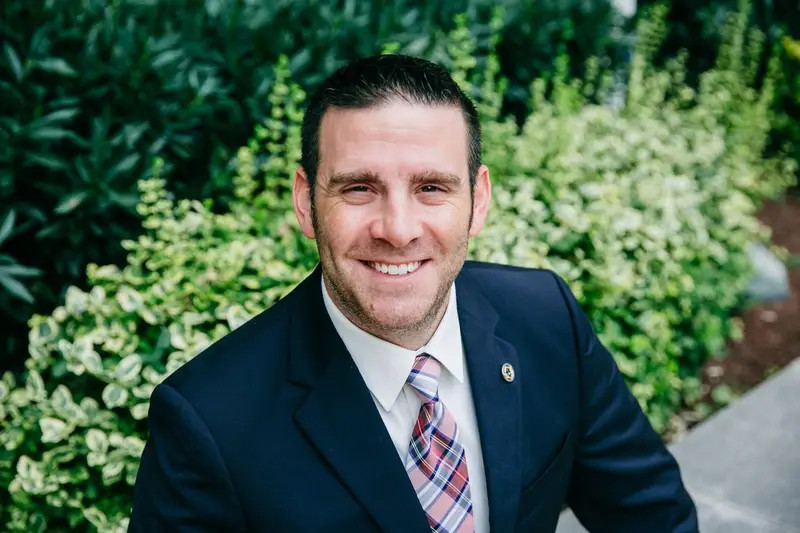
Investing in Real Estate As A Veteran with Adam La Barr

Hosted by Chris Albert
The Warrior Soul Podcast
Adam La Barr - President of ADPI Capital
Adam La Barr is a proud father, an Air Force veteran, a commercial multifamily investor, and co-owner of Active Duty Passive Income where he helps coach and mentor other military members, veterans, and their families how to invest in real estate.
Real estate is a cornerstone of building wealth, and for a long time, I believed that it wasn't going to be accessible for me. That was until I came in contact with Active Duty Passive Income, a company that teaches Veterans and active duty military members how to invest in real estate. Following their principles, I was able to purchase my first property in Florida, and begin earning cash flow from that property immediately.
Now ADPI has a new product coming out that makes it even easier for Veterans to gain the benefits of real estate ownership. Our guest today is Adam La Barr, President of ADPI Capital.
Adam La Barr is a proud father, an Air Force veteran, a commercial multifamily investor, and co-owner of Active Duty Passive Income where he helps coach and mentor other military members, veterans, and their families how to invest in real estate. He is also the President of ADPI Capital that provides access to large multifamily real estate for anyone!
Transcript
Machine-generated from the episode audio and lightly edited — may contain errors.
Chris Albert (link to this point)
Adam La Barr, welcome to the Warrior Soul podcast. How are doing today, man?
Adam La Barr (link to this point)
Doing fantastic. Thank you, Chris. Appreciate it.
Chris Albert (link to this point)
Yeah. I see... I I got all these awesome pictures of you. You're all clean-cut, and then you show up with this this amazing beard. Look at that.
Adam La Barr (link to this point)
Yes. Absolutely. It's one of those things that was like the jump out of the military. I've I've been shaving my face for the last almost twenty years. It's time for me to not shave my face anymore.
So long as the wife wants me to it, I keep it.
Chris Albert (link to this point)
I did that for a while. It's just I'm I'm half Sicilian, so hair gets a little thick, you know?
Adam La Barr (link to this point)
I understand.
Chris Albert (link to this point)
Yes. But man, I'm I'm excited to have you on. I've had on in the past gentleman named Markian Sich, he's a Marine Corps officer who started something called active duty passive income that helps active duty military and veterans to use their VA home loans to invest in real estate, was very informative for me. I joined ADPI shortly after, started investing in real estate myself. It's done a whole lot for me, so any chance I get to talk with anyone from ADPI, definitely wanna do so for this audience.
But Adam, can you tell us a little bit about yourself for the audience?
Adam La Barr (link to this point)
Sure. Yeah. So I'm an air force veteran. I was an air force brat. Both my parents were in.
So it just kind of seemed like that's what I was supposed to do. So I joined the joined the air force as an enlisted guy. I've done a few different jobs. It was a dog handler for most of my enlisted time. Deployed to Iraq, Afghanistan.
I've been, you know, Africa, all over the place, doing, doing the jobs. And I was very much a paycheck to paycheck guy for a long time. Ended up getting married. My wife, well, I got out of the military. I got married while I was in college, and my wife, had a thing called a savings account, and I had never heard of such a thing before.
I had that one that had like $15 in it because that was the minimum to keep it keep it open. But other than that, that was that was all I had. Right? So, you know, I I started to learn a little bit more. Realized like if if my wife is doing this stuff, I should probably look at this and learn how to take some cues from her.
She's the one who kind of introduced me to real estate. So she said, hey, you should look at real estate. I laughed at her and went and lost money in the stock market instead and realized that I wasn't so good at that. I should maybe look at this real estate stuff. So I started buying, know, started looking at real estate to be about three or four years and then analysis paralysis phase before I finally realized what I wanted to do and started taking action.
Joined a mastermind of like minded people and started buying real estate. I ended up joining the ADP team, active duty passive income team to help teach the multifamily side of the house because that's where I specialize is buying apartment buildings. So my very first investment property is a 62 unit apartments. You know, I've I've had almost 400 doors at this point of multifamily, and I help teach that to military and veterans as well.
Chris Albert (link to this point)
So Let's talk about that a little bit because, you know, my my first my first investment property was what you would call a house hack. You know, I used my VA home loan. I got into... It was a single family with an attached efficiency. Myself and my girlfriend lived in the efficiency.
We rented out the house and and kinda went through without a mortgage, and that's a really cool way of doing things. But you said you you... Your first investment property was a 62 unit apartment building. How did that come about, man? Like like, what what what was the the fire that said, oh, man, I'm just gonna go 62 units right now?
Adam La Barr (link to this point)
Yeah. So I... I'm an analyzer by by nature. I just analyze everything. So as in those three to four years of analysis paralysis, I was studying where I wanted, was I started off looking at single family duplex, triplex, quadplex type stuff.
Then I realized, all right, well, I kind of just backtracked where where were my goals? What did I want to achieve for my family and I? And then said, Okay, what's the best way to get to there? And before I knew it, I started going, Man, it's going take me a lot of duplexes to get to where I want to be. So I did more research and then it was like apartment buildings.
I was like apartment buildings. So I'm not a millionaire or a billionaire. I don't buy apartment buildings. That's not I do. So then I started to realize that it was possible.
It was an option. And then, I just kept digging into that and digging into that and saying, okay, this is definitely where where I want to go. And then I joined a mastermind specifically around apartment buildings so that I can get myself into the into the room of people that were doing that. Because as far as I knew, I was the only person, especially in the military, that wanted to do such a thing, like buy apartment buildings. Nobody in the military wants to do that, which is which is funny now.
Like, I teach this to military members of veterans, like, there's a bunch of people that wanna do this in the military while active duty. So, I got in that group and, you know, I I ended up finding some partners in there and we bought the, bought the apartment as a very distressed property, needed a lot of work, needed a lot of And, so we bought it together as a team, and and that's kinda how that got there.
Chris Albert (link to this point)
It's awesome. That's awesome to see. You know, you you you kind of did some endgame analysis, figured out where you wanted to end up, and then and then backtrack from there. And and a really important thing you said there was that you got into a room where other people who were doing the thing that you wanted to were were hanging out. And and I think that's a really important lesson for this audience because, like, you know, a lot of veterans, I think, they get out and they think they're on their own.
Right? They're they're they're doing their thing, and and they gotta figure it out. And and it's just kind of in our nature. But but one of the things you really gotta do, I I think it's important to do it in the military because you gotta have mentors no matter what, but but particularly when getting into the civilian world, you gotta get yourself around people who are in the know as far as what you wanna do, and you you really gotta network that way. You gotta really humble yourself, and say, I don't know everything.
I gotta find somebody who can help me out who does.
Adam La Barr (link to this point)
Right? Yeah. And really, that's what we do in the military. Right? I mean
Chris Albert (link to this point)
Mhmm.
Adam La Barr (link to this point)
When you first joined the military, you're surrounded by DIs and TIs that are telling you exactly how to do things, telling you how to do all these things, helping you shape shape it. You're you're surrounding yourself by... In that environment. And they're making sure that's the only environment you're in so that you get the education you need, the discipline that you need, the structure that you need. And then you move on to, you know, AIT or tech school or whatever the the school is depending on what branch you're in.
Now And you're surrounded by the experts in that career field that are teaching you exactly what you need in that career field, going down a little bit deeper, getting honed in a little bit more. We do the same exact thing in the military. So when we get out and we're having the civilian side, we just have to change that vector. It's okay. Well, you know, my my previous vector was focused on this job or this mission or this task.
Now I need a new job, mission, and task, but the same structure needs to happen. You still need to surround yourself by people that are going to teach you the basics and then stack on top of it and keep on going. So putting yourself around the right people is exactly what the military did for you. Now, it's the same reason that, you know, you don't have, Navy SEALs training with Air Force Security Forces guys. Like, they're two completely different missions.
They don't have the same understanding, so you don't train with each other. Go into the room of the people that are doing the things you wanna do and get the training that you need so you can level up.
Chris Albert (link to this point)
Absolutely.
Adam La Barr (link to this point)
Absolutely.
Chris Albert (link to this point)
So so you did this first apartment building, and and, were were you with ADPI at that point? What what was what was going on there?
Adam La Barr (link to this point)
Right around the same time I I came on to ADPI as one of the owners there was that the intent was for me to start teaching people through my experience how to do multifamily apartment buildings. So they were almost simultaneously at the same time.
Chris Albert (link to this point)
Yeah. That's cool. That's cool. And you said you're at 400 doors now. Right?
Adam La Barr (link to this point)
Yeah. Just under 400. I've... That's... That I've owned.
I've I've sold a few of, quite a bit of those at this point and then, with the the new ventures that I have coming up.
Chris Albert (link to this point)
So That's awesome. That's awesome. So for somebody... And and I wanna get into the the the the new project that ADPI is working on, but but let's say somebody's out there and, you know, they're trying to figure out what they're gonna do is in terms of investing and and and things like that. What are some of the first steps you would take if you were a veteran listening to this this episode in moving toward investing in real estate?
Adam La Barr (link to this point)
So the first very first step I would take is looking at your financial house. Right? Is your financial house in order? Do you have a bunch of debt? Do you, you know, whether it's student loans, car payments, credit cards, whatever it is, are you loaded with a bunch of debt?
Let's try to get rid of some of that first to a, help your credit score, b, help your stability, right? Because if you're stuck with the stress of all of the debt that you already have and then taking on a mortgage or an apartment or whatever it is like that, you don't need to put yourself in a situation like that. Get yourself out of one problem before you put yourself into another potential one. So that's the first thing I always tell people is is get your financial house in order before you go buy an actual house. And there's various ways to do that.
I mean, on on our website, the the ADP website and the resources section, we have thing called the blueprint to financial success. It's a free download. Can start working through. You can start looking at your income and expenses, start looking at what your net worth is, which I think the national average is like a $2,000 net worth. Most people are actually in the negative in their net worth because we have a $50,000 car, a $700,000 mortgage payment.
So look at all of that stuff, understand where you are financially, and then start to create a budget, start to get yourself through. I mean, I'm I'm not fully a Dave Ramsey guy by any means, but I'm I'm a Dave Ramsey coach for a reason because I think that 90% of the people need to focus on that type of stuff first, get their get their financial house in order. So first step, do that. If you have that already set, then kind of start to focus on, okay, where where is it that I feel comfortable? What kind of thing can I get excited about?
What kind of thing can I be happy looking at every day? And for me, apartments are a problem that I can solve, that I can figure out. I need to put tenants in there. I need to be able to work with property managers. I need to able to talk to the right people and get all those things.
So it's a problem that I could focus on that is going to provide for my family. So that's how I started to vector that direction was change the angle to the multifamily side. So I would niche down, get as much education as you can in general, and then figure out what exactly you like and then niche into that. Like just get... Like go a mile deep at that point.
So yeah, financial house then kind of get a general overview of what kind of real estate you want and then niche in and stay focused on your niche.
Chris Albert (link to this point)
Awesome. Awesome. One thing I I I wanna ask you too is, like, so let's say somebody's got... And, obviously, I think credit card debt, definitely gotta get rid of that. Like Yeah.
Because interest rate's ridiculous. And I think if you're young if you're a young service member out there and and, you know, you're you're coming for... Coming in fresh out of boot camp or maybe you're a year or two in, make sure you're not spending your money on trash and and and loading up your credit card and and, you know, buying cars and all this stupid crap that that that, you know, old guys like us did when we were in. But but, you know, if somebody's got something like student loan debt, right, and and they've got a significant amount of it, And it's a choice between waiting twenty years to invest in real estate versus investing now. What's your take on that?
Adam La Barr (link to this point)
I think there's always a time to invest. It's just a matter what you invest in and how much you invest. Honestly, like buying down debt is investing in yourself at that point. Right. But when it comes to student loan debt, that is such a situation by situation thing.
Right. So some people that that have, you know, I've got friends that have $200,000 in student loan debt that they will almost certainly never pay off. It... Like, it's just it's not feasible that they'll pay it off, unless that's the only thing they put their money towards. I don't...
I I have a hard time saying that people should just throw their money at that student debt to to pay that off. Like, alright. So put put... Do not ever ever... Don't put yourself in a position where you're going, delinquent on them.
Do everything you can to never go delinquent on them. Right? Because that hurts well more than just, you know, the the short term. So, you know, don't go delinquent on it, but pay your stuff down. Find again, good good to your budget.
Where can you actually start investing? Because you can get... You might be able to get to the point where your investments completely pay off your student loan without issues. Be smart about how you're doing it. There's a strategic balance to this, but talk to somebody who knows what they're doing, can help you calculate those types of things and do those budgets and help you figure out where that's at and cost benefit analysis of, okay, well, much money do I throw at this above the minimum payment versus putting into an investment over here?
Yeah. But I'd say that there's a lot of analysis that needs to go into that on an individual basis to see where they're
Chris Albert (link to this point)
just I wanted to bring that up because, you know, if you're like me, like, the way I was a few years ago, you'd look at this and you'd be like, well, that's never gonna be a possibility for me. I'm never gonna be able to invest in real estate because I got this this giant 900 pound gorilla hanging off my back. And, you know, what I want you guys at home to realize is that if you really think through these issues and you think through them strategically and you, you know, you get the help like Adam's Adam's talking about and you talk to somebody in the know, you can make these things a possibility for yourself. So if you're sitting at home right now and saying, man, this is never gonna be for me. I'm never gonna be able to try it.
All I want you to do is think about... Change that to, okay. Well, how can we make this happen? Who do I need to talk to in order to to find solutions to start moving toward this? And and and what little moves can I make right now to to make it more of a possibility for myself in the future?
Adam La Barr (link to this point)
Absolutely. How do you get to yes? You can figure it out. Yep. That's that's what we've done in the military our entire time is is figure out how to how to solve problems.
You know, get the right team and solve the problem.
Chris Albert (link to this point)
Exactly. Exactly. So so, Adam, you know, how did you first become involved with ADPI? How'd you get on the team? How'd that come about?
Adam La Barr (link to this point)
Yeah. So I, I was at a multifamily conference that, Eric Upchurch, another one of the cofounder cofounder and co owner of ADPI. He was at that trying to learn some multifamily stuff as well. And then I I went up and told him, hey, I'm I'm looking up. I'm already working on buying a property and just started chatting a little bit.
And they were like, dude, if you already know multifamily, you've already been doing this, you know, you already been educated on it. Maybe you can help us. And that's just kinda... I just built the relationship with Eric there at the conference and then started talking to Markian and and that's kinda how I got got brought into the fold on that.
Chris Albert (link to this point)
Right. Right. And so when somebody becomes a a student of ADPI, what what types of what types of courses, what types of offerings do you guys have for them?
Adam La Barr (link to this point)
So, at our core, I mean, it's a it's an education company. Right? So we have a Facebook group that is about 55,000 people in it at the moment. So it's a very large Facebook community, free to join. You don't have to, I mean, answer the questions or you're not gonna make it past the, the admins.
They won't let you in. So answer the questions, come in, and there's a wealth of free knowledge. Anything you want on there, you can ask pretty much any question. And since we have military members and veterans and around the world, we can get answers at 02:00 in the morning if you want to. So so we have that.
Then we have... If you go onto the website, activedutypassiveincome.com, there's a couple of different resources we have. MRIA, the military real estate academy, real estate investing academy. That's kind of your picture it like your your short term or your, single family duplex type of investing. It's kind of getting people started.
Then we have a multifamily academy that myself and Tim Kelly run. It's a multifamily academy and mastermind. So now we have that. We've got a book. You could do a free download on the book if you want to.
Like like I talked about before, the blueprint to financial success. There's all sorts of different resources to kind of help make sure that, you're you're getting on the right track with real estate and that you're not getting steered wrong. You know, a couple different types of master classes and pretty much anything real estate related. I mean, we even have our own lending branch of a of a bank. So if you...
When you're in there and you say, hey, I want a lender that knows VA stuff that can do of this stuff, we've got that set up for you as well. So we've got quite a bit of different resources for folks.
Chris Albert (link to this point)
Yeah. Absolutely. That that... I took the, the the the initial academy, and that's kind of how I got into my initial property. And and it was a wealth of knowledge, and it it opened up a whole whole bunch of doors for me.
And and like I said, I I think the the Facebook group is awesome. You can ask any question up there. People are gonna line up to answer it, and and you guys do do do a great job. So let's talk about... You guys have this new fund.
Right? And I I was Yep. I was really interested to see this because, you know, I think we hear about these things all the time. I hear about funds out there and and and syndications and things like that. And most of the time, they're they're open only to accredited investors, you know, people who have $250,000 on the market and...
Or or a certain net worth. But you guys haven't been able to move past that, and I I wanna get into, you know, how. And I also wanna talk about, you know, what kind of doors this opens up to to to veterans out there who are looking to invest in real estate.
Adam La Barr (link to this point)
Yeah. It's, that that was something that that was been talked about a lot is, like, how do we have access? You know? Because the majority of the military members and veterans are not accredited investors. They don't have a million dollar net worth, not including their their home or the income requirements, 250,300 thousand dollars income requirements.
So, you know, what... How can we... The community's asking how do we invest with you guys? And then we're trying to figure out, okay, how can they invest with us? So the more research we did, there's a thing called Regulation A that the SEC has.
So it's a Reg A fund, that allows us to kind of market to anybody. It's not your typical syndication that is a $50,000 minimum and you have to be accredited investor or you have to be friends with this person in one way, shape, or form before you can invest. It is, we can market it to everybody. We've... It's...
I got a ton of legal documents, so that's that's how we got it done. Was working with a lawyer for the last, like, eight months trying to get all of this figured out. And so, you know, we're still back... Going back and forth with the SEC, right now kind of balancing our paperwork out, making sure it gets all finalized, so that we could start actually raising capital. But, what the intent is is to say, hey, with as little as $500, you can invest in multifamily deals, deals like like the ones I I go and buy.
So, you know, and if you're, you know... We we have been blasting it out all over the place inside the ADPI community and whatnot. But really the intent is that, you know, if you're, what the Air Force folks got, Airman Snuffy, brand new E-4, you know, you just came in and you're like, hey, I wanna learn how to do this. I wanna invest. I only have $500.
How can I how can I invest real? Well, we've we've got a way for you to be able to do that. So so that way people can actually get the stuff. They get tax benefits based off of it because you get what's called a K-1, on the tax side of the house. So if you do something like a REIT, you're not actually, getting any of the tax benefits because you're doing something that's like a publicly traded thing where this is just...
It's a privately owned by the by the fund. So all of these properties are owned by the fund and you get the tax benefits as the investor coming in as well of the depreciation of the property and all of that. So, it it just was the the best tool we could find to be able to allow as many of our community members, to invest as possible. So, that's kinda where where that went.
Chris Albert (link to this point)
That's awesome. That's awesome. And where are you guys on this? Are are, are people gonna be able to invest soon? How far out is that?
Adam La Barr (link to this point)
So right now, we're in what the SEC calls a test the waters stage. Right? So it's just a phase while we're waiting for them to finalize some stuff. We're able to talk about it and send people. So you can go to adpicapital.com and you can kind of review the documents that we have already prepared.
And some of that will probably change because the SEC does their changes here and there and we have kind of fix things up and down throughout the test of water state phase. You can go there and actually soft commit, sign up right now if you wanted to and take a look at all the documents that we have and say, yeah, I'd like to, you know, throw $500 in on this. But we're projecting at the time of this recording probably within the next month or so to be able to actually start raising capital and then get ready to purchase properties.
Chris Albert (link to this point)
That's awesome. That's awesome. Very cool. Very cool. And what types of properties are you are you, looking at investing in?
Adam La Barr (link to this point)
So right now, at investing in us. Oh, thought I lost you for a second. B and C class multifamily. So basically what that means is anything built from like, the nineteen seventies all the way to the, you know, the early two thousands that type of, property. And whether it needs a you know, usually something in that needs some sort of form or function repair.
So maybe it's, been managed properly... Improperly by a mom and pop type investor or something like that where we can come in and, you know, get the system set up in there, get the processes taken care of, increase that net operating income, increase the value to be able to provide a better return for the investors. So, we're looking at mobile home parks, apartment buildings, self storage, those types of those types of, assets, pretty much all commercial, commercial properties on that.
Chris Albert (link to this point)
That's awesome. Any particular geographic areas?
Adam La Barr (link to this point)
Or So we've got the, one of the benefits about, the the intent of this this fund is really to be a, what I like to call our self licking ice cream cone. Right? So we have the community and anybody can invest in it. They don't have to be an ADPI member. Anybody can invest in it but, you know, have the community, the 55,000 people in the Facebook group that can invest as little as $500.
That money goes into the fund. The fund is then able to supply capital for the multifamily mastermind members who are buying commercial real estate deals every day. They're constantly out there looking for this stuff. So now the community members can help fund the deals for these other... The mastermind members who are part of their community.
So we don't have a specific geographic area because it's wherever these folks are finding their deals as long as they meet the right metrics. There's job growth. There's, you know, population growth, the type of things that we need for for stable cash flowing properties. So we're able to buy pretty much anywhere in the country without without really much of a limit as long as we have a good operator behind it.
Chris Albert (link to this point)
Well, that's awesome. So so you've got your mastermind community. There's there's investors in there. They're they're they're out there looking for these multifamily properties, the the the big mobile home parks, the the the self storage, and then and then... So this fund is going to go toward funding those properties.
That... That's pretty cool. I like that.
Adam La Barr (link to this point)
Yeah. It, it really is the community helping the community. And even we're breaking this out after we'd submitted all the docs to the SEC, we started talking to people about it. They were like, dude, I love the fact that I'm gonna be supporting other members of the community. So that that was kind of a...
It felt really good to to hear that from folks. It's it's exciting to be able to kinda see how that's gonna play out.
Chris Albert (link to this point)
That's amazing. That's amazing. Before... I I wanna ask you a few more questions about the mastermind and and things like that. But, but before we do, how do you qualify for this?
So you you you could soft commit it right now. Are there are there any particular requirements in order to, to to join the fund?
Adam La Barr (link to this point)
Be a US citizen and be 21. That's really the only requirement. So when you go in and create your profile, it's gonna ask you to, like, scan in your driver's license or your passport, something along those lines. So you'd be able to put that in, we could verify that you are the person you say you are, have a US bank account, be 21, and then you can go ahead and invest. The soft commit side, you're not actually putting any bank account information in.
You're not doing anything like that. It is strictly saying, hey, When this goes live, this is roughly the amount of money that I think that I would like to put into the, put into the fund. And then... And that's as simple as that.
Chris Albert (link to this point)
That's awesome. That's awesome. Now let's say you're a go getter. Right? And and you're out there and and you wanna know how to find these properties.
You wanna you wanna be one of the people who are out hunting for large multifamily or or, you know, taking an actual operational role in this. How how do you join the mastermind?
Adam La Barr (link to this point)
So, joining the mastermind, I mean, you can go right on to activedutypassiveincome.com. Go to the resources. Click on the mastermind or click on the multifamily academy there. You'll be able to sign up, for a call with, with one of our team members to kind of learn a little bit more about it, make sure you're a good fit, what you wanna be able to do. Like, is is what your goals are in line with what our academy is, Academy of Mastermind is kind of teaching.
And then, you know, get you into the next, what we call cohort, a small class that goes to the academy together and kind of masterminds as a as a small team outside of the the large mastermind. So, it is... It's as simple as that. You know, sign up for a call and chat with us. You know, you can email me if you want to as well, and and, you know, I'd be happy to to to chat with you about it and see if it's a good fit.
Chris Albert (link to this point)
It's outstanding. And how does that work? How often do you guys meet? You know, what what types of things do you go over?
Adam La Barr (link to this point)
Yeah. So the Multifamily Academy, I mean, the, the Academy is is all online. You can review it on your phone. You can review it on your computer. You can just listen to the audio.
You could actually watch the video, which I highly recommend because there's a lot of different, you know, things that we we have on the the video. But, really, like, we have biweekly phone calls during the cohort when you're going through the academy. You have a weekly call, you know, check-in, making sure you're at the right spot. We we go over motivational things. We go through the the the study that you were supposed to be doing that week, making sure that you're on the right track.
We're answering any questions people have, helping people analyze deals, working on submitting, you know, letters of intent, that type of stuff. So you have those weekly calls. And then the main mastermind, the large mastermind has biweekly calls. And then we have some other random calls here and there. We just had a call last night.
You know, we've got a telegram channel that has everybody in the mastermind on there. People who are asking questions and they're constantly focused on the multifamily side. But we had, you know, a call last night that was not scheduled. It was just, hey, it's it's a Tuesday that's off. Let's go ahead and, know, do a mindset coaching real quick.
So we, you know, Tim Tim jumped in there, started doing a mindset chat for a little over an hour with the the folks. So there's constant communication with the the benefit of the telegram is... I mean, you have complete access to us all the time. So you just send a message and everybody in the mastermind is like, oh, yeah, that's awesome. Let me let me answer that.
Let me talk about this. And we all go back and forth to try to help people through their through their, you know, wins or losses. Whatever they're working on, we can we can help them with.
Chris Albert (link to this point)
That sounds outstanding. That's that's awesome. Man, you guys got a really, really awesome program over there. I'm I'm I'm I'm... I definitely wanna check it out a little bit more.
I've been, like I said, I've been investing in real estate for a while. I'm actually under contract right now trying to buy a new new triplex out here in Fort Lauderdale. But, but, yeah, man, like, I think you guys are bringing it to the masses, and that's amazing. We've got a monsoon outside. I'm in Florida, so the weather here tends to get in the way.
And and one time I was on a podcast here, and it just everything went black. So I'm gonna start to wrap this up, but
Adam La Barr (link to this point)
No problem.
Chris Albert (link to this point)
Before I do, I wanna ask you, you know, how can people follow you? How can people get in touch with you? How can people learn more?
Adam La Barr (link to this point)
Okay. Yeah. So, I mean, people can get in touch with me, adam@activedutypassiveincome.com. You could jump onto our Facebook group. Now being the analytical guy, I'm much less the the Facebook person, but I am on there.
I'm in the community. I'm always talking to folks, especially in the multifamily side. But you could reach out to me on Facebook. You could send me messages there. Adam La Barr.
That's l a space b a r r. You could find me on there without an issue. But the biggest place to go, activedutypassiveincome.com. If you're interested in the fund, adpicapital.com. And you can email me at adam@adpicapital.com as well if that's, if that's the focus you're looking at.
But, you know, we're we're... We are here to support the community. We want to make sure that, you know, we... We've realized that, and the military does a terrible job and has no reason to want to make you extremely financially free. So we're trying to figure out ways to be able to bring that, like you said, to the masses and and help as many people as possible.
So please, please, please reach out if you guys have questions. If you just wanna learn more, we're always happy to help and and and help you get to get to the next level.
Chris Albert (link to this point)
That's awesome. Thanks again for coming on today, Adam. I really appreciate you. And and like I said, I really appreciate Markian and everybody over at ADPI. You guys have helped me out a lot.
I know you're helping a lot of people out a whole lot. And if you guys are out there and you're listening to this, you know, listening to podcast is great. Taking action is better. Way better. You know, if you're interested in this, go ahead and sign up.
You... You're not gonna lose anything by learning. Right? You're not. It's just as simple as that.
So so just start educating yourself on this stuff and and, you know, sign up for ADPI. Get onto their Facebook group, you know, and and and check out these resources, you know, and at at the bare minimum, check out the free stuff because like I said, you got nothing to lose here. Right?
Adam La Barr (link to this point)
Absolutely.
Chris Albert (link to this point)
Else before we go?
Adam La Barr (link to this point)
I don't think so. I really, really appreciate the opportunity to chat with you, Christopher, and then your audience. I hope that, at least one nugget was able to be pulled from from the chat. And, you know, like you said, jump into the community, learn as much as you can. Education, you can find it anywhere.
But when you're around a group of like minded, like hearted, you know, members who know exactly where you're at in your life, it makes a huge difference. So, know, get get around that group of, of like minded folks to be able to help push forward.
Chris Albert (link to this point)
Outstanding. Outstanding. Alright, guys. With that, this is Chris Albert Palmitessa and Adam La Barr. We thank you all for listening.
Get out there and live your best lives while you can, and we are out.
Adam La Barr (link to this point)
Thanks so much, Chris.
Host of the Warrior Soul Podcast and founder of Warrior Soul. Worldwide trainer and nutrition coach, contributing author at Testosterone Nation and Muscle and Strength.