Podcast episode
Justin Stenstrom: How to Build an Elite Mind
Hosted by Chris Albert
The Warrior Soul Podcast
Justin Stenstrom is a speaker, coach, author, and host of the Elite Man Podcast.
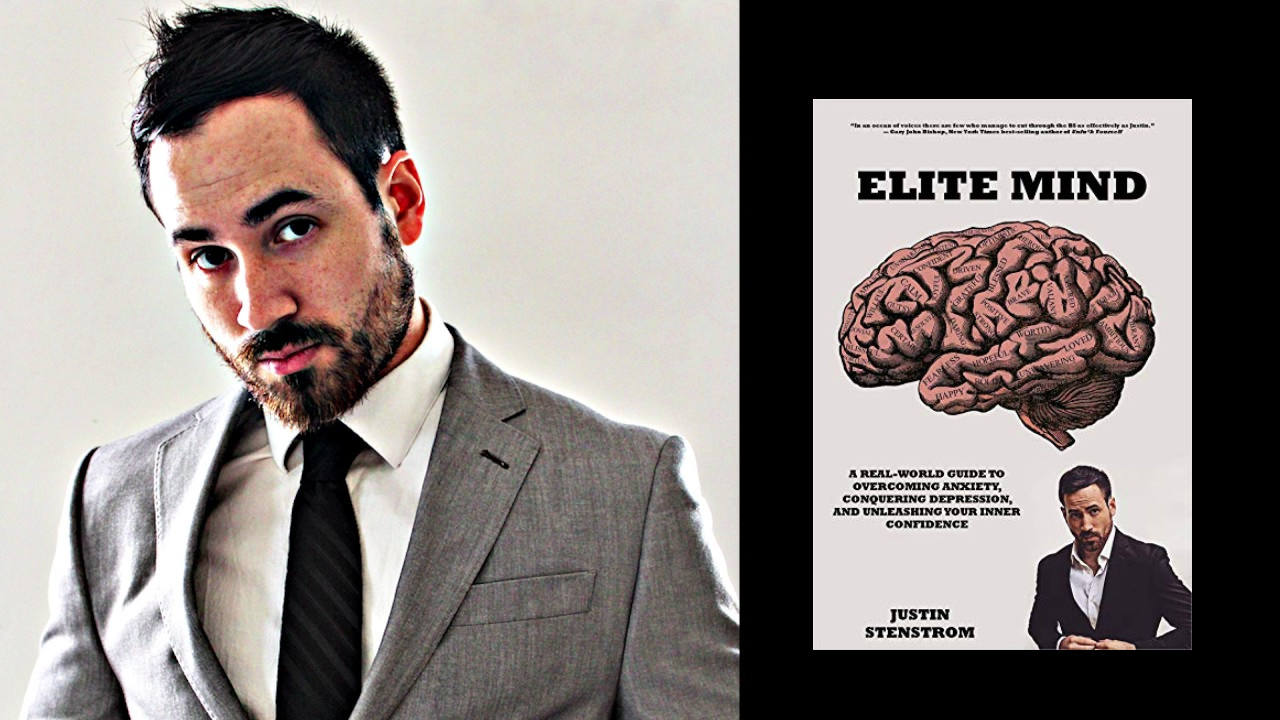
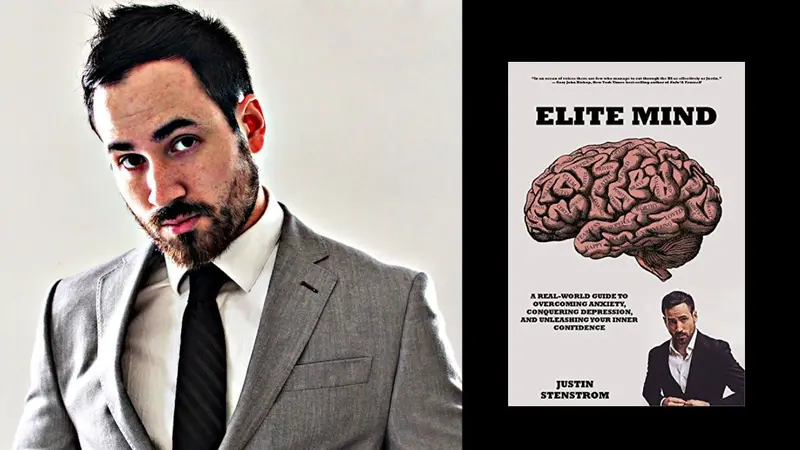
Justin Stenstrom is the host of the highly subscribed Elite Man Podcast. He’s also a speaker, coach, and author. His latest book Elite Mind delves into the tools, tactics, and strategies he’s used to overcome anxiety and depression.
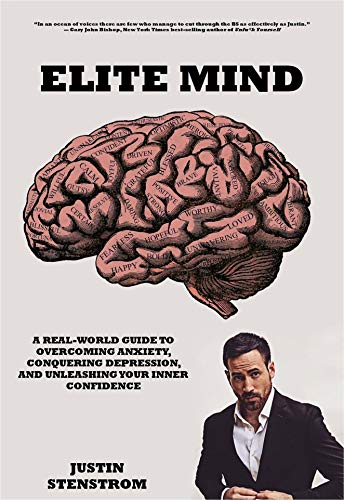
Beyond that, it teaches you how to thrive and get to a state that he calls having an “elite mind.” Justin lays things out step by step in the book and it’s one of the best and most organized self-help books I’ve come across, and I’ve read a lot of them.
This is Justin’s second appearance on the show and we always have great conversations. In this interview we cover:
- how to overcome anxiety and depression
- what supplements you should be taking to optimize your mind and body
- what practices you should implement in your daily routine
- why training is important for your mind as well as your body
- the effects of traumatic brain injury
- specific advice for veterans experiencing anxiety and depression
- Justin’s process for creating his books
You can get Elite Mind at: https://amzn.to/2vRB7QK
Learn more about Justin and Elite Man at http://elitemanmagazine.com/
Transcript
Machine-generated from the episode audio and lightly edited — may contain errors.
Chris Albert (link to this point)
The Warrior Soul podcast is written, edited, and produced by me, Albert. Our mission is to provide tools, tactics, strategies, and ideas that help The US military veteran community to show up as the wisest, strongest, most capable versions of themselves in the civilian world. If you're not a veteran, stick around because anything we talk about will most certainly apply to you as well. This podcast is made possible with the help of F Bomb Nutrition. They make delicious packets of fats that you can carry around anywhere with you in little portable packets.
They make macadamia nut butters. They mix them up with chocolate. They mix them up with sea salt. They mix them up with coconut butter. They're absolutely delicious, and they're really good for you.
They don't have any sugar. They also make a lot of cheese snacks. They make meat sticks, and it's just a great company. These guys send packages of this stuff to the troops who are on the front lines overseas to supplement their MREs, and we didn't ask them to do that. They just did that on their own initiative.
Really great company. If you wanna get 20% off your first order of f bombs, head over to www.dropanfbomb.com and use the code Warrior Soul at checkout. This podcast is also brought to you with the help of Save the Brave. Savethebrave.org is a five zero one c three charity for veterans. They run camaraderie events that include fishing, golfing.
They also do a lot of work with gold star families. And unlike a lot of other organizations, their board doesn't take a salary. Really great organization that is doing amazing work. So go and check them out at savethebrave.org. With that, thank you guys so much.
Let's get into today's programming. This is Chris Albert, and I'm here to remind you of one thing. Someday, you're going to die. Now that's not some morbid statement or scary idea. It's solid fact.
Your time here on this earth is limited. And we need to be reminded of this as much as possible for one simple reason, to live your best life while you can. This is the Warrior Soul podcast. What is up Warrior Soul Nation? This is Chris Albert, and we've got another great guest for you today.
You know, depression and anxiety affect millions of people across The United States and around the world. And the thing is a lot of people who go through it, they feel like there's something abnormal about them. They feel like everybody is gonna treat them like they're insane. And in some cases, you can start to think you're insane yourself. My guest today is a man named Justin Stenstrom.
He's the host of the Elite Man podcast, and he just came out with a new book called Elite Mind. And what this book goes goes through is his battles with anxiety, his battles with depression, and what he did to fix it. And I've been in this game for a long time. I've been a trainer for a long time. I've worked with some really elite athletes.
And I gotta tell you, this book lays it out in a very simple fashion better than any other book I've read on the subject. He did a really excellent job with it. So I wanted to bring him on. We get into a lot of stuff. We don't go very far into the the jargon or the weeds and stuff that you wouldn't understand.
We talk about some very simple practices that you can implement to start to overcome anxiety, to start to overcome depression, and to move toward thriving. And that's what elite mind is about. Becoming, an elite man with an elite mind, bringing yourself to a higher level. I highly recommend the book. We'll have links to it up on the show notes.
And, with that, let's get into this interview with my friend, Stenstrom of the Elite Man podcast and author of Elite Mind. Justin Stenstrom, welcome back to the Warrior Soul podcast, man.
Justin Stenstrom (link to this point)
Chris, thanks for having me back on, really appreciate it.
Chris Albert (link to this point)
What does it feel like being an author?
Justin Stenstrom (link to this point)
Feels great. I was an author actually already, but the other books I wrote weren't nearly as good or popular as the last one so it feels pretty good to actually have a good book out there.
Chris Albert (link to this point)
Well this thing's a beast man. I really enjoyed it. It's Elite Mind is the name of the book And, man, you know, your story is really, really interesting. I one of the things I get from this, you know, you grew up in New England, you're still in New England, and I grew up in New England myself. Right?
Justin Stenstrom (link to this point)
Yep.
Chris Albert (link to this point)
And being a kid in New England is an interesting thing because half the year, it's cold and gray. You're not getting any sunshine. It's freaking sometimes it looks freaking scary as a kid because Yeah. You know, you get all these bare bare trees and stuff like that. And it's real easy to fall into depression, especially I think for teenagers.
Justin Stenstrom (link to this point)
Yeah.
Chris Albert (link to this point)
And and that's part of your story here.
Justin Stenstrom (link to this point)
Yeah. It's weird too. It's it's almost like I was middle class. Like, my my father's a janitor. My mother was a waitress for many years, then she became an airline pilot.
I mean, pilot wait stewardess. But I'm, like, middle class, lower middle class, but certainly not was ever poor or anything like that. So I didn't have, you know, this backstory of, you know, poor me, poor this, poor that. I didn't have anything. I had a lot of good stuff.
Wasn't rich by any means, but definitely middle class. But it's funny that it's almost like the middle class kids that suffer the most in places like New England, I feel like, or places at least where I grew up where it's like outside the city. It's suburb. It's kind of a nice town, not great, but not a bad town. And there's a lot of time for a lot of loneliness, lot of time for seclusion, a lot of time for not being around other people.
And then, of course, you have someone like me who's naturally someone who has a brain that's active, that can lead a lot to thinking negative things and feeling negative things. That's kind of what happened to me. I think that happens the point I'm trying to make is I think that happens with a lot of kids across the country, probably globally too, where it's like not enough people talking about it, and there's not enough people having a solution to a lot of these kids going through this stuff as, you know, they get older, say, you know, as you're younger, you don't really think about this much in, you know, when you're like seven, eight, nine, 10. But as you start to hit your teens, it becomes more of a problem when the whole self image is challenged and you're constantly comparing yourself with other kids and you go through high school and all that stuff. That's when it really, I think, most and you look at the statistics too with suicide, depression, that's when it really takes off.
I think that's where kids need the most help. That's where it took off for me and where things really started to spiral downward was around that age, 13, 14, and then 15 for sure. Then the whole book really talks about high school years and then thereafter.
Chris Albert (link to this point)
Yeah. I, you know, I think there's something if you're the gray man, right? And what I mean by the gray man is somebody who's like in the middle across the board, right? Middle class, your grades aren't horrible, but they're not like valedictorian status. Yeah.
You're somewhat athletic, but you're not the captain of the football team. People expect that you're gonna be okay, right? Because you're not getting the attention that somebody who's failing out is getting, but you're also not getting the attention that like somebody who's super excelling is getting. So it's really easy to fall through the cracks and almost be invisible, right?
Justin Stenstrom (link to this point)
Yeah, exactly. And it feels too like that's the time when kids need that the most. Need to feel appreciated, they need to feel wanted, they need to feel accepted. And all those things are really lacking. Not everyone, but a lot of children, younger children, teenagers, those things are really missing.
And then of course, you start adding in all this other stuff with technology, and you have parents working more, both parents working more. There's a lot of seclusion there. And there's a lot of just time for things to develop and without even you realizing it's a very insidious thing, but it creeps up on kids. And the next thing you know, they're depressed, or they're anxious all the time, they're they're starting to get panic attacks, or they're starting to feel a certain way. And this becomes their new self image, and they have no idea how to get past this or how to break past this or how to start doing the right things so they can fight against this and not be secluded or lonely or get these feelings.
That's really what the book it starts off that way anyways, is giving people that idea of some of the basic things that you can do and just focus on these basic things every day and just pull yourself out of that mindset and start to get a more healthy mindset and, attitudes and behaviors that follow that.
Chris Albert (link to this point)
That's what I really like about it, is basic behaviors that people can do right then and there. It's really and it's laid out very simply. I love the way you put things. I love the way you break things And just to bring another point there and something else I get from your story is that when you do finally admit that there's a problem and you do finally say, okay, something's going on with me and you're a kid and you're in high school, then that adds to the stress because then you're like, oh man, I screwed up? Am I psycho?
Am I insane? Am I going schizophrenic? And I see all these things in your book, And people are actually afraid to bring it up for those reasons. I see you going through that and really trying to come to a point to where you're recognizing your anxiety, you're recognizing that it's there, you're dealing with it, but not thinking that you're insane.
Justin Stenstrom (link to this point)
Yeah. I think that's another thing. I think a lot of kids, not even just kids, but I'm talking about kids because that's kind of where my story starts around 17, 18 in the book, and that's, you know, from a couple years after that, it kind of takes place. But I think a lot of children, younger kids, younger men, especially have this stigma against being labeled as someone who has mental health issues or someone who has depression or anxiety or schizophrenia, even bipolar, those things. And those are more on the extreme.
There's a greater stigma against those types of things. But even just saying you have anxiety or you get panic attacks or that you feel depressed a lot of the time, those types of things, children, younger people, all ages for sure, but definitely the younger generation fears having that stigma and being labeled as that type of kid or that type of person. And so they'll hide a lot of the stuff. Won't tell their parents. They won't tell their friends.
They won't tell their family. They'll just live with that and it'll eat away at them slowly and slowly and make things worse and worse. Because I mentioned in chapter one or chapter two, you feel secluded and you feel like there's something innately wrong with you when you have this. And when you don't actually go out and seek some help, you have no idea that so many other people have this same problem. It's like eighteen percent of people have anxiety at any given point.
Another twenty percent have depression at any given point. There's so many people. And that's one of the things too I mentioned when I was talking to the therapist and one of the first things I did and I actually connected with this woman, she was really nice. She helped me with a lot of things. But she said, would be shocked, like me back then, I would be shocked at how many kids my age that I thought were the coolest kids, the most popular kids, they had everything going for them, they're really smart, that some of those kids were some of the worst people who had mental health conditions.
Like they had bipolar, had schizophrenia, they had all these things. And you would never even know because everyone's hiding it. Just like the social media facade that everyone has these days. The same thing applied ten years ago where it wasn't social media, it was in real life where we're just putting our best face or putting our best image forward when we go out, especially in high school. It's like we all pretend to be this certain character, but inside we go home, we have this whole completely different life.
And that's the thing. So many people hide this and they go home and it's really eating away at them secretly until one day it just builds up. And unfortunately, for some people that results in say suicide or that results in years of depression or years of anxiety and just being unhealthy. One of the biggest things I wanted to take away from the book is that you got to be open about it. You don't have to tell everybody about it and wear it on your sleeve, but at the same time, got to be open about it.
At least tell some people who are really close to you so you can get some help. You can talk to a therapist, talk to family members, talk to some close friends because that support alone is one of the biggest things to help you get out of it.
Chris Albert (link to this point)
Alright. And, you know, the audience you talk to right now, combat veterans, US Marine Corps, US Army, the services. And a lot of these guys, they'll come back and number one, the gray man syndrome that I mentioned earlier, a lot of them will think, well I didn't see enough to be experiencing depression and even though I'm feeling this stuff, I don't think I need to go get checked out. And then the other aspect is a lot of them are afraid to mention anything. Think, oh, I don't have any issues, but they're expressing anger, they're expressing all these different things.
And the bottom line is, it's never a shame on you to go out and reach for help. Right? You need to do it. You need to ask for it. You need to fix yourself.
And and nobody else is gonna do it for you. That's a big thing you gotta realize too. Right?
Justin Stenstrom (link to this point)
Yeah. Yeah.
Chris Albert (link to this point)
Care about you, but the only person who can actually go out there and fix these kind of things is you, put by putting in the work.
Justin Stenstrom (link to this point)
Yeah. Absolutely. And one of the honestly, the one of the bravest things you can do or and one of the toughest and just aspects, qualities that shows that you have true strength and characters actually going out and seeking that help. Because if you think about it, the people who don't seek help, the people who try to pretend like everything's good, they're actually scared of doing the real work. They're scared of having to face whatever the crap they have to face when they do that is.
It's actually it's not a sign of strength when you don't seek help or when you need it. It's a sign of weakness because you don't wanna actually have to go through all the the shit that it takes to beat whatever it is that you're facing. And the people who seek the help are the ones who always get better, and the people who go through all the steps that it takes to get better are obviously the ones who end up living those happy lives and getting past the depression and all this other crap. So I'm not trying to disparage anyone who doesn't or hasn't seek help or sought help yet. I'm just trying to say that seeking help is one of the best things that you can do, and there's nothing wrong with it for asking for help and going to there.
Whatever it is that you have to do, I highly recommend that you do it because it will change your life.
Chris Albert (link to this point)
Exactly. Exactly. I wanna bring up I don't wanna go through the whole book because I want people to go out and get this book, but I want to bring up a couple of scenarios from the book to talk about here. Weed. You had a situation in here with weed when you were a kid, didn't really know what you were dealing with and the reason I want to bring this up is because a lot of people are talking about medical cannabis.
I use medical cannabis myself because of my autoimmune disease and it's helped me quite a bit. But there is a danger here and the danger is that you take a dose that is gonna be way too much for your psyche to handle. And you had that happen to you and that set forth a whole chain reaction of events, right?
Justin Stenstrom (link to this point)
Yeah, that was insane. I don't actually, like you said, I'm not even against medicinal marijuana mean, CBD is awesome. I've used CBD many times myself. But just marijuana, even marijuana, my brother smokes every single day. He loves it.
That's him. We're completely different people, but that's him. He's successful in his own way. He does his thing. A lot of my friends smoke.
Actually, most of my friends smoke. But there's nothing inherently wrong, I think, with weed and smoking weed. But there is a dark side to it that I think a lot of people overlook. And the dark side to that is you don't actually know sometimes what you're getting in the weed, especially if you're getting it off. I mean, it's become a lot better the last couple of years with all the shops opening up and, you know, it's more regulated now, of course, like far more regulated.
But even if you're getting it from a buddy, a friend, or whatever, you don't know exactly what's in that weed. As I mentioned in the book, I got it from a friend. It was like my brother's best friend or one of his good friends at the time. And I thought it was good stuff. You know, I'd gotten it from him a few times before, smoked a bunch of times with him before.
But we got this batch and me and my other buddy went to my mother's house at the time and we smoked it. I actually ended up smoking like 95% of it. I smoked the most amount of it. And in retrospect, I believe it wasn't even just the weed itself. I think it was laced with something.
I'd say in the book, I think it was probably PCP or something, something crazy like that, which tends to actually, which has happened, not often, but it does happen. That's one of the dangers of smoking weed is that, again, you don't know exactly what's going into this weed. You don't know where it's coming from, who's putting crap into it to make it stronger, whatever, messing with it. And the same thing with any drug too. We have a big fentanyl problem around here, which I'm sure you're aware of as Yeah.
Don't know if all this other stuff.
Chris Albert (link to this point)
A few of my friends from New England recently died actually.
Justin Stenstrom (link to this point)
Yeah, my buddy died a month ago. One of my childhood best friends died last month from the same thing.
Chris Albert (link to this point)
Horrible man.
Justin Stenstrom (link to this point)
He became a drug addict over the past few years. Was doing heroin and he slowly just got a batch of fentanyl and it was just too strong for him. He died. But it's the same thing. When you get these street drugs, you don't know what the hell is in them.
Heroin obviously is a lot worse overall than marijuana. But at the same time, don't know what the hell you get. So anyways, I smoked this weed at my mother's house. I was like 17 or 18 at the time. And next thing you know, I start hallucinating and start seeing threes of everything.
I see three of my buddy's head. I go to the doorknob to open the door. I see three doorknobs. I walk up the stairs. It takes me like an hour to get up the stairs because I can't even see the stairs.
I'm just tripping like you wouldn't believe. Finally make it upstairs. I go to pour myself a glass of orange juice and it was like ketchup I was pouring. Then I look around and there's ketchup everywhere. And it was just one of those crazy experiences that scared the hell out of me at the time, but also was the catalyst for a lot of the change.
So when that and by the way, at the end of that whole incident, I went down and just kind of sit down and take a break from all the crazy hallucinations I was having. And the next thing you know, I float out of my body and have an out of body experience. And that's why I think it was PCP because marijuana, what I've read, doesn't do that type of stuff. Maybe you get a little hallucinogenic stuff and like if you have really strong marijuana, but floating out of the body shit doesn't really happen with that. So the PCP, it kinda does happen with and I float over my body and I'm seeing myself as if you know, if you hear these tales of people who die on the hospital bed and they can see themselves floating away and they see a tunnel.
I didn't see a tunnel and all that stuff, but I saw myself floating away from my body and then looking down and I could see myself just lying there. It was literally the most terrifying thing of my entire life, the most terrifying moment. And then I just kind of like passed out and I faded away and forgot all the stuff. Then by the time I woke up, it was pretty much gone, the hallucinations anyways. But shortly after that period, it led into incredible depression, incredible anxiety.
I was getting panic attacks three to four times a week, and I couldn't stop it all. That was the catalyst for something in my brain to be triggered, and perhaps it was some of the drugs still in my system for a little bit of time afterwards. But that led to all kinds of mental health problems and then suicidal depression and all that stuff just happened all right after that. But at the same time, as I mentioned in the book, it was a blessing in disguise because all this crap that I had to go through led me into figuring out a lot of these solutions to the things that I'd been doing wrong in my life up until that point, and then correcting those things. And then actually once I corrected them, I figured out that there was a whole new mindset, a whole new way of thinking about life.
That really led me to doing some incredible things and being more confident and having a self belief in myself, which that is actually what I call elite mind. Why I named the book Elite Mind is having that self belief and confidence in yourself, which is like the end of the book.
Chris Albert (link to this point)
Awesome. Yeah. And I wanna I wanna talk about that transition. One thing I will say is, you know, I've and this is why I say be careful with the weed because it spread even if you are using it for medical cases, because I've had experiences where I took edibles and I would have an anxiety attack that lasted like seventy two hours. After taking an edible.
Justin Stenstrom (link to this point)
That's insane.
Chris Albert (link to this point)
And it's just like anything. I mean, a lot of people are talking about psychedelics right now. I've used psychedelics before. I've used cannabis before.
But you always want to be careful because while these things could be beneficial, they're not necessarily benign, right? Yeah. That's a thing that we can't live in a world of fairy dust and unicorns and say, Hey, this is the cure for everything, and, if you've got problems, just take a hit, or something like that. That's not going to help you out and it could land you someplace a lot worse. So, you know, you mentioned that this was the catalyst for you to start to make some transitions, right? And you know, you started looking at a lot more at what you were putting in your body. Yeah. How you were treating your body. And you gain pretty much an encyclopedic knowledge of different minerals, vitamins, and supplements that you need to take in order to stay out.
I take a lot of the supplements you mentioned, N-acetylcysteine, I'm a big user of magnesium. Where did you start with this? As far as nutrition goes, what was the first thing you did?
Justin Stenstrom (link to this point)
The first thing I actually did I forget which chapter came first, the food chapter where I focus on the foods, the diet part, or was it the supplement thing? I think it was a supplement thing, but the first supplement I ever took was magnesium. And that's just because I did a lot of research into it at the time, you know, as much as you could do ten years ago and Google was just kind of starting off and there wasn't a ton of stuff like today. But there was enough research into magnesium even back then online. And I knew it was really safe.
So I wasn't really worried about that. I also knew that it did two things. It helped with the anxiety, but then it also helped with the depression. So I had both of them at the time. I was like, let me just take this thing.
I had no idea about supplements, about all this other stuff. So it was really like my first foray into supplementation and things. I was like, all right, at least I'll try this one thing. I know it's really safe. If it helps, it helps.
If it doesn't, then I'll still be okay and I'll have to figure something else out. But as it turned out, magnesium really did help with a lot of stuff. Helped with the anxiety right away. It produces like serotonin and GABA and kind of calms you with a relaxing neurotransmitters. It also helps with the depression, which the serotonin will help with depression for sure.
Dopamine, it even has some effects with dopamine, like it'll help produce that. And then across the board, just like so many things, works with over 300 cellular processes in the body. So it's just doing minimal things that you wouldn't even realize. And then the thing is eighty percent of people, the population are deficient in magnesium as it is, just normal But people who are depressed and anxious, that number is even higher. The chances are if you're depressed or anxious, it's almost certain that you have a deficiency in magnesium.
And just bring that back up to a normal level of magnesium, a healthy level of magnesium, that can be a huge game changer for you. But yeah, magnesium was the first supplement I took, and then as far as the foods, it was just cleaning up the diet, getting a lot of the crap I was putting into my body, like a lot of junk foods, a lot of sodas and sweets and just trash because I was trying to bulk up. I'm a naturally skinnier guy, smaller frame. Was trying to bulk up and be huge and I'm reading all these magazines of what these guys are eating and they're telling me to eat 5,000, 6,000 calories a day and have eight meals and just load on protein and fat. It'll work to put size on, but it'll also work to create a lot of crap in your body, like in your brain that's not good for you.
It's not good for your mental health when you're eating that way. And just cleaning those things up and having cleaner protein and more fruits and veggies and cleaner carbs, complex carbs, veggies, all that stuff and cutting out a lot of the crappy carbs and the extra fat, that helps a tremendous amount as far as producing those neurotransmitters and actually getting the good hormones in your body to start producing the way they should when you have those ingredients to create them.
Chris Albert (link to this point)
Right. And if you're putting a lot of crap in your system, your digestive system gets affected a lot too. And it's a big thing I focus on because your digestive systems are actually connected to your brain in multiple places. Yeah. It's something called the vagus nerve.
If you're not taking care of your digestion, if you just because one of the things I was I used to be a competitive bodybuilder and One of the things I used to do is after a workout, I'd go to McDonald's drive through, hit the dollar menu. Yeah. Like get like five cheeseburgers, you know, and a couple of shakes and things like that. I was on the C.T. Fletcher diet for a while and you know, friggin', just loading up and I got huge but you know, at the same time, I felt like crap. Like, I'd be out of wind just walking upstairs tying my shoes and shit like that.
Justin Stenstrom (link to this point)
Yeah. I hear you, man. I was the same way. I'm like, you know, at some point, you kind of come to the realization that, is this really worth it? You're doing all this shit, taxing your body tremendously.
Like, it's kinda cool to be big and walk around and, you know, take up space, but at the same time, you know, like, you're walking up a a set of stairs and you're winded. You think I think intuitively, we all realize like, shit, this probably isn't healthy in the long term. You make a good point though too with the gut health and stuff. There's some research coming out that says about 90% of serotonin is actually produced in the gut. Then it goes up, like you said, through the nerves and stuff and hits your brain that way.
But yeah, if you're putting all this crap into your system, that gut is so overworked, the digestion is backed up, your liver's having a tough time processing things, like the toxins start to build up. There's just a cascade of events that happen in the body that are all detrimental to your health and especially your mental health.
Chris Albert (link to this point)
And then the other supplement, and that brings up a good point, one of the other supplements you mentioned is something that I think every veteran should be on, which is N-acetylcysteine. And the reason why I think every veteran needs to be on that supplement is because it's a cellular precursor to glutathione. And it helps with cellular turnover in the brain, helps cellular turnover in the intestinal tract. It can actually help you to heal a lot of the stuff, shut down a lot of the inflammation that's occurring from shit you did in your past. Like if you lived in the friggin' rowdy twenties like I did, definitely want to be on that.
Justin Stenstrom (link to this point)
Oh, yeah. Yeah, NAC is an incredible supplement and glutathione, it's incredible because it does some things on its own for sure, but the most beneficial aspect to it is that it is a direct precursor to glutathione. And glutathione, as you know, is the master antioxidant. It does so many great things in the body, in the brain especially. It cleans out all the garbage, cleans out all the toxins, the stuff that builds up over the years.
And it goes in there and just fights off all these things and basically cleans out your body, especially your brain. We're talking about plaques and toxins and tangles and proteins that are left over. A lot of these things, they've done some studies as well that when you get glutathione like IV glutathione, of course, NAC taking that throughout the day and stuff can give you a similar effect, probably not as good, but similar. But when you're taking IV glutathione, you can basically, not basically, but you can cure or reverse a lot of conditions that you're having with, say, it's like an immunotherapy thing, or even Parkinson's, like Doctor, the hell is his name?
Perlman or something like that. He does a video on YouTube where he loads a guy up on glutathione and his Parkinson's symptoms goes away for like half an hour afterwards because it just does so many good things in the brain. Basically like turns on a lot of those good switches and shuts off a lot of the ones that are causing those tremors and things like that. But I mean, across the board, with even like cancer, I'm not saying it cures cancer, I'm not saying that at all, but with symptoms of cancer and different conditions like that have no real other good treatments, when they've done studies and they looked into glutathione and IV glutathione injections and things like that, it helps with a lot of those things. It helps manage a lot of those things.
And NAC is one of the only few things out there that is actually shown to be a direct precursor to glutathione and boost those levels up in the body a significant amount.
Chris Albert (link to this point)
Absolutely. And it's not that expensive either.
Justin Stenstrom (link to this point)
Oh, it's pretty cheap.
Chris Albert (link to this point)
You can get it pretty easily. It's just a fantastic supplement. I want to switch gears here and talk a little bit more about practices too. Meditation. Meditation, yoga, some of the other practices you mentioned there.
I meditate every day. I don't do yoga. I have done yoga in the past. I'm just like one of these guys who's like, you know, I'm in class, I'm like trying to do the class and I'm like, you know, trying to keep up with everybody. But, you know, what kind of benefits have you gotten from those things?
Justin Stenstrom (link to this point)
So like you, actually, I'm kind of reverse. I fell in love with yoga first because for some reason it was just easier for me to do right away. Was doing the meditation, meditations back in the day, I was trying to cross my legs and sing Kumbaya and get all in this meditative state, this enlightened state of mind that you're supposed to be in, and I just couldn't figure it out. So I actually resonated more with yoga because I'm more of an athlete and that's kind of my background. And the yoga thing was like, alright, I can actually move around and do some of these poses and do some holds and stuff like that.
And I don't really have to necessarily focus on like a mind state, it just sort of comes to me. So I mentioned yoga in the book and don't really do yoga anymore. I still enjoy it. I'll do it very occasionally. But I do meditation now every day.
So I kind of like reversed it. So meditation is actually something I started doing a couple years ago. But to me anyways, yoga is like a moving meditation. It's the same type of thing. You can meditate when you're driving, for instance.
You can meditate in any type of thing that you're doing. That's why they say people who are like daredevils and stuff, they're riding motorcycles 200 miles an hour, they're skydiving. That is their meditation. When they do these types of crazy things, they're in the moment. All meditation really is, is bringing you into the present moment and focusing on what's in front of you, focusing on one thing.
And that's just the real thing, the reality, what's in front of you. But you can do that in any situation. Yoga is one way to do that. Meditation for me now is just simply I'll put on some light music. Sometimes I'll do a guided meditation where I'll hear someone I look up to.
It's just kind of walking me through meditation, get into heart coherence. Sometimes I'll just simply do Wim Hof breathing for a couple of rounds, then I'll just sit there. I don't have to listen to anything. Just sit there and just kind of let my mind take me to a different place, and I'll just focus on whatever it is I'm focusing on in the moment. It just kind of comes to me.
But I'll do meditation for probably twenty to thirty minutes every day, just a different type of meditation. And I love it. It helps me tremendously with staving off the effects of, say, any residual anxiety that'll pop up from the day to day stresses or depression or whatever that because even if you have an elite man, that's one of the things too I emphasize is, even if you have an elite mind by reading this at the end of the book and you do all this stuff, shit's just gonna happen in life. Life is just it's just how it is. We're never gonna be 100% good and everything is gonna be great for the rest of our lives after we read this book, after we do a certain number of things. But the whole point is having the ability to overcome anything that comes your way. And by doing things like meditation, some of the other things I talk about, you have that ability. You're constantly armed with the ability. The sword is in the sheath being ready to be wielded at any moment once you have to fight back the effects of anxiety creeping up, effects of depression, or whatever else that comes your way, loss, divorce, breakups, losing your job, all the crap that pops up in your life, those things will hit you in different aspects in different times.
But as long as you have this mindset, this ability to overcome and the self belief in yourself, all those things will go away. So, meditation is definitely a daily part of my routine now, and it's something that I highly recommend to everybody. Just twenty minutes a day is really all you need.
Chris Albert (link to this point)
Yeah. I use an app. I use Sam Harris's Waking Up app, which I like the way Sam Harris does it because he kinda explains things. One of the things that I realized because when I first started, was searching for like this zen moment and all those things. But but that's not really what it's about.
It's about getting you to recognize the the where your brain's going and and trying to focus through it and trying to just observe yourself. And and if you can do that, it's not like they say, you can't meditate yourself out of a tiger attack. Right? And and and it's still gonna happen. But what you can do is is you can make yourself more alert through doing it, it, more alert of of what's going on in your brain.
Justin Stenstrom (link to this point)
Yeah. It's there was another guy I had on the show. I forget who it was. But it's basically like you can't stop all the stuff from happening. Like you're walking down the street, all this shit's happening around you.
It's not like when you get into meditation, you are able to stop all those things from happening, which is basically an analogy for life. Like you're not gonna be able to control everything in your life, but you are able to in meditation take your focus off of what's happening around you that you don't want to focus on, all the bad shit that's happening, and just focus on what's in front of you and what you want to focus on. Yeah, sometimes you want to pull over and walk into a store or check out this thing or check that out, but you're not dragged into that. You're not forced into checking that out and constantly losing your attention and focus onto other things. When you learn how to meditate, you build up the skill of being able to focus on the things that you want to focus on, just kind of go the direction in life that you want to go.
Chris Albert (link to this point)
Right. Exactly. Exactly. Let me ask you this because I know you got a history as a boxer. Right?
You've some boxing in your life.
Justin Stenstrom (link to this point)
Right?
Chris Albert (link to this point)
Yeah. One of the things we deal with here in the veteran community is traumatic brain injury. Right? What we're learning now is even low level hits to the brain, even if you had a parachute opening and it was the hard parachute opening and your head went back and forth, or even if you manned a 50 cal machine gun, that could lead to low level traumatic brain injury. Have you ever done any investigation into your history maybe with getting knocked in the head and some of the correlations to what has happened to you throughout your life, particularly in that incident with the anxiety and with the things that happened?
Justin Stenstrom (link to this point)
Yes. I've done so much investigation and research into this area. It is actually the number one area I've ever researched, the brain and traumatic injuries and all this stuff. So I've learned a lot of stuff about healing the brain, about fixing things, about getting past the side effects and the issues that accompany past traumatic TBIs and things like that. So there's a whole I mean, could write a whole book on that actually might be a future book, to be honest, at some point about that stuff.
But it's directly in all the research I've done, I'm 100% certain that it is directly connected to depression, anxiety, panic attacks, mental health issues, all that stuff that happens down the road. So sometimes you don't even notice it. If you knocked your head, you got knocked out cold, just say when you were a kid and you fell off a tree swing or something like that and you got knocked out and you get back up and it's fine. Head hurts for a few days, you're fine a week later. You don't even necessarily notice that and you might not notice anything's wrong until twenty, thirty years later.
And all a sudden, you start getting this crazy anxiety or this crazy depression or you have suicidal depression. And that's attributed to it's connected to that hit that you had way back when is something in your brain was changed. All of a sudden that wiring just happened and happened and happened. Then finally it just kept going and at some point it clicks in and then you have these crazy symptoms because something's off in your brain. There's damage in a certain part of your brain that was supposed to grow a certain way, but over time it developed a malformation and now it's developed a different way and it's causing these problems.
But the same thing has happened with vets, guys that you said, even having a parachute hit the back of your head or falling down. They've even done studies too that the G force in roller coasters in some people have caused traumatic brain injury, is insane. I would have never thought that. They're never actually hitting the head on anything, but just that force of going back and forth like football too, the CTs and all these other stuff. These guys, they don't actually mean, you wear the helmets too and you think they're fine, but it's not necessarily the impact of the head.
Oftentimes, it's the motion of the jerking and then the swinging back. It rattles things. It moves things around that aren't supposed to be moved. Your brain's not supposed to go that way. And to go back to your original question though, all that stuff in your brain that happens to you, it happens to vets and everyone else, that causes a lot of inflammation.
Inflammation is really one of the biggest keys to different problems. Depression, anxiety, all those mental health conditions, they're all directly related to inflammation in the brain. The more that your brain's inflamed, it's causing damage to different parts of the brain. It's literally like burning away. You can think of it as like a fire in your brain.
It's burning off different neurons, different connections, and damaging different things. Many of those things and most of those things actually, you can get back if you do the right things. If you have a good diet, you take the right supplements, you do different therapies. You can bring a lot of that stuff back. Some of it you can't though, as far as we can tell right now.
Some of it you just can't. But you can do a lot of the things to reverse the anxiety and depression and that type of stuff that's caused from the inflammation. That's definitely something you can fix. And again, it's related to a lot of those problems that you might even not have thought about are related to a whack that you had on your head or something that happened when you hit your head or jerked your head forward or whatever. But a lot of that is directly related to that.
And as far as I can tell, and all the research I've done, the depression, the anxiety, the mental health problems that happen from that, 100% can be reversed if you do some of the things I talk about in the book, you do some of the right steps, for sure.
Chris Albert (link to this point)
Absolutely. And you know, there's some scary data on this too. I mean like they looked at blood work from serial killers and variably most of them had they showed the hormonal profiles of somebody who had been affect by traumatic brain injury. Same thing with a lot of the veteran suicides that are happening. A lot of the hormonal profiles look like those of somebody who had experienced traumatic brain injury.
Then what does that hormonal profile look like? Well, if you're talking about your hypothalamus getting shut down or your pituitary getting shut down, what that does is it's stopping luteinizing hormone and follicle stimulating hormone from being produced, right? And that's where your hormonal cascade starts. And that in turn, that's going shut down your testosterone production, your growth hormone production, all these different things that make you you, right? And the stable person that you are.
And a lot of people think that testosterone is angry and all this stuff, but testosterone is actually a lot of what calms you down and makes you feel good and keeps you as a stable human being as a man.
Justin Stenstrom (link to this point)
Yeah. No. A 100% true. A 100% true. And, you know, you have like these guy even James Toney, the boxer there from the late nineties, two thousands for sure.
Incredible middleweight, super middleweight champion. And I think he even moved up to definitely cruiserweight, maybe even heavyweight. This guy was an unbelievable boxer. You know, he had a couple losses, many, many wins, like forty, fifty wins. But he was on a he did a he went to, like, a routine doctor's check one day.
And this is when in the middle of him fighting as a boxer, he was still a pro and still beating guys up, knocking guys out. But he did like a routine doctor's check say, I don't know, ten years ago, maybe like seven or eight years, something like that. He goes into the doctors and they find out his testosterone is like the same amount as like a 12 year old girl And he's still actively fighting, which is insane. But the reason it was is because he had these damages to his brain over the concussions and like mini concussions, even not even concussions, just blows that you don't even realize yet. And like we talked about added on to the effects later on.
But all these things were shutting down different parts of his brain, like you said, the pituitary gland and different areas of the brain, produce different hormones. His hormone levels were way out of whack. They were so bad. And he was feeling like he went into to check with the doctors because he was getting all these weird symptoms. He was feeling depressed and he was feeling anxious and he was getting these weird things.
And they did his hormone check and they were shocked at how low they really were. He started doing, I TRT, testosterone replacement therapy, he started working with a guy named Dr. Mark Gordon. He brought all his levels up. Gordon, know him, he's a brilliant guy.
But he brought all his levels up and he completely reversed all those conditions that he was having, all the symptoms of it, because just a lowering, a reduction in your hormone levels, especially something like testosterone, or something as important as that for a man can throw you all out of whack and bring those back up, whether that's via hormonal replacement therapy with someone like that, or there's even supplements, there's vitamins, there's foods that can actually bring that up as well. Bringing that up and getting it back to a baseline healthy level or even optimal level is completely a game changer for many people.
Chris Albert (link to this point)
Yeah. Absolutely. I mean, and you think about that. I mean, from your your geographic area, think about what happened with Aaron Hernandez and
Justin Stenstrom (link to this point)
Yeah.
Chris Albert (link to this point)
That was insane. Background. I mean, he went off off off completely off radar, you know, and just just and they think that a lot of that came from traumatic brain injury, but you know, one of the things I tell guys is if you believe you have low testosterone, don't just go to some cookie cutter testosterone replacement clinic because if they're just going to give you a bunch of testosterone cypionate and a couple injections, that is not necessarily going to fix the root cause, which is what you mentioned earlier, which is inflammation. It might mask over the symptoms, but those inflammatory levels, they can lead to other health concerns, whether that be heart disease, diabetes, Alzheimer's, dementia, all those different things. You really do, even if you're going to go the testosterone replacement therapy route, you need to address the inflammatory issues.
Justin Stenstrom (link to this point)
Yeah, exactly. That's such a great point. I think addressing the inflammatory issues, that's a major point. But along with that comes the continuing of the inflammation. You're doing I mentioned in the book, after a certain while of boxing and stuff, I'm realizing these headaches aren't going away.
This inflammation I didn't really know it was inflammation back then, but intuitively, knew this inflammation isn't going away. These problems are I gotta quit. I gotta stop putting myself in that situation. I gotta stop taking these blows to the head. It's not healthy.
But the same thing goes for anything. If you're doing something and you're not taking care of the root cause, it's just gonna keep popping up. Even if you have the best diet in the world, you take the best supplements in the world, you get IV, glutathione, take all the NAC you can take, you're eating like a world class athlete, it'll mask the inflammation. But if you keep going out and doing something stupid or you're doing something that's causing that inflammation to happen in the first place, like say you eat like a world class champ six days out of the week, but on Sunday, you go out and just drink all day and eat all kinds of crap and food and, you know, put all these chemicals and substances into your body, it's just gonna throw you it's gonna set you back like three or four days and you're gonna get that inflammation again and then you're have to fight the rest of the week to try to fight it back off. But the thing is you to remove the actual cause of the inflammation and then start fixing the inflammation that's already there and then you can do things like say testosterone replacement therapy or taking some supplements to boost your testosterone naturally.
That's the right approach.
Chris Albert (link to this point)
Yeah, big time, big time. That brings up another point too which is sleep, right? Sleep is so important. I've had on Have you had Dr. Kirk Parsley on your show?
Justin Stenstrom (link to this point)
No, I think you might have mentioned him to me or something like
Chris Albert (link to this point)
I gotta make an introduction. Yeah, I gotta make an introduction to you guys because was a Navy SEAL, and then he came back and he went to medical school, and then he came back and he ran the Naval Special Warfare Resiliency Clinic out in San Diego. And same thing, he was going through these elite fighters' blood work. And he was like, dude, these guys have no testosterone going on. Their growth hormone is zero right now.
And what he was finding is these guys would do these crazy ass workouts where they do CrossFit, they do their Navy SEAL style workouts, they go out, they train, they'd be out in the field, and then we get two to four hours of sleep at night. That's the thing, if you're doing that, it doesn't just have to be drinking or anything like that. If you're getting four hours of sleep at night, you're getting up and doing CrossFit every day, it could lead to the same results.
Justin Stenstrom (link to this point)
Absolutely. 100%, dude. So true. Recommend in the book seven to nine hours of sleep. Seven is really a minimum and nine is like optimal for most people.
But if you sleep in three to four hours, you're really doing yourself a disservice, especially if you're like a Navy SEAL or just an elite high performance athlete like that, someone who performs at a high level, not even just an athlete. But you need your sleep to recover. I mean, that's just God, like that's nature's way of having us heal our bodies up and recovering. And actually, thing is too with sleep is when you do sleep, a lot of cleaning goes on, a lot of that detoxing goes on. Like your brain is constantly it's always working, but when you sleep, it shuts off the active parts of it.
Obviously, you're not conscious and you're not thinking. So it's almost like it's just a super rest, but it's in the background. You get all the good cleaners out, the natural process of the lymphatic system, the lymphatic system in the brain. It flushes out all the toxins, all the junk, all the proteins, all the stuff that people who have dementia because they didn't have sleep for many, many years, like twenty, thirty, forty years of low sleep, all that junk builds up in their brains and then they have problems like Alzheimer's or Parkinson's or things like that because all the stuff that was supposed to be cleaned out was never cleaned out. It just builds up and it sits in your brain literally.
And the same thing goes for the rest of your body too. All major organs, the heart, the liver, all those things, they need that cleaning process to happen. And that's exactly what happens when you sleep. Seven and nine, the more work you're doing too throughout the day like these Navy SEALs, the more stress you're putting on your body, the more of these proteins and crap that's building up. So if anyone needs to sleep, it's these guys.
Chris Albert (link to this point)
Right. Yeah. Big time. Big time and everybody needs sleep. If you think you're one of those people who's gonna get by it because I've been this dude before.
Yeah. I said, dude, I can do five hours of sleep. If I can do four hours of sleep, I'm fine. I'm a genetic freak. That's me, right?
But it catches up with you. And with me, caught up in the form of autoimmune disease, right? Ulcerative colitis. I mean, I've nearly died several times because I got cocky and said, you know what? This is a good effect anymore.
My brain's too strong. It's not. Don't fool yourself, right?
Justin Stenstrom (link to this point)
Yeah. A 100%, man. And the same thing goes for people who are depressed and anxious. The thing is too, when you're anxious, you have like, your body is constant. It's almost like you're on super mode.
Like, you go to the gym. You can relate to this. You go to the gym and you're, crushing a workout, just killing and doing everything possible. In that state of mind for that hour or so that you're in the gym, your body is on supercharge mode. You're just constantly working and everything's flowing and all those adrenaline and cortisol chemicals are going on, epinephrine, they're all shooting through your body because you need those to perform at your best.
People who are constantly anxious or even depressed for that matter, it's kind of the opposite. But people who constantly have that, they're constantly on that overdrive super mode where they're getting all these chemicals flooding through their body. They're getting the adrenaline, epinephrine, cortisol, and that's literally wearing them down and making them tired. And these people, just as much as those Navy SEALs need sleep, these people who are anxious or depressed all the time, they need it too because they need to clean out that body and relax and calm everything down because that overworked super mode is just running them to the ground. It's like they're constantly on the gas pedal and they just never have time to break.
Chris Albert (link to this point)
Well, that's a thing too I always think about because we've got all these chemicals that run through our body and we can activate our own opiate receptors, we can do all these crazy things and it's really easy to become addicted to your own shit, right? Yeah. That's why we get adrenaline junkies. That's why we get a lot of people who overwork themselves.
Justin Stenstrom (link to this point)
Yeah, 100%. It's okay if you have it, but you can manage it. There's adrenaline junkies I know who are very healthy overall because they know that they have to calm down as well. They have to have their downtime and they do things like meditation to balance it, counteract it. But if you're constantly on overdrive, you're just gonna be worn out and eventually it's gonna catch up to you in the form of something like you have, maybe a chronic disease or later on in life dementia or even in the short term, things like depression and anxiety that'll pop up and make things even worse for you.
Chris Albert (link to this point)
That's awesome. Yeah, absolutely, absolutely. Now, I wanna bring up your book because, dude, so number one, great book, really awesome read, really easy read too. You don't get all technical, no jargon, nothing like that. But with any book like this, there needs to be action involved, right?
And so in your recommendation, as people are going through this, how should people read this book and what's the best way of going through this book, but also implementing everything that you talk about here?
Justin Stenstrom (link to this point)
Yeah. So there's a as you mentioned, there's a lot in the book. There's like four seventy something pages in it. It's pretty thick overall, but it's also an easy read and I break it up I think kind of so it's easier to read. I mentioned in the very beginning of the book that you don't have to read it word for word, page by page, chapter by chapter.
If you flip through the book and actually just see things that stick out to you, maybe like you come across the meditation chapter or you come across the food chapter, the diet chapter, you come across the sleep chapter where I have a bunch of sleep tips and ways to optimize your sleep. You just come across some things that really jump out to you and areas of your life that you want to focus on and improve. There's a whole chapter and section for that. And you come back to it if you want. You can skim through the book.
You can just pick out some of the notes and really take in the takeaways from it. It's not meant to be It is meant to I hope you read it all the way through because I think it's a good book to read. I think it's interesting enough. But it's not meant to you have to sit down and you have to do this and this and this. I think a lot of self help books fall short because they're very overwhelming.
And a lot of them have many of them have great advice, but they don't present it in the right way for people to actually absorb that advice. A lot of it's overwhelming, they read too much, they think they have to do all these worksheets and guides and do this step, then they'll tell you, Oh, we'll do this tomorrow, and then come back to the book after you write X, Y, and Z down on your journal and all this other shit. It's like that stuff's cool and it can work for some people, but I think the overwhelming majority of people find that overwhelming and they don't actually do the work. With this book, it's like basically find the stuff that you want to improve, pick those areas of your life out, start improving them, and then once you see that things are changing and they're getting better for you, go back to the book and pick out a few more things and start to work on that. There's 30 something chapters in the book with basically 30 different strategies to combat anxiety, depression, and build your self confidence.
You can go through that book anytime and pick those areas out and start improving them right away.
Chris Albert (link to this point)
Yeah. And I got to say, there is a big benefit in reading this straight through because the stories in here are awesome. Just seeing how you evolve as a person throughout the book and kind of the journey you took. Who did your illustrations, They're outstanding.
Justin Stenstrom (link to this point)
Thanks, I appreciate it. I just had a friend. I reached out to some people on, I think it was Elance way back when. This was like probably a year ago or so and just found some people and I ended up connecting with this guy who was basically now a friend of mine and he was just really cool. Would say the ideas for all the chapters I had and what I thought would be a good idea for it and just kind of explain it to him.
Then he'd send me back this thing a couple days later of his sketch of it. I'm like, Dude, that's awesome. I'm going with that. Just touch it up a little bit here, maybe a little tweak here. And it's like, That's perfect.
So we did it with every chapter and I kind of just spaced it out with him. I'd give him five or six chapters at a time. Then he would just cut through. There was a couple of them that we didn't use, but honestly, 98% of his drawings were on point and we only had to do a little bit of touching up. They were really good.
Chris Albert (link to this point)
I walked into a bunch of jokes right there because a lot of people are gonna be like, oh, the marine likes the pictures in the book. But yeah, man. No, the illustrations are great in here. And then the other thing I gotta ask you, how long did it take you to write this book?
Justin Stenstrom (link to this point)
I'll be honest, the writing process itself was super easy. It took me maybe six weeks or so to write the book. The editing process took forever. The research, there's maybe 200 citations. We had two something plus citations in the book, but it got chopped down a little bit.
So there's probably like 200 maybe left citations like articles and stuff going PubMed and find all this research. And that took a while to get all that stuff and make sure it matched and it was legit. And a lot of these studies are double blind, placebo controlled studies, like the top notch stuff, not just random shit. Most of them are high level stuff. So the research took a while, maybe a couple of months of research and the editing took a while.
That was the longest part. I read the book myself probably like five or six times through before I had to actually record the audiobook, and just reading the book once. I'm a slow reader as it is, so that whole process of going through and being tedious with the editing, that took a long time. Then I had a few editors go through and stuff. But the whole pro I sat on this book for two years, which is why I just released it a month ago because it was just sitting around.
And I'm like, this book, I gotta release it now because if I don't do it now, it's just gonna it's gonna be outdated at some point. And it's just, you know, I was I was super pumped when I initially wrote the book, but I didn't realize how long the process was for all the other crap that came with it. But, you know, it's out now, I'm excited for it.
Chris Albert (link to this point)
Right. You know, and that's a thing, man. I think everybody everybody thinks, you know, you said you wrote it in six weeks, but number one, that's based off years of research, years of work, mastery of subjects, and then beyond that, the editing process is so difficult. Then, Publishing, it takes that's its own challenges. I know you self publish too, right?
Justin Stenstrom (link to this point)
Yeah. Yeah. Self publish. That was a so I was waiting around for a publishing deal. I got a few offers, but they weren't nearly as good as I wanted them to be or expected them to be.
At So the end the day, that's why I sat around for a long time because I was way I had an agent and stuff, book agent who's reaching out to a ton of people. I only got a few offers on it and they just weren't kinda up to my expectations. So at some point, I'm like, you know what? We could continue to wait around for another six months or a year, but I'm like, you know what? Screw it, dude.
I'm just gonna publish it myself. I know how to do it. That took a little bit of time, but I'm actually happy that I ended up going that route.
Chris Albert (link to this point)
Yeah. And I think, you know, for somebody like you who's built a brand, who's built a company and who has a following, I mean, why not? You know what I mean?
Justin Stenstrom (link to this point)
Yeah.
Chris Albert (link to this point)
It's definitely something that's in your wheelhouse, you know? But I got the same man, know, I've been in this space for a long time. I've been a trainer for a long time. Nutrition coach. I've worked with some high level athletes.
I gotta say it's one of the best books as far as laying this stuff out in a fashion that people can understand that somebody at home could follow and do this step by step. It's one of the best books I've read on the subject.
Justin Stenstrom (link to this point)
Thanks, man.
Chris Albert (link to this point)
Good job on it, man. Really appreciate it.
Thank you. Final question, man. So we added this title, we mentioned it at the beginning. What does it actually mean to have an elite mind? You you lay know, this out here, but but what is it?
What what would you say is is the step that somebody's gotta take to to say, I've got an elite mind.
Justin Stenstrom (link to this point)
Yeah. So the elite mind is is basically just my term for someone who develops the ability to be resilient no matter what comes their way in life. And I think a lot of people are lacking this ability. And I was for sure for many years, but I slowly kind of on happenstance, was able to cultivate it. And then once I figured it out, and once I figured out what I was doing and how my life was improving, I doubled down on that.
And that's really been the emphasis of my whole training and website and pod. All that stuff I've been doing the last few years has been because of my elite mind, my ability to overcome different things that come my way and be resilient and have a self belief in myself and then just push life to the limits of where I wanted to go instead of being trapped in this comfort zone where everything's safe, but you're not really happy, it's pushing the boundaries past where you even expected them or thought you could push them. When you get to that area, you find that true happiness really comes when you do some of these things you didn't know you could do and you live a life that you want to live. It's really what that's really what being having an elite mind is all about is cultivating that mindset of of doing the things you want and then creating the life that you want.
Chris Albert (link to this point)
Awesome, man. Awesome. Well, where can people find the book? Where can people find you? You got an awesome podcast.
You got got an awesome website out there. You got an awesome brand. Where where can people find all this stuff?
Justin Stenstrom (link to this point)
Yeah. Thanks, man. Appreciate that. For the podcast, it's just Elite Man podcast on iTunes or whatever else. Follow me on Instagram too at Justin Stenstrom.
I'm most active on Instagram. Then the book is just I think the easiest way to find the book is elitemindbook.com. It should take you either right to Amazon where you can order it, or we're gonna be setting up a page for that soon with some other, like, bonuses and stuff. Probably not right away, but at some point in the next couple months, we're gonna build a whole site off of that. So elitemindbook dot com.
Either way, you'll find the book.
Chris Albert (link to this point)
Outstanding, man. Well, everybody out there, listen. So number one, I know you just went through a podcast with a couple of guys from New England. We talk fast, so if you want to go back and slow it down, maybe half a speed, that might help you guys. But number two, definitely check this book out.
Definitely go through it. Like I said, it's one of the best books on the subject that I've read as far as getting somebody to get started on this stuff and get to a point where you can't have an elite mind. And Justin, I just want to acknowledge you again, man. Love the work you're doing. Love your show.
Love the book. And thank you for doing everything you do.
Justin Stenstrom (link to this point)
Thanks so much, I really appreciate that, Chris. Means a lot to me.
Chris Albert (link to this point)
Thank you. Awesome. Awesome. And to everybody out there, hope you enjoyed the show. And we will be back at you next week with some more awesome content.
Get out there. Get this book. Live your best life while you can. And this is Chris and Justin, we are out. Alright, guys.
I hope you enjoyed that conversation with mister Justin Stenstrom. Again, his book Elite Mind. I'm gonna have a link up on the show notes so that you guys can check it out. It is an outstanding book. And, like I said, it is one of the best books I've read about this subject, and I've been in the game for a very long time.
I wanna say this guys, you know, number one, we've been growing like crazy. The downloads have been growing every month. That means that you guys are subscribing and that means that you guys are sharing these episodes out and you're telling people about the podcast and I can't thank you enough for that. I really don't care if you ever spend a dime with me. I don't care if you spend a dime with Warrior Soul, but what I do care about is getting this message out to more veterans.
So I want to ask you guys if you can do me three big favors. None of them is gonna cost you anything and they only take a few moments. Number one, if you haven't subscribed to the podcast yet, please do. Head over to iTunes, Stitcher, Google Play, wherever you listen to podcasts and subscribe to the show. Number two, please share these episodes out.
If you find an episode that can help you or help somebody else, more importantly, then please share that episode out with them. And number three, please think about writing us a written rating and review. If you enjoy the show, if you found it helpful, if you love it, please let us know about it. Please put it up on iTunes because iTunes is what really drives the algorithms here. In addition to the podcast, I've got an account up on Instagram.
It's at Warrior Soul Agoge. That's Warrior Soul Agoge. I've also got a YouTube channel where you can check these interviews out. You can see what Justin looks like. You can see what I look like.
That is Warrior Soul Agoge. A G O G E. I keep things real simple. If you want to follow on Twitter, my Twitter account is at Warrior Soul Gear G A G E A R. I know what I was thinking when I did that Twitter account.
Whatever. Beyond that if you want to support us in other ways you can check out the Warrior Soul shop over at www.warriorsoul.shop. You can also check out some of my writings. My writings on fitness, my courses, and on fitness and business and nutrition. You can check those out at warriorsoul.academy.
And if you want to support us through our affiliates, just head over to www.warriorsoulagoge.com click on the affiliates button. I've got some really great affiliate companies up there. We've got Amazon up there. We've got Carnivore Club, which is a subscription club for you meat lovers out there. I've got Battle Box, which is a subscription box that comes in monthly with tactical gear.
You guys can go check that out too if you want to. Other than that guys, I want to wish you an awesome week. I hope that you're doing well. We'll be back at you later on this week with some more awesome content. Get out there and live your best lives while you can.
And I am out.
Host of the Warrior Soul Podcast and founder of Warrior Soul. Worldwide trainer and nutrition coach, contributing author at Testosterone Nation and Muscle and Strength.