Podcast episode
Nick Koumalatsos: Excommunicated Warrior to Renaissance Man
Hosted by Chris Albert
The Warrior Soul Podcast
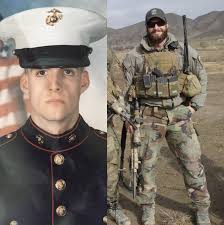
Nick Koumalatsos is a modern renaissance man.
He currently runs seven businesses. These include:
- Snap Fitness
- Ship on Site
- A Coffee Company
- Survival and Tactical Systems
- Miserable Cows
- Johnny Slicks Grooming
- The Raider Project
And he’s seeing absolutely ridiculous growth, especially with Johnny Slicks, the hair grooming company he owns along side fellow Marine Corps Veteran Johnny Slicks.
In addition to that, Nick has authored several books about prep for Marine Corps Bootcamp, Recon selection, and MARSOC. His latest book, Excommunicated Warrior, is a guidebook for anyone going through transition in their lives.
On top of all this, he’s a dedicated family man, devoted to his wife Alison, his daughters, and he’s trying to have another baby.
In looking at Nick now, you might be fooled into thinking that everything came easy to him. That’s definitely not the case.
After a wayward period in his youth, Nick had to fight to get into the Marine Corps. He also had to fight to regain control of his life after his discharge.
Like many Veterans, Nick went through problems with alcohol, depression, traumatic brain injury, and self-destructive and suicidal tendencies.
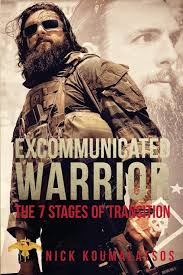
His book, Excommunicated Warrior, details how he slowly regained control of his life.
Nick came onto the show to discuss his life as a business and family man. This was an absolutely awesome conversation and you’ll be sure to get a lot of motivation and hope if you’re going through your own transition.
You’ll learn:
- how Nick keeps his busy life in order
- why Nick relies so much on his team
- how Nick’s immigrant heritage has influenced him
- the story behind how Nick partnered with Johnny Slicks
- why you can’t be scared of falling flat on your face
- and so much more
To learn more about Nick’s businesses click any of the links above.
To keep up with everything Nick is doing, check out his website at https://www.nickkoumalatsos.com
Order his book Excommunicated Warrior in print or on audible at https://amzn.to/37ov6t4
Transcript
Machine-generated from the episode audio and lightly edited — may contain errors.
Chris Albert (link to this point)
The Warrior Soul podcast is written, produced, and edited by me, Albert. Our mission is to provide tools, tactics, strategies, and ideas to US military veterans and anybody else willing to listen to help them to navigate toward living their absolute best lives. If you find these episodes helpful, please share them out with somebody that you know of that can use them. And if you really like the podcast, please also head over to iTunes and write us a written rating and review. It really helps us to spread word about the show, and it really helps to get these tools in the hands of others who really need them.
This podcast is sponsored by f bomb nutrition. They make awesome delicious packets of macadamia nut butters. They mix them up with chocolate, with sea salt, with pecan butter. They're absolutely delicious, and they also have a number of other fat fueled snacks, like their meat sticks and their cheese crisps. They're amazing people who are sending boxes of this stuff out to the troops on the front lines, and they're offering 20% off to our listeners on their first orders.
If you head over to www.dropanfbomb.com and use the code Warrior Soul at checkout, you'll get 20% off of that first order. And I'm gonna keep the announcements short and sweet today. You can stick around to the end. I got a really special announcement about a brotherhood that we're creating here at Warrior Soul. So hope you enjoy this episode.
I hope you get a lot out of it. And without delay, let's get into it.
Chris Albert (link to this point)
This is Chris Albert, and I'm here to remind you of one thing. Someday, you're going to die. That's not some morbid statement or scary idea. It's solid fact. Your time here on this earth is limited.
We need to be reminded of this as much as possible for one simple reason, to live your best life while you can. This is the Warrior Soul podcast.
Chris Albert (link to this point)
Alright, guys. In this episode, we have somebody that I've been trying to get onto the show for a bit. And finally, our schedules matched up, and I am so glad that they did because we had an absolutely amazing conversation. The our guest today is mister Nick Koumalatsos. If you don't know who he is, Google him right now.
Check out his YouTube channel. It's awesome. He served as a marine raider, part of special operations in the marine corps, and he got out and he had a really rough transition. He wrote a book about it called Excommunicated Warrior, and since that time, he's been killing it. He's got seven different businesses, a few of which have absolutely taken off.
He's developed a huge platform there on YouTube, and he's just a really inspiring and open guy. He's not one of these guys who walks around like, I'm the best. I'm this. I'm that. I'm hardcore.
When you watch his content, he's being himself. He's not trying to be anybody else. And he really brought that spirit to this conversation today. So you guys are gonna get a whole lot of this out of this episode for those of you who are interested in business, those of you who are interested in fitness, for those of you who are interested in serving in the military, everybody's gonna get something out of this. And without delay, let's get into this conversation with mister Nick Koumalatsos.
It's gonna be awesome. I always mess up that last part, but let's get into it. Nick Koumalatsos, welcome to the show, man.
Nick Koumalatsos (link to this point)
No. Thank you. And I cannot believe you said that correctly.
Chris Albert (link to this point)
You know what, man? I I grew up around Greek people. Oh, so it's
Nick Koumalatsos (link to this point)
called So the letters the letters make sense to you then? Absolutely.
Chris Albert (link to this point)
Yeah. I you know what? And and I was gonna tell you this. I think you're one of the luckiest individuals on the planet because you're a Greek American.
Nick Koumalatsos (link to this point)
I I feel the same way. So I concur. Seriously.
Chris Albert (link to this point)
Yeah. Seriously. It's an amazing culture, amazing food, and, you know, growing up, I I grew up back in the '19 late nineteen seventies, nineteen eighties. And these guys, they came to this country. They they established businesses.
They're like the great immigrant story of The United States, and they're the unsung heroes of this.
Nick Koumalatsos (link to this point)
Dude, I I just think about the the maze it all immigrants during that time. Right? Like, look at my grandfather. He packed his family up from Greece with no money, no plan, and came over just with like, I'm gonna make it happen. Like, the think about that now, like, take if I had no money, no no no plan, like, didn't know anybody, I'm gonna take my two kids and my wife.
I'm gonna get on a plane, and I'm just gonna go. And when I land, I'm gonna figure it out. Yep. That takes an enormous, enormous set of balls.
Chris Albert (link to this point)
Yeah. Absolutely. And and, you know, growing up, I'd watch these guys, they they live in these houses, they'd bring all the extended family in.
Nick Koumalatsos (link to this point)
Yeah.
Chris Albert (link to this point)
You know, all go out and work. I mean, they'd work in restaurants, they'd work cleaning
Nick Koumalatsos (link to this point)
Do whatever they have to do. Yep.
Chris Albert (link to this point)
And then they'd come back. They they'd save their money. They put it into businesses. And then today, they're all doing outstanding. I mean, like, I running
Nick Koumalatsos (link to this point)
talk I talk about that all the time. Yep. I look I'm like immigrants. You know who do well does well in America? Immigrants.
Because they they have the opportunity. Well, they see the opportunity, and they're willing to work hard and put forth effort, and then they're successful in the end. And sometimes I feel like Americans take our opportunity for granted, because we just live here, we grew up here, we were born here, so we just kind of float through life, like, you know, through our society system, and then we can complain about not having enough or not having what we want. But then you got this guy that comes from nothing, nothing, you know, our war torn countries and they come, they get an opportunity to come here and they just milk it for everything it's worth.
Chris Albert (link to this point)
Yeah. So it's such a huge example for young people, and I think we all need to study that.
Nick Koumalatsos (link to this point)
Yeah.
Chris Albert (link to this point)
So so dude, number one, I think that anybody who listens to my show probably definitely knows who you are, but can we just real quick go through a little bit of your story Yeah. To talk about your background.
Nick Koumalatsos (link to this point)
So so before I do that, I was funny. I got a text from one of your one of my best friends and business partners, and actually teammate when I was with with MARSOC, text me and said, hey, have have you actually, I'm gonna pull it up. I I was it was weird, man. I feel like he's got, like, psychic capability. He goes he goes, hey, did you do a Warrior Soul podcast yet?
And I said I said, I don't think so. I said, I've been doing about three a week. Why? And he, like, gave me a he just basically said a bunch of accolades about this podcast because he's been listening to you. So I I I did three last week, and I I just couldn't remember all the names of them.
So I I hopped on my calendar, and today, and this was thirty minutes ago. And I was like, oh, shit. I got one. I literally am hopping on the podcast in thirty minutes. And I was like I was like, are you messing with me?
Did you already know that? Did you do have access to my calendar? Are you messing with me? He said, no, man. Was a serious question.
And, anyways, I was just like, yeah. Well, I'm happy to hop on. He just went on and said what all the good things you guys are talking about and everything. I thought So that
Chris Albert (link to this point)
that humbles the crap out of me. That that humbles the crap out of me just to know that people are listening and and people are getting some something out of this. And he's
Nick Koumalatsos (link to this point)
Yeah. He's one of the best dudes ever, Josh Hansberger. So he's he's the one that I write all my training all my training stuff with.
Chris Albert (link to this point)
Awesome. Awesome. Yeah, dude, that's that's absolutely amazing.
Nick Koumalatsos (link to this point)
So, yeah, so I I, you know, had a kind of a troubled youth, grew up, you know, getting in trouble and then kind of straightened myself up and decided to join the Marine Corps. But of course, that wasn't that easy for me, because I was a two time convicted felon, had a GED. I mean, like, I had done drugs, I admitted to that. Like, there was just there was a multitude of things that the Marine Corps was like hard hard pass, bud. But I I put my I, you know, I did a little bit of elbow grease and put the work in and, proved proved to them.
I like to say this. I proved to the Marine Corps that I was worth being a Marine, because a lot of people think that hear a lot of kids saying, I'm doing this and doing that. I have this history, and they won't let me. Well, why should they? Like, this is like, you have to earn it.
It's a title that you have to earn. I did all the things. I took ownership of those things, and then I had to give them the reason to say, yes, you're worth investing in. So so I did that and made made the cut, ended up going spent some time in the conventional forces, ended up going force recon, did that for a tour a a little bit, excelled there. And then when MARSOC stood up, basically, was going to go back to second force recon company, and that had became basically second raider battalion.
So I went there and went took selection for MARSOC, and then spent my last six years as a as a marine raider.
Chris Albert (link to this point)
That's awesome. That's awesome. And that's you know, you came in at at, I think, probably just the right time to be able to experience that. Right? Because that's
Nick Koumalatsos (link to this point)
I always say that my time because I served from 2000 to 2012, and I always joke saying that the those are the fun years, cause they really were. Didn't obviously, when I joined September 11, hadn't happened yet. But it, you know, happened a year later. And that just kind of cracked off that next twelve years of, some people can say excitement, you know, some people can say tragedy, but it was a very busy year for the Marine Corps and our busy, busy twelve years for the Marine Corps. And I, in a way, was fortunate to experience all those different layers of of that.
Chris Albert (link to this point)
Yeah.
Nick Koumalatsos (link to this point)
Yeah.
Chris Albert (link to this point)
You know, one of the things I love about you is especially with your content is the the just upfront honesty that you have about everything. And and when you look at you versus a lot of people, you know, you you got this tactical element to what you do. You you you teach people that stuff, but but that's not all you are. There's so many dynamics to to who you are as as a father, as a businessman, in your personal life, and we get to see all that.
Nick Koumalatsos (link to this point)
Yeah, I think that the day of and you can kind of see it with big Hollywood, right? Like, can look at these big actors, and they're they're just not authentic. Right? You can tell who is excelling in Hollywood and who is not. And in today's age, people want authenticity.
This is the reason why guys like Dwayne Johnson, and Chris Pratt and John Krasinski, all these guys are doing so well, is because they're super authentic and they're super real with people. The days of the George Clooney's and, you know, those type of people that are kind of hiding in the shadows that don't wanna be authentic and don't be real, they're kind of on the decline. Let's let's be honest. And I think that people in this day and age, because of social media, because of the way globalization has kinda happened, you know, you just have to be real. People are craving the truth.
And this is something that when I set out, I was like, listen, I'm gonna be me. And, you know, once I went through my transition, which I don't know if you've gotten gotten a chance to read Excommunicated Warrior yet. Oh, awesome. It's right here. There you go.
So once I kinda went through all that, I just like, you know what? I I I'm gonna just be me, and I'm gonna share me. And I it's kinda worked, and then there's some struggles with it, because I think people, especially being a Marine, especially being a raider, recon marine, society typecast you. Right? They typecast you for this if you're this guy, if you're a military special operations guy, then you have to fit into this certain mold.
You know, you have to fit and and, you know, like, they expect everyone to be like Pat McNamara, you know, great dude, but he is him. That's his personality. That's who he is, and that's who that's that's probably honestly, that's that's who he was probably like a 15 year old kid. He was probably that intense at 15, right? But because of that, because these individuals are so big, they expect every military person to be that way.
And, you know, and I just don't I've always refused to just be put in a box. So while people expecting me to be this tactical ninja, that's not what my life revolves around anymore. My life revolves around my seven businesses, my family, my relationships. I do a lot of leadership, executive leadership, you know, speaking engagements, and talking about how to get people to reach their goals. Like, none of that is on the range.
You know, there's a lot more layers to the onion than just that. So I've worked really hard to share all those different pieces and all those different sides on purpose, because I want people to know that they can kind of do and be who they are. They don't have to fit into a mold. They don't have to fit into this preconceived idea of of what their people expect them to be. Instead, they can just be who they wanna be and excel at it.
Chris Albert (link to this point)
That's that's definitely great points there. And, you know, going through your book, Excommunicated Warrior, you know, at the beginning, you know, we saw that that kind of chip you had on your shoulder. Right? That when you're coming out, you're pissed off at the Marine Corps. You're pissed off at the world.
And unfortunately, I see that in so many guys that I speak to on a daily basis in the veteran community. And you mentioned that the typecasting, I think there's a lot of guys who end up typecasting themselves. Right. Looking up to the stereotype of the dysfunctional veteran who's just pissed off at everything, pissed off at the world, and doesn't want to change for anything. Right?
They think they're they're hanging up their personality. Right?
Nick Koumalatsos (link to this point)
That's why I don't know if you cut that mug. I sell a coffee mug, own your shit. And it's facing inward, so you have to look at it to own your shit. And that's kind of what that's about. It's like, you know, even with my own stuff, we all have stuff.
We all have faults. And I just, you know, like, in a relationship, right? Like, you know, today is my actual anniversary with my wife.
Chris Albert (link to this point)
Congratulations, man.
Nick Koumalatsos (link to this point)
And yeah. Thank you. And, you know, through that coming up, obviously, believe in the military, being us, we're both from broken marriages. So we had a lot of baggage. And over the years, we just had to really sink into owning our own shit and developing ourselves.
And that's where it comes with those guys. It's like, listen, guys, you gotta own your shit, man. Like you're stuck. So own it, and let's get past it. That's what that book's all about.
And it's frustrating, man. It is it is very frustrating. I was just on a podcast with Vincent Vargas. I'm sure sure you've known him. You gotta get him on here.
Chris Albert (link to this point)
Yeah.
Nick Koumalatsos (link to this point)
But we had that
Chris Albert (link to this point)
It's coming on later this week.
Nick Koumalatsos (link to this point)
Oh, excellent. Yeah. So we had that same conversation about just like, listen, this entitlement and this mentality of almost typecasting yourself into a into a dysfunctional vet or just a pissed off vet, like, gives a shit. Right. If you're gonna be dysfunctional, if you're gonna typecast yourself and you're gonna demand that everything is the way it is, like, you're gonna be stuck and you're not gonna progress.
And you're just gonna slip into this very dark, bitter hole that is gonna take you a lot. Like, the longer you stay there and the deeper you go in there, the harder it's gonna be for you to get out.
Chris Albert (link to this point)
Yeah. And and it's choice.
Nick Koumalatsos (link to this point)
You get to Yeah. They're choosing that.
Chris Albert (link to this point)
Yeah. Exactly.
Nick Koumalatsos (link to this point)
Exactly.
Chris Albert (link to this point)
Every time every day you wake up, you choose what your mindset's gonna be as you handle this stuff. And and you have to remember, I think, that even though you might been might have been through some shit, there's a this has been this Earth, we've been around here for thousands of years. Right?
Nick Koumalatsos (link to this point)
Yeah.
Chris Albert (link to this point)
There's you know, up until recent history, life has been nasty, brutish, and short. And if you read books like Gulag Archipelago or if you read Man's Search for Meaning by Viktor Frankl, you could see that real freaking quick. Right?
Nick Koumalatsos (link to this point)
Abs you're absolutely right. We're both sitting in air conditioning houses talking on headphones and a microphone and through a computer, like.
Chris Albert (link to this point)
Into plastic boxes, and we're literally thousands of miles away from each other.
Nick Koumalatsos (link to this point)
Both drinking water out of a bottle. You know what I mean? Like, it life is good. You know what I mean?
Chris Albert (link to this point)
Yeah.
Nick Koumalatsos (link to this point)
Yeah.
Chris Albert (link to this point)
Exactly. Exactly. So you've got seven businesses, man. Seven business. Right? And a lot of people have problems just handling one. You know, how how do you do it? How do you how do you maintain everything with with all the different stuff you're doing? I I see it everywhere.
Nick Koumalatsos (link to this point)
Yeah. So it it you know, I get that question a lot, and it a lot of people think like, oh, wow. You just started seven. That's not the way it worked. Right? I started with one, I failed miserably.
Me too. But that's part of it. Right? And I I try to tell people that a kid hit me up and said, hey, I wanna start my own business, but I'm afraid that, you know, I'm gonna follow my follow my face. I said, let me let me fast forward for you.
You're gonna fall on your face. But if you don't ever fall on your face, you're never gonna be successful. And he's like, oh, I never really thought about that way. I'm like, yeah, you're gonna fail. But if you don't start it and go ahead and get and learn through that process and fail a couple times, you're never gonna make it.
Any successful business owner has failed tons of times, so just start the process. So I started one business, that business, I was smart enough to know that I had to constantly innovate. I was never after that big failure, I was never attached to an idea, like emotionally attached to the plan of the idea. I became extremely flexible. So like our whole thing with like marine, like marine things Semper Gumby, I just stayed Semper Gumby.
So wherever the wind blew, that's where we were going. I was gonna throw up a sail and I was gonna ride that. And, I was just extremely flexible to to kinda go with go with society. I was extremely flexible to go with kinda what the person needed. So what that first business did for me is it taught me infrastructure, and I started to set up the infrastructure I needed.
And once I had that, whether it's logistics, accounting, you know, your bank account stuff, your your your your bookkeeper, and then your legal team, and marketing and media and cameras and everything, I had all that set. So it was very simple for us to go flip the switch onto another business. And then, then, and this kind of comes into like, you kinda, you game in the game, right? But you get a little bit of money, and then either you have to reinvest that into something, or you put it in your pocket and pay taxes on it, or you can invest it into another business. So what we've kinda done is just leapfrogged, we make a little bit of profit, and then instead of putting it in our pockets and getting taxed, you know, ridiculously from the government, I just reinvested into another thing.
So we we started I I built a gym, Or not build a gym. I took over a gym and and took that and then made a little bit of money from that. And then my you guys have probably seen the Johnny Slick story. Yep. So like that, you know, my one of my I I almost feel like he's my son at this point, but he he approached me and I fell in love, but he had a problem.
He had an infrastructure problem, and a marketing problem, and a branding problem. So we we partnered and that thing is I mean, I can't it's it's the fastest growing organic grooming company in the world. Like, what what's happening with that company is is I could not have planned it better. I mean, we we broke six figures our first year, and then let's just say it's it's going really well. I'm I'm super I'm super proud of him and what we're doing is awesome.
So so then, you know, but, like, I took the money from the gym and these other things, and then we bought a shipping, you know, we bought a shipping and printing store here locally. So it's just I'm thinking long term. I'm not thinking like I'm trying to make a buck to put in my pocket. Like, I I don't need that. Everything I have is my everything is taken care of.
Like, I have enough. I don't need to go on elaborate vacations and and have, like, a million you know, even though we do have, like, a ridiculous amount of vehicles because we have a ridiculous amount of people, plus my kids are older. But like, I don't need, you know, a $100,000 car. I don't need a a $1,000,000 house. I don't I don't need all that kind of crazy stuff.
I'd rather take things, invest them into things that are going to make me money long term. Because I'll tell you right now, what my life looks like in ten years is gonna be drastically different. Yeah. I'm not think people
Chris Albert (link to this point)
need to think in those terms. Like, you can't just think in that box. Like, I'm gonna I'm gonna hang out here. This is how it's gonna be. Because otherwise, if you're not acting in a way that is gonna make things for you, life is gonna bring you things and it's gonna determine where you're gonna go.
Nick Koumalatsos (link to this point)
Exactly. Yeah. And I'm thinking I'm just I'm constantly thinking about the long game and what that means for my life and retirement. You know, some people go four zero one k with a, you know, four to 7% interest rate. I'm not thinking like that.
I'm thinking like, how do I build this and then sell this for $25,000,000? That's awesome. That's awesome. That's that's that's just it's a risk, but I'm willing to put the work in, and I'm willing to diversify diversify my portfolio or my my investments to to set that up for us. Yeah.
And you know what it takes? It takes a lot of sacrifice, an enormous amount of sacrifice, and a lot of freaking hard work. And those are two things those are two things that a majority of people are not willing to put in. Yeah.
Chris Albert (link to this point)
I you know, there's so much that you just said that I wanna get into here. I I think back, you know, my first business was a gym. I was one of the guys who started a Metroflex gym in Long Beach, which was a gym that CT Fletcher and, like, Mike Rashid and those guys came out of.
Nick Koumalatsos (link to this point)
That's awesome.
Chris Albert (link to this point)
It it was great, but it was a nightmare at first. Right? I had no business experience. Right?
Nick Koumalatsos (link to this point)
Of course. Yeah. Was that your first business? That was your first business?
Chris Albert (link to this point)
My first business. Never had a business before. We set up a gym in a warehouse in Long Beach, California, and we were like, dude, this is gonna be epic. People are just coming knocking the door.
Nick Koumalatsos (link to this point)
Oh, sure. Right? Yeah.
Chris Albert (link to this point)
Three people show up. Right? And when we were billing ourselves, there's like the new gold gym mecca kind of thing. And people would come into the door. And at that point, people didn't get the whole garage gym concept.
So people were like walking in. We're like, where's the cardio equipment? Where's the cardio deck? Do you guys have
Nick Koumalatsos (link to this point)
some god.
Chris Albert (link to this point)
And, dude, it was I lived off of 500 Dollars a month for a good three years. I don't know how much
Nick Koumalatsos (link to this point)
Did you did you have to live in the gym?
Chris Albert (link to this point)
I did for a while. I got I made the brilliant decision to get married while I was doing that, which which didn't end well. And then eventually, you know, the whole thing ended I'm still really good friends with the current owner, but the whole thing ended with me having to forego my shares at the gym, and I actually ended up living out of my car after that situation. So it's it's it but the thing is, I don't look at it as a negative experience. I look at it as Not my
Nick Koumalatsos (link to this point)
at all.
Chris Albert (link to this point)
MBA. That was my MBA. That taught me everything I need to do to be here talking to you right now. Right.
Nick Koumalatsos (link to this point)
People and people don't they think, like, especially in the military, I feel like we have this concept that failure is final. Right. And it's just not the truth, man. Like, that's not the way life works. And we we you know, the military guys, they just get beat into this system of, like, failure and failure and failure, and you can't fail, especially in the higher echelons of the military.
And, you know, like, you get bastardized if you fail a school or you get bastardized if you fail something. You're like a ship bag of the unit. But that's not real life. Real life is, like you said, like, that is that's the best education that you'll ever get right there. Mhmm.
Because now you know exactly what not to do and what the second and third order effects of every decision you make in business.
Chris Albert (link to this point)
Yeah. You learn through the pain. You learn through it, and and you gotta take it as lessons because there you have a choice too. You can either say, holy shit, this is not for me or oh my god, or and you can look at them, all the people faking it on social media and you can say, you know, my life isn't like their life and all this stuff. Or you could say, you know what?
These are lessons I've learned from them. Let's go on. Let's do something else.
Nick Koumalatsos (link to this point)
Yeah. And I've I've always said this say this thing. I don't know if I stole it from somebody. I've been saying it so long. I'm not even sure.
But you show me you show me a successful man, I show you the same person who failed 15 times to get there.
Chris Albert (link to this point)
Yeah. 100%. 100%. You gotta The work through other thing you said there is, you know, the the choices you have with your money when it does come in. And I think I see a lot of business owners, I work with a lot of trainers and things like that, they don't understand the concept of foregoing the immediate gratification for that long term success.
Nick Koumalatsos (link to this point)
Yeah.
Chris Albert (link to this point)
And I see a lot of guys, they'll spend through their taxes. They won't save up their taxes. And then when the tax man comes around, they gotta fork out all this money. Is that something you'd learned just from that beginning process? Or is is is this something that that just kinda came along and and through education?
Nick Koumalatsos (link to this point)
No. I think that because of my growing up, because of my situation, like, I just I wasn't that type of guy. Like, don't get me wrong. I love spending money on camera equipment. I love spending money on, you know, different things that enhance the business like that. You know, it's almost like a problem.
You know, my wife's like, okay, I think we're good.
Chris Albert (link to this point)
Also an investment too. Right?
Nick Koumalatsos (link to this point)
It is. It is. Right. But I I'm I can I can really, really geek out, man? Like, could really geek out on some on some stuff.
So but I it was something long term that I just I felt like I didn't I just didn't need a lot. And even when I started my first business that failed, I wouldn't take it. I just had this thing that I knew that I had to put as keep as much money in the business to keep it going. So I just would never pay myself, except the bare minimum of what I needed to survive, like literally the bare minimum. So I took that concept and, like like, if you look at Johnny Slicks, it's a huge success story.
So I I sat down with him and we and I said, this is the way that I wanna run things, and here's the reasons why. Especially that first year. So I wanna dump an enormous amount of money into marketing. Every little penny that we make, I wanna put into expanding our cook our lab, making new building new stuff, getting new products made, and then dumping as much into marketing as we can. And I want us to take nothing.
I want us to take the bare minimum that we need to survive and bare minimum that you need to survive so that we can grow this thing. And because of that, we had, we broke six figures the first year, and then we had this year, we're up 650%. That's awesome. So yeah, moving into 2020 is gonna be real fucking scary. But it's because we did that.
It's because we doubled and tripled down on everything. Every time every move we did, it was like, okay, we made this much money. We have this much money in the bank. How much of it can we spend on marketing? How much can we spend it on on R and D?
You know, instead of saying, awesome, we made $50. Okay. Let's, you know, let's this much for you and this much for me, and let's let's move on. But then it doesn't move the needle forward.
Chris Albert (link to this point)
Yeah. And that's the thing too. I just had Rhett Power on the show, and he was this he was the founder of a toy company called Wild Creations. And he literally went from he was making, like, $25,000 a year, like, living out of his van, going from from trade show to trade show, then made a single deal with a contract for, I think, 25,000,000. So his business changed overnight.
But one of the things he said was that with that rapid growth, there were things popping up that he never thought he'd have to think about.
Nick Koumalatsos (link to this point)
Right?
Chris Albert (link to this point)
Yeah. Like supply chain, infrastructure, all these different things. And and that's another huge thing is that when you experience that growth, there's a lot more learning to do. You don't just lie back and and and
Nick Koumalatsos (link to this point)
No. Absolutely. But that gives you that's a that's a it's a it's a blessing. Right? That is a blessing in itself because that is when you start to really make money, because when you start growing at that rate, when then you start cutting out, and we've been having this discussion as well, you start cutting out the middleman, okay?
Now I may and now I'm fortunate enough to build, you know, to buy this these much ingredients, this much product, which cuts out my cost, because I have I don't have to go to a middleman, I can go directly to a supplier and write a check for $20,000 or $50,000 or whatever. But you'll never get there. You'll never get there if you don't do what he did, living out of your van, taking nothing, grinding it out, you know, going from roadshow to roadshow to make it happen.
Chris Albert (link to this point)
You know? That's and that's the hard truth that a lot of people just don't wanna realize that
Nick Koumalatsos (link to this point)
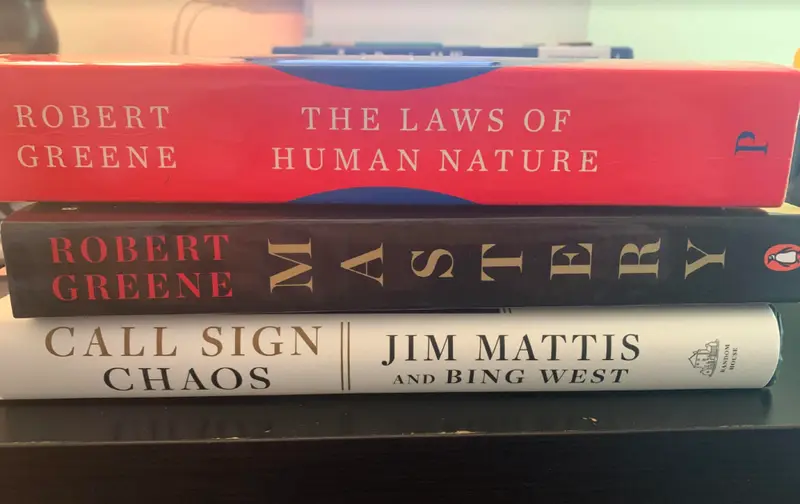
Yeah. The the the other thing that you mentioned is, like, how do you do it? And I I wanna bring this up. How do you do it is your team. Robert Greene had has a book.
I've I don't know if you've read it, the 48 laws of power. Great book. I just had them on the show. Excellent. Excellent.
I should I should reach out to him. I actually found out about that book because through my master's program that I'm in. So I'm in a in a business entertainment master's program. So I read his and John Maxwell's books. Really great.
Robert Greene's gangster. He's he's a he's a gangster. Yeah. But one of the things he said was basically like, you know, develop your team, have partners, and getting people to do things that you don't you can't do or things that you shouldn't be doing. A lot if you look at really successful people, this is stuff that they do really well.
And how we do what we do is because we have an amazing team. And every single time from we started the first one to the next one, we have hired people, evaluated them, and then kept the people that were producers, the ones that believed that believed in our mission, believed that saw the future and where we were going, and that were invested in us, not just in business, but in people. So our current team and who we have now, our managers, I would say our core, our core, you know, director staff, they don't just believe in our business, they believe in Ali and I as people, and where we're going in life. So they're invested in us. And when you get people that look at you that way, I mean, you can accomplish anything.
Chris Albert (link to this point)
That's so important to understand, because a lot of us like to think we can do it on our own. And I call it the Rambo syndrome, where you're going off, you're living out in the woods, you're not relying on anybody else. It's just your own will, it's you against the world, right?
Nick Koumalatsos (link to this point)
I absolutely hate that shit, man. I really do hate the lone wolf thought process of like, if you want something done, do it yourself. There's a lot of truth to that. It's unfortunate, it's hard to find good people to do things for you. But if you want to scale and you want to build something that is going to be really profitable and sustainable, you have to have a good team.
You have to invest. And not only does you have to have a good team, but then you have to sit back and you have to invest in them and their personal growth and their education. So one of the things that we do that we started doing, so every Tuesday, we have a staff meeting with our directors. At the end of that staff meeting, we do some sort of personal development, leadership growth, something in there. I mean, my my thought process is, like, I'm getting paid to go around and do it for these large companies, these Fortune 500 companies, these groups, whatever.
And why would I not do that with my own staff? Yeah. Yeah. You know what I mean? Like, that's leadership.
It's leadership. It's leadership one zero one. So that's one of the things that we do is we invest in them and then we pay them. We my wife and I, Johnny and I, like we take less than our employees.
Chris Albert (link to this point)
Yeah, that's that's
Nick Koumalatsos (link to this point)
Because because they're worth it.
Chris Albert (link to this point)
Yeah, so important to understand you, especially at the beginning, because it's so important to invest in your team. It's so important to invest in other people. And that's the first concept of leadership. Leader leaders eat last. Right?
Right. I mean, that's that that that was something we were taught in the Marine Corps right at the beginning when you go through infantry school. Right?
Nick Koumalatsos (link to this point)
Mhmm.
Chris Albert (link to this point)
That's that's huge. You know, the other before we move on, I also wanna mention this, another one of Robert Greene's books. I don't know if you read Mastery.
Nick Koumalatsos (link to this point)
I did. I did. I not all of it, but I read several chapters of it. Yeah.
Chris Albert (link to this point)
That book, I'm I'm going through that now. I I've been through all of his books. I've been through the the laws of human nature, 48 laws of power, 33 strategies of war. Mastery, I think, is great for those who might be trying to figure out where they are. Like Yeah.
How how they're gonna move forward or or what they should should spend their time on. And it's also a great book to get your team to read because a lot of times they're going through the process of trying to get good at this position. And a lot of times, they don't understand there's time that has to be put into it. There's there there there's things you gotta learn. And at the beginning, you gotta be okay with that.
Nick Koumalatsos (link to this point)
Yeah. You have to be you have to be okay with that's you're you're talking about patience. And that is another thing that I feel like sometimes we're lacking because and I and I think partially because of social media and because of these, people that just all of a sudden show up on your in your feed, you know, like, dude, well, how did this guy do this? Like, oh, and we started to compare. We started to compare, like, how is this guy so great at this so fast?
He hasn't. He's been he's been grinding it out for twenty years to get to show up on your feed. Yeah. You know? So a lot of times, business owners or young people or young teams think, why don't I have more?
Why am I not? And I even I do it. You're like, we all we all do it. Like, why is this not growing faster? Right.
Right. It it doesn't. It takes time.
Chris Albert (link to this point)
And I think that's a thing in the veteran community too, because a lot of us, we we go through our years, we gain our experience. I mean, in the Marine Corps, you know, a a 20 year old Lance Corporal is in charge of a lot more than a lot of middle managers in corporate America.
Nick Koumalatsos (link to this point)
Right.
Chris Albert (link to this point)
Right. Right. But but at the same time, I think that, you know, you go through seasons in your life where you've got to learn stuff over again. And if somebody like you, who had all this advanced training, had millions of dollars poured into you as as an asset, has to go through that relearning process than than a lot of the rest of us do too. Right?
Nick Koumalatsos (link to this point)
Absolutely. There's, like, there's no shortcuts. And anytime that I see something, even monetarily, like, so you see something happens and all of a sudden you're making a bunch of money overnight, that worries me. When I see things, like, blow up overnight, like, truly blow up overnight, that worries me. Some of the greatest, most successful people always have told me, like, have you ever you know, I'm like, when did it blow up?
And they're like, never. Nothing's ever blown up. Even when I thought things were gonna blow up and it was like, this is gonna be the one, and I have that all the time. This is gonna be it. This is gonna be the video.
This is gonna be the product. It it never is. What it is is just this slow, steady climb. And if I look at the last six years of me doing this since I've since I've been out and then done with contracting, really starting my business, if I look at the last six years, there's nothing, not even at all that I can look at that was a spike. Nothing.
It's been it's just been the if you watch the graph, there's just been a slowly tick upwards for the last six years. And all of the people that I look up to and the people that are really, really crushing it on a on a on a seven figure scale, they all say it was just a slow, steady grind upwards for the last two decades.
Chris Albert (link to this point)
Well, that's a that's another thing. When you talk about because a lot of people, they'll write down goals and they'll put on, like, I wanna earn a million dollars by by 2020 and all this stuff. I'll put that up. But I think the thing is, I think we get so focused on those those end results. And this is a controversial statement, but in a lot of ways, the results don't matter.
What matters is process you're using to get there.
Nick Koumalatsos (link to this point)
The journey to get Yeah, so like, and I believe that. I believe in speaking things into believing, I believe in the power of thought, I believe in the power of positivity, and I also believe in the power of negativity, the things that you spew out of your mouth. If you're talking about negative shit all the time, guess what you're gonna get? A bunch of negative shit and drama. But if you push that out and you are constantly talking about positive things and being that being that positive person, then I think, you know, laws of attraction, I think that will happen.
So so putting up, you know, making a million dollars by I think that should go up. I mean, don't don't sell yourself. Because what's gonna happen is you're gonna make that million dollars, you're gonna hit the million dollars and go, this isn't shit. I should have put $5,000,000, you know what I mean? But I really I really do believe that, you know, putting that up there is a good thing.
But, my wife says it best. You know, a a wish without a plan is no. A goal without a plan is just a wish. Right. And so like you put that up there, okay, that's then, but being a military man, I actually give a really good talk about goal reaching goals.
I really like this one, because I use one of the stories that I that we did in in special operations, but I look at it from okay. If you wanna have a a desired effect on a battlefield, right, I wanna change the battlefield, I I need to mold the battlefield this way. That's my end state, right? When I leave this deployment, this is what I want the battlefield to look like. Okay, so that's nine months from now.
Okay? What has to happen between those nine months to get there? So what we do is we put phase lines, right? So we take, say it's a twenty year plan, a year plan, doesn't matter, three month plan, you have a goal that you're gonna lose, 20 pounds in ninety days. I'm gonna lose 20 pounds in ninety days.
Cool. Okay, well, that's easy, right? That means that means at the forty five day mark, you've better lost, you know, 10 pounds. Right. Now I can break those down into increments.
Okay, now what do we have to do to lose these 10 pounds? Well, I need to exercise this much a day. I need to eat these certain things. I need to look at my calorie count. Like, very simple.
It's the same thing. Like, weight loss to me is just simple to break down. Okay. So 20 pounds, you know, I'm gonna lose 10 in 45. I'm gonna lose five in, you know, whatever, you know, half of that.
And, and then I can put all of my macros down, I can work with a trainer, I can burn X amount of calories, and this is a math, that's a mathematical problem. 20 pounds is a certain amount of calories, certain amount of energy output, so I know exactly how much energy I need to put, how much calories I need to consume to reach that goal. Simple. Okay. Well, same thing with a million dollars.
I want to reach a million dollars. Okay. How are you going to do that? Well, I need to make this much money. I need to make this much money out of this time, this much money out of this time.
I need to have this, you know, and you can do percentages because it grows over time. Right? You make more money over time. So maybe I need to make 25,000 this year, and then I need to, I need to like triple it. I need to make 7, you know, I need to make a 100,000 the next year in this.
But how are you gonna do that? You have to put phase lines. Don't worry about the end. Don't lose. Don't don't if you look up on the mountain, you're gonna trip and fall and slide down the glacier.
You know? When you're when you're ice climbing and climbing over you know, you're not worried about the top. Yeah. You wanna get there, but you're worried about putting one foot in front of the other because if you misstep that, you're done. Yeah.
Yep. Worry about the work that you're putting in and the and the and the and the the, what do we call in patrolling? You're, oh, shit, man.
Chris Albert (link to this point)
Oh, you're quizzing me right now.
Nick Koumalatsos (link to this point)
Know.
Chris Albert (link to this point)
Been like fifteen, twenty years.
Nick Koumalatsos (link to this point)
Oh, man. Your rally points. Rally points.
Chris Albert (link to this point)
Yeah.
Nick Koumalatsos (link to this point)
Yeah. You're worried more about your rally points, like, than you are the actual end goal. Like, I'm I just need to make it to this rally point point. So I'm gonna put one foot in front of the other. I got my ice axe.
I got my crampons. Everything's going good. I'm clipped in, and I'm just one foot in front of the other until that rally point. When I get to that rally point, I reassess and go on from there. And that's the that's everything in life right there.
You just got like, if you take that with every goal that you have in life, you set up phase lines and you execute that way, you will be successful.
Chris Albert (link to this point)
And it comes down to also understanding the skills you need to learn. Right, being humble enough to put yourself through that, and also understanding that the small unsexy tasks that you got to do every day, they they add up to that greatness. The things that other people are not willing to do, the the the daily boredom you go through when you're trying to put things together and you're trying to do your your your your stuff. You gotta get through that initial point so you can get to the magic. Right?
Nick Koumalatsos (link to this point)
100%. You have to get dirty. You gotta get in there. You you are the guy. At that point, you are the guy to make things happen, or the girl.
You're you're the person to make to make that stuff happen, and and you're gonna have to get uncomfortable. And if you're not comfortable with being uncomfortable, then this then that's not you. Maybe that goal that you're wanting to achieve is is not real. Yeah.
Chris Albert (link to this point)
And I want to I want to make this transition because you geek out on cameras. I geek out on hormones. I'm obsessed with hormonal health and everything and you've been putting a lot of your content talking about your current hormone program, your quest to have a child. I admire you so much because there's a lot of people who don't admit when they have a problem. And as somebody, you know, I hopefully will get to have children at some point over the next couple of years.
Been praying over it. I've been been, you know, really trying to take the steps necessary to be able to do that. But, know, tell us a little bit about what you're doing in your life right now to take care of yourself, because I think this translates throughout the veteran community.
Nick Koumalatsos (link to this point)
Absolutely. I think there's so, it's so much, you know, oh my God, there's such a bad stigma when it comes to hormone replacement or steroids or all this kind of stuff. I mean, is gnarly. The comments, you get two, I two sort of comments. So to give some background for people that don't know me, in my book, I talk about the whole story where a friend of mine came to me and said, listen, man, like, everything that's going on with you, I feel like you've got low testosterone.
And this is not something that the military or the VA even identified. They were just, you know, they just want the VA starter pack. We've got uppers, downers, sideways, dreamer racers, you know, the the g the GWOT got, you know, starter pack from the VA. And, so he identified, he's like, I think you have low T, I think you should look into it. And I got this doctor and, you know, just give it a whirl, see what happens.
It was in the tank, man. It was in the tank because of TBI, it was in the tank because of a lot of different things. And once I identified it, and I started working with a doctor to get on testosterone and to get my levels fixed, it changed my, it revolutionized my life. Like the way my brain functioned, the way that I felt, everything just like, it just like the light, the lights came back on. And so I was on that for about six years, and then obviously, Ali and I wanted to have, wanted to, you know, had a vasectomy, and I talk about all this in that video about my coming clean about steroid use video.
But to do that, I had to come off that so that I could naturally produce enough to do a surgery because I had a vasectomy, and urologist was like, it's been too long, let's not do that, we've got the technology now, I'll just go in, take it out, and we'll be good. And then you can keep your vasectomy and you and your wife can just have fun for it. Don't have to worry about it. So we did that, and then we're now we're going through the IVF process, but now that I came back on, I really wanted to, like we talked about in the beginning, be authentic and be real about this. Right.
Because like over the last eight months, I was real quiet about my physical fitness, I was real quiet about how I was feeling. I mean, I really just did not talk about it. One, because I didn't wanna bring up why I was off, because we were because like, what happens if the surgery was unsuccessful and we couldn't do it? You know, like, then there's no use in talking about it. You know, I didn't wanna bring that kind of sadness and negativity to the, to my platforms.
So I wanted to just wait. Let's make sure the surgery is successful, and then we'll discuss, like, what happened and everything. But since doing that, I felt like it was a good opportunity to come kind of open up about HRT and and what I was what I was doing and why I was doing it. Because the only place I've ever talked about it was the book. I've never really come out publicly and talked about it other than unless you've read the book.
And so this has been an amazing series to produce, because I'm getting two things. I'm getting guys that realizing that they are having issues without even knowing it. And and it's giving me a platform and a and a direction to to send them to get them help. You know, these guys that are in their, you know, mid thirties to early forties, and they're like, man, I, I've got this weight gain, I don't understand, I'm dieting, I'm exercising, I'm still having trouble. My sleep is shit, I can't work out, because like, I'll be sore for two weeks, which is what was happened to me when I came off, I would do a calisthenic workout, and I would be sore for three weeks.
Wow. Like, how how can you how can you continue to train? You can't. You can't continue to train.
Chris Albert (link to this point)
And this is what I don't think people understand is that, you know, there there's a big difference between going out and loading yourself up with trend and and and Yeah. And all that stuff versus what you're doing, which is is trying to keep that engine running. Right? And and trying to just enhance your vitality. And I think people just don't understand that.
You know, there there is the abuse of and I used to train IFBB pro bodybuilders, and there is that abusive element to steroids that that does happen. Of course. There there's a whole host of the population that that, you know, they're deficient. And when it comes to veterans, there there's increasing evidence. I don't know if you've heard of of doctor Mark Gordon and Andrew Marr.
They've been talking about this for a while, where low level TBI can actually shut down those hormonal processes.
Nick Koumalatsos (link to this point)
So that's what happened to me. So like I had multiple TBIs over time. I actually went to a brain clinic, and he, the doctor explained why, It was the first time that I explained why my body was doing what it was doing. Mhmm. And it was I damaged my gland.
My I don't even know how to Pituitary. Pituitary. Yeah. So I damaged that through multiple parachute opening, multiple breaches, IEDs, bad accident, a vehicle accident in Afghanistan that knocked me out. Wasn't wearing a helmet.
He was a cool guy. So there's multiple things that happened over that twelve year span that I never really thought that I had to buy, and he explained it. He's like, well, how many breaches have you been? And I was like, I don't freaking know, doc. Like, this are you kidding me?
It was professional. I was a professional marine, war fighter. How many flash rings went off your feet? How many parachute openings have you had? He's like, all of those are minor concussions that cause damage to the brain.
Like, brain is sitting in fluid in your head. It's not attached to anything. So every time that you did something, it was causing an issue, and and he's like so because he he looked at the blood, he looked at my, cortisol, my saliva, like, they dug in, and it's all in the book, but they they really dug in and then really broke that down for me. And I was blown away, and I'm like, how many other guys don't even know? Yeah.
They don't even know they think that it's post traumatic stress, or that it's TBI, or it's all these other things, when in reality, you have the testosterone of an 80 year old man, and 28.
Chris Albert (link to this point)
No, that's the And that will lead to suicidal ideation.
Nick Koumalatsos (link to this point)
100%, 100%. You will get depressed one hundred percent, and you'll be so tired because you're not sleeping, and you'll wanna kill yourself because you're just exhausted.
Chris Albert (link to this point)
Yeah.
Nick Koumalatsos (link to this point)
That's a fact.
Chris Albert (link to this point)
Exactly. And and, you know, when I as I learned more and more about the issue, I mean, you know, you mentioned that the the the parachute breaches, but even, you know, just manning a 50 cal quite often, you know, even and and I was talking to Doc Parsley, who is a former SEAL and current medical doctor. He was saying, you know, even even, you know, when you're in the kill house, and and and you've got blanks going off, that could do something, right?
Nick Koumalatsos (link to this point)
Absolutely, that overpressure, being in a 50 cal or Mark 19 in the truck. Have you ever been in the truck in 50 cal Oh, is going that will make you wanna throw up from your overpressure, yeah. And people, we don't think about that, right? Because it's just part of the job. It's like, oh, wow, that made me dizzy.
Yeah. And then you move on. You just, you just drive on with your day. But over time, over being doing that, even if you did that for four years, right? That has a huge effect on your body, and so I'm excited that I get to finally talk about that, and hopefully it's helping people.
The other thing that I get is these individuals, and I'm sure you get it too, about they just believe, I got into it, he says he's a medical doctor, I don't know, but he believes that testosterone is horrible for you, that you're gonna get prostate cancer, you're gonna lose your hair, you're gonna do all these things are gonna happen to you, you're gonna have heart disease. And I just, I laugh and I'm like, that is all a lie. Not one documented case of this. And anyone that says that it's connected is like, wait a minute. Well, he was on testosterone.
He's no, that guy was three hundred pounds. He had heart disease long before he ever took a testosterone shot. This is not the case, guys. This it it infuriates me that you have these people out there saying that all these negative things with HRT, mean, it's it's not true.
Chris Albert (link to this point)
Yeah. Well, the other thing I would say is that that there's a there's also a difference. We mentioned the abuse aspect, but there there are doctors out there who are catching on to this trend, who don't necessarily know what they're supposed to be doing, what they're doing. Right. And they're not doing the requisite tests. They don't understand that a complex hormonal cascade.
And so they're doing this cookie cutter approach to this to HRT.
Nick Koumalatsos (link to this point)
So I get, I get, yeah, I get mad with the VA because a lot of guys are like, well, the VA will take care of this. I'm like, if you pound the drum long enough, they will, but here's what they won't do. They're gonna give you a little bit of test C, they're gonna let you inject it, but they're not gonna do anything else. Yep. You know what I mean?
They're not going to they're not gonna give you all the other platforms that you need to manage your hormones. They're gonna give you one thing, and that's it, which is gonna shut your natural production production down. They're not gonna give you HCG. They're not gonna give you an anti E if you need it. They're not gonna give you B12.
You know what mean? They're not gonna give you the whole thing. They're they're like you said, these doctors are like, okay, I'm gonna attack this one thing, but it's it doesn't work like that. You have to have the whole package.
Chris Albert (link to this point)
Yeah, and you have to be taking care of yourself. Mean, that means you have to take care and I'm a big advocate of gut health, making sure you're taking care of your digestion, because that can can kill off your Leydig cells, kill off all the things that that help you to produce testosterone and can affect your brain. But you have to be doing the nutrition and you have to be taking care of your body. You can't just take it and then go eat beer and pizza 20 fourseven and expect to get the results, Absolutely not.
Nick Koumalatsos (link to this point)
It's about a return on investment. I do this talk where like, I wanna maximize everything I wanna maximize everything I have in life. Right? I wanna I wanna ROI on everything. So why would you jump into that and not wanna maximize your health and maximize your, you know, basically biohack yourself to where you are the best version of yourself that you can be.
Right. You know, why cheat yourself? So that's that's the way I look at it is like, okay, if I have this opportunity to to get healthy and take care of it, why would I not want to maximize that?
Chris Albert (link to this point)
Yeah, exactly. Exactly. Well, dude, I mean, number one, I love absolutely everything you're doing. I think you're you're one of the guys out there in in the veteran community, who I think is is providing a really awesome example for for people from maximizing everything with your businesses to to the way, you know, you're a family man. I mean, I just think that's absolutely amazing.
And the thing is, I think we need more of that. We need more of I agree. People like you, and less of, you know, let's go let's go pound whiskey, and let's let's do this and let's live up to the stereotype. And, you know, what what do you have on tap next? I mean, I love your channel.
Your your vlogs are some of the best vlogs I've ever seen and and just the way you that art. And it is art the way you do it, the way you set up the shots, and I could tell you're geeking out with the camera with the angles and stuff. Always. Always. But what's what's next?
Nick Koumalatsos (link to this point)
What's next? I mean, honestly, like, right now, we're focused on growing the growing all the businesses, but honestly, we recently you probably caught that. We recently retuned some things with the court with the with the business so that we could set ourselves up to have this baby. So we're really focused on the next step is just, like I said, maximizing our returns. Right?
So we're really trying to maximize our IVF, this IVF process. I'm we're currently so that's with the family stuff. You know, we're we're setting things up, we actually move some things around so that we can have a home office here and and and continue to work, but be able to work from here, you know, when a baby comes or as we're going through pregnancies. In conjunction with that, speaking stuff has really taken off for me, so I'm doing a lot more speaking. We've got the Excommunicated Warrior audiobook launching this month, which I'm doing a unique thing.
I'm so like, basically, kind of the David Goggins did was he had podcasts in between the chapters talking about the chapter. So I'm gonna do that as well. So we're getting those knocked out. So I'm excited about I think the audiobook is gonna be probably bigger than the the actual Excommunicated Warrior book just because of that. And I'm working with a really good narrator that's just absolutely killing it.
And a lot of people wanted me to read a book, and and I wanted to as well, but you have to maximize your work. And I just there's no way that I could sit down for a week and and knock that out when a professional can do it, you know, rather than quickly. And Absolutely. But what I am gonna do is do the podcast. So that's where my contribution is gonna come in and really break those chapters down and and have a conversation with some really awesome people about each chapter's subject.
So that's coming up. And then and then Black Friday, man, we're gonna freaking keep Johnny Slicks and and all our companies, we're gonna
Chris Albert (link to this point)
That now the hatches for that one. Right?
Nick Koumalatsos (link to this point)
Oh, we're gonna break. We've got some new stuff coming out. We got a whole female line that we're really excited about called Mrs. Slicks, kind of a eighties retro wave style of of products for ladies. So we're really excited about that.
And then and then what we do is during Christmas, Nick turns the business off. So on the nineteenth, when shipping slows down, basically, we're off from the until the New Year. So we take yeah. We take the nineteenth, and we it's just it's party time. It's party time and family time from the nineteenth until the New Year.
And so that that
Chris Albert (link to this point)
That's amazing. That's amazing.
Nick Koumalatsos (link to this point)
It's just important. You know what I mean? Like, I miss so much. So I I miss so much, and I think sometimes we can we can work so hard that we lose, you know, and we do. I mean, we work my wife and I, we work eighty to a hundred hours a week.
So there's a couple times in the year that we just turn the off button off. Once when we go to Greece and I go visit family for two weeks in Greece and then Christmas time. That's just my favorite, my two favorite times of the year. And so we're gonna hit the pause button and just enjoy it. But then 2020 is coming, baby, and man, we're coming in swinging.
Chris Albert (link to this point)
Real quick, you got a weight loss group that you're working on too, right?
Nick Koumalatsos (link to this point)
Yeah, so I did this surviving we called it surviving the cut series, and I really did this I I did it as an example to show people how to achieve their goals. Right? Like, you know, basically, it was like, I got fed up with the New Year's resolution nonsense. So I was like, New Year's are nonsense. A goal without a plan is a wish.
So I'm gonna show people what I can do in ninety days, and I'm gonna be really authentic and really open about it. And so I did that. I cut down from two hundred and forty pounds to one ninety five in ninety days. And so many people were inspired by it that they were asking how I did it, what I used, was my macros, what was the science behind being able to, like the output and energy behind that. So we created this thing called STC and we've been running, this is our, this year, this is our third, this is our third class.
And yeah, so we were running this group. What we're actually gonna do is for this year, we're gonna open it up to, I think the last week of every month. So you can jump in and it's ninety day program. You can continue on. We've got actually people that have been on it for, I think this is going, we'll be going into their ninth month, but man, we're talking people losing a 100 pounds.
This one guy's lost 65 pounds and he's like, Nick, you've changed my life. Like I was heading down the road of the heart disease, stroke and heart attacks and dying, right? And now he's like, I'm back at the weight that I was in my early twenties. You know, my family, my relationship, my sex, you know, I can go play with my kids, like, my whole life has changed because of this. And it really is, it's a mathematical problem.
It really is a mathematical problem, and so we were able to help that. So that's survivingthecut.com, and yeah, so it's exciting, man. It's exciting to watch, because our work is is really in my mind is very limited. It's it's education based, like we're educating people on the subject. It's really them that's putting in the work.
If they just listen to the education and do what Josh and I say, their their lives are changing. And it's really them doing all the work, which is amazing to watch because the people that do it, I mean, you just watch their life, like right there on on the screen, you watch their life change. And it's just, it's amazing to see. I feel very fortunate that I even have the ability to offer something like that.
Chris Albert (link to this point)
That's great, man. That's great. And there's nothing like that feeling when you know, you're actually helping somebody and absolutely See it going on. Mean, that's what the real reward is there. Well, where can people find you?
I I I know you're all over the place. You've got got Instagram going on. You got YouTube going on. Where's the best place for people to go to learn?
Nick Koumalatsos (link to this point)
Honestly, it doesn't matter. Whatever your thing is, and that's the way we set this thing up is like, I wanna be wherever you are. So if someone is somewhere, I wanna be there with them. So if you type my name in anything, it should pop up. So Nick Koumalatsos.
My website is nickkoumalatsos.com. That's that's the kind of the hub. But anything everything else is there. I just wanna be I just wanna be where where the people are at. And if and if someone's there and I'm not there, tell me, and I'll there too.
Chris Albert (link to this point)
Awesome. Awesome. Well, sir, you are a gentleman and a scholar, and I really appreciate you coming on here. And again, I just want to acknowledge all the work you're doing. When you go to your channel, like I said, it's not it's not you acting like some hero.
It's not you acting like it. It's you being you, and you taking people through this journey you're on to build these businesses to have to maximize your time with your family and to live a really awesome life. And that's what this show is about is teaching people like that. And it's always a pleasure to get to speak to people like you, who are out there in the fight, doing this and inspiring others.
Nick Koumalatsos (link to this point)
Excellent. It's an honor, man. I'm I'm really I'm really stoked that you had me on. I appreciate it.
Chris Albert (link to this point)
100%. And guys, listen. Get out there. Check Nick's stuff out. Check out Johnny Slicks.
Definitely check out that YouTube channel because he puts a lot of work into that, like I said, and and it's you get some great material off that. And definitely check out this book, Excommunicated Warrior, The Seven Stages of Transition. It's a really, really great read. It won't take you long to get through it. And honestly, there's a lot of principles that you guys could start applying your own transitions in life right now.
So with that, guys, I want to thank you all for listening. Get out there and live your best lives while you can. This is Chris and Nick out. Alright, guys. I thought that this was an absolutely awesome conversation.
I've had a lot of respect for Nick Koumalatsos before this conversation. I have even more respect for him now. Just a great dude, and he brought the fire to this episode. If you liked it, please head over to iTunes, write us a written rating and review. It really helps to get this information out into the hands of more veterans and more everyday people so they can make things happen in their lives.
And so then they can contribute to our great society and make this country stronger than ever. That's what this podcast is all about. And every time you do that, it really, really helps us. Beyond that, I just want to mention something that I've been mentioning for a bit here on the show, and that is the Warrior's Obituary Society. It's a group we've developed here at Warrior Soul for men, and what we've done is we've created a group that empowers men to live absolutely epic lives, lives worthy of epic obituaries.
Why am I just working with men? It's not that I don't like women. It's not that I don't think that women need to be empowered. It's because men are going through a whole heck of a lot. Right now, I'm not a female at at least at this point in time.
I'm not a female. Right? So there are a lot of groups out there for women, but for men specifically, this group is meant to empower you so that you can take charge of your life as a man. And what we work on in this group when each of our members comes in, go through an eight week development program. And what that program does is it gets you to outline your vision, your goals.
And then from there, what you're doing is you're working on specifics. You're working on fitness. You're working on your personal finance. You're working on your business, your your your career. You're working on your relationships.
And then once that eight weeks development program is done, that's when the real work begins. That's when we're getting together each week. We're outlining those goals. We're holding each other accountable toward those goals, and we're delivering solid advice to each other. We operate not over social media, not over any Facebook groups or anything like that, but over a private Slack workspace.
And that's for a couple of reasons. Number one, don't want you to get distracted by social media. Number two, I don't want you to feel like somebody's looking over your shoulder. So we do that there on the Slack channel. We also have a Voxer channel where we communicate via voice, and it's a great time.
We're in daily conversations about different important issues, and we are also pushing forward on those goals. So if that's something that interests you, you can head over to, it's courses.warriorbusinessacademy.com/courses/warriorobituary. Warrior-obituary. I'll put the link in the show notes for this episode up for those of you who are interested. And if you don't feel like finding the link or anything like that, you can always email me at chris@warriorsoulagoge.com.
And with that guys, again, I hope you enjoyed this episode, and we're gonna be back at you with more awesome episodes, more awesome content, so please stay tuned. I'll be talking to you guys soon, and I am out.
Host of the Warrior Soul Podcast and founder of Warrior Soul. Worldwide trainer and nutrition coach, contributing author at Testosterone Nation and Muscle and Strength.