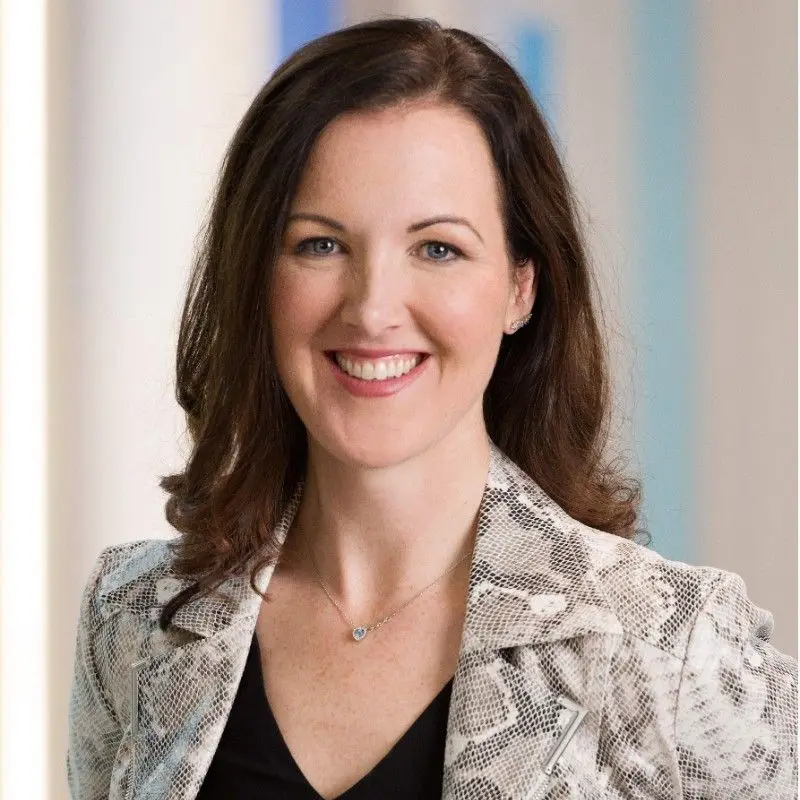
Rachael Jackson is a US Army Veteran and the Co-Founder of the Tribal App.
Rachael Jackson is a former US Army Helicopter pilot and a co-founder of the Tribal App.
Tribal was built to help leaders build more inclusive and resilient communities. In the past year, Tribal has taken off.
Though it might seem like overnight success, no entrepreneurial journey is every easy. I got to sit down with Rachael to discuss her early challenges with Tribal and how she overcame them.
We also discussed her Army career and her time at West Point.
Through Tribal, Rachael is helping leaders to build teams and communities through the power of story. She is a true inspiration to the veteran community and you will get a lot out of this conversation.
Transcript
Machine-generated from the episode audio and lightly edited — may contain errors.
Chris Albert (link to this point)
The Warrior Soul podcast is written, edited, and produced by me, Albert. Our mission is to provide tools, tactics, strategies, and ideas that help The US military veteran community to show up as the wisest, strongest, most capable versions of themselves in the civilian world. If you're not a veteran, stick around because anything we talk about will most certainly apply to you as well. This podcast is made possible with the help of F Bomb Nutrition. They make delicious packets of fats that you can carry around anywhere with you in little portable packets.
They make macadamia nut butters. They mix them up with chocolate. They mix them up with sea salt. They mix them up with coconut butter. They're absolutely delicious, and they're really good for you.
They don't have any sugar. They also make a lot of cheese snacks. They make meat sticks, and it's just a great company. These guys send packages of this stuff to the troops who are on the front lines overseas to supplement their MREs, and we didn't ask them to do that. They just did that on their own initiative.
Really great company. If you wanna get 20% off your first order of f bombs, head over to www.dropanfbomb.com and use the code Warrior Soul at checkout. This podcast is also brought to you with the help of Save the Brave. Savethebrave.org is a five zero one c three charity for veterans. They run camaraderie events that include fishing, golfing.
They also do a lot of work with gold star families. And unlike a lot of other organizations, their board doesn't take a salary. Really great organization that is doing amazing work. So go and check them out at savethebrave.org. With that, thank you guys so much.
Let's get into today's programming.
This is Chris Albert, and I'm here to remind you of one thing. Someday, you're going to die. Now that's not some morbid statement or scary idea. It's solid fact. Your time here on this earth is limited.
And we need to be reminded of this as much as possible for one simple reason, to live your best life while you can. This is the Warrior Soul Podcast.
What is going on, ladies and gentlemen? Welcome to the Warrior Soul podcast. My name is Chris Albert. And if you haven't listened to this podcast before, this is about delivering tools, tactics, strategies, and ideas to help The US military veteran community and anybody else willing to listen to live their absolute best lives. Been going for about four years now.
We've done some amazing interviews with some amazing people, people like Ben Greenfield, one of the best trainers in the world. We've talked to Robert Greene, the author of the 48 Laws of Power and the Laws of Human Nature. We've spoken to Grant Cardone, sales expert and real estate expert. I have talked to a lot of really great guests, and and today's guest is no different. Her name is Rachael Jackson.
She is a US army veteran, a graduate of West Point, a former helicopter pilot, and now she has started something called the Tribal app. And the Tribal app is a tool to be used for networking, and it's all about storytelling. How having people create helpful content, help people through ministry, through business, through a number of different platforms that they're putting together. And I wanted to invite Rachael on because she is one of these people who's gone out there and she's taken action. Alright.
She came out of her army career, and she decided that she wanted to do this. She's a really inspiring individual, an individual who has great faith, and also an individual who has great passion for what she does. And I thought it was important that you get to hear her story, and you get to hear about some of the great work she's doing with the Tribal app. One of the things we've been trying to do as of late is to bring stories of entrepreneurship to this community. And I get that entrepreneurship isn't for everybody, but a lot of the things you're gonna hear about today, you know, the the it's not always this straight shot to success.
There's a lot of ups and downs, a lot of obstacles you're gonna have to overcome. And Rachael met a lot of those obstacles. And she didn't just break down. She didn't just start crying. She started developing solutions, solutions for how she was gonna fix those obstacles and took action to ensure that her dream came alive.
You also hear about, you know, her intentions to serve. And I think that's extremely important whenever you're doing anything in this today this day and age. It can't just be about you. It's gotta be about what you want to do for other people and what you're going to do for other people. So you're gonna get a lot out of this interview.
I hope you enjoy it. And with that, let's jump into this discussion with Rachael Jackson, the founder of the Tribal app. Rachael, welcome to the Warrior Soul podcast.
Rachael Jackson (link to this point)
Thanks for having me. It's great to be here.
Chris Albert (link to this point)
Yeah. I wanna just get started as we normally do. You know, you you've had a really interesting journey. Could we give the audience just a a quick couple of minute synopsis on your background, where you're coming from, and what you're doing right now?
Rachael Jackson (link to this point)
Sure. Depends on how far back you wanna go. But I enlisted in the army in high school. My mom actually called the army recruiter on me. So when when I got yeah.
It It was a good story. I was definitely a prodigal teenager. So I I like to tell people the army helped to save my life for sure. But I enlisted out of of high school in '97. And when I was in AIT, I met a friend who was applying to West Point.
And up until that point, I had no idea what West Point was. But I found that out and decided that I would like to apply as well. So we went through the command referral process together. And I got an appointment to Military Academy prep school. Once I graduated there, I got into the backdoor of West Point.
So I was pretty honored to have that story. Graduated in 2003, and became went to flight school, became an Apache pilot, and stationed with the First Cav at Fort Hood, deployed to Iraq. And then that's where things got a little bit challenging.
Chris Albert (link to this point)
Wow. So, you know, a lot of people I talked to, you know, when they want to go to West Point, they're thinking about West Point their whole lives up to that point. And and, you know, the the there's this whole process to get into the military academy. You just happened upon it while you're while you're enlisted in the military. What was that like for you? You go from being enlisted to going to this elite military academy, and, you know, going through that process?
Rachael Jackson (link to this point)
Well, I think first of all, every officer should spend time enlisted. So I think that that was a blessing to have that perspective. And so for me, going to the military academy, I think was very challenging academically at first, I was not as I guess, high speed, you'd say, and things like math. But I caught up and I actually ended up getting my degree in physics.
Chris Albert (link to this point)
Oh, wow.
Rachael Jackson (link to this point)
And nuclear engineering. So, but that's just a testament to teamwork and hard work, because, again, still not that smart. But for me, was just it was incredibly eye opening and a great honor. My uncle was a marine. He fought in Vietnam.
And he did not want me to join the army. But when I went, he said, if you can find a way to be an officer, do that. So I'm very blessed that I was able to figure that out. It's open. Yeah, it's open for enlisted soldiers or you know, if you want to do that, the process is you can go through the command referral process and get accepted to the USMAPS for the prep school.
And if you graduate from the prep school where they really focus on like math and English training, then you'll get an automatic appointment to West Point. So it's, it's open for service members.
Chris Albert (link to this point)
Yeah, a lot of people don't realize that, you know, and for enlisted people, there is that route you could take to get into the service academies. And I think that, you know, hardly talked about, you actually have to go like go search for it, or somebody has to tell you about it or something like that. But but for those of you out there who are who are enlisted in the military right now, and you're thinking about ways of and and you wanna spend more time in the military, and you think about ways of enhancing your career, that's definitely an option. And and, you know, regardless of which service academy you go, you know, they're they're they're elite. They're really great schools.
I know I'm we've got this navy army rivalry going on over here. We won't get into that. But but, yeah, I mean, it's a great experience. Right?
Rachael Jackson (link to this point)
Yeah. It's it's well, first of all, when you get into the army navy rivalry, like, it's funny how some people don't realize how deep that runs. But we we my my team at my company, I started a company called Tribal, and and they didn't realize it, but we started doing tribes for service academies. It's basically a private networking tool to to help connect people in more powerful relationships with each other. And I said, watch.
Because I went to the service academy route. So we talked to navy, army, air force, and navy was the first ones to start a tribe. And they are literally kicking our butt. Right? And and and they didn't think that that was a big deal, but then the leader of the the class was like, hey.
Are we kicking army's butt to to my team? And they're like, yeah. You really are. So they they've they've been entertained at how deep that rivalry is. But secondly, for enlisted, for anybody in the military, you know, one thing I realized is that there's so much opportunity for active duty and for veterans out there.
And there's so many resources that have been funded by DOD or nonprofits, community resources that have been set up for soldiers and their families and veterans, not just soldiers, but service members. But it really does take a community to help point people and mentor people and guide those people into utilizing those resources to their fullest capacity because so many go underutilized. Honestly, anybody who joins the military could really learn, could really step outside when they're done with just miles ahead of any any competition. So I would love to see more and more people figure out, you know, okay, man, the military has a lot to offer. As far as advancement.
Yeah.
Chris Albert (link to this point)
There is so much stuff out there. And you know, not just the service academies, there's so much training available, there's so many resources available. A lot of people don't know this. There are over four hundred and thirty thousand five zero one c three charities just dedicated to veterans alone in this country. There there and so when I hear people say there's no help for veterans out there, there's tons of help out there.
It's just a matter of dealing with, you know, the the cognitive overload of of what it what does exist out there.
Rachael Jackson (link to this point)
Yeah. And honestly, I think I mean, that's one of the reasons why we we wanna take Tribal to the military is because it comes down to having the relationships, the people who've been there, done that, and you can kind of walk you through and open up opportunities for you. It's so vitally important. With a plethora of choices, how do you focus in, you know, figure out what works for you? But
Chris Albert (link to this point)
So, so when did you figure out that that, you know, you wanted to be an entrepreneur? When did you figure out that you wanted to do this?
Rachael Jackson (link to this point)
Yeah. So back in 2006, I was in Iraq and and ended up having some crazy medical symptoms and like a good soldier decided to push through it, but started blacking out for no apparent reason. And turns out they don't like pilots to do that. So they grounded me, sent me stateside. And about seven months into the whole entire medical process, found myself discharged from the army.
And it was a huge shock to me. I had completely built my identity up in being an Apache pilot and being a soldier. You know, I was planning on career military career officer, and as kind of was my mindset. And so I went through this really humbling breaking period, where, and you know, sometimes when you when you don't measure up physically or whatever it is, and you know, like you can be made to feel really bad. And you feel like you let fellow soldiers down or soldiers you lead, you feel like you let them down.
And there's really not anything I can do about it. Right? But I actually ended up going through a very dark period of kind of depression, wondering what was next, what was my civilian story and my civilian value. And I'm a Christian and I believe in the Lord and I just would find myself on the floor. And I'm not like, overly emotional, and I'm not a weak person.
So I know, you know, like, I know I don't want I want people to hear this and realize that it's actually very powerful. I I would literally be on the floor crying because I just had no clue what was going on as everything was being taken away from me. And God started showing up in my story and leading me, taking me to my next civilian story. I had my physics professor call me out of the blue and say, hey, I just got a call from somebody at SAIC looking for a junior officer getting out of the military with a degree in physics and nuclear engineering. He said, I only know one.
So I ended up getting a job with SAIC. My first task there was to read a book called Good to Great by Jim Collins. Yeah. And it was like working the SAIC that had back then this culture of entrepreneurialism and building up business and kind of empowering their employees to be business builders. And I really gravitated towards it.
I really liked it. And so that was my first taste of business and entrepreneurial stuff. But I ended up my government customer that I had gone out and got myself and was doing business with convinced me to come work for the government. I got married and I had kids. And I was on the fast track to government security when my mom passed away in '20 And when she passed away, I actually went through a very difficult period of struggling with my faith and struggling again, you know, with like, what was I doing?
And what was my story and my purpose? And God walked me through that story. And at the end of about a three month period, you know, he had pointed out like all the people I've been surrounded with all their stories, my mom, till the day she died, she struggled with depression, addiction, anxiety, and different things. And you know, the people that I had been surrounded with in the military, a lot of them had a lot of hard stories, but it's just, it's not just the military. It was in corporate America.
It was in government. It was in my neighborhood. It was in my church. There was a lot of people who had these stories. And I felt God calling me to do something to reach people who are going through very hard times and who need to be connected to help, help, and purpose.
And that the way that we would do that was going to be through stories and relationships. And so I just had this desire to start a business to do that. And so that's how it started. The business journey has not been easy or clear cut, but it's been since then.
Chris Albert (link to this point)
Yeah. Yeah. No. I I I hear you on that. And, you know, just a little bit about my background.
I I served in Marine Corps infantry, but I and then I got out and I went into actually, I was a I was trainer, and I would train professional athletes, train bodybuilders. I was a competitive power lifter and and bodybuilder. And and I became afflicted with autoimmune disease, and and ended up going from, I was over two twenty pounds down to one hundred and fifty pounds like that. So, I mean, there was a point where my body was rebelling against itself. And when you are in that kind of position, you feel helpless.
You feel like you did something wrong. You feel like like somehow you're cursed. And then these bad things, they add up. You know, a lot of times you could feel like you're in a trapped room and and like there is no way out of that. And and the reality is a lot of times what you have to do is you have to open your eyes to see how blessed you actually are and and what God has actually put into your life that that has helped you to cope with that.
And the things that he's put in front of you that that are potential opportunities that you're not even paying attention to right there?
Rachael Jackson (link to this point)
Right. You know, I'm a firm believer that God gives us our stories for a reason. You know, a lot of people, a lot of my soldiers had really hard questions. And if they believed in God or didn't believe in God, you know, how could a good and loving God allow a lot of hard things, lot of really evil things to happen in the world and allow people to struggle. And that was one thing I really had to wrestle with.
And what I've realized over time is that our stories are so personal, and he is so powerful to work every little aspect of our story out for our good, ultimately, if we allow Him to, His glory and the saving of many people. And if we live with a bigger perspective, like you say, gratitude, there's gratitude, but then there's also the perspective of eternity of like, we are here for a very short time in the span of eternity, whether you're here for a day or a hundred years, it's nothing. And so if we can fix our vision on a bigger perspective and a bigger purpose, and then choose to live with gratitude and choose to live with love and mercy and forgiveness and grace for others, then our stories will end up making a bigger impact that we may never know. But I do believe that everybody has a story for a purpose.
Chris Albert (link to this point)
Absolutely. Now, you'd mentioned, you know, the entrepreneurial journey is is was not easy, and it's still not easy. And, you know, a lot of people think it is like this this path. Okay, you start a business, then customers show up and and all of a sudden, you get this big name and things like that. And it does not happen like that at all.
It is it is messy. It is uncomfortable because there are nights when you're up at night wondering when the next paycheck's gonna come through, how you're gonna get through the next month, that kind of stuff. You know, how did you say, okay, I have this concept. We we wanna do this. What was your first step?
And then what was the first problem you ran into? And how'd you overcome it?
Rachael Jackson (link to this point)
Okay. So long long story. I'll try to make it short. But the I I did not even own a smartphone. I had a BlackBerry. Then when this started I had never done anything with apps.
I'd never done anything with website. Nothing. You know? So I, you know, I was starting from way behind the starting line, you know? But I knew that God had said stories and relationships would move people to action.
And so that's where I focused. And I started a blog and I realized that very quickly that there were 600,000,000 blogs with a new and created every half second and nobody cared what I had to say. So one thing you'll notice is you have to be ready and willing to pivot, but always keeping the mission in mind. So if you are truly passionate about something and you have a big mission or a big vision, then it may not work out and it never works out like you think it's going to or when it's going to, but you have to be willing to pivot. And for me, because I believe in the Lord, hold it with an open hand and realize that if you call me to it, he'll make it happen.
But that was about a five year process of learning that. So, but anyway, so once I realized that the blog was going to go nowhere, I started an online magazine and reached out to other people to share their stories of hope, health and purpose. And in 2012, we raised $7,000 in a Kickstarter campaign to print our first issue of Shattered Magazine, which was my first company, my first step towards this stories and relationship. So Shattered Magazine actually got picked up by Barnes and Noble and Books-A-Million, but turned down by other Christian publishers and distributors. And I found that hugely validating because we had been called to reach those who were struggling and going through hard times.
And so to that end, we printed for about three years. And that was my first business idea of printing, you know, that's been very hard to make profitable. And so but by the grace of God, we printed for three years. And then at the end of that, I started to really feel like we needed to do something digitally in kind of an app based platform based solution. And I was at a global leadership summit when I just I heard loud as they, to me, just get started, figure it out.
And so about five years ago, we started, vision casting, talking to investors, you know, talking to potential customers, users, doing pilot studies, all that kind of stuff. But we did not start really raising money until about two and a half years into that process. So you say it takes an average of ten years to be an overnight success, which is what I keep reminding my my husband is that Yeah. You know, patience. It's almost year 10.
Chris Albert (link to this point)
So Yep. Yeah. No, exactly. And and one I mean, and just talking from experience here as well. I mean, one of the aspects of being an entrepreneur that nobody talks about, but I think is extremely important is the relationship with your family as you're going through it.
Right? Because it's you, but you're not by yourself. It's your family that's coming along with you. And and they there's got to be some sort of compromise where they're coming along for the ride, where you're reassuring them that you're doing everything you can to get it working and things like that. And what's helped you through that between you and your husband?
Rachael Jackson (link to this point)
Yeah. You know, first of all, I never went I never did anything that he was not on board with. So it may have slowed me down. But I waited to get him his permission before I left my government job. You know, we're blessed in that we had a two income family, we cut back on some things so that we could go down to just his income.
I do think that having an income is necessary, you know, until you can you can go full time, you know, so whether it's your wife working or your husband working or whatever it is, you know, I mean, but to never disrespect your partner, and that has been huge. Because it's, you're right, it's not just you, it's your family and the kids. And so, and there've been times where I've gotten it wrong. And, you know, I've put work stuff before kid or family stuff. And yeah, I've been gently reminded.
That's good. You know, but I tried to wake up early and do work early, you know, spend time with the kids and, you know, it's a balancing act, but you have to find a way to kind of live a balanced life, even through the entrepreneurial thing. And sometimes we can get so focused and so like consumed that, that you put family to the side and that, that would just destroy you in the long run. It won't make success sweeter. That's for sure.
You know? So now if you're not married and don't have a family, I mean, then you can you can do some other thing.
Chris Albert (link to this point)
But Yeah. Yeah. And I've been in that position too. And and what I'd say is like, you've you've got to kinda strike a balance there between, you know, being this machine who's on this quest to build this business and then the human inside of yourself too. Right?
And just like you just said, even if it is just you, you've got to make time for the things that that make you you. Right? Because it's really easy to lose your identity into the whole thing. Know, and and when you lose your identity that that I mean, I I'm a big believer in the idea that that goes hand in hand with a loss of faith, with a loss of purpose. And eventually, wake up and you wonder why you're doing it in the first place.
Rachael Jackson (link to this point)
Well, I tell you, like, one of the things that has kept me very grounded is that that having a business is a very breaking thing and doing and building something like this, like what we're building is is so intense and way outside of my skill set. I mean, way above my pay grade. I and what's cool because I'm a I'm a Christian, I believe in God is that I believe he gets the glory for it. Because if you look at me and my story and where I came from, like, why why in the world would she get to be, you know, CEO, founder of of Tribal? It makes no sense because I have no there's just just no reason for me to have this story.
So so I'm excited about that. But it has been such a humbling, such a breaking thing for me to realize that it's way out of my control that, you know, I I've turned to holding onto it and just being consumed by it and worried by it and anxious by it all the time. I can't tell you the number of times that I've looked at the red line and said, well, I don't know where the money is coming from. You know? Like, I mean and it took, like I said, five years of that and God's showing up for me to say, oh, he's faithful.
He's gonna do it and start to really practice more relying on him and asking for wisdom and guidance and opportunities and open doors and even closed doors because doors there are some doors you shouldn't go through.
Chris Albert (link to this point)
Right.
Rachael Jackson (link to this point)
So, you know, now when things happen or don't happen on my timetable, over the past ten years, I've learned to be like, okay, you know, I got it. I get it. But it allows you then to, to rely on somebody else to, to realize if you are in pursuit of something big that it'll happen. Just to have grit and be determined and stay focused and stay on task doesn't mean that you are all consumed twenty four hours a day. You know, like sometimes it takes just as much grit to make sure you're taking care of yourself.
You're eating well, you're sleeping, you're exercising, you're making time for friends and family. You're getting involved in your community. You're listening to people, because there can be a lot of growth that happens in that. And isolation is so bad. So you get in isolation, you'll end up in some downward spirals that I don't recommend.
Chris Albert (link to this point)
Yeah, absolutely. Absolutely. One thing I see a lot of new entrepreneurs turn into is there's this, this idea of out there of the solopreneur, right? Somebody who goes about it by themselves completely trying to do this, do that. You know, you you went to one of the best leadership schools in the world.
You you got experience in one of the best leadership organizations in the world. You know, for you, what was it like trying to bring other people into this? Trying to find team members, trying to find other people who could help you along the way?
Rachael Jackson (link to this point)
Yeah. You know, I think that starting a business with no money is the is, is almost similar to trying to find volunteers for nonprofits, you know? And so it's about sharing a vision, you know, sharing your passion, finding the people who are in your life already, or who might be one degree of separation from you, sharing your story with them and seeing if it resonates if it's tiny for them, if you know, for me, I had my first friend in Huntsville, Alabama, her name is Bonnie, Bonnie Dannelly. She was one of my best friends here. Her husband Lee, and her moved to Colorado.
Okay, now Lee and I didn't hit it off as you know, friends then. And when they were in Huntsville, Bonnie and I were friends. But when they moved to Colorado, and I started doing all this stuff, I knew that he did website stuff. And so, you know, I reached out to him and I remember when she said, well, he said he could help you for a thousand dollars. And I remember I was just like, that's insane.
I don't have that kind of money, you know. But over time, Lee and I became really good friends. Bonnie and I are so really good friends, but they bought into the vision. They bought into the mission. They bought into it, and were willing to sacrifice and take risks and to grow what I was doing.
The more and more that I share my story, the more and more people wanted to be a part of what it was, whether it meant sharing their stories, joining business, you know, helping us print, write, create magazines, do websites, do whatever, you know, but I tell you one of the sayings, you know, West Point is, you know, teamwork. It's all about cooperation to graduate, you know, cooperation, graduation. It's about teamwork, learning to to find others to support you. Like, there's no way that I could have gotten a degree of physics without, you know, Joe, Josh, and John as far as like, those are my physics buddies, you know? And so you always, I believe you need a community around you, whether that's to keep you focused on mission, mission focus, whether that's to assist or help you, your network is one of the great sources of capital that you can have in your company and to do solopreneur.
I mean, okay. I mean, there's some things that don't require a whole team, you know, but if it's something big or bigger than you finding people and, and and not holding so tight to that pie. Right? Like, think that there's a lot of yeah. Well, I wanna own a 100%.
You know? I want I want power. I want control. I want money. I want you know, whatever it is.
You know? Like, well, build something amazing. Build something that helps others. Build a team that's passionate and money will come. I mean, how much money do you really need?
You know? And then yeah. Be smart. I mean, I don't. I still have a controlling interest in Tribal, but, you know, I'm not going to give it away, that's for sure. But you got to, I have, I do believe in also blessing people who come alongside me.
Chris Albert (link to this point)
Right, right, exactly. Exactly. So tell me a little bit about Tribal. What what does it do? How, how, how does this concept help people?
What problems are you solving?
Rachael Jackson (link to this point)
Well, I believe that leaders who want to move people to meaningful action, and whether that's workplaces, whether that's military, whether that's nonprofits, faith based community schools, family members, any leader who wants to lead people to meaningful action is literally at war for the hearts and minds of their people. I think we are facing an enemy of overwhelming noise in the world. You have 1,000,000,000 websites, 600,000,000 blogs, 3,600,000,000 social media users, 6,000,000 apps on the app store. The average person sees over 5,000 ads a day. What used to take seven times of product price placement and position in marketing now takes more than 20 times before your message even sinks in.
People forget 90% of what they hear within two weeks. That's training 90% of what they're trained within two weeks. You have less than three seconds to convince somebody to click on your post and to take what you say seriously. And so what you have is leaders who want to move people to action, are trying to get through and compete on social networks and other media outlets. And the problem is that And then you also have people saying, well, I'll just create my own app.
And the problem there is that the average person has five non native apps on their phone. And so how can we help leaders and become one of those five non native apps on their phone that actually cuts to the noise, and, and helps good messaging, good leadership to break through and move people to action. And so Tribal to that end is a, what we call the meaning network. So as opposed to social networks where people go to check out, Tribal is the meaning network where people will go to check-in. Our niche is storytelling.
We use strategic storytelling to inspire people and connect people in more meaningful relationships into resources for hope, health and purpose. Our focus is on meaningful life, on flourishing individuals and flourishing communities and flourishing organizations that can change the world. So we have curated content that supports that. We're leader led. So it's not just a platform where anybody can publish anything.
It's leader led. And we also want to have a hyper local focus where we believe the most powerful networks are the ones you can reach out and have coffee with or lunch with. So that's kind of some of the differences between social networks and the meaning network. And so that's what we're building.
Chris Albert (link to this point)
That's awesome. That's awesome. And how do people find Tribal?
Rachael Jackson (link to this point)
So you can find Tribal at tribalapp.com.
Chris Albert (link to this point)
Awesome.
Rachael Jackson (link to this point)
Awesome.
Chris Albert (link to this point)
You know, so you say you have this, you have this app, you have this community you're building, you have you have people around the world you're connecting with. You know, what are the next steps for you? Where are you taking this?
Rachael Jackson (link to this point)
Yeah. So and and this is one of those things, right, where you write a business plan.
Chris Albert (link to this point)
Mhmm.
Rachael Jackson (link to this point)
It doesn't work out exactly like you plan, and you really need to adapt or die, like is basically, I think in the military, that's a common saying, you know, you adapt and overcome, adapt or die. But when COVID nineteen hit, you know, we previously, we had been well on our way to corporate America, you know, having funded pilots and and having Tribal, corporate America.
But our pipeline dried up right there in April, May when everybody was like, oh, wait a minute. No more spending money, no initiatives, anything like that. Now we're still planning on going to corporate America. But opportunities that are opening up for us with the military are incredible. We're working on doing a funded pilot at one of the bases to be named, but we're in the works.
And we have several, several, many, many academy grads getting excited, not just West Point, but Navy, Air Force, various academy grads. And I love mill I love veterans. I love soldiers. I love the military. I love academy grads because a lot of us have very similar heartbeats of taking care of people, of knowing people, of realizing that great leaders really care about their people first, you know, and want to build those flourishing individuals.
So we tend to resonate with those kinds of leaders. So military is opening up for us. So our goal is to get some top down military funding, but do a grassroots commander level growth in the military. So it's not some DOD initiative that's destined to fail. You know,
Chris Albert (link to this point)
Yep.
Rachael Jackson (link to this point)
To be You know, and then we're also having some really interesting opportunities in the faith based communities as with COVID, faith based things like church and or nonprofits and or ministry community is really shifted and altered. But there's so much. I can't even begin to stress it. It seems like the bad news dominates media.
Chris Albert (link to this point)
Yep.
Rachael Jackson (link to this point)
Big time. There's so many good things going on. And there are so many great leaders who are, they're wanting to do so many awesome, like it's crazy. And there's been hundreds of thousands of people who have given their life to Christ because they realize that they cannot put their faith in their job or their money or their health or, you know, and it's, and there's, I'm telling you hundreds of thousands of people, the Bible app, all this kinds of stuff. There's so many cool things going on.
And so we're starting to get an opportunity to see what it looks like to kind of help connect all those dots with various city leaders around the country. So it's, it's bigger than I would have thought.
Chris Albert (link to this point)
That is fantastic. Yeah. That is fantastic. And you know, that's one thing. Mean, I mean, if you actually look at things out there in the world, not what the media tells you, but if you look at the state of the world, I mean, we're probably as close to having paradise on earth as we are ever going to get.
I mean, there is less war. We have not had to fight a world war. We have had to fight wars, but not world wars. We, you know, poverty lower than it ever had been throughout history. It still exists.
Of course, it is a problem. But we are and as far as things go, I mean, of us have the world at our fingertips. And if we just open our eyes up to the blessings we have around us, and we do that through through serving others and helping others, then I think there there's a huge chance that this world could improve rapidly even beyond what it is right now.
Rachael Jackson (link to this point)
Yeah, I mean, we live in the most peaceful time in history. The we've we've reduced worldwide poverty, what, like 19 or something a couple of years ago, a report came out like that, you know, but that stuff doesn't sell. Doesn't sell. It doesn't get clickbait. It doesn't, you know, it it doesn't generate money for you you guys know.
You got hopefully, people are getting wise to the deal on like social networks and mainstream media and just the the dominating messages when it's like, hey, how about this? I'm willing to bet that we hate each other a whole lot less than people are telling us we hate each other. I'm willing to bet we have a whole lot more in common with each other. Stories have a way of crossing all demographic barriers. And I'm willing to bet that once we realize how much we have in common with each other, and we want to work together and see good things happen in our communities, that we will be moved to action.
And hopefully we can be strategic in how we implement that action. But you gotta learn how to start focusing on and finding the good, because that if we can do that, then that's what we will create more of. If we get distracted and focus on the bad and get sucked into the voyeurism of humanity, then the worst of humanity, then that's what will get generated and breed more of. And we are at this ridiculously crazy good time in our history where, I mean, we have a real chance to do something about really putting a dent into racism in people's hearts, you know, and into learning how to love, how to serve, how to make real strategic change, you know? And so I just don't want us to miss this opportunity.
I really want us to figure out how can we all come together? How can we put aside the divisiveness that might be trying to distract us? And how can we focus on what God would have us to do right now in this moment, and make it happen? And as leaders who care and leaders who realize that leadership is importance, and that we can't depend on government and all the other stuff to fix things. We need leaders to step up and to start leading the charge, I guess, leading the change.
And so that's what Tribal exists to do is we exist to find those leaders and make them successful and bring everybody together in a sort of network effect, so that we can have more and more positive impact.
Chris Albert (link to this point)
That's amazing. That's amazing. That's exactly why we do this podcast because The US military veteran community, we all need to step up as leaders. If we see something going wrong out there, it's because we haven't stepped up enough yet. So that's really important, Rachael.
And I thank you for doing the work you're doing.
Rachael Jackson (link to this point)
Thank you. I appreciate it. I appreciate you doing the work you're doing too.
Chris Albert (link to this point)
Thank you. Thank you. How can how can people reach out to you? How can people connect with you? You know, where could they go?
Rachael Jackson (link to this point)
So they can go to the website, tribalapp.com. Like I said, most of the time, Tribal is meant for leaders and impacts tribes or communities. But we are opening up a tribe for all. And we're looking for kind of beta testers to join that. So looking for leaders who have stories who want to give back, who want to help people to help join that tribe for all and create a good, good experience.
They can find that on our website, what says experience Tribal. And then I'm on LinkedIn. They can find me there. And hopefully you'll tag me when you publish this.
Chris Albert (link to this point)
I definitely will. I definitely will. Most certainly. Well, Rachael, I want to thank you again for coming on. I think you've got a great story.
I think you're an inspiration for for veterans out there. You know, just hearing about how you started as an enlisted person, and then, you know, came up through the academy, and now are out there and and continuing your service through entrepreneurship. I think that's amazing. I think that, more people out there need to hear stories like yours, and, less of all the negative stuff that's going on out there. I'm really happy we had you on here.
Rachael Jackson (link to this point)
Thanks for having me. I really enjoyed it.
Chris Albert (link to this point)
No problem at all. No problem at all. And to everybody out there, definitely check out the Tribal app. Definitely check out Rachael. And, you know, I I wanna continually issue this challenge to you.
When you hear podcasts like this, don't just use them for entertainment. Don't just use them for inspiration. Inspiration and entertainment are great, but also go out there and take actions. See what you can do in your community. See what you can start.
See who you could connect with. And the more we do that, the more this world is gonna be a a much better place. So with that, guys, get out there. Live your best lives while you can. We'll be back at you later on this week with some more awesome content.
This is Chris and Rachael, and we are out. Alright, guys. I hope that you enjoyed that interview with Rachael Jackson. I know that I did. I found her to be an extremely inspiring individual.
And I gotta say, love bringing these stories to you. Stories of people who've gone out there, who've taken action, tried to make the world a better place through business, through entrepreneurship, and through their actions in their communities. Like I said at the beginning of the show, we've gotten to speak to a lot of really awesome people here, authors, entrepreneurs, athletes, people who've gone out there and done things, a lot of whom have been veterans just like you. And what I want you to understand here is that this show isn't just about sitting here and listening. It's about going out there and actually doing things, going out there and actually taking action, going out there and actually being a better parent, a better business person, a better person for your community.
The more that we step up here in this community, the better off this country's gonna be. I hope you guys have been enjoying this podcast. I've been going for four years now, and I hope you guys are spreading the word. We don't do any advertising here. I don't make any money off this podcast.
I'm doing it so that you guys have these tools in your pocket. And the way we move forward is through you, telling people about the show, sharing episodes out with people who could use them, and writing reviews up on iTunes. So if you can, just head over to iTunes, write us a written rating and review. It helps the show so much. With that, guys, I wanna thank you so much for listening.
We'll be back at you later on this week with some more awesome content. This is Chris Albert with the Warrior Soul podcast, and I am out.
Host of the Warrior Soul Podcast and founder of Warrior Soul. Worldwide trainer and nutrition coach, contributing author at Testosterone Nation and Muscle and Strength.