Podcast episode
Ryan Michler – Teaching Boys to Become Men
Hosted by Chris Albert
The Warrior Soul Podcast
Our Guest: RYAN MICHLER
Ryan Michler is the founder and creator of the Order of Man Podcast. He is leading a movement to create better men who are stepping more fully into their roles as men.
About this Episode
Like many boys in our society, I never had a dad while I was growing up. Though my mother did absolutely everything she could for my sister and myself, not having a male mentor in my life definitely had an impact.
There was a lot that I had to figure out for myself, and it really wasn’t until I joined the Marine Corps that I learned the value of responsibility and leadership.
In our society, the value of masculinity is increasingly being called into question. Boys are growing into manhood without ever really having to face actual challenges, and society is paying the price for it.
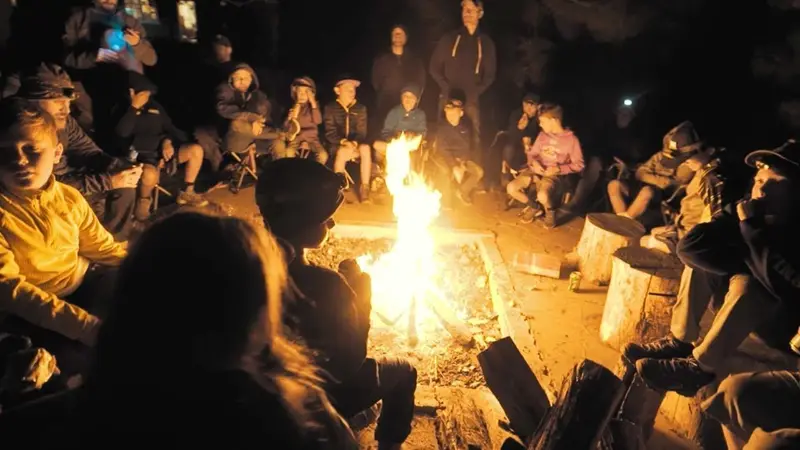
Ryan Michler has led the fight to uphold the values of masculinity, and he’s continued that fight with his Legacy event. This is a three-day challenge where fathers and sons learn new skills, forge deeper bonds, and create the framework to grow and find success as men.
To learn more about Ryan and the Order of Man Podcast: http://www.orderofman.com.
Transcript
Machine-generated from the episode audio and lightly edited — may contain errors.
Chris Albert (link to this point)
This is Chris Albert, and I'm here to remind you of one thing. Someday, you're going to die. Now that's not some morbid statement or scary idea. It's solid fact. Your time here on this earth is limited.
And we need to be reminded of this as much as possible for one simple reason, to live your best life while you can. This is the Warrior Soul Podcast.
What's going on, everybody? Welcome to the Warrior Soul Podcast, and we've got a really special episode here for you. I'm bringing on my good friend, Michler, once again. He's the founder and creator of the Order of Man podcast. And what I love about Ryan is he saw a problem out there, and he created a solution.
And, basically, he's led a movement amongst men to to get men to step more fully into their manhood and their masculinity. And through that, he's creating better, more capable men. And if you haven't listened to his show, you need to. It's it's one of the best shows out there, and he's had a lot of success with it. But the reason why I brought him on to this episode is because he's created an event called Legacy, and that's an event where fathers or father figures get to bring their sons or or boys that they're looking after, and they get to go through a series of challenges together.
Now why is something like this important? Well, it's somebody who grew up without a father, without a man in my life that could mentor me and teach me a lot of the things that that I needed to know in order to become a man. I was left to learn a lot of it on my own. So was Ryan. Ryan was in a similar position where he didn't have a permanent father figure in his life.
And so he wanted to create an event because he knows that so many young men as they grow up are not learning the things they need to learn, the values they need to learn in order to become real men. And so he put this event together, and it is a fabulous, fabulous experience. And I'll put a link up to the event page. He's all sold out for his next one, but he'll be running this event regularly. And I wanted to get this information out to you guys because number one, Ryan's perspective is is so valuable.
And number two, I want you guys to understand that there are tools out there for you to help you along in this life, and I think that the Order of Man podcast is is definitely one of them. So I had a really good conversation with Ryan. You guys are gonna get a lot out of it. Also wanted to say, the past couple of weeks have been pretty hectic for me. I, had food poisoning, and that's not an excuse, but, I haven't been publishing here as regularly as I would like to.
So I'm gonna get back onto my publishing sequence this week, and so you can expect to have, the the fitness notes and the Warrior notes up on Wednesday and Friday of this week. And in addition to that, I just wanna say that, you know, I've been doing this podcast for a while now, and I get so many notes about people who've been helped by it. And that's what keeps me going. You know, I didn't get into podcasting because it pays the big bucks. Quite honestly, it doesn't.
But to know that there are those of you out there who are, you know, learning and becoming better and, you know, really pushing yourselves to excel at your post military lives because of this show. You know, that's what fills my heart with gratitude for being able to do this. So I thank all of you who are continuing to listen to the Warrior Soul podcast, and I thank all of you who reached out to me and and told me about the impact that this show is having on you. The only thing I ask you guys, if you can, is to head over to iTunes and to write us a written review. It really helps to let other people know about the show and let other veterans know about information that could potentially help them out a lot.
So, if you can head over to iTunes, write us a review. And, I also want to mention that this podcast would not be possible without the good people over at f bomb nutrition. They make amazing delicious packages of macadamia nut butters. Really delicious. They mix them up with chocolate, with sea salt, with pecan butter, and they're sending packs of this stuff to the troops overseas.
So really, really awesome company. If you wanna get 20% off of your first order of f bombs, head over to www.dropanfbomb.com. Use the code Warrior Soul at checkout, and you guys will get yourself some tasty snacks. And with that, let's get into this episode with mister Ryan Michler of the Order of Man podcast and talking about his legacy event. Ryan, what's going on, man?
Ryan Michler (link to this point)
What's up, man? Glad to be back on the show.
Chris Albert (link to this point)
I'm happy to have you, man. And and you've been hard at work. You know, I've I've been listening to your podcast, listening to to your message. And, you know, I gotta commend you, man. You you really built up a movement and I'm so proud of you and so proud of everything you've done.
Ryan Michler (link to this point)
I appreciate that, man. It's been a it's been an exciting ride. Know, I I feel like sometimes it's not work at all. It's just just engage in something I really enjoy doing. So it's been a it's been a good ride over the past four years.
Chris Albert (link to this point)
Absolutely. I brought you on because you you've got this event. You've done you've done one so far, I think. And then you've got another one coming up. It's the legacy event.
And, you know, both you and I, we have this kind of similar background where we grew up. We didn't have stable fathers in our lives. And, you know, you've got this event that brings fathers and sons together over a weekend. And, you know, I wanna I wanna kinda get into the message behind this. But but first, let's talk about that for a second.
You know, growing up without a stable father in your life, what do you think that did for you as far as your work here with Order of Man and and your your understanding of what's going on out there in society right now?
Ryan Michler (link to this point)
Yeah, think ultimately boys need to be initiated into manhood. I think there's a lot of guys out there who have the misconception that somehow you're just entitled the title of man because you have a certain set of anatomy. And although I will say that that makes you a male, I don't believe that makes you a man. I think there's a lot more to it. The way that we show up in our lives, it really dictates whether or not we have claim to that title of man.
The problem is is that a lot of our youths, obviously, specifically boys, are not getting that initiation into manhood. They don't understand how to harness the raw masculine energy that's coursing through their veins and and flowing through their bodies. Without men who are honorable and who are capable, who understand exactly what that means, it's very difficult for these boys to be able to learn that in the correct models. And so where do they learn that? They learn that from their buddies.
They learn that from school teachers who may not have a full grasp on even what it means to be a man and they're just kind of wandering around aimlessly. And this is why we see so many youth young men as they graduate high school and get into college. You see these kids, frankly, and they're still at home with mommy and daddy. They're mooching off the system. They're mooching off their parents.
They're getting into this quote unquote failure to launch type syndrome where they don't know how to go out and be self sufficient contributing members of society the way that men are supposed to behave. And at a point that excuse of not having a father, not learning at a point that expires. But I think this ultimately falls upon us as parents, biological parents, and specifically men within our communities to step up and lead these boys who don't have these types of opportunities that other kids do. You and I both grew up in families without fathers and I had coaches, I had some mentors, I had some school teachers, I had some Boy Scout leaders who really stepped up in my life when they didn't have to and speak into my soul and into my heart and really help me understand what it means to be a man and I see a very, very alarming and disturbing trend that boys are growing up without fathers. And I feel like I have the capacity to do something about it, but I also have the moral obligation to do something about it. So really what I wanted to create is an opportunity with this legacy event for fathers to participate in a rite of passage of sorts that would allow them to usher their boys into manhood. So the weekend is about experiencing physical, emotional, mental suffering, frankly, with meaning and purpose and significance in a way that helps these young men understand how to harness their masculine power, helps them understand how to address these types of situations when they inevitably come up and also equip the fathers with the tools and the resources and the conversations and the strategies and the framework frankly, to be able to fulfill this very difficult and challenging but rewarding task of fathering young men.
So like you said, we did an event, see it was the fall of last year. 20 guys from all over the country came in with their boys, including me and including my business partner. We were participating and we just had an unbelievable three and a half days so much so that we decided to do another one and we tweaked some things, changed some things here and there. And, this is gonna be another incredible, incredible event for for the dads and the boys.
Chris Albert (link to this point)
Yeah. I, you know, I see a lot of guys out there right now. And I'm talking guys not only into their their twenties, but also into their thirties who who still have not launched into into real lives.
Yeah. Yeah.
You know, talking about the impact of this, you know, it's it it goes beyond so many different things. I mean, we're talking about the impact on the American family, men who can't step into the roles as fathers because they don't know how. We we're talking about men who are still living at home with their parents at the age of 30 years old plus. We're talking about men who've never really stood up to their full responsibilities. And I think it's having a massive impact on society.
And I think that if we don't and you said something that that I really, really like, they're suffering with meaning and significance is the world is a really difficult and hard place. If you don't know how to suffer for the right things, you're going to be suffering for the wrong things.
Ryan Michler (link to this point)
Yeah, I mean, I think there's there's this really interesting and kind of funny trend in society, especially within the cultures in which we operate because we're helping men step up into their lives and everything where it's like this idea that we have to suffer just for the sake of suffering. It's like, that's stupid. Like, I don't wanna put myself through pain and suffering and hardship just for the sake of saying I went through it. There has to be meaning and significance behind it. And when there is meaning and significance behind it, it makes it that much more bearable.
It makes it that much more fulfilling and makes that easier to manage and at times even thrive through those things. So the reason that we suffer is not for the suffering itself, it's to harden ourselves and make ourselves capable of enduring greater suffering down the road. The perfect analogy for this is the gym. You know, when you go into the gym, you're literally putting weight. Let's say you're doing squats.
You're literally putting weight on your shoulders and you're letting the weight push you down, right? And you get down, you squat down, you get below parallel and then you are physically through your raw power and strength dominating that weight by pushing back up against it. Well, why do we do that? To make ourselves stronger and more capable. Now the next time instead of doing, you know, 300 pounds, now you go in there and the next time you do it, you do three zero five or three ten.
You're literally making yourself capable of handling more weight. If that's not the perfect analogy for life, I don't know what is. But what most people do, just like the gym, is they avoid going into the gym. They avoid voluntary hardship. They avoid the things that are gonna put stress and weight and and pain upon them.
And then what ends up happening is that when life inevitably kicks you in the balls, and it will, whether it's a loss of a job, a divorce, a bankruptcy, a lawsuit, a medical condition that you might be dealing with, and significantly less than that, I see men completely crumple because they have not adequately prepared themselves to shoulder that weight. And if we're even diving deeper on this analogy, they don't have the correct form, right? They don't have the technique down to be able to handle this stuff. They're putting too much weight on their shoulders that they've never been conditioned to bear. That's why these guys who are 30 years old are failing to launch because they get out into the real world and then they see, oh, shit, this stuff's hard.
And they run back and tuck tail and run back behind mommy like they did when they were five years old. Because maybe mom or dad never really taught them how to deal with somebody being upset or losing a job or any of the things that we're gonna deal with throughout our lives.
Chris Albert (link to this point)
Right. Right.
Another another aspect of this is and and you mentioned this as well. The the idea of male energy and and putting that energy someplace. And, you know, I having been in the Marine Corps and also having been around a lot of young men in groups before, If you don't find a place for that energy to go, it could go to some crazy, you know, weird things like, you know, I'm talking like like drinking keg parties. Okay. Trying to figure out how who can drink the most drug, that type of thing. And I think that that energy it's it's gotta be controlled. It's gotta be harnessed and it's gotta be pushed toward the right things. Right?
Ryan Michler (link to this point)
I mean, that's absolutely right. You know, we we have it. We have that energy. I was just talking with my my second son and last night, the last night or the night before he came home and he had this cut above his eye. I'm like, what happened there?
He's like, oh, I got hit in the face with a rock. I was like, what do you mean? Like how that? He's like, oh, we're having a rock fight. Like, well, okay, you know, I didn't get mad about that, because that's boys being boys.
Right? But at the same time, like, if you don't control that, and control maybe is not the right word. But if you don't teach them how to harness that, they're gonna be having rock fights well into their early adult life and even beyond that. So it's not about having a rock fight or even telling them not to have a rock fight. It's how do you use your physicality?
How do you use competition? How do you use mastery to be able to improve your life and the lives of the people that you have an obligation and responsibility for? A a core tenant of being a man is to serve. That is our job. We're here to protect.
We're here to provide. We're here to lead. And all of those at the foundational root level of those is the ability to serve others. And if we use this this masculine energy that we have as a destructive force, we're not serving. We're actually hindering.
We're hurting. But if we use it as a force for good, you know, use the Marine Corps, for example. I spent some time in the army. What a great framework for taking rough, masculine, dominant, physical, aggressive men and then channeling all of that power into something that is used for good for society, not just America, but across the planet. So there's this really sad and disturbing trend in society, and I think it continues to grow that masculinity is somehow inherently bad or wrong.
Well, I don't believe that's the case at all. I believe it's it's the powerful force for good. Believe that that being a man is is responsibility. Believe that being a man can can uplift and edify other people. And I also think that the people who are complaining about masculinity are the very people that have been the beneficiary of what masculinity provides.
And in this country, prosperity, financially, health, unlike this nation and this this we've ever seen in the history of mankind, safety, I mean, the likelihood that you are going to have to defend yourself in a physical altercation is significantly great excuse me, lesser than it's ever been. Correct. All because men who are moral and this is a critical component, moral and capable use that raw masculine power, directed it, channeled it, harnessed it, and then served other people with it.
Chris Albert (link to this point)
Yeah. This this idea of of toxic masculinity that that's going around. We hear it a lot in terms of college campuses and and, you know, different segments of of the media now are using it quite a bit. You know, I don't know what kind of image this this portrays to our boys when when we're telling them that that they need to grow up. We're telling them that they need to to to take on responsibility.
But then there's this idea that if you exhibit the traits of a man, you're somehow evil. I also though think that there's a lot of confusion out there as far as, you know, when you consider the the the asshole type, right? The the asshole type of of guy, that's not really masculinity at all. That's something else. That's another learned behavior.
Do you think that's right?
Ryan Michler (link to this point)
I mean, don't know if it's a learned behavior. I think all of us have the capacity for doing right and wrong, good and evil. So have I been an asshole? Of course. You know, my my ego gets in the way at times and my pride and, you know, that tends to get in the way.
Is that exclusive to men? No. It's just a human condition. Right? All of us are capable of of being both good and bad, right and wrong, evil and moral.
Like, it's it's just a human condition. So I understand where a lot of these people are coming from when they use the term toxic masculinity, but I think that not only is it a misnomer and an oxymoron, I also believe that in a lot of ways, it's an attempt to undermine the foundation of masculinity. So I don't think it's used with noble intentions most of the time. I think a lot of the times, it's used with the intention that we're going to undermine and belittle and and and and step on men in order to, I don't know, get them out of the way or or something. I think there's definitely an agenda to soften men to minimize their voice and their impact in society.
And I think a large part of that I mean, these are these are battle tactics. I mean, like, like, you can if you can undermine the enemy, if you can weaken their their position, if you can make them second guess what they're doing psychologically, then they're easier to defeat. So I'm not gonna get into conspiracy theories and all that, but I definitely think there is a very clear agenda by the powers that be, the media, the educational system, governments, and even now the medical industry through the American Psychological Association's latest, they said study, but study is used very loosely about how competition and dominance and stoicism are all negative traits that actually hinder or hurt our our young men. So there's a clear agenda by these powers that that is clearly in my mind attempting to undermine who we are as men and what role we play in society and how valuable we can be.
Chris Albert (link to this point)
Yeah, I'd agree with you there. Mean, that's been stated in a lot of different types of feminist literature. It's been stated in other terms in the media as far as, you know, getting men to step back from power, allowing others to take over power and things like that. There's been all kinds of crazy stuff that's been out there. But
Ryan Michler (link to this point)
Well, allowing is a weird word. I mean, my like, I'm not I'm not disagreeing with you. I'm saying that, yeah, that we need to allow other people. No. We don't need to allow anybody.
They need to earn it. This meritocracy at this point, the meritocracy we live in is is the the best way that I can imagine in order to operate a society that we base promotions and we base advancements and we base people stepping up based on merits, based on what they do and what they perform. That's actually part of the problem in a lot of ways. One of the things that I that I saw wrong in the military. In a lot of ways, seemed to me that it wasn't really a meritocracy that it was more just, hey, if you put in the time, then those people advance.
Chris Albert (link to this point)
Yeah.
Ryan Michler (link to this point)
And and what that does in a lot of ways is that it is it actually diminishes our our fighting force. It diminishes our capabilities and our ability to defend this nation successfully because we're more worried about fairness and and equality than we are results, frankly.
Chris Albert (link to this point)
Right. That because a lot of really qualified, marines and soldiers get out because older guys are filling up bullet billets. Yeah.
Ryan Michler (link to this point)
Well, why why would why would somebody if if if you're in an environment, whether it's the military or a private entity or some organization where people who've just been around the longest get the promotions even though they're not nearly as qualified, Why would anybody who maybe has been around for a fewer amount of years or time who is extremely qualified stay in that environment? They'll just move to another meritocracy in which they can advance and they are being rewarded for for for their for their excellence if you will.
Chris Albert (link to this point)
Right. And you know, you take this this college scandal that's currently going on where a lot of celebrities have gotten arrested. I don't know if you heard about this. A lot of celebrities have gotten arrested for for getting their kids into college or paying them off. But you know, if if we're really gonna start splicing hairs here, you know, if you look at at certain policies that that you know have, I think diminished the idea that getting into college is meritocracy.
I mean, has been going on forever and it's been right out right out, you know, in front of our faces.
Ryan Michler (link to this point)
Yeah, I mean, I mean, frankly, college is becoming less and less relevant anyways, right? It's it's only a matter of time before our whole higher educational system is is revamped and reworked and because it doesn't work and it's just a waste. It's one of the biggest scams I believe that we've ever bought into. Now there's certain instances. If you need to gain a college degree in order to pursue a very specific career and that's a requirement for that career, I think of financial, some financial professionals, CPAs, attorneys and the like, and also medical professionals, then yeah, that's a requirement.
But if you're going to for a don't even like a liberal arts degree.
Ryan Michler (link to this point)
For your party, you know? It's like, I don't understand why you're gonna spend tens if not hundreds of thousands of dollars over the next four years gaining a liberal arts degree when that isn't really a requirement for anything. And I think the younger that our employers become and the companies that we work with become, less or excuse me, the more likely it is that people aren't gonna rely on those college degrees and they're gonna rely upon experience. They're probably going to rely pretty heavily on their social capital, would say through social media and those type of things. So it's becoming less relevant anyways, but I mean, yeah, celebrities and I they're gonna try to work the system anyways. I don't really have very much of an opinion on that.
Frankly, I could care less.
Chris Albert (link to this point)
Yeah. Well, I think that I think that at the end of the day, you're exactly right. And you take this realm of business that that you're in right now, for example. I mean, you built Order of Man based off of experience, based off of life experience, and you've really kind of, you know, taken your future into your own hands and you've shown a lot of other people how to do that as well. And and I think that that in this day and age, it's about going out there, finding problems you can solve and taking responsibility for those problems. Right?
Ryan Michler (link to this point)
Yeah. Yeah. That I think that's exactly right. I think those who succeed here's the thing. I I talked about this in in our Facebook group or did a video on this the other day.
I said that inherently, I believe most people are problem identifying machines. Right? Like, that that's what we're designed to do. Whether you believe that we were created or we've evolved, at the end of the day, for whatever reason, and and the reason is that we can maintain our our lives and stay alive and anything else is that we are designed, designed to look for problems to keep ourselves safe. I think it's infinitely harder to find somebody who not only identifies problems but solves problems.
Right. And if you can see a problem and then put yourself between the problem and the solution in in a moral and legal and ethical way, then you will render yours or make yourself obsolete. Right. You know, excuse me. No, no, I said obsolete, but you say indispensable.
Right?
Chris Albert (link to this point)
Dispensable. Right? Exactly.
Ryan Michler (link to this point)
Right. Exactly. Is that that that you will you will be needed in society. You will be wanted. You will be sought after. You will get the promotions. You will start the businesses.
People will rally around you. They will support and uplift you because you are indispensable. Are somebody who is worth having around. So to your point, absolutely find problems which you're gonna do by default, secondary to that and more importantly than that, solve the problems.
Chris Albert (link to this point)
Exactly. And and that's essentially, you know, what you've done with with both Order of Man and Order of Man Legacy in in the Iron Council. You've you've identified problems, you've taken responsibility for those problems, and and you created solutions. Now with with Order of Man Legacy, you know, when when a young man in their in their in their their father or their their their their male guardian or, you know, because it's not just fathers who bring bring care Father figures. Father figures.
When they come, what what are they gonna experience while they're at the Legacy event?
Ryan Michler (link to this point)
Well, there's it's it's it's very physical. So we are putting the fathers and the sons through a lot of physical exertion and They're not probably eating as much as they they're used to. They're probably not sleeping as much as they're used to. I mean, this is in a way a rite of passage or an initiation. So it's not supposed to be easy.
One of the things that we do at the end of all of our events is we do an after action review where we have the guys fill out, know, what they liked, what they didn't like, what they would wanna see in the next one, if they're gonna come back, that sort of thing. And some of the responses that I inevitably get, not a lot, but is didn't have a whole lot of downtime or time to digest this stuff or take this stuff in. I thought, well, that's not a negative. That's a positive. Like, you'll have all kinds of time in the world later.
But here, we're running. Run. Run. Run. Run.
From the minute they get there, we we put them through a series of challenges and tasks and team building exercises, leadership development. We're having firesides each and every night to do the after action review for the day. We've got a Navy SEAL who comes in and teaches firearms. We just added shooting bows to the equation. I mean, we're doing some very, very cool stuff.
But again, it's all done with purpose. None of it is not thought out. Right? Every exercise that we do from going out into the woods and making shelter and learning how to make shelter has a very clear purpose, and that purpose is to make boys more capable so that they can become contributing members and self sufficient, self reliant members of society. So everything has a lesson behind it, although it's disguised in a way because we're dealing with youth here, disguised as having fun and doing guy stuff.
Chris Albert (link to this point)
Yeah. Well, I I was looking at the video of of some of the marksmanship training you guys were doing. That's like Yeah. Real top of the line expert marksmanship training that they're getting when they go to this.
Ryan Michler (link to this point)
Well, like I said, we have a he's a he's a former Navy SEAL and professional shooter, Fred Ruiz and Chad Timney. And these guys Chad's not a Navy SEAL, but they're both professional shooters. And these guys come out and we are so fortunate to have guys like them who are interested in what we're doing. They they they approve of and they wanna be part of what we're doing. These guys come out and give literally world class instruction.
This isn't just I mean, I could probably go out there and teach a few things about firearms. Right? But these are world class shooters that are teaching how to shoot, and then we tie it back in why it's important and how this translates to life and and and skill development and why it's important that we protect ourselves or have the capability of protecting ourselves and those we have responsibility for. So, again, we're tying all of this back into what it means to be a man. Of course, we do some fun stuff like we had you guys if you saw the video, you probably saw that that huge explosion we did with Tannerite and we blew that up and the boys just they love that.
Know? Was there a lesson? No. I mean, sometimes we just wanna have fun and do guys stuff. Right?
So. Exactly. Exactly. It's a it's a good
Chris Albert (link to this point)
time off.
Yeah. I think the thing is though, like, you know, that goes into helping boys to understand that that we've got the capability of violence and destruction, but we've got to harness it and we've got it's gotta be wielded in a very disciplined manner. Right? Yeah. You can't you can't give that up.
You can't you can't file down your fangs and get rid of your claws. You've gotta keep those on hand just in case. Right?
Ryan Michler (link to this point)
Yeah. Mean, you talk about violence and destruction. I actually think that violence in the right situation is the is the appropriate response. I think you as as as the marine would probably agree with that.
Chris Albert (link to this point)
Absolutely.
Ryan Michler (link to this point)
Can't beat violence with love all the time even though people say, oh, you just have to love. This is this is clearly a person who's never experienced, violence in a way that that that isn't rational.
Chris Albert (link to this point)
Right?
Ryan Michler (link to this point)
So it's important that men are capable of violence, that we're capable of destruction, and we know how to use it correctly. This is a conversation I had with Evan Hafer with Black Rifle
Chris Albert (link to this point)
Coffee.
Ryan Michler (link to this point)
Yep. We're talking about this just yesterday, we're talking about morality and capability. Because it you can be capable but immoral and then you become destructive to society. Right. Right?
You can be moral but incapable and therefore you're you're useless. What what a good man needs to to be and do is he needs to be moral, and he has to have the capability that that comes with what it means to be a man. And if he's missing the morality or he's missing the capability, then he's selling himself short and those he has an obligation responsibility for. So at all times, in every way, men ought to be considering improving their their morality, understanding what that means, living by a code that's gonna serve them and others well, and then improving in all ways their capabilities for administering violence or protecting their loved ones or making more money and all of the things that I think both of us probably talk about, Elaine.
Chris Albert (link to this point)
Absolutely. Yeah. I had a I have a friend whose son was getting bullied in school, and she was wondering what she should do. Should she advise him to go hit the kid back or anything like that? I said, put put your son into jiu-jitsu.
Put your son into jiu-jitsu because not only will he learn the capability of violence and learn how to defend himself, but he'll he'll gain the self confidence that he needs, and self confidence is the biggest bully deterrent there is.
Ryan Michler (link to this point)
Well, yeah, mean, bullies who bullies prey upon? The weak. Right. And a lot of the times I mean, you know, if you see 10 guys walking down the road, for the most part, you might get a few wrong. But for the most part, I think most most of us are capable of saying, this guy's capable, I wouldn't mess with that guy, I probably would mess with that guy.
I definitely mess with that guy. You know, you can look and see and so what are bullies doing? They're doing the same thing. They're evaluating who is a target and they're not looking for the most difficult target. Right.
But that's never what people do. We look for the easiest target and the easiest target is the one who's incapable and lacks the confidence that comes with capability. So a lot of people will say confidence, like, do I develop more confidence? Well, it has to be earned. It's not it's not something you're entitled to.
And some people will say, well, some people are just naturally more confident. Maybe or maybe it's just arrogance. Maybe it's inflated sense of ego and it's not actually confidence at all. Confidence is earned. It's real.
You deserve it because you've worked hard to build up that level of confidence. And when you have it because you're capable, it's written all over your face, it's written in your eyes, it's written in your body language, and a bully even at seven, eight, nine, 10 years old can recognize when another kid is confident and he doesn't wanna mess with him versus somebody who's, you know, got his head down and he's passive and he's scared of everything. That's the target. And we certainly wanna equip our children with the ability to protect themselves and defend themselves should they need to.
Chris Albert (link to this point)
Exactly.
Ryan Michler (link to this point)
I feel like if you're not doing that, you're actually not being a great parent. Right. You're being selfish. And that's most that's most of the problems I see impacting. And I fall pretty to it as well.
Is that sometimes, you know, I may I may overlook or skip a call conversation or calling one of my kids out, but that's not to save them. It's actually to save me. It's a very selfish thing because I'm incapable of having an awkward conversation. It's not that I wanna salvage my my child. It's that I wanna save my own feelings.
Chris Albert (link to this point)
Right.
Ryan Michler (link to this point)
So anytime that we're not doing what's in the best interest of our kids, even though it may be difficult, we're it's it's just a selfish it's a selfish action and it's not serving them at all. In fact, I think it's hindering them in a lot of ways.
Chris Albert (link to this point)
Absolutely. Absolutely. I and it goes back to, you know, the little things having having good posture walking around with your chest out shoulders back. You know, the things they taught us first day in in the army of the Marine Corps, Right? And and and the things that, you know, I think the little things that Jordan Peterson talks about, you know, in in carrying yourself.
I just think that that, you know, in so many cases, we're we're we're coming into this idea that that hierarchy is a bad thing and and hierarchy is not necessarily a bad thing. Hierarchy is is the way we've lived throughout the dawn of time. And and, you know, right now is just because we put labels on things doesn't make it any different. There's always going to be bulbs out there. There's always going to be people preying on others.
And you can't just, you know, try to change the facts because your feelings don't like it very much.
Ryan Michler (link to this point)
Yeah, I mean, hierarchies are critical. As long as they're moral. Right now, it's when they become immoral that they become a problem because then what happens is you have tyrants and dictators squelching the common man, that that's not a moral hierarchy.
Chris Albert (link to this point)
Right?
Ryan Michler (link to this point)
Moral hierarchy is a meritocracy, one in which people excel based on their ability to complete the task at hand in the most effective and efficient manner possible. And by doing that, I know now I have aspirations. I wanna be like this individual because they've accomplished this or I'm going to listen to what this individual says. I'm going to allow them to influence my life because obviously they know something more than what I know and I'd like to get to that position. So in a way, these hierarchies clear the path.
And it also puts the most capable people at top, which is where we want them. Right? Like Right. Like if I'm being served through a hierarchy, for example, I think about, like, a like a business organization or even the military. It's like, I want the most capable people at the top.
That helps me. That helps us complete the objective. That helps the team. If we're worried more about fairness and inequality for for all and we're putting people who don't really belong at the top, like, in a in a military environment, that literally is is a a a life and death decision.
Chris Albert (link to this point)
Exactly. Exactly.
Ryan Michler (link to this point)
And so, I mean, that translates perfectly into the civilian sector. That translates into whether it's a business or a nonprofit or a five zero one c three or a charity or a family or a baseball team. We need to understand these hierarchies. It gives us a path to follow. It puts the best people at the top so we can all be served and it allows us to thrive in the way that we are meant to thrive.
And you know what? If you're at the bottom of the totem pole, okay? And you don't like being there, Fix it. The path has been laid before you.
Chris Albert (link to this point)
Right. Right. It just requires that you have some humility. Requires that you And have some and you know, the thing is you think of a lot of these guys get out of college and they expect to have jobs handed to them. They expect to have a 6 figure salary handed to them.
Mhmm. And and, you know, it's it's in so many cases, I see guys who are in their primes, but they think that the world is unjust because nothing's been given to them. Nothing's been been been been laid out for them. The truth, you gotta go out there. You gotta figure it out.
You gotta slay your own dragons. You gotta solve your own problems.
Ryan Michler (link to this point)
Right? And it's not even about slaying a dragon necessarily. It's about what you learn from the path to slay the dragon, right? Right. It's the skill that you develop.
It's the situational awareness. It's the ability to communicate it. It's arming yourself with the right equipment then and then understanding how to use that equipment and those tools. It's what you learn along the path that ultimately helps you excel. So the path, yes, at the end, we wanna get to the end.
But frankly, there is there really is no end.
Chris Albert (link to this point)
Right.
Ryan Michler (link to this point)
Right? There's no there's no I've arrived. There's no I've made it. It's it's a constant battle of making ourselves more capable to handle whatever life may have to throw at us and whatever we strive to strive to pursue.
Chris Albert (link to this point)
Right? The end is death. I mean, simple as that, right? Yeah. When you die, that's when it's over.
Ryan Michler (link to this point)
I don't even believe that I believe it goes even beyond that, you know, I believe that we what we learn here in this life goes well beyond into the next life. And we use those skills and those that knowledge and and the skill set and what we know to propel us in the next life as well.
Chris Albert (link to this point)
Right. And then there is no like, okay, I'm and this is the thing I've discovered as I've gotten older because you know, I'm I'm turning 40 this year. And one of the things I used to think when I was a kid was that by the time I'm 40, I'm I'm gonna be okay with, you know, just being an older guy and and not not being physical. And that's not the case at all. If you got the spirit in you, you will not let that happen. You will not and and anytime you're sitting there and you're feeling like you're you're you're you're not capable of doing something, that has an effect on your mind and it has an effect on personality and it has an effect on everything you do.
If you allow yourself to do it, you'll go into a downward slump quicker than anything.
Ryan Michler (link to this point)
I agree. Yeah, I made a post on Instagram today about the, you know, the I'm just paraphrasing here, but there really is no final destination. There's some guys who settle, there's some guys who submit and get comfortable with where they are. But I think these are men who are afraid of having to work a little bit harder to secure that next advancement, whatever that looks like. These are men who think that if they quit, then that desire to thrive and excel and pursue and keep driving forward will just go away, it doesn't.
So I've just kind of in a way resigned myself to the fact that, you know what? I'm never gonna be satisfied. Right.
Chris Albert (link to this point)
Right.
Ryan Michler (link to this point)
There isn't a point in my life. I was thinking about this and I talked with my wife at length about this is that there's never a point in my life where I where I would say, you know, I've made enough money.
Chris Albert (link to this point)
Right.
Ryan Michler (link to this point)
You know, I've impacted enough people. I'm as strong as as I need to be. I'm as capable as I need to be. I'm I'm I'm the best father. I don't need to do anything else.
I'm the best father. I'm I'm there. I can't imagine ever getting to that point and what a sad reality when people do.
Chris Albert (link to this point)
Right. And and I think a big message to the to those guys listening at home because a lot of the guys here, they're they're veterans of the Marine Corps, the army, and and a lot of the guys are are are in their mid twenties thinking about getting out or or about to get out. And, you know, I think the message to to you all at home is that it doesn't end. Right? The mission doesn't end when you're getting out at all.
The mission's just beginning. That's when you've got your chance to have an impact on other areas of society. You get you get your chance to have an impact on on the civilian world. You get your chance to have an impact on shaping this country because that's what happens. Those of us who who who put the work in, who who build things, who continue to build things, that's where the impact comes in.
Ryan Michler (link to this point)
It does. And and I would also say that you need to, in a way, find your next mission too. Right. Right? So I talked and even I struggled a little bit.
I was in the National Guard, then I served in Iraq in 2005 and 2006. And when I got back in 2006 from Ramadi, that's when my enlistment was up. And I struggled even though I wasn't full time military. I had been for the year and a half prior to that just because I was overseas, but I really struggled. I got back and wondered why people were worried about what the wrong flavor they got in their mocha frappuccino or whatever.
Right? Right. I think I've told you that before.
Chris Albert (link to this point)
Yeah. Yeah. Yeah.
Ryan Michler (link to this point)
It's like, really? That's what you're worried about? And so we as veterans would would wander around a little bit wondering why the hell these people are worrying about the most trivial of bullshit.
Chris Albert (link to this point)
Right.
Ryan Michler (link to this point)
And I think I think now I don't I mean, if somebody wants to freak out about that, that doesn't that doesn't impact me. Think it's weird, but whatever. Okay. But because I'm so mission focused and I know exactly what my mission is and I found that mission and I found purpose in that mission, less less things bother me. I think that's actually a large part of of the veteran suicides that we see.
A lot of experts, what they'll say experts is they'll say it's PTSD or or excuse me, PTS. Like, don't think you can say disorder anymore. That's that's a bad word. But that's what they'll attribute it to. And certainly, I'm I'm not gonna downplay that.
Certainly, that's probably a contributing factor. But I think more than anything, it's the lack of a mission. It's the lack of purpose. That's why guys who who retire, when they retire, they and and they're lonely and they don't have any mission or they don't have a job, it seems like they just die off so quickly because they're useless. Right?
They've rendered themselves useless. And I think the same thing happens in the military. These guys and gals get home and they no longer have direction. They no longer have purpose. They no longer have a mission that they're tapped into and deeply connected with.
They're wandering around and they just lose it. Know, they lose their minds because they don't have that purpose. So for any military member who's considering transitioning, now is the perfect time to start thinking about what is your next mission? What's the next battle? Who's the next enemy?
Or what's what's the next enemy that you can then engage with the same vigor and excitement that you did while you were in the military?
Chris Albert (link to this point)
Absolutely. And and, you know, that's that's one thing. I mean, I think back to when I was in the military and and, you know, while I was in, there was a lot of, you know, there's a lot of BS you go through when you're in the military, like bureaucratic stuff dealing with. Oh, I gotta I gotta stay on duty tonight. I gotta deal with this.
I gotta, you know, you know, just useless stuff sometimes that you do, but then you get older and you think back on it and I'm like, well, you know, when I was 18, 19 years old, I didn't have a whole heck of a lot of responsibility outside of my main mission. Didn't have to about what I was gonna wear every day. I didn't have to worry about, you know, paying rent or anything like that that was taken care of. Didn't have to worry about going out and meeting new people. I had friends surrounding me everywhere I went.
I was traveling the world. I was doing all these things and when you get out, that's when you get that kind of choice. Do I worry about all these little things or am I going to worry about finding that next mission? And and that's where I think the the. You know that.
People you really need to put the work in there is to finding that next thing and and you know, want to mention this. I know you're on the board with American Dream U
Ryan Michler (link to this point)
Yeah.
Chris Albert (link to this point)
And great organization. They provide so many amazing resources for veterans. You know, I think there's like 200 ks in in free education up there on that platform.
Ryan Michler (link to this point)
Yeah. It's pretty amazing.
Chris Albert (link to this point)
Go over there and check that out.
Ryan Michler (link to this point)
Yeah. Definitely. I would definitely encourage that.
Chris Albert (link to this point)
Awesome. You know, Ryan, you've been doing Order of Man now, I think it's three years now?
Ryan Michler (link to this point)
Four years. Four years this month.
Chris Albert (link to this point)
Where where do you think of taking it next? What's what's going on as far as Order of Man goes?
Ryan Michler (link to this point)
You know, I'm I haven't really thought about that right now because I'm in the process of a a move across the country.
Chris Albert (link to this point)
And Oh, yeah. You're moving to New England. Right?
Ryan Michler (link to this point)
Yeah. Yeah. So that's taking a lot of is that right? Yeah. Are you from are you from Boston? Or
Chris Albert (link to this point)
No. I'm from Connecticut originally.
Ryan Michler (link to this point)
Oh, Connecticut. Okay.
Chris Albert (link to this point)
Yeah.
My childhood was all up and down New England, Boston, Maine, Denver, Vermont, all that area.
Ryan Michler (link to this point)
Yeah, we're moving to
Chris Albert (link to this point)
Maine.
Ryan Michler (link to this point)
So that'll happen in a couple of months. And so we've got some property and some land out there and really what I envision is running a lot of events out there. So my focus at this point is getting out there and then ultimately turning that into Order of Man headquarters where we run all of our events, our legacy events, our uprising events, which is exclusively for adult men. Yeah. So that's my focus right now.
I also see the need for more face to face interaction. So regional chapters of the Order of Man where guys can connect locally or regionally with each other face to face, shoulder to shoulder, engaged in activities, think is is a critical step that we'll be implementing here within the well, by the end of the year, I'm sure.
Chris Albert (link to this point)
That's awesome. And Yeah. How's how's your jiu-jitsu journey going?
Ryan Michler (link to this point)
Well, it's been slow quite frankly over the past couple of months. I I I'm hesitant to say I've been so busy. I have, but I've let that get in the way of continuing that. But just getting back into it over the last couple of weeks now. Yeah, just getting back on track and been good, man.
Every time I go, good for the body. It's good for the soul. It's good for the mind. It's a good, good thing. So absolutely, I tried to focus on a little bit better over the past couple of weeks.
Chris Albert (link to this point)
Yeah, it's completely humbling, you know, and
Ryan Michler (link to this point)
it's, it's like miserable, you know, but talk about that finding meaning and suffering, right? It's it's it's miserable and yet it's so fulfilling, rewarding and uplifting.
Chris Albert (link to this point)
That's awesome, man. And and with with the legacy event, I know you've got one coming up in in April, but that's sold out already. When are you
Ryan Michler (link to this point)
That was done.
Chris Albert (link to this point)
Yeah. Yeah. When are you thinking about doing the next one?
Ryan Michler (link to this point)
Probably the fall, and and that'll be out in Maine. So those those guys who are listening who are on the East Coast, that'd probably be a better trip for you because everything that we've done has been over here in Utah on the West Coast. So, yeah, if you go to orderofman.com/legacy, you can sign up for notifications about when the next one is, where it is, all the details, that sort of thing.
Chris Albert (link to this point)
Awesome, man. Awesome. You know, and and I just wanna encourage everybody out there who's who's listening to this right now. I think Ryan runs one of the best podcasts out there for men. I mean, it's it it is absolutely 100%, I think, you know, it it it is a gem in the podcast world.
You will learn so many things just by listening to him, listening to his interviews. And and, you know, I think you've you've really perfected your craft over the past few years of doing this. And and I admire you so much for that because I see how much work you put into it, and I see the impact that it's having across our world.
Ryan Michler (link to this point)
Well, I really appreciate it, man. Like I said, it's been a great journey. I don't think I have perfected it by any means, but I feel like I'm getting better. I've got some plans. I'm gonna start doing some more video.
I think it'll be a big part of the growth that we'll experience. The new property that we'll be at, I had a very cool location for the studio. Yeah. I mean, just constantly growing, constantly striving to ask better questions, to get high caliber guests on the show to just really put something out there that guys can benefit from and see value from. So the fact that you recognize that and acknowledge that means a lot to me, I appreciate that.
Chris Albert (link to this point)
Awesome, awesome. Any last notes for our audience here?
Ryan Michler (link to this point)
Well, it's a little counterintuitive, but I'd say stop listening to so many podcasts and start getting to work. Mean, like, we become these information zombies, you know, I'm looking at right here at my bookshelf, and it's like book, book, book, book, there's probably 200 or more books in my shelf here, which I've read, but it's like how much of this stuff have I actually implemented? You know, if I implemented even 10% of what I've read, what my what would my life look like? Same thing with podcasts. You know, if you implemented 10% of what you actually listen to and what you actually consume, what would your life look like?
So yeah, keep keep listening to this podcast. Listen to the Order of Man podcast. Everything else, just tune out and and get to work with that that time savings.
Chris Albert (link to this point)
At the end of the day, only execution matters. Only execution matters and that's
Ryan Michler (link to this point)
Well, mean, I I would challenge that maybe a little bit, push back on that a little bit. Know, it's like execution is critical, if we but if we do it without thought, it's reckless. Right?
Chris Albert (link to this point)
Right.
Ryan Michler (link to this point)
And so but then if we think too much without the action, it's worthless, right? So it's about finding the correct proportion of those. And to your point, I think the greater risk that we face is not enough action. I don't think the greater risk is that we don't have enough information. Like it's there and all of a sudden consumed it.
Chris Albert (link to this point)
We're so many risk.
Ryan Michler (link to this point)
Oh, yeah. Yeah. And and you know what? Quite quite frankly is I know a lot of guys and I fall into this trap as well is that we're using the information gathering stages as two things. Number one, an excuse not to take action because we need to keep learning, right?
And also we've used it as a form of sedation rather than being educational. We're using it as entertainment that we're just expecting to be entertained through this podcast or through a TV show or even through a book when instead we should use it as a practical guide to acting in our lives.
Chris Albert (link to this point)
Right? Exactly. Exactly. Well, Ryan, I want to thank you for coming on again. It's been a pleasure having you.
It's a it's been awesome knowing you man and and, you know, I wish you the best of luck with with this next legacy event and and with moving your family out to to Maine and I know that's a huge, huge undertaking but but it sounds like you guys got things set up out there and I think it's gonna be amazing for you.
Ryan Michler (link to this point)
Yeah, we're looking forward to man. I appreciate the opportunity. Always great to have a conversation. It's it's good to have deeper conversations, you know, and talk about real issues that a lot of us just kind of overlook at times. I appreciate you and what you're doing as well.
Chris Albert (link to this point)
Absolutely. Now all you guys out there, like the man said, don't just listen, go out there and actually implement stuff. Right? Put some thought into what you're gonna do, develop a plan and get out there and take some action. And above all, make sure you're living your best lives while you can.
Thank you guys so much.
Host of the Warrior Soul Podcast and founder of Warrior Soul. Worldwide trainer and nutrition coach, contributing author at Testosterone Nation and Muscle and Strength.