Podcast episode
“When You Know the Way Broadly, You Will See it In All Things” – with Albert Carrasco
Hosted by Chris Albert
The Warrior Soul Podcast
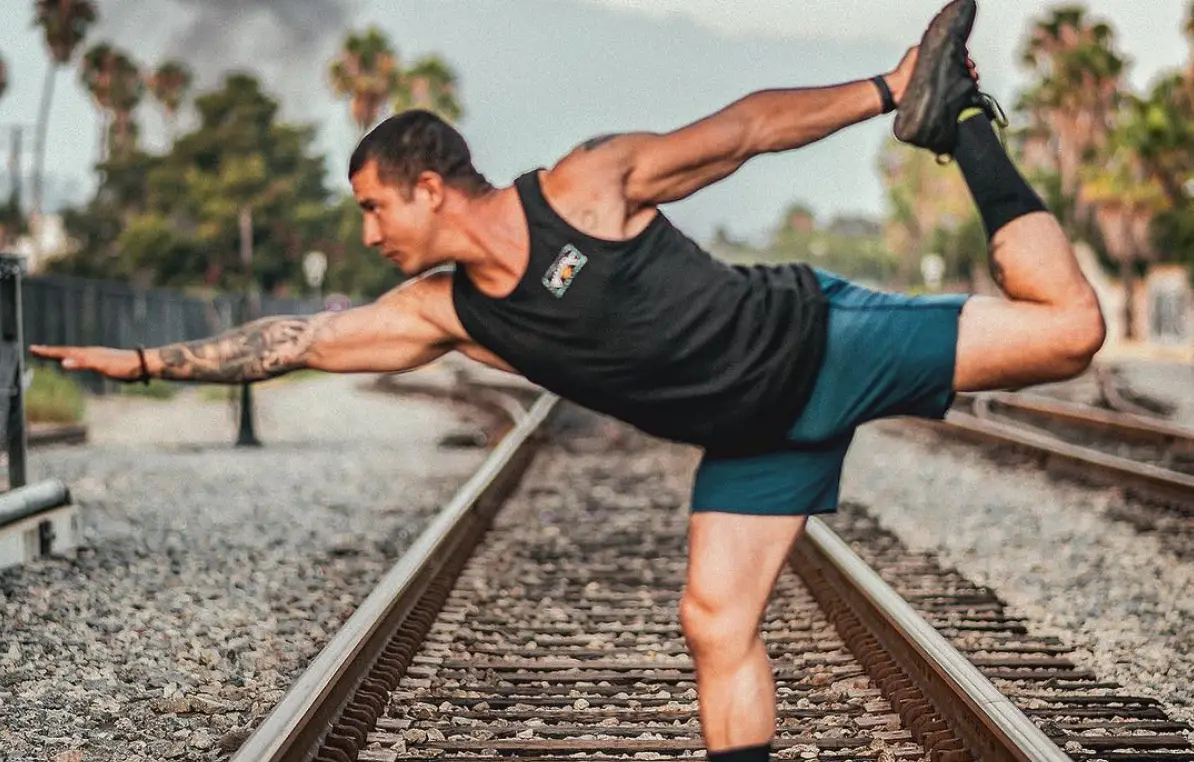
Albert Carrasco is an entrepreneur, photographer, bodybuilder, and Marine Corps Veteran.
Albert grew up without a father and had to learn from a very young age to provide for himself. Albert’s work career began at 13 years old when he got a job to pay for clothes and shoes.
Today, Albert runs a print company and is responsible for producing Warrior Soul and Terminal Lance merchandise.
In this conversation we discuss:
- not letting your phone control you
- why you should get a dog and how it trains you for leadership
- mistakes college kids make
- how to connect with companies
Transcript
Machine-generated from the episode audio and lightly edited — may contain errors.
Chris Albert (link to this point)
What's going on everybody? Welcome to the Warrior Soul Podcast. This is Chris Albert, and this is where we discuss tools, tactics, ideas, issues, and introduce you to people who can help you to live your best life. And on today's episode, we bring back on my old friend Albert Carrasco. Now Albert is the other half of Warrior Soul.
He's responsible for all the production and the fulfillment of all Warrior Soul products, all of our t shirts. He's also responsible for all the merchandise that Terminal Lance puts out. He he helps to create their t shirts and and everything surrounding that brand. Albert is a really awesome guy. And one of the things, I wanted to bring him on to talk about is, you know, he's kinda like a renaissance man.
He's he's a photographer. He's, running this print company up in Santa Barbara. He's leading people. He's also a bodybuilder, and he's heavily into fitness. And so the last time he came on, we kinda talked about his personal schedule.
In this episode, this is more of a conversational episode, and we get into things like the impact of social media on our culture and on our lives. We talk about work ethic. Albert grew up without a father. And when he was a kid, he his family couldn't afford to buy him clothes or shoes. So at the age of 13, Albert got a full got a job, and he he talks about that.
He talks about, you know, how he developed work ethic from a very young age, and he talks about how a lot of his employees of college age don't really understand how to work, and they don't understand the value of work. We get into that. We discuss, you know, people trying to contact us for sponsorships and things like that, why that's a bad idea, and we discuss how to truly impress somebody you're trying to, associate yourself with if you do want to eventually try to start a relationship with a company like us or any other company out there. So like I said, this is a really great conversation. There's a lot of value in it, and Albert is an awesome dude.
Couple of things I just want to announce. Number one, our Warrior for Life program is going full tilt now. And now what is this? This is an online group for those people who are following the show, those in the veteran community, and maybe those of the veteran community who are looking to live their best lives through fitness. Now when you sign up for this, you're going to get a free fourteen day testosterone optimization workout, a testosterone optimization optimization checklist, but you're also going to get access to a group that Warrior Soul Fitness Academy.
And that's where we put out a lot of really awesome information related to fitness, to nutrition, and two aspects of living your best life. You're also going to be able to keep in touch with the Warrior Soul podcast and everything we do over here and everything we do with the brand. Lots and lots of value go into this. And if you want to sign up, you can head over to menshealth.warriorsoulagoge.com. That's menshealth.warriorsoulagoge.com.
In addition to that, for those of you who are less interested in something like that, but more interested in learning about the ketogenic diet, and, I know I've had a lot of people contact me about that because we put a lot of information out about low carb, high fat dieting, and and its benefits for performance. We've got a free course on getting started on the ketogenic diet, and, it's it's a full five, video course along with, a free cookbook, along with, a free grocery list, and a whole bunch of resources that can help to get you started there. If you're interested in that, you can head over to www.startketoright.com. And the final announcement is this. This podcast is brought to you by f bomb nutrition, a really awesome company that does their best to help veterans, and and they're really awesome people.
They're literally sending packages of their product out to troops on the front lines in Afghanistan and and who are deployed around the world. And if you're interested in trying these out, they're basically portable packets of fats, but my favorite are their macadamia nut butters. They mix them up with chocolate, mix them up with sea salt, they mix them up with pecan butter, and they're so delicious. And, you can get them for 20% off for your first order if you head over to www.dropanfbomb.com and use the code Warrior Soul at checkout. And with that, let's get into this conversation with mister Albert Carrasco, the other half of Warrior Soul, and entrepreneur extraordinaire, and photographer extraordinaire, and I guess you could say modern renaissance man.
This is Chris Albert, and I'm here to remind you of one thing. Someday, you're going to die. Now that's not some morbid statement or scary idea. It's solid fact. Your time here on this earth is limited.
You need to be reminded of this as much as possible for one simple reason, to live your best life while you can. This is the Warrior Soul Podcast.
What's going on, Albert? How are doing, man?
Albert Carrasco (link to this point)
I'm doing good. Just getting my day started.
Chris Albert (link to this point)
Yeah. Yeah. Did did you ever coffee yet?
Albert Carrasco (link to this point)
I you know what? I have not.
Chris Albert (link to this point)
Do you drink coffee?
Albert Carrasco (link to this point)
Do you drink coffee? Something after.
Chris Albert (link to this point)
Inquiring minds want to know.
Albert Carrasco (link to this point)
Sometimes.
Chris Albert (link to this point)
And when you drink coffee Sometimes, but Do you put cream in it?
Chris Albert (link to this point)
Stevia.
Albert Carrasco (link to this point)
Stevia.
Chris Albert (link to this point)
Nice.
Albert Carrasco (link to this point)
Yeah.
Chris Albert (link to this point)
Nice. And so do you drink, like, normal coffee or do you drink espresso?
Albert Carrasco (link to this point)
Espresso.
Chris Albert (link to this point)
Espresso. Get a nice double espresso. It gives you a good caffeine high. That's awesome. I got some nice black coffee in front of me right now and it is warming me up really good.
And I am nothing without a cup of coffee in me, at least. I can't think. I can't I don't know. I don't have the calmness in my day yet. Like, can function well on a cup of coffee, but I don't have like that calm feeling, like that warm from inside kind of feeling that you get from it.
Albert Carrasco (link to this point)
Well, that's I guess I'm kinda lucky because I always drink my coffee cold. Not really actually don't like hot drinks.
Chris Albert (link to this point)
You drink your coffee cold?
Albert Carrasco (link to this point)
Yeah. I like to put it over ice.
Chris Albert (link to this point)
Oh.
Albert Carrasco (link to this point)
Gotcha.
Chris Albert (link to this point)
Gotcha. Yeah. You're one of those guys there.
Albert Carrasco (link to this point)
Yeah. I've never been able to do, like, tea or anything like that. Like, it's just the pot, so I can't do it.
Chris Albert (link to this point)
Yeah. You know, I hated coffee until I went on deployment. And there was this guy we were because we were working with a lot of, like, people who were civilian contractors. And there was this guy there who used to be a French legionnaire. He served in the foreign legion, but he was Polish.
People from all over the world, they come and they serve in the foreign legion. And he would make this awesome coffee. Somehow he had a grinder there. He had the French press. He had everything going on.
And I started drinking that coffee when I was on duty. And it was freaking It was ridiculous, man. It was so good. I got up to seven cups of that a night to You stay know, because we were doing like long, long shifts. Like, not a hard deployment at all.
I mean, like, we're we're we're it was a security mission, but like, we're doing these long, long shifts, and and it was just like this comforting feeling. And, you know, whenever I drink coffee now, it just reminds me of security, just being feeling secure, you know?
Albert Carrasco (link to this point)
Yeah. Yeah. That's cool.
Chris Albert (link to this point)
But dude, so what do you got going on in your life these days?
Albert Carrasco (link to this point)
It's pretty simple. You know, I still just work and I take care of my dogs and I go to the gym. So it's pretty basic. A lot of people think that it's more exciting than that for some reason. I mean, that's that keeps me pretty entertained most of my days.
Chris Albert (link to this point)
So just for people who haven't haven't heard about you, you're a photographer. Are what's it called? You're taking photographs of beautiful women all the time. You're you've got two amazing dogs, and we'll talk about them in a second. But you're also the entire production and fulfillment side of Warrior Soul.
And so years ago, back when I was going to UCSB on the GI Bill, I used to work in the veteran office. And he served in the Marine Corps yourself. And that's how we got to know each other. But we came together like a few years ago and decided to try to create this t shirt company. And so so you've been doing that.
You're also responsible for for printing out Terminal Lance merchandise, things like that. And you do some great work, man.
Albert Carrasco (link to this point)
Thank you. Yeah. And I guess, when I say I go to work and stuff, and I, you know, I guess I'm making very blanket statements about complex things. Because my day job is definitely very involved. So it's kinda non stop.
And there's always new projects, there's always things that needs to improve. And so Yeah, that's one of that work that consumes my entire time. It's like, sometimes, you know, like we talked about in our last episode, it's one of those things where there's so much to do that sometimes you feel like, well, not all of this can be done in one day, so what's the most important stuff to get done in one day?
Chris Albert (link to this point)
Yeah. Yeah. It's really I mean, you gotta prioritize because the way the world is, it basically way the world is right now, we all have these devices that we carry around and they're all these kind of There's multiple ways of getting in touch with us no matter what, right? And we're conditioned to pick up those phones at any moment in the day just to get a little bit of a dopamine hit. Like, when you see your phone, you wanna pick that thing up and you wanna see those notifications on there. And you wanna see who who who might have texted you, who might have liked your post on Facebook, who might have, double tapped one of your pictures on Instagram. And before you know it, you could get through half your day with most of that time you spend just staring at that phone doing nothing. And it's pretty insane.
It's pretty insane how easily we've become conditioned to this whole situation in just a matter of time. And ladies and gents, I just realized that I didn't plug my microphone in, so my audio is about to get a whole lot better. Check check one two one two. Okay. Yeah.
Now that's much probably much better now. So, yeah, what I was saying was that, you know, with those the the that phone situation, it's really it's really crazy because those phones have only been in our lives about, you know, what, like a decade? Like, what is it? Like 2007, 2008, the iPhone got released or something like that? And then now it's 2018 and people can't live without them.
Albert Carrasco (link to this point)
Yeah. Yeah. I mean, I don't even remember. I didn't have a smartphone for a while. I I was kind of late on that.
But yeah. I definitely I will admit that it's one of the things that most people including myself, like, really need. But the few times, because I have broken a lot of phones in my time. Few times that I've broken my phone to the point where I can't use it, and I had like maybe like a few days or even a week because, you know, like you have to do the insurance thing and then they ship it to you. It was really cool not having it.
Chris Albert (link to this point)
Yeah. Dude, I went to went up to Big Bear like two weeks ago when we went camping and like, I had no service up there. And at first it was driving me crazy because didn't have service. I couldn't check on anything. I couldn't but then, you know, I just got to enjoy the mountains and enjoy, you know, the scenery and enjoy time with my girlfriend and time with my friends who came out there to visit.
And it was it was really cool. Like, you know, I think we need to get a rest from that kind of stuff and and, you know, kind of try to break that loop where you're you're not checking your messages all the time. You know, and that and that's the thing, know, when you're posting something on Instagram and you gotta go in there just to see who double tapped on it, just to see, you know, whether that or not that thing's performing how you want to. It's it's kinda crazy. It's it's it's doing something to all of us.
Albert Carrasco (link to this point)
Yeah. Yeah. Totally. I myself have been trying to rethink how how I manage that stuff, but and how I receive it, if you wanna call it that. So I think that I'm getting better about it.
Chris Albert (link to this point)
Yeah. What kind of stuff are you trying?
Albert Carrasco (link to this point)
Oh, just like literally, like telling myself that it doesn't matter. Mhmm. You know, like, it's like anything that I share is above everything else, like, for me and whether people like or don't like it, then it's it's not my problem. So I don't really care as much.
Chris Albert (link to this point)
Thing I try to do is, like, I'll try to take my phone and I'll stick it in a room across the house, like, entirely across the house, and I'll stick it into a drawer. And I won't I won't keep around, so that way there's no notifications. And then I've turned off literally all the notifications on my phone. So like, I've turned off notifications from Facebook Messenger. I've turned off notifications from Instagram.
I've turned off everything. The only thing that'll show up there is text messages. And usually people aren't trying to text message me unless, you know, it's my girlfriend or a family member trying to get in touch with me or something like that. And then I'll pick a time. Like, I'll actually schedule it into my schedule, like ten minutes to look at my phone.
And then, you know, from there, I will put it back in and then I'll schedule some time to look at it later in the day. One thing I am bad about is at nighttime when I'm supposed to be, like, kinda cooling down and not doing anything, I'll I'll I'll end up looking at my phone. And that's because I like to listen to podcasts while I'm doing stuff at night. Because like nighttime's kinda like my a little bit of my my home keeping time. Like like if I'm if I'm doing something for the house or if I'm I'm cooking dinner that night or something like that, I'll turn on a podcast to listen to it.
And it's a good way to learn things while you're doing something. But a lot of times notifications will come up at that point, and I'll get I'll I'll go into some rabbit holes.
Albert Carrasco (link to this point)
Yeah. I just man, I don't think that I'm ever stationary enough, like, to do that. Like, like always moving. And I I guess I I want to spend more time at home even at night if I I just don't.
Chris Albert (link to this point)
Yeah. You you well, you're at the gym a lot too. Right?
Albert Carrasco (link to this point)
Yeah. Well, I usually leave work between, it varies, but anywhere from 03:30 to even like 06:30. There was a few days last week that I left at like eight. So usually right after that, yeah, I go to the gym and then I have two puppies. So obviously, I have to take them out or do something with them.
So there's like a lawn on the UCC campus. I don't know if you remember where the Chemistry lawn is, but I like to take them there. It's a semi private area.
Chris Albert (link to this point)
Yeah. I see you playing playing catch with them all the time out there. You got a you got a she's a German Shepherd Athena. Right? And then you got a what?
She's she's a is the other one a pit bull?
Albert Carrasco (link to this point)
Yeah. She's an American pit bull.
Chris Albert (link to this point)
That's cool.
Albert Carrasco (link to this point)
She's yeah. And she's that one's only three months old. So she's still learning, but they're both doing really good. They're both really smart.
Chris Albert (link to this point)
That's cool. And and and so with having dogs like that, that's pretty cool because it gives you something to to take care of. Right? And and I think that's important for like, I think it's important for single guys. Right?
Because if you don't have something to take care of in your life, something to tend to, then a lot of times, you you're kind of what's the word? Like, grounds you more. It it's almost like a preparation for other things. You know what I mean? Like, when I got my dog Piper, it was kinda like a preparation for for a whole lot in my life.
Being able to to have a relationship with another person. Being able to have someone else in my life that I could take care of and that I was responsible for. I think it's almost like training wheels for human beings, you know?
Albert Carrasco (link to this point)
Yeah. Yeah. I I agree. And I do think that it has taught me a lot from the short time I've had them. Kind of just understanding even how I communicate with people.
I mean, you know, a puppy I'm a really big believer in fundamentals. Like, because I believe that the skills that you have is applied to in multiple avenues of your life, not just one.
Chris Albert (link to this point)
Right.
Albert Carrasco (link to this point)
You know, you don't just talk to a dog a certain way and then that's how you talk to dogs. It's very similar like, you know, if a dog is jumping, you have to correct it every time. And if you stop correcting your dog from jumping on you, then it's gonna keep doing it because it thinks it's okay. In the same way that, with a person, when a person's doing something you don't like, and you let them do it over and over, and you never correct them. That person is being conditioned to be allowed to do that to you.
Chris Albert (link to this point)
Right.
Albert Carrasco (link to this point)
And and then, you know, it's just like with the dog. If one day you blow up and yell at the dog not to do something that you've never corrected with, the dog's gonna be like, what the fuck's your problem, bro? Like and it's gonna be the same thing with a person. And so, I don't know. I guess like, the funny thing is is like, I had never had dogs before.
But I like to think that I was already practicing some of these communication skills, if you wanna call it that. In my outside, like in my regular life. So I kinda just when I made the connection that literally the same thing. But it's a dog. It actually made it easier because the dog wants to listen, you know.
Chris Albert (link to this point)
Yeah. Well, let's unpack Yeah. Go ahead. Let's unpack that a little bit because I think that's really important to think about and everything you just said. You know, if you're letting things go in your relationships with other people.
Right? So Yeah. If you're a pushover, if you are not correcting, you know, bad behaviors amongst those you're close with, or or or if you're not correcting bad behaviors amongst your employees, or you know, anybody in your organization, you're letting them go, then they can turn into much bigger things. If if you're not correcting yourself, you know, your small behaviors, right? So so like if you're developing bad habits, maybe you're sitting on the couch, you know, drinking a six pack every night and you're not getting up and and you know, your wife's walking around the house and the only time you talk to her is when you want a beer from the refrigerator. You know, that kind of stuff adds up and it could quickly boil over into things not tended to in your life.
Right? Yep. Mhmm. Right? And that I I think that's really important.
I'm reading a book right now, and this guy's gonna come on to the podcast this week. His name's Stephen Mansfield. And it's Mansfield's Book of Manly Men. And his think it's his his second maxim. He says it's the most important one, is that men tend to their territory.
Men tend to their territory. And what does that mean? It means that you're you're tending to everything in your world. Right? Whether it's your relationships, whether it's your home, whether it's it's the way you look, whether it's, you know, the the the the things you're putting out there into the world for other people to to consume and enjoy.
All these things are a part of our territory as men. And you have to figure out how to tend to it in a way that they're not gonna fall off, that they're not gonna appear awful. And if you if your house looks like crap from the outside, if, you know, you're you're you're what's it called? If, you know, you're not tending to your kids and, you know, you haven't talked to your kids in forever and and they're going off and doing whatever they're they're doing and you haven't touched your wife in three months, that's, you know, your problem. And it's something you gotta fix.
And and Yeah. Kinda seeing the way here and through dog training and through owning dogs, it's kinda like Musashi. When you see the way, you see the way in all things.
Albert Carrasco (link to this point)
Yeah. Exactly. And I really do believe that. Like so yeah. So I don't know. I don't know if I take for granted the fact that I was able to pick that concept up. There is only one way really.
And and you just have to break it down and figure out, well, how does it affect how does it translate to this side or this industry? But I do believe that it's all the same.
Chris Albert (link to this point)
Yeah. Let me ask you this because you're you're way younger than me, and I'm I'm about to turn 40 this year or next year. What how old are you right now, Albert?
Albert Carrasco (link to this point)
I just turned 29.
Chris Albert (link to this point)
You just turned 29. So you're you're you're a good eleven years younger than I am. And it's kinda like a generational thing right now. And you're also you live right near a college campus. You you you you have your shop on a college campus.
What what are you noticing amongst the younger generation and what are you noticing amongst your generation as far as the way things are going?
Albert Carrasco (link to this point)
So the only interactions I get with the younger generation really is like through my employees. And then a couple of the kids at the gym that, you know, over time reach out to me and wanna know what the hell I'm doing because yeah. That's what they do.
Chris Albert (link to this point)
Because you're jacked and you're a bodybuilder and and and and you got veins coming out everywhere and stuff like that. Yeah. I guess.
Albert Carrasco (link to this point)
So man. I guess I'll start with my employees first above everything else. I've noticed that there are a couple that can work really hard, But for the most part, a lot of them don't. They don't know how to hustle. They don't understand.
I literally had to have a meeting with one of them when we were having them work on something to tell them, if you fuck this up, you're gonna waste ten to fifteen minutes of your labor and x amount of dollars in materials with every mistake. So you can see how that can add up to a lot of money lost, and then this entire job isn't worth doing. So I need you to really pay attention. And if you're not, then I need you to tell me that you can't do that because I'm not gonna have you do it and I'll put this task on someone else. And he was like, no.
I'm I'm ready for it. Let's do it. But you know, it's funny because to me that's while that is being extra clear and telling them like really really don't fuck this up. To me when I have any job, I really try not to mess anything up. Know, like that's already built into me.
I don't need that extra level of explanation for me to take it seriously where some of my kids do. And it's funny I call them my kids, because they're, you know, anywhere between 18 to 21, they're still college kids and they work for us. And they some of them don't get it. They kinda just think, oh, it's whatever. I came and clocked in and now I'm here.
And now it's cool. Like I'm just doing this one task for now and then I'll do this later. And there's something like, they like just don't make that connection of like how serious real work is. And I mean, you know, we're not like laboring but there is a lot of different things to do in commercial printing in those timelines. And you know, for us especially when we're doing educational materials for the university, you know, it's like some of those books take a lot of time to make.
And it's like, for someone to go fuck it up at the very end, like, that's kind of disappointing.
Chris Albert (link to this point)
Where do you think that attitude comes from? Do you think it's because, you know, they're they're college students and they think that the the labor itself is beneath them? Or do you think it's it's they're they're trying to focus on their studies and they're trying to focus on their job? Or do you think it's it's, you know, just something that, you know, the way they were raised or or just they just haven't had much responsibility in their lives?
Albert Carrasco (link to this point)
Yeah. Exactly. I think I think that some of them just don't know how to work because they never really had to. And you know, a lot of people like think that, oh, well, you know, just because these people grew up poor or whatever, then they must know how to work. But also in certain families when you're poor, parents do a lot so that the kids don't have to work. Right. I had that too.
I want like, I've had kids who told me that they were poor but like they they didn't have any work ethic. And I was wondering and then that kind of opened up my eyes to the fact that well, their parents basically said, study, you study. And the parents took the brunt of, like, that labor responsibility. They work two jobs each or whatever. And then, you know, that made sense.
And obviously, there's nothing wrong with that. Parents want the best for their kid. Everyone has a different way of doing that. But, you know, like I said, I do think that it's on how they were raised and what they were exposed to versus I mean, you know, I'm not somebody that likes to compare my own story to others because everybody's different like I just said. But for me, you know, I got my first job as early as 13 years old and I used that money to buy clothes because my mom who did try to encourage me to study as much as possible.
Her money went to food and housing. So that's why I got stuck wearing the same clothes growing up. I was one of those kids. So that's how I learned how to work, guess. Shouldn't call it that.
But I know that not everybody learns it that way.
Chris Albert (link to this point)
So yeah, you worked you started working early and you you I know you had a a pretty rough childhood as far as things go. You know, we we could get into that if you want, if you don't. But, you know, one of the things that that you mentioned there is is the idea that a lot of poorer parents, they they don't want their kids to work. They want them to study. And so I think this idea is going away.
But I come from an immigrant family and I think you come from an immigrant family as well. You know, I was the the first generation to really ever graduate from college. Right. And I was second generation to go go into the military. But like the the idea was that college was this thing that was a status changer, that was going to change your whole family's history, that was gonna change everything about, you know, who you were, what the family was doing. It was gonna rise you up a level. But I don't think people and and I again, I think this concept is going away, but I don't think people realize that you don't get shit unless you put the work in regardless of if you have a college degree or not. You know, granted there are some people out there, they'll they they come from extremely rich families, they'll go to Harvard, they'll they'll come out, they'll get their first 6 figure salary or or something like that. But if you're going to to a four year university and you're majoring in something that's not a science or, you know, not not very technically oriented and you're just cruising through, you're you're gonna have so much debt by the end of that that that period.
You're going to you're gonna be way behind somebody who started working at the age of, you know, 18 years old. And then you're going to you're gonna get out and basically, you're gonna get hired for a job that's around $30,000 if you're lucky enough to find a job. Right? And what what I used to see was a lot of people come out and they get these types of jobs, entry level jobs, and they'd say, oh, well, they're not they're not allowing me to work up to my potential or my thing. And the thing is, you don't have any potential in the eyes of an entrepreneur as in the eyes in the eyes of a business owner.
You don't have anything if you're just coming out with a four year degree. All you've got is something to show that you could do a little bit of schoolwork.
Albert Carrasco (link to this point)
Yep. Yeah. I've I've heard that before too and, you know, or the the fact that you'll stick something through for four years. But, you know, to me that that argument has never really been a strong one personally, you know, there's a reason why it's people fit.
Chris Albert (link to this point)
Yeah. Exactly. So what do you think, you know, growing up and and like you said, you you you got your first job at 13 years old. What was your first job?
Albert Carrasco (link to this point)
Yeah. Well, I walked up to one of the lectures. I I went to church at the time, and I actually was an altar as a child. And I talked to one of the lecturers that was always there every Sunday. And I was like, hey, Tony.
He actually owned USA Cab in San Diego. And I was like, can I can I go and work? And he was like, why? And then I told him that I wanted to buy clothes and shoes. He's like, come to my house on Saturday.
So he made me do, like, just random stuff that and so I like yard work, helped him organize things in his garage and, you know and I now looking back, know that he basically just created work for me. And then he you know, there was a few times, a handful of times that I did stuff at his shop. But obviously, I imagine they were like the most non dangerous things because obviously, like, it was it would be a liability if I hurt myself at his building. Because it was like USA Cabin was like its own They did all their own mechanics, all their own work on the cabs. So all the maintenance.
Oh, And yeah. And then he he owns some properties. So there's like a handful of times I got to do like demolition. He just hand me a sledgehammer and said, just these things need to get taken out, so break them. And then I learned how to destroy bathrooms and things like that.
Chris Albert (link to this point)
That's pretty cool. 13 years old, somebody hands you a sledgehammer and they say, go destroy that bathroom.
Albert Carrasco (link to this point)
Yeah. Yeah. Actually, that was I I still remember that was one of the coolest things I had done in that time frame.
Chris Albert (link to this point)
That's awesome. Yeah. That's awesome. And so, you know, I guess you're at this point right now and like you don't did you have a father figure in your life?
Albert Carrasco (link to this point)
No. No. That was my mom.
Chris Albert (link to this point)
Okay. So so there was like nobody there and and I guess you could say what you did at 13 years old, you went and you found somebody who could be a mentor to you and and could you know, he's not teaching you about, like, how to make a million dollars, but he's teaching you about the value of work. Right?
Albert Carrasco (link to this point)
Yep. Exactly.
Chris Albert (link to this point)
And then that's somebody there who, you know, he might not have been able to, you know, take you in, but rather than give you charity, he he gave you the opportunity to work and to learn.
Albert Carrasco (link to this point)
Yeah. Yeah. Exactly. That's way more important in my opinion, I think. Yeah. And I'm really thankful for that because like I just said, you know, when I see some of my student employees and I see that they've never had to work or never learned it, I'm like, well, you guys are just starting late. Yeah. Like like, no kidding. More and more, I've hired people who tell me that that's the first job ever.
Chris Albert (link to this point)
Yeah. You know what you know what bugs me out is over social media, we'll get messages on Warrior Soul saying, hey, what's going on? I've got this number of Twitter followers and this number of Instagram followers, and I wanna be a sponsored athlete. I'm like, what? Like, really?
Just contacted me for that? Like, that's that's awful. Like, I don't get how somebody thinks that they're gonna make money off of that or how they're gonna be an asset for an organization just by saying they're gonna be a sponsored athlete, you know?
Albert Carrasco (link to this point)
Yeah. Well, and and I think kinda like with the behaviors thing that we talked about earlier. You know, some some other companies are conditioning people to think that that's okay. Like for example, Bang energy drink has a ton of fitness tricks that just are drinking Bang. And it's like, alright.
Look, girls, if you really knew anything about fitness, you and something that I'm not being sexist with that comment. I'm sorry. But if anybody takes it that way. But bang is not like a good pre workout if you will even wanna use a pre workout. So like what the fuck?
Chris Albert (link to this point)
Bang is awful. It's awful.
Albert Carrasco (link to this point)
Like literally, go look at the ingredients and you know what, maybe I shouldn't have name dropped there. Can leave that out but
Chris Albert (link to this point)
No, no. We'll name drop. We'll name drop on that. I mean like, that's yeah. That's that's I don't know.
I've never seen a real fit person. I mean I've seen people drinking like maybe like
Albert Carrasco (link to this point)
Yeah. And you know what? I'm not gonna say that I don't drink them because I will. Know, it's no calorie and they're not terrible but I know that I'm not getting a pre workout out of it. What's in it?
Caffeine?
Chris Albert (link to this point)
Yeah. Dude, I stopped I stopped drinking energy drinks a while ago. And and the reason what like it's not for anything except that like they never worked really well for me. Like coffee will work for me, but like, the reason why I drink coffee isn't to like I said, it's it's more of a comfort thing than anything. I like the taste.
I like the smell. I like that warm feeling I get in the chest. But like, I don't know. Energy drinks, like number one, think the Marine Corps turned me off from energy drinks. Number two, because I drank so many of them.
Number two, I, you know, I just I don't know man. You're putting all kinds of crap into your body that like is gonna have a crazy effect. It could have a crazy effect on you.
Albert Carrasco (link to this point)
Yeah. So you know, going back to that is like like that's one of the companies that I see having sponsored athletes. And it's like literally sometimes if the can is just in the frame and they're not even doing anything. And then there's some of these other supplement companies that have, you know, maybe I'll even call it like small time influencers. People with like 20,000 followers or whatever.
Chris Albert (link to this point)
Yeah.
Albert Carrasco (link to this point)
And and they just they're taking pictures with their little BCAAs or whatever. And it's just funny to me because it's I don't know. That's why we're getting hit up because people are learning from companies like that. That it's okay. Hey, you have 20,000 followers.
Cool. Come on over. I'll give you this stuff. Like
Chris Albert (link to this point)
Yeah. Yeah. Like, it's just a I don't know, man. It's just like a a weird kinda situation wherein like, if you if you were to come to me and say, hey, my name is so and so, and this is some potential value that that I can offer you guys. And, you know, I'm just thinking like, you know, doing some real work or like, you know, helping us with a with a web asset or like Yeah.
Helping us with with, you know you know, designs, things like that. Like, it's showing us your actual work, then, you know, it's something to consider. But if you're just gonna show your abs, your ass, or your squat on Instagram, I'm not seeing the the benefit there. You know, we've got a plenty of people who who who love the brand and are willing to wear our shirts, you know, and Yeah. And to put it out there just to spread the message.
You know what I mean? Yeah.
Albert Carrasco (link to this point)
Yeah. And exactly. And so with that, I almost feel like if I was trying to do that, I would probably reach out and say something along the lines of, you know, if this was true. But I've been following your account for x amount of time and I strongly believe in your message and I love the gear and I would love to know if there's any type of sponsorship opportunity so that I can help grow the brand. Would probably be something closer to like what I would want to see but people don't do that.
Yeah. You know, like it's so it's almost like you probably sent this message to a bunch of different brands and you don't care which one. Right. Cool. We'll take you bro.
Like, you know, it's like don't I don't know. Don't do that. Just pick the one that you really really want. Yeah. And say why you wanna be a part of it.
Chris Albert (link to this point)
Yeah. Yep.
Albert Carrasco (link to this point)
There's no personality behind those messages.
Chris Albert (link to this point)
You know, one thing I wanted to bring up real quick because because he is a friend and he is somebody who who I think got kind of unfairly screwed over about his whole social media sphere is a hellhound.
Albert Carrasco (link to this point)
Oh, man. Yeah.
Chris Albert (link to this point)
You know, and and I just wanted to bring that up, you know, and for anybody who who because the guy was the guy is doing great work, but Instagram cut him off at what? Like what?
39,000 followers or something like that?
Albert Carrasco (link to this point)
Yeah. I think he was just like shy of 40. Yeah.
Chris Albert (link to this point)
Yeah. So so the story goes that that this guy, he was doing, you know, pit bull rescue, all kinds of just dog rescue in general. Right? And what he was doing was he was he was rescuing these dogs, and then he was providing them to people who who needed them. Right?
Like, needed companionship. A lot of them were veterans. A lot of them were were were were people who who really benefited from the relationship with the dog. And, you know, I don't I don't know why they pulled him off because I didn't think that his stuff was that offensive or anything like that. But but like the guy had a hard edge to him and he still has a hard edge to him.
And you know, I they just cut him off at like 39,000 followers. Yeah. Yeah.
Albert Carrasco (link to this point)
I I really don't understand what happened there either. And it's kind of frustrating, to be honest. Because it's like Instagram and Facebook are both doing shit like that. And it's I don't know. It seems to favor against a certain type of stuff and it's just like they're not doing anything with all, like, the fake shit out there that should be getting taken down.
I don't know. It just makes no sense.
Chris Albert (link to this point)
Yeah. What what's his new Instagram handle? I just wanna give him a shout out.
Albert Carrasco (link to this point)
Oh, it's hellhound official.
Chris Albert (link to this point)
Hellhound official. Awesome. Yeah. He's up there and yeah. The dude's a he's a really good guy.
Marine Corps veteran. He he gets a little bit ornery, but he's he's doing really great work for dogs. Like really, really good good good work for dogs. And some of his stuff is pretty pretty funny. He's got this one up there.
It's like a dog walking away from a house on fire. And then it says, who's a good boy? And then it says, not me, motherfucker. So that's pretty cool. Yeah.
Alright, man. Well, dude, we've been off for a little bit now. I think we had a a pretty good conversation here. And, you know, anything else as far as, you know, what we wanna tell you? We've got some big things coming up, but I don't know if we wanna talk about them right now or anything like that. But but there's some some awesome things coming up for the podcast, for the brand, and things like that too.
So
Albert Carrasco (link to this point)
Yeah. I think that some of the brand stuff will will leave a secret.
Chris Albert (link to this point)
Yeah. Yeah. But we're we're working on a new web presence, a new better, easier to navigate website, and just a lot of awesomeness for all of you out there. And so we'll be talking to you guys very soon. I will be back at all of you this coming week.
We've got some great guests coming up. We've got mister Phil Randazzo, the the head of American Dream U, an organization that's been helping veterans to put together multi million dollar businesses. We've also got mister Stephen Mansfield coming on, the author of The Faith of George W. Bush, The Faith of Barack Obama, and Mansfield's Book of Manly Men. Also awesome conservative commentator who talks on Fox News and a whole host of other news organizations quite regularly. And then I'll be back at you later this week with more Warrior Notes.
I know people have been enjoying those short episodes and more fitness q and a. So until next time, guys. If you are interested in helping us to promote the show, interested in helping us to to provide you with better information, if you can, leave us a review on iTunes. It really helps us to figure out what types of content you're gonna want, what types of things you're gonna wanna see from from Warrior Soul. It also helps us to promote the show because when you get more reviews on iTunes, it helps us to get in touch with more veterans, more people trying to improve their lives, and just helps in general.
So with that, guys, we'll be back at you very soon with another episode of the Warrior Soul podcast. Get out there and live your best lives while you can. Peace.
Albert Carrasco (link to this point)
Alright. See you guys.
Host of the Warrior Soul Podcast and founder of Warrior Soul. Worldwide trainer and nutrition coach, contributing author at Testosterone Nation and Muscle and Strength.