Podcast episode
Why Obesity is a National Security Issue with Stephanie Lincoln
Hosted by Chris Albert
The Warrior Soul Podcast
Helping Veterans and Active Duty Military Members to Get Fit
Captain Stephanie Lincoln is the Founder of Fire Team Whiskey, a fitness platform for active duty military members, Veterans, and first responders.
Captain Lincoln began this journey after dealing with her own weight issues. Despite the fact that she was training intensely, her weight ballooned up and she didn’t understand why. The culprit was the large amount of sugar she was consuming on a regular basis.
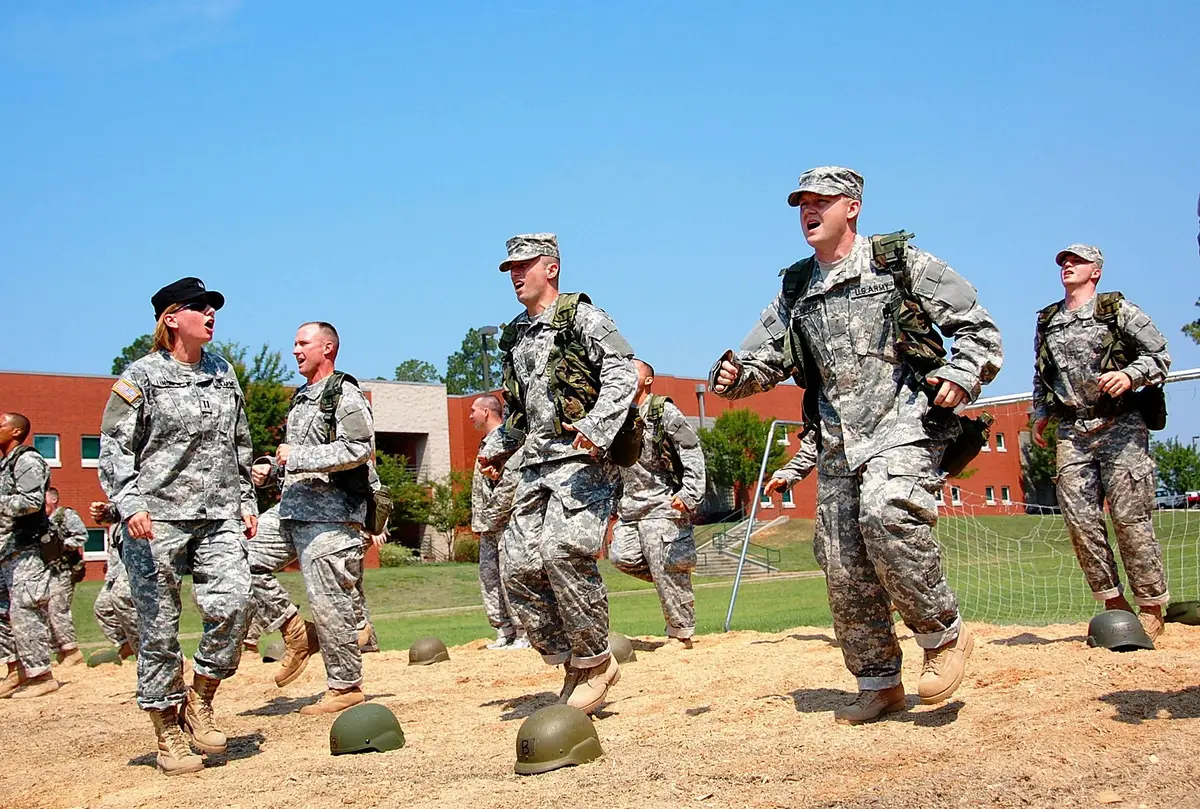
Eventually, she noticed that she wasn’t the only one. The Soldiers she was working with were experiencing health problems and signs of morbidity even though most of them were only in their 20s. Statistics show the larger trend: 60% of our military is overweight and one in four Veterans admitted to the VA system has diabetes.
Captain Lincoln’s solution was to create Fire Team Whiskey to educate the troops on good nutrition and training practices. She’s also developed a specialized line of supplements for military members.
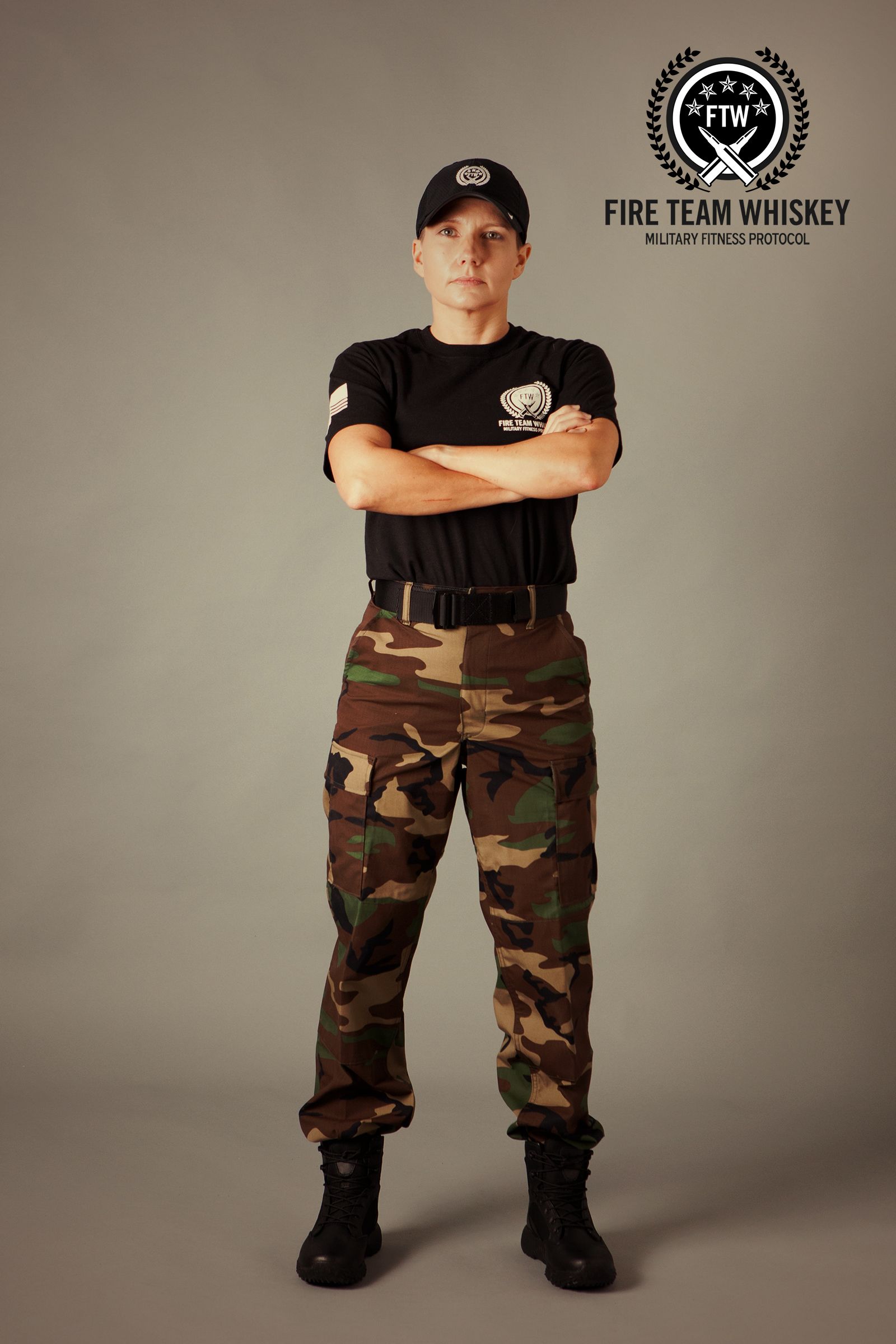
Join Fire Team Whiskey
SPECIAL FOR WARRIOR SOUL LISTENERS: text “veteranfitness” to 555888 and you can get 40% off of membership to Fire Team Whiskey.
Learn more about Captain Lincoln at http://www.fireteamwhiskey.com.
Follow Fire Team Whiskey at:
Instagram: @fireteamwhiskeymilitaryfitnessFB: @fireteamwhiskeyTwitter: @fireteamwhiskeyYou Tube: search Fire Team Whiskey
Transcript
Machine-generated from the episode audio and lightly edited — may contain errors.
Chris Albert (link to this point)
This is Chris Albert, and I'm here to remind you of one thing. Someday, you're going to die. Now that's not some morbid statement or scary idea. It's solid fact. Your time here on this earth is limited.
You need to be reminded of this as much as possible for one simple reason, to live your best life while you can. This is the Warrior Soul Podcast. What is going on, everybody? Welcome to Warrior Soul Podcast. This week, I've got a really great episode for you.
This is a really great conversation, and I'm pretty enthusiastic about it. So my good friend, Mike Ergo, who is also my podcasting partner here, we're developing a veterans podcasting network between the Warrior Soul podcast and his show, the Transitions From War podcast. And he introduced me to a wonderful woman named Stephanie Lincoln. And Stephanie is a US army veteran. She also served in the Florida National Guard.
And she eventually went on to become an officer in the Florida National Guard. And one of the things that happened to her along the way was she was constantly exercising. She was doing all these these things for her fitness, but she started putting on a lot of weight. And she didn't really know or understand why. And a lot of it revolved around the way she was treating her nutrition.
She was doing what a lot of soldiers and marines and sailors do. She was consuming tons and tons of sugar. And the chow hall food wasn't helping her out. The the the MREs weren't helping her out. So she also noticed that there were some troubling statistics.
You know, over sixty percent of our military is actually overweight. That's ridiculous, guys. What are we going to do about this? Right? When sixty percent of our military is not fit and is actually overweight and and obese.
That's a a national security crisis, and somebody's gotta do something about it. So she is doing something about it with an organization called Fire Team Whiskey. And what she does, she puts workouts together and nutrition plans together for active duty military veterans and first responders. And, she is a lot of her workouts don't require any equipment. They can be done anywhere.
They can be done in a parking lot, on a fob. They can be done in your barracks. They can be done at home. They can be done whatever wherever you wanna do them. She's also created a supplement line that's based off of, what we know about the body, which is that sugar is not good for the body, and that we need to start to put those insulin levels in check.
She's also educating people about the power of low carb and keto diets. And she's an all around awesome person, and she's a beast herself. She's she's out there. She's training. She's super fit.
And I really enjoyed talking with her. You guys are gonna get a lot out of this conversation. And you know, she's good friends with some other amazing people. The sponsors of this show, F Bomb Nutrition. They make awesome delicious packages of fats.
Macadamia nut butters, if you're looking to supplement your nutrition, their macadamia nut butters are amazing. Really good. Mix them up with chocolate, mix them up with sea salt, pecan butter. You can get 20% off of your first order of f bombs when you head over to www.dropanfbomb.com and use the code Warrior Soul at checkout. Now, one other thing I just wanna mention before we get into this amazing conversation with Stephanie.
If you're looking to support this show, you know, what we do here is we provide information to try and to help US military veterans and everybody else to live their best lives. And we don't ask for anything in return. We just ask that you you you spread the word about us, that you go out there, you write a review, and and that's pretty much what we ask for you. If you are looking to support this show in other ways, we do have some amazing merchandise. And you can find that in our store up at either warriorsoul.shop or at warriorsoulagoge, that's agoge.com.
That let's get into this amazing episode with Stephanie Lincoln from Fire Team Whiskey. Alright, Stephanie. How are doing this morning?
Stephanie Lincoln (link to this point)
I'm awesome, Chris. How are you?
Chris Albert (link to this point)
I'm doing outstanding. It's an early morning for me. You're I'm on the on the I'm on the West Coast. You're on the East Coast. So I'm at six or 6AM, and you're at 9AM.
And but your day must have been already started. Did you get a workout in already?
Stephanie Lincoln (link to this point)
I did. Yeah. I was up at five. I was here. I did my workout already.
I literally just finished, like, ten minutes before we got on this call.
Chris Albert (link to this point)
Awesome. Awesome. Well, we'll get into what you did. So you're Stephanie from from Fire Team Whiskey. And tell us a little bit about what Fire Team Whiskey does.
Stephanie Lincoln (link to this point)
Yeah, so Fire Team Whiskey, I began this actually not too long ago, early last year, we did a pilot program, but it actually was born out of my frustration with my own kind of lack of health and fitness at after I got out of the army. So like most veterans, you know, I spent ten years in the army got out in 2007. And, you know, as I got older, and slowly started seeing my top weight creep up and up. And then also just like having a lot of health issues that I really had no business having in my 30s, you know, and, you know, all those kind of you, you think about, well, I feel like army broke me, you know, I always heard that a lot as a civilian contractor contractor working working in in the the medical field. It was always, you know, aches and pains, I blew out my leg, I blew out my shoulder, I got back pain, got all these lists of complaints and health issues.
But you know, yet, we're usually pretty fairly young, and we're supposed to be, you know, the these elite athletes in the military. So after I got out, seeing that weight creep up and up, you know, and but I was also doing quote unquote, everything right, right? Like everything that you're told by society that you're supposed to do, you know, move more, eat less, eat your whole grains, you know, all that kind of stuff, your fruit, vegetables. But I was getting heavier. And it made no sense to me because I was really working out like up to two hours a day. So that move more kind of eat less thing was not working for me. And, you know, I basically kind of just hit a breaking point when I saw a picture of myself one day, I was like, I don't even recognize this person.
You know, I'm supposed to be an athlete, you know, I used I was on the Florida Army National Guard endurance racing team.
Chris Albert (link to this point)
Really?
Stephanie Lincoln (link to this point)
I was doing I was doing 300 mile races, I was, you know, putting in 100 miles on my feet and on my bike a week. And I was overweight. You know, I was like, I looked at myself in this picture and said, I don't even recognize this chubby girl in this picture. And, and I just said, you know what, there's got to be a different way. Like, obviously, something is wrong here.
Mhmm. And I I just started, you know, doctor Google. Right? Like, just started googling shit. Yeah.
Chris Albert (link to this point)
Yeah. Absolutely. I I hear you on that because I've I've been in that position not not with the weight, but being in my early thirties to mid thirties and feeling like like the Marine Corps broke me in half and feeling like like I just couldn't get my health in check. And you said something interesting there. So you were on the Florida Army National Guard endurance team.
So were you experiencing issues with hypothyroidism? Was that what was going on? Did your hormones just kind of kinda get out of check from from all the endurance work? Or
Stephanie Lincoln (link to this point)
You know, I think it I think for me, it started earlier than that. Earlier than when the day I rose my right hand, joined the military when I was seven years old. I was a lifelong sugar addict. I ate and drank sugar from morning noon tonight. I was a soda drinker.
I drank I drink water. That was like unheard of. I drink soda. That's what I that's that was my liquid. So I think it started earlier for me, I think that it just kind of wrecked my metabolism.
And when I was the age of 15, I actually got diagnosed with hypoglycemia.
Chris Albert (link to this point)
Oh, wow.
Stephanie Lincoln (link to this point)
And so I would have these horrific passing out events on almost like on a weekly basis where my sugars would just like drop like crazy. And then of course, what are you told to do when you have low blood sugar?
Chris Albert (link to this point)
Drink soda.
Stephanie Lincoln (link to this point)
Yes, drink sugar, sugar, whatever, orange juice, whatever it is, eat sugar. So I was on this like roller coaster of having these passing out events, over exercising, you know, just like, just sick leave, you know, from my teenage years. So I think just the culmination of, you know, training and endurance work and just breaking down my body, you know, and when I was racing, I was 21, 22 years old. So I I mean, I had blown out both my knees twice. I, like, fucked up shoulders.
My back always hurt. And I was 20 pounds heavier.
Chris Albert (link to this point)
Mhmm.
Stephanie Lincoln (link to this point)
So, yeah, I thought, like you said, I thought the army just completely broke me, but I think it started earlier than that.
Chris Albert (link to this point)
Well, I I remember I I did you grow up in the eighties like I did?
Stephanie Lincoln (link to this point)
Oh, yeah. I was born in '79. So yes.
Chris Albert (link to this point)
Were this we're the exact same age then. You know? And and I remember back then, you know, it was all about just keeping the fats low. And and and, you know, my my mom, she would feed me, like, you know, prior to going to school in the morning, I I I'd either have a Pop Tart or I would have some some sugary cereal and maybe a piece of fruit on top of that, maybe some cinnamon toast. But, you know, I think back on that, you know, as a kid, I had such a low attention span, and I would wanna fall asleep in class.
And you know, but I don't think our parents knew any better back then, because it was they were told that saturated fat was the enemy. Right?
Stephanie Lincoln (link to this point)
Absolutely. Yeah, you're right. Like, our generation, we were like, you know, that our childhoods were just all processed foods. It was all convenience foods. Most of us, you know, had two parent, you know, households that had to work.
And, you know, it was just all about convenience. You know, I did the same thing. Yeah, wake up, eat cereal, drink soda for breakfast, drink soda all day at school. You know, eat fried foods. Yeah, you said, it was all about the low fat thing.
So I never, you know, hardly ever ate red meat. I remember my mom was always like, Oh, you gotta stay away from red meat, you know? So and you could barely get me to eat a vegetable. Our healthy thing quote unquote was to have a glass of low fat milk with dinner every day.
Chris Albert (link to this point)
Oh, man. Yeah. Ours was to have a little bit of orange juice in the morning. Right? And and I used to drink that Sunny D Lite that was
Stephanie Lincoln (link to this point)
Oh, yeah. Oh my god. Sunny D. Yes. We used to drink Sunny D in the morning too with our sugary ass cereal.
Chris Albert (link to this point)
Oh, yeah. Yeah. I I think back on it, and then your your mouth gets all coated with the sugar. And then by by the afternoon, you're having a Coke or a Pepsi. And then, you know what?
Probably, what what do you think we're eating? Like, three hundred or four hundred grams of sugar a day? Probably more than that. Right?
Stephanie Lincoln (link to this point)
Oh god. Probably more than that. And I I have a mouthful of fillings to to show for it too.
Chris Albert (link to this point)
Same here. Same here. My teeth teeth got filled in. Yeah. Definitely children of the eighties.
So so when you so you decided to go into the military. When you decided to go into the military, you went in as an officer? Did you go in as enlisted?
Stephanie Lincoln (link to this point)
No, I was enlisted. I was again, I kind of want to it fell into that category where my dad was actually a Marine for four years, and he was in the Navy. You know, we there was no way I was I was going to college, you know, there wasn't a way to pay for that unless joined the military. That was just how the generations in my family have done that. My grandfather was was in the army, my uncles were all an army air force.
So it's just a family tradition. Like if you wanted to do something with your life, you had to join the military. So I picked the army, I don't know why I think they had a some sort of bonus, you know, going on at that time for school. And 17 years old, raised my right hand and was a private and had worn my mosquito wings, and did four years enlisted. And really, the only reason why I went to OCS was out of frustration with this was pre 09/11, obviously.
So the frustration with the career E5s that were taken up slots and units.
Chris Albert (link to this point)
Yeah.
Stephanie Lincoln (link to this point)
And yeah, these guys would get e five and then their careers would just stop. And they're just coasting, right? And they wouldn't kick these guys out. So, you know, I was I was a really good soldier. I know everybody kind of likes to say that.
But, you know, I went above and beyond. And I really wanted to become an NCO because my father was an NCO. And, you know, that frustration with that system, I was on the top of the promotion list to get my E five. And it came and went because there were no open slots. That was the only reason.
Chris Albert (link to this point)
Yeah. Don't know everything right. Even in the Marine Corps that I I think were eating up billets for for for a while. And back then, you know, pre 09/11, it was funny because pre 09/11 in the military was like people would talk about war. Like, you know, when I went through infantry school, everybody's like, we're gonna go to war with China.
But but really, was like, there's no war there. There's there's not gonna be another war forever. Right? And and none of us were thinking that really at the time until until it happened. Right?
Stephanie Lincoln (link to this point)
Exactly. And then so I I basically just chose to go to OCS out of that just sheer frustration with the system going on at the time. And I was in OCS when nine eleven happened.
Chris Albert (link to this point)
Oh, wow.
Stephanie Lincoln (link to this point)
So everything changed.
Chris Albert (link to this point)
Wow. Wow. That must have been insane. So so did the did the mentality completely change while you were there?
Stephanie Lincoln (link to this point)
Oh, hell, yeah. It like literally changed overnight. The entire school changed. It was like we were, know, you it was kind of more of like a real, you know, I wouldn't say relaxed environment, because obviously OCS, they're, you know, trying to stress you out as much as possible. But overnight, they I remember our OCS commander, he was a major and he came out and he said, this is it, you know, like, you guys probably leaving here or half of you guys are probably going to deploy right after you get done with your, you know, your basic training with for whatever you're branching.
And we're going to so we spent the rest of OCS out in the field.
Chris Albert (link to this point)
Oh, wow.
Stephanie Lincoln (link to this point)
Wow. To move in from classroom to field overnight.
Chris Albert (link to this point)
So tuned it up. Now, one thing I remember about the military of that time period was, you know, I'm 19 years old, and I'm coming fresh in. And I'm looking at some of the this the the staff NCOs and the the the senior leaders. And I'm looking at this this first sergeant. Right?
And he looks like he's, like, 65 years old. And he's, like hunched over. He's kind of hobbled. And then I went and I learned that he was actually 35. And I was sitting there and I realized like, wow, the the military ages you very quickly.
What do you think it was about the military back then? And did you have that same experience? And what do you think it was about the military back then that that aged people so quickly?
Stephanie Lincoln (link to this point)
Yeah. I had that same observation. I remember my very first platoon sergeant. I I could have sworn to you, like you said, like, he was like in his sixties. And gosh, probably back then, he may have been pushing 40.
I mean, from, you know, maybe mid thirties, late thirties. But he seemed like an old man to me. Right? And it's it's funny. I just I'm very good friends with him.
He's like my I call him my my army daddy. Like, basically grew he grew me up, you know, as as a young, 17 year old. And it I think I think it's a combination of things. I think it's a combination of just that that generation of, you know, almost everybody was in some sort of hard labor or stressful job, right? Like, you know, whether it be in the military, or, you know, like working with your hands, if you're in the reserves or guard.
You know, remember my platoon sergeant was a he was, he was a sheriff's deputy, you know, and he's, he's got he's, he's pushing forty years now, he's about to retire here in a couple years. So he, I think and then like the combination of just like just dumb shit like those boots, you remember running in those boots, just like miles and miles and miles. Like those, those boots were not designed to be ran in. I mean, those were not ergonomic. There was no science behind it.
It was just like, who is the lowest bidder? Let's just put some fucking boots on your feet and just send
Chris Albert (link to this point)
you rest. My ankle reconstructed after after I got out because of that. Like, my ankle had to be completely reconstructed. It was because when I was deployed, you know, I had I had rolled it so many times wearing jungle boots. I had, like, a golf ball on the side of my ankle while I was deployed.
And and, obviously, I wasn't gonna get surgery or or get it checked out while I was there. I got it documented through the corpsman. But by the time I got back, like, one ankle was three times the size of the other one. And, yeah, it was ridiculous that those boots were so bad.
Stephanie Lincoln (link to this point)
Yeah. And just things like the military in general is just it they're not smart about these things. It's more about, you know, whatever's cheaper and whatever works, instead of considering like, hey, you know, if we spent a little bit more on our boots, and, you know, we know how many miles we're putting on our feet and, and that ergonomics things, you know, maybe it would save us millions of dollars in the future of all these knee and ankle and hip and back surgeries that we're having to do because, you know, we equipped our soldiers with just crappy boots. So that's just one, you know, one aspect. And then of course, the inflammation, you know, the the way you eat in the military.
I mean, what are they giving you? I mean, I had and it's still the same. I still have friends who were still in, they send me pictures of the stuff that's in the chow halls. And I'm still blown away. I'm like, it looks exactly the same.
Nothing has changed. I mean, it's it's been twenty years since I rose my right hand and nothing has changed.
Chris Albert (link to this point)
Well, yeah, they I mean, they're using a lot of like a lot of vegetable oil, canola oil, that kind of stuff, because it's supposedly heart healthy, but that stuff it's gonna gonna, you know, raise tons of inflammation. And, know, I mean, there's a lot of the a lot of the food is deep fried in that stuff. A lot of there's a lot of like just carbs in, you know, the MREs themselves, you know, they're they're hell on your digestive system. So when you're you deployed or you're outfield, those things are are wreaking havoc on you. And then, you know, a lot of us, I mean, in our off time, we didn't eat well either.
I mean, you know, I was I was drinking a lot of beer, smoking a lot of cigarettes, dipping a lot of Copenhagen, which which was par for the course for an infantryman back then. But in at times, I was living off of Copenhagen and coffee.
Stephanie Lincoln (link to this point)
So Right, and they encourage that kind of behavior, right? I mean, it's they and you know what's crazy? Because I did research on this when I first started Fire Team Whiskey. And I have a line of supplements with Fire Team Whiskey. And I actually made my packaging look like MREs, because it was my middle finger to DOD for not doing the right thing and not fueling our warriors the way they should be fueled out in the field.
Chris Albert (link to this point)
Oh, wow.
Stephanie Lincoln (link to this point)
And so the average sugar, you wouldn't even take a guess at that what the average sugar in grams in just one MRE is.
Chris Albert (link to this point)
I've actually looked at this before. I'll see if I can remember it. I think it's close to a 180 to 200 grams.
Stephanie Lincoln (link to this point)
Yeah. It's about it's it it ranges anywhere from, like, 80 to about a 150. Some are some are a little bit more, but definitely around 100, let's say. So and then they issue you three of those a day and expect you to eat those. And then like you said, then, you know, they encourage the, you know, the stimulants, you know, they're all about giving you coffee and giving you sodas and, and, you know, your your tobacco going up and you're just stimulant, stimulant, stimulant all day long. And, you know, we look at the science behind that. And, you know, that is the absolute wrong way to be, you know, especially if you're if you engage in some sort of conflict, and you are, you know, on stimulants, and that's the way your body is functioning. And that's what your body relies on to fuel your body. And anything goes longer than about thirty minutes, and you can't get more stimulus in your system, you're fucked. Like you're, I mean, you just crash, your energy crashes, you need your cravings, you can't focus, you get that blood sugar low.
And it is not the state you need to be in when you're engaging the enemy.
Chris Albert (link to this point)
Well, one of the things was when we got deployed, this back in 2003. So prior to our deployment, ephedrine had been made illegal in a lot of different states. Right? But it was still legal in, I think it was like Maryland, New Jersey, Delaware area. So we actually we had somebody go up there to to pick up ephedrine ephedrine pills, raw ephedrine pills.
And when we're on deployment, I mean, we were taking Ripped Fuels. We were taking like, I was popping Ripped Fuels. I was popping ephedrine, like, probably, like, five, six pills a day just to try to stay up. I mean, I'd stay up for, like, seventy two straight hours. You'd have that plus coffee, plus plus Copenhagen, plus, you know, whatever else we could could do to stay awake, you know, trying to trying to trying to drink lots of water.
But yeah, the I think of the hell that I put my my adrenal system through and that that must have been nuts.
Stephanie Lincoln (link to this point)
Right. And I did the same thing too. I have heart irregularities because of using Ephedra for those many years that I did as well. So yeah, absolutely. And then, you know, and this kind of resulted in me, you know, working in as a contractor with a military medical, and I'd sit down with twenty-twenty five soldiers a day and be sitting there face to face with them looking their medical records, talking to them about all the medical complaints they had.
And I was just baffled by how I mean, and this wasn't just ones and twos, like, what I remember back in the day in my unit, you know, we had maybe 5% of the unit was was kind of broken, unhealthy and overweight, right? But at currently, you know, in the last, like, ten years that I've worked with the military medical, it's the majority of people I'm sitting in front of. It's a rare thing that a person sitting in front of me go on, No, I don't have any issues. I'm good. You know, they're fit. They're they're of weight, they're healthy, they're passing their fitness test.
That was a rarity. And sitting down with these guys, and I'm like, Dude, you are 21 years old, you're sixty pounds overweight, you're on high blood pressure medication, cholesterol medication, you've got, you know, profiles here, there and in between, because you got, you know, knees and hurt back and hurt neck, and you can't pass you haven't passed your fitness tests that you got back from AIT.
Chris Albert (link to this point)
Jesus Christ.
Stephanie Lincoln (link to this point)
So what is going on? I just saw this culture shift of, you know, instead of just being a minority, this was a majority of units just overweight, sloppy, broke. And I was like, there's something's got to be done. Something is wrong here.
Chris Albert (link to this point)
Wow. That's insane. 21 years old on heart on cholesterol medication. And and, you know, the thing about that is, you know, if you're on that medication, that's gonna it's gonna really mess with your hormonal levels. And by the time you're 30, you know, that's gonna that's gonna put a real wrench into your system.
Stephanie Lincoln (link to this point)
Oh, yeah. Well, I mean, you know, I've got to kind of hold my tongue. Be very careful about what I say. But, you know, I'll I'll definitely say it here on your podcast. Oh, good luck with having a liver fifteen years from now.
I hope you get on that that that list to get a new livers because you're gonna need one.
Chris Albert (link to this point)
Well, that and good luck having any sort of a detectable testosterone level. I mean, like, because essentially what that's doing, it's taking the raw materials to to create your testosterone, and it's it's pulling you know, it's it's making them useless. Right?
Stephanie Lincoln (link to this point)
Oh, yeah, man. I just saw some when I was at the Metabolic Health Conference, they did a whole presentation about the, you know, in America alone, you know, just the crazy dropping rates of male testosterone, and how, you know, all these medications and chemical exposures and processed foods are just blasting testosterone levels. And we literally have a feminized male population in The United States now because of that.
Chris Albert (link to this point)
It's crazy. It's crazy. So, so, you know, along the way, what what was this? What was the solution you came across? What what did you see out there that that could be changed in the culture, in our nutrition, in in the way we went about things?
Stephanie Lincoln (link to this point)
Well, it all started with me, you know, I just out of my own frustrations and going to Doctor. Google, and I literally Googled eating plans for people with hypoglycemia. Right? And I, you know, did some research and looked around, I tried most of the things that were that were I found, but I ran across this thing called keto. And I was like, what is this?
I've never even heard of it. And then it saw that it was kind of out of the Atkins movement. And I was like, oh, well, you know, oh, Atkins, that's that, you know, that horribly, you know, all the things that you hear about people are dying, a heart attack, know, and then the rumor that Atkins himself died of a heart attack, which is not true. So I, you know, I immediately kind of dismissed it. But then I kind of kept seeing it come up.
And I was like, you know what, let me read more about this. And I, I literally like ran across, I was looking for podcasts. So I ran across one of Jimmy Moore's podcasts and just started listening and got his book, Keto Clarity. And it freaking blew my mind. And I'm like, goddamn, this is science.
Like, this is, it totally makes sense. If you just educate yourself a little bit and learn how your body works. All of a sudden, was like, well, dang, I've been actually doing the exact opposite of what I should have been doing all along. So I need to I need to flip it, I just need to cut these carbs out, cut the sugar out, stop calorie cutting, stop over exercising, and just let my, you know, be patient, let my body heal and see what happens. So I did it slowly.
I, you know, because I was a sugar addict, mind you. So I had to I had to baby step it, it was gonna it was gonna be pretty painful, which it was. And I just I just literally was like, okay, I'm gonna stop putting sugary creamer in my coffee in the morning. I made that change for a couple weeks, and I stopped drinking Diet Cokes. And then I, you know, and I just kind of started cutting back very slowly.
And then all of a sudden, like, just the freaking weight just started coming off my body. And I looked like myself again and felt like myself again. I couldn't I couldn't believe how it forget the weight loss. Didn't believe how good I felt. Like, I had been suffering for so long, and I didn't know that there was a way to feel that I could ever feel that way again.
Chris Albert (link to this point)
Yeah, that's a that's a very big thing. You know, the weight loss is one thing. The feeling you get from it is is another completely amazing thing that you go through. And I got kind of a similar story because I was a I was a competitive power lifter and bodybuilder for a long time. And, you know, what was happening to me was, I had ulcerative colitis, which is a very debilitating disease.
And I thought I was literally in my mind, God has cursed me. Because I was in so much pain. And, you know, I didn't wanna stop doing the sports that I love. So while I was going through that, my body's completely inflamed, and my joints are are swelling up. I could hardly walk.
I could hardly think. Right? So after after a workout, I would be to the point where, like, I couldn't perform a sentence. And then, you know, my ulcerative colitis was getting so bad, and I'll fully admit to this, I was on chemical enhancements the whole time throughout my bodybuilding career, anabolic steroids. And the doctor said to me, the only thing that's keeping you on your feet right now are the steroids you're taking.
And and that was at the VA. And, you know, I I was so bad that, you know, I I was I was anemic and, you know, not able to function. And the doctors kept telling me that diet was not anything that could help me. And eventually, I I reduced my diet down to coconut oil, vegetables, and some game meats that I was eating. And those were the only things that I could tolerate.
And that's how I eventually got myself into ketosis. And it was largely by accident, but it turned everything around made me feel amazing. I stopped bleeding. I got more energy back. And, you know, within a few months, I was like, what is going on here?
And that's when I started doing a lot of research on it.
Stephanie Lincoln (link to this point)
Yeah. And yeah, like you said, it's just you, you feel so bad for so long, you just think you think it's a curse, you think you're broken, right? And you just never, you've been told by all these doctors, you know, that this is just something you're gonna have to deal with for the rest of your life, whether it be, you know, self inflicted or not, you know, or a combination of both, you know, we just accept that. And, you know, because they're wearing the coat, you know, they've got the education, right? They know what they're talking about.
Okay, take this pill. Sure. I had daily headaches, chronic I and talk about mental health. I mean, we could talk about mental health for, for three hours here. You know, I was I was to the point where I was suicidal because of the daily headaches and migraines that I was having.
My quality of life was just so shitty, that I really just wanted to blow my brains out. Like, because you can't even function. I mean, can't think you can't drive. You're just miserable all the time. And, you know, you just get to a point where you're just like, what's okay, I've been told by all my doctors, you know, and I've been through every damn medication possible.
And I still don't feel better. So what's the point in living? Like, I don't want to live like this anymore. And, you know, I was on mental health medications and anxiety. And I was on this horrific medication, they'll even prescribe it anymore.
Because the last time I saw my neurologist, he's like, Oh, yeah, good thing you're not on that medication anymore. I wouldn't even prescribe it now. Apparently, it causes liver failure. So I'm like, Oh, great. So glad I was on it for a year and a half, you dick.
You know, and like, hey, by the way, you never once talked to me about nutrition, you know, and made made any kind of suggestion whatsoever, that maybe my diet had something to do with this. You know, and that's the frustration that I have, especially the military, at these medical events, there's not a nutritionist there, there's not anybody talking to these military members about nutrition. And then of course, they roll up the food, you know, and either they're getting MREs or they've got, you know, they've contracted in or they've got, you know, the people who make the food there and they're eating pasta and barbecue and chips and sodas. And I'm like, am I the only one who's just it feels like you're in a freaking twilight zone? This is this is not the right thing to do.
Chris Albert (link to this point)
Right.
Stephanie Lincoln (link to this point)
Let's why is it why are we not talking about this?
Chris Albert (link to this point)
And that's that's the thing. You know, we have this this issue with depression and suicide in our community. And, you know, one of the things is this, and and this is something I discovered a long time ago. If your body is not in order, and you are going through pain and you're lacking energy and you're you're you're you're inflamed, you know, you're not going to feel good. You're not going to feel mentally right.
And the thing is, the human body is capable of some amazing things. If you're in shape and you're going out and you're exercising regularly, you know, you have some of the same chemicals in your body that are far better at, you know, helping with depression than any of the the pharmaceuticals that are being given out are. Right? Your your natural pharmacy is so much better at that than anything else, but nobody's telling everybody anybody to to, you know, cure your depression by get out there getting out there and exercising and eating better. Right?
And and the doctors can't, you know, we can't expect them to because legally, they're they're they're they're they're not allowed to say stuff like that. But but the fact of the matter is, and I'm not telling anybody to to to to, you know, not take their medication. What I am telling you is, you know, start paying attention to your diet, start getting out there, raise your heart rate, and and, you know, and you'll feel better.
Stephanie Lincoln (link to this point)
All right, educate yourself. I mean, that's, that's what saved me, you know, and thank God for people like you. And, you know, Mike Ergo, and Jimmy Moore, and, know, all these people out there who are, you know, just kind of sharing the message, you're not pushy about it, but you're just like, hey, look, there's another way to do things. I've experienced it myself. And it all starts with education.
Just understand that there's that there's a motivation behind everything your doctor says to you, there are certain guidelines that they have to follow legally. So, you know, you they you may only be getting part of the picture, you know, so get out there and educate yourself. Don't just, you know, just just say yes, a master and take another pill. Educate yourself about what does that pill do? What are the side effects? What is what's the comparison to a placebo?
Let's just do that. If you look at that alone, your mind will be blown. I mean, at the SSRIs. If someone who handed me my first SSRI when I first started taking antidepressants said to me, hey, you know what, this pill actually only works 10% better than placebo. And guess what, if you actually took gluten and high carbohydrates and sugar out of your diet, 90% of your serotonin is made in your gut lining.
So maybe try that first. Yeah, you know, that would have been great information to have. I just nodded my head and did what the doctor, you know, says I should do. Right? Just like a, you know, a good minion. And it didn't work.
And then the next pill didn't work. And then next pill didn't work. And then you start to get into this kind of hopeless spiral, like, you know, there's just something wrong with me. I'm just broken. You know, do I want to deal with this for the rest of my life?
And I think that we're just kind of caught in this conundrum in the medical system, where no alternatives are being presented, and all the information is not being presented. So if you don't get out there and educate yourself and since to like podcasts like this, and, you know, be open to maybe some different information that's coming at you than other than what your doctor saying, you know, it'll it'll really open your eyes.
Chris Albert (link to this point)
Absolutely. Absolutely. Now, with Fire Team Whiskey, what so so how did that come about? When when did you decide to start it?
Stephanie Lincoln (link to this point)
So it was actually inspired, I got invited. This is a pretty cool program. So in the National Guard, they started a program called the, you know, the resiliency. It's had several different names, but it's basically a resiliency program. So of course, you know, it was in response to, you know, the increase in rates of, you know, suicide in the military, and all the, you know, the decline in fitness and medical health and body fat failures.
So they kind of put together this all encompassing program to kind of cover everything. And, you know, they started doing some, you know, approaches to doing some classes about, you know, depression and anxiety and suicide prevention and suicide interventions, the nutrition things and fitness and things like that. So they started a wellness camp, it's called a wellness camp. So they, in a few states and the National Guard, they so you know how they do like the the one week in a month, two weeks a year. Right?
Chris Albert (link to this point)
Yep.
Stephanie Lincoln (link to this point)
So in a few states, like the state of Florida, where I'm at, if you are in the Florida Guard, and you fail your body fat, or failure of PT tests, or both, you have to go instead of going doing your two weeks with your unit, you have to go to a wellness camp. So it's two weeks, it's at Camp Blanding, a joint training base here. And you basically get all day long nutrition, fitness, mindset, mental health, tons of workouts, they actually work with you and break down your running form. They really kind of slow things down and give you the information and the tools that the army should have gave you in the first place, but they didn't. To kind of to start approaching these these issues that you're having from a different angle, instead of just move more cut your calories, they actually are talking about the kinds of foods that you're putting into your body, you know, getting the sugar out of your life, cutting the stimulants, working on your form, not not working harder and longer, but actually being smart about the way you work out and being much more efficient.
So I got invited to to do this wellness camp. This was a few years ago, since I'm a fitness instructor, and I'm actually an eating psychology specialist, I have a license in mental health counseling. So I, you know, I specialize in behavior change in this area. And they invited me and they gave me a whole day to work with these soldiers. And it was basically out of that out of my success and my struggles, and the education that I got to help other people with this, I was like, man, this is what this is what the military needs.
They they need, especially the reserve component, where you don't have the resources, you know, you're not on a base or near a base where you have a free gym membership. You know, these these reserve components, they're expected to meet active duty standards when it comes to fitness and health, but they're not given active duty time to do that or resources to do that. So if I'm, you know, private Joe Schmo, and I live, you know, four hours from the nearest base, I'm driving four hours each day to get my, you know, free membership on base, you know, for a gym. Right? Like I've maybe I live out in the middle of nowhere.
I know people live like out on farms, they're the nearest gym is like, two hours away, there's there's no way but we expect them to meet, you know, military standards. So you know, giving them a resource that I wanted to create a resource that you could do anywhere, you could work out at home, you could work out on a ship, you can work out out on a fob, I've had people actually deployed in Iraq, in the middle of nowhere on a fob doing our program. So 50% of our fitness videos require zero equipment. So you can do it any I've literally done some parking lots before. So it's high intensity intervals, very efficient, that none of our workouts are longer than thirty minutes. And then the rest are, you know, body weight, strength training, we even have yoga, Pilates, jiu-jitsu, Tai Chi, everything like anything that that would appeal to you as a person to just get you to move your body and make it convenient for you to do it anywhere, then that's what I wanted to create. So that I put that in there.
But I also wanted to make sure that we covered, you know, then of course, the nutrition, which is 99% of it. But also we have a Warrior Wellness component. And that's what I'm most proud of about our program. And I think that, you know, no other programs really have, is we really focus down on the education piece. And I've brought in, you know, experts from every area, everything from, you know, clinical nutritionists to kinesiologists to, you know, bodybuilders, then endurance athletes and people who have suffered from PTSD and depression, TBI.
I even brought in chaplains talk about spirituality and wellness, meditation, yoga, everything, we want to cover everything we want to treat, you know, to give you the information, the tools that you need to approach this from every angle possible rather than just saying move your body, cut your calories, and hope hope for the best.
Chris Albert (link to this point)
Wow, that sounds like it's really all encompassing. And, you know, when you also added supplements to this as far as creating a supplement line for people who are utilizing it?
Stephanie Lincoln (link to this point)
Yeah. And the reason why we decided to do that was, again, I mean, just keeping who we're talking to in mind. I mean, really, I focus mainly on, you know, military members, veterans and first responders, of course, you got to include first responders, because, again, who better who needs to be functionally fit, to be healthy, to be alert, to be have higher reaction times, you know, these first responders need that as well. So but we understand that, you know, you're you don't always have access to fresh whole foods, right? You know, and firefighters, know, they don't know when the next call is going to be, you know, if you're in a patrol car, you know, maybe your only options around are like fast food.
So, you know, I wanted to provide something that was a healthy alternative. And then also understanding the fact that we're sugar addicts as Americans. So kind of giving a low carb option and no sugar option, but also satisfy that, you know, that craving of for sweets and people who are just really resistant to getting sweets out of their lives, to give them an alternative to that. So we created two protein and traditional kind of high protein bars, low carbs, no sugar. And then I created a keto line, we have a keto bar, which is a high fat, moderate protein, no sugar bar, it's made from coconut oil, and then a shake and MCT shake with moderate protein, 10 grams of protein, and 17 grams of MCT oil with coffee in it.
So I'm still a big fan of coffee. So if you if you want your your coffee, it's kind of like a convenient, you know, shake and go kind of just add some water and you got your coffee on the go with some MCT oil in it.
Chris Albert (link to this point)
That's amazing. That's amazing. Yeah. And for a long time, there were no there were no carb conscious bars really on the market. You had like the Atkins bars, but they were like, they're pretty bad.
And you had a you had a couple of the Quest bars, think were the first ones that really got into it. But now we're starting to see more and more like coconut oil based and MCT based options as far as things that you can snack on, right?
Stephanie Lincoln (link to this point)
Yeah, yeah. And at the time when I was, you know, looking to create our supplement line, goddamn, it was so hard. It was every vendor after vendor, I was like, wow, pretty much every bar out there on the market right now is made by like, literally just two people. You know, they're all the same. They're all recipes.
They're all from the same vendor, you just slap your own label on it. The vendors are not willing to change the ingredients. They've got, you know, hydrolyzed oils and them, all sorts of, you know, kind of crazy preservatives. Gluten, of course. So, you know, I I went through it was literally like an eight month process of just finding a bar vendor that would actually and do customized recipes.
So, you know, we even with the traditional protein bars, was just adamant about, no, we cannot have any grains, we cannot have any gluten, cannot have any sugar, we cannot have any hydrolyzed oils, you got to you got to pull the shit out and figure it out. So we had to, you know, go through and make quite a few batches to make sure it was, you know, shelf stable and and you know, that it that it met my requirements for, you know, definitely providing a healthier alternative, even to the bars that are out there currently on the market.
Chris Albert (link to this point)
Right? Yeah, that's a that's important. And, you know, I think it's important because for a few reasons, number one, everybody's always looking for on the go snack. And you see these bars everywhere. I mean, they're all over the place.
They're now they're they're starting to replace the the the Snickers bars over on the checkout aisle in the in the grocery store. So instead of seeing Snickers bars, you might see some of these, quote unquote, healthy bars, and people might think that they're they're healthier, but they're not. You know, in a lot of ways, they're not. And the other aspect of this is because a lot of guys who who are still on active duty, I mean, when you're out in the field, the options you have are beef jerky, nuts, MREs, or, you know, protein bars. And if you're if you're not getting the stuff you need while you're out there, particularly when you're out in the field, I think that's when you everybody thinks that that that, you know, you don't need the fuel as much, but but you need fuel while you're out in the field, the real fuel.
And, you know, those MREs and and a lot of the other stuff people are eating while they're out there, that's not going to cut the mustard when it comes to reducing inflammation.
Stephanie Lincoln (link to this point)
Yeah, absolutely. And talk about, you know, anywhere else would you need to be, you know, alert, you need to be fat adapted, you need to not be reliant on glucose and stimulants for energy, you're going to sleep better, your joints are going to not ache as much, you know, at the end of a long day of, you know, walking or rocking with all that body armor on, I mean, a million different kinds of benefits that would just improve your life just a little bit by, you know, yes, quote unquote, being a little bit more inconvenient, you know, obviously, you're not going eat those MREs, but you're going to have to pack your own stuff. But there's so many options out there now that are great. You know, like the F bomb guys I love, I love those little packets of coconut oil, and nut butters. I mean, those are perfect.
I'm a big hiker to do so. Man, I stock up on those things and nuts and, and my Fire Team Whiskey bars and shakes, and I'm good to go, man. Like, I feel so good that I'm not eating, you know, that crap out there. Like I used to to, you know, that I thought I had to, you know, get all the stimulants and sugar so I can make it through the day. And I sleep so much better, I feel so much better.
I wish I would have known this back then, how much easier my life would have been when we're out in the field for ten, twelve, fifteen days at a time.
Chris Albert (link to this point)
Absolutely. And that's one thing I tell myself over and over. I wish I knew back then what I know now because I would have I would have been a much better marine, and I would have been a much better person. Stephanie, you you said you have an offer here for for for the audience. And you have a number for them to text.
And and what are they gonna get when they they text that number?
Stephanie Lincoln (link to this point)
Yeah, so our Fire Team Whiskey programs are membership based. And I named it fire team for a reason. And, you know, I am sure that most of us have a gym memberships. If you're listening right now, you probably do. And the only time you ever hear from your gym is when you stop paying them, right?
Like you give them a credit card, and you're on your own, right? They don't give a shit about whether or not you show up, whether or not you're meeting your goals. The only time you hear from them is if you stop paying. So I wanted to do the exact opposite concept. I wanted to have that military camaraderie feel, you know, that together, we're moving forward, we're checking in with you on your goals.
So, you know, when you join our fire team, you are on my fire team, you know, we all our trainers are all military members, veterans and first responders. So we've we have that experience. We understand what, you know, what the demands of your life are, and work with you to customize your plan to make sure that it meets the needs and make sure that you keep progressing with your goals. Right? So that's different from what we what every other gym membership out there, and you don't need a physical location.
So we have fitness videos, like I said, you live streaming, we're launching an app on March 1, you'll be grandfathered into the app. And it's all half of our videos, fitness videos don't require any equipment, all thirty minutes or less. We have our Warrior Wellness Series, we have our Warrior Fuel Series, which are our all our own customized recipes and cooking videos. And then you get your, you know, group weekly coaching with our fire team cadre, our trainers, and then you get into our special Facebook page, and then we'll be on the app as well, with interactions. And we have like weekly prizes.
And we do a lot of fun stuff to kind of keep each other motivated so we can, you know, keep pushing. So you get all that. And then you can add on a personal trainer, virtual personal trainer, if you'd like to help you, you know, customize and meet meet your goals and work with you every single day of your program.
Chris Albert (link to this point)
Awesome.
Stephanie Lincoln (link to this point)
So this this offer is for 40% off the annual membership. So basically, you become a part of our fire team, you're committing to a year, which is great, because then you're finally, you know, giving yourself some time to start healing your body, and start making some crazy progress on your goals. And we're with you every step of the way. 40% off our annual membership, if you text the word veteran fitness all one word, veteran fitness to 555888. So number again is 555888.
Chris Albert (link to this point)
Absolutely. And we're going to have that up on the show notes for this episode as well. And that's thank you so much for putting that offer out to our audience. I know a lot of the guys out there are trying to get back in shape trying to trying to push their lives forward. So I really appreciate that.
And they can also find out more about you at fireteamwhiskey.com. Right?
Stephanie Lincoln (link to this point)
Yeah, yeah. So check out our website, check out our trainers, check out our results page. I mean, the results speak for themselves. You know, like we've we haven't been around that long, but our program is proven it not only just worked for me, right? But it's it's worked for so many people.
We've had people who've been with us since the pilot, which was back in May of last year, and we've got guys who've lost sixty, seventy pounds with us so far. And, and but not just that, I mean, just it's more so the the health benefits and you know, people who have been on maybe mental health medications for years and PTSD and depression, anxiety, who are coming off their medications who, you know, had for the first time I had we had one guy, this was his big victory. Like he didn't, he lost a lot of weight. But his big victory was, I can't believe I can do jumping jacks now.
Chris Albert (link to this point)
Oh, wow. Oh, wow.
Stephanie Lincoln (link to this point)
Yeah, like that was his thing. He's like, I can't believe I thought I never because he's had several knee surgeries. He's like, I thought I would never be able to actually physically jump again without just like suffering tremendously. And he's still in the military. So you know, for him, that was huge.
He's like, wow, like, can actually run and jump and not like be in pain and and with swollen joints for four days at a time afterwards. So just getting the inflammation down for him was a lifesaver. Wow.
Chris Albert (link to this point)
Wow. Yeah. And, again, I'm just so surprised that that people who are still actively serving, they have to go through that. And, you know, I really I want to acknowledge you for the work you're doing because a lot of people are willing to let this go. Right?
A lot of people are willing to let this go. And they've let it go for far too long. And, you know, for somebody to stand up and say, You know what, this isn't good. We got to fix this, and the system's not not doing a good job at it. So we've got to do it.
That's that's amazing. And I really want to acknowledge you for that, Stephanie.
Stephanie Lincoln (link to this point)
Oh, thank you. Yeah, yeah. I mean, it's, I, you know, for to me, I can't believe this isn't the like the leading headline on, you know, every, you know, when you turn on the news in the morning, like, hey, did you know, like sixty percent of our military forces overweight or obese, like, and we have, you know, one out of every four veteran has diabetes, half of all firefighters who die in the line of duty die of heart attacks, eight out of ten police are overweight. Why are we not talking about this? Why is this not a national crisis?
It really is. If you think about it, it is a national security issue for our communities and our nation's safety. Because we have sick and unhealthy and unfit, you know, community and first responders and military members. And we don't have the healthy bodies to replace them, which has already been proven that we don't even have healthy young people to come in and take the place of these healthy, overweight, sick, current members, we are going to be in a world of hurt. We're not going to have I mean, what are we going to do?
Outsource our police and fire and bring in people from other countries to, you know, to defend our nation?
Chris Albert (link to this point)
Yeah.
Stephanie Lincoln (link to this point)
I mean, it really is becoming that much of a crisis. And we need to I'm just out there talking about it as much as possible, that we need to start thinking about it in that way, that this is a national security issue for the safety of our communities. And of course, the people who are serving our communities, they deserve better, period. They deserve better. They don't deserve to have lives where they feel their service to their community and nation broke them.
And they're suffering for the rest of their lives because of it. That's the wrong answer. So we need to, you know, find a different way to approach this.
Chris Albert (link to this point)
Amazing. Amazing. Well, thank you so much, Stephanie. And, you know, for everybody out there, it's never too late to take charge of your fitness, take charge of your health. And, you know, I can tell you just from experience, that when you when you do, you feel so much better, you get so much more enjoyment out of life.
Right? And it's not just about losing that weight. It's about being able to to to enjoy your day more, being able to become better at your work, being able to become a better parent, be able to become, you know, better at your job, be able to be become a better partner for your spouse, all of these things. When you're taking care of yourself, you just become a better contributor to society. So let's all make sure that we're doing that.
Definitely check out fireteamwhiskey.com, and definitely text veteran fitness to 555888, and make sure you see what Stephanie's got going on. Stephanie, thanks so much. And to everybody out there, I wanna wish you a great day, and get out there and live your best lives while you can.
Host of the Warrior Soul Podcast and founder of Warrior Soul. Worldwide trainer and nutrition coach, contributing author at Testosterone Nation and Muscle and Strength.