Podcast episode
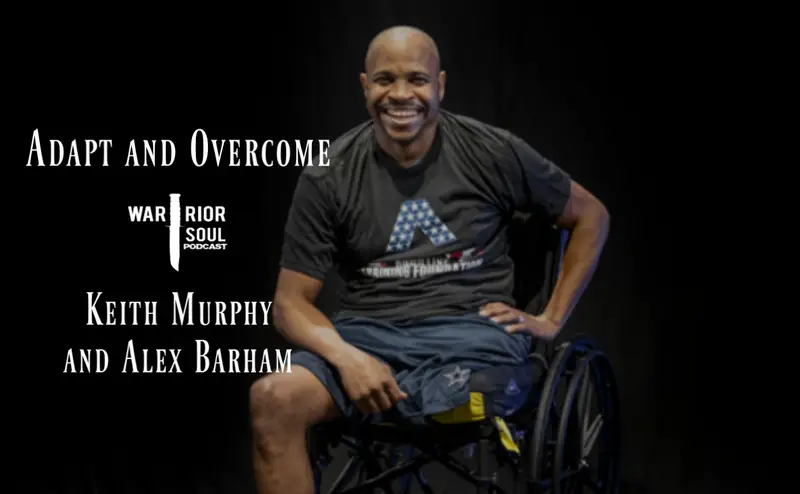
Adapt and Overcome: Keith Murphy and Alex Barham
Hosted by Chris Albert
The Warrior Soul Podcast
The Adaptive Training Foundation empowers those with physical disabilities to empower themselves through exercise.
It’s impossible to know what life has in store for us. Keith Murphy, US Army Veteran, certainly did not know what life had in store for him when he went out riding on his motorcycle one day.
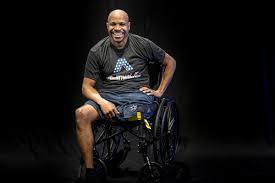
He was hit by a woman who wasn’t paying attention to her driving. He lost a leg, and his life was changed forever. At that moment, Keith had a choice: to allow the situation to break him or to allow the obstacles in front of him to make him stronger.
Luckily, Keith came in contact with the Adaptive Training Foundation, an organization started by former NFL Linebacker David Vobora after he was inspired by US Army Staff Sergeant Travis Mills, a quadruple amputee who lost his limbs in the war in Afghanistan.
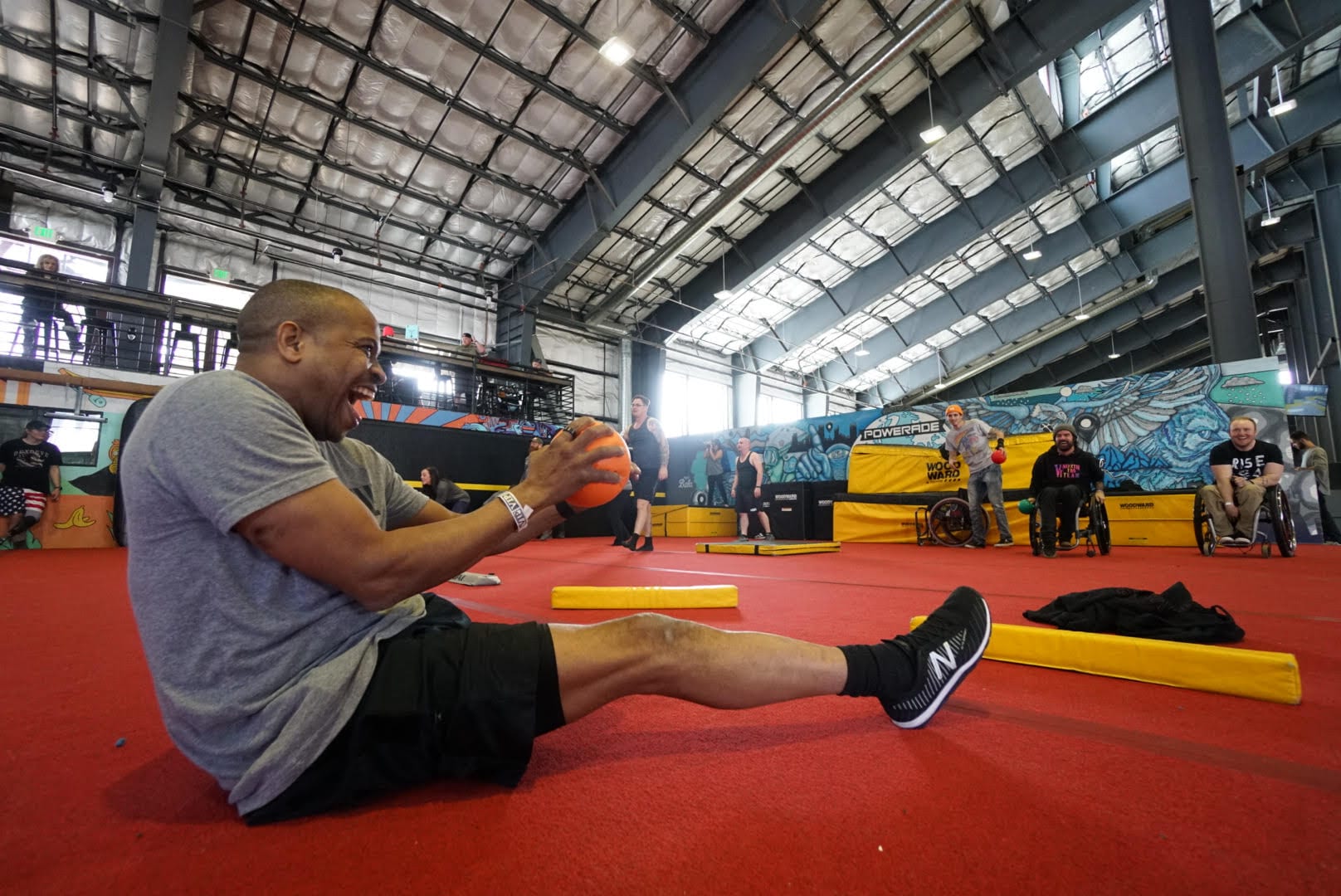
The foundation runs a 9 week course that’s built to empower those with physical disabilities through exercise. In that 9 weeks, Keith was rebuilt and transformed.
Today, Keith is not only continuing his career as a truck driver. He’s running Spartan Races, climbing mountains, and competing in bobsledding because of this amazing organization.
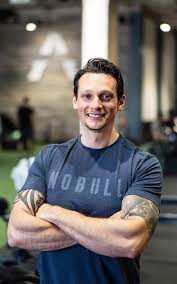
In this interview, we discuss Keith’s transformation with himself and his trainer, Alex Barham, a US Marine Corps veteran who works with athletes at the Adaptive Training Foundation.
You can donate to this amazing cause by heating over to http://www.adaptivetrainingfoundation.org.
Transcript
Machine-generated from the episode audio and lightly edited — may contain errors.
Chris Albert (link to this point)
The Warrior Soul podcast is written, produced, and edited by me, Albert. Our mission is to provide tools, tactics, strategies, and ideas to US military veterans and anybody else willing to listen to help them to navigate toward living their absolute best lives. If you find these episodes helpful, please share them out with somebody that you know of that can use them. And if you really like the podcast, please also head over to iTunes and write us a written rating and review. It really helps us to spread word about the show, and it really helps to get these tools in the hands of others who really need them.
This podcast is sponsored by f bomb nutrition. They make awesome delicious packets of macadamia nut butters. They mix them up with chocolate, with sea salt, with pecan butter. They're absolutely delicious, and they also have a number of other fat fueled snacks, like their meat sticks and their cheese crisps. They're amazing people who are sending boxes of this stuff out to the troops on the front lines, and they're offering 20% off to our listeners on their first orders.
If you head over to www.dropanfbomb.com and use the code Warrior Soul at checkout, you'll get 20% off of that first order. And I'm gonna keep the announcements short and sweet today. You can stick around to the end. I got a really special announcement about a brotherhood that we're creating here at Warrior Soul. So hope you enjoy this episode.
I hope you get a lot out of it. And without delay, let's get into it.
Chris Albert (link to this point)
This is Chris Albert, and I'm here to remind you of one thing. Someday, you're going to die. That's not some morbid statement or scary idea. It's solid fact. Your time here on this earth is limited.
And we need to be reminded of this as much as possible with one simple reason, to live your best life while you can. This is the Warrior Soul Podcast.
You know, in life, you never know what's gonna happen. You can try to get a good idea. You could try to prepare yourself for what's gonna happen, but at the end of the day, you just don't know what's gonna happen. And sometimes life hands us something that is so challenging and so life changing that we end up in a place where we never thought we could be. And that's what happened to mister Keith Murphy.
Keith is a US army veteran. He got through his career. He started a new career as a truck driver. And one day, he was out riding on his motorcycle when his life changed forever. He was hit by a woman who wasn't paying attention to where she was going.
He lost a leg and literally his life was transformed as was his body. But Keith, like everybody who's put into a situation like that, had a choice. He could have either let that situation break him or he could use that situation to strengthen him, to refine who he was, and to put him on to a new path. And with the help of the Adaptive Training Foundation, Keith found a new lease on life. Today, he's competing in Spartan races and he is a very, very active person, really inspirational guy.
And we brought him and his trainer from the Adaptive Training Foundation, mister Alex Barham, who is a US Marine Corps veteran, to talk about the work they're doing there. You're gonna get a lot of inspiration from this. You're gonna see that Keith chose not to let his limitations get in the way of living life. And I hope that you guys make the same choice along your way and that this episode gives you some fuel to be able to do that. So without further delay, let's get into this conversation with mister Alex Barham and mister Keith Murphy discussing the great work that the Adaptive Training Foundation is doing and the amazing paths that these athletes are taking.
What's up guys? How are doing today?
Keith Murphy (link to this point)
Morning. How are doing this morning? Hey Chris. How are you doing?
Chris Albert (link to this point)
I'm doing good. I got a I made a big batch of bone broth last night. Good.
Keith Murphy (link to this point)
Good. Good.
Chris Albert (link to this point)
Put that together helps give me energy, helps me to heal the interior lining of my intestinal tract and it's delicious.
Alex Barham (link to this point)
Oh yeah. What'd you cook it off of? Turkey, chicken, beef?
Chris Albert (link to this point)
No, I got some beef bones, beef marrow bones that I put in there. I got some ginger, got some turmeric.
Alex Barham (link to this point)
Oh, there you go.
Chris Albert (link to this point)
That's beautiful. All that stuff.
Alex Barham (link to this point)
Some natural antibiotics, that's perfect.
Chris Albert (link to this point)
Oh yeah, man. Yeah, it's good, man. So as far as everything goes, for for everybody at home, we'll start with Keith. Tell us a little bit about yourself.
Keith Murphy (link to this point)
Alrighty. I am Keith Murphy, US army veteran. I'm a husband, been married for thirty one years, father of four. I have four daughters. So, yeah, I live in a house with five women.
Yeah. Also have two grandchildren and grandson that'll be four in February and a granddaughter that'll be two on the sixteenth of this month. Yeah. And as far as my professional, I'm a truck driver by profession. And, I work basically on road construction here all over, I can say America because I've worked in California.
I've worked in Texas, Louisiana, Mississippi, Arkansas, Alabama. It's kind of regional, but it's not regional because once I made it to the West Coast, I'm like, this is out of our region because it was a long ride. That's who I am.
Chris Albert (link to this point)
Nice. Nice. And how did you and Alex hear me?
Keith Murphy (link to this point)
Well, me and Alex met at the Adaptive Training Foundation, and I came to be at that place because of an accident that I had about a year and two months ago. I was out riding my motorcycle on a Tuesday afternoon, didn't have any loads to take that day. And a lady ran a red light and she hit me broadside. And I broke my hip, broke my pelvis, broke my back, dislocated shoulders, seven broken ribs, lacerated kidney, collapsed lung. Oh, and my leg was amputated too.
So Just, oh yeah, just forgot about that. It was a pretty rough Tuesday afternoon. And when I woke up out the coma nine days later and seeing what situation I was in, I was given some pretty bleaky grim news. They were telling me I would never walk again and never do this again, never do that again. And I was being spoon fed, and I didn't even have the capacity to push the buttons.
I was right across away from a nurse's station, and maybe I would just call out, hey, I need this, or hey, I would need that. And I can only move my head and my neck, but from like right the top of my chest all the way down, I couldn't feel or move anything for about six weeks. And when I started to get feeling and stuff back, I was ready to make my move out of the hospital, first of all. They wouldn't let me go because I couldn't go to the bathroom on my own yet. Still was I was transferring from the bed to the wheelchair, but not like they wanted me to.
I was still kinda struggling with it a little bit because I had lost 50 pounds and a whole lot of muscle. So I was I was weak and, you know, lethargic, but I was still in my mind thinking that I wasn't gonna be what they said I was gonna be. So I got out of hospital in, mid October and I kinda sat around for a month and couldn't take it no more. And I went to the gym. My wife wheeled me up in into ATF.
Just felt it was somewhere that I needed to be. It was something about the place itself.
Chris Albert (link to this point)
Just What what is an ATF?
Keith Murphy (link to this point)
It's the adaptive training foundation, and it's a gym that's geared toward helping people with disabilities. I mean, we have all kinds of people here. Parkinson's disease, MS, amputee legs, amputated arm, amputated arms and legs on one body. I mean, we've got people here that like, all he's got is one arm. You know, some guys here, they got arms, but they're, like, really, really short.
So, I mean, we have a whole lot of adaptive situations here. Yeah. I mean Yeah. Like, my leg is really, really short. I think my leg's probably about the length of the seat belt that Are holds my
Chris Albert (link to this point)
you amputated above the knee or below the knee?
Keith Murphy (link to this point)
Yeah. Way above the knee. I think my femur's probably three inches long.
Chris Albert (link to this point)
Three inches long. Gotcha.
Keith Murphy (link to this point)
Yeah. Yeah. I mean, literally my left leg is about the length of a ballpoint pen that you hold in your hand.
Chris Albert (link to this point)
Wow.
Keith Murphy (link to this point)
Yeah.
Chris Albert (link to this point)
And how long between the time you got amputated up to you went to the adaptive training foundation? Like how'd you find out about it? Did your wife find out about it?
Keith Murphy (link to this point)
Oh, it was some pamphlets in the, the, I guess it was the intensive care place I was in because my daughter came in with it, my second daughter. Because she was at this point trying to get me to read and just trying to keep my mind off of the situation at hand. So I read about it and stuff, like, put it in a footnote in the back of my mind that I was going to go to this place after I got out of here because they were thinking that I wasn't gonna get out, but I was thinking I was because I had a plan. I had a plan. Even though some nights I thought the plan wasn't gonna go through because I wasn't moving.
I couldn't feel nothing, you know? But slowly but surely, I got the feeling back. And when I came here, it was the place that I needed to be. Now the the building itself, it spoke to me before I even got to talk to anybody here. The building said something to me.
Was just I felt like I was where I needed to be. And then I met Hunter Clark, and he talked to me about what this place was and what he could do for me. And I was like, sign me up. And the ironic part about it is the class that was about to start that I wanted to be in, this was the last day for sign up, and the person that was going to sign up had to be a veteran. So it was everything was just lining up like it was supposed to be in order for me to be here.
And I came in and it was talked about a nine week program, but to me, nine weeks was just the tip of the iceberg. I was just actually getting warmed up to get started, to get on the path that I was trying to get on. So I stayed for nine months. And every yeah, day in and day out, every day for nine months. And this place, man, it rebuilt me, man.
It really did. I mean, I have been able to do so much that they said that I was not going to be able to do that. I mean, man, my Facebook page is like watching a long movie, man. I mean, it started last August, and it's still continuing right now. It's like the movie turned into a weekly episode.
Just tune in to see what happens next week.
Chris Albert (link to this point)
That's awesome. That's awesome. Now, Alex, you are with the Adaptive Training Foundation. Tell us a little bit about yourself.
Alex Barham (link to this point)
Yeah, correct. Well hey everyone, I'm Alex. I was a Marine for six years in the infantry. Spent some time in the Embassy Security Guard as well in Egypt and in New Zealand. Then I joined a special forces unit.
And I've always been, into physical fitness and therapeutics and stuff like that and just how to optimize the human body. And that eventually led me here just through schooling and stuff like that. So the Adaptive Training Foundation is a nonprofit that caters to anyone with a physical disability. And it's completely free to them. They just come in, they apply.
We have around 15 spots per nine week class, so we take four classes every year. And We use our scientific research and data just to help show people, Hey, look, whatever the doctors said isn't necessarily the end all be all state of what's possible for you now. Like they told Keith he wouldn't walk again, he wouldn't stand up again, he wouldn't be able to do certain things. This guy uses one leg now better than most people use two. So what we really do is we first remove the barriers that the medical industry put on someone and then we help them discover what their body is actually capable of and show them how to interact with their environment on a daily basis.
Chris Albert (link to this point)
Nice. Now, so obviously they want to give you a few blue crayons in return for the work that you do for them. No, I'm just kidding.
Alex Barham (link to this point)
Yeah, well as a marine I do specialize in eating crayons. Yes. Only the red ones, though.
Chris Albert (link to this point)
Okay. I like the blue ones. So I've seen some amazing things happen when it comes to people who've been through things like this. I had on a gentleman named Rob Jones a few weeks ago. Rob is a double above the knee amputee.
He went on to run 31 marathons in thirty one days, bicycled across country
Keith Murphy (link to this point)
Wow. Winners. Yeah, crazy, crazy, right?
Chris Albert (link to this point)
I'm trying to get myself to run a little bit more. Two legs, right? But but you know, the thing is, it seems like people who go through a situation like this, if they can take the right mindset into it, capable of some amazing things. Keith, what do you think that was with you? Did you have any moments where where you felt bitter, where you felt like, okay, what the heck's gonna happen now?
And and was there a transition there for your mindset?
Keith Murphy (link to this point)
Yes. I was was PO'd. I ain't gonna say the real word, but you know what I'm talking about. I was like really, really mad about it. And this place, Adaptive Training Foundation, they deal with that, like, right up front because part of our programming when we come here for our class, the first fifteen minutes before we start to work out is work the mind.
We sit and we relax and we listen to some nice soft music, some soft lighting, and we relax. I mean, we really concentrate on the mind. And we have a coach. We have a mind coach, and we get after that part of it first. And at the end of each workout, we have another fifteen minutes of decompressing the mind once again.
And that led to me letting some things go. We have what we call a root need. Now I think it was in the first, maybe it was the second, the second week we were here. Week two. We have, like, a meeting, like, after we worked out and everybody's went home and, you know, it's seven, 08:00 at night.
We're all at the gym as a class together with our some of our trainers were here, but it was mostly just us. It was one of those just let it out. Tell what's wrong with you and what you gonna do about it and what what's just let it all out. And for me, that night, I was able to let the lady who hit me just I'm sorry that you hit me and that you never said you was sorry, never came acknowledged or nothing. But you were going to have to deal with that because I have no more time to ways to think about you because I have more important things to think about.
First and foremost is rebuilding my body and restructuring myself. I am now forgetting you and letting you go and moving on with myself. That's where I was with that. And I just I had something that I wanted to accomplish and I didn't have the time or the energy to waste on being mad at a person that I didn't even know. My wife said it best.
She said, you're going around all bitter, and you're going to let a woman that you don't even like or even know take you away from me. I because was thinking about stupid stuff, you know, retaliation, doing some you know, even if it ain't nothing but accosting someone yelling at them, that's still against the law, you know? If you could do do something and get in trouble, which she was right because when they call the police on you, they are going to arrest you whether you like it or not. And if you act bad, you might not get arrested, you might get killed. She was right.
So I just I had to wash my hands with her, man, and let her go and she's the one that hit someone and didn't do anything to acknowledge it. She don't have to live with that no matter what she says or how she acts. Whenever she looks at herself in the mirror and when she's alone, she knows what she did and she knows what she didn't do. And she's the one that has to deal with that. Not me.
My energy was focused on making myself better and accomplishing things that they said that I couldn't accomplish.
Chris Albert (link to this point)
You know, that's so profound because I think whether we've been hit by somebody, by a car or whether we've had something happen, we all do that, right?
Keith Murphy (link to this point)
Right, right. You get mad, you get mad.
Chris Albert (link to this point)
And you sit there and you're like, well, I bet that person's happy right now or I bet that person's enjoying themselves right now and you're seeing that in your own head, right? And the reality is that person, they're probably going on with their lives, they're probably doing other things and so what, Right? You've got a job and that job is to look after your own life sell forward. You know what, with all these things, the time we live in right now, I mean we sit here all day long bickering back and forth over politics, over all these crazy things, and the reality is that a lot of people are really worried about what other people are saying and doing, but not worried about what's important, which is moving their own life forward.
Keith Murphy (link to this point)
Correct. Oh, for sure.
Alex Barham (link to this point)
It's like what we try to say, what we really try to impart and Keith really kind of latched onto it at a level of forgiveness with this woman that's like, I think, hard for a lot of us to grok with and understand, but we really try to teach everyone like, look, don't give the other person the power over your life. Why are you allowing this person to determine not only how you feel, but then how you're going to interact with other people? Sometimes you're pissed off about something, you meet someone and they're like, how's your day? And you start yelling at them, you know? And I think we all kind of deal with that as best.
I mean, I know I can like be driving somewhere and I'll start talking myself up about something in the car and then all of a sudden I'm like, what the hell? Like how am I so pissed off right now? I'm about to go see my wife and instead of greeting her and asking her how her day was, I'm so wrapped up in my own stuff that I can't even reach outside of myself and acknowledge another person the way they deserve to be acknowledged. It's like this long journey. We only take fifteen minutes a day so that people can practice it very incrementally, but really it teaches you how to keep control of your own life and not give other people power over your actions or your words or your emotions.
Chris Albert (link to this point)
Yeah. There's another danger there too and maybe for the people who hadn't been hit by a car, maybe they got Parkinson's disease or MS or something like that And then your battle is with God. Oh yeah. That's a harder battle to deal with because
Keith Murphy (link to this point)
He gonna win.
Chris Albert (link to this point)
Yeah, exactly. Whether in your belief system it's God, creator, universe, world, whatever it is, if you're blaming God for your situation, you know, it's a wrestling match you can't win. You'll never win and if you carry that bitterness around in your heart, then it's gonna be with you for the rest of your life and it's gonna limit you for the rest of your life.
Keith Murphy (link to this point)
Yeah. I felt like God loves me to the point that he already had my life mapped out before I was in my mother's womb. So this happening to me was just something that was a part of his bigger plan to maybe this happened to me to put me on the path to help someone else. And it's only been a year and I've already helped people that I didn't even know I helped. But it's been coming back to me to let me know that I helped them both indirectly and directly.
And I trust and believe in him and just because I had two choices. I could I just what gets me is like, I don't even know what this thing is called. It's I call it a big kite. But you you get on this big kite and the boat takes off and pulls you, you go over there and you're screaming and having a great time. Right?
I'm thinking eight months ago, I was laid up and I couldn't move. And now I'm in Santa Monica Bay screaming behind a boat on a giant kite having the time of my life. That's choice a. Or you can have choice b, laid up in the bed back in Dallas, Texas talking about why they hit me and why this happened to me. Them your two choices that you had right there.
So I'm a go with a because it's gonna be a no for me on the b. I don't wanna sit back and talk about why I always be. I like having fun on the giant kite, man.
Chris Albert (link to this point)
Right, exactly. And that is a choice. I mean, if you there's this amazing book I think everybody needs to read. It's called Man's Search for Meaning by Viktor Frankl And it details his life. For three years, this man endured the Nazi concentration camps, witnessed countless murders, lived in absolute squalor, covered in filth and excrement and all these different things.
At the end of it, when he finally got freed, he comes back to Vienna and he finds that his whole family had been killed. And so the idea of the book is how does a person go on? How does a person continue despite all that happening? And the lessons he brings is that, number one, it's a choice. And it's a choice, we can't control what happens to us. How we respond to it and how we let it affect us. In order to get through something like that, you gotta bring meaning to the suffering, right?
Keith Murphy (link to this point)
Mhmm.
Chris Albert (link to this point)
Higher meaning attached to it. And you know, for you that looks like it's your faith. And I think that that's a big argument religion in our society to bring meaning to this life and bring meaning to the suffering. But beyond that, I mean, it's also regardless of what happens to us, if we're out there just chasing bulls with no meaning, then we're not going to get anywhere. We're just going to be chasing around in circles.
But if we look at our lives, we look at those obstacles in front of us and we start to feel gratitude for those obstacles and we figure out a way that we can use those obstacles to help others, then that's amazing. That's amazing.
Keith Murphy (link to this point)
That's it. That's it, exactly. That's it, right there. I mean, I'm taking what has happened to me and using it to help someone else. I mean, like tomorrow, I got a doctor's appointment to go see my doctor.
Every time I go to my doctors, I go back to the rehab that I got out of and I see somebody who just got their leg cut off. And I say, hey, it ain't what you think it is. Don't have your head down because you hurting and you're in pain right now, but I'm a tell you, it's a big party in a couple months, but don't let your head be down. And I go and I encourage these people because there was nobody there to come talk to me. And I can remember how sad I was when I woke up and my leg wasn't there, It was devastating, man.
It really was. But at the same time, I had two choices. I can keep going down the devastation hole where I can say, okay, hold up. Let's turn it around. Even though I don't have a leg, what can I do now that I don't have a leg to keep moving forward?
Can I still work? Can I still do this? Can I still do that? Even though they're saying no, I'm saying yes, I can. And I'm I'm all on the Internet trying to find out how you can do this, you can do that.
Like, how much is cost in the bathroom change? I mean, things that my wife was like, why are you checking all on all this? Because I'm like, It's not gonna grow back. And I'm like, We might as well catch it right up front and deal with it, hit the ground running instead of laying. You know, I just think trying not to hit something head on is the worst thing in the world to do.
When you try to avoid something, it's not gonna go away. It's gonna still be there. And the longer you take to face it, the harder it is gonna be to face it. It's like with me jumping straight into it, I didn't get to develop any bad habits, so to as in like hopping around on the leg. You know, I always use the wheelchair and, you know, getting with somebody like these people that know because they dealt this isn't their first amputation.
I'm not the first guy to lose a leg. These people are are well versed in how to help people that are in my situation. So I listened to them and I did what they said because they know what they're talking about. I didn't. I'm brand new to this.
So with all these people around me helping me and pointing me in the right direction and I'm doing what they're saying, I didn't have a chance to get to the side. And to get to the side is when you sit and you lull. You can't just, oh, why did this happen? When you do that, that gives the bad habit a course in a route into you. The thing to do with something like what happened to me happens to someone or happens to you, you need to get immersed in a community of people that are like you, because they can help you.
You know, it's nothing like talking to a guy who hadn't had a leg in ten years about how he does things because this ain't his first rodeo. He know what it's like to walk outside on ice with one leg because he's done it. I haven't. This is my first freeze. So I need to talk to this guy so he can tell me how to do this, what not to do, things about getting in and out of the shower.
I mean, it's all kinds of little information that you can get from people who have actual hands on experience, no pun intended, that can help you. But you can't isolate yourself away and think that you are going to know it all about something that you have no idea about because ignorance is not a bad word. It just means that you don't know. Right.
Chris Albert (link to this point)
All right. Exactly. Exactly. How do most people get in touch with the foundation? How do they come to you?
Alex Barham (link to this point)
Actually probably most of it is word-of-mouth. We do have an Instagram page and a Facebook page and a YouTube channel and a website. Anyone who wants to apply can go to our website and click the link and fill out their situation and what's going on and stuff like that and we'll get back to them. But, yeah, really, it's it's mostly word-of-mouth, you know, which is
Keith Murphy (link to this point)
Word-of-mouth and then, like, clicking on the link and stuff, that was I I couldn't even lift my hands above my head, man, but after I seen the I needed to come here. And once I came, I was I didn't leave. Like I said, I stayed here for nine months. And the only reason why I left the gym is I had been off work for fifty five weeks. I was capable.
I'm strong, and I didn't wanna run out of money, it's time to go back to work and start generating some income and putting back some of the income that I spent during my recovery.
Alex Barham (link to this point)
Yeah, sure. But what are you doing now? What are you getting ready to go do this weekend?
Keith Murphy (link to this point)
I am finna go to Spartan in Laughlin, Nevada. The championship is this weekend. Man. There's a $10,000 prize down there for first place, and I think my name is on it. I really do.
I'm gonna go find out for sure, though. That sounds awesome. Yeah.
Alex Barham (link to this point)
So we bring people in here and there's definitely an ATF tribe here, but the biggest thing we do, we end every class we do by taking that group of people out somewhere else in the country, to Tahoe, to Utah, to California, And it's like, cool, use what we helped you attain now. So once you start using it, it's not like we're bringing you here to keep you at the gym. Mean, one, it's a nonprofit, you're not paying us anything anyway. Right. Right.
We're just we're just setting you up with a foundation and then showing you, hey, there's Paraspartan, there's Paralympics, there's like, you know
Keith Murphy (link to this point)
But you have to be willing to wanna do all these things like me. I'm a guy, I'm from Texas, native. I'm from here. We don't have mountains. We don't have snow.
But I got out there on the mountains and fell in love with it, man. I I sit in a chair and I go down the mountain. I'm shredding up and down the mountain, sitting in a chair with outriggers in my hand, and it's it's the best. It's exhilarating. It's fun.
But you have to be in shape because it's it's work, but it's fun. And the I'm with the team for United States Of America, go USA, And I I do Paralympics. I do, like, the the Spartan events, the Tough Mudders. I've participated in those, and there have been people come up to me and they're like, man, I couldn't quit once you passed me. Know, it's like a guy with one leg on crutches just passed you up on the obstacle course.
You can't stay there. You finished throwing up and come on. Yeah.
Alex Barham (link to this point)
And it's not just that end of the spectrum. You know, there's a woman in our class right now going through, just to use a recent example, she was sitting in the back of an Escalade and she was crushed by a pickup truck. Spinal cord injury came in quadriplegic, been working with her, been spinning her up. She started walking again, she started moving again, but her left arm was still hemiplegic and that just means it was paralyzed, right? Like no feeling, kind of like a stroke victim. And so her biggest thing was she was like, Look, I just want to be a good mom again.
I wanna be able to pick my kids up, I wanna be able to go home and take care of my two year old and my three year old and help them grow. So she's not really looking at Paralympics and Paraspartan the way Keith is and I'm glad he fell in love with that, know, but she just wants that freedom and autonomy to be able to walk home and use both of her arms to pick her child up again. And the other day, rather two weeks ago, we returned function to the arm and we've been strengthening it and she just picked her kid up with two arms the other day. Yeah, see that's That's what we're talking about right
Chris Albert (link to this point)
amazing and that, you know, I mean that goes back to that idea of meaning, right? Get every year, I mean we've got New Year's coming up in a couple months, right? So every year people set goals, right? And first of the year or January 2 you'll see the gyms packed, right? Be tons and tons of people in the gyms.
March 1 you'll see most of those people gone, Right? Now why? And the reason is because they'll set these goals because they'll think six pack abs bigger squat or something like that is gonna give them a bigger sense of self worth. But most of them give up because they can't find a real meaning behind the goal. Be able to say, hey, wanna lift my kid up.
Or or hey, I want to be able to show people that a man with one leg can compete complete a Spartan race. Not only complete a Spartan race but win. That's meaning.
Keith Murphy (link to this point)
That's meaning.
Chris Albert (link to this point)
I think a lot of us, the lesson for everybody at home, again, regardless if you're in this type of situation or not, whatever you're gonna pursue in life, make sure there's meaning behind it
Keith Murphy (link to this point)
Oh yes.
Chris Albert (link to this point)
If there isn't, you'll give it a go.
Alex Barham (link to this point)
For sure and to your point for anyone listening, because those things can be daunting. It's like society has kind of put these left and right lateral limits on us to be like, this is what fitness is. This is what it means. This is how it's expressed. This is how it's defined.
But I look at all of that and I'm like, hey, are we all part of the same species? Like, are we all humans? Like you show me the hunter and gatherer who is doing a back squat, you know? Like no way. Like for me, when I work with anyone, whether they're disabled or not, I look at them and I say, hey, look, are you a human?
Your everyday life should be pain free. That's a good goal right there. Like just be able to move, make sure your clothes fit well. And if you start measuring success by, do I feel good and do my clothes fit well? Everything changes and you start finding more meaning in things.
And then the world starts to open up a little bit by little bit. You're like, wow, maybe I will do rock climbing for a little bit. Maybe I'll go and get back into volleyball. I haven't done that since college. Maybe I'll, you know, start riding bikes with my grandkids or whatever it happens to be, you know, and meanings in movement and meaning is interacting with each other.
Chris Albert (link to this point)
Hey, guys. I hope you're getting a lot out of this interview.
You know, the Warrior Soul podcast is built with the mission to empower its listeners to live absolutely epic lives. And that's why we recently created a group called the Warrior's Obituary Society. This group is built to empower its members to live epic lives worthy of epic obituaries. And it starts with an eight week development program. And with this development program, what you're going to do is you're going to outline a vision for your life.
You're going get very specific about what you want. Because without that specificity, you don't know where you're going, and you don't know what you're doing. From there, we help our members to develop specific goals, objectives that they are going to push toward, and that their fellow members of the Warrior's Obituary Society are going to hold them accountable too. From there, we're getting down into specifics. We're going to help you to develop and customize your own personal fitness and nutrition plan to help to fuel your body and fuel your mind for the quest ahead.
From there, we're going to work on your personal finances. We're going to help you to knock down debt. We're going to help you to start saving money and to create a plan so that you can start investing in your dreams. Then we're going to get into your business and career. We're going to help you to develop the skills that you need to develop yourself so that you can have a major impact in the field you choose.
If you choose to go into business, we're going to help you to set up the foundations that you need to create your own company and get started on your path in life. From there, we're going to be working on your relationships, we're going to help you to develop a world class network, and all along the way, you're going to have your fellow members of the Warrior's Obituary Society pushing you in every single area. We meet once a week over a live call and we're constantly communicating over our own private forum on Slack. We don't do anything over social media and that's because I don't want anybody feeling like anyone's looking over their shoulders, and I don't want you exposed to the crazy distracting alerts that you get on Facebook and some of the other social media platforms. Normally programs like this cost thousands of dollars.
This one does not. For the price, it is the best development program on the internet. And that's because our mission here at Warrior Soul is to empower people to get more out of life so that they can in turn make the world a better place. We've got a great mix of active duty military, US military veterans, and civilians in this group. We wanted to keep it really eclectic so that we get a lot of different types of views up there and a lot of different people with different areas of expertise.
If you think that this is something that would be of interest to you, and that this is something that could empower you to live your absolute best life, head over to www.warriorobituarysociety.com. That's www.warriorobituarysociety.com. And you can sign up today. And if you have any questions about it, just reach out to me at chris@warriorsoulagoge.com. That's chris@warriorsoulagoge.com.
I'm happy to even sit down with you for a phone call for a few minutes to see if the group is right for you. I look forward to seeing you guys in there, and let's get back to this awesome interview. Keith, are you still driving trucks?
Keith Murphy (link to this point)
Yes. Awesome. Yes. Awesome. Went back to my exact same job, same company, everything. Doing the exact same thing I was before it happened, and that was, like, part of the meaning.
It's like, they said that I couldn't. And it's like, I'm going to because you said I couldn't. Mean, it's like, I would actually really rather have another job, but since you said I couldn't do this one, I'll show you. It's kinda like, I can show you better than I can tell you. You know?
I don't have to tell you that I could drive trucks. When you see me pull up in and drop the load off, it'll be obvious that he can drive trucks.
Chris Albert (link to this point)
Awesome. And and do you find do you find greater enjoyment from the job now than you did before? Has that changed? Has that, is there is there a greater sense of gratitude there?
Keith Murphy (link to this point)
Well, now there is a sense of appreciation. Mean, at first, I had been on this job six, seven years, you know, go to work, go home, go to work, go home. But now when I'm at work and I'm cruising down the highway and I got my load, my mind is more directed of how much I appreciate just having a job, how much I appreciate being healthy, having 20/20 vision to see down the road. I mean, I think about all kinds of little bitty things that a lot of people take for granted that, to me, it's not for granted anymore. I really appreciate being able to breathe on my own without pain.
It's just I I came from a long way back and had the option or how do I wanna word this? I had the opportunity to know what it's like to not. I've I've I've had the best of both worlds. I I know what it's like to have, and I know what it's like to not. And not have not, but to not.
There's a difference between, oh, he didn't have it or not. It's like, I wasn't moving because I couldn't. It wasn't like that he had the opportunity to move. He doesn't possess the opportunity now because the nerve endings don't work. So you're not.
Not a have not, but you're not because you're not doing anything. But I've also known what it's like to be fully functional. Mhmm. And now I'm what I call in the happy middle. I am fully functional, but I'm missing one part.
So it's not like I got the total package, but I know what it's like to have the total package. And I know what it's like for nothing in the package to work. And being in this happy middle right here, there is a lot of things that I appreciate. Like I said, man, I appreciate just being able to sit up and swing my legs over the side of the bed because there was a time that not you are not sitting up and you are not swinging your legs over the bed. I don't care how bad that you want to.
And some of those days that I had alone by myself to where my mom wasn't there, my kids weren't there, my friends weren't there, I was just alone in the room looking at the ceiling tiles. There is a humbling that comes about you, especially when you don't know if you'll ever get the fully functional or the happy middle back again. I mean, man, for me to pick up a glass of water one time was a joy because the not part is really, really tough, especially if your mindset doesn't have you to have the faith to think that there's going to be a happy medium or fully functional again. If you don't think it's going to happen, man, that could I already know how dark it was for me, but I had the glimmer of hope that I'm going to be fully functional again. Mhmm.
But had I not had that, I just think about how much darker could it have been. I mean, because I I I it make you cry. Dark darkness is where I've been. But to, you know, to come back to where I'm at now, it's just like the Lord looked at me and said, I told you so. I told you I'd never leave you, never forsake you, but it was up to you to believe and trust in me not to leave you or forsake you.
Because when you thought you was alone, I was the one that was holding you up. I was the one that made you think that you was gonna walk again. I was the one that put the thought in your mind to let you know that you was gonna do something again. All of my days and all the hairs of my head, and my head is pretty, are counted by the Lord and numbered. He knows me inside and out.
God love me more than I love me. So with me knowing that, man, it gives me a faith that when something is hurting me, when something I don't feel like I can go on, I can always just have that glimmer and know that it's there. That's what gives me my strength, man. That's my superpower, man. Let me know that I'm gonna do anything, man.
Anything they say I can't do. When I got here, I couldn't put my hands above my head, but I have enough strength in these little toothpick arms where I can climb a 20 foot rope up, back down, back up and back down again, controlled. This all just I don't have no leg to help me. It's all arms and muscles in the chest, midsection, core. And I got all that from this place.
And they said you weren't gonna be able to do this. But to me, it's all up to the individual. Because the very first day I rode off the elevator at rehab and I didn't want to go, but I realized that I was in a lot better shape than I thought I was because I see people that had two legs, but they didn't work, two arms, but they didn't work. The only thing that worked was their index finger and their thumb, they're somebody had to help them get dressed, somebody had to help them go to the bathroom, somebody had I mean, it's a whole long, drawn out deal, man, and my whole mind changed about everything and all that. Man, I got one leg.
How am I gonna do this? Attitude went I guess it caught the elevator to the basement, man. It must've stayed on the elevator because it didn't get off of me. My whole attitude changed just by getting off the elevator and looking at, oh, wow. It's something to see to be in a rehab center, you think you got it bad and you see 50 more people that's got it 10 times as worse as you.
It's like, well, I'm really actually taking up space. There's people in here that need this place more than I do. I really need to be packing my stuff up, getting out of here. And that's what I did. I packed up, got out, and I moved into this place, man.
Chris Albert (link to this point)
That's amazing.
Alex Barham (link to this point)
That's good.
Keith Murphy (link to this point)
Good. For real, man. For real. That's basically what happened.
Chris Albert (link to this point)
Are you still riding motorcycles?
Keith Murphy (link to this point)
Yep. Got a nice RT-S Spyder. Two wheels in the front, one in the back. Heated hand grip so I could ride when it's cold. He didn't see some of buzz, stay toasty.
Yeah.
Chris Albert (link to this point)
Was there, was there any initial fear on getting back on?
Keith Murphy (link to this point)
I would be lying if I said no, but there is something in me that pushes harder than the fear because when I was in like, I got hit in August, and I didn't get out of the hospital till mid October. I came to the gym in December, couldn't put my hands above my head. Before class started in January, I had already went out and bought a motorcycle because I was coming to the gym in December trying to get ready for the class in January. And there was another trainer here, her name is Billy. She got me to where I could put my hands out in front of me and that was it.
I went and bought another motorcycle and continued to ride. I rode up and down the, what do you call it, the surface streets for a while before I got on the highway. And the crazy part about it, I got hit on the surface street. But I wasn't ready to go above 40 or 50 miles an hour for a while. And once I got back out on the highway, it was back to just like riding a bike again.
It's normal.
Chris Albert (link to this point)
Did your wife wanna kill you?
Keith Murphy (link to this point)
Yeah. She's man, she's been with me for thirty one years, and she pretty much knows that it's in me. I've been riding all my life. When she met me, I was riding. So she knew it.
Yeah. She was just amazed, though, didn't think that that I would because it was such a catastrophic accident right in the intersection. I mean, bam. T boned me. Did a lot of damage, you know, lot of damage.
But I feel like not only with God on my side, but because I wanted to recover and because of all the people that I had around me, it went really quick because, like, right now, to this day, we're looking at a year and two months from impact. That's crazy. That's crazy. Yeah. I've done so much.
I mean, Alex himself, I was trying to climb a mountain, and when I got tired, he literally, literally put me on his back and took me to the top of the mountain. And this was, like, 11,000 feet, so we're talking a couple miles up. The air gets thin, but he took me all the way, man. Yeah. So and it's amazing.
We were walking around. I forget what little town we were in. They were talking about we might go to a lake. So I wheel my wheelchair around over to the to the sporting goods department and I buy a life jacket. And they was like, where are you getting that for?
He goes, let's say, if we get about some water, and my buoyancy ain't as good as it used to be since I lost my leg. So when we got to the top of a mountain, there was this beautiful lake, man, that was like a snow melt. The mountain snow had melted and formed the lake, right? And it was beautiful, man, who was the first one off their horse down the side of the rocks with shorts on and a life vest and into the water? Who do think was first?
Chris Albert (link to this point)
You jumped in there.
Keith Murphy (link to this point)
Yeah. Jumped in the lake, man, invigorating. It was nice and cold. Was like cryogenic. Just knocked all the pain and creeps and cramps out your muscles.
After I froze and my lips started to turn blue, I got out and climbed back up to the top. It was just, you know, to sit back, man, and look out across the mountains, man, and look at this water and stuff and, you know, they didn't told you a few months back that you will never walk again and look what you just you just look what you just did. Yeah. Yeah, man. Yeah.
We've had some great times, man. And, like I say, it's just the beginning, man. It's just only a year ago, man. Just a year ago. And, like, I've been to a bobsled camp twice.
I missed the national teams, man, by, like, one point two seconds, man. But I wasn't really ready because that schedule is so packed. Like, they're gonna take out. I wouldn't be able to do this event. I would be on the way to Norway.
Mhmm. That was the bottom lane because, like, I just started this sport. The guys that beat me out, they've been running for three, two, and five years, and I'm already on their heels. They've been in the sport that long, and I've been in the sport, I could say, basically a week. I've I've probably got maybe 30 or 40 trips down the track, they've got, like, three or 400 trips down the track.
But I'm only a second behind them. And we don't even weigh the same. They got me, like, 40 keys on me, man. Yeah. I'm serious.
If we all weighed the same, man, literally and truly, by my calculations, they should be beating me by four seconds, three at least with the way things are set up. By they outweighing me like they do and the experience that they have, they should be at least three to four seconds in front of me. But they're only one in front of me. That's amazing. Oh, yeah.
I'm I told them I'm coming. I gotta go. I'll be back in camp in March, but I'm coming for I'm I'm coming for somebody's job. I love y'all. Y'all my friends, and we we be roommates, but I'm looking for your job.
Okay. No.
Chris Albert (link to this point)
Gotta gotta get after it, man. Gotta get after it.
Keith Murphy (link to this point)
I'm trying to get to Beijing in 2022. That's the whole purpose of it. That's the whole purpose. I would like to yeah. I'm trying to get a gold medal, man. And they got me So a better
Chris Albert (link to this point)
people are applying, where can people go to apply to the program? Do you have to be located in your area or do you take people nationally?
Keith Murphy (link to this point)
Everywhere. International too. I'll let Alex tell you, but we just had a guy in the last class. He was from Canada. Was real cool.
His name was Tyler. But yeah, man, go to the website and apply. Ahead. You're doing great, man. Go to the website and apply.
And it's it's on a case by case basis. You put in your application, they'll review it, and somebody will contact you. And y'all will talk things over and see if it's a good fit. That's pretty much it, how it works to get in here.
Alex Barham (link to this point)
Yeah, so again, it's nonprofit, so everything's paid for for that person. The only thing we can't pay for yet is the plane ticket to us. So as long as the national athlete inside the Continental United States or the international athlete, we currently have someone from London, can get the plane ticket here. Everything else is paid for, your training, your food, your lodging, all of your auxiliary activities like going to adaptive rock climbing, adaptive horseback riding, skiing, surfing,
Keith Murphy (link to this point)
surfing. Yeah, everything. It's all paid for for you to include your food and your lodging.
Alex Barham (link to this point)
And, yeah, it's just that one plenty.
Keith Murphy (link to this point)
So But you do have to pay. 100% effort each and every time you come in that door every time. Nine week commitment. Do not miss three times a week, two hours a day. And extracurricular activities during the week too, such as rock climbing, equestrian, kayaking, snow not snowboarding.
Well, that'll come at the end of the class. What he called it? Wakeboarding, like out on the lake. But, yes, there's a lot that goes on here. It's a lot of fun here.
You'll come here thinking, am I ever gonna adapt to this? But they're gonna write a program and they're gonna make you glad you are who you are. It is outstanding. Yes. I mean, that's for real.
That's real talk. I'm telling you from experience. That's why my story is so good because this is not scripted. It ain't Hollywood. This is real life.
I'm a US soldier that went to combat, got home with all my parts, everything, married a girl, another soldier, thirty years of marriage, love and boom. Accident one day, you lost that same leg that you could have lost in combat, but you lost it at home. Guess what? The same community that you would have went to if you had got lost in combat it's the same one that you would come through. It's here for you.
It's here. All you need to do is commit. You give it a 100% every time you come through a tour.
Chris Albert (link to this point)
That's great. And and where can people go to donate to the foundation?
Alex Barham (link to this point)
Donate, they can go online. There's a donate button in the upper right hand corner of the screen. Can, if they want to be a long term supporter, can sign up for a monthly recurring donation, they can give one time. If anyone's local or if anyone's passing through the area, we have an event the first Friday of every month called Sweatiest Hour where it's completely free. You don't have to pay for it.
Just sign up online on the Facebook page and then you come in, you get a spot and everyone goes through a workout with all of our athletes that are available that evening to come in and train and show everyone awesomeness. We tailor the workouts for anyone who shows up who's able-bodied to be like, today this workout, all of you are missing your left leg. So it's not on touch the ground again the rest of the evening. You know, and you get to go through everything and kinda get to see for a moment what it's like to be Good adapt. Adaptive.
Chris Albert (link to this point)
Awesome. That sounds like a great experience. Yeah.
Keith Murphy (link to this point)
It's pretty cool.
Chris Albert (link to this point)
Well, listen, guys. I I appreciate you both coming on to this show. For everybody at home, I think there's a lot of lessons to be taken from this this episode, whether you've got all your appendages or not. And and the biggest amongst them is is that I think regardless of what you're doing, it's not about what happens to you that matters. It's it's how you respond to it.
Keith Murphy (link to this point)
That is it.
Chris Albert (link to this point)
If you look real hard, you can find a lot of ugliness out there in the world. You can find things you disagree with, you can find tragedy, you find so many things to complain about. But at the end of the day, what matters is not us sitting here and complaining about everything, but what we do in spite of those awful things. So you all have a choice to make something out of your life, to build positivity, to create, to influence others, and choice that you just got to take, got to make for yourself. And so that, with that guys, do you have anything else?
Keith Murphy (link to this point)
No, man. Man, this great. Yeah. I appreciate you for having me on.
Chris Albert (link to this point)
Absolutely. Absolutely. And we'll get all the contact information for the Adaptive Training Foundation up on the show notes. And with that, guys, get out there and live your best lives while you can. Alright, guys.
I hope you got some serious inspiration from Keith and from Alex. That story is absolutely amazing, and it's so great to see somebody who's been through so much to still be getting so much out of life. And that's what the Warrior Soul podcast is about, bringing these stories to you guys. If you wanna support the Adaptive Training Foundation, head over to www.adaptivetrainingfoundation.org. You can support the organization and if you're in need of their services, you can also apply.
We'll also have links to this up on the show notes for this episode. And if you want to support the amazing work the Warrior Soul podcast is doing in empowering The US military veteran community to live their absolute best lives, you can do so in a few different ways. Number one, you can head over to our awesome store. We've got clothing that's designed, printed, and made by US Marine Corps veterans up in our shop in Santa Barbara, California. We've got some great gear there and some of the shirts are hilarious and they all look really good.
So if you're interested in getting yourself a shirt and supporting us at the same time, you can head over to www.warriorsoul.shop. If you want to support us on Patreon, we've got a number of tiers that you can do so at. You can head over to www.patreon.com/warriorsoulpodcast. And then beyond that, if you want to support yourself with the Warriors Obituary Society, you can head over to www.warriorobituarysociety.com and you could join our amazing development program that is helping its members to live absolutely epic lives worthy of epic obituaries. If you don't want to give any money at all, that is fine too.
But if you're getting something out of the podcast, we highly highly encourage you to head over to iTunes and write us a written rating and review. It helps to get this information into the ears of more veterans so that we can empower this community to take its rightful place as leaders in this society and put this country on the path it's supposed to be on. I wanna thank you guys so much for listening, and we will be back at you later on this week with more awesome content. This is Chris Albert, and I am out.
Host of the Warrior Soul Podcast and founder of Warrior Soul. Worldwide trainer and nutrition coach, contributing author at Testosterone Nation and Muscle and Strength.