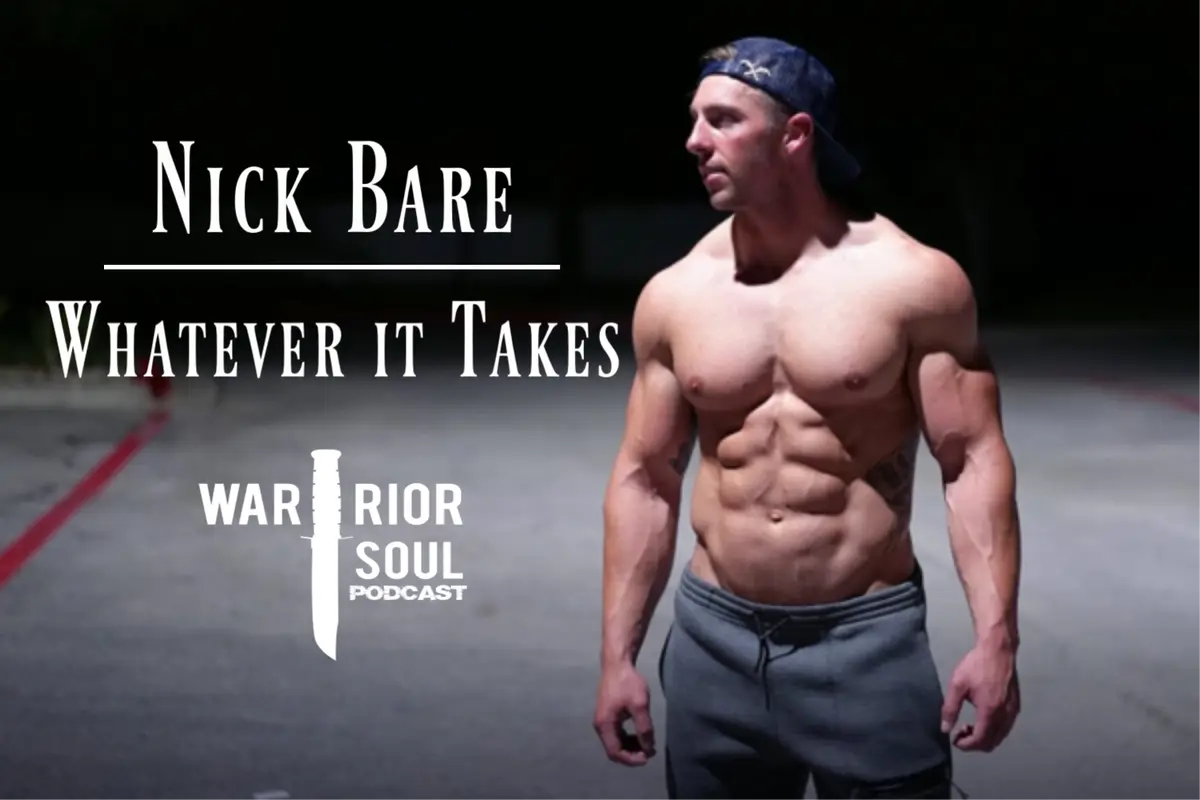
Nick Bare is a US Army Veteran and Owner of Bare Performance Nutrition
Nick Bare is used to “embracing the suck.” Completing US Army Ranger School can drive anyone to the ends of their endurance, but Nick rose to the task as a young Army infantry officer.
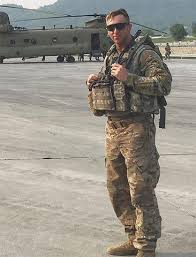
While he was in the Army, Nick Bare started Bare Performance Nutrition, a supplement company.
Entering as saturated market, Nick had to figure out a way to differentiate his brand. He did that with the Nick Bare YouTube Channel, which detailed his life as an Army Officer.
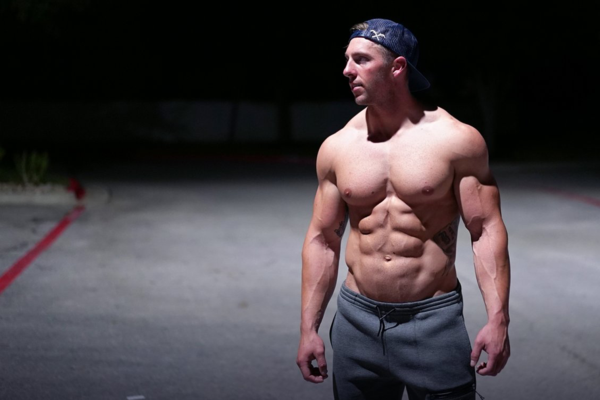
Soon his brand started taking off, and Nick and his brother had to begin scaling things up.
In this interview, Nick Bare reveals how he started BPN during his Army career and what he’s doing now to grow.
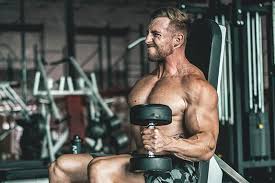
Nick also discusses his new foray into endurance training, and how he deals with the wear and tear on his body.
To learn more about Nick, head over to his website: https://www.bareperformancenutrition.com/
And be sure to check out his YouTube channel at https://www.youtube.com/user/barelifenutrition
Transcript
Machine-generated from the episode audio and lightly edited — may contain errors.
Chris Albert (link to this point)
Warrior Soul podcast is written, produced, and edited by me, Albert. Our goal is to empower US military veterans to live their absolute best lives, and we do that by providing tools, tactics, strategies, and ideas that they can apply into their lives to become wiser, stronger, smarter, more resilient, and more capable human beings in the civilian world. If you're not a veteran, stick around because anything we talk about here can obviously apply to you. And if you like what we have to say, any information we provide, and the guests we bring on, please head over to iTunes and write us a written rating and review. It really helps to spread word about the show and to get this helpful information into the hands of more veterans so that they can in turn improve their lives and shape the future of this country.
This podcast is brought to you by the amazing, the wonderful f bomb nutrition. They make awesome, delicious packets of fats. These are portable snacks that you can carry with you anywhere. It's so hard to find a low carb snack out there, but these guys have done it. They got macadamia nut butters, they mix them up with chocolate, they mix them up with sea salt, they mix them up with pecan butter.
They've got awesome meat sticks, and they've got these delicious cheese snacks that they put out there. Plus, they're an amazing company. They send boxes of this stuff out to the troops on the front line. It's not something we ask them to do, it's something they volunteered to do. So if you wanna get some of the best low carb, high fat snacks on the planet, head over to www.dropanfbomb.com.
Use the code Warrior Soul at checkout, and you'll get 20% off your first order. This podcast is also brought to you by the amazing awesome people at Save the Brave. Save the Brave is an organization that provides camaraderie events for veterans. They do fishing events. They do golfing events.
They do other sporting events, and they also do a lot of work to help gold star families. And look, we've all heard stories about veterans charities where the executive boards are taking these giant salaries, and I don't have a problem with that at all. But here's the thing, I wanna make sure that whatever organization I'm talking about is doing amazing work. Savethebrave.org is doing absolutely outstanding work. Their board doesn't take any salary whatsoever, and they are having an amazing impact.
They're focused on getting veterans to live their absolute best lives, and that's what this podcast is about, and that's why we wanted to work with them. So if you're interested in volunteering or donating to save the brave, head over to www.savethebrave.org and make your donation or your request today. Finally, this podcast is brought to you by Warrior Soul Apparel. This is a clothing company that I actually helped to start a couple years ago as we were beginning the brand Warrior Soul. We've got some amazing t shirts.
We've got skivvy shirts with some pretty funny funny sayings on there like, I love Jesus, but I cuss sometimes. We've also got some awesome hero shirts. We have the amazing hard times, breed hard people series, and these are just great shirts that I've helped create, and they support the show. So if you're interested in getting some Warrior Soul shirts, head over to www.warriorsoul.shop. And finally, if you're interested in joining a new group that we are putting together here at Warrior Soul, a group for those who are looking to live epic lives worthy of epic obituaries, stick around to the end.
We'll have some information for you to check out. With that, let's get into the episode.
Chris Albert (link to this point)
This is Chris Albert, and I'm here to remind you of one thing. Someday, you're going to die. That's not some morbid statement or scary idea. It's solid fact. Your time here on this earth is limited.
And we need to be reminded of this as much as possible for one simple reason, to live your best life while you can. This is the Warrior Soul podcast.
Chris Albert (link to this point)
What's going on, ladies and gents? I have an outstanding conversation for you. It's with mister Nick Bare. Nick was a US Army Ranger. He served as an officer and while he was in, he started a company, a nutrition company.
It's called Bare Performance Nutrition and they make nutraceuticals. They started off with like pre workouts and now they're they're deep into performance and, nutraceuticals that help you to become healthier, that help your body to perform more efficiently. And Nick himself is a really inspirational dude. He's a a big muscular guy, but he just started triathlon training. So he's becoming an ultra endurance athlete.
He competed in his first IRONMAN and you know I'm not sure what IRONMAN standards are but he did really outstanding without much training or much preparation at all and now he's training for a marathon and it's a it's a new adventure for him. He's got an outstanding YouTube channel where he talks about all of his training, talks about all the protocols that he uses and in this conversation we go into a little bit about him, his training and how he got his company off the ground. It's a really great story like I said he started it while he was in the army and then you know for three years he worked hard at it, did take a paycheck and then finally decided to come on to YouTube and through YouTube he's really blown up. So you guys are gonna want to listen to this, those of you who are interested in business, those of you who are interested in training, you're all going to get something out of this conversation. And with that, let's get into this conversation with Mr.
Nick Bare of Bare Performance Nutrition. Nick, welcome to the show man.
Nick Bare (link to this point)
Hey, thanks for having me on. Appreciate it.
Chris Albert (link to this point)
Where are you located right now?
Nick Bare (link to this point)
So we're, like, we're twenty minutes north of Austin, Texas in a town called Round Rock, Texas.
Chris Albert (link to this point)
Nice.
Nick Bare (link to this point)
Yeah. So I mean, beautiful, beautiful spot.
Chris Albert (link to this point)
Is that where you're from?
Nick Bare (link to this point)
No. I'm so originally I'm from Pennsylvania.
Chris Albert (link to this point)
Okay.
Nick Bare (link to this point)
Central Pennsylvania right outside of Hershey
Chris Albert (link to this point)
Mhmm.
Nick Bare (link to this point)
And I I was grew up there my entire life. 2013, I graduated from college and I went into the army which sent me down to Fort Benning, Georgia for a year. From Fort Benning, Georgia to Fort Hood, Texas and then, I did my time in Texas, got out of the military and decided I wanna stay down here. So ever since then been in Texas.
Chris Albert (link to this point)
Austin's a great place man. I got to go there a few years ago for Paleo FX and I was so impressed with the city. I would love to move out there if I can get my girl to agree to do it and move away from family out here. I'm in California.
Nick Bare (link to this point)
Oh yeah. The area is growing like no other. I I got down here like 2014 and Austin was, even then was a different city. You could drive into Austin, not really any problems with traffic. Now I think a 100 plus people move into the city a day. So we lived Downtown Austin last year, loved it, but our warehouse is like thirty minutes away so with traffic it was getting out of control. So we pushed north and I still still go to the city on a weekly basis, but man, it's a great spot.
Chris Albert (link to this point)
Nice, man. And so along the way there, so you you said you graduated from college, you joined the army, you went to Ranger School and everything like that and then you served as an infantry officer?
Nick Bare (link to this point)
Yep, yeah so I went to school in Western Pennsylvania, it's called Indiana University of Pennsylvania. Yep. I studied nutrition out there and I was on an Army ROTC scholarship so I ended up branching infantry branch infantry graduated 2013 commissioned Fort Benning Georgia I knocked down infantry officer basic course, Ranger school, airborne school, Bradley leader course and then 2014 I got to Fort Hood Texas as an infantry platoon leader. I was lucky enough to be an infantry platoon leader for two years.
Chris Albert (link to this point)
Oh wow, that's awesome. You get that small unit experience for a while there, right?
Nick Bare (link to this point)
Yeah, I mean after that, my last six months in the army I spent at battalion s three operations. I quickly realized being down at the platoon level beats being in the battalion headquarters like a mile.
Chris Albert (link to this point)
Yeah, yeah I always felt bad for officers because you you get your time in the platoon but but then you gotta move on. You gotta do all kinds of paperwork and deal with all the other crap and stuff like that.
Nick Bare (link to this point)
Yeah.
Chris Albert (link to this point)
How'd you get into nutrition at such a young age? Like, you knew at 18 years old that you wanted to do something with nutrition?
Nick Bare (link to this point)
Yeah, I mean so in high school like all my friends, they started picking up weights and going to the gym before me. It wasn't like I was a senior in high school that I started picking up the weights and I quickly just fell in love with it. I fell in love with like the food aspect of it and at the time I got really into bodybuilding and putting on size and strength and getting as big as possible and I knew I was going into the army after college so I knew that was the goal from the bat but I was like man what do I want to study that I'm really I'm passionate about because like for most people when they go to college it's like okay I have to study something in college that is gonna get me a job after college right? But like for me I knew I was going to the army. I knew that that degree wasn't really gonna be applicable for the first four years I was out. I was like alright let's just find something that I really enjoy, that I'm passionate about, that I love and nutrition was one of those things.
Chris Albert (link to this point)
That's awesome, that's awesome. You know I think back on it because I went to school, know I was in the Marine Corps, I went to school, I got into bodybuilding like hard core. So I opened up a gym in in Long Beach, California called Metro Flex Gym, Long Beach. I had a lot of hardcore guys out there like CT Fletcher, Mike Rashid, all those guys. And I got into it like really through osmosis because you know, as a kid, I'd done power lifting.
I'd done done a lot of that stuff because I didn't I didn't grow up with a dad and my mom wanted me to get stronger for football and stuff. But but really like it wasn't till my thirties that I really developed a passion for the science behind the nutrition. Before that was just load up on chicken breasts and load up on this and load up on that and just see what your body does. But there's so, it's such an interesting field and I fell in love with it and I can't imagine if being able to do it from such a young age and really you know studying it and integrating it into your life like that.
Nick Bare (link to this point)
Well, it's interesting because like, obviously, as you start learning more about things, your your ideas, your beliefs kind of evolve as you become more educated in spaces. So when I first got into the whole nutrition thing, was like, I got into it because I wanted to be this bro bodybuilder. Right? So it was like
Chris Albert (link to this point)
Yeah.
Nick Bare (link to this point)
You know, chicken, rice, clean foods, like stuff like that. And at one point, I remember, like, I was just trying to put on size and strength. I was eating, like, 600 grams of carbs a day and, like, 300 grams of protein. I And was like man I feel strong in the gym but when I'm not in the gym I feel like garbage.
Chris Albert (link to this point)
Oh yeah.
Nick Bare (link to this point)
I'm heavy, I'm like it's like my diet now is so different than what it used to be when I first got into it and like you know you find things that work for you and you evolve and you adapt and it's like wow, it's completely different.
Chris Albert (link to this point)
Yeah, I got up to two twenty five pounds and I'm only like five foot eight and I remember like getting dizzy after like tying my shoes was ridiculous.
Nick Bare (link to this point)
Oh, yeah. I mean like it's it's so I was I was at a point where I was like not functional at all, you know? Yeah. And and my training right now and my nutrition is just it's so different from when I first started, but it's, know, you evolve, you learn you learn your body, you learn you learn theory and practice and then you you experiment and oh well this works for me, this doesn't work for me, know, stuff like that.
Chris Albert (link to this point)
Well you just went from that and and you just competed in an Ironman Triathlon, right? You did really well, right?
Nick Bare (link to this point)
Yeah, so I just finished the Ironman, Panama City, Florida. That was November 2 and I ended up with a time of eleven hours twenty eight minutes.
Chris Albert (link to this point)
Wow.
Nick Bare (link to this point)
And that was my first triathlon ever. It was funny because I'm one of these people that I decide I want to do something and even if I don't know how I'm gonna get there I'll figure it out along the way. So I was like I'm gonna do an Ironman and I walk into this local bike shop and at the time I was like two twenty five pounds I walked into the bike shop and I was like yeah I'm looking for you know a bike and they're like well what are you looking to do? Was like I'm looking to do an Ironman. Have you ever done a triathlon before?
Was like nope first one I'm ready to learn. So it's like, I signed up for this this Ironman, not really even knowing what the Ironman was, but, like, it's just like the and the hype behind it and, like, the the the buildup behind it. I was like, man, I'm attracted to that. I wanna do that.
Chris Albert (link to this point)
Part of that too is like the gift of ignorance. Right? Because you don't really know what you're getting yourself into, but by the time that the race comes around, you've done so much preparation that it's already too late. Right? You can't you can't back out or nothing like that.
Right?
Nick Bare (link to this point)
I think it's like how I live my entire life. Like, I'm just ignorant to the things that I get myself in. Like starting a business. Started my business Bare Performance Nutrition in 2012, and I was completely ignorant to the fact of how much work and and what it was gonna take. But was like man I want to do that.
I'm in it for the long haul, let's figure it out. So like I always talk about I think so many people don't take action on things in their life because they just become so paralyzed by over analyzing things. Know like paralysis by analysis.
Chris Albert (link to this point)
Yeah, big time. Paralysis by analysis. You're exactly right because I see a lot of people that you know, I know a lot of people who want to be entrepreneurs and they're constantly planning. They're constantly taking this digital course, that digital course, trying to get this, trying to get that. But I mean, the reality is, you just gotta start.
I mean, and if you sit there and you worry about every contingency, every single thing, you're just gonna sit there for years and you're never gonna pull the trigger on what you wanna do with your life. And you're gonna watch people around you surpass you in every single way.
Nick Bare (link to this point)
It's shoot and move you know it's like make a decision, move on it, like make a decision, move on it. I think like I went to high school, I went to college with people that were 20 times smarter than I am but like I look back at like what they've accomplished and it's like well they are constantly over analyzing all the risk. They're trying to mitigate all the risk. You can mitigate some risk but you have to there's gonna be some risk involved if you want to do something big so it's like just dive in head first.
Chris Albert (link to this point)
Yeah, no exactly when I started this podcast I literally woke up one day and said you know what'd be cool, I'm gonna start a podcast and I literally just got it up on iTunes that day, sat here, didn't have a microphone, nothing like that. Like my first 10 episodes, the audio was awful. And I was just sitting here and I tried like speaking directly into the laptop and I tried closing my room. I tried hanging pillows around myself so that the sound would reverberate. And finally figured out that I needed a microphone and then finally figured out sound engineering and all that stuff.
And then finally after like you know, ten fifteen episodes started inviting guests on and I see so many people that are scared to reach out to guests, they're scared they're scared to invite people on a podcast, they want to do it, but they're just sitting there, man. And it's it's to me.
Nick Bare (link to this point)
I think I you know, we're in this space where like there's so much there's so much you can create like social media has created all these opportunities right? But like you're either an absorber or a creator. And like so many people are just consuming all day every day and like they watch these people and they and they wanna do what they're doing but it's like they don't think they can ever get there. Well to get there that it's as easy as just like taking one step forward and then another step forward. Know it's like it's all it takes.
Instead of just being a consumer all the time, we'll start being a creator if that's what you want to do, if that's where you want to be.
Chris Albert (link to this point)
Be a creator or a producer because that's that's something that got put to me at a young age. I and it was actually from the marine corps. I had a friend. He was he was looking to get in a business after the marines and he said, you know, in life, you could be either a consumer or a producer. Alright?
And and if you're a consumer, you're you're limited to what you're consuming. You're not putting out anything into the world. You're you're basically giving up all your fuel to consume. If you're a producer, you're producing, you're controlling what you're putting out there into the world and you're gonna get something in return. And that's really, really awesome advice for people at home, especially you young guys who are thinking about getting out and trying to do something in the civilian world.
Nick Bare (link to this point)
Oh, absolutely. I mean, I get I can't tell you how many direct messages and emails I get like every single day where people like they they wanna start a business because they see like, you know, what I've built and it's like what do I need to do to get there? And it's like well it's like man I can't fit this in a DM or an email. Take the first step and you'll find out along the way what it takes to get there. Mean like learning through experience has been the best way I've learned.
Chris Albert (link to this point)
Did you know you wanted to start a nutrition company before you got out of the army?
Nick Bare (link to this point)
Well, started I actually started my nutrition company before I joined the army. I started it in 2012 when I was a junior in high school or junior in college. So you know the bank USAA, the military associated bank?
Chris Albert (link to this point)
Mhmm.
Nick Bare (link to this point)
Well they offer ROTC cadets, least they did when I was in, they call it a pre commissioning loan. So it's a loan up to $25,000 and you can get it like the beginning of your it's like you can get it I guess your junior year of college but you don't have start making payments until six months after you commission. So you don't start making a payment until like eighteen to twenty four months and most of these people that I was going to school with were taking this money out and they were buying like a new car to start their next chapter in life, were buying an engagement ring, they go on vacation, I was like man I'm gonna take this money out, I'm gonna start a business because I was going to school for nutrition and I loved the whole like you know bodybuilding supplement space. 2012 I launched Bare Performance Nutrition. We launched our first pre workout and an amino acid supplement and I thought that first year I was gonna make a million dollars.
I told my dad, I was like, I'm gonna make a million dollars this year. I think, like, year one we made $25,000, year two we made $25,000, and year three we made, like, $20,000. I was like damn, this is harder than I thought. Yeah. And then, you know, as I was trying to grow the brand, was also in and out of military schools.
I was in Ranger School for four and a half months, I was, you know, at Fort Benning and when I finally got to Fort Hood, that's when I started my YouTube channel. I started my YouTube channel in 2014 and that's when things started to grow. So as my social presence started to grow, business started to grow and then from 2014 to 2019 we scaled the company to a multiple 7 figure brand.
Chris Albert (link to this point)
So during that first two years, Trey, so you had the first two years where you made about 25,000, you had that dip in the third year and then you said you started the YouTube channel. How'd you start on YouTube? Was it just like broadcasting yourself, showing your day, doing day in the lives kind of stuff or?
Nick Bare (link to this point)
Yeah I mean I started YouTube not with the intent to even grow Bare Performance Nutrition necessarily. Mhmm. So I I got to Fort Hood, and at the time, my unit was in Germany for, like, forty five to sixty days or something. So I had all this free time. So all I had to do was go into the battalion, check-in, and then pretty much go back to, you know, my my apartment.
I was like, well, I'm gonna I have this free time. I'm gonna start a YouTube channel.
Chris Albert (link to this point)
Mhmm.
Nick Bare (link to this point)
And this was actually the third attempt at starting a YouTube channel. My first two attempts in college, I put up videos. Those videos would get shit on and they'd get some hate comments. So I'd delete the videos and delete the channel. So this time I was like well I'm gonna invest.
I bought a $500 camera, bought all the gear I needed and I started documenting my workouts, recipes, full day of eating, just documenting my day sometimes. It started from filming just in my apartment to then taking the camera to the gym to then filming downtown Austin and day in the life videos and it wasn't until my unit got sent to South Korea for a nine month rotation that I was like alright well guess I'll bring my camera because I just figured that my channel was gonna die off when I went to South Korea. Like nine months of not creating any content, that's the end of it. So I took all my camera gear to South Korea, ended up having a lot of free time in South Korea, so I kept filming YouTube videos. And because, you know, like, all we're doing is working and and being on post and whatnot, I started sharing some of the army stuff.
So I started sharing like day in the life of the infantry platoon leader, taking my GoPro to PT, filming some PT sessions, stuff like that, and one video of like, you know, by the this was probably 2016. At this point I had like 30,000 subscribers on YouTube. I built this platform with like maybe 200 videos at that point and one day I was like you know I'm gonna film my day as an infantry platoon leader. I took my camera around with me, I filmed my squad leaders, my NCOs, interviewed my platoon sergeant and stuff like that and posted it on YouTube and this video went viral. Like, it went to like a million views in like thirty days and took my YouTube channel from 30,000 subscribers to 80,000 subscribers in like a month and a half.
Chris Albert (link to this point)
That's awesome. That's awesome. And and at that point, what are you thinking?
Nick Bare (link to this point)
I mean, I it felt like a dream. You know, like, I spent, like, two years trying to build this platform, and it's like, well, I just doubled my platform in thirty days. Like so I was like alright, well here's a niche. I was like no one on YouTube is documenting the process of being in the military and especially being in the infantry right now. So I was like I'm going to double down on this.
I'm gonna keep creating military content and I like to think to myself that I was one of the first people doing this in the space but I started filming military content and documenting the process of being in Korea and people to start finding these videos and YouTube started recommending them to more people and I grew this platform to over 100,000 by the time I left South Korea and when we first got to South Korea my company was doing like $2,000 to $3,000 a month in revenue and my goal when I got there was I'm going to grow this company. My goal was by the time I left South Korea, wanna be making $10,000 a month. So I wanna be making 6 figures within Bare Performance Nutrition revenue wise and within the first ninety days of being there, I hit that 10,000 a month revenue mark.
Chris Albert (link to this point)
That's awesome, that's awesome and did you have a team working at home? Were they like handling the warehouse, handling the shipping and stuff like that?
Nick Bare (link to this point)
So at that point all the shipping was being done out of a room in my parents house and it was my brother and my dad that were fulfilling orders. When we got there it was maybe like two orders a day if that's like it wasn't that time like didn't take too much time, but by the time I was leaving South Korea it was like multiple orders a day doing $10,000 a month in revenue so volume increased. My dad and my brother are still packing orders out of this room in our house. So I made a deal with my brother. So he graduated college.
It was the year I got to South Korea. So he had a full time job. As soon as he got out of college, was working for six months and he didn't really like it that much. I was like, hey, you should move out of Pennsylvania, move to Texas so that when I get back from South Korea, we can team up, grow this brand together and double down. So he quit his job, he moved from Pennsylvania to Texas, he carried all the inventory we had which wasn't much in a U Haul van.
He moved into the house that I owned in Texas and I told him, I can't pay you. I can't even pay myself but I believe in this vision and if you believe in it, let's do this. So he quit his job, he moved down and started working on building the brand.
Chris Albert (link to this point)
That's awesome. That's awesome. And so, you know, it was really number one, when you introduced that niche aspect of of the military life to your to your YouTube channel that kinda started taking off. Right? It was the combination of those things.
Nick Bare (link to this point)
Yep.
Chris Albert (link to this point)
A lot of people don't realize that by making your audience a little bit more narrow and a little bit more specific, you can actually get exponential growth that way because it allows people to find you a lot easier.
Nick Bare (link to this point)
I mean when I first got started I had no vision of like where I wanted to take the company and where I wanted to be. So my plan of attack at that point was well I'm just gonna look at my competition and do what they're doing. I was just copying my competition in the beginning which did nothing for me. Like I was always two to three years behind everyone and I didn't do this on purpose but it wasn't until I realized well okay let's stand down somehow. We have this content that is unique like no one else in the market. We're creating content now that's like no one else. Let's be like no one else.
Let's be unique. Let's be like proactive rather than reactive and once I took that approach that's when things just they clicked.
Chris Albert (link to this point)
That's awesome. That's awesome. So stand out in some way, don't be afraid to be different from from everybody else and if you're if you're just sitting there and you're just I mean, at first you kinda gotta imitate, right? I mean, because you're going to let your competition, you're going see where they're at, you're going to try and do the things they're doing. But you got to figure out a way to stand out and be different, especially in today's world, where everything's so saturated, literally everybody's on social media, everybody's putting some kind of content out there, you gotta figure out a way to to to stand out.
Nick Bare (link to this point)
Oh yeah, I mean like if you look at the fitness space and I'll I'll preface it by saying this like one of like my goal in life, and I think I'm on my way there right now, is that like when people come across, when people like talk about my name or people bring my name up to other people, I want them to say, man, Nick Bare, he does things different. Like, that's my that's that's the perception I wanna give off because if you look at, the fitness space right now, you can look at a 100 different profiles of people, and they're all doing the same thing. They're all trying to do the same thing, and it's like, where do you stand out? Like, Where do you resonate with more people? And that's kind of where my content and my journey is going now with.
My goal, my mission is to enable people to push past and break past physical and mental barriers they place on themselves. I look back at my infantry platoon and because when I was a platoon leader I would go to PT and I'd give these motivational speeches because I'd get pissed because I'd see my guys in the platoon and these dudes were so gifted, so talented. When when they got out of the military, they could they could accomplish and kill the world. Like they could own the world, you know? And they didn't, like, believe in themselves.
They didn't think they had that. And, like, that has stuck with me forever. And I'm like, man, like, that's what I want my content to do. Like, I want people to watch like, well, this kid this dude, Nick Bare, this average guy, he's going out and training for an Ironman, and he's gonna try and qualify for Boston. I'm gonna train for the Moab two forty.
Like, he's just an average dude, but, like, he's just taking that step to do it. So, that's what I want my content to get across.
Chris Albert (link to this point)
That's amazing and you know one of the things about the veteran community is that you know as an enlisted Marine I would look up to my NCOs like they were gods right And you look at what a lot of these guys did when they were in the military. I mean, as a Lance Corporal in the Marine Corps, you're in charge of so much. And literally, you're a 19, 20 year old kid. Right? But but for some reason, they get out, and they don't believe in themselves like they did.
And, you know, one of the reasons why I started this podcast is because a few years ago, I'm looking out at what's going on in the veteran community. And we're talking about the suicide rates where the number 22 is being plastered everywhere. And it's like we're some kind of a victim class that that needs help and needs all these these other things. Right? And I didn't like the way that was going.
And and so, you know, one of the things I've always tried to do is bring people like you on here who've shown that we're not victims at all. I mean, we're we're we're people who can get things done in the civilian world if we apply ourselves and we we take what we've learned and and really push ourselves to to do something that's gonna be worth it in the civilian world.
Nick Bare (link to this point)
Oh, absolutely. 100%.
Chris Albert (link to this point)
With your company you got up to that $10,000 a month mark, You got your brother working with you. From there, you know obviously new growth brings new problems, logistical issues, you probably had to to you know, figure out a way to warehouse this stuff. Where'd you go from there?
Nick Bare (link to this point)
So I got back from South Korea and it was just timed up that when I was getting back, started my transition process down in the military and that last year was the craziest time of my life. I would sleep like two or three hours a night because we signed a lease for a warehouse which was forty five minutes away from Fort Hood and we moved to be close to the warehouse. We're building this warehouse up and at the time I knew we had to move out of my house into a warehouse because my house was eleven hundred square feet. There were supplements in every bedroom, in the kitchen, in the garage, in the living room. We were sleeping around boxes.
And tractor trailers were dropping off pallets in my house. You just can't do that in a residential area. So we signed this lease for a warehouse which is a big jump and it was risky and we moved closer to be the warehouse so between building the warehouse up, filming YouTube videos, creating content, trying to grow the brand and I was still like in the transition process of the military. So I wake up at like four driving to work. I work until like 5PM with the army, and then I drive back to the warehouse.
We build a warehouse, film YouTube videos, create content until like midnight and I would edit until two a. And same thing every single day for a year and that whole year is just a blur. But talking about problems that year it's like in 2017, we hit our first seven figure mark, so we had a massive expansion from 2016 to 2017. We did seven figures, but the problems that arose from that were no other because cash flow became an issue. You know, as a as a growing brand that relies on products and we didn't have, like, you know, long established relationships with our manufacturers at that point, we'd have to put if we place a production order, which had 12 weekly times, I put 50% of that money down.
And then when it shipped, I'd pay the remaining 50% and then what was happening is because we were growing so fast I would sell on the inventory in like a week or two and then I had to put more money down to place bigger production orders so all this cash was tied up in inventory that we didn't have for twelve weeks and I think every night for a year I went to bed thinking like I'm about to lose my shit. Don't know how I'm gonna get out of this hole because I felt like I was in the rabbit wheel because we were growing so fast and we were making all this money but every dollar we made I was putting back in the brand, know, I was putting back in the inventory to try to grow it and we slowly like after a year got out of that hole where like you know we managed that cash flow, we got ahead, we weren't running on the inventory all the time and at that point is when I got transitioned out of the military and that was the first time I started paying myself. So I didn't pay myself for the business for five years.
I didn't pay my brother for five years either. So 2017 was the first time we all went on payroll.
Chris Albert (link to this point)
So how was your brother surviving at this point because you obviously had your army salary, what was he doing make was he doing something to make cash on the side or something like that
Nick Bare (link to this point)
No I mean he had money saved up from like six months of work which wasn't much but like he wasn't paying for a house because you know I covered the mortgage, the house and then he was using my truck while I was in Korea when he got back from when I got back from Korea, he got a car with with a a low payment. But, like, I just paid for all the food. I covered the expenses, and then we just worked twenty four seven.
Chris Albert (link to this point)
Wow. That's awesome. That's awesome.
Nick Bare (link to this point)
It was a wild time to be alive.
Chris Albert (link to this point)
But the thing is too, and this is another thing that people don't understand, like, I think people get out of college or they get out of the military, and they're so quick to settle down and say, hey, I need to have a house. There's gotta be a picket fence there. I need a car, all these different things. But when you're young and you're in your twenties, like, dude, you could live on a couch. Like, you can you can travel around and and live in freaking poverty, and it's gonna be okay if if you're you're building something else up, right?
But when you get to be my age, I'm 40 now, like that's when it starts to slow down and and you're not gonna be able to do that like you could. So yeah, you know when you're young, don't be afraid to do shit like that, know. Don't be afraid to start something and then sleep in the warehouse room or some something like that. Mean doing something like that could add up to so many big things in your life down the line.
Nick Bare (link to this point)
Oh, I mean '20 2017 was like probably the hardest year that we've had like I mean just difficult going through like growing pains, but we look back and we talk about that year all the time just because it was the most fun we've all ever had. Because, like, every every day had a purpose. You know, every day it was like like we had a a bunch to do, and it was just, like, trying to figure it out. Because at that point, we're still trying to establish systems. We're trying to figure out how this whole business thing worked.
We launched our first Black Friday that year, like, just like just craziness and but so much fun.
Chris Albert (link to this point)
And and that probably also ease your transition out of the army as well because you're you're so focused on this next mission. You know, lot of guys get depressed when they get out. Right? And and and they miss it a lot and and I'm sure you miss it as well, but you're probably just so focused on this next mission that that you're like I just got to move on with my life right?
Nick Bare (link to this point)
Yeah there was there was a point in time where actually I debated on going back in after getting out because I I did miss it but I was like man I got this I got this thing, I got this business, I got two employees at this point, I have responsibilities like as much as I miss it, I have a responsibility to grow this brand and yeah we were just so focused, so focused.
Chris Albert (link to this point)
Hey, guys. I hope you're getting a lot out of this interview. I wanted to take a moment to talk to you about a group we have here at Warrior Soul. It's called the Warrior's Obituary Society. Basically, it's a group for men that empowers its members to live absolutely epic lives worthy of epic obituaries.
It starts with an eight week development program. And then in this program, you are going to outline your vision, you're gonna get very clear about what you want out of this life, you're gonna detail specific goals for yourself, and then we're gonna get to work. We're gonna help you to build your own customized fitness and nutrition plan, we're gonna help you to build your own customized finance plan so you can start knocking down debt, start saving up money, and start building your dreams. And then we're gonna help you to focus on your relationships, building an outstanding network, and getting focused on your career or business. This program is packed with challenges and assignments that are gonna bring you closer to your goals than you've ever been.
And it doesn't stop after the first eight weeks. Each month we're getting together, each week we're getting on live calls, and we're constantly pushing each other over our live Slack forum. Nothing on the Warrior's Obituary Society is done over social media because we don't want you getting distracted and we don't want you feeling like anybody's staring over your shoulder. This life doesn't last forever, you only get a limited amount of time to be here and to do all the things that you want to do. And that's what the Warrior's Obituary Society is about, it's getting you to do those things that are going to move your life forward.
So if you're interested in this, head over to www.warriorobituarysociety.com. That's warriorobituarysociety.com. Check it out. If you have any questions at all, just email me directly at chris@warriorsoulagoge.com. That's chris@warriorsoulagoge.com.
And I'll be happy to sit down with you even for a few minutes over a phone call if you've got questions about what the group entails and whether or not it's right for you. Look forward to seeing you guys in there and now let's get back to the interview. So was there a point in time where you decided you know you had yourself, your brother, you said you had two employees, was there a point in time when you realized that you had to hire more people and how'd you go about that?
Nick Bare (link to this point)
So we grew we small and we stayed lean. So, like, we treated each employee as we hired as a Swiss army pocket knife or, like, you know, we were building a team where each teammate wanted to do whatever they had to do to help it grow. Right now we have seven in house and we outsource some work so we have a new employee that is coming down. He just moved down yesterday from Ohio, he starts Thursday, he's gonna be our full time videographer, photographer, media guy in house, so we've grown small and we grew slow, but it's like we grew smart as well. So there's things that we outsource but there's also things that we keep in house, but hiring is probably one of the hardest things to do as a business owner I would say.
Chris Albert (link to this point)
What have you learned from that? Like, have you learned to read people a little bit better? Have you learned to to really, like, detect talent among in the people you're interviewing?
Nick Bare (link to this point)
Yeah. I mean, people people apply, send us emails for a job, like, every day. And, like, for me, like, I could care less about a college resume. Like, people will send me their college resume with, like, hey. Looking for like, sent an email, like, hey.
Looking for a job. Here's my resume. I won't even open that resume. Like, that's how you're gonna propose you want a job here. Okay.
Delete that email. I look more for, like, experience or, like, even if you don't have experience, you wanna be a part of a team because, like, for us here, because of our mission and what we're trying to accomplish and the lives we're trying to change if you're not willing to be part of a team and you don't believe in that vision then you have no part of being a part of this team or being part of this company. So you have to truly want to see Bare Performance Nutrition grow and you have to truly want to help change the lives of people and help them break past these physical mental barriers and if you don't want to be a part of that then there's no place for you here you know so I'd definitely be able to like read people better as I've I've done this more and what I look for and sometimes you can just tell if someone's genuine or they're not. You can tell having a conversation with someone if like they genuinely want to make a difference, they want to help or if they're just looking for a job for a paycheck.
Chris Albert (link to this point)
Part of that I think comes because I get a lot of emails from people who say they wanna support the show, they wanna do this, they wanna do that. Part of it I think too like they should have a specific idea as to how they're gonna help you too Right? Like Oh, yeah. What they're gonna add. And they should they should lay that out for you because otherwise, you as the CEO, you as as the leader, you gotta take your time to figure out how you're gonna fit this puzzle piece into into the organization.
And and and that's just, you know, it's it's gonna take more of your time to do that. But if they're giving you an idea as to how you can use them, then that's that's gonna, you know, show them to to be heads and shoulders above everybody else. Right?
Nick Bare (link to this point)
Yeah. I've some a few emails from people that stand down where it's like they'll watch my YouTube videos and they'll watch our operations, they'll watch our shipping set up and then they'll list, hey, here's here's my recommendation of how I would improve the company and help say you got move you guys forward. I'm like, well, that's shit hot. Like, that's what I wanna see. But, like, I also get people that hit me up that's like, hey.
Looking for a job? It's like, okay. I'm deleting that. Or it's like they just wanna be you know, people watch us on social media. And, I mean, the things that we show on social media, like us having a good time and us working and stuff, they think it's just chill here.
They think it's, like, we show up to work. We film some YouTube videos, sit back, and, like, bullshit. But, like, people don't realize, like, that's, like, we work a lot and we work hard. You know, it's not just what you see on social media, but like there's a lot that goes behind the scenes of of creating just one video. So I think a lot of people also don't realize what goes into all of this.
Chris Albert (link to this point)
Right, there's a giant iceberg underneath what you see on the surface.
Nick Bare (link to this point)
Right.
Chris Albert (link to this point)
Do you get a lot of emails from people who are like, I'm a amateur bodybuilder I've got a great physique I think you should sponsor me and things like that.
Nick Bare (link to this point)
Yeah we get sponsorship emails daily as well and I think the thing I always say back is like unfortunately, man, like, is a different day in in space now. Like, that's great that you're winning shows. That's great that you're, like, doing well, but, like, what's your social media presence like? That's like that's what that's what matters right now. Like, unless you're you got a big following and you're trying to grow that following so I think people get turned off by the idea like well how many followers do you have?
I'm not asking like how many followers you have but how much work do you put in to grow a community like what benefit, what value you're gonna provide the brand? Because I'm not just gonna pay you and give you supplements for free, there needs to be you know a trade off. So like are you out there like busting your ass creating content and trying to educate people and inspire people and through that helping build our brand and if so, well maybe there's an opportunity there but if not, there's not an opportunity there.
Chris Albert (link to this point)
Right exactly and that's the thing like you can't just go into something because it's it's gonna be good for you. It's gotta be good for both people involved, both parties involved, and you gotta really look at business as a two way street. What value can you bring to the person that you're trying to make an offer to?
Nick Bare (link to this point)
Right. Yeah. I mean, when I first got started too, I'll be honest, when I first got started doing social media stuff, I was reaching out to companies all the time saying I love to work together.
Chris Albert (link to this point)
Right. Right.
Nick Bare (link to this point)
But at the time at least I was trying to I was creating content. I was trying to like get started. But I think some people, they just want stuff for free and it's like man, the world doesn't work like that.
Chris Albert (link to this point)
No, not at all and doesn't matter what you've done in your past, it doesn't matter. There's a lot, I get a lot of people who are like oh I'm a veteran, I've done this and done that, there's a lot of people out there who are veterans. There's a shit ton of us. Right? But what are you gonna do to stand out?
What kind of value you're gonna bring? That's what matters. Right? And and you gotta be willing to bring value to everything that you're doing. Because if you're not, then nobody's gonna wanna work with you.
Nick Bare (link to this point)
Oh, absolutely. I mean, I think sometimes people like they'll do something in their life and I think it's gonna carry them through forever. But like to continuously be successful, you have to keep moving forward. And to keep moving forward, you have to keep like doing things. Know it's like I think it's what turns a lot of people off is it doesn't ever stop.
Know you got to keep pushing forward and keep pushing forward you got to keep doing something.
Chris Albert (link to this point)
Yeah it really doesn't and the more you grow the more you gotta do. Like right now you're you're leading a company and you're you're doing Ironman Triathlons which is a sport I'm sure you you probably never thought you would have gotten into but but now you're in it and and that takes a lot of time to train for one of those things. Right?
Nick Bare (link to this point)
Oh, yeah. I mean, for the last six months, my fiance haven't hasn't seen me on a on a Saturday just because it was like six to eight hour training sessions. But it's like, cross that finish line two weeks ago, it's like, all this all this training, all this work paid off. Paid off in the accomplishment feeling of crossing that finish line, it paid off in terms of helping the business grow and it paid off in terms of inspiring people to do things that they wouldn't have done before watching that series. There's a payoff to all that.
Chris Albert (link to this point)
What types of things did you learn about yourself and your body in the process of training for that event?
Nick Bare (link to this point)
I think from like a mental aspect, think, you know, I always say that ranger school is the hardest thing I've done that I put myself through. And I always say anything after that would be easy. But in terms of a physical, like, the human body is an amazing thing, and it can do things that you never thought it would do, and it's adaptable. It adapts. It changes.
So, like, you put your body through this this stimulus, this stressor of training and increasing volume and speed and like your body will adapt too. So like once you realize that, it's like what else can my body do? Like where how much further can I push it? And that's kind of my mindset right now is like well I wanna find out what else my body's capable of I'm gonna tread those waters.
Chris Albert (link to this point)
That's awesome and so you know I heard a lot of people talk about triathlons as when you're going through it, I mean it's a huge huge production like the way Ironman has everything. Really organized. You're in a crowd at the beginning, but then at some point, you know, you're running that marathon and you're by yourself. And then there's nothing but pain and there's nothing but darkness and that's when the thoughts start creeping in. Did that happen to you?
Nick Bare (link to this point)
Yeah, so the first ten hours felt really really good and then the last hour and twenty eight minutes is where it started to suck. When I hit 13 miles on the run and I had 13 miles left that's when it started to hurt. I mean you go to a dark place like you know in the beginning it's how you describe it in the beginning there's all these people, there's big groups you're looking around you take a big breath of fresh air and it feels good and towards the end it's like tunnel vision, it's just you in the race and it's like I know where the finish line is, just have to get my body there. And I personally love that, I live for that feeling and that's why I do a lot of these things because I love that feeling because I know that feeling, it produces growth.
Chris Albert (link to this point)
Right.
Nick Bare (link to this point)
You know so I search for that feeling because I know I'm gonna grow from those times.
Chris Albert (link to this point)
Right. It's a lot of the same kind of thing that you're going to experience in business if you're trying to start something from the ground up because there's going be months where you don't think anybody's listening, you don't think anybody's out there that cares and you got to reach within yourself to keep going. Because especially in today's day and age, like, there's a lot of shiny objects out there that can take you off your path, right? Particularly in business, because you could be out there applying for jobs, you could have gone back into the army, you probably could have gotten any number of executive careers and things like that. But you had a dream, you had a vision and you kept going for that and chose the more lonely and scary path, right?
Nick Bare (link to this point)
Oh yeah, but like, yeah. I think once you do this for a little bit, like, I know I was born to do this. Like, this is where I mean, this is my life. You know? Like, without it like, without this company, I I don't know where, like, what my life would be or where I what I'd doing, you know?
But, like, I know, like, I have so much passion behind all of this that I wouldn't trade this for anything.
Chris Albert (link to this point)
Did you ever write down a vision or anything like that or or or, like, really specify that at the beginning or is this something that just kind of evolved as you were going along?
Nick Bare (link to this point)
It it evolved like in the beginning, my goal was to sell supplements to everyone and anyone. I didn't have a target market. Like I said I was ignorant when started it but it evolved as I grew and became more educated in business. Know where it's like I learned strictly from experience and failures and I failed a lot and I wasted tens of thousands of dollars and time and resources, but I never made those mistakes again. So like all the experiences along the way landed me right here now.
Chris Albert (link to this point)
That's awesome, man. And when you are looking at yourself right now, right, you've you've experienced all this massive growth, where do you wanna take the brand? What what's gonna happen in the next five years?
Nick Bare (link to this point)
I mean, like, everything we're doing right now is like, 2019 was a massive investment year to grow the brand in, like, in the future years. Like, I paid myself less in 2019 than I did in 2017 and 2018 because everything I want to do is investing back into the business. So like things we're working on right now is we invested to get our products third party tested for sport in the military so that will be happening in the next couple months. We invested into app development to create an app for training programs within our supplement companies app but it's like how do we reach more people and how do we help those people reach their goals? So a lot of it's gonna be like content creation and generation, creating platforms and solutions for problems people are experiencing with training and nutrition, and it's like actually getting out there and helping them.
So like you know, I'd love my goal is to be a $100,000,000 company with 100 plus employees where, like, we are changing the lives of people every single day. And and that's where I wanna be and I think we're taking the steps to get there right now. But I think a lot of people get a little taste of success and they they feel like they're winning so that then they become, you know, this this is it. This is where I wanna be. But for us, it's like yeah.
They become complacent. But for us, like, we got that little taste and it's like, okay. We we know we have the potential. Let's go all in. Let's scale this thing.
And, you know, I I know it's working when the team and not just me comes in the office and is willing to work more hours to get paid less to grow it in the future and that's an awesome feeling.
Chris Albert (link to this point)
That's outstanding man, that's outstanding. And and so what's your daily schedule like right now? Because I know you just got through this triathlon, but like, you know, how are you incorporating your training, your workout routine, along with with what I'm sure is an insane schedule to get all this work done.
Nick Bare (link to this point)
Yes. Like right now, like well, it depends on the time of the year right now. We're so focused on Black Friday that it's it's crazy hours, but all of my training kinda gets pushed either early in the morning or late at night, and then I get into the office here around 07:38AM and everyone's here already packing orders fulfilling stuff. A lot of it, like from my point of view because a lot has been delegated over the past six-twelve months of daily operations stuff I have to do, it's vision working so like how do we get the brand to the next level and it's making small adjustments to website or working with other graphic designers, hiring this videographer, it's like what do we have to do to keep moving forward and I'm more focused on working on the business than working in the business at this point. So like our employees, my brother handles a lot of our operations, they're focused on like daily operation stuff customer support, order fulfillment, logistics, production orders placed and I'm focused now on like how do we take it to the next step?
So like I wrote a book this past year, the book is getting published January 28 that's one of my positions to move us to the next step and the book is about growing the brand while in the military and lessons I learned through Ranger school and stuff like that it's called 25 Hours a Day so writing that book was one of the things to grow the brand and doing things like the Ironman or training to qualify for Boston and Moab two forty. Those are things to grow the brand. So every day is different. You know, every day is different, fun, and exciting, but it's always looking for opportunities to move in a market where other people aren't willing to move.
Chris Albert (link to this point)
That's awesome and you know when as you're going along with this, is there anybody that you look up to like any any big brands that that you know maybe inspire you and you say okay I I want to follow that model. There's a lot of people out there who want to follow like the Disney model or the Amazon model or things like that. Is there anybody that really inspires you in that way?
Nick Bare (link to this point)
Like when I first got started in the first couple years, I would look at brands and say I want to be there. But like two years ago I made this decision where I was gonna unfollow all those people. I was gonna stop reading people's books because I didn't want what they were doing to influence what I was doing so now it's like my and I know this is very unconventional, but I'm trying to create my own path to to set and and place that that thing I said in the beginning where I want people to say, man, Nick Bare does things different. Well, in order for me to do things different, I need to stop consuming what all these other competitors are doing. So now I'm just trying to write my story without any sort of influence outside.
Chris Albert (link to this point)
That's outstanding. That's solid advice. I do a lot of reading. One of the things I try to do with my reading is I try to go old, like 2,000 years old. Like I'll read a lot of stoic philosophy.
I've been reading a lot of Montaigne right now. But I find like, if I if I'm reading biographies of people or things like that, exactly what you said, I start falling into the same kind of patterns of getting overly influenced by what they're doing. And the truth is that what they're doing, if I'm following it to the team might not work for me in my in my situation. Right?
Nick Bare (link to this point)
Right.
Chris Albert (link to this point)
That's really I know we're coming up on time. I want to talk a little bit about your products because I know that particularly with a nutrition brand, you've got to kind of create a product ecosystem. There's gonna be products that everybody should be using and then there's products that are a little bit more specialized. What BPN products should everybody be on?
Nick Bare (link to this point)
I would say Strong Greens which is our green superfood supplement, Strong Reds are red superfood supplement and then it really depends what you're doing performance wise so when we first started we were strictly performance supplements pre workout, amino acids, creatine and then whey protein. Like whey protein anyone can benefit from it's a food it's not really a supplement and that's like our performance sign and for the longest time I thought we were going to be a sports nutrition performance supplement brand and then we launched our Strong Greens, it's a green superfood supplement and in the beginning it was just meant to be an upsell like an add on and that quickly like once people started trying it in a way they made them feel like improved digestion, natural energy, there's no stimulants, no caffeine, boosted immune, felt better every single day that I mean now we sell like 5,000 bottles at a month.
Chris Albert (link to this point)
Wow.
Nick Bare (link to this point)
So now we have our sports performance line, now we're growing the health line so we launched our strong greens, strong reds, we're launching a multivitamin, a joint support supplement, we launched nutrition bars in the past forty five days, so it's like how do we help people that aren't just focused on going to the gym and training hard and need stimulants, but the people that just want to feel better every single day and that's where a lot of our research and development has moved forward in the past six months.
Chris Albert (link to this point)
Right and that's what helps you stand out from a lot of the performance companies out there because you're literally getting something out there that is gonna fill in all those basic holes that people leave open in their nutrition. Because you need those covered before you move into like the whey proteins and the pre workouts and things like that. Because if you don't have those bases covered, then then if you're training for an Ironman Triathlon something's gonna break down right?
Nick Bare (link to this point)
Right and I think we create products for the market so different than other people do is because I train for all these different things so I started like training I train all these different things because I want to know what it takes to train for them right so like I did bodybuilding, competed in bodybuilding, I did powerlifting, I competed in powerlifting, I did some CrossFit stuff, I trained for a marathon, I did an Ironman, now I'm trying to qualify for Boston and I'm gonna do the Moab two forty. So I do all these different things because I want to know like what supplements do I want to take depending on what I'm doing and all the supplements we've created are things that what we wanted to use during our training sessions. So like we create things based off of these training models that we actually wanna use. So that's why it's taken us so long to create this full line is because we don't wanna come out with every supplement under the sun that you don't need. We want things that we actually want to use ourselves and we know you guys are gonna like too.
Chris Albert (link to this point)
Right, right exactly. So you started out, the first product was the pre workout right?
Nick Bare (link to this point)
Yep.
Chris Albert (link to this point)
And then you move from that and then you did the whey protein and and the other stuff. And then now you're moving into more of the lifestyle, the health stuff.
Nick Bare (link to this point)
Yep.
Chris Albert (link to this point)
Yeah, absolutely. Amazing. And and with your r and d process, I mean do you have a lab that you're going to? Are you investing in a lab and things like that?
Nick Bare (link to this point)
Yes we have two manufacturers we have one in California in Valencia and then we have another manufacturer in Dallas which is like two and a half hours away. So we'll go back and forth between those two depending on what projects we're working on and what products we're bringing to market. But like you know an R and D process for a new product can take anywhere from six months to two years just to change up the formula and the flavors and the dosages of ingredients. We talk to our sales rep and our manufacturers multiple times a day just because we're working on so many new things. We have probably six products in R and D right now that maybe half or maybe all of them won't make it to the market but we're still testing.
Chris Albert (link to this point)
Wow. Wow. Now as a veteran, what would your advice be to that that, you know, 21 year old, that 22 year old who's thinking about getting out right now and and trying, you know, going to pave their way in the civilian world?
Nick Bare (link to this point)
Yeah. I mean, you need a plan. Like, the thing is people reach out like, someone reached out to me yesterday and they said, hey. I'm getting on the the army in six months. And when I get out, I wanna know, should I start a supplement company or an apparel company?
I get that question all the time like dude, just because I sell supplements and apparel doesn't mean you got to do the same thing. There are so many opportunities and options of things that you can do and businesses you can start but if you're going to start one, you need to start now. If you wait until look at my example, I started my business and I didn't pay myself for five years after starting it. If you get out of the military right now, can you survive for five years not paying yourself? You ask yourself that question and not everyone is meant to be a business owner.
Like not everyone can be an entrepreneur and like you know it might seem like peaches and cream from the outside but it's really fucking hard and it's like it's difficult and you have to be okay with living off eggshells pretty much for a long time but you gotta have a plan and one of things me and my platoon sergeant tried to implement when I was in was if you were on your on your way out, you had to present us a plan of either you're going to college or a business you're starting or a job you're looking for. And, you know, we wanted to see if there was a plan in action for these people that were getting out. Because some of my dudes got out and they regret it, and they wish they wanted to have because they didn't have a plan.
Chris Albert (link to this point)
Absolutely. Solid advice, man. Well, number one, I want to acknowledge you because you brought a lot of value to this conversation. I mean, anybody who listens to this conversation is is gonna get so much so so many valuable pieces of advice. If if you're thinking about trying to become an entrepreneur or just trying to figure out what you're gonna do when you get out, there's so much there.
But number two, you know, I want to acknowledge you for for continuing to grind and continuing to try to grow yourself and searching for these ways to expand yourself and and to, you know, increase your footprint out there as to how many people you're helping. So good on you man and thank you so much for coming on today.
Nick Bare (link to this point)
No, appreciate it. Thanks for having me on. It's a topic that I'm super passionate about and any opportunity I get to talk about it, it's like, I can feel it and I can feel it in my blood like, I just love it.
Chris Albert (link to this point)
I can see that man and where can people find BPN products?
Nick Bare (link to this point)
Yes you can go to www.bareperformancenutrition.com that's b a r e. If you go on Instagram it's b p n subs or you can find me on Instagram. It's Nick Bare, b a r e, fitness.
Chris Albert (link to this point)
Yeah. Your Instagram is outstanding. I mean, the way you've adapted that medium for for content distribution purposes, it's it's awesome. Same thing with your YouTube channel.
Nick Bare (link to this point)
I appreciate it. Yeah. Is like it's a beast. Mhmm. But like, love creating content.
It's one my favorite things to do other than, you know, the business. So being a creator on social media is also something I just I love doing.
Chris Albert (link to this point)
Outstanding. Well, again, Nick, thank you so much for coming on today. And to everybody out there, like I said, go back through this episode, pull out a pen and a piece of paper, take some notes, because there's a lot of information here. As you're moving forward, make sure you got a plan. Make sure no matter what you do, you know, find a mission, find something that you're going to be passionate about.
And honestly, it's all about living this life to the best of your ability. So get out there and live your best lives while you can. This is Chris and Nick out. Alright. There you guys have it.
That is our interview with mister Nick Bare of Bare Performance Nutrition. I am really inspired by that guy. He is such an inspirational individual to be able to just jump into endurance training like that and the dedication that he's taken to his mission in life and to his business is absolutely awesome. And you guys should definitely go back through that interview. Make sure you're taking notes.
For those of you who are interested in opening up businesses, there's so much information in there. And that's what the Warrior Soul podcast is about. It's about empowering you with knowledge that'll help you to live your absolute best life. So if you're getting a lot out of these episodes, make sure you check-in all the rest of the Warrior Soul Podcast out. Make sure you subscribe to us on YouTube and on iTunes.
And if you can, pay us the highest compliment by writing us a written rating and review on iTunes. It really helps to spread word about the show, and it helps to get this information into the ears of more veterans. And if you wanna support the podcast, you can do so in a couple of different ways. You can buy some gear from our shop up at warriorsoul.shop. We've got amazing t shirts designed, printed, and made by US Marine Corps veterans.
On top of that, if you want to support us on Patreon, you can head over to www.patreon.com/warriorsoulpodcast. We've got some great gifts for those of you who do donate. And then if you want to support yourself with the Warrior's Obituary Society, you can head over to www.warriorobituarysociety.com. Like I said, it's a fantastic group. We've got a great mix of veterans, active duty military, and civilians in there who are all working on their goals and dreams, and we are gonna be there to support you if you join.
So with that, guys, I wanna thank you so much for listening, and we will be back at you next week with some more awesome interviews and outstanding content from the Warrior Soul podcast. This is Chris Albert, and I am out.
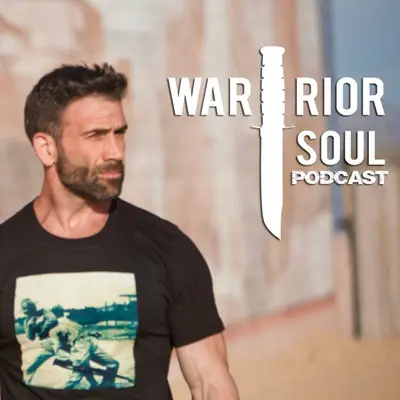
Host of the Warrior Soul Podcast and founder of Warrior Soul. Worldwide trainer and nutrition coach, contributing author at Testosterone Nation and Muscle and Strength.