Podcast episode
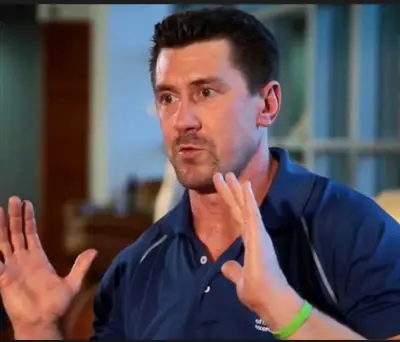
Episode 34: Jeremy Paris of the Veteran Resource Podcast
Hosted by Chris Albert
The Warrior Soul Podcast
To listen on itunes:
https://itunes.apple.com/us/podcast/the-warrior-soul-podcast/id1096901382?mt=2
The Veteran Resource Podcast was created to introduce veterans to Veteran Service Organizations. There are literally thousands of VSO’s out there, each with a different mission. The one thing that they have in common is that they want to help veterans in their own way. Some might help financially, some might help emotionally, some might help with homelessness, and others might help by providing the opportunity for veterans to serve their community and help others in need. Each week Jeremy will interview a different VSO to find out what their mission is, what projects they have going on, what challenges they face, and the type of veteran that is in their wheelhouse. With thousands of VSO’s there has to be something out there for every veteran.
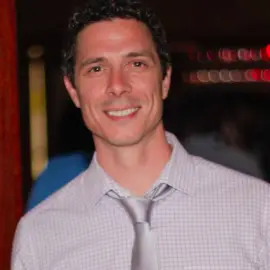
Jeremy Paris was born in Buffalo, NY and joined the US Army immediately after graduating from high school. After ten years as a Personnel Administration Sergeant he left the military to become a government contractor performing computer support to the Department of Defense. Although the initial plan was to be a contractor for two years and then split, he spent the next 16 years supporting the same customer within different rolls. Jeremy has been on the staff of Veteran Artist Program (VAP), a non-profit Veteran Service Organization since 2010. While at an event in Washington DC with VAP Jeremy shook hands with people representing so many veteran-focused organizations that he was blown away. It was the realization that most veterans had no idea that these organizations existed that prompted Jeremy to start this podcast. The new mission of the Veteran Resource Podcast is that every single one of the 20,000 veterans transitioning out of the military each month will have the opportunity to learn about the veteran organizations that are available to them.
http://veteranresourcepodcast.com
https://www.facebook.com/VeteranResourcePodcast/
https://www.instagram.com/jeremysparis/
http://veteranartistprogram.org

Transcript
Machine-generated from the episode audio and lightly edited — may contain errors.
Chris Albert (link to this point)
What's going on, guys? This is Chris Albert of the Warrior Soul podcast. And forgive me for the background noise. I am on the East Coast visiting my mother. She has a really noisy dog and a really noisy dishwasher.
But, if you can still hear me, we have an amazing episode for you today. We've got Jeremy Paris with the veteran resources podcast coming on here. One of the things we're trying to do here with the Warrior Soul podcast is to put you in touch with resources that you would not have come across before. That's why we do things like have doctor Brent Courtright on to talk about a diet that can help you to expand your brain. That's why we have Tom Campbell come on to talk about virtual reality and consciousness.
And that's why we bring everything that we bring to you here. One of the things that we didn't really realize is that there's so many resources out there in plain sight for veterans. And Jeremy Paris has made it his mission to bring to veterans the thousands of veteran service organizations that are out there that are trying to help you to live a better life and to live your best life. Jeremy was a US army admin for ten years. And one of the things that occurred to him when he got out was that there are so many resources out there that can help you to start a business, that can help you to find a house, that can help you to improve your fitness.
Literally thousands of organizations, and it's almost like overload. We're we're not able to access all these organizations. So on Jeremy's podcast, what he does is he brings on a new veteran service organization each week to talk about what they do and how they can help you with your specific situation. It's really an amazing platform, and it is helping so many people. Now I was not here for this episode.
I was actually flying out here to the East Coast to meet up with Andrew in New York City in a few days, And, I'm I was out here visiting my mother where I am getting fed handsomely. I'm getting so much Italian food out here. It's absolutely awesome. But Andrew handled the episode absolutely amazingly, and I think you guys are gonna get so much out of this. And, we're also gonna put you in touch with all of the links to get to Jeremy's podcast and all the resources that he provides, and you'll find them in the show notes at www.warriorsoulagoge.com under podcast.
That's www.warriorsoulagoge.com, and just click on podcast, and you'll find the episode there. We've also got some really awesome other content. I can't speak English today, but we've got a lot of other amazing content up there that can help you with so many other aspects of your life, whether that be your fitness, whether that be battling depression, whether that be improving your life and dominating this mother effort. Also, if you are looking for really amazing clothing, veteran lifestyle clothing, fitness clothing, clothing that inspires you to live your best life, clothing that'll make you laugh, and silkies, US Marine Corps silkies that will allow you to travel in comfort wherever you go. Go ahead and click on that apparel tab at the top too.
Alright. I'm done plugging us. You know where to find us, and you know where to find what we do. With that, let's get into this episode with Jeremy Paris of the Veteran Resource Podcast.
Chris Albert (link to this point)
This is Chris Albert, and I'm here to remind you of one thing. Someday, you're going to die. Now that's not some morbid statement or scary idea. It's a solid fact. Your time here on this earth is limited.
We need to be reminded of this as much as possible for one simple reason, to live your best life while you can. This is the Warrior Soul Podcast. Fronts.
Andrew Marr (link to this point)
Alright, everybody. It's me, Andrew Marr, here on the Warrior Soul Podcast. And as we speak, Albert is in the air heading to New York City where we'll meet for this weekend. But as we said, I am honored to bring you Jeremy Paris of the Veteran Resource Podcast. And I was looking into better ways to look at veteran service organizations and kind of get a feel of what's out there.
Because as I've said in the past, there's over 40,000 plus in America alone. And so it's good that we have people such as Jeremy to kind of put these resources together so we can figure out, you know, how can we best navigate this terrain? So Jeremy, thanks for coming on and talking about what you're doing and your mission with the Veteran Resource Podcast.
Jeremy Paris (link to this point)
Absolutely. I'm excited to be on this podcast. Thank you so much for the invite, Andrew.
Andrew Marr (link to this point)
Yeah, of course. And so can you give our audience, Jeremy, a little bit of background of your service history and how you kind of transitioned into, you know, being where you're at now with the podcast and also the Veterans Artist Program as well.
Jeremy Paris (link to this point)
Absolutely. Okay. So I started out right out of high school, 17 years old, having my mom sign on the dotted line for me to get into the army. And that was way back in 1990. And I spent ten years in the army, so I got out prior to all of the fun stuff with nine eleven.
And I when I got out, I went in as, I got into the department of defense as a government contractor, so I was still surrounded by military. And let me let me back up a little bit. In the army, I was a personnel administration sergeant. So that's that's the job I was doing in the cubicle, trying to get out of it almost the entire time that I was in the army. And I wanted to do something a little bit, you know, something that got me outside, something that didn't have me in a cubicle.
But when I got out, I jumped right back into the cubicle with the with the computer job doing computer support and worked my way up to be a senior systems engineer over the course of the next sixteen years. But back in 2009, I was it's when I found the Veteran Artist Program. As a hobby, I was doing some acting on the side, and the Veteran Artist Program had just started out, and they were looking to start a program called Vets on Sets that would try to get more veterans in front of and behind film sets. So I was all over that. And I jumped in and I said, yeah.
Where's your website? And he said, yeah. We don't even have one yet.
Andrew Marr (link to this point)
Wow. 2009, no website.
Jeremy Paris (link to this point)
No website. Right? They had like I said, they had just started not too long before that. Mhmm. I said, you know, I I do websites.
I can help you out. So I volunteered, jumped on the staff as a volunteer, and built their website for them. And I've been with them ever since, just volunteering, helping out on the side, but worked my way up to doing program management with them and managing a lot of the different big projects that they had going on, helping to get more veteran creative types into the mainstream art community. And so while I was doing that, we sponsored an event for National Geographic Channel for a premier that they had for American War Generals. And this was down in DC.
It was a big event, red carpet and all of that. And I was shaking hands all night long with people that were connected with different organizations. Hi. I'm so and so from Mission Continues and Team Red, White, and Blue. And I don't even remember all of the ones that I that I talked to that night.
Andrew Marr (link to this point)
Sure.
Jeremy Paris (link to this point)
I remember that it was overwhelming. And I went to BR McDonald, the founder of the Veteran Artist Program that night, and I said, this is kind of crazy that there's this many veteran nonprofit organizations out there. And he kinda chuckled a little bit, and he said, this is this is nothing, Jeremy. There's thousands.
In fact, there's tens of thousands of nonprofit organizations. And I didn't believe him at all. I went home, and I started doing some research, and sure enough, he was right. And that was my moment that how could I, after being in the army for ten years, and then for the next, you know, twelve, fifteen at that point, I was with the DOD, so still surrounded by military people. So for twenty five years, I'm surrounded by military people, and I only knew about a handful of these nonprofit organizations.
So I was like, if I don't know about them, then chances are the 20,000 veterans that are getting out every single month don't know about these organizations either. I need to do something about it. And so I decided that I was listening to tons of podcasts at the time, and I decided that's what I was gonna do.
Andrew Marr (link to this point)
And, you know, so what is the overall mission as you see it now? Just to bring that information to the veteran audience?
Jeremy Paris (link to this point)
So right now, the people that are getting out of the military, they it's mandatory that they find out about the VA. I've been working with the VA through the Veteran Artist Program, and they are doing great things despite everything that you hear. The people that go to the VA and get cared for by the VA, they very much like the services that they're getting through the VA. It's the administration part that is kind of needing some help right now.
Andrew Marr (link to this point)
Sure.
Jeremy Paris (link to this point)
But, everybody getting out of the military, they find out about the VA. Nobody getting out of the military finds out about any of the other organizations that are out there. So my passion now is to try to just inform veterans that these organizations are out there and start the process for them to to try to dig through them and find what is right for them. Not every veteran needs help. So there's tons of organizations that are there specifically to help with certain things, homelessness or PTSD or you know, military sexual trauma.
There's there's organizations that are there, and I'm I'm thankful that they're there helping out the the veterans that need that. And some other veterans, many other veterans, aren't looking for that at all. They come out and they say, I don't have any of these issues. But there's other organizations like Team Red, White, Blue, and Got Your Six, and Mission Continues that are empowering these veterans to continue serving in their community and to do it in a big way. And so I I feel that there really is an organization out there for every veteran.
Andrew Marr (link to this point)
Jeremy, when you started to take on this this task, providing this information, like, how did you filter through and find out what you thought was worthwhile organizations, you know, to bring the message out?
Jeremy Paris (link to this point)
So I started out with what I knew. So through the Veteran Artist Program, and especially that night, once I started to meet some of the other people from some of the other organizations, I found Team Red, White, and Blue and Mission Continues and Team Rubicon Got Your Six. There was bunch that were I was able to to do a lot of research on and find out the things that they were doing, and and that's where I got my starting point. And then from there, I've been introduced to a lot of other organizations through them. So I asked three questions at the end the same three questions at the end of every episode where I'm talking to a veteran organization.
One of those questions is, who would you like to hear on a future episode? So through that, I was able to find recommendations. So if I'm talking to Team Red, White and Blue, and they, you know, recommend an an organization like American Dream U. And they say, yeah, you should talk to Phil Randazzo of American Dream U. They're doing some great things.
Well, now it's it's a warm recommendation. It's one that I feel that I can trust more than just doing a Google search of show me all of the nonprofits that are out there, and then I'm just manually going through and and trying to get them on the show. So I've been able to to basically grow my base that way.
Andrew Marr (link to this point)
And I think that's just great advice for, you know, transitioned veterans in general who's thinking, you know, I'm getting out of the the military. How do I transition? How do I transfer these skills on into civilian life? And I think that's the best advice. Start with what you know and and where you know.
And I don't wanna say exploit, but use that network to expand your network. And that's exactly how you've been able to, you know, get grounded and then spread out to what you now have, which is, you know, a phenomenal, phenomenal asset.
Jeremy Paris (link to this point)
Absolutely. And this is something that, you know, when I first started it out, I had no idea how far this would end up going. And now I'm getting ready to put out episode 98. So I'm almost through episode a 100, and I I have no plans of stopping anytime soon.
Andrew Marr (link to this point)
Jeremy, how would you, how do you rate veteran service organizations as far as their ability to be effective or to answer a problem or provide advocacy? Is there a scale, or how do you better expand on that so you can know that you're finding a worthwhile group after you get a good recommendation from somebody else?
Jeremy Paris (link to this point)
So a lot of these organizations, like, there there isn't a good, say, like a Yelp out there right now. Part of the problem, you you look at Yelp, and that's for everybody. Like, everybody could go on and use the app, and and it's getting a huge, you know, popularity boost. So if a company is doing good things or if a company is doing bad things, there's thousands of ratings that are going into it that will really tell the story of like this one has three stars and it's got 25,000 people who voted on it, it's probably you you can probably say, yeah, that's that's probably a three star. But if there was the the case that we have with the military, 1% of the population are you know, was in the military.
So it's a very small amount of people. And then so there's some rating systems out there that you go to. And, like, if somebody came to the Veteran Artist Program. Right? The Veteran Artist Program, we do different workshops.
We try to do, some events, and and we have exhibits that are going up. We have different ways to try to showcase the veteran artists. But if somebody came to us and said, how you doing? I'm new to you guys, but, I wanna make a film, and it's gonna cost me $1,400,000. I was hoping you guys could fund it for me.
And we say, well, that's that's great that you have that passion, but that's not what we do. This person could go on to one of those rating systems and they could say one star. I went to them for help. They didn't give me any help. You know, they could totally trash the Veteran Artist Program on this rating system.
And if there's only three people who have ever rated on that rating system, now it looks like the Veteran Artist Program isn't doing great things. So I don't think that there's any great way unless you can you can have the money to advertise and really get the word out so that you you have thousands of people hitting these sites to rate them, then I I don't think that that's a good way to to do it. I think that the best way is you have to give them a try. You have to talk to people that are in those organizations, get connected with them, find out, you know, are they able to provide the things that I'm looking for? And and I think you need to talk with the people, the management, the staff for that organization.
And you you'll start to get a feel. Like, if if people are volunteering or people are on the staff of an organization and they're not happy with the way things are going, they're not happy with the way things are being run, they're not happy with the upper management of that organization, they're not gonna be able to hide it very well. You're gonna be able to tell when somebody is a disgruntled employee, if you will. And those should all give you should all kinda give you pause to continue on with that organization. Whereas if you see the things that are happening and everybody is just like super happy.
You see you hear story after story, after talking to people that have done things with that organization, and they're all uplifting stories, and you feel like it's a family environment, like these are your family, then you probably found a good one.
Andrew Marr (link to this point)
And with that, you set up the veterans directory. So can you tell us a little bit more about that and and how many organizations are actually in the Veterans Directory that you have?
Jeremy Paris (link to this point)
So the Veterans Directory is actually not my endeavor. That is run out of Phoenix, Arizona. And it's an organization that when I first talked with them, they were setting up a directory of all of the nonprofits that were out there. Now they had started to go beyond their area. So when they started, it was just for the Phoenix area.
And then when I talked with them, they were looking to expand out to cover the whole country. And so I said, this sounds great because I was looking to do that myself on my website. I was looking to create this database that I could start to make it nice and easy for people to find the organizations that they need to. And when I found them, I said, they're already doing it. This is great.
And I happened to be going down to Arizona, so I stopped in and I I talked with them. And they were kind of about to go through some changes. And I think since then, what has happened is they decided to continue on local for the time being and not spread out. So if you're in the Phoenix area, you're looking for some veteran business owners or some veteran nonprofits, then I would say jump on the veterans directory and you should be all set. For the rest of the country, there are lots of other organizations around the country that are also in the directory, but they're not really concentrating right now on growing that beyond just the Phoenix area.
Andrew Marr (link to this point)
Understood. And thanks for clearing that up. Now of the 20,000 vets that are transitioning a month out of the military, man, I I was not even close to realizing the number was that big. What's the best way that that you're finding to to get this message out when, you know, like you said, everybody's hearing it through the VA. What are the other means and modalities that you're trying to reach your audience?
Jeremy Paris (link to this point)
So, you know, I thought that I had a way forward for this. And in my head, was thinking, if it's mandatory that when people are going through transition, they have to know about the VA, then there should be something we could do to make it mandatory that they find out about these organizations as well. At least know that they're out there and hopefully have a source that they can they can find them all. And so I went and I talked to Congressman Walz. I had the opportunity with the Veteran Artist Program to sit down with members of congress a handful of times for veteran roundtable meetings with about 50 other veteran nonprofit organizations.
And they do these a couple times a year to just kinda get a feel for what is it veterans the veteran community is looking for, what is it they need help with. And after one of those meetings, stopped and I talked with Representative Walz, who's a former command sergeant major, I believe. And I was kind of just telling him what the what the problem is. Here's the problem. Everybody knows about the VA, but nobody knows about anybody else.
How can we make this happen? You know? What what should I do? And so we scheduled the meeting just one on one. I sat down with him, and I said, should I start a nonprofit organization to make this happen?
Is this something I can do? And as a nonprofit, it's it's not always the best option. If I create a nonprofit, it's now something that the government can't point to and say, definitely go to them over any other nonprofit because they can't have favorites. Mhmm. So expecting the government to fix the problem, I don't think is is the way forward anymore.
In the past, I thought that might that might be the answer. But now I think that getting connected with all of these transition centers all across the country where people are coming out every month and being able to inform them about the podcast and inform them about these organizations. And I'm about to go through another change, I guess, on the website and make it a little bit easier for people to find what it is they're looking for when it comes to organizations. Instead of just going through by number, I'm gonna make it easier for them to find based on category. But I think just getting in front of them at the transition centers is gonna be the way forward.
Andrew Marr (link to this point)
That was gonna be kind of my next question as far as categories. Are you getting a feeling from your audience? You know, like you said, not everybody's going to be military sexual trauma or head injury or necessarily want to look for transition into a different career. Is there like a top five categories that you could point to or is it just just too widely individualistic to make that analogy?
Jeremy Paris (link to this point)
Well, think one of the of the big ones is there's a huge push right now for, you know, making it known out there in the community that veterans were were not broken. Right? Mhmm. We're coming out of the military with a huge amount of assets that we have to bring back to the community. And so there's a lot of organizations like the Mission Continues Team Red, White, and Blue, Team Rubicon, those type of organizations that people are are going to because they can continue to serve.
That feeling of service needing to serve other people doesn't go away when you leave the military. So they're jumping into a lot of these organizations so that they can continue to serve and be able to make their communities better. So that's definitely high on the list. Also, now, veteran entrepreneurship, There are a lot of veterans that are looking to become entrepreneurs, and there's a bunch of organizations that are helping them do that. So I myself am big on the entrepreneurial scale, so I love seeing that myself.
Andrew Marr (link to this point)
I'm the same way. You just hit on two big areas. And one is continuing to serve something bigger than yourself outside of the military. And two, going through the entrepreneurial avenues to do that. I think a lot of times, I mean, it should be one of these same because the entrepreneur should be answering a question or a problem that's not being addressed or solved in a matter that's, you know, effective.
And I think that Jeremy is like what the veteran among many things can provide is that leadership and that those ways of thinking about things from different perspectives to, you know, to challenge old ways of thinking. And man, I mean, that encompasses, you know, the veteran spirit, if you will. What are some of the top podcasts or your most favorite podcasts that you've done almost now coming up on the century mark?
Jeremy Paris (link to this point)
Wow. Let's see. AC Fuller episode 85 is by far the the most downloaded. And he he came on the podcast to as one of the thought leader Thursday. So let me give you a little background on that first.
Yeah. When I started out, I was only doing a Wednesday episode where I was interviewing veteran nonprofits. And I broke it up into seasons. So during, you know, like, break, during the holidays and everything, I took some time off and ended the season and then started a new season, you know, started my season two and did the same thing with season three. Going into season three, I had a lot more free time on my hands.
I had been laid off from the the corporate job that I had, and so I said, you know what? I'm gonna do five episodes a week. And so I started still doing my Wednesday episode the same way as I was, but on Mondays, I would do motivational Monday, which was just me giving some motivational words. On Tuesdays, I was doing veteran news Tuesdays. So I would dig into what was going on out there in the world in the veteran space and kind of regurgitate an article that I read by Normal Wednesday.
And then I had Thought Leader Thursday, was interviewing a thought leader who could be a veteran, could be a non veteran, but they had something great to offer the military community, something that would benefit the military community. And then Fridays was just a an audio blog. And I I tested that out for a a few I think it was a few weeks, three, four weeks. And I looked at the stats, and almost nobody was listening to Monday, Tuesday, or Friday. Everybody wanted the episodes where I was interviewing people on Wednesdays and Thursdays, so I decided to scrap the other three, and I kept Wednesdays and Thursdays.
And so now every Wednesday, I've got the normal nonprofit interview. And on Thursdays, I have the thought leader. So now that I told you all of that, AC Fuller was on one of the thought leader episodes, and he was talking about getting the book out of your head and into Kindle. So he's an author himself. He's got a couple of books out there doing very well.
He teaches people how to self publish. He's really big on that. And so I found him through one of the groups that I was in, and I connected, and I said, could you come on the podcast and help the veterans out that that want to write their own book, but they don't know how to get started? And he had a great episode where he walked people through, you know, a lot of the the obstacles that they're gonna find when they're writing an article or writing a book and also getting that book self published. So I think that a lot of once he put that once we put that out there, a lot of people, I think, wanna write books because that episode went kinda crazy.
Andrew Marr (link to this point)
Nice.
Jeremy Paris (link to this point)
And we had Blaine from Team Red, White, and Blue, and his was up at the top for a good while. It I think it helps that they've got like 160 to 200 different local chapters around the country.
Andrew Marr (link to this point)
Yeah. No doubt.
Jeremy Paris (link to this point)
But, yeah, those I think those were some of the bigger ones.
Andrew Marr (link to this point)
And I liked I wanna highlight how you went through that process of, you know, putting everything out there, you know, doing five shows a week and then, you know, reading the data, you know, seeing what the data said. And the data said, Monday, Tuesday, Friday, no matter what me, Jeremy Paris, thinks is awesome, but, yeah, we're not getting the the right feedback. So I'm gonna I'm gonna follow that and shift to the back to the Wednesday, Thursday, and it's been a successful model. And I think that's again, that's something that we all can emulate, you know, putting out there something, a minimal viable product, whatever it is, but then having something to shoot for and then say, oh, it's either taking us closer to it or further away. And you are able to identify, well, okay, I think these three days is not getting me closer to our goal of of helping people.
And, was that kind of the the process that you were able to go through mentally to come to that conclusion?
Jeremy Paris (link to this point)
Absolutely. And it was actually what I was thinking of while I was doing it. So when I decided to make the change, it was kind of a, you know, a trial period. Let's test this out and see what happens. See if it's worth doing because, you know, podcasting takes a lot of time.
Mhmm. Just doing one episode a week is a lot of time. And then, you know, multiplying that by five, that's a a good amount. And so I wanted to make sure that my effort that I was gonna be putting in was actually helping people. People were actually enjoying it.
And so the idea was to put it out there, you know, iterate, put it out there, see if it's working the way that it's supposed to be working, and if it's not, make the changes that are needed.
Andrew Marr (link to this point)
Jeremy, for our audience, you know, I I would say probably number two after wanting to write a book is people are interested in putting out their own podcast or their own shows for, you know, the variety of different reasons and and and topics. What are some lessons learned or some tools that you could give to the audience who is interested in starting their own podcast or where to turn if they're interested in doing something like that?
Jeremy Paris (link to this point)
So one of the things that I can tell you with podcasting is that most people nowadays think and in in many cases, they're right, is that anybody could start a podcast. I mean, if you can record on your iPhone, hit the little record button on the memo taker or whatever, and you can put that up on Libsyn, and you can have a podcast. That's really all you need to do. But for it to be successful, that is the smallest part. Actually recording, like, knowing what equipment to have, and and you can like, I use an ATR2100.
I also have a Blue Yeti that I use if I'm doing a a group, which I'm gonna be going up to New York City in a couple of weeks to interview Bandstand, a new musical that's coming out. And for that, I'm interviewing the whole cast, so I'm gonna be using the Blue Yeti in the middle of everybody where I can capture everybody.
Andrew Marr (link to this point)
Knowing what Jeremy, for those that don't know, what is a Blue Yeti?
Jeremy Paris (link to this point)
So a Blue Yeti microphone, it's a it's a brand. Yeti is a or Blue is a brand. They've got the Yeti microphone that has a lot of different options for it's got a dial on it so you can have it only picking up what's in front of it like my ATR2100 does. Or you can dial it to do an interview style, so it's picking up in front and in back if I if I'm doing a one on one with somebody. Or you can also set it up to pick up all the way around the microphone evenly.
So I can put it in the middle of a table. And if I've got eight people sitting around the table, it's gonna pick up everybody and and sound pretty good too.
Andrew Marr (link to this point)
Yeah. Which is important when you're obviously interviewing a bunch of people. And I saw the Veteran Resource Podcast has done very well in being able to be reviewed as in a number of reviews. Is there any tips that you can give to the audience about ways to make it easier for the audience to number one, find you and then number two, leave you a review or feedback?
Jeremy Paris (link to this point)
Absolutely. So networking is a big thing. If you just put your podcast out there, first off, getting reviews on iTunes, as you know, very difficult because iTunes doesn't make it easy for you to to go in and rate them. You you gotta do, like, 15 button clicks in order to get a rating done. Kind of kinda crazy.
Andrew Marr (link to this point)
Yeah.
Jeremy Paris (link to this point)
So so on my website, I've got a review section, and I'm using a plug in that pulls in all of the reviews so you can see them. But then right above that, I have on for iTunes, I have an image of what it looks like in iTunes, an arrow showing you where you have to click, what you have to fill out to make it super easy for people who who don't know technology, they don't understand how iTunes works. Here's how to do it. So that's one of the things. The other thing is is the networking, like I said.
I belong to bunch of different online groups. Someone like LinkedIn and Facebook especially, where I I belong to podcasting groups. Some are free and some I paid a boatload of money to be part of. But, like, I learned how to podcast through John Lee Dumas' Podcasters Paradise.
Andrew Marr (link to this point)
Mhmm.
Jeremy Paris (link to this point)
Now before that, I read a couple books on it, but I didn't I didn't feel like I knew enough to pull the trigger until I paid the money to join Podcasters Paradise. I'll tell you, it was worth every penny that I paid because not only did I have the instructions in there for how to do all of the different things, but as you know, technology changes regularly. So where a video might say, okay, if you're using Adobe Audition to record, which is what I use. If you're using Audition, go in and click here and click here and and make sure this is checked. Well, I go into my version, and it's completely different than the version that they recorded this video on.
And so I don't see what it is they're talking about. And now I'm like, ah, I don't know how to do it. Well, the other aspect is that community that I was talking about. I jump in the community and I say, hey. I watched the video.
I tried to do what it said, but I don't see where the button is that he's that he's mentioning. And then within, like, fifteen minutes, I have, like, 20 different replies from people that are walking me through, oh, there's a change. They just changed it. The button's over here now, or you don't need to do it that way anymore. Now you can do it like this.
So having those those peers in those groups helping you out is huge. And then when you're talking to other podcasters, you can also ask them for reviews. Like, they're they're going in and they're looking they're listening to your podcast and checking it out. And, you know, I'm asking them, hey, tell me what I'm doing wrong. Tell me what you think could be improved on this.
And they tell me, like, you know, maybe maybe you need a pop filter or, you know, you should be doing this or that with the editing. And I could I could take that advice. But then they usually will also, while they're there, go and rate my podcast. It's common courtesy among podcasters. So I would say get into podcasting groups, and you're gonna find a lot of people that are willing to rate and review each other's podcasts.
And it's just like a tip jar that has no money in it. If you go buy a tip jar and there's no money in it, you're not as likely to put a dollar in that tip jar than if there's, you know, 20 ones in that tip jar already. So once you get some reviews going, then other people see that you have reviews, and they're more likely to to rate and review your your podcast.
Andrew Marr (link to this point)
Man, that's phenomenal insight and advice there. Are you guys look are you have you been able to monetize any yet with any of your efforts, or is that a work in progress?
Jeremy Paris (link to this point)
That is a work in progress. I purposely wasn't monetizing for a while. As a government contractor, I was making really good money, and I didn't really need the extra money coming in. It was more of wanting to help out my, you know, fellow brothers and sisters.
Andrew Marr (link to this point)
Sure.
Jeremy Paris (link to this point)
So I I was just kind of putting it out there. But in order to keep this thing going, there's a lot of expenses that go with it. And so now that I'm, I'm not doing the government contracting right this minute anymore, I am looking to monetize the podcast. And I'm not willing, though, to just put any sponsor up on the podcast. I want to have a sponsor on there that is known for doing right by veterans.
So I'm specifically looking at the Home Depot's and the Starbucks and, you know, the the Verizons and the and the businesses that are known for helping veterans out. And I'm looking at at not having your standard sponsor, go to Starbucks, drink their coffee, it's delicious. I wanna get in a little bit more about why that company is great to go to and what they are doing for veterans as part of the sponsorship.
Andrew Marr (link to this point)
To me, that's so important when you have that platform, because when you're able to speak from a real insider having real interaction with that product or that company, it's just gonna go that much further. I know I receive it that way. It's like, okay, well this person, you know, they're only putting out stuff that they use and they find valuable. And so this is something I really wanna check out now. And It's not just something solely being pushed out to cash checks.
But at the same time, I think there's almost a stigma, a negative stigma for when people do try to monetize. And I think that's we've gotta be able to educate our population, our community on that as well. It's like, hey. If if you love this information and and you like these things, like you said, like, you're putting so much work, time, and effort into it. It has to be able to be compensated for your time and your effort.
Don't you think?
Jeremy Paris (link to this point)
Absolutely. And and something that most other people don't think of when it comes to monetizing what it is you're doing is it it you take the podcast for instance. The podcast I have been doing on the side while doing a main day job Mhmm. All the way up until now. Even right now, I'm I'm working as the executive director of the Veteran Artist Program, and I'm doing the podcast in my spare time at night here and there as I have the opportunity to.
But imagine how much more I could reach, how many more veterans I could reach and inform about these nonprofit organizations and about the greats the great information that the thought leaders are giving if I only had to do the podcast. Well, the only way that that's ever gonna happen I mean, I wasn't born rich quite the opposite. I I don't have this boatload of money just laying around. So the only way that I'm ever gonna be able to do only the podcast full time is if enough money is coming in from it to where I don't need to work another job. So, you know, giving the people that have the negative attitude that, oh my god, that I can't believe that they sold out and they're they're now asking for money or, you know, they they have sponsors on there and, you know, they didn't need to do that.
I thought they wanted to help veterans. Well, I could help so many more veterans if money is coming in.
Andrew Marr (link to this point)
Yeah. It's I think it's just a a misguided and, it's something coming from ignorance and obviously not not being informed. So that's why I'm just excited we can we can open up the dialogue on that and hopefully inform, more of the population about that. Jeremy, where can, our audience find more information about you and the Veterans Resource Podcast?
Jeremy Paris (link to this point)
So you can go to veteranresourcepodcast.com. And on Twitter, I'm at parisj13. And for if there's any veteran creative types out there, I would definitely recommend you go to veteranartistprogram.org. And we have an online community with over a thousand veteran artists who are in there. They're all sharing their work.
They're collaborating. They're supporting each other. It's a great community.
Andrew Marr (link to this point)
Jeremy, is is that, like, when we say artists, define that. I mean, we're talking about writers, authors, painting, you know, all encompassing?
Jeremy Paris (link to this point)
All encompassing. So we've got people that are into ballet. We've got people who are doing knitting and quilting. We have people that are creating metal sculptures and, you know, people that are doing have you heard of combat paper where they shred their BDUs?
Andrew Marr (link to this point)
No.
Jeremy Paris (link to this point)
They they pulp the BDUs and turn it into paper and create art on it.
Andrew Marr (link to this point)
Wow. Yeah. That's very cool.
Jeremy Paris (link to this point)
And and there's some people that have done that who are in the organization.
But yeah. And if it's creative Yeah. Actors, you're making films, you're doing music, you're in theater. We've got everybody in this community.
Andrew Marr (link to this point)
Awesome. Well, I can't wait. We're gonna include everything that you've talked about in the show notes so everybody can take a look at it. And and I know that I I have not done a a thorough dive into the the artist program, and I can't wait to take a look myself because I I'm fascinated and and love, you know, the creative work as much as anybody. So awesome.
Well, Jeremy, thanks for coming on. Any last words you'd like to give to the audience and and everybody else who's listening?
Jeremy Paris (link to this point)
I would say that you should definitely go and check out the podcast, dig through it, and find organizations that speak to you. There's organizations out there for doing kayak fishing. There's organizations out there that will take you hiking the Appalachian Trail. There's organizations out there, you know, for doing public speaking. And just about anything that you could think of, there's a nonprofit organization out there.
So why not get around your fellow brothers and sisters and have that peer support and do something you love?
Andrew Marr (link to this point)
Absolutely. Jeremy, the veteran resource podcast has been on the Warrior Soul podcast, bringing you information about more of the veteran organizations out there that have a mission to serve. And like Jeremy so well put, it's about finding another way to serve once you get out, then that's gonna provide that purpose and fulfillment. Again, Jeremy, it's been an absolute honor and a pleasure to have you on. Thank you so much.
Jeremy Paris (link to this point)
Thank you, Andrew. I really appreciate the opportunity.
Andrew Marr (link to this point)
Absolutely. Alright, Jeremy. Man, I I'm really excited. It's just some great information you were able to put out.
Jeremy Paris (link to this point)
Thanks. Yeah. This was fun.
Host of the Warrior Soul Podcast and founder of Warrior Soul. Worldwide trainer and nutrition coach, contributing author at Testosterone Nation and Muscle and Strength.