Podcast episode
Episode 35: Heal Thyself, Harden Thyself, and Change the World, with Keith Norris of Paleo F(x)
Hosted by Chris Albert
The Warrior Soul Podcast
To subscribe and listen on Itunes: https://itunes.apple.com/us/podcast/the-warrior-soul-podcast/id1096901382?mt=2
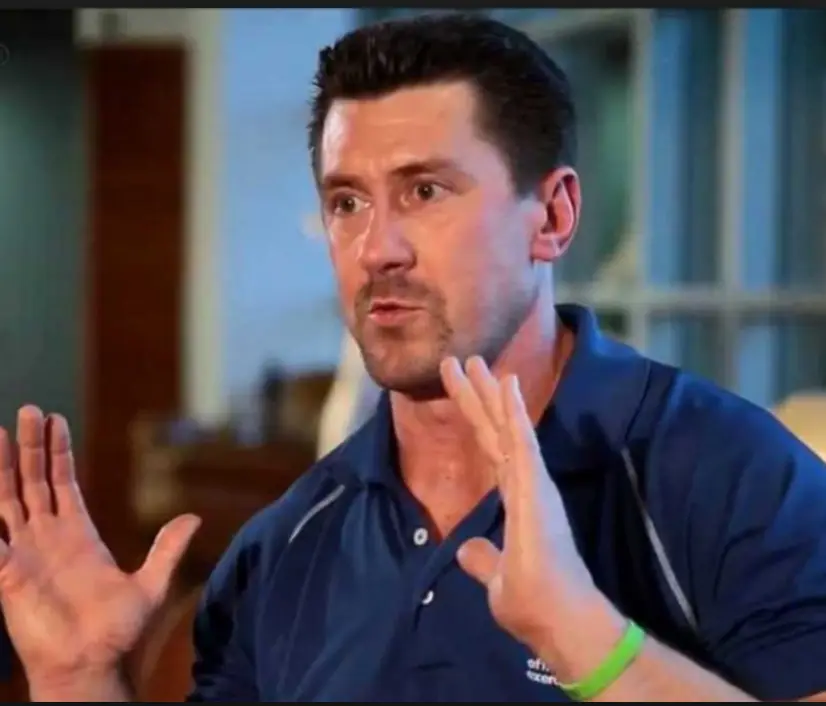
Keith is one of those few lucky souls who has been able to completely transition out of corporate America and dive headlong into his passion for bettering lives by teaching the art and science of physical culture. He not only “walks the walk” on a day-to-day basis, but his economic well-being hinges on his precepts of “proper exercise, stellar diet and lifestyle, and intelligent “hacks” and supplementation” forming the bedrock foundation for a long, healthy and prosperous life.
Keith, together with partner Mark Alexander, have molded Austin-based Efficient Exercise into one of the most highly regarded fitness venues in the nation. Keith’s mix of intelligent and highly effective exercise programming, coupled with Mark’s business savvy and proprietary equipment genius have made Efficient Exercise the preeminent wellness authority.
The very essence of Paleo f(x)™ is rooted in the idea of putting theory to practice; an idea that Keith is heavily invested in, having been blogging about these issues since early 2007. And his “30-thousand-foot view” for the Paleo f(x)™ enterprise serves as the movement’s guiding, north star.
And with a belief that intelligent “hacks” can help bridge the gap between our elegant evolutionary programming and sub-par environmental surroundings, Keith is continually ferreting out and backing the most promising of technological enhancements. As a founding partner of ID Life, Keith is helping to usher-in 21st century, optimal supplement dosing.
It might be said that Keith lives by the credo written by the Greek poet and soldier, Archilochus, over 2,600 years ago – “We do not rise to the level of our expectations. We fall to the level of our training”. And his vision for Paleo f(x)™ is that of a battle-tested warrior, preserving the right of everyone to fully, actively and enthusiastically engage in the human experience.
For Paleo F(X): www.paleofx.com
For Efficient Exercise: https://efficientexercise.com/
For Keith’s blog: http://ancestralmomentum.com/
Transcript
Machine-generated from the episode audio and lightly edited — may contain errors.
Chris Albert (link to this point)
What's going on everybody? Welcome to episode number 35 of the Warrior Soul podcast. And today, we've got a fantastic episode for you with mister Keith Norris. Keith is a fitness entrepreneur extraordinaire. He's developed multiple businesses in the fitness industry, and he's the founder and promoter of Paleo Paleo FX FX.
Is really the center of the Paleo movement. It happens in Austin every year, and people get together to exchange ideas about the paleo lifestyle. And it's important that we identify it as a lifestyle because a lot of people, they think of paleo and they think just of the diet where you're not eating anything that a caveman wouldn't recognize. But the paleo lifestyle is a lot more than just diet. It really gets back to happiness through simpler living.
Keith started out in corporate America. After doing some time in the United States Navy, he was in the pharmaceutical industry, and he was living the American dream. He had a big house, multiple cars, and a beautiful wife. And one day, he and his wife decided that they weren't happy, that their dream quote unquote lifestyle was really not serving them. And they decided that they were going to change things by making things a little bit simpler.
And that really just means getting away from our attachment to material objects. You know, why do we have multiple cars? Why do we need multiple cars? Know, Keith goes into, an experiment that he's currently doing of surviving without a car for himself, and he gets around Austin on a bicycle. We also go quite a bit into finding ourselves and and really thinking about personal practices that can help us to be happier and to be more productive as human beings and to get back to our purpose for being here on this earth.
On top of that, we talk a bit about plant medicines, which is a little bit controversial in different circles, but it is a relevant tool in helping somebody to find things that are really holding them back. But we also talk about the idea that plant medicines really aren't enough and that you need to be doing a lot of the work that you need to do, in order to move your life forward. There's some amazing tips for all of you in this episode, whether you are somebody who's in the fitness industry and trying to become an entrepreneur in the fitness industry, or if you're somebody who's just trying to live a happier and healthier life. I'll be putting links for how you can get in touch with Keith and Keith's organization and ways that you can get yourself down to Paleo FX over there in Austin. It is a fantastic event with so many great speakers.
They address a whole lot of different things, everything from entrepreneurship to nutrition, to plant medicines, to mindfulness. And it's really the preeminent conference in not only the paleo world, but in the health and fitness world. I think that this is where a lot of the great thinking is being done. And it's great to connect with people from that community. So I'll definitely be putting links up there in the show notes, and you'll be able to find them under podcasts at www.warriorsoulagoge.com.
Additionally, we've got some amazing things going on here at Warrior Soul Apparel. We have launched our Keto Camp course. If you're interested in ketosis, this is a course that will take you through everything from adaptation to maintenance. It includes a full guide on adapting to ketosis and using your own fat stores for fuel and to enhance your mental and physical performance. It's also got a twelve week training program, full grocery list, a 30 recipe cookbook that includes low carbohydrate desserts, and many other amazing things.
We've also released multiple packages. And if you wanted to participate in Keto Camp, you can either do it in a do it yourself fashion where you're taking the digital course, or you can sign up for our master package where Matt and I guide you through the process and customize your plan for you. So if you're interested in learning how you can use your own fat stores to fuel your performance, increase your mental energy, and really become superhuman, then check out Warrior Soul Keto Camp, and I will put a link for that in the show notes as well. Also, we have Andrew Marr, my cohost and retired Special Forces Green Beret. He's dedicated his life to helping others who've been afflicted by traumatic brain injury.
And he has a new book coming out. It's called Tales From The Blast Factory, and it goes through his whole story of being a brain injured green beret who came back and really had to figure out his own treatment because the treatment that the VA was providing was not helping him or serving him whatsoever. It's gonna be a fantastic book that is going to change everything we think we know about traumatic brain injury and post traumatic stress. So I highly recommend that you get on the preorder list, and we'll be providing a link for that as well in the show notes. So that's enough of our special announcements.
I will shut my app and let's get into the episode with Keith Norris of Paleo FX.
This is Chris Albert, and I'm here to remind you of one thing. Someday, you're going to die. Now that's not some morbid statement or scary idea. It's a solid fact. Your time here on this earth is limited.
And we need to be reminded of this as much as possible for one simple reason, to live your best life while you can. This is the Warrior Soul podcast.
What's going on everybody? This is Chris and Andrew here with Keith Norris of Paleo FX right out of Austin, Texas. How you doing, Keith?
Keith Norris (link to this point)
I am doing fantastic. It's another beautiful day here in Austin, Chris.
Chris Albert (link to this point)
Yeah. Hear it's absolutely gorgeous down there. I need to get out there. I know Andrew is a Texas man himself, but he's from the other side of Texas. Right?
Dallas Dallas?
Andrew Marr (link to this point)
Yeah. A little up north, about 200 miles north, but, yeah, Austin is beautiful, so definitely jealous of Keith's awesome location down there.
Keith Norris (link to this point)
Yeah. So Andrew would be defined as a Yankee by everybody else in So anybody anybody North Of Austin is a Yankee. So that's
Chris Albert (link to this point)
Really? Was not aware of that. I was not aware of that.
Keith Norris (link to this point)
Little geography lesson first thing in the morning.
Chris Albert (link to this point)
Well, I'm I'm from Connecticut originally, so I literally am a Yankee. So
Andrew Marr (link to this point)
You're referred to as a damn Yankee.
Keith Norris (link to this point)
Yeah yeah. Absolutely.
Chris Albert (link to this point)
So well Keith it is an absolute pleasure to have you on this podcast and and really I'm a really big admirer of your work. You know, for everybody out there in our community, we've we've got a lot of veterans who listen to this podcast, a lot of active duty military. Could you just give us a little bit of your background? We'll get into we'll get into all the nitty gritty, but but just a little bit of background on who you are and what you do.
Keith Norris (link to this point)
Yeah. Just a quick flyby. Lifelong athletes. Ran AAU track and field as a youth. Did Thai kickboxing and football.
There was, you know, from the time I can you know, had to hold the football in the North South position because you couldn't get your hand all the way around the thing. Parlayed that into a very, very good collegiate career at Southwest Texas State. Had a good run, enjoyed every bit of the athletic side of things. Wasn't much of a student, but enjoyed the athletic side of things. Although being a student there in the poli sci department, which was a pretty liberal university for its time, opened my eyes to some things and kind of shook my mind a little bit, right?
Because I came from a very, very conservative background, working class background, and having my eyes open to that really I was talking about this with a friend last night, how that was my first foray into going, Oh, holy shit, the world as I know it isn't the world as I know it. So even though I wasn't a good student in the traditional sense, I did pick up a lot, and it made me become a lifelong learner. So after my football career, I was kind of in a personal tailspin at that point because I left the game before I was ready to leave the game. Like a lot of people who are athletes, former military, when you get pulled out of that environment and you're not ready to be pulled out of it, it can be traumatic, I mean, because your whole life is wrapped up into that identity, and once that identity is stripped from you, you don't you have you're lost. You don't know what to do with that.
So I did the first thing that I think of that could have mimicked an athletic environment, and I went right into the military. I was in the Navy for just under nine years. This was during the time when the wall fell, so I was in both the Cold War and the aftermath of the Cold War, and spent a lot of time in Europe during that time. I came that, out went right into the corporate world, and went right into the belly of the beast, which worked for big pharma, and at that time, I thought I was doing humanity a solid by working for big pharma, because, hey, who could argue with life saving drugs, right? And it wasn't until I kind of matriculated up through the management levels and kind of found out what the real deal was, And I'm not one to just totally bash on big pharma.
Big pharma does create some life saving drugs. The flip side of that is they are a business entity, and any business entity exists to make money and to satisfy shareholder expectations. And that said, that can get twisted in some pretty negative ways. For instance, chasing the next Viagra versus trying to chase whatever agent it is we're going to figure out that will kill septice. The money's in the Viagra.
That's the bottom line. That's where the money is. Lifestyle drugs are where the money is. Diabetes control, these types of things. And at that time, my wife was a chef who was actually working for a building contractor who were building Starbucks up and down the East Coast.
At this time, I was living we were living in North Carolina. And both of us were kind of dissatisfied with the whole system, right? We had bought in fully. Mean, we had the big house, we had cars, we all of the material trappings that somebody could look at us and go, Wow, that's a successful couple. You have four great kids, they're going to great school, you know, all of this, but it was still hollow and we knew it was hollow, but we could not get out of that trap.
I mean, because you've got a mortgage payment due at the end of the month, you've got car payments due, you've got all of these things due, your kids are expected to They want you to help them go to college. All of these things, all of these pressures kept us caught in that wheel, and we couldn't get out of it. But eventually, we were bound and determined. We were like, Look, one way or another, we're getting out of this trap. We realize it is a trap, and we're gonna get out of this trap.
It only took a .com bubble and a massive housing crisis to pretty much wipe us out financially. We came out of the .com bubble and said, Hey, you know what? It's all cool because we still have half our assets in real estate, and nothing's ever gonna happen to real estate, right? That's solid as a rock until it's not. And so, were just hit very hard with this reality busting shift that things aren't what they seem, you need to get out of this wheel, get out of this trap, and both of us were entrepreneurs at heart.
We wanted to go the entrepreneur route. I will say at that time, we lost a daughter in an auto accident, which was another pretty traumatic blow to us, obviously. And so I spin this as a positive by saying that loss, that loss of a daughter, really kind of woke us up and said, You know what? You talk can about this, bump your gums about it. Are you gonna essentially shit or get off the pot?
Are you gonna do this or not? And so we left our corporate gigs at the absolute bottom of the housing market, the absolute worst time. Mean, the people around us said, You guys are absolutely crazy. There's obviously some traumatic scarring from the loss of your daughter. Don't do what you're doing.
You know, do not do this. But we knew it was more than that, and it wasn't. Yes, we were scarred from the loss of our daughter, but we knew we did not want to stay in this wheel. We wanted to get out of it, and it didn't in our minds, it didn't matter when. If the economy bottom of the economy, it didn't matter, but we were getting out.
So, yeah, so that's the story in a nutshell.
Chris Albert (link to this point)
Wow. That's that's an absolutely amazing story. I, you know, I I I deal with a lot of entrepreneurs. I deal with a lot of people who wanna open up businesses and and and, you a lot of people ask me questions, and I always say that, you know, you kinda have to find the bottom of your barrel before you're actually going to get out there and do it because you're comfortable while you're experiencing everything that happens to you as an entrepreneur. And people see, you know, they see Shark Tank on TV, they see people who succeed, but they don't know the pain involved, and they don't they don't know the hardship and, you know, staying awake at night wondering when your where your next check is gonna come from.
Keith Norris (link to this point)
Yeah.
Chris Albert (link to this point)
And you really have to be in a desperate situation to wanna do something like this. It's it's absolutely crazy.
Keith Norris (link to this point)
Yeah. It pushes you. I mean, you you know, it it could have been so easy, and believe me, it wasn't like we didn't second guess ourselves. I mean, were many times, especially in the first couple of years of entrepreneurship, that we were like, you know, maybe we are crazy, maybe we are totally nuts, maybe everyone around us, maybe they were actually seeing the truth and we were just blinded by something. It was hard, and we did question, and we But at the end of the day, we purposely put ourselves in a situation to where there was no bailout.
It burned all the ships. It was like, I don't care if we wind up living under a bridge, I am not going back to corporate world. I'm not gonna do it. I'm a healthy guy, I can work construction, but I am not going back to doing that. I'm just not going to do it, because my heart and soul is not in it, and I know there's a better way.
And we can get into the health and wellness side of things, too, but when I was in the pharmaceutical industry, it was just killing me to go in every day and go to these meetings and see the latest statistics on diabetes, and there's almost this giddy feeling in that industry because everybody knows what the diabetic trends are in this nation, right? That is a solid paycheck for the pharmaceutical industry. And I'm not a tinfoil hat wearing guy and a huge conspiracy theorist, but if you're in a business to make money, you cannot help but to be happy to know that you just see an increased customer base year to year to year to year. I mean, that obviously makes you happy. But I knew there was another way.
There's no way that we should be trending this way. There's no way. I mean, it all comes back to health, wellness, and diet. And if we can somehow change that tide and get people to see that they are champions of their own health, they don't have to sell their souls to the pharmaceutical industry or the medical industrial complex or any of that. You can take control of your own health.
And that's kind of the thought that we had when we dove into this entrepreneurial effort.
Andrew Marr (link to this point)
That was gonna be my next question, Keith. You guy you and your wife, you came come to a crossroads. You realize that, hey, the corporate life, the you know, what we bought into isn't what we thought it was going to be. Dramatic events. What was the vision to to change that course and say we're gonna go a different route and this is the vision?
And like you said, you said that, you know, everybody questioned you and you questioned yourself and that that's entrepreneurs always do that, but ones that come out successful are able to keep to that vision. So what was the vision for you and your wife?
Keith Norris (link to this point)
Yeah. So my wife is a trained chef, so and I am a trainer, although I have absolutely zero credentials in that area. I've trained personally my entire life, and I have trained others often on my entire life as well. So the idea was she was going to chef and I was going to train. We had no idea what that was going to look like, but that was a skill set we came in with, and we came in with passion on both ends.
And we did that. She ran a catering business the first year that we left corporate America, and I trained. I happened to meet a fantastic guy just as I was transitioning out of the corporate world who happened to have a operational gym in Austin, and we had identified Austin as a place we wanted to get back to. We're both from San Antonio, but we always knew we wanted to get to the Austin area. Number one, because it's an awesome place to live, but number two, because it is a center of entrepreneurship.
And we knew we wanted to be in the middle of that hub. So long story short, I partnered with Mark Alexander, and we've gone on to do many other things together, Paleo FX being one of them. And at that time, Mark had a prototype of an ARXFIT machine, which if your listeners want to Google, it's just a arxfit.com. It's an exercise technology concept that he had a prototype of at that time when I flew down Austin to talk to him. And the second that I laid hands on that and started to work with it, all the light bulbs went off.
It was just, Oh, yeah. I know what to do with this. I know how to program this. This makes all the sense in the world to me. And we partnered at that time and went off.
Flash jumped forward about another year after that, two years after that, we went to the initial ancestral health symposium, which took place at UCLA that year, that was the first year. This was really the first time that this loose group of people in the paleosphere came together for the first time to meet each other. It was a very academic conference. Ancestral Wellness is decidedly academic. And we went to that conference.
It was a two day conference, fantastic event. Got to meet all these people, got to meet Robb Wolf, Hartsissen, all of these people that I had talked to online, but had never met physically. Got to meet all these people, you know, rub elbows, trade ideas with, it was just a fantastic event. The only drawback that my wife and I saw from it was that it was very academic, and that the normal layperson would have gotten nothing out of it. And it was hard even for me, and I'm not an academic, but I play one on TV.
I can keep up with it, I can read the papers, I understand the science, at least on a surface level, but the best ability is to be able to take that theory, that scientific side of it, and be able to break it down for people to use day to day. And I didn't see any of that at that conference, but I knew that that want existed. And so quite literally, my wife and I are on the plane, we're sitting on the tarmac at LAX, getting ready to fly back to Austin, and we're just kind of debriefing and discussing this and saying, you know, what would it be like if we created an event to where that was the thrust of the event, that it was theory to practice, that it was, yes, this is a science, and the science is super important. You never want to discount that, but at the end of the day, people have to be able to apply that science to their daily lives to be able to show results. Otherwise, it's just all mental masturbation.
It goes nowhere. What would an event like that look like? And that's where Paleo FX was born, and we were crazy enough to, six months later, actually hold an event which is now super, super small by our standards. It is about 800 people and 12 vendors, And now the event has grown to probably have 6,000 people out this year this year, over a 100 speakers and, you know, a 130 ish plus vendor booths out there.
Andrew Marr (link to this point)
What year was that, Keith, when it first started?
Keith Norris (link to this point)
2012 was the first year. Wow. So this would be event six for us. Lots of growth there. Lots of growth.
Tremendous growth. And it's not a testament to us so much as it is a testament to this movement, because without the movement, we couldn't have the event. The event is just a reflection of the movement at large.
Chris Albert (link to this point)
And one thing for everybody out there, know, paleo has become very popular. It's growing as a movement. But I think there's a lot of confusion amongst people who who maybe haven't been exposed to it. Sure. They think it's a bunch of bunch of people, you know, just cooking steaks and Yeah.
Yeah. And gnawing down on bacon and things like that. What in your mind is paleo? What defines the paleo lifestyle?
Keith Norris (link to this point)
Yes, and it is a lifestyle. I'm glad you brought that up. It's not just the diet. It is an all encompassing lifestyle. So, you know, when I look at paleo, and we've argued about this back and forth, and we've come close to actually changing the name of the event, but we have a soft spot for the term paleo, because that's how we came to know this whole mindset, this whole lifestyle.
The reason that paleo is identified so solidly with diet is because this was the first application of this mindset. And when I say mindset, I mean critical thought and viewing all of life through the lens of evolution. Nothing makes sense except through the lens of evolution. Everything, even economics, relationships, all of this can only make sense if you're looking at it through an evolutionary lens. Diet was just a low hanging fruit.
Diet was the first, the easiest thing to go, You know what? I really don't think the medical community, A, has an idea of what's going on with diet, and B, the information they are putting out is wrong, because I can look at what they, meaning the authorities, are telling me to eat, and that just doesn't make sense from an evolutionary perspective. What goes into your body does matter. That was the first question. How can it not matter?
And if it does matter, what is it that needs to go into the body to fuel it properly? That was the first question. Critical thought, question, question authority, critical thought, and looking at life through an evolutionary lens. Diet was a low hanging fruit. So ergo, you know, the Paleo diet, Paleo diet books, all of these things.
That then quickly transitioned into, well, if that worked with diet, how would it work with lifestyle? How would it work with spirituality? How would it work with economics? How would it work with anything in our lives? Advertising, you name it.
I mean, it's just So now if you go to a Paleo FX event, are there talks on diet? Yeah, there are talks on diet, but now it is spread out to so much more. I think if people are unfamiliar with Paleo and they come to Paleo FX and the first talk they come to is a talk on economics, they're kind of like, Hold on a second, what? I thought this was a diet conference. So, yeah, it's and I love that that lens is just being cast wide now.
And at the time that Michelle and I transitioned out of the corporate world, we knew this was going on, but we did not have a name to put to it, right? Had to fight. Humans weren't meant to do this. Humans weren't meant to be caught in this wheel. Humans were meant to be fulfilled from the inside, the work they do in the communities that they're in and the relationships that they have.
Why is this void inside? Well, something's amiss. What is that that's amiss? And then, you know, we start I have always used the five whys, the Toyota question, right? If you were in the corporate world like I was at that time, and you were up in management, you went to Lean Six Sigma training, you also went to Kaizen training, all right?
These are just lean management systems. One of those management techniques is if you run across a problem, you ask, Why does that problem exist five times? At least five times. Because the first answer you get is never the right answer, right? The second answer you get, now you're starting to get into symptoms, but not the root cause.
And so it's just a series of questioning, questioning, questioning, questioning. Eventually, you get to the point where, yes, now I do have the answer, Now, I need to figure out a system or process to now fix that. So that's I totally don't know where that question started. Somehow we we ended up on Lean sigma training.
Andrew Marr (link to this point)
Well, I I like where it ended because I think that's a problem is that we're not we don't ask enough critical questions. And if we do and if the answers are something that's different than the status quo, we don't wanna look at it. And I say we as a culture, I mean
Keith Norris (link to this point)
Oh, yeah. Totally.
Andrew Marr (link to this point)
That's probably where you know and you have a unique perspective Keith and that you were an insider in big pharma and now kind of leading the this movement on the the Paleo FX side of the house so you can speak from both sides of the the equation is like, hey, this is what's set up when the system is set up on sickness and we're trying to live a life that's set up and predicated on wellness and here's how we're seeing the the instruments and the fundamentals to do that.
Keith Norris (link to this point)
Yeah, totally, and if you understand too a little bit of human psychology, just the very, very basics of human psychology, we are all imprinted by our society and by our culture, myself included, and I'm the first and foremost to buck against that, but the fact remains that I am imprinted on a subconscious level, I don't even realize it. And so constantly putting myself, constantly questioning my own ideas and my own biases and my own thoughts constantly, it's constantly putting myself in uncomfortable positions. I'll get to my no car experiment here in just a little bit, but constantly making myself question the status quo is difficult. It is so difficult because it's so easy to go with your imprinting, and it's so easy to go with a culture. And I'm not trying to bash Western culture at all.
I mean, there's a lot of good that just come from Western culture, but there's obviously a lot of, I would say, laziness that's baked into the cake too, because again, we are evolutionarily wired towards laziness. You know, nobody was wired to work out and run on a treadmill. No one was wired to do that, because that meant death. That meant non survival of the species. You worked when you, A, had to, and you ate, B, when you could, and you ate everything in front of your face.
The problem is now we're in an environment to where, A, we can relax 24/7, we don't have to take a step, and b) we have hyper palatable food at our back and call. And now we have to buck that evolutionary trend, that evolutionary wiring, that's hardwiring, but we're also mentally, subconsciously hardwired for certain things within the culture too. My personal imprinting came with nothing comes without hard work, right? Nobody makes an easy dime, nobody does this, and there's some truth to that, but it doesn't have to be done as a tool in our person. And that was my blue collar resistance. Nobody was worth their salt unless they were willing to work eight, ten, twelve hours a day swinging a hammer, you know, it's a metaphor, but to be able to do that, and by the way, that's what defines you as a man, right? So men don't just go out and willy nilly, you know, create this woo woo thing and go out and make money. It does not happen.
Wake up, son, right? It's by tooling an hour and working for the man, and you know, getting a paycheck every week, and these types of things. And I don't blame my parents for bringing me up in that cold. That was their world vision, right? I mean, they came up during hard times to where if you did not do that, you weren't gonna eat. But in knowing that, and giving them forgiveness for raising me the best they could in the culture I was, but I don't have to be stuck in that culture either. I do have the choice to be able to change.
Andrew Marr (link to this point)
How do you rewrite that program, Keith? How do you become conscious of that and then go through that process like you were talking about?
Keith Norris (link to this point)
Yeah, I think it's constant vigilance, right? And it's So I'll take this back. So I felt about six months ago that I was getting a little It's been about eight months now, that I was getting a little too comfortable, let's say, right? I had, you know, now I'm right back into the big house, I'm right back into the cars, I'm right back into these other trappings. It started to make me feel very, very uncomfortable, you know, years ago.
And I thought to myself, why am I feeling, you know, why am I feeling this way? I mean, I'm a successful entrepreneur, I've got this thing going, I've got it, you know, I'm doing what I want to do, but at the same time it was like, yeah, but on the flip side, you're still rolling that back into a lifestyle that's creating this ease around yourself. So there were some other things that perpetuated this, but I thought, you know what? Why do we have two cars between my wife and I? There's no need for that.
I mean, I live in a town that's bike friendly, that's, you know, I can get around. I don't really need a second car, but I have one because I can't. Right? And that's just what's expected. You have two people, you have two cars, and I thought, you know what?
I'm just going to fricking get rid of this other car. I'm going get rid of it and see what happens. I'm going see if I can get around day to day, and I've got a lot of traveling. I mean, I've got just today, I rode eight miles to get in here to do the to do the podcast. And that's not a and that's not a oh, I'm great or oh, you know, feel sorry for me that I just had a road and I haven't eaten yet, and all of these things.
I do that by choice because it puts me in uncomfortable positions. I have to wake up in the morning and I have to go, what's the weather? Where do I need to be today? All I have at my disposal is a bike and a bus ticket. How am I gonna make this happen?
Andrew Marr (link to this point)
So it takes you out of reactive mode, and you have to be very proactive.
Keith Norris (link to this point)
Yes. And it and it's okay. By first world and first world standards, it's difficult. Right? By third world standards, I mean, it's a freaking holiday, but by first world standards, that's, you know, it's a little difficult, and it forces my mind to think of, okay, how am I gonna navigate this?
You know, what's the weather? What's the traffic light? What are the best roads to take so I don't get, you know, my self impaled on a And so all of these have to be you know, I have to look at the clock. Okay. I gotta be downtown, which is eight miles away.
I gotta be there in a half hour. How am I gonna accomplish that? It means I'm gonna have to haul ass on a bike, because now I've, you know, there's no way I'm gonna get to the, you know, the bus on the, you know, all the, all these things, but it forces me out of that comfort zone, and it forces me to think. Yeah. Which also translates back into the entrepreneurial world, so now I'm comfortable with adversity, right?
Hey, okay, that shit didn't happen, let's step back, ask the five whys, figure out what the problem is, and we'll go on and take care of it. So it's just that idea of, so that's physically putting myself in a position of discomfort, but I do it mentally as well. So I constantly I'm the biggest paleo advocate you can find, believe me, people cannot get me to shut up about it. But I will constantly, mentally, in my head, take the position of a vegan and defend that position. That's an uncomfortable position for me to be in, because I don't believe it.
But if I force myself into that position, and I constantly take that side, and I'm arguing for veganism, number one, it gives me a healthy compassion and understanding for the vegan, but number two, it lets me know what are they thinking, where are they coming from, why would they think that way? All of these, instead of just poo pooing it. And I can flip that around to politics, I can flip that around to relationships, I can flip that around in any kind of way, but if I force myself into the position that I do not agree with, and defend that position, that puts me in a very, very good position with mental flexibility, if you want to call it that way.
Chris Albert (link to this point)
It can definitely help with cognitive biases trying to limit your cognitive biases. You know, I think a lot of times when we take such emotional positions and we attach emotion to our own positions, you know, I believe that evolutionary evolutionarily, emotions were made to to help us to decide better. And a lot of times when you when you become so emotional, you're not really going through that process of deciding in your head. You're just jumping on the emotion side. So Yep. I could definitely see how that helps, and I can definitely see how, you know, looking around YouTube and around the different fitness communities, emotion has has torn torn everything apart because nobody everybody's talking past each other.
Nobody really agreeing on anything, and we're stuck in the same place just just fighting.
Keith Norris (link to this point)
Yeah.
Chris Albert (link to this point)
How do vegans come down to Paleo FX, for example, to see what's going on, or people with contrarian views look at everything?
Keith Norris (link to this point)
Not that I know of, right? So we have had vegans there who were there to talk on other things like shamanism, for example. But they haven't come into the show either to demonstrate or take a counter view or anything like that. We haven't had that. I have wanted to have some panels with vegans, vegetarians on the panels, and to have a discussion, right?
Just to have a sane discussion and not turn it into a free for all, or ad hominem attacks, or anything like that, but to really have a discussion. Because if you look at this, and I only know this because I've forced myself into that position, we agree on 90% of the issues. Right. Right? There is so much agreement, right?
But what it comes down to, do you feel comfortable slaughtering and eating another sentient being? That's what it boils down to, and a lot of that goes back to religious leanings, or spiritual leanings, and it has nothing to do with diet and nutrition at that point. We can have a discussion about that, right? Because there's plenty of people who do things that are counter to their health for spiritual reasons. Totally, totally get that, but if we back it up, and we talk about animal husbandry, for instance, there's no disagreement.
Vegan, vegetarian, paleo, we all agree that animals should live happy, healthy lives. I just take it, and we in the Paleo Committee take it a step further, that we view us all part of this ecological cycle, right? I'm going to become worm food one day, I don't hate the worm for it, that's just the way it is, right? That's just the way this whole wheel spins. Yeah, so I think there's a lot more agreement on that side than there is disagreement, but you know, the way discourse happens here in America, and in a lot of places, is the discussion is meant to win.
So if I go into a discussion with you, Chris or Andrew, I'm not having a discussion so that I can see your point of view, so that I might consider that. I'm in the discussion to win. Mhmm. Right? I'm in it to win.
And this is just baked into our culture, right? It's baked into the sports culture. Nobody plays the game for a draw. People play the game to win. We're in business to win.
Nobody goes into business to fail and go bankrupt, know? So in politics, the same thing I mean, that discourse is just set. And when you come up under that system, and you're imprinted as a child to where, oh, it's not a discussion, I'm trying to win. I'm trying to push my point down this other person's throat till he finally acquiesces. And so, you have to kind of think outside of that, and taking the other position, this is something else that I learned in college, being a shitty student, but a great football player, was in debate.
And part of our debate was, you have to take the position of the other side, because that makes you a great debate. And how do you get into the mind of the enemy, so to speak, to take the enemy's position and to see where they're coming from? I mean, that's a sports tactic, that's a war tactic, that's, you know, get into the person's mind of who you were competing against, and you're gonna be in a much better position to compete against them because you know where they're coming from.
Andrew Marr (link to this point)
Absolutely. And it's such a great mind experiment, and I can't remember who to give this credit to, but they essentially said this, like when when trying to take an understand another viewpoint, understand it as good, if not better, than the person who you're arguing with or against and be able to explain it more clearly. Then identify everything that you agree with. Do those first two things and then you'll truly be able to see where they're coming from and then bring up points of dissension. And I think we could have a really good conversation if we would give the other side that common courtesy.
It probably would come to some new understandings. That's why I think it's what the process that you just outlined, Keith, I think is so essential for evolution as a species, but especially as an entrepreneur, because you don't want to isolate anybody. You're trying like you said, you want to think outside the box. So these are the processes that I think that probably allow you to make those decisions.
Keith Norris (link to this point)
Yeah. And I learned this lesson very early on as an athlete. You know, when you're a teenager, you know absolutely everything, right? So I remember coaches, and I played in the secondary, I played strong safety, and I remember being coached to know the opposing offense and the opposing offensive schemes better than that team that you're actually playing. And I thought, why the hell would I wanna do that?
I'm a defensive player. All I gotta do is cover this guy and, you know, knock this guy's head off and we're all good.
Andrew Marr (link to this point)
Mhmm.
Keith Norris (link to this point)
You know, I I didn't get it until I got a little bit older. Oh, I get it. And a little bit older being in college, and I was like, oh, I get this now. Okay. If I if I know this offense that I'm getting ready to go up against inside and out, and try to learn it better than the person actually running that offense, I am I'm a step ahead everywhere.
I know what's gonna happen before it happens. I know their tendencies. I know all of this because I know their offense. Yeah, and that translated right into military career, translated right into life.
Chris Albert (link to this point)
Wow. So one thing I wanna ask because I know it's coming up, when when somebody comes to Paleo FX, what what type of experience are you looking for them to have? And I know people probably have different reasons that, you know, educational reasons. Maybe they're in the fitness business. Maybe they're they're they're in the nutrition business.
But what kind of general experience as its founder and creator do you want them to have?
Keith Norris (link to this point)
Well, we want them to be wowed, number one. And I think we I really think we do a good job about that. I mean, we have five simultaneous stages going on between talks and panels and the massive vendor floor. It's just it's just a chaos of activity going on there. But I think the best I felt from a comment from an attendee was a young girl who came in, who was she was on the Asperger's spectrum, right?
And she had to dial in her diet perfectly, so as not to skitter off onto the Asperger's side of things. If everything was on cue, if she had her diet dialed in, and she had her exercise, you would never know, you would never know that she had this problem. But she came to my wife and I, and she said, You know what? I love this conference every year because I feel like I am part of a community, and I don't feel weird. When I'm outside with my friends, who obviously don't have these problems, and I have to eat a certain way, and I have to, you know, I have to do all these lifestyle adjustments to keep my Asperger's in check, you know, it's tiring.
It's, you know, she's a teenage kid, it's like it's tiring, I feel like an outcast, but when I'm here, I am part of a group and everybody understands what I'm going through, And I think for me as a founder, I was just like, wow, okay, you know, we're on the right path. So when you get, you know, people like her, when you get 6,000 like minded people together, all with the knowledge that they are the champions of their own health, they are the captains of their own ship, both mentally, physically, emotionally, spiritually, financially, relationally, in all of these areas, it's a wonderful feeling, and it just raises the entire vibe of that area. I mean, you walk into the Palmer Event Center for Paleo FX, you know you're with your tribe.
Chris Albert (link to this point)
It's also great feeling that that you're reaching people like that. You know, somebody with Asperger's who can Yep. Rule themselves, and you're teaching them how to do that. Yeah. I'm out here visiting my family, and, yeah, I have a relative who who just diagnosed with with Asperger's
Keith Norris (link to this point)
Mhmm.
Chris Albert (link to this point)
Trying to explain to his mother that, you know, nutrition's a huge part of this. And it's sometimes it's really hard to communicate that because people don't put it put it put two and two together. They have to take a pill. They think they have to take some sort of medication, and it's that can do it for you.
Keith Norris (link to this point)
Yeah. Yeah. It's weird when I get outside of my Insular community because obviously I'm at the PaleoFX offices now, everybody who works here is just so passionate about this movement. The people that I the two meetings I've got coming up later today are with people in the sphere. It's about everybody I run into would agree with what you just said, Hey man, it's diet, you know, it doesn't have to be a pill, it's diet and lifestyle related, you can If you cannot totally control the issue, you can go 90% there.
You have a lot of control in your hands, and then to get thrust like in a, know, for what you end up at Walmart or at the airport and just go, Woah, where am I? What just happened? Yeah, it's shocking, and it just I guess it's just a show to me that there is a lot of work that still needs to be done, because I can in my day to day activities, I mean, I'm like, wow, we're making such progress, and we're doing this, and you know, look at how many vendors we got coming in, how many ticket sales we got. I mean, this word is just spreading, and it is, that relatively within The US and within the world, it's still a small sliver, man. There is still a lot of work to be done.
Andrew Marr (link to this point)
The the challenge and the beauty of it is when you cut when you wake up, you realize that that is the birthplace of responsibility in the fact that, like you just said, I can take control and maybe not correct a 100%. But what if I can correct 90%?
Keith Norris (link to this point)
You do.
Andrew Marr (link to this point)
Just through lifestyle and nutrition alone. A lot of people, that's something they just find hard to deal with or they don't wanna confront. So it's easier just to remain on the status quo, and and I get that. So you show that you show you have a superior alternative by putting out a superior product such as Paleo FX or the people or the group or the tribe that has bought into that. Wouldn't you agree with that, Keith?
Like, that's the best way we could be an example is by being the example?
Keith Norris (link to this point)
Totally, and I, you know, I would take it a step further. I had a very, very good friend of mine, Ryan Friesinger, here in Austin, who is a fantastic healer, who has come to the healing path because he himself was sick, and this is a, you know, this is a pretty universal story, someone who has gone to numerous, numerous doctors, and the doctors look at him like, you're either a hypochondriac, or we don't know what the hell is wrong with you. Super intelligent guy, essentially healed himself. Taught himself genetics, healed himself. So we've had this discussion about, Okay, what route do we take to make change in The US?
And both of we keep coming back to the idea that, you know, you cannot dismantle the master's house with the master's tools. That is to say, you have to build a new structure. And I've gone back and forth with this. I'm like, you know what? Part of me wants Paleo FX, and I want Paleo FX to be an advocate, like a political activist type of or at least there'd be an arm of political activism there.
But then I back up and I go, you know what? I know that that's the cure. I think we're so far down the river now that activism is not going to do it. We have to build a new structure and make government as it pertains to healthcare irrelevant. And that's kind of, you know, I'm kind of residing myself to that idea that we have to build a new structure, make government irrelevant as it pertains to healthcare.
And how do you do that? It's by showing results. It's by showing one result after another result, after another result, after another result. And the medical industrial complex can poo poo the paleo diet, they can poo poo what we're doing, they can say what we're doing is a fad, and all of these other things, whatever, we just keep marching out success story after success story after success story, what are you gonna say about that? Eventually, people are gonna go, Well, you're producing zero results, and these paleo people are producing result after result.
It's pretty obvious which is working. And that's kind of the route I'm taking now, and this is from a poly sci major, who was all about politics for a long period of his life. And I've kind of come to the point where I don't know that it can be fixed that route. And in fact, I'm pretty sure it can't be fixed that route.
Chris Albert (link to this point)
Yeah. I think I think the biggest thing is is with everything we're seeing now with human communication and and the multiple facets that we have, things like this podcast and and, you know, if you take take guys like Joe Rogan, for example, he's gotten, what, like, 90,000,000,000 downloads a month right now. It's crazy. Crazy. And and there's more and more ideas getting out of there.
But I also think it goes back to what we were talking about before where we have people consistently butting heads
Keith Norris (link to this point)
Mhmm.
Chris Albert (link to this point)
In these online communities, in these these these kind of grassroots communities, and and talking past each other. And I think just just this type of education about each other's paradigms is is gonna help. And and
Keith Norris (link to this point)
Yeah. And it you know, and it yes. The the ease of communication out. In fact, that's why the paleo movement came to be when it came to be, because it you know, the upswing was about 'ninety nine, 2000, around that's when I really got into the whole thing. It's still in corporate America, but was going, Yeah, this Paleo diet thing, yeah, I get it.
And I've got my own personal health story, my wife does too, but it was through ease of communication, right? And I was online talking with Art De Vany and Robb Wolf way back I didn't even know who they were. They were just like, Oh, okay, this guy's a biochemist, he's pretty sharp on diet, you know, and he's an economist, but hey, he knows diet too, this is pretty interesting. So you take that ease of communication, and you just multiply it, multiply it, multiply it, multiply it, now this information is flying so fast, and now you add citizen science into that. So, you know, I can say, cut sugar out of my diet, lower carbohydrates, do these subtle manipulations, and you're gonna see a result, and lo and behold, I do that, and I see a result, right?
Well, that's quick. That is, Oh, hey, result. I didn't have to wait three years for a book to come out. Could talk to you. We can have communication back and forth.
Did it work for you? What tweak did you do to make it work for you? And it's So yeah, the paleo movement was birthed right as that communication ease came up. Otherwise, I don't think it would have come about, or if it did, it would have taken much, much longer than it's taken now. But on the flip side of that, all this information is pouring out, so you have these very, very passionate people who are pouring out information good.
The bad side of it is everybody's trained to position themselves, and again, the only way you can position yourself effectively is to position yourself against somebody else who has a similar or conflicting idea, and then we get back into that conflict, we get into the confrontation, the competition, which in some ways is good, but I have to under as a consumer, I have to understand all of that and take a step back, consider all the alternatives, ask the five whys, you know, why and then you can become an educated consumer of this stuff now, and not necessarily a producer of it. And I'm still a consumer of things too, right? I just happen to be in the health and wellness sphere, but for instance, I just bought, you know, a new phone the other day. So I had to go through and go, okay, I just want the best phone for the money. That's all I want, best phone for the money.
And then I have to go through and you want information overload, Google best cell phone. Oh my God. But and it's just that idea, take the emotion out of it, big Apple or Die, or Android or Die, take all the emotion out of it. With my circumstance, my needs, what is the best cell phone? And it's Okay, so that's simple.
There's not a whole lot of emotional tie there, but I would challenge people to do that with diet, to do that with exercise, to do that with relationships, to do that with finances, that same question. Because one thing that the five whys will help you with, those five questions, is you begin to see that people are easy to fool, and you are the easiest person of all to fool, because you have these biases, because you have these leanings, because you know, you had these imprints you had as a child, yada yada yada, but you're an easy personal fool, man. And that the first thing is to accept that, and to understand that yes, I come in with this imprinting, Yes, I came in with a tool in our mindset, and I still fall into that trap sometimes as an entrepreneur. I'm just like, I can work harder through this, I can work more hours, and I'm like, hold on a second. It's not about working long.
It's not about working hard, it's about working intelligently. And I have to back up and go, okay, imprinting from your old life. Served you well back then, but it's not gonna serve you now. So yeah, the consumer has to There is some onus on the consumer too, I guess is what I'm saying.
Andrew Marr (link to this point)
I think it's a question of does this provide value? I think that if we don't ask that question, then we can just get overrun with things that that don't matter like you were talking about. I think that's that's been a big that's provided a lot of value in me and my wife's life and and running our family. Like, do we really need this? Is it providing anything that we find valuable with our ideals and our values?
And if it's not, then we chuck it.
Keith Norris (link to this point)
Yeah. Yeah. It's a whole minimalism idea, right? I don't know if you guys have seen the documentary, The Minimalist. It's it's a very good documentary, and so not just about, you know, living with as few of things as you can.
It's a whole philosophy, right? So, you know, does this idea or philosophy serve me, right? Absolutely. So, and it's like, okay, and I think we will find out that, and I found out, and we can get into the, maybe this is a good segue into plant medicine if you guys want to go there, but you know, I have found out that it's not the things that I've added to my life that have added value, it's those things that I've taken away. So it's almost like an artist who is chiseling away at a block of marble, right?
That end being is trapped inside that block of marble, but the only way to get to it is to chisel away the excess, chisel away the excess. And I think life is like that too, right? So it's not, you know, I don't need to add more things into my life, you know, my one simple step of getting rid of a car, right? That was one material thing I could get rid of, and I'm much better for that now. So what else can I get rid of that will make me richer?
And I think that's a good way to look at it as well.
Andrew Marr (link to this point)
So what pushed you into plant medicine, Keith, and were you familiar with that, you know, prior to coming across this journey?
Keith Norris (link to this point)
Yeah, it's a long story of how I got into it, but I will just say I was very, very interested in it from the intellectual side, right? I had always I'll just say this, I'm no stranger to hallucinogens. But, as I started to get a little bit older, started to see the spiritual value in this. And obviously, when I was in college, you know, it's the big right? But as I got older and started to look at this, I started to see that this could be a conduit to spirituality that I was looking for.
Not that you have to have these in your life to be spiritual, but if used the right way, it can be a bridge for certain people to cross to get into that realm. I had a very dear friend who I was training a few years ago, was going to Peru. She had the means to be able to, you know, travel the world and just kind of hang out wherever she wanted to. And she we had talks on Ayahuasca and ibogaine and some of these other hallucinogens, and she said, You know what, I'm going to go I'm down to Peru for a month, and part of what I'm going do is I'm going to take part in a Ayo retreat down there. This girl, mentioning her name, was a Miss Texas, Miss USA back in the day.
She, you know, had gone the whole beauty queen route, and it was kind of tearing her up because that was not her identity, right? She was an athlete, and, you know, she went into these beauty contests because it was another way to compete, and she saw it as just, Oh, yeah, you know, I can do that. I win that too. So she did it and she won, but it wasn't her, and she felt very conflicted about that. So in order for her to kind of come around that feeling like, you know, this is not me, the beauty queen is not me, she got into BJJ and then MMA.
And so she kind of had this chip on her shoulder, and other females would tell me like, Wow, she is something. She's a bit of a bitch. She's a bit, you know, full of herself. And all of that was just posturing by her, right? I mean, she's a beautiful soul, beautiful person, but she did have this thing she was trying to exercise out of her system.
Long story short, she went down to Peru, took part in a number of ceremonies. I saw her a month, six weeks later, totally different person. Totally, totally changed. Same drive, same need to win, but that drive and need to win came from somewhere else. I know it came from a different place, and she was totally, 100% changed on the inside.
And I thought, wow, I did that, you know, it's just that knowing what she was before she left, knowing what she was when she came back, just that juxtaposition to me meant more than 10,000 books I could have read on the subject. I saw it firsthand. So I thought, okay, well, let me start looking around here. So I'm pretty well connected, you know, I'm gonna make some calls, I get I get put here and there. Anyway, I run into a I run into a or being introduced to a shaman, and a shamanic group, and I feel comfortable enough with them, because I have been referred to them, and take part in my first retreat, first ceremony, and that was about two and a half years ago.
Since then, probably I'm near 50 ceremonies now, Ayahuasca ceremonies at this point, under my belt. So I've got one coming up in a couple weeks, and actually I've got two coming up. I've a one off coming up in a couple weeks, and then right before Paleo FX, we'll have a full blown retreat. Yeah, so that's how I got into it. You know, what I've learned from it is just I could talk for hours and days and weeks about I mean, it's just expanded my mind and my heart and my soul in ways that I don't think could have been done otherwise.
Chris Albert (link to this point)
One question I have, and and I think this pertains to a lot of our audience because they wouldn't have a lot of them are have been exposed to Ayahuasca or a lot of psychedelics before. You know, I I I recently tried DMT, and it was it was an amazing experience.
Keith Norris (link to this point)
Yep.
Chris Albert (link to this point)
I I think I learned a good bit about myself and and about people in general, but I also think that I wasn't quite prepared for it Mhmm. And that I could have gotten more out of it. Yep. How should somebody prepare for something like this? Because it is a significant thing you're doing.
You're actually entering a a different realm and and
Keith Norris (link to this point)
Oh, you are. Yes. You are entering a different different realm for sure. I could tell you some stories. Excuse me.
Yeah. So you ask a 100 different people how to prepare for something like this, you're gonna get a 100 different answers because it is very, very personal. My personal suggestion is to not go in with a huge intention, right? Because the shaman will tell you, and I have learned this, that Ayahuasca or DMT, if you choose to go that route, is gonna give you what you need. Right?
It knows, and we I can go very, very woo here, but it knows what you need, when you need it, and how much of it. Will push you to your edge. It'll push you way past what you think you're able to do and what you think you can handle, but it won't push you over the edge. So there's that. So you go in with an expectation, and nine times out of 10, that expectation is just blown way past if you even got there at all, or you've gone a completely different route.
So that's number one, is don't go in with a heavy expectation like, I want A, B, and C out of this, because it just doesn't work that way. The other thing I would say in preparation is you have to be very, very, very comfortable with who you sit with. That means more than anything, is that level of comfort, and that's, you know, the popularity of Ayahuasca A, on the one hand, it's great because more people are exposed to this, and I think the world needs more people exposed to this because it changes you. It really does change you for the better. The problem with that is if you go down to Peru, there's lots of people who have figured out, oh, hey, I can make money off of gringoes by offering, So there's there's that whole so you really need to be to go with someone who you who has referred you, right, who has been there, and who has who has done the referral.
And the other thing I would suggest is that Ayahuasca, ibogaine, all of the DMT, none of these fix you, right? None of them it's not like you're driving your car into the shop, and then you're gonna get the brakes replaced, everything's hunky dory on the other side. It doesn't work that way. If anything, you're given more questions than what you went in with, right? I mean, you're just overloaded with what the hell was that, what are you know.
So nothing is fixed in those ceremonies. You might have insight, you might feel better, you might feel worse, whatever. You might feel like you had some stuff taken off your shoulders, cleared out, but what happens is and I will also say you're generally in a very nurturing environment when you're in these retreats, but at the end of that, you have to step outside of that nurturing environment. You've got to go back home. You've got to go back to this culture.
You've got to go back to all of this, and if you do not do the integration work, which I do every day, and for me that's writing, that's just how I can how I can work on things, if you do not do that, that ceremony then becomes this like very, very vivid dream that you might have had two days ago that just kind of drifts off into oblivion, and it's not there anymore, you can't recall it. So the integration work is huge, because you are just downloaded with all this information, all these questions. I can tell you after doing almost 50 ceremonies, I still come out of a ceremony sometimes, I'm like, what in the hell was that? What was that? I have no idea what to do with that information.
It didn't even make sense. I can't even put any none of the puzzle pieces are fitting together. And it may be six months down the road because I've done integration, integration, integration, integration, that I go, Oh, I get it. It makes Now it makes sense. I get this.
Now I can put that puzzle piece together. Whereas, you know, six months prior, it was like, I have no clue what that was about. None. And I still have realizations now from ceremonies I did like number two, number three, way back in my first part of my journey, that now start to come around and make sense to But I've done the hard work, I've done the integration work too, so
Andrew Marr (link to this point)
Yeah, and that was a great point, Keith. It doesn't take the place of doing the work for you, it's gonna show you, like you said, what you need to see. It's gonna do that inner microscope. But again, it's not gonna do the work for you. So if you think you're gonna bypass the levels of certain spirituality or certain emotional levels or advanced states of human evolution, that's going in, like you said, with the wrong expectation and the wrong intention.
The wrong the intention needs this is a piece to use in my path to better understand myself, to better understand, you know, and work with others. And I think that's the right mindset going in going there, like I said.
Keith Norris (link to this point)
Yep. Absolutely. You go in you go in open. My intentions generally are to heal what needs to be healed, teach what needs to be taught, and, and that is what I go in with. I don't go in with any intentions per se, because in the first few ceremonies, of course, everybody does that.
You go in, you're like, I really need to work on my relationship with my mom, or I, you know, I really, really need to, you know, my wife and I are having problems and we need to work on that, and what I found is that the problem that you think you have is not the problem. It's always 10 layers deeper, and the problem that you have is just a symptom of the root problem that's way down below. And I can tell you, when you hit those root issues, it is soul shocking. I mean, I've had realizations where I was like, Ugh, really? Is, ugh, that hurts.
But okay, you know, I'll take it. I see the light now, so to speak, and I can see how that particular issue that I have that was buried way so far deep in my subconscious, way deep in my subconscious, I can see how this now manifests in my outward actions that didn't produce the result that causes this problem. But if you were to ask me, you know, what is the problem? I would say, I don't have a problem, he's a motherfucker. That's what the problem is.
There they are. But, yeah, so it, Yeah, it will It's humbling. It is so very humbling. Just a real quick story to tell you about how much stuff is buried in the subconscious. So I was in I was deep in, deep in ceremony, off on, you know, whatever planet, and I keep having this feeling like I've got these spirits, or souls, or, you know, whatever you wanna call them, that are hovering around me, and I have this overwhelming feeling of compassion for them.
I'm feeling really sorry, because I mean, was like, addiction is over there, self loathing, hate, all of these emotions that are, I'm just like, God, that must suck to have to deal with that. And I'm just sitting there showing compassion to all this stuff that I see is like floating around outside of me. And it's almost like I got a literal tap on the shoulder and was like, Hey bro, that's not outside of you. That's in your subconscious. That's all you.
That's what's buried inside of you. This is why you're having such a hard time, because you've buried this stuff so deep that you don't even see it. You see it as something that's totally apart from you, that it is in you, that is what's inside of you. And then, first of all, that was shocking, and then the other part was, And now we're gonna deal with it. And it was just, you know, it was one of those ceremonies that I would say that I would never want to repeat again, but yet at the end of it, I was like, That's what I needed.
And I felt 10 pounds lighter afterward. I mean, it was just illuminating. But much like military training, much like, you know, two a days in football, much like a lot of stuff, when you're in the mix, oh my god, it sucks. It totally totally blows. But, yeah, you know, and that's just some of the the stuff that will be brought to light, and I would say a lot of people, a lot of people's issues, again, come back to imprinting, come back to what's buried in the subconscious.
This was stuff we didn't have None of us are bad people, right? We didn't ask for this imprinting, it was put on us. But now we do have to deal with it. And if we, you know, if we look the other way and try to go on like it's not there, you know, we're gonna have a rough time. If you do the hard work and dive in and kind of figure out why am I wired the way I am?
Why do I consider this particular issue from this point? Why am I so dogged about that? While I know that's an intelligent person on the other side of the conversation, instead of, you know, throwing ad hominem attacks at him, maybe I need to see it from his point of view, and maybe I can understand why he sees this the way he sees it. And why is it so polar opposite from this from the way I see it, and maybe we can find some common ground.
Chris Albert (link to this point)
I was I literally and and I I feel like I'm insane every time I say this, but but and Andrew knows what I'm talking about, but I literally had disembodied communication with my dog. I do witness it. A a lot of people in the room witnessed it, but I was literally speaking with my dog through through the pro like, through this you know, the process of what I was going through.
Keith Norris (link to this point)
But I totally believe it. I've seen some I've seen some craziness. We'll just say Yeah. Like, fifty fifty times.
Andrew Marr (link to this point)
Well, Piper Piper, his dog was there, and, like, so it was actually verbally happening. You know? Pepper was talking and Chris was nice. But, yeah. Yeah.
Was it was a very, very special time there.
Chris Albert (link to this point)
Yeah. Well, we I know we gotta let you get going. Keith, this has been an absolute pleasure for us. And, you know, I I can't thank you enough for coming on and talking about your experience. You know, as a fitness entrepreneur myself, I I really look up to you and and also as a veteran and and somebody who's been practicing paleo for a while.
And I thank you for your impact on on this culture and your continued mission to bring this to other people. Where can people find you online, and where can they find more information about PaleoFX?
Keith Norris (link to this point)
Yeah. So the easiest, you know, on the Paleo FX side of things is just paleofx.com. That's the easiest place to go for information there. Personally, I write a blog that's called Theory to Practice. It's at the very unfortunate website name of ancestralmomentum.com, which I get is a huge marketing faux pas that I won't get into how that came about, but anyway.
So, but if you just Google theory to practice, and Keith Norris said it, it'll pop right up. And that's just my personal ramblings on kind of like what we had today, everything from entrepreneurship to lifting, to plant medicine, to whatever. Just, I kind of use that as my For me, writing is it keeps me sane. And as much as I am sane, it me somewhat sane. So yeah, it's just a smorgasbord of my thoughts.
Those are the two best places. If anybody's in Austin, comes through Austin, Efficient Exercise is our exercise dojos, efficientexercise.com. If you'd like to look at our proprietary equipment, arxfit, a r x f I t dot com, It's some it's some really, really cool stuff. I mean, I'm excited about it. I use it just about every time I lift.
I don't use it exclusively. I do still love, you know, body weight stuff and old school iron. And but, yeah, it's a it's a great it's a great tool. Yeah. And that pretty much that pretty much wraps it up.
If you're driving in Austin, please don't hit a brother. I'll just put it that way. Account for the big guy riding a fixed speed bike. Yeah. So that's that's probably about it.
Chris Albert (link to this point)
Awesome. Well, thank you so much, Keith. Andrew, any last words?
Andrew Marr (link to this point)
No. No. Keith Keith, wrap it up, man. It's been a real honor.
Keith Norris (link to this point)
Awesome. Awesome. Guys, it's been it has been an honor being on here talking with you guys. I love your work as well. I hope to see our mutual friend, Matt Cooper, here in a couple weeks.
He'd be down in Austin, so that'll be very, very cool.
Chris Albert (link to this point)
Yes, sir. Matt will definitely be at the conference, and and we're actually gonna have I'm I'm gonna try and get Matt back on the show over here so we can get more into his story as well. We had him on when we had the Kegenix on.
Keith Norris (link to this point)
Right on.
Chris Albert (link to this point)
Yeah. Cool. Well, to everybody out there, I will have all of Keith's information in the show notes, and thank you all for listening. And, get out there and live your best lives.
Host of the Warrior Soul Podcast and founder of Warrior Soul. Worldwide trainer and nutrition coach, contributing author at Testosterone Nation and Muscle and Strength.