Podcast episode
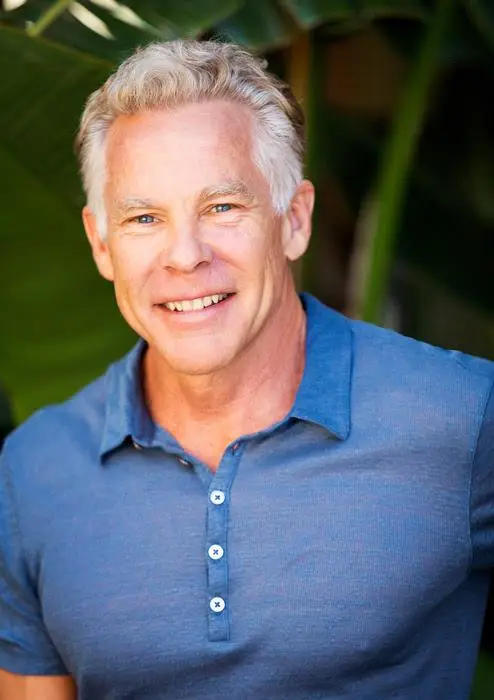
Episode 61: The Keto Reset with Mark Sisson
Hosted by Chris Albert
The Warrior Soul Podcast
Listen on itunes: https://itunes.apple.com/us/podcast/episode-61-the-keto-reset-with-mark-sisson/id1096901382?i=1000393085625&mt=2
The Trailer
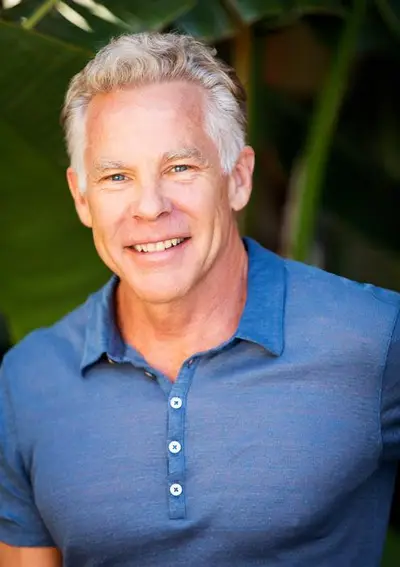
Mark Sisson is one of the biggest names in the fitness industry and the Primal/Paleo movement.
He’s also 64 years old and looks better than a lot of guys half his age, which is why I think people should listen to him. But it wasn’t always easy for Mark.
Back in the 1980s, he was a high level endurance athlete, and he ate like one. Loading up on carbs to do day after day of grueling training was standard for his routine. But his diet and training schedule led to a near complete breakdown of his athletic career. Swollen achy joints and irritable bowel syndrome were with him every day.
Mark decided to change his diet and training in favor of the paleo lifestyle, and he was able to continue to be active, out running and out muscling many guys in their 30s.
Mark lays this all out in his book The Primal Blueprint, and his new book The Keto Reset Diet, explains how we can all tap into our evolutionary make up to gain the ability to burn fat for fuel at will.
This was a fantastic conversation with one of my fitness heroes and I hope you enjoy it!
You can check out Mark’s new book, The Keto Reset Diet here.

You can also get 15% off of anything site wide on Mark’s Primal Kitchen site by using the code GROK15 here.
Transcript
Machine-generated from the episode audio and lightly edited — may contain errors.
Chris Albert (link to this point)
Welcome to the Warrior Soul podcast. This is episode number 61. Wow, I can't believe we've done this many. This is Chris Albert. And today we have an amazing interview for you today with one of my heroes from the fitness industry, Mark Sisson.
Mark is a former high level endurance athlete and he's an author, a blogger and an entrepreneur. He wrote the book, The Primal Blueprint, which I actually still keep right here next to my desk as a reference. It's packed with information and he's kind of one of the OGs in the primal movement. You see, Mark is about 64 years old today, but he looks better than a lot of people half his age. And it wasn't always like that.
Mark had a really awesome endurance career. But afterwards, his body was broken down. His joints were achy, he had problems with movement, and he had problems with his intestines. He had severe IBS. And so when he got away from endurance, he was really searching for a way that he could enjoy his life in his post racing career.
And with primal paleo eating, he found a way to do that. And one of the things that helped him that he considers a tool is ketosis. And so his new book, The Keto Reset Diet is actually a discussion of a way that anybody can enjoy the power of ketosis by simply allowing their body to adapt through a special process that he's created that lasts about twenty one days. And after you go through that process, you can actually jump back and forth between burning fat and burning glucose for fuel. And that creates a lot of advantages for you.
When you burn fat for fuel, as I've discussed many times on my YouTube channel and in my Instagram and on my blogs and articles, you can actually fight a lot of total body chronic inflammation, which was one of the things that was racking Mark so much in his post race career. We also get a lot into his advice for entrepreneurs. And this is something that amazes me about Mark because he's not just a fitness guy, he runs multiple businesses. He's super ambitious, runs an awesome company called the Primal Kitchen, and they make these amazing salad dressings and they taste so good. He's also got these really awesome collagen protein bars, and his own line of collagen supplements.
And running all these different businesses, running a huge blog, running, you know, the Primal Blueprint itself is is a task. It's it's a huge task. But yet, if you look at him and you read his writings, he's actually really, really balanced and he seems to be really just enjoying life. He plays a lot of Frisbee golf or I think he plays a lot of ultimate Frisbee, not Frisbee golf. And he's always on the beach out there in Malibu.
And he's always hanging out with his kids and hanging out with his family. And it's just a really good thing for a lot of us to look up to and to aspire to as we move forward in our lives. And just to see how fit he is and how healthy he is. That's another really amazing thing that that I definitely aspire to and I definitely want to look great when I'm 64 as well. So you're going get a lot out of this episode.
I hope you guys enjoy it. I just before we get into it, I just want to say that we are sponsored by F bomb nutrition. F bomb when we talk about ketosis, F bomb makes ketosis easier. When you're out and about a lot of times it's really hard to get healthy fats and F bomb makes these delicious portable packets of fat. They've got coconut oil, they've got avocado oil, they've got olive oil, but they also have these really amazing nut butters.
They're macadamia nut chocolate sea salt butter. I think it is. It's absolutely delicious. It's one of the best things I've ever tasted. They've got a macadamia nut butter mixed with a coconut butter that's also really good.
You should check them out. They're at www.fatissmartfuel.com. And if you use the code Warrior Soul, you're going to get 20% off on your first purchase. So definitely get over there and check them out. With that, let's get into this episode with Primal Blueprint author, author of the Keto Reset Diet, Mark Sisson.
Welcome to the Warrior Soul podcast. This is Chris Albert, and we're on episode 61. And it is my absolute pleasure today to bring on somebody who I've admired for a very long time. The author of the Primal Blueprint, creator of amazing salad dressings and collagen protein bars, and kind of like the OG in the primal movement, Mark Sisson. Mark, how you doing today?
Mark Sisson (link to this point)
I'm doing awesome, Chris. Thanks for having me on your show.
Chris Albert (link to this point)
Thank you for coming on, man. We're going to be talking today about your your new book, The Keto Reset Diet. I think it's important to put it into some context here with your classic book, which I actually keep right next to my desk as a reference, The Primal Blueprint. And in that book, you kind of lay out a manifesto for a primal lifestyle. Can you go into it because I know you have this background as this amazing endurance athlete, you were a high level triathlon competitor back in the 1980s and you still look great today.
And I know that a lot of the competitors from back then in the endurance world were experiencing a whole host of injuries, heart problems, chronic disease later in life because of some of the lifestyle choices that they thought were healthy at the time. Can you talk to us a little bit about your background there and how you came to, the Primal lifestyle?
Mark Sisson (link to this point)
Sure. I mean, I I spent years, first as a marathoner and then as a triathlete. So maybe two decades of hardcore training, trying to improve human performance, racking my body, you know, literally putting it through as much as I thought it needed or that I needed to do to inure myself to the pain management that's required to do highly competitive endurance contests. In other words, you know, when you're out there running a marathon, you're out there doing a triathlon, you're not having fun, you're just managing pain. So most of the training in the old days was about, you know, beating yourself up so that you've prepared yourself for that pain.
And it doesn't I mean, it makes a little bit of sense, but, the old technology was just put miles and miles and miles on the on your legs and and, the more miles you put on theoretically, the faster you become over time. And, and that's what we all did. And then we all ate a lot of complex carbohydrates who were taking in six, seven, 800 grams of carbs a day. Much of it, you know, some of it healthy, but much of it unhealthy, much of it just cramming sugar down the face to restore glycogen and things like that. And over time, I kind of fell apart because I partly because of training, partly because of the diet.
The diet was so highly inflammatory that this inflammation then manifested itself in itises, tendonitis, arthritis, bursitis, irritable bowel syndrome, which is colitis.
Chris Albert (link to this point)
Yep.
Mark Sisson (link to this point)
You know, a lot of these things are, you know, they're basically manifestations of what's going on in the body that could be otherwise controlled if you were able to turn on genes that suppress that inflammation or are you able to preserve muscle a little bit better and not have to break tissue down to to feed a a system that kept kept demanding more and more glucose every day? And if you didn't give it enough glucose, you'd have to resort to a process in the body called gluconeogenesis, which break down muscle tissue and then manufacture some some, glucose from the spare amino acid. So it's a very a very disruptive system for you.
And I eventually had to retire at an early age, way too early because of these injuries, because I was just getting all the time. And, you know, I I wanted to find a way. I basically dedicated the next thirty five years of my life to finding a way to be strong and lean and fit and healthy and happy and productive without having all that pain, suffering, sacrifice, discipline, calorie counting and portioning full. So that became the primal blueprint.
Chris Albert (link to this point)
Yeah, I think a lot of people who listen to this can relate cause I spent my 20s in the Marine Corps. And in that time, you know, we loaded up on work, you know, 20 mile humps, carrying loads of upwards of 80 to 100 pounds loaded with ammunition. And there's a lot of guys out there who are listening to this who are going through that right now. And at the same time, there were also loading up on things like pound cake from the MREs and granola bars and and, you know, power bars like that, whatever they can fit into their into their packs. And they're told that this is healthy.
They're told that this is going to help them through everything.
Mark Sisson (link to this point)
Yeah, they're told they need the calories.
Chris Albert (link to this point)
Right, right. And I think that's the big thing for you guys back then was that every runner's magazine, you know, authority was telling you to load up on these carbohydrates, load up on these things. Lo and behold, for myself and a lot of other people, I experienced ulcerative colitis afterwards and found my health completely depleted. A lot of us are struggling with autoimmune disease. And I love your primal blueprint because it goes into a way of getting yourself to kind of do away with a lot of that toxicity, a lot of that that that stuff that builds up over time and it takes us back to a way of eating that's more natural that that, you know, we were meant to eat like, you know, throughout our evolutionary history.
Mark Sisson (link to this point)
Yeah, I mean, that that was the essence of my exploration was how do we kind of recreate, in the modern times, the hunter gatherer experience that our genes expect us to undergo on a daily basis. So, you know, we have these genes that want us to be strong and want us to be fit and want us to be healthy. And we have to give them the right signals in order to do that. And a lot of those signals come from food. So the early part of my investigation looked at what is it in our foods that we're eating currently that are flipping on genes inappropriately that cause us to be inflamed, are flipping on genes that cause us to store fat, but don't allow us to take fat out of storage and use it for energy, which is the whole reason we store fat.
So, the first layer of this whole primal experiment was, you know, how do I eliminate, things like certainly sugars and, sweetened beverages and cakes and candies and pies and cookies and all the things that most of us pretty much know that we shouldn't be eating. But then the next level was getting rid of processed grains. In my case, getting rid of grains completely transformed my life. Most of my issues went away when I gave up grains. So even though I wasn't celiac, I was very susceptible to gluten and that form of protein, that storage protein that many grains have.
So when I gave up grains, the arthritis in my feet that I been kicking me out of running went away. The arthritis in my in my hands that didn't even allow me to grip a golf club appropriately went away. The irritable bowel syndrome that had literally run my life for forty five years, like hour to hour, where's the nearest bathroom went away. So and and then, like, things like multiple upper respiratory tract infections every year because because my it compromised immune system, that went away. Some of my skin issues cleared up.
It was profound. So I so that was the next level for me of primal was giving up the grains and with that some of the legumes. And then I knew for the longest time that giving up the industrial seed oil, so giving up corn oil, soybean oil, canola oil, and in their place, replacing them with avocado oil, olive oil, coconut oil, butter, lard, ghee, avocados, healthy nuts, and things like that, healthy fats. So that was sort of all first level primal blueprint diet stuff that has, I've been speaking about for eleven years on Mark's Daily Apple and I've written books about it. And I was cruising along beautifully for those for the last because I've been doing this for fifteen years, the last fifteen years thinking, hey, my life is awesome.
I cleared up all my maladies. I got rid of, you know, some of those issues that have been plaguing me for a long time. I have all the energy I want. I'm putting muscle back on. My body fat's the same now as it was when I was a marathon runner, and yet I weigh twenty five pounds more now than when I was a marathon runner.
That sort of makes you think, well, that running can't be that good if if you get the same body fat and twenty five pounds weight 25 pounds more. Well, that's muscle that I that I'm able to keep on that I don't tear up. But all these things were working beautifully for me, but because I'm an investigator and I like to experiment, I like to, you know, for me, I'm always looking for the next thing. What's new? What's the next level of health?
What's the next level of fitness? What's the next level of energy or cognition? And I started writing about ketosis maybe, I don't know, fifteen years ago as well. And obviously wrote a little bit about it in the book you just held up in the Primal Blueprint. But I hadn't really spent much time deeply in ketosis.
And I had a lot of friends who had and loved it and swore by it. Yeah, I'd spend a week at a time just by virtue of the fact that I'd cut so much crap out of my diet, that there were weeks when I was taking in maybe 40 or 50 grams of carbs a day, without even thinking about it, you know, without even consciously cutting my carbs. But I decided to do a two month experiment. I go deep into ketosis for two months just to see what I felt and do that kind of test. In doing that, you know, I just discovered that there's a, that there is a new level of performance available to just about anybody who wants to try this.
I found a little bit more energy. I found a little bit more ability to build muscle, which blew my mind because I thought, you know, I'm gonna fight to have to preserve my muscle mass if I'm going keto, because that was the assumption that a lot of people had sort of put into my brain. But the cognition was a little bit finer. I even found I could literally get by on a little bit less sleep. I felt that the inflammation, you know, I don't have much inflammation, so I can't, you know, pinpoint exactly, but it felt like I had yet another level of decrease in inflammation throughout my body.
So I, you know, I looked at this two month experiment and thought, wow, this is is crazy. I've really taken my otherwise really good metabolism to a higher level. So I wrote the Primal Reset Diet, the Keto Reset Diet with the idea that we would be improving metabolic flexibility, that this would be a tool, a strategy, an option for people to use, not for the rest of your life, you could if you want to, but for a short period of time where you can almost like going on, like training for a period of time to enter a 10 k. You're training in keto, just to ramp up your metabolic flexibility and your metabolic efficiency for the next several months or year. And so far, the book has gotten rave reviews.
People who've engaged in this Keto Reset program have reported back feeling, again, higher levels of energy, dropping that stubborn weight that they couldn't get off even though they thought they were they were doing everything right according to the primal blueprint. So the keto reset diet is really about, like it's like next level stuff. Right? It's like if if you really wanna get to that next level of metabolic efficiency, this is what you would do. Now, how does that apply to, you know, somebody who's serving in a country, maybe in foreign lands?
You know, if you're more metabolically efficient, then when you are given MREs and nothing else, then you're literally more metabolically efficient at burning those and not suffering the consequences of having eaten those for that short period of time. You've built that new metabolic machinery, increased mitochondria, throughput of fat throughout your body. It literally allows you to go not just meals, but days without eating and not suffer the consequences.
Chris Albert (link to this point)
I could definitely speak to that. You know, when I first got out of the Marine Corps, I was a bodybuilder, competitive bodybuilder and power lifter. And so I was constantly eating food. I mean, like, eight to 10 times a day, stuffing food down my mouth. And that's when my colitis really got really, really bad.
And it was to the point where I couldn't, I was a personal trainer, I couldn't take sessions anymore, because I literally could not get through one without running to the bathroom. And I came to ketosis originally out of desperation, because there was nothing else that I could process aside from coconut oil, vegetables, and I couldn't take much protein at the time. And so I got into it, I was fully expecting to lose all of my muscle mass. I'm no longer a bodybuilder now, so I don't have that amount of muscle mass on me, but I literally went for three or four days after being in ketosis for a while, went for three or four days without eating much. I was out in Las Vegas in the desert doing a concert event, came back and I PR ed on my front squats.
And something you said there, just getting back to the primal blueprint and how this sets in with that, is that throughout our human history, we weren't really sitting around with food at our disposal. We were nomadic people. And when food ran out, we were moving. We were trying to find food. And during that time period, we were experiencing for all intents and purposes, starvation and our bodies adapted into that.
And that was a common thing throughout our human history. And I think that's a big theme here is that a lot of people think that ketosis is like this new fad diet that's happened. It's really not a fad at all. It's something that we've been evolved to be able to do to thrive?
Mark Sisson (link to this point)
It's the reason we're alive today. It's the reason humans exist as a species. This wonderful, elegant, efficient system that allows us to take excess calories and store them as fat. Without that system, if all we did was graze all day and not store fat, whenever we ran out of food, ball game over, we're dead. So we have this beautiful system that allows us to, and by the way, our brains are wired to overeat.
That's kind of the burden that we carry as modern humans because we're still wired with these hunter gatherer genes that prompt us to want to overeat every time there's plentiful food. Well, in the old paradigm, ancestral paradigm, yeah, you overeat, you're happy to overeat because you know you're gonna store that excess fuel as body fat. You don't worry about how you look or you don't worry about, oh my god, this is, know, how am I gonna ever gonna run this off? Quite the opposite. You're really thinking about, well, how, you know, having a little bit extra fat is good because, we may not eat for the next day or two or three.
So the whole this whole method of of storing fat very efficiently, but also being able to access it in a moment's notice readily without having to cut, you know, all the sort of diet stuff that people talk about today, but literally, tap into this ability to, to burn fat efficiently in the muscles, which is a learned skill and we talk about how to do that in the Keto Reset diet, to manufacture ketones and ketones, you know, are these, like I call it a super fuel, it's like this is a superpower that every human has and very few of us ever learn how to tap into this superpower. But the ability to make ketones and then send those ketones to the brain so the brain can use them as fuel to run the body and all elements and processes in the body without having to consume any carbohydrate at all, or any calories at all for days at a time. Not only do you not just survive under these conditions, you actually thrive under these conditions because the the when the system shifts away from food is present, let's just either burn what we just ate or store it as fat to there's no food present or there's no carbohydrate present in this case.
We're not gonna be burning glucose. So let's just get really good at burning fat. Let's increase the number of mitochondria in the muscles. Let's make those mitochondria even more efficient so that we can drive eighty, eighty five, 95% of our energy requirements day to day from fat, whether it's the fat on a plate of food or whether it's the fat on your butt, your thighs, whatever you've got. So so this ability to to efficiently take the fat out of the storage in the fat cells, burn it cleanly in the muscles, and And then as a byproduct of that process to manufacture ketones to offset the need to have any glucose, but the ketones then go to the brain where the brain runs literally much more efficiently.
And, you know, there's some investigation right now within the veteran community and within, you know, other military investigation, particularly with regard to PTSD with regard to how efficiently the brain might run on ketones versus glucose. I mean, I suspect that the reason I sleep, I need less sleep when I'm fully in ketosis is that the brain gets more work done in less time with ketones than it would get done if it were just relying on glucose. So back to the ancestral model, imagine that your body becomes better when you're not eating than it is when you're eating. That eating is sort of a rest phase, almost like a lion would take down a gazelle and then eat 80 pounds, take a nap and then not eat for the next couple of days. But all of the processes that we look at, increasing growth hormone happen when you're not eating.
You know, all the increases, in or the anti inflammatory processes happen when you're not eating. The inflammatory processes happen when you're eating. The ability of ketones to epigenetically affect gene signaling with regard to things like what we call myogenic factors, which increase the production of muscle tissue when you're not eating. It's really counterintuitive to most people, particularly the bodybuilding community from which you came, where you think, oh, I have eat eight times a day, otherwise I'll cannibalize my muscle tissue. And I'll, you know, all this hard work I'm doing in the gym will be for nothing because I fasted or I skipped a meal.
We turn this on, we upend it completely and come to it with a new realization that if you develop this skill to be able to take fat out of storage and burn it efficiently and to be able to create ketones, and then those ketones can start signaling things like muscle growth and, and, decrease in inflammation. Why would you not want to approach your training, your life that way, rather than have to carry Tupperware.
Chris Albert (link to this point)
Absolutely.
Mark Sisson (link to this point)
All day long. And by the way, one of the other effects of this, you know, is a decrease in autoimmune disease, a decrease in colitis and bowel, inflammatory bowel issues if you do it right.
And that's so this is the stuff we talk about in the book in the Keto Reset Diet. And the intent here is to stair step you into it because it's so different from what most people are used to. To this day, I mean, a friend of mine's right he's right now, he's on The Doctors, the TV show, kind of debating the side of the argument that says, we really don't need that much carbohydrate. You know, it's like everybody assumes we need to eat X amount of carbs to survive and get through the day. And it's almost the exact opposite.
We actually need zero carbohydrate in our diet to not only survive but thrive. I'm not arguing, I'm not suggesting we do that, but I'm saying we certainly don't need three to 400 grams of carbs a day. That most people can get away with, you know, like when I was only primal and I was still thriving and eating just about everything I wanted, my daily intake was, you know, 110 grams of carbs a day. So when I went full keto, I only had to find 50 or 60 grams of carbs somewhere that I that I was consuming that for the next two months, wouldn't consume. And the truth is they were mostly what I would call night carbs, you know, the stuff you munch on watching TV or whatever. Right?
Chris Albert (link to this point)
Yeah. And for those of you wondering, Mark is you're in your 60s. Right, Mark?
Mark Sisson (link to this point)
I'm 64.
Chris Albert (link to this point)
Yeah. 64. I just reposted a GIF of him running on the sand this I think it was this morning. And he's running with his shirt off and Mark has a good amount of muscle and he's lean and he looks great. He looks looks better than I do right now.
Mark Sisson (link to this point)
Oh geez.
Chris Albert (link to this point)
But but honestly, you do look great. And those of you who are wondering about ketosis and whether or not it will affect your muscle mass. He's absolutely right there. You know, ketones absolutely protect muscle mass and this process protects muscle mass. And another thing you mentioned that I think is going to be useful for our listeners is the effect on the brain.
And in fact, the Department of Defense is pouring millions of into studying ketosis right now because what they found was that a lot of the friendly fire incidents that people were experiencing in combat were actually due to low blood sugar and having these kind of insulin dumps after something from an MRE or lacking fuel because a lot of guys who are out there, they're not able to pack their packs full of MREs. They're carrying around ammunition. They're carrying around other things that they need so they can't load up on food when they're going on long tracks or anything like that. And so, ketosis is definitely a viable option here and you know, getting into this this twenty one day reset, I think that the value here is in understanding that you can do this twenty one day reset, gain that metabolic advantage and have it available to you for the rest of your life.
Mark Sisson (link to this point)
Yeah, exactly. So, right. So here's the real truth about the book. The twenty one day process is a process to stair step you to the point that you're ready to go into ketosis. So you're not in ketosis at the end of the twenty one days.
At the end of the twenty one days, which is basically a process of, first of all, identifying stuff that's in your diet that's not serving you, eliminating that stuff, in the process of eliminating that stuff, introducing some other things that are probably more helpful. So we're gonna get rid of the grains. We're gonna get rid of the sugars, you know, the pastas, the cakes, the pies, cans, the breads, crackers, all that stuff. We're gonna get we're gonna introduce its meat, fish, fowl, eggs, nuts, seeds, lots of vegetables, a little bit of fruit. And by, and then, having gotten to that point where we've eliminated the industrial seed oils and we've just come down to a nice clean diet, You'll find it that most people eat and we let we say eat as much as you want at this point.
But but watch your you know, watch how your appetite shifts from being gluttonous, ravenous, hungry in the old paradigm to, okay, I, you know, I've had a couple of bites. I don't think I'm hungry for the next bite being willing to push it away. So at the end of the twenty one days, we have a, like, a midterm exam. And and if you get a 75 or better on that midterm exam, you earn the right to go keto for the next six weeks. So we stair step you into it so that the process of going keto is easy and fun and simple.
Because for most people who attempt keto without this stair stepping process and go kind of in the whole hog, you know, lot of people read a book and go, oh geez, I'm gonna do that and they start the next day. And then they go from 400 grams of carbs a day to 30. Well, that's where that old friendly fire comes in. That's like you, you know, you go, from giving a brain glucose every couple of hours for decades, and then all of a sudden you say, nope, we're gonna withhold the glucose. Well, the brain hasn't learned how to burn ketones yet, even though your body's making ketones, brain doesn't know how to do that.
And so it gets very foggy and very depressed and very moody for a week or two before it finally that ability to effectively burn ketones kicks in. And it's a nasty process for some people. So there are a lot of people I encounter who say, I love your concept of keto, Mark. I tried keto, didn't work for me. And I'm like, okay, what what didn't work about it?
Well, you know, after two weeks, I just wasn't feel I still felt like crap. I'm like, well, okay. You know, there's that's exactly what happened to millions of people who tried Atkins back in the day. You know, science was really good and Atkins was spot on, but the execution was terrible. And it costs a lot of people an opportunity to turn their lives around because they just bail, too early.
So we try to make it a kinder, gentler version of getting your, know, stair stepping your way, progressing into, ketosis. And then when you what we what we notice is that if you spend six weeks in ketosis, and that's the recommended amount of time, six weeks in ketosis, that's where all of the profound changes kind of walk in. That's where, you know, at the end of that period, if you whether or not you decide to stay there and most people don't, I don't. I I after I did this, I said, I'm, you know, I'm gonna spend two months of ketosis every year, solid, straight, uninterrupted because I I've seen the profound changes. But, you know, I like a wide variety of food and I don't wanna be locked into a eating style that's going to make me feel like a failure if two days in a row, you know, I tried somebody's paleo treat dessert or something, right?
Yeah. So I live in what I call the keto zone. And the keto zone for me is take a number like a 110 grams of carbs a day. That's probably what I average. But many days I might only have 50 grams of carbs.
So I'm keto that day. Other days, I might have a 150 grams of carbs. Not many, but, it would take an effort on my part to get there because of my food. My food choices are always really based around like, you know, what I'm hungry for. And I'm really never hungry for cheesecake, you know, or, you know, a quarter of Ben and Jerry's ice cream.
But I live in the keto zone. So on the days that I'm clearly not in ketosis by virtue of measuring blood ketones, I'm also there's no difference in the way I feel. I feel just as energetic. I feel just as muscular. I feel just as, you know, cogent and aware.
So it's really about all this comes down to how do you feel really it's like, And so on the days I'm keto versus the days I'm not keto, I'm still in the keto zone because I did the work to build the metabolic machinery. I did the work to become metabolically efficient. I did the work to become metabolically flexible so that I can burn fats when they're present. I can burn carbohydrate when that's present. I don't burn as much protein because I've taught myself not to have to go to protein as a fuel source.
Know, protein should be there for building and repair. It shouldn't be burned as protein. I hate the fact that the nutrition boards even assign a caloric value to protein because protein shouldn't be burned, you should be burning fats and ketones, and a little bit of glucose.
Chris Albert (link to this point)
Right, right. And and if you are burning protein, can also lead to a whole lot of toxicity issues as far as byproducts that come out of there like ammonia and sulfur and things like that and can really affect your kidneys. What about, I know you're an avid vegetable eater and an avid salad eater. What about vegetables when we're thinking about carbohydrates?
Mark Sisson (link to this point)
Well, when we're thinking about keto, we all a lot of us first thing that comes to mind is, okay, that means I'm gonna have, you know, a, a big omelet fried or, you know, cooked in butter with cheese on it for breakfast, maybe a bulletproof coffee. You know, then I'm gonna have two hamburger patties with cheese on them for lunch. Nothing else. Then I'm gonna have a, you know, a glass of, heavy cream. I don't know.
People have this assumption that keto is all about like like, have a friend who's been keto for a while and he likes to get 90% of his calories from fat. I'm like, dude, that's just way too much. So the assumption is, well, there aren't that many vegetables available. I'm telling you, every day I have a good sized salad, often more than I can finish. And that salad is comprised of composed of, you know, mixture of, let's say, eight or nine different vegetables, mixed greens, celery, carrots, you know, cucumbers, peppers, red red pepper, little bit of avocado on top, usually some pine nuts on it, some form of protein, either a piece of salmon, a piece of chicken, tuna fish, steak leftover from last night, whatever.
And then I, and then I heavily douse it with a, with a healthy high fat salad dressing, which in my case is the Primal Kitchen dressings.
Chris Albert (link to this point)
Made those Those are delicious by the way. Yeah.
Mark Sisson (link to this point)
Thank you. Yeah. I mean, I mean, I made them because I wanted the ability to go to some go to the refrigerator and just pour something on that I knew was gonna be helpful, was gonna impart added benefits to the salad. So now at the end of the day, not the end the by the end of the meal, I've had this salad that probably only has 20 grams of carbs max in it. And all those carbs, by the way, locked in a fibrous matrix.
So it's gonna take them a while to be released into the bloodstream. So they'll release slowly. So there'll be no increase in insulin, no real raise in insulin. I've had 25 grams of protein, maybe 30 and I've had a healthy, healthy fast. So I don't have the what I would consider the perfect keto meal, and it was a salad, right?
So then skip to dinner and I might have, you know, a grass fed steak with three servings, three like normal person servings of broccoli, steamed broccoli with butter on it, a little bit of salt, or maybe some grilled broccoli. There might be 12 total grams of carbs in all that broccoli. I mean, if you look at the carb content of green leafy vegetables and colorful vegetables, it's really not that much. So the point is you can fill out your diet with salad and vegetables if you're eating keto, be fully compliant, keep your levels at under 50 grams a day, your carb levels under 50 grams a day, enjoy that crunchiness that those vegetables add to your diet, get all the micronutrients that are in those vegetables, and get the fiber that was so lacking in the old sort of Atkins method of of going keto because fiber was a was a big issue for a lot of people. How do you feed your your gut biome if you can't eat a lot of vegetables?
Well, depending on the choice of vegetables, you can eat a substantial amount of vegetables and still be keto.
Chris Albert (link to this point)
Yeah, and getting those micronutrients in is so important, you know, also for the keto diet. I mean, you need to make sure that you're keeping your liver healthy, you need to make sure that you're keeping your internal organs healthy and you need to make sure that they're working to support you through this process. I think that's so important to mention there that along with, you know, making sure you're getting the proper minerals to to stay hydrated and to make sure that you can function.
Mark Sisson (link to this point)
Yeah, that's true. Mean, of the things within the keto reset and when you're in ketosis, one of the things you need to maybe keep track of is a higher intake of, electrolytes and minerals like sodium, potassium, magnesium, things like that. But that's those are, you know, easy fixes. I mean, some people just walk them around with some bouillon cubes, you know, in warm water and sip on that once or twice a day. It's actually a nice kind of savory snack to have.
But it's an easy it's an easy sort of add on.
Chris Albert (link to this point)
Awesome. One of the things I wanted to talk about is it as we come to the next part of the show is that you've created this kind of philosophy of a lifestyle. And I really admire that and that's something I really loved about your books. And you're an entrepreneur, you know, you've got Mark's Daily Apple, you've got Primal Kitchen, you've got a couple restaurants I believe now. You're an author, you you're out there, you're doing it, but you also seem to be really enjoying life and getting things done at the same time.
And I, you know, for me as a young entrepreneur, I really, really want to instill that in my life. And I guess my question is, how do you do it, man? How how do you how do you do you keep these things that that are important to you front and center?
Mark Sisson (link to this point)
Well, it's tough. And, you know, it's because it's tough to just stay on the one hand focused on all of the business endeavors. On the other hand, stay focused on the fact that we're here to have a I mean, I don't want to get anybody's real about philosophy, but we're here to have a good time. And, you know, the my company's tagline is live awesome. And it's about extracting the greatest amount of enjoyment and pleasure and fulfillment out of every moment possible.
So even when I was I tell my kids, first of all, I didn't know what I wanted to be when I grew up until I was 47. So any of you budding entrepreneurs out there, there's lots of time. You, you know, try a lot of things, follow your passion for a while, see if that if that truly was your passion. You know, if everyone follows your passion, Chris, everyone would would would be would own a ice cream shop because if their passion started at 12 and, you know, so, but I, you know, I zigged and I zagged and I pivoted. But I also, like I, whatever was on my plate, I tried to find literally and figuratively, I tried to find time, to spend with my kids.
So for instance, I went to a lot of soccer practices and just about every soccer game, and then volleyball and then tennis and then all this other stuff. I mean, I, you know, I wanted I wanted to be successful, but I didn't want to didn't want to blow that that opportunity to have a wonderful family at the same time. So I'm, you know, now that my kids are grown, I'm having a little bit more time carved out for me so I can go paddle. I can take a break and do a, you know, an hour and a half paddle once in a while in the middle of the day. Much of that is because I'm surrounded by employees who I'm confident can handle the tasks that are assigned to them.
As an entrepreneur, I did a lot of work myself when a I one man shop, and then I was a two man shop and now I'm a 55 person in shop. So now I have a lot of people who who do the work that I used to do, and what I do is manage assets. I manage money and I manage, employees and their time. So, you know, that's a learned skill as well. But it's it's trying to find the balance for sure, between feeling compelled to spend time, you know, building a business and I've gotten myself into a lot of businesses recently.
Chris Albert (link to this point)
Mhmm.
Mark Sisson (link to this point)
But they're all but, know, I spent ten years building this brand, so I can't not take this opportunity to share what I found with the world. So I'm probably busier than I ever have been at any time in my life and happy to do that. There's so many things that are that are working and working well. But, you know, I took two weeks this summer. I went to Greece, with the family and took 13 of us, to a couple of Greek isles and, you know, we had a great time hanging out, hey, with Skype and a cell phone, I can still stay fully in touch with the business and check-in and find out what's going on.
So it's all doable. You just have to kind of, you know, prioritize and handle things as they come as they arise. And and look for those moments when you can smell the roses.
Chris Albert (link to this point)
Nice. You also, you reinvented yourself big time as far as, you know, coming from the endurance world and then and then kinda stepping into this, was there a point where you were, I guess you could say, you know, not certain about this path or, know, what the spark that led you to start all of this?
Mark Sisson (link to this point)
Well, you know, I've always been interested in health. So that was not an issue. I was a pre med candidate in college and got a bachelor's in biology. I've been doing research. Even before I started writing books, was researching.
I helped write the anti doping rules for the sport of triathlon. I was into sports performance early on, so I had to do a lot of research in that regard. So I was always into health and my first business was a supplement company. I still make supplements. And again, initially intended to assist in the recovery, from exercise, from working out.
So my original sports supplement line was intended to help athletes recover quicker from long training bouts, which is what I had suffered from for a long time. So to go from supplements and then start writing about the lifestyle behind that and how you also enhance performance through sleep, through play, through, dietary manipulations, so that you become better at burning fat and less reliant on carbohydrate, on down the line, through publishing books to that effect, and then writing recipes about how to make certain types of food. The next literally the evolution for me was into foods. How do I make some sauces, dressings, and toppings that are helpful, that I could put on my food that would, make my life easier, make my food tastier, make my food healthier, and then make those available to other people. So that became a natural extension.
I now have a health coaching program, primalhealthcoach.com. We've had thousands of people go through this program. It's an online learning experience because I want to give people the ability to coach others one on one the way I coach people through Mark's Daily Apple or through my books. That was a natural extension of my desire to leverage the technology, I call it technology, but it's, you know, 2,000,000 years old. This this way of living that I've been espousing for so long, to to leverage it through others.
So every one of the businesses that I have now, sort of evolved, naturally and logically out of my desire to change the way the world eats, to change the way the world moves, and to, allow people to to use this information to regain access to their own health rather than rely on the medical community to do that for them.
Chris Albert (link to this point)
Absolutely. And, it's so important that we have people like you out there who are delivering this information. I got had a contact from a marine who follows the show. And he commented on a post yesterday that he was pre diabetic, he decided to try ketosis, he lost 20 pounds. And then his doctor freaked out on him and told him she was gonna put him on a statin. And I was like, what the heck is going on with this world right now?
What the heck is it?
Mark Sisson (link to this point)
No. It's It's it's sad, but it's classic and it and it I have so many, like, like, eye eyebrow raising medical stories. I I make this comment. I used to make it rather tongue in cheek, but it's become more and more real to me. Everybody I know has a bad medical story.
Some of them have some, you know, some people have some good medical stories, but those same people also have a bad medical story. So, you know, the state of medicine in this country right now is so bizarre. It's so bureaucratic. It's so layered with cover your ass, procedures. So the, you know, the doc who is telling someone whose total cholesterol is too low five or too 10, that they're to put them on statins and doesn't realize that the fact that their triglycerides are 45 and their HDL is 80, you know, and all the other markers are so spot on perfect that the total cholesterol means absolutely nothing.
And yet, they have to make that statement because that's the standard of care. That's what the community suggests, the medical community suggests you better tell every patient who's over 200 that they probably should get on stats because if you don't make the recommendation, then you might be negligent if they have a cardiac event. It's bullshit.
Chris Albert (link to this point)
Yeah, it's it's completely crazy.
Mark Sisson (link to this point)
But it's also like the, you know, the American Diabetes Association suggesting that, you know, if you're a type two diabetic, you can still have your dessert, you just have to take your meds.
Chris Albert (link to this point)
And that's the thing. It's it's all med dependent. Everything's feeding back to the pharmaceuticals. And we you know, what I like about what we talked about today is that we're talking about something that's natural, something that's been available to humans since we've had metabolism, which has been a very, very long time and in something that we can all access. And if you have the knowledge, can you can leverage this wonderful, awesome natural technology that your body has and be able to utilize it to your advantage.
Mark Sisson (link to this point)
Totally. I mean, we're all wired at birth to be really good at burning fat. We just screw it up with immediately with the food our parents give us lovingly, with all the carbs and all the processed foods that we eat for the rest of our lives. But if we can tap into that natural ability to become fat burning beasts, if we can tap into that natural ability to create ketones and offset the need to take in much carbohydrate at all, then we can completely we can transform our lives, we can trend toward our ideal body composition, we can maintain or build muscle mass, we can be out in the field and not eat for two days and thrive just like an African, you know, native on the veldt trying to chase down a gazelle who that ancient person who hadn't eaten for two days is not only doing well, they're doing better than if they just eat. That's just the magic of this.
So I think the challenge I would hear for your listeners is, go keto for six weeks, try it. And if you don't like it, hey, there's literally no harm. And if you do like, you know, make note of how, what you notice about the transition in your body and the way you metabolize food and how you feel and how long you can go without eating and your energy levels and your sleep performance, in your mood, because that's a huge part of this component. It would be worth it for everyone to try keto. There's no there's no really no downside to it, I say.
Chris Albert (link to this point)
Awesome. Awesome. Mark, I wanna thank you for coming on today. This has been an awesome conversation, and we're gonna get links to the book, links to Primal Kitchen so that you guys can try some of those delicious. I'm telling you these salad dressings, they're the highlight of my day because I eat a big salad every day too.
Was it was the Greek goddess I think it's called that that's absolutely awesome. The ranch. Awesome.
Mark Sisson (link to this point)
We got a new by the way, Chris, we got a new one coming out. Yeah, the balsamic vinaigrette.
Chris Albert (link to this point)
Oh, man, I'm Italian. So I'll absolutely love that one too.
Mark Sisson (link to this point)
Yeah.
Chris Albert (link to this point)
Collagen protein bars, by the way, too. Ridiculously awesome. Was carrying around carrying those around on some hikes with me. And absolutely amazing. So I do well for the great food, the great knowledge and the inspiration to, you know, be able to live a full complete life, full of happiness and live healthy and live successful.
Mark Sisson (link to this point)
Hey, great being on your show, Chris.
Chris Albert (link to this point)
Thanks. Awesome. To everybody out there, thank you for listening. Now get out there and live your best life.
Host of the Warrior Soul Podcast and founder of Warrior Soul. Worldwide trainer and nutrition coach, contributing author at Testosterone Nation and Muscle and Strength.