Podcast episode
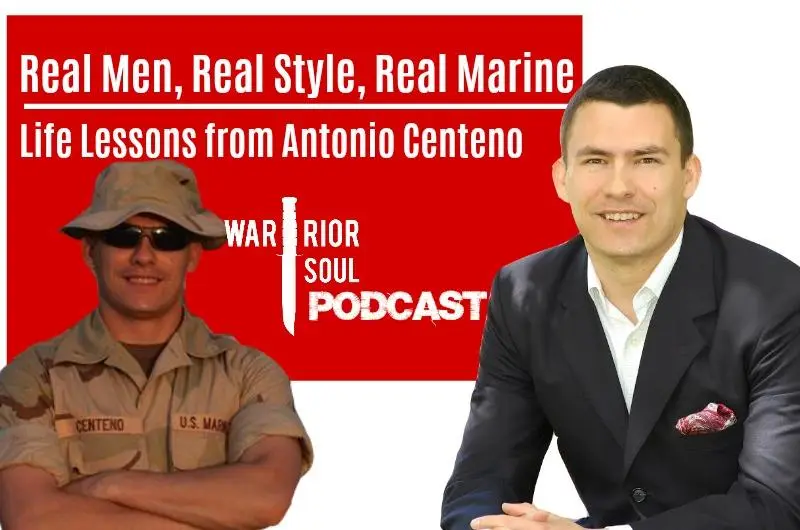
Episode 74: Never Stop Fighting|Rob Jones Journey
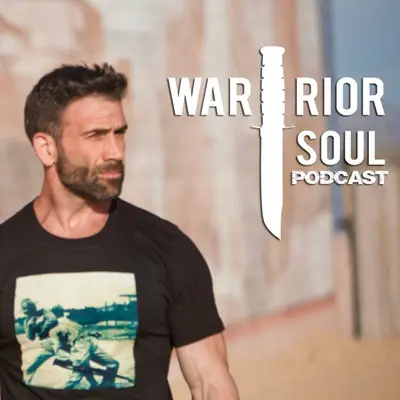
Hosted by Chris Albert
The Warrior Soul Podcast
To listen on Itunes: Click HERE

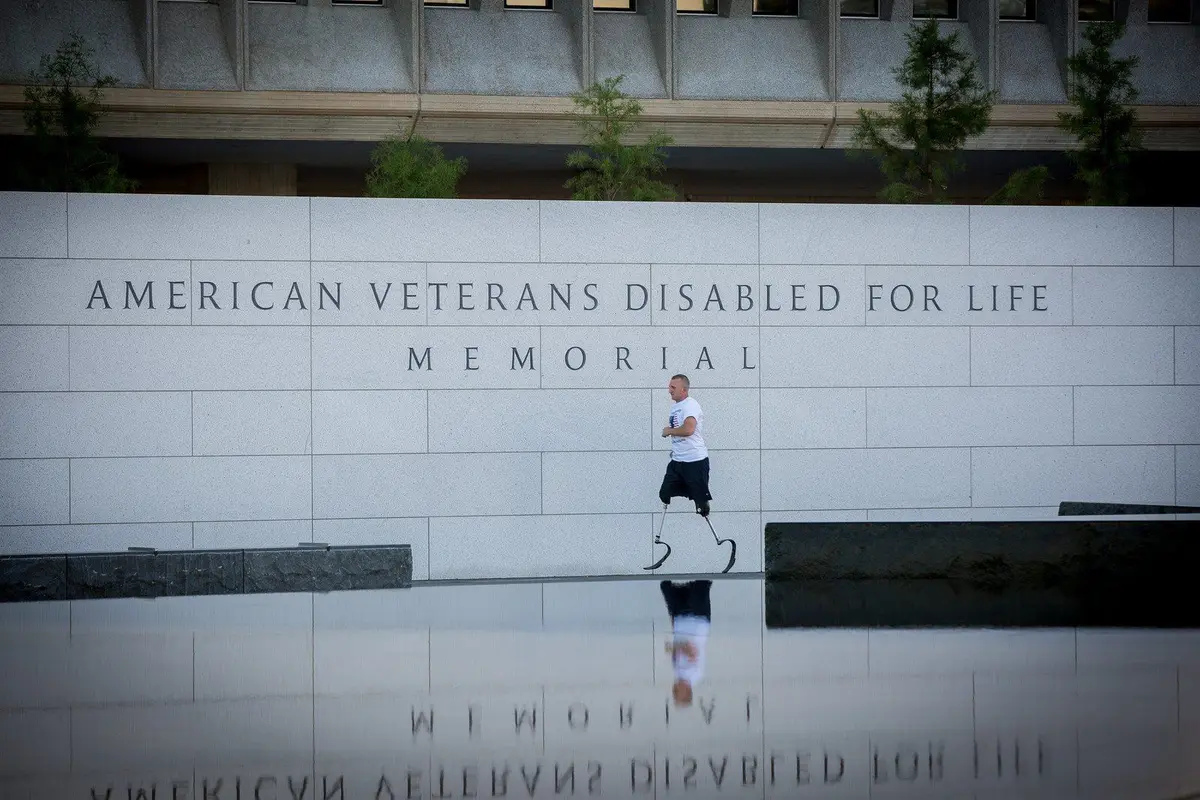
Rob Jones served as a US Marine Corps Combat Engineer in Iraq and Afghanistan. While clearing IED’s during a deployment to the Sangin District in the Helmand Province of Afghanistan, Rob stepped on a mine. His injuries resulted in him losing both of his legs above the knee.

During his recovery, Rob became interested in competing in sports. He began training in rowing, and eventually competed for the US Paralympic Team at the 2012 Paralympic Games winning Bronze with his partner Oksana. Seeking more challenges, Rob undertook a solo supported bike ride from Bar Harbor, Maine to Camp Pendleton, California in 2013. Recently, Rob completed 31 marathons in 31 days and raised thousands of dollars for charities including the Semper Fi Fund.
Rob continues to raise money and awareness on veterans issues and speaks at events around the country.
To follow Rob’s journey: http://www.robjonesjourney.com/
To follow Rob on Instagram: https://www.instagram.com/robjonesjourney/
Transcript
Machine-generated from the episode audio and lightly edited — may contain errors.
Chris Albert (link to this point)
What's going on, Warrior Soul Nation? This is Chris Albert, and welcome to episode number 74. And it is now 2018. As we get into this new year, it's it's good to remind ourselves of something that often comes up as a theme in this podcast, and that is that you are the author of your own story. At the beginning of the year, we always hope for these really good things to happen to us.
Have these New Year's resolutions. We tell ourselves that we're going to train more. We tell ourselves that we're going to eat better. We tell ourselves that we're going to save money. But things always happen.
Bad things will happen to everybody. It's just the way life is. But at the end of the day, it doesn't matter what happens to you. What matters is how you respond to it, what you're going to do next. Are you going to give up because something didn't go your way?
Are you going to give up because of a tragedy? Or are you going to grit your teeth? And are you gonna move forward? Are you gonna grab life by the balls and say, This doesn't define me and this is not gonna define the rest of my life? The individual I have on the episode today is Rob Jones.
Rob served as a United States Marine, and he was deployed both to Iraq and Afghanistan. And on his deployment to Afghanistan while he was serving as a combat engineer, he had both of his legs blown off above the knee. And I'm very sure that Rob faced many dark moments during that time. But Rob wasn't gonna let the fact that he didn't have legs anymore define him. What he did was he decided that he was gonna live his life doing extraordinary things.
And so Rob's actually done some things that a lot of us with all of our legs, both of our legs and all of our appendages honestly couldn't do or wouldn't think of doing. He rode a bike from the state of Maine to the state of California in the cold, I might add. He just completed 31 marathons in thirty one days, and he's competed in rowing at the highest level at The US on the US team for the Paralympics. And, I mean, this guy is absolutely amazing. So I wanted to bring him on to talk about his story, to talk about his mindset, and to talk about what drives him to this day.
And I hope that all of you get a whole heck of a lot out of this because I know I did. Before we get into the conversation, I just want to give you a quick note from our sponsors, F Bomb Nutrition. They're at www.fatissmartfuel.com. They make some amazing, awesome, delicious packets of fat. Now I'm always talking about the benefits of a high fat diet, and Rob even talks about how he used a high fat diet for his training for his 31 marathons in thirty one days.
But a lot of times it's hard to get sources of fat when you're out and about and you're on the road. And F Bomb, they've got this covered. And, yeah, they have some some packets of some amazing oils like avocado oil, coconut oil, and MCT oil. What I really like are their fuel packets. And a really awesome recipe that I made up today, I wanted I I couldn't eat today.
I had to go through a whole bunch of meetings. I was in meetings from about 9AM all the way up until about 6PM straight. So in the morning before my first meeting, what I did was I took a packet of their macadamia nut butter, chocolate, and sea salt. And I took a little coconut oil, and I blended it up into a cup of coffee with a little bit of ghee butter. And not only did I not get hungry throughout the day, I had absolutely amazing energy.
And their fuel packets with the macadamia nut butters in them, they're absolutely delicious. Tastes like a crushed up cookie without the sugar in it in a little packet that you can carry around with you. So definitely check them out. Great company and they're great people too. They have a lot of, support for veterans in the veteran community.
And, for our listeners here at Warrior Soul, if you, use the code Warrior Soul at checkout, you'll get 20% off your first order. So go check them out at www.fatissmartfuel.com. They're also at www.dropanfbomb.com. And with that, I'm gonna stop yapping my gums over here, and let's get into this episode with Rob Jones.
This gonna talk about Your time here on this the earth is limited. You need to be reminded of this as much as possible for one simple reason, to live your best life while you can. This is the Warrior Soul Podcast.
What's going on, everybody? Welcome to the Warrior Soul Podcast. This is Chris Albert. Today we have the privilege of bringing Rob Jones onto the show. And Rob is an absolutely amazing individual.
And one of the things that I've learned over the past few years, going through the ins and outs of life, going through the trials and tribulations of entrepreneurship, going through some of my own personal battles, is that I've taken inspiration from some of the words of long ago. You know, when I read about the stoic philosophers, they say that it's not what happens to you in this life. It's how you respond to it. And one of the things you have to remember is that you're always the author of your own story. So anything that happens to you that it's up to you to decide what.
Is going to happen for the rest of your life and where you're going to take it from there. And we'll let Rob talk about his story a bit. But first, Rob, welcome to the Warrior Soul podcast.
Rob Jones (link to this point)
Thanks a lot, man. It's a pleasure to be here. I appreciate you letting me come on and tell my story.
Chris Albert (link to this point)
Definitely. It's it's awesome to have a fellow marine here. Can you, can you talk about, how it started? You know, when did you decide to to join the Marine Corps?
Rob Jones (link to this point)
I decided to join the Marine Corps in 2006, in my junior year at Virginia Tech. I just recently realized that computer science wasn't for me. And so started looking for what else I could do, you know, what was missing in my life, and I had a friend that had joined the Marine Corps the year before, and so I started looking into what the heck the Marine Corps was and what it was all about. And I read the book Brotherhood of Heroes about the Battle of Peleliu in World War II, and reading that just made everything click. You know, everything in that book and what those guys went through, clicked with me.
And, you know, I realized from reading that what I needed. I needed some brotherhood, I needed some courage, some altruism in my life. And so I think probably the next day or maybe even that afternoon after finishing, I went down to the recruiter's office, and I was sworn in, you know, within the week.
Chris Albert (link to this point)
It's amazing because I think the greatest recruiting tool that the Marine Corps has are all the stories and the books that are out there. Right before I I I joined, I read a book called boot, and it was about Marine Corps boot camp. Just as I'm finishing the last page of the book, Marine Corps recruiter calls my house, like, kind of could have been more perfect. And I ended up going down and signing that day. So I think there's so many people with those kinds of stories.
That and those of us who got taken by the the guy defeating the dragon.
Rob Jones (link to this point)
Got me. Yeah. Think what the Marine Corps has the lowest, recruiting budget, but the highest recruiting numbers or the best recruiting numbers or something. But, maybe they have the best recruiting numbers with respect to their budget or something like that. But, it's definitely they have a totally different approach from all the other branches there.
Instead of asking or telling people, you know, what they'll get from joining the army or the air force, the Navy, whatever, the Marine Corps gives you an opportunity to see what you can give to it. So, it's definitely a different approach and that, that was definitely attractive to me.
Chris Albert (link to this point)
Definitely. So you get through boot camp and and, you became an engineer. Right? Why did you decide on the engineers?
Rob Jones (link to this point)
I just kinda fell into it, actually. My original plan was to join the reserves and finish my last year of at Virginia Tech, and then apply to officer school, OCS. And then so I I joined as a reservist, and it just so happened that the reserve unit that I was going to be assigned to was a combat engineer unit, Bravo Company's fourth combat engineer battalion. And the only billets they had available were combat engineer billets. So, you know, I was just assigned assigned there, assigned the job, but, you know, looking back on it, I'm I'm supremely thankful that I got that job because it was, you know, I couldn't I can't imagine something doing something better.
Chris Albert (link to this point)
That's awesome. So were you part of the corps cadets over there at, Virginia Tech or anything like that? Or did you have any inkling of joining prior to that?
Rob Jones (link to this point)
No. I just joined the reserves and I was just going to graduate and then apply to OCS. I didn't really have any interest in doing the corps of cadets just because I would have to do I didn't even know what the what the the process would be of, you know, joining after my junior year. So I just decided just to do the reserves. But I didn't I never ended ended up becoming an officer because my my unit was accepting volunteer platoon for Iraq, like, after right after I graduated.
So I never got the chance.
Chris Albert (link to this point)
So you you ended up going to Iraq first and and you went on an appointment there. And, you know, a lot of us, know, we think of engineers. I think when I think of engineers, I think of heavy loads carrying carrying a lot of weight. I think of of the guys who are out front clearing the way for us. Clear, clearing the road of hazards and clearing the road of explosive devices.
Was that what you were doing out there?
Rob Jones (link to this point)
Yeah, so there's three different facets to combat engineering. There's doing stuff with the air wing. So airport stuff, runways, that kind of thing. And there's the construction aspect to where you're kind of building bunkers and building up forward operating bases and, you know, being out there in the field and establishing these things. And then there's what I did, which was, essentially in place and in defeat of obstacles.
So we didn't really place a whole lot of obstacles. We would, you know, build up the forward operating base as we established, but we were primarily dealing in defeating obstacles. So anything that got in our way, whether it be a doorway or a mud wall or some trees or whatever, we would, blow it up and get it out of there and then move on. And then so also we had the IED threat that we were responsible for because that is another obstacle. It's something that makes, the foot mobile people have to pause and, defeat.
So that job naturally came to us. And so, yeah, we were we'd be out there. There's route clearance, which is they use all the vehicles, specialized vehicles, and they would clear roads. And then what I did was I would be attached to infantry platoons and squads. And anytime they came to a place where there could be an IED or a high likelihood of there being an IED, I would go out and clear a route through that danger area.
And then they would follow me.
Chris Albert (link to this point)
And so on this first deployment you went to Iraq, was there a lot of stuff going on where you were? Were you pretty busy there?
Rob Jones (link to this point)
2008, Habbaniyah, Iraq was very quiet. We didn't really, have to worry a whole lot about IEDs. There was one IED strike, that did kill two guys, but the threat, the IED threat there wasn't very high. And so we actually spent most of our time going out and finding old weapons caches that the, the local populace would tell us about. And so, you know, not exactly what I had envisioned, for going to war, but at the same time, I'm, you know, I'm proud of, proud of that mission because I think we made Iraq a safer and better place, through what we did.
But, you know, as a marine, I wasn't totally satisfied because I didn't get to try and kill somebody.
Chris Albert (link to this point)
Yeah. I I absolutely know that feeling. And, you know, for so many of us, there's a lot of people out there, a lot of marines out there, lot lot of members of all the services who, you know, the they had these kind of, like, anticlimactic deployments where, you go through go through the deployment, nothing really happens. You come back, people are thanking you, and you're like, what the heck did I do? And then that was kind of my feeling on the whole situation when, when, when I got back from my deployment, because I, I faced absolutely nothing when I was in Iraq.
But, you know, I, I definitely understand that feeling of where you're coming from and, and kind of having some unfinished business there.
Rob Jones (link to this point)
Well, I think it's less of that. I think people, what people are really thanking you for is, not exactly what you actually did, but more along the lines of what you were willing to do. So if you had gotten into a situation where you need to go into combat, then you would have, and you'd be willing to do that or die for whatever, purpose or die for whoever you needed to die for. And so I think what they're really thanking you for is that as opposed to the specific experience that you had.
Chris Albert (link to this point)
No, absolutely. I'm just saying in my own head, it's kinda like this thing that, know, I had a long time, it took a long time for me to get around that in my own head. And I think a lot of people deal with that. A lot of people who have served deal with that in their own heads. And, you know, I take nothing away from from thanking any service member, I just think, you know, for a lot of us who've been in that situation, it's, it's what what I said anticlimactic, you know?
But
Rob Jones (link to this point)
Yeah. You go over there expecting one thing, and wanting kind of in a way one thing. And and when you don't get it, yeah, it it can be a tad disappointing in a certain way. Absolutely. That's why whenever whenever Marines meet another Marine that has ribbons on, they check for the combat action ribbon first. It's like that badge of, you know, whatever.
But, you know, I'm sure you agree with this, and I'm sure everybody else agrees too. That's like, you know, it's just a matter of circumstance, whether or not you are a part of a huge battle or nothing happens. So, you know, it's it doesn't really make a difference, don't think.
Chris Albert (link to this point)
Absolutely. 100%. 100%. So you got back and, then then, another deployment came up and and you volunteered for that.
And you ended up going to Afghanistan that time, right?
Rob Jones (link to this point)
Yeah. So that was 2010. Yeah. Got back from the Iraq deployment. Like I said, I wasn't satisfied.
But even if I had been satisfied, I think I probably still would have volunteered for that for that deployment as well because that was just what I I was in the Marine Corps for I had signed up for six years and I meant I intended to spend as much of that six years as possible, fighting alongside of the marines. So I volunteered for that one, and we attached to third battalion seventh marines, and we went to Delaram, Afghanistan first, and then we moved over to Sangin later in the deployment.
Chris Albert (link to this point)
And what was the difference in the tempo between Iraq and Afghanistan? How did the mission differ? How did the, level of risk differ?
Rob Jones (link to this point)
Well, at first, they were actually pretty similar. Delaram wasn't particularly kinetic, in 2010. And so the vast majority of our time there was spent doing a lot of the same stuff as in Iraq, just going on security patrols and working with the locals. But then when Sangin came around, when it came time to move over there, I mean, for us, it was 180 degree different. We didn't really see any locals, and it was just combat.
I don't want to say every day. Every day there was some shooting, but I wouldn't say it was, you know, a big pitched battle every day or anything. But the threat to us, became much higher, just from IEDs and then small arms fire and indirect fire and that kind of thing. So it was total 180 degree difference.
Chris Albert (link to this point)
And so, what's going through your mind as things are picking up there?
Rob Jones (link to this point)
I'm kinda, you know, I'm happy about it. Like I said, I joined the Marine Corps to fight. And so, you know, we're all kind of excited and just excited to put our training to use and, you know, kill some bad guys. That's what everybody wanted to do. So yeah, it was a lot of excitement and, you know, a little bit of fear about what could happen, but, you kind of have to put that stuff aside.
Otherwise you're not gonna really be all that effective.
Chris Albert (link to this point)
Absolutely. And take us up to the day when your injuries occurred.
Rob Jones (link to this point)
So the way I was working in Sangin was we were taking over from the British. And basically, what was going on was we had FOB Inkerman was pretty much the only territory that the British had. And so it was like FOB Inkerman would be, you know, British colors, and then everything surrounding would be Taliban colors. And so what we needed to do was to start taking over Taliban country, taking over Taliban territory. And we had intelligence that they were these series of IED belts, basically, that this kind of areas that were reported to have a lot of IEDs in them.
So we would get ready to go and then we would launch these line charges from assault breacher vehicles. And they'd be just a long 90 meter line of C4. And then that C4 would explode and then sympathetically detonate any kind of IEDs that were underneath of it. And then they would follow that with mine rakes and mine plows, and they would plow up the ground and just clear out a path for us to get through the IED belts. And so after they cleared that path, then we would just kind of walk through.
And then once we got on the other side of the IED belts, we would start taking over compounds. And so what combat engineers would do for that would be the grunts would set up security, and then we would kind of go in and sweep, and make sure that the the compound was totally clear of any booby traps or IEDs that might be in there. So we would do that and then take over the compounds and then do some security patrols while we kind of get reset, resupply and kind of move everything to where we needed to be moved and then repeat that. And so, on that second time, I was actually a part of a squad that was providing security for the vehicle column that was doing the clearing and just protecting you from ambushes, that kind of stuff. And so at one point during the day, we sat down for a little take a little break, and eat some food and kind of just take a little rest.
And then, after that was done, our point man kind of let us off, and he stepped on an IED. And so, luckily, the IED malfunctioned and no eye was hurt. The blasting cap just went off. Generally, the way an IED will work is that the pressure plate will be attached to a battery and a blasting cap, and the blasting cap will be stuck into a larger charge. The blasting cap, the battery supplies the electricity to the blasting cap, which blows up the blasting cap, which blows up the larger charge.
And so somewhere in there, the blasting cap and the main charge had enough disconnect that all that happened was the blasting cap went off. But the Taliban would place their IEDs in clusters. So they'd have a primary one and then they'd have a secondary and a tertiary sometimes. So that anybody coming over to rescue the person that got hit by the first one would hit the second one or the third one or whichever one. And so therefore, that area then immediately became a danger because there was a high likelihood that they were gonna have another one in there.
And so I started walking us through that area, in the way that I do with clearing a route, And lo and behold, there was a second one. I didn't see it, and it hit me, and that resulted in double above knee amputations.
Chris Albert (link to this point)
So at this point, you you get injured, you lose both of your legs above the knee, and your life is pretty much changed at that point. And you have this thing happen to you. What were you thinking at that point? What was going through your head?
Rob Jones (link to this point)
You know, I kind of assumed right away, you know, at the sight of injury that I was going to have to live in a wheelchair. I was going to have to be taken care of for the rest of my life. I wasn't going to be able to do the things that I enjoyed before. So, you know, I was pretty bummed out, you know, on the side of injury, but then once I woke up and kind of got my senses, you know, I was able to kind of recalibrate and actually learn a few things about what it was like to be an amputee. So then I could actually make an informed opinion about what that would be like.
You know, my opinion inside of injury was naive and totally ignorant of any kind of knowledge about life as a disabled person. So, yeah, I turned that around pretty quickly. And even if I hadn't have learned that stuff, I think I still would have turned it around because like you were saying before, you know, it's not a matter of what happened, it's a matter of what you're going to do. So I just had to determine that.
Chris Albert (link to this point)
Was there like a single thing that kind of turned it around in your head? Was there was there an event, a person that you met or anything like that?
Rob Jones (link to this point)
I have to say it wasn't. I think, you know, after I had a few days to really process and think about it, I just kind of realized that while I may be an amputee now, and that wasn't exactly what I had intended, and it wasn't exactly what I would choose, I couldn't really see how my mission for my life had been altered at all. You know, in the broad sense, I still wanted to make a difference in the world. I still wanted to have an enjoyable life. And so with those two things in mind, I just had to all that really changed was how I was going to get there and, you know, the circumstances from where I was starting.
So once I identified that, I just needed to find my new path.
Chris Albert (link to this point)
That's, you know, it's funny because I think a lot of us, you know, we're trying to define what that mission is. You know, we have this, when you're in the Marine Corps, you have a single mission and life is pretty much straightforward for you, right? You know what you got to do. You don't even really have to worry much about what you're going to wear. But when you get out a lot of times, it's really hard to define that mission.
I mean, you've got all these other things coming in. You've got got other things to worry about. The civilian world seems to be a lot more complicated. What is your mission? And how did you define it for yourself?
Were lying there in the bed and you said, you know what, I want to, want to change or I want to refine my mission to be this? Or did you see something going on out there in the world? Did you just say, you know what, my mission is going to be to help veterans? How did that come about?
Rob Jones (link to this point)
Well, like I said, overall mission, I think, for anybody's life is to make some kind of difference in the world, and to the people around them, and just have a life that they enjoy. So that's very, very broad, and I understand that. And so between being in the Marine Corps, that provides you with a certain path to that, and it's a pretty clear cut path, like you said. When you go out into the civilian world, you're almost paralyzed by choice. There's so many different things, and unfortunately, there's nobody out there that's really telling you, like in the Marine Corps, they just say, Well, this is how we're going to do it because you're in the military and you're in the Marine Corps.
So they have their certain thing that they do. And so when you're in the civilian world, there's nobody that's going to come up to you and say, well, go over there and this is what you're going to do. This is is your thing that you're going to do. You kind have to decide that for yourself. And so that's what was trying to do.
I was trying to stay open to new possibilities. I didn't have a particular path in mind that I was going to take, I just kind of listened for opportunities and possibilities and pursued the ones that had interest to me, and then kind of saw where they went. And you know, and so, that's what took me to the Paralympics, that's what took me to, from the Paralympics, I went to the bike ride, and from the bike ride, I went to the marathon challenge, and so they all kind of just came together. But it was all just a matter of staying open to possibilities. Then, when something came, I explored it a little bit and then I found my path through that.
Chris Albert (link to this point)
What made you turn toward endurance? Because you've done some amazing things. I mean, you've ridden across the country from Maine to California, I think, a bike through cold weather. You got in the Paralympics with rowing. You've you've run 31 marathons in thirty one days, and and those are some pretty amazing feats even for somebody who has all their appendages and all of their limbs.
What made you start to think of these types of tasks and these types of feats?
Rob Jones (link to this point)
Well, just like to read a lot of books. And the stories of people that did these incredibly challenging endurance tasks just always kind of, it's always impressed me. I mean, I really considered it the epitome of athletics, you know, more than anything. You know, there's competition and then there's doing stuff like climbing Mount Everest or, know, trekking to the South or North Pole and just things like that. It's really I just thought it was really cool and really impressive.
So and one of the things that the Marine Corps sets you up really well for is being able to endure, stuff they want to have to do. And so I was kind of already pretty good at enduring things. So it just became kind of a natural transition to, you know, hop on my bike every day in the freezing cold and ride at 30 miles for six months. So, yeah, I was already kind of used to doing things like that, and it was something that interested me. And so, you know, I just put those two talents that I had and those interests that I had and applied it to my mission and my community.
And that's that's kind of how I put all those things in low mixer and this is what came out.
Chris Albert (link to this point)
So did you did you have any, did you get any coaching as far as, how to, how to do these things with, the prosthetics? Did you did you go undergo any training sessions or anything like that?
Rob Jones (link to this point)
Not really. The running, I mean basically they just kind of set you up with the running prosthetics and you kind of learn on your own. I mean, they did a couple of clinics with some accomplished double above knee amputees that came over for an afternoon and he kind of gave us some tips. And I kind of watched videos of other people to see if I, you know, change my technique at all or anything, but it kind like a dog that loses one of his legs. You know, he just kind of adapts the three legged running gait to just through experience. Adapts to that three legged running gait.
And so it was kind of like that. I just kind of just started doing it and figured it out on my own. Now, I will say with the rowing, I did got, I got a little bit different. You know, you have to learn an actual technique to become, efficient. And I probably could have learned that eventually on my own, but it's a little bit I think it's a little bit more in-depth, and I only had a certain amount of time, and so I had to really kind of make sure I got coaching the right kind of coaching at the right time so I didn't learn bad habits and then have to undo them.
But the running and the cycling, I just watched a few videos of other people that had done it, and just got out there and started it, and kind of taught myself.
Chris Albert (link to this point)
What was the first day like? The first day you were on the prosthetics and you were outside taking a jog? What was that like for you?
Rob Jones (link to this point)
So the first time I actually took a jog would have been in the clinic and they have this little, they have this harnessing system that's in an oval that goes around the entire clinic, a small little, what looks like a running track, and maybe it's about six, four feet wide or something like that. And so they harness you into this system, and it kind of, as you run around, it supports you in this harness. So if you fall down, it kind of catches you before you hit the ground really hard. And so I actually learned to ride my bike in that, and I also learned to run on that.
So, the first day, I put running prosthetics on, and I stood up and got used to the feeling. It's a totally different feeling of, the running prosthetic versus the walking. And I just kind of they're like, all right, we'll see if you can if you can run. See I mean, there's no real way for an able-bodied person to tell you this is what you need to do in order to start running. You kind of just have to figure it out.
And it's not too hard to figure out. You just kind of, you feel it when you put them on. And so I just took those first few running steps and was very tired afterwards. A part of what you have to do is numb your stumps and get the physical, strengths of your stumps changed so that they're accustomed to the demands and the stresses that running, puts on them. And so the first little bit, maybe month, couple months, I would, I'd only be able to run, you know, really short distances as you'd expect.
And then at the end of the day, my stumps would be just incredibly sore, And to the point sometimes where I couldn't even walk, I had to be carried somewhere one time. Like a muscle soreness or a I don't, I'm not sure, man. It was like something in my leg got swollen, and the leg socket was pushing on it, and so every time I put weight on that leg, it would push into that swollen spot and it would just be incredibly painful. But you know, after, you know, a long, you know, I developed that, you know, adapted to it, my body adapted to it. And then, you know, after that I was able to run for you know, longer than I could really even want to.
Chris Albert (link to this point)
Wow. Wow. And, so how long from from that point to being in Maine and starting your journey across the country was there? How long in between was that?
Rob Jones (link to this point)
So first time I ran or rode a bike really would have been in 2011. And then my bike ride started in 2013. It's about two years.
Chris Albert (link to this point)
So about two years, and during that point, you were just practicing, training and getting ready for things. And when did the idea come up to ride a bike across the country?
Rob Jones (link to this point)
Well, during that time, was actually training for rowing. So I did the Paralympics and then the World Rowing Championships in 2012 and 2013. So I really didn't do a whole lot of practice on my bicycle, leading up to it or any kind of training really, because I had to focus, you know, every single day on on rowing. But yeah, I just basically before I started my my bike ride, just kind of got everything into place in terms of supplies and my plan, and just made sure that my prosthetics fit correctly and comfortably. And then my brother and I drove up to Maine and we just started.
Chris Albert (link to this point)
Yeah. It's just that you've done so much where you you got into the Paralympics, you got you got to, you rode across the country, and it's kind of like, I don't wanna minimize one thing or the other because they're all absolutely amazing feats. I'm just like in my mind, going across the country, going from Maine to California, I'm from New England myself. I'm like, that's gotta be a hell of a trip.
Rob Jones (link to this point)
So, so, yeah, it was, it was a cold, you know, it's just, but, you know, I decided I was going to do it. And so I just kind of chipped away at it day by day.
Chris Albert (link to this point)
And so what kind of preparations did you have to make? Did you have to think about supplies? Did you have a car chasing you and things like that? Did you?
Rob Jones (link to this point)
Yeah, so I bought, I used maybe 200,000 miles on it, U Haul box truck, 17 feet, and kinda retrofitted it for my brother and I to be able to camp in it. It wasn't going to be any kind of luxury vehicle, luxury camping or anything, but we put some cots back there and had some sleeping bags, and kind of lined the floor with carpet. And then, yeah, went to Costco and got a bunch of supplies, put them in there, and then we drove up. And then I just got some spare prosthetic parts and bike parts and stuff, and we just loaded it all up and drove up to Maine.
Chris Albert (link to this point)
Wow. And was there any press behind this? Were you putting messages out there about your travels or anything like that?
Rob Jones (link to this point)
Yeah, I had a team of people that, would call ahead into towns that I was going to be coming through based on my maps. And yeah, they would alert the local press. They would alert local hotels. I actually didn't really sleep in the box truck all that much because we were so successful with getting hotels to put me and my brother up. Yeah, so there was some press with it.
Eventually in the end, we did get on the Today Show for a few minutes with a video know, Sports Illustrated and a couple different national news media, but there was a lot of media coverage, in the towns that we went through.
Chris Albert (link to this point)
Wow. And then so that's the other thing. So it's about two years between when you started and when you got onto the, under the bike. In between that, you did the Paralympics. And and so about how long was that where you started training for the Paralympics and started getting into rowing?
Rob Jones (link to this point)
I decided that I was interested in rowing in the Paralympics pretty much in the first couple weeks after getting wounded. I was kind of looking for a way to get things back that I had lost. And so I wasn't sure what my body was going to be able to do now, whether or not I was going to be able to do a hard workout like I enjoy doing in the gym. And so I started looking for different ways, you know, sports for disabled people, you know, found the Paralympics and found rowing, then found a coach to teach me how to row and then found a rowing partner and, you know, etcetera, etcetera, etcetera, and just led that into the, into the Paralympics. Yeah, actually forgot the, what the whole question was.
Chris Albert (link to this point)
Yeah. About how long was it before you started training for the Paralympics?
Rob Jones (link to this point)
Oh, yeah. Oh, yeah. Yeah. So, yeah, I I got interested in the Paralympics in those first couple weeks, but I also realized I had to, I needed to do my recovery. I needed to learn how to use my prosthetics and do my recovery kind of that was my first priority.
And so once I got far enough in that, that I could kind of start taking on other things, you know, kind of learning new hobbies and figuring out kind of the advanced stuff, that's when I went down to learn how to row in the spring of, early spring of twenty eleven. And then at that time, you know, I wasn't positive that I was gonna start training for the Paralympic because I needed to find a rowing partner, and I didn't know if the national team would really even look at me and let me try out or whatever. And so I just started, you know, just doing it for fun. Then eventually, it got to a point where my coach at the time and I, he he found a rowing partner for me, and she came out, and we rode together, and it, you know, and things just kinda started snowballing from there. And then so when I went to I was training, you know, probably four or five days a week at that point, maybe three times on the water and then two times in the clinic on the rowing machine.
I convinced the physical therapist to let me bring in a rowing machine for me to train on. So at that point, I was training four or five times a week, not knowing exactly whether or not I was gonna go to the Paralympics or what was possible. But once I found that rowing partner and it came time for me to retire out of the Marine Corps, actually start moving on to the next thing, probably in December 2011, you know, I called her up or spoke to her, and I said, Well, do you She was interested in the Paralympics as well. I was like, So, all do you want to do this full time, full commitment? And she said, Yes.
And so we found coaches down in Florida so we could train, every day. And then so we pretty much started in December 2011, and then the Paralympics were in September 2012.
Chris Albert (link to this point)
Wow. Wow. So so good nine months of of hard training there. Ten months, actually. I'm a, I'm a grunt.
So my math is pretty odd. So correct me if I'm wrong.
Rob Jones (link to this point)
We had had longer, you know, if we had had another year, we would have done a lot better. It was a really short time period to, to, to start. You know, I was a beginner. Was a total beginner, and she was experienced, and we had never rowed together. And, you know, usually with a rowing partner, you'd row at least for a year together before you even thought about going to the Olympics or the Paralympics.
But, you know, in that nine months or ten months or whatever it was, you know, we were able to get good enough to get the bronze. So, you know, if we had another year, who knows what could happen.
Chris Albert (link to this point)
Wow. That's a and it must have just been an amazing feeling, you know, being there and representing your country in another way. And and, I got to go to the Olympics last year in Rio. And, you know, just just watching the athletes and the pride and the absolute, you know, just just the amount of work they put in is absolutely amazing, both in the Olympics and the Paralympics. I went to see the the Paralympic trials at, know it's the world championships at, UCLA this past year for sprinting. And the amount of work that they put into the preparation is absolutely amazing.
Rob Jones (link to this point)
Yeah, and that's what it takes. It takes total absolute dedication to it. If you want to be competitive, if you want to be on the world stage or be the best, you have to train just about every day, and you have to make that your number one priority above all else.
Chris Albert (link to this point)
What's your, what's your training, consist of right now? So I know you just finished up your, your 31 marathons in thirty one days, I think a month or two ago, and then, or earlier this year, and obviously you're heavily into endurance. What's your training schedule like?
Rob Jones (link to this point)
Right now, I'm just having fun in the gym, you know, just lifting weights. That's really all I'm doing, a run from time to time. But as you know, right now, it's in the wintertime here, so it's on the ground. I don't I don't venture out on my running legs. It's too, too tricky, too risky that I might slip.
And so, yeah, right now I'm just kind of having fun. You know, I did the marathon challenge and I ran just about every day for a year and a half. And so right now I'm just doing what I feel like doing. And then, you know, as I come up with a kind of a goal for myself, to go after, then I'll start kind of molding my training to fit that. But right now it's lifting weights, doing some pull ups, that kind of stuff.
Chris Albert (link to this point)
Hit those weights, get those gains, get the big biceps. Yeah. It's a I love training in the gym. I love, I love weights. I love endurance. I mean, I love it all. I've done Spartan races and things like that.
It gets addictive and and, you know, seem like a guy who can who can just sit and and not do anything. You know, you've gotta you've be out there. You gotta be doing some work.
Rob Jones (link to this point)
Mhmm.
Chris Albert (link to this point)
With this 31 now, and and I'm very, very fascinated just by you as an individual and and and all these things you've done. This 31 marathons in thirty one days. One, I I know you've raised a whole lot of money for some great organizations out there, I want to thank you for that. I think that's, that's so awesome. How did this idea come up? Where did you say, okay, I'm gonna, I'm gonna do 31 marathons in thirty one days.
Rob Jones (link to this point)
So after the bike ride, I made an attempt to, make the Paralympics again in 2016 for a triathlon and unfortunately wasn't able to. But what I did learn with that failure was that I had a pretty decent talent for running. I had just to kind of mix up my training, I ran the Marine Corps Marathon just for fun. And, you know, I hadn't even, I didn't really even train toward. I just, all I was really doing was running five Ks, training for a five K because that's the distance I needed to do for the triathlon.
And just kind of on a whim, I was like, well, well, I'll just try and run the Marine Corps this year. And, you know, I did it in pretty decent time for a first timer and without, you know, no you know, marathon training. So I knew I could do the marathon distance. I knew I had the talent for running, and I was thinking of what my next goal could be for, for myself. And I kind of figured, well, what if I did another big challenge like the bike ride?
And I said, alright, well, I I can do the marathon. So what if I did, you know, just a bunch of marathons back to back? Because I had heard about other people that did similar things, you know, just from my own, you know, reading stories about, like, Iron Cowboy and Dean Karnazes and people like that, you know, that had done similar stuff. So I say, well, okay, well, can do something like that. And then as a double above knee amputee veteran, it'll be, it'll have a pretty powerful effect.
And I decided a month was probably a good length of time in terms of, you know, long enough that I would get some momentum and then be able to capitalize on it. And then, short enough that, you know, people wouldn't get tired of hearing about it. So a month of marathons, and then I got thirty one days, as the longest month. And so I also wanted to get it in front of as many eyeballs as possible, so I wanted to do it in 31 major cities, you know, 31 of the most populous cities, in the country. And that's how that's how it was born.
Chris Albert (link to this point)
And, how how great of a distance did you cover? I I I think you started in London, am I correct?
Rob Jones (link to this point)
Yeah. So first one was in London. And then second one was in Philadelphia. And then I kind of went counter clockwise. And total miles driven, you know, well over 10,000.
I don't know exactly how many, but it was a, it was a long trip. And then running wise, that would have been, it was like eight hundred and eight twelve miles or something of running.
Chris Albert (link to this point)
Wow. So, so your typical schedule was literally you're doing a marathon, then you get a couple of minutes to recover, and then you're on the road?
Rob Jones (link to this point)
Yeah. Wake up, run marathon, and then, hit the road, like you said, and then get to the next place and kind of get set up. And then, you know, if I had interviews, I would do all those and I talked to people that came out, you know, so it wouldn't be like, you know, immediately leave once I finished the marathon, I'd stick around and talk to people, but, yeah, then just recover in the RV, eat, sleep, get massages, that kind of stuff while we drove to the next place and then repeat the next day.
Chris Albert (link to this point)
Were you doing any like cold exposure or ice baths or anything like that?
Rob Jones (link to this point)
No, we weren't really set up for that. All I really did was just eat enough food, make sure I got enough sleep. And then my mom, is a massage therapist. So she came in along with us and she gave me, one to two massages, every day.
Chris Albert (link to this point)
You're getting me psyched up right now. There's no way I'm going through this day without running five miles.
Rob Jones (link to this point)
Awesome.
Chris Albert (link to this point)
That's just, I mean, that's just hardcore, man. What were you eating? What did you do? You follow any kind of special or anything like that?
Rob Jones (link to this point)
I ate, so I trained on pretty low carb. And then, but I realized, and so most of my training for the eighteen months leading up was probably 50 to 75 grams a day of carbs. And then, just trying to develop that fat adaptation. Because I was also doing Maffetone method to train and I wasn't going to take my heart rate over my aerobic threshold. So I was kind of coupling that together with the diet, and so optimizing that fat burning platform, and that endurance platform, aerobic platform.
So, I kind of kept those two things hand in hand, but I realized at the same time that I didn't think fifty to seventy five grams a day during the actual event was going to be enough. So I usually ended up eating 150 to 175 grams of carbs a day, and that would just come from, I would eat a super dense meat sauce, meat and cheese sauce, that I would usually pour over a bag of pork rinds. And then, so I would eat that and then I would have bananas, sweet potato chips, and people brought us pastries. I'd probably have some pastries. I'd have a donut or something or somebody brought us some donuts.
And then I would eat a lot of eggs and a lot of bacon or just other kinds of meat for dinner, lots of salt, and then, another bag of pork rind somewhere in there. So it'd be a lot of stuff. Yeah, and it was probably about as hard to eat all that stuff as it was to run all those miles. Mean, it was a struggle to cram down all that food.
Chris Albert (link to this point)
Yeah, just for the audience out there, because we've got some people who are real curious about nutrition. The the Maffetone method was, was developed by a guy named Phil Maffetone. Back in like the 1990s, all these triathletes, they were suffering from like crazy injuries. A lot of them, a lot of them were dropping dead from heart attacks and, and, a lot of them were having, having really, really big issues as far as their bodies just breaking down completely. What this gentleman discovered, he was actually a chiropractor, but, but he had a real interest in this stuff and he had a good approach was that if you increase the level of fat intake you're eating and you start to fat adapt, you start to decrease the risk of injury and you start to decrease the risk of, of heart problems and things like that by lowering the amount of inflammation.
And so that that's kind of what we're talking about here. I guess I talk a lot. I have two types of people who listen to the show and read my stuff. I got nutrition people, who are into ketosis. Then I got the marines out there, whoever anytime I mentioned ketosis or low carb, they're like, shut the fuck up.
Rob Jones (link to this point)
So, yeah, you know, it's well, obviously it can be kind of a cult following at this, at the, at this point, but, you know, I just decided to see if it worked for me and obviously I finished it, so it did. And then, yeah, the Maffetone Method is all just about training cardiovascular efficiency. So you just run under your maximum aerobic heart rate and you start out pretty slow. But then if you keep doing that, your heart and lungs just become more and more efficient and you end up being faster, but at that same heart rate. So that's the theory that I trained on.
And then I ran all my marathons under a 150 beats per minute on my heart rate.
Chris Albert (link to this point)
That's awesome. That's awesome. So obviously there was probably some super high points during this and some super low points. What was the hardest thing to get through during that whole thirty one days?
Rob Jones (link to this point)
The hardest single day was in Houston because it was very hot and humid and that's one thing that does tend to give me some problems because I run hot to begin with and then I don't dissipate heat as easily, because I have less surface area of skin, and then it's encased in carbon fiber, I don't sweat as much, or my sweat can't dissolve. So that was probably the toughest single day, but then, the the hardest period was probably after Nashville, which was a bit my fifth to last marathon. I, it had been raining and I slipped on this wooden bridge and injured my back somehow. And so for my remaining four marathons, which were Atlanta, Charlotte, Baltimore, and DC, Just about every time I landed on my right foot, I had this pretty bad pain, in my lower back. And so that was pretty tough to, have to deal with.
Know, it really took it out of me. But, you know, I got through it because there were so many people there supporting me on all four of those marathons. And, you know, I was close to the end and I was doing it for fellow veterans. And, you know, I was just kind of figured, you know, that mission is so much more important than whether they're feeling some pain. So I just have to get to it and just endure it.
And I did.
Chris Albert (link to this point)
Yeah, you were raising money for the Semper Fi Fund, I believe, and a few other organizations?
Rob Jones (link to this point)
Yeah, I raised money for the Semper Fi Fund, the Tunnel to Towers Foundation, the Coalition to Salute America's Heroes, and they're all just charities that I believe in. I know the people that run them personally, and I endorse them, and they all have their own way of just helping veterans that have been wounded get out from underneath some of the more challenging aspects of being wounded and find their new path and then get back on their feet and make their difference in the world.
Chris Albert (link to this point)
Awesome. Awesome. A couple more questions, man. Now that you're done with this, I know you're taking some time to focus on yourself and to start to get into some new things. I heard you're starting to read a bit.
What are you reading right now? What types of books?
Rob Jones (link to this point)
You know, I've always read, but right now, I'm reading a book that was recommended by General Mattis called Earning the Rockies, just about, the geography of America and how that led to, you know, our power in America. And then I read Tribe by Sebastian Junger recently. I just finished And I'm also reading a few books about founding fathers. So I just kind of read stuff that interests me and stuff that I might be able to use later in life.
Chris Albert (link to this point)
That's cool. Yeah, Tribe's a great book. I just finished that up and it's got some great perspective in there. What's the next thing for you? What you looking to do now?
Rob Jones (link to this point)
I don't know exactly. I'm gonna keep I'm gonna keep, hopefully representing Yosef Way and, trying to get the my personal story out there and hopefully, you know, be an example of what veterans can do, what wounded veterans can do, and in that way, continue to fight for other veterans. And so how that's manifesting itself right now is just from doing, speaking engagements, and so, you know, running my mouth, instead of running my body, and spreading my message that way, just getting it out to as many people as I can. I don't know if I'll do another major challenge like the marathons. I would really have to sit down and think of something that would be equal to that, and that's going to be hard to do.
So I don't know if I'll do another one like that, but I will continue to somehow fight for veterans, whether that's, with another physical challenge or keeping doing the speaking engagements, or maybe I'll run for office in some capacity, or I don't know exactly yet, but I'm gonna keep fighting for them. So that's the main thing.
Chris Albert (link to this point)
Awesome. And we've got a lot of veterans listening to this right now or or when it gets posted, lot of them marines. What's your message to those guys who who are sitting at home right now? And maybe they're they're wondering about the direction of their lives, and maybe they are wondering about where they are going to go next. What is your message for them?
Rob Jones (link to this point)
You just kind of have to stay open to possibilities, and then experiment with them and follow them for a little bit and see where it takes you. You know, I just kind of stayed open to sports, you know, and I found the Paralympics, I kind of started training for it without knowing exactly what was going to happen with it. And, you know, doors because I did that, and the other doors opened, and then because I followed those doors, other ones opened. So you just kind of have to pick something that you think might be good, or might help you out with your mission, and then follow-up. And sometimes it might end up a dead end, and you just pick something else.
But you just have to remember remember your that, mission, you know, just because when something gets in your way, you know, you're a warrior, and so you don't let that stop you. That's in your blood. That's going to be with you forever. So don't forget about that.
Chris Albert (link to this point)
Awesome words. Awesome words. Well, Rob, I really wanna thank you. One, I wanna thank you for your service. Two, I wanna thank you for continuing to serve even after your military career by everything you're doing through your message, through your acts. And three, I wanna thank you for coming on to the show. So, seriously, it's been a great pleasure and a great honor to speak to you today.
Rob Jones (link to this point)
Oh, you know, it's been my honor well, and, you know, thank you for the same thing. I appreciate what you're doing. And, yeah, I was just happy to be here and I thank you for letting me, spread my message, tell my story some more.
Chris Albert (link to this point)
Absolutely. And for everybody at home, I wanna thank you guys for listening. And, you know, you heard the man. Get out there, keep moving, keep fighting, continue your mission, and get out there and live your best lives.
Host of the Warrior Soul Podcast and founder of Warrior Soul. Worldwide trainer and nutrition coach, contributing author at Testosterone Nation and Muscle and Strength.