Podcast episode
Fit Ops: From Veterans to Elite Personal Trainers
Hosted by Chris Albert
The Warrior Soul Podcast
Matt Hesse is a US Army Veteran, the CEO of Performix Nutrition, and the Founder of the Fit Ops Foundation.
Matt Hesse is the founder and CEO of Performix, a high-performance supplement company.
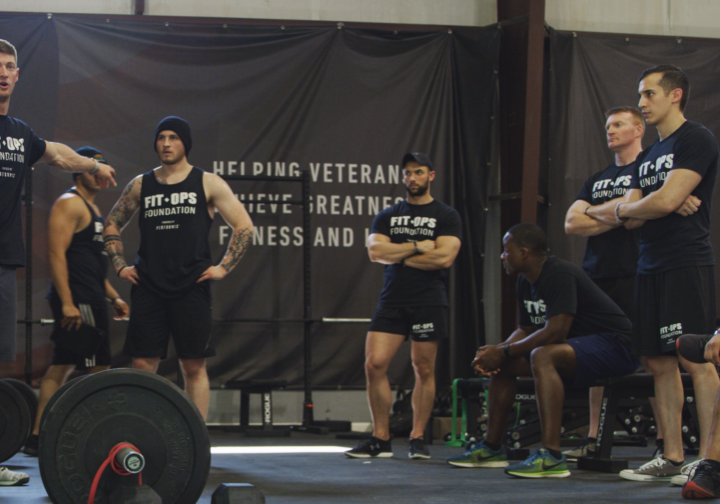
Recently, Matt also founded the Fit Ops Foundation. This is a charity that is dedicated to helping veterans become elite personal trainers.
Through a three-week boot camp, Fit Ops candidates go through the necessary course work and training they need to secure a personal training certification, free of cost. In addition to that, Fit Ops candidates get priceless mental training in the company of their fellow veterans.
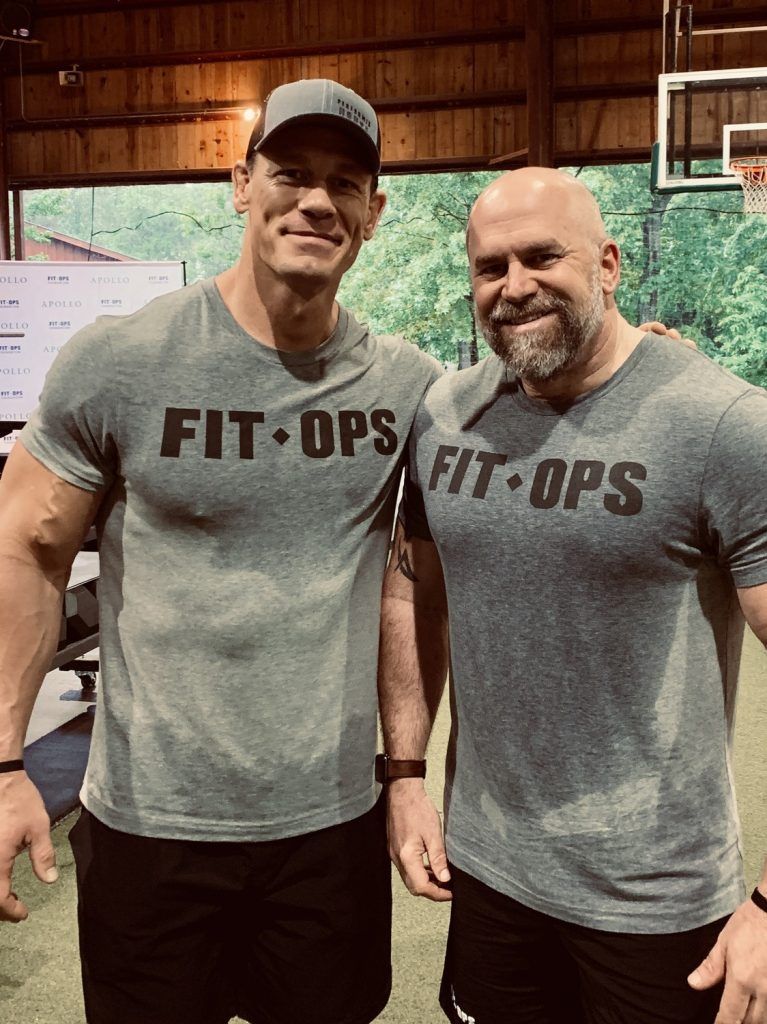
Once Fit Ops candidates are through the bootcamp, Fit Ops continues to provide aftercare to ensure that graduates get jobs and stay on the path to success.
Recently, WWE star John Cena donated $1 million to Fit Ops, and he’s matching any donations that come in prior to the holidays.
To donate to Fit Ops or apply for your spot, head over to http://www.fitops.org.
Transcript
Machine-generated from the episode audio and lightly edited — may contain errors.
Chris Albert (link to this point)
Warrior Soul podcast is written, produced, and edited by me, Albert. Our goal is to empower US military veterans to live their absolute best lives, and we do that by providing tools, tactics, strategies, and ideas that they can apply into their lives to become wiser, stronger, smarter, more resilient, and more capable human beings in the civilian world. If you're not a veteran, stick around because anything we talk about here can obviously apply to you. And if you like what we have to say, any information we provide, and the guests we bring on, please head over to iTunes and write us a written rating and review. It really helps to spread word about the show and to get this helpful information into the hands of more veterans so that they can in turn improve their lives and shape the future of this country.
This podcast is brought to you by the amazing, the wonderful f bomb nutrition. They make awesome, delicious packets of fats. These are portable snacks that you can carry with you anywhere. It's so hard to find a low carb snack out there, but these guys have done it. They got macadamia nut butters, they mix them up with chocolate, they mix them up with sea salt, they mix them up with pecan butter.
They've got awesome meat sticks, and they've got these delicious cheese snacks that they put out there. Plus, they're an amazing company. They send boxes of this stuff out to the troops on the front line. It's not something we ask them to do, it's something they volunteered to do. So if you wanna get some of the best low carb, high fat snacks on the planet, head over to www.dropanfbomb.com.
Use the code Warrior Soul at checkout, and you'll get 20% off your first order. This podcast is also brought to you by the amazing awesome people at Save the Brave. Save the Brave is an organization that provides camaraderie events for veterans. They do fishing events. They do golfing events.
They do other sporting events, and they also do a lot of work to help gold star families. And look, we've all heard stories about veterans charities where the executive boards are taking these giant salaries, and I don't have a problem with that at all. But here's the thing, I wanna make sure that whatever organization I'm talking about is doing amazing work. Savethebrave.org is doing absolutely outstanding work. Their board doesn't take any salary whatsoever, and they are having an amazing impact.
They're focused on getting veterans to live their absolute best lives, and that's what this podcast is about, and that's why we wanted to work with them. So if you're interested in volunteering or donating to save the brave, head over to www.savethebrave.org and make your donation or your request today. Finally, this podcast is brought to you by Warrior Soul Apparel. This is a clothing company that I actually helped to start a couple years ago as we were beginning the brand Warrior Soul. We've got some amazing t shirts.
We've got skivvy shirts with some pretty funny funny sayings on there like, I love Jesus, but I cuss sometimes. We've also got some awesome hero shirts. We have the amazing hard times breed hard people series, and these are just great shirts that I've helped create, and they support the show. So if you're interested in getting some Warrior Soul shirts, head over to www.warriorsoul.shop. And finally, if you're interested in joining a new group that we are putting together here at Warrior Soul, a group for those who are looking to live epic lives worthy of epic obituaries, stick around to the end.
We'll have some information for you to check out. With that, let's get into the episode.
This is Chris Albert, and I'm here to remind you of one thing. Someday, you're going to die. That's not some morbid statement or scary idea. It's solid fact. Your time here on this earth is limited.
And we need to be reminded of this as much as possible for one simple reason, to live your best life while you can. This is the Warrior Soul podcast.
What is going on, ladies and gentlemen? I have a really, really great guest and a really, really great subject for you today. As a lot of you know, I've been a trainer for over a decade, and I've gotten a lot from this career. It's helped me to learn a whole lot about people. It's helped me to learn a whole lot about the human body, and it's also been my foot in the door when it comes to business.
Alright? If you are looking to start a business, if you are looking to become an entrepreneur, one of the best careers you can get into is personal training because it teaches you how to sell, teaches you how to deal with people, and it teaches you the art of personal management. And I am a big fan of encouraging other veterans to get into this type of career because there is so much it could do for you. Now, our guest, Matt Hesse, he is the CEO of Performix, which is a really great supplement company. You might have seen them in GNC, you might have seen seen them in the vitamin shop.
He also owns a gym. It's called Performix House, and that is in New York City in Manhattan. It's one of the most elite gyms in the city. But what he's done, he served in the US army, and he's got a real passion for helping veterans. So he's created something called the Fit Ops Foundation.
Now what is the Fit Ops Foundation? Basically, it is a six week boot camp that veterans come to to get their minds right and to learn how to become and get certified as personal trainers. Now, like I said, I've been in this industry for a while. I have never seen a program paid or unpaid that is as immersive and complete as this. You're literally going down there.
They're teaching you the mindset you need to know. They are doing everything they can to support you in as a veteran, and they are educating you. They're showing you the top training modalities. They're showing you everything you need to know about nutrition. They're showing you basically everything you need to become a top personal trainer.
And pretty much anybody who goes through this program and gets out is guaranteed a job as a trainer when they get out of the program. It is a fantastic opportunity for veterans. Now here's the deal. They have put a few classes of veterans through the program already. They have a really long waiting list, meaning that right now, they're trying to raise money to put more veterans into the program.
John Cena recently, the the famous WWE wrestler, recently donated a million dollars. And now through December, he is matching any donations that come in. So while you're listening to this episode, before you listen to this episode, or or directly after, do it now if you can because I don't want you to forget. Head over to www.fitops.org. That's fitops.org.
And whatever you donate, like $5, $10, whatever you can, put something into this because this is what I'm talking about. This is actually going to help veterans to become strong and contributing members of society, which is what we need. There are so many charities out there. There's very few that are taking actions like this. So head over to fitops.org, donate what you can.
That's gonna get matched by John Cena. Alright. And with that, let's get into this conversation with Matt Hesse about the Fit Ops organization and what they're doing for veterans. Matt, welcome to the show, man.
Matt Hesse (link to this point)
Thanks for having me. Appreciate it.
Chris Albert (link to this point)
You are calling in from New York City right now. Right?
Matt Hesse (link to this point)
Yes, sir. From Manhattan.
Chris Albert (link to this point)
Nice. Nice. Busy, busy place. Every time I go there, though I grew up not far from there, kind of astound to me how much they got going on on the streets.
Matt Hesse (link to this point)
Yeah, man, it changes quickly. You look on a corner and all a sudden there's something else there. It's like, where did that get there?
Chris Albert (link to this point)
Yeah.
Matt Hesse (link to this point)
I love it. It's fast, fast paced. But you know, I also, I also need to get out of here on supply going nuts.
Chris Albert (link to this point)
Yeah, yeah, that I would too, man, I would too. So you're with the Fit Ops Foundation, tell us a little bit about what the Fit Ops Foundation does.
Matt Hesse (link to this point)
So, I mean, does a lot of things, but I guess the easiest way to explain it is we take veterans both transitioning and active duty, ready to transition and take them onto a camp. They spend about six weeks in pre study and about three weeks on the camp, and we train them to become personal trainers. We address all three aspects, which we believe are important, the biological, the physiological, and the, I guess we'll call emotional, unpacking or decompartmentalization. And we think that these are necessary, the three pillars are necessary to help them, not just with learn the skills of being a great personal trainer, but be able to connect with their clients because they've connected with themselves. And then, you know, really the underlying equity of Fit Ops is in the reorientation of the civilian life and helping to bridge the gap of purpose.
Because as you know, as you served, you're probably like me, you're more proud of that than anything, maybe outside of your kids. And when you transition and you lose the ability to serve, if you go into a job where you're not serving, it's just hard. So, you know, I think that's probably the greatest gift of Fit Ops is the ability to serve in a profession and that that feels fulfilling.
Chris Albert (link to this point)
Awesome. And so when they they come in, you you taking them through this six week boot camp. And so a lot of it is spent, you know, building up the emotional intelligence required for the job, and then going into the the actual knowledge and and the techniques that they're gonna need to know to be good, solid personal trainers. Right?
Matt Hesse (link to this point)
Yeah. I mean, I look at these guys more as like, more than just a personal trainer. They're like personal trainer weapons. They have the education and knowledge and aggregate an aggregated knowledge of all of the assets that we have here at Performix, which is the company that launched the Fit Ops Foundation. We have the best trainers in the world here and these trainers are the trainers that go down and train and educate these guys.
So, they're taking a piece of each one of these disruptive trainers here and instilling some of that into each of them. And so it's not just a curriculum, it's curriculum plus plus the industry knowledge, and the ability to build clientele and transition with a strategy, not just a certification.
Chris Albert (link to this point)
What is a disruptive trainer?
Matt Hesse (link to this point)
You know, I think a disruptive trainer means that they're well rounded, well balanced. They have not just a personal training certification, but they have continued education, whether it be StrongFirst or kettlebell certifications or first principles of movement. They understand that personal training isn't just teaching somebody how to lift weights, it's the mental aspects, it's the physical aspects and the social aspects of fitness and lifestyle all rolled into one coach. That's what we're trying to teach these guys.
Chris Albert (link to this point)
Awesome, and so when you have a veteran come in and they apply, because they have to apply to get into this program, are there like prerequisites they gotta take up? Are there are there, you know, does there have to be any preexisting skills or anything like that?
Matt Hesse (link to this point)
No, we don't select by MOS. I would say, you know, of all of all the MOSs, we'd probably see the most the most candidates out of like, 11 Bravo, or I don't know what the Marines are. Ground troops. Troops. Yeah, so, they don't have an applicable skill that is transferable to civilian life.
And so, you know, their skill is accountability and leadership and physicality and, you know, what makes great personal trainers, accountability, physicality, leadership. So we're taking the chassis that makes the American military run and being battle ready and moving it into the personal training space. And then layering on top of that, the things that I think make disruptive coaches, which are all the other elements. So, you know, when you put all those things together, you have what I like to call a weapon.
Chris Albert (link to this point)
Nice, nice. Now, so we you get people in and what's the application process like?
Matt Hesse (link to this point)
So, you know, there's a, unfortunately, there's a pretty long waiting list right now. We've put about 300 vets through so far, we've got about 1,500 standing by. But, you know, we prioritize based on need. You know, our program was built to address veteran suicide. First and foremost, that's what we're trying to figure out how to fix.
And, you know, we believe that when we see an applicant come through, of the 1,500, we've gone through every bit of their application, we understand where they're at in transition, their process, and if somebody needs it more than others, we prioritize those people. So, you know, it's first and foremost, you have to want to be, you have to want to serve people through fitness. We don't, while going on the camp is an amazing experience, who doesn't want to live with vets for a month and train your ass off and get your certification and eat well and get cool gear and meet, hang out with John Cena, like everybody wants that. So our process to certification is really about making sure that they have a passion and a heart to wanna help other people through fitness.
Chris Albert (link to this point)
Gotcha. Now so obviously, you guys have a have a pretty long waiting list. Are is there are there classes coming up?
Matt Hesse (link to this point)
Yeah, so we have a class going right now. There's 40 vets on a camp in Atlanta. We have another class in February, another one after that in April. We run classes every quarter. We're trying to get a full time camp built now.
And that was the big fundraiser that you see John Cena's running. He put up a million bucks, so he's matching dollar for dollar. And what we're going to do is build a camp with those funds, which will allow us to run camps every month with a full time staff, so that we can address the need. ABC News is doing a massive story on this, around Veterans Day, and next week, and my guess is we're going to get 10,000 applicants, from that. So no pressure in getting the the funds put together to build this, right?
Chris Albert (link to this point)
Yeah. So, yeah, it seems like you guys have have a good problem. There's a lot of a lot of desire for for what you got, but you're at the point of of trying to scale this thing out and trying to trying to keep the engine going as far as keeping everybody everybody getting everybody through it in a timely manner. Right?
Matt Hesse (link to this point)
Yeah, you know, it's, you know, we can talk practically about it, there's, there's, it's pretty, it's a pretty defensive defensible strategy in terms of what we're doing, but, you know, the emotional piece of this is, is it absolutely crushes me to see the suffering and suicide that's happening in our community. You know, gotta fix it, and so I'll figure it out.
Chris Albert (link to this point)
Well, let's talk about some of the things guys can do in the meantime. Right? I mean, there's there's a whole lot. I mean, besides everything. I mean, if you wanna be a personal trainer, if you want if you wanna do anything, actually, I mean, I think in a lot of ways, we live in an amazing time and place where where the resources are more available than they've ever been.
Right?
Matt Hesse (link to this point)
100%. Yep.
Chris Albert (link to this point)
You know, that's that's everywhere. I mean, you can go you can take courses from major universities on on on YouTube, you can you can learn so much. So for that guy out there who who might be on the waiting list, might not be able to go through this program for a while, What do you think are the big things you would focus on here?
Matt Hesse (link to this point)
That's a great question. And you're asking a question that I think our staff needs to answer as well. We're in this for about eighteen months. We've run nine camps now. We've saved, I'll call saved 300 vets.
But we do have a lot of people and we do get a lot of emails saying, I need in right now. And the reason they're saying that is because they're desperate. And so, I think first and foremost, fitness is such a powerful tool and we're sort of built it, not hate it, but if you do PT every day for four years, eight years, twelve years, whatever, the last thing you want to do when you get out the first day is go do PT. Right. And so I think without knowing it, they inadvertently hurt themselves by stopping exercise.
Exercise, there's plenty of studies out there that show the power of physical fitness on mental fitness. And so, I think the first thing is get yourself in a place where I don't care if everything else is crumbling around you, you can find a floor to do pushups on, you can find a street to do a run on, you can find a gym owner who will actually let you work out for free. I don't know one gym owner out there, if I was a vet, walked off the street and said, man, I just need a place to train. Could I please work out here? I can't think of a person who would say no.
Maybe some big bureaucratic shitbox or something, but like, if you're an American and you have any soul whatsoever, you're going to let that person in there and you're going to pay it full, pay their service forward. And so I think for the vets that are out there listening, for the vets that are looking for a career in fitness, I think it goes as far as, hey man, I need a place to train, and if there's any opportunity to becoming a trainer here, I'd love to learn from you, could I please have an opportunity? You know, I think that's readily available to everybody, because of the desire for the civilian population to give. There's no there's no lack of desire out there.
Chris Albert (link to this point)
Right. No. I definitely think we're in a I mean, people say what they want about about The United States as it is right now, but there's a lot of people out there who love of veterans, who love the military, who love people who put their lives on the line for to serve. And I think people of all political perspectives too, you know, not not just not just Republicans or anything like that. But, I mean, even a lot of the the liberal people I've met, they wanna do what they can to help veterans.
I think in in a lot of ways for us, and and it's it's to understand a couple of things. The primary thing is this, in order to to get anything done, it's gotta be us that that jumps on it. It's gotta be us that takes action. Right? Because people could give you things till they're blue in the face, but if you're not taking advantage of it and you're not actually doing things to move yourself forward, then
Matt Hesse (link to this point)
Yeah.
Chris Albert (link to this point)
You're not going to get anywhere, right?
Matt Hesse (link to this point)
Yep, yep, I think that's 100% right, and there's, I think there's a, into that point, there's a lot of people that want to give, and the reason for giving somehow rubs vets the wrong way. I don't want your pity. I want an opportunity, but I don't want your pity. And so, you know, I don't, if somebody's putting a helping hand out there, I think there's absolutely plenty of those opportunities. I encourage, especially in the fitness category, it's not the barriers to entry are not, they're not high.
Being an amazing trainer certainly is the barriers of entry to that are high, because you need to train yourself beyond just getting a certification, getting started in the fitness field, man, it's fast and easy and it's a pretty quick, a pretty quick extension to business ownership. I know you've owned some gyms, I own some gyms, They're not complex. Doesn't mean that they're easy, but they're, I think, it's a career that you could find yourself in, and a business you could find yourself in pretty easily.
Chris Albert (link to this point)
Yeah, there's a and and that's the thing, think, there's a lot of ways of getting into it. You know, one of the things I've told people in the past is you gotta try to learn the business as much as you're gonna learn the techniques, right? And that means that you have to have to learn how to be good with people, right? You've got to learn, you know, a little bit that empathetic note that you talked about earlier. Understanding that, you know, I I've got a friend who's a veteran, and he's constantly talking about how civilians are out of shape and how how everybody's fat, how could they let themselves become this fat. You've got to get yourself to a point to say, you know what? That person hasn't had your experience. That's right. They haven't they they they didn't they've been in position where they've lived their lives like this, and and and they're just coming to this now.
And the very fact that they're coming to you says they want help. Right?
Matt Hesse (link to this point)
A 100%, and civilians look at vets for that, like, they understand our training, and so it's why it makes such a such an awesome opportunity to serve again, because to your point, your friend is judging their shape, but if he actually turned around and looked at himself, he is the perfect person to help them. So if he can gather up some empathy for their position, and then take that empathy and package it up with great training, he can help change their lives through his service, which is, again, what they're made for.
Chris Albert (link to this point)
A 100%. How did you end up getting into the fitness industry?
Matt Hesse (link to this point)
I mean, I had a pretty solid fitness background as a youth. I was a wrestler and conditioning was part of my life all the way from six years old until going into college, and then I went into the military. So it's always been a big part of my life, but as an executive, building a company and running foundations, use fitness every single day as a base to jump from. So if I have a big meeting or important podcast, I jump in the gym an hour before and crush a session and get my head right. And it's my meditative space.
It's where I go do my thing. People don't bother me. They know that I'm using it for that reason. And a lot of the trainers, you know, my trainers that are on the floor in here every day, their 04:00 in the afternoon is trainer time and everybody has their head down and they're crushing, there's 40 of them in here, and they're all, they're, you know, they're training people all day, and most trainers, they train people, they forget to train themselves. My guys understand the value of it.
And so, know, I've used fitness my whole life, I'll use it till I'm dead in some way or another. So I think it's powerful.
Chris Albert (link to this point)
Yeah, it is powerful and that meditative element of it is extremely helpful. I mean, there's so many chemicals that get released from your body when your heart rate is elevated, you have opiate like effects, you can have euphoric like effects, things like that. One of the things that I think is going on right now, I see a lot of like these kind of, they're like Navy SEAL style programs, and some of them are great, but at the same time, I think, you know, I see a lot of 40 year old guys trying to do them. I one of the things that bothers me about that is like, if you look at like like a BUD/S, the attrition rate is high, and it's high for a reason. And it's because the guys who are like 18 and 19 years old, who are trying to do this, who are studs, they're having problems with it.
So, you know, we're at this point in time where there's got to be we're learning more to keep a balance, right? Where if if you take the needle, if you don't do it enough, then then your mind's gonna go one way. But there's a whole host of things that can happen if you go too far with it. Right?
Matt Hesse (link to this point)
Totally. I think I think you're hitting on extremism, and, you know, that's not lifestyle. And so if you take the approach, you know, I think Chabocco talks a pretty good balance about mental toughness and understanding where to set your bounds in terms of where to set your goals in an obtainable space, training to be a SEAL or a Delta Force guy or a Marine Raider or something like that. That training is just so far beyond what civilians will ever do. And it's so far beyond what really conditioned civilians will ever do. So trying to make those programs for civilians and trying to market those programs to civilians is like encouraging them to fall off the program, because there's no way they could finish them. And so I really think that thoughtful design and programming that starts people where they're at and builds the program to help them get to the next stage. Maybe someday they could pass a BUD/S program or something because of the conditioning and training they did, but you don't start from zero and go to a thousand. And I think those programs and you're right, I see them all over the place.
There's plenty of books being written right now by ex SEALs on leadership and training, and there's some good stuff in there. But if you're writing programming, you know, out of those protocols, it's it's just not applicable to most people.
Chris Albert (link to this point)
Yeah, because I I mean, I run into a lot of guys who who want to to get in shape or even get into the industry, but they're like, well, you know, I'm not able to squat 300 pounds, I'm not able to do this, I'm not able to do that. And, you know, at the end of the day, it's more about being the best version of you that you can be, right?
Matt Hesse (link to this point)
Totally. I think I think the, you know, the that maybe what you're hitting on something right here that maybe should be talked about, which is, like, the bravado that people think they have to have to go to the gym. Like, oh, I have to be tough, and I have to be strong, and, like, you know, that's like nineteen eighty five shit, like, you know, we're, as a society, men, I think especially soldiers, need to dial back a little bit of the ego and be vulnerable and be okay to not be okay, you know, I think, you know, it's that we're talking about two ends of the spectrum, an extreme on compartmentalization, the coupling of feelings and not letting them out, and then on the other side of, I don't want to work out in front of people because I'm insecure and I don't want them to judge me. I think we as a society need to be a little bit more, less hard on ourselves, and also, to your point about your buddy judge and civilians, like how out of shape they are, a little bit more thoughtful about helping people come in and be a part of us, of something versus know, making it intimidating. But you're 100% right, it's out there and it's hard. It's a hard thing to knock down.
Chris Albert (link to this point)
Right. And, you know, I think we have to kind of pull back from saying, alright, you know, I'm a veteran, I'm going to be this way, and this is how I'm always going to be. And, you know, a lot of us, we equate that with like an assault on our masculinity or something like that. And the thing is, real masculinity isn't about bravado, it's about action. Right? It's about doing what you need to do to hold the standards that you set for yourself.
So that's an important thing to understand, because if you're wearing away your hormones, because you've you're running a marathon every week, every other day, or you're, you're, you're killing yourself, you're killing your joints. I mean, at some point, the scale is going to crack and you're going to be in a position where you can't do this stuff, right?
Matt Hesse (link to this point)
That's right. Yeah. I think that's I don't think I could put it better than you just put it. And it's a huge issue. You know, we're all so competitive.
Look at the CrossFit industry. You know, if you're any kind of educated practitioner in the training space, you know that you put a bunch of guys with egos in a box and tell them to compete against each other, forms out the door and they're gonna crush themselves. Most, not all, but most. Like, dude, I'm like that. I'm so competitive that you put me in a CrossFit box, hurt myself.
And I know how to train. So, I think we're in a really interesting time in one, what you just said around masculinity and it being okay to be where you're at. Then two, the fitness space is really evolving right now and it's becoming more inclusive and more of a social thing. You know, in that way, CrossFit boxes are pretty great because the social aspect where people come together and work out and sweat, a lot of vets are in those boxes, taking out their aggression and also connecting. My goal is to put socially, biologically and physiologically sound trainers into those places so that they're balancing all the aspects.
And you see a guy that's uber competitive with a gigantic ego, I guarantee if you dig underneath that shit, you're gonna find a bunch of insecurity and shit that needs to be addressed, so that that human being can punch forward into being a better version of themselves. Until you deal with those things, they're just going to sabotage you all day long.
Chris Albert (link to this point)
Yeah. Is, after people go through this program, you guys are connecting with them continually, right?
Matt Hesse (link to this point)
Yeah. So we're evolving that process now. Our first few classes, the very first class is well connected, the second and third class were really big, we had 80 people per class, 80 vets, and they didn't stay sticky. So, if you were in the military, you jumped from unit to unit, you might keep in touch with a couple of guys from your last unit, but it's not like your high school buddies. So, we're building continued education programs in each city, so that as our guys go back to their, I guess called their duty stations, where their gyms are at, they're creating a network.
My whole hope for this is that they go back to their towns and pay it forward to other vets who are suffering in their towns. I can't put, I mean, there's probably hundreds of thousands of vets that need to go through a program like mine. And the blast radius of my program directly is maybe a thousand a year. But if those thousand each year go into their markets and do the same thing, maybe not a full comprehensive program like ours, but use the power of fitness to transform lives, then the blast radius gets a lot bigger.
Chris Albert (link to this point)
So what types of jobs are these guys ending up in? Usually, are they headed to corporate gyms? Are they headed to local gyms? Do you guys have networks in that way?
Matt Hesse (link to this point)
Yeah, so we have a partnership with 24 Hour Fitness. I can pretty much guarantee every single vet that comes online in the program will have a job when they come out. We teach them resume, how to build a resume, how to articulate their skills in an interview. I interview every single vet before they leave and put them through the ringer, because I want to make sure they're prepared for any question. What they don't really understand is their skills and the desire in the civilian population to help or give a vet an opportunity, you shouldn't walk out of any interview without a job.
It just gives you the skills you need. Now, the last piece of that is, are you mentally and emotionally sound to come into work every day and deliver? And that piece is the piece that we work the most on at camp. And I don't care if you're a vet or just a regular person, everybody's got shit. And if you don't deal with that shit, the compartmentalization of it causes you to get agitated for no reason, or at least you think it's no reason. And so, we encourage, at the first camp, I stood up and gave a speech, and it turned into me on stage crying, and all the guys and men and women in the audience were like, holy shit, this dude is unloaded. And I did that, somewhat subconsciously, to be honest. It was the very first day of the very first camp, and now that happens every single night. Every single night, they get up and each night one vet tells their story. And it ends with a big gigantic group circle hug, and you're talking about some war hardened, tough guys that walk in there with their arms flared out, like they're cobra stealth style, and these are the guys that are crumpled up on the floor balling at the end, because they just realize they've been going at it the wrong way for so long.
And honestly, like, if you think about what we are taught at an early age, or at least in basic training, compartmentalization is a needed skill in the military. You can't have feelings, that is what gets people killed. And so if we're taught that, but on the way out, we're not taught, now it's important to decompartmentalize and let those things out and talk about that shit. Then what we do is just walk around with it all bound up inside. And then one day somebody triggers you and you go off the fucking reservation.
You're like, and even you're surprised by how you react, what your reaction was once you've come down from that. And, you know, that's a sure sign that you have something that you need to deal with inside and it'll come out in different ways. So anyway, I talk a lot about that because, you know, while we're running a personal training certification camp, it's probably half about that, and the other half is about addressing the issues that might sabotage you in your career as a personal trainer. You know, these guys are going into gyms, they're going into GNC stores, they're going into corporate fitness, We put them everywhere.
Chris Albert (link to this point)
Yeah, there is something called empathy fatigue that I don't think people realize is a big thing when you are a coach or a trainer or anything like that and it happens when you're dealing with so many people and you know, honestly, as trainer, you're going to take you're going to deal with a lot of people every single day, you're going to deal with their stresses, their problems, their issues, their desire or lack of desire to do something. And if you're not taking care of yourself enough mentally, a lot of times that can affect you big time. And so it's really important that you are taking care of yourself, that you are taking care of your mindset, you're doing the things you need to, in order to keep yourself in order so that you could serve people to the best of your ability.
Matt Hesse (link to this point)
Yeah, man, that's a really good point. I think, getting back to the types of people we're dealing with, these are the people who are built to serve, and so they just keep serving and keep serving and keep serving, and at what point do they stop and serve themselves? And that is a real problem. And it honestly gets back to, I don't want to make this a psychology podcast, but it really gets back to, you know, what's inside of you that makes you want to serve other people so much. And, you know, often it's because you don't know how to serve yourself.
And, you know, that doesn't mean you don't know how to be selfish, it actually means you don't know how to love yourself enough to have, to be nice to yourself, to be good to yourself. So you put all of your energy into serving other people.
Chris Albert (link to this point)
Yeah. And you've gotta find a deeper meaning for doing it. Totally. Because, you know, it can't just be about the career, it can't just be about the money, it can't just be about the notoriety, it's got you got to be there because you're finding meaning from this in some way it's helping you too. Right?
Matt Hesse (link to this point)
Amen, man. Yeah. Purpose.
Chris Albert (link to this point)
So you're sitting next to a cryo tank. What's that thing for?
Matt Hesse (link to this point)
Yeah, it's to reduce inflammation similar to an ice bath. But you know, we use this as the recovery tool in Performix House.
Chris Albert (link to this point)
Nice, nice. Yeah, for the people who aren't watching this because we don't publish the video, it looks like a big vat that you step inside of and I've actually I've done it a few times before and helps a lot. It helps a lot. I use a lot of cold therapy.
Matt Hesse (link to this point)
Yeah, you know, there's a bunch of studies just came out that said, you know, you don't want to do it around around the workout because it disrupts hypertrophy, but on a day off when your body's trying to recover, probably not a better tool than cold.
Chris Albert (link to this point)
Right, right. They say the same thing about fish oil and curcumin. You don't want to get in and around a workout because you need that inflammation to start recovering.
Matt Hesse (link to this point)
That's right.
Chris Albert (link to this point)
So do they get taught about a lot of these extra tools for reducing inflammation and enhancing recovery and things like that?
Matt Hesse (link to this point)
A 100%. Yep. We cover not just what's in a textbook, we cover the practical application that our trainers here at Performix House all have, all go through with all their clients. We talk about nutrition tools. We don't talk about specific supplements like, you know, even though our brand Performix is a sports nutrition brand, we don't educate them on our brand specifically.
We educate them on protein and what the benefit of protein is and glutamine and things like that. But, we try to be as, I guess, agnostic as possible in terms of the type of things that we teach them. One of the things that's happened to the veteran community is a lot of vets think everything's a marketing angle, or you want to use me in some way to do something. We've had vets come on our camps and this is some sort of multi level marketing thing. You want me to hock your shit or something? No, I don't want you to sell any of my stuff. I mean, if you want to, you can certainly encourage you to take it, but I want nothing from you other than for you to be healthy and happy in your career. And if you want to go out in the world and, and, and spread, my brand fine, but it's not what I'm asking you to do.
It's not like you're getting a certification from Performix, you're getting it from a nonprofit called Fit Ops. We just use our trainers and their education and knowledge to teach these these, veterans when they go to the program.
Chris Albert (link to this point)
And and the certification they get is it is a Fit Ops certification. It's not it's not from an outside association, right?
Matt Hesse (link to this point)
No, it is. We use both. So what you what you get when you graduate, for the program, we bring proctors out from like NASM and they test them on the on the camp. And but we also gave them a designation called a CVFO, which is a certified veteran fitness operative. So the underlying asset of an NASM certification or something like that, a case, or, you know, we think NASM is one of the best, we use that often. But what we're trying to communicate is that a CVFO, it is a certified trainer from an outside accredited program, but has been taught the tools, from a military background, has the tools military background coupled with training from Fit Ops, which is, which gives them the other pieces. So you can go online and get a personal training certification pretty easy, But that makes you certified not qualified in my opinion.
Chris Albert (link to this point)
Right.
Matt Hesse (link to this point)
We aim to add the other piece.
Chris Albert (link to this point)
Having the national certification from like a NASM or an NSDH, it just helps as far as procuring jobs and things like that. Right?
Matt Hesse (link to this point)
Right on. Yep.
Chris Albert (link to this point)
Awesome. Awesome. And so, you know, when these guys go down there, they're working, are they training themselves every day? Are they working out every day? How much class time are they getting?
And then
Matt Hesse (link to this point)
Yeah.
Me walk you through it like a typical day. So we have PT at 05:30AM. We do PT from 05:30 to 06:30. Once in a while, we'll throw in a long run. And so six to 05:30 to seven, but they finished PT, go into chow hall, replenish themselves.
Every meal is built specifically for that day's exercise plus that day's curriculum. So we're, you know, we're, we're biohacking in some ways on camp because we want to make sure that they're able to fuel themselves to get through the day because it's long. After chow, they shower, they're back in classroom around nine, and they're in curriculum and their textbooks from about nine to noon, and they're learning anatomy, they're learning, you know, physiology, learning everything you would need to a practical knowledge perspective. Chow at lunchtime is usually coupled with some sort of activity, you know, just prior to Chow, go in, eat, and then we're in either more curriculum in the afternoon or in an outside skills program, which might be how to build a social media following. We'll bring an expert in to teach them how to build their social following and why it's important to understand how to use social media professionally versus putting pictures of your dog up or something. Obviously, are fine, but if you're a professional and you're, you're training people and you know, that social media platform is your way to communicate what you do. We want to teach you how to use it, to both gain clientele and to create a reputable brand for yourself so that people see it and they're like, man, this guy looks legit.
Want to train with him.
Chris Albert (link to this point)
Yeah.
Matt Hesse (link to this point)
So then the afternoon is usually a lifting party. We'll actually work out together. It's about a two hour stretch, and it's smoking and joking, or I guess they don't do that anymore. It's now pumping and listening to music and throwing out with each other, and that's real bonding time. And then usually more curriculum right before chow, and then evening, chow's at six, and then they're in the performance talk, which is where you get up and give your speech.
It's not a speech, it's 40 guys and girls sitting in the audience and you get up, you're on stage and we have this big hammer called the hammer of tears. And we created this because a lot of times this is the first time someone's sharing their story. Some of these stories are war stories, some of these stories are childhood trauma, some of these stories are childhood trauma layered with war stories. Like they're just, you know, there. But the point is that a lot of times they're hard to get out.
And so we put a big tire up on the stage and a big hammer. And when someone's trying to get it out and the tears start to come and the emotions start to come, they're able to pick up this hammer and start smashing the shit out of the tire. And while doing it, they're still talking. And it usually breaks through, meaning they get it out. And I've had guys up there that I thought were going to smash that hammer through the fucking stage because they were so emotional and so angry and so charged.
It's powerful, and I get goosebumps talking about it now because it's, you know, in a typical therapy session, like sitting in a group of, I can't think of a worse day than go to a community center and sit around in a circle of chairs where people are just staring at you and you're someone who's never really shared it, you don't cry, and everyone's staring at you and they're like, Share, it's okay. You're like, Yeah, man, that's not really how I do it. So, not saying that that's not the right way for some people, but for vets who have compartmentalized everything, you need a different format. And so, just kind of evolved for us. And not everybody gets up there and smashes shit, but everybody's holding that hammer.
And we like to think the hammer has a little bit of power to make people cry. So, there's a guy named Bobby that goes to our camp and he made a big joke. He said, I thought I was coming down for a personal training certification and all I've fucking done since I got here is cried. And he was a guy that really needed to. He was suicidal, attempted suicide multiple times.
And we addressed his stuff by letting him get his story out. And his story is one of the most horrific stories I've ever heard. He was the first team that went into Iraq. And I get emotional just thinking about now, him in that story. But, you know, those are the times where these guys are able to be in a trusted group of people and share the hard things.
And that usually goes on for about an hour, an hour and a half each night. It always ends in a big gigantic hug and sometimes around a campfire, sometimes, you know, if it's cold out, we'll be inside of a training hall. The point is it's a safe space. It's a place where you've bonded and people are feeling like they can share shit that they couldn't share anywhere else.
Chris Albert (link to this point)
Awesome, man. Awesome. Yeah, that sounds amazing. We're so right now you said there's a waiting list. How approximately how long is the waiting list or how many how much time could somebody expect to wait if they get into the program?
Matt Hesse (link to this point)
I mean, depends on on the person. You know, there's people that are on the list that are transitioning in a year or two years, and I want to get into a program, can I please get my name in now? And there's also people like Bobby who need it right now. So we Skype interview every single candidate, and then we have a board, we basically just put by need of prioritization of where they're at in their life, we put their name on a board and we move their names up and down based on the need. And so, you know, the goal is to get to the place where we can serve everybody within twelve months.
Right now, you know, we can put, you know, John Cena put a million bucks into our program this year, which is just epic, because I had been funding it basically out of my own pocket since we started it, and we put a couple million bucks into getting it off the ground and doing the research needed to appropriately deliver a program like this. John's donation puts enough money in the bank to put about, that's 2,000 vets, dollars 2,000 a vet to go through the program is what it costs us. So that's 500 people right there, 500 vets. So, you know, now as we scale, we've got some pretty big donations coming in from GNC and, a few, a few other companies that, that I believe will take us somewhere in that 2 to $3,000,000 range, and that'll allow us to actually build our program. So, you know, I wish I could tell you that you apply tomorrow, you apply this week and you're accepted next week with your date, or we're not there yet, but the proof of concept is there, the need is there.
Now it's just about finding people that are willing to give and they see the benefit. Obviously, veteran suicide numbers are going up, not down, and we got to address it ourselves, because it's been made pretty clear that the VA does not have to solve for it. I don't think the politicians understand the complexity of the problem, and even if they do, moving the red tape to get something done is pretty tough, so, you know, we've got, I believe, at least a really good shot at taking that number down through a program like this, but if twenty five vets a day are dying, then you know, I have got to find a way to scale it up to the point where I can put twenty five vets a day through the program. So I don't look at it as like my single handedly going to fix the problem, but if I can take the numbers down, then I am at least doing a part.
Chris Albert (link to this point)
Yeah, and where can people go to donate?
Matt Hesse (link to this point)
Fitops.org, fitops.org. And right now until Veterans Day, John is matching every dollar that comes in. So if you give $10, you're actually getting
Chris Albert (link to this point)
Outstanding. Outstanding. Awesome. Well, Matt, thank you so much for coming on. Thank you for starting this program.
Is I think it is a great idea bringing people in and actually taking them through a camp that gets them a new career in the end and gives them some life changing experiences in the process. You know, for everybody out there, some of the other things we said here today is that, you know, if you are in a position where things might seem bad right now, one the things that you really need to do is look at your life right now, and and you gotta somehow find a place where you can be grateful. Right? Because in all honesty, we're we are all lucky. Right? We're our generation of veterans has been through a lot, but but, you know, if you think about what some some people went through in World War one and World War two, if you think about the way life was up until just twenty or thirty years turn years ago, we're lucky enough to be born in this time and place.
And that's not to say that that that's gonna take away all your worries or or all of the stresses you've been through. But it is to say that if you're gonna get through those stresses, you need to take the actions in order to actually get through them. You need to take the actions to invest in yourself. This program is a great way to do it. And until you get into the program, make sure you're doing what you can to to to learn, to read, and to know that there's people out there that definitely want to help you.
So, Matt, again, I want to thank you for coming on. It's Fit Ops, fitops.org. If you guys want to head over and donate, give five, ten dollars that's being matched by John Cena, which is amazing. And the more money that goes into this program, the more vets who are gonna get through it.
Matt Hesse (link to this point)
Awesome, man. I appreciate having me on. And thank you. And anybody out there listening to this, feel free to reach out and connect if you got some ideas to make our program better or want to want to partner up.
Chris Albert (link to this point)
Okay. Outstanding. Outstanding. Thank you And so much, everybody out there, get out there and live your best lives while you can.
Matt Hesse (link to this point)
Thanks, brother.
Chris Albert (link to this point)
Alright, guys. So I hope that you got a lot out of that conversation. And I also hope that you head over to fitops.org and you donate to this amazing program. The more donations they get, the more veterans who are going to be able to come out of that program and have amazing careers. I also wanna let you know about something we've been doing here at Warrior Soul, and that is the Warriors Obituary Society.
It's a group of men who empower each other to live their absolute best lives, lives worthy of epic obituaries. And it starts with an eight week development program. In that program, the first thing you're gonna do is outline your vision. You're gonna get very clear about what you want. And then from that vision, you're going to start deriving goals.
And the whole point of this group is to keep you accountable to those goals. Once we do that, we're gonna start working on specifics. We're gonna get you to detail your own personalized fitness program. And then from there, we're gonna start working on your finances, trying to take down some of that debt and trying to get you to the point to where you are saving, investing, and putting that money to work for you so that you can start a business, so that you can build that house you've always wanted to build. Whatever it is you want to do, that's what we're going to be working on.
And then from there, we're gonna be working on your relationships. We're gonna be working on your mindset. We're gonna be working on your networking skills. We're gonna be helping you to build your business or career. The group meets once a week over live calls.
And once you're through that eight week development program, the the work doesn't stop. You're continuing to push forward. You're continuing to be held accountable to your goals, and we're also communicating and supporting each other on a daily basis through our private forum, which we've built on the Slack workspace. We don't do anything over social media because we don't want anybody looking over your shoulder, and we don't want you distracted. So if this is something you're interested in, if it's something that you would like to take part in, head over to www.warriorobituarysociety.com.
That's warriorobituarysociety.com, and you'll be able to learn more. If you have any questions after that, feel free to email me personally. My email address is chris@warriorsoulagoge. That's a g o g e dot com. Thank you guys so much for listening.
Thank you for all the continued support that we get out there from the community. If you like these episodes, please share them out. And if you really like these episodes, please write us a written rating and review on iTunes. And with that, guys, thank you so much. We'll be back at you next week with some more awesome content.
Host of the Warrior Soul Podcast and founder of Warrior Soul. Worldwide trainer and nutrition coach, contributing author at Testosterone Nation and Muscle and Strength.