
Podcast episode
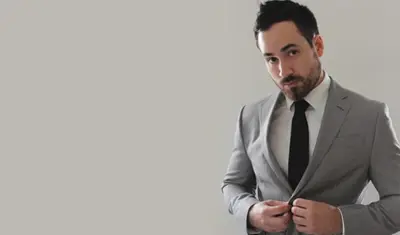
Justin Stenstrom: Becoming the Best Man You Can Be
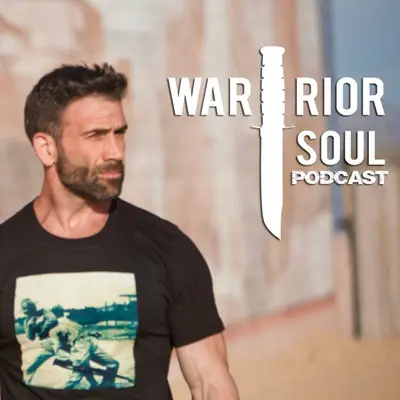
Hosted by Chris Albert
The Warrior Soul Podcast
Justin Stenstrom is the host and creator of the Elite Man Podcast
Justin Stenstrom is the founder and host of Elite Man Magazine and the Elite Man Podcast.
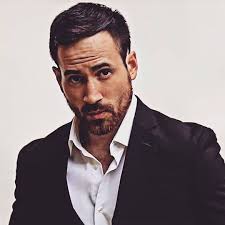
He started Elite Man originally as a blog to help give young men more confidence as they navigated through life.
Since then Justin Stenstrom has grown Elite Man into a successful media and nutrition company. He’s interviewed some of the most accomplished men in the world and has developed a world wide following.
We brought Justin Stenstrom on to discuss his business, life, and his advice for veterans as they strive for success in their own lives.
You’ll learn:
- how Justin started Elite Man
- what Justin does to stay on top of his game
- how Justin structures his nutrition for success
- how Justin battles anxiety and keeps his mind clear
- and so much more
Be sure to check out Justin Stenstrom’s show the Elite Man Podcast at http://elitemanmagazine.com/.
Transcript
Machine-generated from the episode audio and lightly edited — may contain errors.
Chris Albert (link to this point)
Warrior Soul podcast is written, produced, and edited by me, Albert. Our goal is to empower US military veterans to live their absolute best lives, and we do that by providing tools, tactics, strategies, and ideas that they can apply into their lives to become wiser, stronger, smarter, more resilient, and more capable human beings in the civilian world. If you're not a veteran, stick around because anything we talk about here can obviously apply to you. And if you like what we have to say, any information we provide, and the guests we bring on, please head over to iTunes and write us a written rating and review. It really helps to spread word about the show and to get this helpful information into the hands of more veterans so that they can in turn improve their lives and shape the future of this country.
This podcast is brought to you by the amazing, the wonderful f bomb nutrition. They make awesome, delicious packets of fats. These are portable snacks that you can carry with you anywhere. It's so hard to find a low carb snack out there, but these guys have done it. They got macadamia nut butters, they mix them up with chocolate, they mix them up with sea salt, they mix them up with pecan butter.
They've got awesome meat sticks, and they've got these delicious cheese snacks that they put out there. Plus, they're an amazing company. They send boxes of this stuff out to the troops on the front line. It's not something we ask them to do, it's something they volunteered to do. So if you wanna get some of the best low carb, high fat snacks on the planet, head over to www.dropanfbomb.com.
Use the code Warrior Soul at checkout, and you'll get 20% off your first order. This podcast is also brought to you by the amazing awesome people at Save the Brave. Save the Brave is an organization that provides camaraderie events for veterans. They do fishing events. They do golfing events.
They do other sporting events, and they also do a lot of work to help gold star families. And look, we've all heard stories about veterans charities where the executive boards are taking these giant salaries, and I don't have a problem with that at all. But here's the thing, I wanna make sure that whatever organization I'm talking about is doing amazing work. Savethebrave.org is doing absolutely outstanding work. Their board doesn't take any salary whatsoever, and they are having an amazing impact.
They're focused on getting veterans to live their absolute best lives, and that's what this podcast is about, and that's why we wanted to work with them. So if you're interested in volunteering or donating to save the brave, head over to www.savethebrave.org and make your donation or your request today. Finally, this podcast is brought to you by Warrior Soul Apparel. This is a clothing company that I actually helped to start a couple years ago as we were beginning the brand Warrior Soul. We've got some amazing t shirts.
We've got skivvy shirts with some pretty funny funny sayings on there like, I love Jesus, but I cuss sometimes. We've also got some awesome hero shirts. We have the amazing hard times breed hard people series, and these are just great shirts that I've helped create, and they support the show. So if you're interested in getting some Warrior Soul shirts, head over to www.warriorsoul.shop. And finally, if you're interested in joining a new group that we are putting together here at Warrior Soul, a group for those who are looking to live epic lives worthy of epic obituaries, stick around to the end.
We'll have some information for you to check out. With that, let's get into the episode. This is Chris Albert, and I'm here to remind you of one thing. Someday, you're going to die. That's not some morbid statement or scary idea. It's solid fact.
Your time here on this earth is limited. And we need to be reminded of this as much as possible for one simple reason, to live your best life while you can. This is the Warrior Soul podcast.
What is going on, ladies and gents? Back at you with another awesome interview. This week, we've got a really great guy on. His name is Justin Stenstrom. He's the host and the founder of Elite Man magazine and the Elite Man podcast.
And he's been in the game for a while. He started back a few years ago because he wanted to create a platform that could help men to develop more confidence, and to excel in every area of their lives. And he puts some great stuff out there. If you haven't checked out his show, you need to. We got into a great discussion today about how he started his business, how he slowly built it up into what it is today.
And we get into some of the tips that he has for navigating your day and showing up as the best version of yourself, no matter what you're doing. You know, as life goes on, guys, this stuff becomes more and more important. As you move on, and you achieve your goals, you're going to gain more responsibilities, not less. And it's vital that you're constantly working on yourself to get and become the person that you're supposed to be when you're in those positions. So let's I'm gonna stop talking right now.
Let's get into this conversation with mister Justin Stenstrom of the Elite Man podcast.
What's going on, Justin? Welcome to the show, man.
Justin Stenstrom (link to this point)
Chris, thanks so much for having me on, man. Appreciate it.
Chris Albert (link to this point)
I detect is it is it Rhode Island or Massachusetts in your voice?
Justin Stenstrom (link to this point)
Massachusetts, Boston guy.
Chris Albert (link to this point)
The Boston guy. Nice, man. Nice. I'm a New Englander myself. And I had Bing West on.
He was the co author of Call Sign Chaos. He's got a strong Boston accent. And I was like, by the end of the show, I'll probably pick up your accent because it just comes back. Right?
Justin Stenstrom (link to this point)
Yeah, that's cool, man. At least you can resonate with it being from I think Connecticut, right? Said?
Chris Albert (link to this point)
Yeah. And the thing is, Connecticut doesn't really have an accent. Yeah, it doesn't. We speak just like people from California do. But when I speak to people from California, like they'll pick up pick up on certain words like coffee.
I say coffee differently differently than the way they say it out here. It's probably coming out stronger right now because of what because I'm speaking to you where you're at. Yeah.
Justin Stenstrom (link to this point)
It's funny too, you're right in the middle of like New York and Mass. So you got like kind of a in between thing, you probably pick up some stuff from New York people and then some stuff from the Mass people and just, you know, get your own little thing going. But I think you are right. Connecticut doesn't really have anything specific. Like, if I go down south, I was in Georgia a couple years ago. I've been to Florida.
And, like, everybody knows. They all think it's actually New York. They mistake it for a New York accent, but everyone knows I got some kind of, like, northeastern thing going on. And it's kind of funny, though, because you don't recognize it until you step out of where you're from.
Chris Albert (link to this point)
Right. And I think only New Englanders can really tell the difference between a New York accent and a Boston accent. Because there's there's distinct differences between the two. My mom's from North Jersey. She's got a New York accent, and it it comes out a lot.
It comes out a lot when I'm talking to her. But, you know, big fan of your show, the elite man podcast. How long you been doing that for?
Justin Stenstrom (link to this point)
I think the show I think we've done done it for probably close to five years now. I mean, it's been a long time, man, as you know. I mean, you've been doing this one for, three years. So, dude, time flies in a sense, but also at the same time, like, you think of all the grinding it takes, all the hard work, all the interviews you have to do, all the editing you have to do. Like, it's a long process, but, you know, at this point, I'm pretty happy with the results and kinda where we're at.
Chris Albert (link to this point)
How what made you get started with it? I I know you, started as a magazine and you developed a podcast based off of that. I know that you also had some involvement with pickup, right?
Justin Stenstrom (link to this point)
Yeah, 100. So I started the podcast actually, when it first started, it was called a different name related to the dating stuff. So it was basically a dating self help podcast for for dating advice and confidence for guys looking to meet and pick up women. And then after doing that, maybe like 20 episodes in, I just got sick of doing the same shit over and over again. It was like the same exact advice, the same exact interviews, not to say that the guests were bad, but it was basically like, personally, I was getting really bored of it.
It was just like a tiresome thing. And it was almost like saying the same things over and over again, having to go through the motions. So I slowly started drifting off and covering different topics. And then from that point, I evolved with the website and just started tackling different topics on that. Kind of, it steered me in my whole journey of like, where I took that business, like directly because of being bored with the topics we're covering on the podcast.
And then like, we ventured out and covered all kinds of stuff like business, health, fitness, and then it just kind of exploded from there.
Chris Albert (link to this point)
Yeah, right now you're branched off into a whole bunch of things. You've got your own supplement company, you've got a bunch of things going on there, right?
Justin Stenstrom (link to this point)
Yeah, so we get the it's called Elite Life Nutrition. We launched that two years ago, but yeah, about two years ago or so. And that's really like, been my main focus for the past year and a half. But that's like the breadwinner of the entire thing. Like, that's really the biggest revenue that we get.
But we had the supplement line, then we have the elite life's the elite man stuff with the magazine and then the YouTube channel and, just the podcast, all that stuff. And then coaching that goes with that. And then I also have a book coming out too, in a couple months. I don't know when this podcast will be released, but that's kind of been taken up a ton of my time too is focusing on the book and kind of launching out a whole coaching and, funnel with that thing too. It's a pain.
It's it's a lot of work, kind of a pain the ass, the technical side of stuff, but it keeps me busy because I love doing that stuff and like getting the message out that that's really what kind of motivates me the most and gets me to really enjoy what I do is that kind of stuff. Like the supplement stuff for sure, but also just kind of more of this stuff where I'm more like creative.
Chris Albert (link to this point)
Yeah. Yeah. I think everybody's got to have an opportunity to be creative in some way. If it's hobby, if it's a side hustle, even if it if it's a business, you have to you have to find some way of scratching that itch. Because if you don't, I mean, it feels like there's there's this thing inside of you that that just needs to get out and you're not letting it out and then you start alienating yourself.
Justin Stenstrom (link to this point)
Yeah. A 100%, man. Like, it's it's funny too, because sometimes you'll hear people say, do what you love and, you know, the money will come after. And it's kinda true in a way, but it's also kind of not true in a way because sometimes you can be like, look at all the struggling musicians out there, artists or painters or dancers or actors. There's so many people that are that they love what they do, and they might even be great at it, but they're not making any fucking money with it.
So at the same time, you gotta kinda be smart with with doing what you love and having a passion for it. And I a 100% agree. Like, you have to have something that fuels you. Like, if I just worked at, say, Walmart and fucking made minimum wage, but I had this thing on the side and I loved it, I would still be happy because I'm doing everything every day. And I get to, you know, have that time to do it every single day, and I'm doing creative shit, I would still be happy.
But I also understand that money also can afford me different things and luxuries that I also wanna do. So that is a necessity for me. But people that think, like, if you just do what you love, like painting, acting, singing, you're gonna be, you know, rich and happy. It doesn't really work that way. If you if you combine the two and think that just because you do something because you love it, you're gonna be successful and get all kinds of money.
It doesn't work that way at all. It's it's life just doesn't run that way, unfortunately.
Chris Albert (link to this point)
Well, tell me about the beginning because, excuse me, because it's, you know, every entrepreneurial journey starts with maybe a little bit of pain. Alright? And and then there's a grind. And then somehow things start coming together. Tell me about those early days.
Justin Stenstrom (link to this point)
So there was definitely a lot of learning lessons, a lot of pains, lot of especially, like, I'm talking specifically when I started the business. It didn't work kinda like what I just said a moment ago about, like, doing what you love. I thought I was gonna, you know, become this dating coach, and everything was just gonna come to me, and I'd be rich and famous and successful overnight. And I had this great idea, and it was a good idea in the beginning for when it comes to dating stuff, like dating. If I looking back on it now, it's kind of dumb.
I don't I'm not super into the dating stuff anymore. But at the time, even before this was probably like seven years ago. So so the podcast is probably five years old. This was like a couple years before that. At the time, it was an excellent idea.
I had this great website. I had, you know, this coaching thing set up, and I had a bunch of articles that I read, like blog articles, and I thought it was gonna explode because it was such a good idea. And I launched the thing and nobody came to the website. Nobody bought the coaching packages. I had no traffic.
I had, like, maybe five people reading my blog posts and, like, three of them were family members. And, you know, that lasted for, like, six months. And then I kind of slowly started to realize I had to do more shit. It wasn't just like, you know, if I build it, they will come. It was like I had to build it, do a lot of other stuff and be smart with how I'm doing that so that I can bring the people towards me.
And a lot of that I mean, took it didn't just happen overnight, but it took probably a couple of years of really testing things out and trying new things, experimenting with stuff before I kind of figured it out and kind of grew grew my audience from that point forward. And by the time the podcast came around, even the podcast took a little while to take off. But by the time the podcast, like around that timeline was when I started to figure things out.
Chris Albert (link to this point)
Yeah. It's like you've got to you've got to try different things too. I see so many people out there. They're afraid to experiment or they feel like I think people are so conditioned from school to think like, alright, you are going to check this box and it is going to be a right or wrong answer. And it is not going to be like that.
You are going to get results back. You have got to evaluate those results. Maybe it's partially working. Maybe there's something you can double down on. And maybe it's something you got to drop and move on to the next thing.
Right?
Justin Stenstrom (link to this point)
Yeah, that's such a good point you make, man. Like, when you first get I think we're all conditioned from for many years of schooling, you know, K through high school, grade senior year, whatever, grade 12. You're conditioned to to take these tests and to take these exams and quizzes and to get these A's and B's. And you're conditioned by the teacher that if you do these certain things, you'll get X amount result every single time, like clockwork, you know, if you do this, you'll get this, if you do this, you'll get this. But as an entrepreneur, it's a totally different ballgame.
Like the world is so foreign to what you've been conditioned your entire life, your subconscious mind has been programmed for twelve or fifteen years to have this one way of thinking. And all of a sudden, go out into the entrepreneurial world. It's a completely different game. And it took me a few years of really messing up, like I said, to just figure out like, this isn't gonna happen like I thought it was gonna happen. And I have to try some other different shit if I want to be successful.
I think most people have that learning curve too. And some people never make it. Some people will never get past it. But the successful entrepreneurs, I think they recognize that right away. And faster they can recognize it, the sooner this will see success.
Chris Albert (link to this point)
And was there a specific point where you were like, okay. Alright. I'm gonna be alright. I keep doing this. I don't have to I don't have to go out and start trying to figure out my career or anything like that.
This is what I'm gonna do.
Justin Stenstrom (link to this point)
I'd say around the time of the podcast that came out, like, I was starting to maybe, like, a six months to a year into the podcast, and then I started building it up and getting some sponsors and stuff like that. Like, I was still bartending around that time anyways, full time just to support myself. Like, some people will just try to quit and jump all in on the entrepreneurial thing, but they'll have no money in their living, you know, paycheck to paycheck, or they won't have anything coming. Like, it's it's a real struggle. But I think, like, Gary Vee says it a lot.
You have to really hustle a 100%, but you have to have a side job to have that income to support yourself. So you can have the hustle to build up the thing that you really want. So that's what I was doing for a while. But around that time, I'd say maybe six months to a year into it, I started getting some sponsorships, the coaching that I was doing, like confidence, more confidence coaching as opposed to dating coaching at that time. But the confidence stuff and the coaching programs that I had at the time, like it wasn't doing great, but it was doing enough to, to show me that if I kept doing this type of stuff, I could really make good money going forward if I did it right and just kind of put the time in.
Chris Albert (link to this point)
Nice. And so now you're at this point, I mean, you've you've interviewed a great list of people, you've been able to get guests to the show. You've been able to build your brand out. At this point, what's your day like? So so how how are you structuring your day?
How are you figuring figuring out what you want to spend your time on?
Justin Stenstrom (link to this point)
So the cool thing probably about a year or so ago, I I started developing this little strategy. I'm not might have heard something similar to it somewhere else, but I don't think anyone did it exactly the way I did it. But I just kind of fell upon it one night before bed. I was just writing down some stuff. And then I ended up writing down the list of shit that I wanted to do the next day, just like bullet points of, like, structuring out my day.
So I'll actually like, we we think we have a lot more time than we actually really do, like hours in a day. You think about it, like there's twenty four hours in a day. And then you sleep, say about eight hours, like an eight hour, you know, period of sleep. You knock off eight hours right off the bat, that's sixteen hours. And then you have like the the stuff that, like, you know, the going to the bathroom shit, the eating shit, the making food, the washing your lawn, like, the little chores and stuff.
So you take away a couple hours right there every single day, and you're left with, like, fourteen hours or so, maybe thirteen hours. And then, you know, you factor in other stuff, like, you gotta drive to work. You gotta, you know, go here. You gotta go there. You gotta do a couple extra errands.
There's a couple extra hours taken away, and then you add in the gym. Two hours to the gym, like, hour there, half hour back, maybe an hour of hard work. You know, you're left with maybe ten hours a day. And then you actually start to, like, chip away at you. You really only see that you have maybe eight to ten hours of, like, work that you can put in in a day.
And that's why a lot of people don't get enough done because they don't realize that their day is is a lot of it's kind of wasted away on other stuff, and then they get distracted, and they go on social media, Instagram. You know, that they're kinda doing, like, stupid shit throughout the day, they're filling that extra time, that precious time that we have, the little bit of it we have, and it's going away. So I started structuring my days out and actually writing the most important things that I wanted to get done just in bullet points. Like, it was nothing like a whole thing, just reminding myself of what it was that I wanted to do and keeping it pretty simple, like maybe three or four things that I really wanted to do and then a couple other things that I would try to do. And now next to those things, I put the amount of time approximately that it would take or that I would want to spend on something like for the book, for instance, like six months ago, actually more like a year ago when I was writing the book, I'd put like, like book, like work on book two hours.
And then next to that, it would be something else like, podcast, like like like interview podcasts, or podcast interviews for the day, like two and a half hours or whatever it is like. So there's different things throughout the day. And I'll make sure I fill in those times. So I'm having my my thing comes out to like fourteen hours, and I'm filling up those fourteen hours with things. And then of course, couple of those things are like chores and stuff.
But I'm making sure that I'm not like doing a ton or trying to do a ton of stuff, but just filling it in just right. So that I know when I wake up in the morning, I can look at that list and see exactly what I want to do. There's no time wasted. Like, of course, you know, I'll go to the bathroom and I'll go on Instagram or, you know, do stupid stuff like that, like, where I can waste a couple of minutes. I give myself a little bit of freedom to do that, but it's mostly just sticking to the list and being like productive to what I want to do.
And honestly, by this, by doing this little strategy, I'm probably three times more productive than I was like two or three years ago.
Chris Albert (link to this point)
Well, that's so important because I think a lot of people, particularly if you're an entrepreneur and and you are in charge of your day, you don't have anybody looking over your shoulder telling you exactly what to do. It's really important that you've already decided what you're going to do and what you're going to prioritize and you kind of have to do that before you're in the throes and passions of your day. Because if you're allowing emotion to run through you and you're allowing allowing, you know, your emotions to guide what you're going to work on at that point. You couldn't find yourself just putting out fires all day long or spending time on shit that maybe you're worried about, but maybe isn't that important to actually moving you forward.
Justin Stenstrom (link to this point)
Yeah. So two other things too related to that. The first thing is, you actually like when you're doing it the night before, you're doing like a brainstorm right before bed too. I feel like you're the most creative, like your mind works the best. Know, for me, it is that way anyways.
And I think for a lot of people, it's a very creative type of like thinking. So you're you're getting all the stuff out the next day, your mind is working pretty sharply in terms of creativity. And you're cutting out all the nonsense. Like you said, there's not like a lot of time wasted or thinking about what you wanna do when you wake up the next day. Like, oh, maybe I should do this, or maybe I should do the book.
Maybe I should do the podcast. Maybe I should go on the website. Like, you're not like, we actually waste a lot of time just thinking about what we wanna do. At least, I know in my day, a couple years ago, it was a lot of that. Like, it was a lot of just thinking like, maybe I should do this or, you know, jumping around doing the ADD thing where you have, like, 30 tabs up and you don't know what you wanna work on.
Yeah. And then the other thing too related to productivity, which which kinda just I I thought of is I cut out a lot of stuff that that wasn't actually leading to making me profitable, making the business profitable, or or what actually, like, fulfilled me, like, for what I want to do creatively, like with the book and other stuff. Because, you know, before it was a lot of just doing random stuff or like jumping on podcast interviews that I didn't really want to do or like, you know, writing articles for people like guest blogging on things I didn't really care about, like, just spending a lot of that precious time that I talked about, like doing stuff that wasn't actually adding, adding to the bottom line of the business, furthering the business or furthering me in, in, you know, my own way. And so I cut out a lot of the nonsense and just really focused on a couple basic things and just getting that down. And so I think, like, especially the last year and a half has been really successful and productive in in in that regard.
Chris Albert (link to this point)
So you narrowed it down to, like, specific KPIs, things that that you gotta get done during your day. You're focusing on what matters. You've got rid of all the crap that really is not moving you forward. Is it is it and we do that a lot. And there is a lot of opportunities to do it, right?
Justin Stenstrom (link to this point)
Yeah. Yeah.
Chris Albert (link to this point)
I work with entrepreneurs. Everyone of them is like a new social media thing comes out. Should I be on TikTok? Should I be on on IGTV? Should I should I be on Snapchat?
Should I should I start a podcast? Right? That's another big one that comes up all the time. And I tell people, you know, you've got to focus your time on what's really going to have impact for you. That might be starting a podcast, but for a lot of people, it's not, you know, I mean, don't just start a podcast to start podcast.
Justin Stenstrom (link to this point)
Yeah, no, a 100%. And that was like one of the biggest problems for me. It was really if I had this same setup I had when I first started, I would have been successful three or four years ago. But it was a real problem for me was just jumping around. And like you said, should I jump on TikTok?
Should I go on Snapchat? Up until about a year, year and a half ago, was posting on Twitter, like, almost every other day. And it's like, I wasn't getting any likes. I wasn't getting any follows. I didn't grow the Twitter.
I it was just like, oh, I have to be on Twitter, so I'm gonna post all the time. You know? Gary Vee said so five years ago that you have to be posting on you know? And it's like, it's fucking nonsense. It was just a waste of my time.
Didn't It lead to anything, and it wasn't growing the bottom line. It was it was a KPI, like you said, that just didn't make any damn sense, and I was wasting away time on that. I haven't posted on Twitter probably in a year or so because, honestly, it's it's useless.
Chris Albert (link to this point)
Yeah. Absolutely. You know, and it seems like along the way, you run into so many tools, so many strategies that that you now deliver to your listeners and and to your subscribers. You know, it's things things about health, things about sleep. I was listening to a podcast of yours a couple weeks ago about optimizing sleep.
And, you know, as you were coming along, did these things kind of pop up? Were they questions that that your listeners were bringing to you? Or or were they things in your own life that you wanted to to bring out?
Justin Stenstrom (link to this point)
I'd say probably half and half. Like, some of the things people will ask me, I'll get questions on Instagram, you know, DMs or Facebook or in my Facebook group. A lot of them, though, are just from personal experience, like the sleep thing I dealt with incredible insomnia. And all these mean, I've had so many different crazy. I could go into a whole podcast of weird sleep symptoms and shit I've had for an hour.
Like I've had the craziest sleep things of all time. But, but sleep things specifically. I mean, that was, that was me. I've had anxiety in the past depression in the past. I talked about those things a lot.
When I first started the podcast, it was a lot of the dating advice and then confidence issues. So I had a lot of different things I learned. So it's just basically me experiencing life and along the way, you bump into different things. And I've always had the mindset of like, I have to figure this out. I'm not just going to rely on trying to take in, trying, trying to take some medication that the doctor, like I went for the sleep thing.
For instance, I went and had, I was getting sleep paralysis at one point. This was like ten years ago, but I've had other weird chips since then. But the sleep paralysis thing, I was getting it almost every night and I got it for like two or three months straight. And it was like, you know, anyone who's had sleep paralysis is pretty damn scary.
Chris Albert (link to this point)
Scary shit. I've had it before.
Justin Stenstrom (link to this point)
Oh, dude, you know that It's freaking it's nuts. It's you wake up and all of a sudden you can't move and like, you're like awake and like trying to move around, but your body is completely shut down. You're paralyzed, hence the name, you know, paralysis. And sometimes you get like these buzzing sounds, these humming sounds that would get like shotgun sounds in the back of my head, like a rifle went off or something and just weird, crazy stuff like that. And then I'd get like insomnia related to that.
I went like ten years ago, I went to the sleep doctor and did a bunch of sleep studies, and they didn't find anything particular in particular. But they were like, Oh, you know, we don't know what to do with this, you know, you're obviously getting something, but we don't know what it is, because we didn't see it on the, you know, EEG or whatever it's called. They're like, Oh, but here's a bunch of medication. I don't even know what sleep medications called. But it was, you know, Ambien or something, whatever it is, like the medication they prescribed, they tried to give me a bunch of that.
And then they tried to give me some antidepressants to go along with that too, because they said the neurotransmitters might help, that they might balance out if I get on this antidepressant. So they didn't even know what I had. They didn't even know where it was coming from, why I was getting it. But they basically just said, here, take this. Let's see if it works.
Hopefully, helps disregard all the side effects that accompany sleep medications and antidepressants. But here, you know, 18 years old kid, here's a bunch of medications, you know, good luck. So that wasn't gonna work for me. You know, that's just it didn't sit well with me. And I knew that they weren't really having my best interest in mind.
They were just basically checking off a number and trying to get to the next person. They didn't really it's, you know, it's not really their fault per se, but they have to deal with so many people throughout the day. They can't really be super invested in individuals. They're more about like getting through the line. So, and that's just one experience.
I've had so many different experiences, same thing with depression and anxiety, same thing with a bunch of other things. I've had migraines in the past. It's the same thing over and over again. And for me, it's like, I have to figure out not only how to fix what I'm having, but why am I getting this in the first place? What's going on actually fundamentally inside my body and brain that's causing these different problems.
And so going through stuff like that years ago, of conditioned me to think a different way of like, I have to actually be in charge of my own health. I got to be in charge of myself. No, one's going to save me. The doctors aren't going to save me, you know, although they may be good people, they don't have my best interest in mind. And, you know, per se, I gotta be in charge of what I'm gonna do and put into my body and figure out exactly what's happening and how I can fix it.
And so that's kind of my mentality. And it's been my mentality for probably the last decade or so. So anything pops up now, it's like, this is what I do. I have to figure out what's why it's happening, and then how I can fix it. And it's always a natural approach to how how I can fix this naturally.
Because I believe when you put the body together and just figure out the imbalances of the body, the body will heal itself.
Chris Albert (link to this point)
Guys, I hope you're getting a lot out of this podcast with Justin Stenstrom. I just wanted to take a quick moment to talk to you about the Warrior's Obituary Society. The Warrior's Obituary Society is a group of men that are empowering each other to live their absolute best lives, lives worthy of epic obituaries. It includes an eight week development program upfront that we use to help you to outline your vision, get really specific about what you want out of life, and then outline specific goals that you're going to work on. As a member of the group, you're going to have other members holding you accountable to those goals.
And each week during the development program, we're going to be focusing on a different aspect of your life. Of course, we start with the vision, but then we go on to developing your own personalized and customized fitness and nutrition plan. Then we focus on your finances. We help you to knock down some of that debt and start an investment strategy so that you could start saving up for your dreams. From there, we're working on your networking skills.
We're working on getting you to focus on your career and your business. And we're introducing skills along the way that are going to help you to dominate in your life. And it doesn't stop after the eight week development program's over. As members, we're coming on a live calls each week. We're facing monthly and weekly challenges together, and we're pushing each other to be our absolute best.
In addition to the live calls, we have our own private Slack forum. We don't do anything over social media, so nobody's looking over your shoulder, and you don't need to worry about getting annoyed with a bunch of notifications. So if you're interested in checking out the Warrior's Obituary Society, head over to www.warriorobituarysociety.com. And if you check it out, and you still have some questions, feel free to email me over at chris@warriorsoulagoge.com. Life is too short to let pass by.
The Warrior's Obituary Society is your perfect chance to grasp hold of it. And unlike a lot of other programs, it's not gonna cost you thousands of dollars to do so. Check it out, guys. Let me know what you think, and let's get back to this programming with the Warrior Soul podcast.
Well, is really important for our audience here because we are talking to the veteran community and you go to the VA and you tell them you have certain problems and they will give you like a laundry list of medications, A laundry list of medications like Ambien, antidepressants, all kinds of just crap that they will give you. We had a huge problem with pain killers, opiates in the veteran community and you're right, because you know, if what the doctor is going to do is they just want to check the box to make sure that they've done their due diligence, right? They are not really looking to heal you. They are looking to help you manage your symptoms so that you can say, Oh, the doctor helped me with that. And that is something that we all need to learn to do is to be advocates for our own health, but not just be advocates to the medical community, be advocates to ourselves as well.
Take care of ourselves, invest in ourselves, get the requisite exercise, get the requisite nutrition that we need and do the self care that it's going to take to hold our bodies together and our minds together through all this shit.
Justin Stenstrom (link to this point)
Yeah. And the thing is too, when you do all those things, right, that you're talking about, the exercises, sleep, the nutrition, nine times out of 10, you can heal yourself virtually anything. It's like, and if you can't just do in those basic things, there's other things that you can do on top of that to really dive into, like, what you specifically need, like what specific nutrients you may need, or what specific exercises you may have to do to fix a certain, you know, condition you have or ailment or pain or whatever it is. Like, there's different things in different protocols. I believe you can heal 99.9 of anything that comes your way.
I don't really think that there's anything. You know, maybe if you're in a wheelchair, and you you know, you're paralyzed, they can't really do that right now, maybe in ten years or so with stem cells and things like that. But ninety nine point nine percent of like cancers of diabetes of dementia, like, I mean, even dementia, there's a guy, Doctor. Dale Bredesen, who wrote a book on reversing Alzheimer's disease, wrote it like two years ago. There's they're doing incredible things in the, excuse me, the basic protocol for that is like what we're talking about here.
It's nutrition is the biggest thing. It's some supplements, and it's exercise. Like those three things will do incredible things. And then a couple, like I said, specific things to really dive into, some of the symptoms and stuff. But you get those basics down, and you can basically reverse anything that you're facing, especially things like depression or anxiety or emotional challenges, emotional issues, like there's really not much you can't overcome.
And I've seen some incredible things over the last few years.
Chris Albert (link to this point)
Yeah, I you know, I will tell you, suffer from autoimmunity. I have ulcerative colitis. And at different times that diseases made my life a living hell. And when I first went to the VA for it, they were telling me, well, there is no diet interventions that are going to help you and I was like, alright. So I just took the medication for a while and it was not helping at all and what made me get into nutrition and what made me really study nutrition was learning a bit more about how inflammation happens and learning a bit more about connections between the intestinal tract, the brain, the immune system and really taking care of your digestion.
There are so many things that I have done outside of medical care that have helped me. I am not telling you guys, I don't think Justin is saying this either, to go to your doctors. Know, neither of us are doctors, but at the same time, you know, make the investments necessary to take care of yourselves.
Justin Stenstrom (link to this point)
100%. And there's even functional doctors and naturopathic doctors or, just like holistic practitioners that can do, know a lot more than me and and probably a lot more than you, Chris, about this type of thing, like the nutrition. And you know what the crazy thing is? Really the sad thing, like, doctors are great, and I'm not even trying to bash doctors in this episode at all. But but I'm saying there's they're very limited in what they can do.
Like an emergency happens, you know, you you get shot or something or you get in a car accident, you wanna go to the ER, you wanna see a a good doctor. They can save lives. They do save lives every single day. There's incredible doctors out there. But if you're talking about, like, long term health, if you're talking about conditions where it's like over time chronic disease pops up or chronic illness pops up or different things like that, they're not actually really good at that stuff.
They're good, like you said, at maintaining things and just kind of keeping you above the water so you don't sink. But they're not good at healing things like reversing conditions or curing conditions. Functional medicine doctors, naturopathic doctors, they kind of know more about nutrition and that stuff. But I was gonna say the craziest thing about, like, most doctors, medical doctors, they go to school for all those years. Like, they do incredible work in school.
They study all kinds of stuff. They know a lot of shit. The sad thing is that they only spend 23.9 hours of contact contact hours in school, which actually means it comes down to I did the math. It's literally one half of one class is what they learn in terms of nutrition. So all the schooling they get, all the classes they take, they take one half of a class on nutrition.
The most important thing to your health is nutrition. That is the number one thing. Exercise is right underneath it, sleeps right underneath it, but nutrition is right at the top. These doctors take one half of a class. That is insane.
And it's really sad, too, if you think about it. Like, these doctors could do so much more if they just had that information that they needed and they were taught these different things.
Chris Albert (link to this point)
Yeah. No, that's nuts. And it's not like I do believe that a lot of doctors care. My girlfriend, she works in a hospital. She is an RN.
She sees it all the time, but what she sees constantly are people who are diabetic who are coming in and they are just being held together And it crazy, the plague of diabetes that is happening in this country. One in four veterans in the VA system right now has full blown type two diabetes. One in four, right? That is actually just a window into what is happening nationally. I mean, I don't remember the specific numbers of people who are pre diabetic or over the age of 18, But I think it's ridiculous percentage Yeah.
That
Justin Stenstrom (link to this point)
Oh, yeah. I mean, just look at the overweight too. It's like overweight or obese is like close to fifty percent of Americans are now overweight and obese. Mean, that's insane. Like, look at it a couple decades ago was nowhere near that number.
It's just gone up dramatically. It's, and that's what it comes from the food. It's the terrible food that we're eating and the terrible food pyramid that they've been teaching us to eat for decades now. Like that's not working. It's not it's not right.
And, you know, the crappy food they give our kids in schools and McDonald's everywhere on every block. It's like, you know, at do the math, It's pretty it's pretty simple to see why we have all these, like, chronic diseases popping up and why more and more people are getting sick.
Chris Albert (link to this point)
Yeah, no, absolutely. What's your book about going to be? What's your book going to be about, man?
Justin Stenstrom (link to this point)
So the book is going to be about overcoming anxiety, depression, and getting confidence there afterwards, like having a confidence in yourself to basically do it like this, some of the things we've been talking about, like go out and live the life you want or pursue the business you want, be confident, be successful, and just have the mindset that you can do whatever you want in life, because you really can if you have, if you have the right mind to to do the things that you want to do, there's nothing that's going to stop you. Like nothing will stop you. You'll have stumbles. You'll have roadblocks. You'll fall down a bunch of times like we talked about, and it'll be a journey.
But as long as you have the right mindset of success, you know, you will have success eventually, just a matter of when. And the book really just talks about my journey of having anxiety and depression and going through that for a couple of years and how I pulled myself out of it. And then, like, each chapter has a section. Each chapter has talks about one major key point in each section, like the anxiety sections, maybe like nine chapters and the depression's like nine. So they have like nine different points of like what you can do, strategies you can do to overcome anxiety, overcome depression.
And the confidence ones like eight or nine sections of like what you do, what you can do to get more confidence.
Chris Albert (link to this point)
Wow. And and so how long have you been working on it?
Justin Stenstrom (link to this point)
So crazy thing is, is I wrote the book, it took me like two months to write the book. And it's like, initially, it was 140 k words. I knocked down to 110, just editing it and stuff. So it's probably about 400 pages or so. And I, you know, I'm gonna get you a copy too.
I promised you a copy before the thing, but I it just got a little delayed, but we're working like right now, we're gonna finish up on the cover. The editing is all done, just kind of putting the last couple pieces together should be out in a couple weeks. Depending on the time of this, though, it will be released in December. But, so the book is probably gonna be about 400 pages or so. It took me only two two months to write it, just whipped through it, writing it.
The research on it, because there's, like, 200 citations, like scientific articles and shit like that. That was a little longer. That took a couple extra months. And then I just sat on the book for like a year because I was trying to get a publisher for it. I had a couple agents I work with, it didn't work out well.
Long story short, it just kind of, you know, the agent kind of screwed me over. One of the agents anyway, and it was kind of my fault anyways, I kind you know, I should have seen it coming because it wasn't working out, but I sat on the book for a year. The whole process of putting it together took maybe four or five months, but I sat on it for a year in the last, like few months. Been putting it together, like touching it up again, getting the last couple of edits and stuff like that. So I wrote it in '20 let's see.
It's 2019. I wrote it in the end of twenty seventeen, and it'll be released at the end of twenty nineteen.
Chris Albert (link to this point)
And did you have, like, a writing schedule? Like, did you, like, have like, just like an outline you said, Alright, I'm gonna look like you said before during the product when we're talking about
Justin Stenstrom (link to this point)
The funny thing is, didn't come up with like the productivity hack that I do every day with the writing it out with the bullets and all that stuff. I probably would have wrote it even faster if I had that. But this was actually before that time. So when I'm doing something, I'm just like really into or like super engaged with, I'll just sit there and write for hours. So when I was doing this writing thing, when I was writing a book, would literally probably write for like four or five hours at a time, Take a like food break, eat some food, go back, write like three or four hours.
Just like, that's how I whipped it out so fast because that was like the main thing I was focusing on at the time. And now I'd take, you know, a day off here and there, but it was mostly just like jumping into it. And when I'm, when I'm doing it, I'm doing it. And it's just like all flowing. I don't like to, you know, limit myself to like, say, a thousand words a day and like, stop.
Because if I'm going and I'm in the flow of things, just want to keep going.
Chris Albert (link to this point)
Right. Right. No, I get that. And you said there's over 200 citations. So was there a lot of like pre reading and a lot of lot of research beforehand?
Did you take a wide reading at first and then get real specific?
Justin Stenstrom (link to this point)
So it was honestly, it was mostly like, I've been doing this stuff, I've been teaching it, I've been living it. I've been helping other people do it for years. So it was more like I already had the topic. So when I wrote the book, had a whole list of the sections I wanted to write about basically a whole outline. This is how I wrote like write any books is I'll write out like a idea for each chapter.
And then within that, like, that's it. But then I'll take that idea because I know I have all this information in my head about what I want to talk about. I'll take that, throw it on like Word doc, Microsoft Word, put it at the top, I already have that headline of what that chapter is going to be about. And then from that point, I'll just free flow all the stuff that I'm pulling out of my brain, I want to throw it onto that chapter. And that's what the chapter will be about.
So I'm just going right through the first time, and then I'll do all the edits and stuff later on, but I just wanna get it all out. So I'll get it all out. And then as far as the research goes, I wrote the whole book first, mostly. It may be a couple things here and there where I'd, like, just double check something. But I basically wrote the whole book first, and then I went back to it later on and got the research to back it up.
Because I already said like I said, I already knew all this stuff works. I just needed, like, the scientific research to back up what I was saying. So I kinda went back and just I wanted to make sure it was legit. And if something, you know, maybe a couple of things here and there wasn't really legit, I'd pull it out. You know, I was like, maybe I shouldn't say it quite like that.
Let me take that out. But most of the stuff was already in there, I just kinda went back. The research itself, though, to find these these articles and read these different things and get like actual legitimate studies and, you know, double blind placebo controlled studies and things like that. It was kind of tough to do that. It took a lot longer than thought it would.
Chris Albert (link to this point)
Yeah, that's a, I think that's the hardest part of everything is just kind of aggregating that kind of stuff. I mean, when you're going to write, there's a flow to it. There's you generally have the structure laid out in your head. I'm writing something right now. And what I've done, like I started just with a period of reading, like reading lots of books, reading, taking a wide reading and then kind of narrowing it in when I am, but I have written for a few fitness publications too.
Testosterone Nation is one of them and they expect heavy, heavy citations in what you are doing. So whenever I was doing that, what I would do is I would have the research in my head first. Was like very much the opposite. I have the research in my head first. I would have the list of resources and then I would go in and then I would put it all in.
But that is funny how different people's brains.
Justin Stenstrom (link to this point)
Yeah, I was gonna say there's no right or wrong way to do it either. It's it's very interesting now that you did it like the opposite of kind of how I did it. It's it's cool.
Chris Albert (link to this point)
Yeah, it's interesting, man. So the show is called the Elite Man Podcast, and it's Elite Man magazine. What is being an elite man entail?
Justin Stenstrom (link to this point)
I get that question a lot. It's it's an interesting question too. So when I launched it, I it was it still is too, but it was is more of coming from a frame of being the best man you can be. Like, you substitute the word elite for best, and it's just best man. Like, it's the best man that you can be.
It's not a compare comparison with other people. It's not like this mindset of being elite, like, an elitist mindset. I hate that. It's really just being the best person that you can be like being doing all the things in life, waking up every single day and knowing that you're putting your best foot forward, doing all you can to be the best guy you can be. And, you know, across all areas of life, health, wellness, fitness, dating, confidence, you know, social skills.
I mean, everything that entails, like walking through your day on a twenty four hour period, all the things that you come across, being, you know, at your very best. And that's, that's what it really is. But I also, I don't mind when people say, or think that it's like being an elite man is being, you know, a top 1% of men, because that's kind of cool too. Because, you know, when we're at our very best, we become elevated. Most people aren't at their very best.
Most people aren't elite men because they don't put their best foot forward. They don't do the types of things that you do, Chris, or, you know, help people in the ways that you help people or just live life like being one of those dudes who walks in a room and everybody respects that guy because he's just an awesome guy. He's a great dude. He has know, you even if he works at Walmart, like I mentioned earlier, you don't have to have a certain level of prestige to be an elite man. It's just being a great dude who helps other people and who's a great person and, you know, does great things in the world.
And that's really what it's about. So I don't mind that definition either, but it's really about being the best person you can be.
Chris Albert (link to this point)
Right. Yeah. I think that's that's so important. And what's important is to realize that it's possible. Right?
Because I think a lot of people exist in their lives thinking, oh, you know, I'm limited. I've I've got this job or I've got this family situation or my life sucks and they go around life thinking like that. But what they do when they do that is they blind themselves to all the different possibilities they have to make themselves better. And like, we live in an amazing time right now where you pull out your phone, you can learn about pretty much anything in the lexicon of knowledge instantly. And you have so much access to things that people throughout history never had. And it's just crazy to think that you know what, you're limited because, you know, because you just believe in that you are.
Justin Stenstrom (link to this point)
Yeah, it is. We we're living in such a an incredible time. And I really hope things don't get messed up, like, the next decade or two with, you know, different different things that, like, political things and just crazy things that are going on with that. Like, people could really mess up what we have. Right now, it's just an incredible time.
Everybody has the same opportunities. We all have this great ability to look things up and to research things and to start our own business. You can be at home and start your own business for your home and be a millionaire in like a few months. Like, that's how crazy life is. And we just have so many opportunities and so many chances that no other generation before us has had.
And I hope it continues to be this good because I hope our our kids have it and our grandkids have it too because, you know, life is just incredible right now. You make you can make your life whatever you want it to be as long as you have the drive to do it.
Chris Albert (link to this point)
I hope so too, man. That's something I think about a lot is worrying about where this country is gonna go. There's a lot of stuff that's up in the air, and I'm not gonna get political, but it's a little bit crazy.
Justin Stenstrom (link to this point)
Right? I hear you. Yeah.
Chris Albert (link to this point)
Cool, man. Well, I appreciate you coming on. Where can people find you?
Justin Stenstrom (link to this point)
So they can find me anywhere really. It's, I'm most active on Instagram. If you just type in, at Justin Stenstrom, you'll find me there. It's s t e n s t r o m. Also the elite man podcast, obviously on iTunes or whatever podcast platform you listen to it.
Elite man magazine is a main website. And, yeah, you can find we'll we'll have the book and stuff on that. I haven't announced the book on anything yet, so I don't know what time. When did you say this is gonna be released?
Chris Albert (link to this point)
This will be out this will be out, I think, in about probably about three weeks, three weeks from now.
Justin Stenstrom (link to this point)
Yeah. So when this comes out, the book will be probably coming out in a couple weeks after that, two, three weeks after that. But if you go on the website or or follow me on Instagram, I'll, you know, notice I'll put notices on that, obviously, and talk about it. And the the elite the supplement line too is elite life nutrition at elitelifenutrition.com.
If you want to check out some of our supps, which are phenomenal, I think.
Chris Albert (link to this point)
But, yeah, what kind of supps do you have?
Justin Stenstrom (link to this point)
Right now we have 13 different ones. And it's basically like the, the, the, I don't want say like the most popular ones, like magnesium, men's multivitamin, women's multivitamin, turmeric, ashwagandha, resveratrol, just like of the basic ones we're kind of expanding doing like different formulas in the coming months. But, right now it's, it's like the main ones, right? Like, those are the main ones. We have 13 different ones and, They're all like top line stuff.
It's really is like high quality cuts out all the crap and the excipients, additives, that, you know, bullshit found in so many other, like, you know, crappy vitamins. Ours is pretty legit, I believe.
Chris Albert (link to this point)
Those are those are great supplements to have too. Mean, magnesium is so important to sleep. Ashwagandha, adaptogenic herb. It's It's, there's actually, studies that show it's even more effective at building muscle mass and creatine in some areas.
Justin Stenstrom (link to this point)
I haven't heard that one. That's incredible.
Chris Albert (link to this point)
Yeah, no, it's fantastic. I, I give it to a lot of clients, or I advise a lot of clients to take it, especially if they are dealing with adrenal fatigue, if they are dealing anxiety, if they are dealing with a lot of females who are estrogen dominant, will have them take that too because it helps to bring the body back to balance. But that is fantastic. Resveratrol is fantastic too, especially for, for keeping insulin sensitive. Great stuff, man.
Thanks,
Justin Stenstrom (link to this point)
Awesome. You have done your homework. Yeah. Man.
Chris Albert (link to this point)
Once your books out, we got to have you back on and talk about the book and, you know, everybody out there. I hope you got a lot out of this episode. Definitely go check out the Elite Man podcast. I've gotten a lot out of listening to Justin on that show. And Justin, I just want to acknowledge you, man.
You know, you're still young, but as a young man, you saw problems out there that you wanted to solve. You took life by the balls and you started solving them. That's how you get where you are. So so I appreciate you taking the time to come on and speak to our audience. And everybody out there, listen, get out there and live your best lives while you can.
And we are out.
Alright, guys. There you have it. Our interview with mister Justin Stenstrom of the Elite Man Podcast. If like I said, if you haven't checked out his show before, you need to go over there. He puts out a lot of great stuff.
I want to thank you guys for listening to the Warrior Soul Podcast. Seriously, it is why I get up every single day helping and empowering veterans to live absolutely awesome lives by providing this amazing information from people like Justin. If you want to support what we're doing, there's a lot of ways to do it. Number one, you buy clothing from us. You can head over to www.warriorsoul.shop.
You can get an awesome t shirt that's designed and printed by US Marines. And if you like the podcast, and you want to get more, like I said, you could join the Warrior's Obituary Society. That group is doing amazing things for the men involved. And you can sign up right now by heading over to www.warriorobituarysociety.com. And if you don't want to spend any money to support the podcast, then you don't have to.
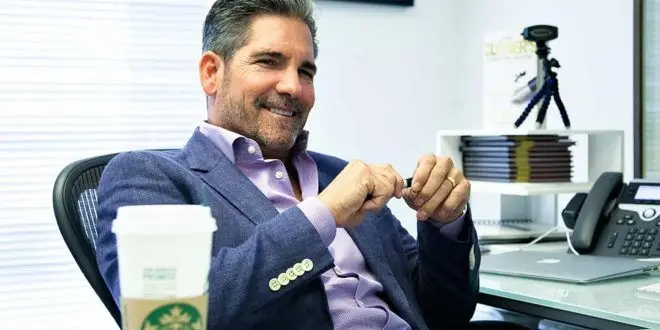
You can head over to iTunes and just write us a written rating or review. Let us know how the podcast has helped you. The more five star reviews we get, the more we get this information into the ears of more veterans. So with that, guys, again, thank you so much. We'll be back at you later on this week with mister Grant Cardone.
You don't wanna miss that one. Talk to you guys soon.
Host of the Warrior Soul Podcast and founder of Warrior Soul. Worldwide trainer and nutrition coach, contributing author at Testosterone Nation and Muscle and Strength.