Podcast episode
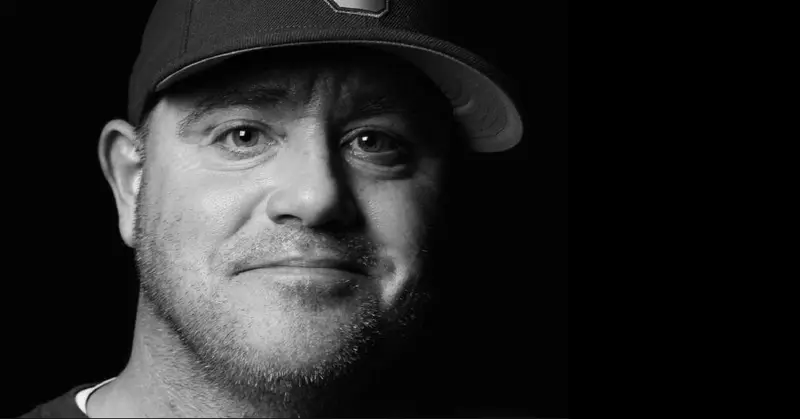
Getting Better Every Damn Day with Bobby Maximus
Hosted by Chris Albert
The Warrior Soul Podcast
Getting Better Every Damn Day with Bobby Maximus
“Every damn day I wake up and I try to focus on something that will help me to improve myself” – Bobby Maximus
Bobby Maximus is considered one of the best trainers in the United States today. He’s applied his unique methodology toward training professional athletes, tier 1 Special Operators from the US Military, and other elite clientele.
Bobby’s also got vast experience in training average everyday people. After working for the world famous Gym Jones for many years, Bobby moved on to start his own gym Maximus Gym in Salt Lake City Utah.
Bobby’s unique background also allows him to bring a unique perspective to his craft. Prior to becoming a coach, Bobby was a teach, a police officer, and a UFC fighter. His book, Maximus Body contains strategies to help readers become as insanely fit as possible.
In this episode, we discuss Bobby’s philosophies on training and on life. We get deep into the importance of mindset in accomplishing your goals. We talk about some of the setbacks Bobby’s faced in his health and in life, and how he approaches these setbacks when they come his way.
To Connect with Bobby Maximus
Bobby’s Website: http://www.bobbymaximus.com Bobby’s book: Maximus Body Bobby’s Instagram:
View this post on Instagram
A post shared by Bobby Maximus (@bobbymaximus) on Oct 8, 2018 at 5:06pm PDT
Transcript
Machine-generated from the episode audio and lightly edited — may contain errors.
Chris Albert (link to this point)
This is Chris Albert, and I'm here to remind you of one thing. Someday, you're going to die. Now that's not some morbid statement or scary idea. It's solid fact. Your time here on this earth is limited.
We need to be reminded of this as much as possible for one simple reason, to live your best life while you can. This is the Warrior Podcast.
Chris Albert (link to this point)
What is going on everybody? Welcome to this edition of the Warrior Soul podcast. My name is Chris Albert, and we've got an amazing interview for you today with an awesome trainer, one of the best trainers in the world according to Men's Health, mister Bobby Maximus. Bobby is the author of a book called Maximus Body. He's also been an elite trainer to tier one special operators, professional athletes, and a lot of other elite clients.
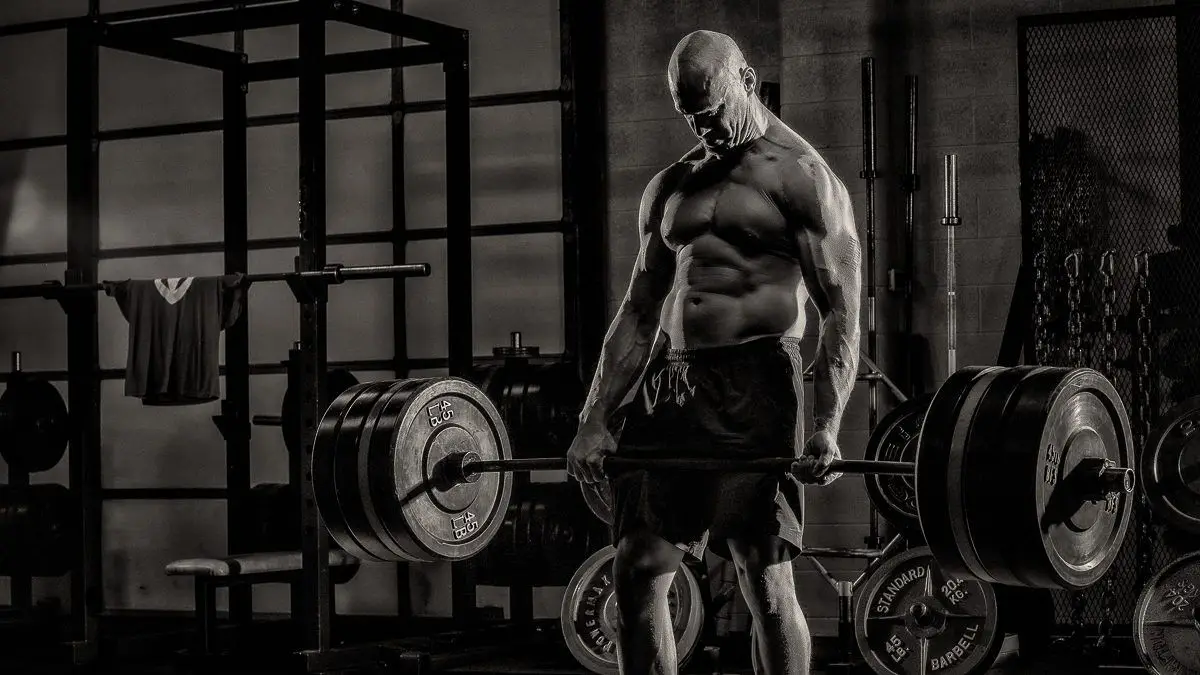
But he's also worked with average everyday people just seeking to become better versions of themselves. Bobby's style of training is very hard and if you follow him over on Instagram, you see him deadlifting hundreds and hundreds of pounds like upwards of hundred, seven hundred pounds. You see him rolling jiu-jitsu. You see him doing lots and lots of Metcon stuff, and it's really awesome to watch him on social media. He's super inspiring.
Bobby's also been a UFC fighter. He was a police officer, and he was a teacher at one point in time. And we get into what led Bobby toward training as a career. Bobby's also a really avid jiu-jitsu practitioner, and he's been competing at the highest levels, and we talk about how jiu-jitsu fits into his training. We also talk about the fact that Bobby's been struggling with a case of C diff and a severe case of ulcerative colitis over the past few months.
And that's something that I've struggled with myself over the past and we get into that in a bit of detail and things that you should be doing. If you find your life is heading down a path that's a little bit dark. Bobby's been able to keep a really positive mindset about everything that he's been going through, whether it's been in business or in life. He's also a really dedicated father, and he's very dedicated to his wife and his children. And we talk about why it's important to him to be able to be around for his kids and to provide for his kids.
It's a really awesome interview. I know you're gonna get a whole heck of a lot out of it, and we'll have every way to contact Bobby and order his book up on the show notes for today's episode. If you haven't been to the Warrior Soul podcast, if you haven't listened to the Warrior Soul podcast before, again, my name is Chris Albert, and this podcast is dedicated to helping US military veterans to live their best lives. The reason why I put this podcast together is because over the past decade and a half, The US military veteran community has seen a lot in terms of really high veteran suicide rates, really high rates of chronic disease and mental mental illness, and a really high rate of veteran homelessness. And the thing is, we've seen a lot of people trying to raise awareness about these issues, talking about these issues, but very few people actually delivering real solutions.
And so the goal of each and every episode that we do is to deliver an actionable piece of advice to you that you can implement directly after the show. If you're not a veteran, you can still get a lot out of these episodes, and everything we do is meant to help anybody who listens to live their best lives. We just focus on The US military veteran community because that's where I come from. I'm a US Marine Corps Veteran, and, that's where it's really needed right now because we have a lot of people within the veteran community who need to push their lives forward. And it's my true belief that the veteran community is the sleeping giant in this country, and that once they wake up, they're going to be able to have a major impact on this country's future, its direction, and its success.
Beyond that, I also want to mention that this podcast is brought to you by F Bomb Nutrition. The show could not happen without them. They are absolutely awesome, and they make awesome, delicious, portable packets of fats. I'm a huge fan of their macadamia nut butters. They mix them up with chocolate, they mix them up with sea salt, they mix them up with pecan butter and coconut butter, and they're so delicious.
There's no sugar in them at all, and they give you a really awesome source of healthy fats that you can carry around with you anywhere without a mess. They're also awesome people and they've been sending packs of this stuff overseas to the troops on the front lines and just a really great group. If you're looking to try f bombs out and you want to get 20% off of your first order, you can head over to www.dropanfbomb.com, and you can use the code Warrior Soul at checkout, and you'll get your 20% off of your first order. With that, I'm gonna stop yapping my gums right now, and we can get into this conversation with master trainer, mister Bobby Maximus. What's going on, Bobby?
How you doing, man?
Bobby Maximus (link to this point)
Hey. Good. How are you? Thanks for having me on your show.
Chris Albert (link to this point)
Absolutely, it's my pleasure. It's my pleasure. So legend has it you were born in the great White North Of Canada and you were raised by polar bears and you came down and with all the storm of a great white northman and you started fighting grizzly bears.
Bobby Maximus (link to this point)
This is true. Most of it's true.
Chris Albert (link to this point)
No, seriously, you know, I've been a big fan of yours for a while. You've got a really interesting background and we've got some similarities in our background. I was a trainer for a while I founded a gym called Metroflex Gym in Long Beach, and we've both been affected by ulcerative colitis and C difficile. So definitely a lot to talk about here. First things first, you you have this saying every damn day, what does that mean?
Bobby Maximus (link to this point)
You know, for me it means improving yourself every day. A lot of people think that I train every day and I mean that's kind of true. I do train on most days, but what the saying really means is I use something to improve myself every day and it's not just limited to physicality, it could be something emotionally, it could be spiritually, it could be psychologically, but I think the goal as a human being is to always be better tomorrow than you were today, to always strive for improvement in some way. So every damn day, I wake up and I look for some way to improve myself and that could be training in the gym or it could be reading a book, whatever I think needs to be done to be a better person.
Chris Albert (link to this point)
And yeah, so I definitely agree with you there. I think that we've all gotta be doing something. When you're not in the gym, you said you're reading books, you're doing other things to try to improve yourself, what type of stuff are you looking to read? What type of stuff do you focus on?
Bobby Maximus (link to this point)
You know, a lot of time right now, actually a lot of people don't know about this, I had an English degree in university so I read a lot of books. I did a course in Shakespeare and drama, did a course in romantic literature, renaissance literature, I basically read every, if there's that list of a 100 classic novels that everyone should read at some point in their life, I've read them all. So I tend to stay away from stuff like that right now because I've read so much of it. A lot of the stuff I read right now is actually not book based but most of it's on the internet and most of it's learning and a lot of it right now has been centered on bettering my business. Being better at Instagram, being better at at digital marketing because that's a big part of my platform and if I wanna help as many people as possible, I've I've gotta learn that stuff because I frankly, I can't afford to hire somebody for it.
Chris Albert (link to this point)
Yeah. There's so much stuff out there that you could do and for those of you at home, Bobby's got little Maximus right there with him. That's who you hear in the background. Bobby's also dad and like I said, he's got a really interesting background. You've been a you've been a teacher, you've been a police officer, you're a martial artist, and you've been in the UFC, right?
Bobby Maximus (link to this point)
Yeah, that's correct. Mean I've done a lot of stuff. I always tell people with training I'm over educated and under qualified for my job. I've got three university degrees, Bachelor of Arts in Psychology, a Bachelor of Arts in English, a Bachelor of Education. From there I taught a little bit, went on to be a police officer, fought in the UFC and then got into the training industry because somewhere along the line I learned that people, one of the main tools to make people better is using their body.
That through hard work in the gym, through transforming your body, you can change your mind. And it's a very powerful way to change somebody from the inside out to really re hardwire if you will their psychology and so that's why I ended up in training. And along the way, I mean frankly it's allowed me to do a bunch of things too. When I, you mentioned having my son, I consider it such a privilege a privilege is the wrong word, really I'm grateful and I'm fortunate to be able to spend time in the day with my kid. And it's funny because my kids have been to military seminars with me, they've been to public seminars with me, I do podcasts with them around, I mean I'm a very involved dad and as a police officer pushing a scout car around for twelve to fourteen hours a day, I'd never see them.
And so I'm very very grateful being on the other side of the fence to have this time with them.
Chris Albert (link to this point)
That's that's so important, know, gratitude in every every type of situation because you know, no matter what you've got going on for you, you need to find some sort of gratitude for what you're doing right now and and what you've got in your life. And I know a lot of entrepreneurs, they're they're they're home based entrepreneurs and they complain about having their kids around. They complain about having the little guys around and I think that perspective is so much better than just complaining and thinking of it as a limitation.
Bobby Maximus (link to this point)
Yeah, and I think people complain to complain sometimes. Nothing's ever good enough for people. Everyone's got an issue with something but part of that is we also conform to society's expectations. You know, I think part of it's being upfront with what you want and what your demands are and being true to yourself. To give you an example of that, a friend of mine actually was really interesting on her Instagram, her name is Melissa Hartwig was talking about drinking and how you should address if someone wants you to drink and you don't wanna drink.
Chris Albert (link to this point)
Mhmm.
Bobby Maximus (link to this point)
And her point was to just say no thank you, I don't drink and end it at that. Too many people make excuses like oh I'm driving, I have to work out tomorrow and what you're doing is you're weakening your argument in a way because you're making an excuse when you're not doing anything wrong. And so to relate that to being a dad in the day, there's absolutely nothing wrong with me taking my kid to work. Right. And if somebody has a problem with that, don't hire me.
I'm very upfront about it that I'm an involved dad, it's very important for me to spend time with my kids and my wife and I want to, one of my main goals on this earth is to raise a better generation of human. So if you can't understand that, the problem's not me, the problem's you and I'm very forceful with that. I find that people start to listen to other people like someone would say to you, how can you work at home with your kids and you start to let that get inside your head and you start to take on other people's expectations. I know what's right, I know what I wanna do and I stick to it.
Chris Albert (link to this point)
That's a big thing as far as separating what gets put in your head by other people versus what you really want and what your thoughts are. Do include like a meditation practice or a journaling practice or anything like that to kind of sort that stuff out?
Bobby Maximus (link to this point)
You know, I do but in a weird way. So it's funny, when people think meditation and this is me, I'm a hard headed kid from Canada, Northern Canada where it's very very blue collar and you're not necessarily tolerant to these, I'm gonna call it weird things, but like acupuncture, meditation, breathing exercises, things like that. But along the way I learned how important it was and working with my sports psychologist I learned that the 10 words that will damage you the most are what will other people say and what will other people think and that stuff can really affect you in a negative way. So the way I meditate now, I don't cross my legs and sit with my hands like this and chant and stuff like that in the middle of the darkness or the living room. The sauna for me has become my meditation time.
I'm in the sauna from somewhere between a half hour to an hour a day, close the door and I'm in there by myself and it gives me a lot of time to think. And so that's where I process everything that's happened in the day and try to work through it in my mind. And it really, really helps and I do forms of meditation, visualization, things like that to help either prepare me for a situation I'm going to encounter or to do some type of reflection on something that's happened earlier in the day. But it's interesting when we talk about people putting stuff on you because it's, you know, your life right now, you could be completely 100% happy with it, you could be fulfilled and you could be content. We don't talk about contentness as a thing, but being content I think is one of the most important tools or important keys to your own happiness and you're completely content till one person points out something wrong with your life or one person says something to you and then you can switch in a day and all of a sudden be miserable.
Chris Albert (link to this point)
It's interesting to see the parallels between what you're saying right now in your training because you know I've heard you talk before about your training and you say that there's a point in the workout, every workout where this voice comes up in your head and tells you to stop, right? It says, give up right now. And you gotta really fight that voice that's going on there. And do you think that that's helped you with your personal success? Well, definitely probably has, but how have you been able to cope with that and how have you taught others to be able to cope with that voice telling them to give up there?
Bobby Maximus (link to this point)
You know the big thing with that is I think facing those situations in the gym help you face them in life because the tools are the same. Overcoming a challenge that you don't think you can overcome, if you do that, you learn some sort of skill that transfers over to every other area of your life. But the big thing is and I've been talking about this a lot lately, it's controlling the narrative in your head. Things are only as hard as you want to make them and to give you an example of that, you can come to my garage and we can work out and you can choose to feel like you're gonna die, to feel like you're suffering, to talk about how hard it was in this crucible you went through or you can look at it the other way and you're pretty damn lucky that you could afford a flight to Salt Lake City, stay in a nice hotel, come and train with, you know, if I pump my tires a little bit, one of the best trainers in the world in a nice facility, please tell me how that's suffering, that's really hard.
There's a ton of people in this world that would kill for that opportunity. So how you wanna choose to look at that situation, that's completely 100% up to you. And those are the type of lessons I want people to learn through training.
Chris Albert (link to this point)
Yeah, that's a, you know I come from a bodybuilding training background and I used to coach a lot of professional bodybuilders and you know, you go through Instagram, especially in that realm of fitness and you see people talking about going to war with weights and going to war with with the gym and all these things like that. It's like, you're lifting inanimate objects in an air conditioned facility, you're not really going to war, you're not really suffering, it's a great pleasure to be able to do what you're doing and have the time to do it so be grateful for that.
Bobby Maximus (link to this point)
Well it's funny too, one of the terms that I have a love hate relationship with and I'll start this off by saying sometimes I use this term and that makes me angry that I use it, but when people are like rise and grind, wake up and if it's such a grind, why are you doing it? Because it's a choice. Like shut up and get to work. And it's funny because you mentioned Metroflex. It's funny like I'm sure there were days that you were there that you wanted to burn the place to the ground and you didn't wanna be there anymore that you were miserable.
Chris Albert (link to this point)
You're damn right about that.
Bobby Maximus (link to this point)
But it's funny because from my perspective, Metroflex is one of those world famous gyms that a lot of people wanna make a pilgrimage to, that they kill to be able to go there and it's funny because you're sitting there complaining about it but there's a whole lineup of people that would die to be in your spot.
Chris Albert (link to this point)
Right and that's something I realized because you know, you get up, you're a gym owner, you know, you get up every morning at 4AM, get get the place open, you want to make sure the place is clean and organized for everybody to come in there. But like sometimes, you know, I would have these days where I'd look at people coming in and not appreciating equipment not appreciating the place, I get down on myself, but then I'd look around, and look at the paintings, I'd look at the history and look at everything that was going on on around there. And I would, you know, I'd be so appreciative of what happened there and you really have to put yourself in that position. You know, and I could tell you years later now that I've moved away and moved on to other things, I long for those days, those days when I was in there at 4AM and was dealing with the cold and gripping a cup cup of coffee because it was my only source of warmth, you know, and I missed that.
Bobby Maximus (link to this point)
Well and that's the thing, it's what you make of it, right? And so, complain, don't complain and that's the kind of stuff that I try to hammer through to people in the gym using physical exercise as a tool and those are the kind of lessons that I want people to learn through training, through meditation as you mentioned. Because I think too many people go through this life unhappy and honestly flat out just fucking ungrateful for what they have.
Chris Albert (link to this point)
Right. Right. And it's like walking around with blinders on because you can't ever fully appreciate what you've got going on and you can't be present in your life and I think that's what's important. You gotta be present for what's going on.
Bobby Maximus (link to this point)
That's exactly it. Know, if I if I look at my day, can again, I can paint it to you two ways. I had to do a podcast, I had to train people a blender bottle, I had to work out, I had You know there's another big part of me that's like shut your mouth dude. First of all, you're lucky that somebody cares enough about what you do to be on a podcast so be humble and grateful. Number two, you're lucky you have a job because there's a lot of people that don't.
And number three, part of your job is working out. Are you fucking kidding me? Cry me a river. Like would you rather be in a cubicle all day? So let me let me let me get this right.
You figured out a way to turn a hobby into a job and you're complaining about it.
Chris Albert (link to this point)
Yep.
Bobby Maximus (link to this point)
That's the kind of attitude that I've developed towards this stuff.
Chris Albert (link to this point)
Well that's amazing and I think the more you translate that over to your followers and the people who you train, I think the more you're gonna be changing the world. What is your daily schedule like? What is it from wake up till you go to bed?
Bobby Maximus (link to this point)
You know, there's kind of two parts to my week. There's the weekdays and the weekend. On the weekdays, I actually train people at Blender Bottle and for those of you guys that may not know or not realize, Blender Bottle is basically the shaker cup that every single worker out there in the world has ever had. I mean god, how many of these have you owned? Millions of them.
I've kind of partnered with them and I train their employees in the morning and so I wake up at about 05:30, get to Blender Bottle at about 06:30. It's quite a drive for me but I love working with them. It's a great company and it's a group of great people. Train them for a couple of hours, then I go to my own gym, Maximus Gym and that's actually a lot of morning, a lot of time in the car in the morning. I have a half hour drive to Blender Bottle in the morning, half hour drive back to my gym so about an hour in the car.
Then I train myself and my people, I have a group of people that I train in the morning along with my head trainer at Maximus Gym Will Pace who's a great friend of mine and one of the best training partners I've had. We combine the sessions so we always train with our people and lead by example. That's something that's super important to us at Maximus Gym. Get done that around eleven, go to jiu-jitsu till 12:30, then I come home and then I spend about four hours on the computer but not really because I spend a lot of time with my kid. So if he naps, it's like hardcore computer time.
He doesn't nap like yesterday, I'm a 40 year old child, I get distracted by He Man and the Masters of the Universe, Thundercats, Legend of Zelda we got into yesterday, was an old school video game but they made a cartoon at one point and I had bought it and watched it, we built some Legos, then I work out again and then I spend some time with my family.
Chris Albert (link to this point)
That's awesome. That sounds like a great schedule.
Bobby Maximus (link to this point)
Yeah, like I said, I could complain about it a million ways but like why? I get to work from home, I get to train, I get to do these things and yeah, there's things I don't like. I mean, nobody likes answering emails a day. Nobody likes constantly addressing stuff on Instagram. Well I guess some people like it.
Nobody likes business development and planning like I'm doing a certification seminar and yesterday we I planned the whole, you know the whole syllabus and everything like that. But I get a lot of work done and I get to work from home so it's pretty damn good. And then the rest of the week, Friday, Saturday, Sundays, I don't have to go to a blender bottle so those tend to be heavier computer days for me where I can really knock out some work.
Chris Albert (link to this point)
And so you gotta, like I said, you have an interesting path, you know, from from, you know, being a teacher to to being a a police officer to being in the UFC to to now being a strength and conditioning coach. What turned you toward fitness? Was there a specific event or was there was it somebody encouraging you to do it? What what what because a lot of people would say, oh, he was a UFC fighter, so that's naturally why he would do it, but I don't see that. There's not a lot of UFC fighters who go into this field.
Bobby Maximus (link to this point)
No. And to tell you the truth, I never wanted to be a UFC fighter. Like it was funny. I I was bullied pretty heavily till I was 15 years old and I've got to say that with a grain of salt because I think every kid is bullied to a degree. Like everyone's been called the name, everyone's been picked on and I think sometimes people play the bully card too hard and use it as a crutch or use it as an excuse but I remember days on the bus I get punched in the face, kids would draw on my face with a marker, I get wedgied a lot, like the king of receiving wedgies I guess.
And when I was 15, these kids beat me up and broke my collarbone. And I never wanted that to happen again so I started wrestling. I sucked my first year, I didn't win a match, I was terrible, I was very ill suited for the sport. My second year I won one match out of about 40 I probably had, maybe it was 30, maybe it was 50 but we have these meets every week where you get three or four matches and I only won one match this year, that year and then I found the weight room. And I was the person that got pinned literally under a 45 pound barbell. You know my first day in the weight room, had no clue what I was doing, was very ill suited for that but there were some people there who really helped me. Mr. Fox was one of the teachers who showed me some things. Brian Sapatelli was a teacher that showed me some things. There was this older kid, his last name was Xavier, I can't remember his first name now, but he helped show me some things and I started getting better and I started getting bigger and stronger and then I started winning.
Then I started to gain confidence as I won. And I'll always be grateful to wrestling and the weight room for transforming me into who I am today. And so I never really forgot that lesson and that was probably the first time I was introduced to that tool of using physical exercise to make people better Cause frankly, wouldn't be here if I didn't stumble upon wrestling in the weight room or frankly get beat up by those kids.
Chris Albert (link to this point)
Yeah, you know, you and I are the same age and I remember back in the day, back in the nineteen ninety's, everything was very influenced by bodybuilding and it was very influenced by like, you you had that was back when like Vince McMahon had had his bodybuilding federation. They had like Icopro commercials all over the place. And there was a certain style of training. I remember even when I joined the Marine Corps, that style of training was very prominent there. They had very bodybuilder style workouts and long distance running.
But you're known for a very different kind of training. And I know that you spent some time at Gym Jones and you've trained a lot of tier one special operations or special operators. How did you develop your training style, your training mentality and did you make a lot of mistakes along the way?
Bobby Maximus (link to this point)
Yeah, I mean I was born out of body building. Listen, everyone who's 40 years old is a body builder.
Chris Albert (link to this point)
Yep.
Bobby Maximus (link to this point)
Growing up, you loved Arnold Schwarzenegger, you loved the Rambo movies, you loved Dorian Yates is like a hero of mine watching him in the Olympia. I used to have all of these books with Davy Draper, Robby Robinson, The Black Prince,
Chris Albert (link to this point)
Tom Platz.
Bobby Maximus (link to this point)
Mike Mentzer, Tom Platz, like all these people right? They were all over my wall, like just think old school muscle and fitness kind of stuff. And I think one of the first training books I ever bought was Arnold Schwarzenegger's Encyclopedia of Bodybuilding which I still think is the best training manual or training bible out there. But it doesn't relate necessarily to every task and so I found as I kind of progressed in wrestling that body weight stuff works better than body building. So if you wanna be a good wrestler, carrying people on your back, farmer carries, wedding carries, things like that work really, really well.
Lifting odd shaped objects work really, really well. Doing some Olympic lifting and strong man lifts work really, really well. Burpees, I mean shit is one of the best conditioning tools there are. And so as I got into wrestling and then ultimate fighting, I learned that there's this whole other world out there besides bodybuilding. A lot of the stuff I learned there, I brought to Gym Jones.
That was a gym I ran for nine, ten years. I was brought there to turn it into what it ended up being. And so, a lot of those experiences I had through wrestling and fighting I brought and formed a huge basis of the training there. But one of the things that's interesting, I've worked with probably every tier one asset in the United States military and there's actually and you'll remember this because you're old enough, there's a sharp divide in training and I'm gonna say there's like pre 9/11 and post 9/11. Yep.
So pre 9/11, fitness in the military was bench press, maybe some leg press, looking big, looking good on the beach.
Chris Albert (link to this point)
Three mile run, yeah.
Bobby Maximus (link to this point)
Yes, three mile run maybe and then all of a sudden after 9/11, you're looking at 10 ks offsets at 10,000 feet of elevation, bench press ain't helping you. And so, I want to say that the body type really changed in the military too where before nine eleven you had a bunch of big buff kind of dudes that were looking to get big and then the body type like I I done a lot of work with the rangers but the prototypical ranger is five foot ten, five foot eleven, a hundred and eighty pounds. Yep. Because that's what it takes to be strong enough to carry shit and to be able to move 10 miles in the mountains or 10 ks in the mountains. And so, there became a lot more of an endurance focus because that's what guys needed, frankly.
Chris Albert (link to this point)
Yeah. That's something I realized when, you know, directly after, I got stationed in in Bahrain for a little bit, and they had a SEAL team out there, and those guys were so big, so huge. Yep. But as an infantryman, I I could never get that big. I could never pack on that amount of muscle because we're always out in the field and I was always super jealous of those guys.
Bobby Maximus (link to this point)
Yep, but it also, that's not a good thing, I mean if you think you're teamed with me and listen, I'm lighter now than I've been in a while, I'm only two thirty eight pounds but that's heavy. There's another aspect to this. First of all, I can't move very well in the mountains. You put me at 10,000 feet elevation at my size and my muscle mass, I'm going to be in trouble. But the other thing that people don't think about is what if I go down and you've got to carry me?
Chris Albert (link to this point)
Mhmm.
Bobby Maximus (link to this point)
That's not good for the team. I mean have you ever tried to carry a person who's two thirty eight pounds a mile? It's Yes, I rough. Not only that, because I'm the big guy, fuck it, I can carry it. I'm also not packing light, I'm carrying more than I probably should.
I'm not Well now you're carrying all my shit too. So this becomes now am I good for the team or bad for the team? Like I mean I'm the kind of guy that you want if you're gonna kick in the door but moving around the mountains probably not your number one pick. Right. So that's the other thing too because how do I integrate into the team or integrate into the group that's a big part of you know fitness I teach.
When I do a lot of work with these tier one assets, that's a big part of what I teach is not just being fit in the gym, but truly being functional for your job and for those around you because it matters.
Chris Albert (link to this point)
Right, right and the environment that you're in, that's a big one.
Bobby Maximus (link to this point)
Yep, well that's exactly it too, right? Because if you're sent to the city, that's one thing. You're sent to the mountains, that's another.
Chris Albert (link to this point)
Yep, yep, so you gotta be flexible.
Bobby Maximus (link to this point)
Yep.
Chris Albert (link to this point)
With your own training, I know you're very focused on jiu-jitsu right now. What does your own programming look like and how do you split it up?
Bobby Maximus (link to this point)
So my own programming now and understand I wouldn't recommend to this to everybody because I'm fucking crazy. That's part of it. There's a huge psychological part of training that for me and I wish my kid had one, he just never used one. Was gonna get a pacifier to show you guys or what do they call it in The States? In Canada we call it a sous, it's a French word for suck but like a
Chris Albert (link to this point)
I call it a sucky or a pacifier. Was pacifier kid, yeah.
Bobby Maximus (link to this point)
Working out is my binky, right? Like it's my pacifier, it's my sous, it's like my thing and so I probably train more than I need to to tell you the truth because I just love it. It's also part of my business, it's how I generate content. I use myself as a personal laboratory. If I'm training one of my guys in the NFL or NBA, I try stuff out of myself sometimes just so I know how it feels so I can relate to what they're going through and again, want to lead by example.
I never put anyone through something I haven't done myself so an example of that was a guy named Ronnie Price who's become a dear friend, played in the NBA for a number of years when we started doing vertical training and I say we because when he needed it, I started doing it because I wanted to do it with him, I wanted to understand how he felt, learnt more and I don't think there's a better way to learn than immersing yourself fully into something. So my training is kind of all over the place sometimes. But at a root level, a lot of people think that being fit in the gym makes you fit for a fight and that's just not true. It can be a contributor but it's not the end all be all. And so, really how my training's changed now is I used to do all kinds of intervals in the gym, circuits in the gym, chippers, CrossFit type stuff like I call metcon conditioning, the other terms that people use for it, to breathe.
Well now I don't. Now most of my work in the gym is all lifting, jumping and athleticism driven and then I get my cardiovascular conditioning from actually doing the thing and that's fighting.
Chris Albert (link to this point)
Yeah, that goes back to like Zac Ziorski and focus on being strong first and get your conditioning from the sport you're focused on, right?
Bobby Maximus (link to this point)
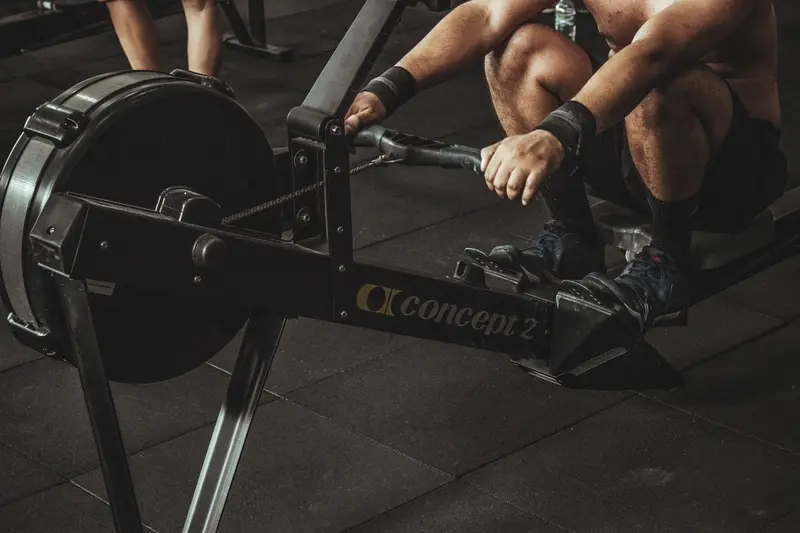
That's exactly it and I'm a big believer in that because I've met a lot of guys that do, you know there's a guy that comes into our gym from CrossFit and he has no gas rolling because he doesn't roll enough. What's better for you? Rowing 2,000 meters for time and I love that test or rolling for seven minutes with a person. Well obviously you've got to get good at just too specific conditioning. So my training right now, I train in the morning like a kind of heavy lift.
This morning I did some heavy dead lifts. I do jiu-jitsu at eleven everyday and then in the afternoon, I do accessory type work. So today I'll do some stuff really big into the Westside Barbell stuff, they become good friends. So I'll do some marching on my athletic training platform, I'll do some belt squats and I'll do some inverse curls or some people call them like Nordic curls or razor curls or I'll do some of that so I do my accessory work at night.
Chris Albert (link to this point)
That's awesome, that's awesome. That's a really awesome schedule too.
Bobby Maximus (link to this point)
Now one thing about that, I probably could put my heavy lift and my accessory work together in one session but I like working out twice a day, it's my pacifier, it gives me more content for my business and I also do feel from an intensity standpoint, there's only so long you can burn hot. So by working out in the morning then doing the second half of my workout at night, I hit both with a greater intensity versus trying to fit it into two hours. But if I had to, I could, if that makes sense.
Chris Albert (link to this point)
That's a you know, I I definitely get that because I've I've been a trainer for a while now and and you know, I understand that the content creation aspect of it. I also understand that splitting it up, a lot of times it makes you feel better. It makes you feel better and goes into the schedule a little bit better. Let me ask
Bobby Maximus (link to this point)
Oh, get a double dose of those good chemicals too. Every time you broke out you get more testosterone, more human growth hormone, I get a double dose of that but it's kind of like for the old school body builders out there, it's kind of like doing, rather than doing bis and tris all at once, it's like doing biceps in the morning, triceps at night.
Chris Albert (link to this point)
Right, right and That's something I definitely get to because as a home based entrepreneur, if I'm not moving around by noon, I'm already getting antsy right now where I need to do something physical. If I wasn't training, I would be on some sort of drugs. I'd be on methamphetamine or something like that. And I'm definitely addicted to those chemicals and I think a lot of guys who work from home, if they're not doing some sort of healthy activity a couple times a day then they find themselves falling into a lot of different types of traps.
Bobby Maximus (link to this point)
Yep. And that's the other thing too, I'm glad you mentioned being a home based entrepreneur because for me it's even a little different. It's like my workout at night, mean I I gotta workout in the morning to get moving but like if I'm on the laptop or on the computer all day, I've gotta move around like at the end of the day because it helps me feel a lot better.
Chris Albert (link to this point)
Right. Let me ask you this, know, you got into training. You were working with Gym Jones, and and, you know, now you've got your own gym. Number one, you know, what is social media taught you about marketing? Because I you've taken awesome advantage over Instagram.
You've you've used it really, really well. And two, what's changed since you started your own gym? What are the big things you're focused on right now?
Bobby Maximus (link to this point)
Okay, so with Instagram it's actually interesting. I can tell you a couple things I've learned and a couple of things that that I've realized. First of all, Instagram's kind of a show. Like when you see Bobby Maximus on Instagram, you see me eat steak, you see me eat burgers, you see me be a dad, you see me work out with weights and those are all things that are true. They're all things that are organic, there's nothing made up, it's who I am.
But what people have to realize, it's not completely who I am. I'm showing you parts of Bobby Maximus. So if you think Bobby Maximus is this big circle, I'm showing you this much of it. I'm choosing what to show you. So a lot of people, I call Instagram the personal highlight reel.
You might not see the ins and outs of my day, the emails I answer. I don't post when I cut the lawn. I don't post when my basement floods and I've got to replace the flooring in the basement. I don't post when I'm having a bad day or I'm kind of sad. I mean you only see a limited window into who I am.
I don't post every TV show I watch. I don't post everything I drink or eat. Right. And so, it's very easy to look at a person's Instagram and think you know them but you only know 25% of them or 30% of them. That's number one.
Number two, it's a fuck ton of work.
Chris Albert (link to this point)
Yep.
Bobby Maximus (link to this point)
Like if you want to be good at it, it's funny people get jealous, they get upset, they oh you're so lucky of this many followers, like why do people care about your It's a lot of work. I answer every single comment, I answer dms, I post content etcetera etcetera etcetera. It's a lot of work. On that note, you just pause for one second please?
Chris Albert (link to this point)
Absolutely.
Bobby Maximus (link to this point)
Thanks. I'll be right back.
Chris Albert (link to this point)
Yeah, I'll be back.
Bobby Maximus (link to this point)
Yeah so for those of you that may not realize because of editing or whatever I had to just run to the bathroom and it's actually kind of funny because it's something I think that's important to talk about and it's something that's like a big part of my brand lately and it ties in nicely to the Instagram. About ten months ago I fell ill with this thing called Clostridium difficile and I got really, really sick. Because of the filter that's on Instagram, I don't think people knew how sick I was. There's a couple of pictures I posted at the hospital. I posted that I lost 47 pounds in thirty days.
I posted a picture of myself where I looked abnormally thin, I mean I looked really sick. But, when a lot of people don't get the messaging because I don't post every minute of my day, one out of five people die from what I had. I was left after that with a severe form of ulcerative colitis. There was a bunch of times they wanted to take my colon out, I told them no. I was hospitalized.
I mean there were times, to be honest with you, I couldn't walk up the fucking stairs, I was so messed up. And that's the stuff you don't see on Instagram all the time because it's not like I make it halfway up the stairs and have to sit down and collect myself before walking up the like the last five stairs. It's not like I post about that all the time because at the time honestly, I felt like I was fighting my life. I didn't give a shit about posting at that point but it's something that I wish I would have posted if that makes sense to give people like a real view and lately, you know Chris, I've been doing great. I'm 90% I think, my weight is back up to two thirty eight, I can lift heavy but you don't see the day to day struggles and like that's one of them.
I had to pause this podcast and run to the bathroom.
Chris Albert (link to this point)
Yeah.
Bobby Maximus (link to this point)
That's the new normal right now. Like that happens in a podcast, it happens at weddings, it happens during movies, it like I've almost had to change my life a little bit. I don't even like sitting in a movie theater anymore because I have to at some point I might have to run out once or twice. And so, you see the muscles, you see some good food, you see me living my life but you don't see the inconvenience and like the struggle of that kind of stuff and it's it's that's what doesn't get conveyed on Instagram.
Chris Albert (link to this point)
Yeah, I feel for you. I got diagnosed with severe ulcerative colitis back in 2011 and I'd been suffering from it for quite a while and you know, at first when I got it, I thought I had cancer and it interrupted a lot. Every every I couldn't train people in person anymore. I was I had to go to online training. That's one of the big reasons why I'm an online trainer today rather than taking people one on one is because for such a long time, I couldn't get through an entire training session without running to the bathroom.
Bobby Maximus (link to this point)
That's me right now.
Chris Albert (link to this point)
Yep. Yeah, I definitely feel for you. And and I think a lot of people who don't experience that type of disease have very little idea of the effect it can have on your life. And, you know, talking about like 20 to 30 bloody bowel movements a day, things like that. You know, a lot of people look at it and they'll say, well, you you look normal, you look like you're fine but at the end of the day you're not.
Bobby Maximus (link to this point)
And that would have been me. I totally would have judged before this thing. Said, your little belly hurts, that's sad. But no, it fucks you up and the thing is, is like little things like, I don't know if I can, you know, I love going to my kids football games. It's really hard to make it through a two hour football game sometimes.
I'm always looking for a bathroom, looking for a So that's the stuff that doesn't get put out on Instagram or can be edited away in a podcast that you just don't see and this is true for everybody like, you look at The Rock's Instagram and I love The Rock, I'm a huge fan of the man and it's like, you see, oh, he's so lucky he has his own gym, he has his own jet, he has his You don't see all the sacrifices and shit that guy's gotta deal with on a day to day basis because he just doesn't post about it. I don't wanna post about it either. I don't wanna read it. Don't I wanna read about negativity but it's fucking hard sometimes. And so that's the the dirty secret of Instagram.
You don't see everything.
Chris Albert (link to this point)
Yeah. When when you first came down with it, what what was the mindset there? What were you thinking about?
Bobby Maximus (link to this point)
You know, at first I was an ignorant bastard about it. Like I got this thing, I'm like oh it's a stomach bacteria, it'll clear itself up, no big deal. Kept working out, kept doing my thing. Then I went to CT Fletcher's which is actually close to Metroflex and I went to his event, Iron Wars.
Chris Albert (link to this point)
Used to be his nutrition coach back in the day.
Bobby Maximus (link to this point)
Oh really? Yeah. So I went to Iron Wars three and I really started feeling bad a couple of days before and I was like, no I'm good, I'm good, I'm good. Lost a good half my strength, didn't do well at all, there was like a little minor in gym lifting competitions but I mean I went from benching 400 for reps to being barely able to lift three fifteen. Just a mess, got home that day, went to the hospital, was checked in, tons of bloody stool, diarrhea, massive gut pain and understand that I'm not one to ever go to the hospital.
Like I've done a lot of stupid stuff in my life but I just don't go to the hospital. And then all of a sudden now these doctors are telling me this thing that I thought was a bacteria, how serious it is and how I might have toxic megacolon and I'm like what the fuck's that? Like that sounds serious, know, well we might have to remove it and I was in all these tests and blah blah blah blah blah and that's when I hit rock bottom and that's when I lost 47 pounds in thirty days and then I started realizing like, wow, I'm kind of in a fight for my life here a little bit, like this is bad. Plus on top of that, lucky me, I don't get colds, I don't get the flu but I've had MRSA twice, I've had staph. Like basically if there's a super bug, I'll fucking get it.
You put me in a room full of people with the flu, I'll be fine. You put me in a room with Ebola, I'm the only one that will get it kind of deal.
Chris Albert (link to this point)
Yeah.
Bobby Maximus (link to this point)
But I got an antibiotic resistant strain of C. Diff too so they couldn't treat it. Eventually I had to go for a fecal matter transplant to help clear it up. But yeah, I was a disaster and then I just realized like I might never be the same, like I might not make it through this. If I make it through this, might lose my colon which is life changing, like I might never fight again or do anything I love and three, I might never be able to train like I wanna train, like I don't know what this means.
So I was dealing with a lot of that stuff as well.
Chris Albert (link to this point)
Did you change your nutrition and if you changed it, guided you toward that change?
Bobby Maximus (link to this point)
You know it's funny, I've actually changed a million small things but haven't changed it as a whole. So to tell you kind of what happened, the Clostridium difficile got cured with the fecal matter transplant. Basically no gut biome left at all, like just like a vacuum and was still having a lot of symptoms so I went in for a colonoscopy and they're like wow you have really bad ulcerative colitis now and that's known if you have Clostridium difficile for that long, I mean I fought that thing for five months. Some people it clears up in five days and they're fine but I was not one of those people and so ulcerative colitis and so the doctor said that diet doesn't play a role in it and I'm like that's horseshit dude. Yeah. Like I know diet doesn't cause ulcerative colitis, generally it's stress related stuff but it can certainly help manage it or it can set it off is probably a better way to look at it. So I started working with this company called Viome who do a stool test and listen, I love it, I'm not paid by them but I will endorse them until the day I die because they really turn my life around. They do a stool sample and they test your gut bacteria and make an individual recommendation list of foods for you to eat and stay away from.
And I'm summarizing it here by the way. But when I got the list of foods that I was to eat and stay away from, there were some things that I was very happy with. I could have bone broth, I could have steak, I could have chicken, I could have turkey, like these are all things I love. But there's some stuff I had to stay away from too. Like oddly enough cashews.
Like whoever said cashews are unhealthy, they'd set me off. Broccoli would set me off. Blackberries set me off according to their tests. So it's weird because like before I would eat blackberries, now I have blueberries instead of blackberries because blueberries I'm supposed to eat. So I changed a bunch of things like almonds instead of cashews, arugula instead of spinach, carrots instead of tomatoes.
But it's really not a whole scale life change because I'm still eating a lot of foods that I love, there's just foods I stay away from now and make slightly different choices and making those, making 10 slightly different choices through the day has really really helped me. Again, I'm not perfect.
Chris Albert (link to this point)
Mhmm.
Bobby Maximus (link to this point)
Like I have to run to the bathroom in this podcast, there's times I'm uncomfortable, there's times I have good days and bad days but now I win a lot more than I lose if you know what I mean. There's some days I feel completely normal and good and sleep through the night and then there's times where I've got gas and I've got to sleep in the basement by myself because my wife gets really upset with that. Or there's times like where I'm a little uncomfortable or there's times I won't leave the house. But those I might only have one day like that a month now versus being trapped in the house for six weeks straight.
Chris Albert (link to this point)
Yeah, and it's interesting because a lot of people, they'll come into a diet and they'll think, oh this food is healthy or that food is healthy, but a lot of times if you're in a situation like this, there is no such thing as a healthy or unhealthy food. There's a food that works with your system and then there's a food that doesn't.
Bobby Maximus (link to this point)
That's exactly it, right?
Chris Albert (link to this point)
Mhmm. Absolutely. Absolutely. And and, know, I I really applaud you for coming out like this. I mean, like a lot of people I mean, I had a really difficult time in working it into my own content when I was when I was starting this, and then eventually, it just got to the point where I was like, I don't give a fuck anymore.
People gotta know about it, and and Yeah. I applaud you about this. Before we get off, because I I know we gotta wrap up soon, I just wanna talk about your book Maximus Body, your your gym, and and a couple of things you got going on there. First off, what made you write a book?
Bobby Maximus (link to this point)
You know, I thought it was the best way to help the most amount of people. Like, I really and take this for what it's worth, man. I my goal, yes, I wanna make some money. Yes, I wanna be rich. Yes, I wanna be financially independent.
I wanna you probably hear my little guy babbling in the background, he's a good thing to do, but I don't want him to ever have to worry about anything. I don't him to have to put himself through school and wanna give him opportunities I didn't have. So there's that part of it, but the other big part of it is I really want to help people and how do you help people, like how do you reach the biggest audience and a book was an opportunity to do that, so to reach a bunch of people and it's crazy, I've got a ton of emails, a ton of DMs about how people's lives have been changed by the book. How they become better dads, they've quit alcohol, they've become a better wife, they've stopped with their self doubt, like there's so many people that have been helped by this thing, it's been amazing.
Chris Albert (link to this point)
That's awesome and when you, you know you said you're a gym owner now, you started Maximus Gym, how long has that been going on?
Bobby Maximus (link to this point)
You know since January. I left Gym Jones in November, took a month to kind of figure out what I wanted to do, where I wanted my brand to go, all that kind of stuff and the gym started up in January and you asked the question earlier, I mean what's different, what's changed? The truth is now I can do what I really want. Like I have this, the culture I want to build is one of hard work, one of accountability but also one of acceptance because I really believe that everyone deserves a chance to be fit. That everyone deserves a chance for this to change your life and so I also wanna the culture I want is one that is not exclusive or not elite, if you will.
I I I wanna help as many people as possible as long as they wanna be helped.
Chris Albert (link to this point)
You know, before we wrap up here, because I think you've gone through a whole lot here, a lot of the people who listen to this show, combat veterans, US Army, US Marine Corps, and a lot of them have been going through hard times themselves. And if you could sum up, you know, what would you say to those people out there who are going through these difficult times and they're dealing with something in their life right now that needs to be fixed? What would you say?
Bobby Maximus (link to this point)
Well, I'm gonna ask you a question first to help me answer this. Who are the greatest two marines of all time?
Chris Albert (link to this point)
Chesty Puller and Jim Jackson.
Bobby Maximus (link to this point)
Number one, yeah, Chesty Puller, number one, that's obvious. Number two is I consider Rob Jones. He's a very good I friend of don't know if you know him.
Chris Albert (link to this point)
Been a guest on this podcast. Yes, absolutely.
Bobby Maximus (link to this point)
Incredible guy, legs blown off at Afghanistan. Came to me, wanted to learn how to row, wrote him a training program, he got a rowing coach, ended up working with him and he came third in the Paralympics.
Calls me up one day, hey can you train me again, I'm moving to Salt Lake City with you, I wanna ride my bike across the country. Cool. Ran 31 marathons in thirty one days, incredible guy. The biggest lesson I've learned from Rob is here's a guy that has every reason in the world to be angry, to have a chip on his shoulder, to give up, to and he just loves his life and he's got this slogan, life goes on. Like I'm not special, I'm not unique, I was doing my job and this is who I am now.
And it's incredible to me in the day of all these guys through PTSD and you know, that's a real thing and I think a lot of people really suffer from it but I also think at the risk of taking some backlash, I think some people use that as a crutch too. Like I think people don't do the self work to get over it and Rob did and he lives an incredible life and he's got quite a sense of humor too and he lives one of the fullest lives of anybody I know. And so one of the things like the piece of advice I give people again, it's controlling that narrative like what happens to you may not be a choice, how you deal with it and react to it is 100% a choice. And to give you like the kind of guy Rob is, he calls me up, he goes, hey man, was reading at C diff, like that's pretty bad. And I go, yeah Rob, like I'm not doing too well, you know me though, I'm okay.
He goes to tell you the truth, he's like, I had that. He's like if I could have the choice between C diff and get my legs blown off, he goes I'd blow my legs off any day of the week and I'm like fuck you Rob. And he's laughing, does a stand up comedy routine on stuff. He told me once that I didn't know what to say. We were talking about the military and I'm like, well what was your specific job?
And he goes, well my job was to locate IEDs and land mines. And I go, oh yeah. He goes, and guess what, I'm really fucking good at it. And I'm like, am I supposed to say to that? Like you you Okay Rob, you're cool, you stepped out of land mine, you're really good at your job, you found it, I get it. Good work. But he's just got such a good spirit about him and he's funny and he can make light of really a horrible situation and so I've learned so much from him just in terms of and I admire him just in terms of like, he just like zero fucks given. That's right. You know what I mean?
Yeah. Like just and he's happy it's hard not to be a, it's hard to be around a guy like that and not be more grateful and more humble and more happy because of his attitude. So that's what I'd say to people like be like Rob Jones. Like yeah, take it on the chin but get up and fucking do your thing and you can have incredible life.
Chris Albert (link to this point)
Push through. Yeah and Rob, Rob was a great guest and he's somebody that I admire a whole heck of a lot. Bobby, how can people get in touch with you? Your website, your Instagram, any other social media handles?
Bobby Maximus (link to this point)
You know the best ways, bobbymaximus.com for my website. I'm always posting stuff on there at Bobby Maximus for Instagram. Instagram is my main hub or you know, just Google Maximus body and get yourself the book. It really, I am not trying to, well yes I am trying to sell it. Let's just be real but, it's something I really believe in and I think it's the best, I don't know what it's going for now.
Amazon changes their prices up and down every day but it's between the best 10 and $20 you will ever spend in your life.
Chris Albert (link to this point)
Awesome. Awesome. And we'll definitely get links to all those up on the show notes. And where is your gym located?
Bobby Maximus (link to this point)
It's in Salt Lake City.
Chris Albert (link to this point)
Alright.
Bobby Maximus (link to this point)
I love it here, it's in the mountains, beautiful area, really nice people, couldn't be happier with it.
Chris Albert (link to this point)
So if you're out in the Salt Lake City area, definitely check out Maximus Gym as well. And to everybody out there, you know, Bobby, I I wanna thank you for coming on to this this episode and and I, you know, I I really think it was a great interview and and I really enjoyed talking to you and I really enjoy your content and your inspiring message.
Bobby Maximus (link to this point)
Well, thank you for having me on and thanks for bearing with my little guy and stuff. Like I said, it's so important to me to be involved with my kids and to also like it's funny to have them involved in my world. Like it's really interesting, my older son Landon, this is his government name but no one calls him that, it's Binnie Maximus. He's been to a lot of military seminars, like it's funny, he's learned a lot from guys, he's learned a lot about sacrifice, he's met a bunch of incredible people and it's super important to me how it's touched his life and I wish more people would get their kids involved in what they do. Yeah. Because I think, you know, we have a whole generation of latchkey kids or kids that are raised by the TV and I think it's super important to model a good life for your kids and you know, like we talk about Rob Jones, hate to go on and on about him but he's so incredible like my sons learned a lot from him. You know what I mean?
Chris Albert (link to this point)
Yeah.
Bobby Maximus (link to this point)
Like and and some of it good, some of it not so good like when Rob told my kid that he killed Bumblebee from the transformers and stole his legs. I'm like, geez. Now my son believed that. I'm like, alright dude, so he's learning some not so good stuff but that's another example how Rob Jones is just, he's one of the funniest people I've met, you know?
Chris Albert (link to this point)
That's a marine for you, that's a marine.
Bobby Maximus (link to this point)
Yep.
Chris Albert (link to this point)
Absolutely. Yeah and I saw your son flossing, he's one of the best flossers in the world dancing up on
Bobby Maximus (link to this point)
Well he can go, man. And you know what, he loves that he dances, he helps other people, I gotta tell you a funny story about him, I picked him up for school for lunch, I hadn't seen him in a week, I was doing some work with six group in Florida so I was down working with some special forces people from the air force and actually a couple of ex marines in there too but working with them didn't see them for nine or ten days till I came back and got him from school at lunch and he comes out, he's red faced, he's sweating, dude what's going on? He goes, I just ran a mile. And I'm like, why are your clothes wet? He goes, well I didn't change to my gym clothes.
I go, why not? He goes, well, he goes, I can get a good enough time running in this and he was in a cardigan, a tie, didn't even unbutton his thing and dress shoes. And I'm like, what you running in? He goes 7:12 and I go, is that as fast as you can go? He goes, no dad, I think I can go sub six but as long as I'm top five in the class, teacher doesn't care.
Like okay, that's the Alright, I I I And then I started thinking, I don't know if I could beat this kid in a foot race right now, which is fun. But the fact that he's so into fitness and he wants to help other people and he it's great, you know.
Chris Albert (link to this point)
That's awesome. That's awesome. Well again, Bobby, thank you so much, man. You're an inspiration both as a trainer and as a father. And to everybody out there listening right now, you know, pay attention to what Bobby said here.
Be grateful for the life you have. Aim for bigger things. But but above all, you know, live your best life while you can. I mean, that's
Bobby Maximus (link to this point)
Yeah, for sure.
Chris Albert (link to this point)
Essence of everything. So thanks again, Bobby.
Bobby Maximus (link to this point)
Hey. Thank you.
Chris Albert (link to this point)
Alright, guys. I just wanna say thank you for listening to this episode with mister Bobby Maximus. I thought it was a absolutely outstanding interview, and I'm looking forward to having Bobby back on the show at some point in the future. Just a couple of notes here. A few things that you can get from this interview.
Number one, gratitude. No matter where you are at in life, no matter what you're doing, you always have something to be grateful for. So like Bobby said, it really depends on how you're looking at your situations. You could either look at it like, oh, God, I have to do this right now. Or oh, God, I have to go to work right now.
Or you can look at it as I have the privilege of doing this right now. I have the privilege of going to work and earning money in a time and place where a lot of people don't have jobs. So really try to frame things in a positive mindset. And if I were to say anything about this interview as to what to get from Bobby Bobby, in addition to the amazing training and nutrition advice that he has, It's this particular piece of mental strength that you can use to really improve your life and 10 x everything you're doing. Again, we're gonna have all the different ways to get in contact with Bobby, including ways of getting access to his book Maximus Bobby Maximus Body up on the, the show notes for this episode.
And I just want to encourage you guys, if you got something from this episode, if you felt like it was worth listening to, please write us a write us a review up on iTunes. It really helps to spread word about the show. Share this show out with your friends, especially people who can use it. And like I said, get out there, put this advice to action, and live your best lives while you can. We'll be back at you very soon with another episode.
Thank you so much.
Host of the Warrior Soul Podcast and founder of Warrior Soul. Worldwide trainer and nutrition coach, contributing author at Testosterone Nation and Muscle and Strength.