Podcast episode
How to Get Rid of Heartburn and Indigestion, Tips to Avoid Heart Disease with Vitamin K2, and Quick Keto Snacks

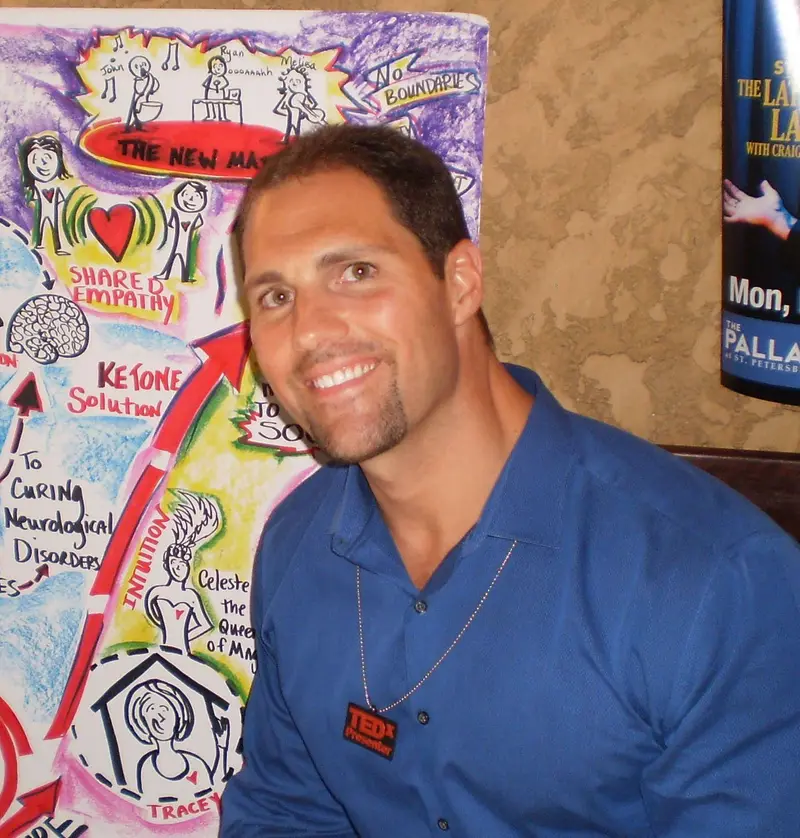
Hosted by Chris Albert
The Warrior Soul Podcast
Subscribe on itunes here.
Subscribe on YouTube here.

In this edition of Warrior Fitness Talk, Chris discusses why everything you’ve been taught about heartburn, indigestion, and acid reflux is wrong, and how to fix it. He also talks about the importance of taking vitamin K2 if you’re worried about heart disease, and he lists off some healthy keto snacks that you can take on the go – not just snacks, but some really delicious snacks like the Keto Brownie.
Find the show notes for this episode at: https://warriorsoulagoge.com/blogs/podcast/how-to-get-rid-of-heartburn-and-indigestion-tips-to-avoid-heart-disease-with-vitamin-k2-and-quick-keto-snacks
Easy Keto Snacks on the Go: https://warriorsoulagoge.com/blogs/news/keto-on-the-go-snacks-to-make-the-keto-diet-more-fun-and-doable
Vitamin D/K2 Combo: http://amzn.to/2gGwKxy
Transcript
Machine-generated from the episode audio and lightly edited — may contain errors.
Chris Albert (link to this point)
What's going on Warrior Soul Nation? This is Chris Albert, and I'm back at you with another health talk. Today, we're gonna be talking about some really interesting issues. We're gonna be talking first and foremost about acid reflux, GERD, indigestion, and heartburn. All those nasty things that people tend to get a lot these days.
I'm getting so many questions about heartburn, about GERD, about acid reflux, and indigestion. And these things, they seem like small problems. We've been told our whole lives, hey, take some Tums, take some take some antacids, and and you'll fix the problem. But those remedies don't really fix the problem. And it's because there's counterintuitive element to this that people really don't think about.
And it kind of goes against everything you've been taught about acid reflux, about stomach acid, things like that. And the problem is that if you don't take care of these issues, it's not a small issue anymore. It can lead to some really significant health problems. So we're going to talk about that today. The next thing we're going to be talking about is vitamin D and vitamin K2.
We all know that vitamin D is extremely important. We know that we don't make it on our own when we need the sun, but a lot of times we don't know that supplementing with vitamin D can actually cause some health problems if you're not taking vitamin K2 along with it. In addition to that, vitamin K2 is extremely important for cardiovascular health and I'm just going to be talking to you a lot about the importance of doing K2 to avoid heart disease and avoid heart attack. And the last thing we're going be talking about is best snacks for the ketogenic diet. Now, I know I've put out my cookbook, I've talked about different types of tasty treats that I make here in my house for the ketogenic diet.
Some you don't bake and some of you don't like to cook. So what I've done is I've compiled a list of really awesome treats that you can just get over Amazon. They're inexpensive, they're easy to get and they're low carb, they've got healthy fats in them, and they're really really good. And so we're gonna be getting into that. First things first, I wanna get a note from our sponsors, and that speaking of awesome tasty keto treats, F bomb nutrition.
Alright. So you can go to www.dropanfbomb.com or you can go to www.fatissmartfuel.com and you'll find these amazing, awesome, delicious, portable packets of fatty oils and nut butters. And here's what I love about this. You know, when you're on the ketogenic diet, let's say you're out and about, you're at work or you're in the military, you're out in the field, it's really hard to carry around jars of nut butters. And, you know, the thing about it is you probably don't wanna be snacking on something like coconut oil or anything like that.
They've got coconut oil and olive oil and avocado oil in packets and those are really important for quick fuel, alright, especially their MCT oil that they have. That'll give you some quick energy. But if you're looking for something that's gonna stick, I really suggest you try their fuel packets, and their fuel packets are amazing. They've got this amazing mix of macadamia nut and coconut butter, and it's so delicious. They've got one with sea salt in it, and that'll help you balance out your electrolytes, help you to not only get the fat nutrition that you need, but also stay hydrated and keep your electrolytes balanced so you can increase your performance in whatever you're doing.
Really great company, really great people and if you go to their website, you'll be able to get 20% off your first order with the code Warrior Soul. And we'll get a link to them up in the show notes. But let's go on to our first issue of the day. Stomach acid. And a lot of people think that when they have indigestion, when they have GERD, when they have heartburn, it's because of too much stomach acid.
And so people tend to go for these remedies, the antacid remedies, you know, they reach for a bottle or they reach for a tab. And the common knowledge is to reduce your stomach acid. Well, and this might blow your minds, it might not, but a lot of these issues are actually caused by not having enough stomach acid. Right? You have to get that through your head because it's kinda counter to everything that most people have been told for a really long time.
If you do not have enough stomach acid, basically what happens is your stomach starts gurgling up and it starts sending the acid up your esophagus. And so that starts to cause it cause issues with heartburn. Right? But it doesn't stop there. If you don't have enough stomach acid, you're also not digesting your proteins properly.
So as those proteins leave your stomach and they go into your intestinal tract, what happens there is those undigested particles, they can start to cause damage to the lining of your intestine. And as I've said a lot before in a lot of my YouTube videos, the lining of your intestine is extremely important. And the reason is because a lot of your immune system is actually located in your intestinal tract. It houses a large percentage of your immune system. And the separation there is a single cell lining thick in some places.
So if that cell lining starts to get permeated and you start to get food particles getting intermixed with your immune system, that's what we call leaky gut syndrome, right? Where you have a very permeable intestinal tract and there's a whole bunch of little surfaces in there that are responsible for picking up nutrition. Those are called enterocytes. Those can get inflamed and they can start to separate and you can get even more gut permeability. And so what happens there is your body has an immune reaction to this.
It starts to think of that food as a dangerous foreign body, those protein particles, and it starts to attack them. And so you start to get gut inflammation. And if it gets really, really bad, you can start to get things like IBS or IBD, like Crohn's disease and ulcerative colitis and that can also lead to some serious health problems including cancer. In addition, it doesn't really even stop there. It can lead to more than just digestive issues and gut issues.
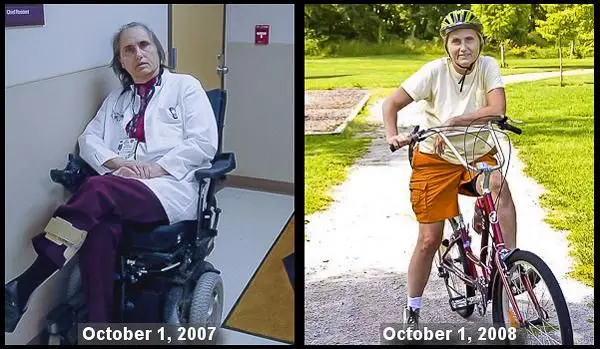
It can lead to entire body issues because your gut is connected to the rest of your body via the vagus nerve. And so that inflammation that can start to creep throughout your body can create heart disease, create neurological problems, it can create other autoimmune diseases like or give rise to symptoms of other autoimmune diseases like multiple sclerosis. We just had Terry Wahls on, I interviewed her. She talks about quite a bit about gut health in her book, The Wahls Protocol. And that's going to be a really fascinating interview.
I should be getting it up in the next couple of days. You guys should really take a look at that and take a look at her book. But the biggest things you want to do if you're experiencing indigestion, if you're experiencing heartburn, if you're experiencing irritable bowel syndrome or irritable bowel disease, you really want to do some things to try to balance out that pH in your stomach. And taking an antacid is going to be like one of the worst things you can do. It's pretty much just going to make the problem worse.
It might settle things for a little bit in the immediate aftermath, but in the long term, that is not a solution. So what do we do? We want to consume good fermented foods, right? So I'm always talking about how you should be consuming things like kimchi, sauerkraut, right? Raw sauerkraut.
You should you should be consuming kombucha, Alright. Kombucha tea is a great way of introducing some acetic acid and balancing out your intestinal tract with some healthy probiotic bacteria. Alright. You can also look at coconut kefir. I tried these days, I'm actually trying to stay away from the dairy fermented foods because my body just does not tolerate dairy very well and yours may not either.
But the other thing you can do, and this is something that I do several times a day and it's part of my morning ritual, is you get some apple cider vinegar, which is great at balancing out the pH in the stomach. And you take a couple of tablespoons of it, put it in water. In the morning, I like to put a little Himalayan pink salt in there, and then I'll put some stevia in there to to sweeten it up a little bit. Do not drink this stuff straight. It's worse than whiskey.
It's worse than vodka. It's worse than anything. But if you put it in water, you add a little bit of stevia, you add some some Himalayan pink salt, and then maybe add a little bit of lemon juice, then you've got yourself actually a really tasty drink that's gonna help to balance out the pH in your stomach. And I drink that first thing when I wake up in the morning and then I'll drink it with every meal afterwards. And it's got a lot of great properties to it.
Helps to balance blood sugar out, helps to ensure that glucose is getting into the muscles, and it will help to balance out that pH. The other things you can do here, you can supplement with hydrochloric acid, right? And again, this is something that people are like, I'm gonna supplement with hydrochloric acid. What are you talking about? I've got acid reflux.
This is something that can definitely help to balance out the pH in your gut, and it can definitely help to alleviate this problem in the long term. Right? The other thing is you really want to make sure that you're reducing your sugar intake. Right? And again, the reason why you want to do this is because you want to start to take care of those problems down the line, beneath your stomach, So in your intestinal tract.
And so the reason why you want to start to reduce your processed sugar intake is because that stuff starts to attract unhealthy bacteria and that can lead to even more gut inflammation and even more problems down the line where we're talking about autoimmune disease and we're talking about the neurological issues. You take this stuff out, it'll give you better energy. It'll help you to be more cognitively clear and you'll get a much better body composition because of it. Right? Sugar is causing a lot of people to put on weight.
It's causing a lot of people to screw up their metabolisms because of insulin sensitivity issues, and it's definitely something that I think everybody could benefit from from removing from their diet. Make sure that you're eating a lot of green leafy vegetables. And so many people don't do this. Your nutrient density is so important to ensuring that you're reducing total levels of total body chronic inflammation. I know I sound like a broken record with this, but you've got to be eating a lot of green leafy vegetables.
When Dr. Wahls came on, she was talking about eating three cups at every meal. All right. And that would generally add up to about nine cups a day. And in addition to that, adding some sulfur vegetables on it just to get that micronutrient density that you need to fight off that inflammation, but also to help to balance out that healthy bacterial growth in your intestinal tract.
So these are all some things that have definitely helped me. I've suffered a lot from gut issues. I've suffered from ulcerative colitis and I've suffered from GERD and acid reflux to the point where I wanted to die. Like I know that when you've got heartburn and it's really bad and you had to with some hiccups or something like that, you know, it can be miserable. So, you know, I know that a lot of the stuff I'm seeing here is counterintuitive to everything you've probably heard or everything you've probably listened to.
But try this out. Do your research and let me know how it works for you. The next thing is something that's been coming up also again, and that is that a lot of men in their thirties and forties, they are starting to be concerned with heart problems. And, you know, one of the things we've been taught our whole lives again is that, you know, fat builds up in your arteries and that's what leads your arteries to clog and that's what could lead to heart attack. Well, one of the things that exacerbates this issue more so than clogging in the arteries is inflammation.
Now, for example, if you take a healthy 21 year old person and they die in a car accident, it's huge tragedy, but let's say this for example. And if you remove their aorta during the autopsy and you you've tied off at the end and you fill it up with water, what that's gonna do is it's gonna look like a balloon. It's gonna fill up. It's gonna be really elastic because that person was healthy. If you take somebody a little bit older with a lot of inflammation and they die in a car accident and you remove that artery and you tie it off at the end and you fill it up with water, it's not gonna blow up like a balloon.
It's gonna be really stiff. And chances are if you put too much water in there, it's gonna crack and it's gonna leak. That's what we're dealing with when it comes to heart disease and when it comes to the ways in which inflammation leads to heart disease leads to heart attacks. And a lot of large part of this is because of calcification, right? When the body becomes inflamed, what happens is the the the body tries to repair itself and it does so by removing minerals from other places and bringing them to areas where it tries to fix these things.
So what happens is calcium builds up in these arteries and it makes them a lot more stiff. And that leads to, like I said, heart disease, lack of blood flow. And it could also lead to a lot of neurological issues, right? Because blood flow is so important to the brain. It's so important to our energy levels.
It's so important to sex, right? You can't really, you know, get up to full mast if you don't have really good blood flow. So again, we have to think about what we can do. Well, of course, in our diets, we can do everything we can to reduce total body chronic inflammation, right? And so that means removing those sugars, really taking care of our gut health, making sure that we're staying hydrated and making sure that we're eating a nutrient dense diet.
But beyond this, we need to think about specific things that could cause or get rid of this calcification process, right? So vitamin D is something that so many people take and I definitely recommend taking it. It's something that we don't get on our own. A lot of us don't spend enough time out in the sun and it's really going to help to reduce inflammation and enhance our lives in general. Help us to get a lot more energy.
There's they're looking at vitamin D as a hormone now and that's that's also important in increasing your testosterone. But if one property about high vitamin D supplementation, right, is that it can also leach calcium into your vascular system. And so even though it does all these amazing things, it can also lead to that calcification process. And so taking the requisite thirty five IU of vitamin D per pound of body weight could do this if you're not supplementing with vitamin K2 along with it. Right now vitamin K2 has been shown to reduce that vascular calcification.
It's also important for those of you who are in danger of experiencing heart issues. If you've got a really high C reactive protein your blood work, then you really do need to be concerned about this. So if you're taking vitamin D, if you are concerned about vascular calcification, then I highly suggest you also supplement with vitamin K2. You take a serving of that every day when you take vitamin D. There's a lot of really awesome supplements out there that combine vitamin D and vitamin K2 together.
I'll link some of them out in the show notes, but this is something that's that's a general concern for health. And and the reason why I'm talking about this is because I've actually had a number of people contacting me on, on YouTube and other social media platforms, telling me that their their cardiac calcification, test came back really, really bad. And, a lot of these people are healthy people who are really trying to do everything they can to to be fit, to be healthy. And it's just because of a little slip of the mind or a little bit of misinformation that they got down this road. And so what we're trying to do here is we're trying to help everybody live their best lives, trying to spread information that helps not just the warfighter and the veteran community, but all men to live their best lives.
And so that's really just a simple hack that you can take in order to do this. And of course, this is built upon a solid diet, nutrient dense, digestible and a regimen of exercise. But taking something like vitamin K2 can definitely help you along as well. Now, the final thing is this, and this is the most probably fun thing I'm going to talk about today, is that a lot of you could be doing the ketogenic diet right now, and maybe you're just starting out, maybe you've been doing it for a while, and you've been super disciplined about it, and you know, you're taking a lot of coconut oil, lot of MCTs, you're eating grass fed meats, you're eating lots of vegetables, But you know what? Sometimes we want a little bit more fun.
Sometimes we want to jazz up our diets a little bit. So one thing that I've done this week is I wrote an article, and this article is not about recipes that you can do to to make keto friendly foods. I have a lot of articles about those, and we have our cookbook that we put out with the newsletter. But this is about some really fun keto snacks that you can buy, you can keep in your pantry, have them ready for you, take them to work, take them out to the field if you're in the military, you know, just take them along with you. And and you guys can check out the article.
I'll put a link to it up in the show notes. But one of the things I put up there is of course our sponsors, F bomb, and their amazing macadamia nut butters. Those are some of the most delicious things I've ever tasted, and I've talked a lot about those and you can check that out in the article. But there's some other stuff here too. There's an amazing keto brownie, and it's only got a few grams of net carbs.
Right? It's got some fiber in it. There are the I think there's like 10 to 12 total carbs in it, But when you look at the net carbs, it actually only comes down to two or three. And then there are some awesome really healthy fats in there that can help to fuel you. And these things are absolutely delicious.
This was a big recommendation from a podcast we did with doctor Dom D'Agostino, and this is something he eats a lot of. And I put it out there. You guys can check those out on the show notes. The other ones I found were were fat snacks, And, these are awesome cookies. I love cookies.
I love peanut butter cookies. I love chocolate chip cookies. And they've also got these awesome ginger snap cookies. And and again, these have a really low carbohydrate profile, and they're loaded with healthy delicious fats. And there's a few more up there.
You guys can check out the article. I don't want to bore you with just talking about talking to you about delicious low carb, high fat snacks, But definitely check out the article in the show notes and if you're watching this on video, I'll post the show notes below or you can find the link in our description on iTunes. You know, with that guys, I really want to hear your question. What types of things do you want me to talk about on Warrior Soul Health Talk? What what questions do you have?
I'm I'm here to help you out. This podcast is here because we really wanna help out, of course, veterans in the war fight veterans in in in US military members in the warfighter community, but we also wanna help out men in general who are trying to live their best lives and women too. And I'm sorry if I'm it seems like I'm discluding the ladies, but vast majority are a listener of our listeners are men. So, you know, definitely let me know what questions you have, how I can help you out, and what we can do to make this podcast better. And with that, guys, I wanna thank you so much for listening.
This is really, really awesome time for me. I love doing the show. I love the amazing guests we're bringing on, And we'll also take your guest suggestions too. One more announcement. This podcast is also brought to you by Warrior Soul Apparel, www.warriorsoulfitness.com.
We've got amazing US military and US veteran shirts. We've got inspirational shirts. I'm wearing one right now. It says in chaos we trust and we've got our awesome Secretary of Defense, General Mattis, on the T shirt. And you'll find some some awesome things.
Our skivvies are really popular. Our green skivvy shirts. We've got printed screen green skivvy shirts with some awesome sayings on them. And we've got some really, really cool silkies for those of you who love your shorts high and short. So I'll talk to you guys later.
Thank you so much again for listening. And this is Chris Albert with the Warrior Soul podcast out.
Host of the Warrior Soul Podcast and founder of Warrior Soul. Worldwide trainer and nutrition coach, contributing author at Testosterone Nation and Muscle and Strength.