Podcast episode
Scott Huesing: War, Brotherhood, and Service
Hosted by Chris Albert
The Warrior Soul Podcast
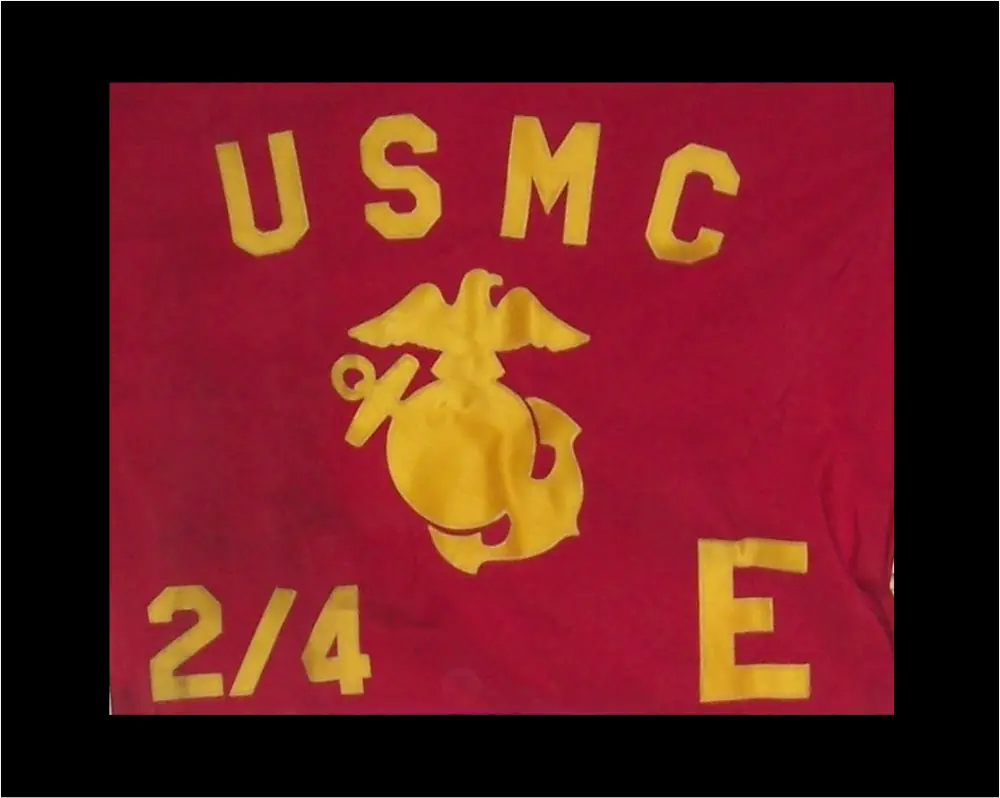
Scott Huesing is a Marine’s Marine. After enlisting at age 18 and serving in the first Gulf War, Scott returned to the Marine Corps as an officer. His path eventually led to his command of Echo Company 2/4 in Ramadi, Iraq in 2006.
Scott’s recent book Echo in Ramadi is a highly acclaimed account of his Marines and the work they did in Ramadi and the Al Anbar Province in Iraq amid some of the heaviest and bloodiest fighting of that war.

In this conversation, Scott discusses some stories from the book, his perspective on the battle and the war in Iraq, and his perspective on service.
To get a copy of Echo in Ramadi, click here.
Transcript
Machine-generated from the episode audio and lightly edited — may contain errors.
Chris Albert (link to this point)
What's going on, ladies and gentlemen? And welcome to another edition of the Warrior Soul podcast. Today's episode, we're bringing on a return guest, and that's mister Scott Huesing. Scott served for twenty three years in the United States Marine Corps, started as an enlisted man back prior to the first Gulf War, served in the first Gulf War, got out, got his education, became an officer, and then eventually found himself in command of Echo Company 2/4 in Ramadi, Iraq in 2006. It's one of the most deadly years of that city in Iraq.
And his new book Echo in Ramadi details his marines' story about how they handled the fight, how they handled the sacrifice, and how they handled the pain of the loss of their brothers. And biggest thing you get from this book is the immense love that Scott Huesing had for his marines. And the biggest thing you'll get from this conversation is the immense love that he continues to have for his marines and have for the veteran community and have for the marine corps and this country. Scott continues the fight. Doesn't matter that he's a civilian.
He's continued to serve our community by helping veterans, by telling this story, And it's inspiring to me. And it's inspiring to me because I think it contains a lesson for all of us, all of us young bucks. I don't include myself in the young bucks. I'm about to be 40. But but for all you guys out there, whether you're you're a private who's hating life right now, whether you're you're a 23 year old who has a freshly printed DD-214, you know, you've got life ahead of you.
You've got years ahead of you. You've got youth on your side. And if someone like Scott, you know, who who put in twenty three years and more deployments than most men have had sexual partners, and he continues to serve, you can continue the fight in your own life. You can continue to make yourself better. You can continue to keep yourself physically fit, and you can continue to find another mission so that you can help to make this community better, make this country better. You know? And that's that's the big thing that I've gotten from this conversation.
And Scott's a fantastic guy. He's absolutely hilarious, one typical grunt. And if you haven't listened to our first conversation in episode number 72, we go extensively into his background. And he's got a long history with the Marine Corps. And like I said, a long history of deployments and a lot you can learn from him.
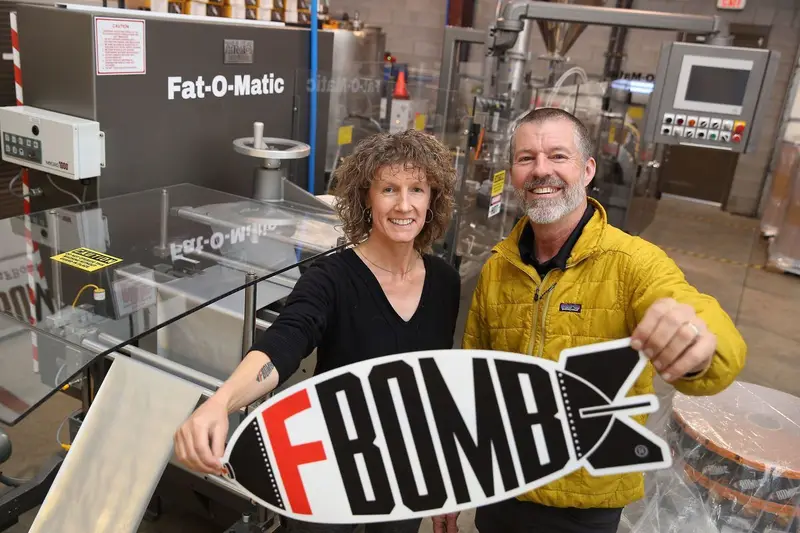
So if you haven't listened to that episode, definitely go back and check that one out. But definitely come back and listen to this episode and definitely check out his book, Echo in Ramadi. I mean, it is just a fantastic account of what he went through, what his marines went through, and and what that fight was like. Before we get into the conversation, I just need to give you a note from our sponsors, F Bomb Nutrition, absolutely outstanding company run by two amazing people. They make delicious portable packets of fat.
I'm And always talking about the benefits of getting healthy fats in your diets. These are really awesome because they're absolutely delicious. They make these fuel packets that contain a macadamia nut butter base. And so they mix them up with different ingredients, have them with sea salt, with coconut butter, and they just released one with pecan butter. And man it's good.
Tastes like a nut butter cookie that's crushed up into a tube or a packet. And they're awesome. You can use them to supplement your MREs, you can use them on the go if you're on the job and you're looking for a good healthy source of fat. Check them out at www.dropanfbomb.com, and you can use the code warrior soul and get 20% off your first order. So with that, let's get into this episode with major Scott Huesing, story of echo in Ramadi.
Chris Albert (link to this point)
This is Chris Albert, and I'm here to remind you of one thing. Someday, you're going to die. That's not some morbid statement or scary idea. It's a solid fact. Your time here this earth is limited.
We need to be reminded of this as much as possible for one simple reason, to live your best life while you can. This is the Warrior Soul Podcast.
Chris Albert (link to this point)
Welcome to the Warrior Soul Podcast. And this is Chris Albert. Today, I'm joined with my friend and author, Huesing. And, we had Scott on a previous show, a previous episode, and I definitely recommend if you're looking to learn a little bit more about Scott's background, a little bit more about the writing process, definitely check out that episode before you listen to this one. Today, we're going to be getting into a little bit more about Scott's book Echo in Ramadi.
And I want to say something about this because in a former life I was after serving as a United States Marine, I was a political scientist who studied war. And you read and you read books by the major theorists like Clausewitz, and you hear about fog and friction and how simple tasks become difficult. And when you're reading about these things and, you know, you're trying to picture this in your head, it's a very, very different thing. It's a very different thing when you actually hear from somebody who's been in a situation where they have to deal with the death of one of their men and then head out onto to another mission and and continue the job. It's different when you hear about how, you know, little things like like keeping your rifle next to you and and and, you know, even even trying to get comms on the radio.
They they seem like they're the most difficult things in the world. It's like moving around in in kind of like a marasma. I think that's the right word, marasma, but like like a slow moving substance. Everything seems like it's in slow motion, and everything seems like it's becoming more and more difficult. But Scott has served in every rank in the marine corps from well, he served both enlisted and as an officer.
And his book Echo in Ramadi details his experiences in serving as a US Marine Corps officer and his relationships with his marines, the emotions, the the the anger, the the sheer frustration at times, and the feeling like he did some real good out there. And, Scott, I want to thank you for coming on again. And, you know, first off, I wanna congratulate you on this book. It's it's it's a phenomenal read.
Scott Huesing (link to this point)
Hey. Thanks. Yeah. Thanks for having me on the program again, Chris. It's good to good to be back.
Always good to hang out with one of my own. And the book has been great. I mean, the whole process, we talked about that in episode 72, a little bit about the journey into the brotherhood, and then some of the friction of writing. Yeah, absolutely. Yeah, it's a steep learning curve, but again, I think the core message that I always come back to is really that power of human connection, and the people that supported me while I wrote the book, and the people that still support me now after we launch, and it's gonna become a bestseller, and to continue to reconnect with guys like you who I just met through the process.
And I think it's another talking point I always say is, guys like you and Josh Mantz, who's been on your program, for lack of a better term, we're like pen pals, but we've been able to chat and we've never physically met. We're always so good to be. But we're connected because one, we're Marines, of course, but the other thing is we care. And we care about sharing great stories of leadership, of survival, of winning on the battlefield, and that power of human connection. And I don't care what medium it's in, whether it's a podcast or TV show or a book or an article, there's so many ways to get that message across.
And again, Warrior Soul podcast is just another great medium that's helping support that message.
Chris Albert (link to this point)
Well, thank you so much for that, Scott. I I really appreciate that. And, you know, when I look at someone like you who has given so much and and and your marines who have given so much, It's really an honor to be able to spread this message, and it's really an honor for me to to be able to talk to you and and to allow you to communicate to our audience all the amazing experiences that you've had. Something interesting that you just said about the power of human connection. You know, if you're an outsider who looks into the marine corps, a lot of civilians, they look at, you know, marine corps officers and marine corps and CEOs, and they think of them as as just delving out orders and yelling, screaming, and things like that.
But the essence of your job as a Marine Corps officer, as a leader, was really in fostering that type of human connection and fostering relationships. And I think the thing that really, really comes out in your book here is the immense love. The immense love, the immense the immense complexity of being in the position you're in in in having such love for your men, but also asking them to go out and and to to put themselves in danger every single day you are out there. You know, when you were writing this, were were you thinking about that? Were you thinking about putting that that that aspect of it in?
Scott Huesing (link to this point)
As we grow up in in the Marine Corps, you've seen all the lists and charts and been to schools, some of the same ones I have, that have all of these lists of leadership traits and principles on them: justice, courage, judgment. So it's taken me the better part of my adult life, and even at one point in my career where I realized that those lists on the wall that have all of those characteristics and traits, the real good leaders, and I learned this through my mentors and being surrounded by great people too, is learning to read in between those lines, or those characteristics that we don't teach about in professional school houses that warriors attend, and those traits and principles like love, compassion, caring, understanding, knowing when it's all right to be hard on your Marines, and when you need to really put your arm around them and pick them back up when they need you the most. And I don't think that's unique to me. I think a lot of great leaders do that. I think there's a lot of people that do that.
It's very unique to the Marine Corps because that bond that we share, that esprit de corps and our ethos, is not just some bumper sticker. We really subscribe to that adage of honor, courage, and commitment, and once a Marine, always a Marine. It's not a bumper sticker. We really believe in it, and it's embodied in everything we do in the Marine Corps, as we fight and train and go through that team building process that makes us effective as we fight and win on the battlefield. But long after we leave the battlefield, and long into our years in the private sector or in retirement, or whatever it is you're doing.
And when we talked about this earlier, I never realized that when I wrote Echo in Ramadi because I was so close to it, and it was, again, a reflection that was shown to me through a friend of mine, Robert Farrah, who wrote A Warrior's Fate, is that he said, Scott, you wrote so much about yourself and this love and connection for your Marines. He said also, what's so different about the book is that you're still connected. There aren't any other books out there that they talk about what they did on the battlefield or in the trenches or in the cities and how great it was and kind of this over glamorization of war and me, me, me, what I did. But you wrote an entire chapter about how you still lead, how it's so important for you to stay connected to your Marines, and that leadership didn't stop when you left the battlefield, when you left Ramadi, when you left the military. You're still leading them, and you wrote an entire chapter about it in your book.
And it kinda didn't dawn on me at the time. I think I just wrote it that way. I think it was and again, I don't think this is exclusive to Scott Huesing. I'm quite sure there's many people, but I really didn't realize I was doing that when I was sharing that part of the story, when I was sharing part of myself and how I was unpacking my experiences and unpacking those little pieces of trauma that I had accumulated, not to mention the ones that are accumulated by 18, 19, 20 year old men on the battlefield as they fought in literally the deadliest city on the planet at the time in 2006.
Chris Albert (link to this point)
Yeah. I think that the the beauty of it was you didn't write you didn't write from a perspective where I want I want people to see me as this big, tough, strong marine corps officer. You wrote as you were thinking about yourself. You wrote from from a very, very vulnerable, a very, very truthful and authentic position. And, you know, you don't make yourself out to be a huge hero or anything like that. You don't make yourself out to be the most perfect marine ever.
We hear we hear you as you're thinking about your screw ups. We hear you as you're thinking about your mistakes. We hear you as you're thinking about your regrets. We hear you as as you're thinking about your successes, but you're never you're never building up your successes into anything they weren't. It's a really, really, very human portrayal of yourself, but but especially of your marines.
I mean, when you get into the disparate personalities, the disparate characteristics of each one, you know, the the idea that, you know, we are dealing with 19 and 20 year olds and and, you know, when we we come across a 25 year old, we're dealing with a senior citizen in the Marine Corps at times, you know, that's that's that's the funny part. And I think that, you know, that really comes across here that human element and that's what's what really got me about this book.
Scott Huesing (link to this point)
Must have been in the elderly category. It's like dog years, I think. Yeah. Absolutely. Absolutely.
I remember equals seven years.
Chris Albert (link to this point)
Yeah. I remember, like, looking at one of my master sergeants, like like, he was the oldest man in the world. And I think back I was thinking about back on this a couple of weeks ago, and she was younger than I am now. Like, crazy.
Scott Huesing (link to this point)
Right. You don't realize that. And and I think I said it in the other episode is that was one thing that really took some time to to understand is when I went through and I read about those characters again, they were all like 19, 20 years old. And these salty seasoned sergeants, these trusty guys, these veterans from the first battle of Ramadi in o four were all of 22 years old now. These were the guys.
And looking back, the lens I looked at things for then was through that of a 35 year old captain who'd been to combat a couple of times and had a lot of deployments and life experience. And to reread some of that and to work through that process is That was part of the writing process for me too, is it is a lengthy process, is really giving of yourself. And I think probably the first couple of terms when I got my editor involved, and Sylvia read through and she said, Scott, it's amazing, but there's not enough of you. Because maybe it was my sense of overhumility, because no one will call themselves a hero, I certainly don't, because I was doing what I signed up for, what I raised my hand to do. But to put yourself in there and hear someone else say, Well, hey, there's not enough of you in the book.
So I really had to go back and again, look at all the interviews I did, and all of the emotion and pain and laughter and excitement and crazy stories that the Marine shared with me over that process of doing over 75 interviews, I did have to give it myself. And I felt that I owed it not only to those that had shared their stories with me, but as an artist, as a writer, as a Marine, and as a person, I think that that's where the authenticity comes from, and to really make yourself more human and to expose yourself is a tough thing to do. I mean, we're doing it on the internet now, which is, it's there forever. And when you give those little pieces of yourself away, there's no getting them back. But in the end, it also makes you grow.
It makes you become a better person. And now, when I get these emails and instant messages from Marines and sometimes total strangers that thank me for sharing that part of myself, I like it that I've become more human to my Marines, and that they now understand that I was dealing with this at this level then, and I still put my boots on one foot at a time, just like they did. And yeah, I understand that perspective coming from private to major in the Marine Corps. It did give me some unique perspective, but to humanize yourself and to let people know again that it's all right not to be perfect, and it's all right at times for things not to go right, and you deal with those. And the way we dealt with them in Ramadi is through that chemistry, that bond that we shared as Marines, and being able to understand each other and work through the friction.
That's what I attribute to our success, that and the leadership of those salty seasoned 22 year old sergeants.
Chris Albert (link to this point)
Absolutely, absolutely. The you know, getting into getting into some of the stories in here, there's there's a like we said, a lot of the human element. And and, of course, with the human experience comes death and and comes loss. And with death comes emotion. And with emotion comes, you know, friction and fog and trying to see through the emotion to make the best decision possible.
How did you deal with the sheer anger of of and frustration of certain situations when when you're trying to to take take what in in this town you moved from Ramadi to to the West. I think it was a root
Scott Huesing (link to this point)
Rutab. Rutab.
Chris Albert (link to this point)
What? Rutab?
Scott Huesing (link to this point)
Rudab.
Chris Albert (link to this point)
Rudab. You know, and and you lost two marines in one day. And and you were trying to to figure out a plan to to try to take care of this situation. How how hard was it not to let anger get in the way?
Scott Huesing (link to this point)
You have to rely on your training, and your decision making process, and making timely decisions based off of the amount of information you had. So when we transitioned from Ramadi, we were bounced around the city for several months in Ramadi, worked for several different army units. God, I love those guys that are awesome. Task Force One and Infantry, Chuck Ferry, and then Bear Johnson with one hundred seventy seven armor. And the rules of engagement in those cities, in Ramadi, whatever sector we were working in, as we swung around like this blunt instrument of war that Bear called us, it was very permissive.
And for the listeners that don't understand rules of engagement, permissive means that for an infantryman, it was like the Super Bowl, and we were lighting up the scoreboard. And if there was a car at night, bad guy. If you're out walking at night, you're a bad guy, shoot him. If you got a cell phone in your hand, shoot him. If you're digging a hole in the street, shoot him.
And it was very permissive. And I don't say that to sound cavalier, but those were the rules of engagement that we operated under, because our mission was to kill or capture anti Iraqi forces, and that's what the boys were doing day in and day out, three, four, five, six, seven times a day. So when we were ordered to push west to clear another town Alambar province, the city of Aruba, the rules of engagement had changed a little bit because the city had roughly been untouched for a long time. So again, I use that analogy. We went from zero to 60, and we're adapting and killing the enemy.
But now, to get that same young guy to go from 60 to zero was a complete challenge. And I think when we went into Rupa, we almost made the mistake of underestimating the enemy that was buried deep in that city, because as we conducted our jump off point to start clearance operations, we moved through the city, we patrolled and cleared block to block, house to house We're almost seventy two hours straight, and we lost two Marines to sniper fire. And we had to quickly come up with a plan to identify, isolate, and then target that shooter. And we believed it was sniper fire. And because there wasn't a big blaze of gunfire, there was a few cracks in the city here and there, but we were one of the few companies that was in the city clearing the entire zone.
So to lose those two Marines was extremely painful, even mention, but it's a reality that you have to deal with. It's hard as you train your Marines, as much preparation as you give them, you know that inevitably, that's part of war. And when that event happened, when we lost Lance Corporal Lisin Matuse and Sanchez that night, or that day, it was early morning when they both were shot and killed, I could sense that the Marines were ready to exact vengeance. I wanted to. It's a natural human reaction, but as the commander, you have to temper that with judgment, and also the safety of your Marines, and also be in concert with those rules of engagement that I just talked about, because you're bound by those.
And as much killing as much as we inflicted on the enemy, we were doing it under the rules of engagement, and we did that with honor. Again, that ethos that we subscribe to. We're not a bunch of sociopathic murderers out there blindly annihilating anything that moves on the battlefield. We have to identify the target. We have to distinguish good from bad.
That's what we do as Marines. Early in that morning, when I could sense the Marines wanted to go out, I quickly formulated a plan and I could tell just something in the air. You feel it, Again, we're much like dogs. We smell fear and we have keen senses on a lot of things, but I knew that if I cut the boys off the leash too quickly, that we might inflict casualties on the local populace. They might target the wrong people.
So I had to be very precise in my methodology on how we went about going into the zone, quickly coordinating it off, and then doing a systematic search by search to try and identify and either kill or capture the shooter that attacked two of my Marines that morning. And it's a tough process, and we continue to push through that city, we continue to clear it out and root all the weapons and weapons caches out, but it's tough to control that type of emotion, but you have to be effective. And that comes again through years of experience and training and good role models, I think was really how I made it through that that day.
Chris Albert (link to this point)
Yeah. I think that, you know, there's there's like a popular narrative going around, probably starting at the at the beginning of the Iraq war and then and then heading on into, you know, through the surge and through the build up and through through everything is that Americans were occupiers and that that we were inflicting mass casualties on local local populace. This is the thing, you know, when more things like this happen, right, the people die. What a lot of people don't realize is the great pains that that voodoo such as yourself and and that The United States went through to try to reduce the amount of casualties on the local populace, whether it be through Yeah,
Scott Huesing (link to this point)
there's such a great example of that in Echo in Ramadi with the story of the family that tried to get to the hospital. Inevitably, as much good as you try and do, sometimes bad things happen. And I hate it when people are referred to as collateral damage. I know that sounds better on a sound bite, on mainstream media, but as we fought in the cities of Iraq, and especially in Ramadi, where we were literally living amongst the people where the front line was everywhere, as we went street to street and house to house. We had to constantly be reminded of that.
We had to protect them, and we had to provide security and stability. That was also one of our missions. And to call them collateral damage is not doing ourselves any justice, because they're people. And they had kids, and their husbands and wives, and they wanted to go to college, and they were looking forward to driving a car for the first time, going to the soccer game on the weekend. And sometimes they got caught in the crossfire, and unfortunately that is a part of the war.
And it's happened in every war, and it's continuing to happen today. We did our best to protect them and mitigate those by following the rules of engagement, by identifying the targets. But at the end of the day, just can't do it. It's not possible. But although we had to deal with those losses as well, not only losing one of your fellow Marines, that's a tough hit, one of the worst.
But to know that you've been in a part where there's been this collateral damage, you can't erase that. When you took the life of somebody that was an intended target, that's a tough thing to deal with. And that's another piece of trauma that you have to put in one of those jars and seal it tight, put it away on your shelf, and hope not to deal with it until you leave the battlefield. Because what's more is the enemy we're fighting, they had no rules. Right.
They were hell bent on pressing their hateful ideology and supporting their caliphate on the battlefield, and they didn't care if they killed civilians. They did use them as human shield. This is not urban legend that you see in the movies. This really happened through murder, kidnappings, intimidation. It was just rampant, and we saw these things.
It's not glorified or romanticized. It's not the way I'm trying to portray it. It's like these horrible acts happened. But they did that because the insurgents at the time in Ramadi, they had one goal in mind: kill Americans. That's what they were out to do.
So we had to protect ourselves. But to get their point across, they would kill their own people. It was just as real as it gets.
Chris Albert (link to this point)
And many of them were not even Iraqis. Correct?
Scott Huesing (link to this point)
Insurgents?
Chris Albert (link to this point)
Yeah.
Scott Huesing (link to this point)
Yeah. They were recruiting in from Syria and other supporting belligerents, co belligerents that were ready to make a stand from other countries in the region, from Chechen fighters, holdovers from those regions. I think that it was a pivotal point in the war, as most listeners need to understand, in 2006 and 2007, when what I refer to as a two year battle at Ramadi that started in 'four, and then we thought we'd finished in 'six, 'seven when we left the city. General Mattis, one of our key leaders and now Secretary of Defense, said that if we lose Ramadi, we risk losing this entire province, to paraphrase General Mattis, because it was key terrain. And that's important to know, because that was the significance of the city.
And as we continue to fight and hammer down, that's why we got sent in there, was part of that search strategy. And I say it's a two year battle, because after each time we were there and multiple army and marine units occupied the city, we gave it back to the Iraqis, and our history always repeats itself, and we weren't good students of our history. And again, ISIS took Ramadi in May 2015. We still haven't established a presence in that country. And this doesn't mean we're occupiers, and that's where this whole part of this conversation started, is we're not occupiers.
But in order to establish regional stability, we have to have a presence and be students of our history like we were in the Pacific theater, like we were in the European theater, and we built those bases not to be occupiers, but to be supporters of the region. And if people can understand this, and our politicians and our industrial leaders can understand this, I think we'll go a long way. It'll alleviate us sending massive amounts of troops into these regions and repeating the same thing, like we did during the first Gulf War that I fought in as young Lance Corporal, to the time I was there in Baghdad in 'four, to the time I was there in Ramadi in 'six, 'seven, and still there to this day. We've got an entire new generation fighting in Iraq.
Chris Albert (link to this point)
Yeah, absolutely. It keeps repeating itself. And you know, it had to back in 2015 when when ISIS took Ramadi, I I just I can't imagine such an immense feeling of frustration on on on, you know, your part on on everybody who fought there, who lost friends there, who who spilled blood there to watch. And I'm gonna say this for lack of a better word, those savages taking over that city again. And and and that's horrible.
That's horrible. Such a horrible thing to to waste. I don't
Scott Huesing (link to this point)
I I think savage would be an understatement to describe the mentality of how they fought. But again, we need a crystal ball to say, Oh, if we don't establish a presence here in Al Asad or in Kandahar, we'll be back here in another ten years. And we were. So none of us from my company or from other Marines or soldiers that I continue to stay connected to, none of us sit around and lament about, Oh man, if only we'd done this, and all of our sacrifices were for naught, and if we'd only done this, and everything we did didn't matter. It did matter.
They did make a difference. They did help those people. They did bring stability to a degree. Our failure was not being students of past lessons learned. And we're gonna continue to punt it through the grandstands of life, Chris, if we don't figure this out.
And I think being able to make a difference is really what's important to young guys, because we weren't fighting politics, we weren't fighting strategies again, we were fighting the enemy, and that's what we were solely focused on. So we don't look back and have regrets. And through writing Echo in Ramadi, one best of parts for me is, again, making it about the people. And through that, I've had so many soldiers and so many Marines reach out to me and thank me and say small things at times like, Hey, thanks, sir. Thanks, Scott, for being her voice.
Thank you for sharing this story. Thank you for not letting this battle get forgotten. And I'll share this one with you, because it was recent, and it came in email from a totally unknown person to me. His name is Staff Sergeant Phil Morehouse. And I emailed him back and asked him if I could share the story, and I have a couple of times.
I just shared it at the Marines Memorial Club in San Francisco, and I spoke to a group of over 100 up there on Thursday. But he emailed me and wrote, Dear sir, my name is Staff Sergeant Phil Morehouse, and I'm probably sure that you don't remember me. I was in the Administration shop with Task Force one hundred nine Infantry, and I was there that night when the call came across the radio to report that Corporal Libby had been shot. I raced across Route Michigan to the combat outpost into the battalion aid station, and I remember the vehicles driving through the maze of chem lights and the dust cloud that surrounded the vehicles, they came to a hard stop. And I remember your Marines carrying corporal Libby out of the vehicle.
And I remember your every step. I remember the look on your face, and I remember the look on everyone's face that night. And those are things that I haven't thought about in eleven years. And he goes on in the email, but at the end of it, the last sentence, he wrote, Yes, we made a difference. And that was so powerful, Chris, to see that reflection again from this faceless, nameless staff sergeant who had probably passed dozens of times in and out of that command post, to have him read that chapter in the book and to be able to see the reflection that he saw instead of what I was experiencing that night, that's pretty powerful stuff.
And that's what has been a real lesson in that power of human connection. When you think you give so much of yourself and you commit so much of your time and energy to writing a book or any project, and then understanding that you've helped someone else heal, or you've helped someone else remember something that was so important to them. It just really has been one of the best parts of this entire process, to be quite honest with
Chris Albert (link to this point)
As you're writing a book like this, you're not only writing pages for entertainment or anything like that, you're actually educating. You're teaching, and you're teaching not only anybody who reads the book, but you're teaching future warriors who might pick up that book and who might want to understand how they can help, how they can conduct themselves in fighting an insurgency. How to deal with beating their men in the face of immense loss or immense pain. How to deal with the fog and friction of war. Mean, this is a direct application.
And I think that anybody who is heading off into deployments these days, they should pick up a copy of this book, whether an officer, whether an enlisted person, it's definitely something that I think could be used as a reference for leadership in these types of situations.
Scott Huesing (link to this point)
Yeah, there is absolutely, again, the core message is that power of human connection, but there is so many leadership lessons in team building and survival and overcoming adversity. And we do judge a book by its cover, and I have the cover in my studio stand here behind me. It's this badass, dork looking marine. But yeah, obviously I couldn't have put a face of Tulips on the cover to appeal to some of the readers and listeners that I think really need to pick up this book and read it, and those are the families and women that have always had these questions about what happens at war? What happens to these young guys?
And how do our families that we leave behind deal with this? And their stories are in there as well. And to really tap into that type of readership, women, I think if I've gotten 1,000 instant messages on Facebook and Twitter from females that say how emotional the story was. Thank you for sharing that. I think there's a connection there that's lost because of the cover, this dorkid was M4 trained on a bad guy.
There are so many lessons in there, but I really hope that as the book continues to grow and gain traction, type of my base that's well outside of the military, well outside of veterans, and those that just like books on history and memoirs and books about people. Because again, that's what the stories are about. They're about the people, and I think that's what makes it so different and so great, is to be able to share all of the There's obviously some sad parts of it, are grim aspects of war, but also the funny parts and the things you think about that, Man, I only thought that this happened in the movies, but they really happened. All those stories were just identified through the interview process when I finally shut up and just listened and started writing.
Chris Albert (link to this point)
Yeah. It's funny how the it's the grab assing that that that really sticks with you a lot of times. You know, those times when you're sitting on your pack and you're all chewing Copenhagen and somebody rips out a joke and it's the funniest, most hilarious thing you've ever heard at the time. And, you know, the immense amount of friendship that's built off of that that type of situation when when when you're in that hurry up hurry up and wait situation, and you're all trying to figure out just a way to pass the time. I think that's that's one of my great memories of being in the Marine Corps, and and that definitely comes through here as well.
Scott Huesing (link to this point)
Yeah. You know, here's a true confession for Warrior Soul listeners and people. I like to save some stuff that I normally haven't told. You're a marine side, I'll share with you. So There's actually a couple of chapters in the book that just like, they didn't make the cut.
But they're still filled with great stories. So I think it's the point I'll have to start sharing some of the excerpts from them. And one of them was gonna be an entire chapter of these notable quotables from my Marines, because when we came back on ship on USS Boxer, one of the essays is in there from Corporal Licki, but I made every single Marine write one good thing and one bad thing they learned from the experience, and they hated me for it. They, literally. I could feel the hate through the walls of the USS Boxer for having imposed this writing assignment on them.
So as I'm doing the research, I'm going back through this stack of essays, and I'm actually in Bahrain at the time, still on active duty, and I'm kind of grading them like an elementary school teacher. I'm like, this guy, he's just, it's nothing but a bitch fest F, like nothing learned. And then there are others, I was highlighting stuff and writing A plus And so I laid them all out, A through F, passfail. And then some of the things that they shared were those moments, those hilarious moments, and I'll share one with you that I've never shared before, is one of our corpsmen, Doc Yeva, one of our junior corpsmen, who's actually mentioned in the book, but in his essay, he recalls during one firefight, I couldn't tell you which one it was because there were so many, but he says that there'd be these short periods of lulls in the fighting where the enemy was either resupplying or they killed him or they were regrouping and the Marines were going to reattack. There'd be these short moments, and he called them Super Bowl halftime moments where Doc would run down off a rookie opposition, and he'd go down, ruffle the Marines together, and he'd bring snacks back to the Marines and give them Rip It energy drinks and bags of potato chips, and they'd have these little halftime breaks in the fighting.
And I thought it was just hilarious that as they're enduring this, the most intense situations known to professional warriors, that they could equate that as like a halftime break and go to snip for the fellow Marines. Was just like, but again, there's our corpsman, love my corpsman, our Navy brothers taking care of the Marines. It was those small moments where I always smile about Marines taking care of each other, or corpsman, whether he was bandaging a wounded Marine on the battlefield or giving them some chow when they forgot it at the front of the basin. He just smiled. You're like, cat.
You gotta love them, man. They're amazing, amazing creatures.
Chris Albert (link to this point)
That's awesome. Yeah. I remember one of my one of my favorite memories. I'm sitting we're sitting in Southern Iraq, like, about to about to head back, and we're all talking about what we're gonna do. And I was going around my fire team and and I was one guy was like, I'm gonna go back to college.
Another one was like, I'm gonna I'm gonna marry my girlfriend. Another one was like, I'm gonna start a business. And then I got to to this this dude is he was a Mexican doc. And he goes, I'm gonna open up a whorehouse in Tijuana. Like, all just busted out laughing.
That's the absolutely. And to your point there, I it's funny because I think the that the Rip Its Rip Its are like the lucky strikes of our generation. Like, they're gonna be a that their their brand would have went in and out had the war never happened. But because the war happened, Rip Its are gonna be a solid part of Americana for a long period of time.
Scott Huesing (link to this point)
I don't think they've gotten the play of monster or Red Bull, but I think you can find them in The States now. I think they did creep over here. Don't know. Don't know Yeah. But it as you know, it was a staple for many guys as their jamming the ephedra pills to stay up for seventy two hours in Washington Town with Rip Its.
And for anyone who doesn't know, Rip It is like the military lowest bidder equivalent of Red Bull, which is quite expensive. I guess Rip Its were the lowest bidder came in, like, those were the energy drinks we got stuck with. I don't know if they worked or not, but maybe placebo.
Chris Albert (link to this point)
Yeah. I I used to take those those ephedra pills. I'd I take, like I took, like, seven of them in one night. I had to stay up for seventy two hours and had I I I did a count. I did I took seven of those pills.
I had seven or eight cups of coffee down. I had two energy energy drinks down, and I could not stay, like, I could not stay awake. I was like, like, I was trying to hold my I was rubbing Copenhagen stuff into my eyes to try to keep them keep my eyes open. It was it was
Scott Huesing (link to this point)
Fitness expert on the program today. So it's a So like, I don't know. Is there like, there's a point of diminishing returns where it may be like counter What?
Chris Albert (link to this point)
Yeah. I've come to realize like after and the way I drink coffee now, after you get to a certain point with coffee, you will start to get tired. Like, so if you overdose on caffeine, you'll start to fall asleep. Right? So we got cut out for a second, guys, but we were talking about the point of diminishing returns with caffeine and stimulants.
So there is a point of diminishing returns where you can't get any more out of it. So if you're on your, like, eighth, ninth, or tenth cup of coffee or your your fourth or fifth energy drink and you're feeling a little bit sleepy, yeah, a little more caffeine isn't gonna do you good. But one thing you can do, and this is a quick tip for everybody out there, pick yourself up a bottle of l theanine. It's not that expensive. And what it does is it actually extends the caffeine high.
So it'll take away the jittery feeling if you're it'll keep you from crashing and it actually allows you get more benefit from some of the other cognitive stuff that's in cat in coffee. And so want to take it in like a two to one ratio to the caffeine you're taking. You take two of these pills, two of these one hundred milligram pills to every cup of coffee you're taking or tea. I don't know if there's anybody out there that drinks tea. I hope not.
But coffee or tea. Two of these to one cup. So little tip of the day over here.
Scott Huesing (link to this point)
Not gonna give you tea spot.
Chris Albert (link to this point)
Yeah. I some teas, they make they wake me up. I I'll admit I've drinking some tea in my time. But, like, yeah, I'm not I'm not the biggest tea fan, I guess. You know, Jocko Jocko would hate me because he's got his his Jocko Jocko tea, but, you know, I'm I'm more of a coffee kinda guy.
No. She's absolutely. So back to back to the subject at hand with Echo in Ramadi. You know, as as I was going through this book and and looking at all these these situations that you went through. Right? Organizing your thoughts for this type of book must have been absolutely insane. Were you were you keeping journals through the whole time you were there?
Were you were you relying on other sources as far as things went, or were you were you kinda going off memory? Did did things just come back to you?
Scott Huesing (link to this point)
Well, there's a tragic prelude to the whole writing process, where I did have a you probably have several in your house, those green squad leader notebooks, as he whips one out, everybody. And my computer was stolen, that journal was stolen out of my car that was broken into, and I had written maybe 30,000 words, what I thought was gonna be the book. And then, again, I was devastated because I thought that was the sole source. But I had some other materials that I kept. I had another journal, it wasn't my entire journal, I kept a couple of those books, but in a calendar, to write the story.
And you know, it's really all math. And again, I didn't have a stellar high school education, a bit of a screw off, I did well in college, but I liked to write. And putting it together was simply, first, having a good understanding of the industry term, the give a shit factor. Sounds technical. Why does anyone care about your story?
If you can't figure that out first, if you can't figure out why your story is important and what makes it different, and then writing about what you know, that's the key part. And then all the other things that go into a great story, like the overarching emotional journey, the characters, those highs and lows and the wins and losses, putting that all together is really a formula. And if you stick to an outline and stick to that formula, I think you can be successful as a writer or in anything. And it's just like being a Marine, right? You've got a five paragraph order, you've got, Oh, SMEAC.
I mean, that applies to writing. You have to first orient yourself to the problem, develop the situation, what is it you want to write about? How long are you going to give yourself to write this and stay on timeline and hold yourself accountable and do the work? And if you do that and you put your heart and soul into that and you really believe in the story, I think you're gonna be successful. So for me, it was really coming up with all of those pieces of information.
But when I lost all that information, I was able to go back and still be very accurate, despite questioning myself and my lapse of memory at times when I would call people on the phone. Sometimes it's like 11:00 at night, and if you were on a run rate, it'd be like, Hey, Chris, it's Scott. Remember that night we were out in the Sofia District when this happened? Was that true? Did that really happen or am I making this up?
And so they validated those pieces of the story for me, which helped make sure that it was told authentically and accurately. Because it is non fiction, I mean, it absolutely has to be spot on. And so many people, even through the final stages of writing it, I shared a copy of the manuscript with a good friend of mine named Shelby Lassiter. He was a gunner, a weapons expert. And he read the book and he was emailing me or he called me and he said, Man, sir, it's so good.
He's like, But I think the coax machine gun on an M1 Abrams tank is actually 7.62, not 15,000. This is like the day after I hit the send key to my files, that was it. Editing, copy editing, proofreading was done. And I was like, Oh no, the brain's gonna eat me alive because it has to be spot on. And that process to break out all the details, I mean, I was just lucky to have the Marines, again, be behind me, my friends and fellow readers and supporters, to go through the story in detail and make sure it was accurate, because it was absolutely important to me.
And then the families that shared their stories were equally as important, because that can't be an easy thing to do, to share that type of emotion. And there's probably a small segment that just will never be able to share that. So I'm really eternally grateful to my Gold Star families that they were willing to share that part of their life with me. When they emailed me too and said, thank you, so my son won't be forgotten. I mean, that's powerful stuff.
Chris Albert (link to this point)
Yeah. You touched on this before we got cut off. And you know, gold star families and and what they go through and the fact that this book actually, you know, write about them them quite quite a bit. And then one situation where the the the mother, she had two sons in the Marine Corps and a husband, all three of them deployed. And you think about how hard it is for for the marines on deployment, but this this woman going to bed every night crying and and being in tears and, you know, dealing with the aftermath of of everybody coming back and everything like that.
That's that is a I can't think of a more difficult situation for a human being to be in.
Scott Huesing (link to this point)
Yeah. It's again another one of those stories that revealed itself to me as I was writing and picking and pulling pieces out. And when Kimberly Downing, the mother of one of my Marines who was injured, told me that story, that not one, but two of her sons and her husband, all Marines, all infantry guys, were in Iraq at the same time. How do you deal with that?
And it always makes me ask the question, where do these people come from? These families that send their sons and husbands, in Kimberly's case, off to war and never knowing if they're gonna come back, and that feeling of children and her daughter as she hugs her brothers and her dad, and you can almost feel the fingers squeezing into the shoulders, as my friend Mike McNamara was describing, that emotion to send your husband and your kids off to war. And it was an amazing story to be able to share that. And also, another one of those pieces that's very representative of what so many families deal with, that so many people need to learn about. You wanna learn about sacrifice, Average listener to Warrior Soul that's never served in the military, that's never known anyone.
Read this book, Echo in Ramadi. Read chapter 10, which is titled Sacrifice, and you will learn what real sacrifice means. And it's not about Marines kicking doors in, it's not about Marines losing fellow Marines or soldiers on the battlefield, it's about these things, about these people, these amazing people that really give everything up, everything that they've loved. And they do it because they know that their families are doing what's right, and there's people needed that are these protectors that take care of those that can't take care of themselves, and that's what marines do.
Chris Albert (link to this point)
Absolutely. And and that's definitely a piece that I appreciate that because that's definitely a piece of of the history of this war that I I don't think we should let go. We we need to have those stories told as much as possible. We need to hear about how people got through those situations, how people dealt with those situations, how people dealt with the pain, dealt with the loss, and how they're coming through on the other side as well. I think that's so important.
And the fact that she was, you know, she didn't have the support of a base around her. You know, her husband was was a reservist who had gotten activated and and, you know, she she she wasn't, you know, on Camp Pendleton or at Camp Lejeune or anything like that. She was in, I think it was Iowa, correct?
Scott Huesing (link to this point)
Yeah, Iowa. Middle of nowhere, and didn't have that support structure. It's remarkable. Yeah. Trying to understand how she dealt with that type of separation and not being able I mean, her real only connection was through social media.
I think it was dating ourselves, like Myspace. Or like Facebook was cool, and Myspace tanked. But yeah, I think there was some social media, then maybe emails through other family members, but that's the only way she could stay connected. And then she found out, I think it was on Facebook, her husband popped up, that her son Ryan was injured, and that's how she was notified. And again, another phone call I had to make to the mother of one of my Marines to say, Thankfully, this time, he's all right.
First words out of my mouth. Ryan's okay. That was the most important thing before I had to bear the brunt of a potentially angry mother on the other end of the phone line. But again, it was a remarkable story of her care and compassion and love and understanding of what I was going through, and the fact that she thanked me for calling her, and that I was the only person to ever call her when her marines had been injured, was remarkable to me that she was thanking me. And I thought, Well, who wouldn't call?
Who wouldn't take the time out of their life to call the mother a son? And again, the great part of the story is when her son, my Marine, Lance Corporal Ryan Downing, found out that I called his mommy to let her know he was okay. No badass Marine wants her to her to call their mom, but I appreciate it. And to stay, he's another great success story, how he dealt with his injuries and his trauma at such an early age, and now he's doing great things. So we're still very connected, all of us.
Chris Albert (link to this point)
Awesome. Well, Downing, if you're listening, you know, please please forgive Major Huesing over here for calling your mommy. We're just kidding over here, brother. We're just kidding. So, you know, another really, really awesome aspect to this book was the idea that you weren't just leading Americans.
I mean, you were also leading a good a good deal of Iraqi troops and and dealing with interpreters. And we heard about a few of them there. And I was cruising on your social media the other day and and actually saw I think it was a picture of Sam on on social media standing outside standing next to a sign that said Ramadi. Ramadi, I think it was Fallujah on there and and and everything, and then he was holding your book up. And that must be an amazing feeling to to know he's okay and and to know he's doing well.
Scott Huesing (link to this point)
He lives in America. He took a trip over there to visit his family for the first time in eleven years, and yeah, in the post on Facebook at Echo in Ramadi, he wrote, This is the first time I've felt this safe to travel these roads. And he was a really big part in his story, that afforded my interpreters that sacrificed everything so that we could speak the language and communicate as we fought. That was huge. And then he goes over there and brings a report with him and takes a photo op with it.
I'm like, Man, you're the best. But he is. These guys, even in an earlier age, when I retired from the Marine Corps in December of 'thirteen, they flew from Chicago to my retirement ceremony. Oh, wow. That's not indicative of that type of connection we shared in that company, that remarkable chemistry I'm always talking about.
I don't know what is. These guys weren't even US Marines, but they sacrificed and they became part of our family in this team and this network. And Ford is now an American citizen. He's in Iraq right now as a senior level interpreter. And then the other one is got two master's degrees, and he's back in Iraq right now visiting his family in Baghdad.
Wow. Ripped out of their homes in early two thousand and five when they became interpreters and lost everything and were displaced. That's when these two young kids stepped up to the plate and became interpreters for the coalition forces to help us speak the language. And I don't know which side you fell on, but I describe it in Echo and in my audience. Were types guys in the military.
There were terp lovers and terp haters. I was a terp lover. These guys risked everything. And you probably either heard stories or saw at first hand about interpreters that went back on leave while they were serving a country and were either killed or intimidated. There was kidnappings.
Because if they were found out to be interpreters working with the multinational forces, they were risking everything, their lives, their lives with their families, because just being associated with this was such a dangerous business for them. I liken mean, them to the patriots of our American Revolution. They were really that willing to sacrifice so their country could get better. They're like, Well, these are the guys fighting our fight for us. I'm gonna join up.
And they helped. They they too made a difference.
Chris Albert (link to this point)
Now, you know, I I never dealt with them personally, but I I've heard some amazing stories, amazing stories about these guys. And and, you know, you know, one thing I I think we can all appreciate is the idea that despite whatever you had been through over there, despite whatever your marines had been through over there, there's people who had to live there. That that place was their home. Right? And and and the the those guys doing what they did to help out the Americans and to to to help their country.
I think that is true sacrifice. That's an absolutely amazing thing. Think thing that we get from your book is just that idea of sacrifice, that idea of Iraqis trying to improve their country, to make their country a better place. I think a lot of people forget over here, not necessarily from the military side, but from the civilian side, that people do live there. A lot of people are just trying to raise their kids, trying to figure out how to get their kids to adulthood, trying to put food on a table, trying to do their jobs just like you are, and I think that gets lost a lot of the time.
Scott Huesing (link to this point)
But yet, the listeners seem to understand too, war is still going on in that country. They're still surrounded by this madness. They still have no normalcy. And although things may have quieted over the last three years, or maybe even two years, we're still fighting in that country, and it's a completely new generation. It's our millennials.
And I've written several op eds since the last several months, and one of them has been about generations, and how we need to have faith in these younger generations. And I always say that because a lot of times, I'm not sure which generation you are on. Are you a millennial?
Chris Albert (link to this point)
Man, I'm turning 40 next year, so I don't know if that makes me a millennial or not.
Scott Huesing (link to this point)
You're like me. You're a gen xer. Yeah. So how many times have you thrown millennials under the bus? And I don't care what generation it is, from the greatest, to the baby boomers, Gen Xers, to millennials like, hey, they're soft, they're not going to do it as well as we are.
But these are the guys that are doing it today. They're the ones who are protecting our freedom while we sit in our little home studios and chat about war on podcasts. Millennials are fighting, and the adage of, I've been using it a lot lately, I walked uphill both ways in the snow to school, I'm done with that. You gotta have faith. And to really ensure that this millennial generation or younger generations succeed, you have to teach, you have to show them what right looks like and share your experiences.
That's what I try and do. And maybe it's through writing a book, or maybe it's through writing 50 op eds in online publications or magazines. You gotta share. Otherwise, your voice doesn't matter to me. Like, what have you done?
What are you doing to teach? And you can't blame it on they're too immersed in technology, or they're too soft, or they don't know what sacrifice, or they're too self entitled. I don't buy it. They're as tough, they're as aggressive, and they're as innovative as any generation will be in America, because that's what we breed as Americans. Not generations, we breed greatness.
And if you don't subscribe to that, you got to pack your bags and you got to go fly or drive to some other country and see how it is over there. And then send me a postcard, let me know how you're doing, and let me know what day you'll be back in America, because that will happen. I think there's been a lot of examples of that through the election process and everything that goes on, war, whatever side of the aisle you want to fall on. But it's the best country in America. It's not just a bumper sticker.
Says USA's number one, because we are. We're number one, and it's because of the people. Again, despite any generation you fall into, the people are what make it great.
Chris Albert (link to this point)
Absolutely. And that's the thing. I mean, I can think back to to the nineties when 1999, I went to boot camp, Parris Island. We had just started the crucible. Right?
And so you come out and all these old marines are like, oh, you're a crucible marine. You're a crucible marine. And, you know, and that's the thing. Crucible marines fought this war. You know, they they a lot of them.
And and you can't see that anymore. Right? You can't. It's it's it's not there, and that's the thing.
Scott Huesing (link to this point)
My peers my peers as a lieutenant said that right when we're doing the march up and we're about invade Iraq and Afghanistan. They're like, Oh, these aren't gonna be as tough as Vietnam vets, they're soft. I said, You're wrong. They're smarter, they're tougher, they got better equipment, and history proved me right. They were wrong, I was right.
We've been crushing it and lighting up the scoreboard in that country for way too long, but we're still doing it, and we're still winning. And any vet that fought in Ramadi, or any vet that fought in Iraq or in Afghanistan, I got a message for you. We won, and we are winning. And that's important because guys that question themselves on what the metric of success was for winning, I don't care if it was a number of bad guys that we put on the scoreboard, which we did, plenty. But we brought as many Marines home alive as possible, and we still stay connected.
So we won. I don't care what we didn't have to say, this is winning, this is losing, this is victory in Iraq. We don't need that to say that we won. I'll tell you right now, at least it's not opinion, it's fact, we won. And we continue to fight and we continue to win because, again, that's who we are as Marines, and that's who we are as Americans.
And I'm very, very confident that this generation that's fighting this current war will continue to carry that mantle of success long after we leave that region and have to deal with the next thing that pops up on the horizon.
Chris Albert (link to this point)
Absolutely. Absolutely. That just gave me gave me chills up my spine. I was like, that that that was that was awesome. As moving forward with Echo in Ramadi, I mean, you're you're you're all over the place right now.
You're hitting media appearances. You're you're getting the message out there. You mentioned that you're you're still largely connected with the the marines you talk about in this book. What what has allowed you to to maintain that connection? What was it, you know, is it through Do you think the book played a large part in that, or is it through other ventures that you're doing here?
Scott Huesing (link to this point)
I think the book has been a good platform to help facilitate connection, but it's really just, again, been one of those seeds that was planted, and we cultivated that, and we started Save the Brave, which we talked about in episode 72, and all the great things we enjoy doing to help veterans. And I think that connection just continues to grow, man. It is so powerful. I mean, we started the show by talking about Josh Mantz. We were like pen pals, then I did the introduction with you and Josh, and then that breeds five more pods, and it just continues to grow.
And I'm connected with a lot of the Marines I served with. And again, I just feel that that's something that's, one, not unique to me, but two, something I feel, I guess, this need to. And maybe that's something in me, Chris, that is my mechanism, that's my outlet to replace that absence of friction. I know I'll never be carrying an M4 on the battlefield and kicking doors with the Marines, but to stay connected with them and to help younger generations understand my failures and my successes as I expose myself and the friction that my marina went through, I think that helps. I think that that is really, again, that power of human connection that just, man, it just grows and grows.
It may be a book in and of itself, but I'm sure that I don't know if I'm into writing a self help book or being the next Tony Robbins, but that wouldn't necessarily be a bad thing. He's done pretty good about helping people, but everybody does their part. And I think through Save the Brave and through writing Echo in Ramadi, that all those little pieces serve as tiny pools, again, to help people heal and understand it's okay to be imperfect. And again, it's deemed me now at a later stage of my life as I continue to stay connected to active duty units, work with charities and other charities, and all these mutually supporting organizations. I don't think there's any one thing that I could say, this is what helps me stay connected.
But I will answer the question to say that it's me. I allow myself to let other people into my life, and I think when you disconnect and then you isolate yourself, that's where our veteran community has problems that leads into those grim aspects of still fighting the war and post traumatic stress is the isolation. Allow yourself to become isolated, and that leads into that feeling of hopelessness, and then that final step where they think they can't serve any further purpose and commit suicide. So being able to identify that early on to say, Hey, I won't allow myself to be isolated, and to stay connected. I think I sent a challenge out to some people recently about, I challenge you to do these five things, and one of them was make a point to call five of your fellow Marines or soldiers every month.
Literally type it in your Google Calendar or on your iPhone as a reminder, with an alert, you call them. I don't care if you call for a weather report or she's sitting around for like an hour and a half and do a podcast with a fellow Marine. You're connecting and you're sharing a little bit of yourself, and you're letting the network and that brotherhood know that you're doing okay. And sometimes they're not. I get from muted email or not, I am on Facebook.
I love social media just for the mere fact that people can always get ahold me. And it was from someone that fought in Ramadi. I won't say his name, but he said, I can't forget the things I have done in Ramadi. And obviously, fought in Ramadi. I said, give me your phone number.
I need to give you a call. He sent me his phone number. Again, a nameless, faceless person who I'd never met who I was able to connect with. And I don't care if it's through social media or email or you send me a letter in the mail, through my website, it's important to stay connected. And I think that that has helped me, and I think guys like you and any other veteran, it really helps continue the brotherhood and builds off of our legacy that's been established for so many hundreds of years before we even came along.
Chris Albert (link to this point)
Yeah, absolutely. And I you know, we were talking about this before, and I really do wanna do this. I I would love to to get together with you and potentially put on a a class about creating content for for for veterans and and, you know, not and I tell people this all the time. Broadcasting is is not anything that makes me special. I'm not special because I broadcast.
The reason why I started broadcasting, you know, about four or five years ago, started broadcasting on YouTube. And and the way I started on YouTube was I was actually living out of my car at the time. And it started as me just talking about my thoughts and talking about the things I was feeling, the the things I wanted to get off my chest. And that eventually turned into me giving fitness advice and that eventually turned into me helping people from around the world, and and eventually turning that into a business. And so if you're out there and you're wondering of, you know, what kind of value you can bring to others and and things like that, Today, is actually easier than ever.
It really is. And you can find your voice, you can put your message out there. And it doesn't necessarily mean you are trying to become famous or trying to become an insta millionaire or anything like that. It just means that you're trying to communicate your thoughts, your feelings, your ideas to others in a manner that's trying to help them out. And the more we can do that in this community, I think the more we'll have, the better shape the community is gonna be in.
And absolutely.
Scott Huesing (link to this point)
You're doing it, you know, again, there's a time for talking. You weren't just sitting around like, I'm thinking about doing this, or I might do it. No, you did it. And by getting that out there is powerful. Not being afraid of that competition.
And I think every generation will think that, Oh, there's too much competition. There's so many podcasts. Where will I fit in? Where is my market? And again, not everything's a book.
Some things are an article, some things are a blog, some things are just a tweet. Everything needs to be a nationally syndicated radio show, but you have to do it. I was in San Francisco last week, Chris, with a good friend of mine, Ed Vaskerjin, who helped mentor me on the book. And people will say, Oh, so when were you and Ed in the Marines? And they go, No, we weren't.
He's 18 years old, but he does not have his age, much like we do. When we get together, it's like a little bit of acting, a little bit of entertainment, and sometimes use writing in, but he's such a And he was a Marine, of course. He served after Korea, never saw combat, but had so much sage advice, and he's he's an avid reader, and he hands me this book called Life in a Putty Factory, and I read the intro to the book, he goes, Just read a couple pages. And I don't know the author's name off hand, but during the intro, the first line of the book is something like, Once owing a favor to a cow, period. Draws me, what does that sentence mean?
And he talks about this guy he did a favor from, sent him boxes of processed cheese, and then he puts the box on his desk and uses it because it's a nice box. And he throws these great ideas and story ideas in the box, which eventually turned into this book. But he's not sure he wants to publish the book because in 1943, the publishing industry was so competitive, you never thought he'd be able to get a book on the shelf. You imagine that? This went seriously what this guy was thinking.
I mean, what if that guy was alive today and saw everything that is going on with publishing, not to mention podcast, you know, everything on social media. I mean, nobody would ever do anything. So point of the story is you gotta do. Just do it.
Chris Albert (link to this point)
Yeah. Absolutely. Absolutely. Don't worry about the competition. Just pull the trigger and get out there and get after it.
It's it's freaking
Scott Huesing (link to this point)
it's Not in the department for Nike or sponsorship, but they do.
Chris Albert (link to this point)
Yeah. Yeah. Absolutely. And that's the thing too. I mean, like, it's not about the money.
It's about the communication. It's about getting to talk to people like you. Getting to read getting to read books like this and and and helping to spread knowledge. You know what I mean? I think I think that's that's why I do this.
It's definitely not for the riches or anything like that. It's it's for though. I love my sponsors at bomb nutrition. Awesome people. I don't do this for the money.
It's it's it's really, know, for the guys out there and and and for people like you, I I you know, being able to spread ideas like this and to help promote a book that I think can help marines in the future, I think that's an awesome thing. And, you know, thank you for for doing what you're doing because you're the one who's out there doing all this work. You're the one who's put your ass on the line over and over again, and and you're the one who who created this awesome book. I mean, now, Scott, thank you so much, man.
Scott Huesing (link to this point)
F bomb nutrition. Maybe I shouldn't try to get them as a sponsor since I dropped
Chris Albert (link to this point)
Dude, they are fantastic people. I don't know if you are you a low carb kind of guy?
Scott Huesing (link to this point)
Oh, yeah. Definitely. Yeah. Always hyper conscious of fitness and diet. Yeah.
Absolutely.
Chris Albert (link to this point)
When we get out there, when when we get together, I'm gonna bring you a couple of packets of their stuff. What they've got is, it's like macadamia nut butter in like these these little packets. Right? And they mix up macadamia nut butter with coconut butter. They've done it with pecan butter, and it dude, it's the lit.
Like, I wish I had it in my MREs or or as a supplement to my MREs back in the day. And what we're actually trying to do, and I'll talk to you this offline about it, we're trying to find an FPO. I wanna send a they they wanna send a bunch of boxes out to people who are on the front lines right now. So yeah.
Scott Huesing (link to this point)
Well, maybe we yeah. Maybe we can help them out with that. I'm planning on, hopefully, going over to Okinawa, then Japan, then to The Middle East to do a little overseas tour to talk to the guys and sign books.
Chris Albert (link to this point)
Yeah, Yeah. Yeah. Absolutely.
Scott Huesing (link to this point)
Absolutely.
Chris Albert (link to this point)
So so Scott, you mentioned you're gonna be doing doing a bit of traveling around. Are you are you doing any book tours around the bookstores and things like that too right now?
Scott Huesing (link to this point)
Yeah, I am. I just set one up for May 6. I will be in the Denver, Colorado area, coming up at Tattered Cover, which is a lower downtown location in Denver. Flagship bookstore, great supporters. Great veteran, military friendly community in Colorado Springs in Denver.
Ross Kaminsky from the Ross Kaminsky Show is going to MC it for me. I was on his radio show when I was out in DC. But Ross, the Colorado native, so he's gonna come down. And again, the network is just nuts, so we'll be doing an appearance and signing there. And then the month after, I think I'm gonna be up in Seattle, Tacoma.
In September, I will be down in South Carolina on the USS Yorktown with some of my Marines doing a symposium, more to follow on that. But I post everything event wise on my social media, echoinramadi.com, or it's normally on Facebook page echoinramadi. They can always follow me and find out where I'm gonna be, get the book signed, and always love to sign them. And if you bought a book and you want to get it signed, go to my website, echoinramadi.com, click on Contacts, and you'll see the instructions on how to ship it to my PO Box. It's my honor and privilege to sign anybody.
I came home one time for a week on the road, there was boxes and stacks of books, and I signed all of them and I mail them right off. I know James Patterson's probably not doing that, but then again, I'm not James Patterson. But I think it's one of the things that makes this process great, and it really allows me to connect with people. And they send cute notes, and sometimes you get a challenge coin from another guy who served in Ramadi and says, Thanks. And it's just such a great feeling to sign a copy of the book for people and mail it back to them.
I don't have an assistant. You don't see any assistants sitting behind me. My wife's in the other room or my daughter. But I go to my own post office box, I pick up my own stuff, and I lick the stamps and send the packages myself. I think it's I'd never have anyone do that for me.
I think it's something I'm very honored to be able to do and give back. I do it for people buy books for veterans. That's the biggest thing, is with Armed Forces Day coming up next month, Father's Day coming up, people are going out or going on Amazon, which is the best place. They buy a copy or two on Amazon, and then they send it to me and they say, Hey, Scott, can you sign this for my dad? He was a Vietnam veteran.
My next door neighbor, Bob, fought in Ramadi, and I would love it if you signed a copy for it, I want to give it to him as a gift. I mean, it's the best thing because it's just, again, the network and the connection is so huge.
Chris Albert (link to this point)
That's awesome. That's awesome. And that's one of the great things that makes you you. I mean, you see that come across in this book. And we're gonna have up on the show notes.
We'll have a link to where you can get this book on Amazon. And I I mean, it's perfect gift. It is a perfect book to read. Once you pick it up, you're not gonna be able to put it down. I don't know if, you know, Scott Scott's mastered that art of of really, really telling story, And and it's it's really, really a great book.
And, you know, Scott, I wanna thank you again for coming on today for the second time. And we've definitely got to get together and and do some hiking out here. Talked about getting a few guys together and things like that. So, Scott, any last words before we head off?
Scott Huesing (link to this point)
No. Let's do it. We're gonna set up that event. I'm gonna talk to my Outreach Coordinator where he gets more marines and vets together, and we're gonna do. Let's keep doing it, man.
Chris Albert (link to this point)
100%. Work.
Scott Huesing (link to this point)
And, man, always a pleasure to be on the show, and, look forward to helping out any way I can.
Chris Albert (link to this point)
Absolutely. Absolutely. To everybody out there, I wanna thank you for listening to this episode with Scott Huesing. You know, and and to all the marines, soldiers, sailors, airmen out there who served over the past ten years and and and throughout our history here in The United States, thank you. Thank you for allowing us to live the lives we live.
Thank you for the fact that I'm gonna step outside a little bit later on today, walk down my street, and not be fearful of anything because I live in the greatest country in the world, and it's an amazing place. So with that, everybody get out there and live your best lives while you can.
Host of the Warrior Soul Podcast and founder of Warrior Soul. Worldwide trainer and nutrition coach, contributing author at Testosterone Nation and Muscle and Strength.