Podcast episode
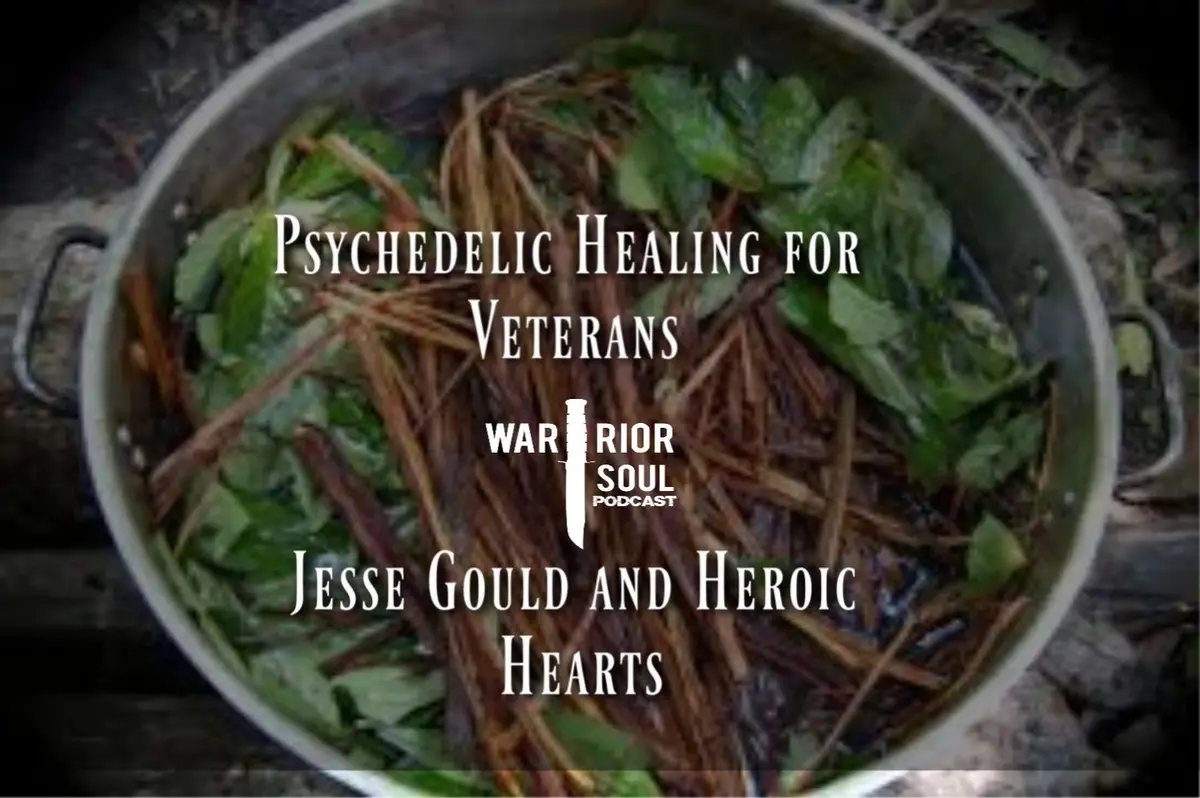
Psychedelic Healing and Veterans: Jesse Gould
Hosted by Chris Albert
The Warrior Soul Podcast
The Heroic Hearts Project is putting veterans in touch with ayahuasca as a way of healing trauma...
Human beings have been using psychedelic plant medicines for thousands of years. Often, those medicines were used as a way of helping the subject to reconcile experiences he or she had gone through.
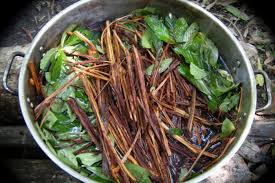
But over the past century, psychedelics became stigmatized and prohibited. Seen as a major threat to society, the US Government took them off the table for anyone seeking to use them as medicine by making them a schedule one drug.
Recently, however, many are seeing psychedelic plant medicines like ayahuasca and dmt as a viable therapy for those dealing with trauma.
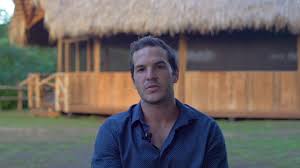
Jesse Gould of the Heroic Hearts Project is a US Army Veteran and former investment banker. He started the Heroic Hearts Foundation after having his own transformative pyschedelic experience with ayahuasca in Peru.
The Heroic Hearts Project takes veterans to Peru after extensive preparation to partake in their own healing psychedelic ceremonies.
To learn more about Heroic Hearts, visit https://www.heroicheartsproject.org
Transcript
Machine-generated from the episode audio and lightly edited — may contain errors.
Chris Albert (link to this point)
The Warrior Soul podcast is written, produced, and edited by me, Albert. Our goal is to empower US military veterans to live their absolute best lives, and we do that by providing tools, tactics, strategies, and ideas that they can apply into their lives to become wiser, stronger, smarter, more resilient, and more capable human beings in the civilian world. If you're not a veteran, stick around because anything we talk about here can obviously apply to you. And if you like what we have to say, any information we provide, and the guests we bring on, please head over to iTunes and write us a written rating and review. It really helps to spread word about the show and to get this helpful information into the hands of more veterans so that they can in turn improve their lives and shape the future of this country.
This podcast is brought to you by the amazing, the wonderful f bomb nutrition. They make awesome, delicious packets of fats. These are portable snacks that you can carry with you anywhere. It's so hard to find a low carb snack out there, but these guys have done it. They got macadamia nut butters, they mix them up with chocolate, they mix them up with sea salt, they mix them up with pecan butter.
They've got awesome meat sticks, and they've got these delicious cheese snacks that they put out there. Plus, they're an amazing company. They send boxes of this stuff out to the troops on the front line. It's not something we ask them to do, it's something they volunteered to do. So if you wanna get some of the best low carb, high fat snacks on the planet, head over to www.dropanfbomb.com.
Use the code Warrior Soul at checkout, and you'll get 20% off your first order. This podcast is also brought to you by the amazing awesome people at Save the Brave. Save the Brave is an organization that provides camaraderie events for veterans. They do fishing events. They do golfing events.
They do other sporting events, and they also do a lot of work to help Gold Star families. And look, we've all heard stories about veterans charities where the executive boards are taking these giant salaries, and I don't have a problem with that at all. But here's the thing, I wanna make sure that whatever organization I'm talking about is doing amazing work. Savethebrave.org is doing absolutely outstanding work. Their board doesn't take any salary whatsoever, and they are having an amazing impact.
They're focused on getting veterans to live their absolute best lives, and that's what this podcast is about, and that's why we wanted to work with them. So if you're interested in volunteering or donating to save the brave, head over to www.savethebrave.org and make your donation or your request today. Finally, this podcast is brought to you by Warrior Soul Apparel. This is a clothing company that I actually helped to start a couple years ago as we were beginning the brand Warrior Soul. We've got some amazing t shirts.
We've got skimmy shirts with some pretty funny funny sayings on there like, I love Jesus, but I cuss sometimes. We've also got some awesome hero shirts. We have the amazing hard times, breed hard people series, and these are just great shirts that I've helped create, and they support the show. So if you're interested in getting some Warrior Soul shirts, head over to www.warriorsoul.shop. And finally, if you're interested in joining a new group that we are putting together here at Warrior Soul, a group for those who are looking to live epic lives worthy of epic obituaries, stick around to the end.
We'll have some information for you to check out. With that, let's get into the episode. This is Chris Albert, and I'm here to remind you of one thing. Someday, you're going to die. That's not some morbid statement or scary idea.
It's solid fact. Your time here on this earth is limited. And we need to be reminded of this as much as possible for one simple reason, to live your best life while you can. This is the Warrior Soul podcast. You know, when we think of war and pain and loss and death, These are all things that have been around since the dawn of time.
Human beings have been going off to war and coming back for thousands of years. And in ancient times and in more tribal times, we had systems to deal with this. Warriors would come back. They'd relay their stories, and that was kind of a therapy for them, reintroducing them to the tribe and honoring their service and their sacrifice. In today's society, things are very different.
Most people don't go off to war. Most people never experience combat. And in fact, less than 1% of even our active duty military ever experiences combat. But the trauma is still there. And as most of you know, over the past decade and a half, The US military veteran community has been dealing with this trauma.
And with that, we have also been trying to search out solutions to better integrate ourselves back into the civilian world after service. One very ancient factor that has come back into the fold is psychedelic plant medicine. Up until fairly recently, human beings had used psychedelics for thousands of years to help them to get better in touch with themselves, to sort out their thoughts, and to be able to really understand what was happening to them and to process the trauma that they went through. But over the past century or so, psychedelics became a taboo. The US government made them illegal.
And for a long period of time, this tool, this medicine was taken off the table for those who needed it. Well, Jesse Gould is a US Army veteran and he traveled to Peru and he had his own experience with Ayahuasca. He found it extremely helpful in helping him to overcome his own trauma. And that's why he started the Heroic Hearts Foundation, which puts veterans in touch with psychedelic plant medicines as a therapy. They take them on retreats down to Peru, where Ayahuasca is still legal, and they take their own plant medicine journeys.
I can tell you that I have not used Ayahuasca. I have used its active ingredient, DMT, dimethyltryptamine, and the experience is profound. It's not for everybody, but with the right guidance and the right preparation, you could potentially get a lot out of it, and you could get some deep healing from the experience. I wanted to bring Jesse on to talk about his foundation, to talk about this experience, and to talk about how psychedelic plant medicines might help other veterans in their process of healing and reintegrating into the civilian world. With that, let's get into this conversation with mister Jesse Gould.
Jesse Gould, welcome to the show, man.
Jesse Gould (link to this point)
Thanks for having me. Great to be here.
Chris Albert (link to this point)
Where are you calling in from?
Jesse Gould (link to this point)
New York. Just moved here with my girlfriend in September.
Chris Albert (link to this point)
Like in the city?
Jesse Gould (link to this point)
Yeah. Manhattan.
Chris Albert (link to this point)
Oh, nice, man. I I grew up, like, about forty five minutes north there. I was always in Manhattan as a kid, as a teenager. What do you think of it, man?
Jesse Gould (link to this point)
I like it. I had lived here in the past. I went to college in Upper State New York and then worked in banking in the city before I joined the army. So I always liked it. You know, I feel like there's always a countdown when you get here.
I don't think I could live here for past so many years, but, you know, for short stints, it's great. It's an awesome place. Especially with with the things I'm doing with this nonprofit, it's probably the best place to be in terms of connections and, you know, moving to the next level on things.
Chris Albert (link to this point)
Raising money, finding donors, things like that, trying to build awareness, that kind of stuff.
Jesse Gould (link to this point)
That's what it's all about. The constant hustle.
Chris Albert (link to this point)
Yeah. You probably live in a closet though, right?
Jesse Gould (link to this point)
Yeah. Yeah. I mean, it's you have to it's it's almost like you're considering whether you can buy another shirt not because of the price of it, but whether you have the closet space for Yeah. One more shirt.
Chris Albert (link to this point)
Yeah. I I had a few friends that lived out there. Mean I they had the beds that they had to like pull down from the wall and everything like that and like you know space is so limited there but I mean you get some great things. Mean there's literally something to do all the time. You got Central Park if you want to get out to a beautiful place and you know there's always the train system so if you wanted to get out to Connecticut or Jersey or something like that you can get out there pretty easily.
Jesse Gould (link to this point)
Yeah, I'm a big fan of places with good public transport. I grew up a lot of my life in Florida. And it's essentially if you don't have a car or a bike, then you're just not going anywhere. Know, if I had a truck breakdown, and I spent so much on Ubering to work every day, it was just pretty ridiculous.
Chris Albert (link to this point)
Yeah, mean, I'm in California so and I grew like I said, I'm an East Coaster at heart but they don't have I mean, have trains out here but they're nothing. Like you can't get to LA in under three hours and I'm I'm like 60 miles away. You know what I mean? Yeah. It's ridiculous.
Jesse Gould (link to this point)
Yeah. Always tough.
Chris Albert (link to this point)
So for the people at home, you can just in a couple of minutes. Give them a little bit of background on who you are. You know, you served in the army, you're a ranger, mortarman. Tell us a little bit more about yourself.
Jesse Gould (link to this point)
Yeah. Of course. Like I said, I started off economics, financial background, joined the military. Just always had that instinct within me. I knew I needed something to, know, sort of coming of age, finding the the man inside myself.
And so I joined the military, became an army ranger. I was at one seventy fifth in in Savannah, Georgia. Couple or three combat deployments Afghanistan. Got out and had a similar issue to a lot of vets. You know, had this sort of dark looming dark cloud around me that I tried to ignore as best I can with as much beer as possible.
But as things settled down in my life, it became harder and harder and started appearing more and more in terms of depression, anxiety, just general unhappiness with my life and nothing I could do, exercise, meditation, journaling got me past this point. And so I sought help through the VA and, you know, was essentially told that if I wasn't willing to go on medication, which I wasn't, that they couldn't do anything for me and they were already understaffed. And so they would pretty much apologize and left me to my own devices. So I came to the situation where I continued to ignore it, but I had this almost epiphany where it was like, hey, I'm living a pretty unhealthy lifestyle. I need to do something.
Otherwise, I know I'm gonna make some sort of major mistake or this is just not tenable. And Ayahuasca is a psychedelic. It's a compound from two plants out of the Amazon becoming more and more popular. I heard about it. Had the initial instinct as a lot of people of like, hey.
I I'm not I don't I'm not a druggie. I don't do psychedelics. This is not my thing. But like I said, there's a point in my life where it was like a necessity. So I risked it.
I left my job, I went to Peru and explored this and just had a extremely profound, impactful change on my life, and I saw all these amazing stories. It was just immediately clear that this is something that needs to be on more veterans' radar. And so that was the inspiration for me founding this nonprofit called Heroic Hearts Project, which connects military veterans to Ayahuasca and sometimes other psychedelic based therapies. So, you know, providing the information out there, showing the scientific research that is available that is in support of this and why it works, not just tripping your ass off sort of thing, but an actual sort of clinical reason of why it works. And so we also provide this framework of preparation, coaching, integration afterwards to set people up for success, make sure they do it in the appropriate way, in a safe way.
And then, you know, the second side of Heroic Hearts is the outreach is the I wouldn't I don't wanna say marketing because it has connotations, but really that bringing these stories, these testimonials to people's front door and having them question why can't we even research these substances? Why are all these people in our program having to go to a different country to get this very powerful mental health treatment that is saving a lot of their lives. There's been a lot of suicidal vets that have come to us that is a complete transformation of their life.
Chris Albert (link to this point)
Well, let's start with this because I mean, I've done dimethyltryptamine, which is the active ingredient or one of the active ingredients in ayahuasca. I've had that experience before. And we see a lot about psychedelics these days. I want to talk about my own experience in a little bit. But how did you first hear this?
Because I literally, I see it all over the place just being in the community I'm in as a podcaster. I used to work for Brian Rose of London Real. I worked with his organization for three years and he's talked a lot about Ayahuasca. How do you hear about it?
Jesse Gould (link to this point)
As you stated, it's just trickled more and more into common culture. You know, there'll be a few shows on Netflix or you might hear a news report. Oftentimes, it's leading in a lot of ways. I think one of the bigger factors was I was getting into listening to a lot of Joe Rogan podcast for for a while.
Chris Albert (link to this point)
Yeah. That movie, the the Spirit Molecule. Right?
Jesse Gould (link to this point)
Yeah. Actually saw that after a while after my own experiences. But he constantly has guests and brought it up. And again, some I think one of the major guests like Aubrey Marcus. And at first for me, was kind of off putting because it was really talking more about the the visual side, which is not what I was after.
You know, it wasn't about escape or this falsely profound thing that, okay, cool. I saw a dragon. None of that really appealed to me. But the more he brought it up in conversation, the more guests on his his show talked about it. And I did my own research and then almost planted the seed.
And so like I said, there's this necessity building in me where I knew I had to do something, and I knew it had to be pretty big because all the other things I was trying just weren't working, and I just couldn't get past this barrier. And so I was just like, alright. Well, I'm not happy with my life right now, so let's risk it. Let's let's make this big change. This is completely out of my personality, but maybe that's exactly what I need.
Chris Albert (link to this point)
Yeah. Yeah. And one thing I mean, here's the here's the big thing about it. A lot of people have this image of psychedelics like, you take some mushrooms, go to a concert or you take a hit acid, you do this. You know, in my experience, something like Ayahuasca or DMT or even a significant amount of mushrooms is not something that's fun.
Right? It's not it's not a a an experience you wanna go to a party with. Right?
Jesse Gould (link to this point)
Right.
Chris Albert (link to this point)
And and so what was your first experience like?
Jesse Gould (link to this point)
Yeah. I mean, it it was similar. It's straight up kicked my ass. The first few ceremonies is just all out war with whatever it was, whatever was going on in my head. And but I think coming from the ranger background that kinda made me respect it more.
If it was this sort of light, you know, happy, typically, like, kind of hippie sort of experience, I would have just been like, oh yeah, this is exactly what I thought it was.
Chris Albert (link to this point)
Did you get a purge?
Jesse Gould (link to this point)
Yeah, I purged a lot. For me it was a very physical sort of thing just because one, I didn't have experience with mind altering substances and I just have a I tend to have a controlling brain. And so relinquishing control, is an essential part of these experiences, allowing it to happen, allowing it to pick cold, I was fighting it tooth and nail.
And the more you fight it, the harder it gets. And so, you know, one of the first major learning processes with my interaction with it was to just let go and to allow myself not to have as much controlling aspect. And I've actually seen the fact that I've learned that during, I've learned it under fire, so to speak, has had ripple effects in other aspects of my life. So for instance, when things are going wrong you want to have in your life you try harder and harder to control it and oftentimes that might make it go even more into chaos. Whereas if you just allow the way your life is flowing or the way things are going and understand and just kind of go in with it and steer into the skid, then oftentimes that's what it needs.
And so just through my own controlling, that was part of the anxiety buildup of this lack of being able to control the way my life was going. And so it was almost like exercising this muscle in my brain that I had never even known was there. And so the moment I learned to do that through the ceremonies, it allowed me to do that in other aspects of my life.
Chris Albert (link to this point)
Yeah, there's this element of submission, right? Maybe people don't like that word. Maybe it's more like, well submission or surrender. Probably people don't like that but it is. I mean kind of surrendering to what's going on and allowing yourself to realize that you're smaller than you really are.
You are part of something. And that's kind of a lot of what I got out of my experience as well. With this, so, and again, I just want to get into the process because I'm sure there's a lot of people out there who are not very familiar with Ayahuasca or psychedelics or some of the things going around them. So you actually went to Peru, right? Did you do the dieta beforehand, the whole nutrition process beforehand?
So so like how did you find it? How did you book it? How did you prepare?
Jesse Gould (link to this point)
So I didn't do so so with this process, what what you're referring to is in terms of Dieta and there's there's different levels of that. So Ayahuasca, especially the retreats, way they're formatted nowadays, it's generally a week to two weeks. You'll go to the centers. It'll be generally in the jungle, and you're just secluded in there with other people and obviously the shaman that run the ceremonies. They often before you do this, they often recommend that you go on a certain diet which is just pretty much eating healthier, cut certain things out of your life, alcohol, tobacco, marijuana, all that kind of stuff that distracts you or makes you less connected to your emotions, your feelings, all that kind of stuff.
There's a more strict dieta for people who get more into it where you actually have an even stricter diet of fish and rice, very basic kind of stuff. And you concentrate on certain medicinal plants while you're there along with Ayahuasca. So for my first go, it was really more of the subtler one, just watch what I eat beforehand, cut back on alcohol, all that sort of stuff. I did I just did a lot of research. I I I knew this was a important step in my life, and so I wanted to make sure that I did it in a appropriate way and wasn't putting myself at an unnecessary risk.
And I I kinda have the same sort of notion of like, I have no idea what I'm doing. And and I didn't wanna just like show up and see the first guy at an airport, which is what some people do and is not advisable. So I did a lot of research. I found centers. I found ones that have been doing it for a while with, you know, great testimony.
And just from the website, you can kinda tell to of places that are just out to get your money, and it's kinda more of like a Club Med kinda thing versus ones that seem to have more respect for the process, the therapy, what you're gonna get out of it.
Chris Albert (link to this point)
And so you get down to Peru, and were there others there during this ceremony?
Jesse Gould (link to this point)
Yeah. So the the one I went to had about 15 other individuals.
Chris Albert (link to this point)
Mhmm.
Jesse Gould (link to this point)
You generally do it in a group and just from from their perspective to keep the lights on. They they generally do it in groups. And there there is a added element of of group healing or or going through this experience with others as well.
Chris Albert (link to this point)
And when you were going through it, so what was the environment like? You're you're are you in like a jungle house? And is there music being played and things like that? Or is there like
Jesse Gould (link to this point)
Yeah. So the one I there's they're popping they're all over the spot, all over the place, and this is an Amazonian tradition. So there's a lot of different tribes that do it in their own unique way all throughout the Amazon. Brazil, Ecuador, Colombia. So I went to Peru.
That's Peru and Iquitos is generally the spot that tends to be has grown to be sort of the hub of it or the reemergence of it. And so there's a lot of centers there. And Iquitos is kind of a weird town. It used to be a industrial town during the rubber boom and kinda fell when rubber went out and is kinda reemerging as this weird tourist sort of spot. But it's right on the Amazon River.
So I went there, retreat. I selected. You take a bus. You go for a while. You take one of these little carts called tuk tuks.
You hop on a boat. The boat then goes on the Amazon for another hour. So then by the time you get into retreat, you're in the Amazon. You're pretty isolated. Either trek through the woods if you dare or take a boat.
And those are pretty much your only exposure to society. And so, you know, and the centers are generally built in how you would expect it there. Know, it's all wood, very basic, pretty, you know, it's still comfortable, but pretty basic. Know, your hut is there, it's closed off with like mosquito nets, very basic bed. The ceremonies themselves happen in these traditional huts called malocas, and they tend to be sort of round made of wood.
And when the actual experience happens, for the most part, they're at night, you go in there. The shaman who is that's sort of what it's become known in Peru. They'll they'll call them curanderos, which is the local way of saying. Shaman just becomes sort of the common language. They sit in the center or the one side of the circle and everybody else sits around them.
After you drink the Ayahuasca, which is a very thick, almost tea that has a pretty acrid taste. So you drink that, you sit down, you have your intentions of what you're trying to get out of this, and the shaman will then sing throughout the ceremony. And it generally lasts about four or five hours. So after about thirty minutes, that's when the psychedelic aspects start kicking in. You start feeling it, see the often it's different for everybody else, know, or for everybody.
Everybody reacts to it differently. Some people don't have any sort of hallucination. Some people don't really feel it at all. Some people have full blown going to a different planet. But typically, you start seeing shapes, geometric patterns, colors.
There is a purging aspect, like you said, where for the most part, the majority of people puke it out, and it's almost interplays with getting out what what whatever trauma you're trying to do and and sort of the traditional view of it. And generally, at that time is when it goes full blown. So it can still be geometric patterns. It can be hallucinations of seeing parts of your life, other aspects. It can be all sorts of different things.
The reason why we found it helpful, there's many layers of why it can be helpful for veterans and other people in general on psychological level, on a therapy level. So on the first side, through the hallucinations and through that process, there's almost this prolonged exposure therapy side to it, where people who had traumatic instances in the past or are just struggling with life can view it from almost a different angle. So either zoom out from their own life or go back to the scene and let it play out. So a lot of people with trauma just have this sort of replaying story replaying story and they can't move past it. For for many, this process helps them move past it finally and, filter it away to where they don't always have to focus on it.
So I mean, that's one of the main powerful aspects that I've seen on one level. And we can go into the other levels too if you're interested.
Chris Albert (link to this point)
Yeah. I mean, so I definitely wanna get into that. What what I could say is because I did Ayahuasca is like the the non concentrated I did the the DMT, which is like a concentrated I guess you could call it like a rocket ship blast And off kind of I did it with a group out in Los Angeles and like, it was really intense from from my experience. So like, you you smoke it and then you're you close your eyes and you literally like that, you're in another dimension and then had beings come out like identify who I was. They were like communicating to me on like this other mental level not really with words or anything like that. Like the first thing they were like is like why are you here? You're not supposed to be here yet. And all these things. Like then they took me through like past lives all this stuff. And then they were like get the hell out of here.
Don't come back again until you're ready. And then they were like but for now go play. And my dog was in the room and so my dog appeared to me in my vision and we started like talking, right? So meanwhile, 15 people are gathered around me. And they're watching as I'm curled up in the fetal position.
And me and my dog are growling back and forth at each other in real life. And then we did this whole thing where were. Yeah. Was pretty insane. So like what I got from that experience was like in looking at my life was like don't be so ready to rush toward everything.
Right? I to learn lessons, try to do things the the the right way. And it was it was an interesting experience with what you guys are doing with this. Obviously, there's a lot of interpretation that has to occur in order for the veteran to get what they came for. Right?
So so how does that work with what you guys do and with with what you've done?
Jesse Gould (link to this point)
Yeah I mean and that's that can be one of the barriers to entry of this is that a lot of people hear similar sort of stories of all this kind of crazy stuff that happens and they're turned off of like, oh I don't, why do I need to go do that in the middle of the woods? And that is really where the interpretation comes in. You can view it almost like a dream sort of state, just very intense. And so it's not like you you view every aspect of your dream literally. Right?
You're gonna be in school naked or you're gonna like talk to your dog or whatever crazy dreams you're having. It's not all literal, but generally even with your dreams, there'll be themes. So if you are through the week being very anxious, very nervous, and you're just waiting to fail, oftentimes your dreams will reflect that anxiety in some sort of weird storytell fashion. Right? And so if you're having these very anxious dreams, it's probably reflecting some sort of internal thing that you're not dealing with.
And so Ayahuasca or psychedelics can work on a similar sort of process. And the value of an Ayahuasca experience with this sort of thing over DMT, you know everything has its benefits and plus to minuses, is that DMT, like you said, tends to be very quick, ten to fifteen minutes in just this rocket ship. Whereas Ayahuasca is not as intense through the process, it just lasts longer. So it's almost like you're in this DMT world, but you have the ability to, you're not drinking out of the fire hose so to speak. You have the ability to kind of like take it in and internalize it and guide you.
So some can be pretty straightforward. Sometimes people with childhood trauma will go back and they'll see some of these things but be there in their adult presence which gives them power. Sometimes they'll see their own life and realize, oh hey, I've been kind of an asshole or maybe I should do this differently in my relationships or I keep doing the same sort of pattern. So it's almost like allowing you a different camera lens around different aspects of your life. And, you know, there are gonna be crazy stuff.
There might be aliens. There might be past lives. And it's not for me to tell anybody what is real or what it means. But generally, especially with a veteran audience, we tend to go to the more conservative, straightforward sort of approach. And it's on them to interpret it.
We just help facilitate them and give them some tools. So the first part of that is just really it's called like intention. So before you go, we really work with them, helping them pinpoint, reflect inwards of what are the things you're trying to accomplish? Why are you coming with us? Why do you really want to do this?
You know, either regain control of their lives or get over some sort of trauma or be the full version of themselves that they're not currently feeling like they are. And so those are the things they focus on. And the more you internally look, the better you get at it. So then when you go into these experiences, it's still that sort of focus even though it's distorted with all this sort of stuff. But then it can be an interpretation like what you had of these weird Hollywood movies with a theme at the end of like, oh hey, maybe I should just calm down.
Maybe I need to look at things differently. And it might take an alien for you to realize that or it might take you know, a talking dog and it's on you. And that's the beauty of this over other therapeutic practices is it's your brain talking to you in a way that you'll understand. Maybe in a little bit of a metaphorical sense, but at the end of the day, you are the one who's equipped to interpret what your brain's trying to tell you. And then it's a practice.
The more you are in tune, the more you realize of like these are emotions building up in me. These are things I've been compartmentalizing. These are aspects I really need to work on.
Chris Albert (link to this point)
How many veterans have you taken through?
Jesse Gould (link to this point)
In terms of financially supporting, at this point, about 40. In terms of just facilitating, in terms of like helping out and connecting and some sort of coaching, a couple dozen more.
Chris Albert (link to this point)
How the how have the results been?
Jesse Gould (link to this point)
So we, a couple months ago, did an internal sort of survey, nothing scientific, pretty quick. And I think we reached out to 30 people. We didn't out of the people that responded, which was the vast, vast majority, every single person responded that their life is better as a result of experience. The specific indicators vary to person to person. So some people it really helped their anxiety, some people not so much.
Some people it really helped suicidal ideation, others didn't have that. So the spectrum and the degree varies from person. Some people it's a life altering, completely transformational experience. They're still who they are, but they have a whole new grasp on life. Other people it just gives them that initial push that they might have needed or gives them the extra thing to, alright.
Well, I can do this, and I know what the next steps are. So the the the degree varies, every single person, fortunately. And I'm always skeptical of a 100% result just but, you know, it's good to see you when that when that happens.
Chris Albert (link to this point)
And and for you personally, like, did what did you get out of it? Have you done it more than once? Have you done additional journeys? And if you did, why did you take the additional ones?
Jesse Gould (link to this point)
Yeah. So I've done it. I've gone back a few times. Sometimes for my own sake, sometimes just the nature of what I'm doing. So on the latter, the nature of what I'm doing because we're running this foundation, either I or somebody else in our organization is always sure that we have experienced a ceremony at the spots that we send people to, right? We wanna make sure that they're doing it right and we we agree with all the practices, like another sort of safety precaution or confidence aspect.
In terms of me personally, the first time I went, I got a lot out of it, but I also didn't have the parameters which we're now trying to establish. And so it was kinda me going in and trying to figure it out on my own and not having these these tools that I picked up about interpretation, which I think would have helped me. But also mental health is a lifetime work in progress. And so oftentimes there's many different layers. And in one bout ask or one time that you go, you're gonna get a lot out of it. And that's enough for you to digest for, we say, six months to, you know, at the very minimum six months, hopefully a year, you are trying to incorporate that in your life and try to unpack it.
Yeah. But sometimes you discover other issues. Sometimes you discover deeper, you know, just sort of the vein goes deeper. The way the way we kinda preach it is that you should always treat each ceremony as your last. But it's okay if you go back and it's okay if you're exploring more or even if if you're using it in a in a responsible way.
But if you're going into the ceremony and you're trying to address issues that you were trying to address the last time, then then you're you're not using it correctly. You know, you should always be like, alright. Well, I'm doing this. I want to get over not over this, but I want to have a better understanding to where I can handle this in my own life without a substance. And that's a huge part because we live in a society where we're dependent upon medications, on pain relievers, on whatever we use to take the next steps forward.
What we're trying to teach is that, and what this process allows is self empowerment. You can get to a lot of these states in the self awareness without psychedelics. Psychedelics just happen to be a very powerful pusher or instructor in a lot of ways. But the end goal is that you can resolve these issues or connect to what is bothering you without it. And so that's the end process of all this.
And that's really what we try to instill on people.
Chris Albert (link to this point)
Right, right. I've heard before, you know, I meditate regularly. I've gotten a lot out of that. I've gotten a lot out of my own types of practices and things like that. And, you know, I look at those as as things that that help along on the journey as far as making my mind more aware of what it's doing, Observing myself a little bit more.
From the marketing aspect of this, We're talking about the veteran community here. A lot of these guys have been raised to think like psychedelics are some hippie substance that can really mess with you and all these types of things. How are you dealing with getting that message across and how do you communicate with the veterans that might be interested in this type of thing? Or is it a self selecting process where those who'd be open to it are more are the people who are more likely gonna be go?
Jesse Gould (link to this point)
It's a combination. It's there's definitely a self selecting. Know, it's not our job to nor do I want to say like, you should do this. I'm a firm believer that this is not for everybody. And as I said before, we're really just providing the protocol.
And so there is that outreach sort of side because those that might want to do it or it might work in their life where they are, we want to make sure that they know the proper steps to do it and that we're there and we can support them or that we can set them up to do it on their own, correct? So that side is what we found is it really helps just having the other veteran testimonial. At the end of the day, veterans trust veterans. And so if you see one of your buddies not only preaching about this, but also the actual changes in their life, that's the most powerful thing. Like some of the veterans I've sent, everybody, you know, it doesn't really matter what they say, but they will notice the difference in this person.
And then people will be like, what? What happened to you? Like, I want whatever you're on kind of thing. And so that's really how we're trying you know, we're not trying to recruit people. We're not trying to do anything like that.
But we are trying to share these stories. So if people are in similar boats and they have similar sort of struggles, they'll hear about it and then have that concept of, okay. Well, maybe this is an option for me. Let me look into it, and then we can provide them the necessary resource resource.
Chris Albert (link to this point)
Hey, guys. I hope you're getting a lot out of this interview. You know, the Warrior Soul podcast is built with the mission to empower its listeners to live absolutely epic lives. And that's why we recently created a group called the Warrior's Obituary Society. This group is built to empower its members to live epic lives worthy of epic obituaries.
And it starts with an eight week development program. And with this development program, what you're gonna do is you're going to outline a vision for your life. You're going to get very specific about what you want. Because without that specificity, you don't know where you're going, and you don't know what you're doing. From there, we help our members to develop specific goals, objectives that they are going to push toward, and that their fellow members of the Warrior's Obituary Society are going to hold them accountable too.
From there, we're getting down into specifics. We're going to help you to develop and customize your own personal fitness and nutrition plan to help to fuel your body and fuel your mind for the quest ahead. From there, we're going work on your personal finances. We're going to help you to knock down debt. We're going to help you to start saving money and to create a plan so that you can start investing in your dreams.
Then we're going to get into your business and career. We're going to help you develop the skills that you need to develop yourself so that you can have a major impact in the field you choose. If you choose to go into business, we're going to help you to set up the foundations that you need to create your own company and get started on your path in life. From there, we're going to be working on your relationships, we're going to help you to develop a world class network, and all along the way, you're going to have your fellow members of the Warrior's Obituary Society pushing you in every single area. We meet once a week over a live call, and we're constantly communicating over our own private forum on Slack.
We don't do anything over social media, and that's because I don't want anybody feeling like anyone's looking over their shoulders, and I don't want you exposed to the crazy distracting alerts that you get on Facebook and some of the other social media platforms. Normally programs like this cost thousands of dollars. This one does not. For the price, it is the best development program on the Internet. And that's because our mission here at Warrior Soul is to empower people to get more out of life so that they can in turn make the world a better place.
We've got a great mix of active duty military, US Military Veterans, and civilians in this group. We wanted to keep it really eclectic so that we get a lot of different types of views up there and a lot of different people with different areas of expertise. If you think that this is something that would be of interest to you, and that this is something that could empower you to live your absolute best life, head over to www.warriorobituarysociety.com. That's www.warriorobituarysociety.com and you can sign up today. And if you have any questions about it, just reach out to me at chris@warriorsoulagoge.com.
That's chris@warriorsoulagoge.com. I'm happy to even sit down with you for a phone call for a few minutes to see if the group is right for you. I look forward to seeing you guys in there, and let's get back to this awesome interview. How about for marketing on the other end? Because you are a nonprofit.
How how are you getting donations in, and how are you getting that message out?
Jesse Gould (link to this point)
I mean, it's it's tough. It's just it's a lot of outreach. Individual calls, podcasts like this, obviously, are helpful. We we often try to have reporters like in a couple of weeks, we're gonna have a reporter come with us on a retreat as long as the other veterans are fine with it. And just broadcast it out in whatever responsible way possible, obviously social media.
But just in a more generic sense, the same thing that has worked with veterans tends to work with a large portion of the population. The people that, it tends to divide by political lines in a lot of ways. Conservative people tend to be less keen on psychedelics versus more progressive people for whatever reasons. But both sides agree and both sides generally support the military and are generally pretty vocal about that. And so by presenting these people, this group that they respect and that they support and showing them these tremendous changes, these things where these veterans have tried all sorts of other mental health, have been on medication, have had horrible stories, and this is the first thing that's allowed them to reclaim their lives, that's hard to ignore.
And so a lot of people we've reached, it's through these testimonials. It's through that commonality of, okay. Well, you might still be afraid of these or you might have your stigmas, but let's let's at least look into this. Let's at least allow research. And that's really the bridge we're trying to cross.
So what is that easy first step that all sides can make? And I think that is looking into it and researching it and seeing why these things work. And so that's another side of how we're trying to hit this by doing small studies and and presenting it to people in a straightforward a way as possible. You know, not over promising, not bringing in other viewpoint or not bringing in too much of other outside stuff, allowing it, but just talking straightforward as possible about what we're trying to do and the the success stories that we've had.
Chris Albert (link to this point)
It's interesting because I think politically, I'm seeing more of a change out there these days, whereas, like, there's more conservatives out there these days to are in favor of allowing these types of things and trying these types of things and I'm seeing I don't want to call it like resistance from the left but I'm seeing more people maybe on the left hand side who are putting up roadblocks to different things like kratom and medical marijuana and things like that. It just seems like that kind of stuff is changing. We're coming into kind of a new time and place where people are seeing these things in a little bit different of a fashion. I'm a political conservative, but very libertarian in my views as far as what people should be doing or able to do with their bodies, their own bodies, especially if they're not hurting somebody else.
Jesse Gould (link to this point)
Yeah. I found that the same with a lot of military and marines and special ops guys. There's a lot of them tend to be kind of more of like, hey, if it helps you, if you're telling me it helps you, why? Who am I to or tell you to stop doing that? If you if this is saving your life, then go for it.
And and I have a few friends that you can talk to as well. Whereas people who are disconnected, who tend to be like politicians, then they're going at it through either philosophical upbringing, monetary, whatever. You know, it's it's really like, if you're in the trenches, it's different rules than if if you have the ability to look over it. Yeah. Mean, it is kinda weird.
The the the big news was Biden was going against marijuana. Unfortunately, he got called out from it because that's a ridiculous to have in 2019.
Chris Albert (link to this point)
It's so stupid. It's so freaking stupid. You know, and and it it just boggles my mind that somebody at his level doesn't have better people advising educating him on these types of issues. And it's just like these people go back to their sound bites and and their crap, and it's it's ridiculous. You know?
Jesse Gould (link to this point)
Yeah. And I don't know. Marijuana is just a very interesting aspect, especially as a country that's already had a failed experiment in prohibition and a repeated failed experiment with the drug war. And there are aspects of marijuana that definitely need to be cautious about and there needs to be more understanding about. That's for sure.
And it's not just like everybody should be high all the time. But to deny that there is some sort of benefit, to deny that a lot, thousands of veterans are using it as opposed to dangerous medications, That's just that's ridiculous for anybody to not understand that.
Chris Albert (link to this point)
Yeah and not only that putting up like ridiculous roadblocks like like barring people from getting conditional use or not conditional use per concealed carry permits for their for their weapons and things like that. I think is ridiculous as well. I mean, like, because essentially, there's people out there, I mean, me and myself included, second amendment is very important to me. And there's a lot of people who are going to be driven away from medication that could potentially help them, simply because you want to use it as a political chip to make a point, you know? That bothers me a lot.
Let's bring this over to some of the community out there, right? So you have MAPS, which is an organization that's doing a lot of experimentation in in these areas. Have you worked with any of those organizations as well? Do you partner with them? That kind of stuff.
Jesse Gould (link to this point)
Yeah. We we have a we have an open communication in terms of direct partnerships, a couple of smaller ones. It's just kinda finding the it's still emerging field, so there's plenty of spots for people to kinda find their own niche. All and that's kinda the interesting thing about this community because it really started in sort of this open source mentality. And it's only emboldened by the fact that we're dealing with plants for the most part, right?
Like mental health coming from either marijuana or psychedelics that grow in the ground, the whole movement is against anybody commercializing it to a ridiculous level. Like obviously you have to make a buck at the end of the day, but it's you know, the last thing people want is like a Pfizer economic model of what you see with like opioids and all sorts of other stuff and what they're trying Are do with you depressed?
Chris Albert (link to this point)
Are you lonely? Try UWASCO.
Jesse Gould (link to this point)
Yeah, only a $100,000 for three treatments.
Chris Albert (link to this point)
Yeah. Exactly.
Jesse Gould (link to this point)
And so yeah. I mean, that's kind of the interesting thing. And and so, yeah, we're all we're all aware of each other's space. MAPS is extremely focused. The majority of the you know, they're they're a general psychedelics research nonprofit, but their big focus for the past few years has been MDMA for treating PTSD.
And they've had some pretty amazing results. The FDA declared it breakthrough therapy. They've been having results between seventy to eighty percent complete recidivism of PTSD like symptoms in the test subjects. And it's probably about a year, maybe two years away from being a legal treatment once again for treating PTSD and then potentially depression. So I mean they're almost, what I tell a lot of people, they're almost like the standing army, the occupying force.
Like they've just cleared so much ground and they're there, they're like the hub. And they're doing it by the traditional way through the FDA, through painstaking trials that cost tens of millions of dollars, all of which was crowdfunded. Not even a single government cent went to supporting the biggest breakthrough in PTSD research, which is a travesty in itself. And then it's allowing organizations like mine to find different aspects of like, hey, Ayahuasca has these benefits that I believe are can either supplement that or are a new avenue to explore.
Chris Albert (link to this point)
Yeah. That's a cool process though. I mean, to to crowdfund something like that. Yeah. I mean, you're literally you're getting the will of the people.
Right? And, you know, I think one of the things about that is is that they give you so much freedom to be able to explore this stuff and to to really make it happen. And if you're able to build a movement like that, you can do some really amazing things, you know.
Jesse Gould (link to this point)
Yeah. Mean, it's just tough though because the regulations, it also artificially prevents it. So I mean, it is a beautiful thing that people are finally coming together with this kind of stuff. But if you look at something like the history of research into marijuana, it has been pretty stymied because of that. So the reason why there's not more understanding and research and that hasn't progressed anything is because it's nearly impossible by governmental standards.
One, there hasn't really been funding. Now there's more funding obviously because you have like billion dollar cannabis companies. But two, in order to actually study it, the government owns the only legal growing operation that you can get the marijuana from for studies, and the quality is garbage. You can't use it for studies. And so it's just this weird catch 22 that, know, the same with like MDMA.
It was legal as a therapeutic substance back in the 80s. And then during the whole restricting drugs sort of flow that happened. It's been illegal up until now. So what's that? Like almost thirty years of something that we know has benefit that's been artificially restricted.
And so that's kind of the tragedy around it. I was like, I agree with you of like all the benefits and it's a beautiful thing that's all coming together, but it's also pretty sad that it's taken this long to provide effective treatments for people, especially the veteran community. How many people have needlessly suffered and died as a result of just a lack of good mental health options?
Chris Albert (link to this point)
Yeah. I mean, the lack of good mental health options and people, I mean it's really the government coming in and saying you can't use this, you can't do this, you can't do that, right? I mean like, I'm dealing with an ulcerative colitis flare up right now and the VA's got me on forty milligrams of prednisone a day, which makes me feel like I'm out of my mind, right? Yeah. And the only thing that kind of takes the edge off is a combination of kratom, CBD and THC.
And so if I didn't have that right now, I'd be a basket case. I wouldn't be able to sit through that through this interview. Right. And it's you know, it's crazy. It's crazy.
I don't like that there's a segment of our society that likes to control what other people do with their bodies. I think that's that's it's stupid. It's horrible. Right? Yeah.
Jesse Gould (link to this point)
If you wanna get high, then go like, at the end of the day, it's like if you're not hurting somebody, then why why is it your why is it somebody else's business?
Chris Albert (link to this point)
And and why put somebody in a cage for it? It's so stupid. Right?
Jesse Gould (link to this point)
Yeah. CBD CBD is like the perfect example of like, it doesn't even get you high. It has tremendous benefits. And you know, that's for I think it was the Navy, but I think it's across the board. They just said, no.
You can't you can't use it.
Chris Albert (link to this point)
Yeah. Yeah. It's it's pretty crazy. It's pretty crazy. But now, I mean, I'm seeing CBD everywhere.
They got they got CBD and I saw it in Rite Aid the other day. I was like, holy shit. It's probably not great quality but yeah.
Jesse Gould (link to this point)
It's the next Starbucks. It's crazy. I get reached out just in the field we're in. CBD is the most prominent. There's just so many companies because there's ton of money into it.
Like I said, there's there's the first few billion dollar companies in in Canada, in the cannabis market.
Chris Albert (link to this point)
Yeah. I get I get reached out to every week from people who are who want to come on and talk about it. With so with what you're doing right now, so what's the next step for your organization? What types of objectives are you trying to reach? Do you have any objectives for 2020 that you're trying to get to?
Jesse Gould (link to this point)
Yeah, it's always just expand on what we're doing. We really spent the last two years working on our model, making sure that the program that we offer people is doing the best that we possibly can given the the limitations that we can. And so especially the big part is is the tail end, and that part can always be improved, which is called the integration phase. We kinda touched on it is after you come through these ceremonies, you have a lot of information, you have a lot of insights. How do you use it?
How do you implement in your life? How do you set yourself up for success? Create rules, create routine that you do go back to the gym, that you do improve your relationship, or that you don't go back to the bar. And that really takes a community, that really takes a better support network than than we can necessarily provide in as extensive way as possible. So always trying to improve that.
We're doing some we just partnered with a couple of universities. We're doing our own first study. So we want to expand those to show actual like why this is working on a blood basis or an inflammation basis to give just more information support behind what we're doing. As always, increase who we are sending out, you know, get more veterans out there, do it a little bit more consistently. One of the two big things that we're trying to implement next year is one, the an ambassador program.
So, you know, we get a lot of people that want to help. They just we just don't necessarily have the means for them to help. You know, it's it's if it's a very unspecific, like, hey. I just wanna help. I have time.
Then it's it's hard for me to to to work with that person. So we're trying to form this community sort of network that other vet Yeah. Nonprofits tend to have. You know, maybe link them up with a vet like, hey. If you wanted to go to one of these retreats but you're financially a little bit limited, okay, we'll link you up with this person in your same community.
You guys can work together. We'll support you do like a GoFundMe. Go to a local CBD shop. Maybe they'll sponsor you. You know, figure out these sort of options.
Chris Albert (link to this point)
Yeah. I I want to mention that because I think there's a lot of people who reach out and they're like, hey, I want to help your organization in any way possible. And and I get there's a lot of people want to help that kind of stuff. But you really if you're gonna reach out to an organization like this like you should have an idea of how you're gonna help right you should have an idea of what you can add and things like that and then just help because then then a guy like Jesse he's got to sit there and figure out how to fit you into this complex puzzle that he's trying to navigate. And and that's that's gonna eat in his time, you know.
Jesse Gould (link to this point)
Yeah. Mean, for for any organization, not just ours, like if you want to reach out and help, the best way to do it is like, I'm Jesse. These are my skills. This is I see you do this. This is how I think I could help or potentially could add on to it.
That just really helps because I don't know you. I don't know what you're good at, what you could potentially help out. And if it's and that's what we're trying to change too at the ambassador program. In the past, it was very hard if somebody didn't have a specific skill to add, then oftentimes it can take more time to incorporate them into a nonprofit. And so that's why we're trying to develop this this infrastructure to allow even though everybody to just donate some time here and there and and help out a veteran in their community.
Yeah. And then the other project that I'm pretty excited about is we are trying to work with some pro athletes, former pro athletes who are also having their own mental health battles with their organizations that aren't addressing CTE, traumatic brain injury sort of stuff, depression, suicide, similar kind of things. But they're also very interested in going these sort of routes. And so we're we're looking to sort of combine the two efforts, bring, like, NHL players and veterans to a retreat with sort of this this mutual support sort of network. Possibly, the athletes can help support the vets that are a little bit financially unable, and then they heal together, share this sort of warrior bond kind of thing.
So that's that's a program I'm pretty excited about that we're we're looking to test and then expand in 2020.
Chris Albert (link to this point)
That sounds amazing, man. Let me ask you this because, you know, running a nonprofit is is something that I think a lot of people try to do. But a nonprofit is just like a business. Right? You you you you you it is a business, you know, essentially.
Your background was in banking. Right?
Jesse Gould (link to this point)
Mhmm.
Jesse Gould (link to this point)
Yeah. I worked at a small boutique investment bank. So we did a lot of, like, capital raising.
Chris Albert (link to this point)
Nice. And so so that did that help you along the way? And and was there anything what did you have to learn to be able to do what you're doing now?
Jesse Gould (link to this point)
I still made a lot of mistakes like anybody, but it it gave me at least some baseline on the financial side, just keeping good records, keeping track of all that. Generally speaking, since we're doing capital raising, we got a lot of proposals at our door. And so you could really see good ideas versus good businesses. Know? Everybody has a good idea, but what makes you special and what have you implemented to make it an actual functioning business that will make money? Because, you know, the majority of businesses fail and it's the same with nonprofits. But it's always it's always a struggle, especially on the nonprofit side, especially dealing with a fringe illegal substance.
Right. Because we don't have the options that a lot of other nonprofits that might be able to get grants or government funding, that's just not available to us. And then more conservative companies also tend to shy away, obviously, because of the the PR around it. So that's that's been its own sort of challenge. But, you know, at the end of the day, it's adapt and overcome.
It's I think the the combination banker military mindset has helped me tremendously because it just forces you to be creative, you know. You're you're you go through all this training of like, You're gonna be in situations where you don't have, you know, air support. You don't have maybe your weapon breaks or you don't or something happens. Like, how are you still gonna complete the mission, or how are you at least gonna get home? And, you know, it takes creativity.
It takes grit and determination. And so that's kinda how we're trying to push this. And that's you know, that the the athlete retreat is one of those aspects of like, okay. Well, donations can be pretty unreliable, and, you know, they're not always as much as we want. So what's a different way we can approach this economic model that can continue to help us send vets, send other people, but also give something that people will demand?
Chris Albert (link to this point)
That's how that that that is what it's all about, man. Getting that mission done and and making sure that you're hitting those objectives no matter what you've got in your way. How can veterans apply to this program? Where can where do you hang out on social media? Where where can people learn more about you?
Jesse Gould (link to this point)
Yeah. Of course. We're on all the the major ones, Instagram, Twitter, Facebook. Instagram's our our our main go to one right now. It's all Heroic Hearts Project, either at or search it in Facebook.
And so that we do generally just a lot of posts, not just Ayahuasca, other interesting aspects, research about different psychedelics and what's going on. So it's a good information resource and stories of vets that we've helped. Our website is heroicheartsproject.org. You can also Google search it. Within there is a lot more research, and there's some testimonials of it we sent.
There is a veteran section where there we have our application. So if if it is a veteran that is interested, they can go there, fill out our application, and they can also email us, ask us questions if they just have some sort of doubts, concerns, and we'll do our best to to get back to people. Mind everybody if they are, you know, we are a small nonprofit, and unfortunately, the demand the situation is severe enough where the demand is pretty overwhelming in terms of vets that are seeking us as an option, which is great that we can be there. But, you know, we are limited in our ability each year to how many people we can send. So all I I ask is just be patient, you know.
You might be on there's a pretty long waiting list, but there are opportunities, sometimes last minute opportunities. And so somebody who is down the line on a wait list can get bumped up for variety of reasons. But if if you're interested, that's where to reach us. That's where to ask questions, and that's where to put your name on the list. For those that are interested in in donating, you know, there's a donation there button on the top right corner.
We have a Patreon. We have a, you know, Facebook donation. Anyway you wanna get us money, we'll take it. Then we'll do a set up.
Chris Albert (link to this point)
How are you using Patreon? Are you do you want like a membership thing? Is there like a what do you what do they get in return for being patrons?
Jesse Gould (link to this point)
Yeah. We just we need to expand that. I just put it up as an option. It's not really that robust right now. It's it's kinda more of for those people that just wanna make they can make monthly small donations.
That's the benefit of it. You know, if they just wanna donate $2 here. Hopefully, you know, especially, you know, potential ways with this athletes or a retreat where we can actually give them content or if they're bigger donors down the line, have them join us on a retreat or something along those lines. It's all a work in progress.
Chris Albert (link to this point)
Outstanding. Outstanding. Well, Jesse, number one, wanna thank you for coming on. Sorry. We we had some scheduling difficulties earlier on.
So I apologize for that. But I'm glad you came on here and enlightened us about the work that your organization is doing. And I want to just acknowledge you for kind of walking the line there. This is a subject that's probably taboo for a lot of people. And even though it is taboo in the grand scheme of human development, it wasn't.
It's really just been taboo for the last twenty, thirty, forty years. This is something that organizations like yours are allowing us to access again and slowly bringing it back for the good of humanity, for the good of our minds and for the good of the veteran community. I appreciate you doing this and thank you for your service.
Jesse Gould (link to this point)
You're mutual. Thank you. And thank you for providing me with the platform to to share it. Know, it's a we the self supporting veteran community. Right?
Like, we need each other to to push forward. I appreciate you having me on and and, you know helping us spread this message further.
Chris Albert (link to this point)
100% man. To everybody out there, definitely go over and check out Heroic Hearts. And you know like I say every week guys, life is short. Right? We don't get to be here forever.
Think about how you're living this life. Try to bring some clarity to your own situation and and really kind of observe yourself. Are are you showing up like you should? And if you aren't, why? Alright.
Ask yourself those questions because you know, like I said, we we don't know how much time you gotta live your best life while you can. So get out there and do that. We'll be back at you next week with another awesome interview. Talk to you guys soon. Alright, guys.
I hope that you enjoyed that interview with mister Jesse Gould. As I said, psychedelics have been stigmatized for a really long time, but there is a huge potential here for us to be able to use these medicines in order to heal, in order to grow, and in order to reintegrate ourselves back into society after some of the most extreme experiences known to modern man. If you want to help the Heroic Hearts Foundation, if you want to support the Heroic Hearts Foundation, you can check them out over at www.heroicheartsproject.org. And if you want to support the Warrior Soul podcast in its mission, if you're getting a lot out of this content and you wanna help us to empower more veterans, there's a bunch of ways for you to do so. You can head over to www.warriorsoul.shop, and you can check out our awesome gear.
We make some amazing t shirts. They're printed, designed, and created by US Marine Corps veterans up in our shop in Santa Barbara. In addition to that, you can support us through Patreon at www.patreon.com/warriorsoulpodcast. We've got some great tiers up there for those of you who wanna contribute, and we're gonna get you some awesome stuff in return. And if you want to support yourself with the Warrior's Obituary Society, you can head over to www.warriorobituarysociety.com.
It's a great group. We are doing amazing things there. And like I said, we've got a great mix of veterans, civilians, and active duty military personnel who are currently participating and pushing each other to live their absolute best lives. And if you don't want to contribute anything, that's fine as well. All we really ask is that you head over to iTunes and write us a written rating and review.
If you're getting something out of this podcast, we want to be able to get it into the ears of more veterans. And leaving us a review on iTunes helps us to get the message out there and to get the show into more veterans hands. And above all, I wanna thank you guys so much for listening, for supporting this movement. It has been an awesome three years doing this show. We've got more great content to come, and I will be talking to you later on this week.
So with that, this is Chris Albert, I am out.
Host of the Warrior Soul Podcast and founder of Warrior Soul. Worldwide trainer and nutrition coach, contributing author at Testosterone Nation and Muscle and Strength.