Podcast episode
How to Naturally Raise Your Testosterone
Hosted by Chris Albert
The Warrior Soul Podcast
Recently, I’ve been hearing from a lot of veterans who are dealing with low testosterone. This may be because there are more veteran influencers talking about it.
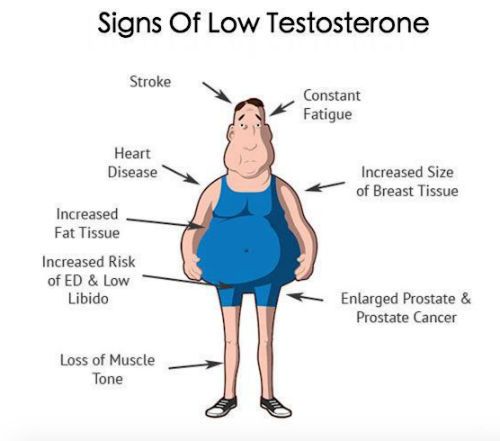
While I believe HRT is definitely the right choice for many, I also believe that it should always be regarded as a last resort when it comes to solving a deficiency. This is because injecting bio-identical testosterone into your body can be very much like using a bandaid to fix a potentially greater problem.
If you are experiencing low T, it’s because something, somewhere in your body, is broken. That means that, unless the underlying issue is fixed, you could be headed for a significant health problem.
I am certainly not against the use of HRT, but many HRT doctors never go beyond giving their patients a cookie cutter protocol that does not address the potentially more serious issue. So, whether you are currently using HRT, or if you are thinking about it, here are some things you should try to address the underlying causes.
Why Do So Many Veterans Get Low T?
Low T can happen in any man for a number of reasons. One of the main causes is high levels of chronic inflammation. Inflammation happens when your body produces compounds called inflammatory cytokines.

Their purpose is actually to help you heal, and you need some inflammation to survive, but chronic inflammation can cause a host of issues related to your health ranging from chronic pain to serious conditions such as heart disease or cancer.
Your testicles also don’t do well with inflammation. High levels of inflammation can kill off your Leydig cells, which are responsible for producing testosterone.
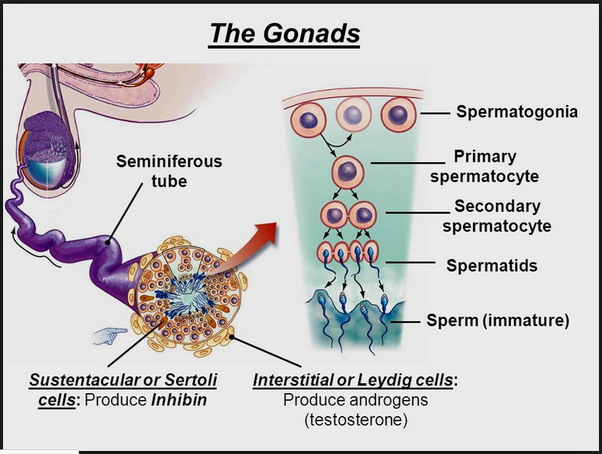
In addition to that, inflammation can also disrupt your brain, and it can shut down the production of testosterone precursors, compounds that your brain produces to help your body produce T. Without these precursors, your entire hormonal cascade could shut down.
Veterans are prone to this for several reasons.
First, many veterans are likely to have experienced low level or acute brain trauma due to exposure to explosions or gun shot blasts. Our past guest, Dr. Mark Gordon and Andrew Marr, medically retired Green Beret and friend of the show, have detailed how this can happen even if you never get knocked out. It can happen simply by being in proximity to an explosion or from firing a machine gun.

Second, many veterans make poor nutrition choices. Drinking alcohol, eating junk food, and smoking can all raise your inflammatory levels.
So here are some things you can do now to begin to address these issues:
Fix Your Digestion
Your digestive tract is not just a long tube that runs from your mouth to your butt. It actually houses about 75% of your immune system and is connected directly to your brain in multiple places via the vagus nerve.
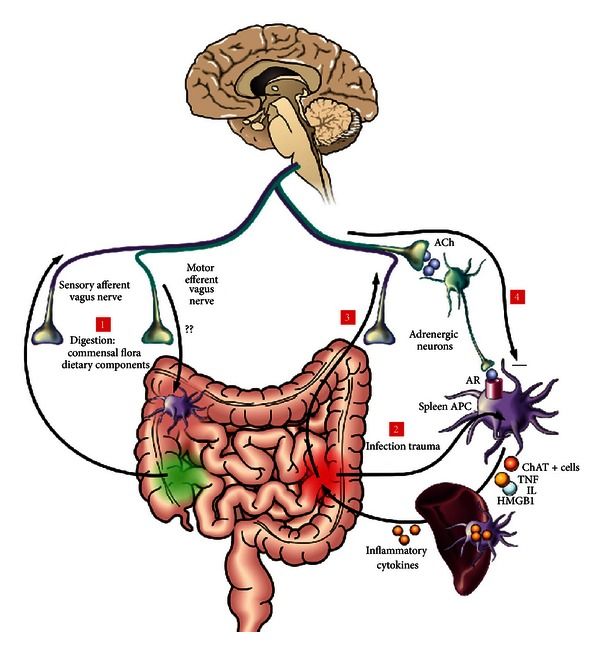
That means a couple of things. First, any inflammation in your gut will affect the rest of your body. Second, anything affecting your gut will also heavily affect your brain. As mentioned earlier, this can be extremely destructive to your testosterone production.
Poor digestion and gastric health are some of the most highly neglected and mistreated conditions out there. Many of the common remedies, like antiacids, proton pump inhibitors, fiber supplements, and laxatives can actually make your condition worse.
Stop Taking Antiacids
Indigestion and heart burn is actually more commonly caused by not producing enough stomach acid (1). Taking antiacids will not only exacerbate this issue, it can prevent you from digesting vital nutrients (2).
The lining in your intestines is, in some places, just a single cell thick. If this lining becomes permeable, food particles can cross the barrier. When this happens, your body creates inflammatory cytokines that raise your body’s level of chronic inflammation.
Anything that you cannot digest will cause damage to your intestinal tract, and by decreasing your stomach acid you are increasing the chances that this will happen.
Rather than taking antiacids, try the following:
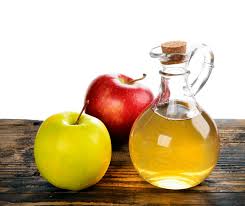
- Add a tablespoon of apple cider vinegar to a glass of water 30 minutes prior to eating. This will help to increase the acidity of your stomach to facilitate digestion and it carries the potential added benefit of increasing your insulin sensitivity.
- Take digestive enzymes about 30 minutes prior to each meal to facilitate digestion.
- Chew your food thoroughly, until it’s liquid. It’s free, and it’s so important in facilitating digestion and preventing damage to your digestive system.
Prepare Your Vegetables, Nuts, and Grains Properly
Vegetables are nutrient dense and can actually help your digestion by providing prebiotic fiber. Nevertheless, they can also cause damage if not prepared properly.
To get the most out of your vegetables while mitigating damage, try this:

With leafy greens and broccoli, make sure you cut, dice, or shred them and let them sit for 10 minutes.
When plants are damaged, they release polyphenols to prevent further damage to their tissues. To do this, the plant has to release enzymes that cause cellular breakdown to release those polyphenols. These enzymes help to break down that cellular wall, and this makes them more digestible. This also makes the plant more nutritious because of the extra release of polyphenols.
Additionally, steaming your vegetables can help to soften the vegetable wall to facilitate digestion. I would avoid boiling them, however, as it can leach out many of the nutrients that you’re trying to eat them for in the first place.
If you’re still having issues with vegetables, and find it hard to consume enough of them, you may want to opt for a nutrient dense greens powder like this one.
When it comes to nuts and grains, both are nutrient dense but notoriously difficult to digest. I would opt for bread and cereals made sprouted grains whenever possible. Sprouting breaks down the non-digestible barrier surrounding grains and actually raises the nutrient content.
With nuts, especially larger nuts like brazil nuts, you should soak them for 24 hours, dry them, and then store them in the freezer to avoid mold build up.
Eat Resistant Starch
Your digestive tract is an ecosystem for millions of bacteria, some friendly and some not so friendly.
Resistant starch is a prebiotic food source for friendly bacteria. This allows them to take up more real estate in your intestinal tract. For added benefit, these bacteria release fatty acids, including butyrate, when they feed on resistant starch, and butyrate helps to heal the intestinal lining and reduce gut inflammation
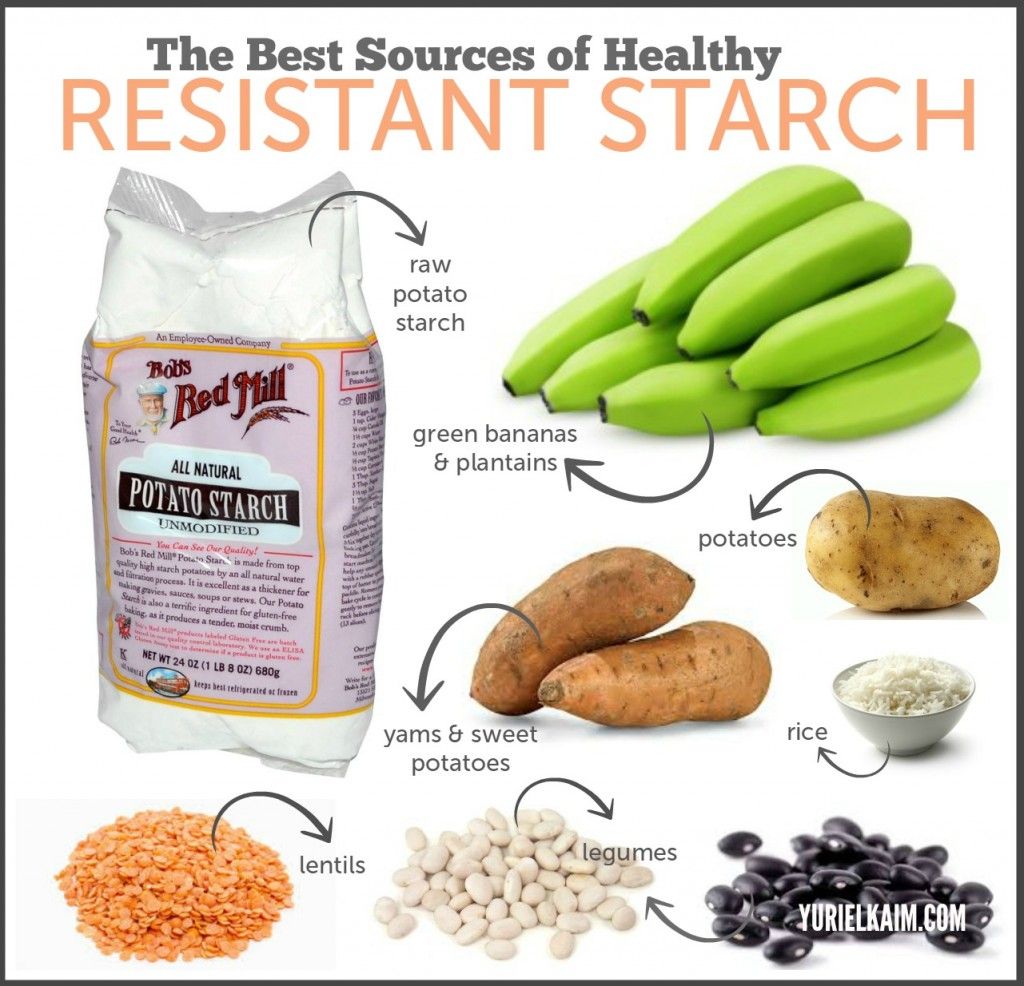
You can get resistant starch from white rice that has been cooked then cooled, potatoes, and bananas. You can also get a resistant starch supplement that you can add to protein shakes.
Eat Fermented Foods and Take Probiotics
Finally, you can also contribute to the population of friendly bacteria in your intestinal tract by eating fermented foods. These include raw sauerkraut, kimchi, and kombucha.
Additionally, you should supplement with probiotics. Studies show that 10-20 billion CFUs are sufficient to maintain probiotic health (3).
Avoid NSAIDs
In addition to doing the above to maintain your digestive health, you should NOT take NSAIDs. They can completely wreck your digestive tract by preventing it from healing and making it more permeable.
If you’re dealing with headaches or other pain, try a natural pain reliever like this instead.
Fight Inflammation
In addition to fixing your digestion, you also need to get sufficient nutrients into your body to fight inflammation. The following will help you to do this.
EPA/DHA Rich Fish Oil
In nature, omega 6 and omega 3 fatty acids balance each other. Omega 6 raises inflammatory levels, and omega 3 lowers them. We need both, but we consume omega 6 in much greater abundance because its found in many of the oils we cook with and put into our food. It’s also found, in high levels, in much of the grain we feed cattle and chickens.
This is why it’s so important to supplement with a good epa/dha rich fish oil. The problem is that quality fish oil is expensive. Here is a high quality fish oil that is affordable and highly effective.
Magnesium
Magnesium is responsible for over 300 reactions around the human body, and it helps to facilitate restful sleep.
I recommend taking 400-500mg of magnesium prior to bed. Here is the magnesium supplement that I use. It’s a magnesium carbonate, that when combined with warm water and citric acid (a squeeze of lemon juice) converts to magnesium citrate in your body. It is highly bioavailable, relaxing, and effective.
Vitamin D/K2
Most of us don’t get out into the sun enough. Aside from looking pale and pasty, that means that most of us also have vitamin D deficiencies. Vitamin D helps to fight inflammation and it’s responsible for hundreds of reactions in the human body.
Vitamin D deficiencies are also closely correlated to low testosterone in men (4). Supplementing with vitamin D is also shown to increase testosterone production (5).
The problem, however, is that vitamin D supplementation is also known to leach calcium into the bloodstream. This can actually raise inflammatory levels and cause calcification in blood vessels.
The solution is to take vitamin D in conjunction with vitamin K2, which helps to prevent calcification. I recommend taking a vitamin D/K2 combo like this one. One note here, multivitamins do not contain enough of either of these nutrients to be efficacious, so you’ll need to take these as stand alone supplements.
N-Acetyl Cysteine
N-acetyle cysteine is a precursor to cellular glutathione in the human body. This compound helps with cellular turnover in the brain, the intestinal tract, and many other places throughout your body.
Supplementing with NAC is known to help to mitigate damage from diet, alcohol consumption, and other inflammation causing insults.
It has been particularly effective in helping veterans experiencing TBI (6). I recommend supplementing with 600-1200 mg of NAC per day. Here is a highly cost effective source.
Zinc
Zinc has been shown to mitigate the uptake of aromatase, which is the enzyme that can transform testosterone into estrogen (7). Studies have shown that men deficient in zinc have raised their testosterone levels by supplementing with 30mg per day.
To get adequate zinc, I recommend taking 150mg of zinc citrate per day.
Eat Adequate Calories, Sleep, and Manage Stress
Another big reason why men suffer from low T is that they tend to burn the candle at both ends.
Lack of sleep can kill your testosterone like nothing other. You need 8 hours of sleep.

To facilitate adequate sleep, avoid staring at computer and TV screens within 2 hours of bed time. If you need to look at a screen because of work or if you want to watch TV, I recommend getting yourself a pair of blue light blocking glasses. Blue light can trick your brain into behaving as if it is day time, and these glasses can help prevent that light from affecting your brain.
If you’re having trouble getting to sleep, you can also try a natural sleep aid like this one.
Stress can also be a huge factor in lowering testosterone levels. The thing about stress, however, is that we can’t eliminate it entirely. It needs to be managed.
Here are a few ways that I deal it it.
- I meditate 10 minutes in the morning and 10 minutes at night. While it takes some practice, it’s helped me to understand my brain more effectively and it helps to keep me centered.
- I exercise. Staying active and getting your heart rate up is one of the best ways to manage stress.
- I supplement with an adaptogenic herb called ashwagandha. It helps to bring the body’s hormones back into balance and it’s been shown to increase testosterone production by 14% in males (8).
Conclusion
While I am not against T-replacement therapy, I do think that many men are quick to jump the gun on starting it.
It is not a quick or easy solution, and even if you are using it, there are still underlying issues that need to be addressed to fix the problem.
This article has given you ways of potentially addressing those underlying issues.
Also remember, that I am not a doctor. I’m just a guy who writes blogs and records podcasts. You should consult your physician before doing anything.
Transcript
Machine-generated from the episode audio and lightly edited — may contain errors.
Chris Albert (link to this point)
This is Chris Albert, and I'm here to remind you of one thing. Someday, you're going to die. Now that's not some morbid statement or scary idea. It's solid fact. Your time here on this earth is limited.
You need to be reminded of this as much as possible for one simple reason, to live your best life while you can. This is the Warrior Soul Podcast.
What is going on, Warrior Soul Nation? Welcome to this edition of the Warrior Soul Podcast. Today, I wanna talk to you about a subject that can throw a wrench into any man's game, and we're talking about low testosterone, low t today. I get a lot of questions on this subject from people on social media, from veterans who listen to this show, from a lot of men in general. And it's because it's something that's almost ubiquitous right now.
There are a lot of men out there who are suffering from low T. And even if you're not in the ranges where your doctor will say that you're you're dealing with low T, one of the problems with the idea of low testosterone is that the ranges for which medical professionals use to diagnose low testosterone. Well, they're based on averages and those averages range from males who are 18 years old and have tons of testosterone all the way up to males who are in their seventies. And if you are a 30 year old man and you have the testosterone that medical professionals would consider normal and it's in that range that would be normal for a 70 year old male, well even though they're not going to diagnose you with low T, you're going to feel a lot of those symptoms. And in addition to that, well, the corporations and the business element is such that, well, they know that this is a problem.
The businesses out there know that know that this is a problem. The corporations out there know that this is a problem. So what you're finding is that there's a lot of commercials stemming around low testosterone. There's also a lot of these clinics popping up everywhere, these antiaging clinics. And while I definitely don't have a problem with people using hormone replacement therapy, I think there's a lot of men out there who really need it.
A lot of men in the veteran community who really need it. One of the things that's happening out there is that pretty much anybody who's able to prescribe medicine is getting into this, even if they don't have the qualifications to deal with the ins and outs of an abnormal hormonal cascade. And so that means that you're gonna get a lot of doctors out there who will take you on as a patient, but what they'll do is they'll give you this kind of cookie cutter protocol. They'll give you like a few hundred milligrams of testosterone cypionate every other week, and then they'll give you an aromatase inhibitor. But here's the deal.
If you're dealing with low testosterone, it means that there's something that's broken in your body. It means that there's something going on. Your body is dealing with an abnormality. It's dealing with something that's broken down. And just simply injecting a few hundred milligrams of testosterone cypionate every week without addressing that underlying issue, well that underlying issue which could be very serious, it could be a chronic illness, it could be some other type of deficiency.
If that underlying issue isn't fixed, could be headed for more problems down the line. And in addition to that, some of the problems that are particular to veterans, for some of the reasons why veterans face a lot of low T in our population, well, if those underlying problems aren't getting fixed, your condition can get worse, it's not going to help you in a lot of ways that testosterone therapy should, and you are going to be dealing with a lot of issues as you get older. So what I want to do in this episode is number one, I want to give you some ideas for how to fix some of those underlying issues. In addition to that, I also want to give you some things that you can try that you can do before you head off to a hormone replacement clinic and end up spending lots and lots of money, when you could have potentially fixed this issue naturally. So in addition to this episode that I'm putting out there for the podcast, I also wrote an article.
And you can find it up at www.warriorsoulagoge.com. And that's a g o g e / articles /low dash testosterone. And what I'm going to do is I'm going to link this article, in the show notes for this episode. I'm also, if you're on iTunes, I'm also going to put it on YouTube for those of you on video there. I'm gonna put it up on YouTube in the description box so you guys can go and check that out.
And what that article is gonna contain, it's gonna contain a lot of links to some of the the sources that I'm gonna be talking about in this episode. It's also going to contain some step by step things you can do to start to solve some of these problems naturally or to try to solve some of these naturally. I'm not giving you a guarantee that you're you try to go after this naturally, and all of sudden your testosterone's gonna go up. I don't blow smoke like that. But these are things that you can do at least to improve your health and improve the chances that your body is going to start naturally producing testosterone.
So first thing I want to talk about is, well, why do men get low T? And particularly, why are we seeing so many problems with low testosterone in the veteran community? And it happens for a number of different reasons. So, number one, men tend to burn the candle at both ends. Right?
And what that means is we don't get enough sleep, we don't get enough rest, a lot of times we're stressing out like crazy throughout our day, and we're also either overeating or under eating. We're also either overeating or under eating. Alright, so what happens if you are stressing out like crazy, you're the candle at both ends? Well, if you're not sleeping like you should be. We've had Doctor.
Kirk Parsley on the show before. And one of the things he talked about is the fact that a lot of men are deficient because they're surviving on five to six hours of sleep a night. And if you're not sleeping properly, essentially what you're doing is you're not giving your brain enough time to produce some of those hormonal precursors that are going to lead to testosterone production. You're also not giving your body a chance to shut down a lot of the chronic inflammation that exists. The chronic inflammation in your intestinal tract and the chronic inflammation in your brain.
When you're sleeping, your body's actually working on healing you. So the first thing you need to try here is to make sure that you're getting eight hours of sleep. You should also be doing a bit of stress management. I talked quite a bit about meditation. I've talked quite a bit about making sure that you're recovering from your workouts.
You know, not going crazy in the gym all the time, not doing CrossFit seven days a week along with jiu-jitsu and along with runs, but really giving your body a chance to recover. Remember, you don't grow in the gym. You don't improve in the gym. You actually improve while you're resting. So maybe pull your workouts back to four or five times a week.
Give yourself some days for recovery. Give yourself some deload days. Don't do high intensity training all the time, though you should do it a couple of times a week. And, you know, don't don't continue to burn that candle at both ends. In addition to that, why do veterans tend to get low testosterone?
Well, there's this idea of traumatic brain injury, a lot of veterans suffer from, and they think actually more veterans suffer from it than they originally thought. Because you can actually get traumatic brain injury not just from being blown up, not just from being knocked out, not just from taking a direct knock to the head, but actually being in proximity to explosions or even just getting your head head jarred around. You know, something like manning a 50 cal or coming down hard on a helicopter or doing rappelling. All these things can really jar your brain around. And we've had both doctor Mark Gordon and Andrew Marr, good friend of the show, on this podcast talking about these types of scenarios where veterans are getting traumatic brain injury from just being shaken up a little bit.
Andrew was never directly hit, never directly knocked out, and yet he suffered massive symptoms from traumatic brain injury. And he's actually making a documentary right now called Quiet Explosions that details his story as a Green Beret. You know, he was a breacher. He would blow doors off of buildings and things like that, but he was never directly knocked out. And there came a point in his service where he couldn't walk straight, he couldn't think straight.
He was experiencing massive depression, surviving off of alcohol. And a lot of the symptoms related to TBI, well, they're symptoms that you would think you would get from post traumatic stress. They're symptoms you think you'd get from depression. But traumatic brain injury has actually been demonstrated to raise suicidal ideation. It's been demonstrated to raise the amount of suicides, the amount of suicide attempts to raise depression.
And they've tested the blood of a lot of service members who've committed suicide and they've actually found that those service members were experiencing TBI. So if you're a veteran who may have dealt with traumatic brain injury, there's a potential that low testosterone is actually coming from that traumatic brain injury and some of the impact of your service. So number one, I would go and definitely check out the Warrior Angels Foundation with Doctor. Mark Gordon and Andrew Marr. Definitely look out for that documentary that Andrew is going be putting out there called Quiet Explosions and listen to the rest of what I'm going to have to say here.
Like I said, and also go back and check out those episodes we did with Doctor. Mark Gordon because he talks about quite a bit of this stuff. So the other aspect of this is inflammation. Right? Inflammation, total body chronic inflammation.
And if you haven't been in a scenario where you experience traumatic brain injury, well, the other thing that could potentially be doing this is total body chronic inflammation. Now what is inflammation? We all need inflammation. Inflammation actually helps us to heal. When we get injured, we get acute inflammation.
And it's that inflammation that actually kick starts the healing process. You can feel that type of inflammation. But there's another type of inflammation called chronic inflammation. Chronic inflammation isn't necessarily inflammation that you can feel. It's low level.
It's like a low level flame burning in your body. And this is the one that's actually a lot more harmful to you. Why? Because you can't feel it, it's constantly going and it can do a lot of things. It can cause heart disease, it can lower your insulin sensitivity, it can cause diabetes, it can cause cancer.
Right? But along with that, you have to remember your testicles. Your testicles are outside of your body for a reason. They don't like heat and they don't like inflammation. So if your inflammatory levels actually rise, what can happen is the Leydig cells in your testicles can start to die off.
And as they die off, those Leydig cells, they're responsible for producing your testosterone. As they die off, you're literally shutting down testosterone at the source. In addition to that, inflammation can also affect your brain, like I said before, that's one of the reasons why TBI is so harmful. But if you've got inflammation coming from other sources, and I'll tell you where in a second, then that can actually disrupt your brain, it can affect your pituitary gland, and it can actually shut down production of hormonal precursors like luteinizing hormone and follicle stimulating hormone. Luteinizing hormone helps to stimulate your Leydig cells to produce testosterone.
Follicle stimulating hormone helps to stimulate sperm production. So you're literally shutting down your fertility with high levels of inflammation. So, where does chronic inflammation come from? Where does it happen? Well, like I said before, it could start with burning the candle at both ends, not getting enough sleep, not getting enough rest.
But, it can also come from your digestion. Now, I run into a lot of men, a lot of men who deal with chronic digestion issues. I'm one of them. I have ulcerative colitis, I have inflammatory bowel disease, so I really have to watch this stuff. And because I've been dealing with this disease, I've done so much research on how to improve your digestion.
Went through Ben Greenfield's Superhuman Academy protocol. I've read countless books. And this is what I do for a profession, I've written a lot of articles on this for testosterone nation. So what I'm going to give you now are six things that you should do to reduce inflammation in your gut, and that will also help you to optimize your digestion. Alright?
So number one, this is completely free. It is something that we can all do. It's something that you can start doing right now after this podcast. Chew your food. Stop just eating quickly and rushing through your meals.
Sit down, don't watch TV, don't do anything else, don't eat meals during meetings, sit down and chew your food. Chew your food until it's liquid, chew your food until it's mush. Not chewing can absolutely ruin your digestion and ruin your body. If you're not chewing your food enough, and you're sending a partially digested food down into your or partially chewed food down into your stomach, a couple of things can happen. Number one, your saliva actually contains a lot of enzymes that help to start the digestive process.
And if you're not chewing your food enough, you're not giving those enzymes enough time to work. And so if you put that food down in your stomach, your stomach acid does a partial job but it's not going to do the job that it would be able to do had you chewed properly. So when you send undigested food particles out of your stomach through your duodenum into your upper intestinal tract, then what can happen is that can actually damage the interior lining of your intestines. And the thing about the interior lining of your intestines is this: your intestines contain about 75% of your immune system. They're also connected to your brain in multiple places via something called the vagus nerve.
This is called the brain gut connection. And because your immune system is down there, and it's separated from the waste products in your intestinal tract and your food, by aligning that's just a single cell thick in some places, what you're allowing to happen is for those food particles to interact with your immune system. And when that happens, your body sends and creates these inflammatory cytokines. These are chemicals that go throughout your body and they actually raise your inflammatory levels. They start attacking different things.
And your immune system can actually start attacking these food particles because they see them as foreign bodies. So that can create a whole host of things and this condition is called leaky gut syndrome. I'm sure you've heard of it before. So you want to really prevent this as much as possible. You really want to chew your food until it's liquid, until it's mush.
On top of that, a lot of you deal with heartburn. In Italian we call it agita, right? And because a lot of men deal with heartburn they also take antacids, Tums or their doctors prescribe them proton pump inhibitors. Now here's the deal, I'm not a doctor, right? I can't diagnose you with anything.
But what I can tell you is that when you reduce your levels of stomach acid, that's actually going to inhibit digestion and that's going to increase the likelihood that undigested food particles go into your intestinal tract. So here's the deal. One of the things that you'll find if you do research on the subject and I highly recommend you do and I'll include some articles in show notes for this episode is you start to understand that acid reflux, GERD, agita, heartburn, they're usually caused by not producing enough stomach acid. Because you haven't produced enough stomach acid or enough of the enzymes that are required to digest your food. So what you need to do instead of taking antacids or what I recommend you do instead of taking antacids is that you actually do something to raise your acidity levels in your stomach.
Because if you're not producing enough stomach acid, then your body rushes to put more in there and that's where it gurgles up your esophagus. So rather than doing that, one thing you can do is you can start to put a couple of tablespoons of apple cider vinegar into a glass of water and drink that about a half hour before you eat. In addition to that, I also recommend that you try taking digestive enzymes about a half hour before you eat. Okay? Now this will do a couple things.
Number one, the apple cider vinegar will raise the acidity in your stomach, that will help with digestion. The digestive enzymes, a lot of men when you get into your thirties and forties, you stop producing a lot of the enzymes that help with digesting food in your stomach. Remember your stomach doesn't absorb any nutrients, it's just a vat to hold the food that you've just put into your body for a while. So what I recommend doing is taking those digestive enzymes about half hour before you eat. I've got links to recommended digestive enzymes that you can check out on the show notes for this episode and those can help out quite a bit.
The next thing you should do, because digestion a lot of times starts even before you begin chewing your food and even before you put the food in your mouth, you need to prep your food properly. So what does that mean? That means, number one, chopping up your vegetables. When you chop up vegetables, what that does is it releases natural enzymes in the plant that in the wild those enzymes would help the plant to release polyphenol so they could heal themselves. But on your counter what it's going to do is it's going help to break down that vegetable lining that's really hard to digest and it's going to soften up that wall so you'll be able to eat them.
In addition to that, it's going to get the plant to release more polyphenols if you let it sit there for about ten minutes and that will actually make the plant, the nutrients in the plant, more bioavailable for you. So you're actually increasing the nutrition content of the plants you eat when you chop them up. When it comes to nuts, grains and beans, you should soak them and sprout them. Should soak them and sprout them. With larger nuts like Brazil nuts, I soak them for about twenty four hours, then I let them dry, and then I put them in the freezer to keep mold from building up.
And I've got a complete guide for this in the article I wrote to go along with this episode. If you're not following along, definitely check that article out. So prep your food properly. The next thing, you wanna make sure that you're getting good sources of resistant starch and prebiotic fiber in your diet. Alright, now why do you want this?
Well, there's friendly bacteria in your intestinal tract. And those friendly bacteria, when they feed on resistant starch, they create a fatty acid called Butyrate. And butyrate actually helps to heal the interior lining of your intestinal tract. So in order to facilitate the production of healthy bacteria to get them to multiply and to feed them so they're gonna produce butyrate, you should have good sources of resistant starch and prebiotic fiber. So prebiotic fiber comes from eating vegetables, comes from eating things like celery, right?
Comes from eating your leafy greens, k? But also, with your prebiotic starch, you can get that from plants or or from bananas, you can get that from rice that's been cooked and then cold. You can also get, potato starch like a half a teaspoon of potato starch. You can stick that into a glass of water and you can drink that. One thing about potato starch though is that if you do it too much, it's gonna make you really gassy.
Right? It's gonna make you really gassy. So don't do too much of it. You could also get resistant starch supplements. Again, I've got links to all this stuff up on the article attached to this podcast episode.
Alright? So resistant starch. The next thing, probiotics. How do you get probiotics? Well, you can eat fermented foods.
I drink kombucha every day. I eat raw sauerkraut along with each one of my meals. I use it as condiment. You could also do kimchi. Kimchi is a fermented cabbage that is popular in Korea.
And it's loaded with probiotics. So getting probiotic rich foods, if you can tolerate dairy, you could do something like kefir or you could do something like yogurt. If you can't tolerate dairy then stay away from it because that will just ruin your digestion even more. You could also supplement with probiotics, a live probiotic. What I recommend is a good shelf stable probiotic in order to do this.
I do both because I've got really really bad gut health because of my ulcerative colitis and I really need to keep a good environment in there. So, you know, I I I take probiotics every day, and I eat fermented foods every day. The final thing, and this is huge for veterans because they were giving these things out like Tic Tacs when I was in the Marine Corps, and that is you should avoid NSAIDs at all cost. You should avoid NSAIDs like Motrin, right, ibuprofen, any of that stuff, you should avoid it at all cost. Why?
Well, what happens with NSAIDs is that they actually inhibit your interior lining of your intestinal tract from healing. They shut down all inflammation, so any place that your interior lining of your intestinal tract needs to heal, it's not going to do that if you're taking NSAIDs all the time. So avoid taking NSAIDs, instead I recommend taking natural pain relievers. A lot of people give me resistance on this, and I'm telling you, there is nothing that can ruin your gut health and can actually make chronic injuries worse than taking NSAIDs all the time. So, again, I recommend a natural pain reliever.
I use one called Phenocane. It's a mixture of curcumin and a few other things. And I'll have that linked up on the article for this episode. Other supplements you should think about taking. Omega three fish oil.
You want to get a good cold pressed Omega-three fish oil. Omega-three's help to lower inflammation in the body. And in nature, we have both Omega-six and Omega-three's, there's a few other Omega's but these are the two that you really want to worry about. They're supposed to operate in ratio to each other, so you need Omega six, right? But Omega six raises inflammation.
And the thing about our diets is that we already get lots of Omega six. It comes from a lot of plant oils we eat, comes from a lot of the grains we eat, comes from a lot of the prepackaged foods we eat, a lot of the oils you're gonna get from restaurants, they're really high in omega six. Doctors recommend canola oil, although I don't use it, and that's really high in omega six. So you're already getting tons and tons of omega six in your diet. That means you need to supplement with an omega three.
Omega three's will actually help to stem a lot of the inflammation that those omega six's cause. So I supplement with up to six thousand milligrams of fish oil a day. And I did that after doing a podcast episode with Doctor. Michael Lewis who wrote the book When Brains Collide. Right?
Those of us who have been exposed to gunshots, explosions and things like that who might be suffering from TBI, well Omega three fish oil has been shown to literally shut down a lot of the inflammation from traumatic brain injury. The problem is that it's really expensive. So what I did was I found a really inexpensive source and I've got that linked up in the article for this episode. Really inexpensive, like I'm telling this is like a deal compared to a lot of stuff you're gonna find out there even on Amazon. Beyond that, magnesium.
Magnesium is responsible for over 300 different reactions around the body. It also helps with sleep, facilitating sleep. So if you are not getting enough sleep or you can't get to sleep for some reason, taking a good magnesium supplement is going to really help you to get to sleep. It's also going to help you to shut down inflammation. I take magnesium carbonate and the magnesium carbonate I take, I take it with a little bit of citric acid, I squeeze a little bit of lemon juice in there and that allows it to convert to magnesium citrate in my body, makes it really bioavailable.
And you could do that too. There's a few products out there. There's natural calm. There's also you could buy magnesium carbonate in bulk which is actually really inexpensive. I got links for that.
This will help to shut down a lot of inflammation. It will also help you to sleep much more effectively. Beyond that, Vitamin D. Vitamin D has been demonstrated to raise testosterone levels in men, particularly men who are deficient in Vitamin D. And a lot of us don't get enough sun.
So it's really important that we supplement with vitamin D. If you're deficient in vitamin D, you want to take upwards of thirty five IU per pound of body weight. And the thing about vitamin D though is that it also leads to calcification. Right? It can leach calcium into your blood vessels, and that can lead to calcification of those blood vessels.
So what you wanna do in combination with vitamin D is you wanna take vitamin k two. And you get a really good vitamin d vitamin k two combo. I use the NOW, combo. It's got five thousand IU of vitamin d along with, I think, a hundred and thirty mcg's of vitamin k two, and that helps to keep that calcification at bay. Another important supplement that literally every veteran should be taking is N acetylcysteine.
Everybody should be taking this, not just veterans. N acetylcysteine is a precursor to cellular glutathione. And why is that important? Well, glutathione helps with cellular turnover. That means that a lot of the diseased cells, lot of the unhealthy cells, but what this does is it helps to create new cells, helps your body to replace those diseased cells with healthier cells.
And that's really important for your intestinal tract, and it's really important for your brain. So you want to take between six hundred and twelve hundred milligrams of N acetylcysteine a day on an empty stomach. So I take mine in the morning, I take mine at night. And this really helps. This is one of the things that Doctor.
Mark Gordon highly recommends. Finally, zinc. Zinc is an important element in testosterone production and in men who are deficient with testosterone supplementing with one hundred and fifty milligrams of zinc per day will act has been shown to actually raise testosterone levels. If you don't have a deficiency, then zinc hasn't been shown to help with it. But if you do have a deficiency, there's been multiple studies that demonstrate that zinc helps to raise your testosterone levels if you're in a deficient state.
So I recommend taking a hundred and fifty milligrams of zinc citrate per day. That should give you, I think, between thirty and fifty milligrams of elemental zinc, which is what's important there. So definitely zinc if you have a deficiency. Couple of other things here. Right?
So I talked about burning the candle at both ends. I've talked about sleep. You want to make sure that you are eating properly. Now what's eating properly? There's a lot of debate about that.
What I would say is this, I don't try to be super dogmatic about anything. I've done the keto diet for a long time, I've done the paleo diet for a long time, but I'm not saying you gotta go keto or you gotta go paleo. What I recommend is that you try to focus on eating whole food. You try to get protein sources at every meal. You try to load up about 80 to 90%, probably 70%, I'll be realistic with you guys.
70% of your plate should be vegetables, green leafy vegetables. You want to stay away from a lot of those nightshade vegetables that are out there. What are nightshade vegetables? Well, eggplant, tomatoes, potatoes, peppers, onions. I'm not saying you can't eat them, but too many guys out there are just eating nightshades.
So instead of eating those nightshades, you want to focus on your leafy greens, you want to make sure that you're getting enough vegetables into your meal, make sure they're prepped properly, make sure they're softened, they're steamed so that you can digest them, Make sure you're eating nutrient dense food. Stay away from a lot of this takeout food. Stay away from the alcohol. I'm gonna do something, I'm gonna do an episode I think next week on how I quit drinking. I'm not saying you can't ever have a beer or whiskey again, but don't live off this stuff.
If you're drinking six, seven nights a week, if you're doing it constantly, then that can really raise your inflammatory levels and that can also really throw a wrench into your testosterone production. And if you're dealing with digestive issues in general, don't neglect them. Don't think you're just going to take some over the counter thing and that it's just going to get fixed. You really have to look after your nutrition, you have to look after your lifestyle, you have to make sure you're chewing your food, you have to stay on top of this stuff. Too many men go far too long without getting these things looked after.
And beyond that, I think that's all I got. There's a lot of information in this episode. So if you guys have questions about this, don't be afraid to reach out to me at chris@warriorsoulagoge.com. That's chris@warriorsoulagoge.com or you can hit me up on DM on Instagram or on Twitter or on Facebook. I'm happy to answer your questions.
I'm happy to help you guys out with this stuff. It's too big of a problem to ignore. And let me know if this podcast was helpful for you or not. Like I've said in earlier episodes this week, our mission is to empower The US military veteran community to live their absolute best lives so that you can step up as leaders and transform this country. Right?
That's our mission. And we're trying to get into the ears of as many veterans as possible in 2020. My goal is to be a top 20 podcast. And to do that, I need your help. We we don't ask for anything in return.
I don't care if you ever buy anything from me ever. The only thing I ask is that you head over to iTunes and write a written rating and review. It helps so much to get this information into the ears of more veterans, and it helps to spread awareness about the show. So if you could do that for me, that would be amazing. If you do wanna buy something from us to support the podcast, well, you're gonna get some amazing gear in return at the Warrior Soul shop.
That's up at warriorsoul.shop. We've got some awesome t shirts. They're designed and printed by US Marine Corps veterans. You can go and check them out. We got skivvy shirts and graphic shirts.
And I also wanna see something about our sponsors. Number one, F Bomb Nutrition. They make delicious low carbohydrate high fat snacks. They make macadamia nut butters, make coconut oils, they stick them into this this really portable packet that you can carry around with you anywhere. If you're still in, you can use them to supplement your MREs, get a good healthy snack in there.
They've also got meat snacks and they've got cheese snacks that you can take advantage of. They're so awesome. You can head over to www.dropanfbomb.com. Use the code Warrior Soul at checkout. Get yourself 20% off your first order.
And then beyond that, if you wanna support yourself, you can check out the Warrior's Obituary Society. That is our mastermind, our own private mastermind. And what it's there for is to empower its members to live epic lives worthy of epic obituaries. Every member goes through an eight week development program upfront before they become a full member. During that program, you're gonna be designing and customizing your own fitness and nutrition plan with my guidance.
You're also going to be creating your own personal finance plan so you can start knocking down debt, start investing so you can start working on building your dreams. And then on top of that, what you're gonna do is you're gonna get live calls and we are gonna be helping you to focus on building your network, on reaching your goals as far as your business or career goals and helping you to foster amazing relationships. We get together for live calls each week and we've got a forum where we're constantly communicating, constantly pushing each other on our greatest goals. And programs like this normally cost a lot, this one does not. It's actually very inexpensive.
So if you want to check that out, it's up at www.warriorobituarysociety.com. I wanna thank you guys so much. Oh, one more shout out to the great people over at savethebrave, savethebrave.org. They do amazing, amazing camaraderie events for veterans, fishing trips, golfing trips. They're also helping out gold star families.
If you wanna become involved with save the brave, head over to savethebrave.org and check it out. I wanna thank you guys so much for listening. And again, send me questions if you have any and we'll be back at you next week with some more amazing content. Peace.
Host of the Warrior Soul Podcast and founder of Warrior Soul. Worldwide trainer and nutrition coach, contributing author at Testosterone Nation and Muscle and Strength.